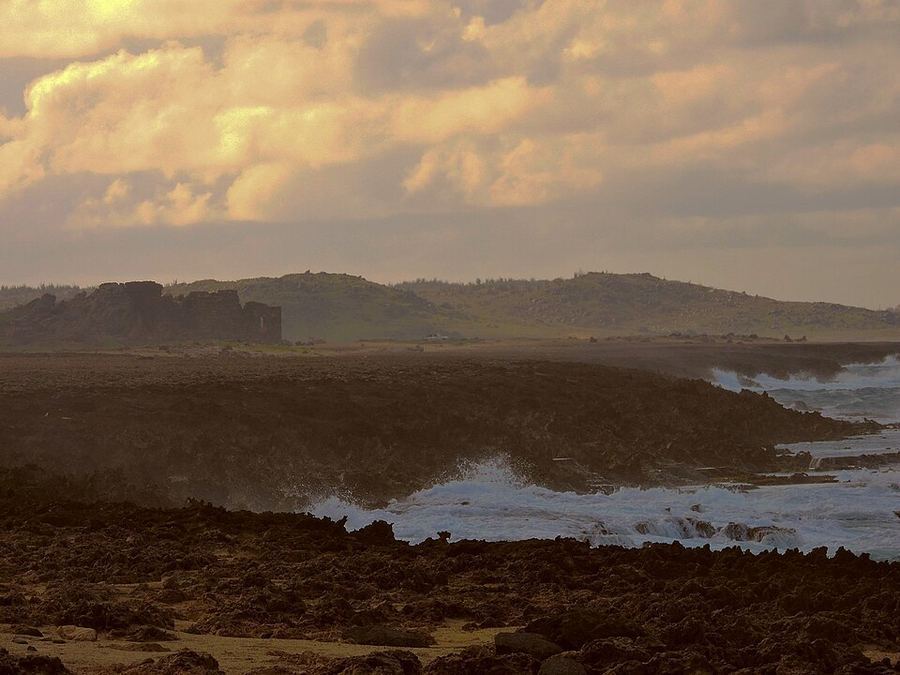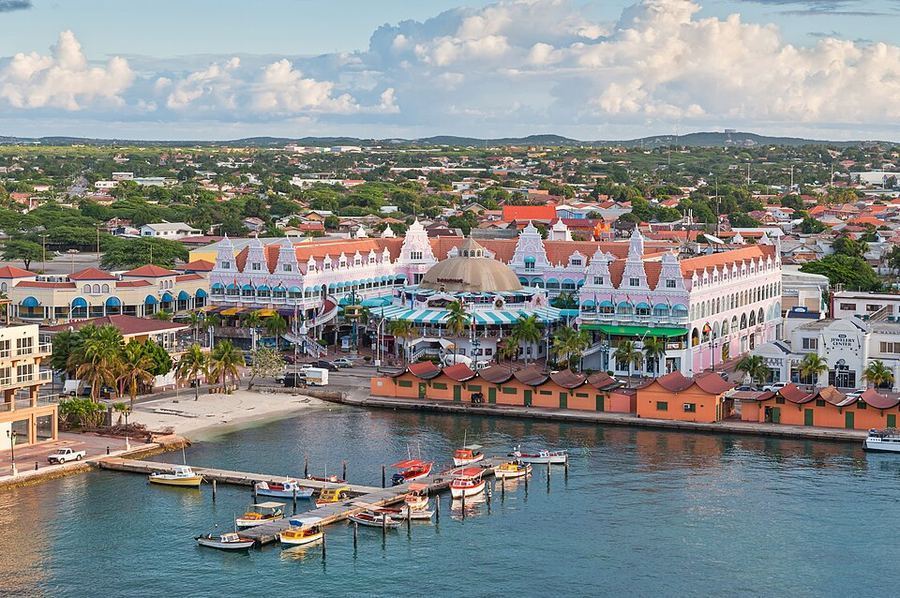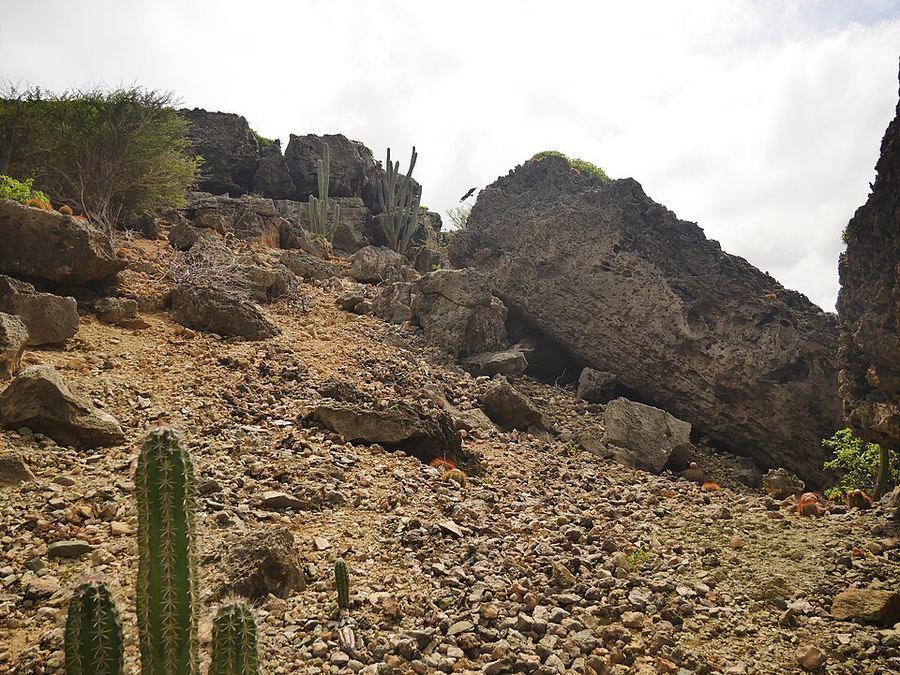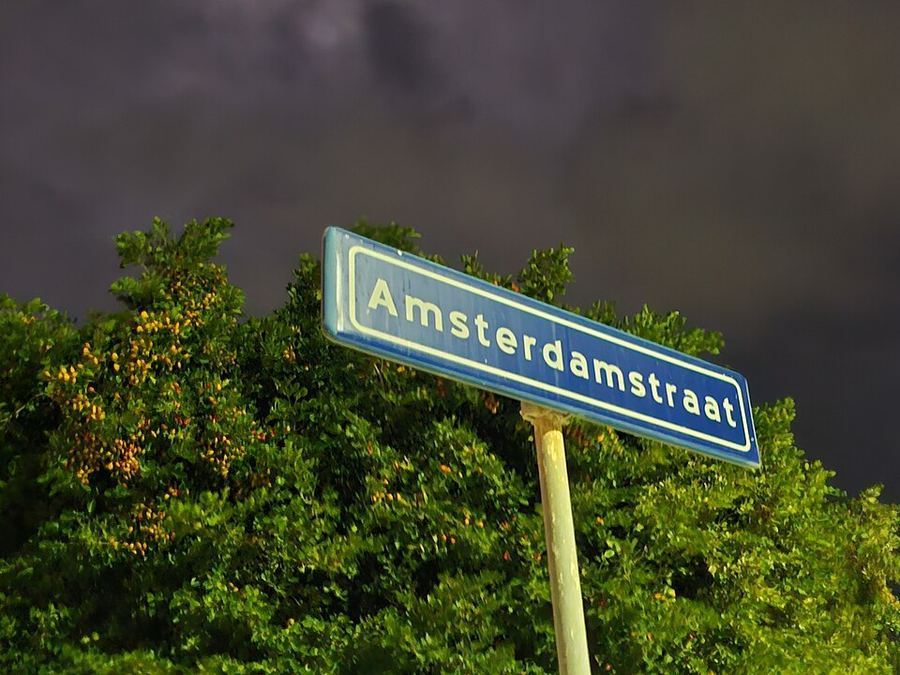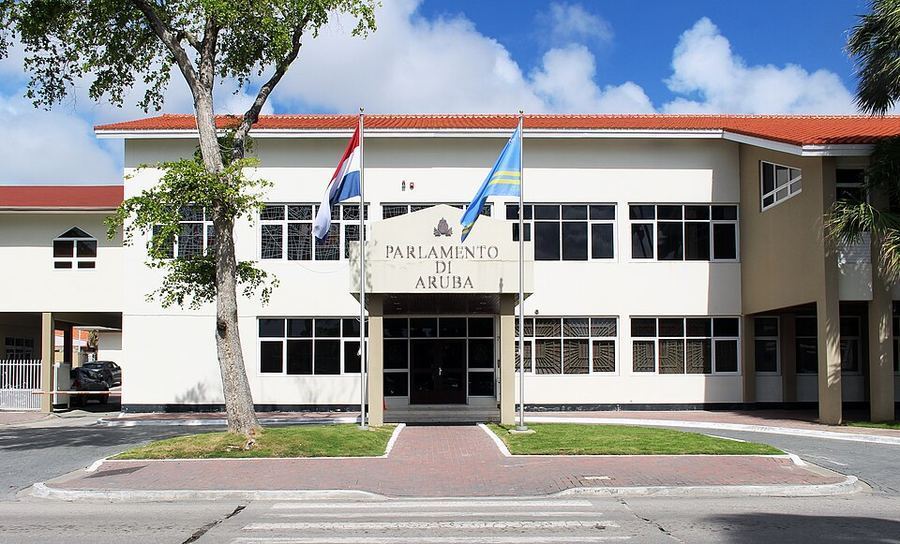
Aruba is a flat, arid island of about 180 square kilometres lying some thirty kilometres off the coast of Venezuela, and a constituent country of the Kingdom of the Netherlands rather than an independent state. It has roughly 125,000 inhabitants and is governed as a parliamentary democracy with its own parliament and prime minister, holding what Arubans call status aparte — the separate standing within the Kingdom won on 1 January 1986, when the island left the Netherlands Antilles. A path to full independence was written into that settlement for 1996 but was set aside at Aruba's own request in 1990. Oranjestad is the capital. The first language of most of the population is Papiamento, a creole built from Portuguese and Spanish with Dutch, English, African, and Arawak elements, spoken at home by 69.4 percent of residents and made an official language alongside Dutch; Spanish and English are both widely used. Three-quarters of Arubans are Roman Catholic. GDP per head is about $40,500 in purchasing-power terms, high-income by any measure and generated overwhelmingly by tourism, with the United States supplying both the bulk of visitors and 53 percent of imports. The population is markedly international, with sizeable Colombian, Venezuelan, Dominican, and Haitian communities.
Oranjestad's urban core is home to about 62,151 people.
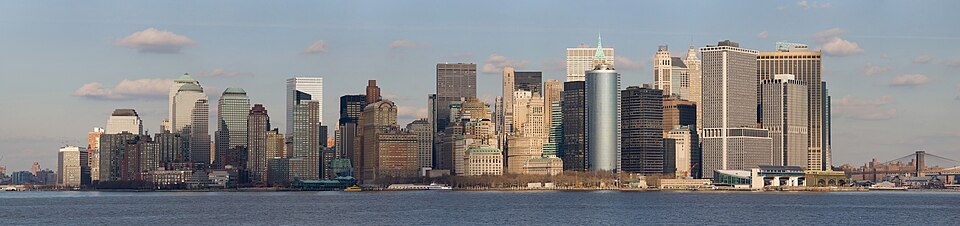
Among the world's megacities, though, it's one of many — the giants of Asia and Latin America run larger still:
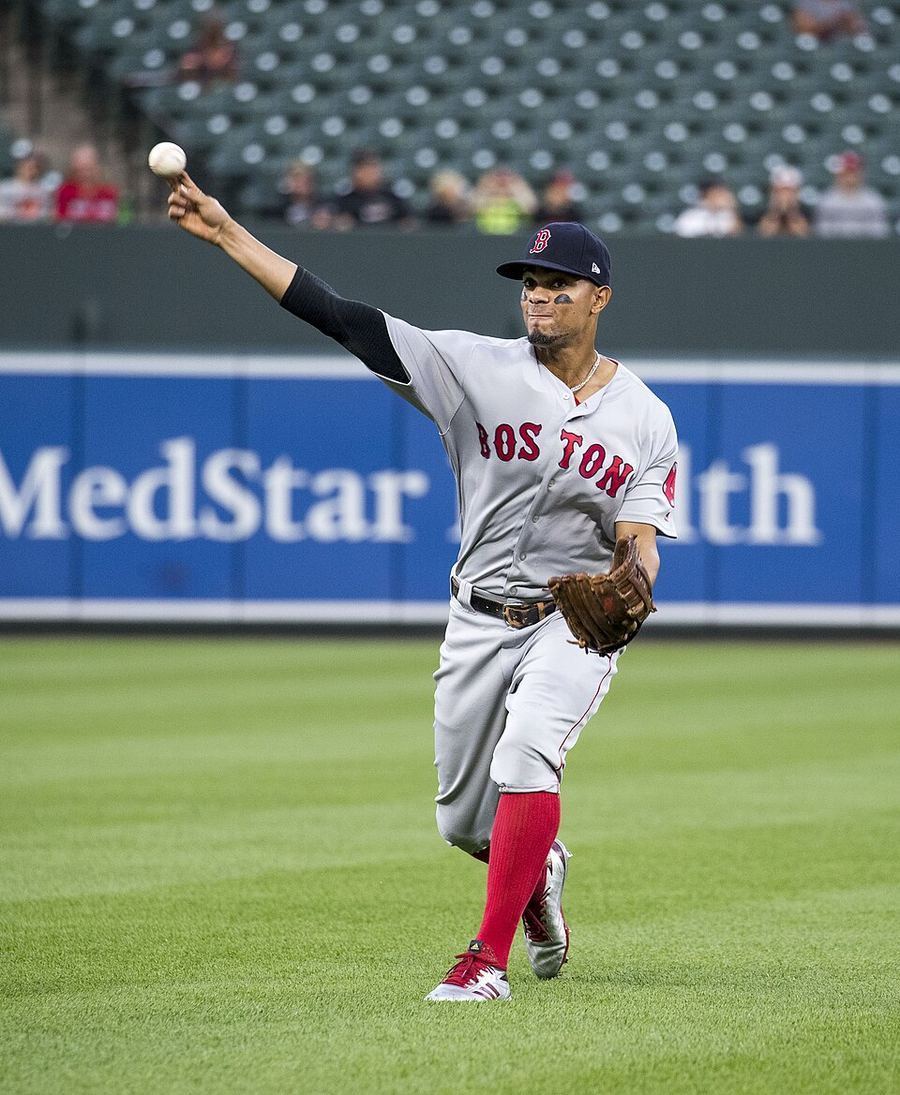
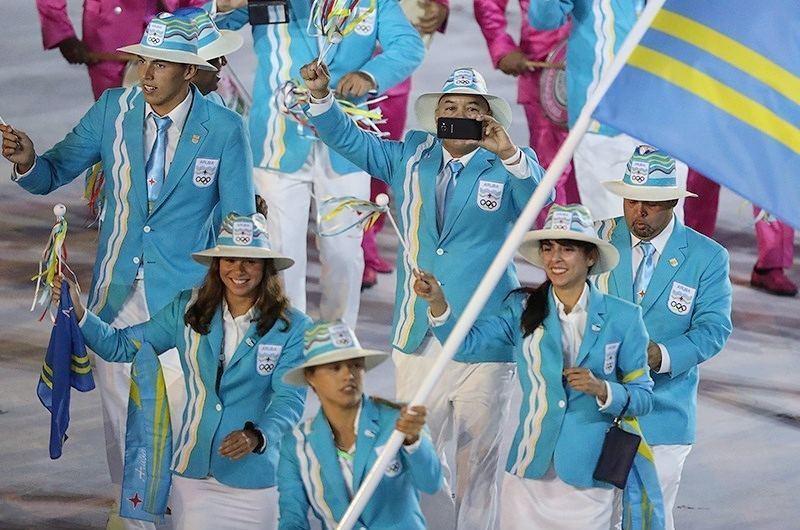
Aruba's international sporting presence is shaped by its size and by its constitutional position within the Kingdom of the Netherlands. The island competes separately at the Summer Olympic Games, having been recognised by the International Olympic Committee in 1986 and appeared at every edition since 1988, and it fields its own teams in FIFA competition, in the Central American and Caribbean Games, and in Pan American events. But Aruban athletes who reach the very top often do so under other flags: Xander Bogaerts, the island's most successful sportsman, has represented the Netherlands in the World Baseball Classic, since Aruba does not field a team in that tournament. Windsurfing and kitesurfing give Aruba its most credible claim to a global sporting venue, with the Hi-Winds regatta at Hadicurari drawing international competitors for close to four decades on the strength of exceptionally reliable trade winds. The island also hosts international beach tennis and beach volleyball events, sport-fishing tournaments in the surrounding waters, and an annual international regatta. Its Olympic record remains one of participation rather than medals, with no Aruban athlete yet reaching a podium at the Summer Games.
Aruban Florin — AWG (ƒ)
GDP (PPP): $4.35 billion (2023 est.)
Per capita: $40,500 (2023 est.)
$3.153 billion (2023 est.)
tobacco, gas turbines, refined petroleum, steam turbines, heating machinery (2023)
Partners: Jordan 34%, Colombia 31%, USA 7%, Guyana 5%, Slovakia 5% (2023)
$2.565 billion (2023 est.)
refined petroleum, tobacco, cars, garments, jewelry (2023)
Partners: USA 53%, Netherlands 15%, China 6%, Colombia 3%, Brazil 3% (2023)
Type: parliamentary democracy; part of the Kingdom of the Netherlands
Independence: none (part of the Kingdom of the Netherlands)
How mountains, coasts, and rivers shape settlement (LandScan).
Coming — dataWhere groups settled and how people move (GeoEPR + UNHCR).
Coming — dataNotable institutions, mappable as points.
Coming — data