HERA · Human Entity Reference Atlas by Masego Inc

← Angola 🌐 3D View
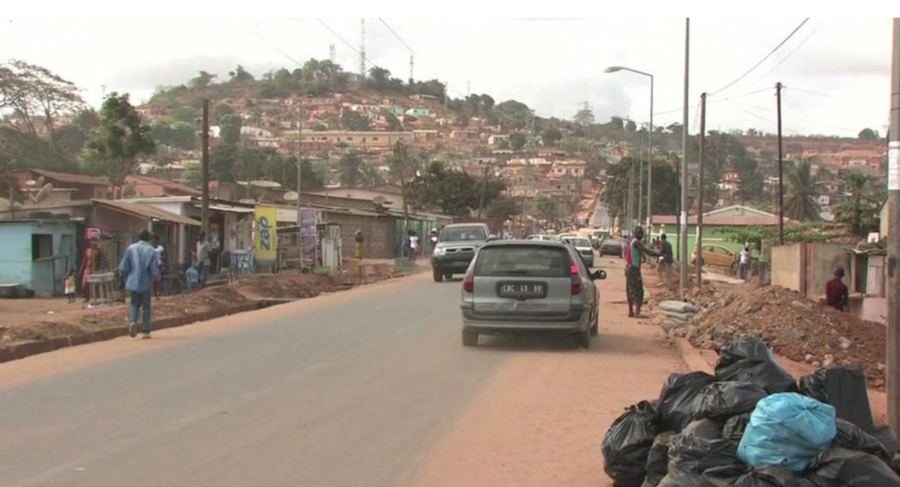
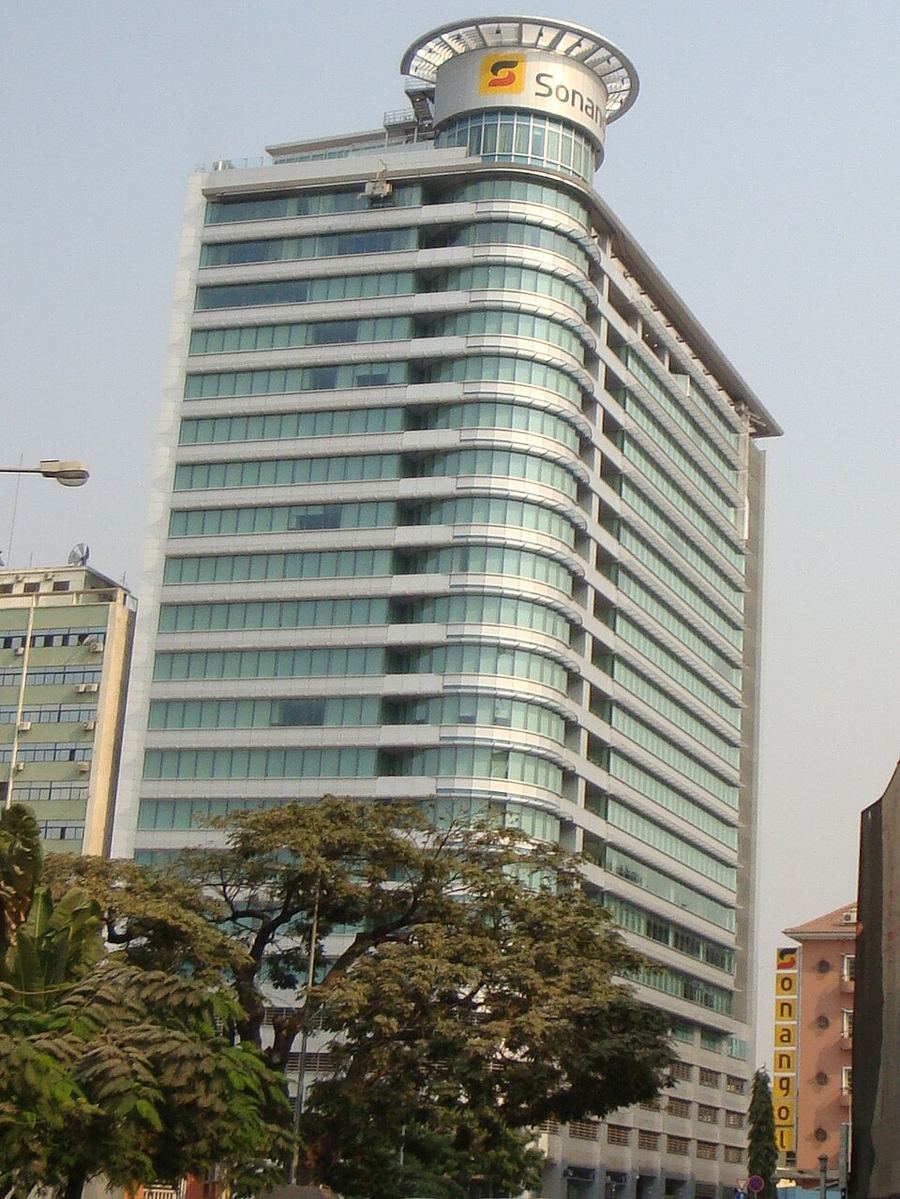
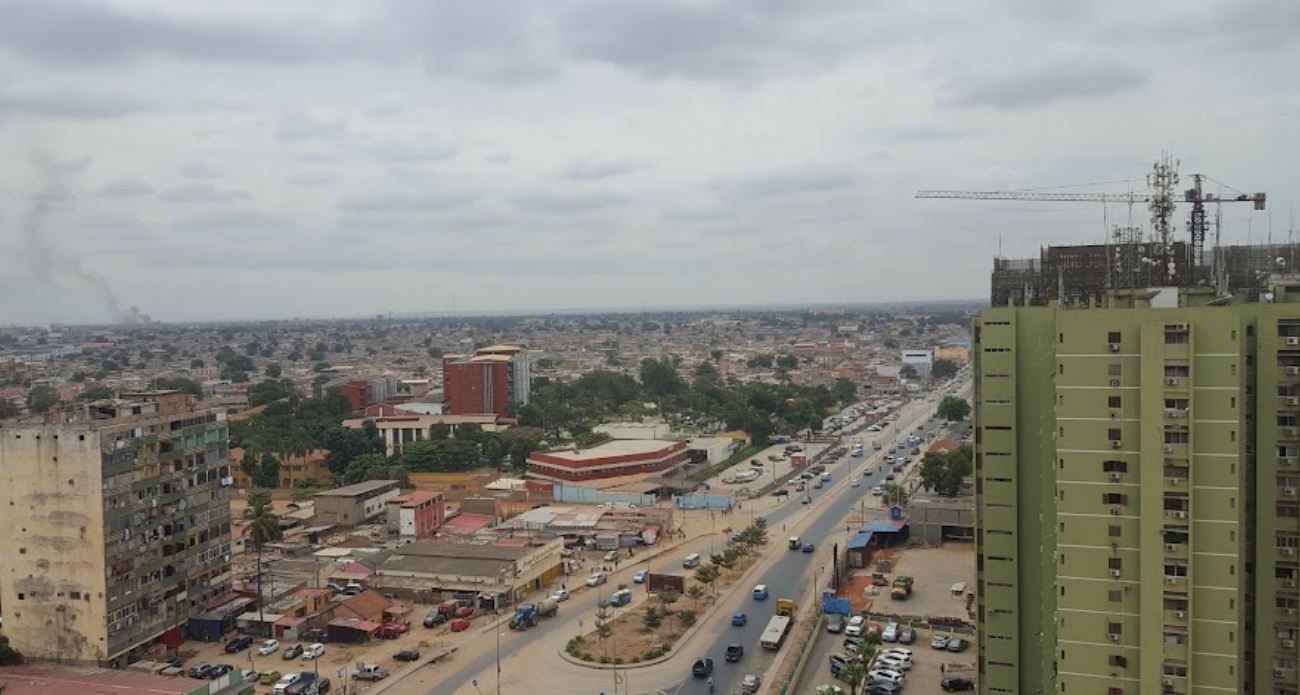
Rangel Skyline, Angola
Angola AGO
Rangel Skyline — Photo: Johnstanbul / CC BY-SA 4.0 via Wikimedia Commons
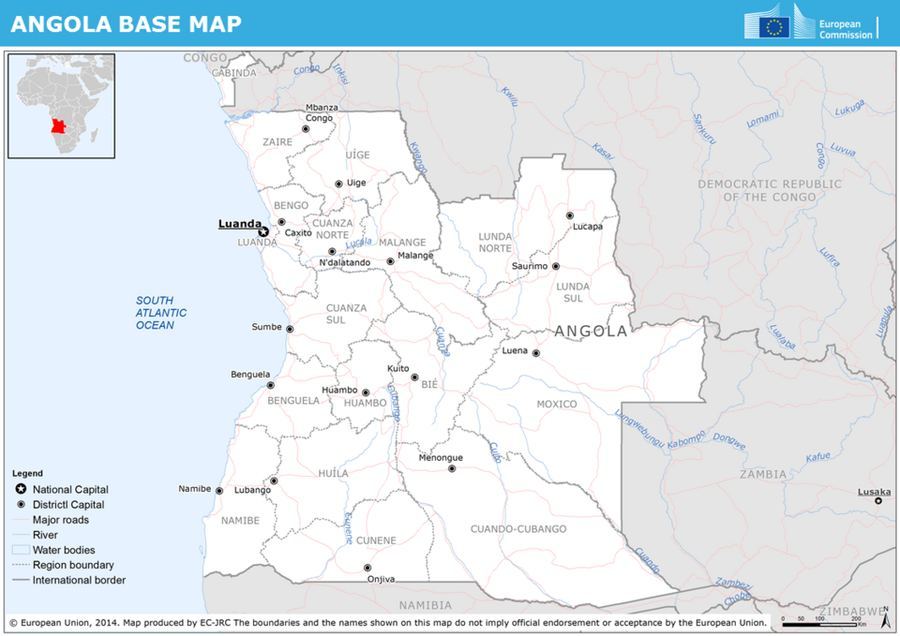
Did You Know Cabinda, which produces a large share of Angola's oil, is not connected to the rest of the country — a strip of Democratic Republic of the Congo territory lies between them. — CIA World Factbook

Angola is a presidential republic of roughly 39 million people on the southwestern Atlantic coast of Africa, the second-largest Portuguese-speaking country in the world by both territory and population. Luanda, the capital, sits on a sheltered bay and holds a share of the national population and economy that no other Angolan city approaches; the country also includes Cabinda, an oil-rich exclave separated from the rest of the territory by a corridor of the Democratic Republic of the Congo. Angola won independence from Portugal on 11 November 1975 after a fourteen-year liberation war, and then spent most of the next twenty-seven years in a civil war that only ended in 2002 — a conflict that shaped almost everything about the country's present, from its very young population, with a median age of 16.6 years, to the landmine clearance still under way in the interior. The economy is dominated by crude petroleum, which with diamonds and natural gas accounts for the overwhelming share of the country's $36.9 billion in exports, sold heavily into China. Portuguese is spoken by 71.2% of the population alongside Umbundu, Kikongo and Kimbundu, and Angolans are about 41.1% Roman Catholic and 38.1% Protestant. Angolan music — semba, kizomba, kuduro — has travelled far beyond the country's borders.

CIA World FactbookEncyclopaedia Britannica
Population
38,984,796
Capital
Luanda
Currency
Kz AOA
Time zones
Largest city
Luanda
Human Geography Themes
Loading national figures…
Largest Cities
Luanda11,672,134
Lubango1,331,213
Cabinda1,220,204
Malanje1,052,124
Luena892,162
Cuito879,632
Huambo694,848
Benguela611,645
In Perspective

Luanda's urban core is home to about 11,672,134 people.

That's bigger than London, Paris, Madrid and Toronto — each a great world city in its own right.

Luanda11,672,134
London10,408,332
Paris9,366,654
Madrid5,680,137
Toronto5,566,382

Among the world's megacities, though, it's one of many — the giants of Asia and Latin America run larger still:

Luanda11,672,134
Jakarta40,545,126
Dhaka37,307,160
Tokyo33,244,670
Shanghai30,678,616
Cairo25,230,325

More people live in Luanda than in the entire nation of Sweden, Greece, Portugal or Israel.

The Country & Its People

History

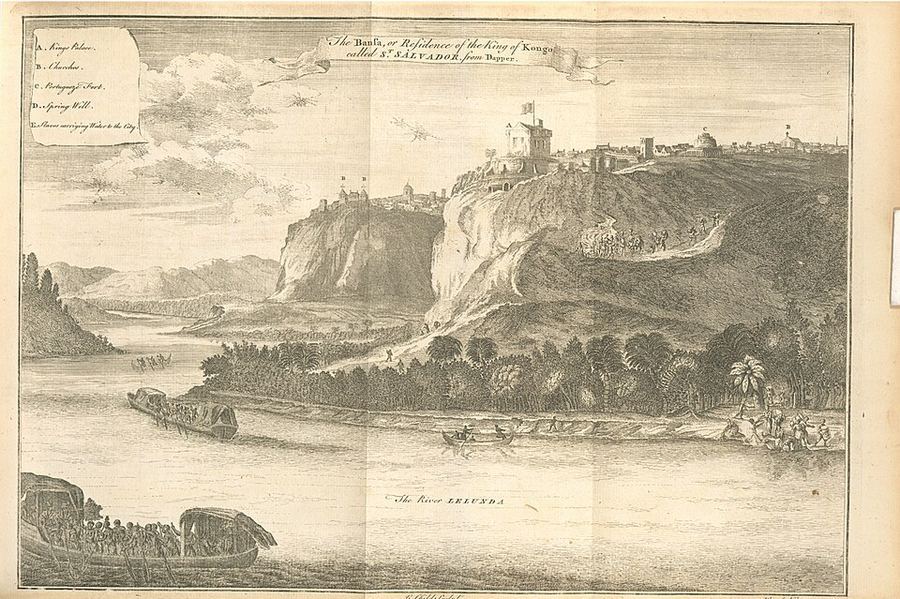
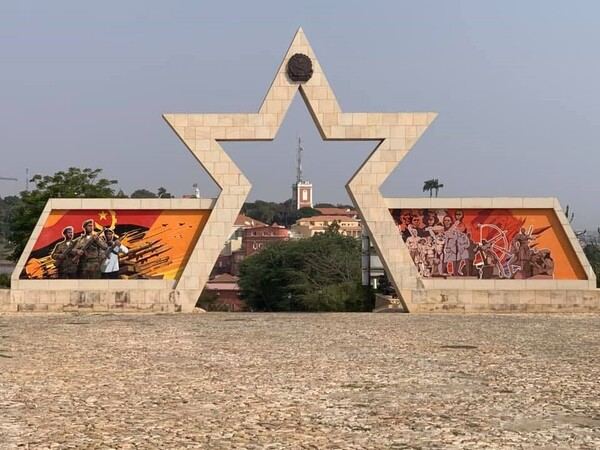
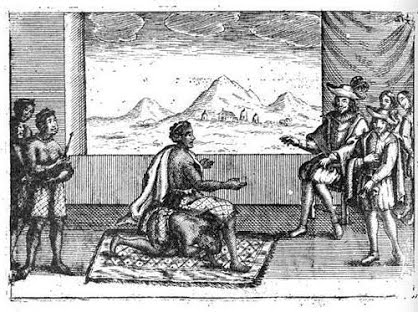
The territory now called Angola takes its name from ngola, the title borne by the rulers of the Ndongo kingdom, one of several substantial states — alongside the Kingdom of Kongo to the north and Matamba and Lunda inland — that Portuguese navigators encountered after Diogo Cão reached the mouth of the Congo River in 1483. Paulo Dias de Novais founded Luanda in 1576, and for the next three centuries the coast functioned as the largest single source of captives in the transatlantic slave trade, feeding Brazil in particular; the demographic and cultural consequences run in both directions to this day. Queen Njinga Mbande of Ndongo and Matamba, who fought and negotiated against Portuguese expansion for four decades until her death in 1663, remains the central figure of pre-colonial memory. Effective Portuguese control of the interior came only in the late nineteenth and early twentieth centuries, after the Berlin Conference set the rules for partition. Armed resistance broke out in 1961, and three rival movements — the MPLA, the FNLA and UNITA — fought the colonial power until Portugal's Carnation Revolution of 1974 opened the way to independence on 11 November 1975. Independence arrived with the rival movements already at war with each other, and that civil war, internationalised by Cuban and South African intervention, ran until 2002.
Culture

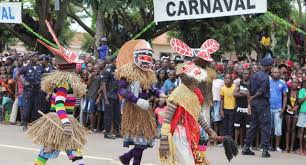
Angolan culture is built from Bantu foundations overlaid by four and a half centuries of Portuguese presence, and the mix differs sharply by region. The Ovimbundu of the central highlands are the largest group at about 37% of the population, the Kimbundu of the Luanda hinterland about 25%, and the Bakongo of the north about 13%, with Chokwe, Nganguela, Nyaneka-Nkhumbi and Ovambo communities across the east and south. Portuguese is the language of school, state and city — spoken by 71.2% of the population — while Umbundu, Kikongo and Kimbundu carry family and market life, and code-switching is the urban norm. Christianity is near-universal in form: 41.1% Roman Catholic and 38.1% Protestant, with older practices concerning ancestors, healing and initiation persisting inside and alongside church membership. Extended kinship obligation is the organising social fact, reinforced by a war that displaced millions and made family networks the real safety net. The óbito, the extended funeral gathering, is among the most socially binding of all Angolan observances. Luanda's Carnival, held in the days before Lent along the seafront Marginal, is the country's largest public festival, and the city's musseque neighbourhoods have been the engine of Angolan popular culture — the birthplace of semba, of kuduro, and of much of the country's literature.

Points Of Pride

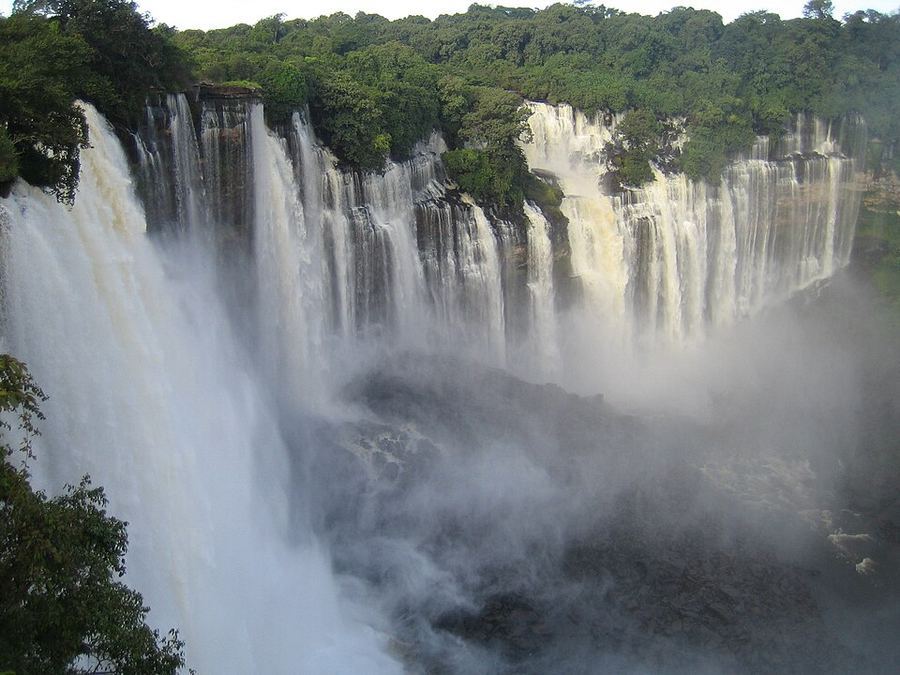
Angolans most often name the liberation itself — a war fought against the last European power to give up its African colonies, and the reason 11 November is the national day. Queen Njinga Mbande is the second, a ruler who outmanoeuvred the Portuguese for forty years and whose statue stands in Luanda's Kinaxixi square. Mbanza Kongo, the former capital of the Kingdom of Kongo, was inscribed by UNESCO on the World Heritage List in 2017 as the vestiges of the capital of the former Kingdom of Kongo, Angola's first World Heritage site. The natural landmarks are a third source of pride: Kalandula Falls on the Lucala River in Malanje, among the largest waterfalls in Africa by volume; the Tundavala Gap, where the Huíla plateau drops more than a kilometre in a single escarpment; and the Serra da Leba pass with its switchbacks. In sport, the men's basketball team has won the African championship more times than any other nation, and the country's 2006 World Cup qualification is still recounted in detail. In letters, Pepetela's Camões Prize in 1997 and José Eduardo Agualusa's international readership have given Angolan literature a standing well beyond Lusophone Africa. The Namib's welwitschia, a plant that lives for centuries on two leaves, appears on stamps and currency alike.

Cultural Fusion

Angola's deepest cultural entanglement is with Brazil, and it runs in both directions. Enslaved Angolans carried Kimbundu and Kikongo vocabulary, foodways and musical structures across the Atlantic — the word samba itself is generally traced to Angolan semba — and in the twentieth century Brazilian telenovelas, music and Portuguese-language pop came back the other way to dominate Angolan screens. Portuguese colonisation left the language, the Catholic Church, the architecture of Luanda's old town and the palm-oil-and-cassava basis of the national kitchen, while the assimilado system produced a mestiço and urban creole stratum whose cultural output — Luanda's semba clubs, the poetry of the independence generation — became the template for a national culture. The civil war added further layers: tens of thousands of Cuban personnel were present between 1975 and 1991, leaving Spanish loanwords, medical training links and a durable affection for Cuban music; Soviet and East German technical education shaped a generation of engineers. Since 2002, Chinese construction firms have rebuilt railways, roads and housing on a scale that has made Mandarin signage and Chinese commerce ordinary in Luanda. And Angolan kizomba, carried by migrants to Lisbon, has become a global partner dance taught in studios far from Africa.

Music & Dance

Angola is one of Africa's great exporters of dance music. Semba is the root form — a fast, syncopated, guitar-and-percussion style from the Luanda musseques whose name comes from the belly-bump move called masemba, and whose descent is the most commonly cited ancestry for Brazilian samba. In the 1960s and 1970s semba became the sound of the independence movement, and Bonga, exiled in Rotterdam, recorded 'Angola 72' with the song 'Mona Ki Ngi Xiça', still the country's most recognisable record abroad. From semba came kizomba in the 1980s — slower, heavier on the electronic bass and Caribbean zouk influence, danced in close embrace, and now taught as a partner dance worldwide. In the 1990s Luanda's teenagers produced kuduro, a hard, fast electronic style with shouted vocals and acrobatic, deliberately angular dancing that emerged in the war years and became the sound of the city; it reached international audiences through Angolan-Portuguese producers in Lisbon. Older traditions persist alongside these: rebita, the circle dance of nineteenth-century Luanda, the Chokwe masked dances of the east, and the drum-and-chant repertoires of the southern pastoralists. Angolan capoeira scholarship also claims a share of that art's origin, through the n'golo ritual combat of the south.

Cuisine & Misattributed Foods

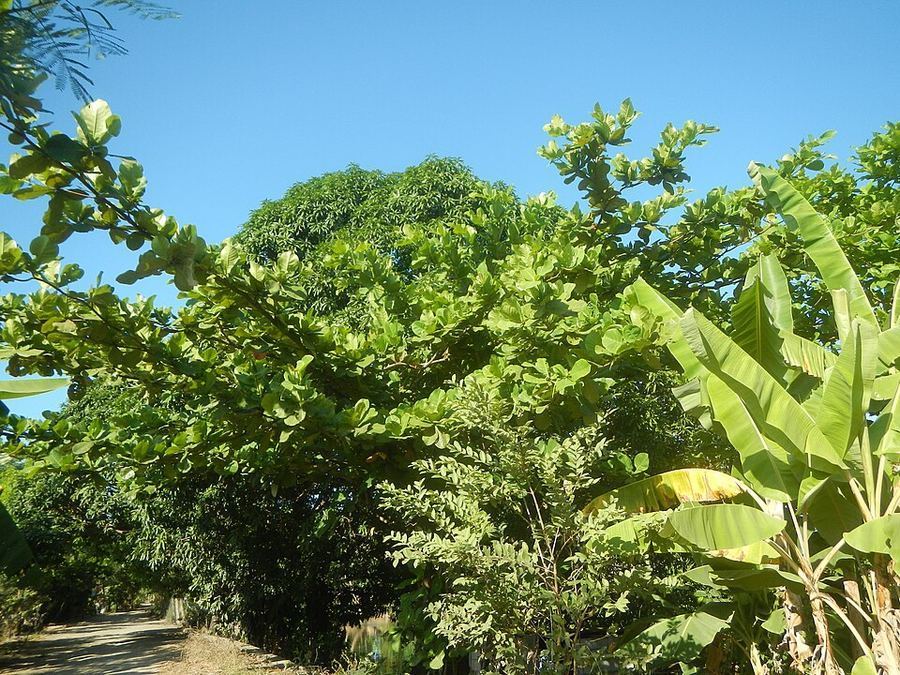
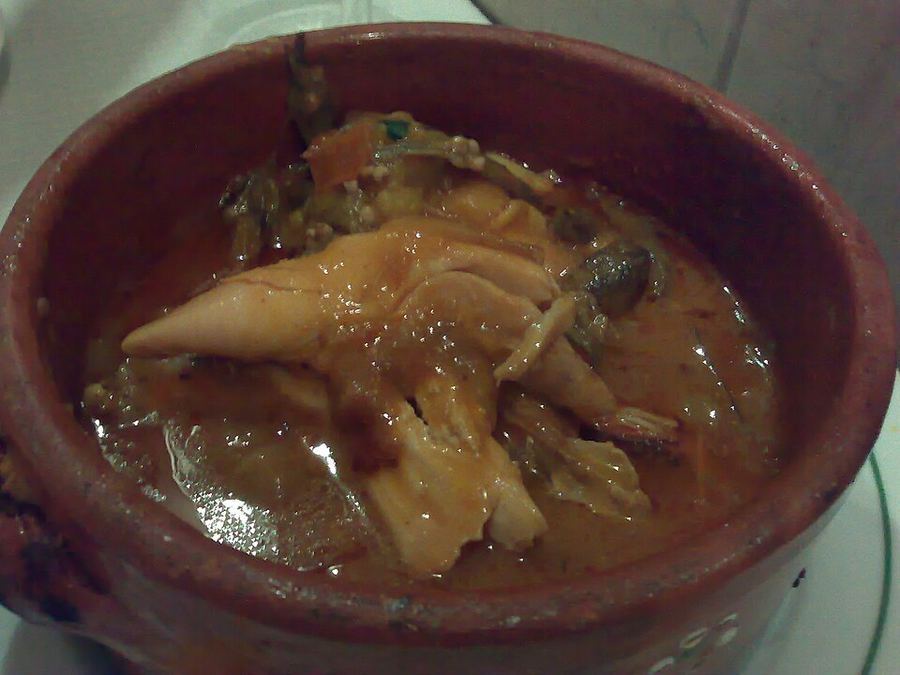
Angolan cooking is built on cassava, maize, palm oil, beans, fish and greens, and its signature technique is the slow braise. Funge — a stiff porridge of cassava flour in the north and maize meal in the centre and south — is the staple that most meals are constructed around, eaten by hand and used to lift the sauce. Muamba de galinha, chicken stewed with red palm oil, okra, garlic and the small hot jindungo pepper, is the dish most often named as national. Calulu is its equal: dried fish or meat simmered with fresh fish, sweet potato leaves, okra and palm oil. Mufete, the coastal Sunday dish, pairs grilled fish with beans in palm oil, boiled cassava and plantain, and is the standard reason to spend a day on the Mussulo peninsula outside Luanda. Kizaca uses pounded cassava leaves; feijão de óleo de palma is the everyday bean dish; and cocido à portuguesa and other Portuguese inheritances remain on urban menus. Sweet endings are simple — cocada amarela, a coconut and egg-yolk pudding of Portuguese descent, is the best known. The links to Brazilian and Caribbean cooking are not coincidental: palm oil, okra and cassava travelled the same route as the people who cooked with them.

National Dress

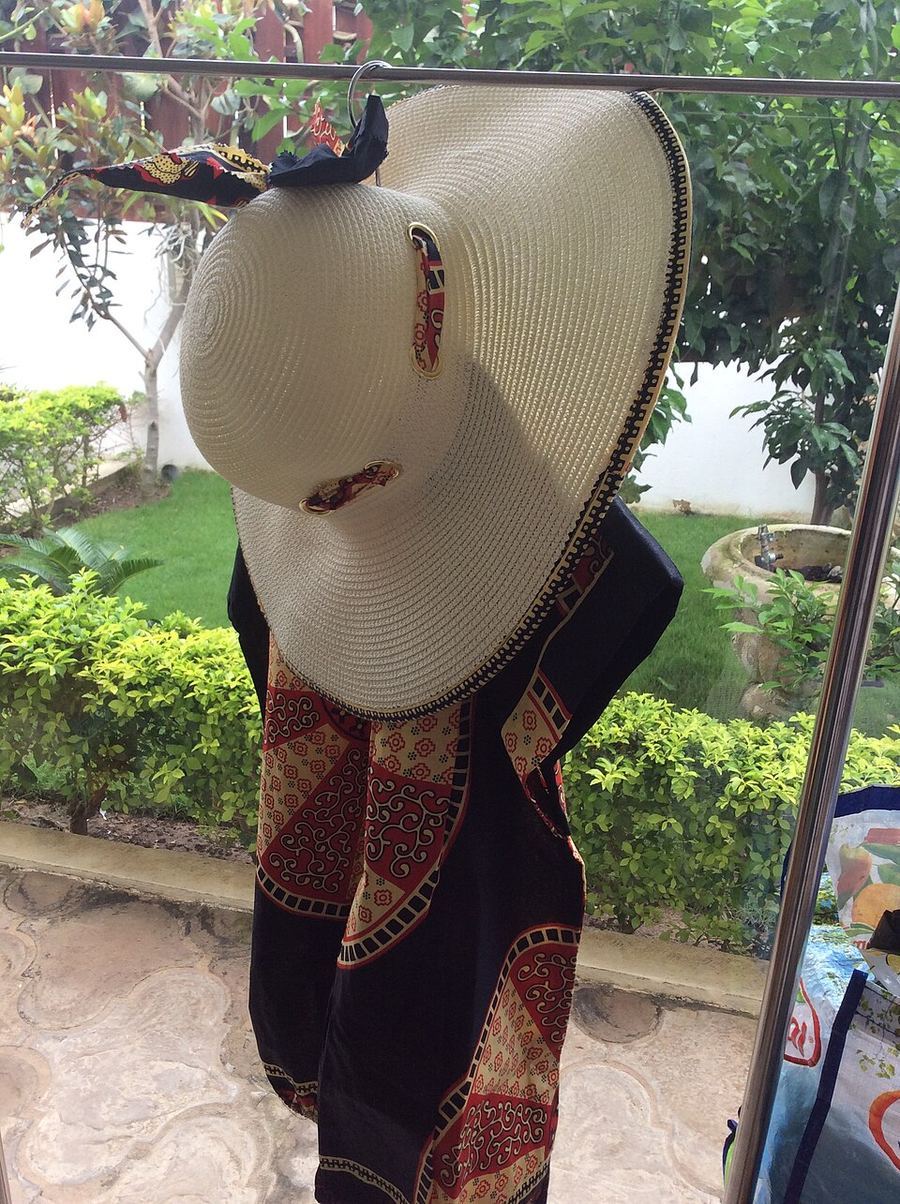
Angola has no single codified national costume, but the samakaka has become its closest equivalent — a boldly geometric red, black and white cloth originating with the Nyaneka-Nkhumbi peoples of Huíla province in the southwest, which since independence has been adopted nationally as a marker of Angolan identity and now appears as dresses, shirts, sashes and accessories at weddings, state occasions and Independence Day. Alongside it, the wax-print panos worn as wrapped skirts with a matching head-tie and blouse are the common formal dress for women across the country, in patterns and tailoring shared with much of Central and West Africa. Regional traditional dress is far more distinct. The Mwila and Mucubal women of the southwest wear their hair in thick ochre-and-clay locks called nontombi, with heavy beaded vilanda neck ornaments whose form signals age and marital status — an appearance that has become one of the most photographed images of Angola. Chokwe ceremonial dress in the east includes the fibre and bark-cloth costumes worn with mwana pwo and cikungu masks at initiation. In the cities, everyday clothing is Western, and the samakaka is what people reach for when the occasion calls for something unmistakably Angolan.

Sports & Inspiring Athletes

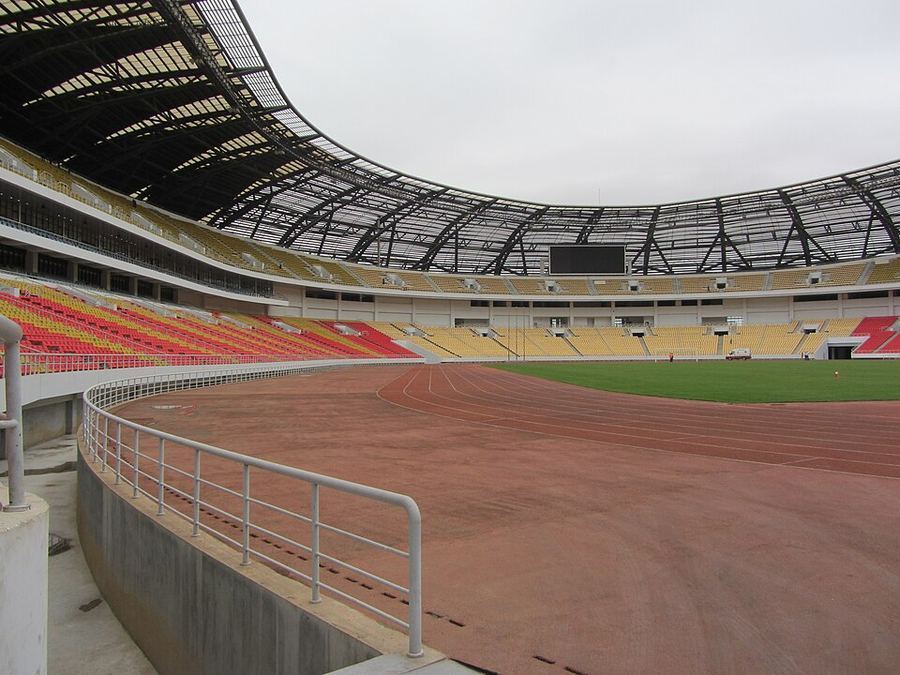
Basketball is the sport in which Angola has been most successful, and unusually for the continent it commands a real domestic following: the men's national team has won the AfroBasket championship more often than any other country, dominating African basketball from the early 1990s onward and appearing at multiple Olympic Games and World Cups. The Luanda clubs Primeiro de Agosto and Petro de Luanda anchor both basketball and football, and their fixtures are the country's biggest sporting occasions. Football is the most widely played sport; the national team, the Palancas Negras, is named for the giant sable antelope found only in Angola, and its qualification for the 2006 World Cup — the country's only appearance — is a landmark in national memory. Angola hosted the Africa Cup of Nations in 2010, building or rebuilding stadiums in Luanda, Benguela, Lubango and Cabinda for it. Women's handball is a third strength: the national side has won the African championship repeatedly and has represented the continent at successive Olympic Games. Rink hockey, inherited from Portugal, gives Angola a presence in a sport almost unknown elsewhere in Africa, and athletics and boxing round out Olympic participation.

Notable Educational Programs

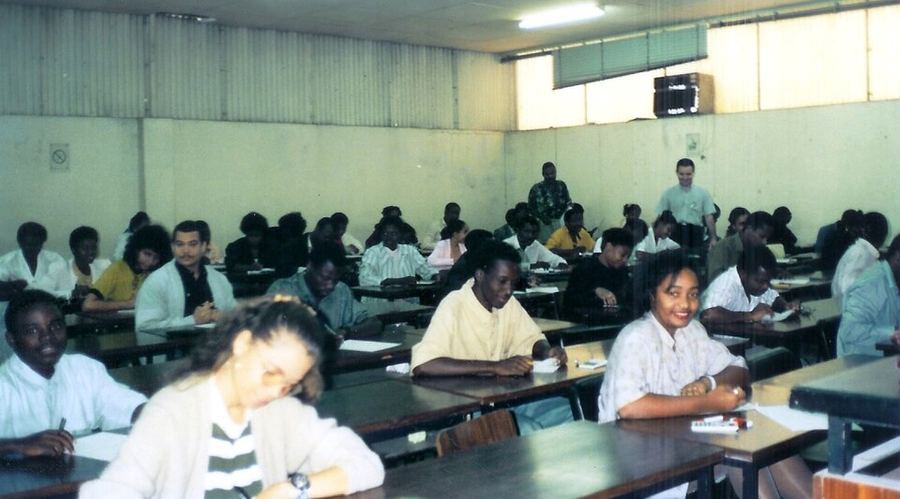
Angola's education system is rebuilding from a very low base, the direct legacy of a colonial period that invested little in African schooling and a civil war that destroyed much of what existed. Schooling is compulsory and free in principle for six years of primary education, and enrolment has expanded substantially since 2002, but the system is stretched by a population with a median age of 16.6 years — one of the youngest in the world — and by a shortage of trained teachers and classrooms, which forces many schools onto two or three shifts a day. Instruction is in Portuguese, which puts children whose home language is Umbundu, Kikongo or Kimbundu at a measurable disadvantage in the early years, and adult literacy remains well below the level the country's per-capita income would predict. Higher education is led by Universidade Agostinho Neto in Luanda, the national university founded in the years around independence and long the country's only one, now supplemented by public universities established in the provinces and by private institutions including the Catholic University of Angola. Oil revenues have funded large overseas scholarship programmes, sending Angolan students to Portugal, Brazil, Cuba, Russia and China, and returning graduates staff much of the professional class.

Wars & Conflicts

Angola's defining conflict was the civil war that began at independence in 1975 and ended with the death of UNITA's leader Jonas Savimbi in February 2002. It was among the longest and deadliest wars of the late twentieth century, killing hundreds of thousands and displacing millions, and it was thoroughly internationalised: Cuban forces supported the MPLA government while South Africa and the United States backed UNITA, and the set-piece confrontation around Cuito Cuanavale in 1987–88 became a turning point in southern African politics generally. Earlier, the war of independence against Portugal ran from 1961 to 1974. The most consequential physical legacy is landmine contamination across the central and eastern provinces, where clearance by organisations including the HALO Trust has continued for three decades and still constrains farming and road use. The one continuing armed dispute is in Cabinda, where the Front for the Liberation of the Enclave of Cabinda has pursued a low-intensity separatist insurgency since the 1970s, arguing that the exclave — the source of a large share of national oil output — was never properly part of Angola. Angola itself has become a regional mediator, hosting talks on the conflict in the eastern Democratic Republic of the Congo.
Current as of 2026-08-06

Land & Border Disputes

Angola's most persistent internal territorial question is Cabinda, the exclave of about 7,000 square kilometres separated from the rest of the country by a strip of Democratic Republic of the Congo territory along the lower Congo River. Separatists argue that Cabinda was administered as a distinct Portuguese protectorate and was joined to Angola only at independence; the government treats the matter as settled, and the exclave's offshore oil makes any change unthinkable in Luanda. Externally, the boundary and maritime relationship with the Democratic Republic of the Congo has been the most difficult file: the two states have contested the delimitation of offshore areas containing producing oil blocks, and the DRC has sought a larger share of Atlantic access, with negotiation rather than adjudication the preferred route on both sides. Stretches of the land boundary with the DRC remain imperfectly demarcated, a legacy of colonial-era survey. The borders with Zambia and Namibia are less contentious, though the Namibian frontier along the Kunene and Okavango involves shared water management rather than disputed lines, and Angolan rainfall feeding the Okavango Delta makes upstream development a matter of regional negotiation with Namibia and Botswana.
Land, Life & Legacy

Land & Climate

Angola is a large country — roughly twice the size of France — with a 1,600-kilometre Atlantic coastline and an interior that rises abruptly from a narrow coastal plain to a high plateau. The Bié Plateau in the centre, mostly above 1,500 metres, is the country's water tower: the Kwanza, the Cubango, the Cuando and the headwaters that feed Botswana's Okavango Delta and the Zambezi all rise there, which makes Angolan rainfall a regional concern. Mount Moco in Huambo province, at about 2,620 metres, is the highest point. The far southwest holds the northern Namib, one of the driest places on earth and the home of the welwitschia; the northeast is Congo Basin forest; and between them lies the miombo woodland and savanna that covers most of the country. Cabinda, the exclave north of the Congo River, is tropical and heavily forested, and produces a large share of national oil output. The climate is semi-arid in the south and along the coast — the cold Benguela Current keeps Luanda and Namibe far drier than their latitude implies — and tropical in the north and interior, with a rainy season from roughly November to April. Drought in the southern provinces has become the country's most damaging recurrent hazard.

Entertainment

Angolan leisure is overwhelmingly social, outdoor and centred on the weekend. In Luanda the Marginal, the rebuilt bayfront promenade, fills in the evening with walkers, runners and street vendors, and the Ilha do Cabo spit and the Mussulo peninsula are where the city goes on Sundays for grilled fish, beer and mufete eaten slowly over several hours. Football is watched everywhere — Angolan clubs like Petro de Luanda and Primeiro de Agosto have large followings, and European leagues fill bars late into the night — while basketball has a genuine spectator base rare in Africa, with Luanda derbies drawing full halls. Music is not a separate activity but the frame around everything: kizomba nights, kuduro on minibus sound systems, and live semba in the older Luanda clubs. Beyond the capital, domestic tourism has grown since the war around Kalandula Falls in Malanje, the Tundavala escarpment and Serra da Leba above Lubango, the beaches at Benguela and Lobito, and the wildlife of Quiçama and Iona national parks, though road distances remain long. Carnival in the days before Lent, with neighbourhood groups competing in costume and choreography along the Luanda seafront, is the single largest leisure event of the year.

Art & Museums

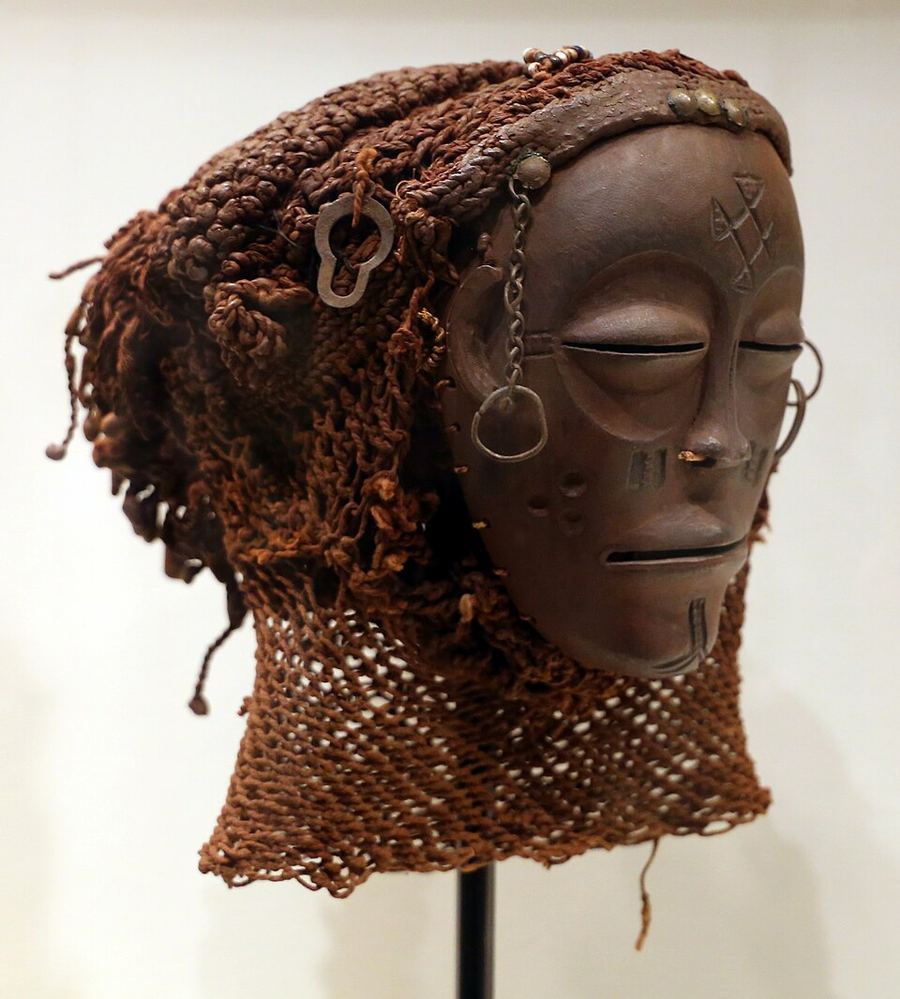
The best-known object in Angolan art is a small Chokwe wooden figure of a seated man with his hands to his head, universally called O Pensador — the Thinker — which has served since independence as an unofficial national emblem and appears on banknotes, stamps and the logo of the national museum system. It belongs to the sculptural tradition of the Chokwe of the east, whose carvers produced ancestor figures, elaborate chairs, and the celebrated portrait figures of Chibinda Ilunga, the hunter-prince of Lunda dynastic legend. Chokwe masking is equally important: mwana pwo, the mask of the idealised young woman, and the great fibre-and-resin cikungu and kalelwa masks appear at mukanda initiation. To the north, the Kongo tradition produced the nkisi power figures studded with nails and blades, and the mintadi stone funerary sculptures — pieces that entered European collections early and influenced modernist sculpture there. Rock art at Tchitundu-Hulu in Namibe province records much older imagery. Modern Angolan art grew out of the independence generation, and contemporary artists working in photography, installation and painting have taken Angolan work into the international biennial circuit — Angola's national pavilion won the Golden Lion for best national participation at the 2013 Venice Biennale, its first year of participation.
SmithsonianBritish MuseumEncyclopaedia Britannica

Notable People

Queen Njinga Mbande of Ndongo and Matamba, who fought and negotiated against Portuguese expansion from the 1620s until her death in 1663, is the most commemorated figure in Angolan history. Agostinho Neto, physician, poet and leader of the MPLA, became the first president at independence in 1975 and remains a literary as well as political figure; his successor José Eduardo dos Santos governed from 1979 to 2017, and João Lourenço has been president since. Jonas Savimbi led UNITA through the civil war until his death in combat in 2002, an event that ended the fighting. In literature, Pepetela — the nom de plume of Artur Pestana — won the Camões Prize, Portuguese-language literature's highest honour, in 1997, and José Eduardo Agualusa and Ondjaki have both reached large international readerships in translation. In music, Bonga has been the country's most recognisable voice abroad since 'Angola 72', and Waldemar Bastos carried Angolan song to world-music audiences. In sport, the basketball players of the national side that dominated the African championship through the 1990s and 2000s are household names at home, and Angolan-descended footballers have played for Portugal and other European sides.

Inventions & Breakthroughs

Angola's distinctive contributions have been cultural and musical rather than technological, and they have travelled unusually far. Semba, developed in the Luanda musseques, is the most commonly cited ancestor of Brazilian samba, carried across the Atlantic in the vocabulary and rhythm of enslaved Angolans; kizomba, developed in the 1980s, has become a globally taught partner dance; and kuduro, invented by Luanda teenagers in the 1990s, established an entirely new electronic genre that spread through the Lusophone world. Angolan scholars and capoeiristas also trace that Brazilian martial art in part to the n'golo, the kicking contest of southwestern Angolan initiation ceremonies. In material culture, Chokwe carving and the samakaka textile pattern are distinctive design traditions rather than inventions in the patent sense. On the technical side the country is a consumer and adapter rather than an originator: Angola's most visible recent technological achievement is AngoSat-2, a communications satellite built in Russia and launched in October 2022 after the failure of its predecessor, giving the country its own satellite capacity for broadcasting and connectivity. Deepwater oil production offshore Angola has driven genuine engineering advances, but the technology belongs to the international operators rather than to Angolan firms.

Science & Technology

Angola's technological base is concentrated in the petroleum sector, where deepwater production offshore Luanda and Cabinda has required some of the most demanding subsea engineering practised anywhere; the expertise, however, largely belongs to the international operators and their service contractors rather than to domestic firms, and building local technical capacity through the state company Sonangol has been a long-standing policy aim. Angola was a member of OPEC from 2007 until it withdrew in January 2024 over production quotas, a decision that underlined how central output volumes are to national finances. In communications, AngoSat-2 was launched in October 2022 and brought into service to provide broadcasting and internet capacity across the country, replacing AngoSat-1, which failed shortly after its 2017 launch. Terrestrially, the rehabilitation of the Benguela railway from the port of Lobito to the Congolese border has made Angola a corridor for regional mineral exports and attracted substantial international investment. Research capacity is thin: spending on research and development is low, Universidade Agostinho Neto carries most of the national research effort, and the priority areas identified in policy — agriculture, fisheries, geology and public health — reflect immediate development needs rather than frontier science.
On The World Stage

Champions & Defining Moments

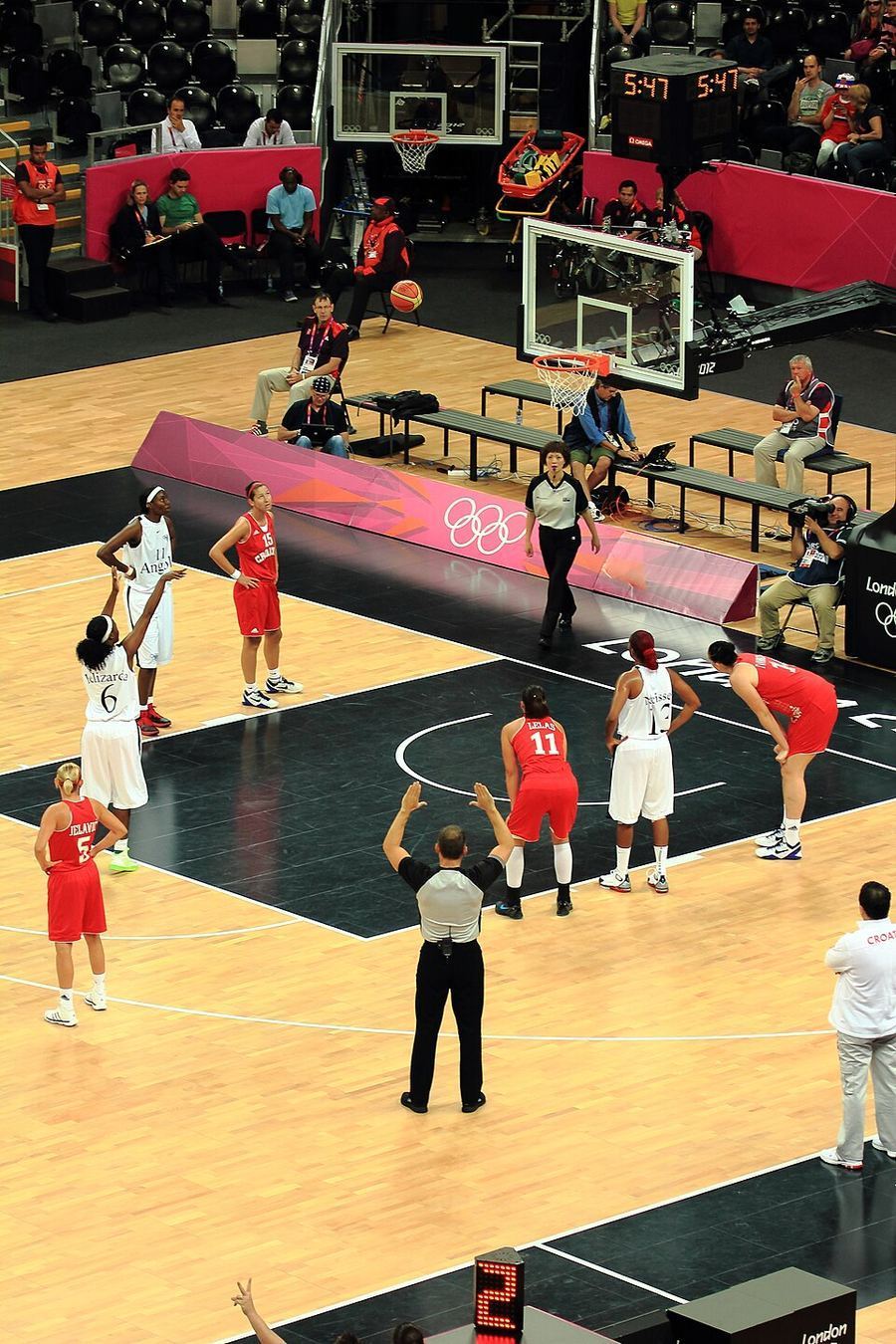
Angola's international sporting identity rests mainly on basketball. The men's national team's run of AfroBasket titles is the longest of any African nation, and that record has carried the country to the Olympic Games and to FIBA World Cups, where Angola has been Africa's most consistent representative even without a breakthrough result against the leading basketball nations. Women's handball is the second pillar: the Angolan team has been Africa's dominant side for decades and a regular Olympic participant, which makes handball the sport in which Angolan women have the longest international record. In football, the 2006 World Cup in Germany remains the high point — a debut that included a goalless draw against Mexico and a group featuring the former colonial power, Portugal, a fixture whose symbolism was not lost on anyone — and hosting the 2010 Africa Cup of Nations was the country's largest sporting undertaking. Rink hockey gives Angola an unusual niche, competing at world championships in a sport concentrated in southern Europe and Latin America. Individual Olympic medals have so far eluded Angola, and the country's global sporting profile is therefore built on team performance rather than on individual champions.

Economy, Trade & Government

Currency & GDP

Kwanza — AOA (Kz)

GDP (PPP): $278.239 billion (2024 est.)

Per capita: $7,300 (2024 est.)

Exports

$36.924 billion (2024 est.)

crude petroleum, diamonds, natural gas, ships, refined petroleum (2023)

Partners: China 40%, India 9%, UAE 6%, Spain 6%, Netherlands 5% (2023)

Imports

$22.683 billion (2024 est.)

refined petroleum, wheat, ships, cars, trucks (2023)

Partners: China 19%, Portugal 10%, UAE 7%, India 6%, USA 5% (2023)

Government

Type: presidential republic

Independence: 11 November 1975 (from Portugal)

Terrain → Where People Live

How mountains, coasts, and rivers shape settlement (LandScan).

Coming — data

Migration & Ethnic Settlement

Where groups settled and how people move (GeoEPR + UNHCR).

Coming — data

Universities

Notable institutions, mappable as points.

Coming — data
Economy & government facts: CIA World Factbook (public domain), via OpenFactBook / factbook.json.
Every fact and narrative claim will carry a visible source citation. Data-driven sections light up automatically wherever HERA has coverage.