History
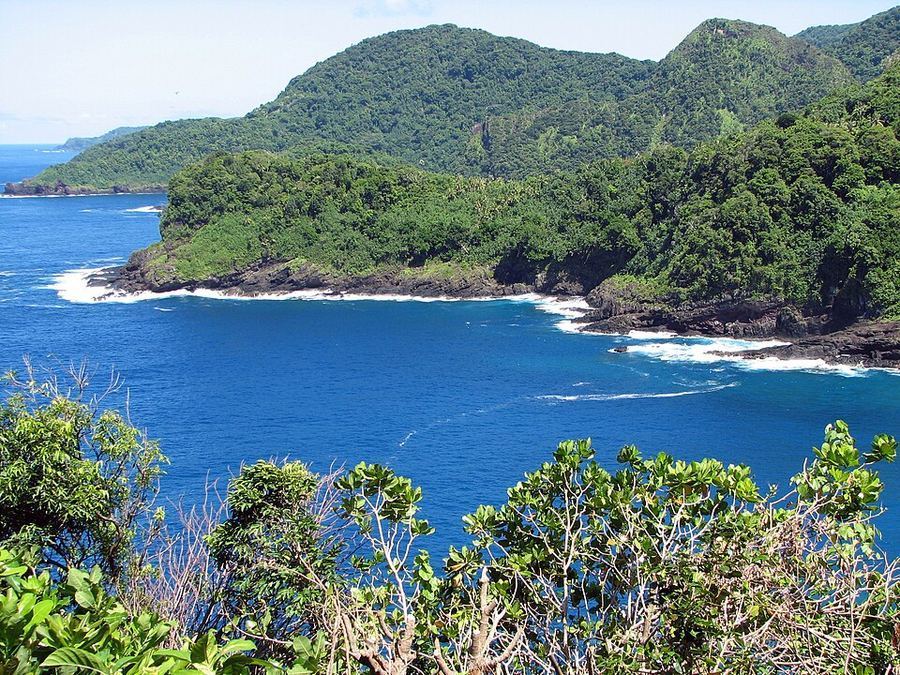
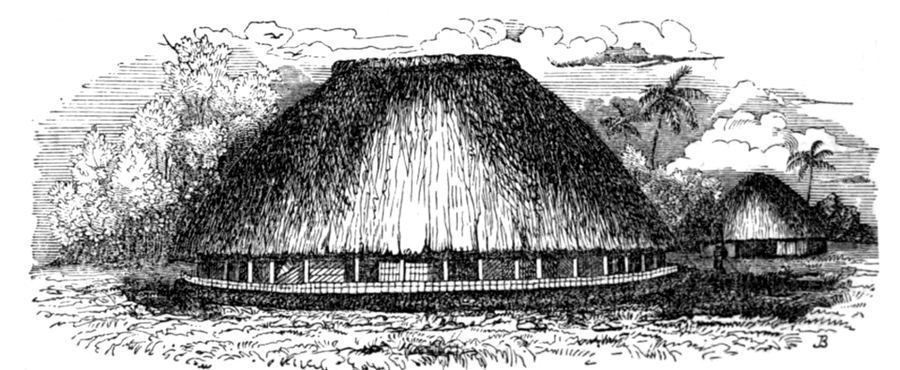
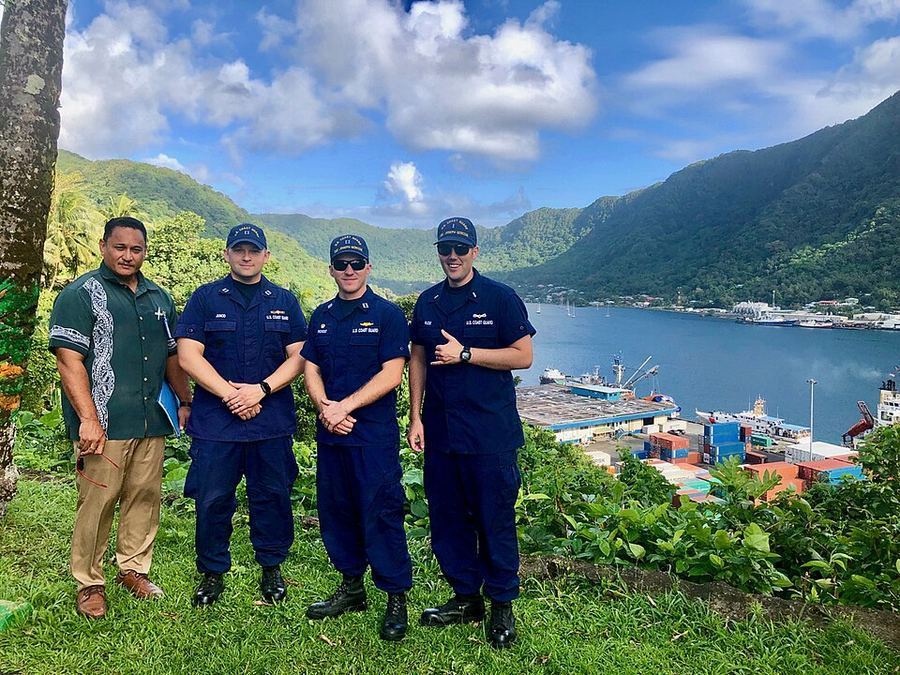
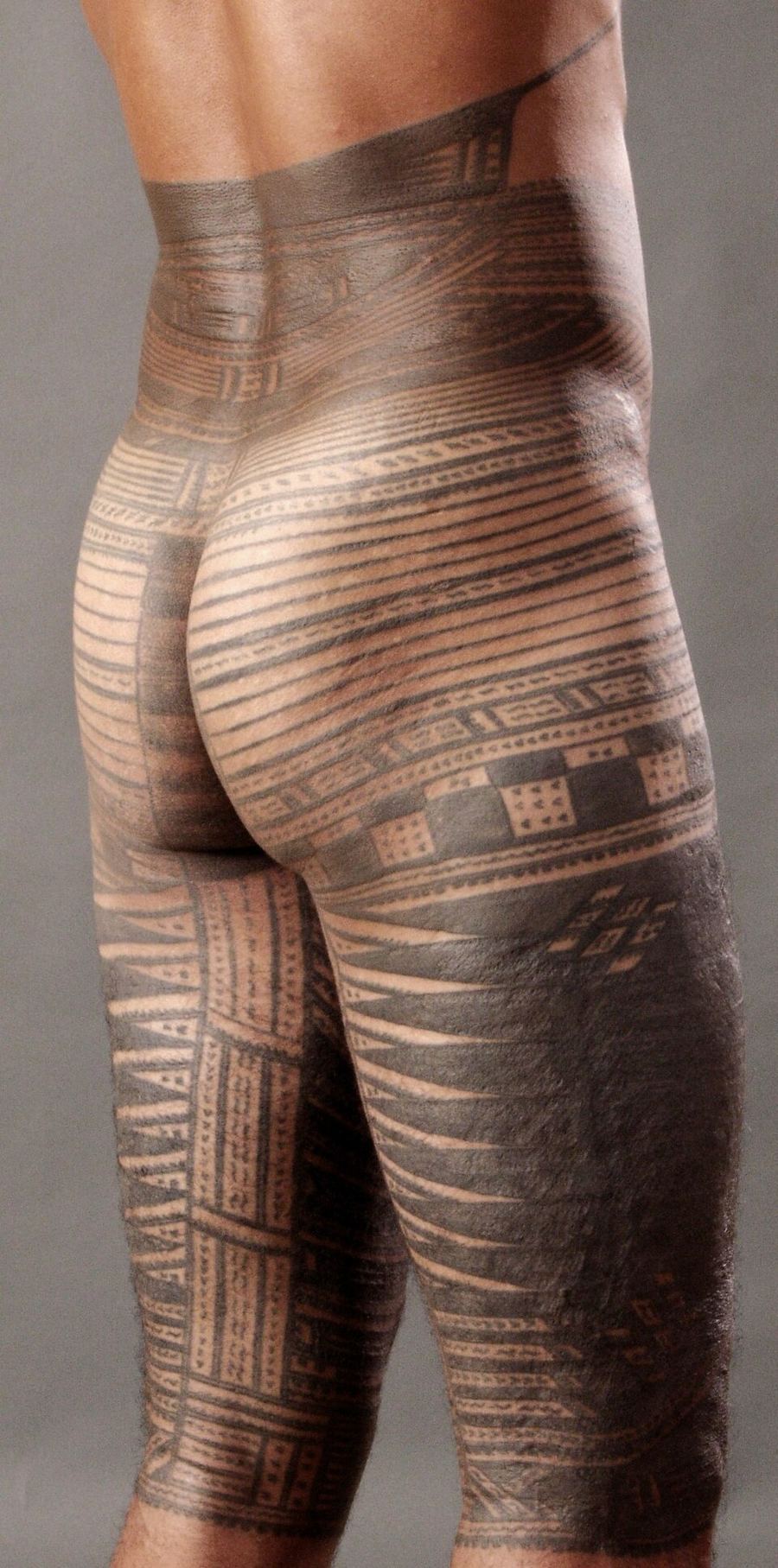
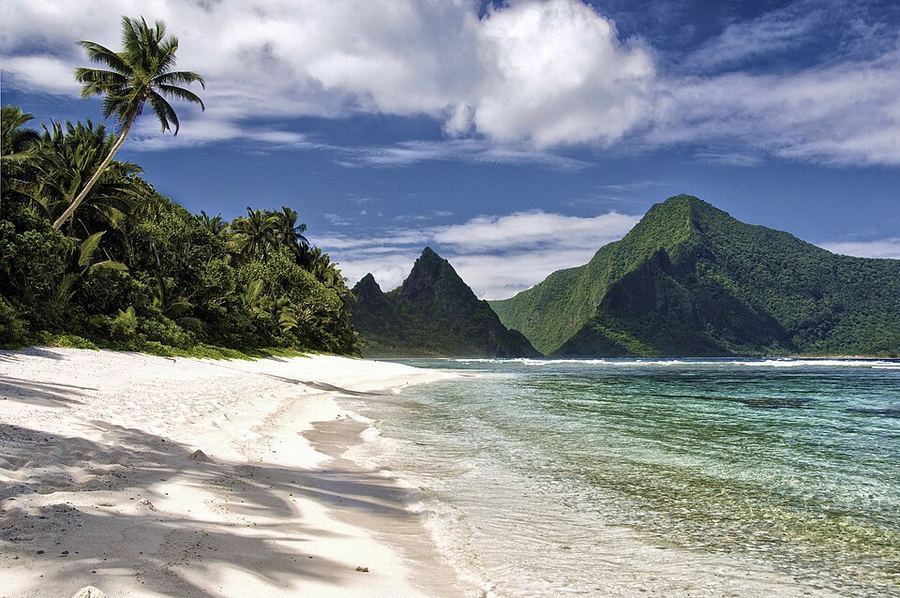
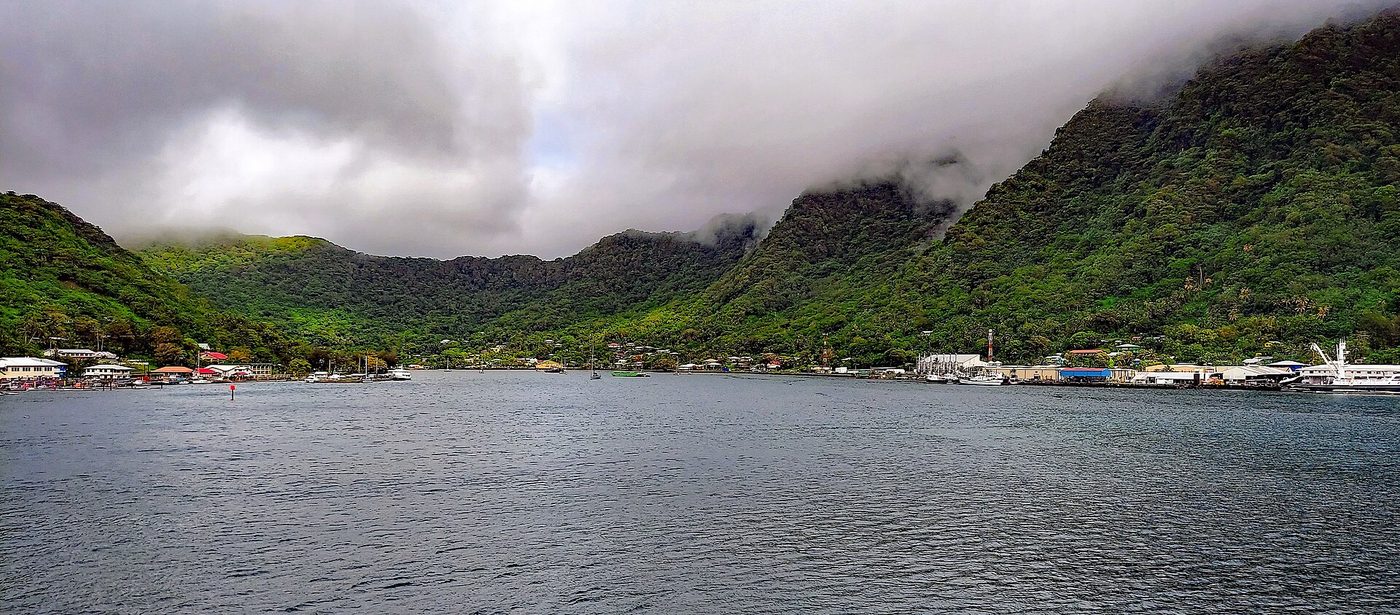
American Samoa is an unincorporated, unorganized territory of the United States in the South Pacific, the only inhabited US territory south of the equator, with a population of about 43,000. It consists of five volcanic islands and two coral atolls; Tutuila, which holds the great majority of the people and the capital at Pago Pago, is dominated by a drowned volcanic crater that forms one of the finest deep-water harbours in the Pacific. The population is 88.7% Pacific Islander and 83.2% Samoan, 87.9% Samoan-speaking, and 98.3% Christian, and social life is organised by fa'a Samoa — the Samoan way — through the matai chiefly title system, the extended aiga family and the village council. Its constitutional position is unusual even by the standards of US territories: people born here are United States nationals but not United States citizens by birth, and roughly nine-tenths of the land is held communally under customary tenure that bars sale to non-Samoans. The economy rests on tuna canning at Pago Pago, on federal transfers, and on remittances from a diaspora in Hawaii, California, Utah and Washington that outnumbers the resident population. American Samoa's currency is the US dollar, and it keeps its own time zone, eleven hours behind UTC.
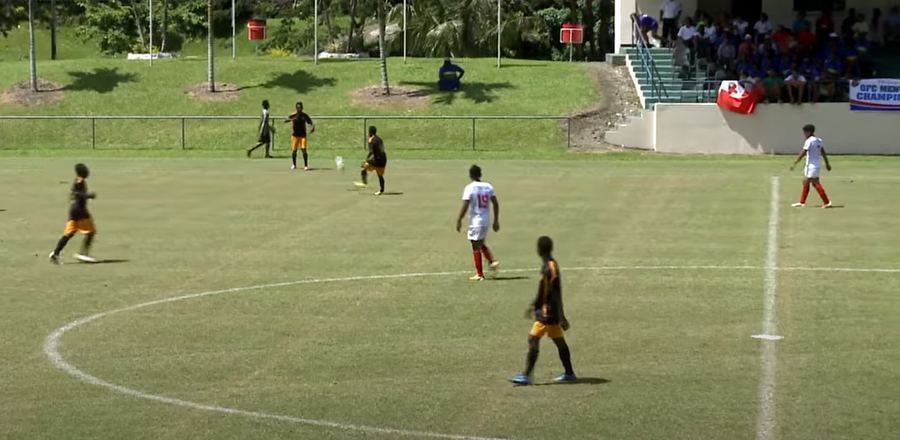
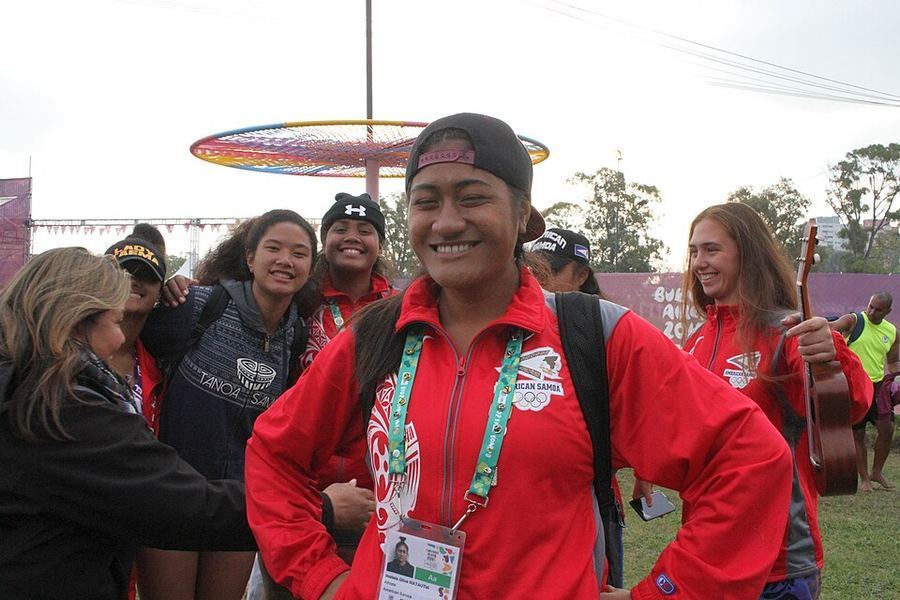
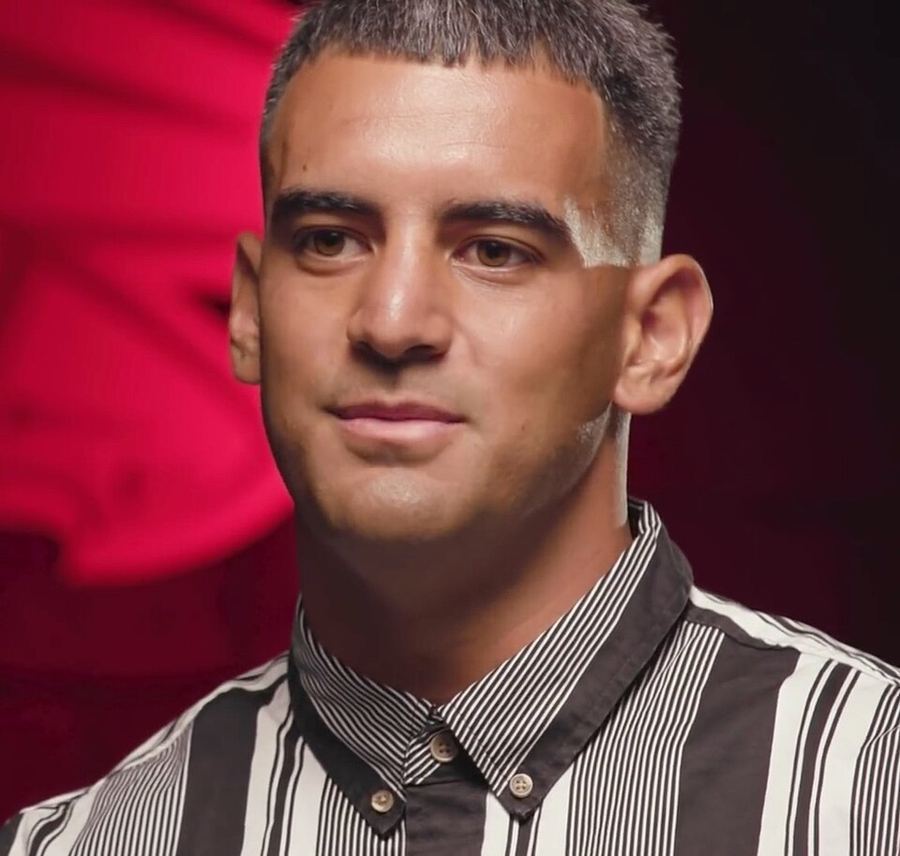
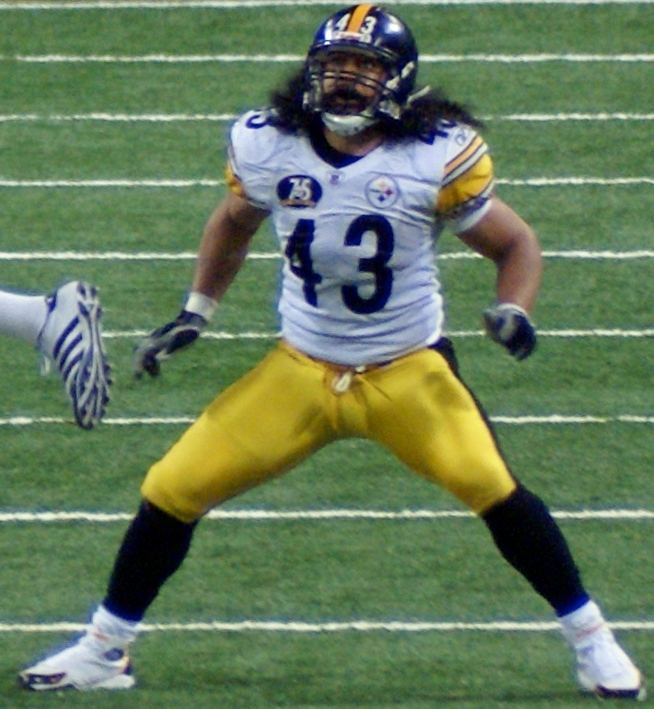
American Samoa's global sporting significance comes almost entirely through the athletes it and the wider Samoan diaspora supply to other countries' teams. In American football, players of Samoan descent are heavily represented in the NFL and in Division I college programmes, an overrepresentation that has been the subject of extended sports journalism and academic study, and figures like Junior Seau, Troy Polamalu and Marcus Mariota gave the connection its highest profile. In rugby, Samoan-descended players are central to the All Blacks, Australian and Pacific teams and to European club rugby. In professional wrestling, the Anoa'i family has supplied performers across several decades. The territory's own national teams compete separately: it has an Olympic committee recognised since the 1980s and sends small delegations in athletics, weightlifting, swimming and judo without yet winning a medal, and its football team plays in Oceania qualifying, where the 31–0 loss to Australia in 2001 and the breakthrough win over Tonga a decade later became one of the sport's best-known underdog stories, made more so by Jaiyah Saelua's presence as the first openly transgender player in World Cup qualifying.
Unincorporated, unorganized Territory of the US with local self-government; republican form of territorial government with separate executive, legislative, and judicial branches
Donald J. Trump — President
In office since 20 January 2025
Nikolao Pula — Governor
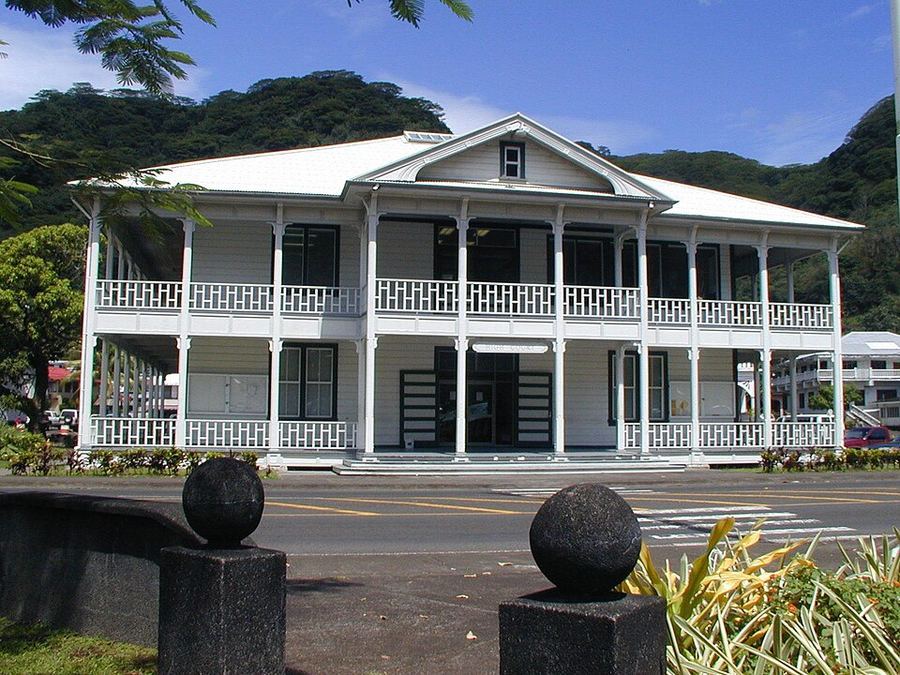
consists of the chief justice, associate chief justice, and 6 Samoan associate judges and organized into trial, family, drug, and appellate divisions
US Dollar — USD ($)
GDP (PPP): $658 million (2016 est.)
$409 million (2022 est.)
animal meal, aluminum, refined petroleum, gas turbines, broadcasting equipment (2023)
Partners: Australia 31%, UK 18%, Tanzania 9%, UAE 7%, Senegal 6% (2023)
$677 million (2022 est.)
refined petroleum, fish, paper containers, wood, construction vehicles (2023)
Partners: Singapore 28%, NZ 15%, Fiji 14%, Taiwan 11%, Malaysia 11% (2023)
Type: unincorporated, unorganized Territory of the US with local self-government; republican form of territorial government with separate executive, legislative, and judicial branches
Independence: none (territory of the US)
How mountains, coasts, and rivers shape settlement (LandScan).
Coming — dataWhere groups settled and how people move (GeoEPR + UNHCR).
Coming — dataNotable institutions, mappable as points.
Coming — data