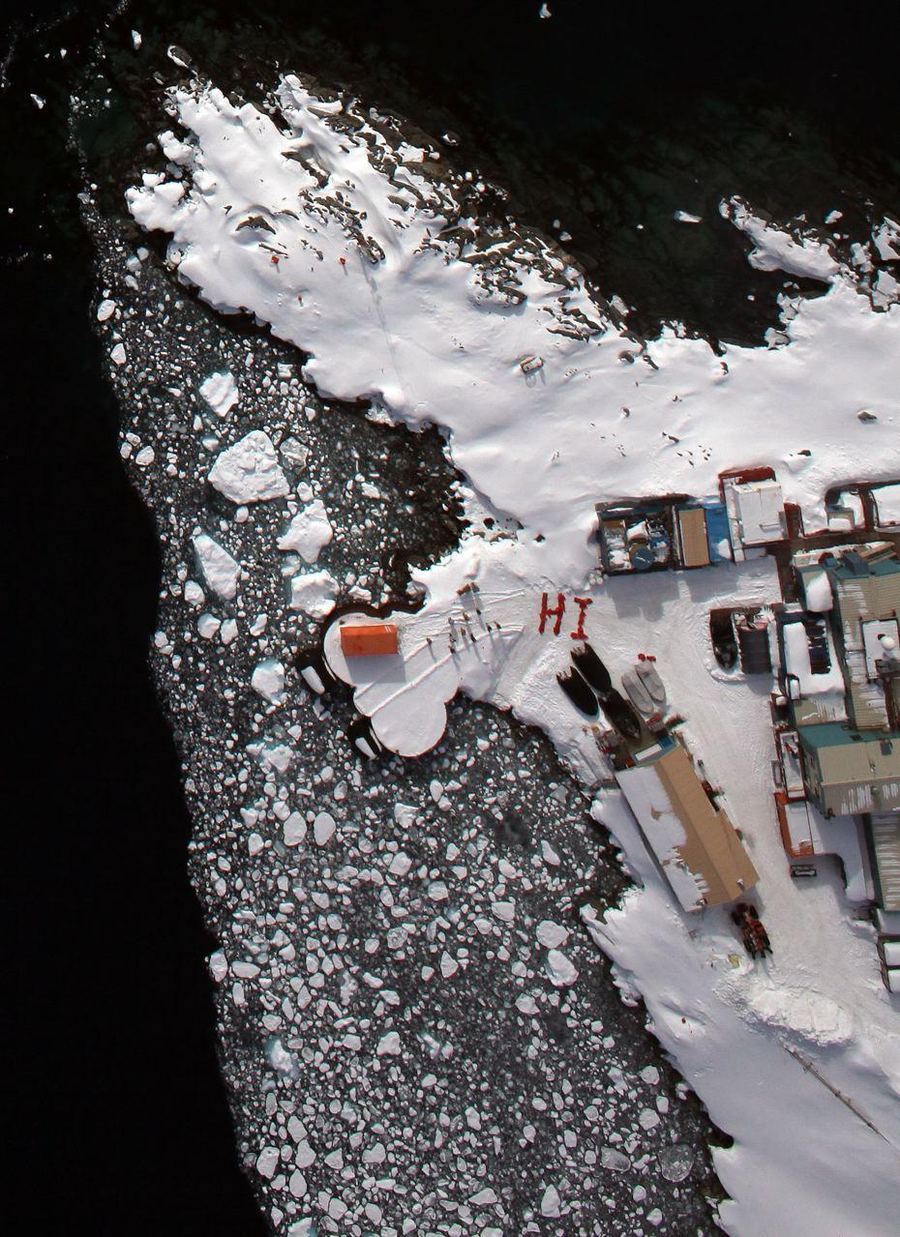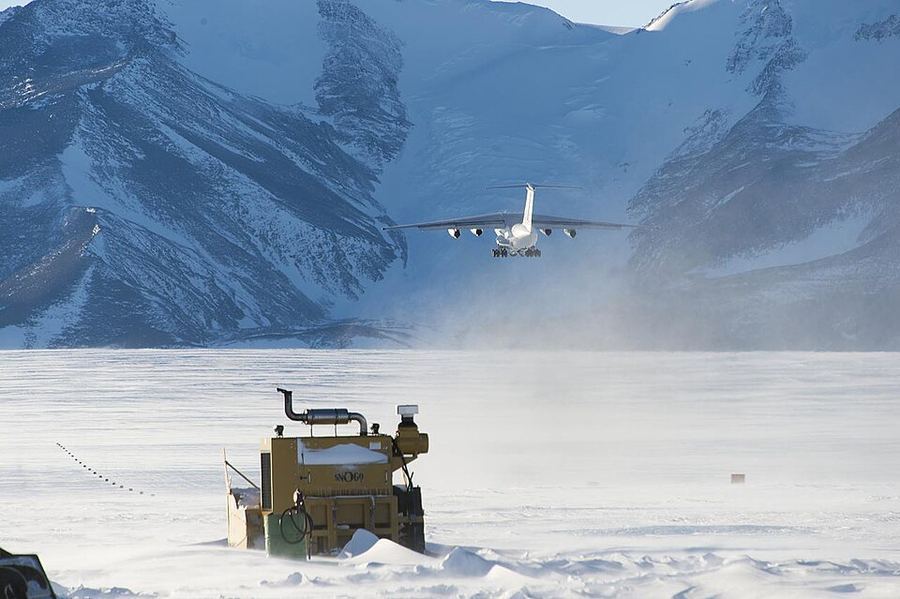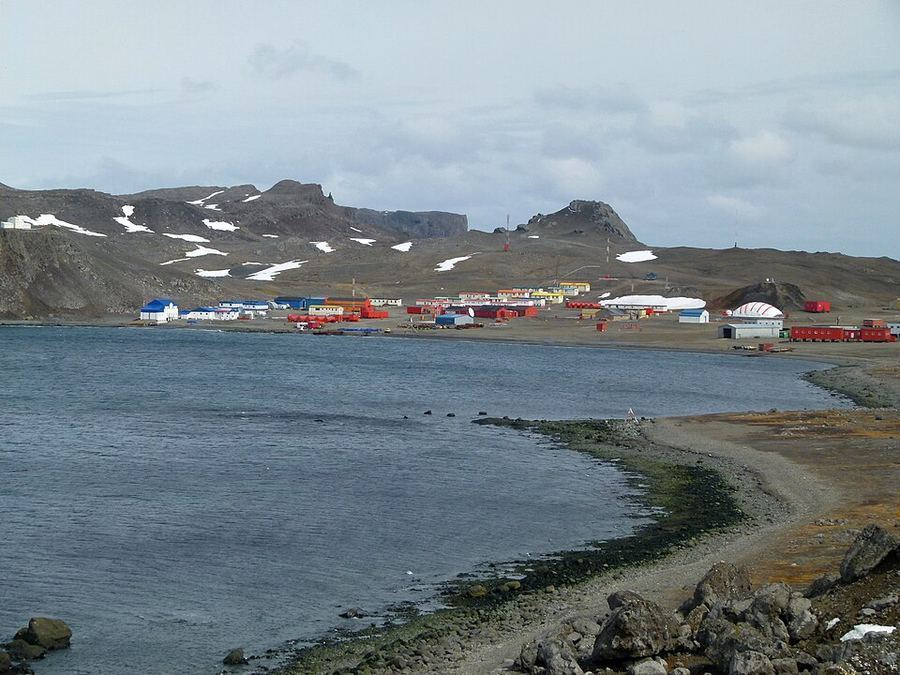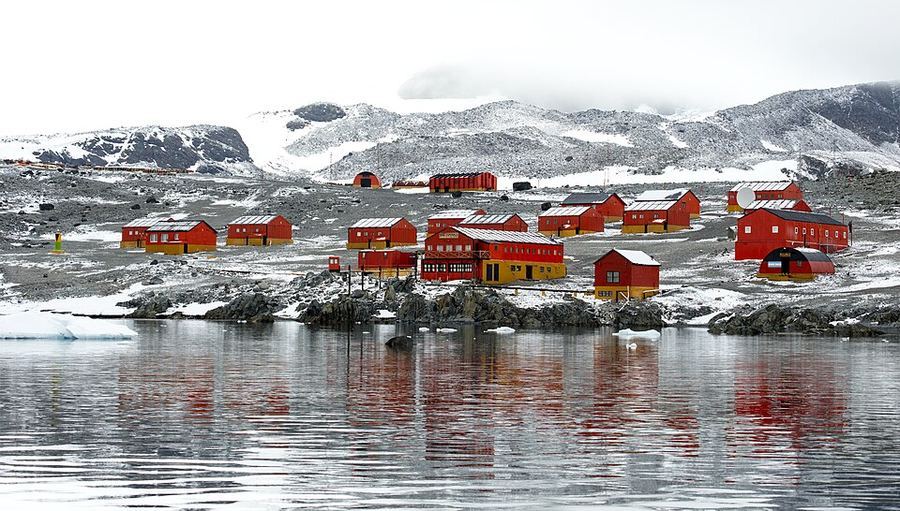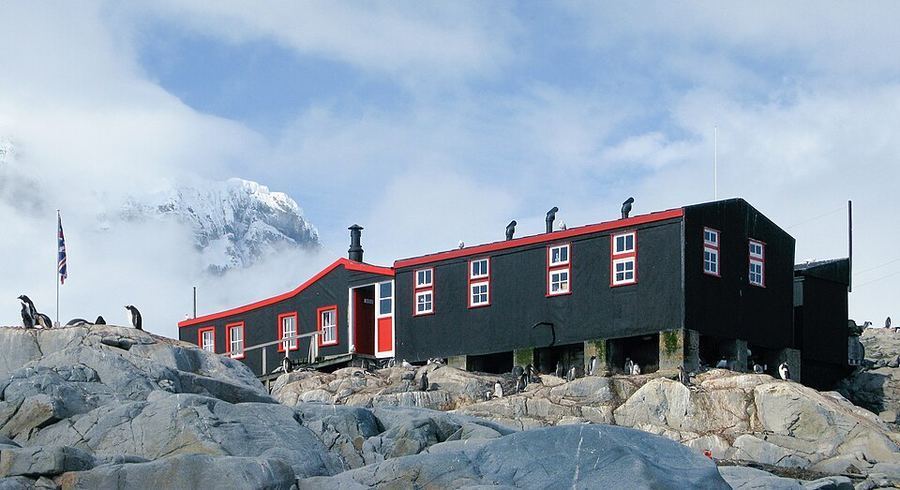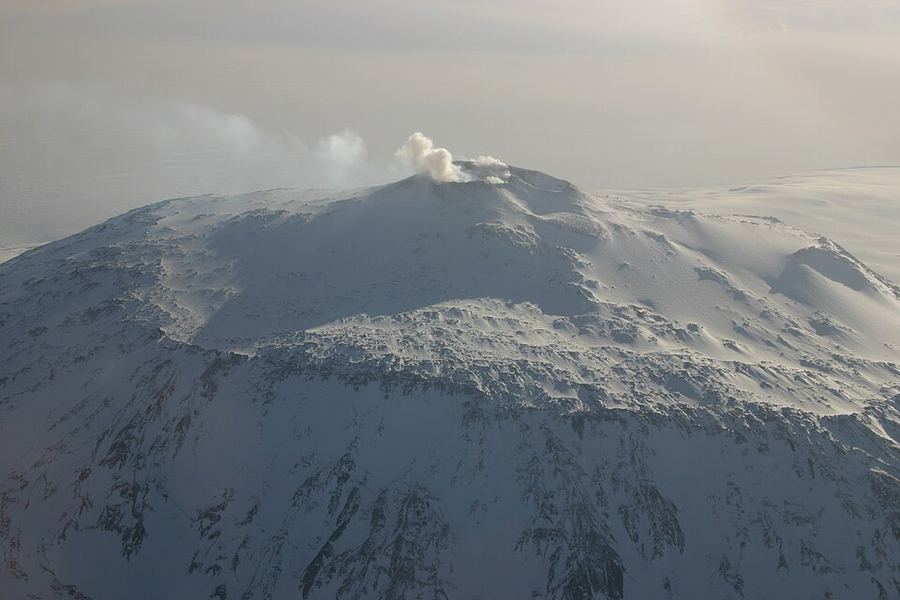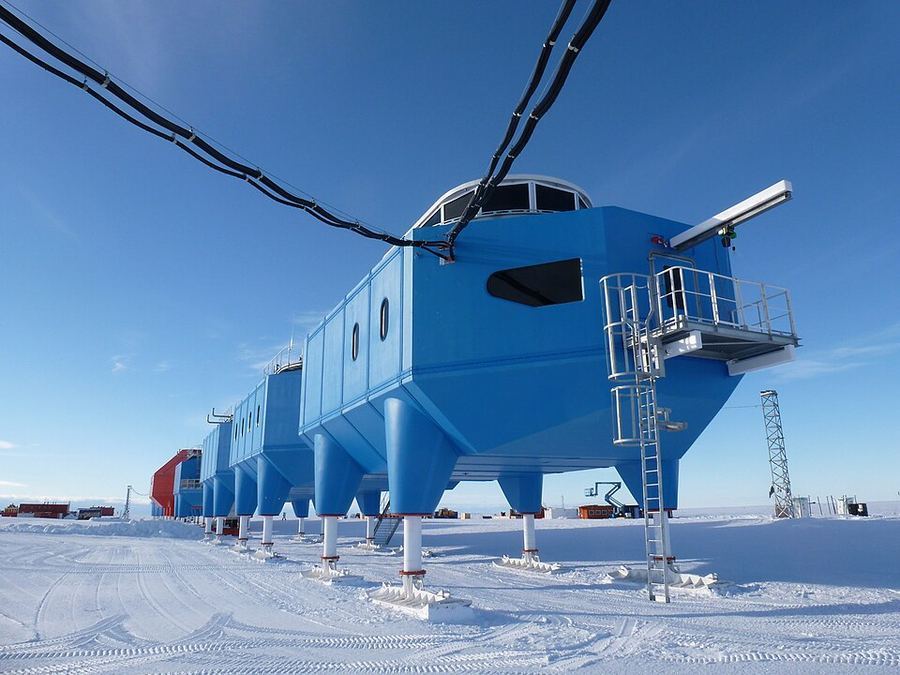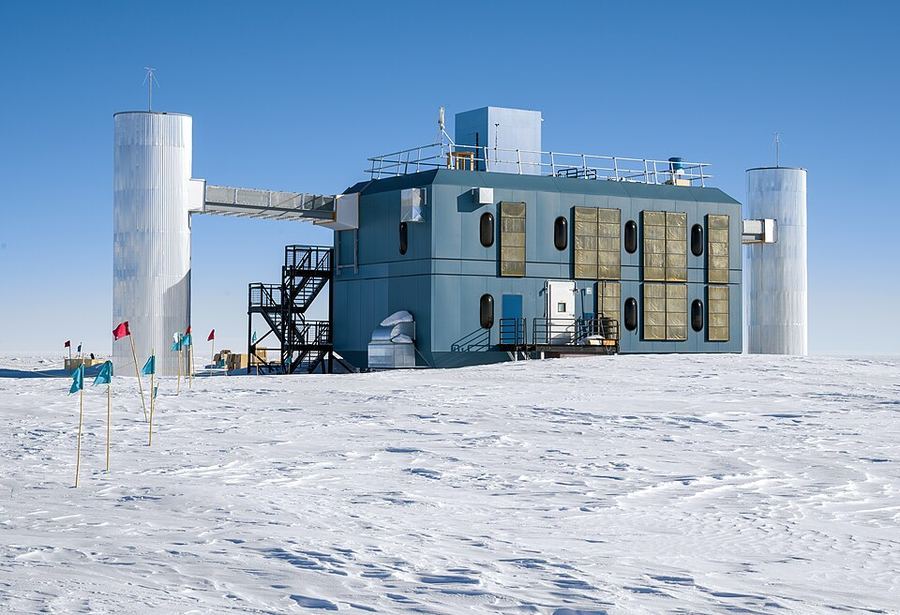
Antarctica is not a country. It is the world's fifth-largest continent, covering roughly fourteen million square kilometres around the South Pole, almost entirely buried under an ice sheet that holds the great majority of the planet's fresh water, and it has no permanent inhabitants and no government of its own. It is instead governed by treaty. The Antarctic Treaty, signed in 1959 and in force since 1961, applies to all land and ice south of 60° south latitude; it reserves the continent for peaceful purposes and scientific research, bans military activity, weapons testing and nuclear waste disposal, guarantees the free exchange of scientific results, allows any party to inspect any station, and — crucially — freezes the territorial claims that seven states had asserted, without extinguishing or endorsing them. As of December 2024 there were 58 parties, 29 of them consultative members with decision-making rights, and a permanent secretariat has operated in Buenos Aires since 2004. Later agreements added protections for seals and marine life, and a 1991 environmental protocol, in force since 1998, prohibits mining outright. The human population is entirely transient: around 5,000 people in the summer season and roughly 1,100 through the winter, staffing research stations run by some thirty countries.
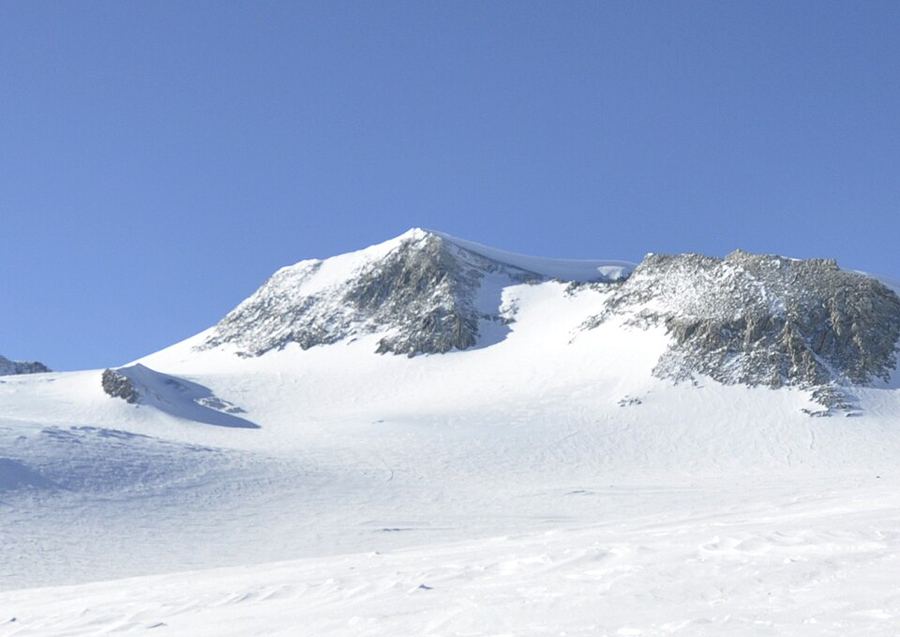
Antarctica has no presence in international sport. It has no National Olympic Committee and cannot have one, since the International Olympic Committee recognises committees only for countries or territories with the requisite political status, and the continent has no permanent population, no government and no citizenship to draw athletes from. It holds no membership of FIFA or of any other international sporting federation, fields no national teams, and appears in no international competition. What global sporting connection exists runs the other way: athletes from elsewhere travel to Antarctica to set records rather than to represent it. The Antarctic Ice Marathon and the marathon staged near McMurdo attract international runners completing seven-continent challenges; long-distance skiers, mountaineers and adventurers attempt crossings, solo journeys to the South Pole and ascents of the Vinson Massif, which as the continent's highest peak is one of the Seven Summits and therefore a fixture of that circuit. These are individual undertakings, subject to the environmental and safety conditions imposed by the national programmes that would have to rescue anyone who got into difficulty, and they are recorded as personal achievements rather than as any nation's sporting result.
Type: the Antarctic Treaty and its follow-on agreements govern the use of Antarctica, ensuring it is used only for peaceful purposes and scientific research; signed in 1959 and in force since 1961, the original Treaty bans military activity, weapons testing, and nuclear waste disposal, while allowing military personnel to assist with research or other peaceful efforts; it promotes international cooperation in science, guarantees the free exchange of research, and freezes territorial claims; the Treaty covers all land and ice south of 60° south latitude, and allows Treaty nations to inspect any station or facilitydecisions are made by consensus at annual meetings, and member countries implement these decisions through their national laws (see “Legal system”); additional agreements have strengthened the Treaty system, including conventions to protect seals (1972) and other marine life (1980), as well as an environmental protocol (1991, took effect in 1998); the protocol bans mining and includes strict rules on environmental impact, waste, pollution, wildlife, and protected areas; as of December 2024, there are 58 member nations: 29 consultative members, including the 7 claimant countries (Argentina, Australia, Chile, France, New Zealand, Norway, and the UK), and 29 non-consultative members; a permanent Antarctic Treaty Secretariat, established in 2004 in Buenos Aires, supports the system
How mountains, coasts, and rivers shape settlement (LandScan).
Coming — dataWhere groups settled and how people move (GeoEPR + UNHCR).
Coming — dataNotable institutions, mappable as points.
Coming — data