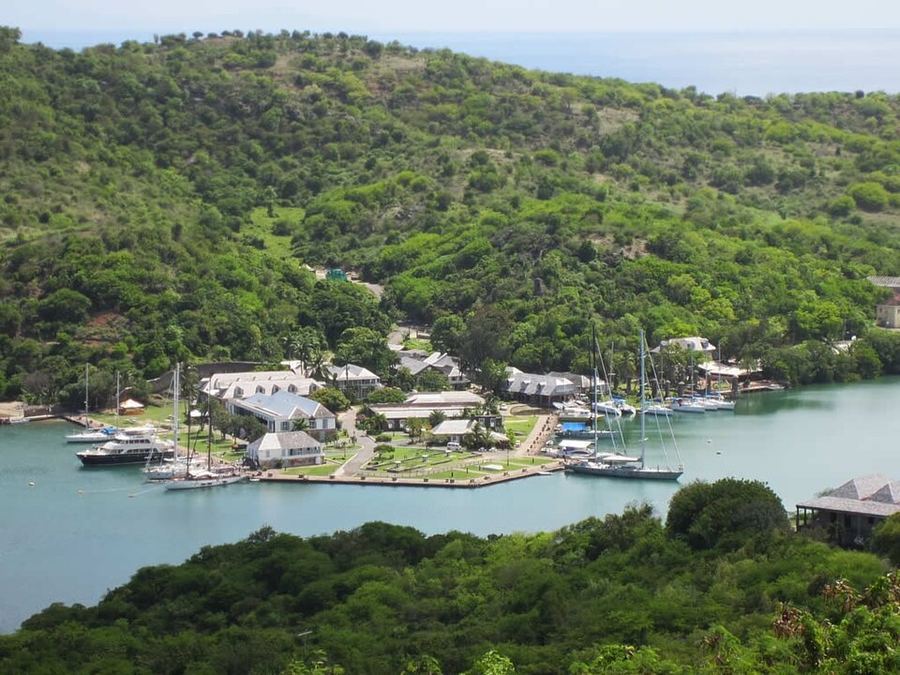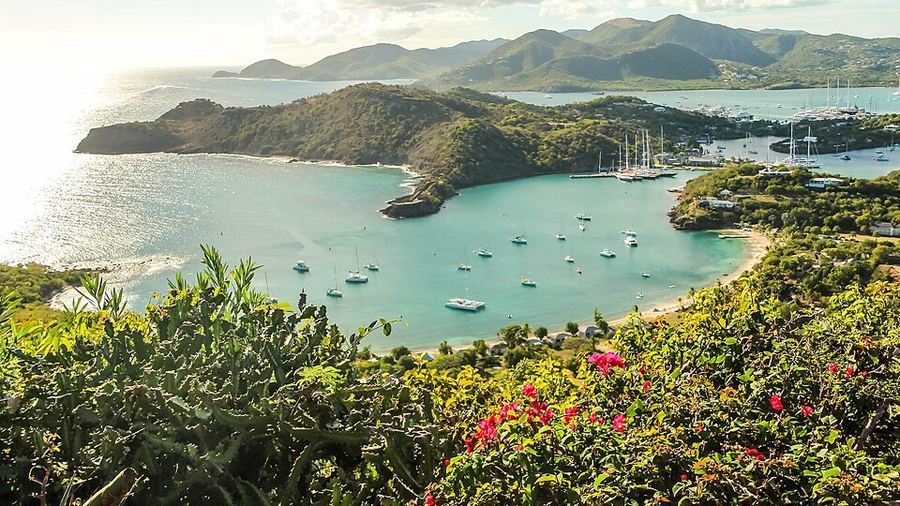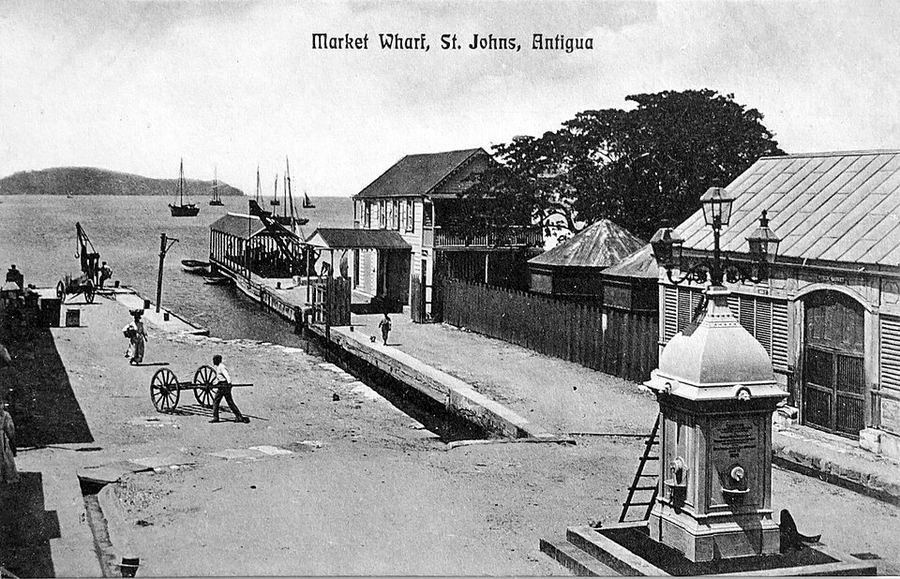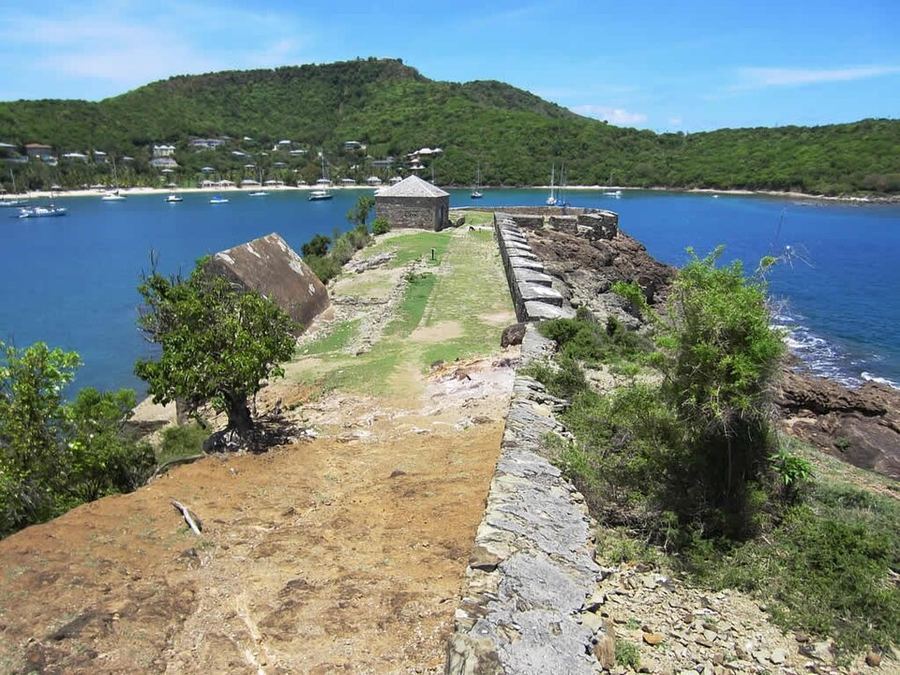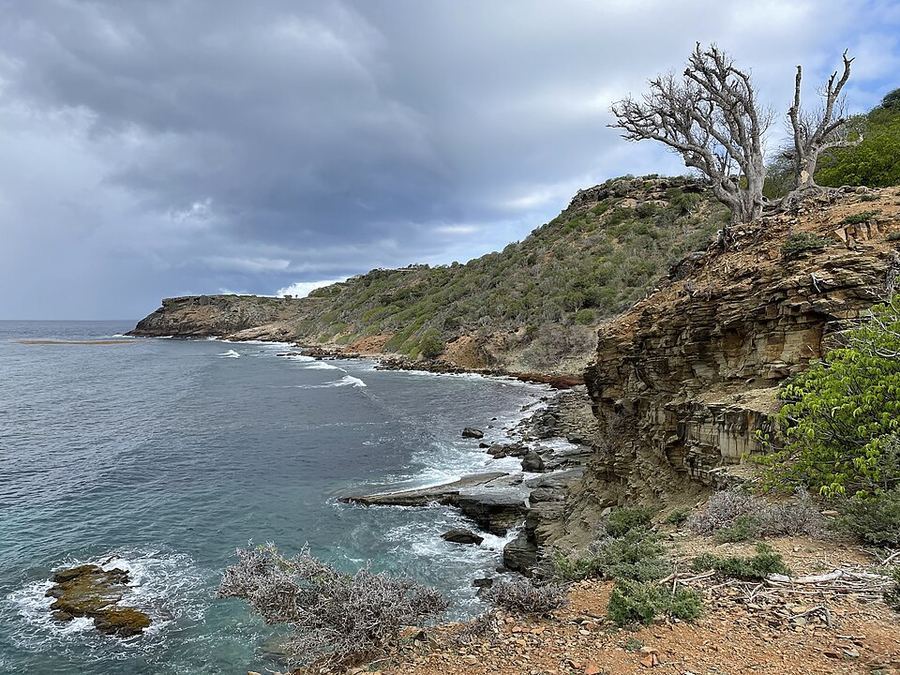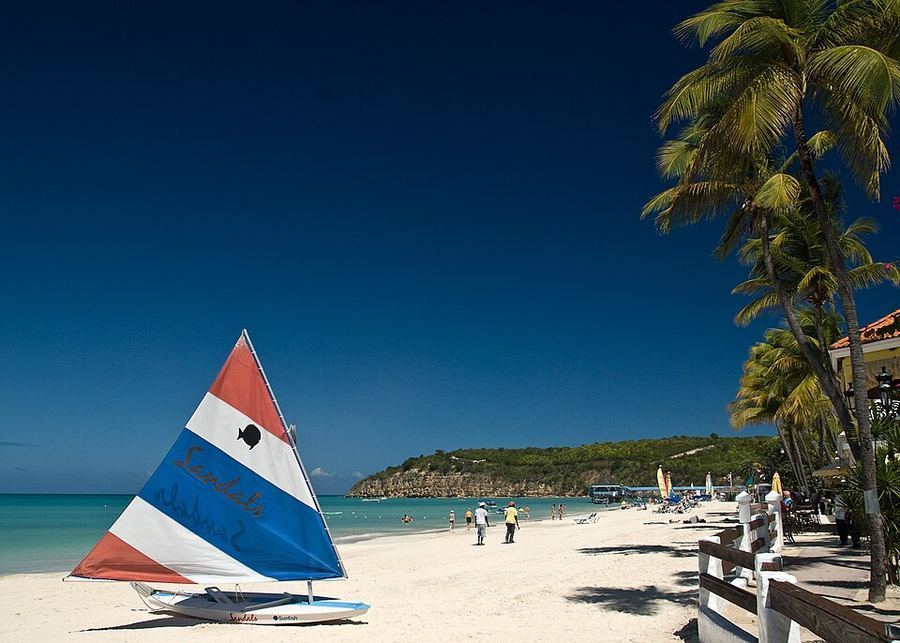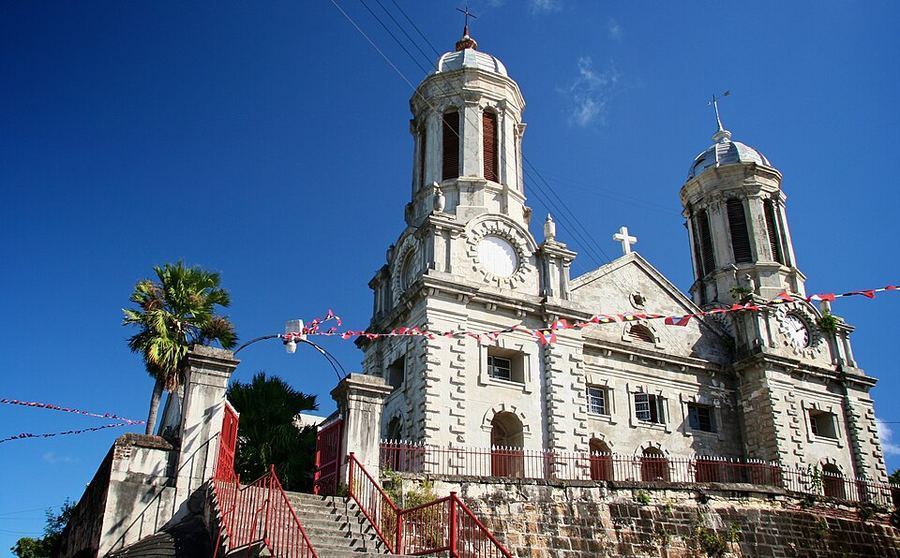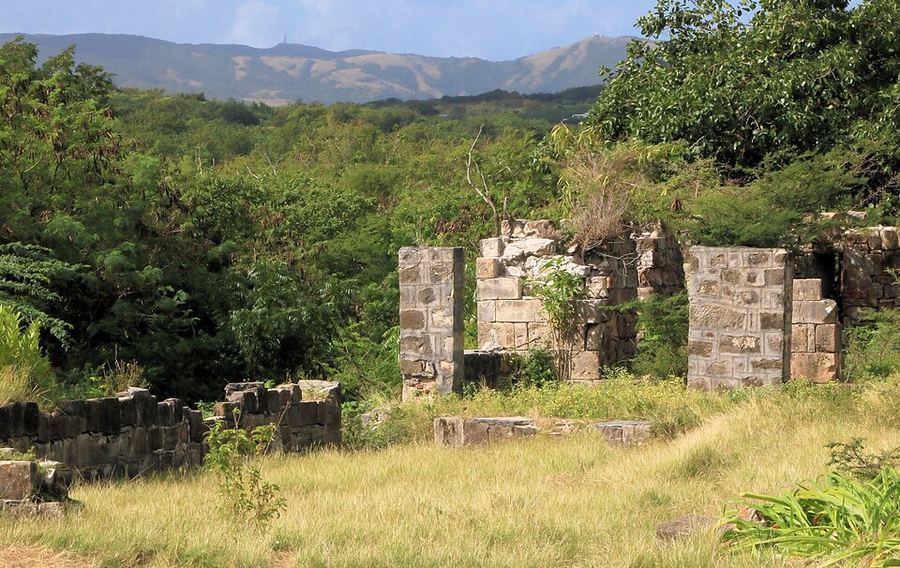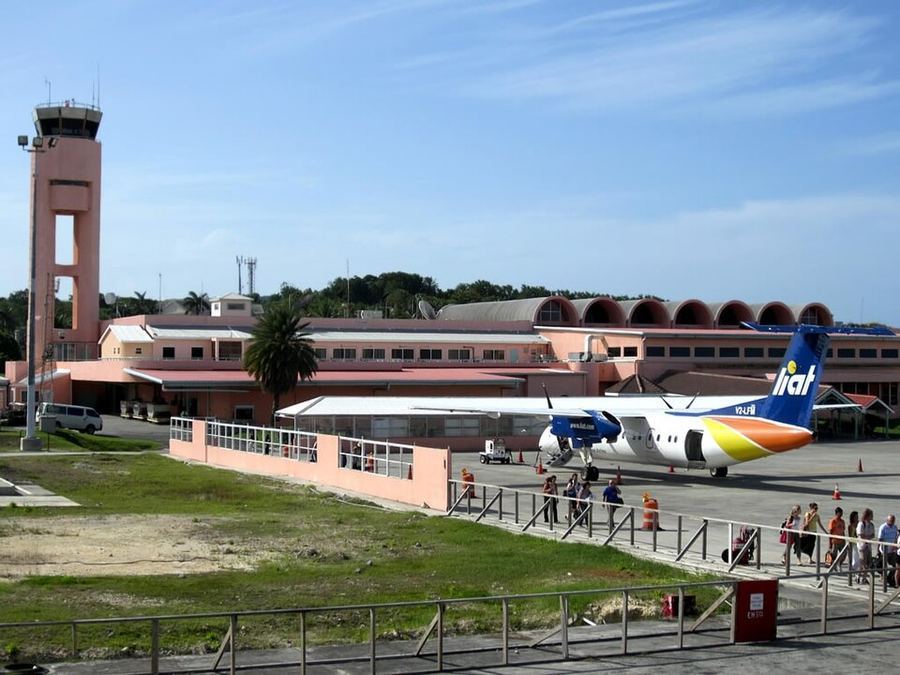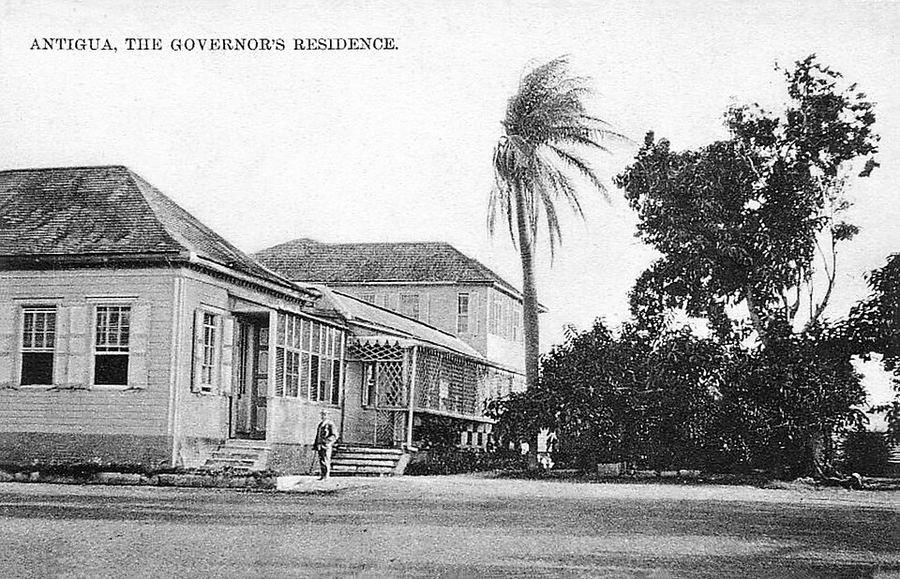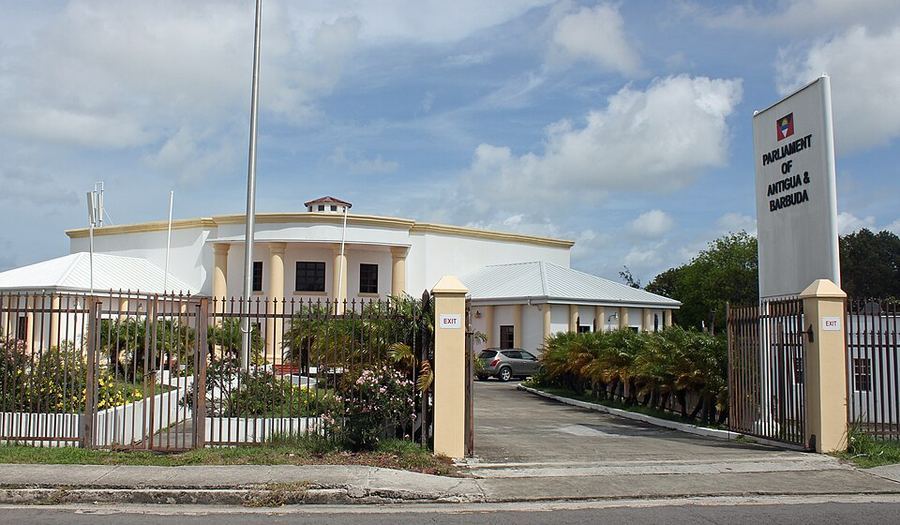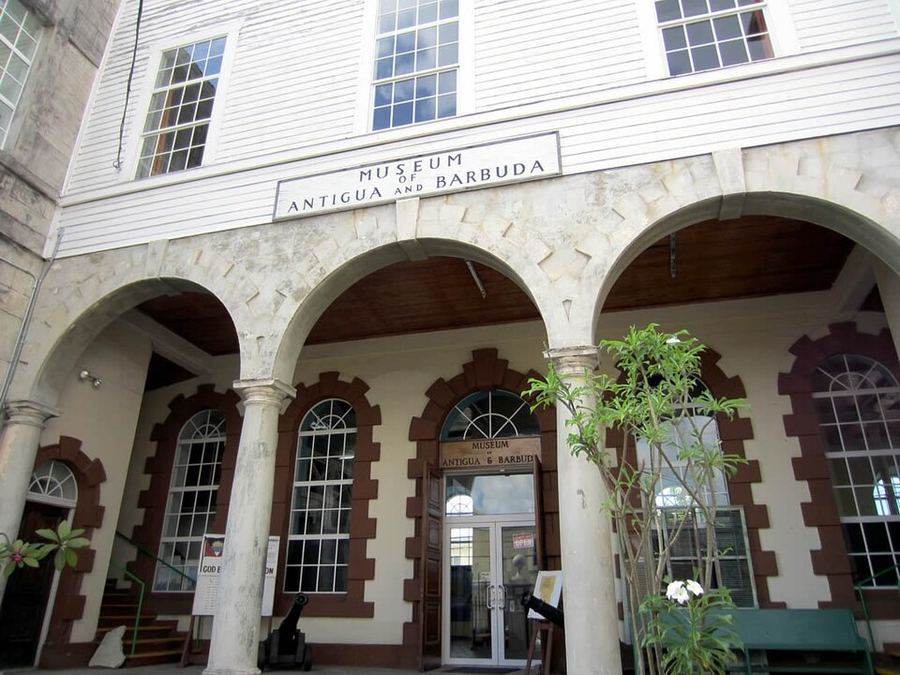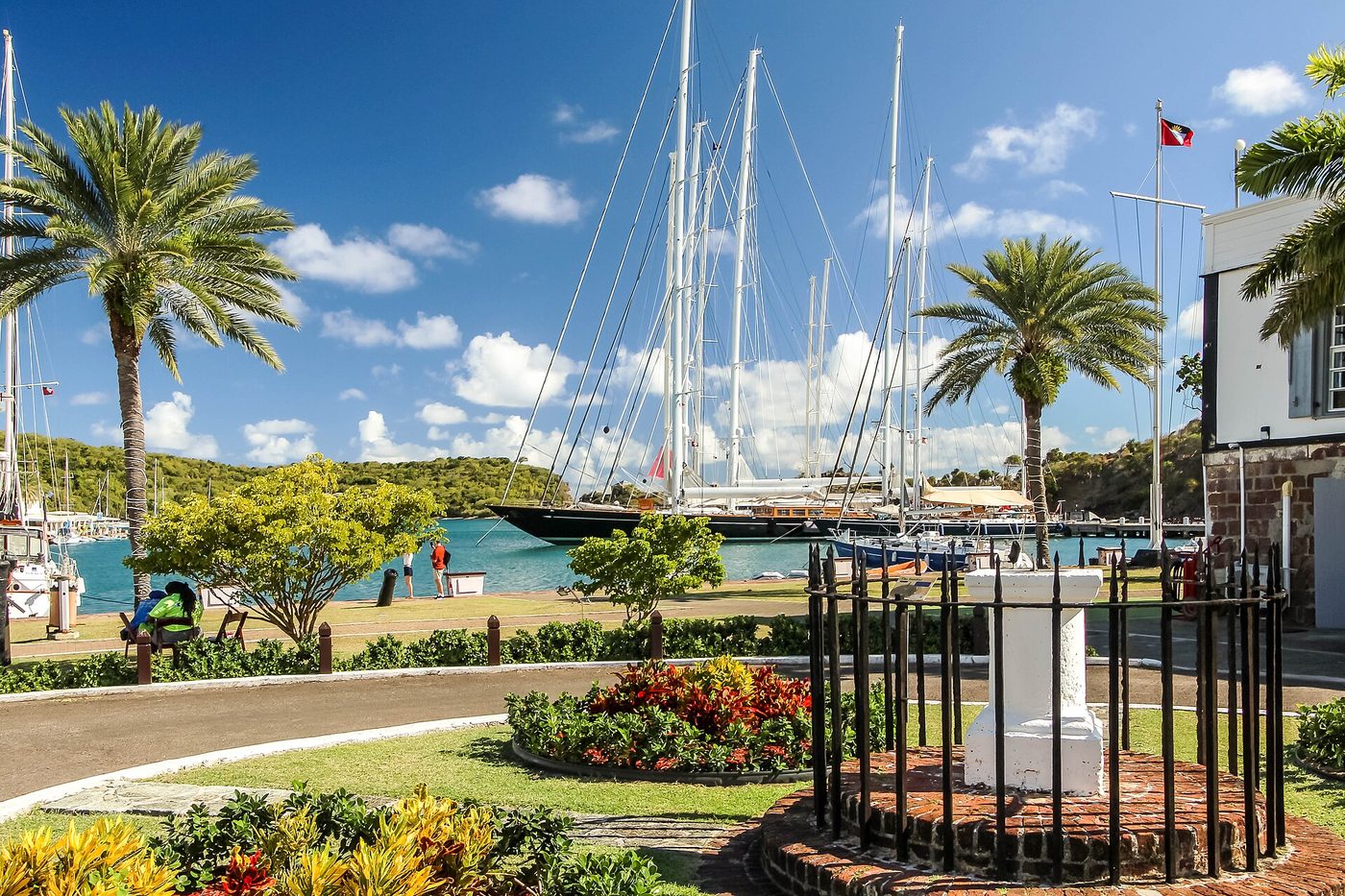
Antigua and Barbuda is a two-island state in the Leeward Islands of the eastern Caribbean, home to roughly 103,000 people and governed as a parliamentary democracy under a constitutional monarchy within the Commonwealth. Antigua, the larger and far more populous island, holds the capital and only city, Saint John's; Barbuda lies about forty kilometres north, flat, coral-built and thinly settled, with the single village of Codrington. A third island, Redonda, is an uninhabited volcanic rock now managed as a nature reserve. Independence came on 1 November 1981, after nearly four centuries in which the islands were an English and then British sugar colony worked by enslaved Africans; some 87% of the population today is of African descent, and English is the official language alongside a widely spoken English-based creole. Protestant Christianity predominates, with Anglicans, Adventists, Pentecostals and Moravians the largest groupings. The economy is overwhelmingly a services economy: tourism, yachting, offshore finance and a citizenship-by-investment programme give the country a GDP per capita of around $29,600 in purchasing-power terms, high by regional standards but exposed to hurricanes and to the fortunes of the North American travel market. Antigua's deeply indented coastline, which made it a Royal Navy base in the eighteenth century, is the same asset that makes it a sailing centre today.
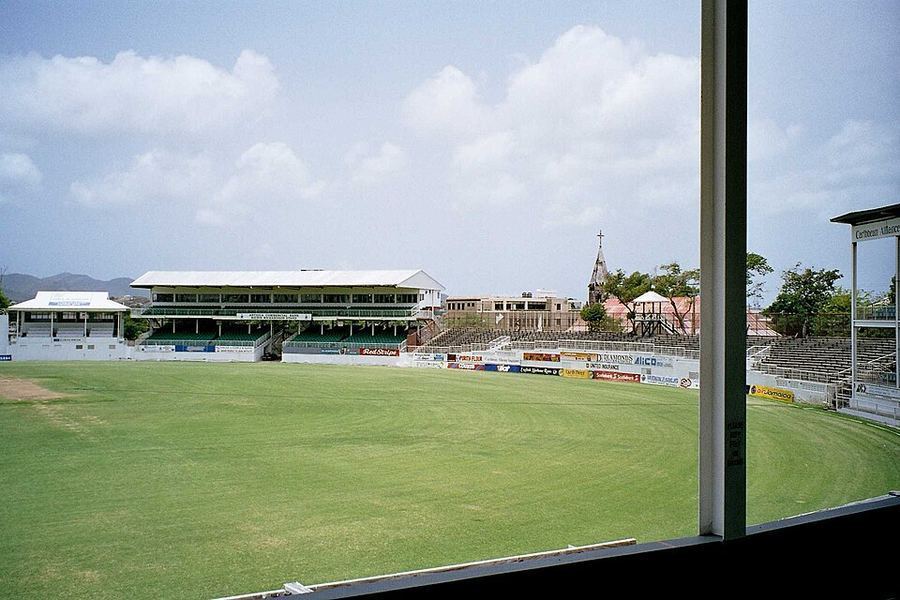
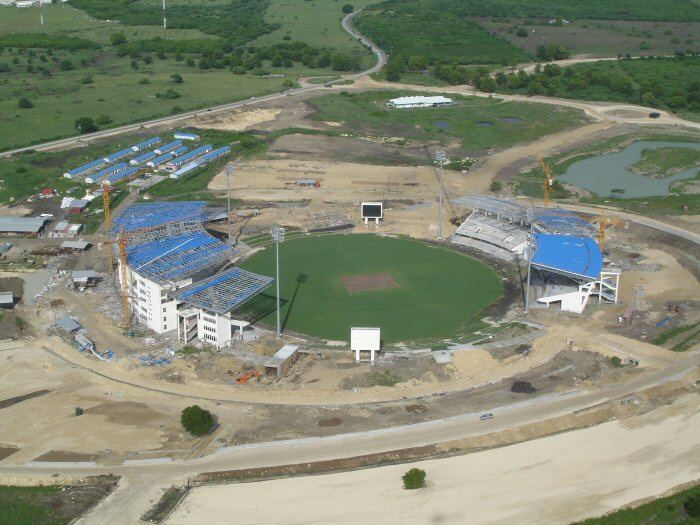
Antigua's international sporting significance is disproportionate to its population and rests on two things. The first is cricket: through the West Indies team, four Antiguans — Viv Richards, Andy Roberts, Curtly Ambrose and Richie Richardson — were central to the most dominant side in the history of Test cricket, and Richards in particular changed how the game's batting was played and watched. Antigua remains part of the Test and one-day international circuit, and hosted matches at the 2007 Cricket World Cup and subsequent regional Twenty20 World Cups, so the island's grounds appear regularly on global broadcasts. The second is offshore sailing. Antigua Sailing Week and the Antigua Charter Yacht Show place the island on the international regatta and superyacht calendar, and English Harbour is the finish of the Atlantic rowing race that crosses from the Canary Islands each winter, an event that draws worldwide coverage. In Olympic sport the country's presence is symbolic rather than competitive, with small teams in athletics, swimming and sailing; no Antiguan or Barbudan has yet reached an Olympic podium, and the national football team has never qualified for a World Cup.
East Caribbean Dollar — XCD ($)
GDP (PPP): $2.772 billion (2024 est.)
Per capita: $29,600 (2024 est.)
$1.314 billion (2024 est.)
refined petroleum, ships, soybean meal, shellfish, paintings (2023)
Partners: Suriname 29%, Poland 21%, USA 8%, Dominican Republic 7%, Australia 5% (2023)
$1.282 billion (2024 est.)
ships, refined petroleum, cars, plastic products, furniture (2023)
Partners: USA 43%, Poland 6%, China 5%, UK 4%, Germany 4% (2023)
Type: parliamentary democracy under a constitutional monarchy; a Commonwealth realm
Independence: 1 November 1981 (from the UK)
How mountains, coasts, and rivers shape settlement (LandScan).
Coming — dataWhere groups settled and how people move (GeoEPR + UNHCR).
Coming — dataNotable institutions, mappable as points.
Coming — data