History
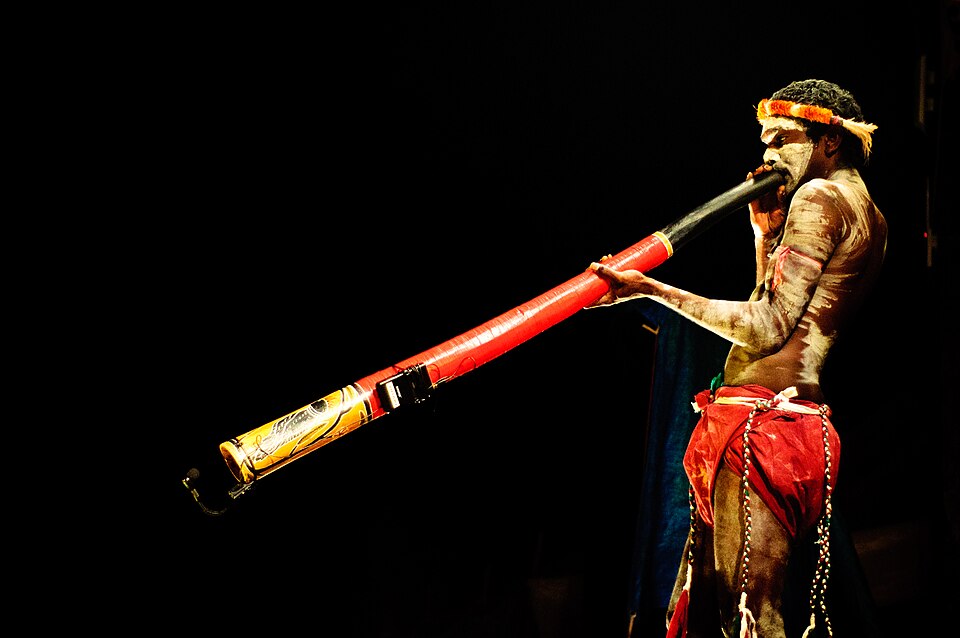
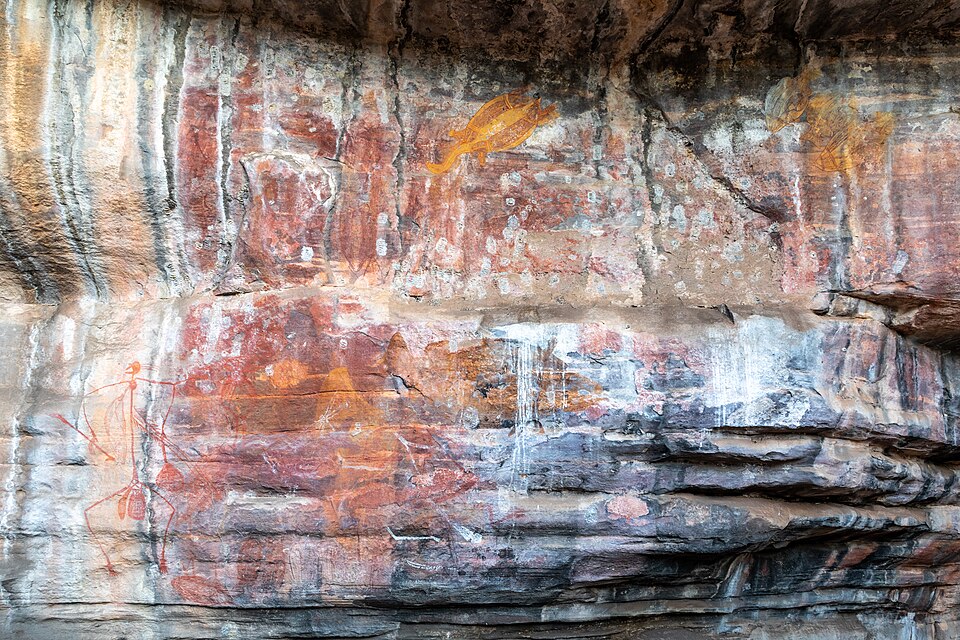
Australia is the only nation that is also a continent — 7.7 million square kilometres ringed by some 34,000 kilometres of coastline, yet home to just 27.5 million people, nearly nine in ten of them clustered in cities hugging the eastern and southern seaboards. Federated from six British colonies on 1 January 1901, it is a federal parliamentary democracy and Commonwealth realm whose purpose-built capital, Canberra, was carved out of sheep country as a compromise between rivals Sydney and Melbourne. The economy runs on what lies underground: iron ore, coal, natural gas and gold dominate $425 billion in annual exports, with China alone taking 37 percent. Yet the country's deepest story is human, not mineral — Aboriginal and Torres Strait Islander peoples have lived here continuously for tens of millennia, making theirs among the oldest continuing cultures on Earth. Today's Australia layers that ancient foundation with one of the world's most successful migration societies: the 2021 census counted ancestries from every corner of the globe, and 38 percent of residents claim no religion at all.
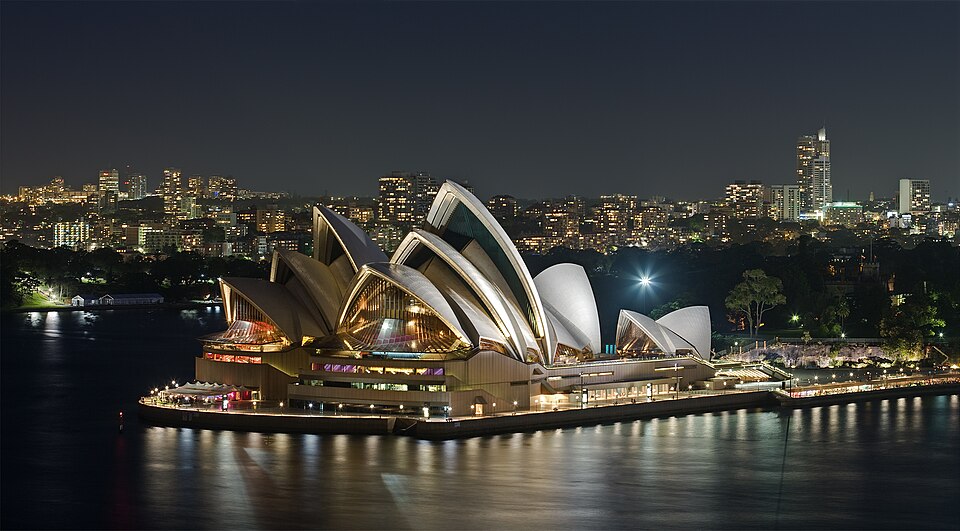
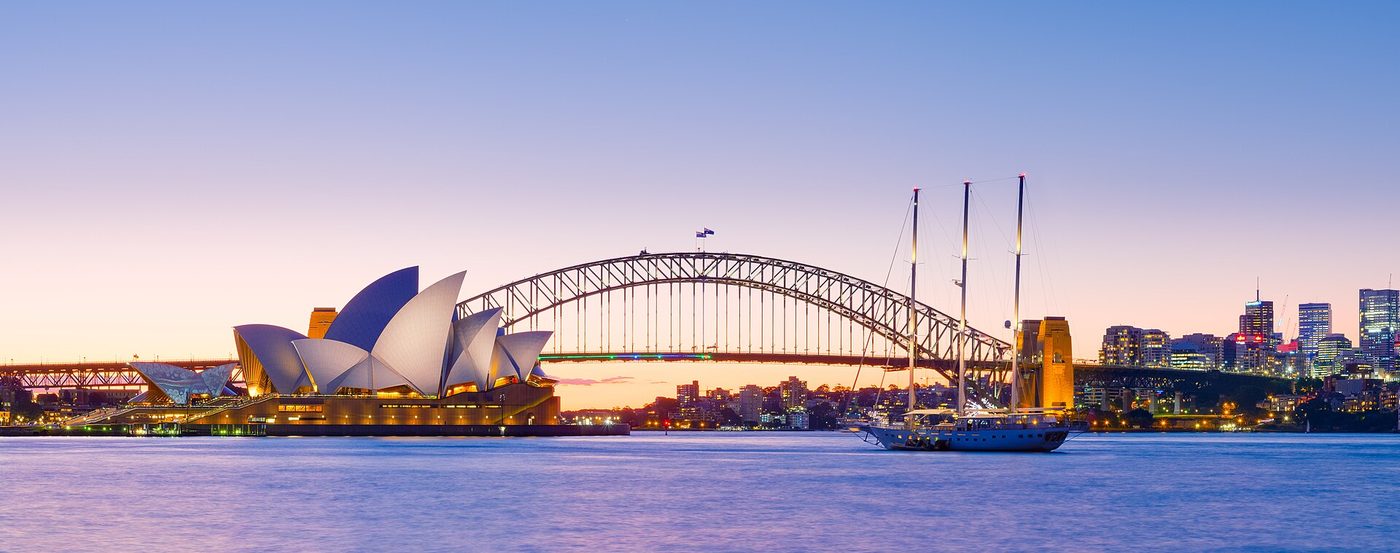
Sydney's urban core is home to about 4,375,394 people.
That's bigger than Barcelona, Berlin, Rome and Amsterdam — each a great world city in its own right.
Among the world's megacities, though, it's one of many — the giants of Asia and Latin America run larger still:
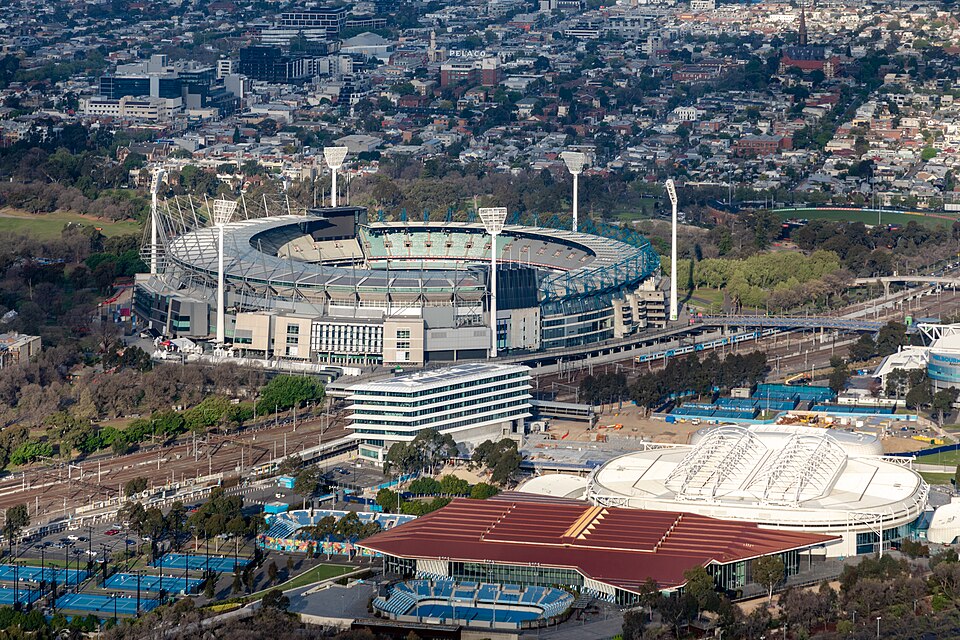
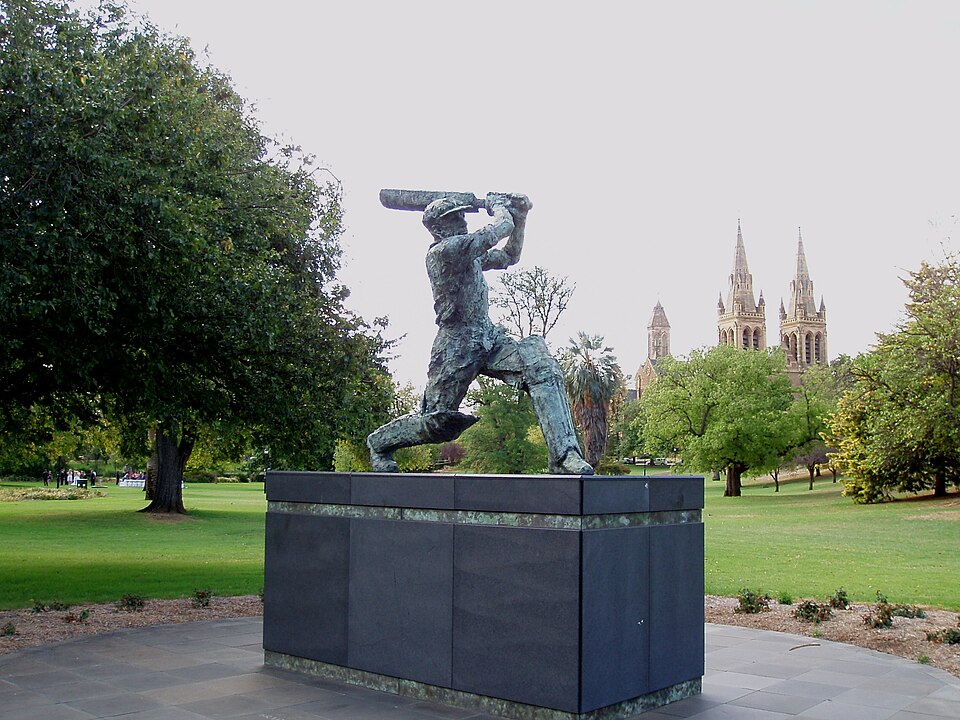
Australia's international record is outsized for 27 million people. It is one of only two nations to have competed at every modern Summer Olympics, has hosted twice (Melbourne 1956, Sydney 2000) with Brisbane to come in 2032, and routinely finishes near the top of the medal table — powered above all by swimming, where Dawn Fraser won the 100-metre freestyle at three consecutive Games and Emma McKeon's fourteen career medals make her Australia's most decorated Olympian. Cathy Freeman's 400-metre triumph at Sydney 2000 remains the emblematic home-Games moment. In cricket, Australia has won the men's one-day World Cup a record six times; in tennis, Rod Laver completed the calendar Grand Slam twice and Ash Barty won Wimbledon in 2021; in rugby union, the Wallabies lifted the World Cup in 1991 and 1999. The Matildas' semi-final run at the 2023 FIFA Women's World Cup, co-hosted at home, drew the largest television audiences in the country's history.
Australian Dollar — AUD ($)
GDP (PPP): $1.635 trillion (2024 est.)
Per capita: $60,100 (2024 est.)
$425.16 billion (2024 est.)
iron ore, coal, natural gas, gold, minerals (2023)
Partners: China 37%, Japan 16%, S. Korea 6%, India 5%, Taiwan 5% (2023)
$405.336 billion (2024 est.)
refined petroleum, cars, trucks, broadcasting equipment, garments (2023)
Partners: China 26%, USA 11%, S. Korea 6%, Japan 6%, Thailand 5% (2023)
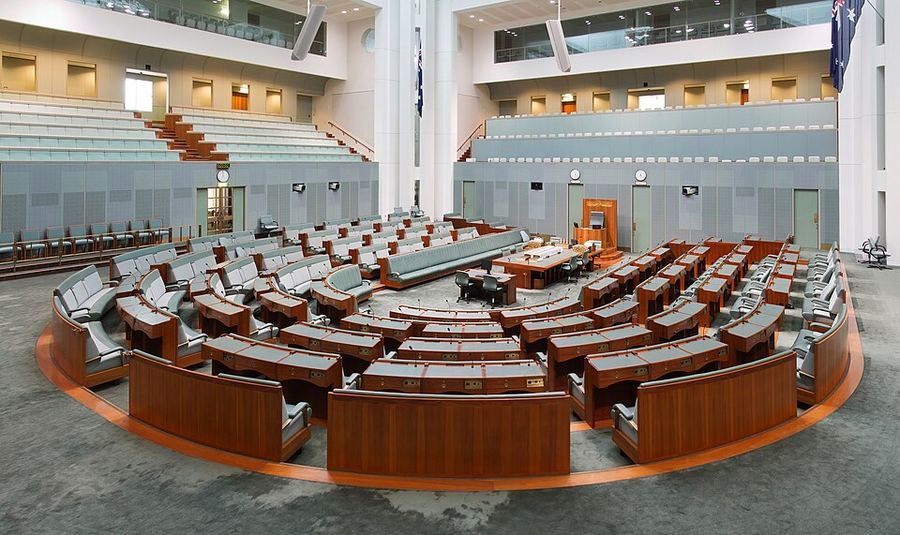
Type: federal parliamentary democracy under a constitutional monarchy; a Commonwealth realm
Independence: 1 January 1901 (from the federation of UK colonies)
How mountains, coasts, and rivers shape settlement (LandScan).
Coming — dataWhere groups settled and how people move (GeoEPR + UNHCR).
Coming — dataNotable institutions, mappable as points.
Coming — data