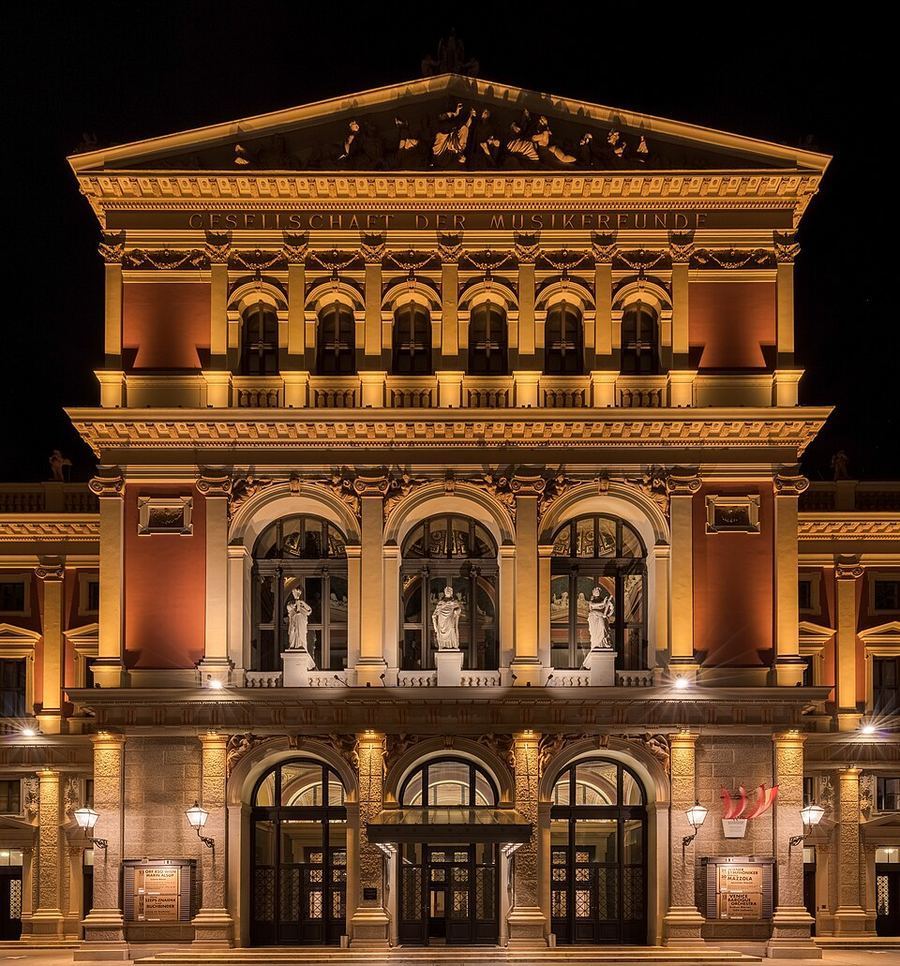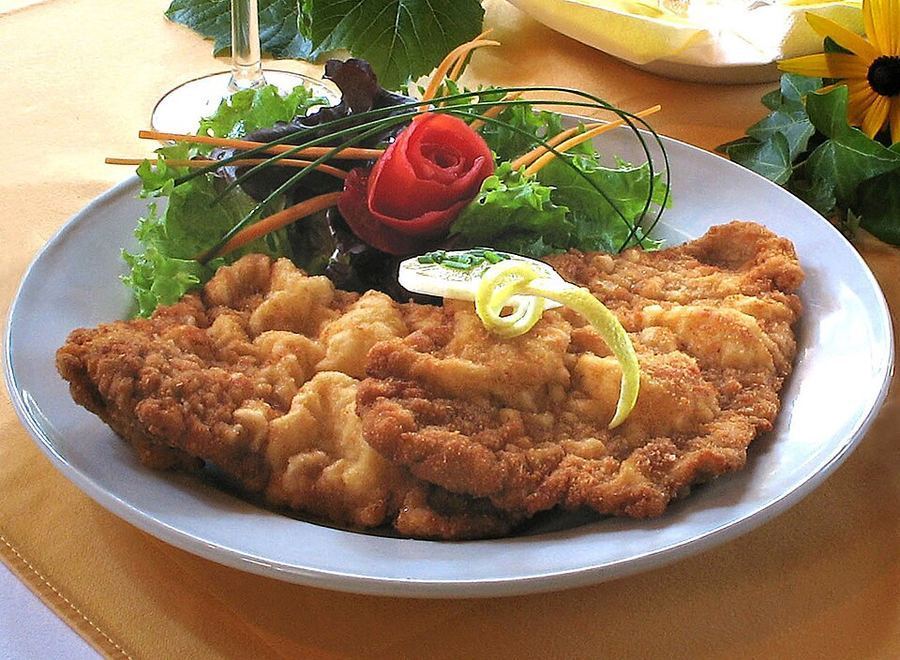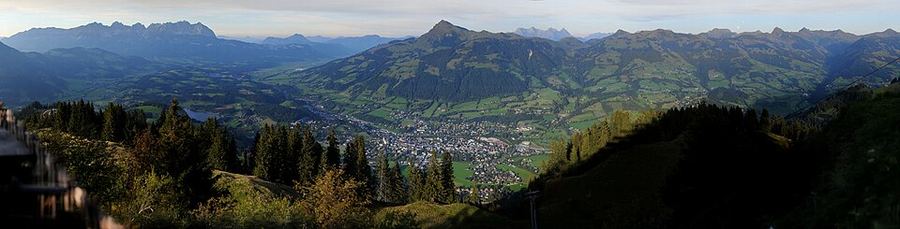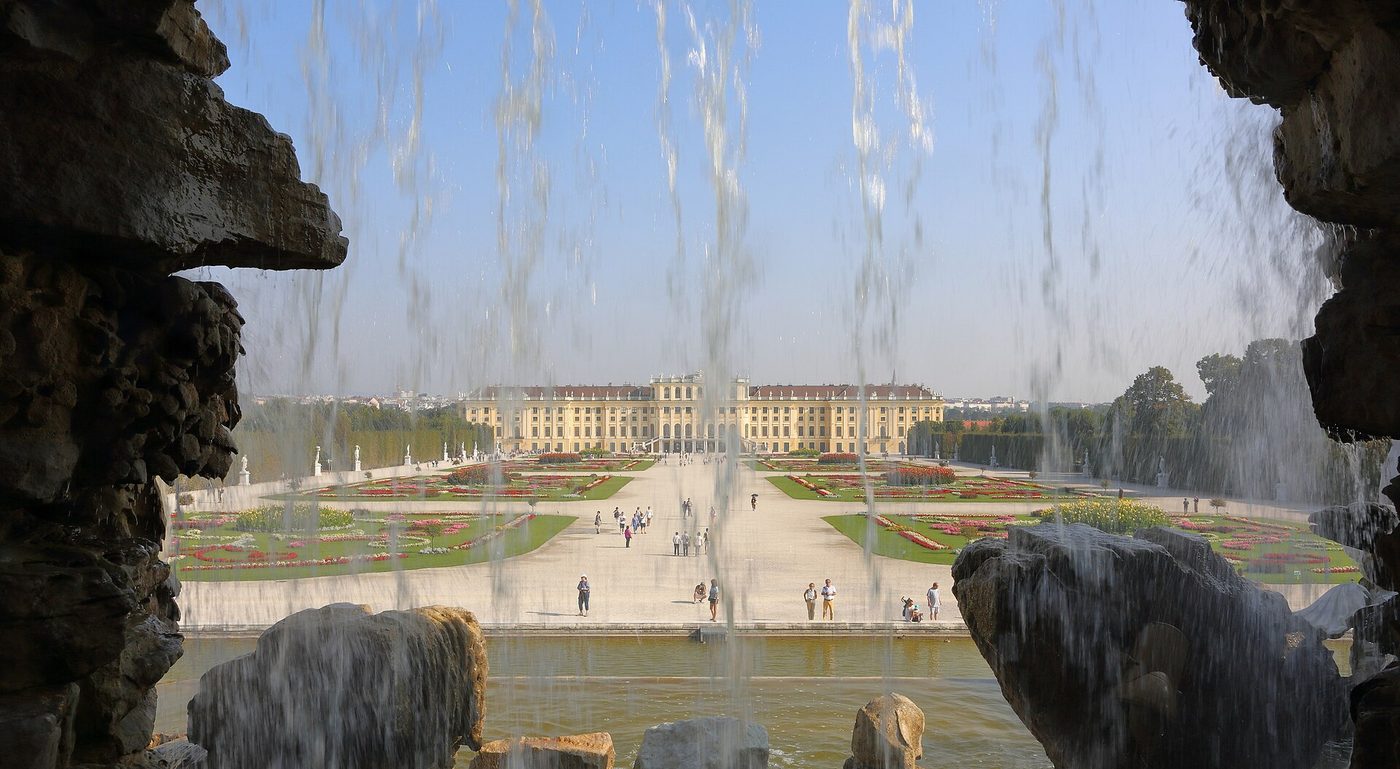
Austria is a landlocked federal republic of about 9.2 million people in the eastern Alps and the Danube basin, bordered by eight countries and organised into nine federal provinces, of which Vienna is both a city and a province. It is a wealthy, high-cost, export-oriented economy — cars, pharmaceuticals, vaccines, vehicle components and industrial chemicals dominate its exports, and roughly a quarter of them go to Germany — with GDP per capita above $63,000 in purchasing-power terms. German is the national official language, with Croatian, Slovene and Hungarian holding official status in particular provinces, and about a fifth of residents have a migration background. Just over half the population identifies as Roman Catholic, but the share declaring no religion has risen sharply, to more than a fifth. The country's political identity rests on two poles: the Habsburg imperial past, which made Vienna the capital of a multinational empire and one of Europe's great centres of music, medicine and ideas, and the permanent neutrality adopted in 1955 as the price of Soviet withdrawal, which made the country a meeting ground and gave Vienna a third career as a United Nations city hosting the IAEA, OPEC and the OSCE. Austria joined the European Union in 1995 and the euro in 1999.
Vienna's urban core is home to about 2,056,565 people.
That's bigger than Amsterdam — each a great world city in its own right.
Among the world's megacities, though, it's one of many — the giants of Asia and Latin America run larger still:
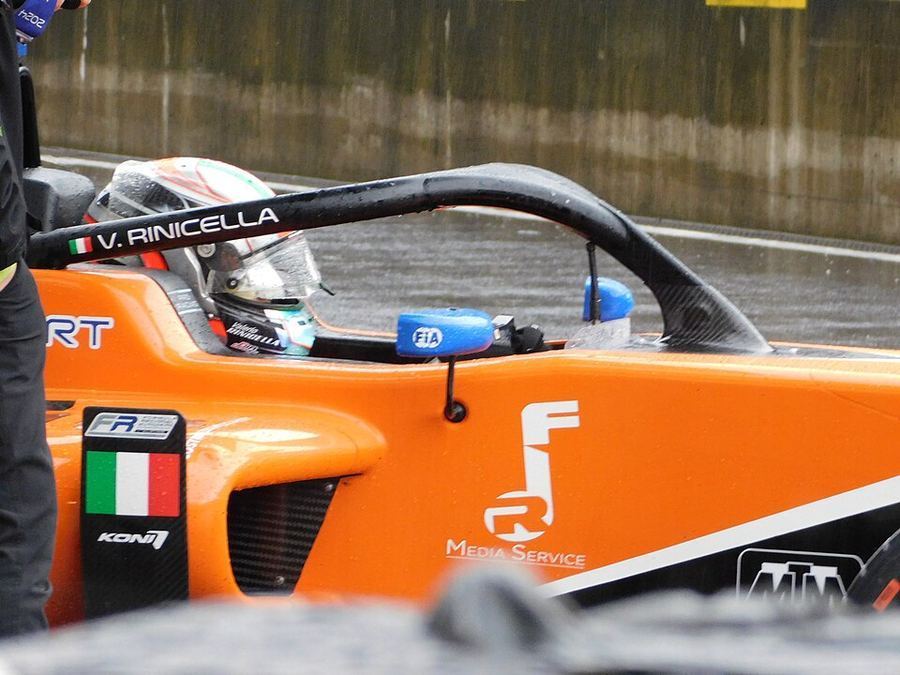
Austria's international sporting footprint is built on winter sport and on a single corporate empire. In alpine skiing and ski jumping it is a genuine superpower, supplying a large share of World Cup podium finishers year after year and exporting coaches, technicians and equipment; Atomic, Fischer, Head and Blizzard are Austrian or Austrian-founded ski manufacturers with worldwide markets. Two Winter Olympics at Innsbruck and the first Winter Youth Olympic Games there in 2012 gave the country a durable place in Olympic history. The second pillar is Red Bull, an Austrian company that turned sports sponsorship into ownership: a Formula One team that has won multiple constructors' and drivers' championships, football clubs in Salzburg and abroad, and an extreme-sports media operation that staged Felix Baumgartner's stratospheric parachute jump in 2012, watched live by a global audience. Formula One's Austrian Grand Prix at Spielberg is a fixture of the calendar. In summer sport Austria is a smaller presence, with medals in sailing, judo, canoeing and cycling, and its footballers now play across Europe's leading leagues even as the national team's tournament record remains modest.
Euro — EUR (€)
GDP (PPP): $581.131 billion (2024 est.)
Per capita: $63,300 (2024 est.)
$299.366 billion (2024 est.)
cars, packaged medicine, vaccines, vehicle parts/accessories, nitrogen compounds (2023)
Partners: Germany 25%, USA 9%, Italy 7%, Switzerland 5%, Hungary 4% (2023)
$284.467 billion (2024 est.)
cars, garments, vaccines, vehicle parts/accessories, refined petroleum (2023)
Partners: Germany 34%, China 7%, Italy 7%, Switzerland 5%, Czechia 4% (2023)
Type: federal parliamentary republic
Independence: no official date of independence: 976 (Margravate of Austria established); 17 September 1156 (Duchy of Austria founded); 6 January 1453 (Archduchy of Austria acknowledged); 11 August 1804 (Austrian Empire proclaimed); 30 March 1867 (Austro-Hungarian dual monarchy established); 12 November 1918 (First Republic proclaimed); 27 April 1945 (Second Republic proclaimed)
How mountains, coasts, and rivers shape settlement (LandScan).
Coming — dataWhere groups settled and how people move (GeoEPR + UNHCR).
Coming — dataNotable institutions, mappable as points.
Coming — data