HERA · Human Entity Reference Atlas by Masego Inc

← Burundi 🌐 3D View
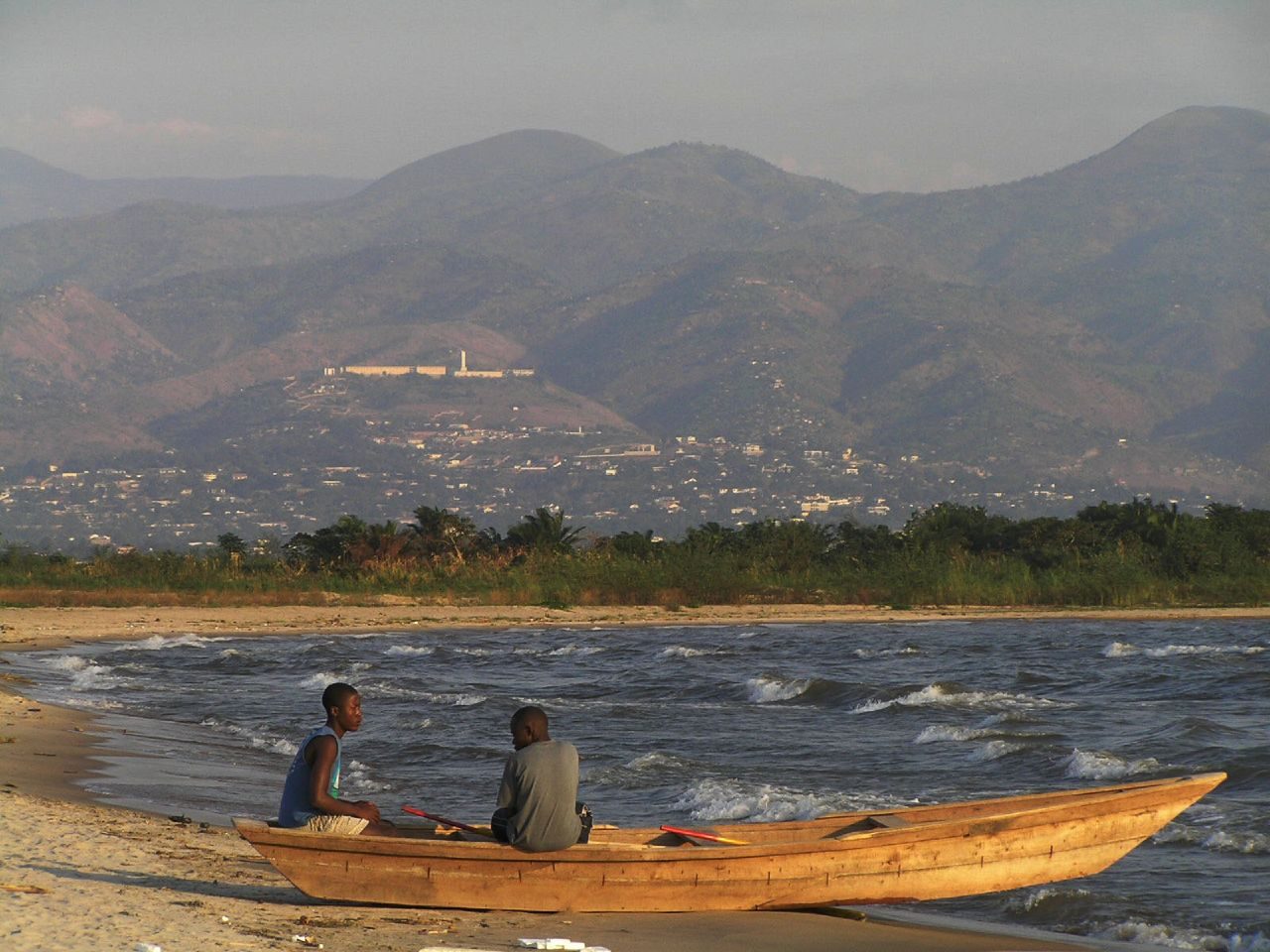
Burundi - Lake Tanganyika fisheries, Burundi
Burundi BDI
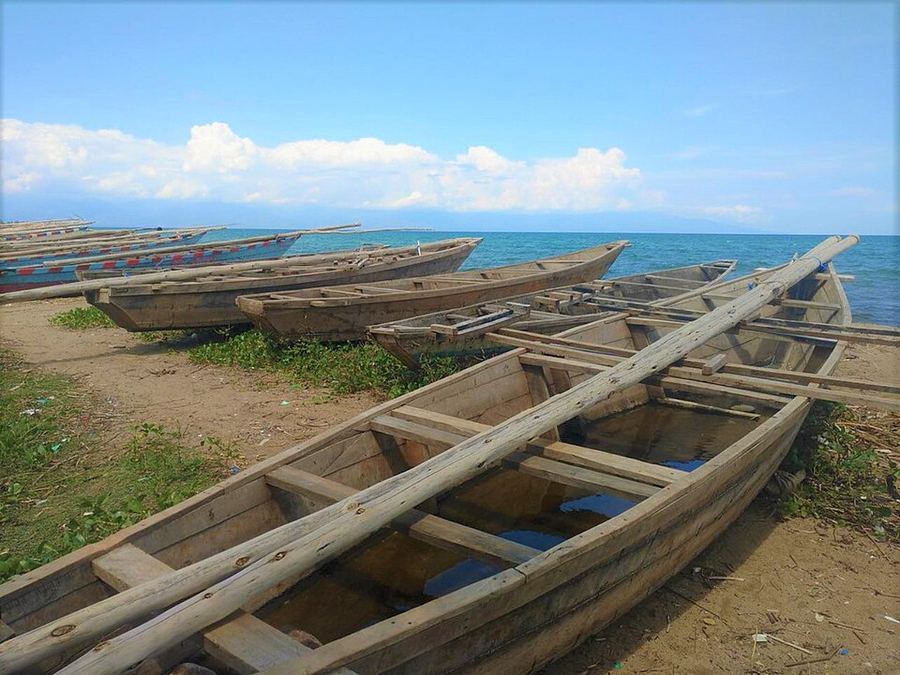
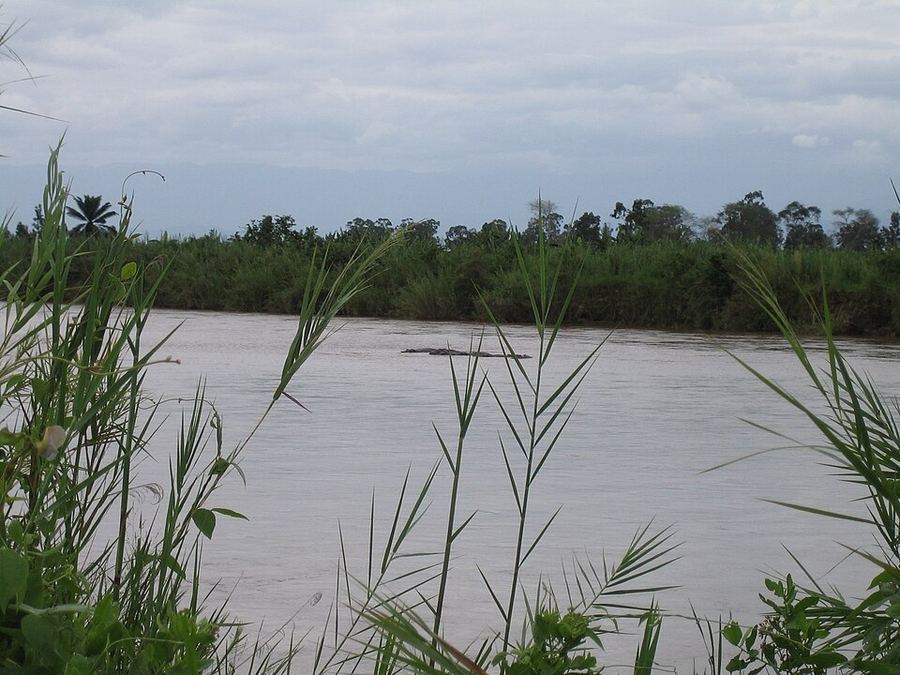
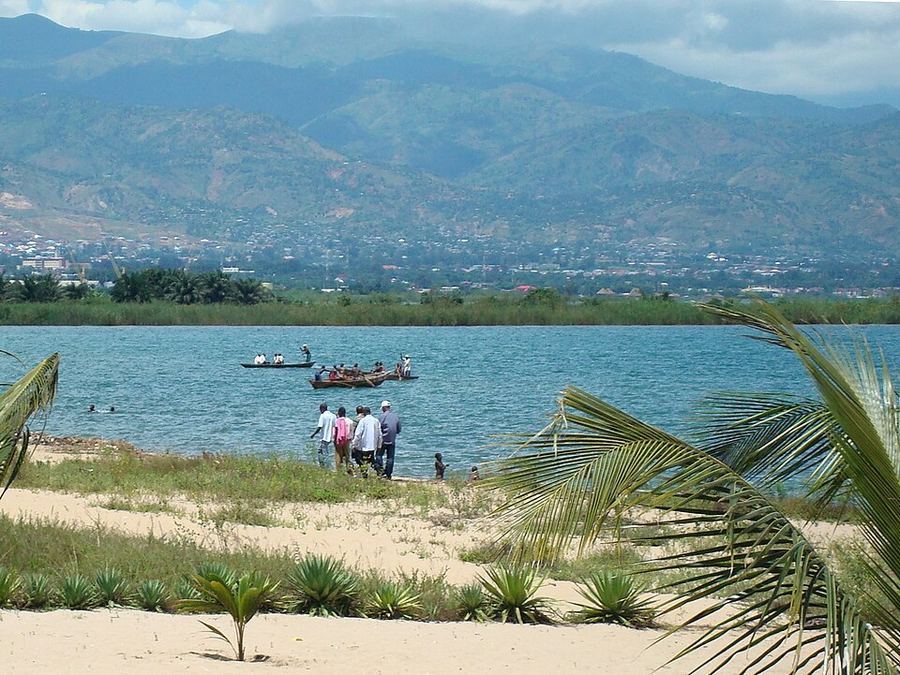
Burundi - Lake Tanganyika fisheries — Photo: FRANCESCA ANSALONI / CC BY 2.0 via Wikimedia Commons
Did You Know A monument on a hill near Rutovu marks the Ruvyironza headwater, long identified as the southernmost source of the Nile. — Encyclopaedia Britannica

Burundi is a small, landlocked, densely populated republic in the African Great Lakes region, home to about 13.6 million people packed onto hills between Lake Tanganyika and the Rwandan border. Gitega, in the central highlands, has been the political capital since the seat of government was moved there in 2019; Bujumbura, on the northeastern shore of Lake Tanganyika, remains the economic capital and largest city. The population is exceptionally young, with a median age under eighteen, and overwhelmingly rural and agricultural: coffee and tea are the traditional export crops, gold has recently overtaken both by value, and GDP per capita of around $800 in purchasing-power terms places Burundi among the poorest countries in the world. Nearly everyone speaks Kirundi, which is an official language alongside French and English, and the language is shared across the Hutu, Tutsi and Twa groups — an unusual case in which ethnic division does not follow linguistic or religious lines, since about 94% of Burundians are Christian, the majority Roman Catholic. Independence came on 1 July 1962, first as a kingdom; the decades since have been marked by mass violence in 1972 and a civil war from 1993 to 2005 that the Arusha agreement brought to a negotiated end.

CIA World FactbookEncyclopaedia BritannicaWorld Bank
Population
13,590,102
Capital
Gitega (political capital), Bujumbura (commercial capital)
Currency
FBu BIF
Time zones
Largest city
Bujumbura
Human Geography Themes
Loading national figures…
Largest Cities
Bujumbura1,403,419
Gitega176,123
Ngozi138,143
Kayanza124,448
Rumonge103,919
Muyinga102,771
Giteranyi58,169
Bubanza57,028
In Perspective

Bujumbura's urban core is home to about 1,403,419 people.

That's bigger than Amsterdam — each a great world city in its own right.

Bujumbura1,403,419
Amsterdam1,223,407

Among the world's megacities, though, it's one of many — the giants of Asia and Latin America run larger still:

Bujumbura1,403,419
Jakarta40,545,126
Dhaka37,307,160
Tokyo33,244,670
Shanghai30,678,616
Cairo25,230,325
The Country & Its People

History

The Kingdom of Burundi took shape from around the seventeenth century under a dynasty of mwami, or kings, whose authority was expressed through cattle clientship, ritual drums and the office of the ganwa princely families; the kingdom was a going concern with defined institutions when Europeans arrived. Germany claimed the territory in the 1890s and administered it lightly as part of German East Africa; after the First World War it passed to Belgium as the League of Nations mandate of Ruanda-Urundi, later a United Nations trust territory. Belgian administration ruled indirectly through the monarchy while hardening ethnic categories through identity documents and unequal access to schooling and office. Prince Louis Rwagasore, son of the mwami and leader of the nationalist UPRONA party, won the 1961 elections and was assassinated in October of that year, weeks before independence; he remains the national hero. Independence came on 1 July 1962 under Mwami Mwambutsa IV. The monarchy was abolished in 1966 and a series of military governments followed. In 1972 the army and government carried out mass killings of Hutu, remembered as the Ikiza, with estimates running from one hundred thousand to several hundred thousand dead, and further massacres occurred in 1988.
Culture

Burundian culture is built on the hill as a social unit, on cattle as the traditional measure of wealth and obligation, and on Kirundi as a shared idiom of proverb, poetry and indirection. Cattle saturate the language: greetings and blessings wish herds and milk on the listener, and amazina y'inka, praise poetry composed for cows, is a recognised literary form. The ubushingantahe was the customary institution of respected elders invested as arbiters, sworn to speak the truth and settle disputes on the hill; the institution was damaged by the political violence of the late twentieth century but is still invoked as a model of local justice. Oral tradition carries proverbs, riddles and imigani stories, and rhetorical skill is highly valued. The royal drums, once ritual objects tied to the person of the mwami and kept at sanctuaries such as Gishora, are the country's supreme cultural emblem, and the ritual dance of the royal drum was inscribed by UNESCO in 2014. Christianity has been layered over this since the arrival of the White Fathers, and church life — Catholic parishes, Adventist and Pentecostal congregations — organises much of the week. Communal beer drinking through long reed straws from a shared pot survives as an emblem of reconciliation and hospitality.

Points Of Pride

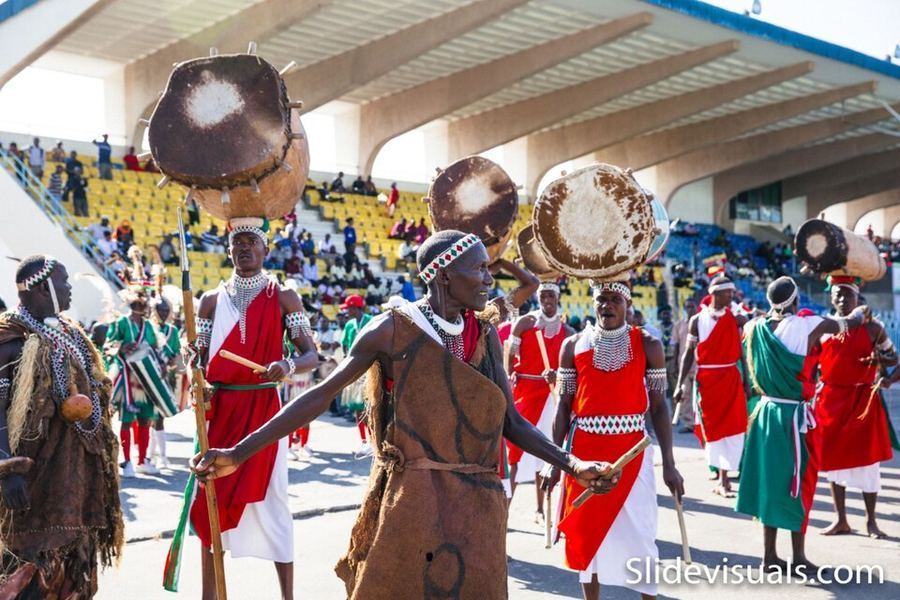
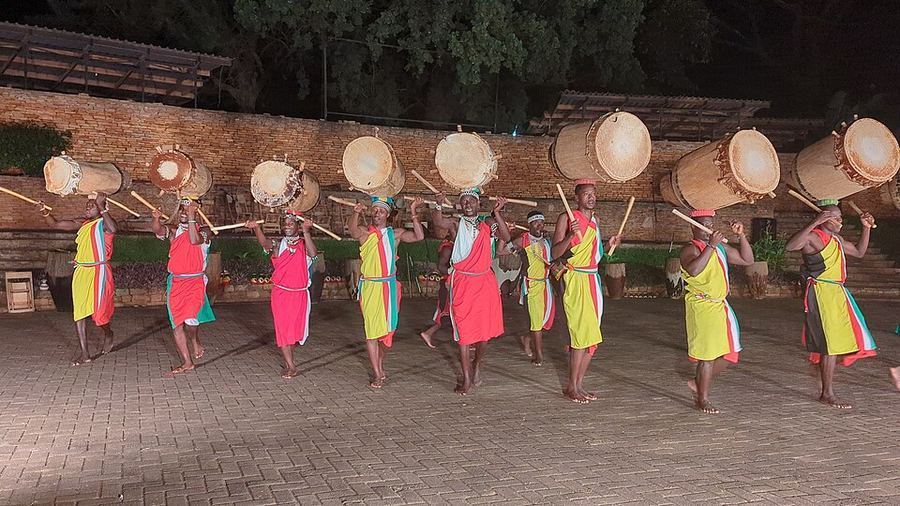
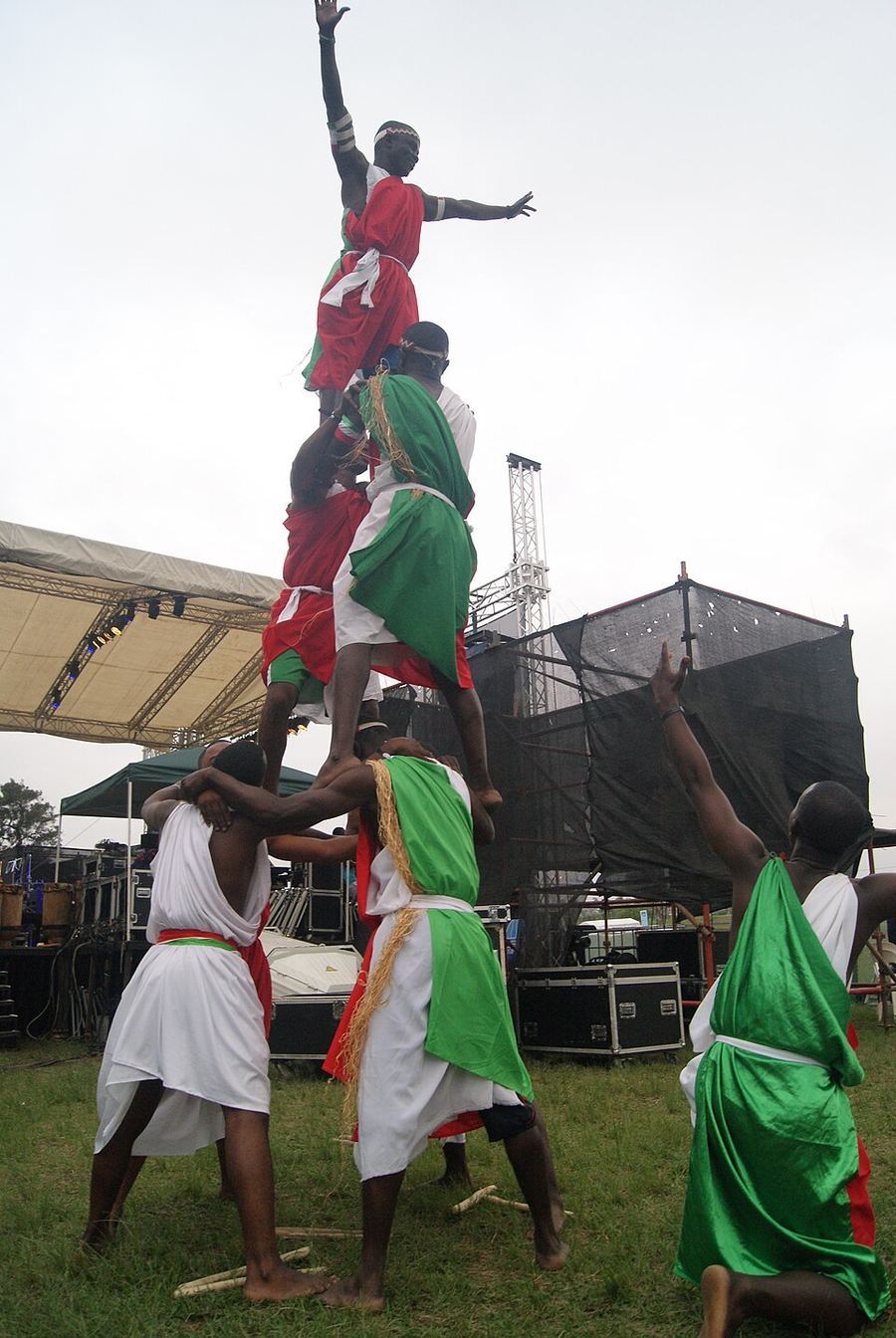
The abatimbo drummers of Burundi are the country's most recognisable export: a troupe carrying heavy carved drums on their heads, forming a semicircle around a central drum and taking turns to dance and strike, in a performance inscribed by UNESCO on its Representative List of intangible cultural heritage in 2014 and toured internationally for decades. Burundians also take pride in a rare linguistic unity — Kirundi is spoken by essentially the entire population, across every ethnic group and region, which very few African states can claim. Geographically, the country holds a headwater long identified as the southernmost source of the Nile, marked by a monument on a hill near Rutovu, and it shares Lake Tanganyika, the world's second-deepest lake and one of its oldest. The Arusha Peace and Reconciliation Agreement of August 2000, mediated by Julius Nyerere and then Nelson Mandela, is cited as an African-brokered settlement that ended a civil war through power-sharing rather than victory. Burundi was among the first two countries to send troops to the African Union mission in Somalia in 2007, a contribution the country regards as disproportionate to its size. And Burundian arabica, grown on smallholdings at altitude, has become a sought-after specialty coffee.

Cultural Fusion

Burundi's cultural mixing is less a matter of many peoples than of many layers on one people. Hutu, Tutsi and Twa share Kirundi, share Christianity, live interspersed on the same hills and have intermarried for generations; the categories are real in their political consequences but do not correspond to separate languages, territories or religions, which is precisely what has made the country's conflicts so intractable and so intimate. The Twa, the smallest group, hold a distinct traditional role as potters and hunters and face persistent marginalisation. Onto this base came a Catholic missionary inheritance, French as the language of administration and secondary education, and Belgian legal and bureaucratic forms. Swahili came up the lake from the east African coast as the language of trade, and Bujumbura's Buyenzi quarter grew as a Swahili-speaking Muslim neighbourhood with Congolese, Tanzanian and Omani roots, giving the capital a coastal flavour absent from the interior. A small South Asian trading community has long been established. Congolese rumba and soukous crossing the lake shaped Burundian popular music, and membership of the East African Community since 2007 has pushed Swahili and English further into schools and commerce.

Music & Dance

The drum is the centre of Burundian music, and specifically the ingoma, carved from a hollowed trunk and headed with cowhide. In the royal tradition the drums were sacred objects associated with kingship and fertility rather than mere instruments, kept at sanctuaries and beaten on prescribed occasions. The abatimbo performance that grew from this — a dozen or more men carrying drums on their heads in procession, arranging them in an arc around the lead drum, and stepping forward in turn to leap and strike while the others hold a thunderous common pulse — was inscribed by UNESCO in 2014 and is performed at every state occasion. Alongside it are gentler forms: the inanga, a trough zither over which a singer half-whispers a poetic text in a technique unlike anything in neighbouring countries, the umuduri musical bow, the ikembe thumb piano, and the flutes of herders. Women's dance forms, including the graceful arm movements shared across the Great Lakes region, are performed at weddings. Popular music draws heavily on Congolese rumba and on gospel; the singer Khadja Nin, born in Bujumbura, reached international audiences from the 1990s with songs in Kirundi and Swahili.

Cuisine & Misattributed Foods

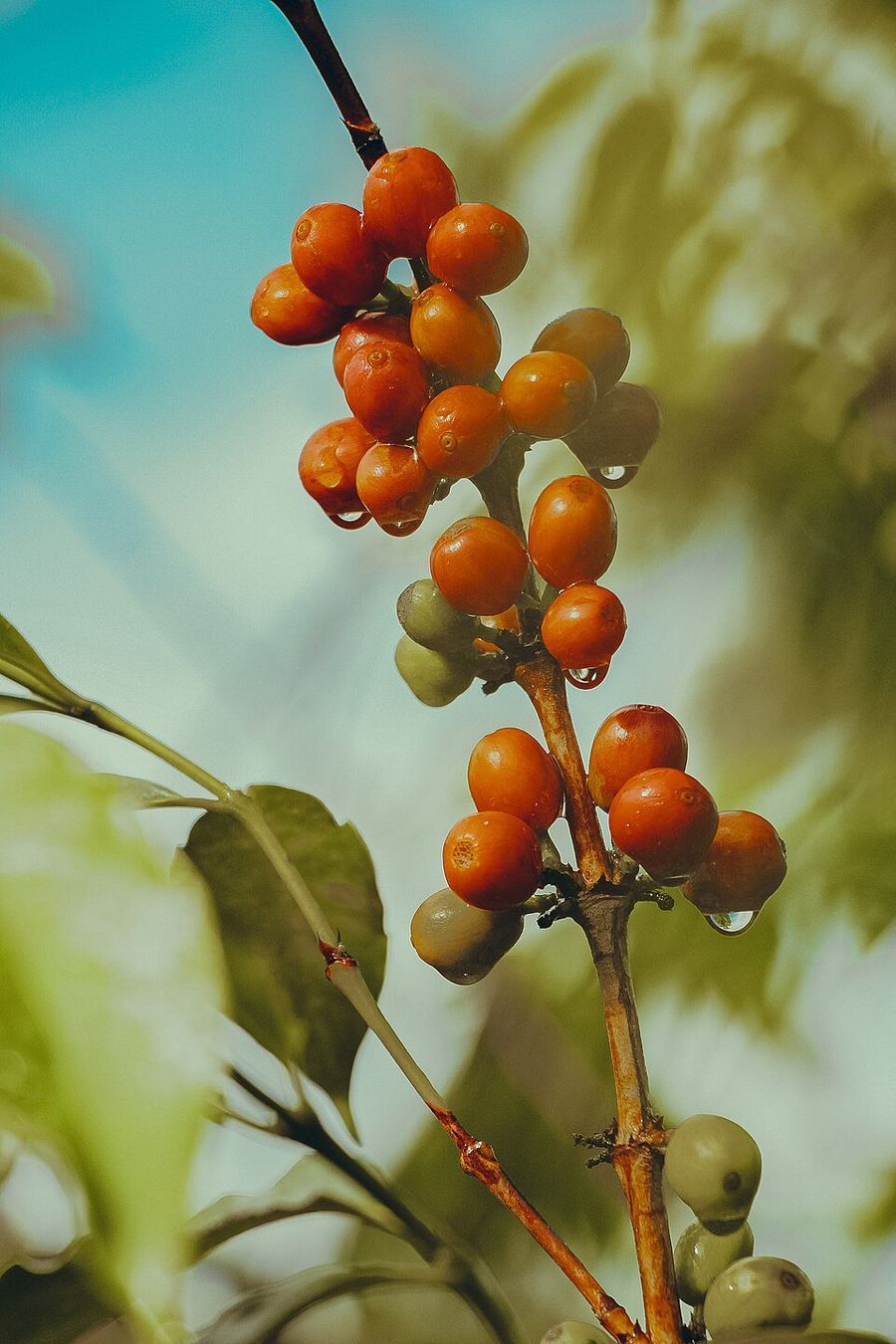
Burundian food is a highland smallholder's diet, starchy, bean-heavy and cooked simply. Beans are eaten almost daily and in quantity, often as ibiharage, boiled and then fried with onion and oil, and they supply most of the protein in a country where meat is occasional. The staples beside them are plantains and cooking bananas, sweet potatoes, cassava, maize and sorghum, usually served as ugali-style stiff porridge made from cassava or maize flour. Isombe, cassava leaves pounded and simmered slowly, often with groundnut paste, is the characteristic green. Lake Tanganyika supplies the country's most distinctive proteins: mukeke, a firm-fleshed lake fish grilled whole, and ndagala, tiny sardine-like fish sun-dried on the shore in silver drifts and cooked in tomato sauce or eaten crisp. Brochettes of goat grilled over charcoal are the standard evening street food in Bujumbura. Drinks carry more cultural weight than food: urwarwa, fermented banana wine, and impeke, sorghum beer traditionally drunk communally through long reed straws from a single pot, are central to weddings, reconciliation and elder councils. Burundi grows fine arabica coffee and tea, though almost all of it is exported rather than drunk locally.

National Dress

Traditional Burundian dress is a draped rather than a tailored costume. The classic form is the imvutano, a long rectangle of cloth wrapped around the body and secured at or over one shoulder, worn by both women and men in differing arrangements; women pair it with a fitted top and often a head wrap, and the whole is finished with beadwork at the neck and wrists. White or cream cloth carries associations of dignity and ceremony, and brightly patterned imported cottons are used for everyday and festive versions. The most visible ceremonial dress in the country is that of the royal drummers, who perform in wrapped robes in the national colours of red, white and green, an ensemble now inseparable from Burundi's image abroad. Beadwork, cowrie ornament and, historically, elaborate hairstyles distinguished rank and marital status. Barkcloth and hide garments preceded woven cloth and survive only in museum collections and heritage performance. In ordinary life Burundians dress in Western clothing or in the printed wax-cloth pagne common across the region, with the imvutano reserved for weddings, dowry ceremonies, national holidays and cultural performance.

Sports & Inspiring Athletes

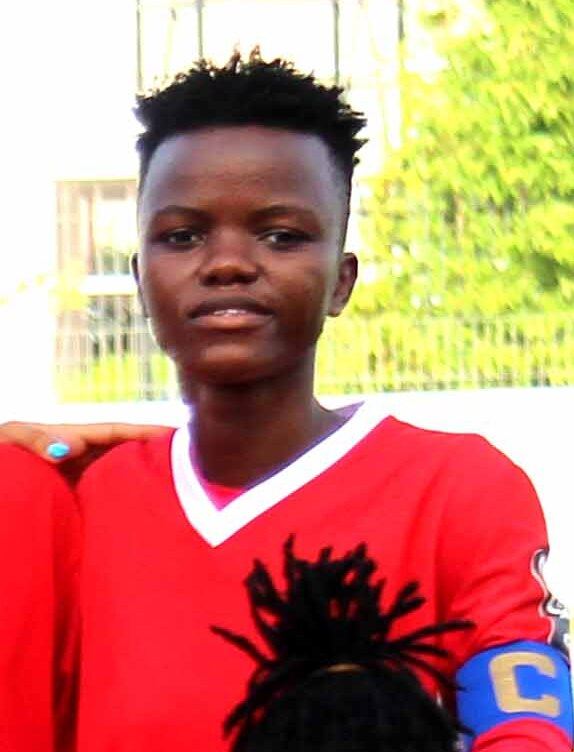
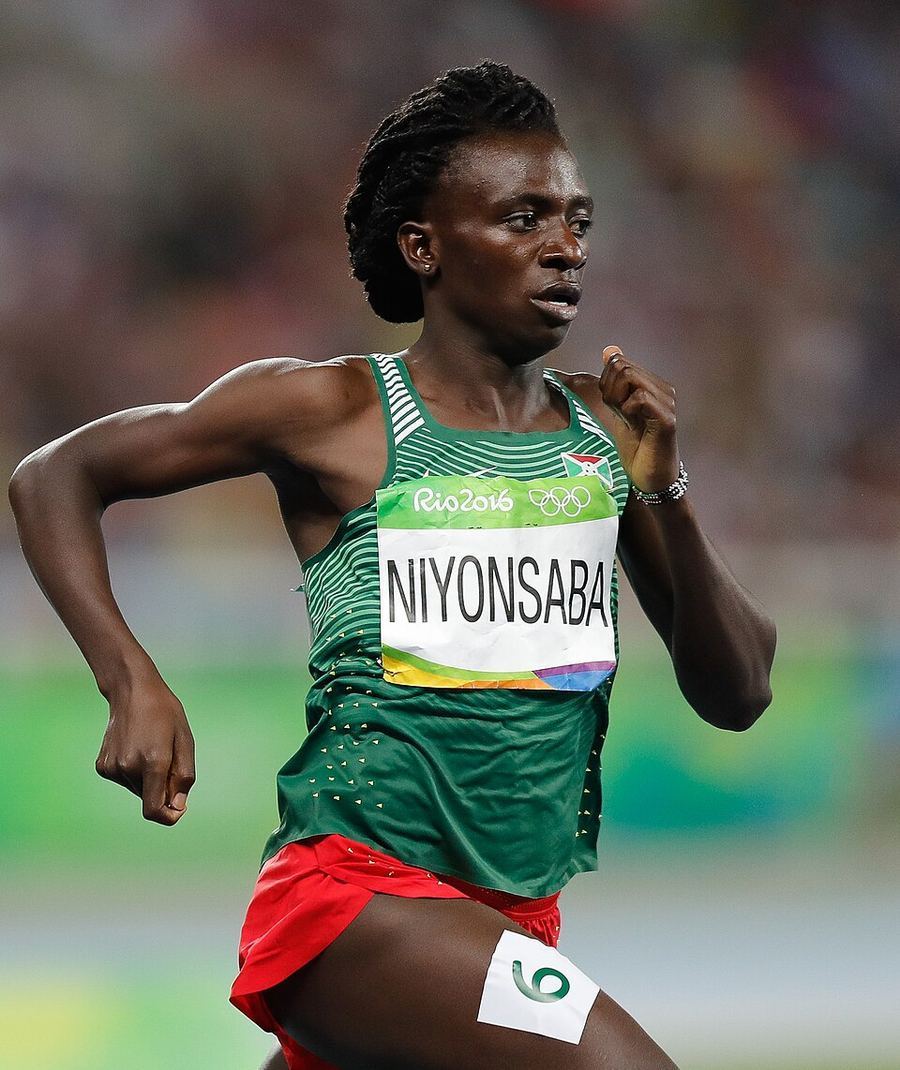
Football is the national game by a wide margin. The domestic Ligue A is followed closely, Vital'O and Inter Star of Bujumbura are the historic clubs, and the national team, the Intamba mu Rugamba or Swallows, qualified for the Africa Cup of Nations for the first time in 2019 — a landmark received as a national event. Athletics is where Burundi has actually reached the top of world sport, and specifically middle- and long-distance running, favoured by altitude and by a culture of running and cycling long distances as transport. Vénuste Niyongabo won Olympic gold over 5,000 metres at Atlanta in 1996, the country's first medal at the Games. Francine Niyonsaba won 800-metre silver at Rio in 2016 and became world indoor champion at the distance before regulations on athletes with differences of sex development pushed her out of the event; she rebuilt her career over 5,000 and 10,000 metres and set world bests at unconventional distances. Basketball, volleyball and cycling have organised federations and school followings, and traditional wrestling and drumming competitions remain part of rural festivity.
IOCFIFAWorld Athletics

Notable Educational Programs

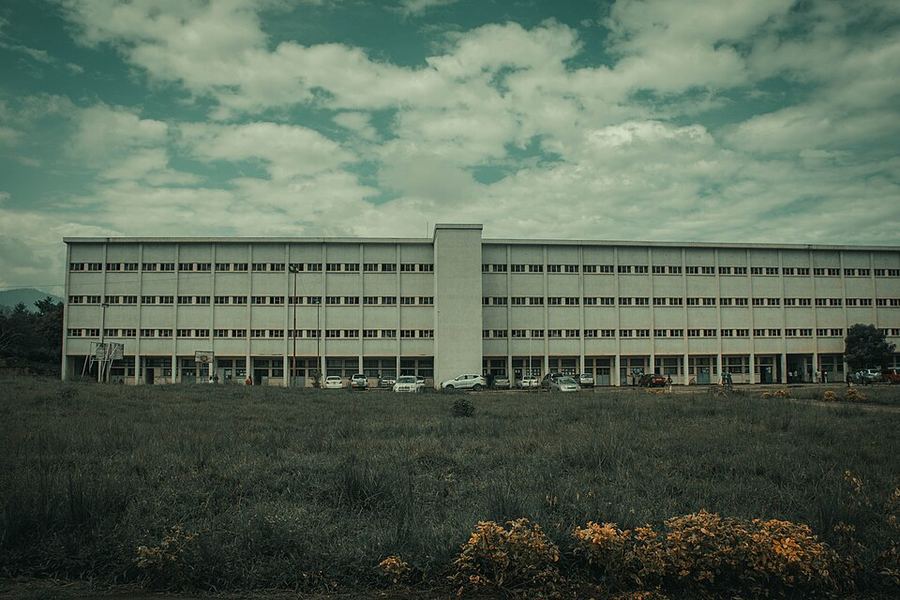
Burundi abolished primary school fees in 2005, and enrolment rose very steeply as a result, producing classes that in many schools exceed a hundred pupils and a chronic shortage of trained teachers, textbooks and buildings. Access improved sharply; completion, learning outcomes and the transition to secondary schooling lagged behind, and adult literacy remains well below regional averages. Language policy has been unusually unsettled: instruction begins in Kirundi, French has historically been the language of secondary and higher education, English became an official language and a school subject as Burundi integrated into the East African Community after 2007, and Swahili has been added, leaving pupils negotiating up to four languages. The University of Burundi in Bujumbura, founded in the 1960s, is the principal public institution, joined by a growing number of private universities including Hope Africa University. Technical and agricultural training is provided through institutes attached to ministries and through the national agronomic research service. Chronic underfunding, the emigration of qualified graduates, and the disruption caused by the civil war and the 2015 political crisis — which pushed many students and academics into exile — are the sector's defining constraints.

Wars & Conflicts

Burundi's post-independence history is punctuated by mass ethnic violence. In 1972 the Tutsi-dominated army and government responded to a Hutu uprising with systematic killings of educated Hutu, remembered as the Ikiza; credible estimates of the dead range from a hundred thousand upward, and the episode sent large refugee populations into Tanzania. Further massacres followed at Ntega and Marangara in 1988. The assassination of the newly elected President Melchior Ndadaye in October 1993 began a civil war between the army and Hutu rebel movements that lasted until the mid-2000s and killed an estimated three hundred thousand people. The Arusha Peace and Reconciliation Agreement of August 2000, mediated by Julius Nyerere and then Nelson Mandela, produced the power-sharing constitution adopted in 2005 with fixed ethnic quotas in parliament and the security forces. President Pierre Nkurunziza's decision to seek a third term in 2015 triggered a political crisis, a failed coup, hundreds of deaths and the flight of some four hundred thousand refugees; a United Nations commission of inquiry documented serious abuses. Burundi became the first state to withdraw from the International Criminal Court, with effect from October 2017, after the court authorised an investigation. Rebel attacks launched from eastern Congo, notably by RED-Tabara, have continued.
UCDPUNHuman Rights WatchReutersICC
Current as of 2026-08-06

Land & Border Disputes

Burundi has no major territorial claims, but its borders are unsettled in detail and its regional relationships are volatile. Demarcation of the boundary with Rwanda has never been fully completed, and stretches of the Rwanda and Democratic Republic of the Congo borders on the Ruzizi plain, including river islands whose ownership shifts with the channel, remain the subject of joint commissions. Lake Tanganyika's boundaries with the Democratic Republic of the Congo, Tanzania and Zambia are settled in law but generate recurrent disputes over fishing grounds and enforcement. The most consequential frictions are political. Relations with Rwanda collapsed after the 2015 crisis, with Burundi accusing Kigali of recruiting and hosting rebels; a rapprochement in 2022 reopened the border, but Burundi closed it again in early 2024 after attributing RED-Tabara attacks to Rwandan support, and mutual accusations have continued. Burundi has deployed troops into eastern Democratic Republic of the Congo since 2022, pursuing Burundian rebel groups and operating alongside Congolese forces in an increasingly crowded conflict theatre, which entangles it in the wider regional confrontation over the eastern Congo.
Land, Life & Legacy

Land & Climate

Burundi is a country of hills, and the phrase is literal: most of the territory is a plateau between roughly 1,400 and 1,800 metres, cut into innumerable steep-sided ridges on which households and their fields are dispersed rather than gathered into villages. A chain of higher ground running north to south forms the Congo–Nile divide, separating water flowing west to the Congo basin from water flowing north to the Nile; Mount Heha, at 2,684 metres, is the highest point. One of the Nile's most distant headwaters, the Ruvyironza, rises here, and a pyramid monument near Rutovu marks what has long been identified as the river's southernmost source. The western border is dominated by Lake Tanganyika, the second-deepest and second-largest freshwater lake in the world by volume, lying in the Albertine Rift; Bujumbura sits at its head on the Ruzizi plain. The climate is equatorial but tempered by altitude, giving mild temperatures year-round, with two rainy seasons and a long dry season from June to August. Extreme population density on erodible slopes has driven deforestation, gullying and soil exhaustion, and flooding and landslides have become recurrent disasters, particularly around the lakeshore and the Ruzizi plain.

Entertainment

Free time in Burundi is spent in company, out of doors and cheaply. Football is the overwhelming preference, played on any flat ground and followed intensely through the domestic league and European broadcasts shown in bars and video halls. Drumming and dancing are participatory as well as performed, and no wedding, church celebration or national holiday passes without both. The lakeshore beaches south of Bujumbura, at Saga and along the Ruzizi delta, are the country's principal resort, crowded on Sundays with families, grilled fish and music. Bars are the main social infrastructure, serving Primus and Amstel from the national brewery, and in rural areas the shared pot of sorghum beer drunk through long straws still gathers neighbours in the evening. Church attendance is very high and Sunday services are lengthy, social and musical, functioning as much as community events as devotions. Markets serve the same purpose on market days. Board and stone games of the mancala family are played across the country, cycling is common on the hills as transport and informal sport, and basketball has a following in Bujumbura. Radio remains the dominant medium and its music and phone-in programmes reach every hill.

Art & Museums

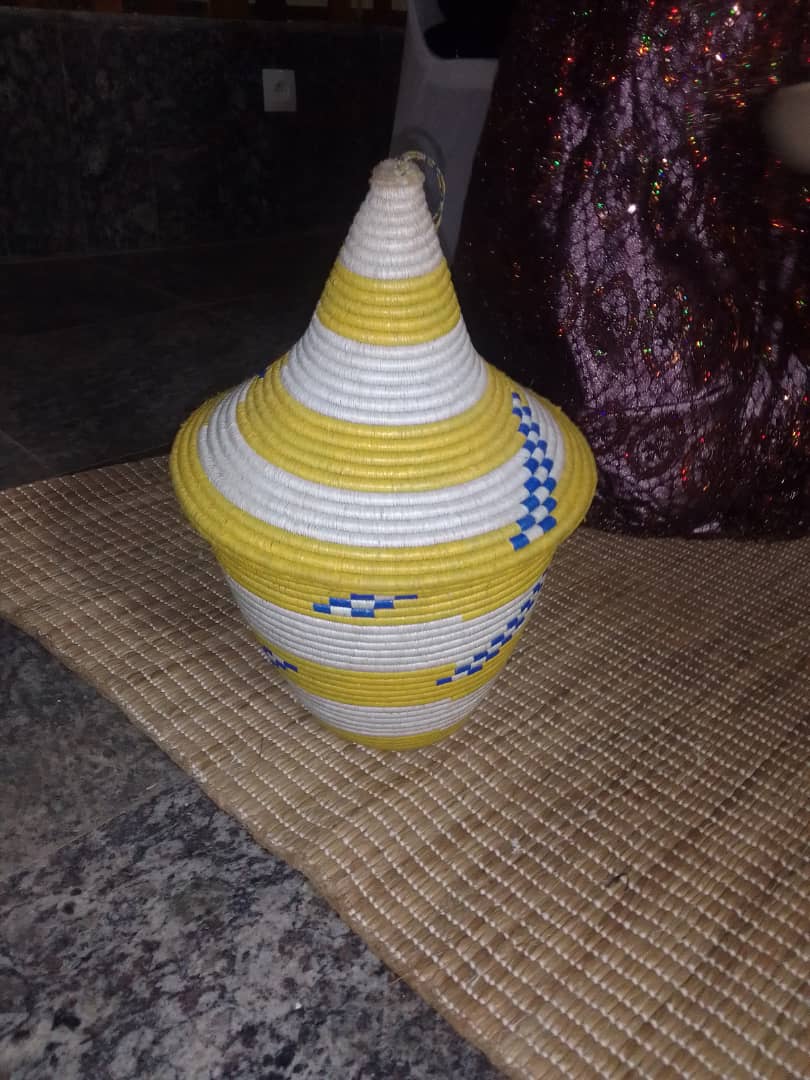
The most refined Burundian craft is basketry. The agaseke, a tightly coiled lidded basket with a tall conical top woven from sisal and grasses in geometric bands, is given at weddings and as a token of peace and welcome, and it functions as a national symbol shared with neighbouring Rwanda; the weave is fine enough to hold liquid. Pottery is the traditional preserve of Twa households, producing cooking and storage vessels and, historically, the ritual wares of the court. Drum carving is itself a specialist art, with the maker's selection of wood and hide determining the instrument's voice, and the drums kept at Gishora are treated as heritage objects. Beadwork, iron forging and the making of the inanga zither complete the traditional crafts. Burundi has no long tradition of easel painting, and its modern visual art scene is small and concentrated in Bujumbura, where a handful of galleries and cultural centres show painting and photography, much of it engaged with memory, displacement and reconciliation. Architecture's traditional expression was the domed reed-and-thatch house, the rugo compound enclosed by a fence, now almost entirely replaced by brick and corrugated iron.

Notable People

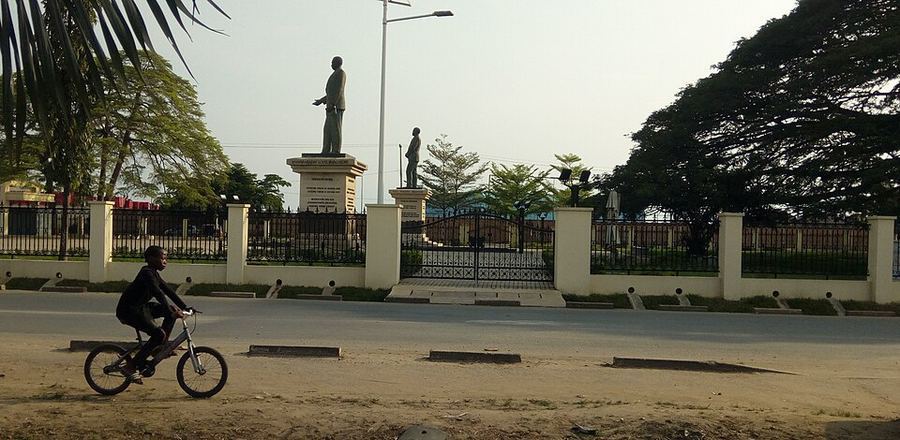
Prince Louis Rwagasore, the nationalist leader assassinated in October 1961 weeks before independence, is the country's national hero and gives his name to the main stadium and to a public holiday. Mwami Mwambutsa IV was the last effective king. Melchior Ndadaye, elected in June 1993 as Burundi's first Hutu president and its first chosen in a genuinely competitive vote, was killed by soldiers that October, an assassination that triggered the civil war. Pierre Nkurunziza, a former rebel commander, led the country from 2005 until his death in 2020. Marguerite Barankitse, known as Maggy, founded Maison Shalom during the war to shelter children orphaned by the killing across ethnic lines, and received the inaugural Aurora Prize for Awakening Humanity in 2016. In sport, Vénuste Niyongabo won the 5,000 metres at the 1996 Olympic Games in Atlanta, Burundi's first Olympic medal and a gold, and Francine Niyonsaba took silver in the 800 metres at Rio in 2016 before moving to longer distances. In music, Khadja Nin is the country's best-known international artist. Paul Nkurunziza and other footballers, including Gaël Bigirimana, have played professionally in Europe.

Inventions & Breakthroughs

Burundi is not a source of industrial invention, and it would be misleading to claim otherwise; its distinctive contributions are institutional, agricultural and craft-based. The ubushingantahe was a sophisticated system of local adjudication in which men of recognised integrity were formally invested, bound by oath to impartiality, and empowered to settle land, marriage and inheritance disputes on the hill without recourse to a state — an indigenous justice technology that transitional-justice scholars have studied closely as a possible basis for post-war reconciliation. The royal drum complex was similarly an instrument of governance as much as of music, encoding dynastic legitimacy in objects, custodianship and prescribed rhythms. The agaseke basket represents a coiling technique fine enough to make vessels watertight without any binder. Communal beer drinking through long shared straws is a social technology of reconciliation, structuring how disputes are talked out. In agriculture, Burundian smallholders maintain intensive banana, bean and coffee cultivation on gradients that would be considered unworkable elsewhere, using hand terracing and intercropping developed over generations under extreme land pressure.

Science & Technology

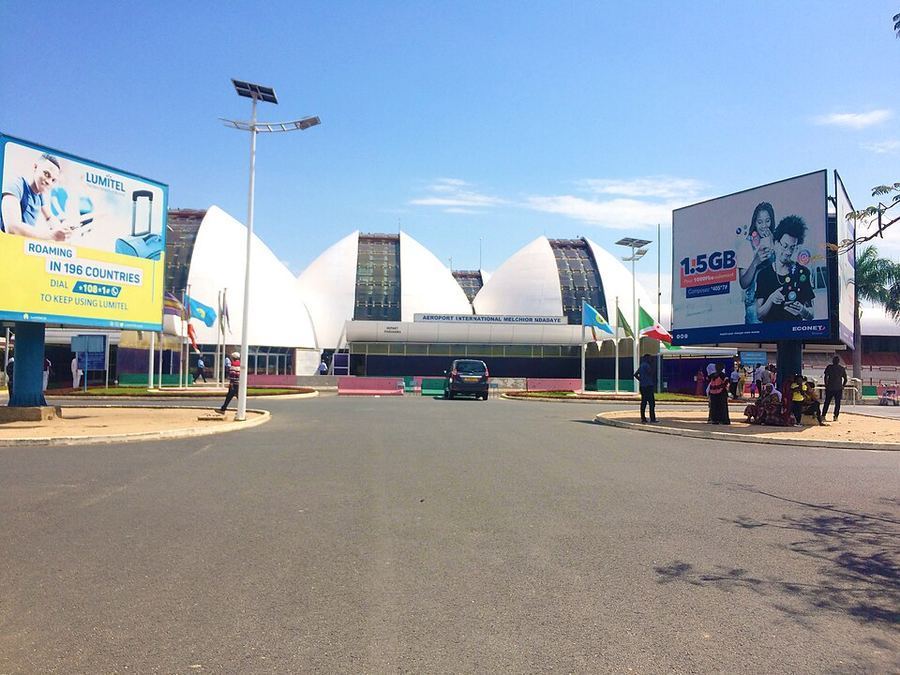
Burundi's scientific and technological base is very small, constrained by income, by an electrification rate among the lowest in the world, and by the departure of qualified people. Research capacity is concentrated in the University of Burundi and in the national agronomic research institute, whose work on coffee, bean and banana varieties, soil conservation on steep slopes and control of banana wilt disease is the most directly consequential science conducted in the country. Public health research and surveillance, largely donor-supported, address malaria — which causes epidemics on a scale that prompted a national emergency declaration in 2019 — as well as cholera, tuberculosis and maternal health. The mineral sector holds the country's largest untapped technical prospect: the nickel laterite deposits at Musongati are among the world's larger undeveloped nickel resources, and the Gakara rare-earth project in the west began small-scale production in the late 2010s before operations were suspended, both illustrating a persistent pattern in which known resources outrun the infrastructure and financing needed to exploit them. Mobile telephony and mobile money have spread faster than any other technology, becoming the main channel for payments and information in rural areas.
On The World Stage

Champions & Defining Moments

Burundi's international sporting presence is carried almost entirely by distance runners. Vénuste Niyongabo's 5,000-metre victory at Atlanta in 1996 remains the country's only Olympic gold and put Burundi on the athletics map at its first serious attempt. Francine Niyonsaba became the most visible Burundian athlete of the following generation: an 800-metre silver medallist and world indoor champion whose exclusion from her best event under World Athletics' rules on athletes with differences of sex development, and her subsequent successful move up to 5,000 and 10,000 metres and to world-best marks at rarely contested distances, made her a central figure in one of the sport's most contested regulatory debates. Burundian runners compete regularly on the European circuit and in cross-country championships. In football, a small number of players have reached European leagues, Gaël Bigirimana among them, and the 2019 Africa Cup of Nations appearance gave the national side its first continental exposure. Burundi has no presence in winter sport and sends small delegations to the Olympic Games, concentrated in athletics, swimming and judo.

IOCWorld AthleticsFIFA
Economy, Trade & Government

Currency & GDP

Burundi Franc — BIF (FBu)

GDP (PPP): $11.739 billion (2024 est.)

Per capita: $800 (2024 est.)

Exports

$378.229 million (2023 est.)

gold, coffee, tea, tin ores, iron bars (2023)

Partners: UAE 59%, Uganda 8%, China 5%, Germany 5%, USA 3% (2023)

Imports

$1.433 billion (2023 est.)

fertilizers, cement, packaged medicine, plastic products, cars (2023)

Partners: Tanzania 26%, China 15%, Uganda 10%, Kenya 10%, India 6% (2023)

Government

Type: presidential republic

Independence: 1 July 1962 (from UN trusteeship under Belgian administration)

Terrain → Where People Live

How mountains, coasts, and rivers shape settlement (LandScan).

Coming — data

Migration & Ethnic Settlement

Where groups settled and how people move (GeoEPR + UNHCR).

Coming — data

Universities

Notable institutions, mappable as points.

Coming — data
Economy & government facts: CIA World Factbook (public domain), via OpenFactBook / factbook.json.
Every fact and narrative claim will carry a visible source citation. Data-driven sections light up automatically wherever HERA has coverage.