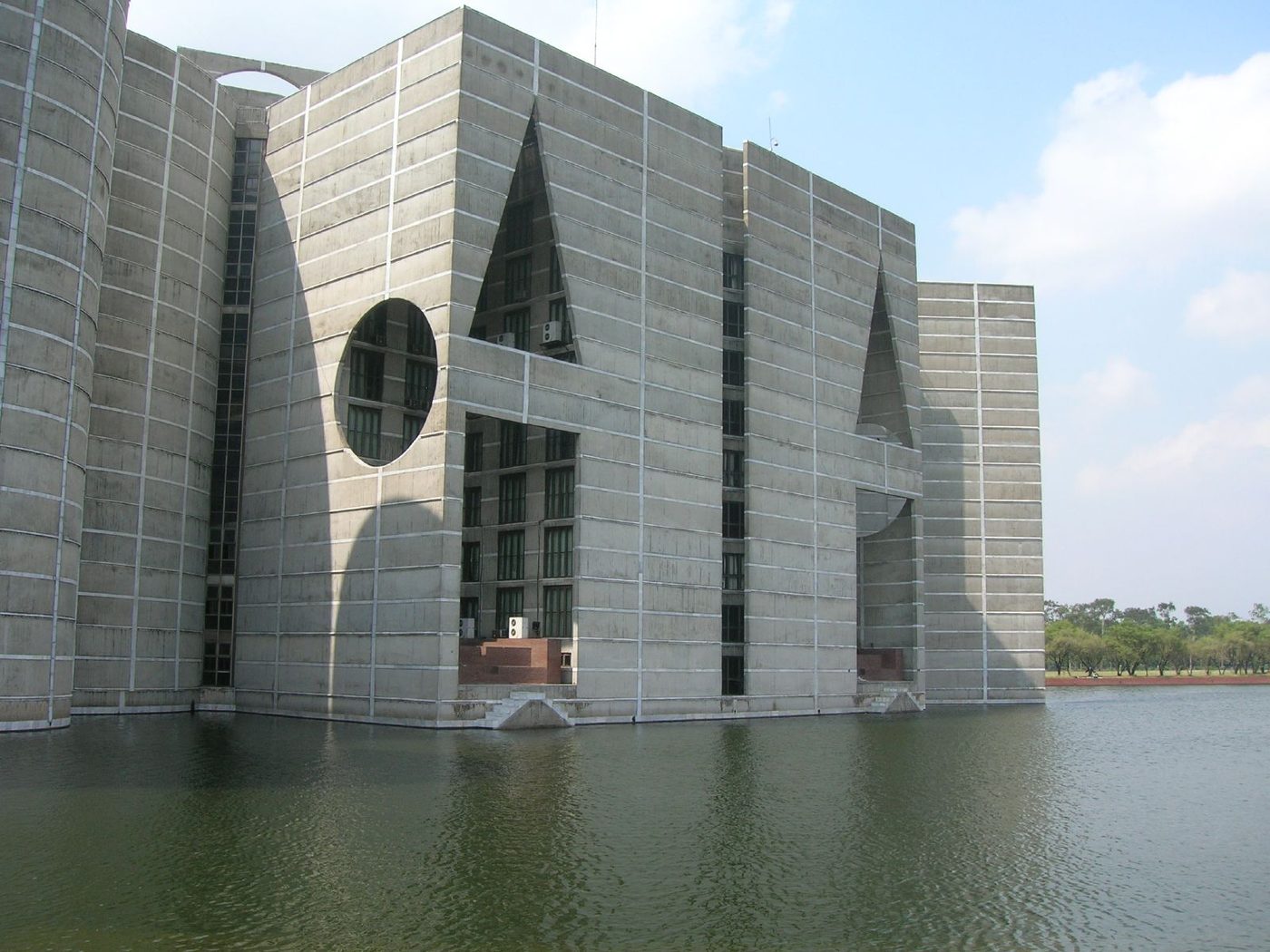
History
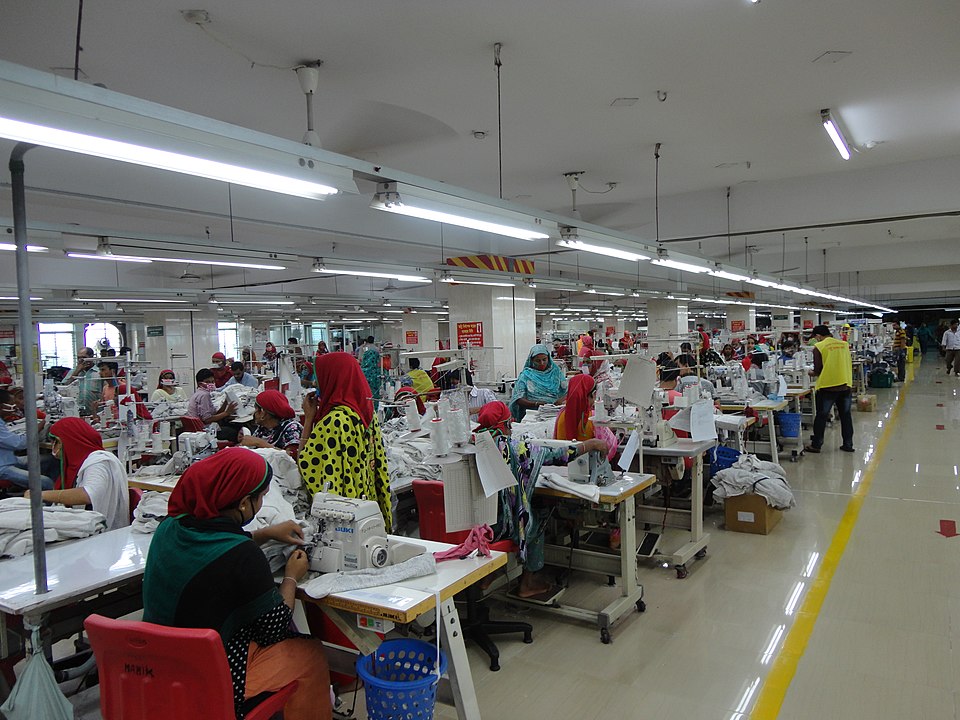
Bangladesh is what happens when a river system builds a nation. Nearly all of its territory sits on the Ganges-Brahmaputra-Meghna delta, the largest in the world, where silt-laden channels braid past rice paddies before spilling into the Bay of Bengal. Onto that shifting green plain are packed some 174 million people — one of the densest large populations on Earth — almost all of them Bengali speakers, making Bangladesh one of the most linguistically unified countries anywhere. Born in blood in 1971 after breaking from Pakistan, it was once dismissed as a hopeless case; instead it became a development puzzle economists still study. Garment factories around Dhaka and Chattogram stitch clothing for the world, powering export earnings of more than $50 billion a year, while ideas born here — microfinance, community health workers, non-formal schooling — have been exported to dozens of countries. With a median age under 28 and a purchasing-power economy near $1.5 trillion, Bangladesh is young, crowded, flood-prone, ambitious, and perpetually rebuilding — a country that treats adversity as a design constraint rather than a verdict.
Dhaka's urban core is home to about 37,307,160 people.
That's bigger than London, Paris, Madrid and Toronto — each a great world city in its own right.
Among the world's megacities, though, it's one of many — the giants of Asia and Latin America run larger still:
More people live in Dhaka than in the entire nation of Sweden, Greece, Portugal or Israel.
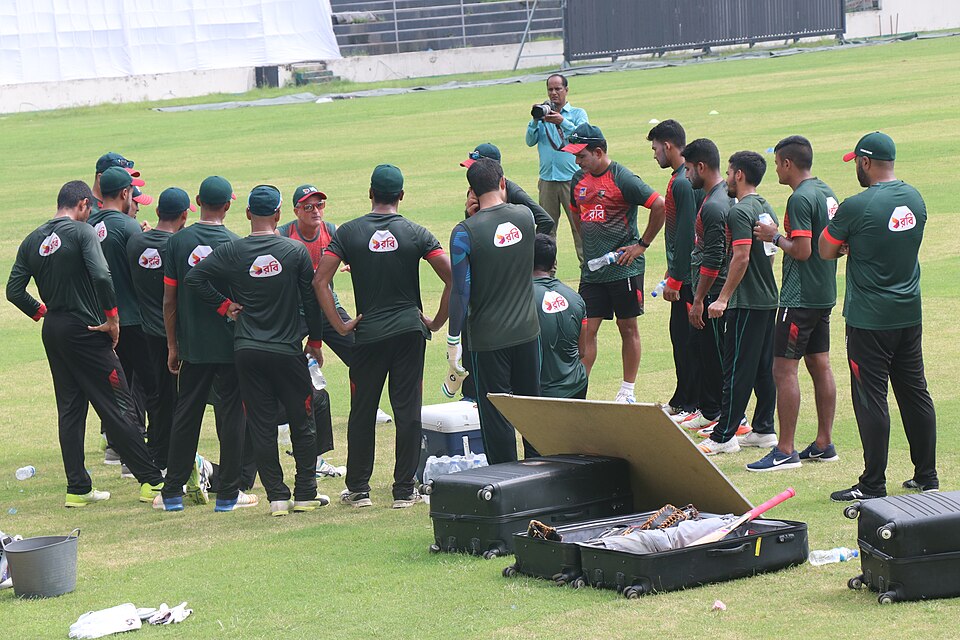
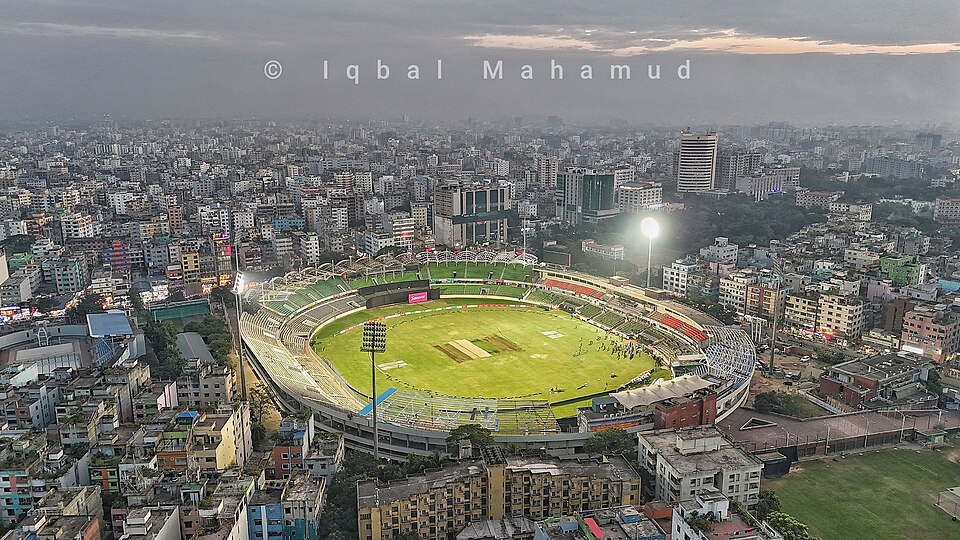
Bangladesh's international sporting story is written mostly in cricket. The Tigers announced themselves by winning the 1997 ICC Trophy, beat Pakistan at the 1999 World Cup, and became the tenth Test-playing nation in 2000; a quarter-final run at the 2015 World Cup and home series wins over top-ranked sides followed, with all-rounder Shakib Al Hasan holding the world number-one ranking across formats for years. The women's team claimed the 2018 Asia Cup, beating India in the final. Officially the national sport is kabaddi, in which Bangladesh won medals at early Asian Games tournaments. The country has marched at every Summer Olympics since Los Angeles 1984 without yet winning a medal — the most populous nation in that position — with archer Ruman Shana and shooter Abdullah Hel Baki among the nearest misses. In football, Bangladesh competes at South Asian regional level, while its fans famously drape whole neighborhoods in the flags of Brazil or Argentina each World Cup.
Taka — BDT (৳)
GDP (PPP): $1.473 trillion (2024 est.)
Per capita: $8,500 (2024 est.)
$53.848 billion (2024 est.)
garments, footwear, fabric, textiles, trunks and cases (2023)
Partners: USA 16%, Germany 15%, UK 8%, Spain 7%, Poland 6% (2023)
$74.96 billion (2024 est.)
refined petroleum, cotton fabric, natural gas, cotton, fabric (2023)
Partners: China 34%, India 17%, Indonesia 5%, Singapore 5%, Malaysia 4% (2023)
Type: parliamentary republic
Independence: 16 December 1971 (from Pakistan)
How mountains, coasts, and rivers shape settlement (LandScan).
Coming — dataWhere groups settled and how people move (GeoEPR + UNHCR).
Coming — dataNotable institutions, mappable as points.
Coming — data