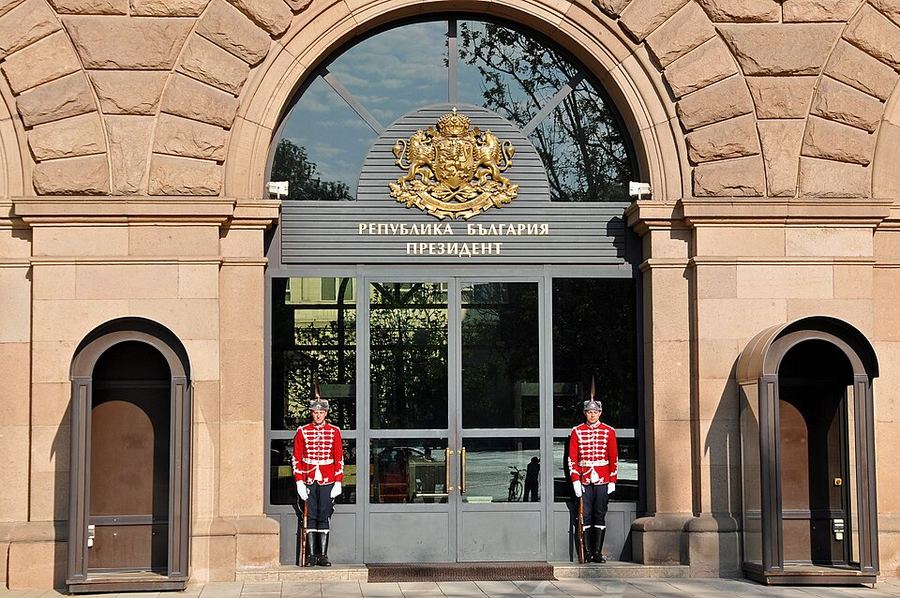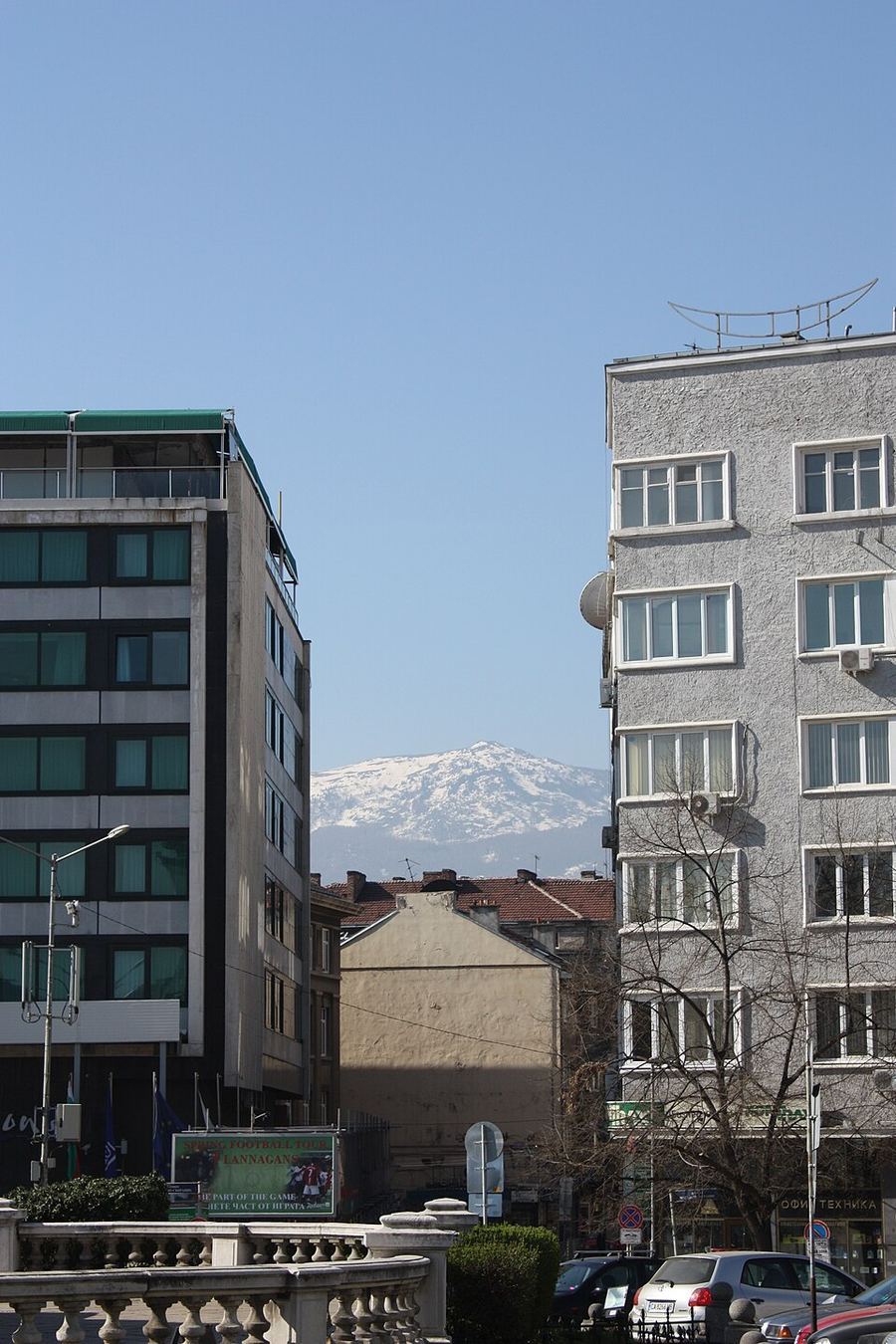
HERA · Human Entity Reference Atlas by Masego Inc

← Bulgaria 🌐 3D View
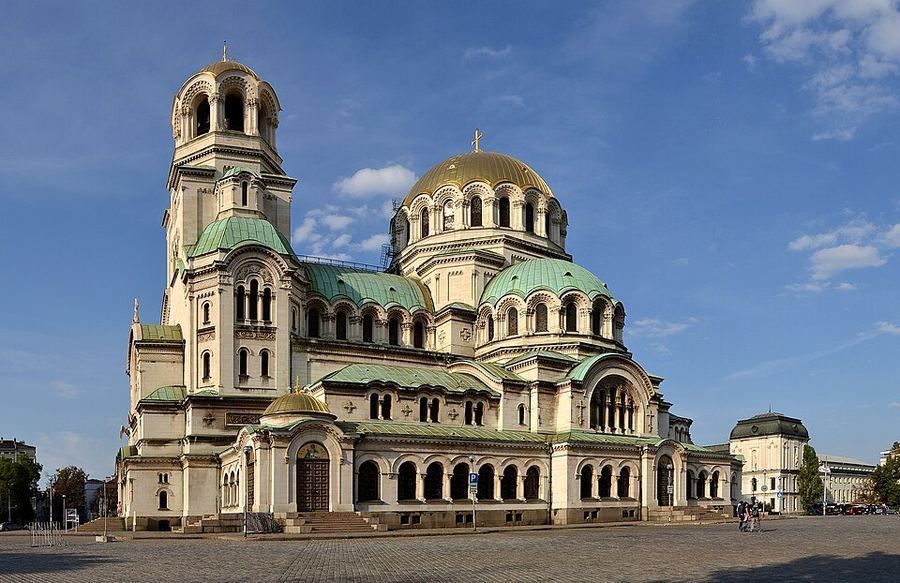
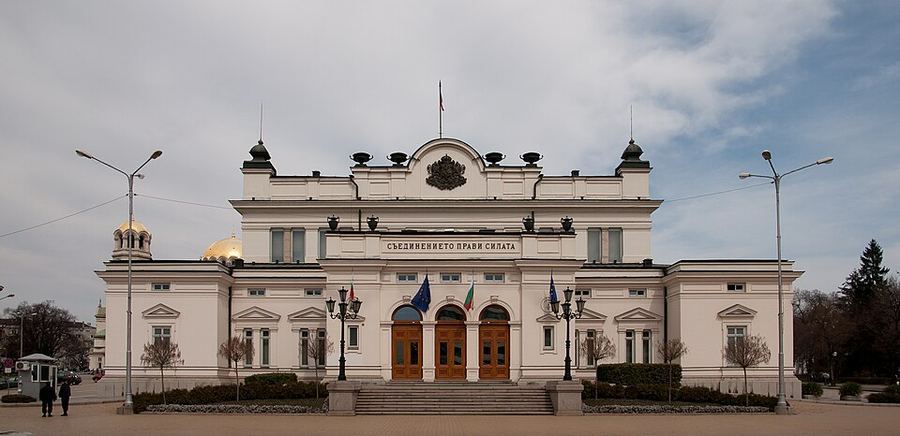
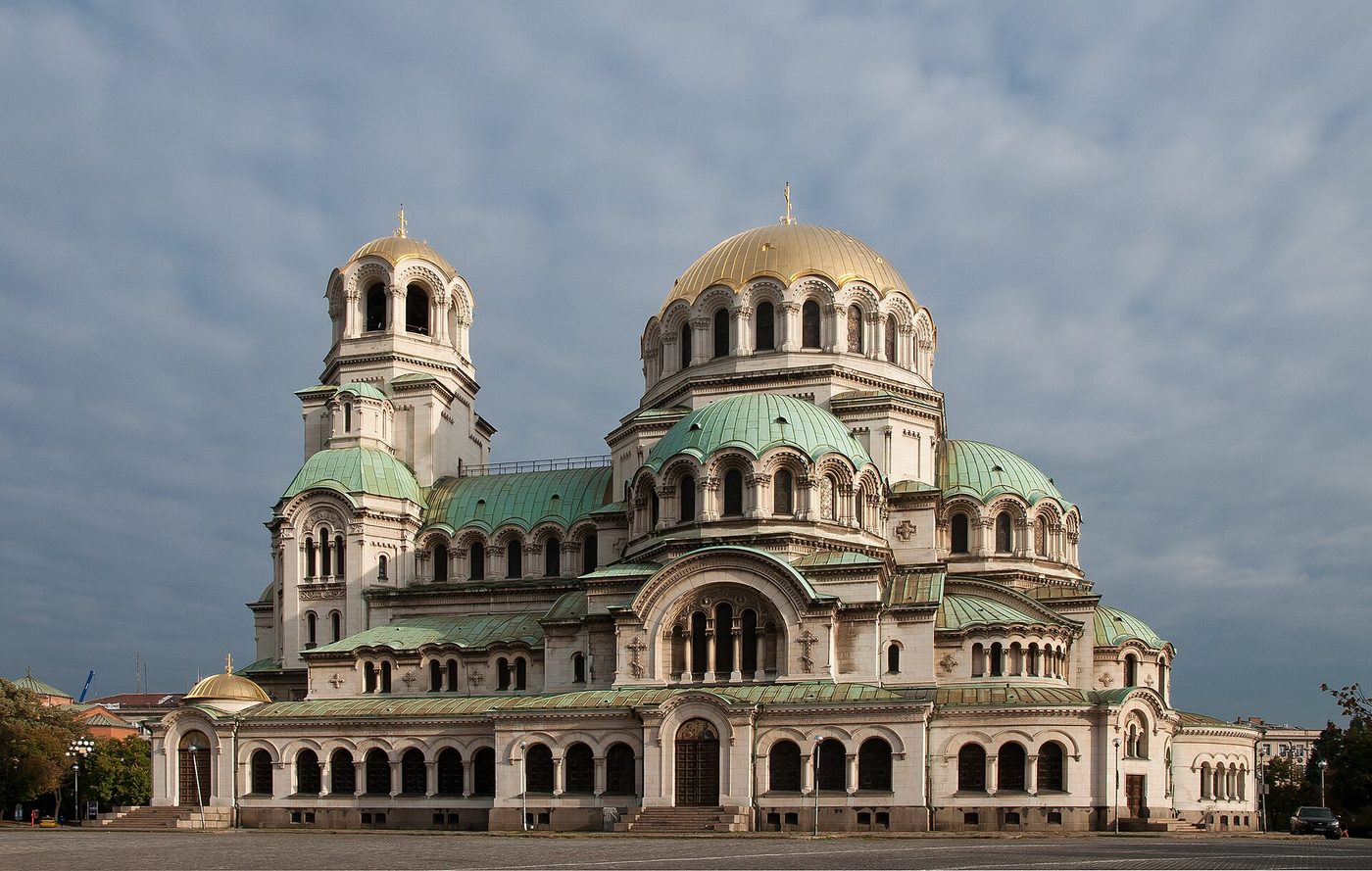
AlexanderNevskyCathedral-Sofia, Bulgaria
Bulgaria BGR
AlexanderNevskyCathedral-Sofia — Photo: Plamen Agov ( user:MrPanyGoff ) / CC BY-SA 4.0 via Wikimedia Commons
Did You Know The gold found in the Varna necropolis, buried around 4500 BC, is generally described as the oldest processed gold treasure ever discovered. — Encyclopaedia Britannica

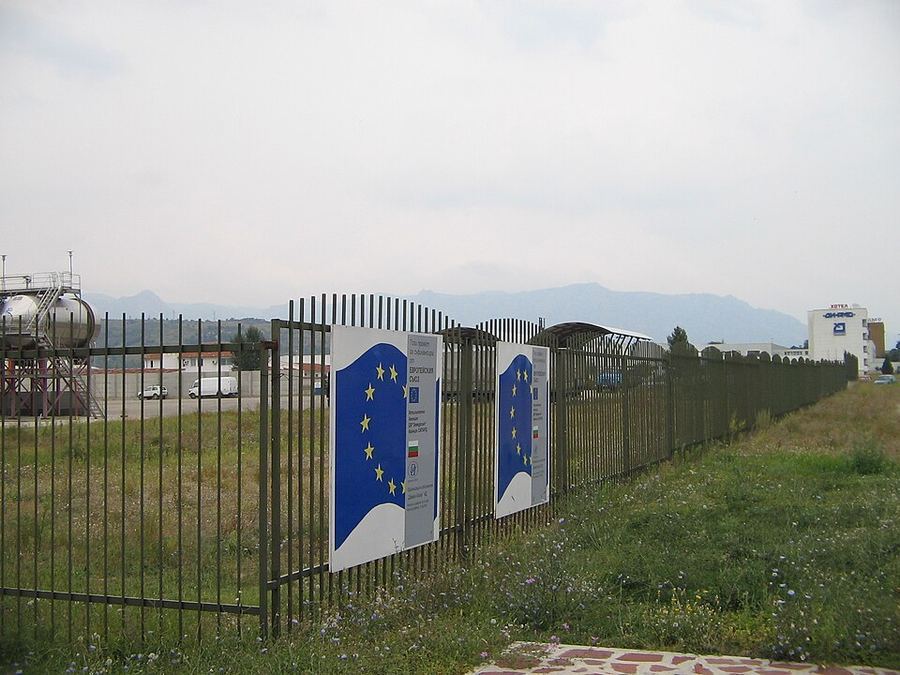
Bulgaria is a parliamentary republic of about 6.7 million people in the eastern Balkans, bordered by Romania across the Danube, Serbia and North Macedonia to the west, Greece and Turkey to the south, and the Black Sea to the east. Sofia, the capital, sits in a basin below Vitosha mountain and holds well over a million people in its metropolitan area; Plovdiv, Varna and Burgas are the other major cities. The country traces its statehood to 681, when a Bulgar khanate south of the Danube was recognised by Byzantium, and its cultural claim rests on the ninth-century Preslav and Ohrid literary schools where the Cyrillic alphabet took shape. Five centuries of Ottoman rule ended with the Russo-Turkish war and the settlement of 1878, with full independence declared in 1908. Four decades of communist rule ended in 1989; Bulgaria joined NATO in 2004 and the European Union in 2007. Demographically it is among the most rapidly shrinking countries in the world, with a median age of about 45 and heavy emigration since the 1990s. The economy is the EU's poorest by market exchange rates but has grown steadily, with refined fuels, copper, machinery, garments and wheat leading exports and an unusually large software and outsourcing sector concentrated in Sofia and Plovdiv.

CIA World FactbookEncyclopaedia BritannicaWorld BankEurostat
Population
6,737,997
Capital
Sofia
Currency
лв BGN
Time zones
Largest city
Sofia
Human Geography Themes
Loading national figures…
Largest Cities
Sofia1,069,193
Plovdiv331,578
Varna305,505
Burgas141,467
Ruse103,845
Stara Zagora101,041
In Perspective

Sofia's urban core is home to about 1,069,193 people.

Among the world's megacities, though, it's one of many — the giants of Asia and Latin America run larger still:

Sofia1,069,193
Jakarta40,545,126
Dhaka37,307,160
Tokyo33,244,670
Shanghai30,678,616
Cairo25,230,325
The Country & Its People

History

Thracian tribes occupied the land from the second millennium BC, leaving gold-rich tombs and the Varna necropolis, whose worked gold is among the oldest known anywhere. Rome absorbed Thrace in the first century AD, and the region passed to Byzantium. In 681 the Bulgar khan Asparukh, having crossed the Danube with a Turkic-speaking horse people, forced Constantinople to recognise a state on Byzantine soil; his successors merged with the Slavic majority. Boris I accepted Christianity in 864 and welcomed the disciples of Cyril and Methodius, whose work at Preslav and Ohrid produced the Cyrillic alphabet and a Slavonic literary culture. Simeon the Great's reign, from 893 to 927, is remembered as a golden age. Byzantium conquered the country in 1018; a second empire centred on Tarnovo revived it from 1185 until the Ottoman conquest completed in 1396. Ottoman rule lasted almost five centuries. The April Uprising of 1876 and its suppression drew European intervention and the Russo-Turkish war; the Treaty of San Stefano of 3 March 1878 is the national day, though the Congress of Berlin cut the state back. Unification with Eastern Rumelia followed in 1885 and full independence in 1908. After two Balkan wars and two world wars on the losing side, communist rule ran from 1946 until Todor Zhivkov's fall in November 1989.
Culture

Bulgarian culture is built around Orthodox Christianity, a peasant calendar of seasonal ritual, and a strong sense of language and alphabet as national property. The clearest expression of the last is 24 May, the Day of Bulgarian Enlightenment and Culture and of Slavonic Script, when schools and choirs process through the streets in a holiday devoted to literacy rather than to a battle or a ruler. Folk custom remains vigorous and is not purely nostalgic: on 1 March people give each other martenitsi, twisted red and white threads worn until the first stork or blossom is seen and then tied to a tree, a practice inscribed by UNESCO and shared with neighbouring countries. Around the new year, kukeri and survakari in horned masks and heavy bells drive out evil in village processions, most spectacularly at the Surova festival in the Pernik region. Nestinarstvo, barefoot dancing on embers in the Strandzha villages on the feast of Saints Constantine and Helena, is likewise UNESCO-listed. Hospitality centres on bread and salt, the name-day rather than the birthday is the occasion to celebrate, and the head shake for yes and nod for no reliably disorients visitors.

Points Of Pride

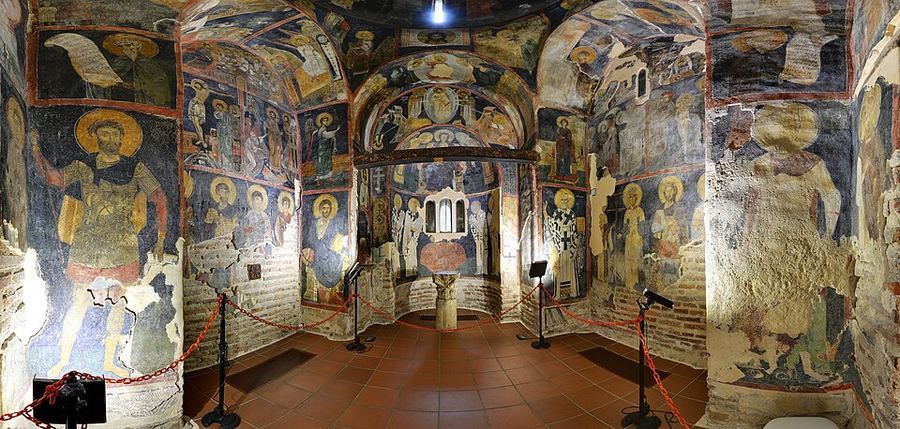
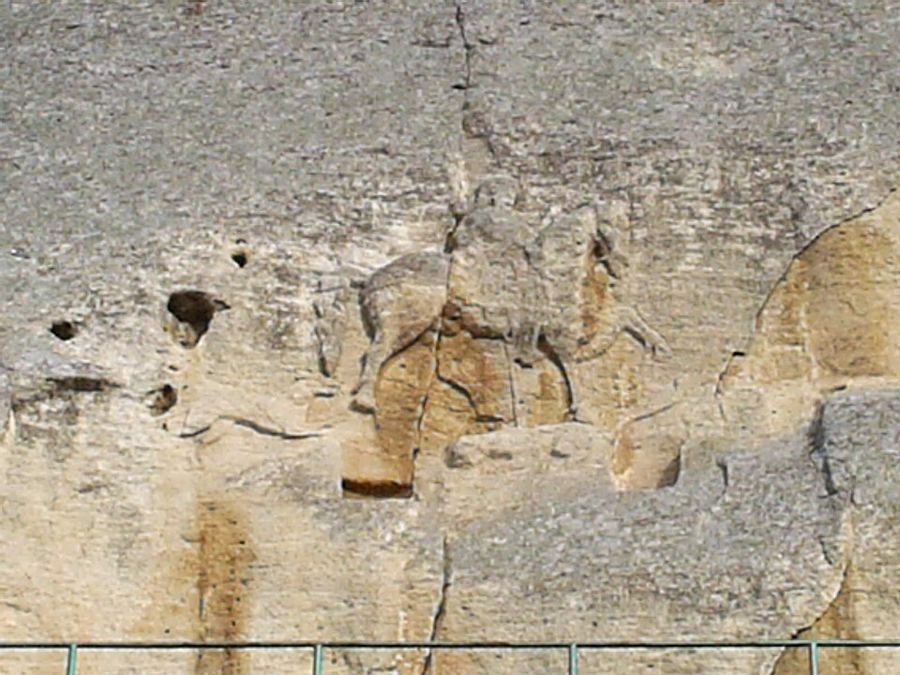
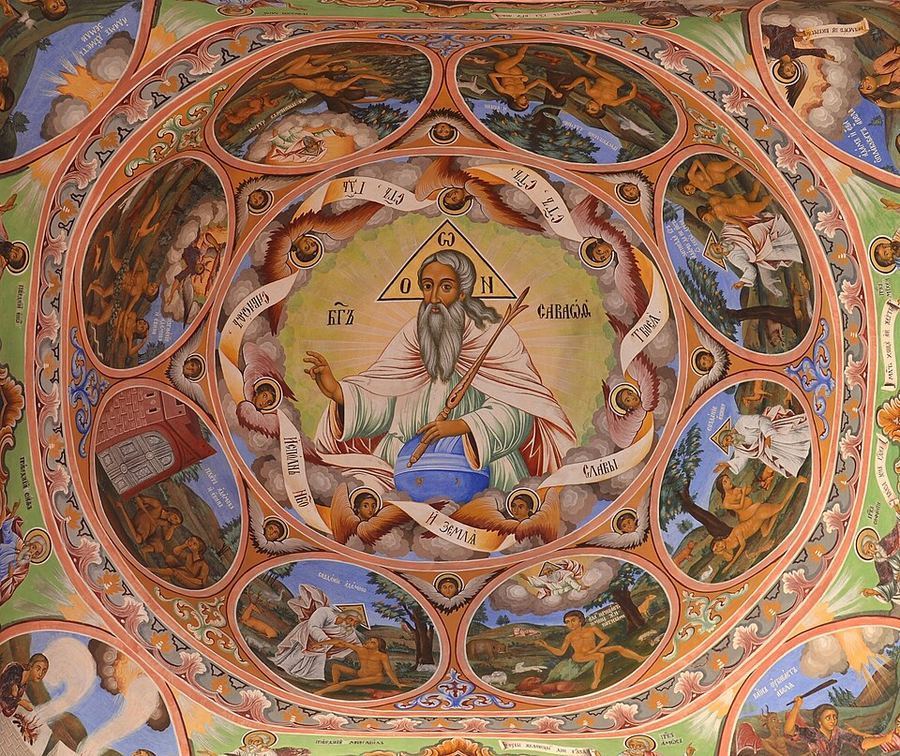
The Cyrillic alphabet is the country's proudest claim: developed by the pupils of Cyril and Methodius at the Preslav Literary School in the late ninth century, it is now used by hundreds of millions of people and became the European Union's third official alphabet when Bulgaria joined in 2007. Ten Bulgarian sites carry UNESCO World Heritage listing, among them Rila Monastery, refounded in the tenth century and rebuilt in the nineteenth as the great monument of the National Revival; the Boyana Church outside Sofia, whose 1259 frescoes anticipate Renaissance portraiture; the eighth-century Madara Rider carved into a cliff face; the Thracian tombs at Kazanlak and Sveshtari; the rock churches of Ivanovo; the ancient city of Nessebar on its Black Sea peninsula; Pirin National Park; and the Srebarna wetland. The Varna gold hoard, dating to around 4500 BC, is generally described as the oldest processed gold treasure in the world. Bulgaria's polyphonic women's choral singing won a Grammy in 1990, and the Rhodope song Izlel e Delyu Haydutin, sung by Valya Balkanska, was included on the Voyager Golden Record and is now outside the solar system.

Cultural Fusion

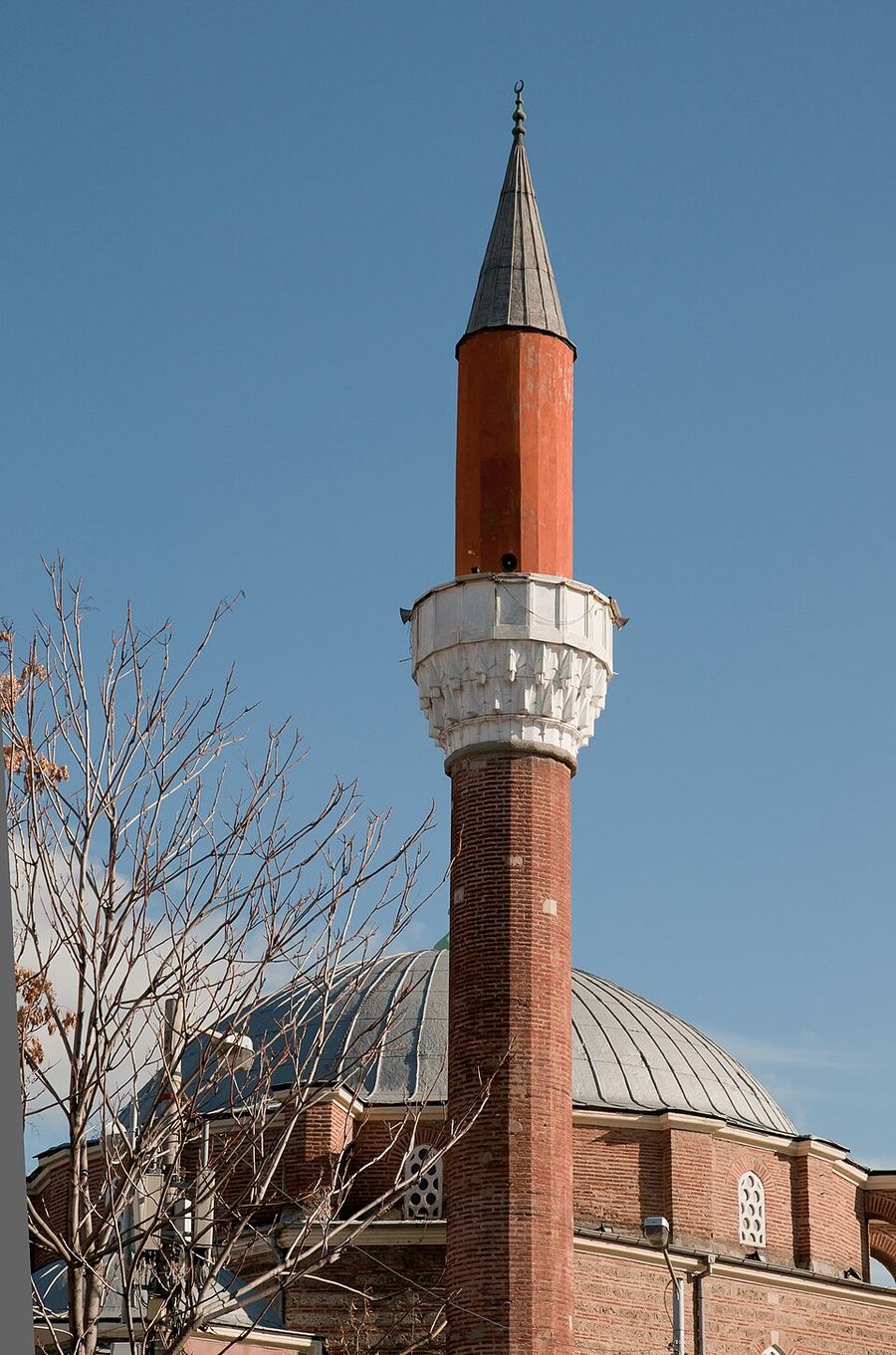
Bulgaria is a layered country. Thracian, Roman, Slavic, Bulgar, Byzantine and Ottoman elements are visible in the same square kilometre in Plovdiv, where a Roman theatre, a Thracian hilltop, an Ottoman mosque and National Revival merchant houses sit within a few minutes' walk. The Bulgar and Slav fusion of the seventh to ninth centuries produced the ethnic core; Byzantine Christianity supplied the liturgy and iconography, which local painters then reworked into a distinct style. Five Ottoman centuries left the vocabulary of the kitchen, the coffee, the bathhouses, the pepper and tomato, the mosque architecture of Sofia, Shumen and Razgrad, and a Turkish-speaking minority that is around eight percent of the population and forms a durable part of national life. Roma communities contribute much of the country's instrumental wedding music, a virtuosic and heavily improvised idiom that fed both chalga pop-folk and the international careers of players such as the clarinettist Ivo Papasov. Sephardic Jews expelled from Spain settled in Bulgarian cities from the sixteenth century and produced the Nobel laureate Elias Canetti in Ruse. Since 2007, European integration has added another layer, and Sofia's software industry works in English daily.

Music & Dance

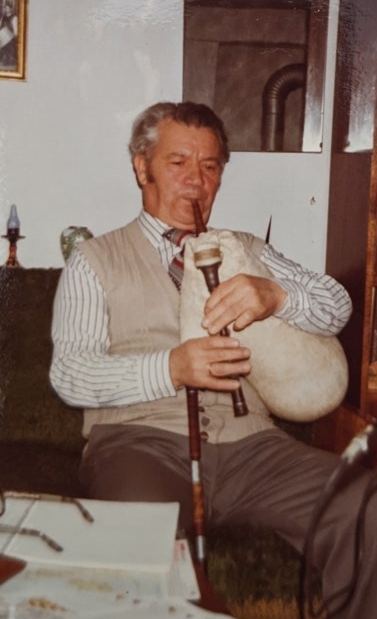
Bulgarian folk music is best known abroad for two things: irregular metre and dissonant female polyphony. Dance rhythms in seven, nine, eleven, thirteen and fifteen beats are ordinary rather than exotic, and the circle dance, the horo, along with the couple dance rachenitsa, is still danced at weddings and in city squares by people of all ages. The choral tradition arranged by Filip Kutev and others for the state ensembles produced the sound marketed internationally as Le Mystere des Voix Bulgares, whose recording won a Grammy in 1990 and whose close seconds and open-throated production influenced composers and pop producers worldwide. Instruments include the gaida bagpipe, with the deep kaba gaida of the Rhodopes played en masse at the Rozhen gathering, the kaval end-blown flute, the gadulka bowed fiddle, the tambura and the tapan drum. Regional styles are strongly marked, from Rhodope lament to the fast Thracian and Shopluk repertoires. In art music Bulgaria has produced the composer Pancho Vladigerov and an extraordinary line of operatic basses, including Boris Christoff and Nicolai Ghiaurov, alongside the sopranos Raina Kabaivanska and Ghena Dimitrova. Chalga, an amplified pop-folk hybrid, has dominated commercial nightlife since the 1990s.

Cuisine & Misattributed Foods

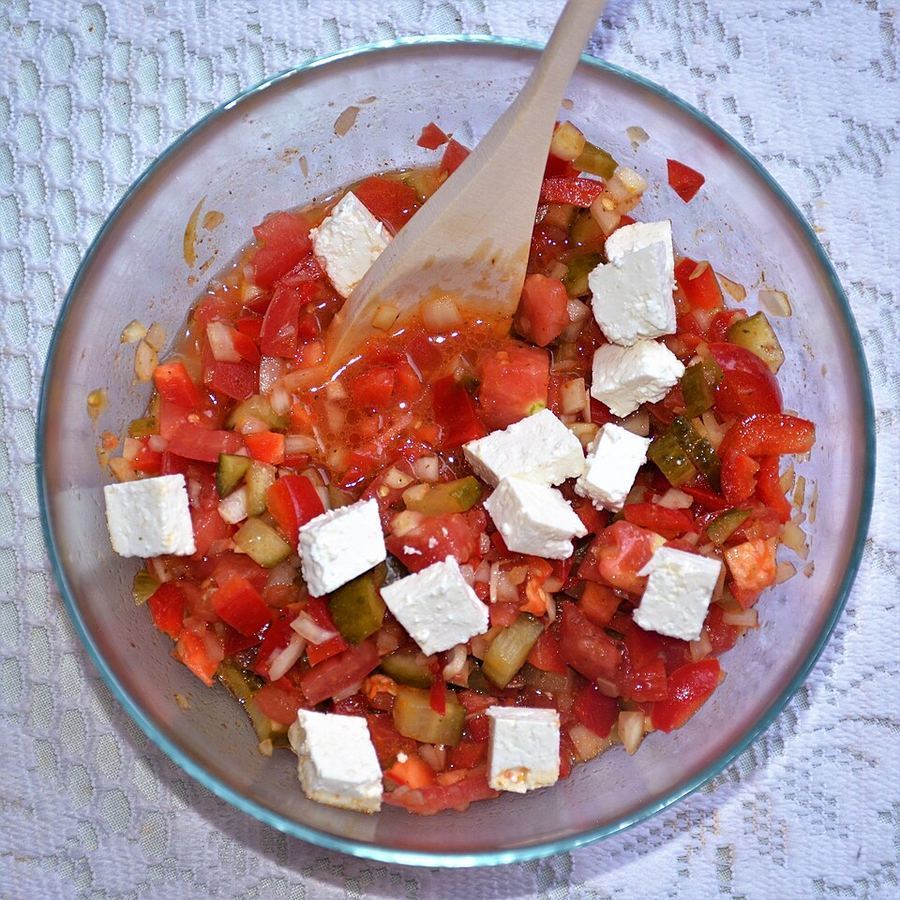
Bulgarian food sits between the Ottoman and the Central European, built on vegetables, dairy and grilled meat. The national salad, shopska, is diced tomato, cucumber, roasted pepper and onion under a heavy blanket of grated white brine cheese, and its red, white and green happen to be the national colours. Yogurt is a point of genuine national identity: the bacterium that ferments it, Lactobacillus bulgaricus, was identified in 1905 by the Bulgarian medical student Stamen Grigorov, and yogurt is eaten plain, drunk as ayran and served cold as tarator, a summer soup of yogurt, cucumber, dill, garlic and walnuts. Banitsa, a coiled filo pastry with white cheese and eggs, is the everyday bake and the New Year version hides paper fortunes inside. Lyutenitsa, a thick relish of roasted red pepper and tomato, is put up by the jar in autumn. Grilled minced meat in the form of kebapche and kyufte, slow-cooked kavarma, stuffed vine leaves and peppers, bean soup and cured lukanka sausage fill out the table. Rakia, a fruit brandy usually of plum or grape, opens the meal alongside salad; boza, a fermented wheat drink, is a breakfast staple, and the Melnik and Thracian valley wine regions are long established.

National Dress

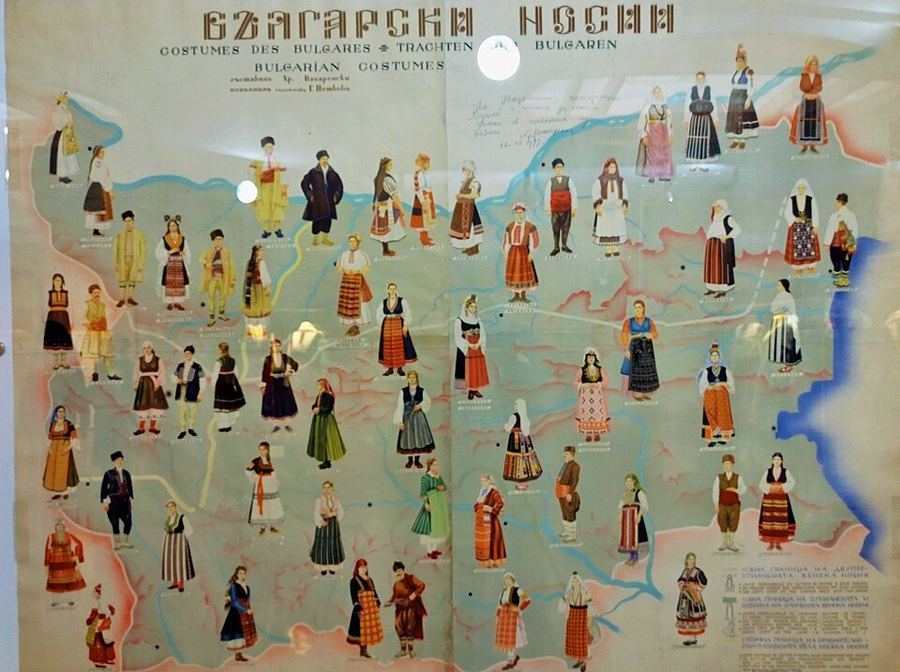
Bulgarian traditional dress, the noshia, is strongly regional and built over a long linen or hemp shift richly embroidered at the hem, cuffs and neckline in red, black and gold. Women's outer garments define the regional types: the sukman, a sleeveless dark woollen pinafore worn over the shift, is the most widespread; the saya, an open-fronted robe, dominates in the south and southwest; and the two-apron and single-apron forms mark other districts. Aprons are woven in dense geometric patterns, and married women's headscarves and coin jewellery signal status and wealth. Men's costume divides into the belodreshna, a white woollen outfit of the western and northern regions, and the chernodreshna, dark trousers narrow at the calf with a wide woven sash, more common in the south and east; the black or brown kalpak of sheepskin completes it. Both sexes traditionally wore tsarvuli, soft leather shoes bound with thongs over woollen socks. Costume today belongs to weddings, folk ensembles, kukeri processions and national holidays, but embroidery motifs have been widely revived in contemporary Bulgarian fashion, and the martenitsa remains a genuinely universal annual custom.

Sports & Inspiring Athletes

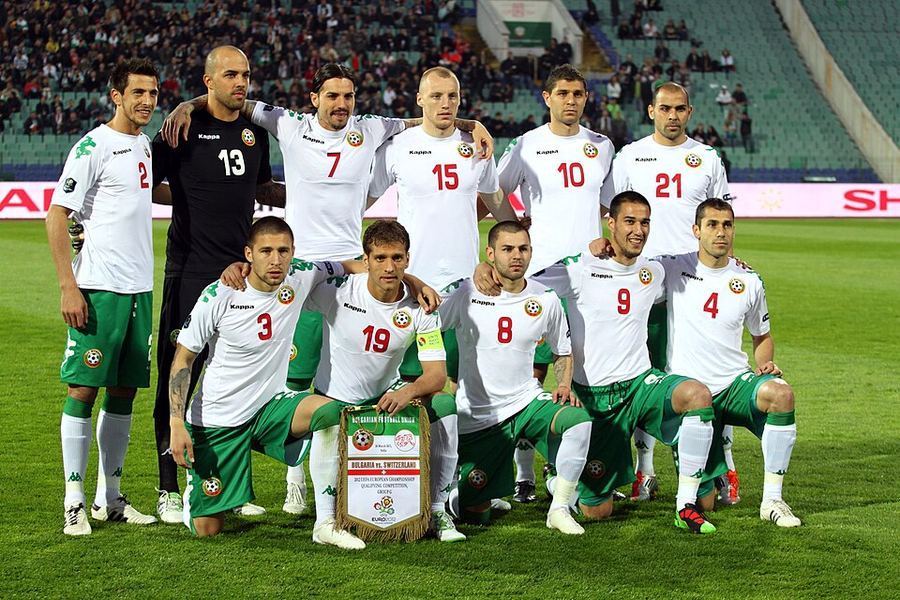
Football is the most followed sport, with the Sofia rivalry between CSKA and Levski at its centre and Ludogorets Razgrad dominating the domestic league since 2011 and appearing regularly in European competition. The national team's high point was the 1994 World Cup in the United States, where Bulgaria beat the holders Germany in the quarter-final and finished fourth. Bulgaria's Olympic strength has historically been in weightlifting and wrestling, where its coaching methods were widely copied, and in rhythmic gymnastics, whose national group, known as the golden girls, has taken repeated world and Olympic titles. Athletics produced Stefka Kostadinova and the hurdler Yordanka Donkova, both world record holders. Volleyball is genuinely popular and the men's national team has been a consistent presence at world and European level. Chess has a strong club and school culture and produced a world champion in Veselin Topalov and the Muzychuk-era women's competitor Antoaneta Stefanova, world women's champion in 2004. Winter sports centre on Bansko, which hosts Alpine World Cup races, and biathlon and snowboarding have produced international competitors. Traditional Bulgarian wrestling and the tug-of-war style contests at village fairs survive as folk competition.

Notable Educational Programs

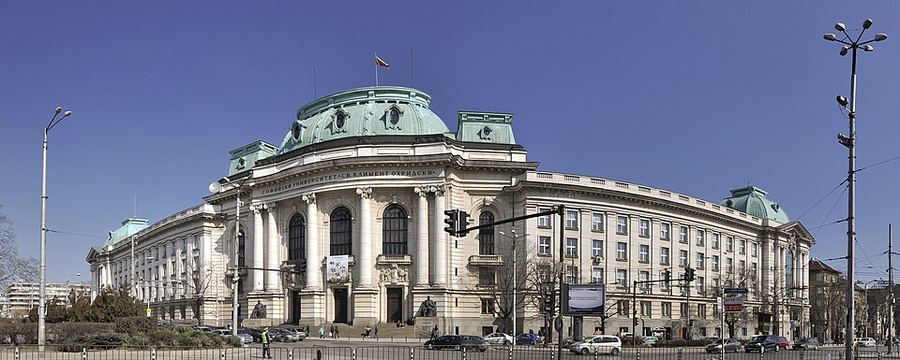
Schooling is compulsory to age 16 and literacy is near universal. The system's public prestige is unusual: 24 May, the day of the Slavonic alphabet and of Bulgarian education, is one of the most warmly observed holidays in the calendar. Selective language high schools, where pupils spend an intensive preparatory year in English, German, French or Spanish before studying subjects in that language, are the most sought-after secondary route, and specialist mathematics and science high schools feed a long record of strong performance at the International Mathematical Olympiad and the International Olympiad in Informatics. Sofia University St Kliment Ohridski, founded in 1888, is the oldest and largest higher education institution, alongside the Technical University of Sofia, the Sofia Medical University and universities in Plovdiv, Veliko Tarnovo and Varna; the Bulgarian Academy of Sciences, established in 1869 before the state itself, remains the main research organisation. The American University in Bulgaria, opened in Blagoevgrad in 1991, teaches a United States liberal arts curriculum in English. The pressing problems are demographic and social: falling cohort sizes have closed rural schools, emigration of graduates is heavy, and educational outcomes for Roma children lag far behind the national average.

Wars & Conflicts

Bulgaria has not fought a war since 1945 and faces no armed conflict on its territory. It joined NATO in 2004 and the European Union in 2007, and its security concerns are those of a frontline eastern member: the war in Ukraine, energy dependence, and the management of an external EU land border with Turkey that carries substantial irregular migration. The country has hosted a large number of people displaced from Ukraine since 2022, well over a hundred thousand registered for temporary protection, and has supplied and repaired Soviet-pattern military equipment. Its historical conflicts are the ones that shape memory: participation on the losing side in both Balkan wars and both world wars, and the territorial settlements of Neuilly in 1919 and Paris in 1947. Two episodes of internal repression remain contested. The wartime government deported Jews from the territories it occupied in Thrace and Macedonia, but public protest, church intervention and the parliamentary revolt led by Dimitar Peshev prevented the deportation of Bulgaria's own Jewish population of roughly 48,000. Between 1984 and 1989 the communist authorities forcibly changed the names of the Turkish minority in the so-called Revival Process, prompting about 360,000 people to leave for Turkey in 1989.
Current as of 2026-08-06

Land & Border Disputes

Bulgaria has no outstanding territorial claims against its neighbours. Its land borders with Romania along the Danube, with Serbia and North Macedonia, with Greece and with Turkey are settled by treaty, and the Black Sea maritime boundaries have been delimited by agreement. The country's significant external dispute is political and historical rather than territorial, and concerns North Macedonia. Bulgaria maintains that the Macedonian literary language is a codified regional form of Bulgarian and that shared nineteenth-century figures, including Gotse Delchev, belong to a common history; Skopje rejects this framing. A friendship treaty signed in 2017 created a joint historical commission, but Bulgaria blocked the opening of North Macedonia's European Union accession negotiations from late 2020, lifting its veto in 2022 on condition that Bulgarians be named in the Macedonian constitution as a constituent people, a change that Skopje has not made. Bulgaria also presses questions of minority recognition and property claims arising from twentieth-century population movements with several neighbours. Domestically the state does not recognise ethnically defined political parties, a position tested repeatedly at the European Court of Human Rights over the registration of Macedonian-identifying associations.
Land, Life & Legacy

Land & Climate

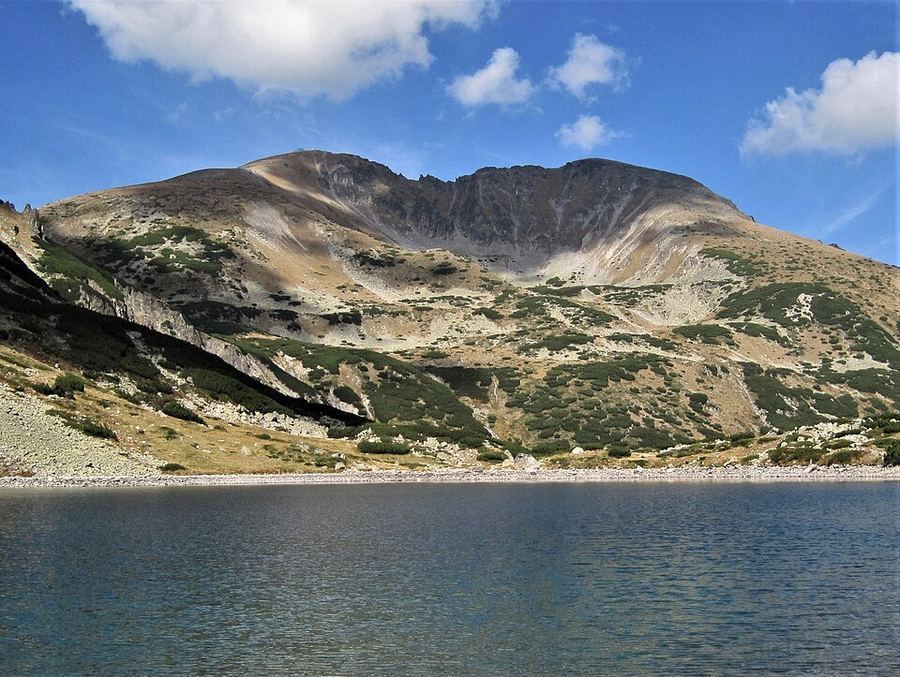
Bulgaria covers about 111,000 square kilometres and is unusually mountainous for its size. The Balkan range, Stara Planina, runs the full width of the country from the Serbian border to Cape Emine on the Black Sea, dividing the Danubian plain in the north from the Thracian lowland in the south and giving the whole peninsula its name. The southwest holds the highest ground: Musala in the Rila massif reaches 2,925 metres, the highest point in the Balkan Peninsula, and the neighbouring Pirin and Rhodope ranges add glacial lakes, marble karst and deep gorges such as the Trigrad and the Devil's Throat cave. The Danube forms almost the entire northern boundary with Romania, and the Maritsa, Iskar and Struma are the main internal rivers. The Black Sea coast runs about 350 kilometres with long sand beaches and sheltered bays. The climate is temperate continental in the north, with cold winters and hot summers, and shades to Mediterranean influence in the far south along the Struma and Maritsa valleys. Snow cover in the mountains supports a winter sports season from December to April, and mineral springs, several hundred of them, are distributed across the fault zones.

Entertainment

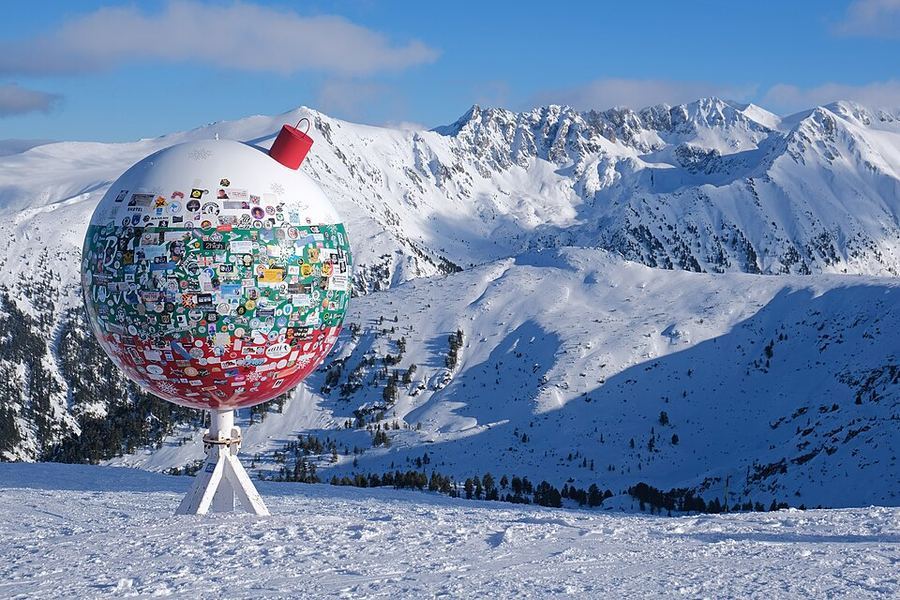
Bulgarians spend leisure time outdoors and cheaply. The Black Sea coast is the summer default, with the large resorts at Sunny Beach, Golden Sands and Albena serving foreign package tourism while Bulgarians favour the older fishing towns of Sozopol, Ahtopol and Kavarna and the campsites along the southern strandzha shore. In winter the ski centres at Bansko, Borovets and Pamporovo draw domestic and foreign visitors, and Vitosha above Sofia is close enough for an afternoon on the slopes. Hiking is a mass activity supported by an old network of mountain huts, and the Seven Rila Lakes circuit is the best-known route. Spa and balneological tourism, built on the country's mineral springs at Velingrad, Hisarya, Sandanski and Devin, has deep roots and remains popular with older Bulgarians. Foraging is a genuine national pastime, with families gathering mushrooms, wild herbs, rose hips and lime blossom, and home preserving of lyutenitsa and pickles in autumn is close to universal. Village houses inherited from grandparents anchor much weekend life. In the cities, cafe culture, football, folk-dance clubs for adults, chess and an active theatre and opera scene fill the rest.

Art & Museums

Bulgarian visual art begins with Thracian goldwork and painted tombs, above all the fourth-century BC Kazanlak tomb with its frieze of a funerary banquet and the Sveshtari tomb with its caryatid figures. The Christian tradition runs through the Boyana Church, whose 1259 frescoes give named donors individual faces a generation before Giotto, and through the rock-hewn churches of Ivanovo. Icon and mural painting revived during the eighteenth and nineteenth-century National Revival, with regional schools at Samokov, Tryavna and Bansko and the mural painter Zahari Zograf, whose work at Rila, Troyan and Bachkovo mixes Orthodox convention with contemporary observation. National Revival architecture, with its overhanging upper storeys and carved wooden ceilings, is preserved as whole townscapes at Koprivshtitsa, Plovdiv and Veliko Tarnovo. Modern painting is represented by Vladimir Dimitrov-Maistora's saturated peasant portraits and by Jules Pascin, born in Vidin, who became a leading figure of the Paris school. The most internationally recognised Bulgarian artist is Christo, born Christo Vladimirov Javacheff in Gabrovo in 1935, whose wrapped buildings and landscapes with Jeanne-Claude included the Reichstag in 1995 and the posthumously realised Arc de Triomphe in 2021.

Notable People

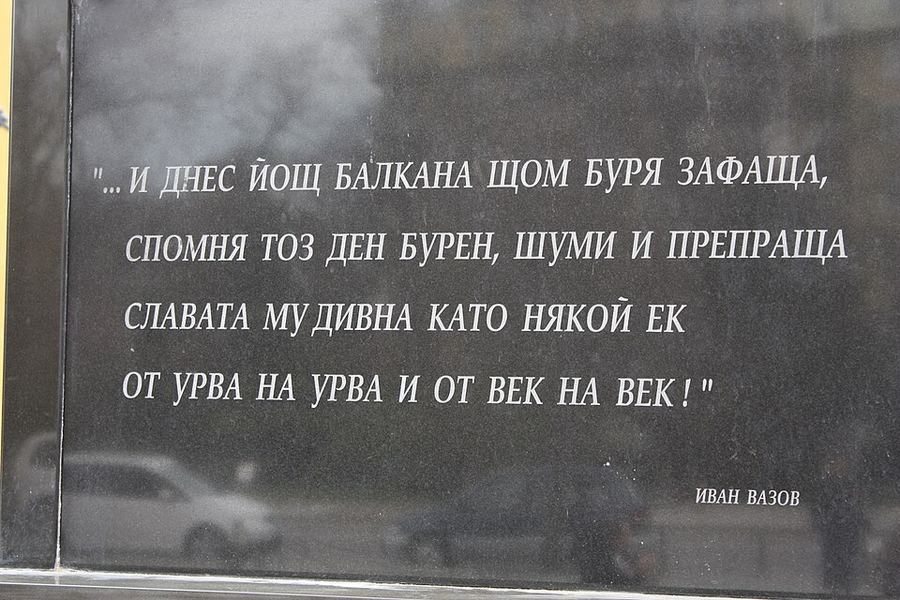
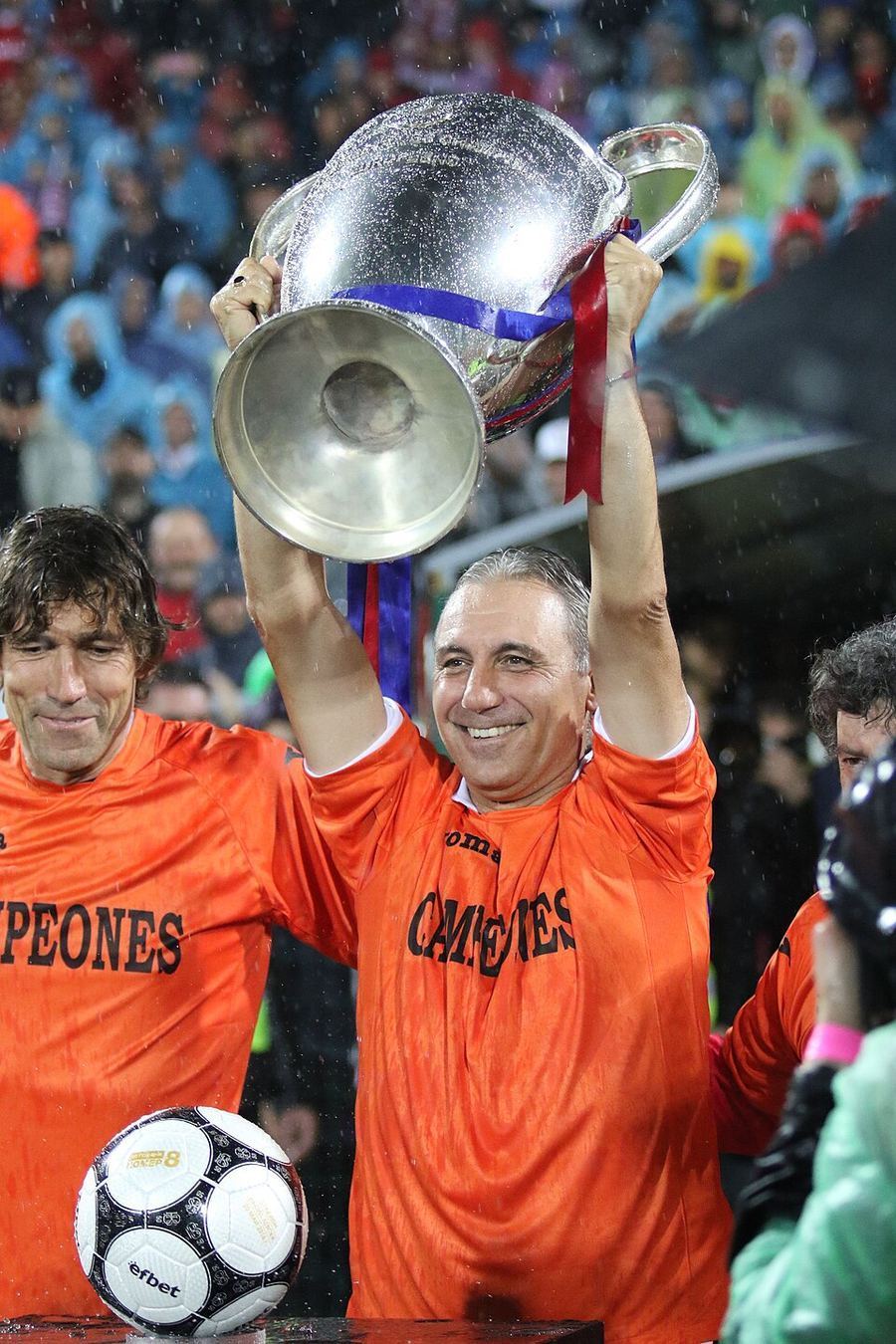
Ivan Vazov, whose novel Under the Yoke fictionalised the April Uprising, is the founding figure of modern Bulgarian literature, and the poet Hristo Botev, killed in 1876, is the national martyr. Elias Canetti, born in Ruse in 1905 into a Sephardic family, won the Nobel Prize in Literature in 1981; the philosopher and critic Julia Kristeva was born in Sliven and made her career in Paris. Christo is the country's best-known artist and John Atanasoff, whose father emigrated from Bulgaria, built the Atanasoff-Berry Computer in Iowa and is credited in United States court findings with the first electronic digital computing device. In music, the basses Boris Christoff and Nicolai Ghiaurov and the sopranos Raina Kabaivanska and Ghena Dimitrova had major international opera careers. In sport, Stefka Kostadinova set the women's high jump world record of 2.09 metres in Rome in 1987, a mark that still stands, and won Olympic gold in 1996; Hristo Stoichkov shared the 1994 World Cup golden boot and won the Ballon d'Or that year; Veselin Topalov became world chess champion in 2005; and Grigor Dimitrov has been a fixture of the tennis top ten. Georgi Ivanov became the first Bulgarian in space in 1979.
Encyclopaedia BritannicaOlympediaWorld AthleticsFIFA

Inventions & Breakthroughs

The Cyrillic alphabet is the outstanding Bulgarian invention: devised at the Preslav Literary School in the late ninth century by the circle around Clement and Naum, pupils of Cyril and Methodius, it replaced the earlier Glagolitic and spread with Orthodox Christianity across the Slavic world, and it is now written by hundreds of millions of people. In the sciences, the medical student Stamen Grigorov identified in 1905 the rod-shaped bacterium responsible for Bulgarian yogurt, later named Lactobacillus bulgaricus after the country; Grigorov also worked on early tuberculosis vaccine research. John Atanasoff, son of a Bulgarian emigrant, designed with Clifford Berry the first electronic digital computing device at Iowa State between 1937 and 1942, a claim upheld in United States federal court in 1973. Bulgaria's other durable technical speciality is rose oil: the Rosa damascena plantations of the Kazanlak valley and the steam distillation methods developed there from the seventeenth century made the country the leading world supplier of an oil used in fine perfumery, with the harvest still done by hand at dawn. Industrial-scale sunflower and lavender production and the associated distillation industry follow from the same tradition.

Science & Technology

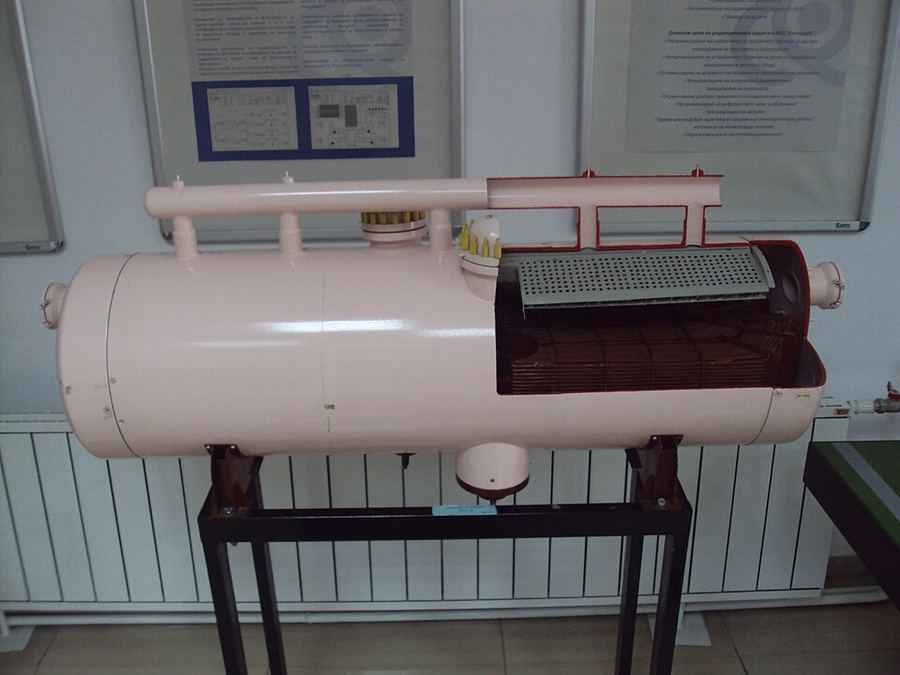
The Bulgarian Academy of Sciences, founded in 1869, remains the backbone of national research, with institutes covering mathematics and informatics, mechanics, nuclear research, biodiversity, and space research. Space work has real pedigree: Georgi Ivanov flew on Soyuz 33 in 1979 and Aleksandar Aleksandrov in 1988, and Bulgarian-built instruments have flown on Soviet and later international missions. The country maintains a permanent Antarctic base, St Kliment Ohridski on Livingston Island, occupied since 1988 and supporting glaciological and biological fieldwork. Nuclear power at Kozloduy supplies a large share of electricity and a further reactor programme at Belene has been debated for decades. Bulgaria's most visible recent technology story is software: strong olympiad-level training in mathematics and informatics, low costs and EU membership produced a large outsourcing and product-development sector in Sofia and Plovdiv, and the Bulgarian developer-tools company Telerik was acquired by Progress Software in 2014 in what was then the largest exit in the country's technology history. Sofia Tech Park, opened in 2015, houses laboratories and start-up space. Structural weaknesses persist: research spending as a share of GDP is among the lowest in the European Union, and emigration of trained scientists continues.
NatureEurostatWorld BankIEA
On The World Stage

Champions & Defining Moments

Bulgaria has been a regular and disproportionately successful Olympic nation for a country of under seven million, competing since 1896 and accumulating medals mainly in weightlifting, wrestling, rhythmic gymnastics, athletics, shooting and rowing. Stefka Kostadinova's high jump of 2.09 metres, set at the 1987 World Championships in Rome, remains the world record almost four decades later and is one of the longest-standing marks in athletics; Yordanka Donkova's 100 metres hurdles record stood for more than 30 years. In weightlifting, Bulgarian lifters and the training system associated with coach Ivan Abadzhiev were internationally dominant in the 1970s and 1980s, though the programme was later repeatedly hit by doping sanctions. The rhythmic gymnastics group has been among the sport's leading nations, winning Olympic gold in Tokyo in 2021. In football, the 1994 World Cup run to the semi-finals, powered by Hristo Stoichkov and Yordan Letchkov's winner against Germany, remains the country's best-known sporting moment abroad, and Stoichkov won the Ballon d'Or that year. Bulgarian volleyball players and coaches work throughout the European club game, and Grigor Dimitrov has reached grand slam semi-finals and won the ATP Finals in 2017.

OlympediaWorld AthleticsIOCFIFA
Economy, Trade & Government

Currency & GDP

BGN — BGN (лв)

GDP (PPP): $219.645 billion (2024 est.)

Per capita: $34,100 (2024 est.)

Exports

$62.661 billion (2024 est.)

refined petroleum, garments, refined copper, wheat, natural gas (2023)

Partners: Germany 14%, Romania 11%, Italy 8%, Greece 6%, Turkey 5% (2023)

Imports

$60.029 billion (2024 est.)

crude petroleum, copper ore, cars, packaged medicine, electricity (2023)

Partners: Germany 12%, Turkey 8%, Romania 8%, Russia 7%, Italy 6% (2023)

Government

Type: parliamentary republic

Independence: 3 March 1878 (as an autonomous principality within the Ottoman Empire); 22 September 1908 (complete independence from the Ottoman Empire)

Terrain → Where People Live

How mountains, coasts, and rivers shape settlement (LandScan).

Coming — data

Migration & Ethnic Settlement

Where groups settled and how people move (GeoEPR + UNHCR).

Coming — data

Universities

Notable institutions, mappable as points.

Coming — data
Economy & government facts: CIA World Factbook (public domain), via OpenFactBook / factbook.json.
Every fact and narrative claim will carry a visible source citation. Data-driven sections light up automatically wherever HERA has coverage.