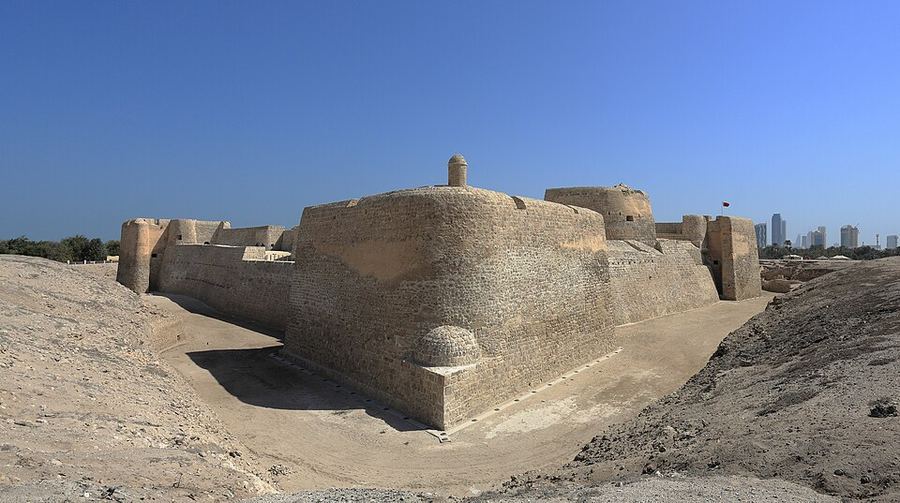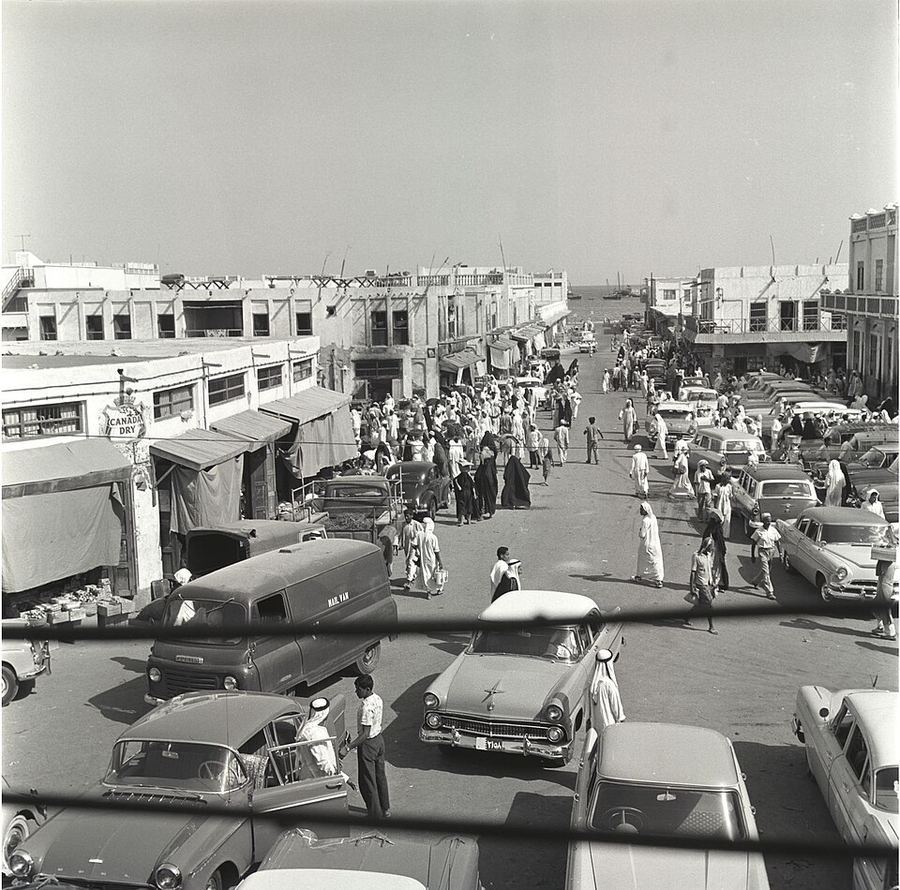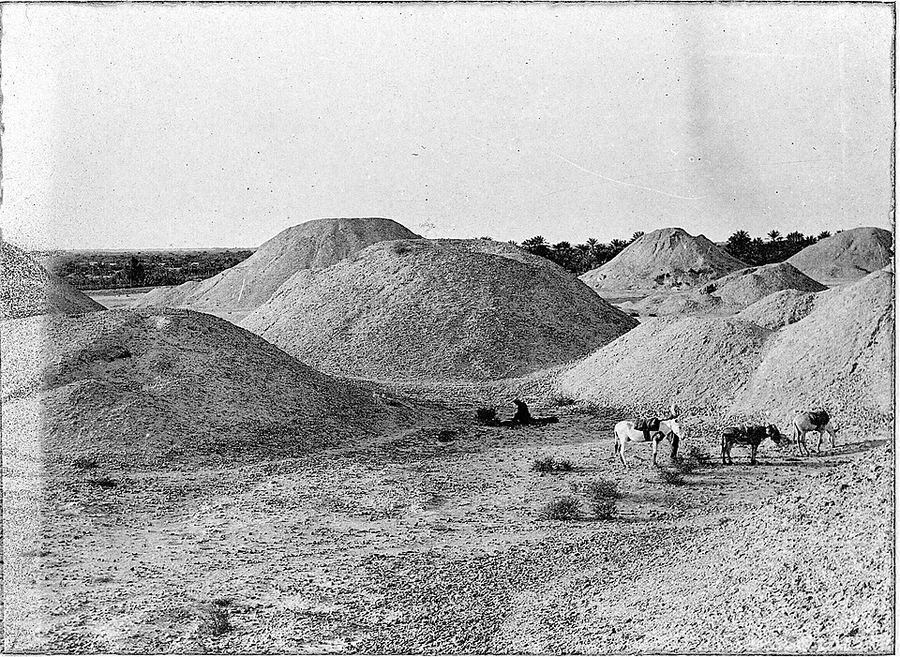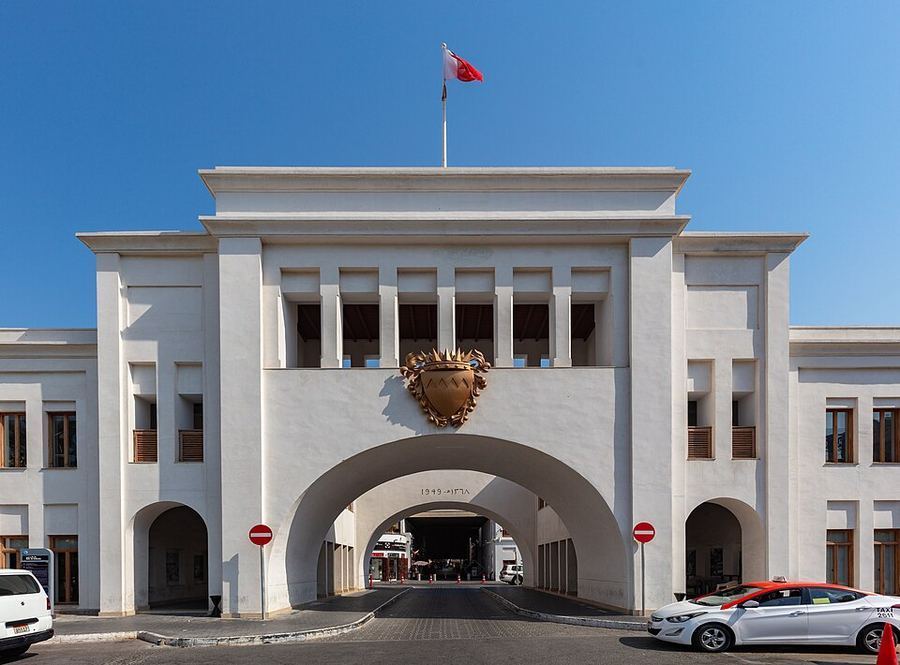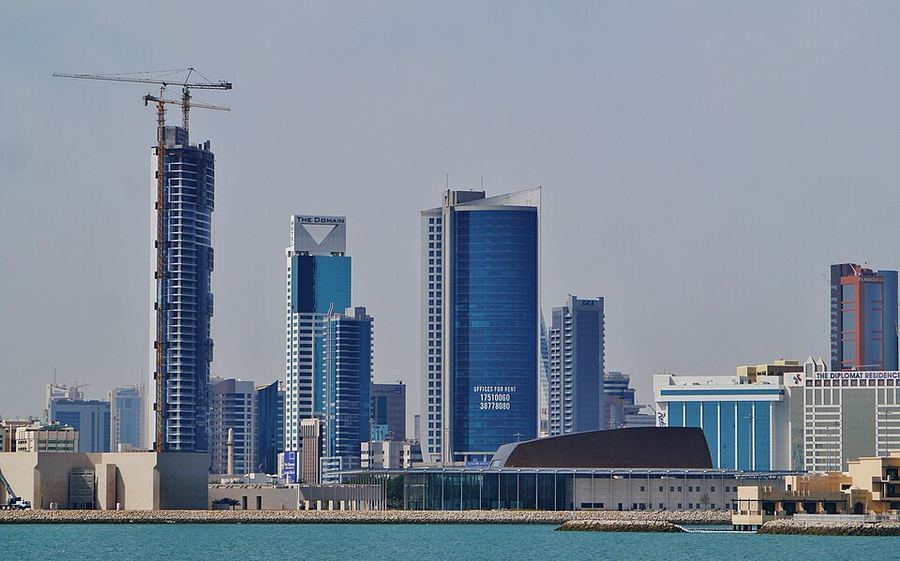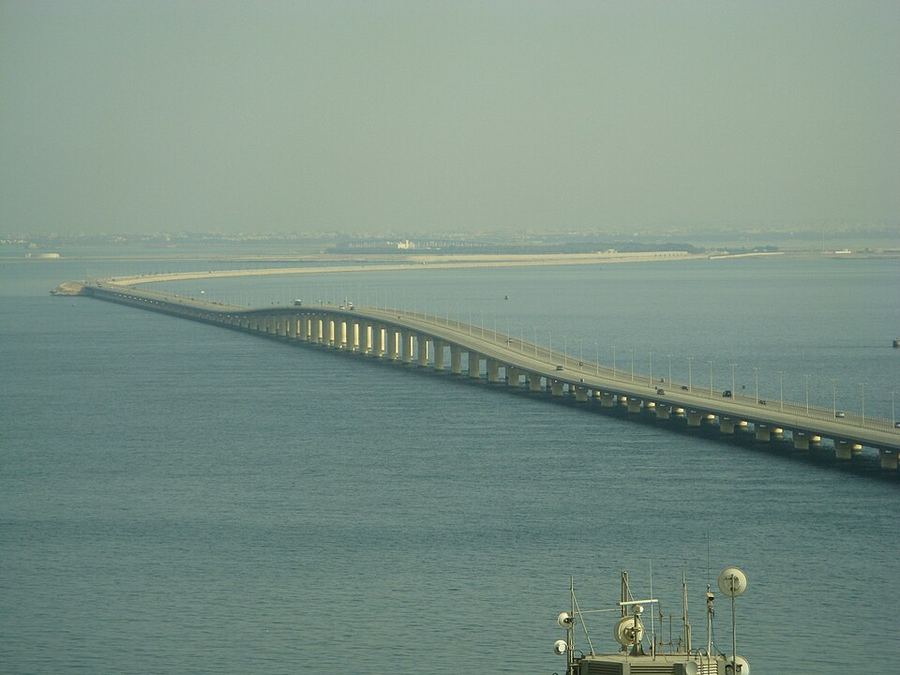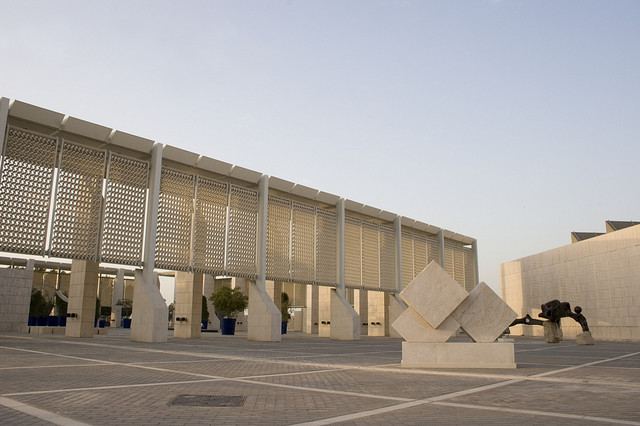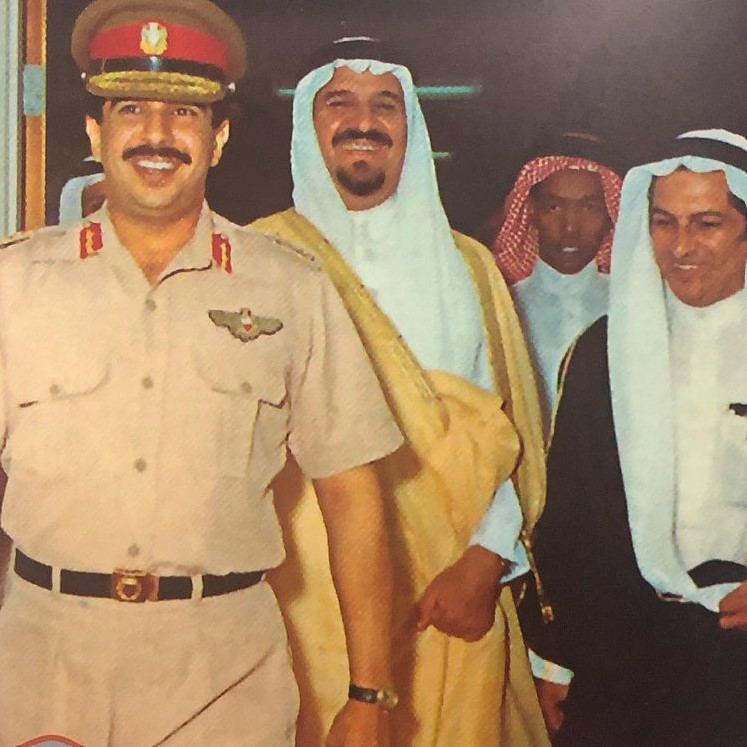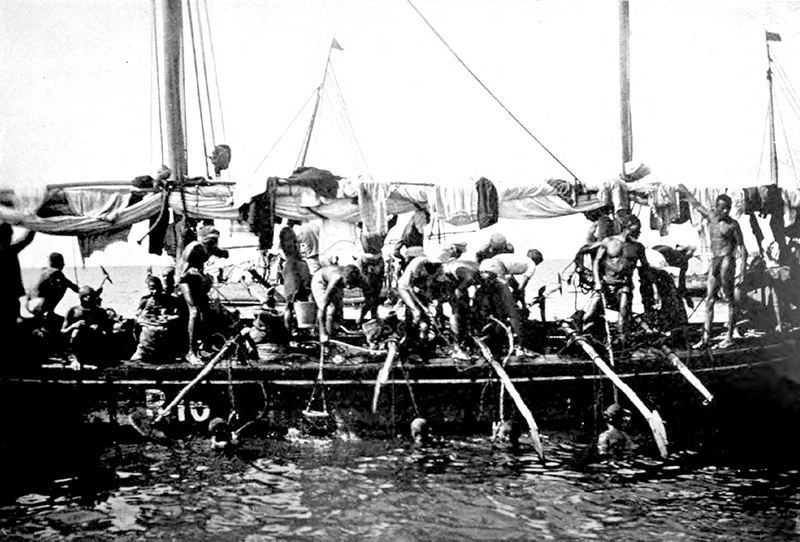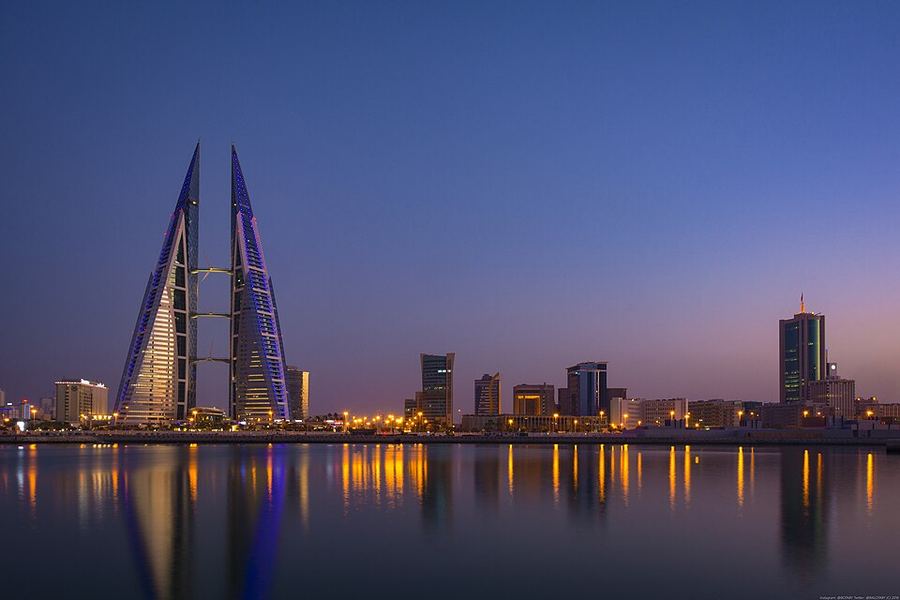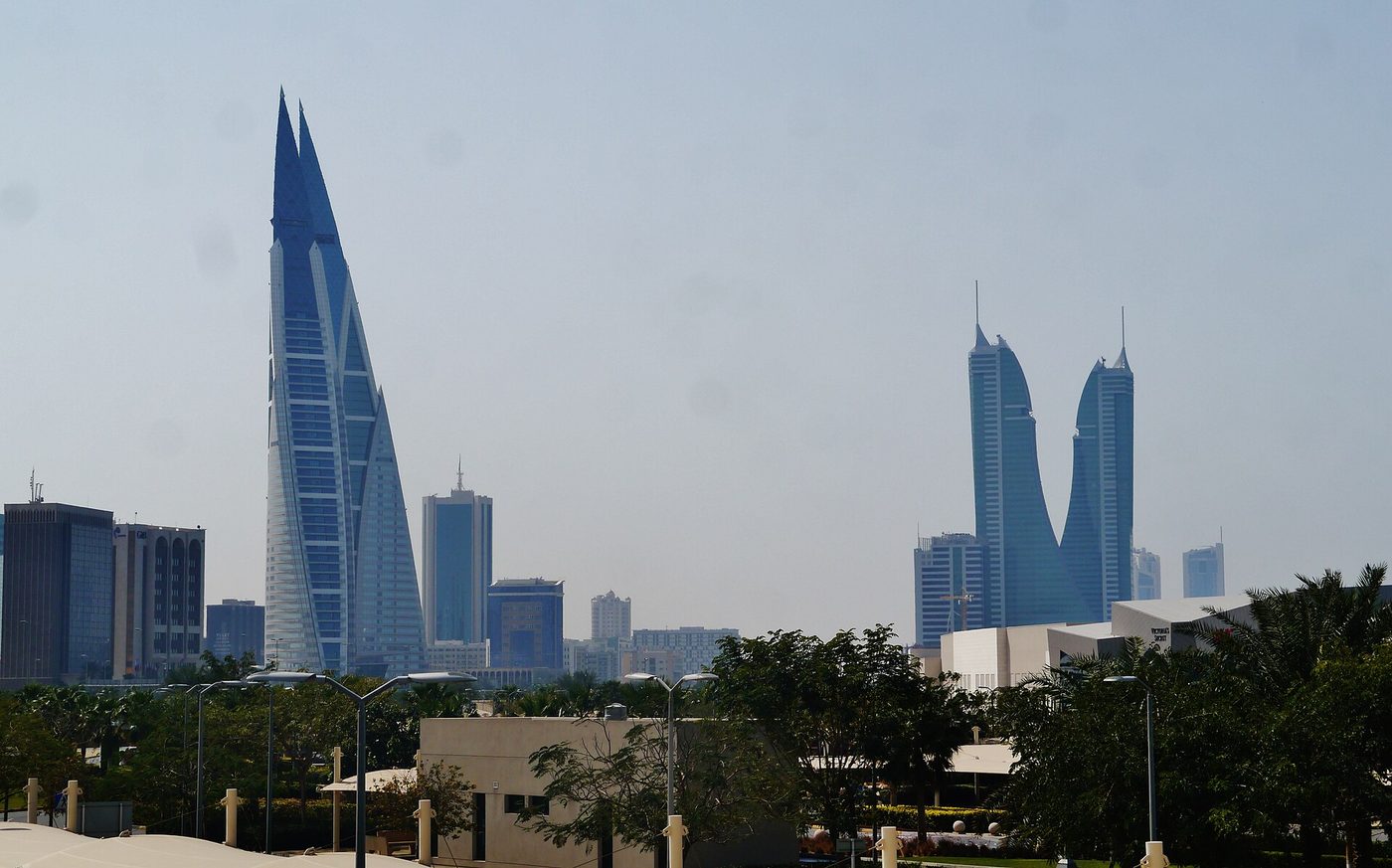
Bahrain is an archipelago of some three dozen natural islands and a growing number of reclaimed ones in the Persian Gulf, lying between the Qatar peninsula and the eastern coast of Saudi Arabia, to which it is linked by the 25-kilometre King Fahd Causeway. It is the smallest Arab state by area, about 780 square kilometres, and home to roughly 1.6 million people, of whom fewer than half hold Bahraini citizenship; the rest are largely South Asian and other Arab migrant workers. Manama, on the northern tip of the main island, is the capital and financial centre, and the neighbouring island of Muharraq holds the old pearling town and the airport. Bahrain is a constitutional monarchy ruled by the Al Khalifa family, independent from the United Kingdom since 15 August 1971. Its history as a trading and pearling centre is very long: the Bronze Age Dilmun civilisation was based here, and until the 1930s Bahrain was the heart of the Gulf natural pearl industry. Oil was struck at Jebel ad Dukhan in 1932, the first commercial find on the Arab side of the Gulf, and it funded early modernisation. Reserves are modest, so the economy has diversified into aluminium smelting, refining, banking and Islamic finance.
Manama's urban core is home to about 1,361,833 people.
That's bigger than Amsterdam — each a great world city in its own right.
Among the world's megacities, though, it's one of many — the giants of Asia and Latin America run larger still:
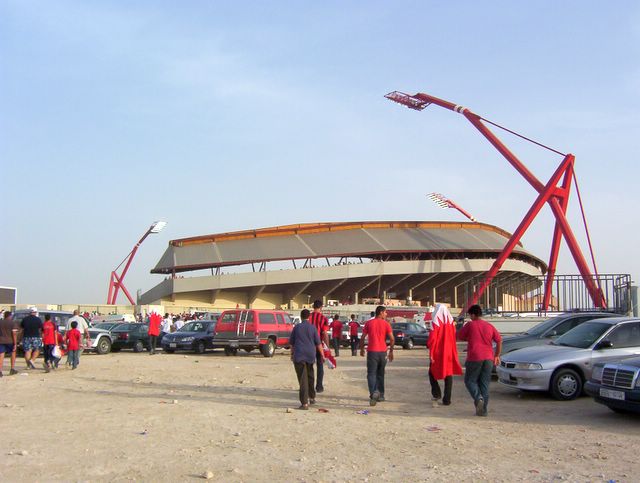
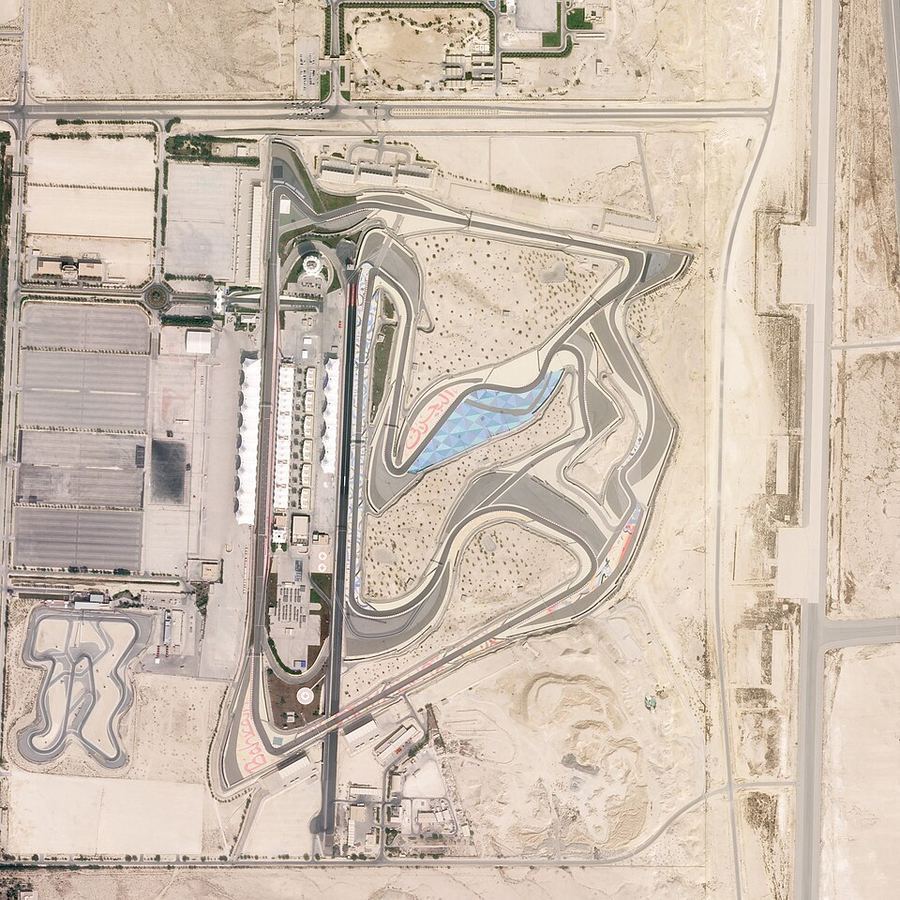
Bahrain's global sporting profile rests on motorsport and distance running. The Bahrain Grand Prix has run at Sakhir since 2004 and has twice opened the Formula One season under floodlights; Bahrain's sovereign wealth vehicle Mumtalakat has owned a controlling stake in the McLaren Group since 2007, giving the country a stake in the sport well beyond hosting. In cycling, the Bahrain Victorious team has raced at UCI WorldTour level since 2017 and has won stages and mountains classifications at the Tour de France and Giro d'Italia. On the track, Maryam Yusuf Jamal won world 1500 metres titles in 2007 and 2009 and became Bahrain's first Olympic champion through the reallocation of the London 2012 title, and Ruth Jebet won the 3000 metres steeplechase at Rio in 2016, though she was later banned for doping. Kalkidan Gezahegne took 10,000 metres silver at Tokyo in 2021. The recruitment of runners born in Kenya, Ethiopia and Morocco has made Bahrain a consistent medal winner at Asian and world level and has also drawn sustained criticism about the ethics of athletic naturalisation. Bahrain has competed at every Summer Olympics since 1984.
Bahraini Dinar — BHD (.د.ب)
GDP (PPP): $93.937 billion (2024 est.)
Per capita: $59,100 (2024 est.)
$41.303 billion (2024 est.)
refined petroleum, aluminum, iron ore, aluminum wire, jewelry (2023)
Partners: UAE 16%, Saudi Arabia 15%, South Africa 8%, USA 6%, India 4% (2023)
$33.044 billion (2024 est.)
iron ore, aluminum oxide, ships, cars, gold (2023)
Partners: China 13%, Saudi Arabia 12%, UAE 11%, Brazil 8%, Australia 7% (2023)
Type: constitutional monarchy
Independence: 15 August 1971 (from the UK)
How mountains, coasts, and rivers shape settlement (LandScan).
Coming — dataWhere groups settled and how people move (GeoEPR + UNHCR).
Coming — dataNotable institutions, mappable as points.
Coming — data