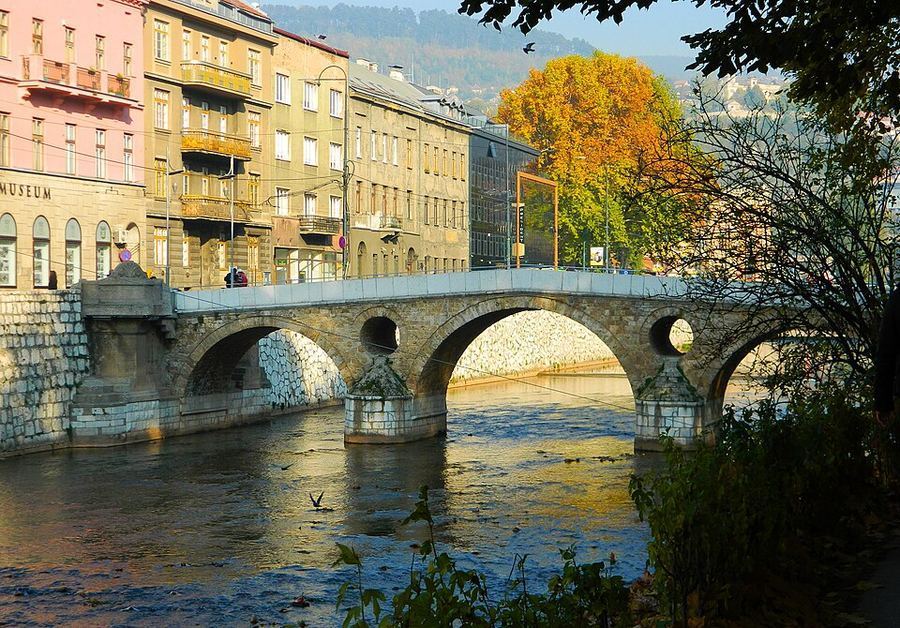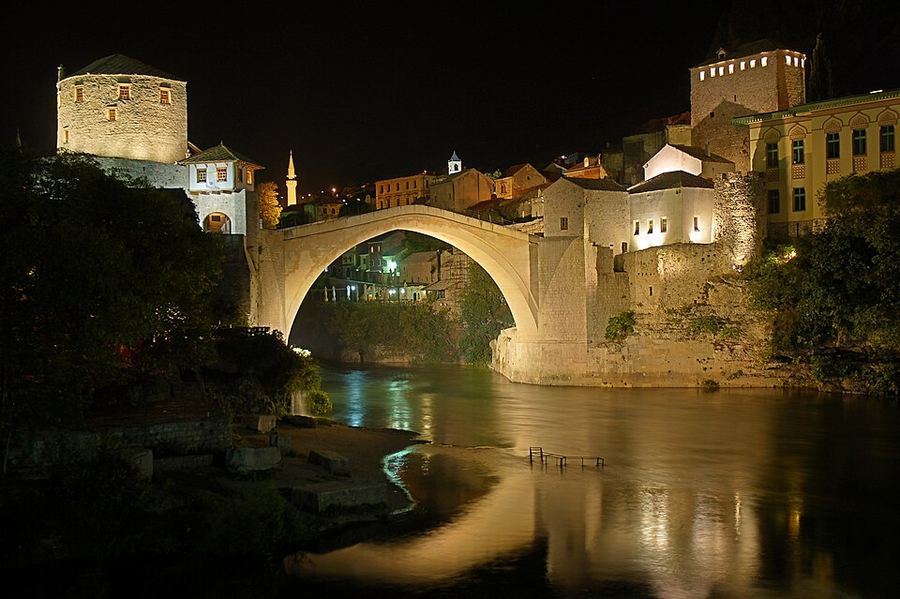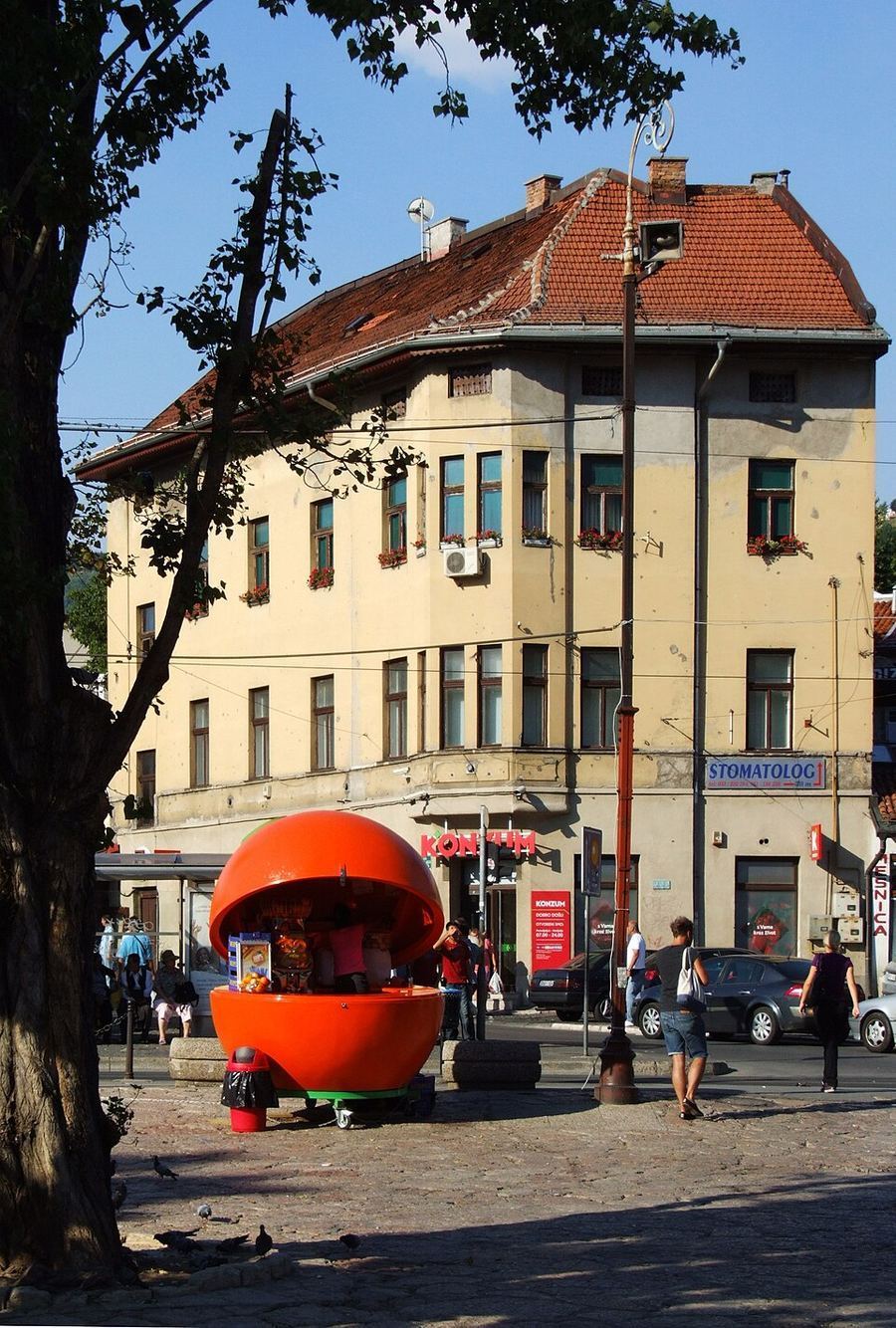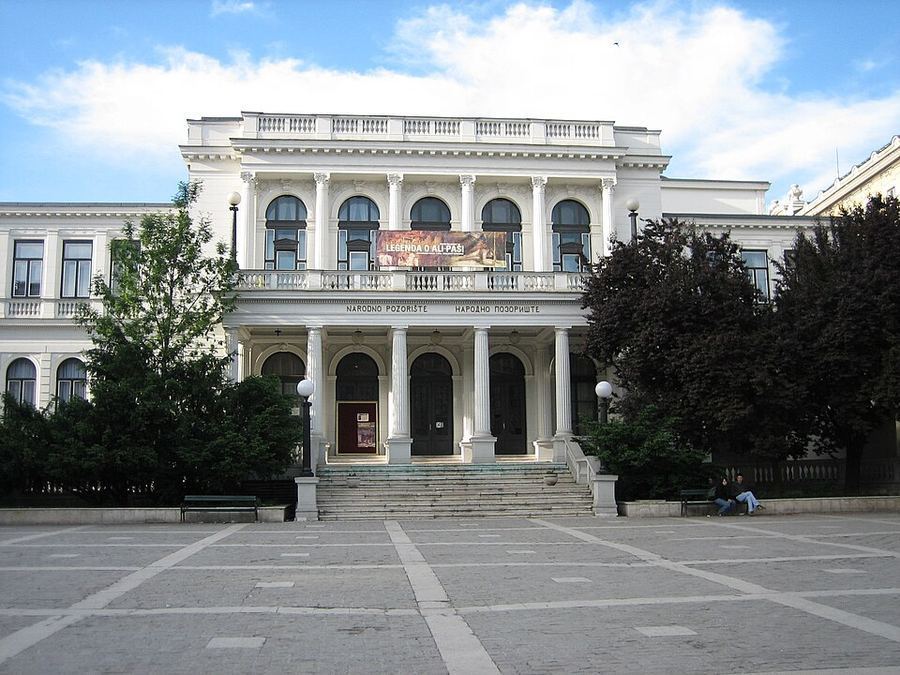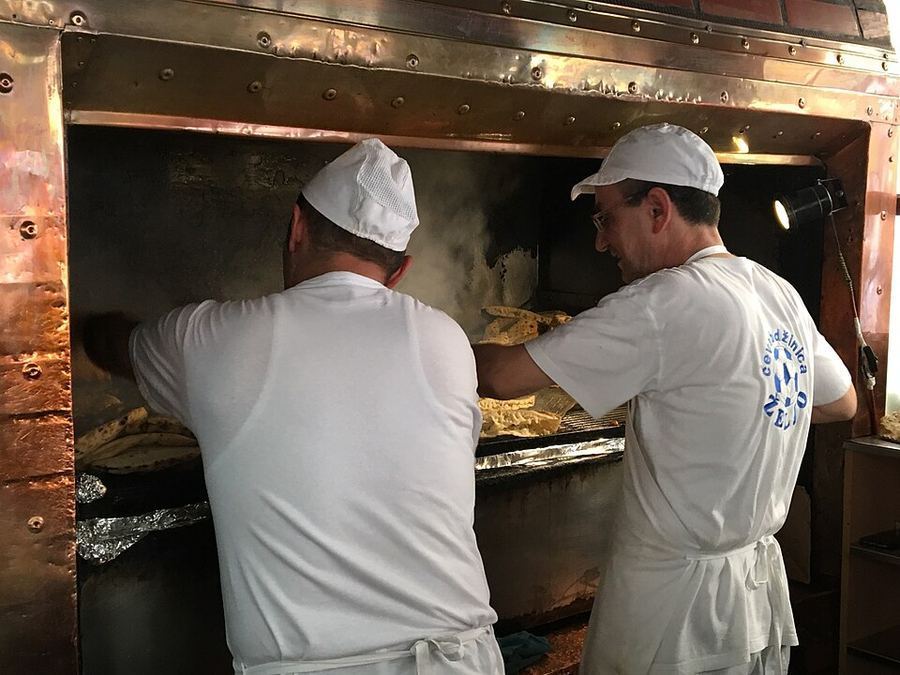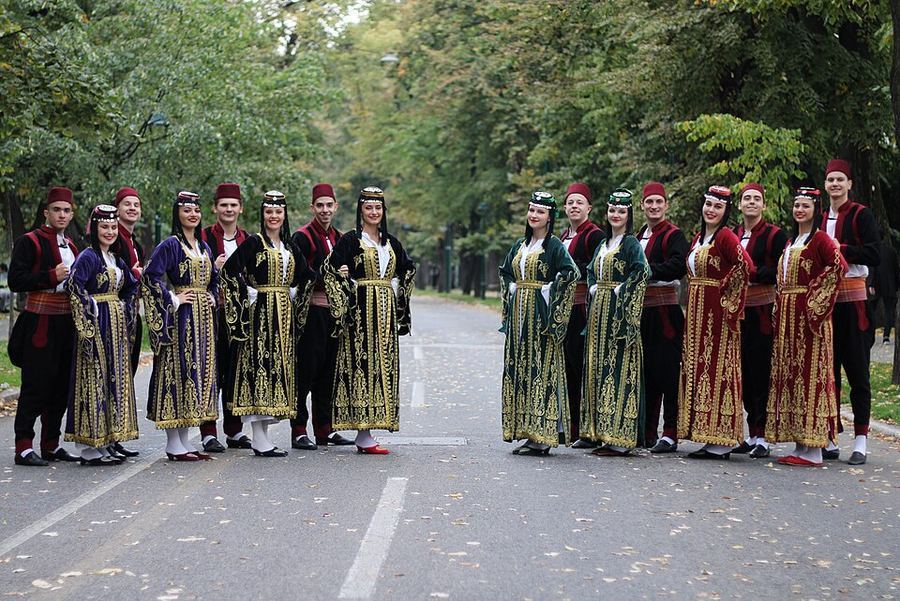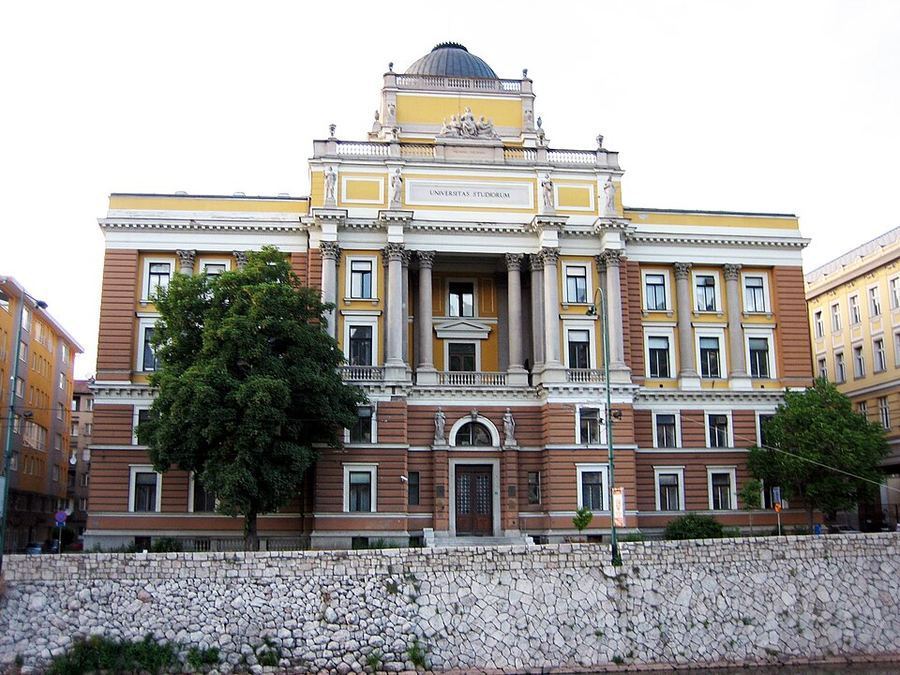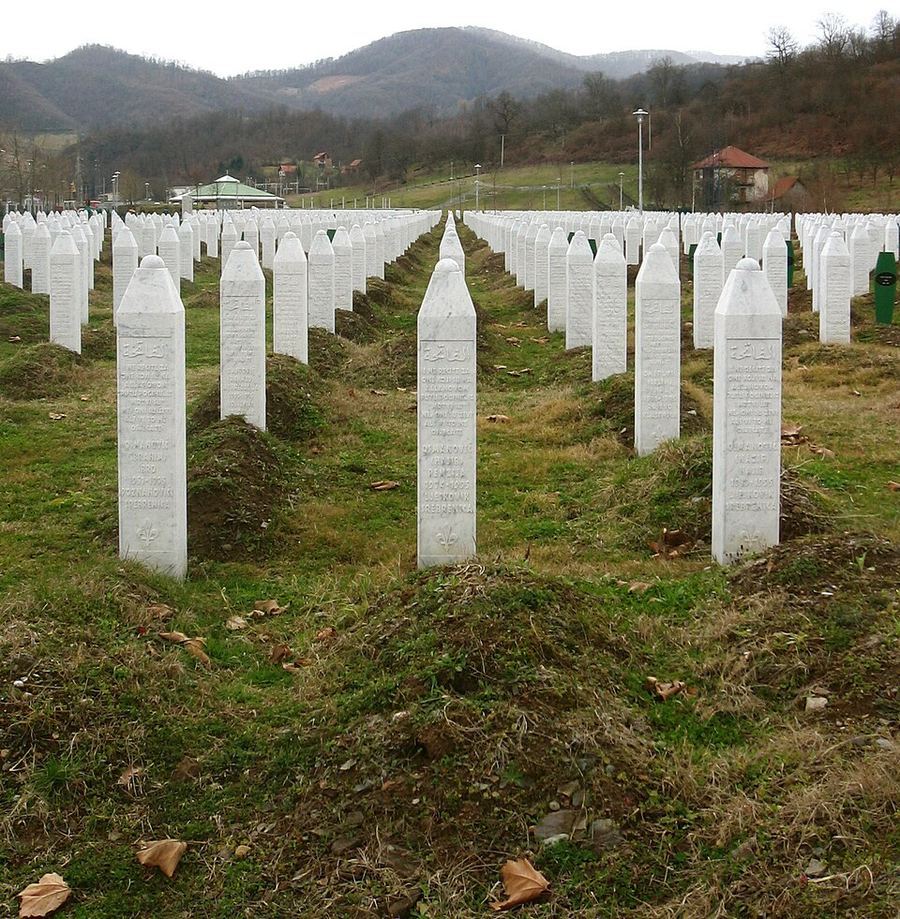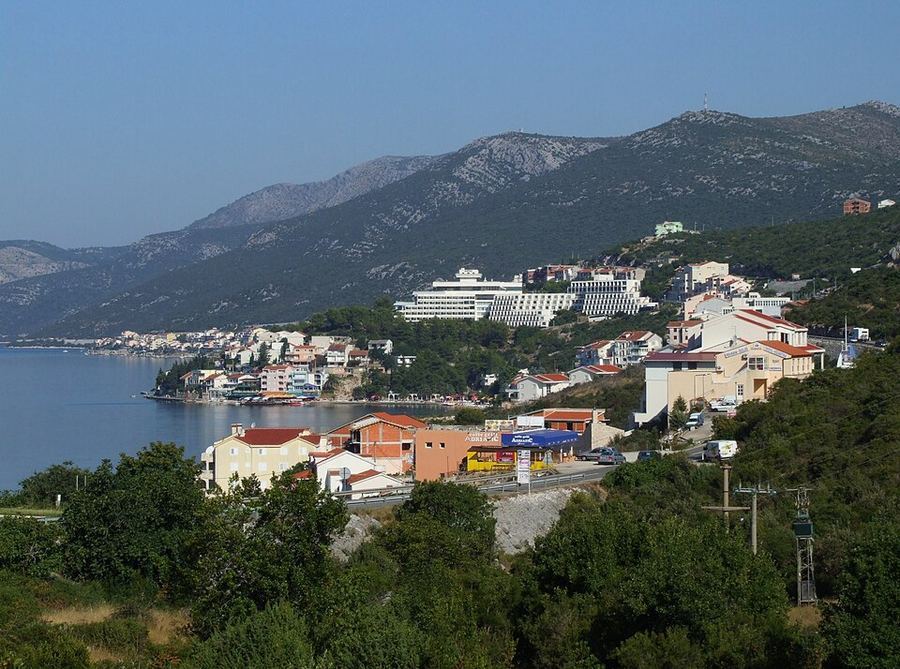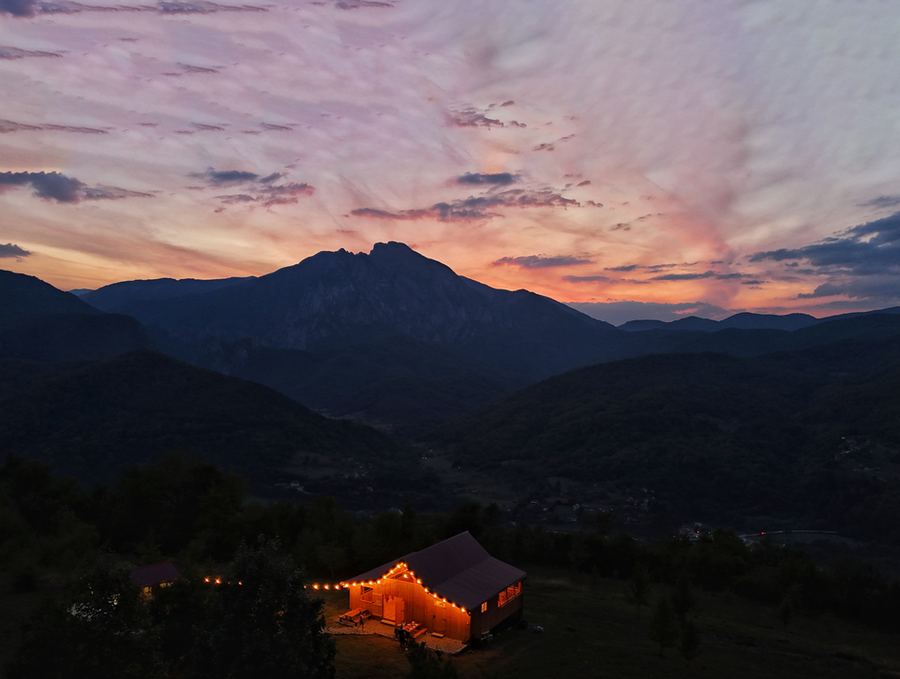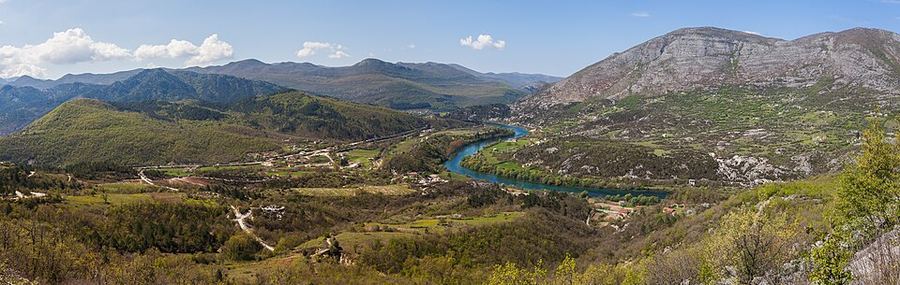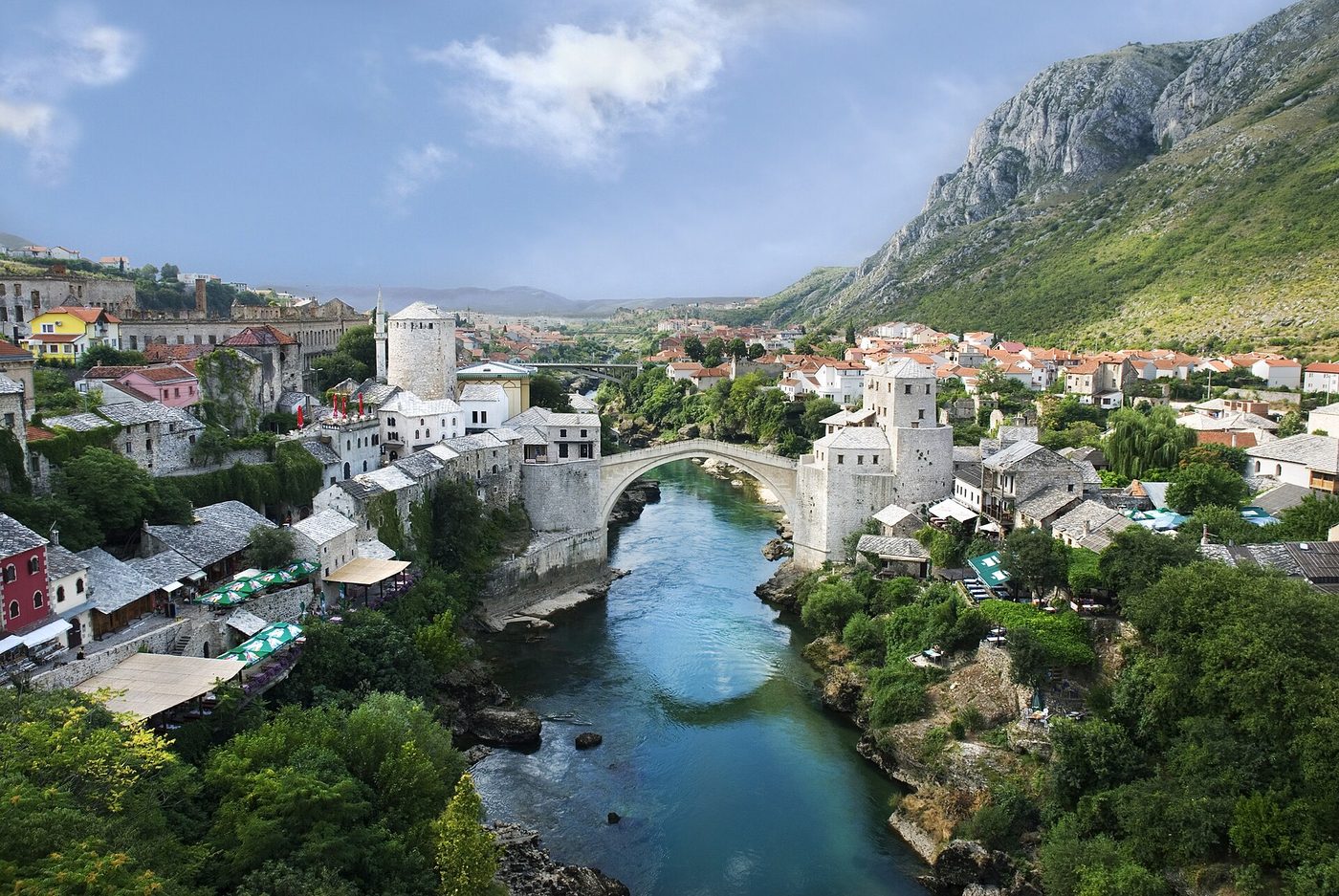
Bosnia and Herzegovina is a mountainous country of about 3.6 million people in the western Balkans, almost landlocked apart from roughly 20 kilometres of Adriatic coast at Neum, and bordered by Croatia, Serbia and Montenegro. Sarajevo, the capital, sits in a narrow valley in the Dinaric Alps and holds the country's political and cultural life; Banja Luka, Tuzla, Zenica and Mostar are the other main cities. Three constituent peoples share the state: Bosniaks, who are about half the population and predominantly Muslim, Serbs, about 31 percent and mostly Orthodox, and Croats, about 15 percent and mostly Catholic. Independence from Yugoslavia was declared on 1 March 1992 and was followed by three and a half years of war that killed around a hundred thousand people and displaced more than two million. The Dayton peace agreement of December 1995 ended the fighting and created the current arrangement: two entities, the Federation of Bosnia and Herzegovina and Republika Srpska, plus the self-governing Brcko District, under a rotating three-member presidency and an internationally appointed High Representative. The economy is modest and export-oriented, built on footwear, electricity, metals, garments and wood, with heavy emigration and remittances. Bosnia became an EU candidate in December 2022.
Sarajevo's urban core is home to about 299,550 people.
Among the world's megacities, though, it's one of many — the giants of Asia and Latin America run larger still:
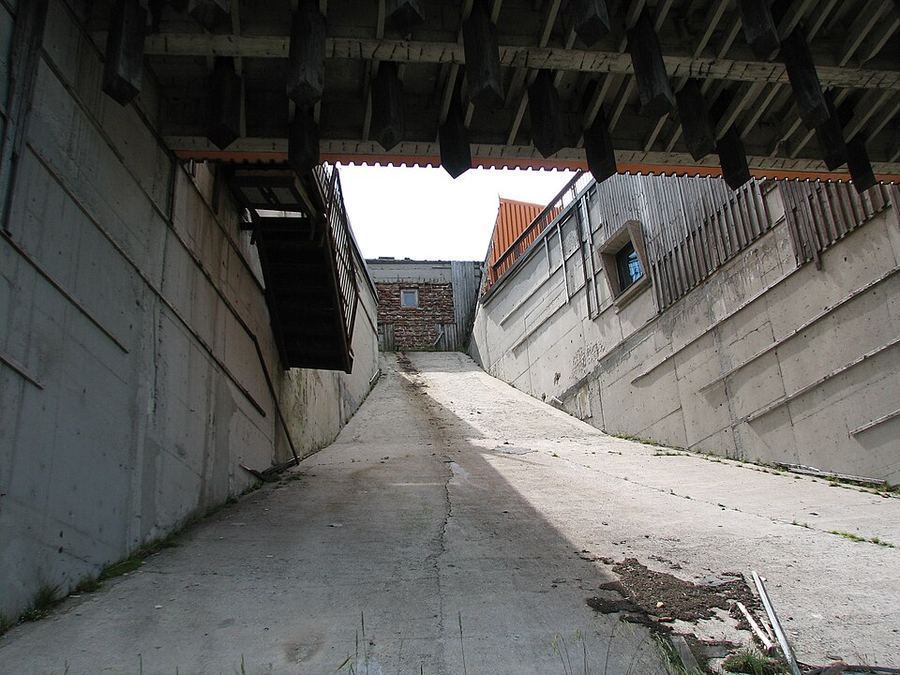
Bosnia and Herzegovina's greatest international sporting achievement is in Paralympic sport rather than Olympic. Its men's sitting volleyball team, formed largely from players who lost limbs to landmines and shelling during the war, has been among the dominant forces in the sport for two decades, winning Paralympic gold in Athens in 2004 and London in 2012 alongside a long run of European titles, and it is routinely cited as the most successful national team the country has ever produced in any sport. In the Olympic arena, Bosnian athletes contributed to Yugoslavia's medal-winning teams before 1992, notably in basketball, but the independent state has yet to convert its strongest individual performances into medals; the 800 metres runner Amel Tuka, who took bronze at the 2015 and 2019 World Championships, and the judoka Larisa Ceric have come closest. Sarajevo's hosting of the 1984 Winter Olympics remains the country's largest global sporting moment, and images of the bobsleigh track and Olympic venues damaged during the siege became internationally recognised symbols of the war. Bosnian footballers and basketball players are widely dispersed through European professional leagues.
Convertible Mark — BAM (KM)
GDP (PPP): $64.641 billion (2024 est.)
Per capita: $20,400 (2024 est.)
$12.141 billion (2024 est.)
footwear, electricity, garments, plastic products, insulated wire (2023)
Partners: Germany 15%, Croatia 14%, Serbia 12%, Austria 10%, Slovenia 9% (2023)
$16.202 billion (2024 est.)
refined petroleum, cars, garments, plastic products, packaged medicine (2023)
Partners: Italy 13%, Germany 11%, Serbia 11%, China 9%, Croatia 8% (2023)
Type: parliamentary republic
Independence: 1 March 1992 (from Yugoslavia)
How mountains, coasts, and rivers shape settlement (LandScan).
Coming — dataWhere groups settled and how people move (GeoEPR + UNHCR).
Coming — dataNotable institutions, mappable as points.
Coming — data