HERA · Human Entity Reference Atlas by Masego Inc

← Belize 🌐 3D View
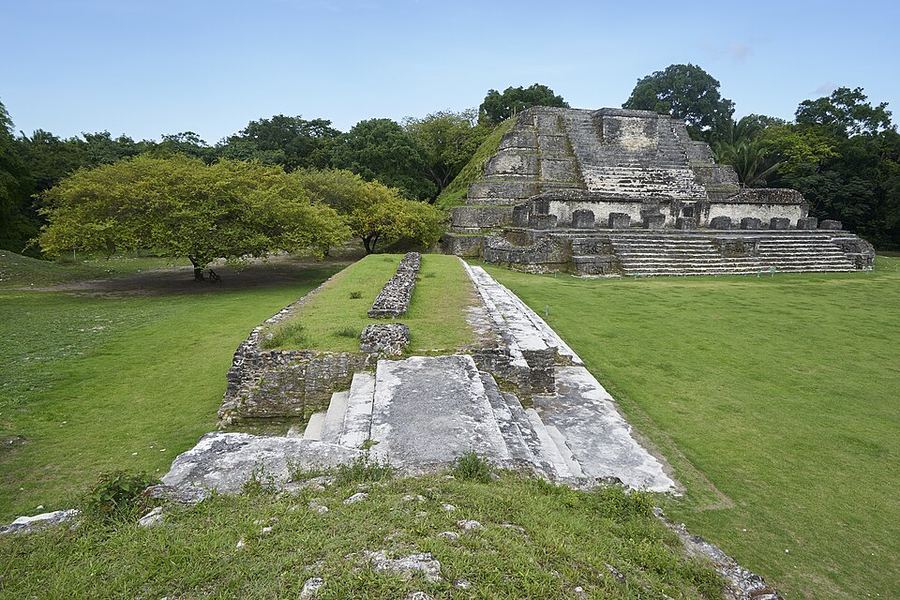
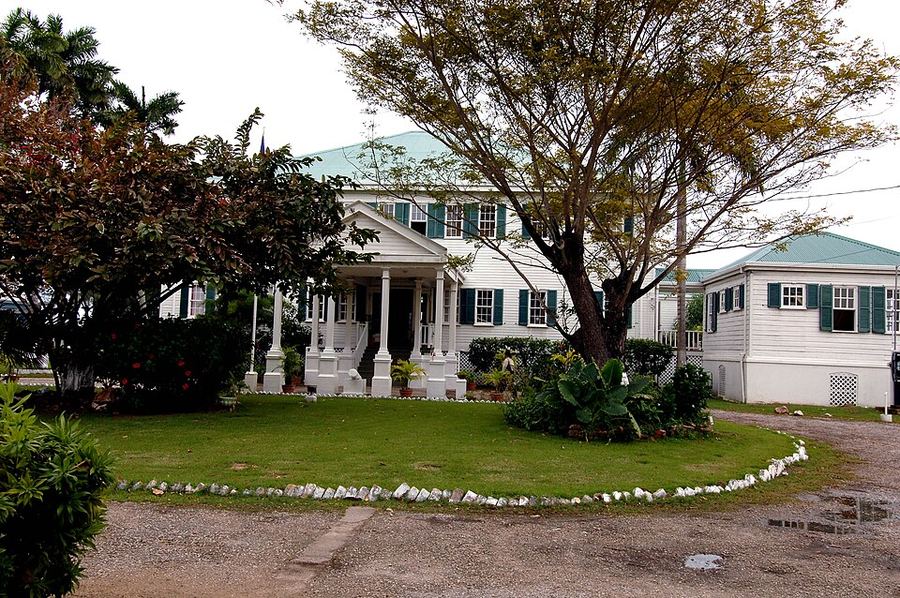
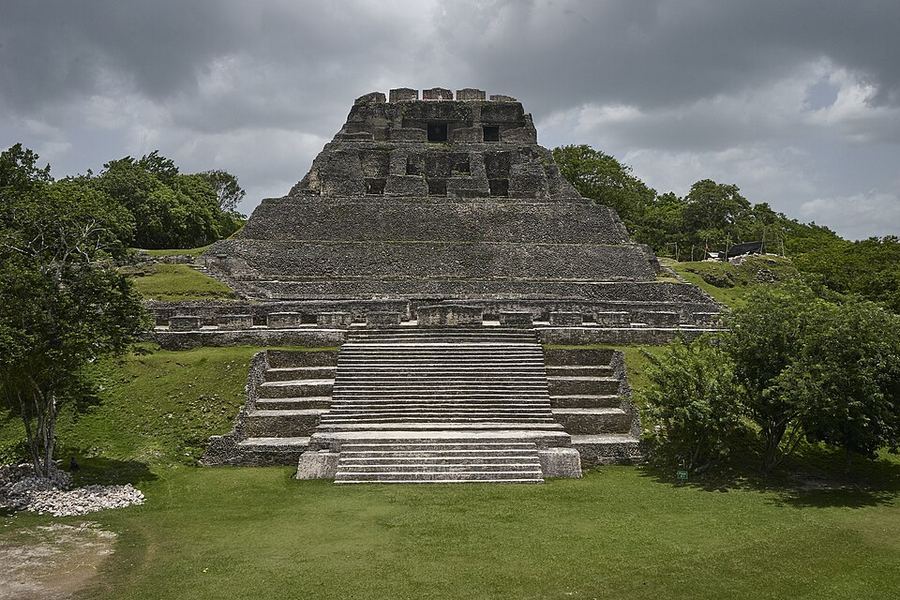
Flickr - archer10 (Dennis) - Belize 1025 - Sky Palace, Belize
Belize BLZ
Flickr - archer10 (Dennis) - Belize 1025 - Sky Palace — Photo: Dennis G. Jarvis / CC BY-SA 2.0 via Wikimedia Commons
Did You Know The language, dance and music of the Garifuna were proclaimed a Masterpiece of the Oral and Intangible Heritage of Humanity in 2001, and Garifuna Settlement Day on 19 November re-enacts the 1802 arrival by dugout canoe. — UNESCO

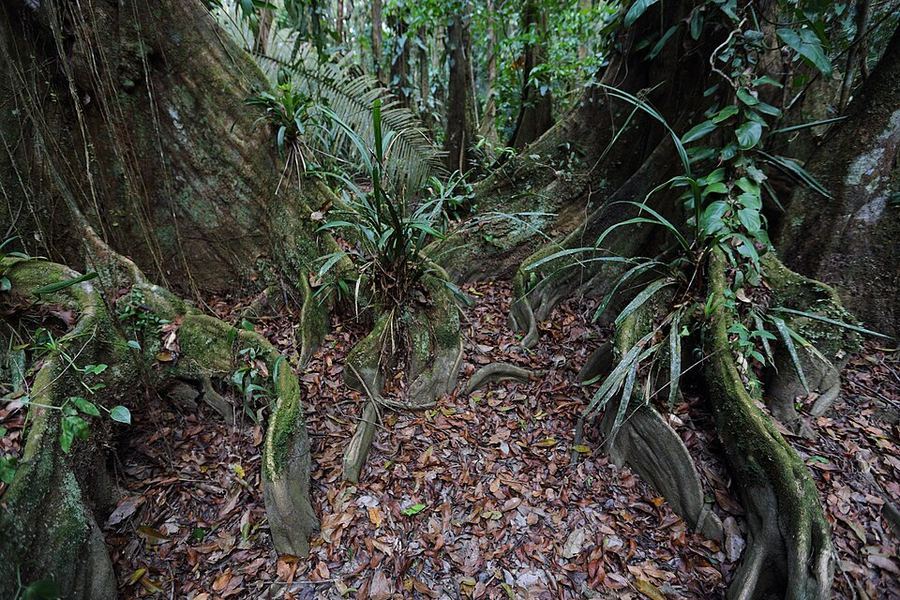
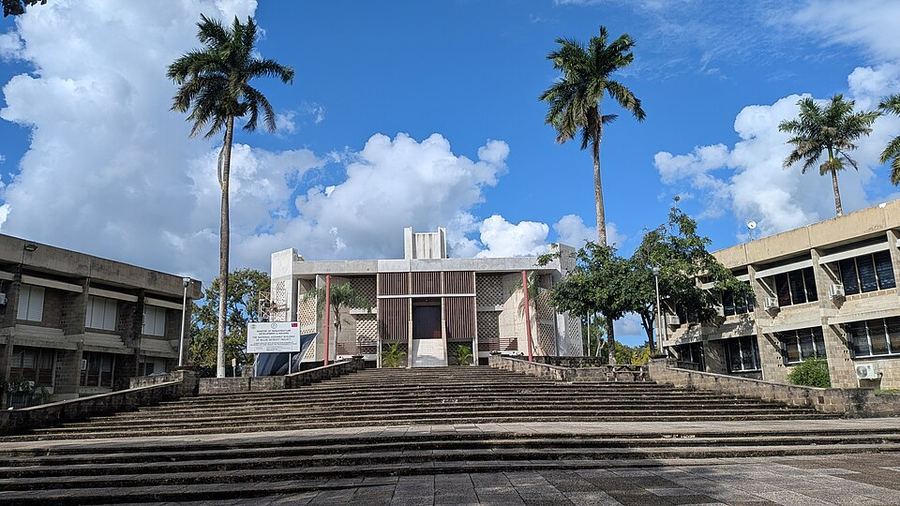
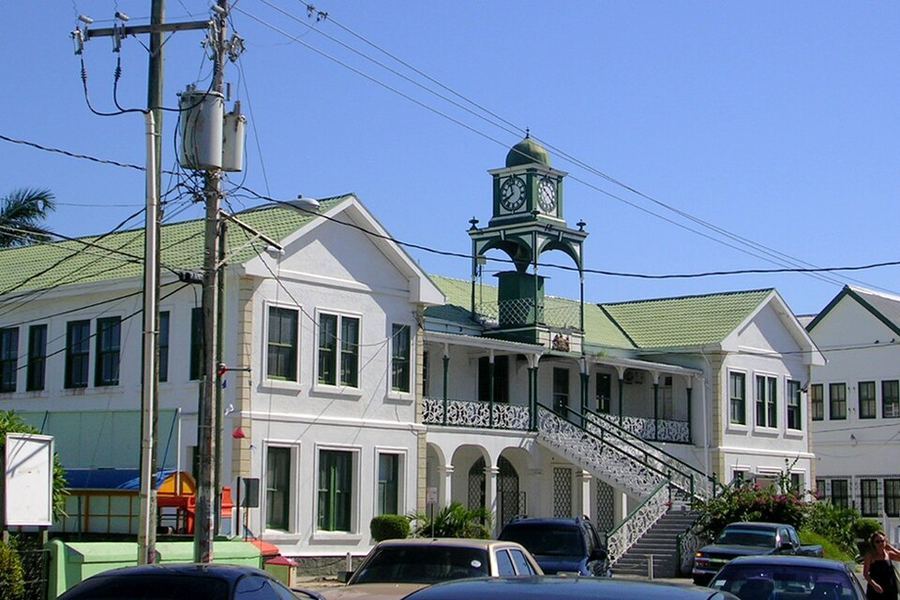
Belize is a small Caribbean-facing nation on the eastern shoulder of Central America, bordered by Mexico to the north, Guatemala to the west and south, and fronted by the longest barrier reef in the Northern Hemisphere. With roughly 422,000 people it is the least populous country on the Central American mainland, and the only one where English is the official language — a legacy of British Honduras, which took the name Belize in 1973 and became independent on 21 September 1981. The capital is Belmopan, purpose-built inland in the Cayo District after Hurricane Hattie devastated coastal Belize City in 1961; Belize City remains the largest urban centre and commercial hub. Belize is a parliamentary democracy and a Commonwealth realm, with a National Assembly modelled on Westminster. The population is unusually plural for its size: Mestizo, Kriol, Maya, Garifuna, Mennonite, East Indian and Chinese communities live alongside one another, and most Belizeans move between two or three languages daily. The economy rests on tourism, sugar, citrus, bananas, marine products and offshore services, with GDP per capita around $13,300 on a purchasing-power basis. Dense broadleaf forest still covers much of the interior, and conservation is both a national identity and an export industry.

CIA World FactbookEncyclopaedia BritannicaWorld Bank
Population
421,960
Capital
Belmopan
Currency
None BZD
Time zones
Largest city
Belize City
Human Geography Themes
Loading national figures…
Largest Cities
Belize City76,331
In Perspective

Belize City's urban core is home to about 76,331 people.

Among the world's megacities, though, it's one of many — the giants of Asia and Latin America run larger still:

Belize City76,331
Jakarta40,545,126
Dhaka37,307,160
Tokyo33,244,670
Shanghai30,678,616
Cairo25,230,325
The Country & Its People

History

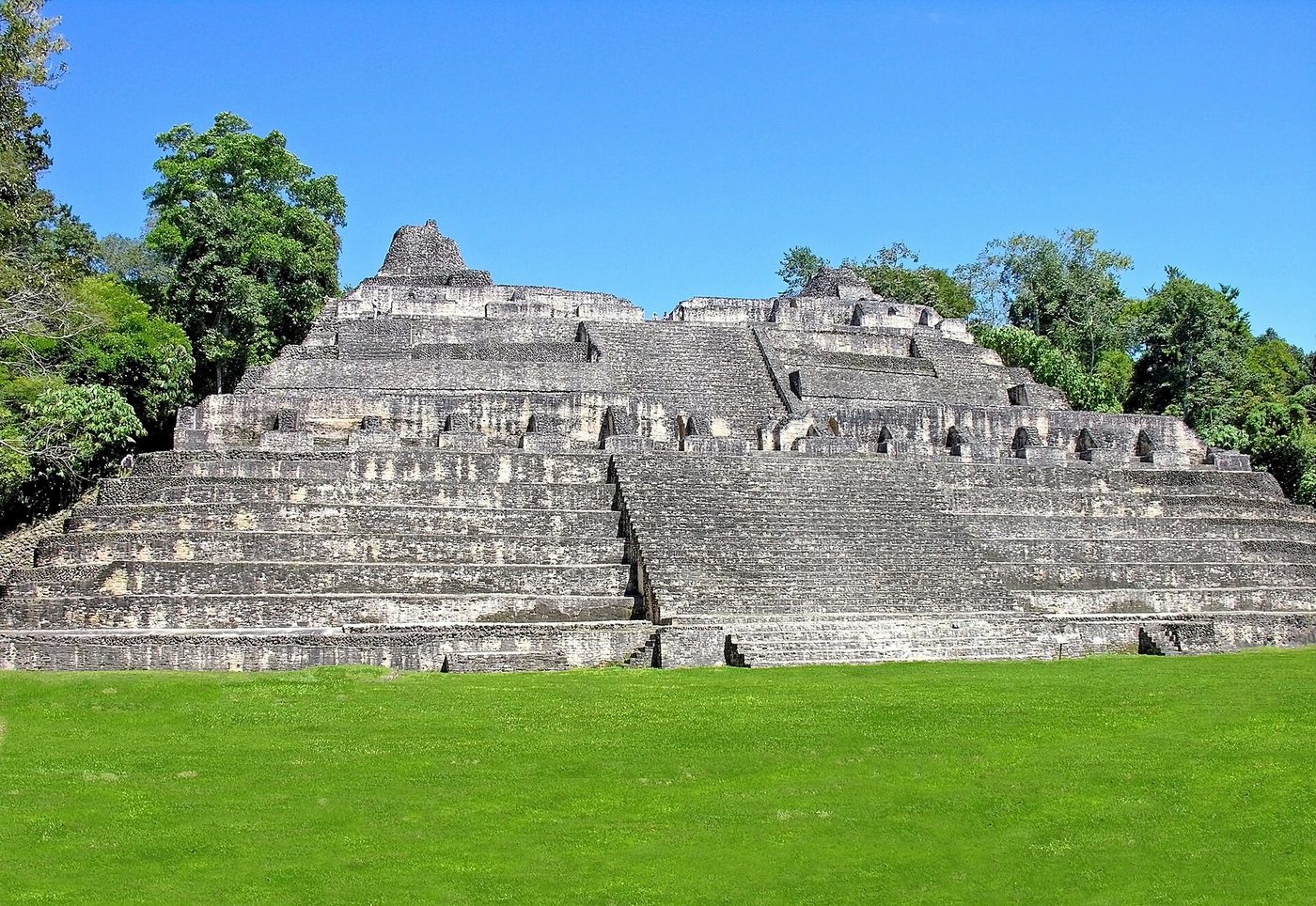
Belize sits in the Maya heartland, and its interior holds cities that were substantial when London was a village: Caracol, whose Caana pyramid remains the tallest structure in the country, Lamanai on the New River Lagoon, Altun Ha, Xunantunich and Cahal Pech. Caracol defeated Tikal in the sixth century AD and dominated the region for generations before the Classic Maya collapse thinned the lowland cities. Spain claimed the coast but never settled it effectively; instead English and Scottish logwood cutters — the Baymen — established camps from the seventeenth century, cutting dyewood and then mahogany with enslaved African labour. The Battle of St George's Caye in 1798, when Baymen and their slaves repelled a Spanish fleet, became the founding legend of the settlement and is still a national holiday. Britain declared the colony of British Honduras in 1862. Garifuna settlers arrived from Roatán in 1802, and Mestizo refugees from Yucatán's Caste War in the 1840s and 1850s remade the north. Self-government came in 1964 under George Cadle Price, whose People's United Party dominated the independence generation, and full independence followed on 21 September 1981 — delayed for years by Guatemala's territorial claim, with British troops garrisoned until 1994.
Culture

Belizean culture is genuinely composite rather than merely diverse, and the joke that everyone is related to everyone is close to demographic truth. Kriol serves as the national lingua franca across ethnic lines even where it is nobody's first language, while English governs school, court and parliament. Mestizo communities in Orange Walk and Corozal keep Yucatec Spanish, the fiesta calendar and Las Posadas at Christmas; Kriol Belize City keeps its own idiom, its Anglican and Methodist churches, and September Celebrations that run from St George's Caye Day on the tenth to Independence Day on the twenty-first. Garifuna towns along the southern coast — Dangriga, Hopkins, Punta Gorda, Seine Bight — observe Garifuna Settlement Day on 19 November with dawn re-enactments of the 1802 landing by dugout canoe. Mopan, Yucatec and Q'eqchi' Maya villages in Toledo and Cayo maintain milpa farming, deer dances and marimba. Mennonite colonies at Spanish Lookout, Blue Creek and Shipyard, settled from 1958, speak Plautdietsch and supply much of the country's dairy, poultry and furniture. Extended family, church attendance, Sunday cooking and a strong oral storytelling tradition — Anansi tales, duende and Tata Duende legends — cut across all of these.

Points Of Pride

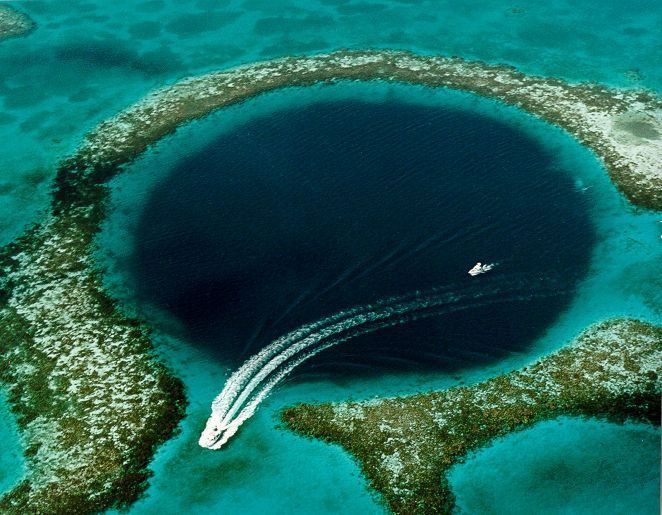
The Belize Barrier Reef Reserve System was inscribed as a UNESCO World Heritage site in 1996 and covers seven protected areas including the Blue Hole Natural Monument, Half Moon Caye, Glover's Reef and Laughing Bird Caye. Placed on the List of World Heritage in Danger in 2009, it was removed in 2018 after Belize legislated a moratorium on offshore oil activity in its waters — a reversal UNESCO called one of the clearest conservation turnarounds it had recorded. The Cockscomb Basin Wildlife Sanctuary, established in the 1980s, is widely described as the world's first reserve created specifically for jaguars. In 2021 Belize completed a debt-for-nature conversion, restructuring commercial debt in exchange for binding commitments to expand marine protection toward thirty percent of its ocean, a transaction since used as a template elsewhere. Belize was also among the first countries to ban bottom trawling in its waters. Archaeologically, Caracol is the largest Maya site in the country and Actun Tunichil Muknal is among the most spectacular ceremonial caves in the Maya world. Belizeans are proud too of the simple fact of the place: a nation of a few hundred thousand people holding an outsized share of Mesoamerica's remaining forest and reef.

Cultural Fusion

Belize is the meeting point of the Caribbean, Mesoamerica and the Anglophone Atlantic, and the seams show everywhere. Kriol, an English-lexifier creole with West African grammatical inheritance, is the country's connective tissue; Spanish has grown steadily through migration from Guatemala, El Salvador and Honduras and is now spoken by more than half the population; Yucatec, Mopan and Q'eqchi' Maya, Garifuna — an Arawakan language carried across the Caribbean by people of mixed Kalinago and African descent — Plautdietsch, Cantonese and Hindi all persist alongside them. Food fuses the same way: rice and beans with coconut milk is Caribbean, salbutes and escabeche are Yucatecan, hudut is Garifuna, and the country's most famous export condiment is a habanero sauce. Religion layers Catholicism from the Mestizo north over Anglican and Methodist Kriol congregations, fast-growing Pentecostal churches, Mennonite congregations, and Garifuna dügü ancestor ceremonies that coexist with Catholic practice. Punta rock, invented in Dangriga in the late 1970s, is itself a fusion — Garifuna drum patterns wired to electric guitars and keyboards. Belize's membership of both CARICOM and SICA formalises the double identity: Caribbean by culture and Central American by geography.

Music & Dance

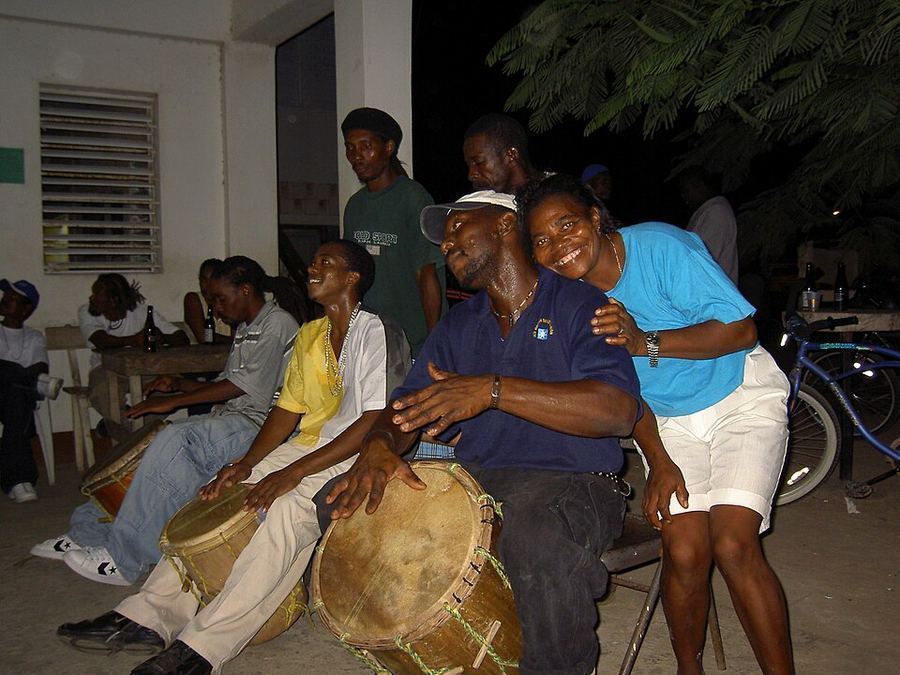
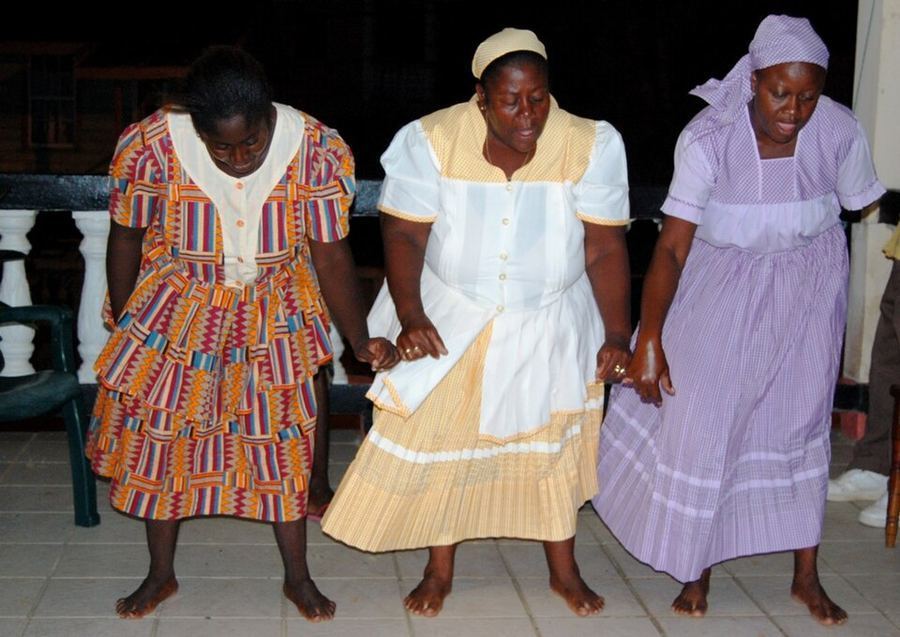
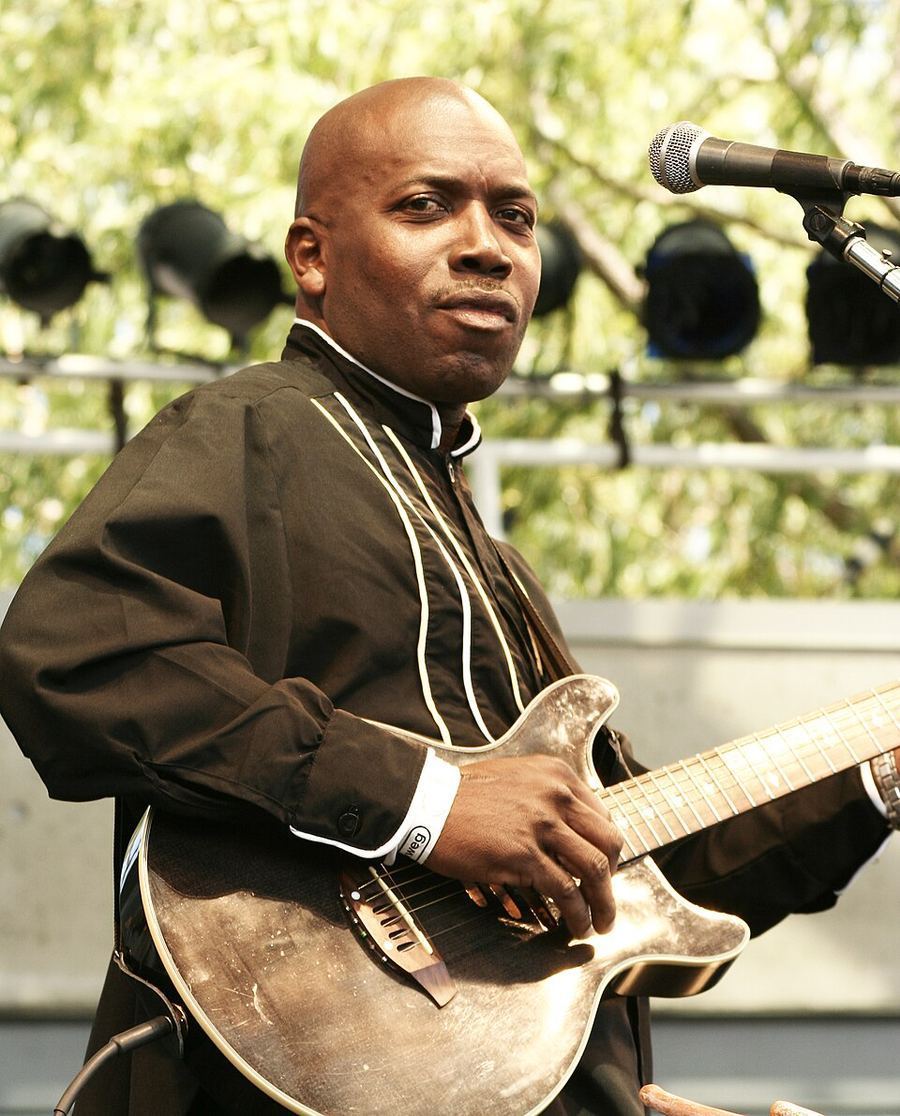
Garifuna music is Belize's most internationally recognised sound, and UNESCO proclaimed the language, dance and music of the Garifuna a Masterpiece of the Oral and Intangible Heritage of Humanity in 2001, later inscribing it on the Representative List. Its core is the primero and segunda drum pair, turtle-shell percussion, maracas and call-and-response singing, in genres including punta, paranda, hunguhungu, wanaragua — the masked John Canoe dance performed at Christmas — and the sacred dügü. Punta rock was created in Dangriga around 1978 when Pen Cayetano amplified punta rhythms with electric guitar; Andy Palacio carried the tradition worldwide with the Garifuna Collective, and his 2007 album Wátina brought Belizean music its widest international audience before his death the following year. Brukdown, the older Kriol dance music of the logging camps, is built on accordion, banjo, dingaling percussion and the jawbone of an ass, and its best-known exponent was Wilfred Peters. Mestizo communities keep marimba bands, Maya villages the deer dance and harp-and-violin ensembles, and Belize City absorbs reggae, dancehall and soca. The Battle of the Drums competition in Punta Gorda each November is the calendar's percussion showcase.

Cuisine & Misattributed Foods

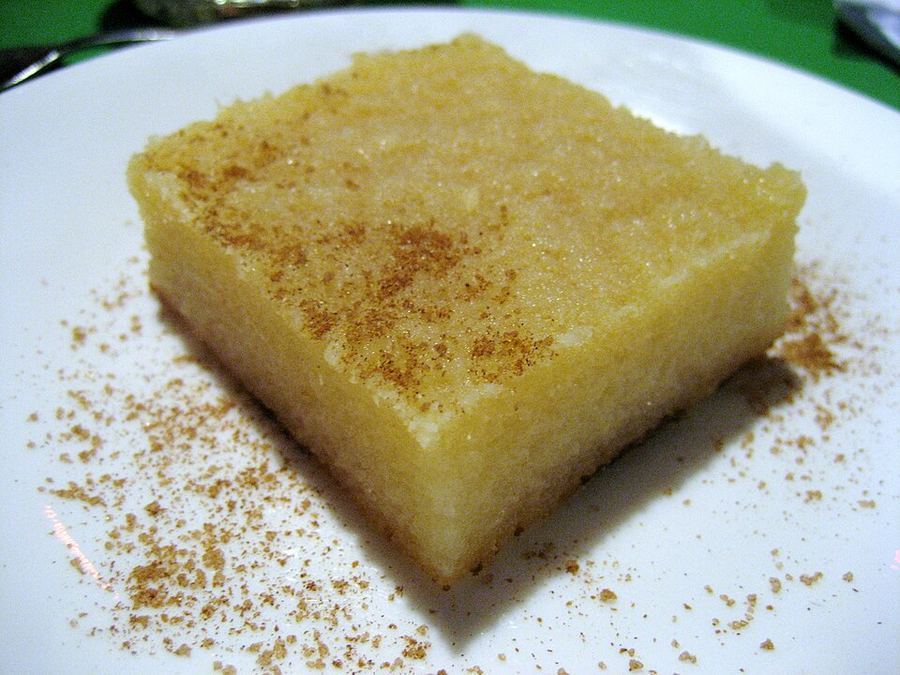
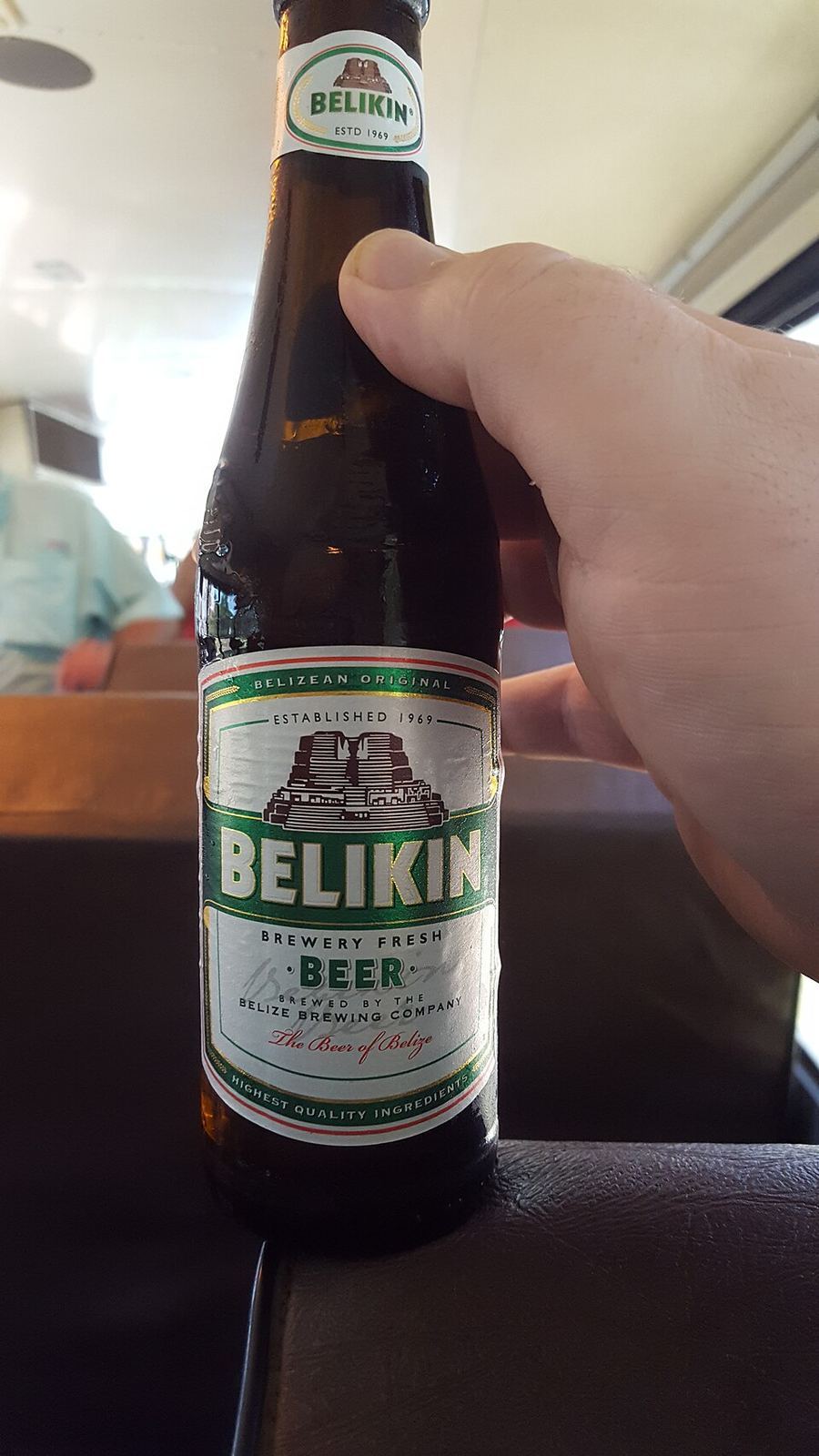
The everyday national plate is rice and beans — red kidney beans simmered with coconut milk and cooked together with the rice — served with stew chicken reddened by recado rojo, potato salad and fried plantain. Distinguish it from beans and rice, where the two are cooked and served separately with stewed beans ladled over. Breakfast is fry jacks, puffed triangles of fried dough eaten with refried beans, cheese or eggs, or johnnycakes baked in a fire hearth. Mestizo snack food dominates the streets: garnaches, salbutes, panades, tamales and escabeche, a soured onion and chicken soup from the north. Garifuna cooking centres on cassava and coconut — ereba, the flat cassava bread pressed through a woven ruguma strainer, and hudut, fish stewed in coconut broth with mashed green and ripe plantain pounded in a mortar. Sere, bundiga and cassava pudding belong to the same tradition. Coastal Belize eats conch fritters, ceviche, lobster in season and stewed gibnut. Marie Sharp's habanero sauce, made in Stann Creek since the 1980s, sits on virtually every table, and the beers are Belikin and Belikin Stout, brewed at Ladyville.

National Dress

Belize has no single national costume, which is itself telling; each community brings its own, and national occasions display them together. The Kriol dress is the bandana dress, cut from red or blue paisley bandana cloth with a full skirt and often a matching head tie, paired for men with a bandana shirt — a garment consciously revived as a marker of Kriol identity and worn heavily during September Celebrations. Mestizo women wear the huipil and the embroidered mestizada, a white cotton dress with floral needlework at neck and hem, often with a rebozo shawl, echoing Yucatán's terno. Maya women in Toledo and Cayo wear embroidered blouses over long skirts with heavy strands of beads and, among Q'eqchi' communities, silver coin necklaces. Garifuna dress uses bright checked or plaid cotton — the wrapped skirt, blouse and headwrap called a gounu among them — with white worn for sacred dügü ceremonies and elaborate ribboned costumes and wire-mesh masks for the wanaragua dancers at Christmas. Mennonite communities keep plain dress: dark trousers and suspenders with straw hats for men, printed dresses and head coverings for women.

Sports & Inspiring Athletes

Football is the dominant sport, governed by the Football Federation of Belize and played in the Premier League of Belize, with clubs such as Verdes FC of San Ignacio and Belmopan Bandits among the most successful. The national team, nicknamed the Jaguars, plays in CONCACAF and has appeared in the Copa Centroamericana and the CONCACAF Gold Cup, qualifying for the 2013 tournament in its only appearance to date. Basketball has a strong urban following, and the national team has been competitive in Central American Basketball Confederation events. Cricket is unusually deep-rooted for the region, played mainly in the Belize River Valley villages of the Belize District — Burrell Boom, Crooked Tree, Lemonal — a direct inheritance from the Caribbean and British colonial connection. Two endurance events are national institutions: the Holy Saturday Cross Country Cycling Classic, run since 1928 between Belize City and San Ignacio and back, and the four-day La Ruta Maya Belize River Challenge canoe race from San Ignacio to Belize City, held each March since 1998 and followed by crowds along the riverbanks. Softball, volleyball and boxing round out the school and district sporting calendar.

Notable Educational Programs

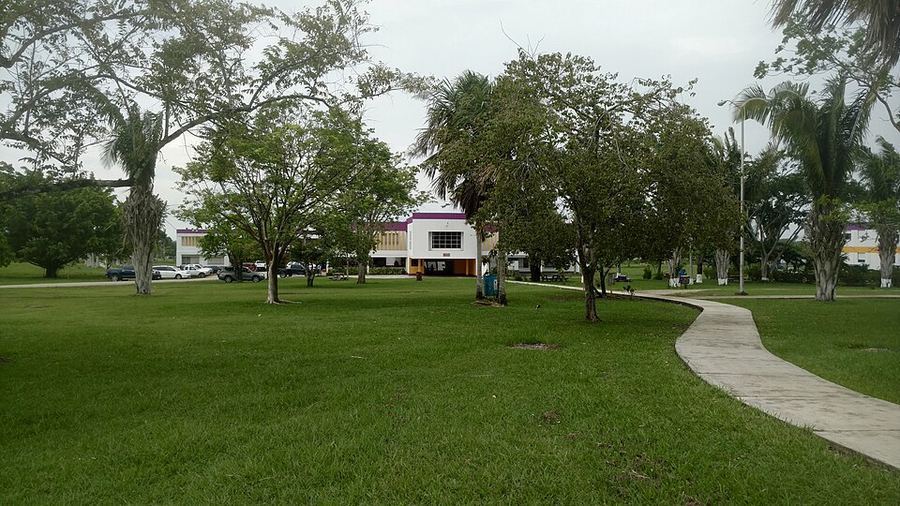
Education in Belize is conducted in English and is compulsory between roughly ages five and fourteen. The system is distinctive for its church-state partnership: the great majority of primary and many secondary schools are managed by religious denominations — Roman Catholic, Anglican, Methodist, Seventh-day Adventist, Nazarene — while government pays most teacher salaries and sets curriculum, an arrangement inherited from the colonial period and still central to policy debate. Secondary education is not free at the point of use in the same way, and transition and completion rates at that level have been a persistent focus of Ministry of Education reform plans supported by the World Bank, UNICEF and the Caribbean Development Bank. The University of Belize was created in 2000 by merging several existing colleges and has campuses in Belmopan and Belize City; Galen University near San Ignacio is the main private university, and the Belize campus of a US-accredited medical school and several institutes of technical and vocational education and training complete the tertiary sector. Many Belizean students study in Mexico, Cuba, Taiwan, the United States and the Caribbean under scholarship arrangements, and the University of the West Indies maintains an open campus presence.

Wars & Conflicts

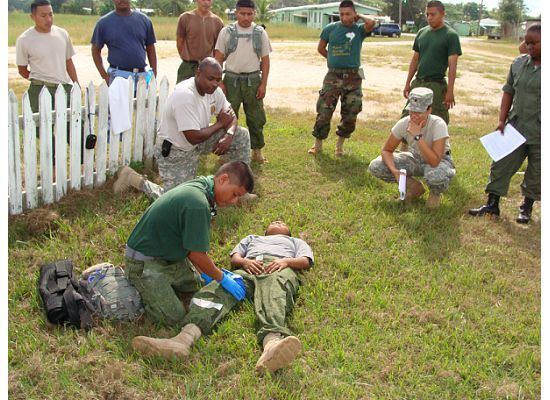
Belize has never fought an interstate war and hosts no armed insurgency. Its defining external security question has been Guatemala's long-standing claim to Belizean territory, which kept a British garrison in the country until 1994 and still generates periodic friction, particularly in the Sarstoon River area on the southern maritime boundary, where Belizean patrols and civilians have been turned back by the Guatemalan navy. Both governments agreed to route the claim to the International Court of Justice rather than to force, and the Organization of American States maintains an office in the Adjacency Zone to defuse incidents. The country's serious violence is domestic: gang conflict concentrated in the southside of Belize City has given Belize one of the higher homicide rates in the hemisphere, and successive governments have responded with states of emergency in specific districts, gang truce initiatives and policing reform, drawing scrutiny from human rights organisations over detention without charge. Belize also sits on cocaine transit routes between South America and Mexico, which has drawn trafficking-linked violence inland. Illegal incursions by Guatemalan loggers, farmers and gold panners into the Chiquibul Forest Reserve remain a chronic enforcement problem.
Current as of 2026-08-06

Land & Border Disputes

Guatemala has claimed all or part of Belize since the nineteenth century, arguing that Britain failed to honour a road-building clause in the 1859 boundary treaty and therefore that the treaty lapsed; at its widest the claim covers roughly half of Belize's territory south of the Sibun River, together with associated cayes and maritime space. Belize maintains that the 1859 treaty settled the boundary and that its independence, recognised by the United Nations in 1981, is not open to renegotiation. In 2008 the two governments signed a special agreement to refer the claim to the International Court of Justice, subject to referendums in both countries; Guatemalan voters approved in April 2018 and Belizean voters in May 2019, and the case was duly filed at The Hague, where written pleadings have proceeded and a judgment is awaited. Both states have agreed to be bound by the outcome. Separately, the Sarstoon River boundary and access to Sarstoon Island remain unresolved in practice despite a bilateral mechanism, and Belize's maritime delimitation with Honduras and its southern territorial sea remain affected by the wider claim. Belize maintains diplomatic relations with Taiwan rather than China.
Land, Life & Legacy

Land & Climate

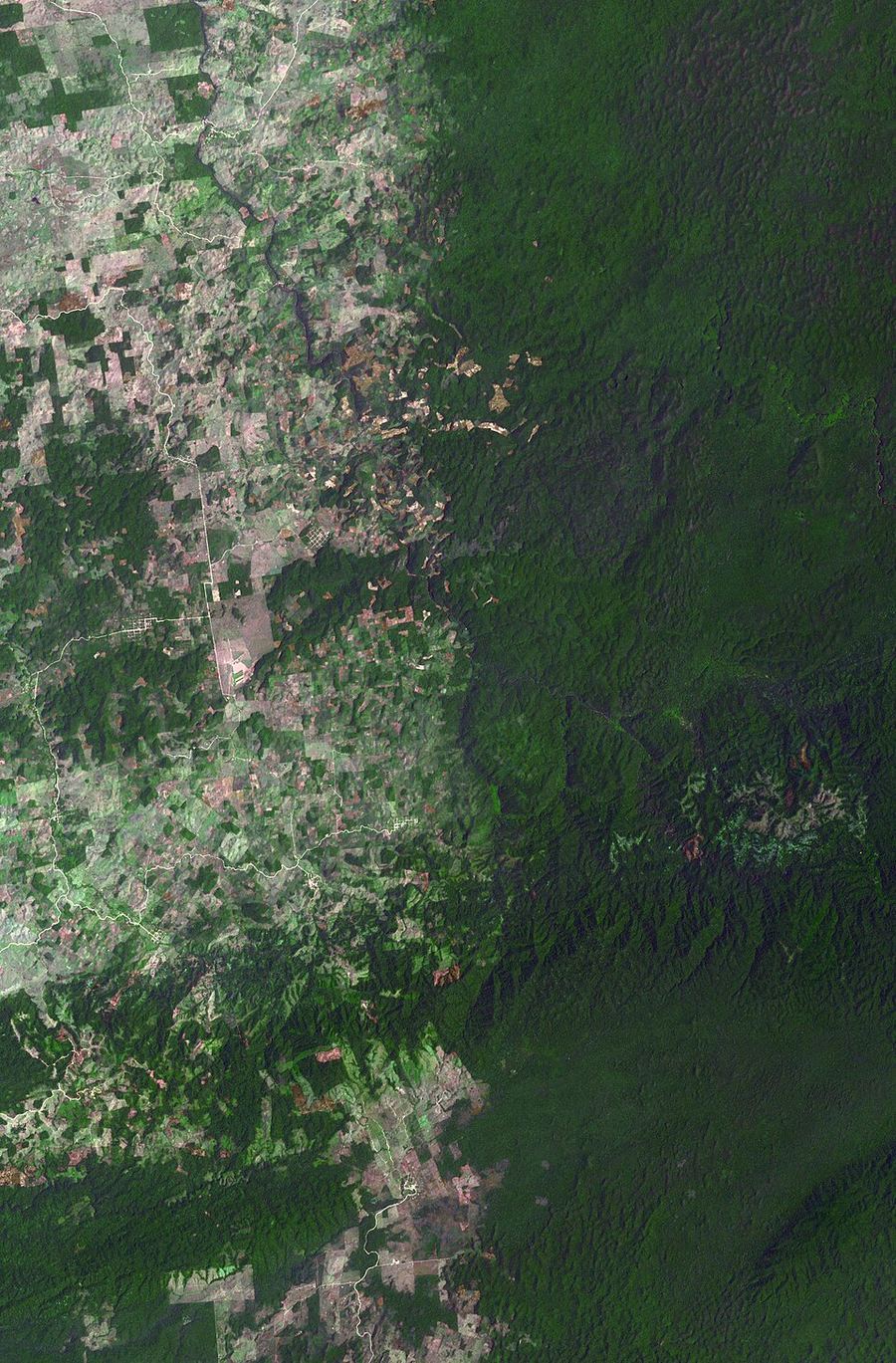
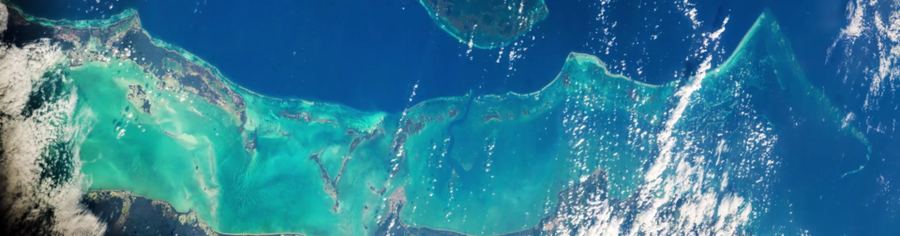
Belize covers about 22,970 square kilometres, roughly the size of Wales, and is the only Central American country without a Pacific coastline. The north is flat limestone lowland draining through the Rio Hondo, New River and Belize River; the south rises into the Maya Mountains and the granite Cockscomb Range, where Doyle's Delight at about 1,124 metres is the highest point and Victoria Peak the most recognisable summit. The Mountain Pine Ridge is an anomalous plateau of pine savannah and waterfalls on acidic soils. Offshore lie some 450 cayes and three of the Western Hemisphere's four coral atolls — Turneffe, Lighthouse Reef and Glover's Reef — behind a barrier reef running almost the full length of the coast; the Great Blue Hole at Lighthouse Reef is a collapsed limestone cave system more than 300 metres across. The climate is tropical, hot and humid, with a dry season from roughly February to May and a wet season from June to November that coincides with the Atlantic hurricane season. Hurricanes Hattie in 1961, Greta in 1978, Keith in 2000 and Iris in 2001 all reshaped settlement, and sea-level rise and coral bleaching are the central climate exposures.

Entertainment

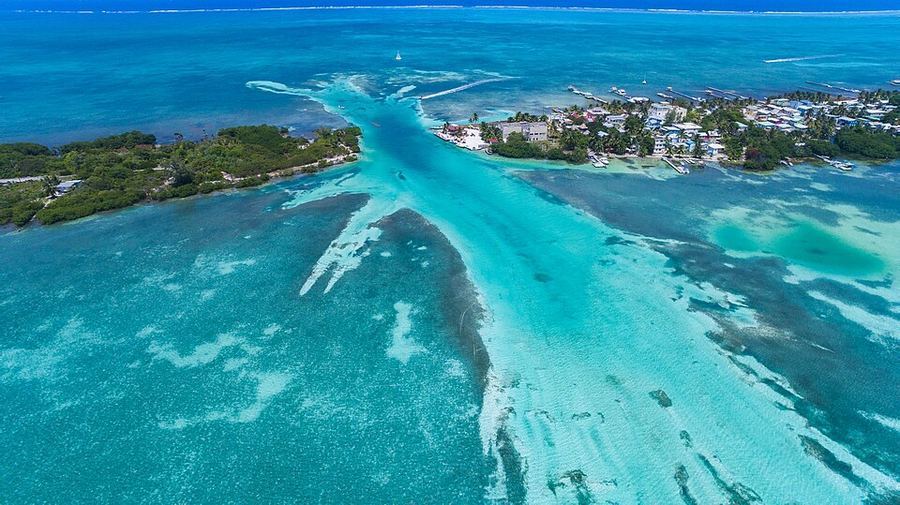
Belizean leisure runs to water and forest. Snorkelling and diving anchor the tourist economy — Hol Chan Marine Reserve and Shark Ray Alley off Ambergris Caye, the wall dives at Turneffe and Glover's Reef, and the Great Blue Hole, which Jacques Cousteau publicised after taking the Calypso there in 1971. Ambergris Caye's San Pedro and the smaller, deliberately unhurried Caye Caulker, whose motto is 'Go Slow', are the main island destinations, with Placencia and Hopkins on the mainland coast. Inland, cave tubing on the Caves Branch river and guided trips into Actun Tunichil Muknal, where Classic Maya ceremonial remains lie where they were left, are signature excursions. Belize is a serious flats-fishing destination for the bonefish, permit and tarpon grand slam, and a birding destination with over 570 recorded species including the jabiru stork, scarlet macaw and the keel-billed toucan that is the national bird. Domestically, Belizeans spend weekends at river swimming holes, at the beach in Corozal and Dangriga, watching or playing football and basketball, and at fairs, jump-ups and the Cayo Expo. Dominoes and beach barbecues are near-universal.

Art & Museums

Belizean visual art is young as a formal movement and closely tied to the identity politics of the independence generation. Pen Cayetano, better known abroad as the inventor of punta rock, is also a painter whose canvases of Garifuna village life and drumming founded a recognisable school, and his Cayetano Gallery in Dangriga anchors it. Benjamin Nicholas, also of Dangriga, painted Garifuna history — the exile from St Vincent, the 1802 landing, dügü ceremonies — in a flat narrative style that became the visual shorthand for that history. George Gabb, a sculptor and painter, carved the celebrated Sleeping Giant in zericote wood and is treated as a founding figure of national sculpture. Walter Castillo, Nelson Young and Gilvano Swasey extended the tradition into more abstract and expressionist directions. The Image Factory Art Foundation, founded in Belize City in the mid-1990s by Yasser Musa and others, has been the country's most consistently provocative contemporary space, and the National Institute of Culture and History administers the Museum of Belize, housed in the colonial-era Belize City prison. Craft traditions include Maya slate carving, mahogany and zericote woodwork, calabash carving and Garifuna drum-making.

Notable People

George Cadle Price, leader of the People's United Party from 1950 and the country's first prime minister at independence in 1981, is universally called the father of the nation; his rival and one-time ally Philip Goldson, who fought the same anti-colonial battles from a different party, gives his name to the international airport. Zee Edgell wrote Beka Lamb in 1982, the first internationally published Belizean novel and still the standard set text on the national curriculum. Andy Palacio, Garifuna musician and cultural administrator, won the WOMEX award in 2007 for Wátina and was made a UNESCO Artist for Peace before his death in 2008 at forty-seven. Pen Cayetano founded punta rock and a school of painting. Moses 'Shyne' Barrow, born in Belize City, became a platinum-selling rapper in New York, served a prison term there, and returned to Belize where he entered the House of Representatives and became leader of the opposition. Marion Jones, the American sprinter, and gymnast Simone Biles both have Belizean family roots and Biles has served as a tourism ambassador for the country. Jaime Awe led much of the modern archaeology of Caracol-era Belize.

Inventions & Breakthroughs

Belize's contributions are agricultural, culinary and conservation-policy rather than industrial. Punta rock, created by Pen Cayetano in Dangriga around 1978, is a genuine musical invention — an electrified Garifuna drum tradition that then spread through Honduras and Guatemala. Marie Sharp's habanero pepper sauce, developed on a farm in the Stann Creek Valley in the early 1980s from surplus peppers, created a category and is now Belize's best-known consumer export. The chicle industry gave the world a raw material rather than a product: Belizean and Petén chicleros tapped sapodilla trees for the latex that formed the base of commercial chewing gum for decades before synthetics replaced it, and mahogany from Belizean forests furnished eighteenth- and nineteenth-century Europe, which is why the tree appears on the flag. In policy terms Belize has been an originator: an early ban on bottom trawling, the 2017 legislated indefinite moratorium on offshore petroleum operations in its territorial waters, and the 2021 blue-bond debt conversion that traded sovereign debt relief for enforceable marine-protection commitments — an instrument that has since been replicated by other coastal states.

Science & Technology

Belize's scientific profile is dominated by field ecology, marine science and archaeology. The Wildlife Conservation Society has run a research station at Glover's Reef since the 1990s producing long-run data on coral, conch, lobster and reef-fish spawning aggregations, and Belize's managed-access fisheries programme — which assigns fishers rights to specific zones — has been studied internationally as a model for small-scale fishery reform. Coral restoration projects at Laughing Bird Caye have replanted staghorn and elkhorn colonies at scale and are frequently cited in reef-recovery literature. Belizean archaeology, coordinated through the Institute of Archaeology under the National Institute of Culture and History, has been transformed by airborne lidar surveys of the Maya lowlands that revealed causeways, terraces and settlement density around Caracol far beyond what ground survey had mapped. Belize is also a base for tropical medicine and biodiversity prospecting work through Chiquibul and Belize Botanic Gardens programmes. Domestically the country's technology agenda is more prosaic: expanding fibre and mobile broadband through Belize Telemedia, digitising government services, and building solar and hydroelectric capacity to reduce dependence on electricity imported from Mexico.
NatureScienceUNESCOWorld Bank
On The World Stage

Champions & Defining Moments

Belize's international sporting record is modest in medals and notable in persistence. The territory first competed at the Olympic Games as British Honduras at Mexico City in 1968, and has competed as Belize since Los Angeles in 1984; the country has not yet won an Olympic medal, and typically sends a very small team in athletics and swimming under universality places. Kenneth Medwood in the 400 metres hurdles and long jumper Tricia Flores have been among the most prominent Olympic and World Championship representatives. Belize has competed at the Commonwealth Games since the 1960s, again without a medal, and at the Central American and Caribbean Games and the Central American Games, where its cyclists, sprinters and softball teams have been more consistently competitive. In football, the Jaguars' single CONCACAF Gold Cup appearance in 2013 remains the high point of national team history. Belizean-descended athletes have had a larger footprint than the flag: Simone Biles, whose mother is Belizean and who has visited and promoted the country, is among the most decorated gymnasts in history, and several players of Belizean parentage have appeared in North American professional leagues.

IOCOlympediaCommonwealth Games FederationWorld Athletics
Economy, Trade & Government

Currency & GDP

Belize Dollar — BZD (None)

GDP (PPP): $5.538 billion (2024 est.)

Per capita: $13,300 (2024 est.)

Exports

$1.64 billion (2024 est.)

raw sugar, bananas, fish, shellfish, refined petroleum (2023)

Partners: USA 22%, UK 14%, Spain 9%, Guatemala 7%, Portugal 5% (2023)

Imports

$1.724 billion (2024 est.)

refined petroleum, orthopedic appliances, ships, garments, tobacco (2023)

Partners: USA 37%, China 17%, Guatemala 10%, Mexico 8%, Costa Rica 6% (2023)

Government

Type: parliamentary democracy (National Assembly) under a constitutional monarchy; a Commonwealth realm

Independence: 21 September 1981 (from the UK)

Terrain → Where People Live

How mountains, coasts, and rivers shape settlement (LandScan).

Coming — data

Migration & Ethnic Settlement

Where groups settled and how people move (GeoEPR + UNHCR).

Coming — data

Universities

Notable institutions, mappable as points.

Coming — data
Economy & government facts: CIA World Factbook (public domain), via OpenFactBook / factbook.json.
Every fact and narrative claim will carry a visible source citation. Data-driven sections light up automatically wherever HERA has coverage.