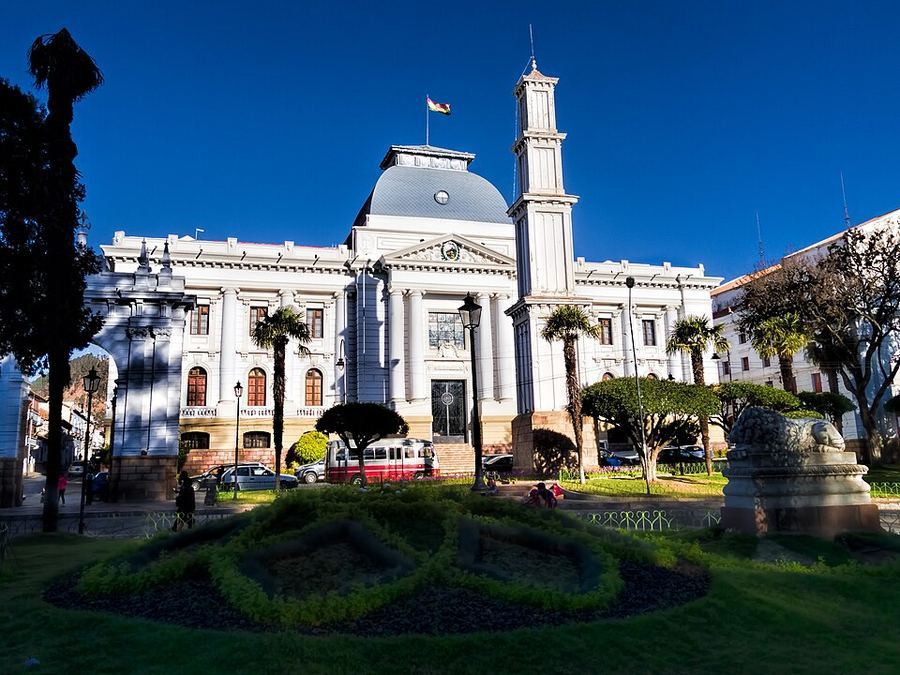
History
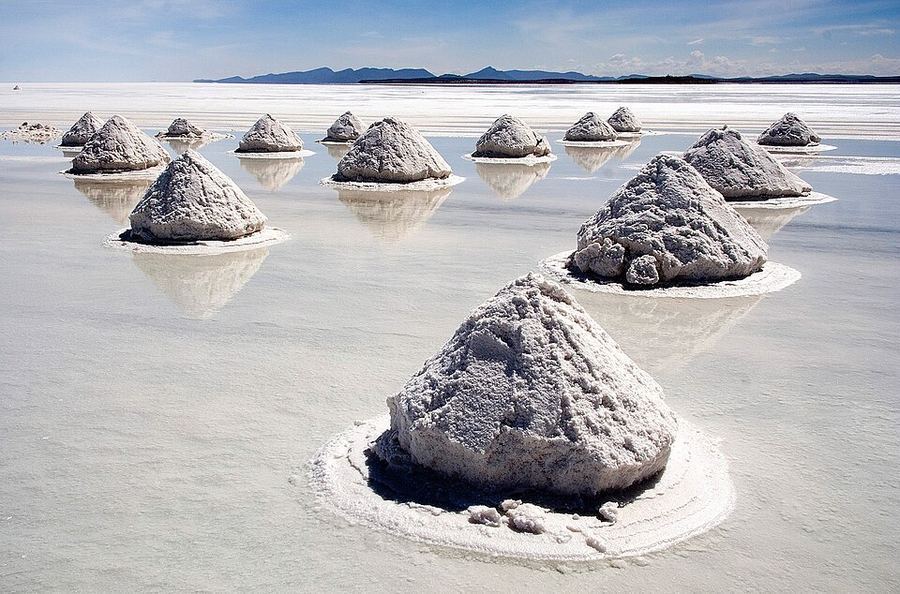
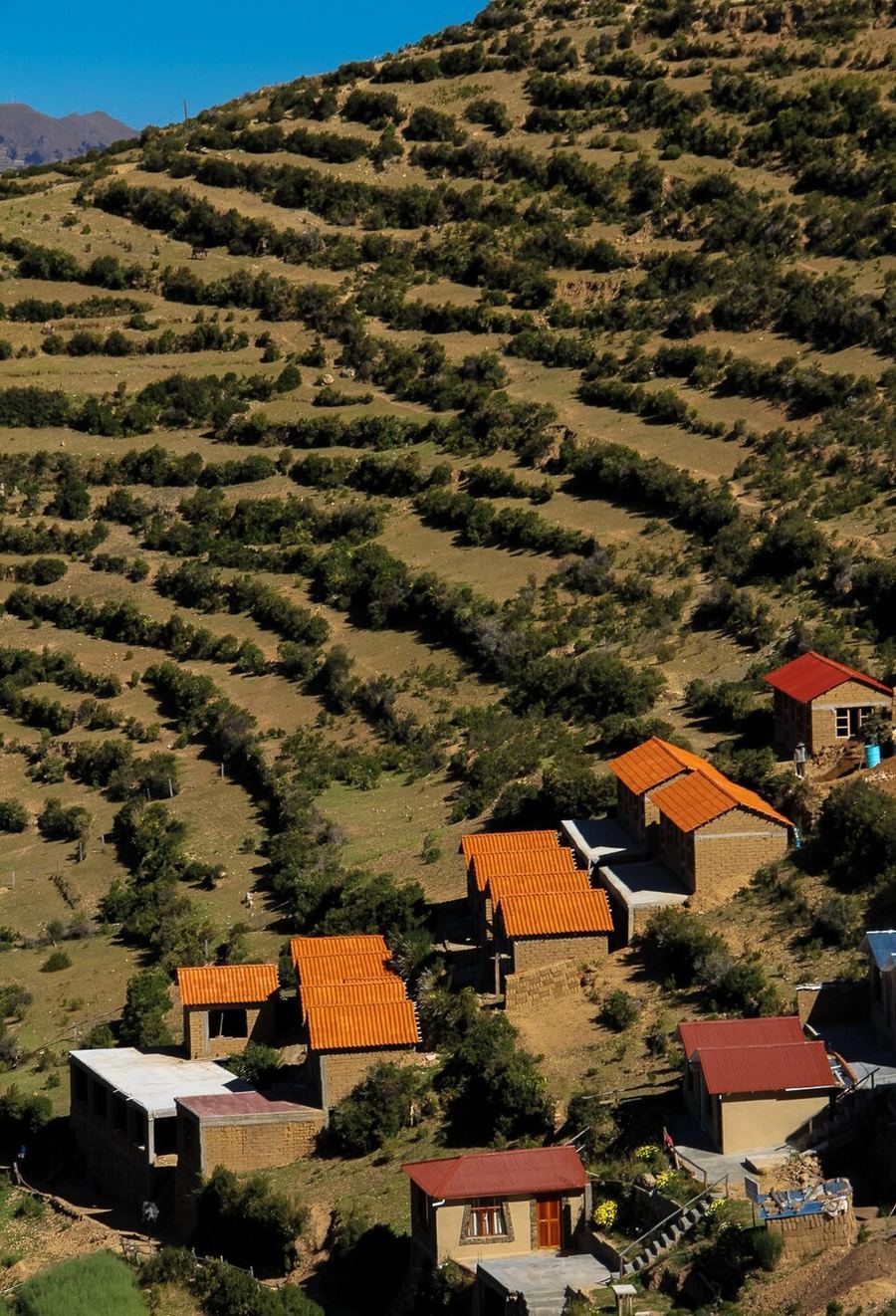
Bolivia is a landlocked South American state of about 12.4 million people, spanning an extraordinary altitudinal range from the high Andean Altiplano above 3,600 metres to Amazon rainforest and the dry Gran Chaco. It has two capitals: La Paz, seat of the executive and legislature and the highest seat of government in the world, and Sucre, the constitutional capital where the judiciary sits and where independence from Spain was declared on 6 August 1825. Santa Cruz de la Sierra, in the eastern lowlands, is now the largest city and the economic motor. Since the 2009 constitution the country's formal name has been the Plurinational State of Bolivia, a reflection of the fact that roughly two-thirds of Bolivians identify as Mestizo and a fifth as Indigenous, with Quechua, Aymara and Guaraní among thirty-six Indigenous languages recognised as official alongside Spanish. Bolivia was for centuries a mining economy — the silver of Potosí, then tin, and now natural gas, gold, zinc and the world's largest identified lithium resources beneath the Salar de Uyuni. GDP per capita is around $9,800 on a purchasing-power basis, and the country remains among South America's poorest by that measure while holding some of its greatest mineral and ecological assets.
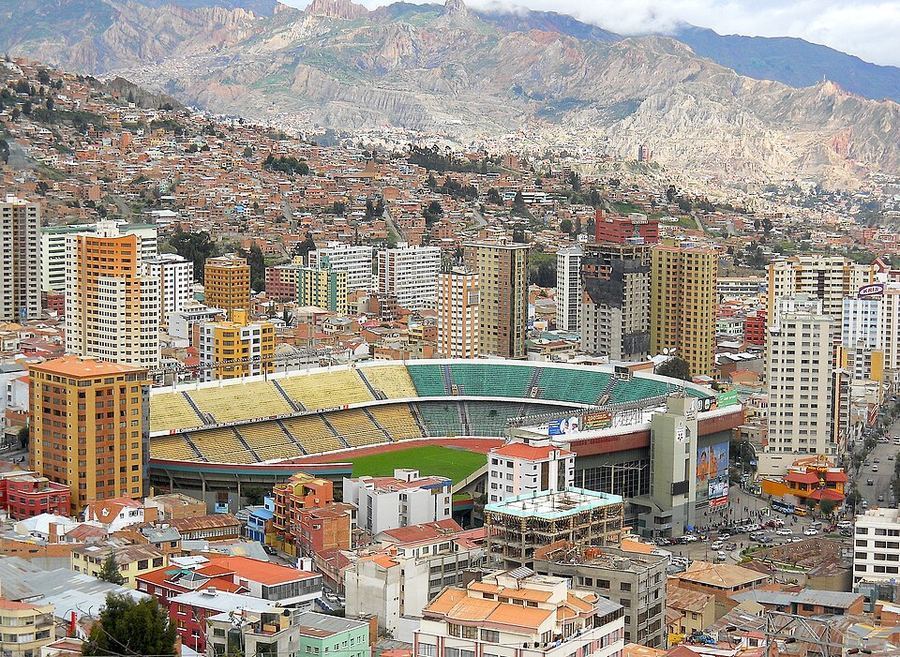
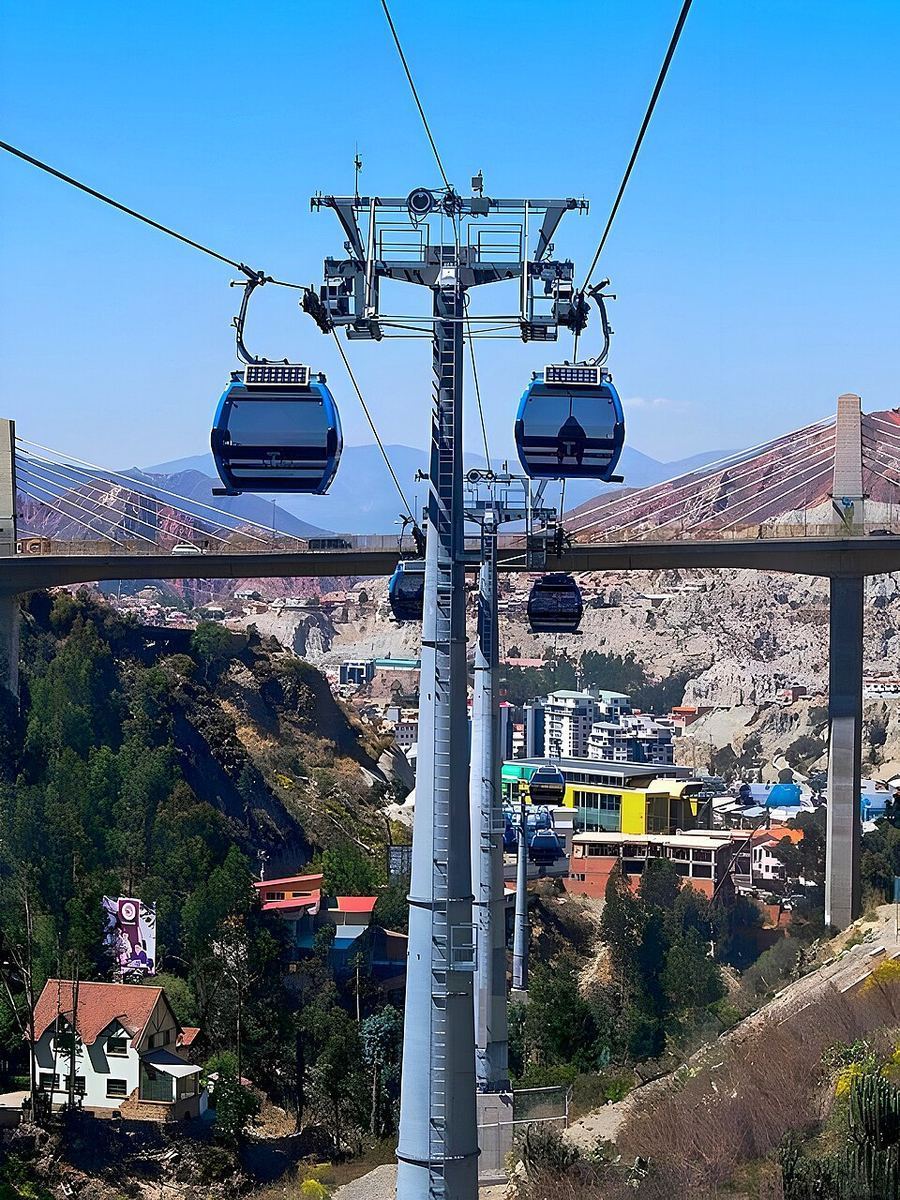
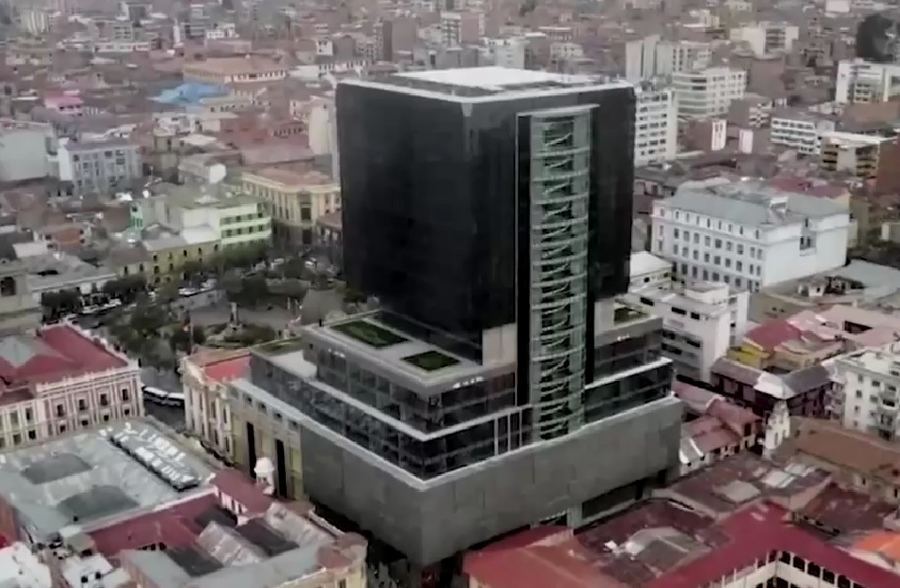
La Paz's urban core is home to about 2,112,859 people.
That's bigger than Amsterdam — each a great world city in its own right.
Among the world's megacities, though, it's one of many — the giants of Asia and Latin America run larger still:
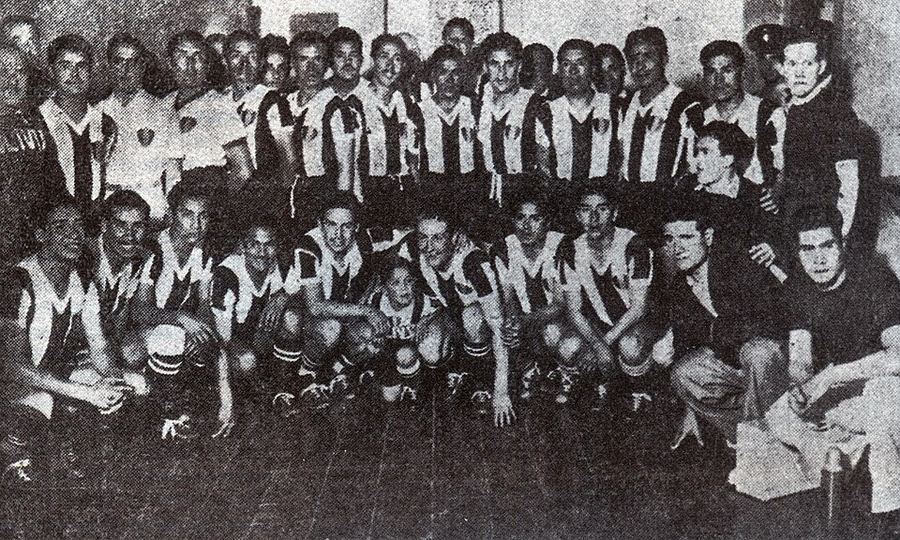
Bolivia's greatest football achievement is the Copa América of 1963, won on home soil, and its most celebrated modern campaign was qualification for the 1994 World Cup in the United States — the country's only qualification on merit, having appeared in 1930 and 1950 by invitation. That squad, built around Marco Etcheverry and Erwin Sánchez, opened the tournament against the reigning champions Germany. Bolivia hosted the Copa América again in 1997 and reached the final, losing to Brazil in La Paz. At club level Club Bolívar reached the semi-finals of the Copa Libertadores. Bolivia has competed at the Olympic Games since 1936 and at the Winter Games intermittently, but has never won an Olympic medal, the largest South American country in that position. Its real international success is in racquetball, where Bolivian men and women have taken world championship and Pan American Games titles, Conrrado Moscoso's 2022 world singles crown among them. Bolivian athletes also perform strongly in high-altitude endurance events, and the country's mountains draw international climbers to Huayna Potosí, Illimani and Sajama.
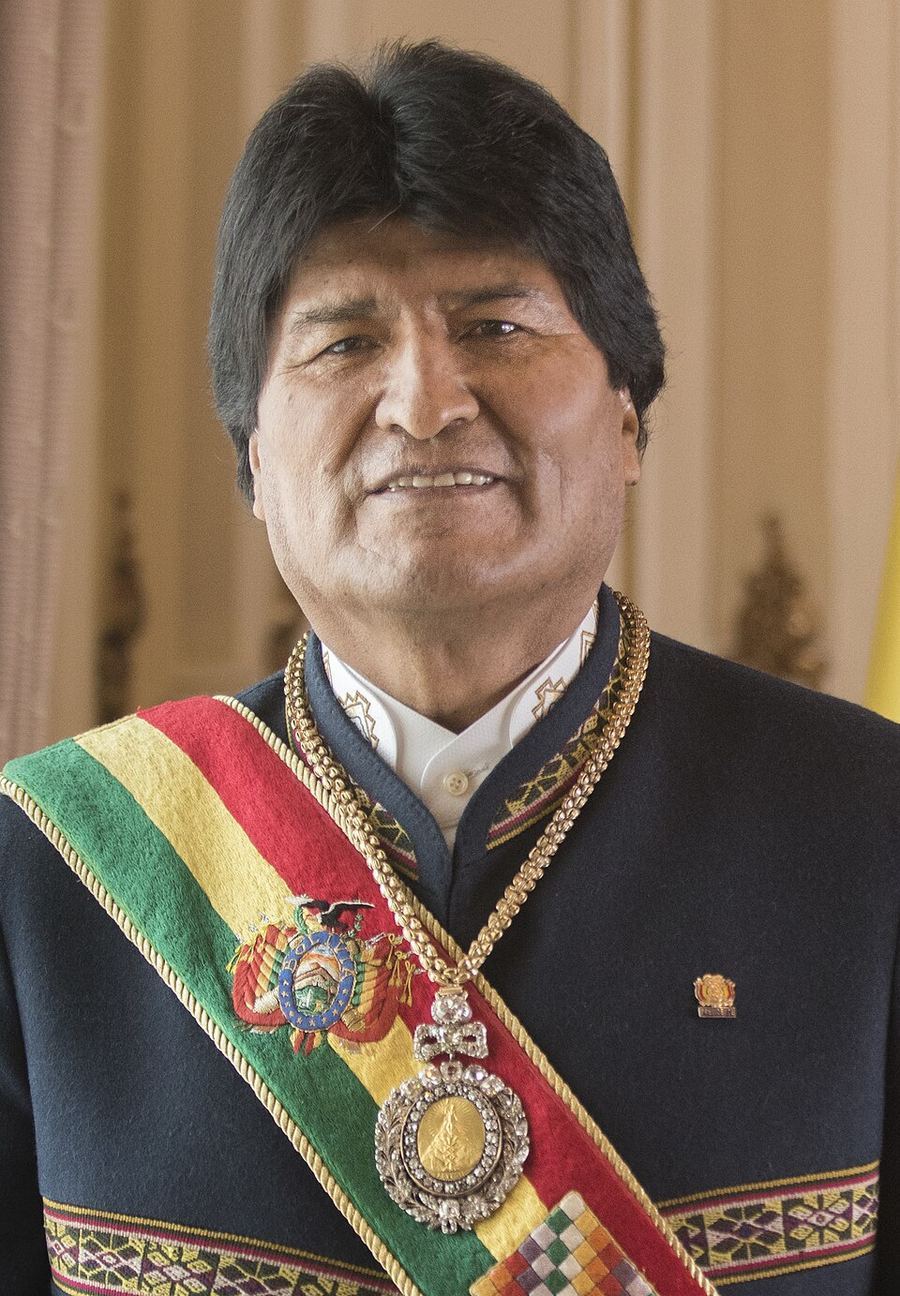
Presidential republic
Bicameral
Chamber of Senators (Cámara de Senadores) — PDC largest party
PDC 16 · LIBRE 12 · Unity 7 · Other 1
Last election 8/17/2025 · 58.3% women
Chamber of Deputies (Cámara de Diputados) — PDC largest party
PDC 49 · LIBRE 39 · Unity 26 · Popular Alliance 8 · Other 8
Last election 8/17/2025 · 50.8% women
consists of 12 judges organized into civil, penal, social, and administrative chambers); Plurinational Constitutional Tribunal (consists of 7 primary and 7 alternate magistrates); Plurinational Electoral Organ (consists of 7 members and 6 alternates); National Agro-Environment Court (consists of 5 primary and 5 alternate judges; Council of the Judiciary (consists of 3 primary and 3 alternate judge
Boliviano — BOB (Bs)
GDP (PPP): $122.2 billion (2024 est.)
Per capita: $9,800 (2024 est.)
$11.905 billion (2023 est.)
gold, natural gas, precious metal ore, zinc ore, soybean meal (2023)
Partners: Brazil 15%, India 13%, China 11%, Argentina 11%, UAE 8% (2023)
$12.988 billion (2023 est.)
refined petroleum, cars, pesticides, trucks, plastics (2023)
Partners: China 22%, Brazil 18%, Chile 13%, USA 7%, Peru 5% (2023)
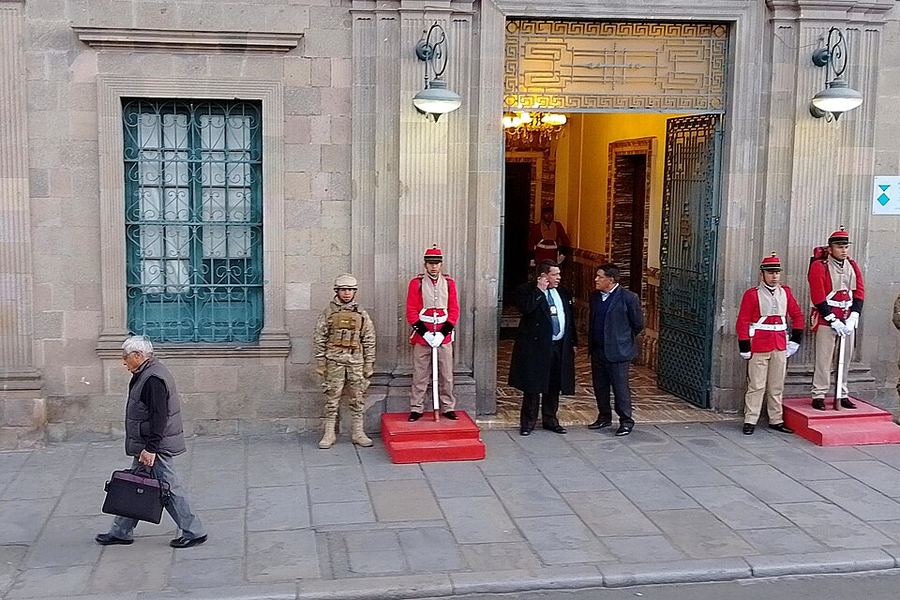
Type: presidential republic
Independence: 6 August 1825 (from Spain)
How mountains, coasts, and rivers shape settlement (LandScan).
Coming — dataWhere groups settled and how people move (GeoEPR + UNHCR).
Coming — dataNotable institutions, mappable as points.
Coming — data