HERA · Human Entity Reference Atlas by Masego Inc

← Brazil 🌐 3D View
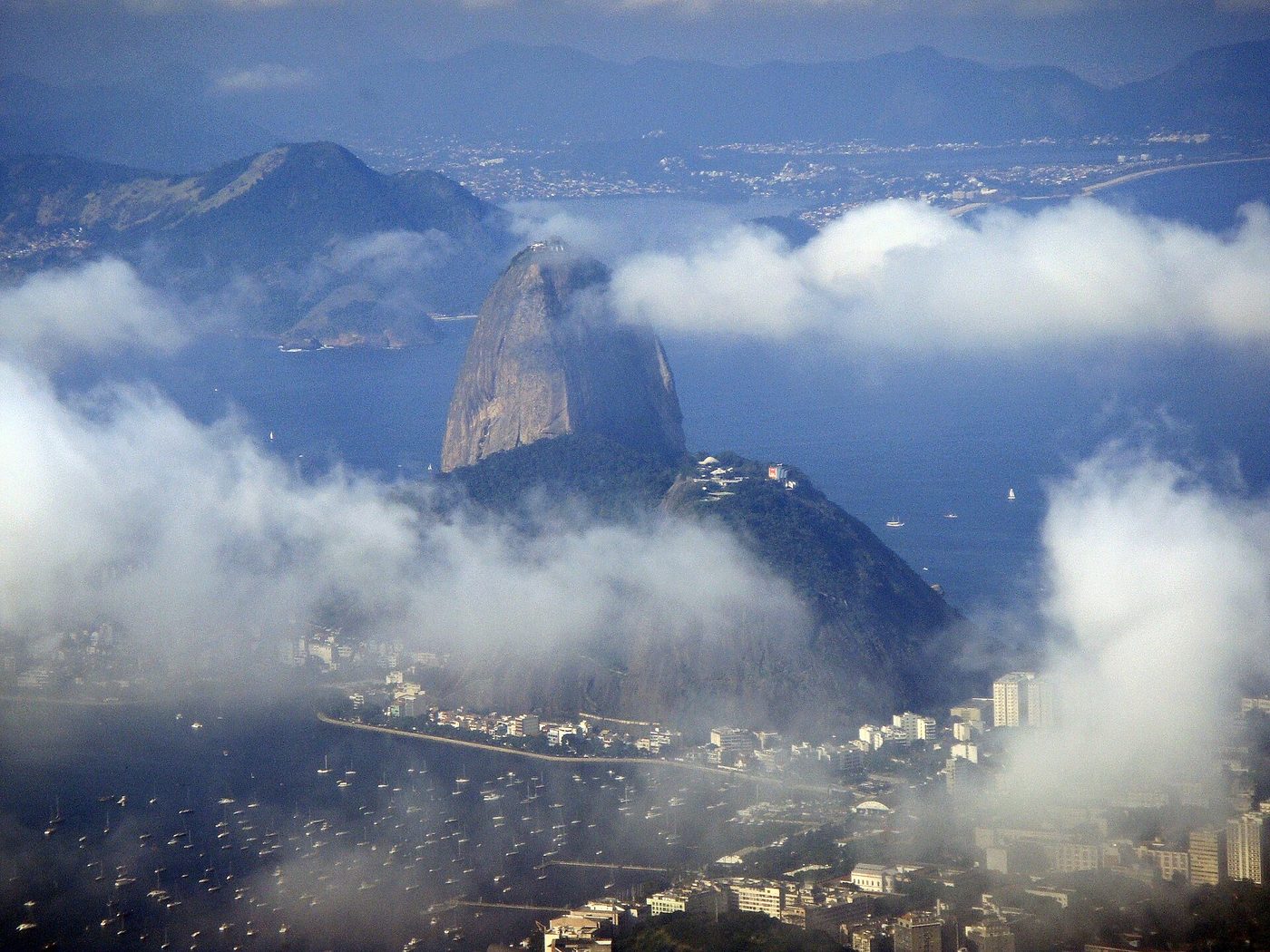
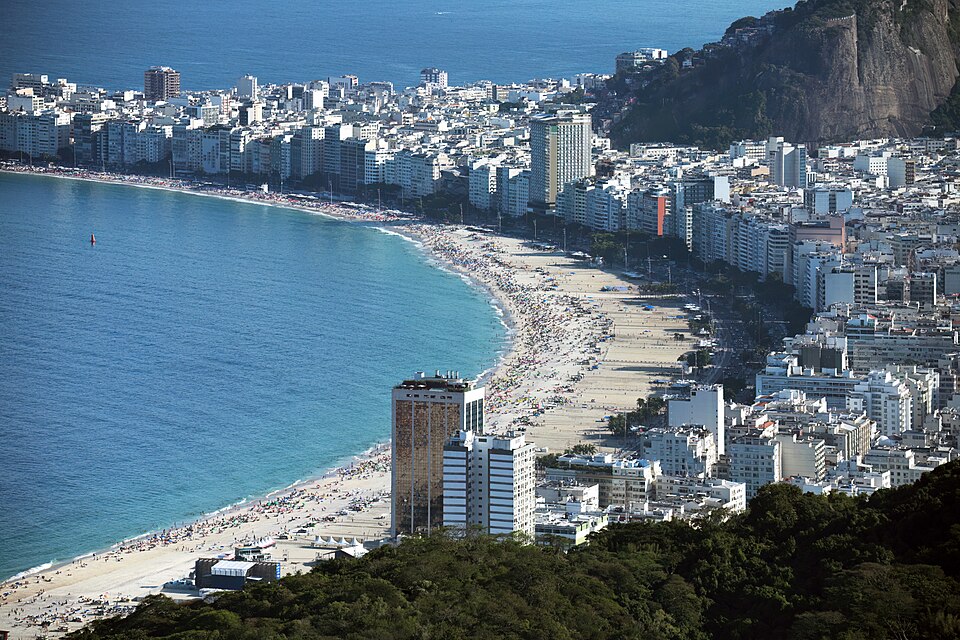
View of Sugar Loaf from Christ the Redeemer Rio de Janeiro, Brazil
Brazil BRA
View of Sugar Loaf from Christ the Redeemer Rio de Janeiro — Photo: amanderson2 / CC BY 2.0 via Wikimedia Commons
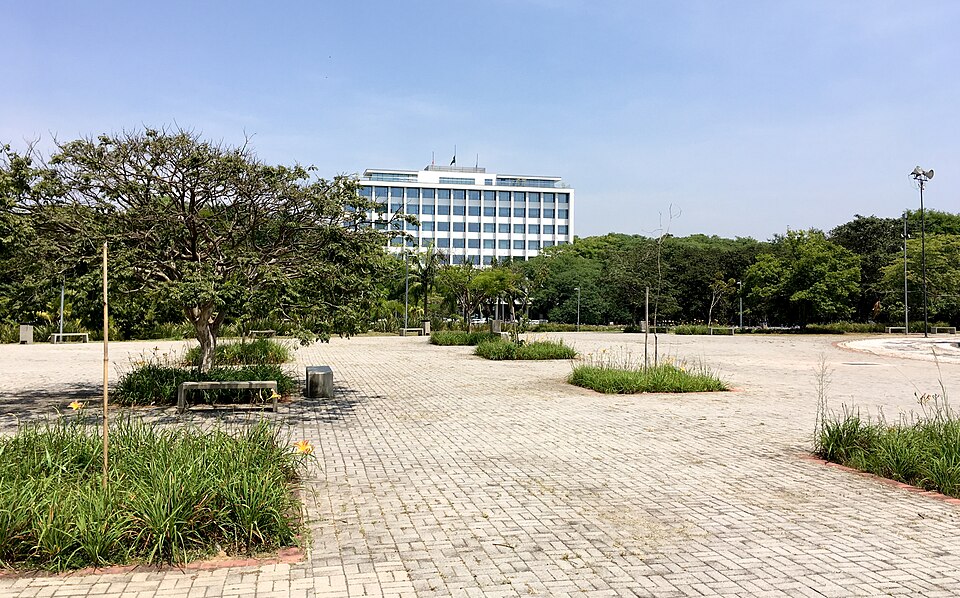
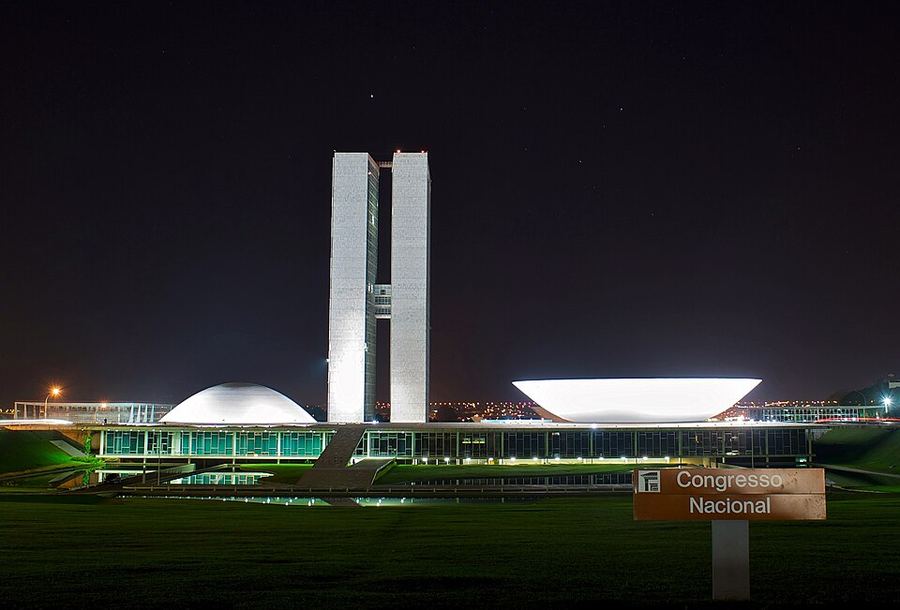
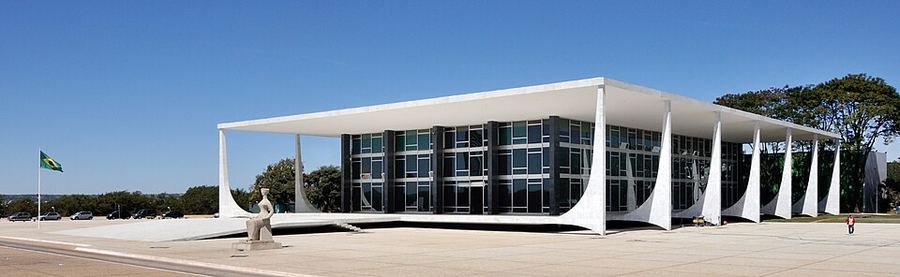
Did You Know Brasília was conceived, built, and inaugurated as the national capital in under four years (1956–1960), and in 1987 UNESCO inscribed it as a World Heritage site — a rare honor for a city barely a generation old. — UNESCO

Brazil is the giant of South America — the fifth-largest country on Earth, home to 221.4 million people (2025 est.), and the only Portuguese-speaking nation in the Americas. It stretches from the Amazon Basin, which holds the world's largest rainforest, down to the subtropical grasslands of the gaúcho south, sharing a border with every South American country except Chile and Ecuador. A federal presidential republic governed from the purpose-built modernist capital of Brasília, it declared independence from Portugal on 7 September 1822 and today anchors Latin America's largest economy, with GDP of roughly $4.2 trillion (PPP, 2024 est.). Its export engine runs on soybeans, crude petroleum, and iron ore, with China alone taking about 30 percent of shipments. The 2022 census recorded a population that is 45.3 percent mixed-race and 43.5 percent White, a demographic portrait of five centuries of Portuguese, African, Indigenous, and immigrant intermingling. That blend — visible in its faith, food, music, and football — is what makes Brazil less a country than a continent-sized culture of its own.

CIA World FactbookWorld Banknational census
Population
221,359,387
Capital
Brasília
Currency
R$ BRL
Time zones
4
Largest city
São Paulo
Local Time
Sao Paulo
Manaus
Rio Branco
Noronha
Human Geography Themes
Loading national figures…
Largest Cities
São Paulo21,124,070
Rio de Janeiro9,853,693
Belo Horizonte4,376,747
Recife3,847,558
Fortaleza3,324,149
Salvador3,305,396
Porto Alegre2,763,350
Curitiba2,566,432
In Perspective

São Paulo's urban core is home to about 21,124,070 people.

That's bigger than London, Paris, Madrid and Toronto — each a great world city in its own right.

São Paulo21,124,070
London10,408,332
Paris9,366,654
Madrid5,680,137
Toronto5,566,382

Among the world's megacities, though, it's one of many — the giants of Asia and Latin America run larger still:

São Paulo21,124,070
Jakarta40,545,126
Dhaka37,307,160
Tokyo33,244,670
Shanghai30,678,616
Cairo25,230,325

More people live in São Paulo than in the entire nation of Sweden, Greece, Portugal or Israel.

The Country & Its People

History

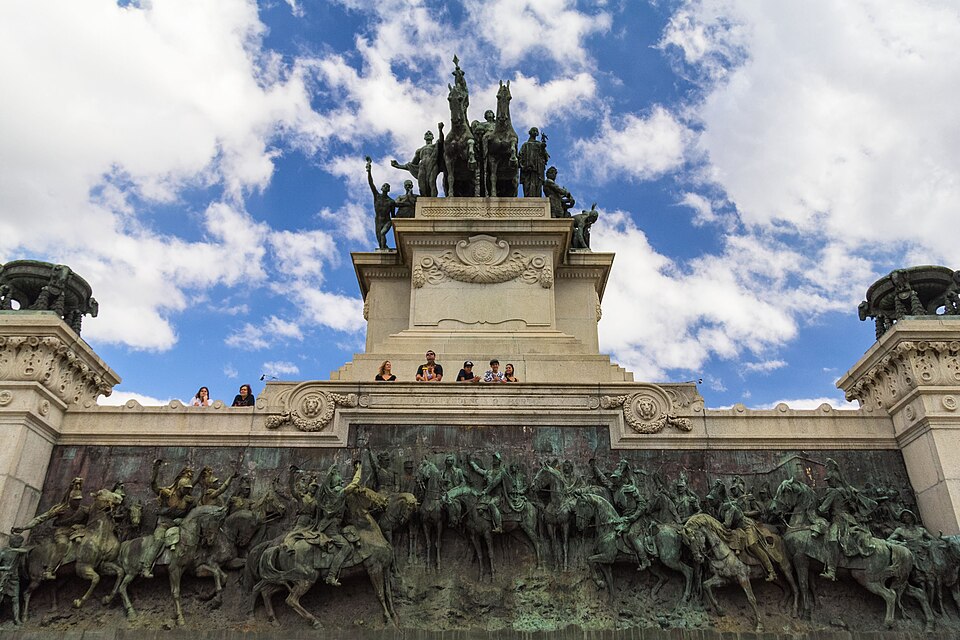
Portuguese navigator Pedro Álvares Cabral made landfall on the Bahian coast in 1500, and Brazil's colonial economy rose on successive booms — brazilwood, sugar worked by enslaved Africans, then the gold and diamonds of Minas Gerais. Brazil holds a distinction unique in the Americas: in 1808 the entire Portuguese royal court, fleeing Napoleon, relocated to Rio de Janeiro, making a colony the seat of a European empire. Independence came not by revolution but by a prince — Dom Pedro I, son of the Portuguese king, declared it on 7 September 1822 and crowned himself emperor, and Brazil remained a monarchy until 1889. It was the last country in the Americas to abolish slavery, with the Golden Law of 1888, a legacy that still shapes its society. The twentieth century brought the Vargas era of state-led modernization, the audacious construction of Brasília — inaugurated as the new capital in 1960 to pull the nation's center of gravity inland — and two decades of military rule from 1964 to 1985. The democratic constitution of 1988 established the federal republic that governs Brazil today.
History, Brazil
Luiz coelho / CC BY 3.0

Culture

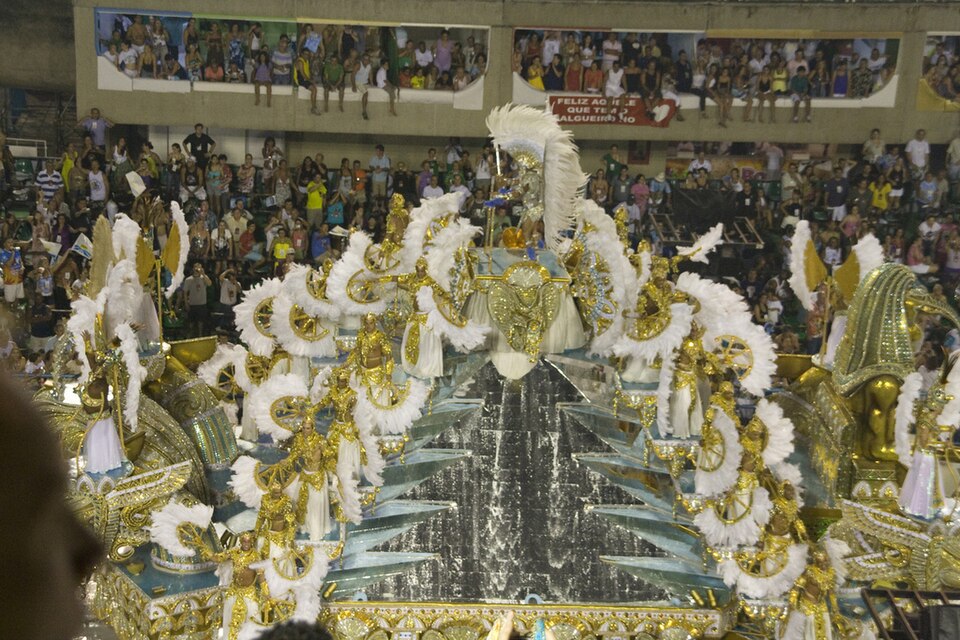
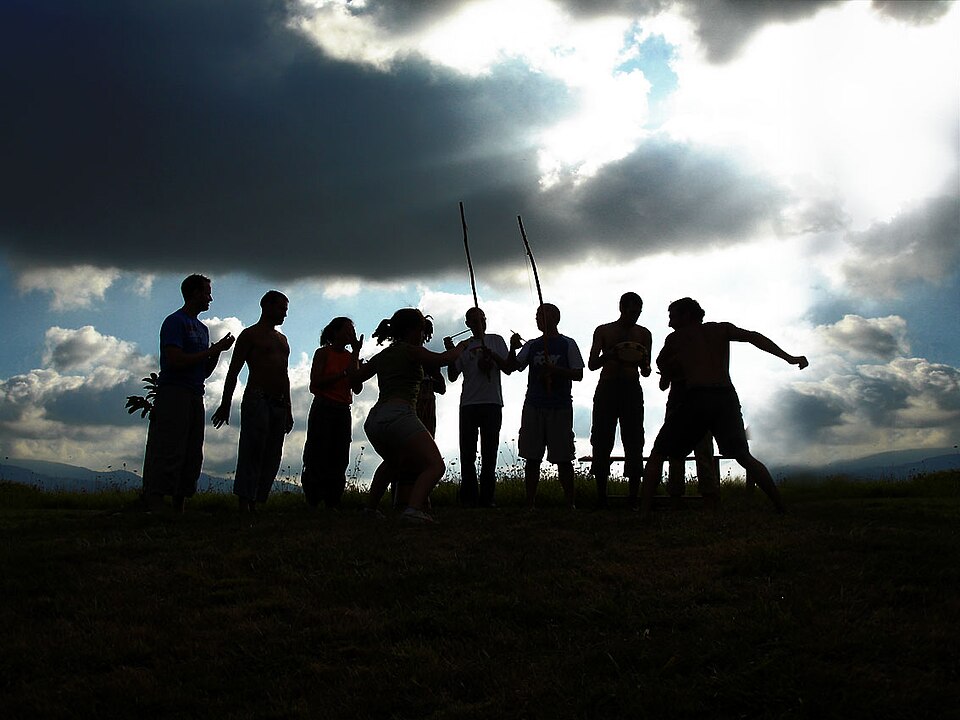
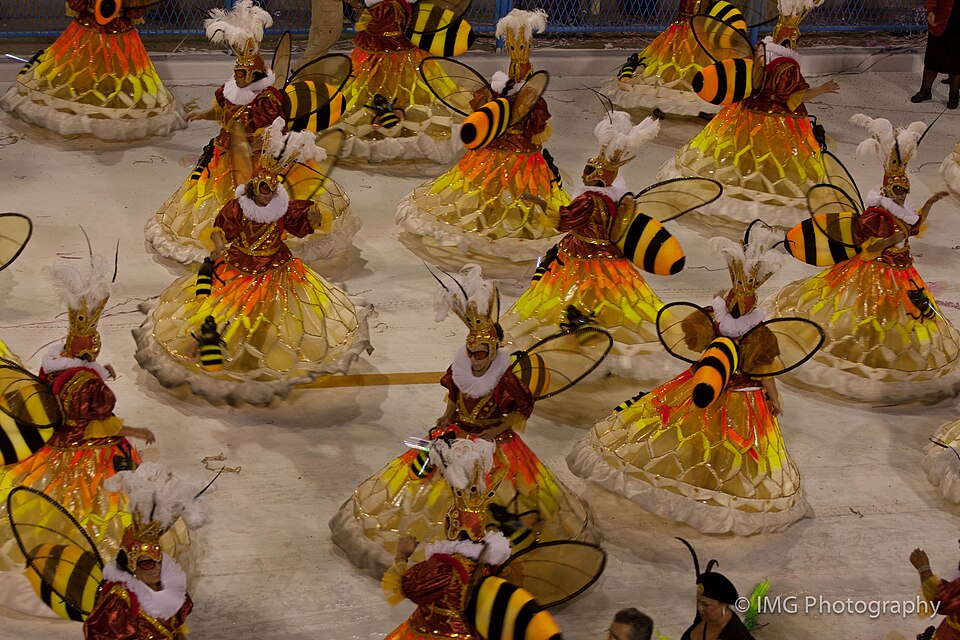
Brazilian culture runs on exuberance tempered by saudade — that untranslatable Portuguese longing. Nowhere is the exuberance more concentrated than Carnival, when Rio de Janeiro's samba schools parade thousands of drummers and dancers through the purpose-built Sambadrome in a competition rehearsed all year in the city's favelas and quadras. Capoeira, the fluid blend of martial art, dance, and ritual developed by enslaved Africans and their descendants in Bahia, is inscribed by UNESCO as intangible cultural heritage, its roda circles now taught on every continent. Brazil holds the world's largest Catholic population — 56.8 percent of Brazilians in the 2022 census — yet faith here is layered, with Evangelical churches claiming over a quarter of the country and Afro-Brazilian traditions like Candomblé and Umbanda woven into daily life, especially in Salvador. The Amazon looms over the national imagination too: it is home to hundreds of Indigenous peoples whose languages, knowledge, and land rights sit at the center of Brazil's cultural and political debates. Add beach culture, telenovelas, and a genius for festivity, and you have a nation whose soft power far exceeds its borders.
Culture, Brazil
Tim Fearn / CC BY-SA 3.0

Points Of Pride

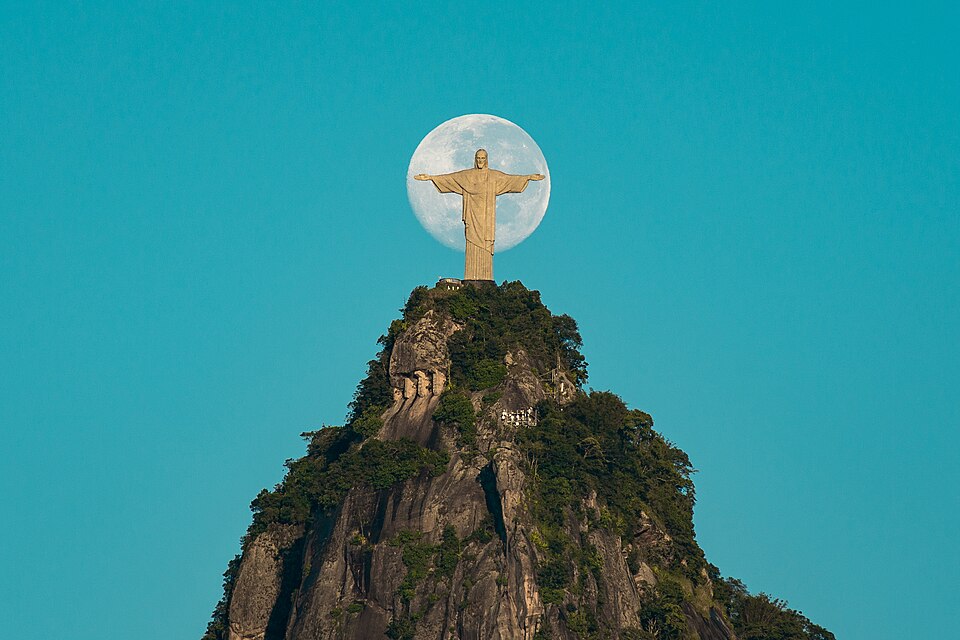
Brazilians can point to superlatives most nations only dream of. The Amazon is the largest rainforest and greatest river system on the planet, discharging more water than the next several largest rivers combined. Christ the Redeemer spreads its arms over Rio from Corcovado, and the city's carioca landscapes between mountain and sea are UNESCO World Heritage-listed — as is Brasília itself, Oscar Niemeyer and Lúcio Costa's airplane-shaped capital, conceived, built, and inaugurated in under four years and inscribed by UNESCO in 1987. Iguaçu Falls, shared with Argentina, throws up a curtain of some 275 cataracts wider than Victoria Falls and taller than Niagara. In letters, Machado de Assis is ranked by critics among the great novelists of the nineteenth century anywhere. And in the arena Brazilians measure most keenly, no one compares: the seleção is the only national team to have won the FIFA World Cup five times, and Pelé remains, for much of the world, the definition of the sport itself.
Points Of Pride, Brazil
Donatas Dabravolskas / CC BY-SA 4.0

Cultural Fusion

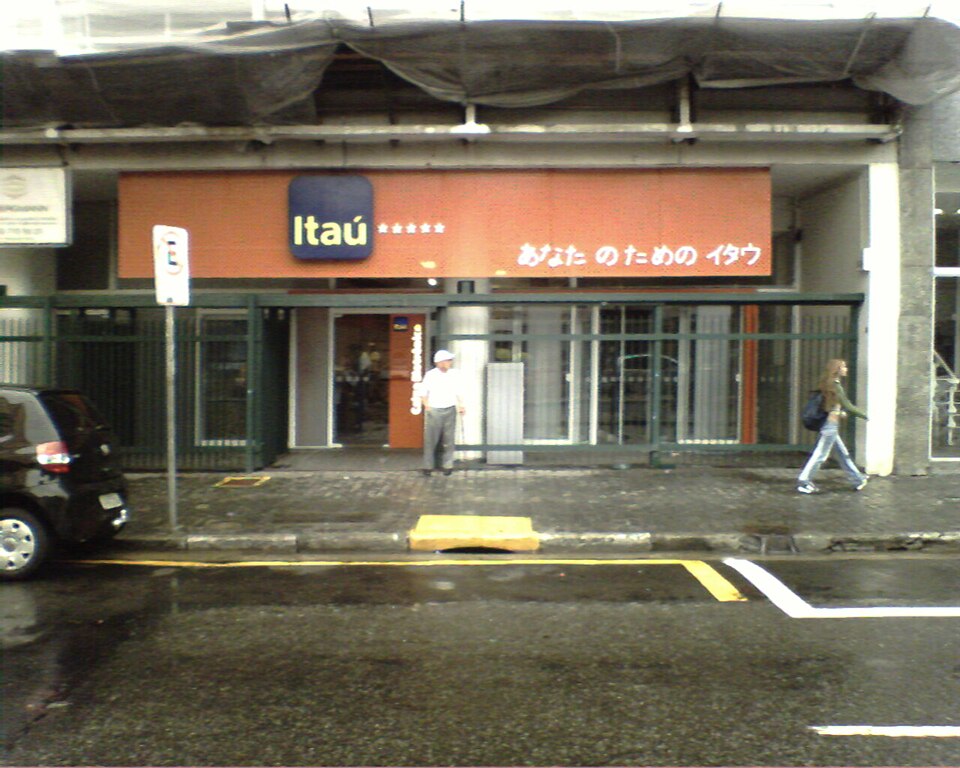
Brazil is one of history's great mixing grounds. More enslaved Africans were brought to Brazil than to any other country in the Americas — an estimated four million or more — and their descendants made Bahia, especially Salvador, a hearth of African culture in the New World, from Candomblé religion to capoeira and the drum-heavy rhythms that became samba. Portuguese colonists and hundreds of Indigenous peoples supplied the other founding strands; the country is named for a tree, and thousands of Brazilian place names are Tupi. Then came the great immigrations: Italians and Germans transformed the southern states, while São Paulo absorbed the largest Japanese community outside Japan, centered on the Liberdade district, along with substantial Lebanese and Syrian communities. The 2022 census made the fusion official: mixed-race Brazilians, at 45.3 percent, are now the country's largest group. The result is a society where a single family table might hold feijoada, sushi, and esfiha without anyone finding it remarkable.
Cultural Fusion, Brazil
Bruno Bicalho / CC BY-SA 2.5

Music & Dance

Brazil gave the world two of the twentieth century's defining sounds. Samba, born from Afro-Brazilian communities of Bahia and the hillside neighborhoods of Rio, became the national heartbeat — and every Carnival its escolas de samba battle through the Sambadrome with parades of staggering scale and precision. In the late 1950s, musicians in Rio's beachside apartments cooled samba down into bossa nova; Antônio Carlos Jobim and João Gilberto's 'The Girl from Ipanema' carried the new sound around the globe and into the jazz canon. Capoeira blurs the line between dance and combat entirely, its practitioners spinning and feinting inside the roda to the twang of the berimbau — a practice UNESCO inscribed as intangible cultural heritage in 2014, two years after it recognized frevo, the umbrella-twirling, breakneck dance of Recife's Carnival. The northeast also pulses to forró and to the samba de roda of the Recôncavo Baiano, itself on UNESCO's list, while the broad church of MPB — música popular brasileira — has kept the tradition evolving from Elis Regina to the present. Few countries have exported so much rhythm in so many directions at once.
Music & Dance, Brazil
Paula Rey from barcelona, spain / CC BY-SA 2.0

Cuisine & Misattributed Foods

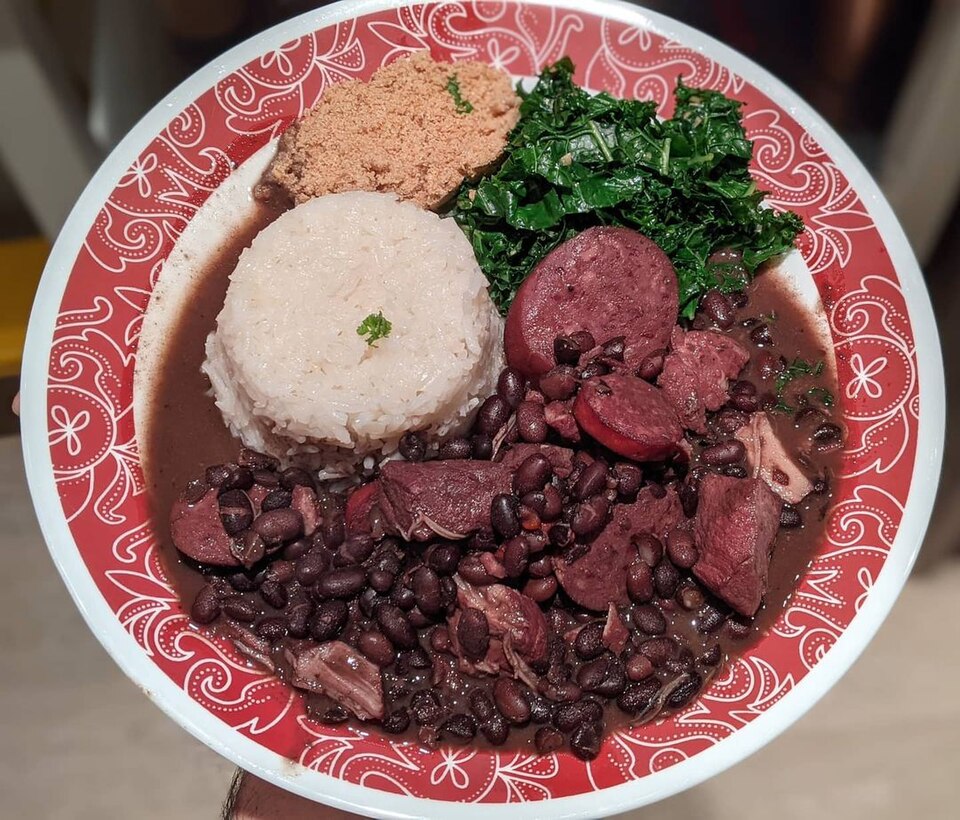
Brazil's national dish is feijoada, a slow-simmered stew of black beans and pork traditionally mounded over rice with collard greens, orange slices, and toasted farofa — a meal so serious that restaurants across the country reserve it for Wednesdays and Saturdays. From the southern grasslands comes churrasco, the gaúcho art of fire-roasted meat on skewers, exported worldwide through rodízio steakhouses where servers circulate with swords of picanha. Minas Gerais contributes pão de queijo, the addictive chewy cheese bread made with cassava flour, while Bahia's kitchens carry Africa in their moquecas — fish stews rich with coconut milk and dendê palm oil — and street-corner acarajé fritters. The Amazon supplies açaí, tucupi, and fruits found almost nowhere else on Earth, and the national cocktail, the caipirinha, muddles lime and sugar into cachaça, the country's own sugarcane spirit. Behind it all stands coffee: Brazil has been the world's leading producer for well over a century, and the daily cafezinho remains a ritual of hospitality from boardrooms to bus stations.
Cuisine & Misattributed Foods, Brazil
Bradleyzm / CC BY-SA 4.0

National Dress

Brazil has no single national costume — fitting for a country of such regional variety — but several traditions of dress are instantly recognizable. The most iconic is the dress of the baianas of Salvador: brilliant white lace blouses, wide hooped skirts, turbans, and beaded necklaces, a style rooted in Afro-Brazilian religious tradition and worn with pride by the women who sell acarajé on Bahian streets and by the honored baiana wings of every Carnival parade. In the far south, gaúchos keep alive the dress of the pampas cattle culture: loose bombacha trousers, wide-brimmed hats, ponchos, and the chimarrão gourd rarely far from hand, still worn at traditionalist centers and regional festivals. Carnival itself functions as a third costume tradition, its fantasias of feathers, sequins, and engineering ambition designed anew each year by the samba schools. Day to day, Brazilians dress for the tropics — and gave the world Havaianas flip-flops along the way.
National Dress, Brazil
Ian Gampon from NYC, USA / CC BY 2.0

Sports & Inspiring Athletes

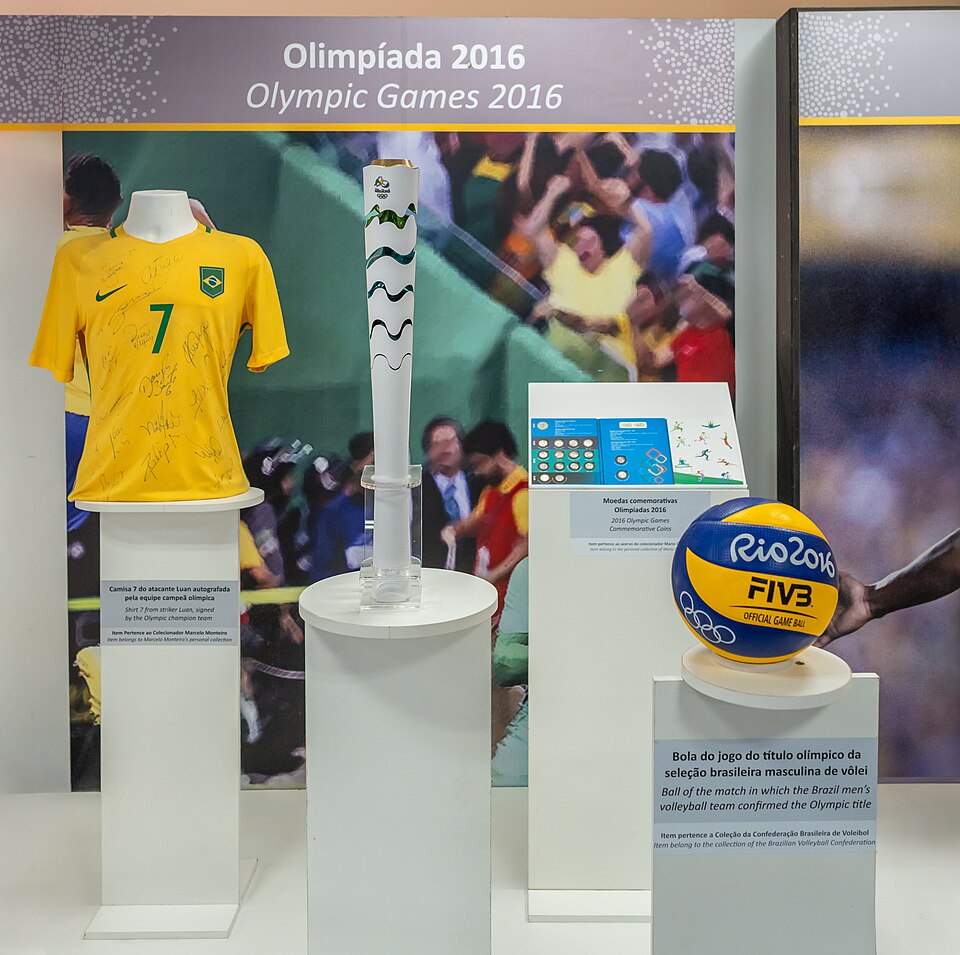
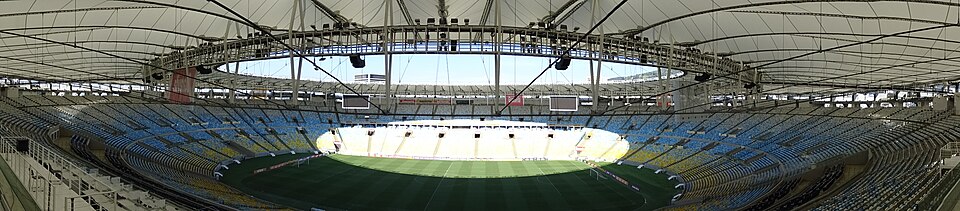
Football in Brazil is closer to a language than a pastime, and the record backs the devotion: Brazil is the only nation to have played in every FIFA World Cup and the only one to win it five times — 1958, 1962, 1970, 1994, and 2002. Its pantheon reads like the history of the sport itself: Pelé, the teenager of 1958 who became the game's global icon; the impish, bow-legged winger Garrincha; Ronaldo, whose eight goals drove the 2002 triumph; the joy merchant Ronaldinho; and Marta, record scorer in World Cup history and six-time world player of the year. The Maracanã in Rio, which drew a crowd approaching 200,000 for the 1950 final, remains the cathedral of the game and hosted the 2014 World Cup final and the ceremonies of the Rio 2016 Games — the first Olympics ever held in South America. Beyond football, Brazil is a volleyball superpower with a long run of Olympic golds in the indoor and beach games. And its Formula 1 lineage — Emerson Fittipaldi, Nelson Piquet, and the revered Ayrton Senna — claimed eight world championships between them; when Senna died in 1994, Brazil declared days of national mourning, and his name still moves crowds at the São Paulo Grand Prix.
Sports & Inspiring Athletes, Brazil
Rjcastillo / CC BY 4.0

Notable Educational Programs

Brazil's education system is a study in contrasts and steady gains. Public education is free by constitutional right from early childhood through university, and the country's federal and state universities — led by the University of São Paulo — are tuition-free and rank among Latin America's strongest research institutions, with admission largely channeled through the national ENEM exam. The Bolsa Família program, one of the world's most studied conditional cash transfer schemes, ties benefits for millions of low-income households to children's school attendance and vaccination, and has been credited by the World Bank with reducing poverty and keeping children in classrooms. Literacy stands around 95 percent, and Brazil devotes roughly six percent of GDP to education, among the higher shares of any large economy. Programs like ProUni extend scholarships at private universities to graduates of public high schools, while a network of federal technical institutes has expanded vocational pathways across the interior. Persistent gaps remain — between regions, between public and private secondary schools, and in learning outcomes measured by the OECD's PISA assessment — and closing them is the system's central challenge.
Notable Educational Programs, Brazil
Photograph by Mike Peel (www.mikepeel.net). / CC BY-SA 4.0

Wars & Conflicts

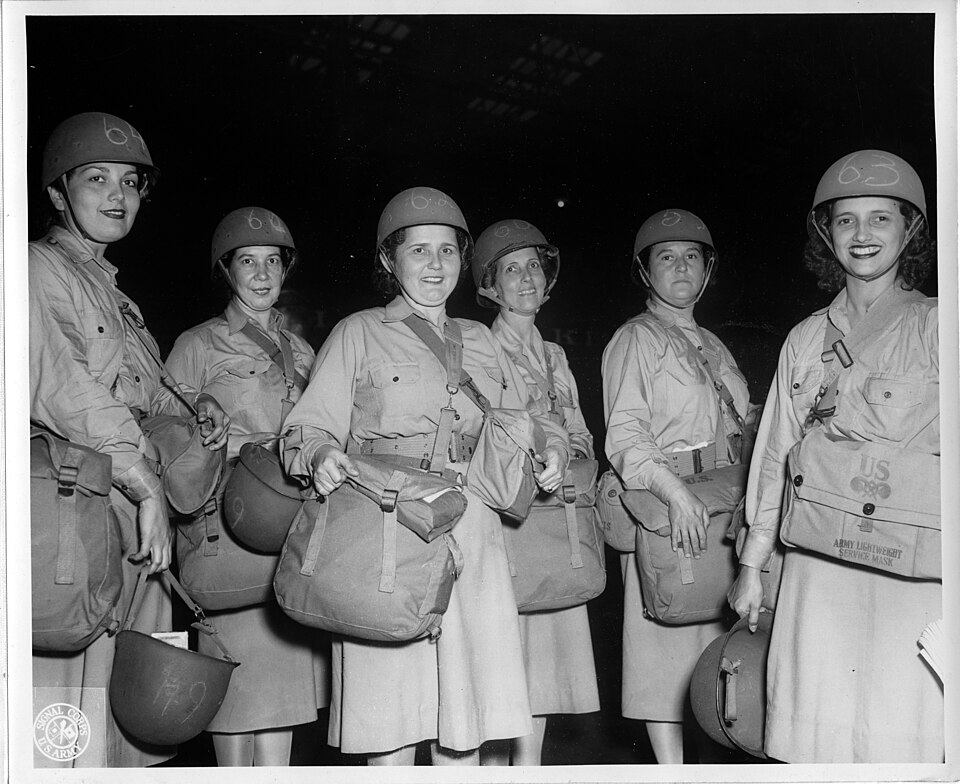
Brazil is not a party to any interstate armed conflict as of 10 August 2026, but several overlapping security files dominate the national agenda: the continuing fallout from the deadliest police operation in the country's history, sharpening friction with the United States over organized crime and trade, a reinforced northern border following the US strikes in Venezuela, and criminal expansion in the Amazon. Rio de Janeiro is still processing the 28 October 2025 police operation against the Comando Vermelho in favela complexes in the city's north, and the death toll remains disputed: Al Jazeera and CBS News reported in October 2025 that state officials initially confirmed at least 64 dead, including four police officers; official counts later rose to about 121 (ABC News, October 2025), while Rio's public defender's office tallied roughly 130-132. Amnesty International described the operation as a massacre evidencing what it called 'systemic and racist violence,' while state authorities defended it as a lawful action against an armed criminal faction. The Irish Times reported in November 2025 that none of those killed appeared among the 69 suspects named in the prosecutors' complaint underpinning the raid and that no senior Comando Vermelho leaders were captured or killed. The Associated Press reported that in response the federal government opened an emergency office in Rio to combat organized crime, President Lula signed a new law strengthening action against criminal groups, and the Senate opened an inquiry into organized crime's expansion; demonstrators meanwhile called for Governor Cláudio Castro's resignation (Al Jazeera, November 2025). Lethal operations have continued at smaller scale: France 24 and the Associated Press reported that a March 2026 raid in Rio killed at least eight people, including a man police identified as a Comando Vermelho commander, Claudio Augusto dos Santos. Friction with Washington deepened through 2026. In May the United States designated the Comando Vermelho and the Primeiro Comando da Capital (PCC) as foreign terrorist organizations — a step President Lula denounced as 'arbitrary,' saying Brazil would fight the factions itself and that it would not accept foreign measures as a pretext to attack its sovereignty (Al Jazeera, May 2026; MercoPress, May 2026). On 1 July 2026 the US Treasury sanctioned two Brazilian nationals and five companies it accuses of laundering more than $30 million for the PCC, which it described as the largest transnational criminal organization in the Western Hemisphere (US Department of the Treasury, July 2026). On 16 July 2026 Washington imposed 25 percent tariffs on most Brazilian goods under a Section 301 trade action; Lula's government called the tariffs unjustified and politically motivated and vowed countermeasures under Brazil's reciprocity law and recourse to the WTO (CNBC, July 2026; Time, July 2026). On the northern frontier, Venezuela briefly closed its border with Brazil after the US military strikes in Venezuela in early January 2026, and Brazil authorized National Public Security Force deployments to Boa Vista and Pacaraima in Roraima state, initially for up to 90 days, citing increased activity by armed criminal groups; the defense ministry described the border as calm, monitored, and open (Al Jazeera, January 2026; Agência Brasil, January 2026). In the Amazon, Mongabay reported in June 2026 that illegal gold mining in the Yanomami Indigenous Territory has fallen sharply under sustained federal enforcement, though miners are dispersing into smaller, harder-to-detect sites and shifting toward areas near the Venezuelan border; CNN reported in November 2025 that a study found organized crime groups active in roughly 45 percent of Amazonian municipalities, up by about a third in a year; and on 3 August 2026 Human Rights Watch wrote to UN rapporteurs and the Inter-American Commission on Human Rights urging accountability for killings and torture allegedly committed during a 2020 Amazonas state police operation in an Indigenous territory, a case in which federal prosecutors have charged three officers. These remain matters of law enforcement, sanctions, diplomacy, and border management rather than armed conflict in the interstate sense.
Current as of 2026-08-10
Wars & Conflicts, Brazil
War Department. Army Service Forces. Office of the Chief of Transportation. / Public domain

Land & Border Disputes

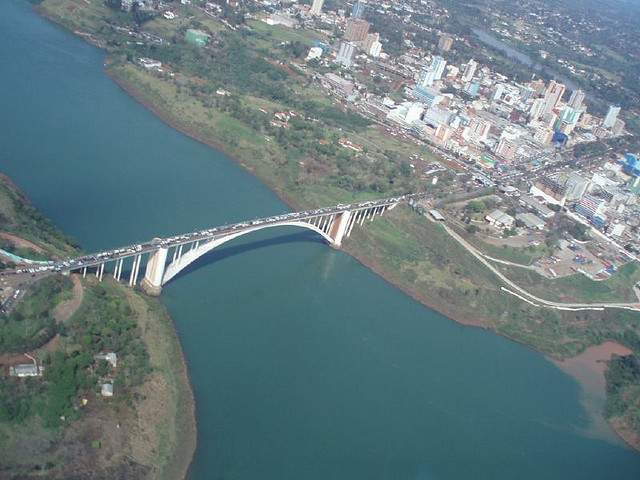
Brazil's ten land borders — the product of the celebrated early-1900s diplomacy of the Baron of Rio Branco, who fixed most of them through negotiation and arbitration rather than war — are almost entirely settled, a remarkable record for a country that touches nearly every neighbor on the continent. The exceptions are two small, long-dormant questions with Uruguay: sovereignty over Brasileira (Braziliera) Island in the Quaraí/Cuareim River, which also leaves the precise tripoint with Argentina in question, and the Rincón de Artigas area along the Arroyo de la Invernada, which Uruguay claims. Both disputes are managed quietly and have never disturbed the two countries' close relations. Brazil is otherwise a consistent advocate of international adjudication and regional integration, and no neighbor contests any other portion of its roughly 16,000 kilometers of frontier.
Land & Border Disputes, Brazil
Valacir / CC BY 2.0
Land, Life & Legacy

Land & Climate

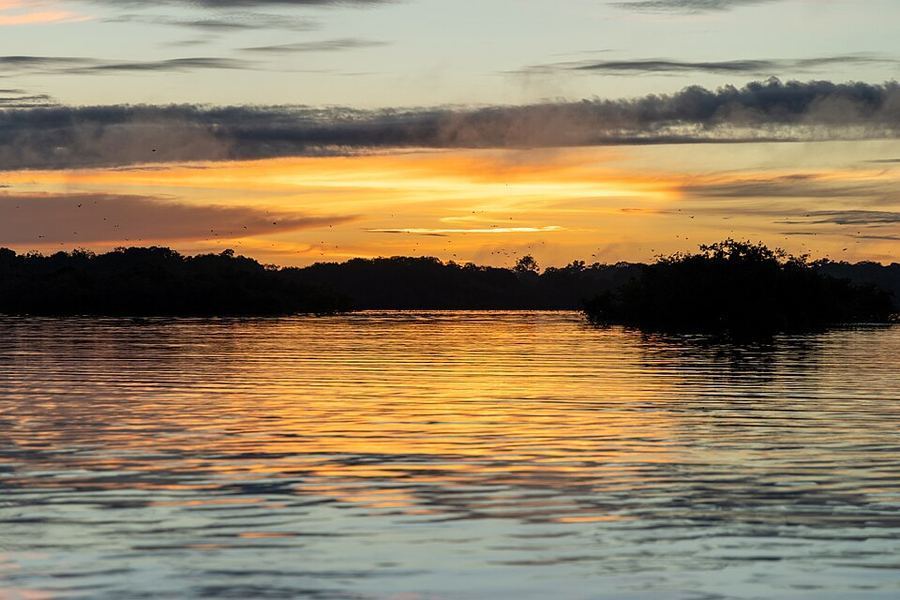
Brazil covers about 8.5 million square kilometres, the fifth-largest country in the world, and holds an unmatched concentration of biomes. The Amazon basin occupies the north and much of the interior, the largest tropical rainforest on earth drained by the Amazon, which carries a greater discharge than any other river. South and east of it the Brazilian Highlands rise as an old, worn plateau, and across the centre the Cerrado savanna, once dismissed as agriculturally useless, has become the country's grain and soy frontier. The Pantanal in Mato Grosso is the largest tropical wetland in the world, flooded and drained on an annual cycle. The northeastern interior, the sertão, is semi-arid Caatinga scrub and drought-prone, while the Atlantic Forest along the coast is biologically rich and heavily fragmented after five centuries of settlement. The coastline runs some 7,400 kilometres; Pico da Neblina on the Venezuelan border is the highest point at 2,995 metres, and the Iguaçu Falls sit on the Argentine border. Most of the country is tropical, but the far south around Rio Grande do Sul is subtropical and gets frost.

Entertainment

Brazilian leisure begins on the beach. Copacabana and Ipanema function as Rio de Janeiro's democratic living rooms — sites for futevôlei, the foot-volleyball hybrid Brazilians invented, for sunset applause, and for the New Year's Réveillon, when millions dressed in white crowd the sand for fireworks and offerings to the sea. Carnival is the year's great release, from Rio's Sambadrome parades to the street blocos that take over entire cities for days, while June's festas juninas fill the northeast with bonfires, quadrilha dancing, and corn sweets. Weekends revolve around churrasco barbecues, boteco bar tables, football matches, and the beloved telenovela. Domestic travelers head for the Pantanal's jaguars, the dune lagoons of Lençóis Maranhenses, colonial Paraty, and the marine sanctuary of Fernando de Noronha — a UNESCO World Heritage site with capped visitor numbers — while Iguaçu Falls and Rio itself anchor an international tourism industry drawing millions of foreign visitors a year.
Entertainment, Brazil
Wilfredor / CC0

Art & Museums

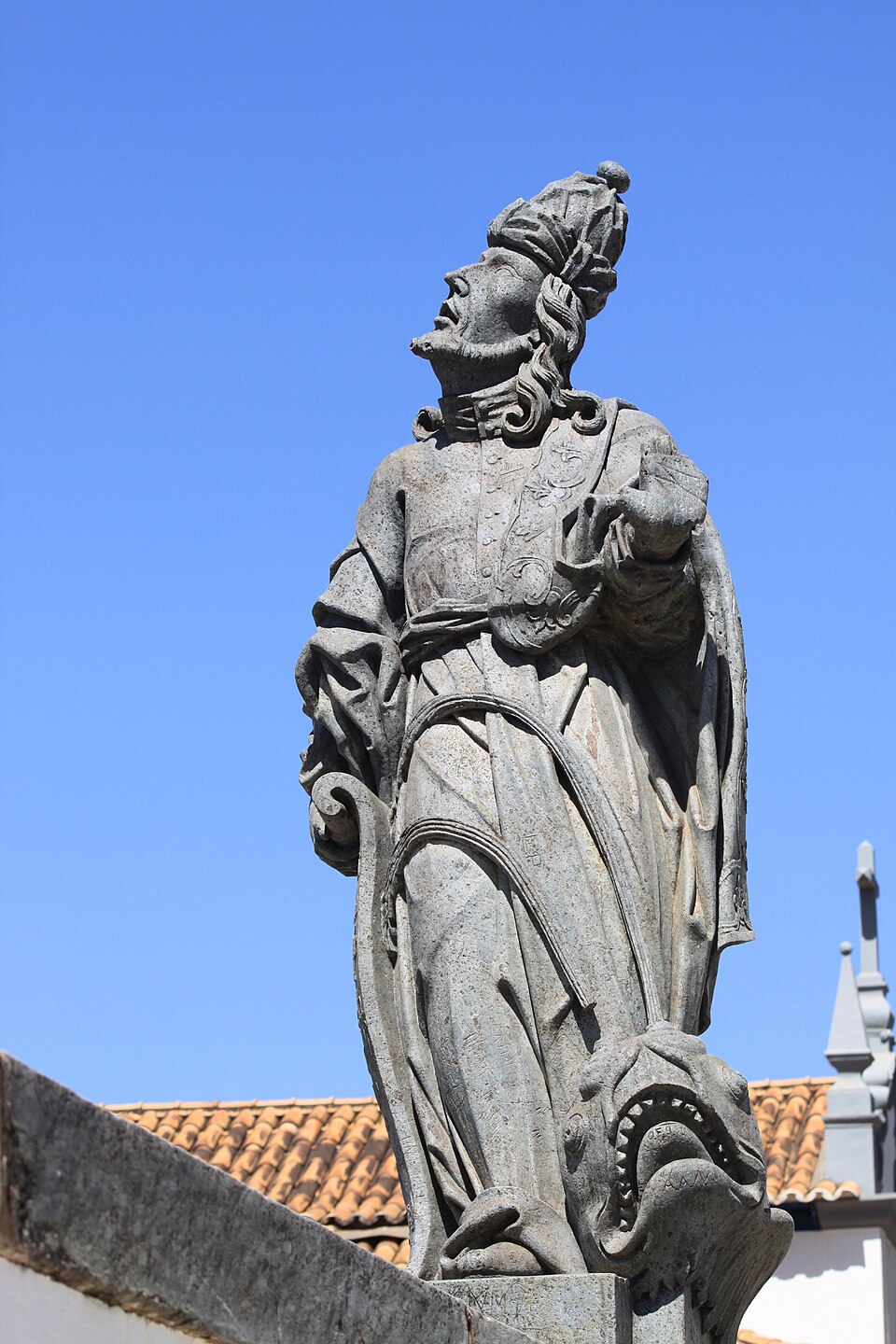
Brazilian art's baroque summit is Aleijadinho, the eighteenth-century sculptor of Minas Gerais whose soapstone prophets at the Sanctuary of Bom Jesus at Congonhas — carved as disease progressively crippled his hands — form a UNESCO World Heritage site. Modernism arrived with a manifesto: Tarsila do Amaral's Abaporu (1928) inspired the 'Anthropophagy' movement, which proposed that Brazil should cannibalize European influences into something entirely its own, and Candido Portinari carried Brazilian social realism to the world — his War and Peace panels hang at United Nations headquarters in New York. Landscape architect Roberto Burle Marx turned gardens and Copacabana's wave-mosaic sidewalks into modernist canvases, complementing Oscar Niemeyer's sculptural buildings. The São Paulo Bienal, founded in 1951, is the world's second-oldest art biennial, and the Museu de Arte de São Paulo, in Lina Bo Bardi's suspended glass-and-concrete landmark, holds Latin America's premier collection of Western painting. Contemporary stars like Beatriz Milhazes and Vik Muniz, and the vast open-air museum of Inhotim, keep Brazil on the global circuit.
Art & Museums, Brazil
Aleijadinho and workshop / Public domain

Notable People

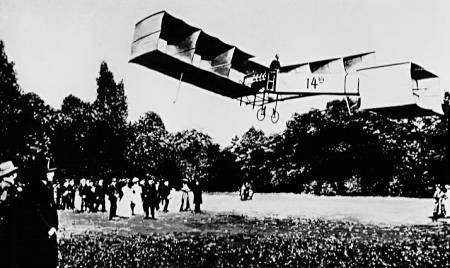
Brazil's pantheon begins with Machado de Assis, founder of the Brazilian Academy of Letters and, for many critics, the greatest Latin American novelist of the nineteenth century, followed by Clarice Lispector, Jorge Amado, and the globally best-selling Paulo Coelho. Aviation pioneer Alberto Santos-Dumont, feted in Paris for his 1906 public flights, is a national icon; physician Carlos Chagas achieved the singular feat of discovering a disease, its parasite, and its insect vector. Architecture claims Oscar Niemeyer, who drew Brasília's curves into the modernist canon and worked past his hundredth birthday. Music contributes Heitor Villa-Lobos, bossa nova's Antônio Carlos Jobim and João Gilberto, and the tropicalistas Caetano Veloso and Gilberto Gil. Sport supplies Pelé, the only player to win three World Cups; Marta, record scorer in World Cup history; and Formula 1's revered Ayrton Senna. Add entertainer Carmen Miranda and supermodel Gisele Bündchen — for years the world's highest-paid, per Forbes — and the reach is fully global.
Notable People, Brazil
Unknown authorUnknown author / Public domain

Inventions & Breakthroughs

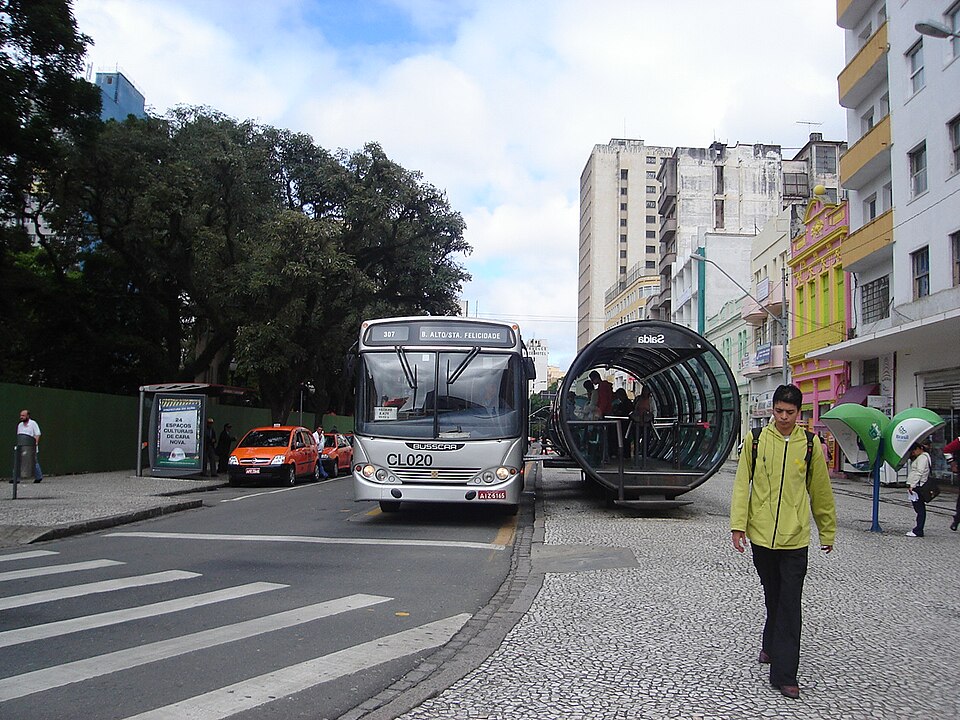
Brazilians celebrate Alberto Santos-Dumont as a father of flight: his 14-bis made the first publicly witnessed, officially observed powered airplane flight in Europe, in Paris in 1906, after his dirigibles had already circled the Eiffel Tower. The aeronautical thread continues in Embraer, which grew from a state venture into one of the world's leading aircraft makers and the dominant force in regional jets. Brazil also pioneered alternative fuel at national scale: the Proálcool program launched in 1975 made sugarcane ethanol a mainstream motor fuel, and flex-fuel cars that burn any gasoline-ethanol blend became the national standard. Petrobras pushed deep-water oil drilling to record depths in the offshore pre-salt fields. In medicine, Carlos Chagas's complete description of Chagas disease — pathogen, vector, and clinical course — remains a unique feat, and Vital Brazil developed pioneering snake antivenoms. Urban planning gave the world bus rapid transit, invented in Curitiba in 1974 and since copied by hundreds of cities on every continent.
Inventions & Breakthroughs, Brazil
hrs51 / CC BY 2.0

Science & Technology

Brazil's technological strengths are concentrated where its natural endowments demanded new engineering. Embrapa, the state agricultural research corporation, worked out how to farm the acid, aluminium-rich soils of the Cerrado through liming and adapted cultivars, and bred tropical soybeans that do not need long summer days, which is the single largest reason Brazil became a leading soy and beef exporter. Petrobras developed deepwater and ultra-deepwater production methods and then the pre-salt technology needed to reach oil beneath thick offshore salt layers. The Proálcool programme launched in 1975 built a sugarcane ethanol industry and, later, the flex-fuel vehicle fleet that lets drivers switch between fuels. Embraer, founded as a state company in 1969 and privatised in 1994, grew into one of the largest commercial aircraft manufacturers in the world with the E-Jet family, built at São José dos Campos. In health, the Oswaldo Cruz Foundation and the Butantan Institute produce vaccines and antivenoms and conduct tropical disease research, and INPE monitors Amazon deforestation from orbit through the PRODES and DETER systems.
On The World Stage
Champions of Brazil

Champions & Defining Moments

Brazil's claim in football is unmatched: the only nation to appear at every FIFA World Cup and the only five-time champion (1958, 1962, 1970, 1994, 2002), with Pelé winning three of those titles himself and Marta holding the World Cup's all-time scoring record across the men's and women's tournaments. The country staged the 2014 World Cup and, at Rio 2016, the first Olympic Games in South America. Its Olympic strength runs through volleyball — a serial gold medalist in both the indoor and beach games — sailing, judo, which has produced more Brazilian medals than any other sport, and now gymnastics, where Rebeca Andrade's golds in Tokyo and Paris made her Brazil's most decorated Olympian. Motorsport adds eight Formula 1 world championships through Emerson Fittipaldi, Nelson Piquet, and Ayrton Senna, whose death in 1994 brought days of national mourning. Tennis contributes Gustavo Kuerten's three French Open titles and Maria Esther Bueno's Wimbledon crowns a generation earlier.

Economy, Trade & Government

Currency & GDP

Brazilian Real — BRL (R$)

GDP (PPP): $4.165 trillion (2024 est.)

Per capita: $19,600 (2024 est.)

Exports

$388.333 billion (2024 est.)

soybeans, crude petroleum, iron ore, raw sugar, corn (2023)

Partners: China 30%, USA 10%, Argentina 5%, Netherlands 3%, Chile 2% (2023)

Imports

$377.05 billion (2024 est.)

refined petroleum, fertilizers, crude petroleum, vehicle parts/accessories, gas turbines (2023)

Partners: China 23%, USA 16%, Germany 5%, Argentina 5%, Russia 4% (2023)

Government

Type: federal presidential republic

Independence: 7 September 1822 (from Portugal)

Terrain → Where People Live

How mountains, coasts, and rivers shape settlement (LandScan).

Coming — data

Migration & Ethnic Settlement

Where groups settled and how people move (GeoEPR + UNHCR).

Coming — data

Universities

Notable institutions, mappable as points.

Coming — data
Economy & government facts: CIA World Factbook (public domain), via OpenFactBook / factbook.json.
Every fact and narrative claim will carry a visible source citation. Data-driven sections light up automatically wherever HERA has coverage.