HERA · Human Entity Reference Atlas by Masego Inc

← Brunei 🌐 3D View
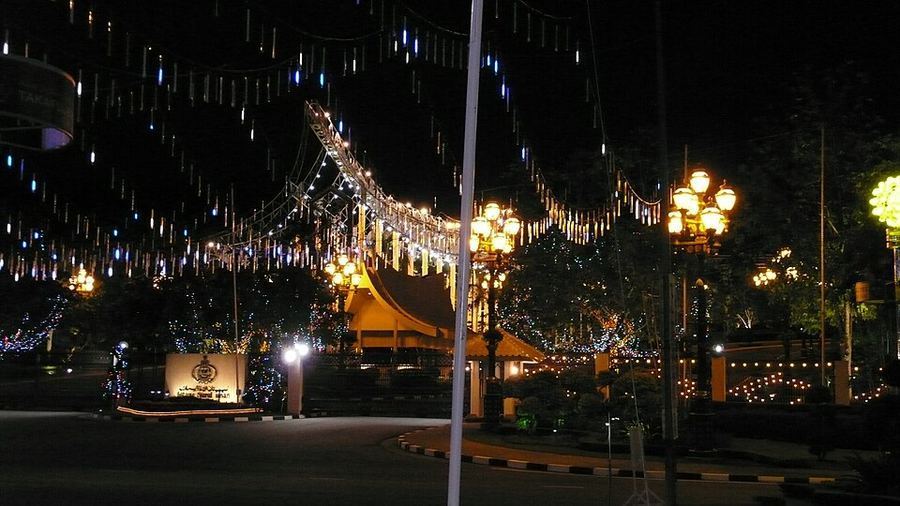
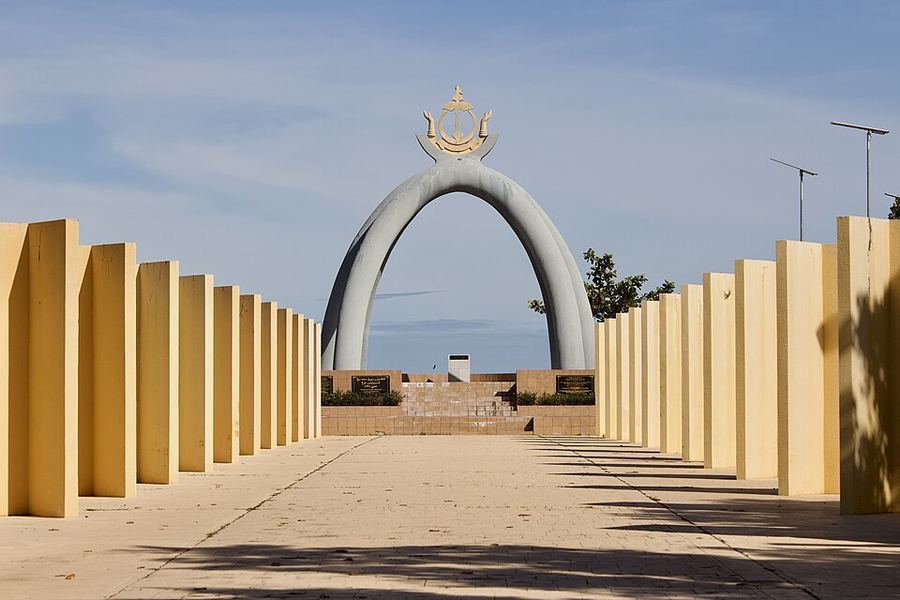
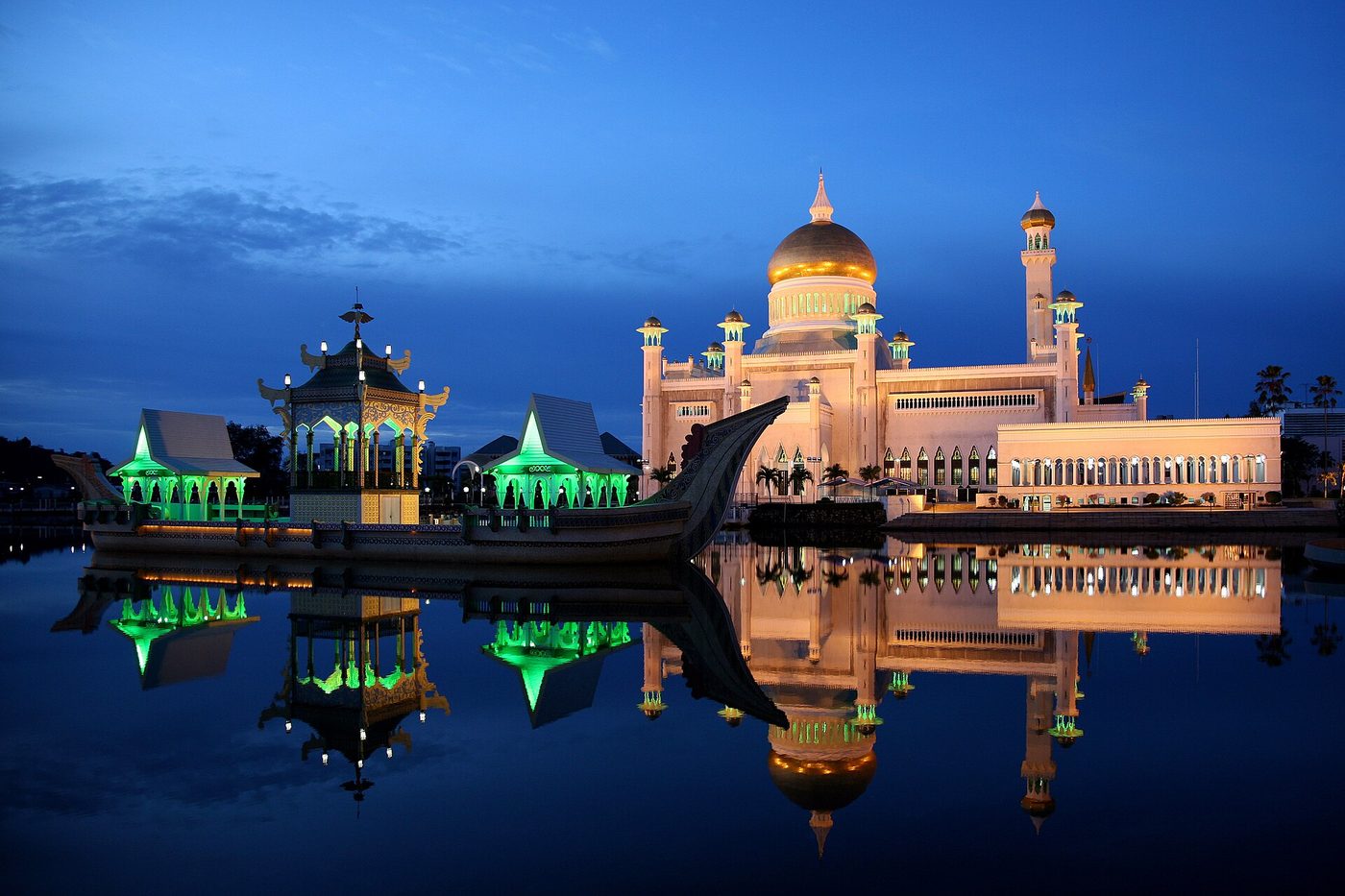
Sultan Omar Ali Saifuddin Mosque 02, Brunei
Brunei BRN
Sultan Omar Ali Saifuddin Mosque 02 — Photo: sam garza from Los Angeles, USA / CC BY 2.0 via Wikimedia Commons
Did You Know Kampong Ayer, the stilted water village in the capital, has been inhabited for centuries — it is the settlement Antonio Pigafetta described in 1521 when Magellan's surviving crew reached Brunei. — Encyclopaedia Britannica

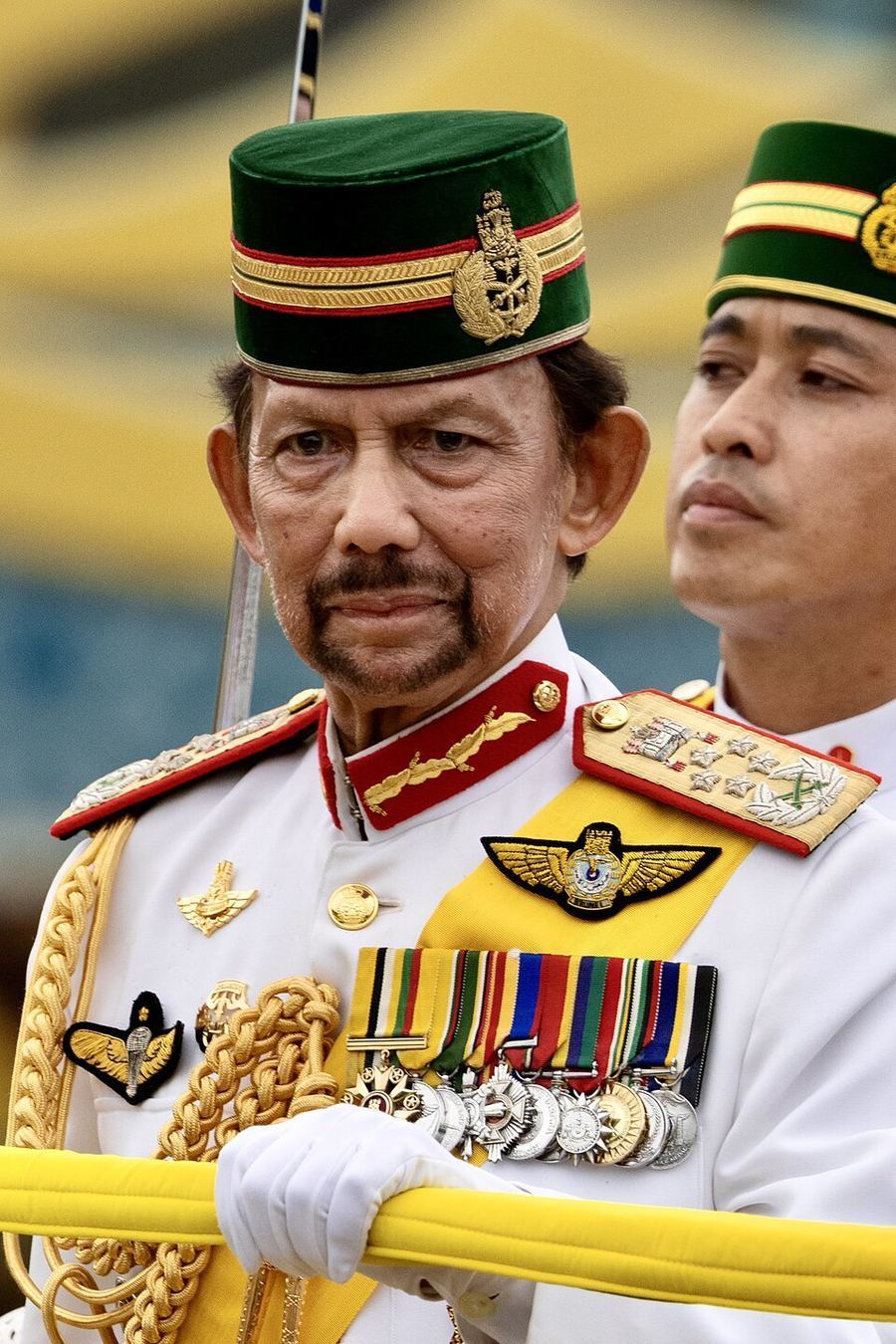
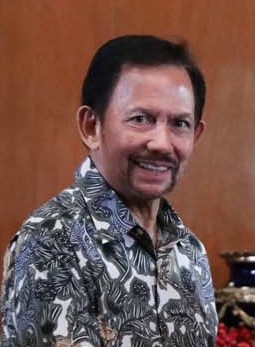
Brunei Darussalam — the Abode of Peace — occupies about 5,765 square kilometres on the north coast of Borneo, wedged into and split in two by the Malaysian state of Sarawak. Roughly 492,000 people live there, about two-thirds Malay and a tenth Chinese, with substantial communities of Indigenous Borneo peoples and migrant workers. The capital is Bandar Seri Begawan, on the Brunei River beside Kampong Ayer, the stilted water village that has stood for centuries. Brunei is an absolute monarchy: Sultan Hassanal Bolkiah, on the throne since 1967 and one of the world's longest-reigning monarchs, is also prime minister, defence minister and finance minister, advised by an appointed Legislative Council. The state philosophy adopted at independence on 1 January 1984 is Melayu Islam Beraja — Malay Islamic Monarchy — and Islam of the Shafi'i school is the official religion. Oil found at Seria in 1929 and natural gas exported as LNG since 1972 underwrite an economy with GDP per capita near $79,200 on a purchasing-power basis, no personal income tax, and free healthcare and education for citizens. Over two-thirds of the country remains under forest, much of it undisturbed primary rainforest.

CIA World FactbookEncyclopaedia BritannicaWorld Bank
Population
491,900
Capital
Bandar Seri Begawan
Currency
$ BND
Time zones
Largest city
Bandar Seri Begawan
Human Geography Themes
Loading national figures…
Largest Cities
Bandar Seri Begawan95,176
Lambak90,885
In Perspective

Bandar Seri Begawan's urban core is home to about 95,176 people.

Among the world's megacities, though, it's one of many — the giants of Asia and Latin America run larger still:

Bandar Seri Begawan95,176
Jakarta40,545,126
Dhaka37,307,160
Tokyo33,244,670
Shanghai30,678,616
Cairo25,230,325
The Country & Its People

History

Brunei's sultanate traces itself to the fourteenth century and the conversion of its first Muslim ruler, and by the reign of the fifth sultan, Bolkiah, in the late fifteenth and early sixteenth centuries it was a maritime power whose influence extended over much of Borneo and reached the Sulu archipelago and Manila Bay. When Antonio Pigafetta arrived with the survivors of Magellan's expedition in 1521 he described a wealthy walled city and a court of elephants and brass cannon. Decline followed: the Castilian War against Spain in 1578, internal succession conflict, and then the nineteenth-century dismemberment of the state, as James Brooke secured Sarawak from 1841 and chartered companies took North Borneo, reducing Brunei to two small fragments. It became a British protectorate in 1888 and accepted a British Resident in 1906. The discovery of oil at Seria in 1929 remade its finances. Japanese forces occupied the territory from 1941 to 1945. A constitution followed in 1959, and the armed Brunei Revolt of December 1962 was suppressed within days with British assistance, after which Brunei declined to join the new Federation of Malaysia in 1963. Full independence came on 1 January 1984.
Culture

Bruneian life is organised around Melayu Islam Beraja, the tripartite national philosophy of Malay culture, Islamic faith and monarchy adopted at independence. Islamic observance structures the week: Friday midday prayers close businesses for two hours, Ramadan fasting is enforced in public, and alcohol may not be sold, though non-Muslim residents may import limited personal quantities. Courtesy is elaborate and hierarchical, with a rich vocabulary of royal and honorific address, the practice of salam greeting by touching the hand to the heart, and strict rules of precedence at ceremonies. The monarchy is a constant presence: the Sultan's birthday on 15 July opens weeks of national celebration, and during Hari Raya Aidilfitri the doors of Istana Nurul Iman are opened for three days, when tens of thousands of citizens queue to shake the Sultan's hand and eat in the palace. Adat, Malay customary practice, governs weddings — the berbedak powdering ceremony, the bersanding enthronement of the couple, the exchange of ceremonial gifts — alongside Islamic requirements. Extended family and kampong loyalty remain strong, and Kampong Ayer's households retain a distinct identity within the capital.

Points Of Pride

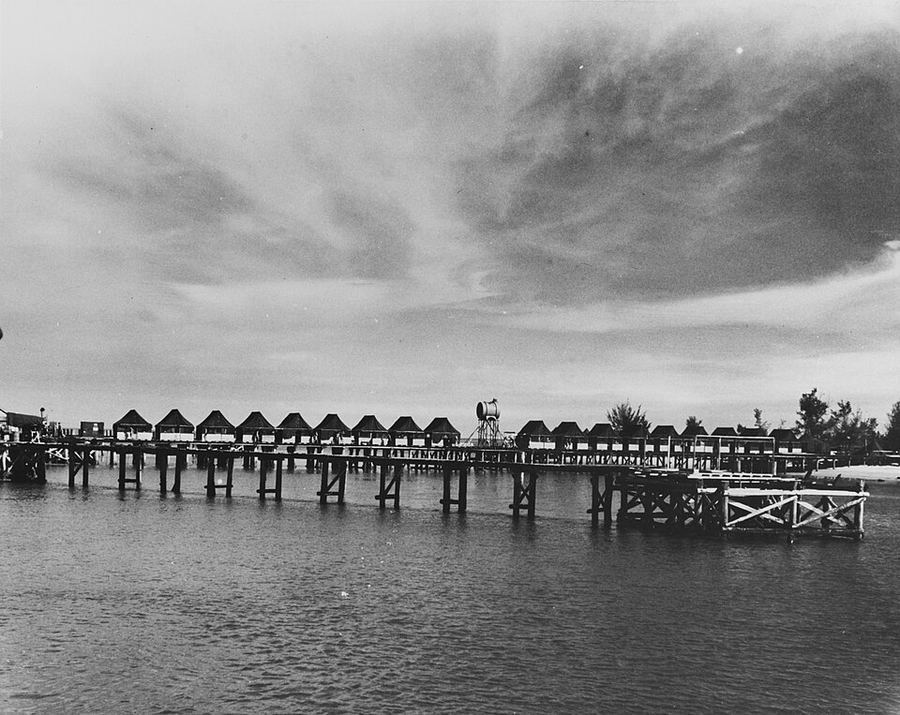
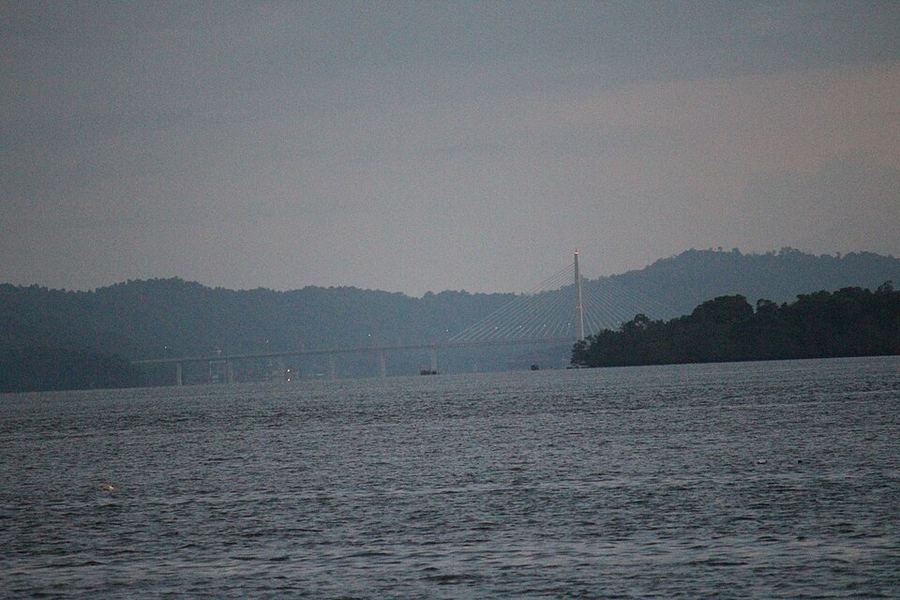
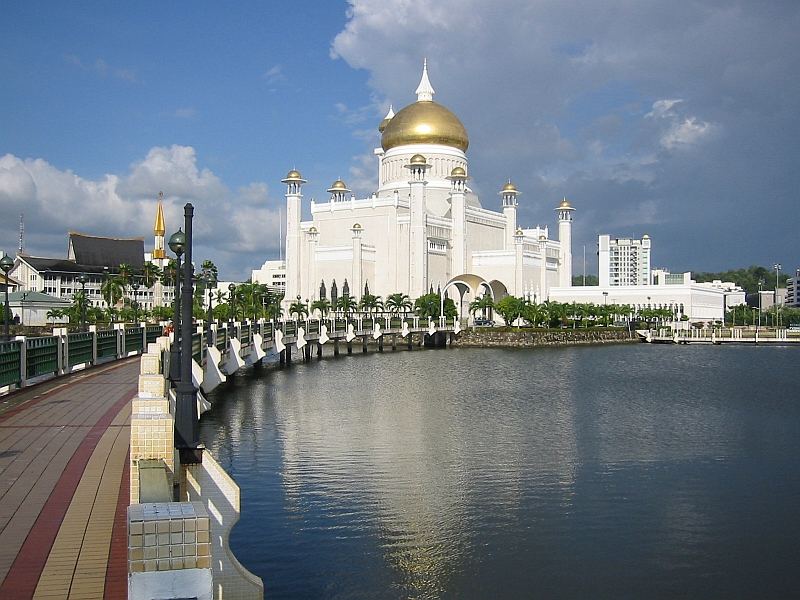
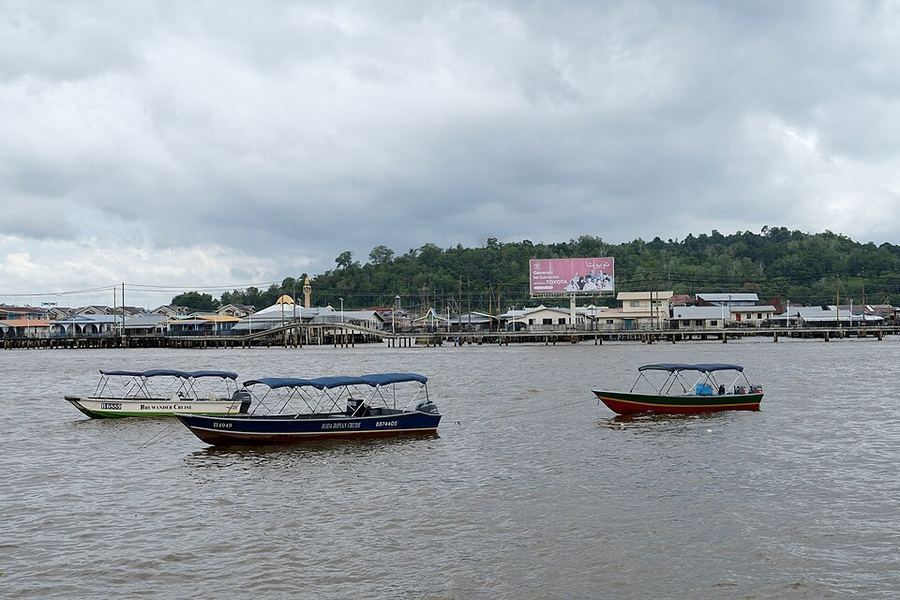
Kampong Ayer, the water village strung along the Brunei River on stilts and connected by wooden walkways, has been continuously inhabited for many centuries and was the settlement Pigafetta saw in 1521, prompting the description of Brunei as a Venice of the East; several thousand people still live there with schools, mosques, clinics and a fire station on the water. The Sultan Omar Ali Saifuddien Mosque of 1958, standing in an artificial lagoon beside a replica of a sixteenth-century royal barge, and the Jame' Asr Hassanil Bolkiah Mosque of 1994, with twenty-nine golden domes for the twenty-ninth sultan, are the country's architectural signatures. Istana Nurul Iman, designed by the Filipino architect Leandro Locsin and completed for independence, is generally recognised as the largest residential palace in the world. The Sultan Haji Omar Ali Saifuddien Bridge, opened in 2020, runs some thirty kilometres across Brunei Bay to link the isolated Temburong district to the rest of the country and is the longest bridge in Southeast Asia. Brunei's forest cover — well over two-thirds of the land, much of it primary — is the highest proportion in the region.

Cultural Fusion

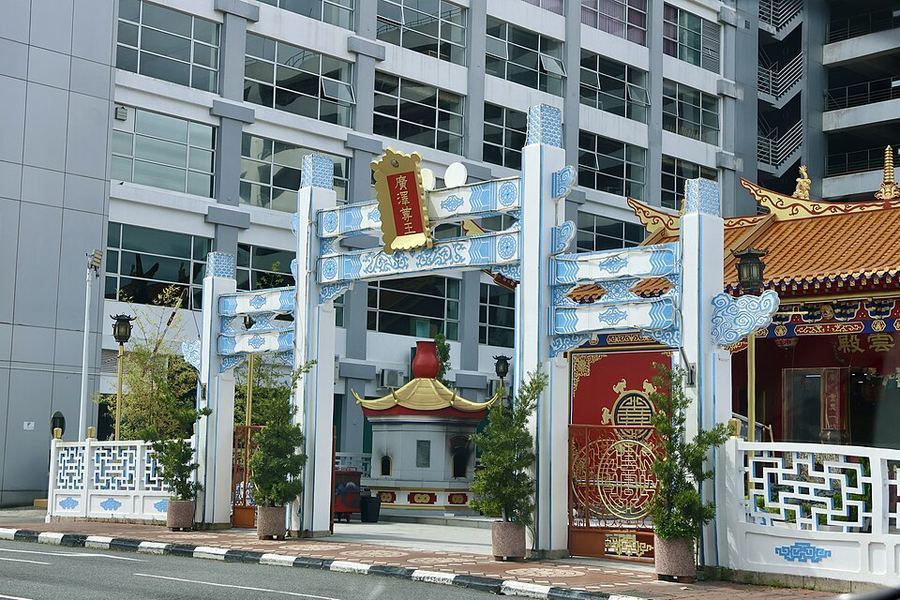
Brunei's Malay identity is legally capacious: the constitution recognises seven groups as Malay for citizenship purposes — Brunei Malay, Kedayan, Tutong, Belait, Bisaya, Dusun and Murut — each with its own language or dialect, customary practice and, in several cases, a pre-Islamic religious inheritance now largely absorbed into Islam. Beyond them live Iban and Penan communities in the interior. The Chinese community, established over generations in trade and long concentrated in Seria and the capital, maintains Hokkien, Hakka and Cantonese speech, Chinese-medium schools and temples including Teng Yun in Bandar Seri Begawan; a large portion of its members remain stateless, holding certificates of identity rather than passports, which is the principal social fault line the country does not discuss openly. Arabic and Islamic scholarship overlays Malay adat, and Jawi script stands beside romanised Malay on public signage as a matter of policy. British influence persists in the wide use of English, in a dual legal system where common law courts operate alongside sharia courts, and in the Gurkha battalion garrisoned at Seria. Filipino, Indonesian, Bangladeshi and Indian workers form a further layer.

Music & Dance

Bruneian traditional music is centred on the gulingtangan, a gong-chime ensemble built around a row of small horizontally suspended kettle gongs played with padded sticks, supported by hanging gongs and drums; it accompanies weddings, royal ceremonies and state occasions and is taught in schools as national heritage. Adai-adai is the work song of Bruneian fishermen, sung in call and response while hauling nets and now performed as a staged dance with the movements of casting and gathering. The aduk-aduk is a Kedayan celebratory dance performed to coconut shells and drums, historically at the close of the harvest, with dancers in red and black. Jipin, Brunei's version of the Malay-Arab zapin, is danced in pairs to the gambus lute, dombak and rebana drums, and hadrah devotional singing accompanies religious occasions. The benari and the joget belong to the wider Malay social dance repertoire. Court and religious performance dominates the formal music scene, and popular music is mainly Malay pop and nasyid, Islamic vocal music, with the national anthem Allah Peliharakan Sultan composed to words by Pengiran Yusuf, later known as Yura Halim.

Cuisine & Misattributed Foods

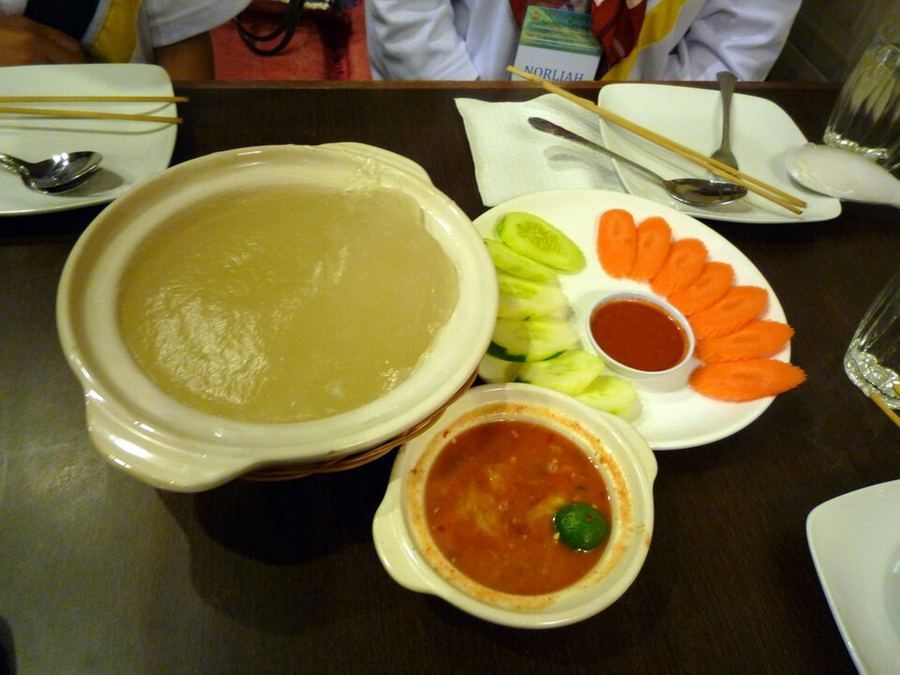
The national dish is ambuyat, a translucent glutinous starch made from the pith of the sago palm, mixed with boiling water until it forms a stiff, flavourless paste. It is eaten with a chandas, a two-pronged bamboo fork used to twirl a portion, which is then dipped in cacah — a sour sauce of tamarind, chilli, shrimp paste or belimbing fruit — and swallowed without chewing. Around it are set side dishes: grilled or fried fish, sayur lombok, ulam, and ikan masak lada. Nasi katok, a paper-wrapped parcel of rice with fried chicken and sambal sold for very little from roadside stalls, is Brunei's ubiquitous everyday meal and its name comes from the knocking on the vendor's shutter that once ordered it. Kelupis and pulut panggang, glutinous rice steamed in leaves, are staples of celebration, and sweets include penyaram, wajid, kuih mor and cucur. Malay classics — nasi lemak, satay, rendang, soto, laksa — are shared with the region, and river prawns and Brunei Bay seafood are prized. All food sold is halal, no alcohol is on sale anywhere, and the Gadong night market is the country's busiest eating ground.

National Dress

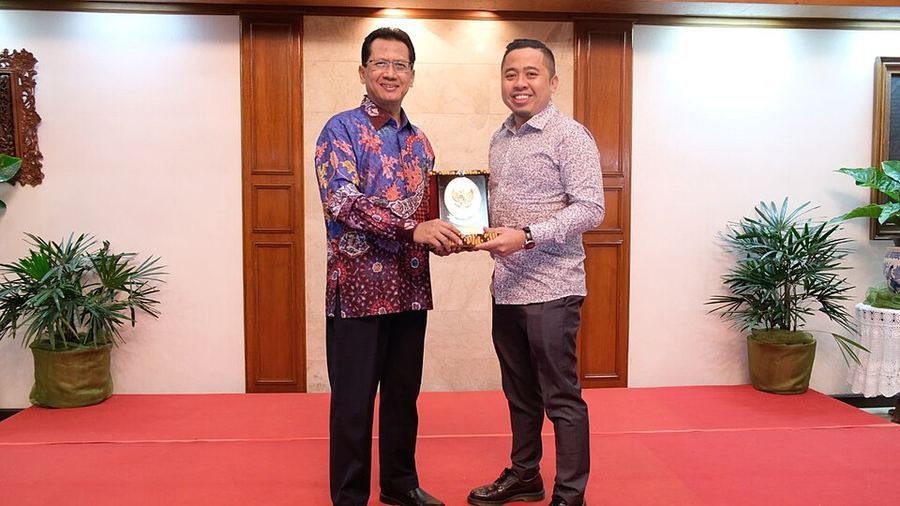
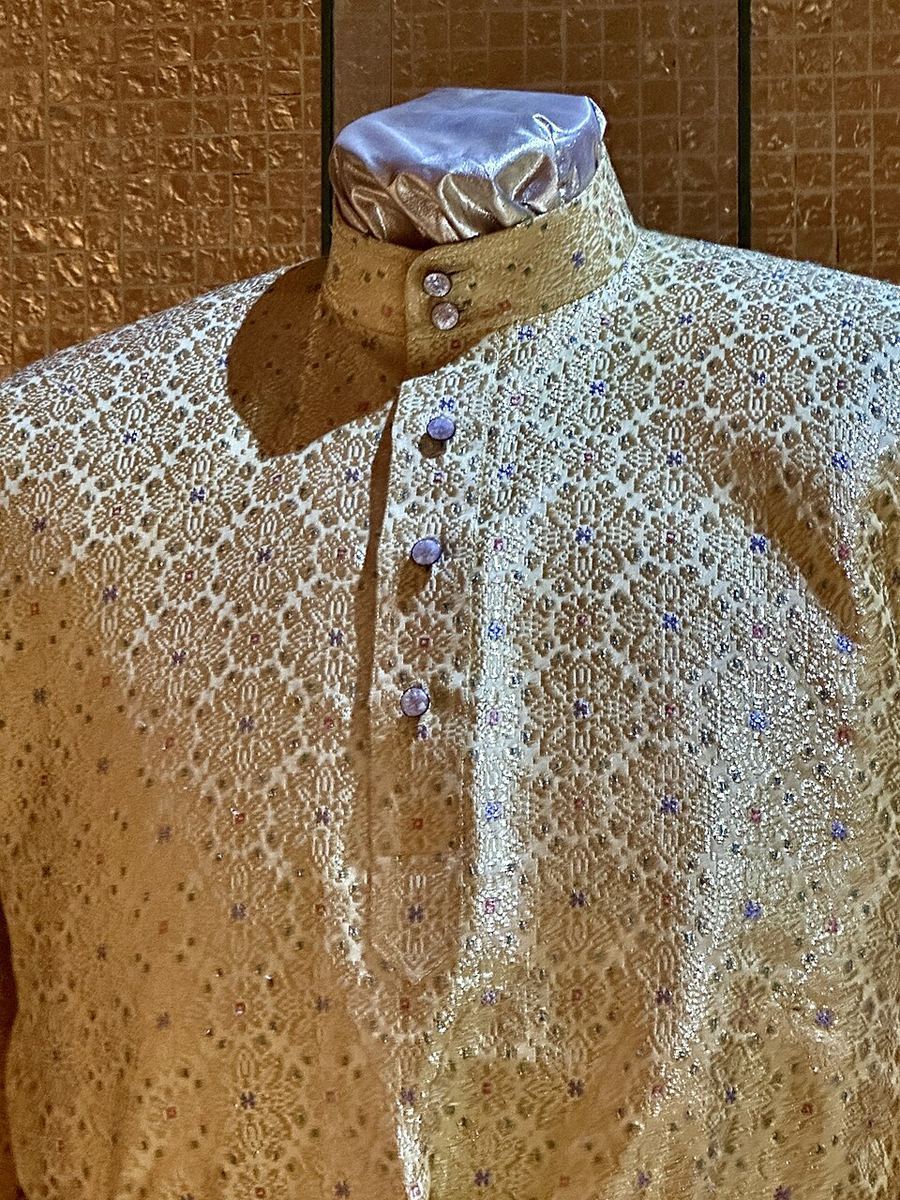
Bruneian national dress is the Malay costume worn in its most formal register. Men wear the baju cara Melayu, a long-sleeved collarless shirt over matching trousers, with the samping — a length of woven cloth, usually songket shot with gold or silver thread — wrapped over the trousers from waist to knee, and a songkok or, for ceremonial occasions, a dastar headcloth folded into a stiff peaked form. A keris may be worn tucked into the samping at court occasions, and the placement and fold of the samping and dastar carry meaning about rank and event. Women wear the baju kurung, a loose knee-length tunic over a long skirt, with a tudung headscarf, or the more fitted baju kebaya. The prestige textile is jong sarat, Brunei's own supplementary-weft songket, woven on backstrap looms in patterns such as silubang bunga and air muleh; a full jong sarat takes weeks and is a required element of a bride's ceremonial dress. Royal ceremonial dress adds elaborate gold ornament, and the regalia of state — crown, sceptre, ceremonial spears — is displayed permanently at the Royal Regalia Museum.

Sports & Inspiring Athletes

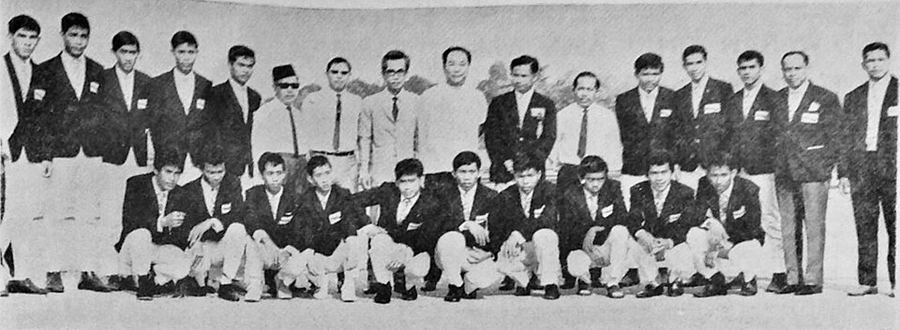
Football is the most popular sport by a wide margin. Brunei's distinctive contribution is Duli Pengiran Muda Mahkota Football Club, known as DPMM FC, which since 2009 has competed not in a Bruneian league but as a foreign entrant in Singapore's top division, winning the championship in 2009 and 2015 — an arrangement without close parallel in world football. The national team has had a difficult history, including a FIFA suspension between 2009 and 2011 over government interference in the federation, and rarely progresses in regional qualifying. Sepak takraw, badminton and pencak silat are widely played and are Brunei's most competitive disciplines at Southeast Asian level, with silat also carrying cultural weight as a Malay martial art performed at weddings and ceremonies. Traditional games retain a formal place: gasing, the spinning of large hardwood tops, and congkak are played at festivals and taught as heritage. Golf, polo — a royal enthusiasm with facilities at Jerudong — sailing, futsal and athletics complete the picture, and the Hassanal Bolkiah Trophy has long served as a regional youth football tournament hosted by Brunei.

Notable Educational Programs

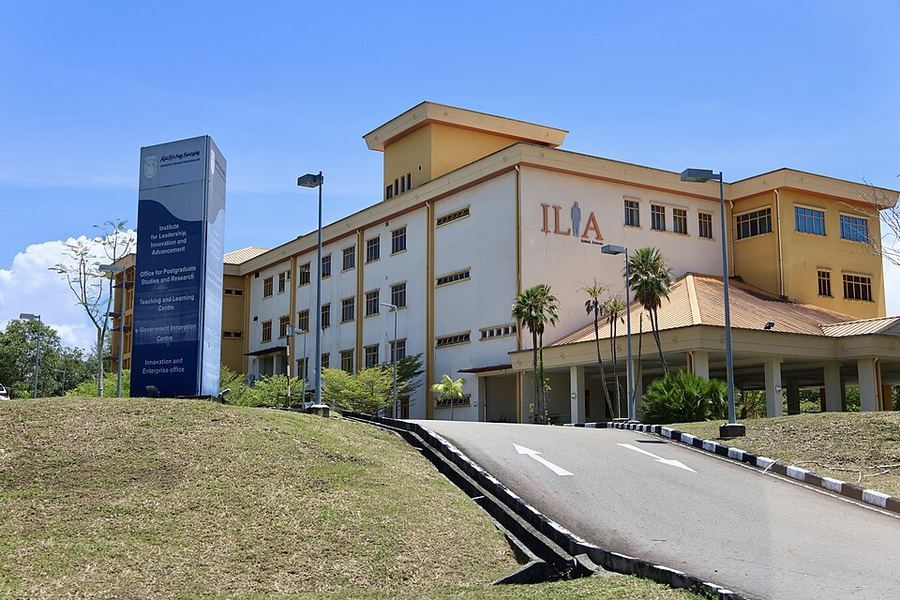
Education is free for Bruneian citizens from primary school through university, including textbooks and, for those who qualify, government scholarships to study abroad — an entitlement funded directly from hydrocarbon revenue. Schooling has been formally bilingual since a 1985 policy that teaches mathematics and science in English while Malay, Islamic religious knowledge and Malay Islamic Monarchy studies are taught in Malay, and religious instruction at ugama schools runs in parallel with the mainstream system and is compulsory for Muslim children. The SPN21 framework introduced from 2009 restructured the system toward a 21st-century curriculum with more flexible pathways after lower secondary. Students sit Brunei-Cambridge O-level and A-level examinations. Higher education is provided by Universiti Brunei Darussalam, founded in 1985 and the country's flagship institution with a required overseas or entrepreneurial year in its discovery programme; Universiti Islam Sultan Sharif Ali, established in 2007 for Islamic studies and sharia law; Universiti Teknologi Brunei; and Politeknik Brunei for technical and vocational qualifications. Adult literacy is high. The persistent policy concern is diversifying graduate employment beyond a public sector and energy industry that cannot absorb every cohort.

Wars & Conflicts

Brunei has fought no war since the Second World War and faces no armed threat, but its formal legal condition is unusual: the state of emergency proclaimed during the Brunei Revolt of December 1962 has been renewed every two years since and has never been lifted, giving the Sultan power to rule by decree. That revolt, launched by the North Kalimantan National Army in sympathy with the Parti Rakyat Brunei and against joining Malaysia, was suppressed within days by British forces flown from Singapore, and the party was banned; the episode ended organised opposition politics in the country. Japanese occupation from 1941 to 1945 and the associated destruction, including the Allied bombardment of the Seria oilfields, is the last major armed episode on Bruneian soil. A British Army Gurkha battalion has been garrisoned at Seria since independence under a bilateral arrangement funded by the Sultan, alongside a separate Gurkha Reserve Unit. Brunei's international friction is over human rights rather than security: the phased introduction of a sharia penal code from 2014, and the announcement in April 2019 that its most severe punishments would take effect, drew condemnation from United Nations bodies and rights organisations and prompted international boycotts, after which the Sultan extended the country's long-standing de facto moratorium on executions to the new code.
ReutersBBCAmnesty InternationalHuman Rights WatchUN
Current as of 2026-08-06

Land & Border Disputes

Brunei is the quietest of the South China Sea claimants. It asserts an exclusive economic zone and continental shelf extending north from its coast that encompasses Louisa Reef and overlaps areas within China's expansive nine-dash line claim, but unlike the other claimants it occupies no feature, garrisons no reef and rarely comments publicly, preferring to manage the question through ASEAN's negotiation of a code of conduct and through its own commercial relationships. Its other significant boundary question is with Malaysia. Limbang, the Sarawak district that splits Bruneian territory into two, was ceded in 1890 and was long the subject of a Bruneian claim; an exchange of letters between the two governments in 2009 settled the land boundary and resolved competing rights over the offshore oil and gas blocks known as L and M through a commercial arrangement, though Brunei publicly disputed reports that it had thereby surrendered the Limbang claim, leaving the matter formally ambiguous rather than closed. Maritime delimitation with Malaysia in the waters off both parcels of Bruneian coast has been the practical substance of the relationship, and both states have kept it out of litigation.
Land, Life & Legacy

Land & Climate

Brunei consists of two separate parcels of land on the northwest coast of Borneo, divided by the Limbang valley of Malaysian Sarawak; the smaller eastern parcel is the Temburong district, reachable overland only through Malaysia until the thirty-kilometre bridge across Brunei Bay opened in 2020. The larger western portion holds the districts of Brunei-Muara, Tutong and Belait, with a narrow coastal plain of beaches, mangrove and peat swamp rising to hills inland. The highest point, Bukit Pagon at about 1,850 metres, stands on the Temburong border. The climate is equatorial: hot, uniformly humid, with heavy rainfall throughout the year and no true dry season, and the country lies outside the typhoon belt. Brunei's most remarkable environmental feature is what it has not done — over seventy percent of the land remains forested, a very large share of it undisturbed primary lowland and montane rainforest, because oil and gas revenue removed the incentive to convert land to timber and oil palm that reshaped neighbouring Borneo. Ulu Temburong National Park protects a large tract of it, and Brunei is a founding partner in the trilateral Heart of Borneo conservation initiative agreed in 2007.

Entertainment

Leisure in Brunei is family-centred, alcohol-free and heavily oriented to eating out and to the outdoors. Ulu Temburong National Park, reached by longboat up the Temburong and Belalong rivers, offers a canopy walkway high in the rainforest and is the country's flagship excursion. Water taxis dart across the river to Kampong Ayer, and boat trips into Brunei Bay's mangroves reliably find proboscis monkeys and saltwater crocodiles. Tasek Merimbun, the largest natural lake and an ASEAN Heritage Park, and the beaches at Muara, Tungku and Seri Kenangan are weekend destinations. Jerudong Park Playground, built at extraordinary expense in the 1990s and originally free to enter, remains a national landmark, as does the Empire complex at Jerudong, built as a royal guesthouse and now a hotel and golf course. Shopping malls, particularly around Gadong, function as evening social space, and the Gadong and Kianggeh markets draw crowds for food. Football, jogging, badminton, fishing and cycling are widely practised, and many Bruneians drive across the border to Miri in Sarawak for entertainment unavailable at home.

Art & Museums

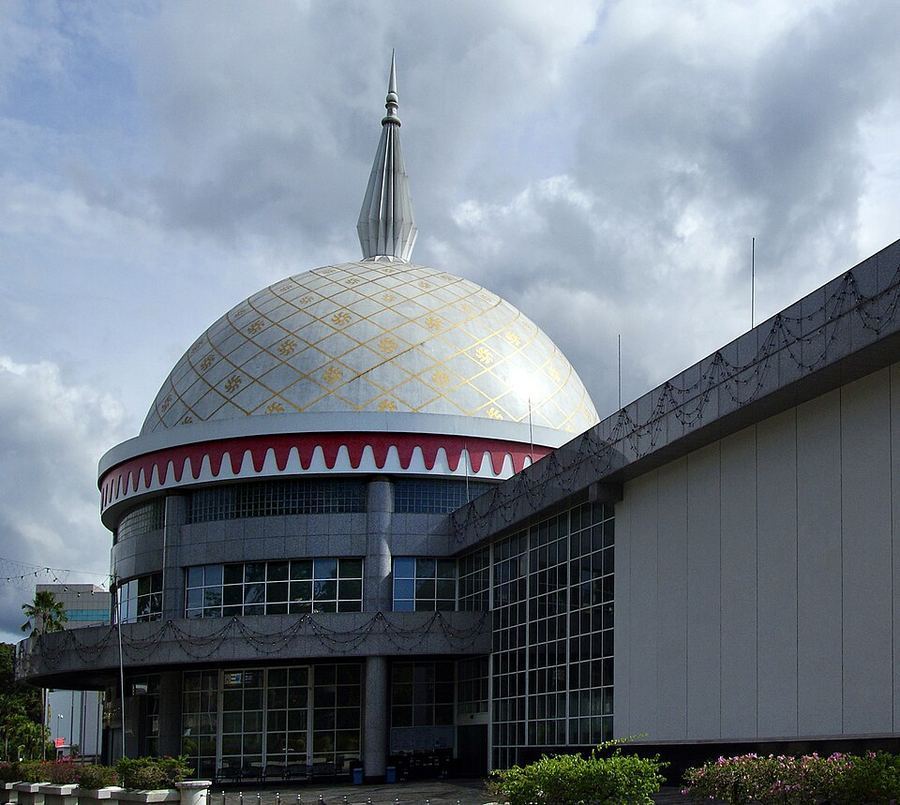
Brunei's artistic tradition is Islamic and courtly, weighted toward craft, calligraphy and architecture rather than figurative painting. Its historic speciality was metalwork: Brunei brass casting produced kettles, betel containers, ceremonial gongs and bronze cannon of such quality that the cannon circulated as prestige objects and currency across Borneo, and examples are held in museums internationally. Silversmithing produced betel sets, belt buckles and filigree work, and the keris, its hilt and sheath carved and inlaid, is both weapon and regalia. Textile art centres on jong sarat songket weaving. The Arts and Handicraft Training Centre, established in Bandar Seri Begawan in the 1970s specifically to prevent these skills from dying out, teaches weaving, silverwork, brass casting, basketry and keris-making to young Bruneians and sells the output. Islamic calligraphy in Arabic and Jawi is the dominant graphic art, deployed across mosque interiors. The Brunei Museum at Kota Batu holds the archaeological collections of the old sultanate, including Chinese trade ceramics excavated from the royal burial ground, and the Royal Regalia Museum displays the ceremonial objects of the monarchy.

Notable People

Sultan Bolkiah, the fifth sultan and the ruler under whom Brunei reached its greatest extent around the turn of the sixteenth century, is remembered as the empire-builder; the mausoleum attributed to him stands at Kota Batu. Sultan Omar Ali Saifuddien III, who reigned from 1950 to his abdication in 1967, is called the architect of modern Brunei: he built the mosque that bears his name, negotiated the 1959 constitution, and steered the state away from federation with Malaysia. His son, Sultan Hassanal Bolkiah, has reigned since 1967 and led the country to independence in 1984, making him one of the longest-serving heads of state in the world. Pengiran Haji Yusuf, who wrote under the name Yura Halim, composed the words of the national anthem and later served as chief minister. Among younger royals, Prince Abdul Mateen has become the most internationally recognised figure, a polo player whose 2024 wedding drew wide coverage. Outside the palace, the actor and singer Wu Chun, born in Bandar Seri Begawan, found fame across Chinese-speaking Asia, and Maziah Mahusin became Brunei's first female Olympian in 2012.

Inventions & Breakthroughs

Brunei's record lies in craft technique and industrial firsts rather than in invention as usually understood, and the honest account is a short one. Its historic technical distinction was brass and bronze casting: Brunei foundries supplied cannon, gongs and vessels across Borneo and the southern Philippines for centuries, and lantaka swivel guns of Bruneian manufacture served as currency and as diplomatic gifts. The processing of sago pith into edible ambulung starch, the basis of ambuyat, is an old Bornean food technology that Brunei has kept in daily use where neighbours have not. Jong sarat weaving carries its own repertoire of supplementary-weft patterns. In the modern era Brunei's contribution has been to energy infrastructure: the Brunei LNG plant at Lumut, commissioned in 1972, was among the first large-scale liquefied natural gas export facilities anywhere and effectively opened the Asian LNG trade with long-term supply to Japan, establishing the contractual model the industry followed for decades. In 2020 Brunei was the loading point for the first demonstration of an international hydrogen supply chain, shipping hydrogen to Japan bound chemically into methylcyclohexane.
Encyclopaedia BritannicaIEABritish Museum

Science & Technology

Brunei's applied science is dominated by hydrocarbons. The Brunei LNG facility at Lumut, operating since 1972, was one of the world's first large liquefaction and export plants and its long-term contracts with Japanese buyers helped establish the template for the global LNG trade; the Brunei Shell Petroleum joint venture has driven offshore engineering in the region for decades, and the Hengyi refinery and petrochemical complex on Pulau Muara Besar, commissioned in 2019, marked a shift toward downstream processing. In 2020 Brunei served as the loading terminal for the first demonstration of an international hydrogen supply chain, in which hydrogen produced from Bruneian gas was bound into methylcyclohexane, shipped to Japan and released there — a proof of concept closely watched in energy research. The country's other scientific strength is rainforest biology: the Kuala Belalong Field Studies Centre in Temburong, developed after a major Royal Geographical Society expedition in the early 1990s, supports long-term work on Bornean canopy ecology, dipterocarp forests and biodiversity, and Universiti Brunei Darussalam's Institute for Biodiversity and Environmental Research anchors the national programme.
IEANatureScienceEncyclopaedia Britannica
On The World Stage

Champions & Defining Moments

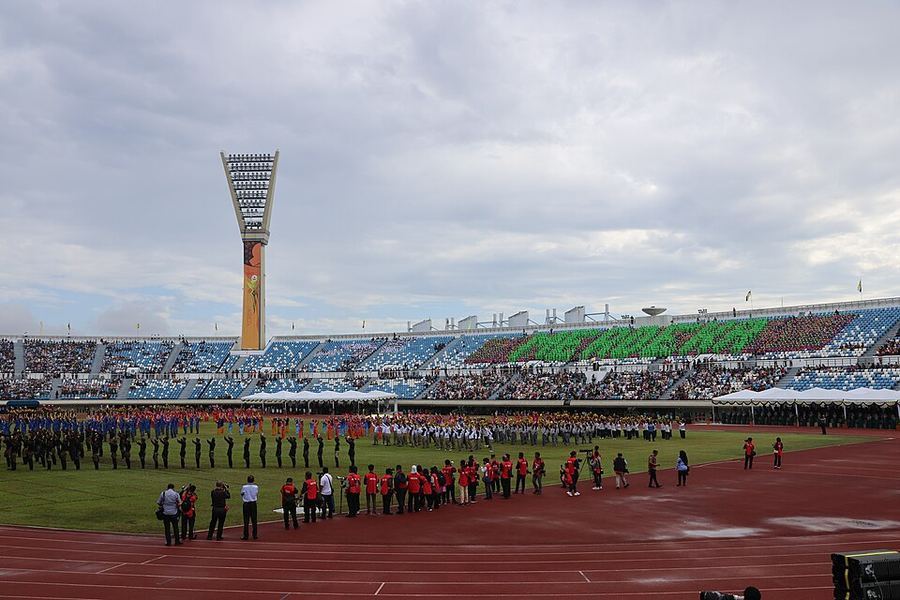
Brunei's international sporting record is slight, and parts of it are notable for the wrong reasons. The country has competed at the Olympic Games since 1996 and has never won a medal; it registered no athletes for the 1988 Games, and in 2008 it was excluded from the Beijing Olympics after failing to complete the registration of its entrants, leaving it among the very few nations absent. Maziah Mahusin, a hurdler, became Brunei's first female Olympian at London in 2012, in the Games at which the last three countries never to have sent women — Brunei, Qatar and Saudi Arabia — all did so. At regional level Brunei has been more present: it hosted the Southeast Asian Games in Bandar Seri Begawan in 1999 and has taken medals across silat, sepak takraw, shooting, bowling and athletics at successive editions. DPMM FC's two Singaporean league titles remain the country's most substantial team achievement, and the club also won the ASEAN club championship. Brunei competes at the Commonwealth Games and the Asian Games without having reached the podium at either.

IOCOlympediaReutersCommonwealth Games Federation
Economy, Trade & Government

Currency & GDP

Brunei Dollar — BND ($)

GDP (PPP): $36.64 billion (2024 est.)

Per capita: $79,200 (2024 est.)

Exports

$11.483 billion (2024 est.)

refined petroleum, natural gas, crude petroleum, hydrocarbons, fertilizers (2023)

Partners: Australia 21%, Japan 17%, China 17%, Singapore 16%, Malaysia 6% (2023)

Imports

$9.11 billion (2024 est.)

crude petroleum, gold, refined petroleum, coal, cars (2023)

Partners: Malaysia 23%, UAE 10%, China 10%, UK 10%, Australia 6% (2023)

Government

Type: absolute monarchy or sultanate

Independence: 1 January 1984 (from the UK)

Terrain → Where People Live

How mountains, coasts, and rivers shape settlement (LandScan).

Coming — data

Migration & Ethnic Settlement

Where groups settled and how people move (GeoEPR + UNHCR).

Coming — data

Universities

Notable institutions, mappable as points.

Coming — data
Economy & government facts: CIA World Factbook (public domain), via OpenFactBook / factbook.json.
Every fact and narrative claim will carry a visible source citation. Data-driven sections light up automatically wherever HERA has coverage.