HERA · Human Entity Reference Atlas by Masego Inc

← Central African Rep. 🌐 3D View
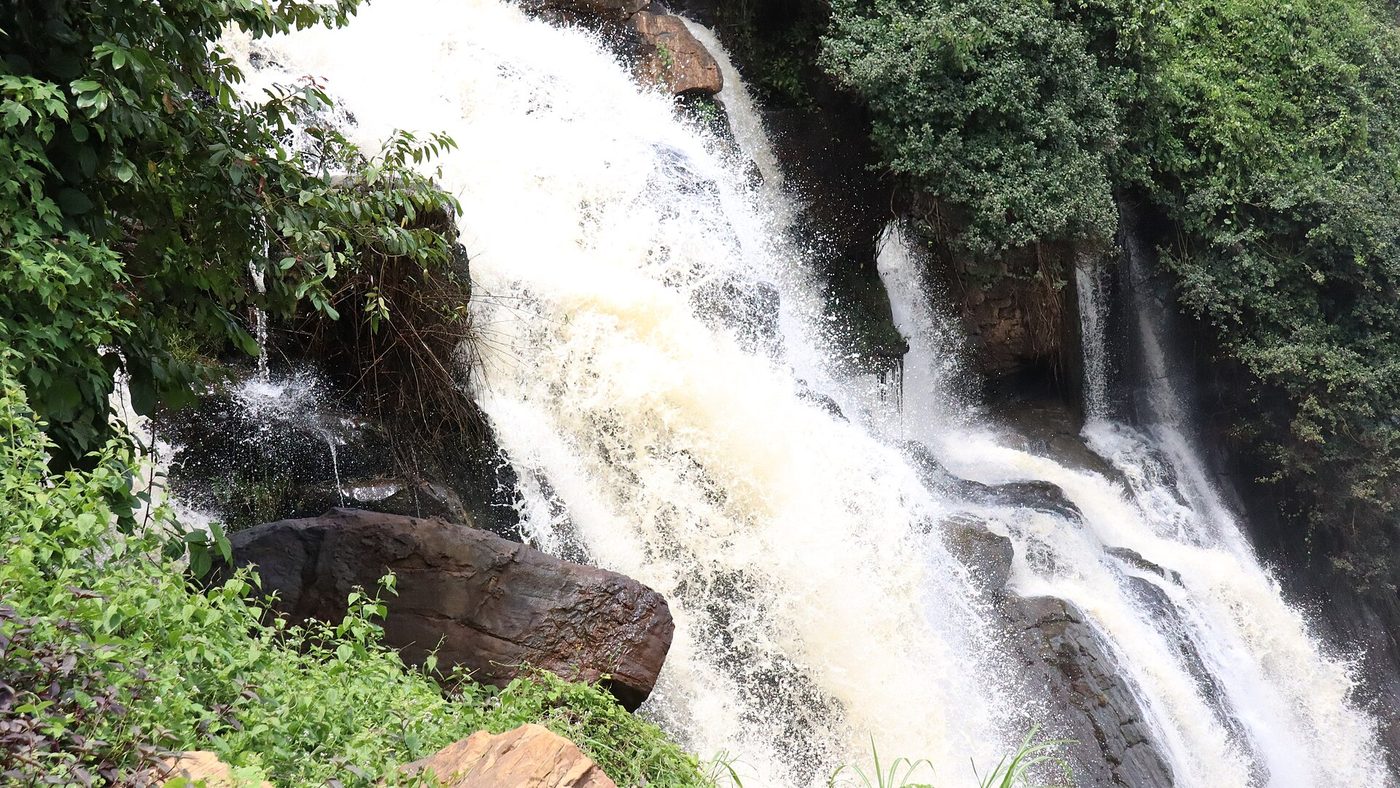
Chute boali, Central African Rep.
Central African Rep. CAF
Chute boali — Photo: Kondotikodro / CC BY-SA 4.0 via Wikimedia Commons
Did You Know The men's basketball team won the African championship in 1974 and again in 1987, making a country of under six million people one of the continent's historically successful basketball nations. — Olympedia

The Central African Republic is a landlocked state of about 5.8 million people at the geographical centre of the continent, bordered by Chad, Sudan, South Sudan, the two Congos and Cameroon. Its 623,000 square kilometres rise from the rainforests of the Lobaye and Sangha in the south-west to wooded savanna and, in the north-east, the dry approaches to the Sahel. The capital, Bangui, sits on the Ubangi River facing the Democratic Republic of the Congo. The country takes its colonial name, Ubangi-Shari, from the two river systems that drain it. Independence from France came on 13 August 1960. French is the official language and Sango, a creole grown out of the Ngbandi of the river trade, is the national one and is spoken almost universally — an unusual degree of linguistic unity for a country with as many ethnic groups as this one. About three-quarters of the population is Christian and around fourteen per cent Muslim. Despite diamonds, gold, timber and some of Africa's least disturbed forest, the Central African Republic has among the world's lowest measured incomes, a consequence of repeated coups and two decades of armed conflict.

CIA World FactbookWorld BankEncyclopaedia BritannicaUN
Population
5,750,570
Capital
Bangui
Currency
Fr XAF
Time zones
Largest city
Bangui
Human Geography Themes
Loading national figures…
Largest Cities
Bangui1,270,414
Badokwa99,211
Carnot90,317
Bouar71,859
Bambari66,173
Bria53,673
Nola50,105
In Perspective

Bangui's urban core is home to about 1,270,414 people.

That's bigger than Amsterdam — each a great world city in its own right.

Bangui1,270,414
Amsterdam1,223,407

Among the world's megacities, though, it's one of many — the giants of Asia and Latin America run larger still:

Bangui1,270,414
Jakarta40,545,126
Dhaka37,307,160
Tokyo33,244,670
Shanghai30,678,616
Cairo25,230,325
The Country & Its People

History

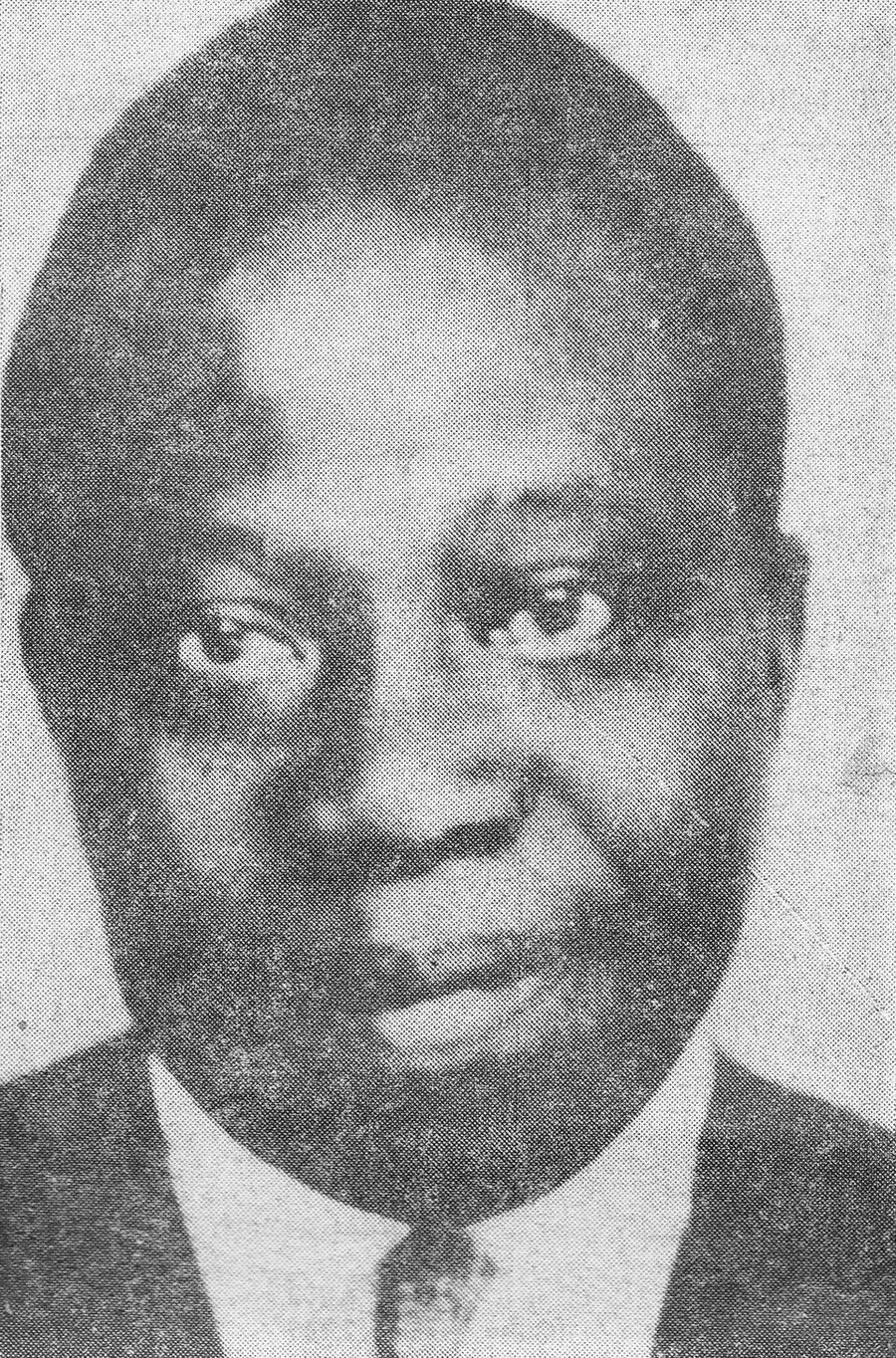
The Ubangi basin was for centuries a zone of small chiefdoms and forest communities heavily depopulated by the slave raids that pushed south from Darfur and Wadai in the nineteenth century. France established the colony of Ubangi-Shari in the 1890s and leased most of it to concession companies whose rubber and ivory quotas produced abuses documented at the time; resistance culminated in the Kongo-Wara rebellion of 1928 to 1931, one of the largest anti-colonial risings in French Equatorial Africa. Barthélémy Boganda, a former Catholic priest who founded the Movement for the Social Evolution of Black Africa in 1949, became the country's political father and argued for a wider united state across the region; he died in an unexplained plane crash in March 1959, months before independence. His cousin David Dacko took office in 1960. Colonel Jean-Bédel Bokassa seized power at the end of 1965 and in December 1977 crowned himself emperor in a Bangui ceremony that consumed much of the national budget; France removed him in 1979 and restored Dacko. Ange-Félix Patassé, elected in 1993, was overthrown by François Bozizé in 2003, and Bozizé in turn by the Séléka coalition in 2013.
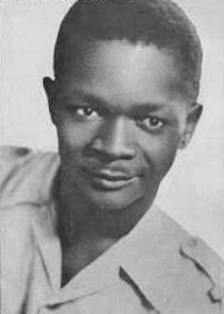
History, Central African Rep.
Unknown authorUnknown author / Public domain

Culture

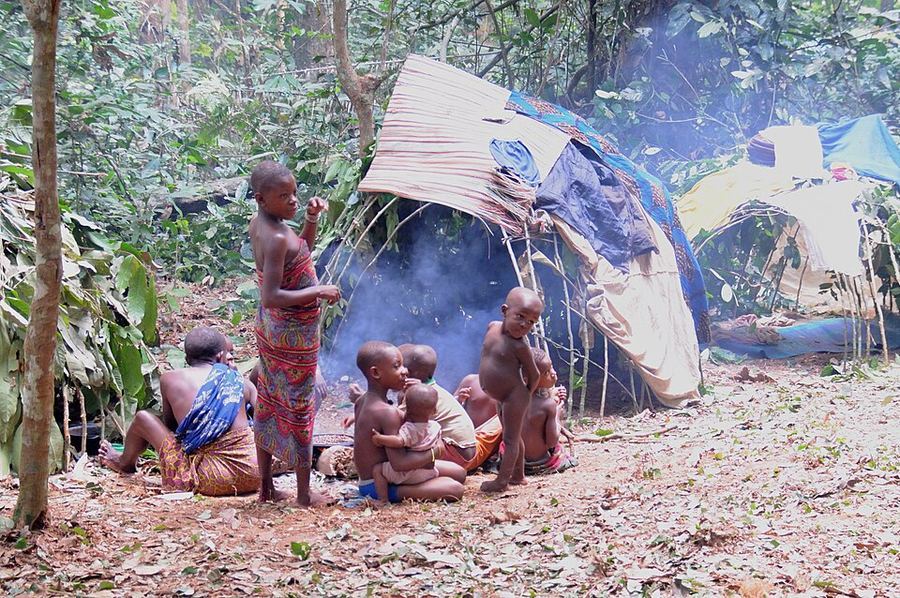
Central African society is organised around extended lineage, seniority and reciprocal obligation, and the country's cohesion owes a great deal to Sango, which allows a Gbaya farmer from the west, a Banda from the centre and a Zande from the south-east to speak to one another without French. The Gbaya, Banda, Mandjia, Sara, Mbaka and Zande-Nzakara are the largest of the groups, each with its own initiation cycles, funeral rites and oral repertoire. In the south-western forests the Aka, one of central Africa's hunter-gatherer peoples, maintain a distinct way of life built on net hunting, honey gathering and an egalitarian ethic in which meat and information are shared and no one gives orders — a social pattern anthropologists have studied for decades. Storytelling, riddling and proverb exchange remain live oral forms rather than museum pieces, and the evening gathering at which an elder narrates is still a working institution in villages without electricity. Christianity, arriving with missions in the twentieth century, layers over rather than replaces ancestral practice: roughly one in eight Central Africans is recorded as following an ethnic religion, and many more combine the two.
Culture, Central African Rep.
Sander van / Public domain

Points Of Pride

The Aka polyphonic singing tradition of the south-western forests is the country's most celebrated cultural asset: an unconducted, densely interlocking vocal music in which several independent parts are improvised simultaneously against a repeating pattern, proclaimed by UNESCO in 2003 and inscribed on its intangible heritage lists thereafter. Musicologists rank it among the most sophisticated polyphonies documented anywhere. The Dzanga-Sangha forest in the extreme south-west, part of the Sangha Trinational World Heritage property inscribed in 2012 with Cameroon and the Republic of the Congo, contains the clearings known as bais where dozens of forest elephants gather in the open — among the few places on earth where the species can be observed at scale. Manovo-Gounda St Floris National Park in the north, inscribed in 1988 for its savanna wildlife, has been on the list of World Heritage in danger since 1997. Barthélémy Boganda's pan-African vision, his design for the national flag and his insistence on a wider federation are still invoked as the country's founding political idea, and the Chinko reserve in the east has become a significant conservation undertaking.
Points Of Pride, Central African Rep.
JosepMGracia / CC BY-SA 4.0

Cultural Fusion

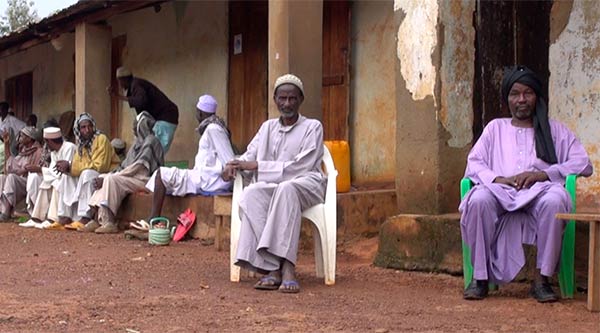
The Central African Republic sits at a genuine crossroads: Bantu languages in the forested south, Ubangian languages across the centre, Nilo-Saharan and Chadic influence in the north, and Arabic-speaking trade networks reaching down from Sudan and Chad. Sango is itself the product of that mixing, a trade creole based on Ngbandi that spread along the river during the colonial period and became the language of the army, the market and eventually the nation. French remains the language of administration and secondary schooling. Religiously, the pattern is a Christian south and centre and a Muslim north-east and river-trading class, with the Fulani, or Peuhl, herders moving seasonally across the north and increasingly southwards as the Sahel dries. That overlay of religion, occupation and origin was weaponised during the conflict after 2013, when militias reframed long-standing frictions between farmers and herders as a Christian-versus-Muslim struggle. Culturally the influence flows strongly from Kinshasa and Brazzaville: Congolese rumba and soukous are the popular soundtrack of Bangui, and Congolese fashion and slang carry with them.
Cultural Fusion, Central African Rep.
Freeman Sipila (VOA) / Public domain

Music & Dance

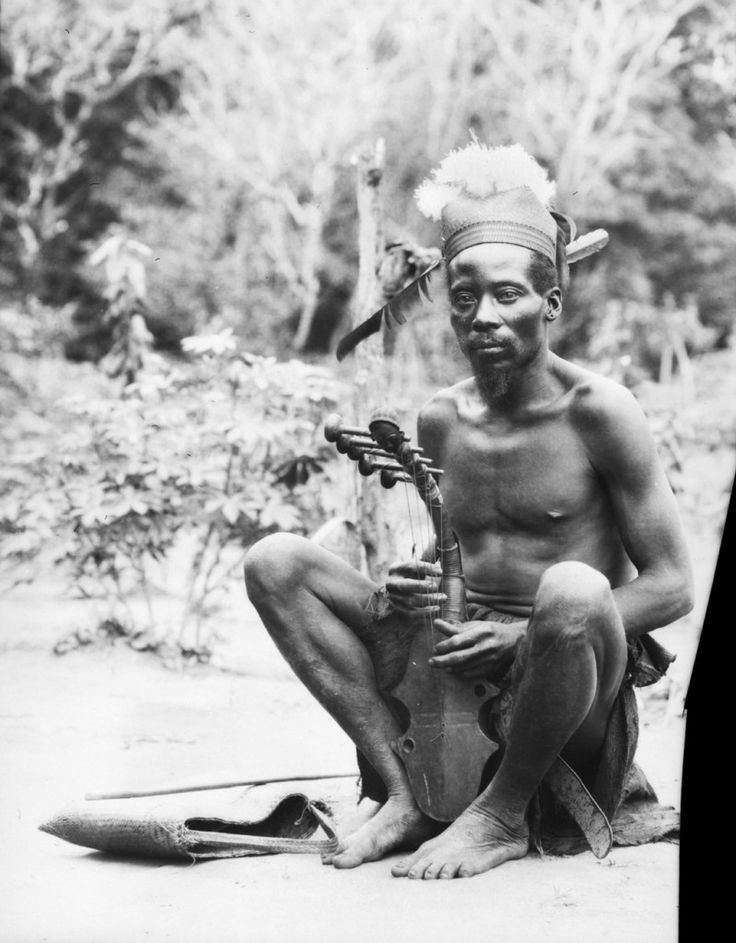
The country's musical reputation rests on the Aka, whose polyphonic singing — yodelled, layered, with each singer improvising a personal line inside a shared cycle — has been recorded and studied since the 1960s and recognised by UNESCO. Aka women also practise liquindi, water drumming, striking the surface of a forest stream with cupped hands to produce pitched percussion, a technique found in very few places. The instrumental repertoire includes the ngombi, an arched harp whose Zande and Nzakara versions are carved with a human head and figure prominently in European museum collections, the sanza thumb piano, slit drums used for signalling as much as for music, and hunting horns. Village dance is tied to initiation, marriage and mourning rather than to performance. In the towns, popular music has long been shaped by Congolese rumba and soukous from across the river, alongside a local guitar style, zokela, that emerged from the Lobaye region in the 1970s and remains a marker of Central African identity. Bangui's studios and church choirs sustain a modest recording scene despite the collapse of infrastructure during the war years.
Music & Dance, Central African Rep.
Nick Ash, Berlin / CC0

Cuisine & Misattributed Foods

Cassava is the foundation. Peeled, soaked, fermented and pounded, it becomes gozo, the stiff paste that accompanies almost every meal, with pounded yam or plantain foutou as an alternative in the forest zone. Its leaves are just as important: ngunza, cassava leaves pounded and simmered slowly with palm oil, groundnut paste and sometimes smoked fish, is close to a national dish. Groundnut sauce appears in countless variations, thickened with peanut paste and coloured with palm oil and chilli. Kanda ti nyma, meatballs or ground meat cooked with pumpkin seed and tomato and wrapped or braised, is a festival preparation. Freshwater fish from the Ubangi and Sangha — captain, tilapia, catfish — is grilled or smoked, and river towns eat far more fish than the interior. Bushmeat and forest foods, including caterpillars, termites and wild honey gathered by the Aka, are a genuine and heavily relied-upon protein source rather than a curiosity. Plantains, okra, sesame, mangoes and pineapples fill out the market, and palm wine and locally brewed millet and maize beers are the everyday drinks.
Cuisine & Misattributed Foods, Central African Rep.
Afrika Force from South Africa / CC BY 2.0

National Dress

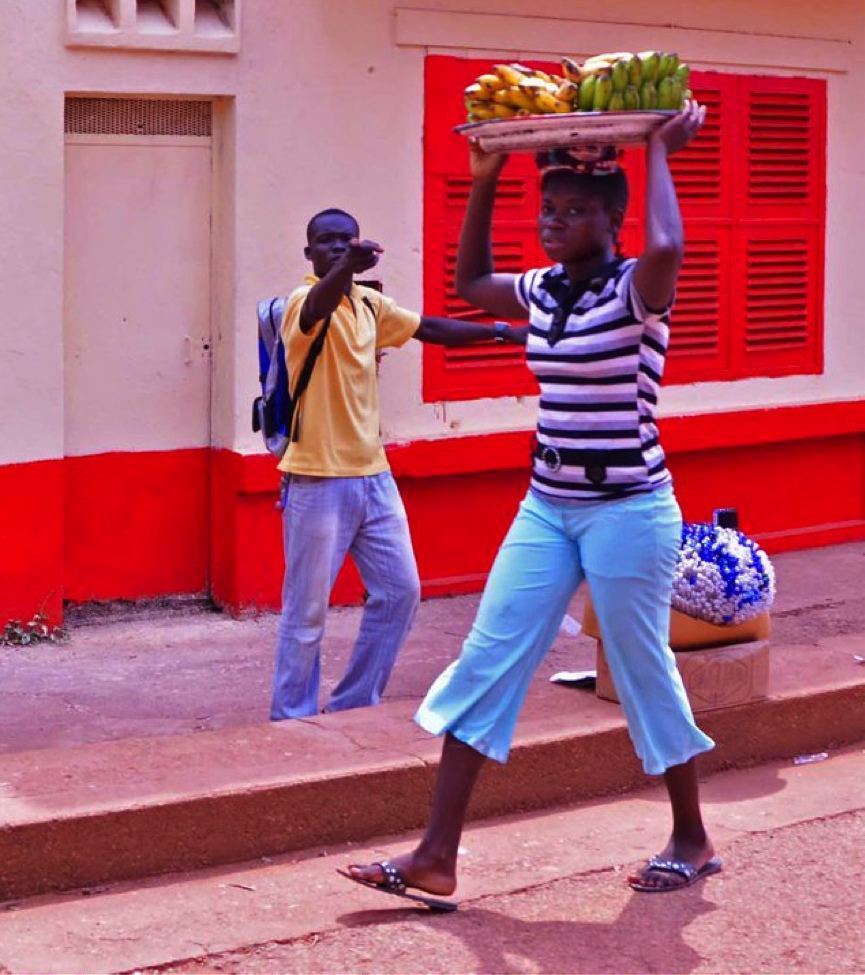
There is no single national costume; dress marks region, faith and occasion. The most widely worn garment is the pagne, a printed wax-cloth wrapper of the sort traded across west and central Africa, tied at the waist by women and paired with a matching tailored top and an elaborately folded headwrap for church, weddings and funerals. Men in the towns wear the short-sleeved tailored shirt-suit common across francophone central Africa, and in the Muslim north and among Fulani communities the flowing boubou or grand boubou with an embroidered yoke, together with a cap or turban. Formal state occasions have often mixed European tailoring with locally printed cloth commissioned for the event, a practice that reached its extreme in the coronation regalia of 1977. Among the Aka of the south-western forests, bark cloth beaten from the inner bark of forest trees and dyed with vegetable pigment is still made and worn for dances and ceremonies, and body painting with pigment from crushed bark and clay accompanies it. Beadwork, brass anklets and scarification patterns historically identified lineage in several central groups.
National Dress, Central African Rep.
Coordenação-Geral de Observação da Terra/INPE / CC BY-SA 2.0

Sports & Inspiring Athletes

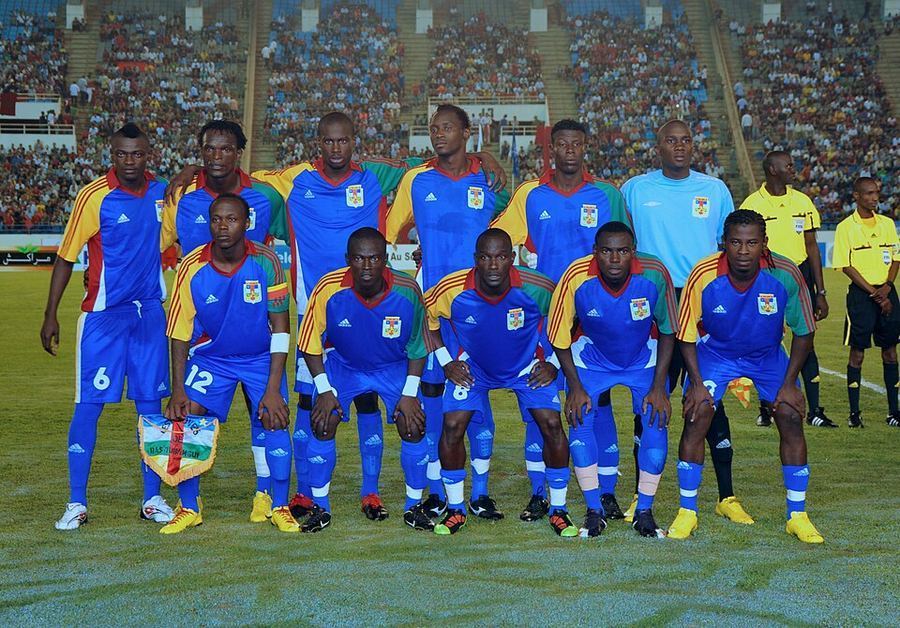
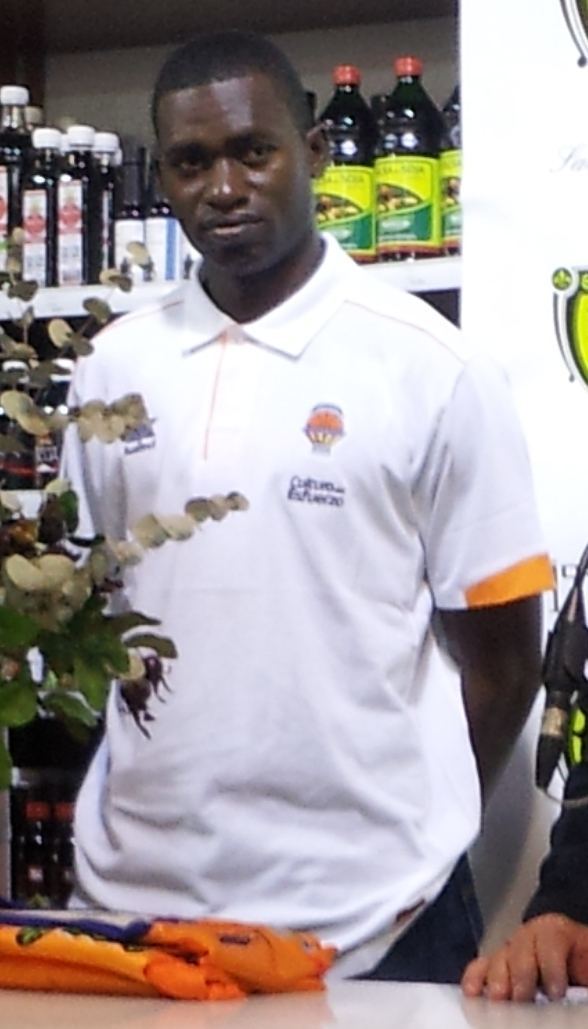
Basketball, unusually for a francophone central African state, is the sport in which the Central African Republic has been genuinely competitive at continental level, and the game has a strong following in Bangui's schools and neighbourhood courts. Football is nonetheless the mass participation sport: the men's national team, nicknamed Les Fauves du Bas-Oubangui, plays at the Stade Barthélémy Boganda in Bangui, and a domestic league operates intermittently around clubs based in the capital, with the best players seeking contracts in France and neighbouring countries. Handball and athletics have small federations. Traditional wrestling remains a village institution across the centre and north, contested between communities at festivals with its own rules and ceremonial. Sport has suffered severely from the collapse of public finances and from the conflict: pitches and courts have served as displacement sites, national federations have struggled to fund travel to qualifying tournaments, and several international fixtures have had to be played abroad. Church and school competitions and the informal neighbourhood leagues of Bangui have carried much of what organised sport survives.
Sports & Inspiring Athletes, Central African Rep.
mustapha_ennaimi / CC BY 2.0

Notable Educational Programs

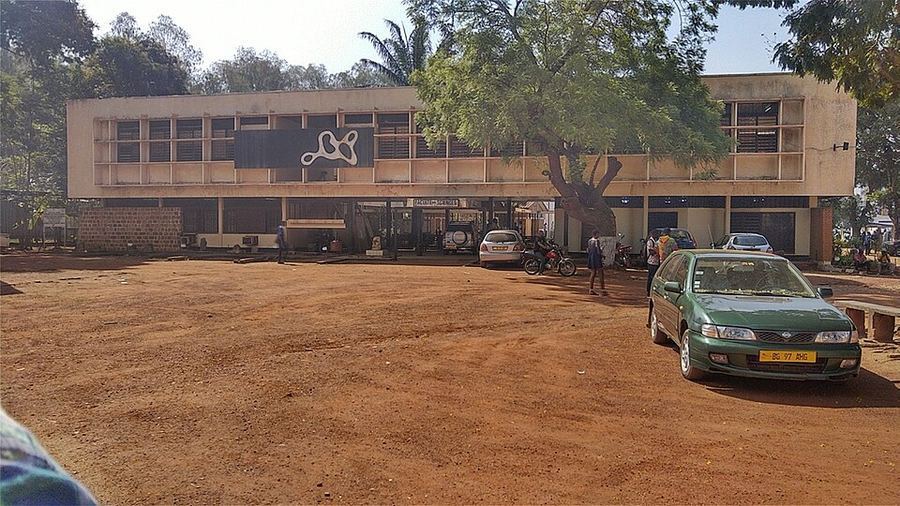
The University of Bangui, founded in 1969, is the country's only full public university and houses the faculties of science, law, medicine, letters and economics along with the higher teacher-training school; President Touadéra taught mathematics there and served as its rector, an unusual biography for a central African head of state. Below it sits a thin network of teacher-training institutes, technical colleges and a small number of private and confessional higher schools in the capital. The deeper problem is the base of the system rather than its apex. Successive conflicts have destroyed or occupied schools, displaced teachers, and left large cohorts out of education entirely; literacy remains among the lowest recorded anywhere, and girls' completion rates lag well behind boys'. Community teachers — parents paid in kind by villages because no state teacher has been posted — staff a substantial share of rural primary classrooms. UNICEF, UNESCO and non-governmental partners have run school rehabilitation, accelerated-learning and teacher-payment programmes intended to bring displaced and demobilised children back into classrooms, with results that vary sharply by prefecture and by the security situation.
Notable Educational Programs, Central African Rep.
Imoini22 / CC BY-SA 4.0

Wars & Conflicts

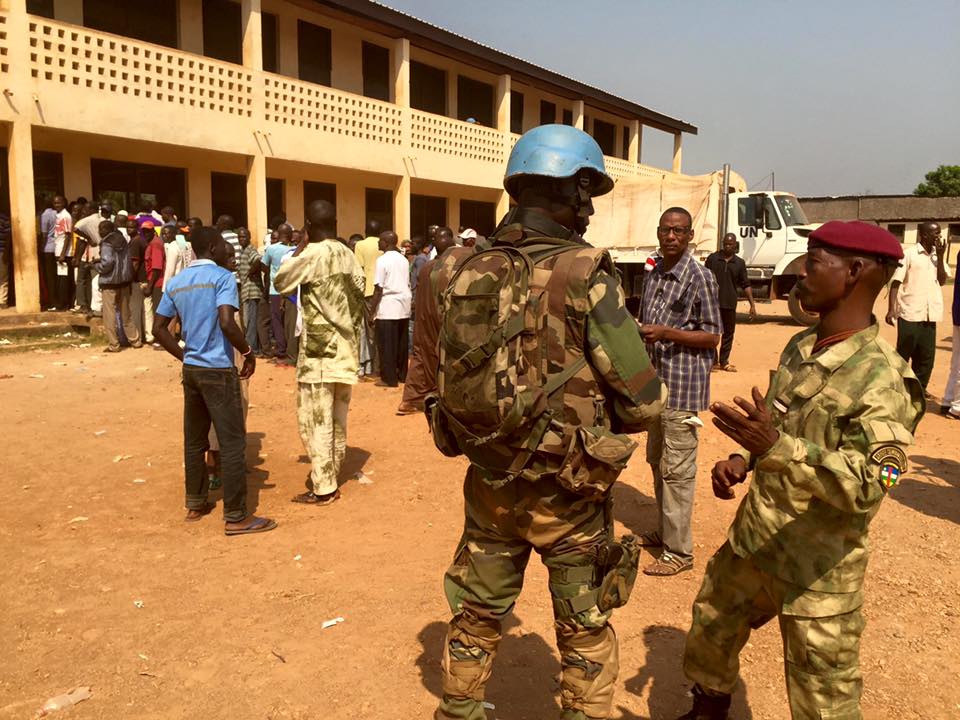
The country has been at war, on and off, since 2004. A northern rebellion against President Bozizé ran from 2004 to 2007 and was formally settled without being resolved. In December 2012 the Séléka, a coalition of mainly northern and Muslim armed groups, advanced on the capital and took it in March 2013, installing Michel Djotodia; the reprisals that followed produced the anti-balaka militias and a wave of sectarian killing that displaced a large share of the population and drove most of Bangui's Muslim community out of the city. The United Nations authorised the MINUSCA peacekeeping mission in 2014, taking over from an African Union force. A coalition of armed groups launched a fresh offensive around the December 2020 elections; the government's counter-offensive relied heavily on Russian private military contractors, whose conduct has been the subject of repeated United Nations and human rights investigations. The International Criminal Court has pursued cases arising from the violence, including the trial of the militia figures Alfred Yekatom and Patrice-Edouard Ngaïssona, which opened in The Hague in February 2021. Millions remain in need of humanitarian assistance.
Current as of 2026-08-06
Wars & Conflicts, Central African Rep.
Tatiana Mossot (VOA) / Public domain

Land & Border Disputes

The Central African Republic has no significant territorial claim against any neighbour and none is pressed against it; its frontiers, drawn by France and by Anglo-French and Franco-Belgian agreements, are accepted in principle by all surrounding states. The difficulty is not sovereignty but control. The borders with Sudan, South Sudan and Chad run for hundreds of kilometres through thinly populated savanna with no demarcation on the ground, no crossings and no state presence on either side, and the north-eastern Vakaga prefecture is closer to Khartoum's trading orbit than to Bangui's. Those frontiers have been crossed by Sudanese and Chadian armed groups, by transhumant herders moving south as the Sahel dries, and by poaching parties that have devastated the wildlife of the northern parks. The Lord's Resistance Army, driven out of Uganda, operated in the south-eastern forests for years and was pursued across the Congolese and South Sudanese borders. Refugee movements run in both directions, with Central Africans sheltering in Cameroon and Chad while Sudanese displaced by the war in Sudan have crossed the other way.
Land & Border Disputes, Central African Rep.
Alexsegrelles / CC BY-SA 3.0
Land, Life & Legacy

Land & Climate

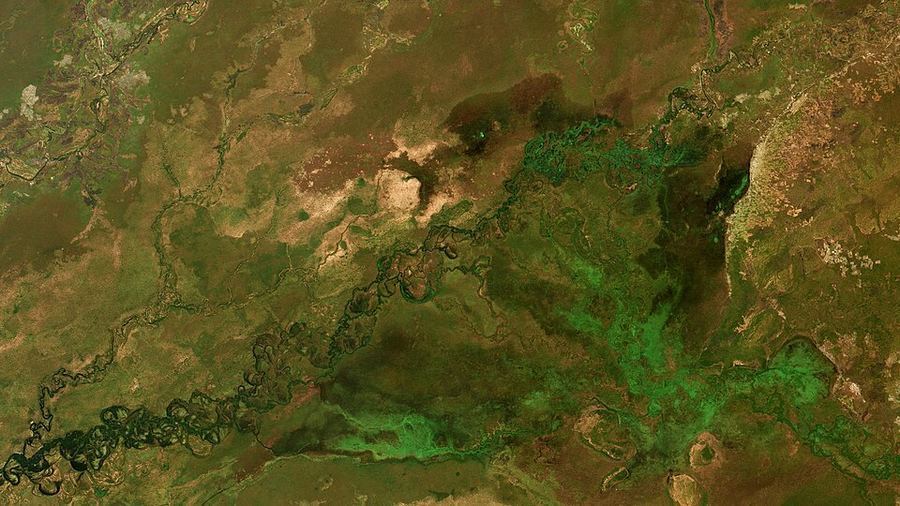
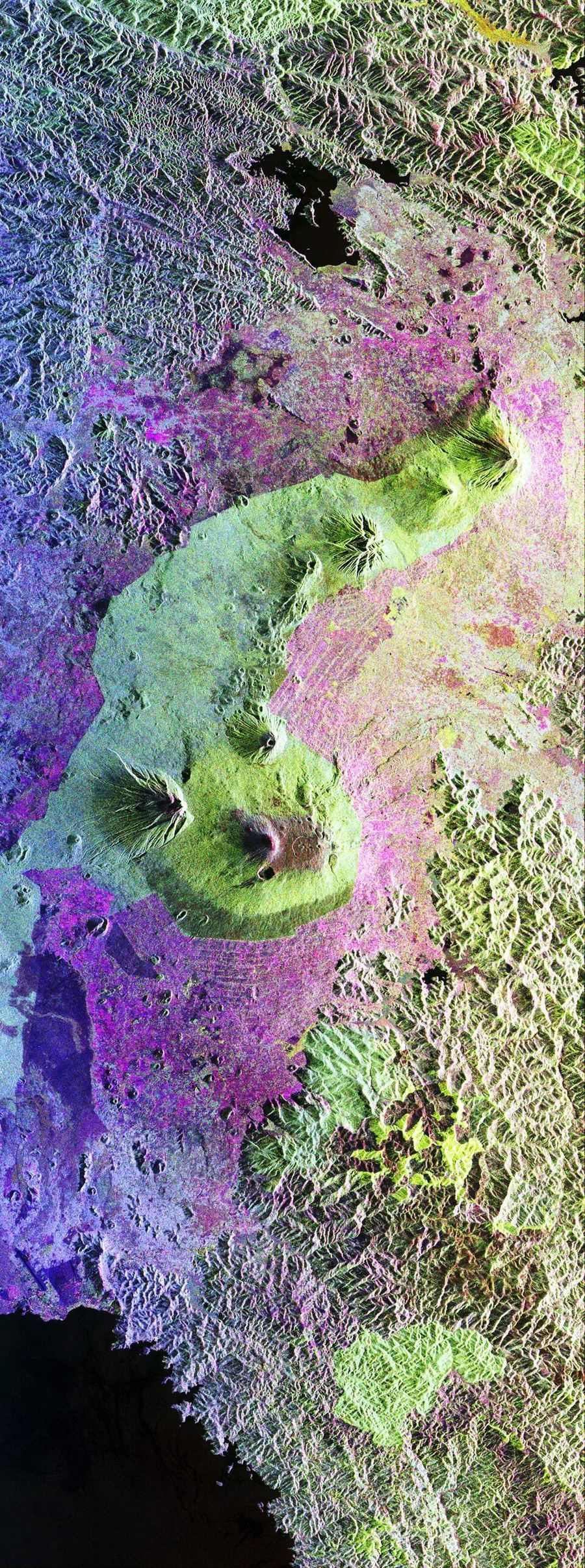
The country is a broad, gently undulating plateau between six hundred and seven hundred metres above sea level that forms the watershed between two great river systems: the Ubangi, which drains south into the Congo, and the Chari, which flows north towards Lake Chad. That divide gave the colony its name. The highest ground lies in the Bongo Massif in the north-east and along the Cameroonian frontier, where Mont Ngaoui reaches about 1,410 metres. Vegetation grades from dense equatorial rainforest in the south-west — the Lobaye and the Sangha basin, home to the Dzanga-Sangha forests — through a wide belt of wooded Guinean and Sudanian savanna across the centre, to drier Sahelian scrub in the far north-east around the Vakaga. The climate is tropical with a single long rainy season, roughly May to October in the centre, shorter in the north and longer in the south-west; the dry season brings the dust-laden harmattan down from the Sahara. Rainfall is generous by African standards, but the country is entirely landlocked and its rivers, though navigable in stretches, provide its only cheap link to the sea.
Land & Climate, Central African Rep.
Pete Chirico, USGS / CC BY-SA 1.0

Entertainment

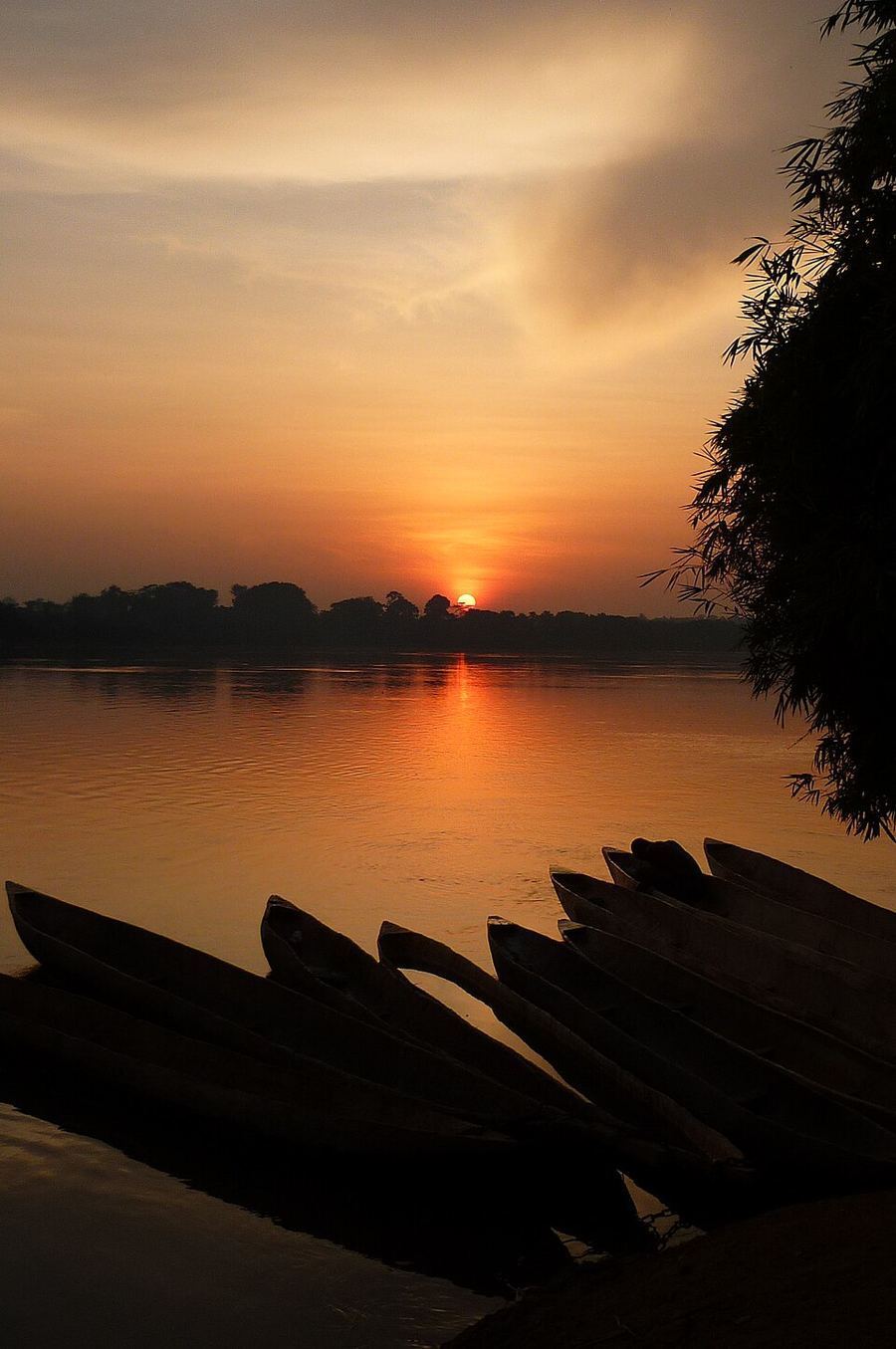
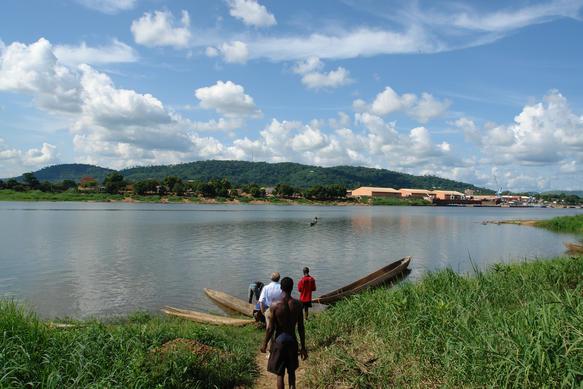
Football is played wherever there is flat ground, on dirt pitches with improvised goals, and the fortunes of European clubs are followed closely in Bangui's bars. The city's social life concentrates in its markets — the great sprawl of PK5 above all, historically the Muslim commercial quarter and later a front line — and along the Ubangi waterfront, where pirogues cross to the Congolese bank and evening drinking spots line the river. Music bars playing Congolese rumba are the standard night out. Outside the capital, leisure is bound up with the agricultural calendar: dances at harvest, wrestling matches between villages, hunting parties and long communal fishing drives on the rivers. The Boali Falls on the Mbali River, roughly a hundred kilometres from Bangui, are the nearest thing to a domestic tourist attraction and a traditional day trip for city families. Board games of the mancala family, draughts played with bottle tops, and card games fill idle hours. Two decades of insecurity have curtailed almost all of this outside the capital and the safest corridors, and international tourism has effectively ceased.
Entertainment, Central African Rep.
WIPO | OMPI / CC BY 2.0

Art & Museums

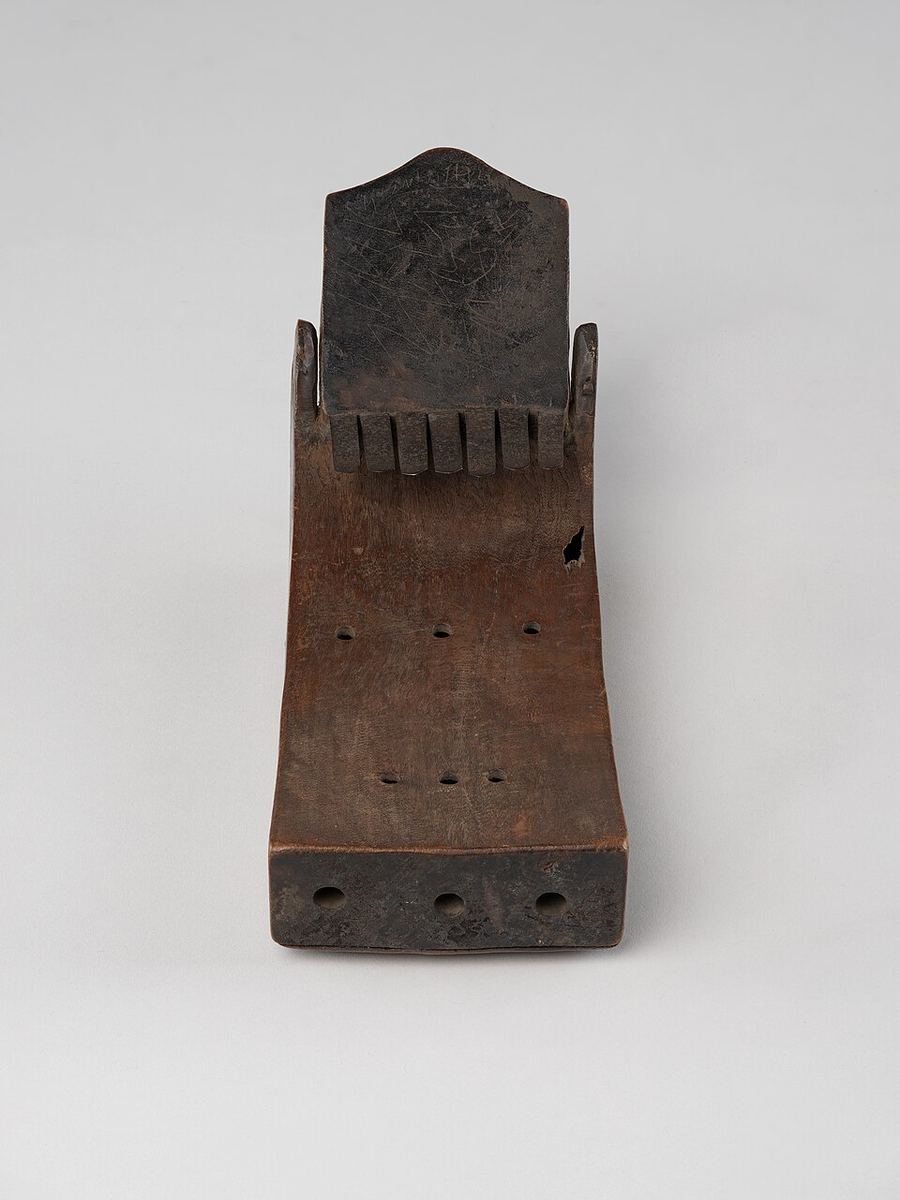
Central African sculpture is well represented in European and American museum collections even though it is little seen at home. The arched harps of the Zande and Nzakara, whose necks terminate in a carved human head and whose bodies are sometimes shaped as a full figure, are among the most admired objects of central African carving and can be found in the Musée du quai Branly and other major holdings. Masking traditions among the Gbaya and Banda, initiation figures, decorated shields, iron currency forms and finely worked basketry make up the rest of the historical repertoire, together with body arts — scarification patterns that once identified lineage across the Ubangi region and are recorded in colonial-era photography. A distinctive modern craft is the tableau made from butterfly wings, in which artisans in Bangui compose landscapes and village scenes from the iridescent wings of forest butterflies; the form is genuinely local and sold to visitors and diplomats. The Boganda National Museum in Bangui, named for the founding father, holds ethnographic and musical collections, though like most institutions it has suffered badly from looting and neglect during the conflict years.
SmithsonianEncyclopaedia BritannicaMetropolitan Museum of ArtBritish Museum
Art & Museums, Central African Rep.
Herbert Lang / Public domain

Notable People

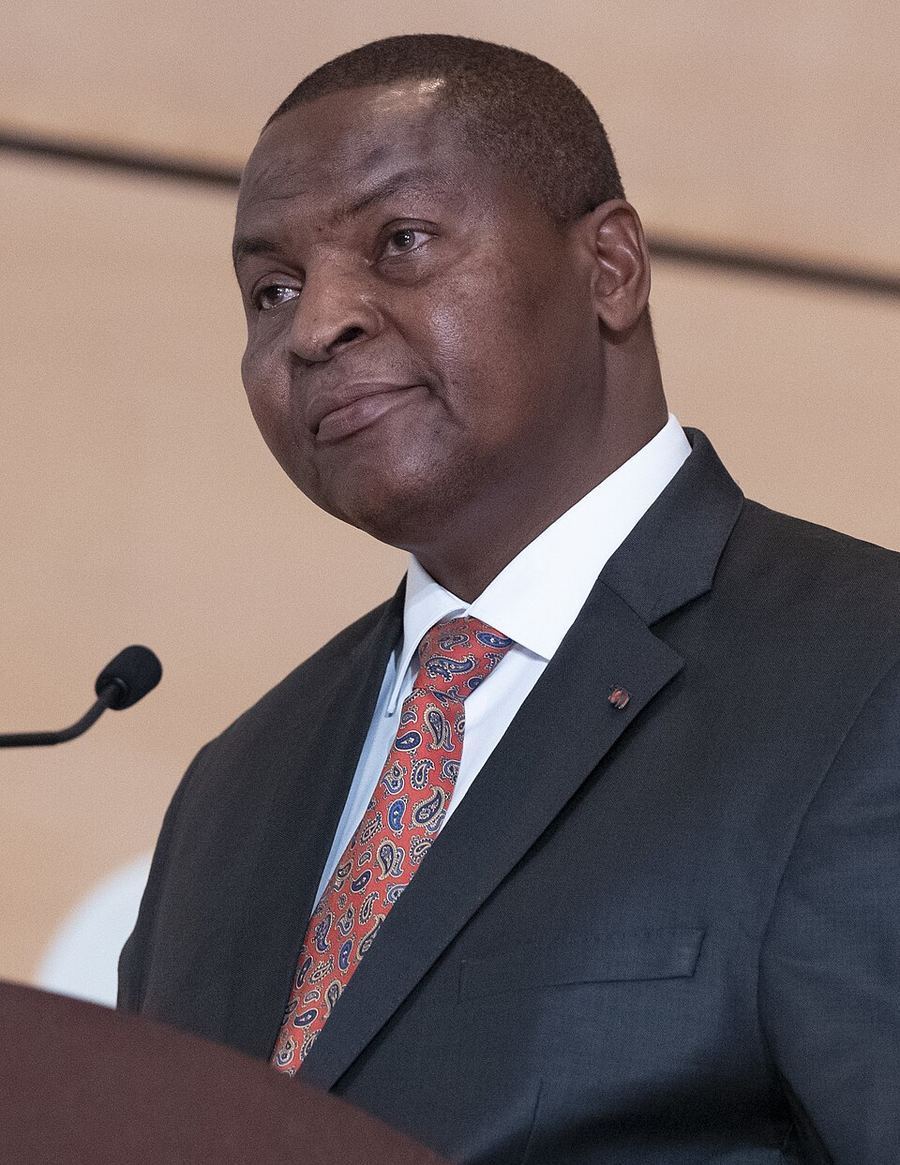
Barthélémy Boganda, the priest turned politician who founded the country's first mass party, designed its flag and coined its motto before dying in a 1959 air crash, is the unchallenged national figure. David Dacko, his cousin, became the first president. Jean-Bédel Bokassa is the most internationally notorious: army chief of staff, then president after a 1965 coup, then self-proclaimed Emperor Bokassa I from 1977 until France removed him in 1979, tried and condemned on his return in the 1980s and later pardoned. Ange-Félix Patassé and François Bozizé led the country in the 1990s and 2000s. Faustin-Archange Touadéra, president since 2016, came to politics from mathematics: he taught at the University of Bangui and served as its rector before becoming prime minister. In letters, Pierre Makombo Bamboté and Étienne Goyémidé are the country's best-known novelists, writing in French about village life and the colonial encounter. In sport, Romain Sato is the most successful export — a forward who starred at Xavier University in the United States and then had a long professional career in Europe, chiefly in Italy — and the singer Idylle Mamba is among the most visible contemporary artists.
Notable People, Central African Rep.
UNCTAD / CC BY-SA 2.0

Inventions & Breakthroughs

The Central African Republic has no record of industrial invention, and inventing one for the sake of a complete entry would be dishonest. What it does have are techniques and knowledge systems of real sophistication. Aka water drumming, in which women strike a stream's surface to produce controlled pitches, is a genuine musical invention found in almost no other tradition, and Aka polyphony is a compositional system rather than a repertoire — an improvised, unconducted, multi-part music that ethnomusicologists have had to develop new notation to describe. Aka and Mbenga forest pharmacopoeia, built on the medicinal use of several hundred forest plants, is documented ethnobotanically and has been a subject of pharmaceutical prospecting and of debate about benefit-sharing. The cassava processing chain — the soaking, fermenting and pressing sequence that renders a toxic tuber into gozo and its leaves into ngunza — is an African agricultural technology of enormous consequence and is practised here in its fullest form. On the modern side, the country's most-noticed technological gesture was political rather than technical: its brief 2022 adoption of Bitcoin as legal tender, abandoned within a year.
UNESCONatureFAOReuters
Inventions & Breakthroughs, Central African Rep.
unknown, Présence Congolaise / Public domain

Science & Technology

Scientific capacity is concentrated in two institutions. The Institut Pasteur de Bangui, established in 1961 as part of the Pasteur network, is the national reference laboratory and has been central to surveillance and diagnosis of the diseases that matter most here — mpox, for which the Congo basin has long been an endemic focus, along with HIV, tuberculosis, measles, yellow fever and the arboviruses; its work is a rare thread of continuity through the conflict years. The University of Bangui provides what training exists in medicine, agronomy and the natural sciences. The country's other research presence is ecological and largely foreign-supported: the Dzanga-Sangha complex has hosted long-running primatology and forest-elephant studies, and the Chinko reserve in the east, managed under an African Parks agreement since the mid-2010s, has combined conservation with satellite monitoring of a landscape the state cannot otherwise reach. Digital infrastructure is thin, with mobile telephony far outrunning fixed connectivity. In 2022 the government adopted Bitcoin as legal tender and launched a token scheme, a step that drew international attention and scepticism and was reversed the following year.
WHONatureUNESCOReutersScience
Science & Technology, Central African Rep.
NASA/JPL / Public domain
On The World Stage
Champions of Central African Rep.

Champions & Defining Moments

The country's outstanding international results have come in basketball. The men's national team won the African Championship — the tournament now known as AfroBasket — in 1974 and again in 1987, and reached the podium on several other occasions, a record that puts a state of fewer than six million people among the historically successful basketball nations of the continent. Romain Sato, the most prominent player it has produced, went from Bangui to Xavier University in the United States and then to a long career in the top European leagues. In football, by contrast, the men's team has yet to reach the final tournament of the Africa Cup of Nations, though it has produced players in the French leagues and came close in several qualifying campaigns. The Central African Republic has sent athletes to the Summer Olympics since 1968, competing mainly in athletics, boxing and judo, and has not won a medal. Insecurity, the absence of training facilities and the cost of international travel have kept participation minimal, and several teams have been unable to fulfil qualifying fixtures in recent cycles.

Government & Leadership

Presidential republic

Seat of the executive

Executive

Faustin-Archange Touadéra — PresidentINDEPENDENT

In office since 30 March 2016

Félix Moloua — Prime Minister

Bagassi Koura (VOA) / Public domain
The legislature

National Assembly (Assemblée nationale)

Unicameral

Composition — MCU largest party

MCU 63 · MOUNI 9 · URCA 7 · MLPC 7 · Other 34 · Independents 20

Last election 12/27/2020 to 7/25/2021 · 11.4% women

James Gillray / Public domain

Supreme Court or Cour Supreme

number of judges unknown); Constitutional Court (consists of 9 judges, at least 3 of whom are women

Economy, Trade & Government

Currency & GDP

CFA Franc BEAC — XAF (Fr)

GDP (PPP): $5.926 billion (2024 est.)

Per capita: $1,100 (2024 est.)

Exports

$425.306 million (2024 est.)

gold, wood, diamonds, vehicle parts/accessories, cotton (2023)

Partners: UAE 54%, China 14%, France 6%, Turkey 5%, Belgium 4% (2023)

Imports

$890.572 million (2024 est.)

refined petroleum, cars, packaged medicine, vaccines, tanks and armored vehicles (2023)

Partners: China 16%, Cameroon 14%, France 8%, Belgium 6%, Cote d'Ivoire 5% (2023)

Government

Type: presidential republic

Independence: 13 August 1960 (from France)

Terrain → Where People Live

How mountains, coasts, and rivers shape settlement (LandScan).

Coming — data

Migration & Ethnic Settlement

Where groups settled and how people move (GeoEPR + UNHCR).

Coming — data

Universities

Notable institutions, mappable as points.

Coming — data
Economy & government facts: CIA World Factbook (public domain), via OpenFactBook / factbook.json.
Every fact and narrative claim will carry a visible source citation. Data-driven sections light up automatically wherever HERA has coverage.