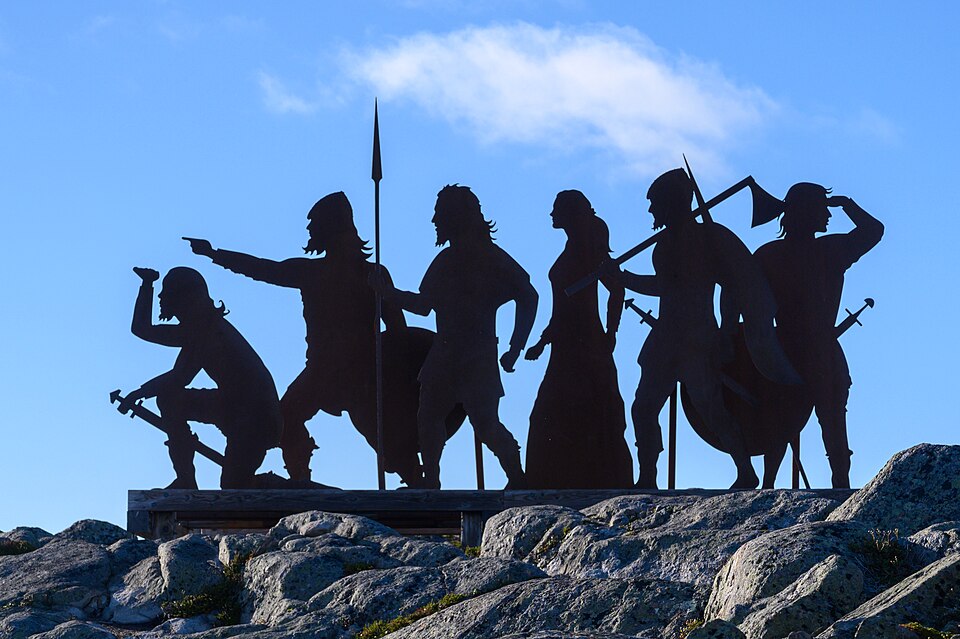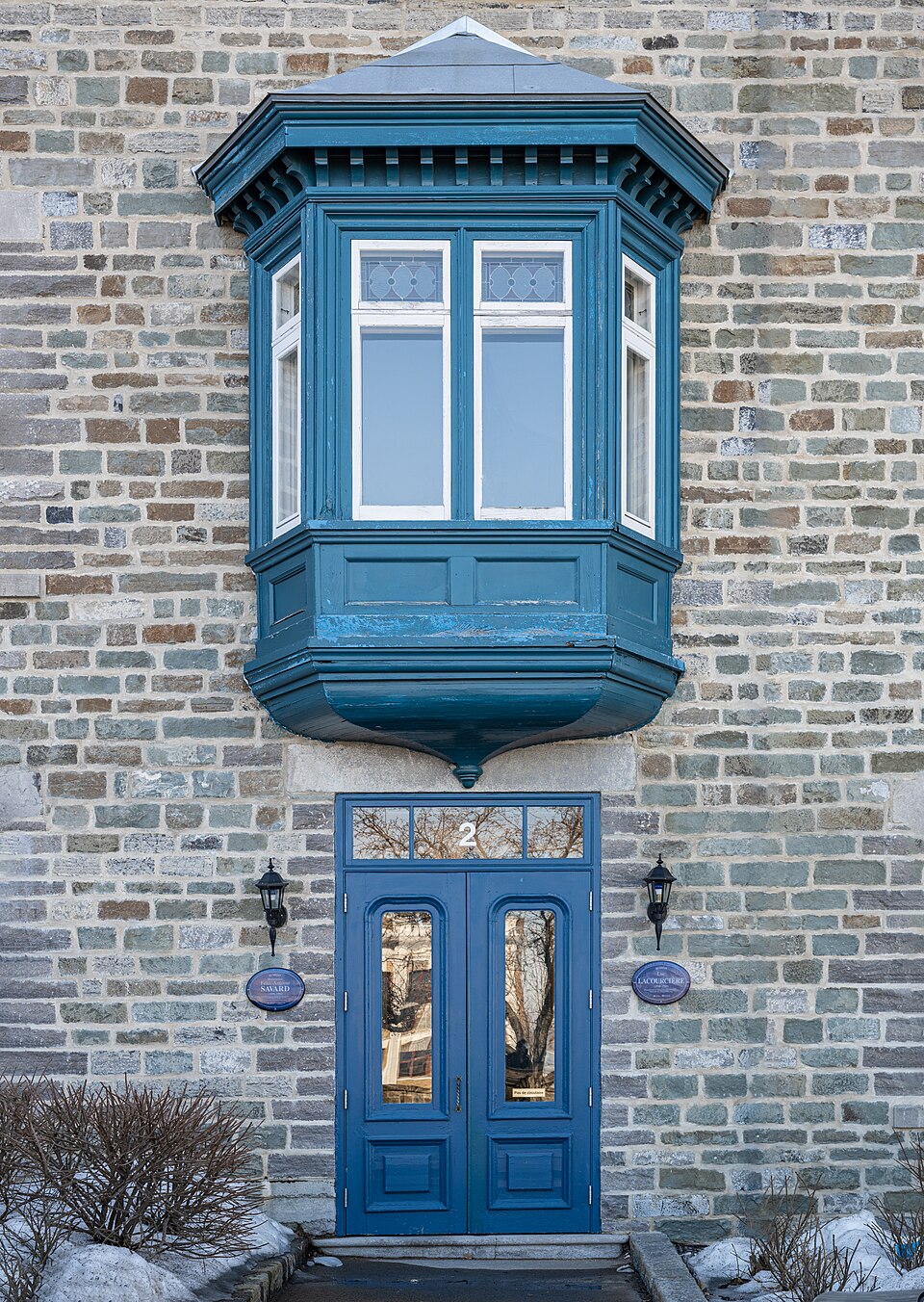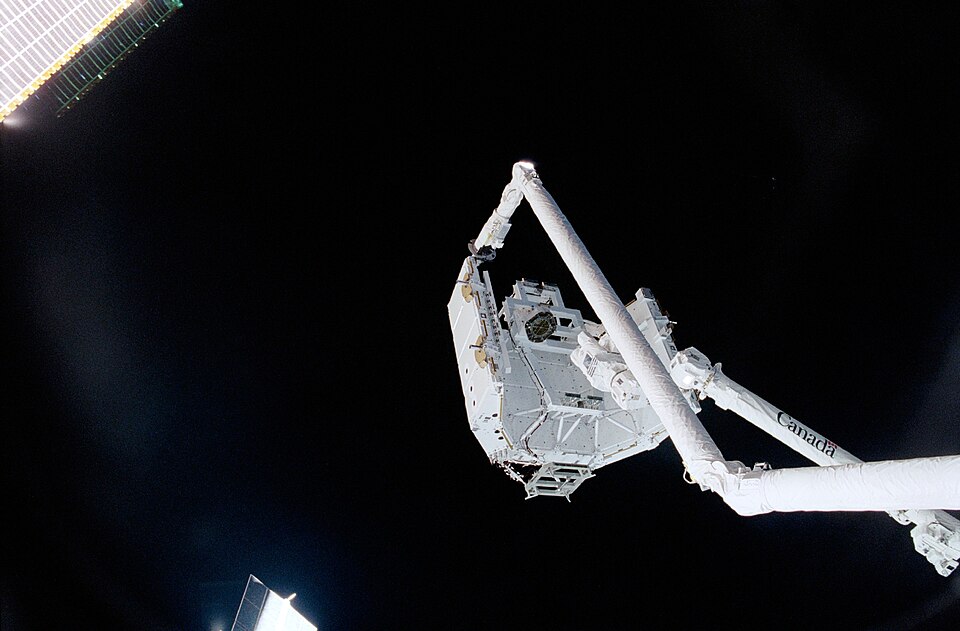
History
Canada occupies the second-largest land area of any country on Earth, yet most of its 39.2 million people live in a narrow ribbon hugging the United States border, leaving the boreal forest and Arctic archipelago among the emptiest inhabited landscapes anywhere. A federal parliamentary democracy and Commonwealth realm governed from Ottawa, the country binds ten provinces and three vast northern territories into one of the world's most decentralized federations, with two official languages: English, spoken by 87 percent, and French, spoken by 29 percent and dominant in Quebec. The economy is a resource-and-manufacturing hybrid worth $2.34 trillion at purchasing power parity, shipping crude petroleum, cars, gold, and natural gas abroad; a striking 71 percent of exports go to the United States, a dependency that shapes nearly every national debate. Canada is also an immigration country by design: nearly a quarter of residents were born abroad, and its 2021 census recorded hundreds of ethnic origins. Median age is 42.8, the population is aging, and newcomers are the engine keeping the country growing.
Toronto's urban core is home to about 5,566,382 people.
That's bigger than Chicago, Sydney, Barcelona and Berlin — each a great world city in its own right.
Among the world's megacities, though, it's one of many — the giants of Asia and Latin America run larger still:
More people live in Toronto than in the entire nation of Norway, Ireland or New Zealand.
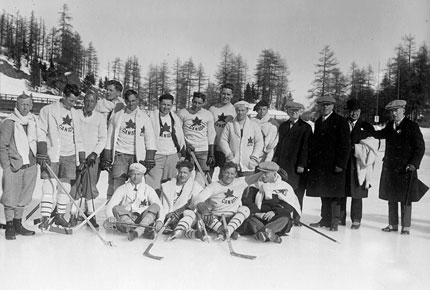
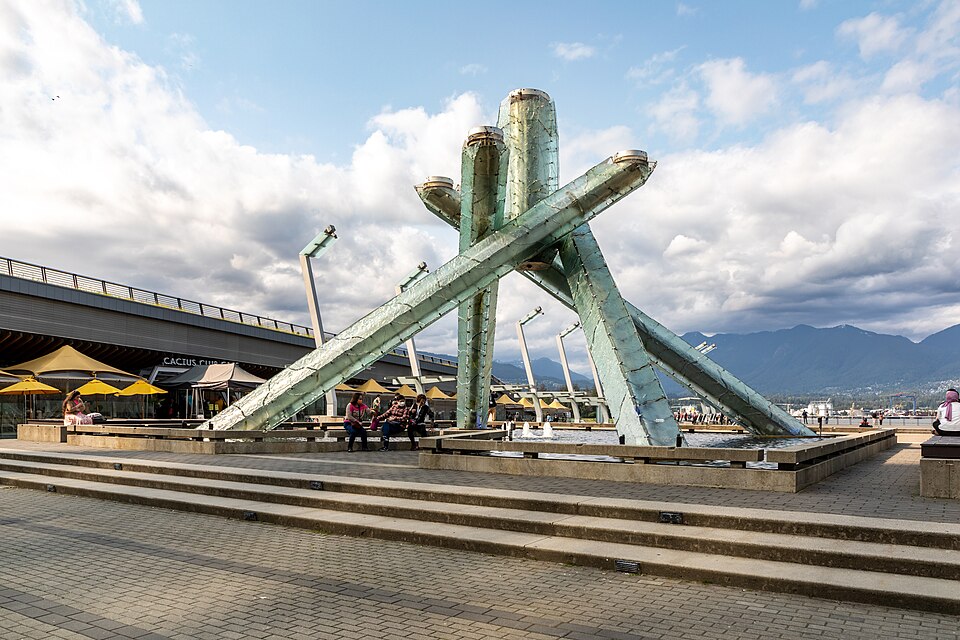
Canada's Olympic story peaks on ice: its men's and women's teams have won more Olympic hockey golds than any other nation, and Sidney Crosby's overtime 'golden goal' against the United States at Vancouver 2010 capped a home Games in which Canada's 14 golds set the single-Winter-Olympics record. The trophy case extends well beyond the rink. Donovan Bailey won the 100 metres in a then-world-record 9.84 seconds at Atlanta 1996; Andre De Grasse took 200-metre gold in Tokyo; and swimmer Penny Oleksiak's seven career medals make her Canada's most decorated Olympian. Christine Sinclair retired in 2023 as international soccer's all-time leading scorer, men's or women's, with 190 goals, after captaining Canada to Olympic gold at the Tokyo Games. Bianca Andreescu's 2019 US Open title was Canada's first Grand Slam singles crown, Canadian curlers routinely dominate world championships, and in 2026 the men's soccer team played World Cup matches on home soil as tournament co-host.
Canadian Dollar — CAD ($)
GDP (PPP): $2.341 trillion (2024 est.)
Per capita: $56,700 (2024 est.)
$727.831 billion (2024 est.)
crude petroleum, cars, gold, natural gas, refined petroleum (2023)
Partners: USA 71%, China 5%, UK 3%, Japan 2%, Mexico 2% (2023)
$733.778 billion (2024 est.)
cars, trucks, vehicle parts/accessories, refined petroleum, crude petroleum (2023)
Partners: USA 51%, China 11%, Mexico 6%, Germany 3%, Japan 3% (2023)
Type: federal parliamentary democracy (Parliament of Canada) under a constitutional monarchy; a Commonwealth realm; federal and state authorities and responsibilities regulated in constitution
Independence: 1 July 1867 (union of British North American colonies); 11 December 1931 (recognized by UK per Statute of Westminster)
How mountains, coasts, and rivers shape settlement (LandScan).
Coming — dataWhere groups settled and how people move (GeoEPR + UNHCR).
Coming — dataNotable institutions, mappable as points.
Coming — data