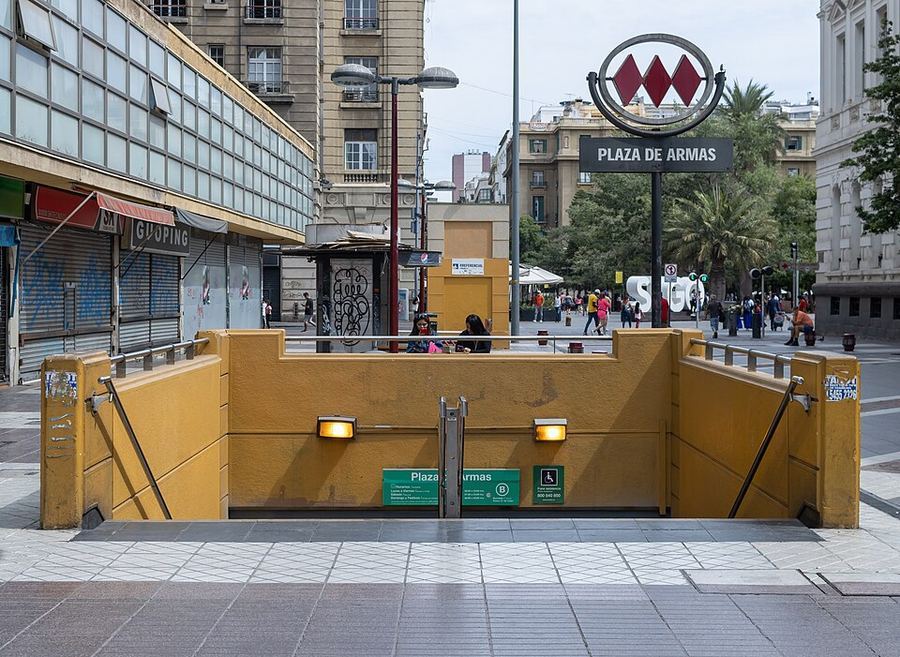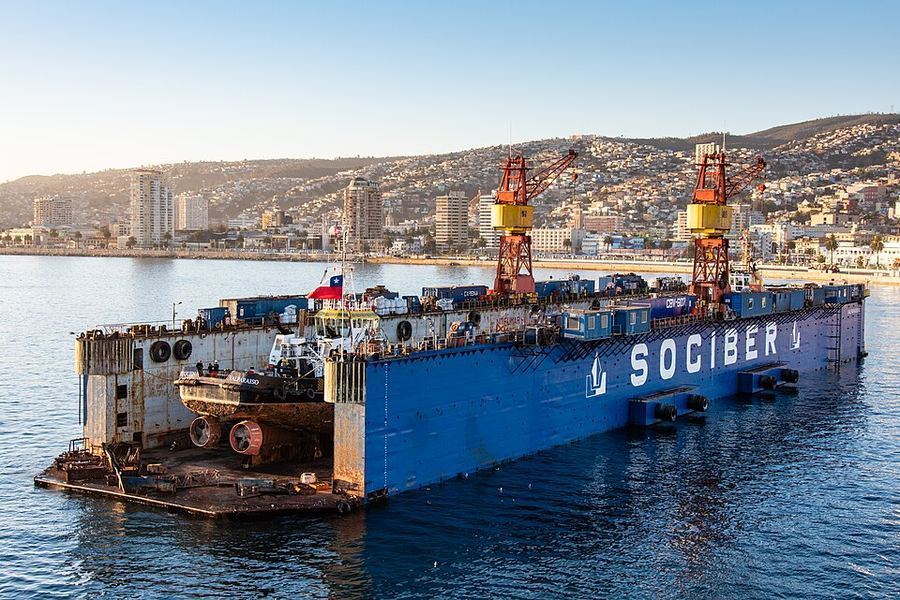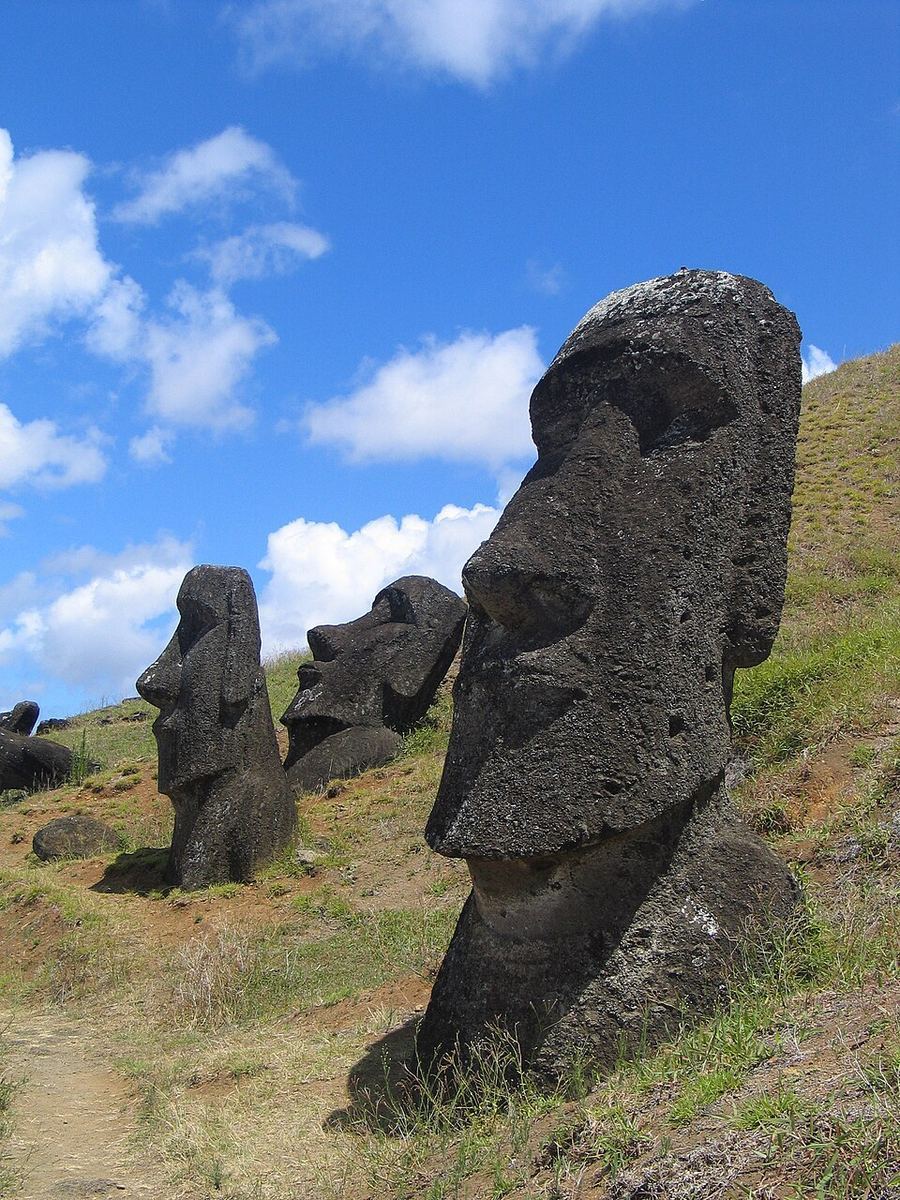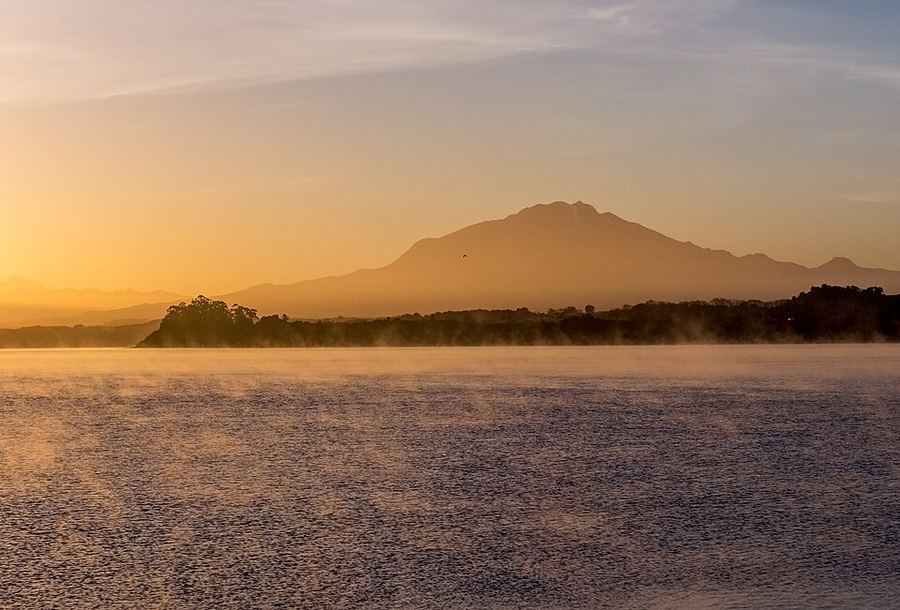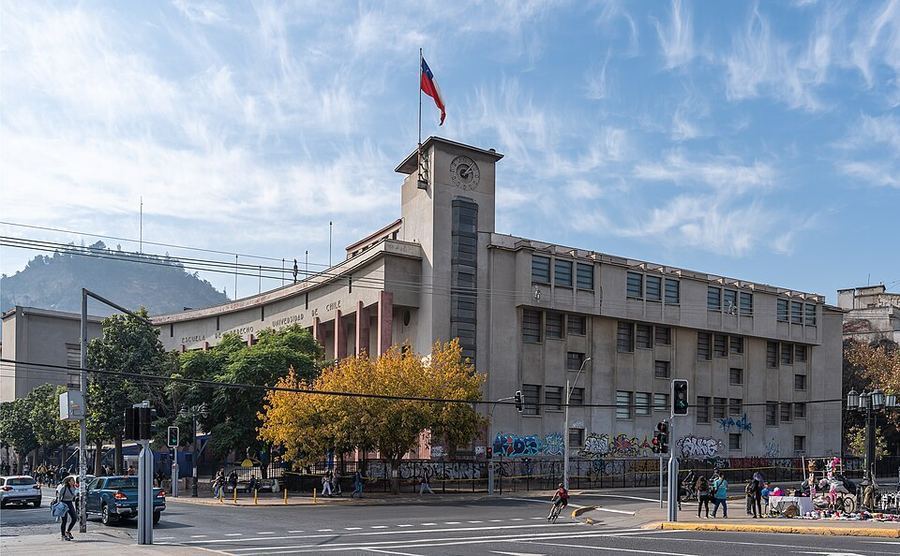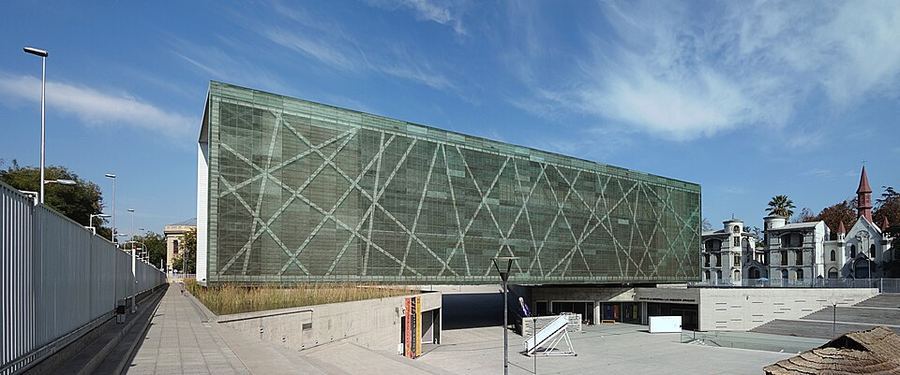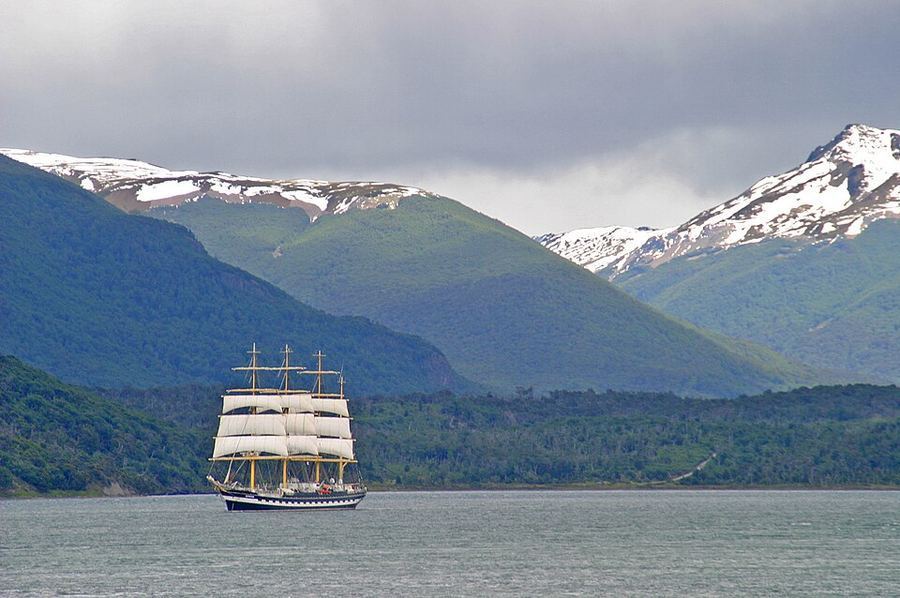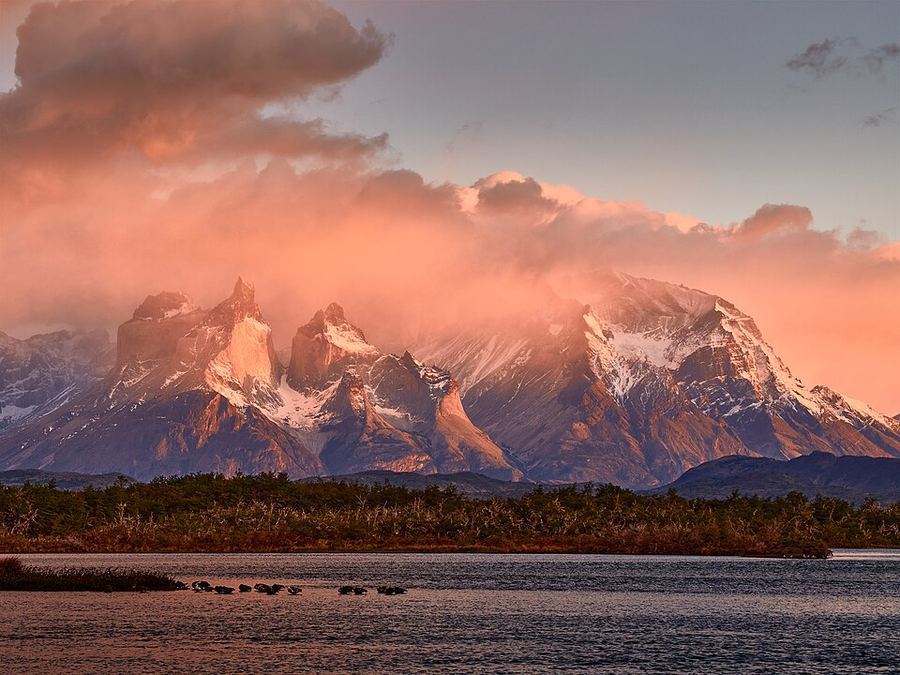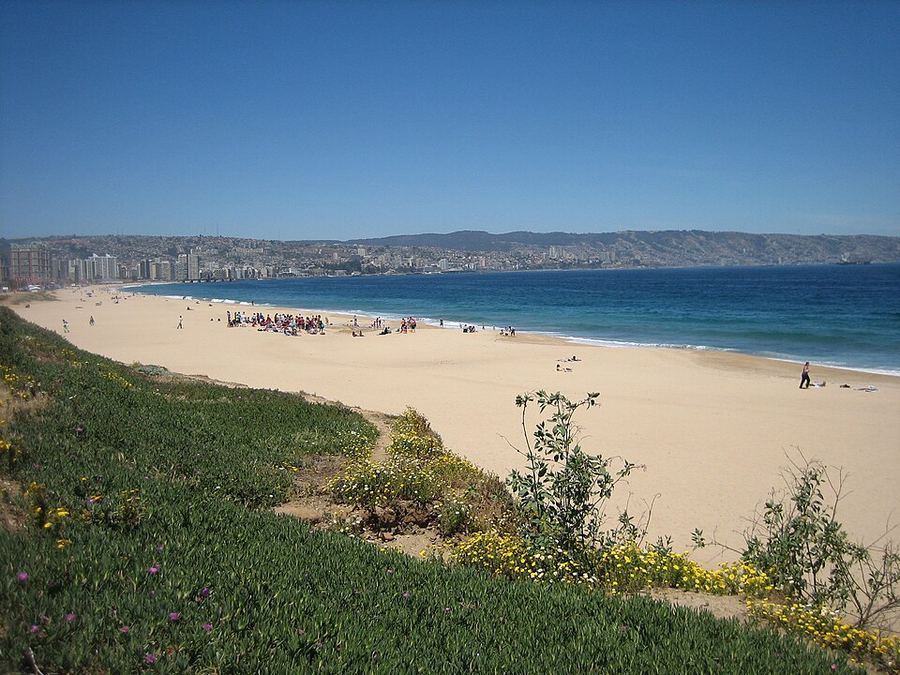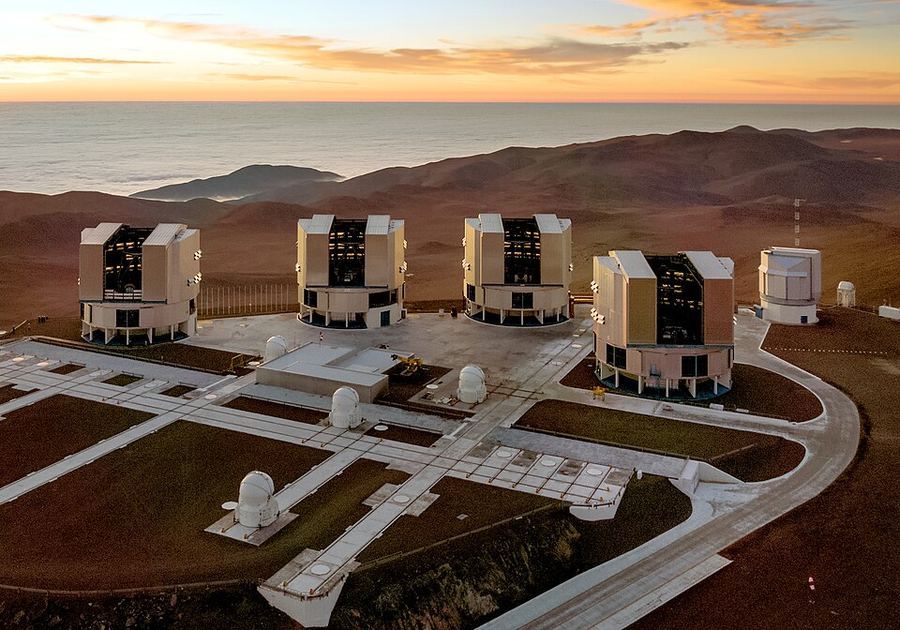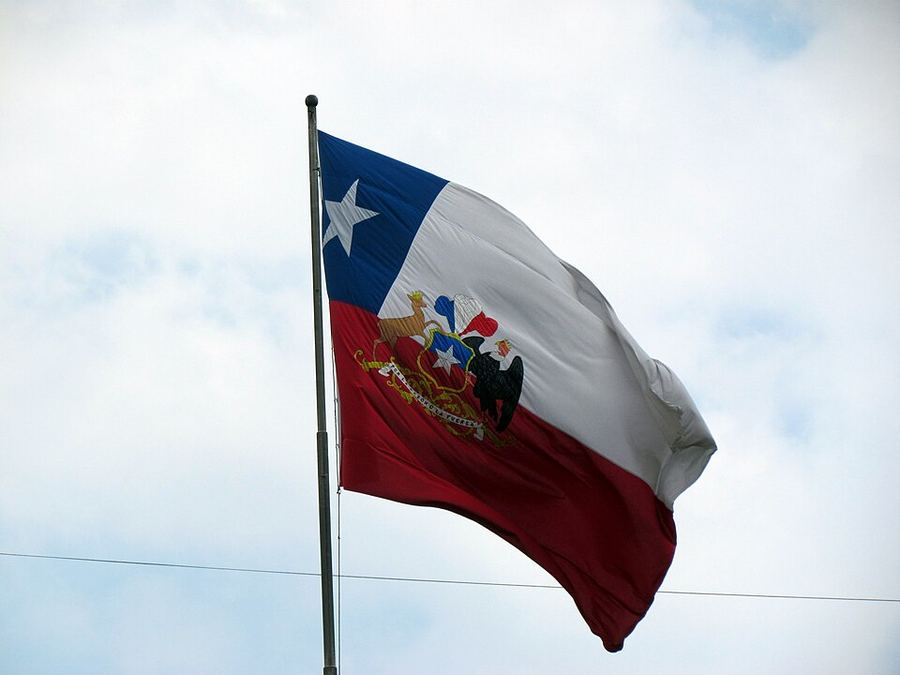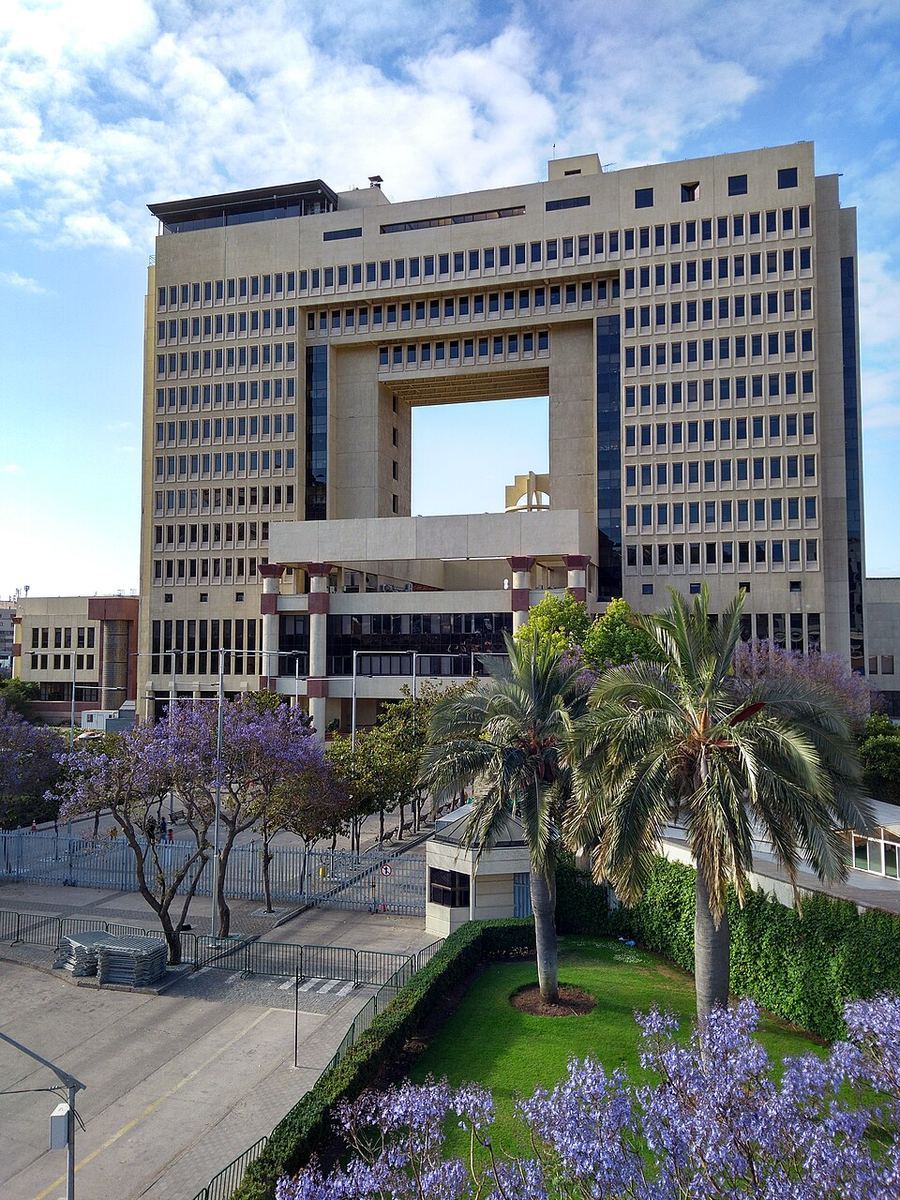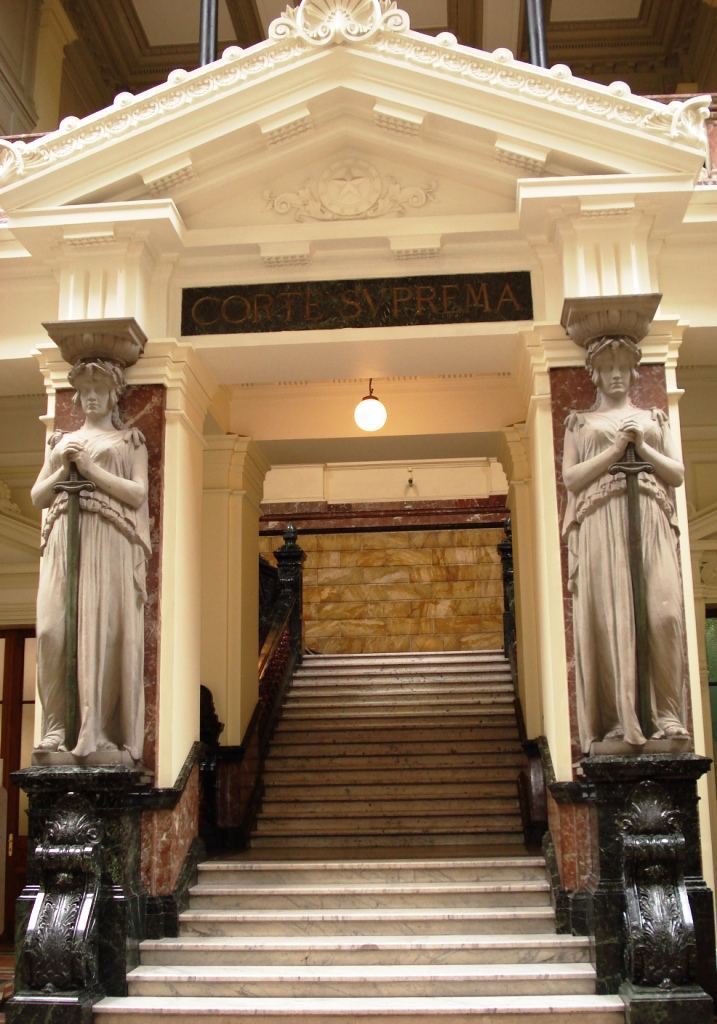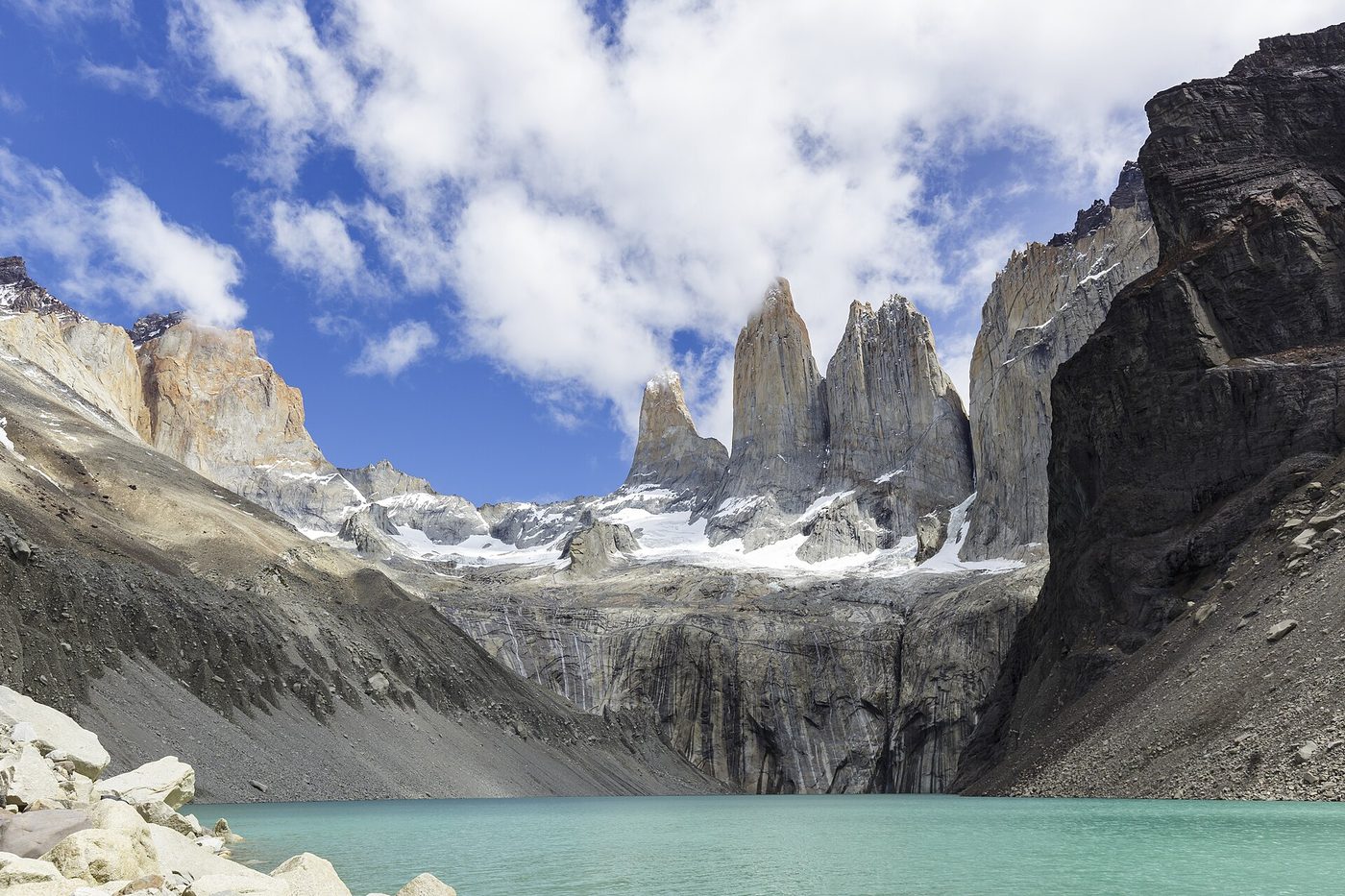
Chile is a South American republic of about 19 million people occupying a ribbon of land more than four thousand kilometres long and rarely more than two hundred wide, pinned between the Andes and the Pacific. It runs from the Atacama Desert on the Peruvian and Bolivian frontiers to the fjords and ice fields of Patagonia and Cape Horn, and includes Rapa Nui — Easter Island — and the Juan Fernández archipelago far out in the Pacific, along with a claim in Antarctica. Santiago, in the central valley, holds roughly forty per cent of the population; the national congress sits separately at Valparaíso. Spanish is spoken almost universally, with Mapudungun, Aymara, Quechua and Rapa Nui persisting among Indigenous communities; about nine per cent of Chileans identify as Mapuche. Independence from Spain is dated to 18 September 1810. Chile is the world's largest copper producer and a major exporter of lithium, fruit, wine, salmon and forestry products, and its gross domestic product per head is among the highest in Latin America. It returned to democracy in 1990 after seventeen years of military rule.
Santiago's urban core is home to about 6,641,766 people.
That's bigger than Madrid, Toronto, Chicago and Sydney — each a great world city in its own right.
Among the world's megacities, though, it's one of many — the giants of Asia and Latin America run larger still:
More people live in Santiago than in the entire nation of Denmark, Singapore, Finland or Norway.
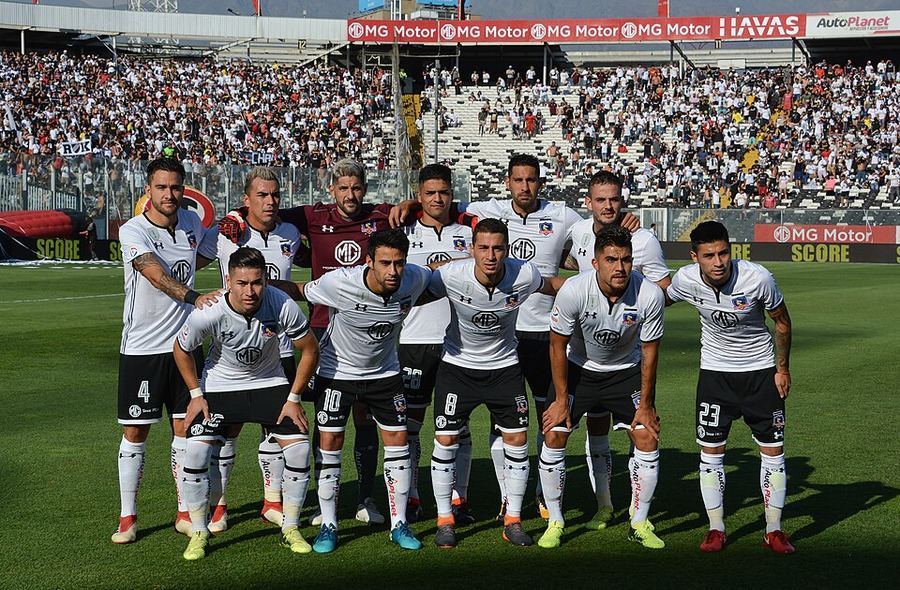
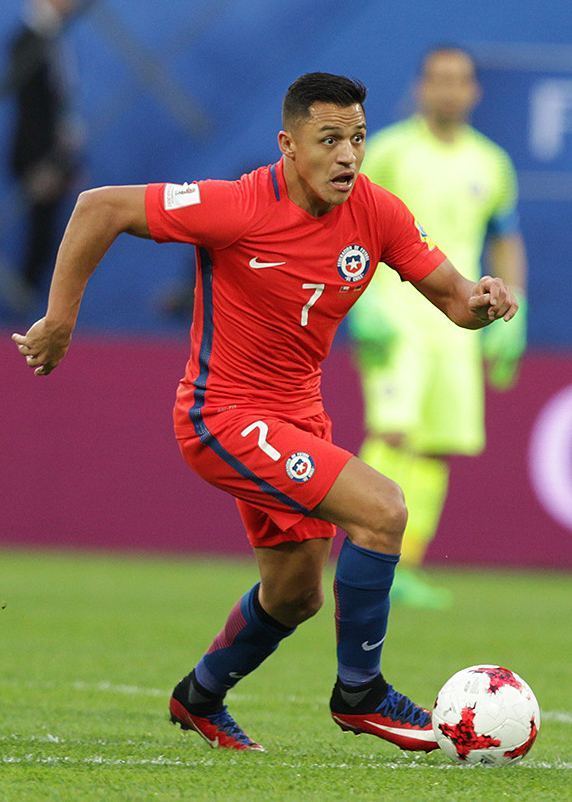
Chile's greatest football achievement came late: back-to-back Copa América titles in 2015, won at home at the Estadio Nacional, and in 2016 at the Copa América Centenario in the United States, both finals settled on penalties against Argentina, with a generation built around Alexis Sánchez, Arturo Vidal and Claudio Bravo. Chile hosted the 1962 World Cup and finished third, in a tournament remembered as much for the brutal group match against Italy known as the Battle of Santiago. At the Olympics, the country waited a century for a gold medal and then won two in a week: at Athens in 2004 Nicolás Massú and Fernando González took the tennis doubles title, and Massú added the singles. Marcelo Ríos became the first Latin American to reach world number one in men's tennis, in 1998. One Chilean world record has stood since 1949, when Captain Alberto Larraguibel and the horse Huaso cleared 2.47 metres at Viña del Mar, still the highest jump ever recorded on horseback. Santiago hosted the Pan American Games in 2023.
Chilean Peso — CLP ($)
GDP (PPP): $596.556 billion (2024 est.)
Per capita: $30,200 (2024 est.)
$111.123 billion (2024 est.)
copper ore, refined copper, fish, carbonates, pitted fruits (2023)
Partners: China 39%, USA 16%, Japan 7%, S. Korea 6%, Brazil 4% (2023)
$99.239 billion (2024 est.)
refined petroleum, crude petroleum, cars, garments, trucks (2023)
Partners: China 23%, USA 20%, Brazil 10%, Argentina 7%, Germany 5% (2023)
Type: presidential republic
Independence: 18 September 1810 (from Spain)
How mountains, coasts, and rivers shape settlement (LandScan).
Coming — dataWhere groups settled and how people move (GeoEPR + UNHCR).
Coming — dataNotable institutions, mappable as points.
Coming — data