HERA · Human Entity Reference Atlas by Masego Inc

← Côte d'Ivoire 🌐 3D View
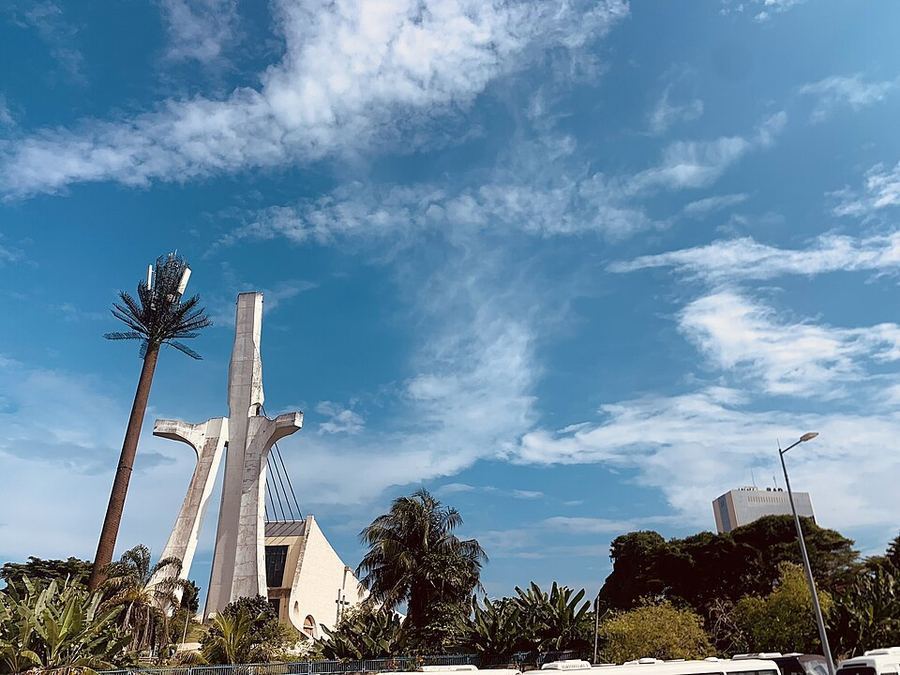
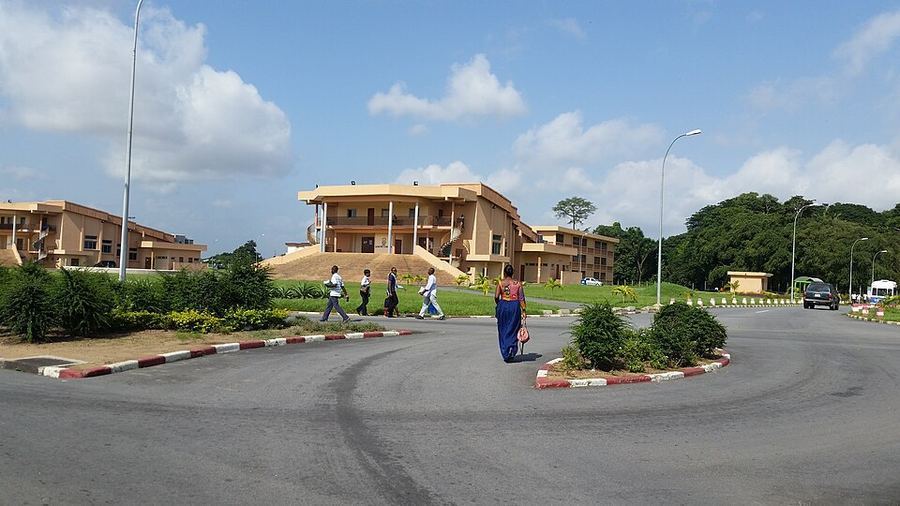
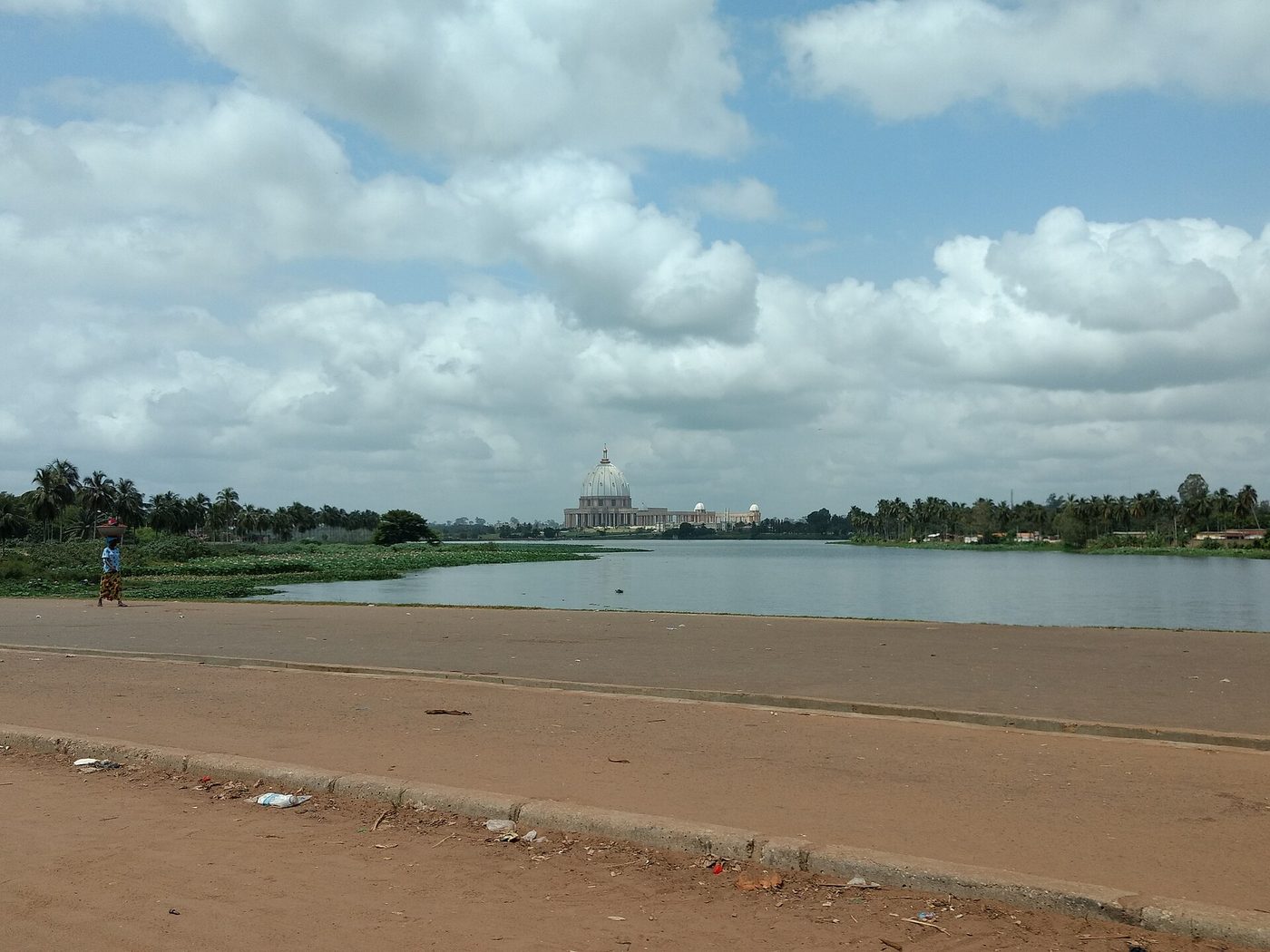
Notre-Dame-de-la-Paix de Yamoussoukro 2, Côte d'Ivoire
Côte d'Ivoire CIV
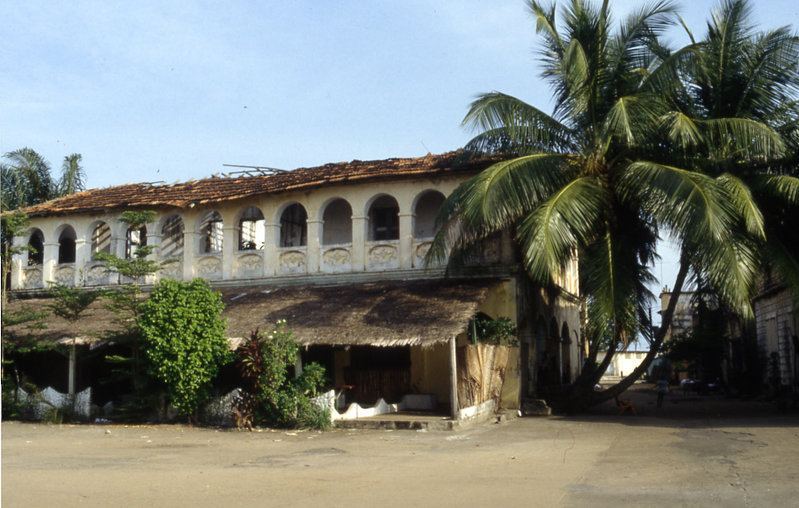
Notre-Dame-de-la-Paix de Yamoussoukro 2 — Photo: Gregor Rom / CC BY-SA 4.0 via Wikimedia Commons
Did You Know Coupé-décalé, now one of West Africa's defining popular genres, was not invented in Abidjan but by young Ivorians in Paris nightclubs in the early 2000s, and was exported back home. — BBC

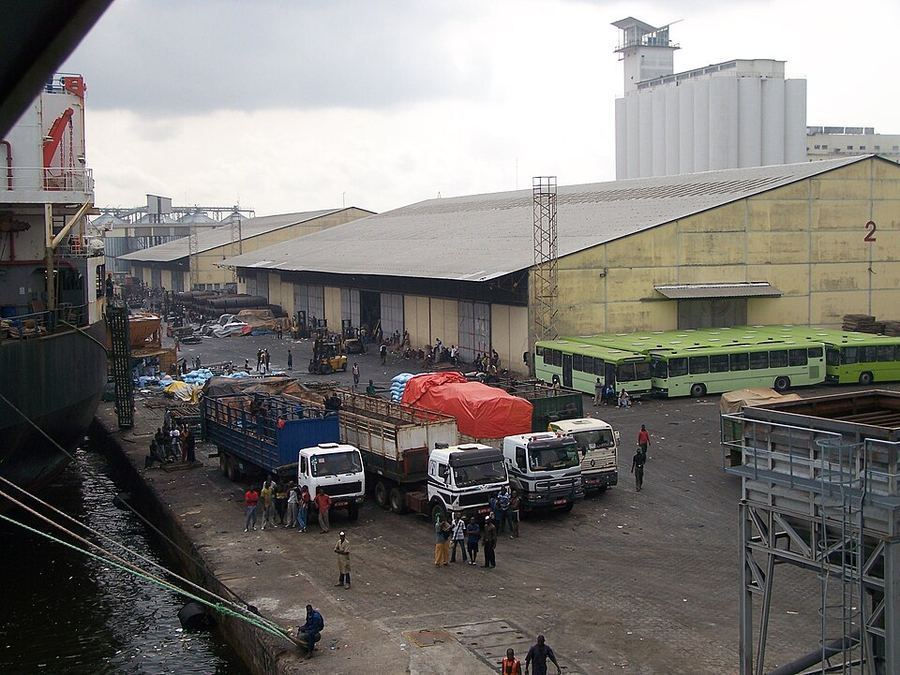
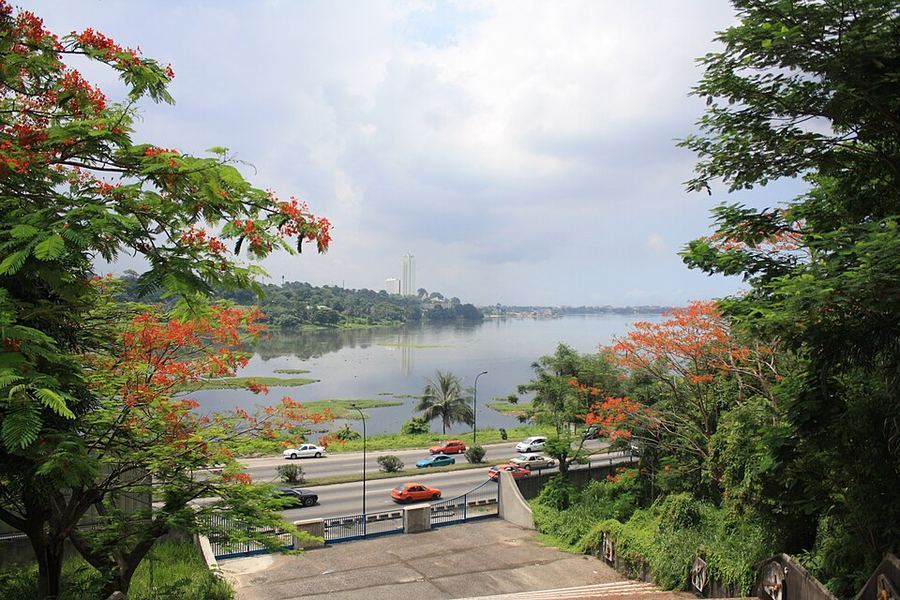
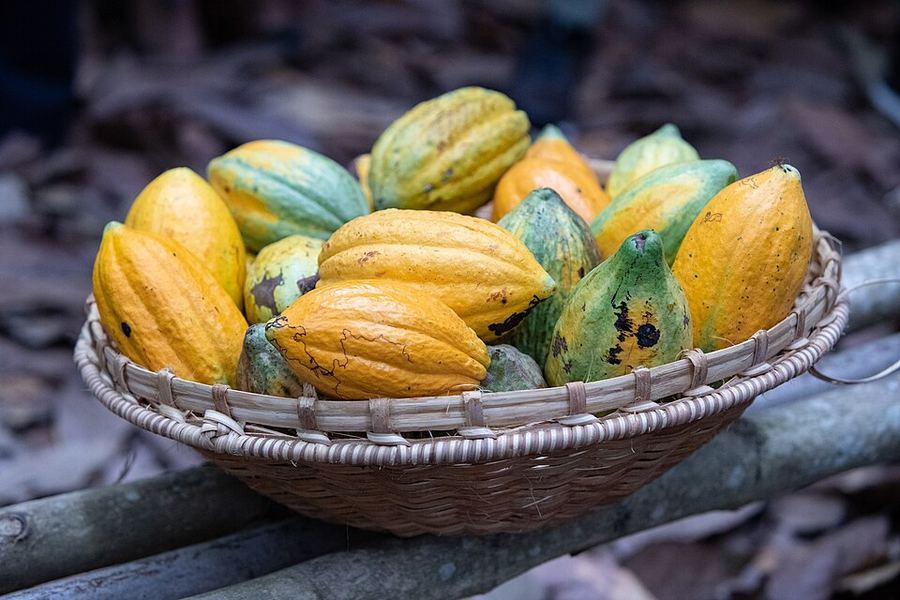
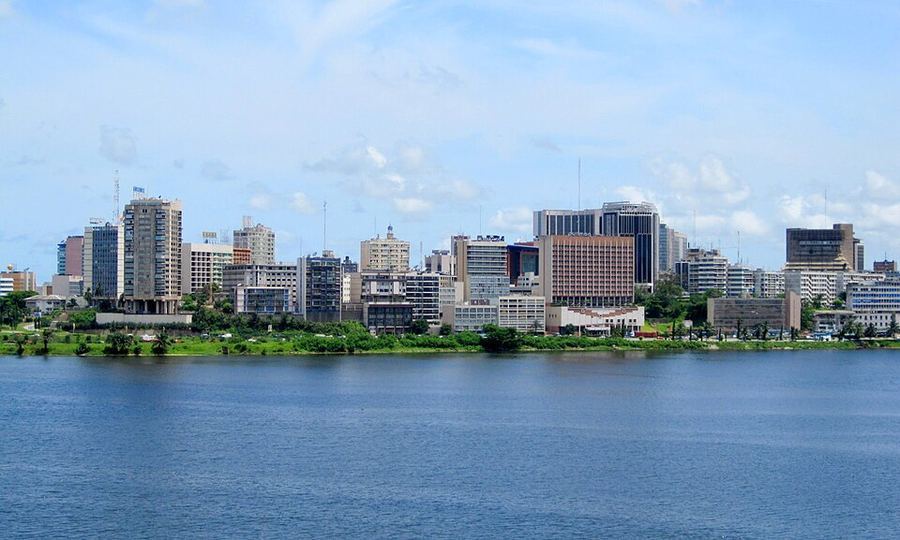
Côte d'Ivoire is a West African republic of about 32 million people occupying some 322,000 square kilometres on the Gulf of Guinea, bordered by Liberia, Guinea, Mali, Burkina Faso and Ghana. Yamoussoukro, the birthplace of the founding president, has been the official political capital since 1983, but Abidjan on the Ébrié Lagoon remains the seat of government business, the largest city in francophone West Africa and the economic engine of the region. Independence from France came on 7 August 1960. French is the official language, spoken alongside some sixty local languages of which Dioula serves as the commercial lingua franca; the population is roughly forty-three per cent Muslim, concentrated in the north, and about a third Christian, concentrated in the south, with a substantial share reporting no religion. Côte d'Ivoire grows more cocoa than any other country, supplying a large fraction of the world's beans, and exports gold, rubber, cashew and refined petroleum. After a decade of civil war and post-electoral crisis between 2002 and 2011, it has been among the fastest-growing economies in Africa.

CIA World FactbookWorld BankEncyclopaedia BritannicaIMF
Population
31,855,971
Capital
Yamoussoukro (legislative capital), Abidjan (administrative and economic capital); note - the US Embassy is in Abidjan
Currency
Fr XOF
Time zones
Largest city
Abidjan
Human Geography Themes
Loading national figures…
Largest Cities
Abidjan6,450,316
Bouaké704,949
Korhogo348,793
Daloa324,486
San-Pédro273,598
Yamoussoukro227,859
Gagnoa211,572
Man205,656
In Perspective

Abidjan's urban core is home to about 6,450,316 people.

That's bigger than Madrid, Toronto, Chicago and Sydney — each a great world city in its own right.

Abidjan6,450,316
Madrid5,680,137
Toronto5,566,382
Chicago5,318,735
Sydney4,375,394

Among the world's megacities, though, it's one of many — the giants of Asia and Latin America run larger still:

Abidjan6,450,316
Jakarta40,545,126
Dhaka37,307,160
Tokyo33,244,670
Shanghai30,678,616
Cairo25,230,325

More people live in Abidjan than in the entire nation of Denmark, Singapore, Finland or Norway.

The Country & Its People

History

Before the French, the territory was a patchwork rather than an empire: the Muslim Dyula trading state of Kong flourished in the north-east in the eighteenth century, the Akan kingdoms of the south-east — Sanwi, Indénié and the Baoulé, whose foundation story recounts Queen Abla Pokou sacrificing her son to cross the Comoé River — took shape as migrations pushed west from present-day Ghana, and Kru and Mandé communities held the coast and the north-west. France signed coastal treaties from the 1840s and proclaimed a colony in 1893, meeting sustained resistance from Samori Ture until his capture in 1898. Colonial rule rested on forced labour, and it was in campaigning against it that Félix Houphouët-Boigny, a Baoulé chief, physician and cocoa planter, founded the African Agricultural Union in 1944 and secured the 1946 law abolishing forced labour across French Africa — the act that made him the country's dominant figure for half a century. Independence came in 1960, and Houphouët-Boigny ruled until his death in 1993, presiding over a cocoa-financed boom. His succession opened a long crisis: a coup in 1999, civil war from 2002, and a post-electoral war in 2010 and 2011.
Culture

Ivorian society is organised into four broad cultural blocs — Akan in the south-east and centre, Krou in the south-west, Northern and Southern Mandé, and the Gur or Voltaic peoples of the north-east — each with its own languages, masking traditions and forms of authority, and none large enough to dominate. Akan groups such as the Baoulé and Agni are matrilineal, tracing inheritance and chiefly succession through the mother's line, and their chieftaincies preserve gold regalia, stools and elaborate durbar ceremonial. In the north, Senufo villages are structured by the Poro initiation society that takes young men through cycles lasting years, and Islam has been established for centuries along the Dyula trade routes. Abidjan overlays all of this with a distinctly urban culture: nouchi, the street argot mixing French with Dioula, Baoulé, Bété and English, has moved from the informal economy into music and advertising; the maquis, an open-air restaurant serving grilled fish and attiéké late into the night, is the fundamental social institution; and the city's clubs, studios and fashion have made it the cultural capital of francophone West Africa.

Points Of Pride

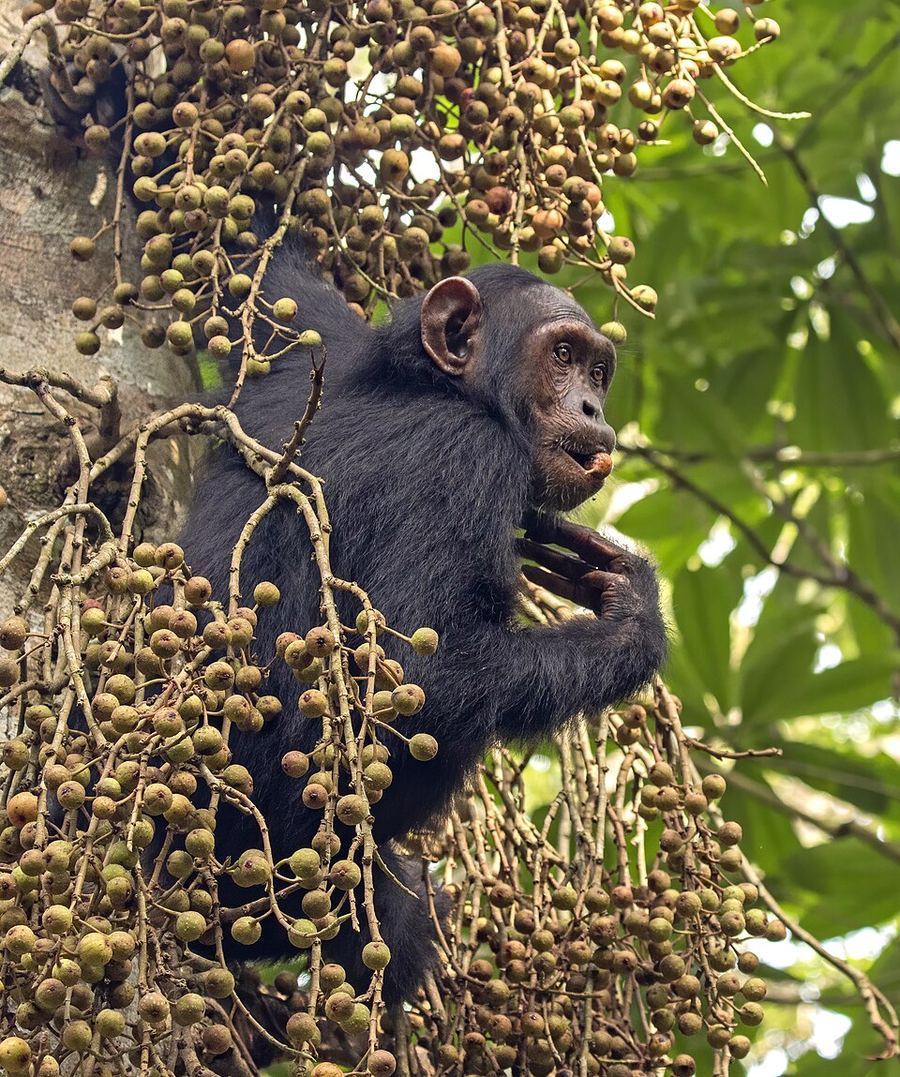
Côte d'Ivoire is the world's largest cocoa producer, growing a large share of the beans behind global chocolate, and it has built the largest urban economy in francophone West Africa around Abidjan, which hosts the headquarters of the African Development Bank. The Basilica of Our Lady of Peace at Yamoussoukro, consecrated in 1990, is recognised as the largest church in the world by floor area, its dome rising over the savanna in the founding president's home town. Four World Heritage properties lie wholly or partly in the country: Taï National Park, inscribed in 1982, one of the last substantial blocks of primary rainforest in West Africa and a place where chimpanzees have been observed using stone tools; Comoé National Park, inscribed in 1983; the Mount Nimba Strict Nature Reserve shared with Guinea; and the historic town of Grand-Bassam, the first colonial capital, inscribed in 2012. The greatest recent source of national pride was sporting: the men's football team won the Africa Cup of Nations on home soil in February 2024, after a group stage in which the hosts had all but been eliminated.

Cultural Fusion

Few African countries are as thoroughly mixed. Migration from Burkina Faso, Mali and Guinea to work the cocoa and coffee plantations was actively encouraged from the colonial period and through the boom years, and a substantial share of residents are of foreign origin or descent — a fact that became politically explosive in the 1990s when the doctrine of ivoirité was used to define who counted as authentically Ivorian and to bar a presidential candidacy, helping to trigger the country's wars. A Lebanese community established since the 1920s dominates parts of trade and industry. Religiously the country is layered rather than divided: Islam predominates in the north, Catholicism and a fast-growing evangelical Protestantism in the south, with animist practice threaded through both and a notable syncretic movement founded by the prophet William Wadé Harris. Linguistically, Dioula functions as the market language far beyond its native speakers, and nouchi is a genuine urban creole in formation. The most exported product of that mixing is music: coupé-décalé was created not in Abidjan but by young Ivorians in the nightclubs of Paris in the early 2000s and shipped home.

Music & Dance

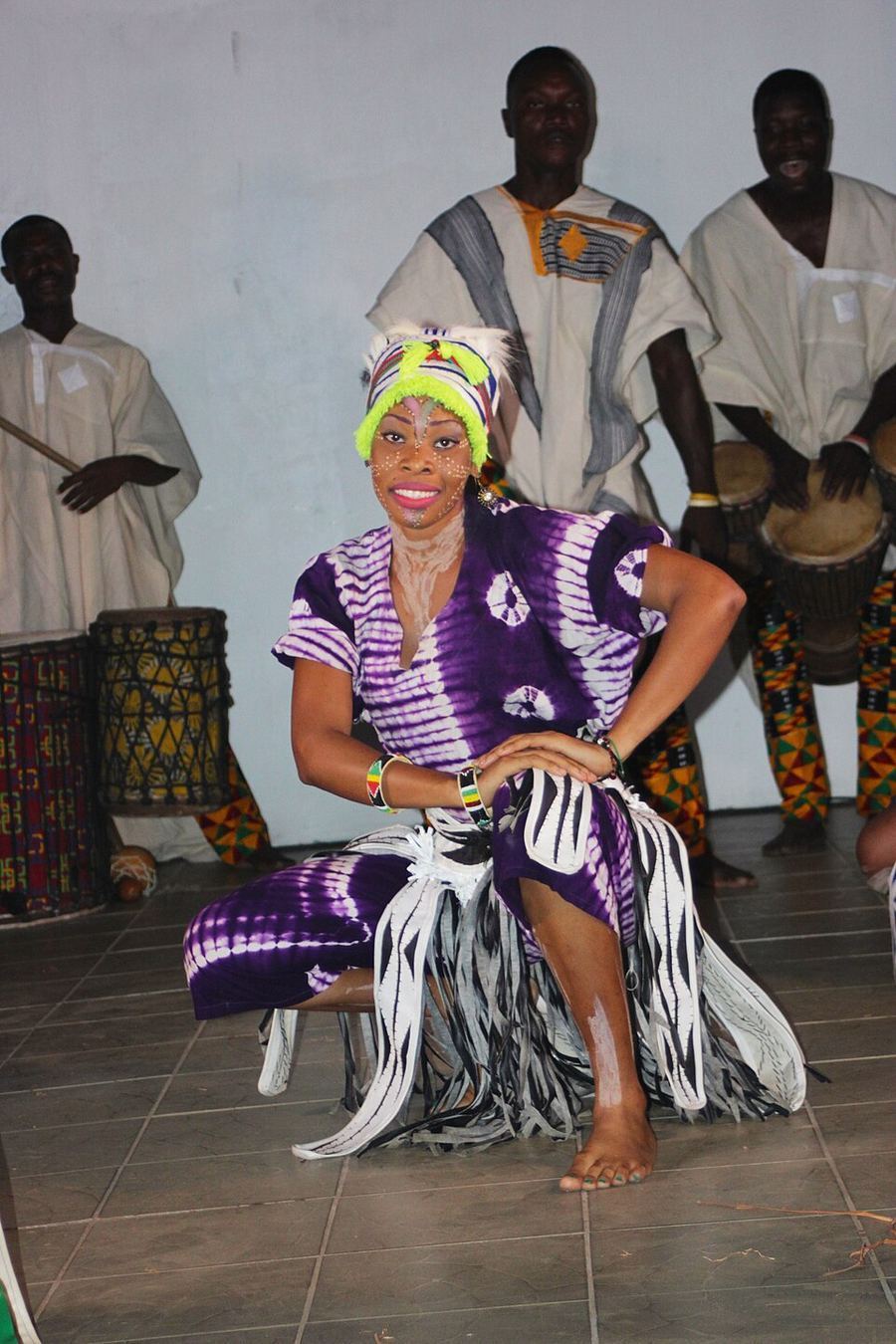
Côte d'Ivoire has generated two globally circulating popular genres in thirty years. Zouglou emerged among students on Abidjan's university campuses around 1990 as a form of sung protest over conditions and unemployment, and reached a mass international audience when Magic System's Premier Gaou became a hit in France. Coupé-décalé followed, invented by Ivorian expatriates in Paris around 2002 — Douk Saga and the Jet Set — and defined as much by dance moves, ostentation and slang as by its logobi rhythms; DJ Arafat became its biggest star before his death in 2019. Earlier, Ernesto Djédjé built ziglibithy from Bété rhythms and Meiway created zoblazo. Reggae has an exceptional standing here: Alpha Blondy, singing in Dioula, French and English, and Tiken Jah Fakoly are among the most politically influential musicians in West Africa. Traditional performance remains formidable. The Zaouli mask dance of the Guro, in which a masked dancer's feet move at astonishing speed beneath a carved and painted mask, was inscribed by UNESCO in 2017, and the Dan of the west are known for stilt dancers and acrobatic mask performances. Abidjan hosts MASA, the continent's major performing arts market, founded in 1993.

Cuisine & Misattributed Foods

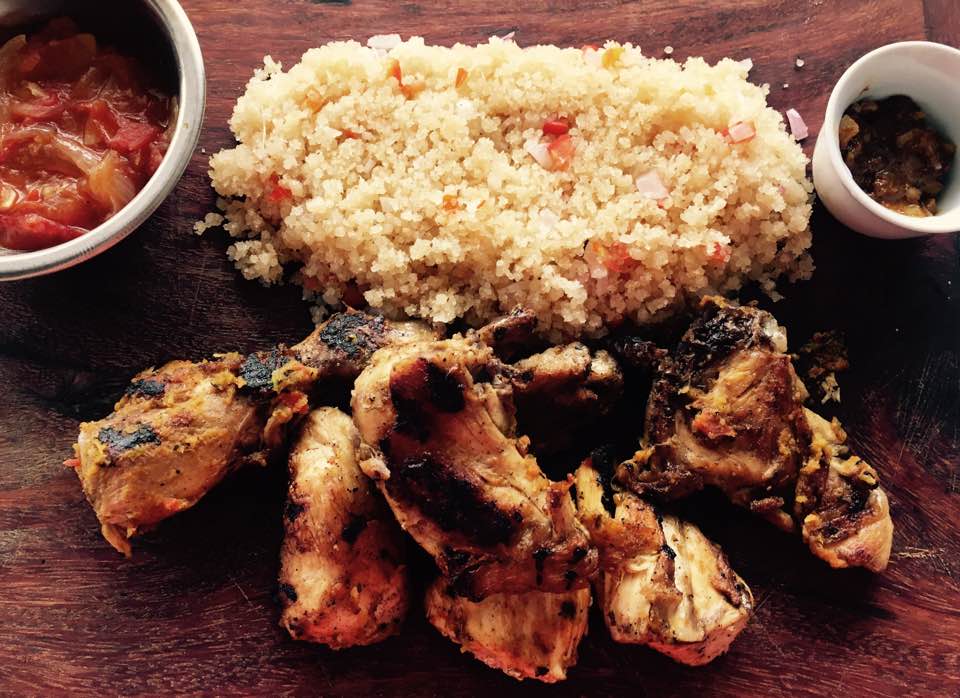
Attiéké is the national dish and the country's most distinctive contribution to West African cooking: cassava that has been peeled, grated, fermented with a starter, pressed, granulated and steamed into a light couscous with a faint sourness. It is eaten with grilled fish, chicken or meat and a raw onion and tomato relish, and in its street form as garba — attiéké with cubes of fried tuna, chilli and onion, the cheapest and most beloved lunch in Abidjan. Kedjenou is the other emblematic dish: chicken or guinea fowl slow-cooked with tomato, ginger and chilli in a sealed clay canari with almost no added liquid, traditionally buried in embers. Sauce graine, made from boiled and pressed palm nuts, and sauce arachide, thickened with groundnut paste, are the everyday stews, served over foutou — pounded yam, plantain or cassava — or over rice. Alloco, ripe plantain fried in palm oil and eaten with chilli and onion, is the universal snack. The maquis grills whole fish over charcoal, and the drinks are bangui, tapped palm wine, and locally brewed beer.

National Dress

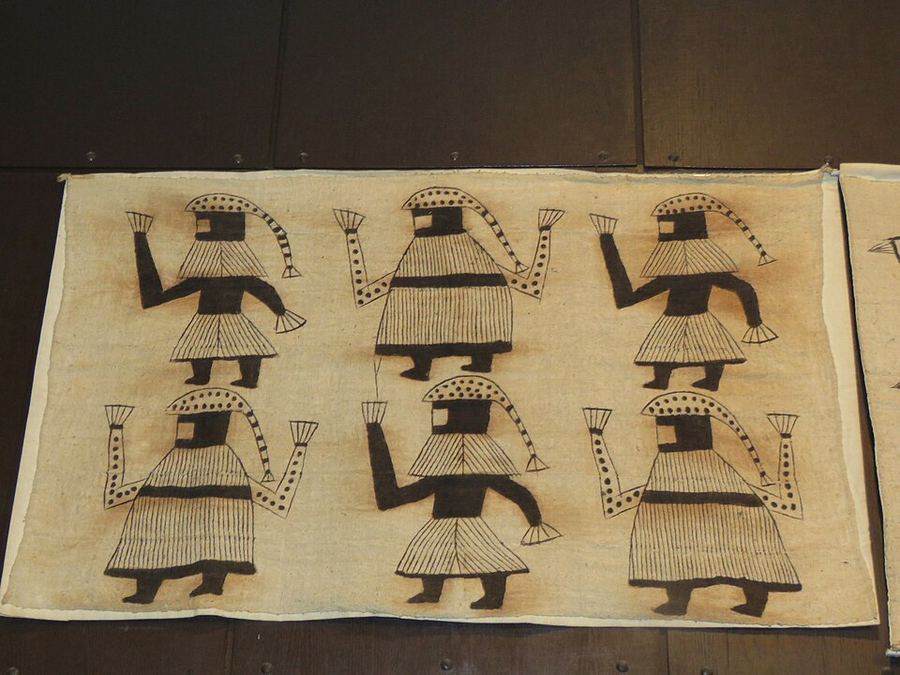
Dress in Côte d'Ivoire signals region and rank. Among the Akan of the south-east, chiefs and dignitaries wear a large woven cloth draped toga-fashion over one shoulder, made of narrow hand-woven strips sewn edge to edge in the tradition shared with Ghana's kente, and worn with heavy cast-gold ornaments, sandals and a linguist's staff at royal ceremonies; Baoulé weaving produces its own distinct pagne patterns. In the north, the Senufo make korhogo cloth, a coarse hand-spun cotton painted with fermented mud and plant dyes in black outline figures of birds, masked dancers, crocodiles and hunters, originally worn by hunters and now sold worldwide as wall hangings and clothing. Northern and Muslim communities wear the flowing boubou and grand boubou with embroidered yokes and matching caps. Across the country the everyday formal garment is the pagne, a printed wax cloth wrapper tailored into skirts, dresses and matching men's shirts; Uniwax, the factory at Yopougon in Abidjan, has produced Ivorian wax prints since the colonial period and its designs carry names and proverbs.
Encyclopaedia BritannicaSmithsonianBritish MuseumUNESCO

Sports & Inspiring Athletes

Football overwhelms everything else. ASEC Mimosas of Abidjan, winners of the African Champions League in 1998, and Africa Sports d'Abidjan are the historic rivals, and the domestic league feeds a steady export of players to Europe. The country's most influential sporting institution is the ASEC academy, founded in 1994 in partnership with the French coach Jean-Marc Guillou, which took boys in young, taught them technique before physique, and produced the Touré brothers, Salomon Kalou, Emmanuel Eboué and much of the golden generation — a model copied across the continent. The national team plays at the Stade Félix Houphouët-Boigny in Abidjan's Plateau and at the 60,000-seat Stade Olympique Alassane Ouattara at Ebimpé, opened in 2020 for the continental championship. Taekwondo is the second sport by international achievement, with a genuinely successful national programme. Athletics, particularly women's sprinting, has produced world medallists, and rugby, handball and basketball have smaller followings. Traditional wrestling remains popular in the north and west, contested at village festivals.

Notable Educational Programs

The Université Félix Houphouët-Boigny at Cocody in Abidjan, founded in 1964, is the country's oldest and largest university, joined by the Université Alassane Ouattara at Bouaké, the Université Nangui Abrogoua and a growing private sector. Two specialist institutions carry a reputation beyond the national borders. The Institut National Polytechnique Félix Houphouët-Boigny at Yamoussoukro, formed in 1996 from the country's engineering and agronomy schools, is among the leading technical schools in francophone West Africa. The École Nationale Supérieure de Statistique et d'Économie Appliquée in Abidjan, established in 1961, trains statisticians and economists for national statistical offices across the region, and its graduates staff a large share of francophone Africa's data institutions. Schooling was made free and compulsory to the age of sixteen in 2015, and enrolment has risen sharply, though completion, teacher supply and the persistence of child labour on cocoa farms — the subject of sustained international scrutiny and of school-building commitments by the chocolate industry — remain the system's central problems. Universities were closed or occupied for extended periods during the civil war.

Wars & Conflicts

The country's stability ended with Houphouët-Boigny. After a 1999 coup and a disputed 2000 election came the rebellion of September 2002, which split Côte d'Ivoire along a line through the middle: the Forces Nouvelles held the north from Bouaké, the government the south, with French troops of Operation Licorne and later a United Nations mission between them. In November 2004 an Ivorian air strike on Bouaké killed nine French soldiers and an American civilian, and France destroyed the Ivorian air force in response, provoking riots in Abidjan. The Ouagadougou agreement of 2007 nominally reunified the country. The refusal of Laurent Gbagbo to concede the November 2010 election to Alassane Ouattara produced four months of war in which around three thousand people died, including a massacre at Duékoué, ending with Gbagbo's capture in April 2011; he and Charles Blé Goudé were acquitted at the International Criminal Court in 2019, upheld on appeal in 2021. Since 2016 the country has faced jihadist violence spilling from the Sahel, with an attack on the beach at Grand-Bassam that year and repeated assaults in the northern border zone around Kafolo.
Current as of 2026-08-06

Land & Border Disputes

Côte d'Ivoire's principal boundary dispute was with Ghana and concerned the sea rather than the land. Both states licensed exploration in an offshore area east of Cape Three Points where substantial oil had been found, and their claims overlapped because they used different methods to project the maritime boundary — Ghana an equidistance line broadly following long-standing practice, Côte d'Ivoire an angle-bisector method that would have given it more of the disputed acreage. The two governments submitted the case to a Special Chamber of the International Tribunal for the Law of the Sea, which delivered judgment on 23 September 2017 largely endorsing Ghana's position and finding that Ghana had not violated Ivorian rights by continuing to drill. Both states accepted the ruling and the matter is closed. On land, the frontiers with Ghana, Liberia, Guinea, Mali and Burkina Faso are settled in law but weakly controlled, and the northern border has become a security rather than a legal problem. The most damaging territorial conflicts have been internal: contested land tenure in the western cocoa belt between indigenous communities and migrant planters was a root cause of the civil war.
Land, Life & Legacy

Land & Climate

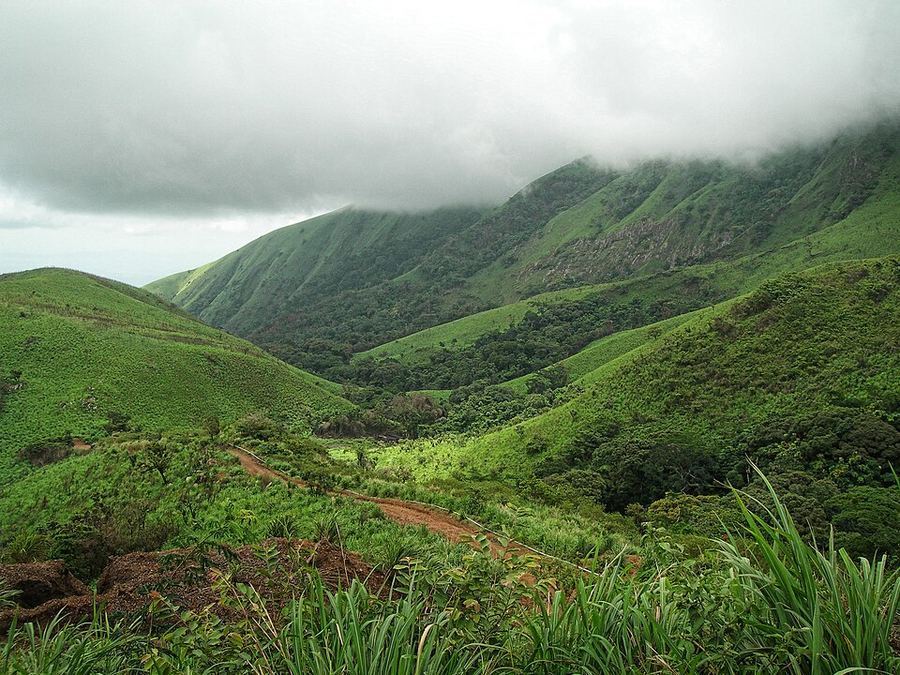
The country is a broad rectangle sloping gently from a low, sandy coast to plateaus of three to five hundred metres in the north, with the only real relief in the west, where the Guinean highlands rise to Mount Nimba at 1,752 metres on the Guinean border. The coastline divides in two: a straight, surf-beaten sand barrier east of Fresco enclosing a chain of lagoons, of which the Ébrié Lagoon at Abidjan is the largest, and a rocky, indented shore to the west. Abidjan owes its existence as a port to the Vridi Canal, cut through the sand bar and opened in 1950, which gave the lagoon a deep-water entrance. Four rivers — the Cavally, Sassandra, Bandama and Comoé — run roughly north to south; the Kossou dam on the Bandama, completed in the early 1970s, created the country's largest reservoir. Vegetation grades from dense evergreen rainforest in the south-west through semi-deciduous forest to Sudanian savanna in the north, with two rainy seasons in the south and one in the north. Forest loss has been severe: national forest cover has fallen by the great majority of its extent at independence.

Entertainment

The evening belongs to the maquis. Grilled fish or braised chicken, attiéké, a crate of beer and music loud enough to argue over is the standard Ivorian night out, and the format runs from roadside stalls to large open-air establishments in Abidjan's Zone 4, Yopougon and Marcory. Football is watched and played everywhere, and the fortunes of the Elephants organise the national mood. Weekend escapes from Abidjan go to the beaches at Assinie and Grand-Bassam, whose crumbling colonial quarter is a World Heritage site, and to Bassam's surf. Awalé, the mancala board game played with seeds in carved wooden bowls, is a fixture of the shade under mango trees. Traditional wrestling and mask festivals structure the village calendar, particularly in the west and north where the Fêtes des Masques bring out Dan and Guro performers. In Yamoussoukro visitors go to see the basilica and the sacred crocodiles at the presidential palace lake. Nightlife, fashion and the coupé-décalé dance floor have made Abidjan a destination in its own right for the wider region.

Art & Museums

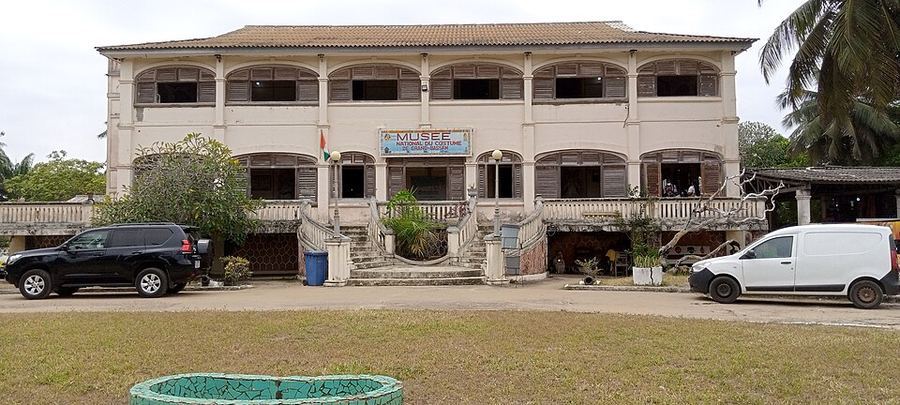
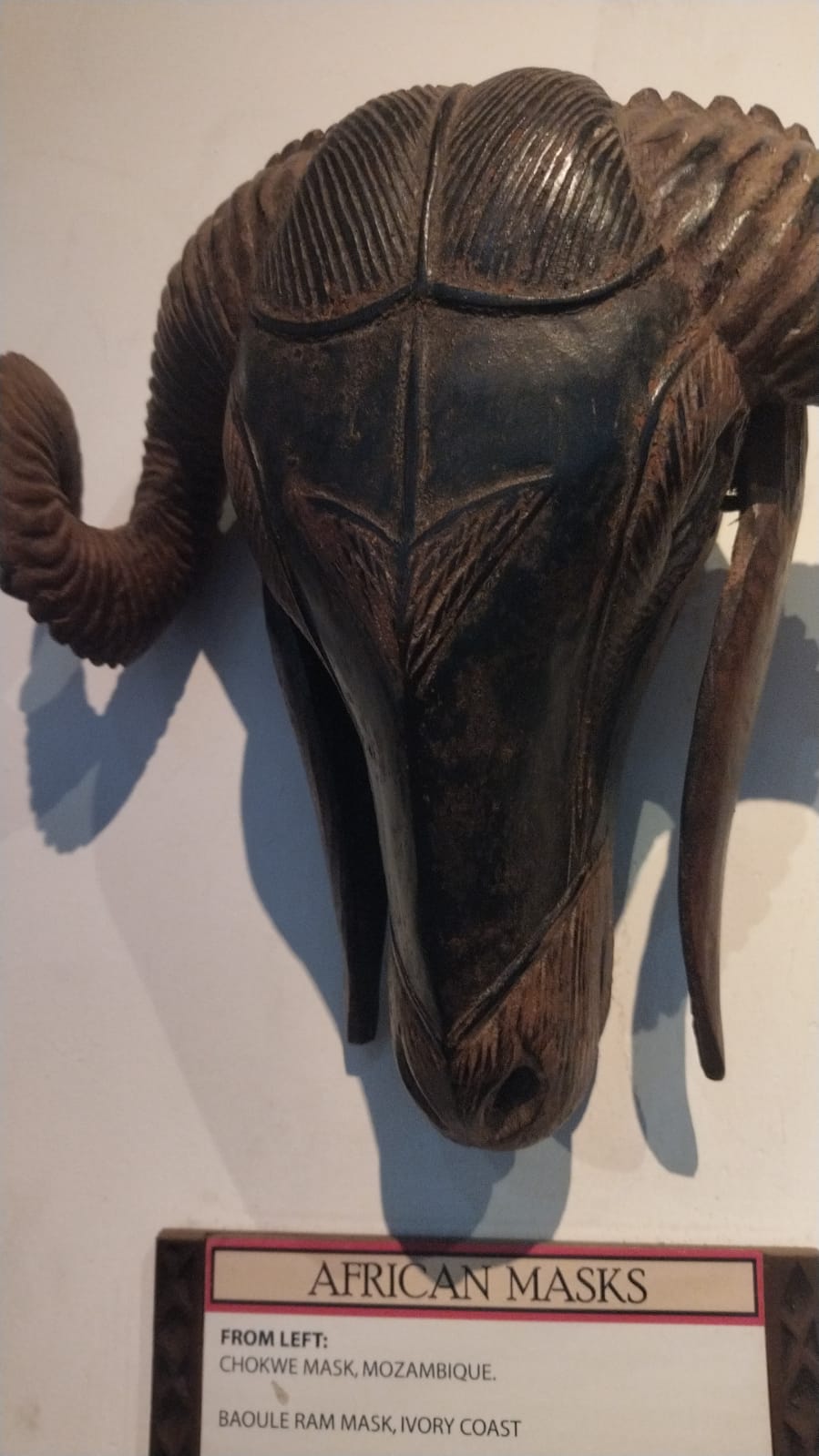
Ivorian sculpture holds a central place in the history of African art collecting. Baoulé carvers produced the finely finished blolo bian and blolo bla figures, representing a spirit spouse in the other world, along with portrait masks and the horned goli masks used in a dance cycle borrowed from neighbours. Senufo workshops made the great rhythm pounders, hornbill figures and helmet masks of the Poro society, and Dan carvers of the west produced the smooth, oval-faced masks with narrow slit eyes that European modernists prized; all three traditions are strongly represented in the Musée du quai Branly, the Metropolitan Museum of Art and the British Museum. Weaving, gold casting by the lost-wax method among the Akan, and Senufo korhogo painted cloth complete the historical picture. The outstanding modern figure is Frédéric Bruly Bouabré, a Bété visionary who from the 1950s devised a syllabic script for his language and then spent decades producing thousands of small annotated drawings on cardboard, shown at Documenta and collected by major museums. Ouattara Watts and the sculptor Jems Robert Koko Bi carry Ivorian contemporary art internationally, and the Musée des Civilisations in Abidjan holds the national collection.
Metropolitan Museum of ArtBritish MuseumSmithsonianEncyclopaedia Britannica

Notable People

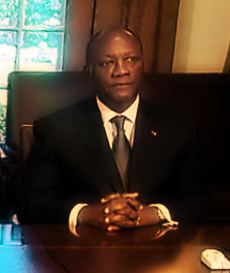
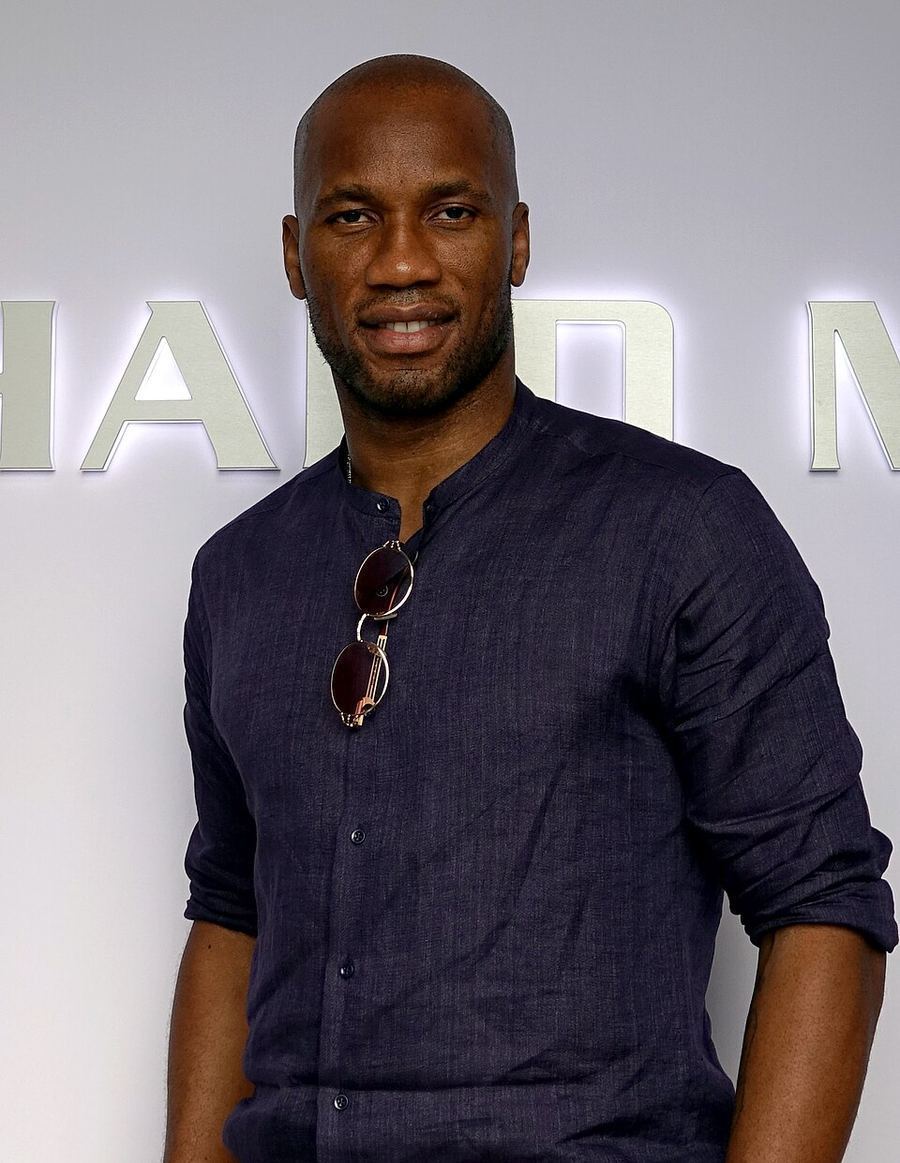
Félix Houphouët-Boigny — planter, physician, chief, French cabinet minister and then president for thirty-three years — is the country's founding figure, and Alassane Ouattara, a former deputy managing director of the International Monetary Fund, has been president since 2011; Laurent Gbagbo, the historian and opposition leader who preceded him, was tried and acquitted at the International Criminal Court. In literature, Ahmadou Kourouma transformed francophone African writing by bending French to the rhythms of Malinké in Les Soleils des indépendances and won the Prix Renaudot in 2000 for Allah n'est pas obligé; Bernard Dadié was the elder statesman of Ivorian letters. Frédéric Bruly Bouabré is the singular figure in visual art. In music, Alpha Blondy and Tiken Jah Fakoly are continental voices, and DJ Arafat was the star of coupé-décalé. But the most globally recognised Ivorians are footballers: Didier Drogba, Chelsea's leading scorer of his era and later a campaigner for peace at home, together with Yaya and Kolo Touré, Salomon Kalou and Sébastien Haller. In athletics, Marie-José Ta Lou and Murielle Ahouré have both been world championship medallists.

Inventions & Breakthroughs

Côte d'Ivoire has no industrial invention tradition of note, and it would be dishonest to construct one. Its genuine originalities lie elsewhere. The most remarkable is Frédéric Bruly Bouabré's creation, from 1956, of a syllabary of several hundred pictographic signs for the Bété language — an individual act of writing-system invention of the kind attempted only a handful of times anywhere in the twentieth century. Attiéké is a second: a multi-stage fermentation and steaming process that converts a bitter, cyanogenic tuber into a light, storable staple, developed by lagoon communities and now protected commercially through a regional geographical indication for the versions produced around the coastal lagoons. Musically, zouglou and coupé-décalé are inventions in the full sense — genres created here and exported, complete with their own dance vocabularies and slang. In agronomy, the national research centre's cocoa, coffee and rubber breeding programmes have produced varieties adopted across the region. And Abidjan's Vridi Canal, cut through the coastal sand bar in 1950, was an engineering solution that created a deep-water port where the geography had refused one.

Science & Technology

Research capacity is concentrated in Abidjan and oriented towards agriculture and tropical health. The Centre National de Recherche Agronomique runs the breeding and pathology programmes for cocoa, coffee, rubber, oil palm and cashew on which the export economy depends, work that matters far beyond the borders given the country's share of world cocoa. The Centre Suisse de Recherches Scientifiques en Côte d'Ivoire, established outside Abidjan in the 1950s and maintained through the war years, is one of the most productive tropical research stations in West Africa, publishing on parasitic disease, epidemiology, ecology and food safety in partnership with Swiss and Ivorian universities. The Institut Pasteur de Côte d'Ivoire handles national reference diagnostics and outbreak response. On the technology side, mobile money has spread widely through the Orange and MTN networks and now carries a large share of domestic payments; the VITIB technology free zone at Grand-Bassam was created to attract information technology and biotechnology firms; and Abidjan is building an urban rail line intended to relieve one of West Africa's worst traffic burdens. Energy investment has focused on gas-fired generation and on exporting electricity to neighbours.
NatureWHOFAOWorld BankScience
On The World Stage

Champions & Defining Moments

The Elephants have won the Africa Cup of Nations three times, and each was a penalty-shootout epic or a comeback. In 1992 they beat Ghana eleven to ten from the spot in Senegal; in 2015 they beat Ghana again, nine to eight, in Equatorial Guinea; and in February 2024, hosting the tournament, they lost two group matches, sacked the coach Jean-Louis Gasset, scraped through as one of the best third-placed teams under his assistant Emerse Faé, and then beat Nigeria two to one in the final at Ebimpé. The team reached three consecutive World Cups in 2006, 2010 and 2014 without passing the group stage. Didier Drogba's televised appeal to combatants after qualification in Omdurman in 2005 is widely credited with helping open space for a truce in the civil war. At the Olympics, Gabriel Tiacoh took 400-metre silver at Los Angeles in 1984, the country's first medal, and Cheick Cissé won taekwondo gold at Rio in 2016, its first title, with Ruth Gbagbi taking bronze. Marie-José Ta Lou won two world championship silver medals in London in 2017.

FIFAIOCOlympediaWorld AthleticsBBC
Economy, Trade & Government

Currency & GDP

CFA Franc BCEAO — XOF (Fr)

GDP (PPP): $215.018 billion (2024 est.)

Per capita: $6,700 (2024 est.)

Exports

$17.211 billion (2022 est.)

gold, cocoa beans, rubber, refined petroleum, coconuts/brazil nuts/cashews (2023)

Partners: Switzerland 17%, Netherlands 9%, Mali 7%, USA 5%, Malaysia 4% (2023)

Imports

$19.948 billion (2022 est.)

crude petroleum, ships, refined petroleum, fish, rice (2023)

Partners: China 16%, Nigeria 12%, France 6%, India 5%, USA 4% (2023)

Government

Type: presidential republic

Independence: 7 August 1960 (from France)

Terrain → Where People Live

How mountains, coasts, and rivers shape settlement (LandScan).

Coming — data

Migration & Ethnic Settlement

Where groups settled and how people move (GeoEPR + UNHCR).

Coming — data

Universities

Notable institutions, mappable as points.

Coming — data
Economy & government facts: CIA World Factbook (public domain), via OpenFactBook / factbook.json.
Every fact and narrative claim will carry a visible source citation. Data-driven sections light up automatically wherever HERA has coverage.