HERA · Human Entity Reference Atlas by Masego Inc

← Dem. Rep. Congo 🌐 3D View
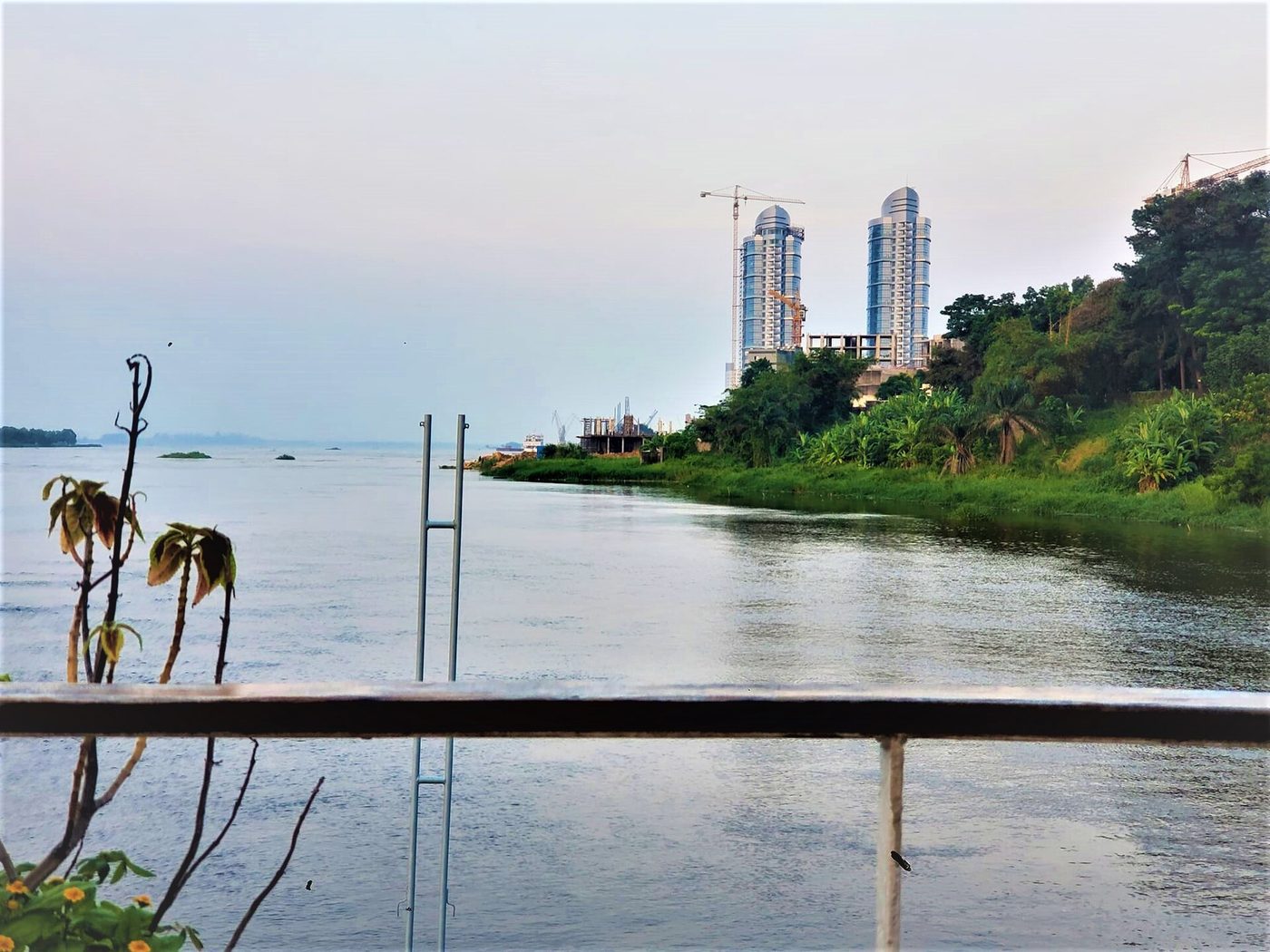
Congo River Kinshasa, Dem. Rep. Congo
Dem. Rep. Congo COD
Congo River Kinshasa — Photo: EdwinAlden.1995 / CC BY-SA 4.0 via Wikimedia Commons
Did You Know Congolese rumba was inscribed by UNESCO on the Representative List of the Intangible Cultural Heritage of Humanity in 2021, a joint listing shared by the two Congos on either bank of the river. — UNESCO

The Democratic Republic of the Congo is sub-Saharan Africa's largest country by area and one of its most consequential: a territory the size of Western Europe drained almost entirely by the Congo River, cloaked in the world's second-largest tropical rainforest, and underlain by staggering reserves of copper and cobalt. Its estimated 119 million people (2025) are strikingly young — the median age is just 16.9 years — and belong to more than 200 ethnic groups, the majority Bantu, with the Mongo, Luba, Kongo, and Mangbetu-Azande together making up roughly 45 percent of the population. French is the official language, layered over four national languages: Lingala, Kingwana (a Kiswahili dialect), Kikongo, and Tshiluba. The capital, Kinshasa, sprawls along the river's Malebo Pool and ranks among the world's largest French-speaking cities. Independent from Belgium since 30 June 1960, the DRC is a semi-presidential republic whose economy leans heavily on mining — refined copper and cobalt dominate exports, with China taking roughly 69 percent of them in 2023. Immense natural wealth, chronic instability in the east, and irrepressible cultural creativity define the modern Congolese story.

CIA World FactbookEncyclopaedia BritannicaWorld Bank
Population
119,038,825
Capital
Kinshasa
Currency
FC CDF
Time zones
Largest city
Kinshasa
Human Geography Themes
Loading national figures…
Largest Cities
Kinshasa12,945,683
Kasaï-Oriental3,596,107
Lubumbashi2,907,724
Beni1,872,705
Kananga1,538,649
Kikwit1,222,366
Tshikapa1,074,735
Kisangani983,821
In Perspective

Kinshasa's urban core is home to about 12,945,683 people.

That's bigger than London, Paris, Madrid and Toronto — each a great world city in its own right.

Kinshasa12,945,683
London10,408,332
Paris9,366,654
Madrid5,680,137
Toronto5,566,382

Among the world's megacities, though, it's one of many — the giants of Asia and Latin America run larger still:

Kinshasa12,945,683
Jakarta40,545,126
Dhaka37,307,160
Tokyo33,244,670
Shanghai30,678,616
Cairo25,230,325

More people live in Kinshasa than in the entire nation of Sweden, Greece, Portugal or Israel.

The Country & Its People

History

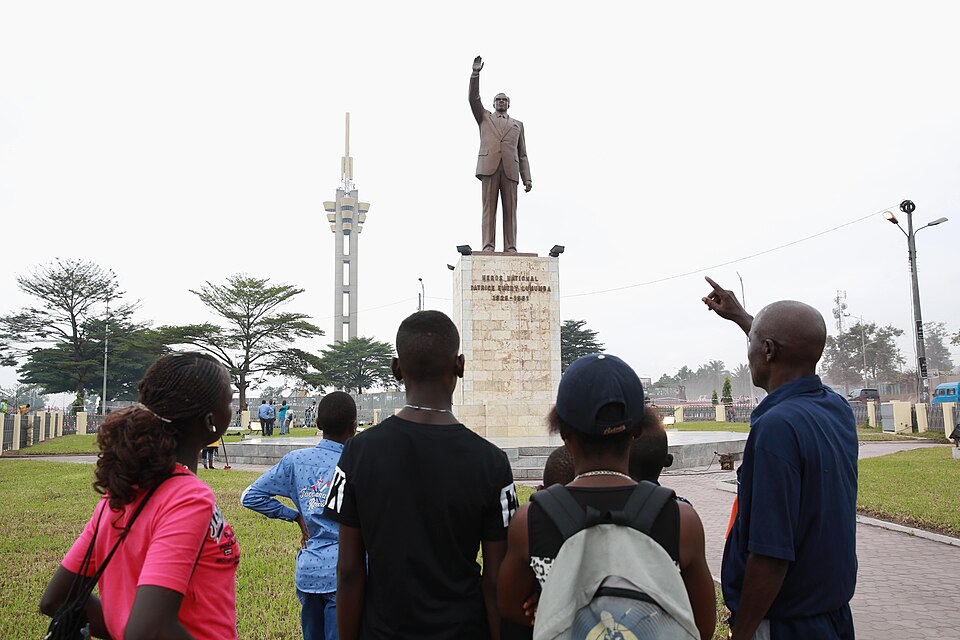
Long before European contact, sophisticated states flourished here: the Kingdom of Kongo, which met Portuguese navigators in 1483 and exchanged ambassadors with Lisbon and the Vatican, and the Luba and Lunda empires of the savanna south. In 1885 King Leopold II of Belgium secured the entire basin as his personal possession, the Congo Free State — a regime whose rubber-quota atrocities provoked one of history's first international human-rights campaigns and forced Belgium to annex the territory as the Belgian Congo in 1908. Independence came abruptly on 30 June 1960. Within months the first prime minister, Patrice Lumumba, was deposed and murdered, and the mineral-rich Katanga province attempted secession. Army chief Joseph-Désiré Mobutu seized power in 1965, renamed the country Zaire in 1971, and ruled kleptocratically for three decades under his 'authenticité' doctrine. His 1997 overthrow by Laurent-Désiré Kabila opened the First and Second Congo Wars, continental conflagrations that drew in armies from across Africa. A 2006 constitution restored elections, and in 2019 Félix Tshisekedi's inauguration marked the country's first peaceful transfer of power since independence.
History, Dem. Rep. Congo
MONUSCO Photos / CC BY-SA 2.0

Culture

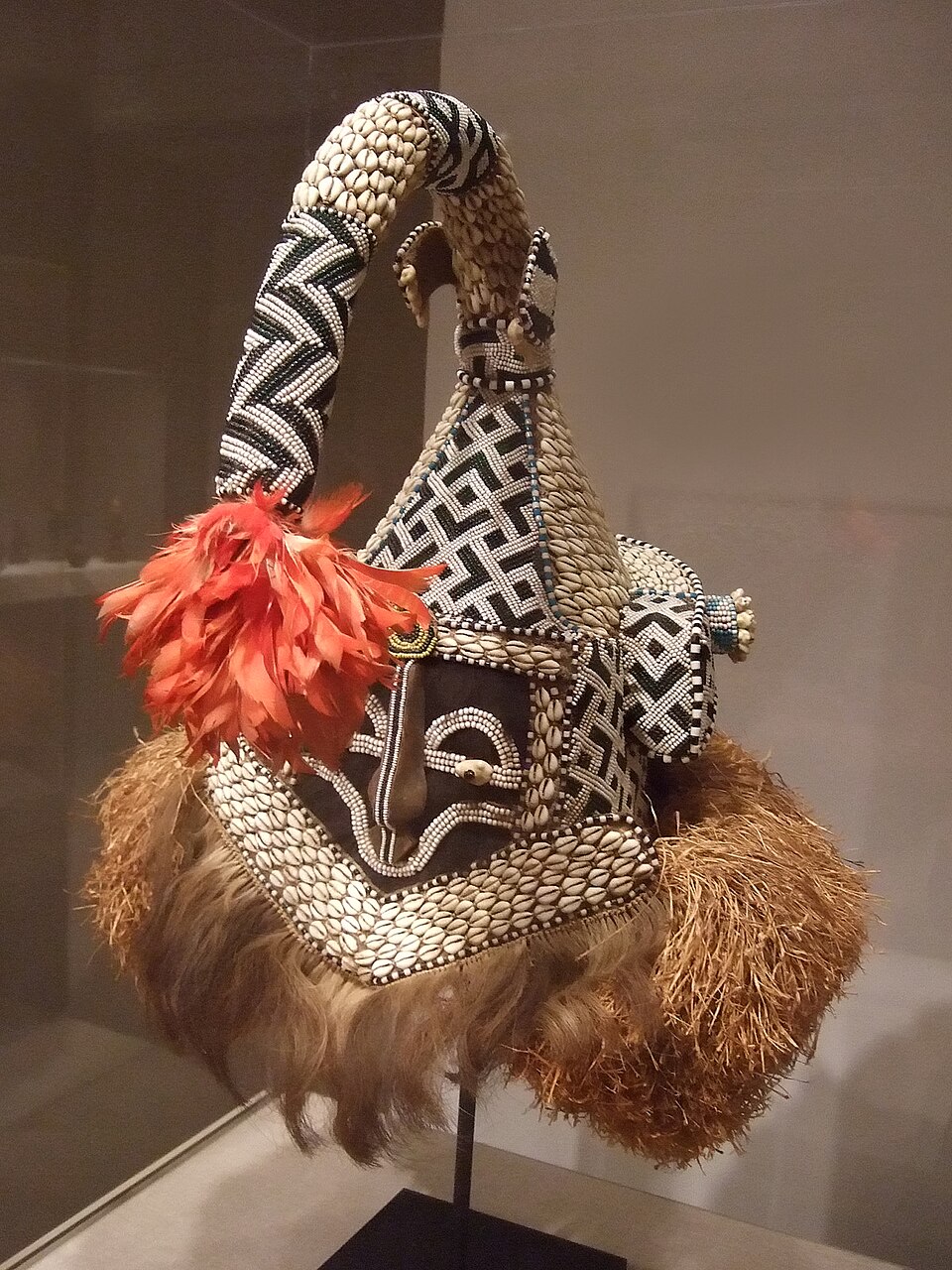
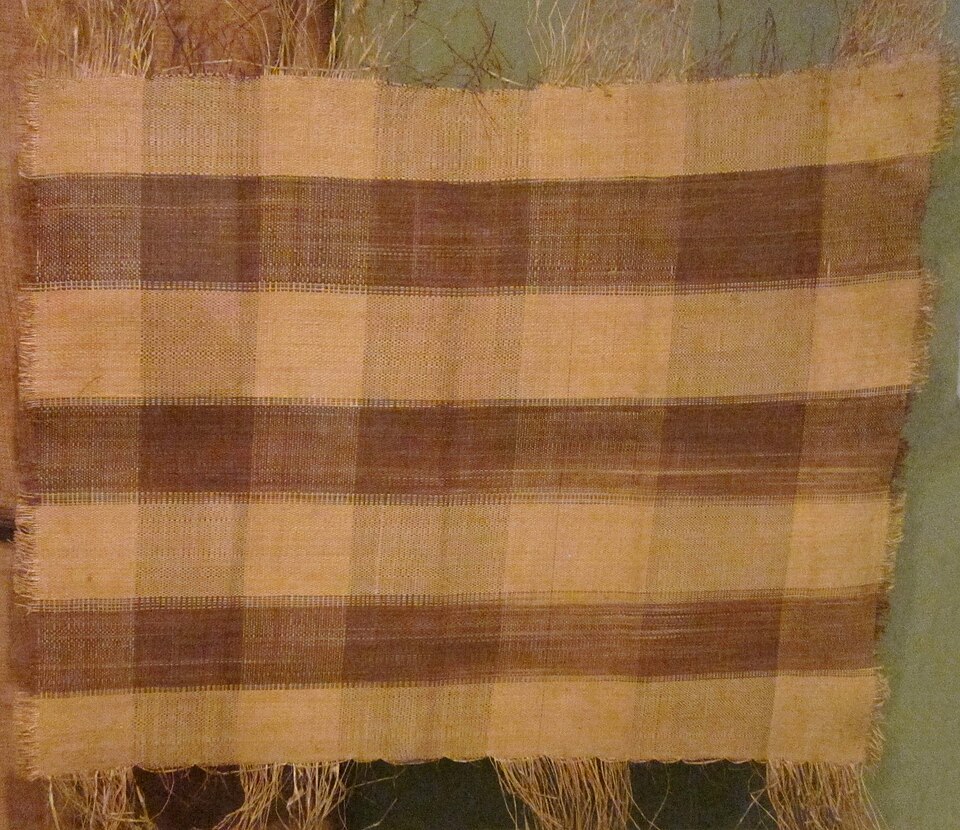
Congolese culture is a mosaic of more than 200 ethnic groups — mostly Bantu-speaking, alongside Sudanic, Nilotic, and Pygmy (Twa and Mbuti) communities — and a comparable number of living languages cataloged by linguists. Four national languages knit the mosaic together: Lingala, the language of Kinshasa, the army, and popular music; Swahili in the east; Kikongo in the west; and Tshiluba in the Kasai region. French remains the medium of government and schooling. Christianity claims over nine in ten Congolese, including Kimbanguism, a homegrown church founded by prophet Simon Kimbangu in 1921 that now counts millions of adherents. Artistic traditions run deep: Luba memory boards, Kuba raffia textiles and royal masks, and Chokwe sculpture are treasured in museums worldwide. Daily life prizes the extended family, communal meals, and an exuberant urban street culture in which music is inescapable — bars, churches, and markets all pulse with rumba guitar. Kinshasa's famed sapeurs, devotees of the dandyish 'La Sape' movement, turn dressing well into performance art on even the poorest streets.
Culture, Dem. Rep. Congo
Mary Harrsch / CC BY-SA 4.0

Points Of Pride

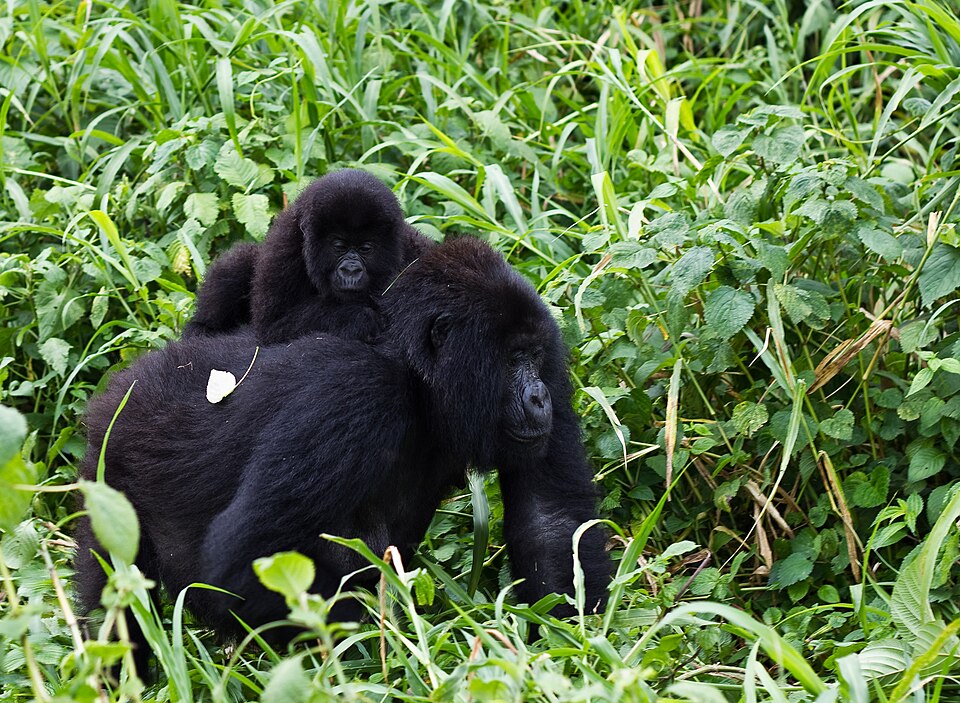
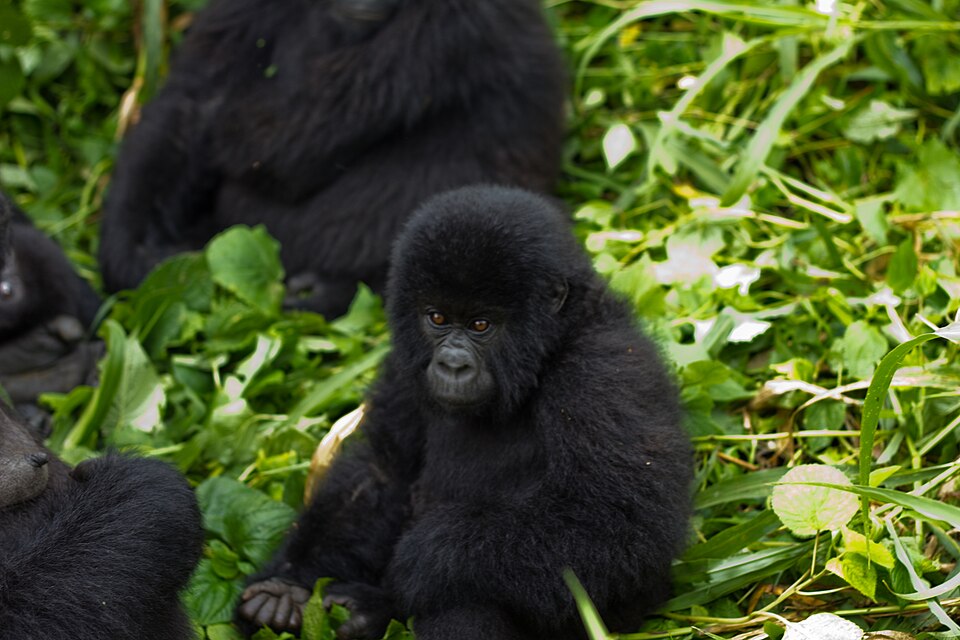
Congolese point first to their river: the Congo is the world's deepest river and Africa's most powerful by volume, discharging more water than any river on Earth save the Amazon. The rainforest it waters is the planet's second largest, sheltering creatures found nowhere else — the elusive okapi, a forest giraffe unknown to science until 1901, and the bonobo, humanity's gentle great-ape cousin, which lives only south of the Congo River. Virunga, established in 1925 as Africa's first national park and a UNESCO World Heritage site, protects critically endangered mountain gorillas on the flanks of active volcanoes. In 2021 UNESCO inscribed Congolese rumba on its list of the Intangible Cultural Heritage of Humanity, formal recognition of a sound that conquered a continent. Sporting pride runs equally deep: Lubumbashi's TP Mazembe became the first African club to reach the final of the FIFA Club World Cup in 2010, and in 1974 Kinshasa hosted the 'Rumble in the Jungle,' perhaps the most storied heavyweight fight ever staged. Few nations pack so much superlative into one flag.
Points Of Pride, Dem. Rep. Congo
Cai Tjeenk Willink / CC BY-SA 3.0

Cultural Fusion

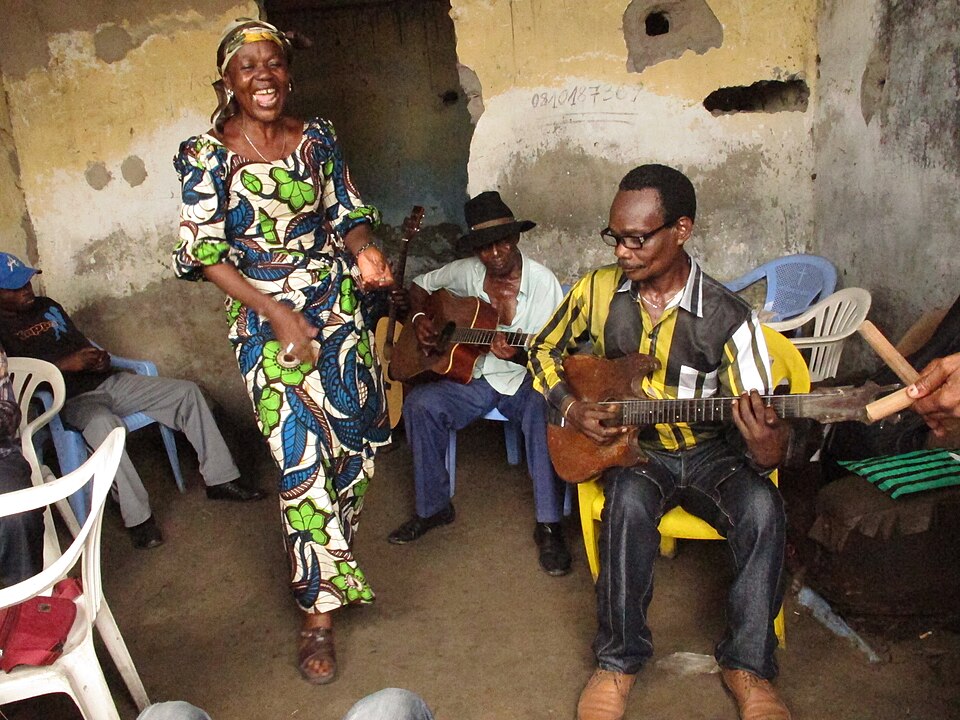
The DRC's modern culture is itself a study in fusion. In the 1930s and 1940s, Cuban son records pressed for the African market arrived in Léopoldville's dance bars; Congolese musicians heard echoes of rhythms their ancestors had carried across the Atlantic, sang them back in Lingala, and forged Congolese rumba — a transatlantic round trip UNESCO honored when it inscribed the genre in 2021. Language tells the same story: street Lingala absorbs French, English, and invented slang, while Kinshasa's youth argots reinvent themselves each generation. Religion fused too — Kimbanguism wove Christian scripture into African prophetic tradition, and syncretic congregations flourish alongside Catholic parishes established in the colonial era. The sapeurs of La Sape marry Parisian haute couture to Congolese swagger, transforming European tailoring into a defiantly African art form. Even the kitchen is a crossroads: cassava, brought from the Americas centuries ago, became the national staple, while Belgian-era breads and beignets remain morning fixtures. Out of colonization, migration, and trade, the Congolese have consistently turned borrowed materials into something unmistakably their own.
Cultural Fusion, Dem. Rep. Congo
Jeanne Vu Van / CC BY-SA 4.0

Music & Dance

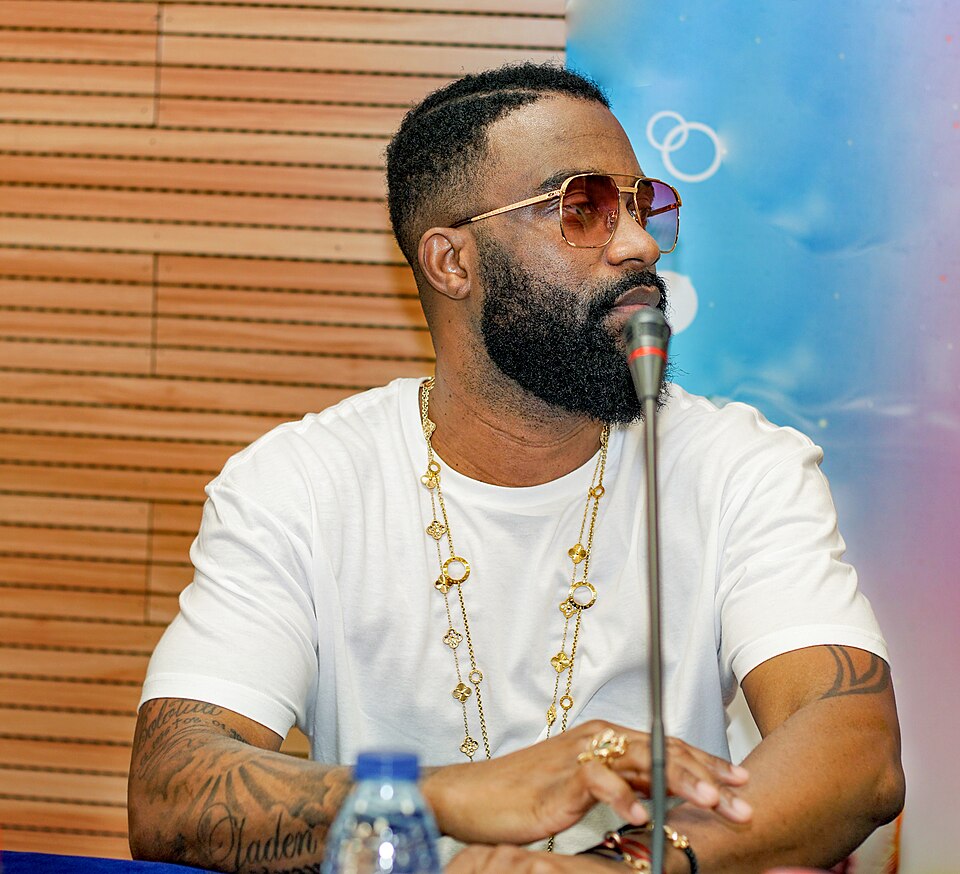
No African country has exported more music. Congolese rumba — born when Léopoldville's guitarists reworked Afro-Cuban son into something silkier and sung in Lingala — became the continent's lingua franca of dance. Grand Kallé's 'Indépendance Cha Cha' (1960) served as an unofficial anthem for African decolonization; Franco Luambo and his OK Jazz built the sprawling, sermon-like guitar epics of the golden age; Tabu Ley Rochereau brought the sound to Paris's Olympia. From rumba flowed soukous, faster and flashier, and its dancefloor descendant ndombolo, whose hip-swiveling steps periodically scandalize and delight in equal measure. Papa Wemba fused rumba with global pop and doubled as high priest of the sapeurs; today Fally Ipupa fills arenas from Kinshasa to Paris. The style's signature is the sebene — the extended, shimmering guitar breakdown where singers step back and dancers take over, urged on by shouted atalaku animations. In 2021 UNESCO inscribed Congolese rumba on the Representative List of the Intangible Cultural Heritage of Humanity, jointly for the DRC and its neighbor across the river. In Congo, the recognition merely confirmed what everyone knew: the beat is the national archive.
Music & Dance, Dem. Rep. Congo
Charlyneros / CC BY-SA 4.0

Cuisine & Misattributed Foods

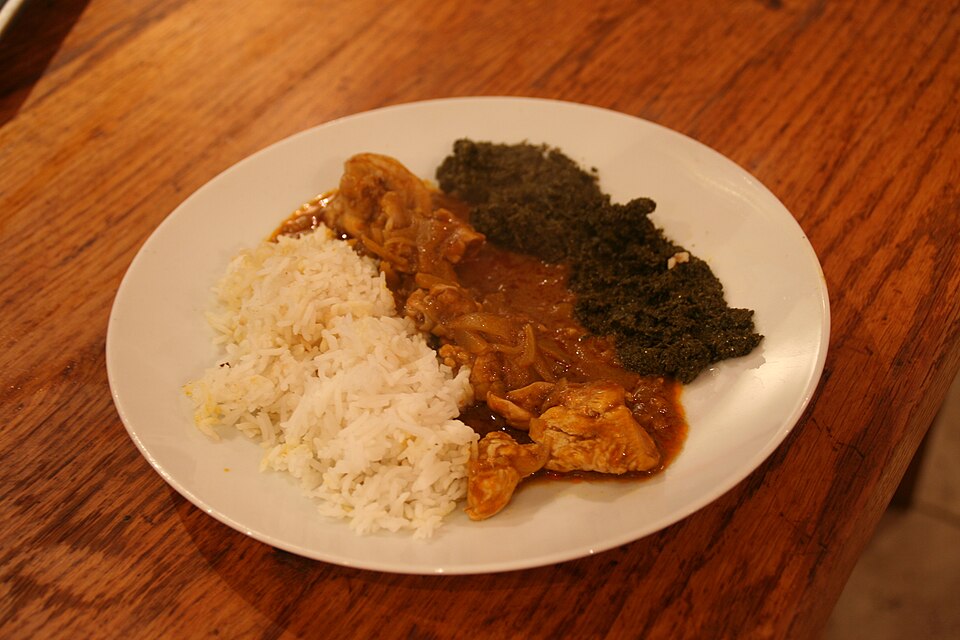
Congolese cooking is built on cassava, eaten twice over: its starchy root is pounded into fufu, the smooth, elastic staple scooped by hand and dipped into sauce, while its leaves are pounded and simmered with palm oil into pondu (also called saka-saka), the beloved national green. The dish many call the national plate is moambe chicken — poulet à la moambe — chicken stewed in a rich sauce of pressed palm nuts, usually served with rice or fufu and a fiery pili-pili chili on the side. From the great river and lakes come tilapia and the prized capitaine (Nile perch), grilled over charcoal or steamed in banana-leaf parcels called liboke. Chikwange, fermented cassava wrapped and steamed in leaves, travels well and anchors many meals; makemba (plantains) appear boiled, fried, or roasted. Protein is resourceful: smoked fish, goat brochettes sold at roadside braziers, and seasonal mbinzo caterpillars, a crunchy delicacy rich in protein. Palm wine and bottled lager wash it all down. Meals are communal by default — a shared basin of fufu, one pot of sauce, and unhurried conversation.
Cuisine & Misattributed Foods, Dem. Rep. Congo
Brigade Piron / CC BY-SA 4.0

National Dress

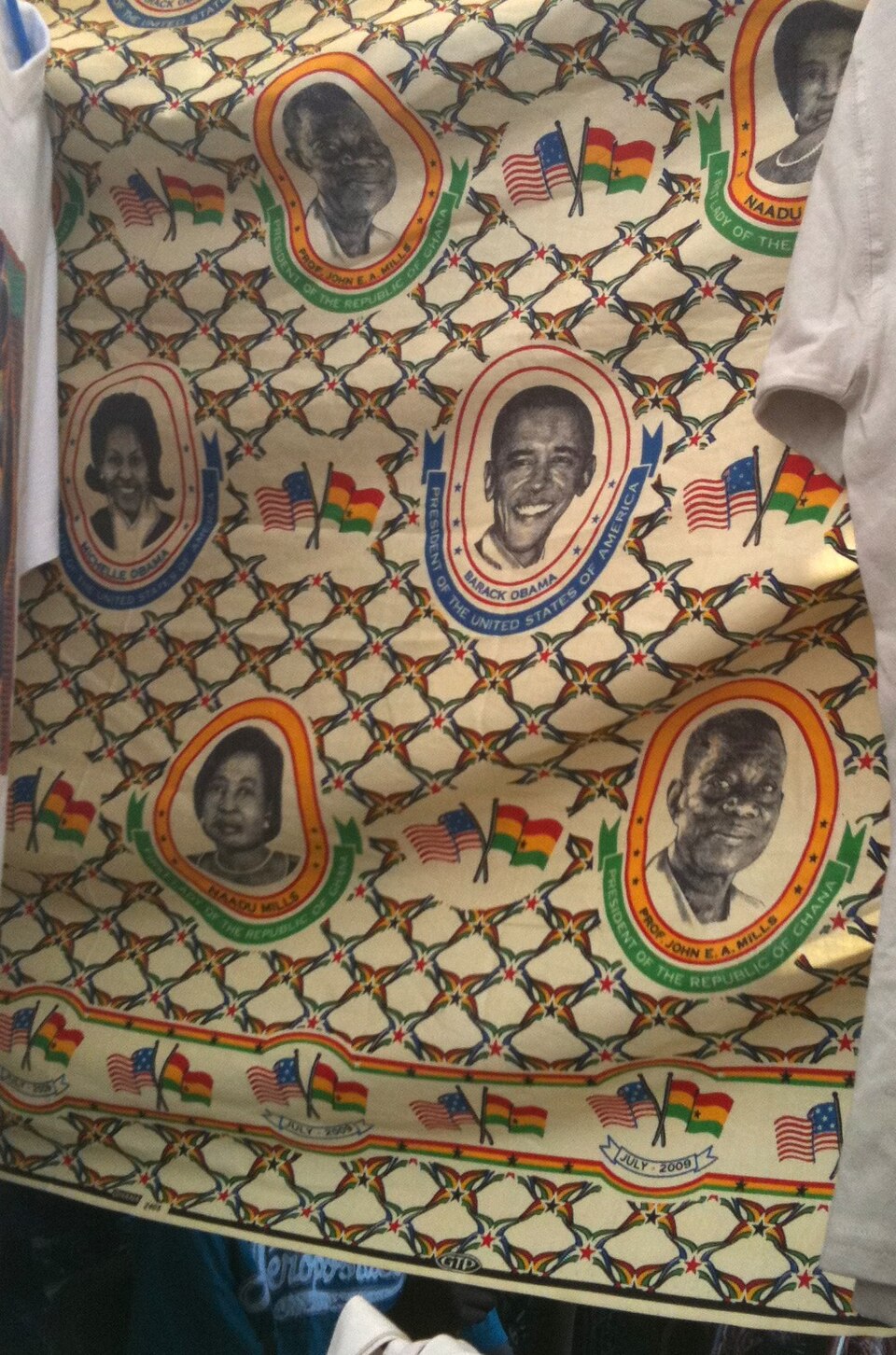
The signature of Congolese dress is the pagne — vivid wax-print cloth sold in six-yard lengths and tailored into the liputa ensemble: a fitted top, wrapped skirt, and matching headwrap for women, with patterns that carry names, proverbs, and social commentary. Cloth does the talking; a print may honor a political moment, tease a rival, or announce a family celebration, and matching fabrics visually unite wedding parties and church congregations. Dress has also been state policy: under Mobutu's authenticité campaign, Western suits and neckties were banned in favor of the abacost — literally 'à bas le costume,' 'down with the suit' — a collarless, Mao-style tunic that became the uniform of Zairian officialdom until the 1990s. Its fall was answered by the flamboyant revenge of La Sape, the Société des Ambianceurs et des Personnes Élégantes, whose sapeurs treat impeccable — often outrageously colorful — designer tailoring as a philosophy of elegance and dignity amid hardship. Everyday urban wear now mixes jeans and secondhand fashion with tailored prints, but for church, weddings, and funerals, the pagne remains sovereign.
National Dress, Dem. Rep. Congo
Tommy Miles / CC BY-SA 2.0

Sports & Inspiring Athletes

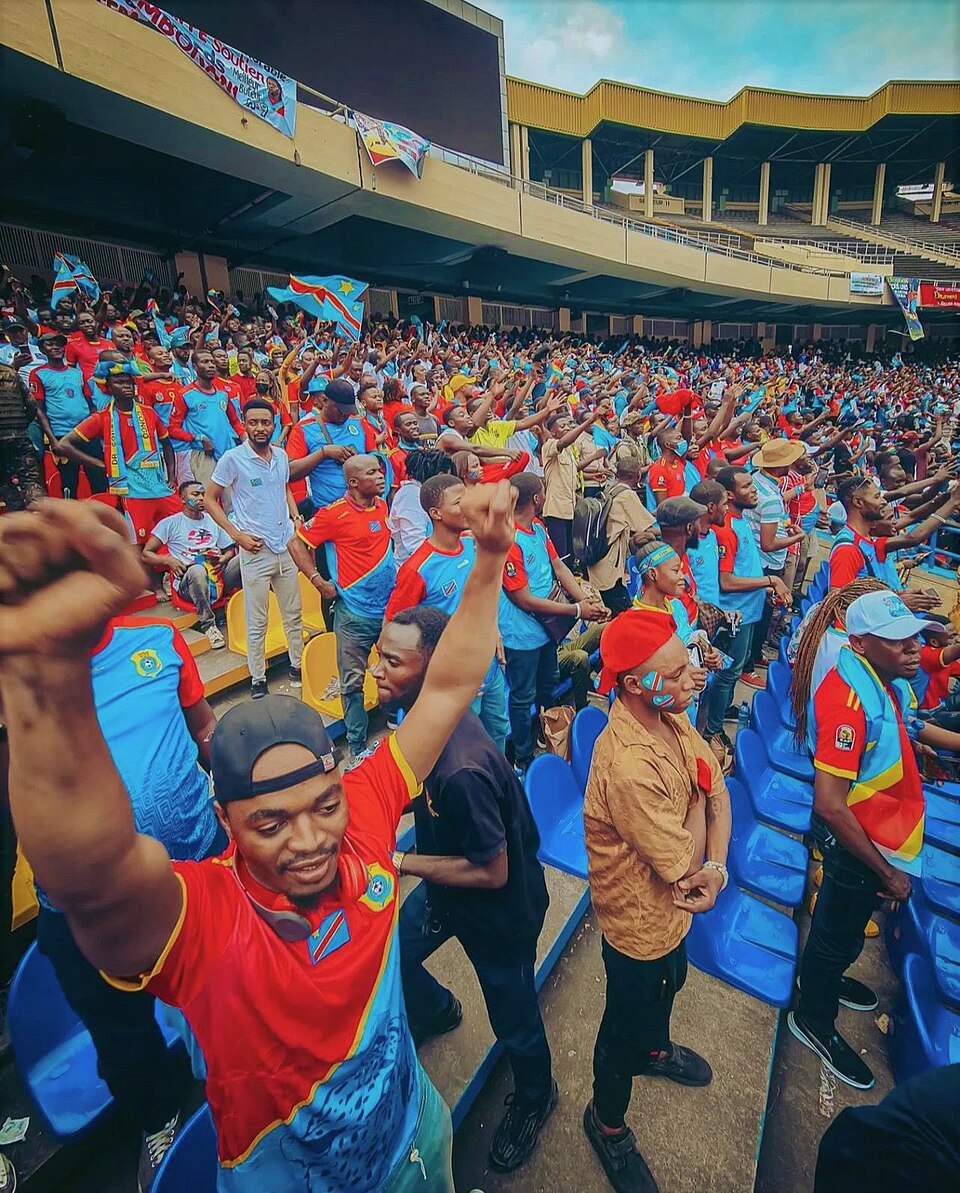
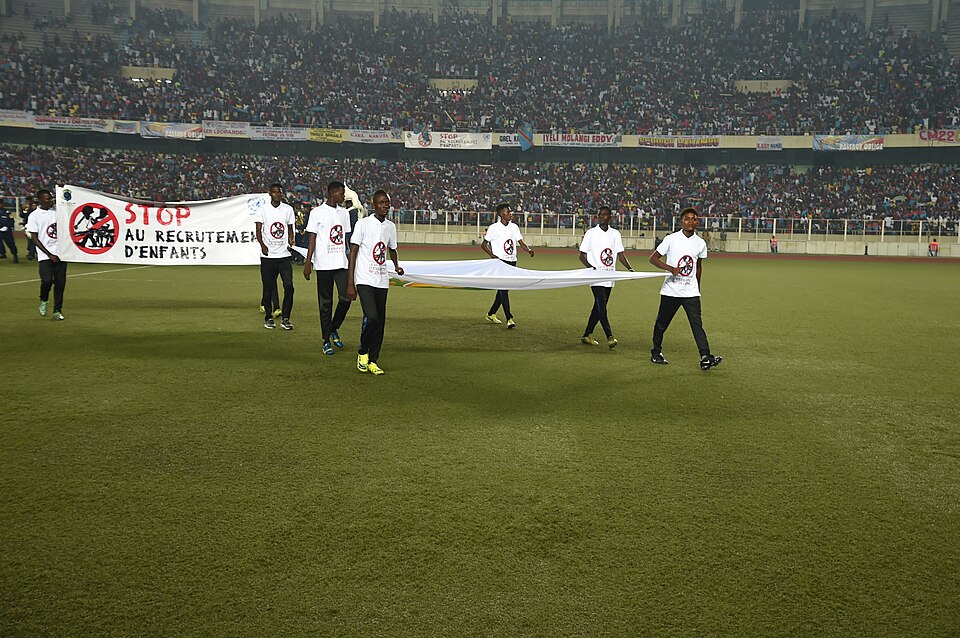
Football is the national obsession. The Leopards won the Africa Cup of Nations in 1968 and again in 1974 — the same year the team, then playing as Zaire, became the first from sub-Saharan Africa to qualify for the FIFA World Cup finals. Club football is ferociously followed: Lubumbashi's TP Mazembe has won the CAF Champions League five times and in 2010 became the first African side to reach the FIFA Club World Cup final, while Kinshasa derbies between AS Vita Club and DC Motema Pembe electrify the Stade des Martyrs. That same stadium's predecessor hosted sport's most mythologized night — the 1974 'Rumble in the Jungle,' when Muhammad Ali knocked out George Foreman before a Kinshasa crowd chanting 'Ali, boma ye!' Basketball is the great second sport, powered by Congolese size and diaspora success: Kinshasa-born Dikembe Mutombo became an eight-time NBA All-Star and one of the greatest shot-blockers ever, inspiring academies across the country. The DRC has competed at the Olympic Games since 1968, and its athletes increasingly surface in judo, boxing, and athletics through the Congolese Olympic Committee.
Sports & Inspiring Athletes, Dem. Rep. Congo
Mikebrown7 / CC BY-SA 4.0

Notable Educational Programs

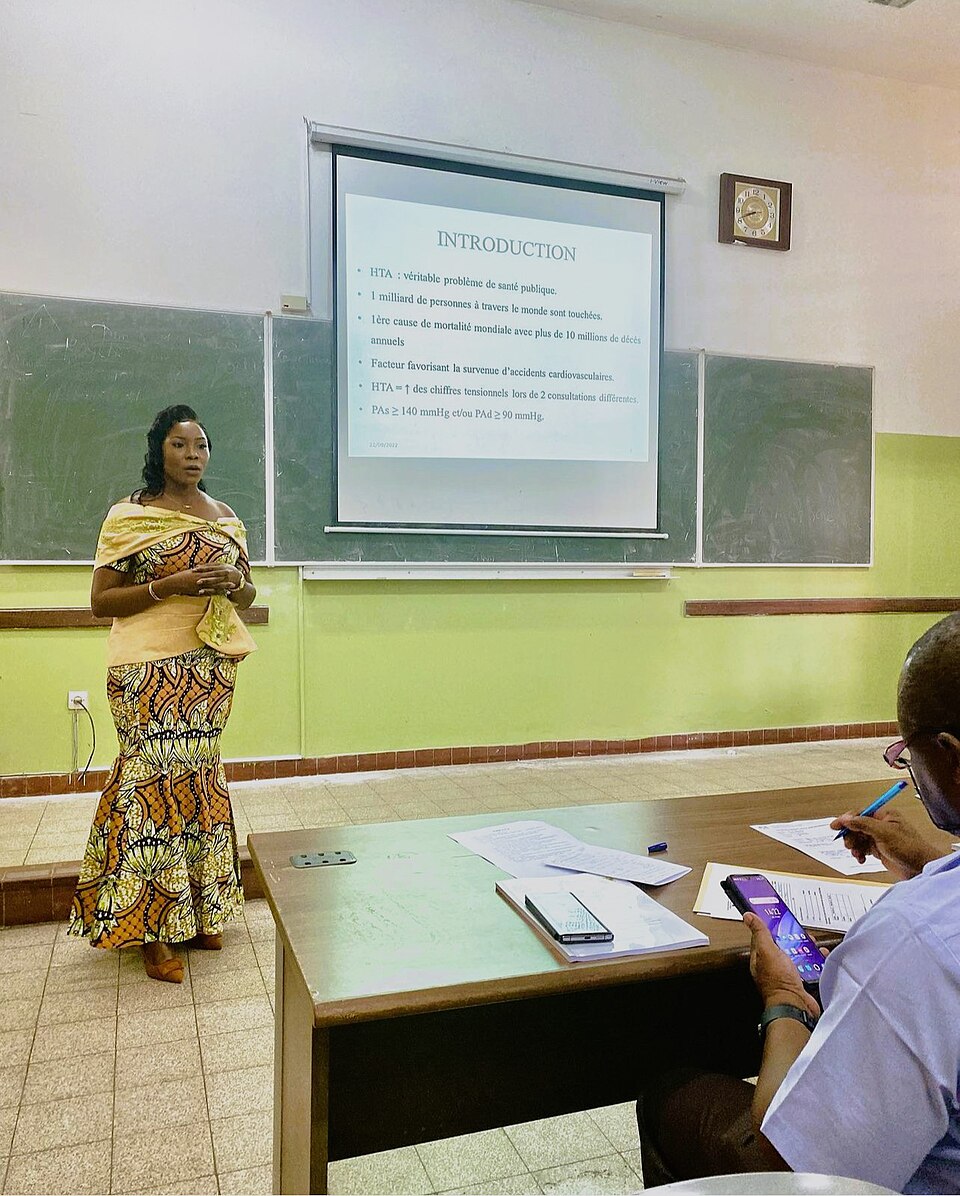
Congolese schooling follows a 6-6 structure — six years of primary school followed by secondary cycles ending in the state exam, the Examen d'État — taught in French with national languages used in early grades. The system's most distinctive feature is a church-state partnership dating to the colonial era: the majority of public schools are écoles conventionnées, state-funded but administered by Catholic, Protestant, Kimbanguist, and Islamic networks under formal agreements, making the Catholic Church one of the country's largest education providers. The landmark reform of the past decade is the gratuité: in September 2019 President Tshisekedi abolished primary-school fees nationwide, and enrollment surged by millions of children — among the largest single expansions of schooling anywhere — with the World Bank backing the policy through major financing for teacher salaries and school grants. Enormous challenges remain: classrooms are overcrowded, teacher pay is thin, and the DRC still counts among the world's largest populations of out-of-school children, with girls and conflict-displaced pupils in the east hardest hit. Community schools, accelerated-learning catch-up classes, and UNESCO-supported literacy programs work the gaps the formal system cannot yet reach.
Notable Educational Programs, Dem. Rep. Congo
EdwinAlden.1995 / CC BY-SA 4.0

Wars & Conflicts

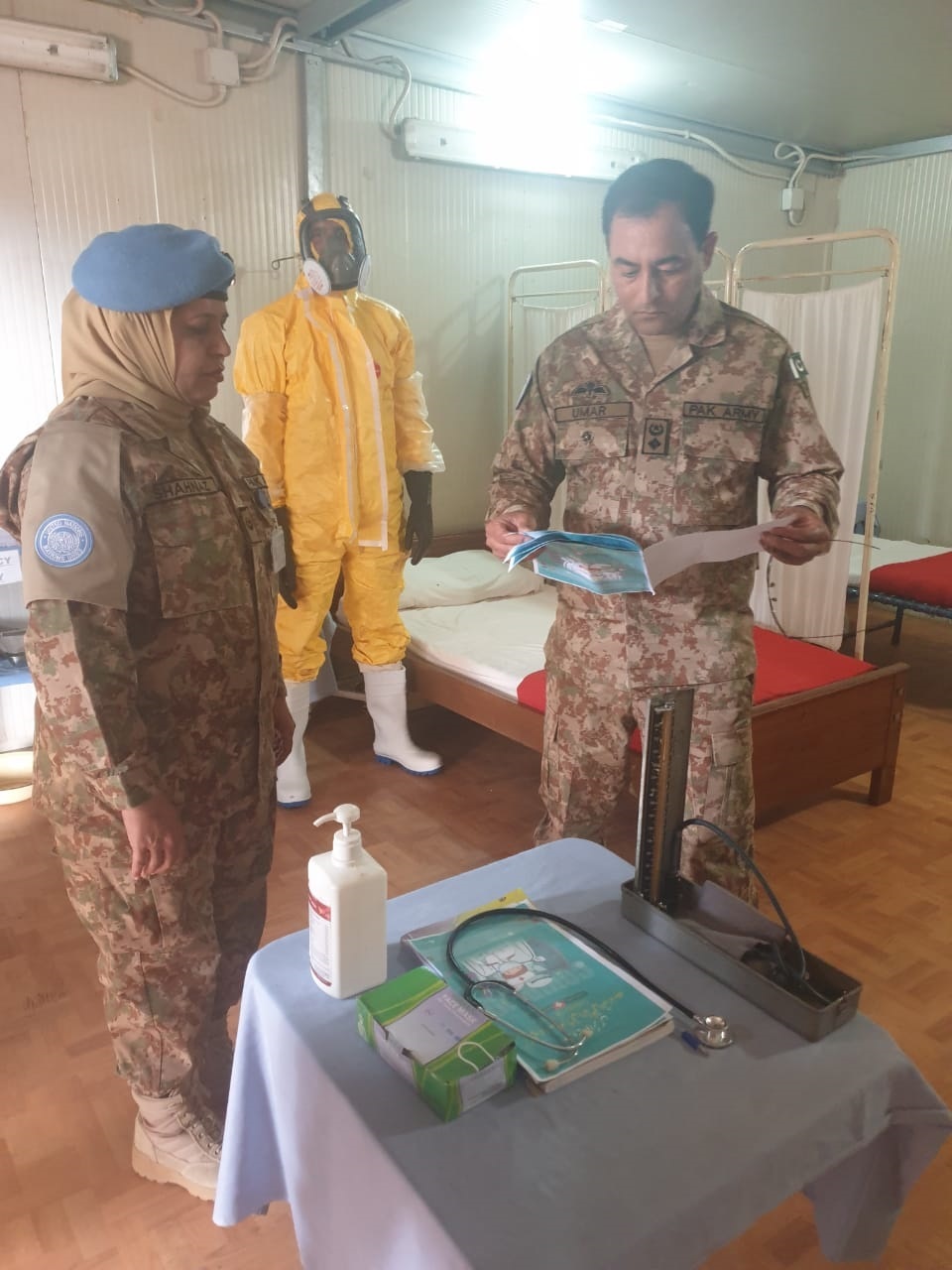
Eastern DRC remains an active conflict zone. In January 2025 the M23 movement, operating under the Alliance Fleuve Congo (AFC) coalition, captured Goma, capital of North Kivu, and weeks later took Bukavu, capital of South Kivu (BBC News, Reuters, February 2025); as of mid-2026 it still administers both cities. Kinshasa and UN experts say M23 is armed and supported by Rwandan troops; Rwanda denies commanding the group and says it acts against the FDLR, a militia with roots in the 1994 genocide. M23/AFC says it is fighting for the rights of Congolese Tutsi communities and against misgovernance. Diplomacy has produced paper progress: a US-brokered DRC-Rwanda peace agreement signed in Washington on 27 June 2025 (AP, Reuters), and a Qatar-mediated Doha framework between Kinshasa and the AFC/M23 signed 15 November 2025, followed in 2026 by a ceasefire-verification mechanism and prisoner-release steps. Yet fighting has continued: M23 seized Uvira in late 2025 before withdrawing under US pressure, President Tshisekedi accused Rwanda of violating the accord (Al Jazeera, December 2025), and clashes persisted into July 2026 in the South Kivu highlands. Separately, the ADF, an Islamic State-affiliated group, continues attacks on civilians in North Kivu and Ituri despite joint Congolese-Ugandan operations (UCDP; Reuters). The UN counts roughly seven million internally displaced people — among the world's largest displacement crises.
Current as of 2026-07-16
Wars & Conflicts, Dem. Rep. Congo
MONUSCO on Flickr / CC BY-SA 2.0

Land & Border Disputes

The DRC's 10,000-plus kilometers of borders, many drawn along rivers and lakes, generate recurring friction. The most persistent dispute is with Uganda over Rukwanzi Island in Lake Albert and the shifting delta of the Semliki River — a boundary question sharpened by oil exploration in the Albertine graben, where lucrative blocks straddle uncertain lines. The two countries have managed the issue through joint demarcation talks even as commercial stakes rise. History also shadows the relationship: in its 2005 Armed Activities judgment, the International Court of Justice found Uganda had violated Congolese sovereignty during the Congo wars, and in 2022 the Court ordered Uganda to pay the DRC $325 million in reparations, payable in annual installments. To the west, the boundary with the Republic of the Congo follows the thalweg of the Congo and Ubangi rivers, where sandbanks and islands occasionally complicate jurisdiction. At the Atlantic, the DRC's famously narrow 37-kilometer coastline pinches its maritime space between Angola proper and the Cabinda exclave, and Kinshasa has long pressed for a larger share of offshore hydrocarbons, pursuing a negotiated common-interest zone with Luanda rather than litigation.
Land & Border Disputes, Dem. Rep. Congo
Albert Backer / CC BY-SA 3.0
Land, Life & Legacy

Land & Climate

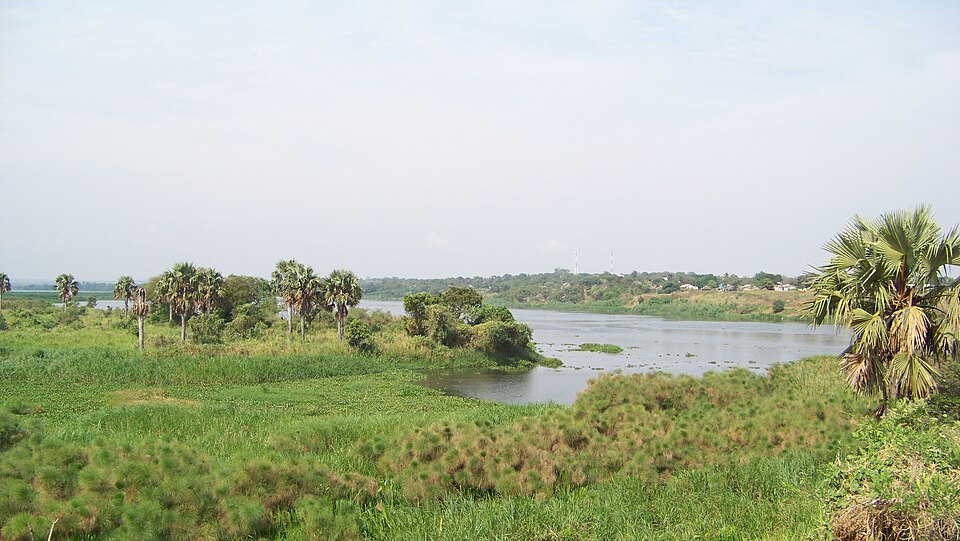
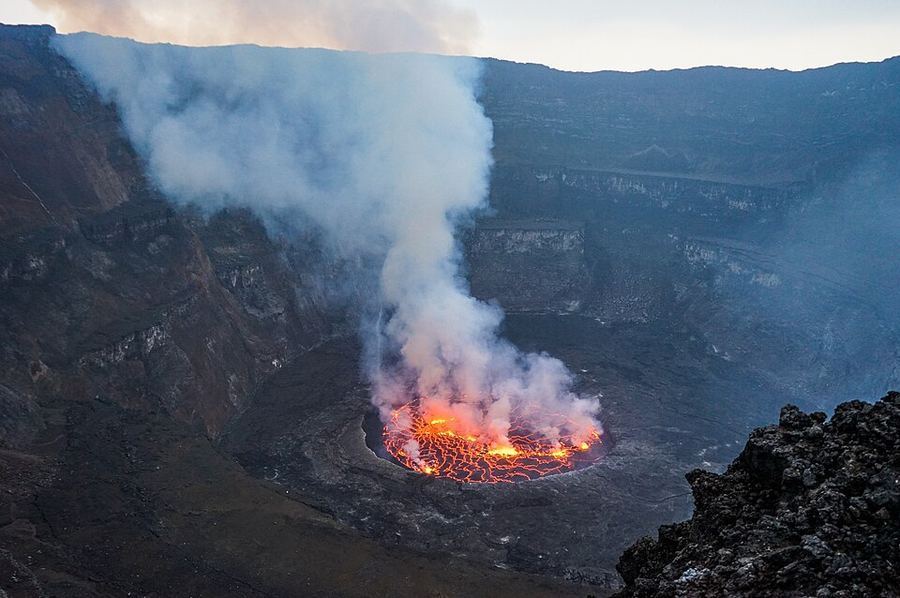
The Democratic Republic of the Congo covers about 2.34 million square kilometres, making it the largest country in sub-Saharan Africa, and it is built around the basin of the Congo River. The river is second only to the Amazon in discharge, crosses the equator twice, and drains a rainforest second in size only to the Amazon's, a globally important carbon store. The centre of the country is low, hot and wet; to the north and south the forest gives way to savanna, and the Katanga plateau in the southeast holds the copper and cobalt belt. The eastern border follows the Albertine Rift, a chain of deep lakes including Tanganyika, Kivu, Edward and Albert, flanked by the glaciated Rwenzori Mountains and the Virunga volcanoes; Nyiragongo, above Goma, holds a persistent lava lake and erupted destructively in 2002 and 2021. Virunga National Park, the oldest national park in Africa and a World Heritage site, protects mountain gorillas there. Despite its size the country has only about 37 kilometres of Atlantic coastline, at the Congo's mouth near Muanda. The climate is equatorial in the centre with rain year-round, and tropical with distinct wet and dry seasons at the margins.

Entertainment

Kinshasa's reputation as Africa's music capital rests on its nightlife: open-air bars and dance floors where rumba, soukous, and ndombolo bands play into the small hours, a scene so central to city identity that residents proudly call themselves 'ambianceurs.' The dandy movement known as La Sape — the Society of Ambiance-Makers and Elegant People — turns dressing itself into performance, its sapeurs parading immaculate tailoring through working-class neighbourhoods. Football is the mass passion, with Kinshasa derbies filling the 80,000-seat Stade des Martyrs. The river is the other great commons: ferries, fishing pirogues, and weekend excursions animate the Congo's Malebo Pool. For visitors, the crown jewels are the national parks — Virunga, Africa's oldest, established in 1925 and a UNESCO World Heritage site sheltering mountain gorillas, and Kahuzi-Biega, home of the eastern lowland gorilla — though recurring conflict has constrained the tourism that such natural endowment could otherwise command.
Entertainment, Dem. Rep. Congo
Cai Tjeenk Willink / CC BY-SA 3.0

Art & Museums

Congolese classical sculpture ranks among the world's great art traditions: Luba caryatid stools and memory boards, Songye power figures bristling with metal and horn, Kuba raffia 'velvet' textiles with their hypnotic geometry, and the refined court arts of the Mangbetu and Chokwe fill the African galleries of major museums on several continents — a diaspora of masterworks that now fuels restitution debates with Belgium and beyond. Kinshasa's Academie des Beaux-Arts, founded in 1943 and long Central Africa's leading art school, has trained generations of painters and sculptors, while a parallel popular-painting movement made the capital one of Africa's most original art cities: Cheri Samba's text-filled canvases of everyday moral drama and the bar-scene paintings of Moke have entered collections from Paris to New York. The National Museum of the Democratic Republic of the Congo, opened in Kinshasa in 2019, now displays thousands of ethnographic and historical works at home.
Art & Museums, Dem. Rep. Congo
Hiart / CC0

Notable People

Patrice Lumumba, the independence prime minister assassinated in 1961 at age 35, remains Africa's most invoked martyr of decolonization. Denis Mukwege, the gynecological surgeon whose Panzi Hospital in Bukavu has treated tens of thousands of survivors of sexual violence, shared the 2018 Nobel Peace Prize. Virologist Jean-Jacques Muyembe helped identify Ebola during the world's first documented outbreak at Yambuku in 1976 and later led development of effective antibody treatments. The philosopher V.Y. Mudimbe reframed how the continent is studied with The Invention of Africa. Music supplies the biggest pantheon: Franco Luambo of OK Jazz and rumba pioneer Grand Kalle, whose 'Independance Cha Cha' became decolonization's anthem, followed by Papa Wemba, Koffi Olomide, and Fally Ipupa. Dikembe Mutombo, the shot-blocking NBA great and humanitarian who built a hospital in Kinshasa, carried Congolese names into American arenas for nearly two decades.
Notable People, Dem. Rep. Congo
Jmh2o / CC BY-SA 4.0

Inventions & Breakthroughs

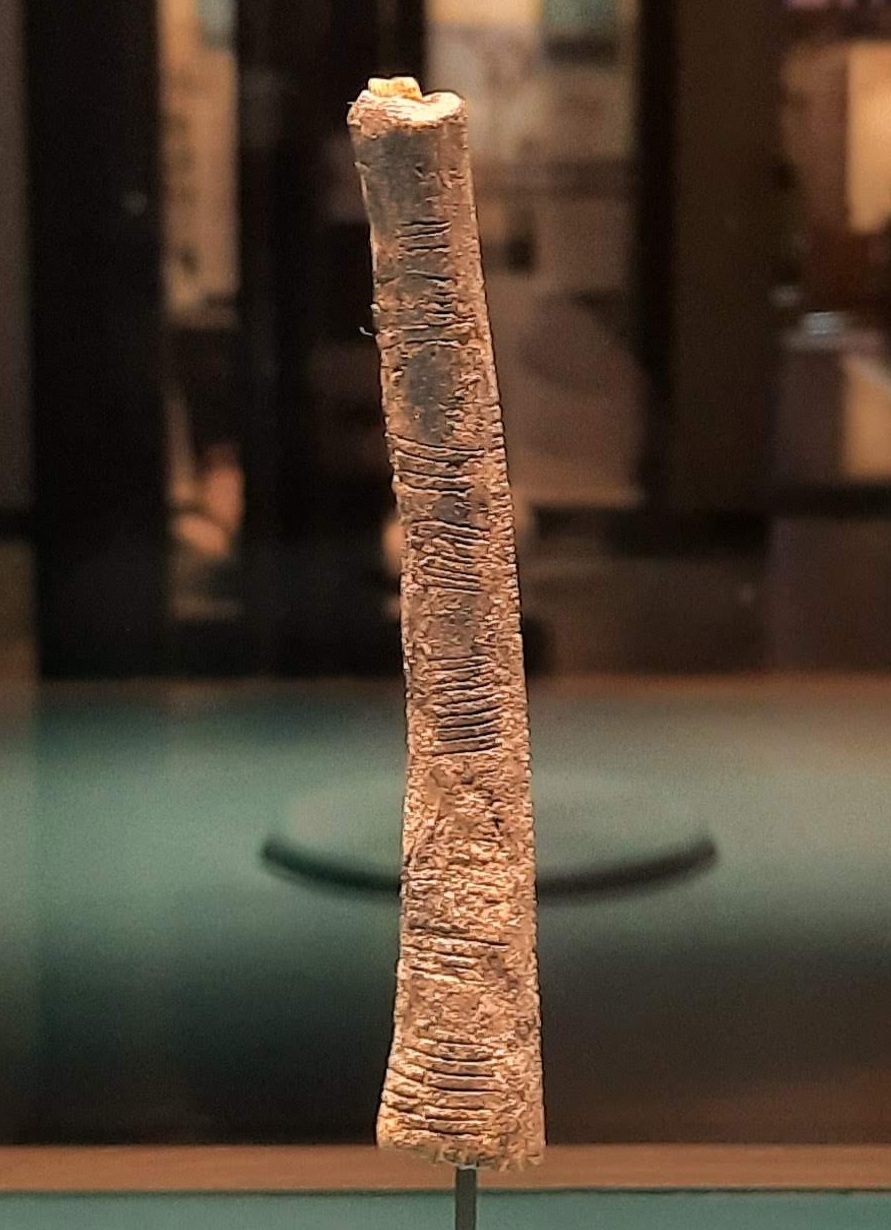
The territory's contribution to human knowledge begins startlingly early: the Ishango bone, a notched baboon fibula excavated in 1950 near Lake Edward and dated to roughly 20,000 years ago, bears grouped tally marks that many scholars read as one of humanity's oldest mathematical artifacts. Modern science owes the country a debt in virology: after the 1976 Yambuku outbreak, Congolese researcher Jean-Jacques Muyembe collected the first samples of what became known as the Ebola virus, and decades later his team's work on monoclonal antibody therapies produced treatments that cut mortality dramatically, validated in WHO-linked trials during the 2018-2020 Kivu epidemic. Congolese rumba, inscribed by UNESCO in 2021 as intangible cultural heritage, stands as a cultural invention of continental reach — the guitar style that reshaped popular music across Africa. And the mineral endowment of cobalt, coltan, and copper makes Congolese ground the raw material of the global battery age.
Inventions & Breakthroughs, Dem. Rep. Congo
Joeykentin / CC BY-SA 4.0

Science & Technology

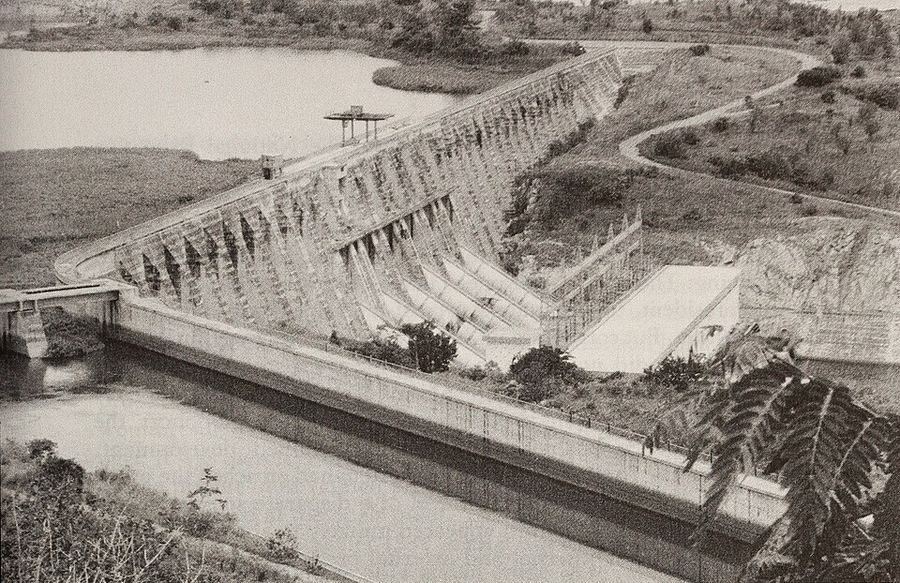
Formal research capacity in the Democratic Republic of the Congo is limited, but in one field it is world-leading by necessity. Ebola virus was first identified in 1976 near the Ebola River at Yambuku, and Congolese scientists have been central to the study of the disease ever since; Jean-Jacques Muyembe-Tamfum, part of that first investigation, went on to direct the National Institute of Biomedical Research in Kinshasa and to co-lead the trials of mAb114, a monoclonal antibody isolated from a survivor of the 1995 Kikwit outbreak that proved effective in a randomised trial during a later epidemic. The institute also runs diagnostics for mpox, measles and cholera, and the country has been a testing ground for ring vaccination with the rVSV-ZEBOV Ebola vaccine. Mining geology and metallurgy around the Katanga copper-cobalt belt form the other technical concentration, and the country supplies most of the world's mined cobalt, a position that has made its extraction practices a matter of international scrutiny. Hydropower engineering at Inga Falls, where two dams operate and the much larger Grand Inga has long been proposed, is the country's other major infrastructure question.
On The World Stage
Champions of Dem. Rep. Congo

Champions & Defining Moments

The national football team's golden era came early: as Zaire, the Leopards won the Africa Cup of Nations in 1968 and again in 1974, and that same year became the first sub-Saharan African side to reach the FIFA World Cup finals, in West Germany. Club football has kept the flame: TP Mazembe of Lubumbashi has won the CAF Champions League five times and in 2010 became the first African club ever to reach the final of the FIFA Club World Cup. The country also staged one of sport's most mythologized nights — the 'Rumble in the Jungle,' when Muhammad Ali knocked out George Foreman before roughly 60,000 spectators in Kinshasa on 30 October 1974. Basketball is the strongest export today: Dikembe Mutombo won four NBA Defensive Player of the Year awards, and successors such as Bismack Biyombo and Jonathan Kuminga continue the pipeline of Congolese-born players reaching the world's top league.

MONUSCO Photos / CC BY-SA 2.0
Economy, Trade & Government

Currency & GDP

Congolese Franc — CDF (FC)

GDP (PPP): $164.367 billion (2024 est.)

Per capita: $1,500 (2024 est.)

Exports

$29.65 billion (2023 est.)

refined copper, cobalt, copper ore, raw copper, crude petroleum (2023)

Partners: China 69%, UAE 7%, India 3%, Spain 3%, Egypt 3% (2023)

Imports

$33.68 billion (2023 est.)

trucks, refined petroleum, stone processing machines, plastic products, sulphur (2023)

Partners: China 35%, Zambia 12%, South Africa 12%, India 5%, Belgium 4% (2023)

Government

Type: semi-presidential republic

Independence: 30 June 1960 (from Belgium)

Terrain → Where People Live

How mountains, coasts, and rivers shape settlement (LandScan).

Coming — data

Migration & Ethnic Settlement

Where groups settled and how people move (GeoEPR + UNHCR).

Coming — data

Universities

Notable institutions, mappable as points.

Coming — data
Economy & government facts: CIA World Factbook (public domain), via OpenFactBook / factbook.json.
Every fact and narrative claim will carry a visible source citation. Data-driven sections light up automatically wherever HERA has coverage.