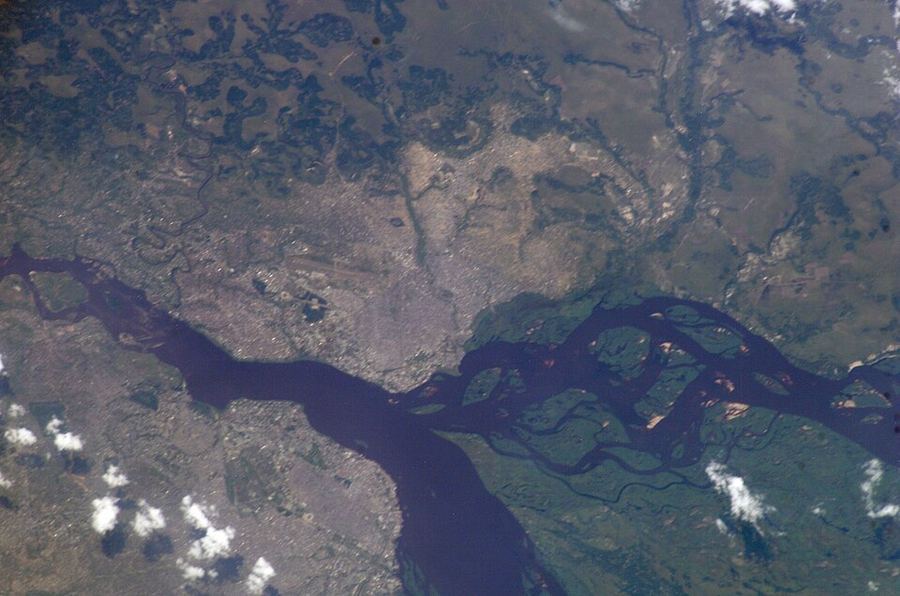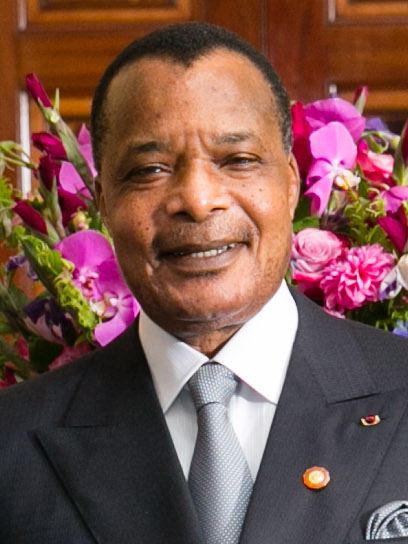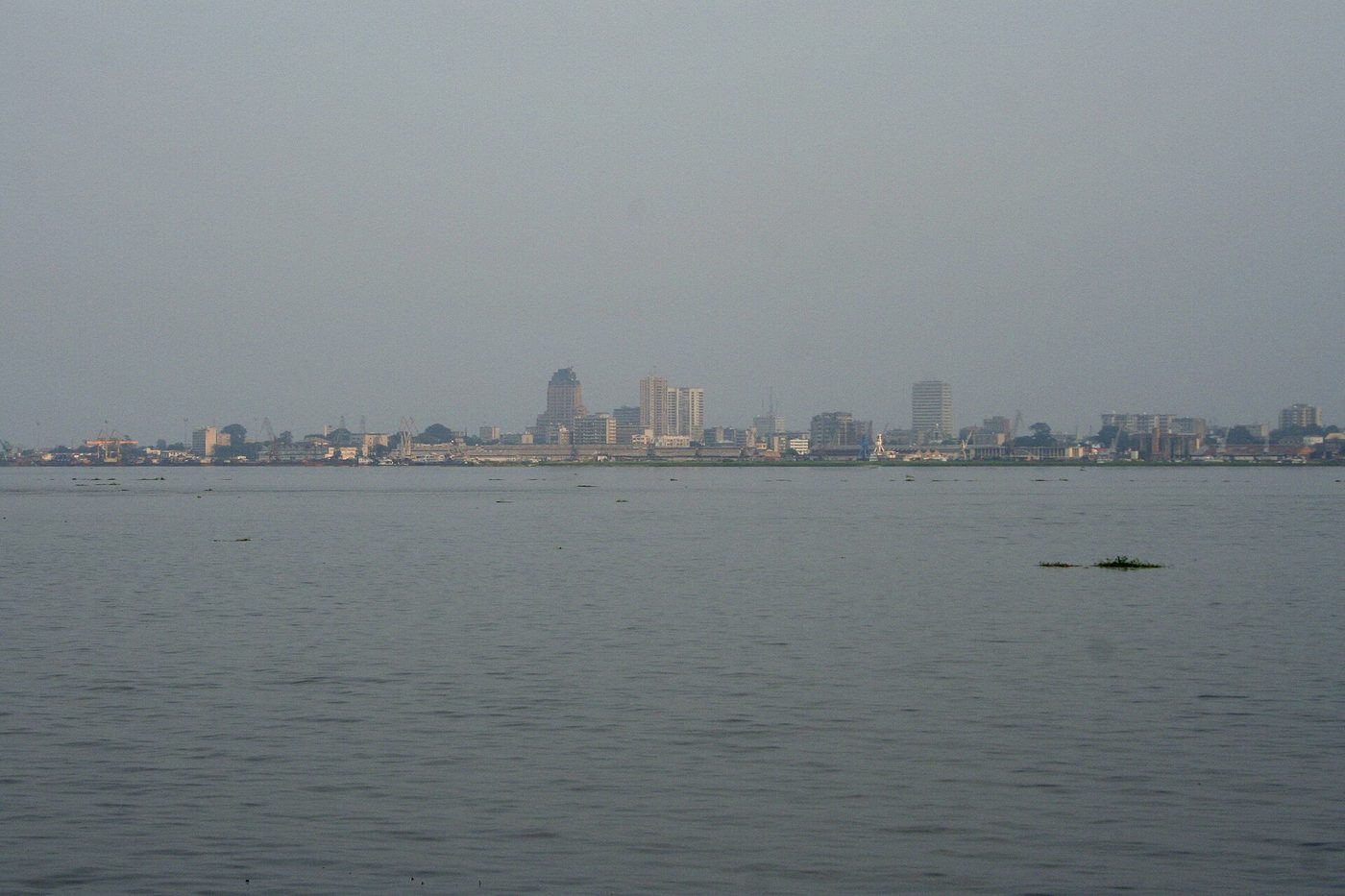
The Republic of the Congo — Congo-Brazzaville, distinguished in everyday speech from its much larger neighbour across the river — is a Central African state of roughly six million people straddling the Equator between Gabon, Cameroon, the Central African Republic, the Democratic Republic of the Congo and a short Atlantic coastline. Brazzaville, the capital, faces Kinshasa across the Congo River; the two are the closest pair of national capitals in the world after Rome and Vatican City. The country is unusually urbanised for the region, with more than two-thirds of the population living in Brazzaville and the oil port of Pointe-Noire, leaving vast forested interiors thinly settled. Petroleum dominates the economy: crude oil leads the export list, sold overwhelmingly into Asian markets, and its price swings have driven both the boom of the 2000s and the debt crisis that followed. Congo is also a forest power, holding a large share of the Congo Basin rainforest and part of the Cuvette Centrale peatlands, one of the planet's densest stores of terrestrial carbon. Politics have been dominated for four decades by Denis Sassou Nguesso, whose two periods in office bracket a brief multiparty experiment and two civil wars in the 1990s.
Brazzaville's urban core is home to about 3,190,743 people.
That's bigger than Rome and Amsterdam — each a great world city in its own right.
Among the world's megacities, though, it's one of many — the giants of Asia and Latin America run larger still:
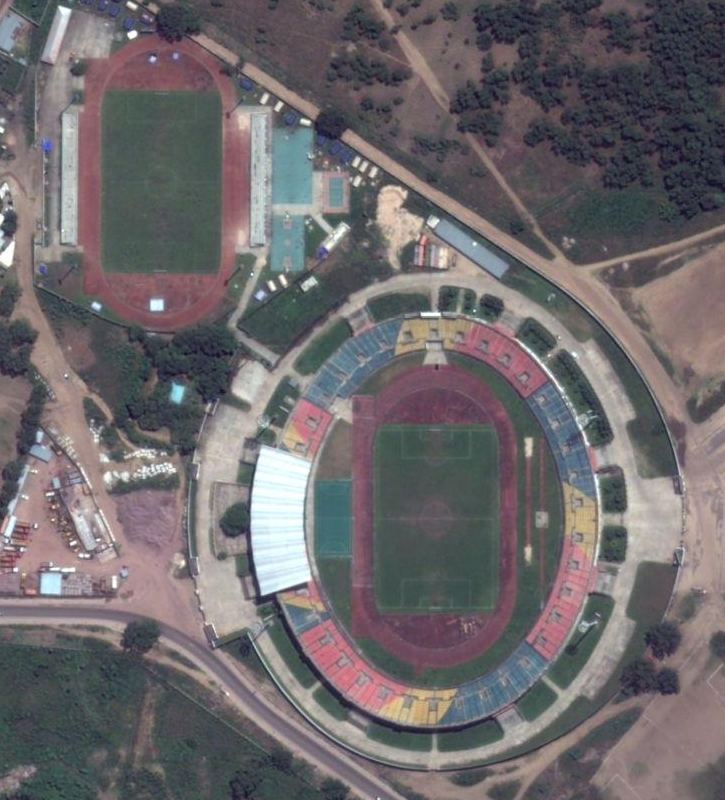
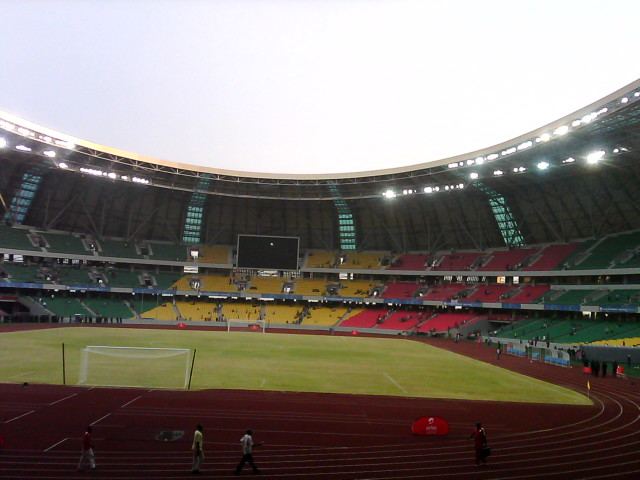
Congo's most significant contribution to international sport is organisational: Brazzaville hosted the first All-Africa Games in July 1965, the inaugural edition of what is now the African Games, and hosted them again in 2015 on the fiftieth anniversary, building the Kintélé stadium and aquatic complex for the occasion. That first Brazzaville edition established the continental multi-sport calendar and is a source of lasting national pride. The country has competed at the Olympic Games since the 1960s without winning a medal, sending small teams principally in athletics, judo, boxing and swimming. Its footballers are the most visible Congolese athletes abroad, with players of Congolese origin appearing in the French, Belgian and Turkish leagues, and the national team drawing heavily on that diaspora. The Diables Rouges have qualified for the Africa Cup of Nations on several occasions since their 1972 title, most recently reaching the tournament in 2015, but have never played at a FIFA World Cup. Congolese handball players and coaches have carried the women's game's continental success into international competition.
CFA Franc BEAC — XAF (Fr)
GDP (PPP): $39.147 billion (2024 est.)
Per capita: $6,200 (2024 est.)
$7.752 billion (2021 est.)
crude petroleum, refined copper, gold, wood, refined petroleum (2023)
Partners: China 46%, UAE 23%, India 6%, Saudi Arabia 5%, Portugal 3% (2023)
$4.487 billion (2021 est.)
ships, poultry, garments, iron pipes, refined petroleum (2023)
Partners: China 24%, Angola 20%, Gabon 9%, France 6%, UAE 5% (2023)
Type: presidential republic
Independence: 15 August 1960 (from France)
How mountains, coasts, and rivers shape settlement (LandScan).
Coming — dataWhere groups settled and how people move (GeoEPR + UNHCR).
Coming — dataNotable institutions, mappable as points.
Coming — data