HERA · Human Entity Reference Atlas by Masego Inc

← Cook Islands 🌐 3D View
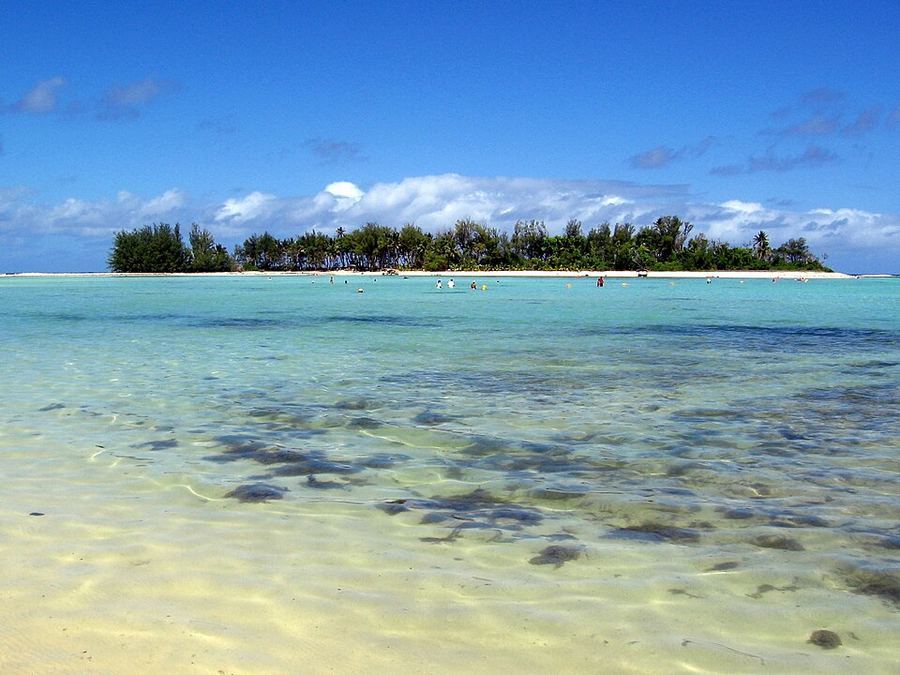
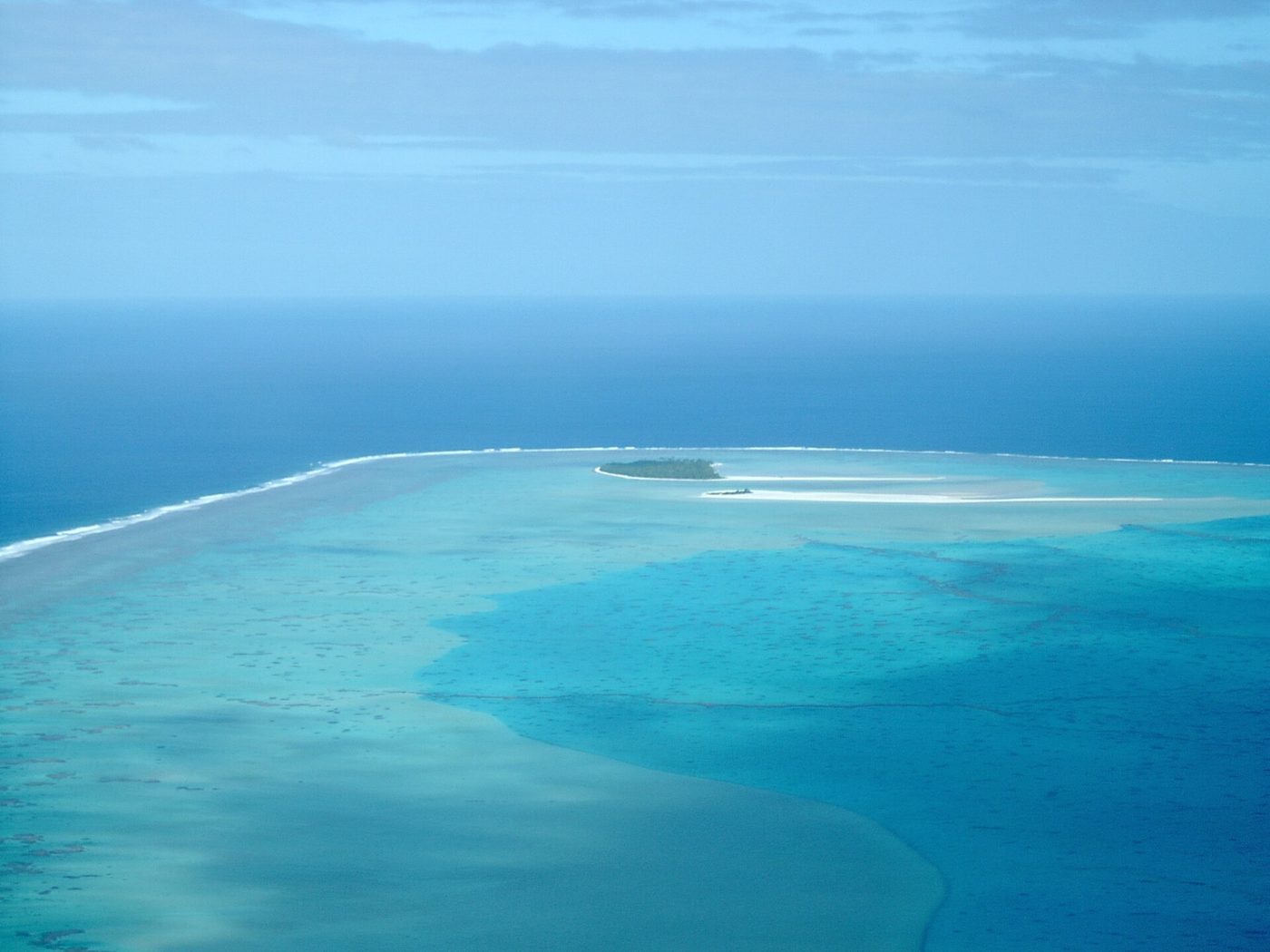
Maina Island, Aitutaki Lagoon, Cook Islands, Cook Islands
Cook Islands COK
Maina Island, Aitutaki Lagoon, Cook Islands — Photo: Patrick Nunn / CC BY-SA 4.0 via Wikimedia Commons
Did You Know Cook Islanders are New Zealand citizens, and far more Cook Islands Maori live in New Zealand and Australia than in the islands themselves. — CIA World Factbook

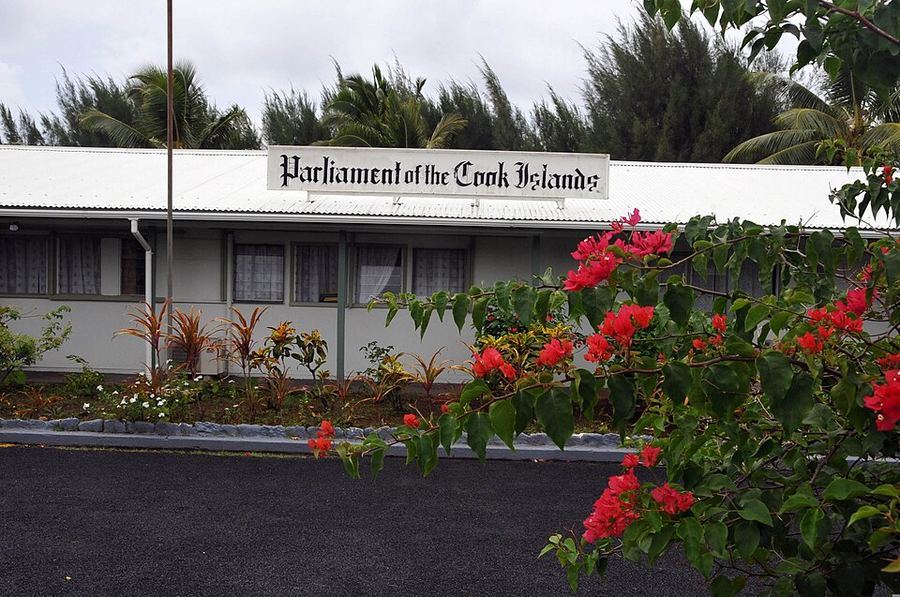
The Cook Islands are fifteen islands scattered across some two million square kilometres of the South Pacific, home to fewer than eight thousand residents but holding an exclusive economic zone larger than most countries on earth. The capital, Avarua, sits on Rarotonga, the mountainous volcanic island where most of the population lives; the remaining islands divide into a southern group of raised volcanic and makatea islands and a northern group of remote coral atolls, some of them several days by ship from the capital. Since 4 August 1965 the Cook Islands have been a self-governing state in free association with New Zealand: they run their own government, legislature and foreign policy, use the New Zealand dollar alongside their own coinage, and their people hold New Zealand citizenship — an arrangement that has allowed emigration on a scale that means far more Cook Islands Maori now live in New Zealand and Australia than at home. The economy rests on tourism, principally to Rarotonga and Aitutaki, supplemented by black pearls from the northern atolls, fishing licences, an offshore financial services sector and remittances. Cook Islands Maori and English are both official languages.

CIA World FactbookEncyclopaedia Britannica
Population
7,592
Capital
Avarua
Currency
$ NZD
Time zones
Largest city
Human Geography Themes
Loading national figures…
The Country & Its People

History

The islands were settled by Polynesian voyagers whose oral traditions trace descent and migration from the Society Islands and the wider central Pacific, and Rarotonga occupies a particular place in Maori tradition in New Zealand as a staging point in the great migration canoes; the Avana harbour on Rarotonga's eastern side is remembered as a departure point. European contact came late and piecemeal: Spanish ships under Alvaro de Mendana sighted Pukapuka in 1595 and Pedro Fernandes de Queiros reached Rakahanga in 1606, and James Cook charted several of the southern islands in the 1770s, though he never saw Rarotonga. The group was named after Cook by Russian cartographers in the following century. London Missionary Society work began in 1821 when John Williams landed the Raiatean teacher Papeiha at Aitutaki, and Christianity spread rapidly, reshaping law and social organisation under the authority of the ariki chiefs. Britain declared a protectorate in 1888, and New Zealand annexed the islands in 1901. Self-government in free association with New Zealand was achieved on 4 August 1965 under the first premier, Albert Henry, and the constitution then adopted remains in force.
Culture

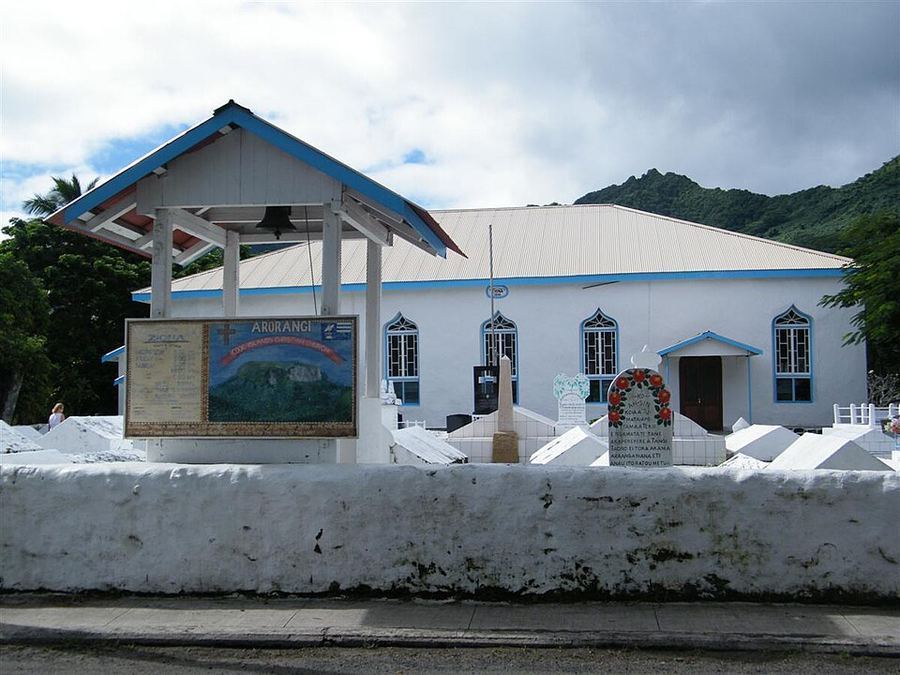
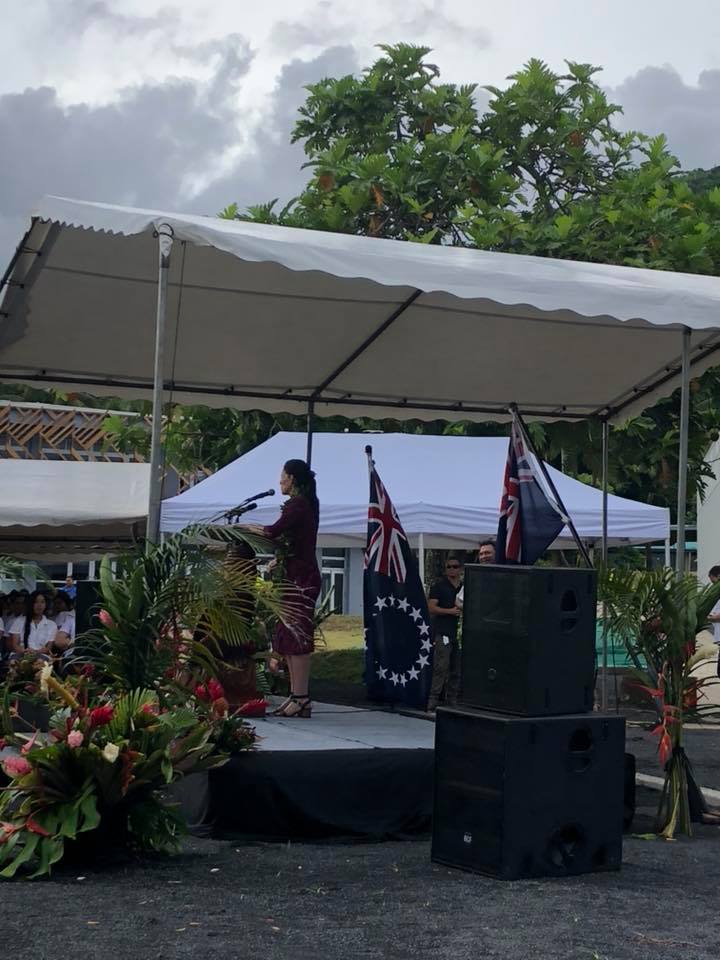
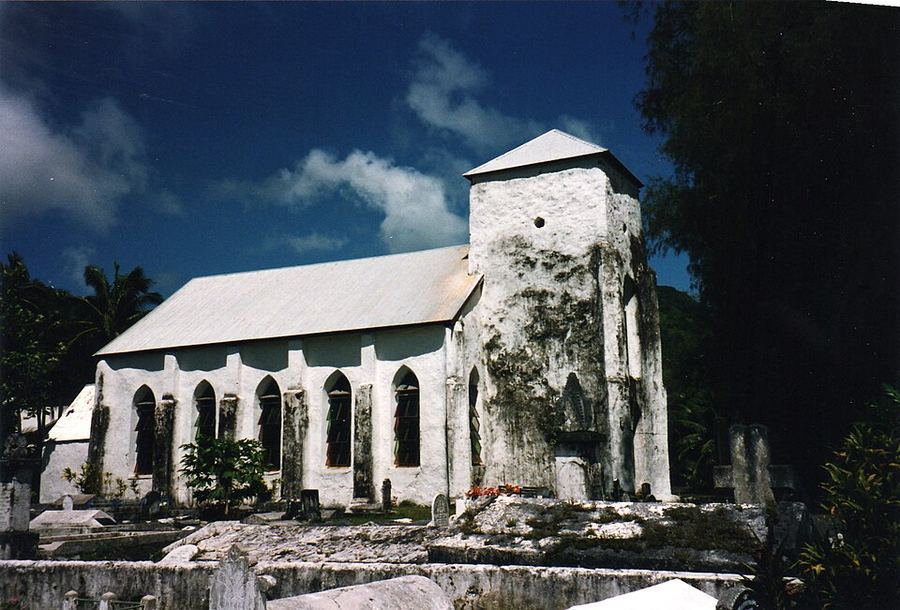
Cook Islands society is organised around kinship, land and the ariki. Customary land tenure survives almost intact: land cannot be sold to outsiders, is held by family lineages, and disputes are heard by the Land Court, which makes genealogy a matter of practical legal consequence rather than sentiment. The House of Ariki gives the traditional chiefs a formal advisory role in the modern state. Church life, inherited from the London Missionary Society and continued in the Cook Islands Christian Church, structures the week; Sunday services with unaccompanied harmony singing, known as imene tuki, are one of the country's most striking cultural experiences. Language is a live concern: Cook Islands Maori, spoken in several island dialects including Rarotongan, Pukapukan and the speech of Mangaia and Manihiki, is official alongside English, and its maintenance among the far larger overseas population is a persistent worry. The national festival, Te Maeva Nui, marks the anniversary of self-government at the start of August with days of competitive dance, drumming, choral singing and island-by-island performance, and draws the diaspora home. Food, gifts and feasting are the standard grammar of obligation between families.

Points Of Pride

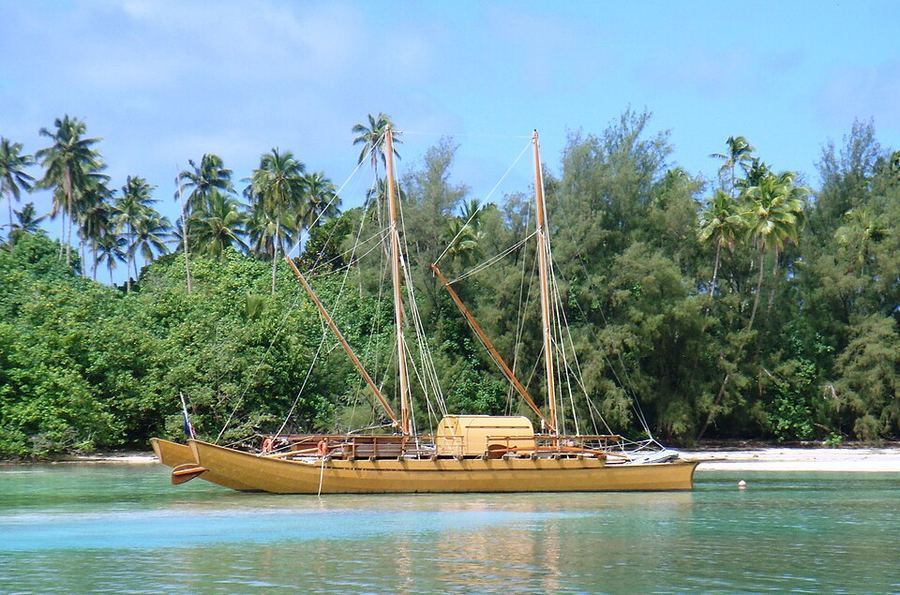
Cook Islanders point first to the political settlement itself: self-government achieved without severing the tie to New Zealand, giving a country of a few thousand people its own parliament, its own seat in United Nations agencies and its own foreign policy while its citizens retain New Zealand passports. A second is environmental. Marae Moana, declared in 2017, is a marine park covering the country's entire exclusive economic zone of roughly two million square kilometres, among the largest such designations in the world, and it grew out of a domestic campaign rather than external pressure. A third is the voyaging revival: Cook Islands crews rebuilt and sailed double-hulled vaka using traditional design, reconnecting the islands to the wider Polynesian navigation renaissance. Culturally, Cook Islands drumming and dance are widely regarded as the fastest and most percussive in Polynesia and are a fixture of Pacific arts festivals. The country also lends its name to a landmark in disarmament — the South Pacific Nuclear Free Zone Treaty, signed at Rarotonga in 1985, is universally known as the Treaty of Rarotonga.

Cultural Fusion

The Cook Islands are a case study in how thoroughly a Polynesian society absorbed Christianity without dissolving into it. Missionary church structures took over the calendar and the moral vocabulary, but the ariki system, customary land, genealogy and the language survived inside them, and the choral singing that is now the most recognisable religious sound is a Polynesian harmonic tradition performing an imported repertoire. The second fusion is geographic. Because Cook Islanders are New Zealand citizens, the community is effectively transnational: Auckland is by any measure the largest Cook Islands city, and money, music, sporting talent, language shift and fashion travel constantly between the islands and New Zealand and Australia. Many families run on that circuit, with children schooled abroad and elders at home. Tourism adds a third layer, concentrating New Zealand, Australian and European visitors on Rarotonga and Aitutaki and putting island performance traditions on nightly display in a commercial setting, which has both funded and reshaped them. Filipino, Fijian and other Pacific workers now form a visible minority in the service economy, and English operates as the working language of government and business.

Music & Dance

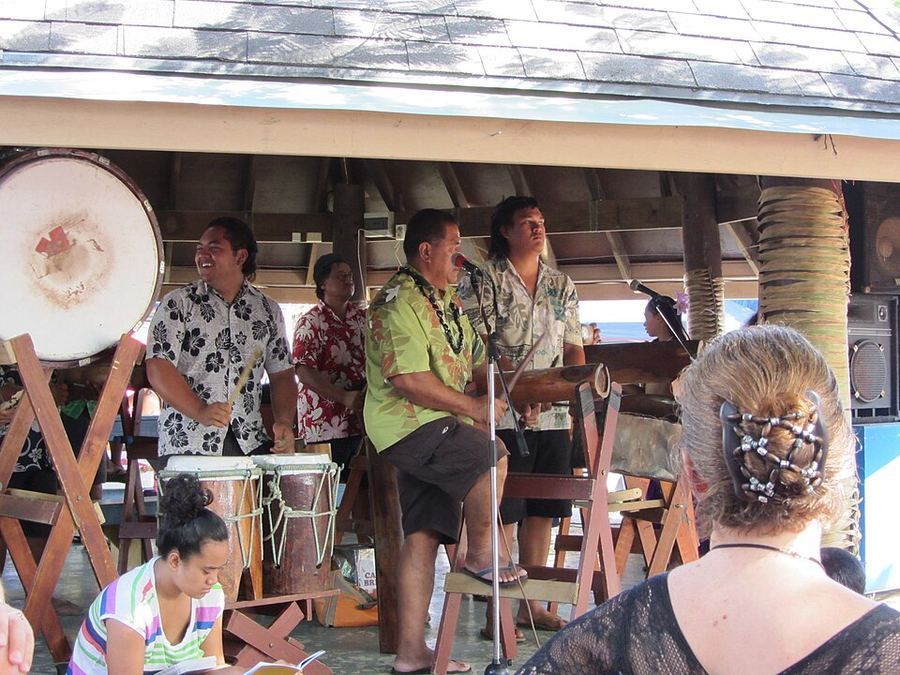
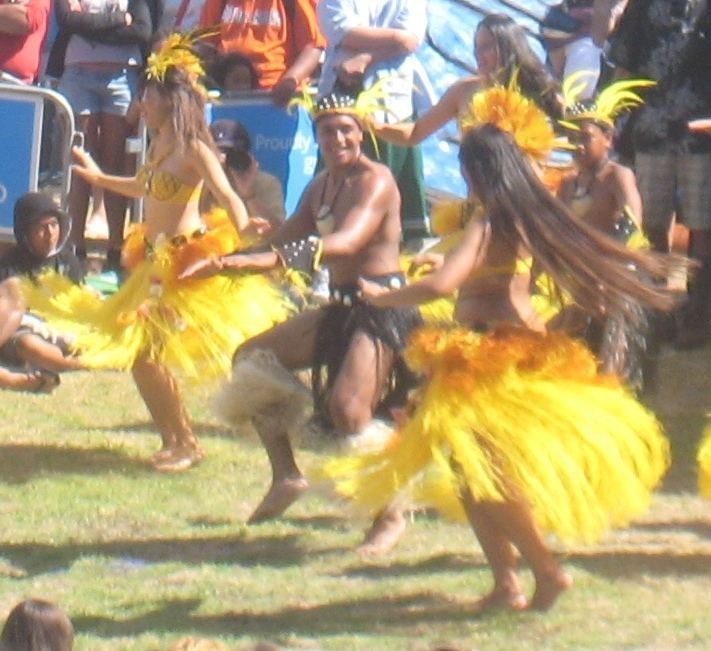
Cook Islands dance is defined by speed. The ura, the principal dance form, pairs a rapid rotation of the hips for women with a vigorous knee-and-thigh action for men, and it is driven by a drum ensemble rather than by song: the pate, a slit log drum struck with a stick, sets an extremely fast interlocking pattern with the larger tokere and the skin-headed pa'u. The result is among the most percussive dance music in Polynesia and is instantly identifiable at regional festivals. Alongside it sits the kapa rima, a slower action song in which the hands narrate the lyric. The choral tradition is equally important: imene tuki, unaccompanied hymn singing built on deep grunted bass interjections and layered harmony, is sung in churches across the islands and has no obvious parallel elsewhere. Ukulele and guitar accompany string-band music at social gatherings, a shared Pacific genre. All of it converges at Te Maeva Nui, the national festival held around the 4 August anniversary of self-government, where each island fields a team and the competition in dance, drumming and composition is taken very seriously indeed.

Cuisine & Misattributed Foods

Cook Islands cooking is coconut, root crop and reef. The dish visitors meet first is ika mata, raw fish — usually tuna or reef fish — cured briefly in lime or lemon juice and then dressed with fresh coconut cream, onion and tomato; every family has an opinion on the correct proportions. Rukau, young taro leaves slowly cooked down in coconut cream, is the standard green, and taro, breadfruit, kumara and cassava carry the meal. The umukai is the ceremonial form: an earth oven of hot stones layered with wrapped meat, fish, taro and breadfruit, buried and left for hours, opened for church occasions, weddings and Te Maeva Nui. Reef and lagoon supply octopus, often curried, along with clams, trochus and the northern atolls' fish. Poke, a pudding of mashed banana or pawpaw thickened with arrowroot and served under coconut cream, is the classic sweet. Imported rice, tinned corned beef and flour became staples in the twentieth century and remain so, and the resulting shift away from local produce is a recognised public health concern. Fresh produce from the islands' gardens reaches Rarotonga's Punanga Nui market on Saturday mornings.

National Dress

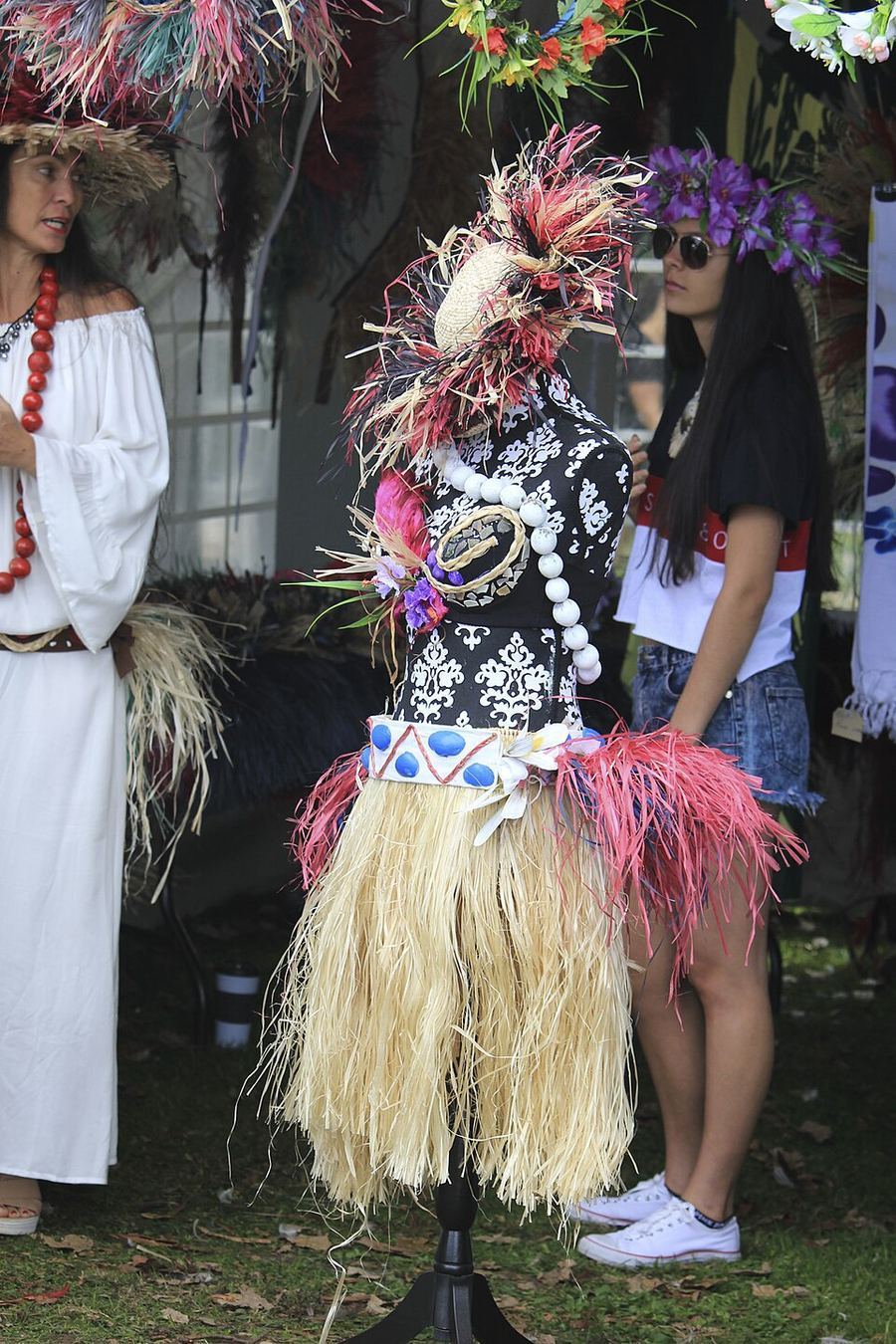
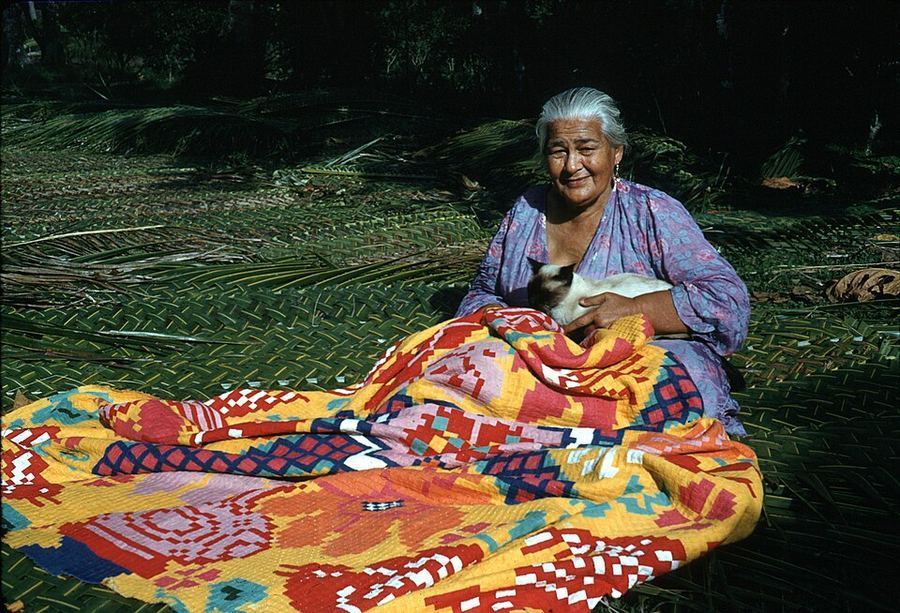
Everyday dress is the pareu, a printed cotton rectangle wrapped at the waist or tied above the chest, worn by both sexes and sold in every market. The most distinctive Cook Islands garment, however, is the rito hat: a wide, finely plaited hat woven from bleached young coconut fronds, worn by women to church and often trimmed with shells or feathers. The plaiting of rito, pandanus and other fibres into hats, mats and fans is a major women's craft, and the finest examples are given rather than sold. The other great textile tradition is tivaevae, large appliqued and embroidered quilts made cooperatively by groups of women over months; a tivaevae is a heirloom used to mark births, weddings, ordinations and funerals, and giving one away is a serious act. Dance costume is separate and elaborate: skirts of shredded hibiscus fibre or pandanus, headdresses of flowers and feathers, and shell and mother-of-pearl ornament, assembled anew for each festival. Men's formal wear pairs an island-print shirt with trousers or a wrapped cloth, and flowers worn behind the ear or as an ei katu garland complete the picture.

Sports & Inspiring Athletes

Rugby league is the national game, and the Cook Islands men's team, the Kukis, punches far above the country's population by drawing on the much larger diaspora in New Zealand and Australia; the side has qualified for the Rugby League World Cup on several occasions and its matches are the closest thing the country has to a national event. Rugby union has a parallel following, and netball is the leading women's team sport, both benefiting from the same New Zealand connection. Va'a — outrigger canoe racing — is the most authentically local sport, contested between villages and islands and celebrated at the Vaka Eiva regatta on Rarotonga, and it feeds into international paddling competition across the Pacific. Football is organised nationally and the Cook Islands compete in Oceania qualifying. Lawn bowls, cricket in a distinctive island form, athletics and boxing all have followings, and school sport on Rarotonga is well organised. On the outer islands, sport is largely improvised on any flat ground, and inter-island competitions attached to Te Maeva Nui are keenly contested.

Notable Educational Programs

Schooling is free and compulsory and follows a curriculum closely aligned with New Zealand's, including the New Zealand national qualification framework at senior secondary level, which allows Cook Islands students to move directly into New Zealand tertiary study — a practical consequence of their New Zealand citizenship. Tereora College on Rarotonga is the main senior secondary school, and smaller schools serve each inhabited island, with the outer-island schools facing acute problems of teacher recruitment and small cohorts; some families send children to Rarotonga or New Zealand for secondary education, which accelerates outward migration. Cook Islands Maori is taught alongside English, and bilingual provision is a stated policy priority given the language's exposure to shift in the diaspora. Tertiary education is provided locally by the Cook Islands Tertiary Training Institute and by the University of the South Pacific's Cook Islands campus in Avarua, which offers regional programmes by distance and in person; most degree study still happens in New Zealand, Australia or Fiji. Literacy is effectively universal, and the country's principal education challenge is retention of skilled graduates rather than access.

Wars & Conflicts

The Cook Islands have experienced no armed conflict in the modern era and maintain no military forces. Under the free-association relationship established in 1965, defence is the responsibility of New Zealand, acting in consultation with the Cook Islands government, while policing is domestic and the Cook Islands Police Service operates a small maritime patrol capacity, supported by New Zealand and Australian assistance, whose principal task is surveillance of illegal fishing across an exclusive economic zone of some two million square kilometres. Cook Islanders served in the New Zealand forces in both world wars, and that service is commemorated locally. The country is a party to the South Pacific Nuclear Free Zone Treaty, which was signed at Rarotonga in 1985 and takes its common name from the capital's island, and it has consistently used its voice in regional and United Nations forums on nuclear testing legacies and on climate security. The security concerns that actually occupy the government are non-military: cyclone response, maritime search and rescue, fisheries enforcement, and the resilience of remote atoll communities to storm surge and sea-level rise.
Current as of 2026-08-06

Land & Border Disputes

The Cook Islands have no territorial disputes on land. Their maritime boundaries have largely been settled by treaty, including agreements with New Zealand in respect of Tokelau and Niue, with France in respect of French Polynesia, and with the United States, which under a treaty concluded in 1980 relinquished residual claims to the northern islands of Penrhyn, Pukapuka, Manihiki and Rakahanga. The country's more consequential external questions are diplomatic rather than territorial. Its constitutional relationship with New Zealand — self-government in free association, with Cook Islanders holding New Zealand citizenship — obliges consultation on foreign affairs and defence, and the scope of that obligation came under strain in 2025 when the Cook Islands government signed a comprehensive partnership agreement with China without the prior consultation Wellington considered it was owed, prompting a public rift and a review of New Zealand development assistance. A second live question concerns the seabed: the Cook Islands has issued exploration licences for polymetallic nodules within its exclusive economic zone, a policy contested by environmental organisations and by some Pacific neighbours who favour a moratorium on deep-sea mining.
Land, Life & Legacy

Land & Climate

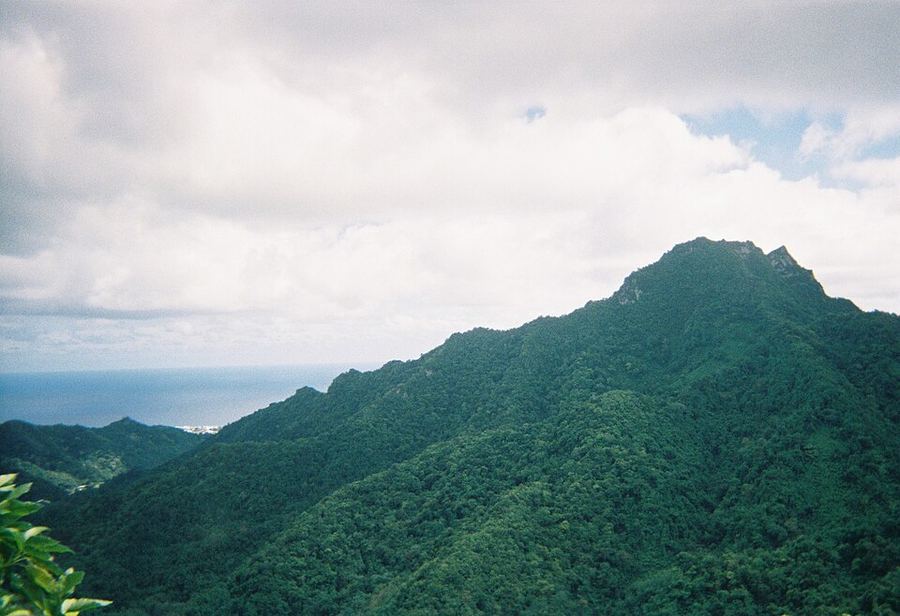
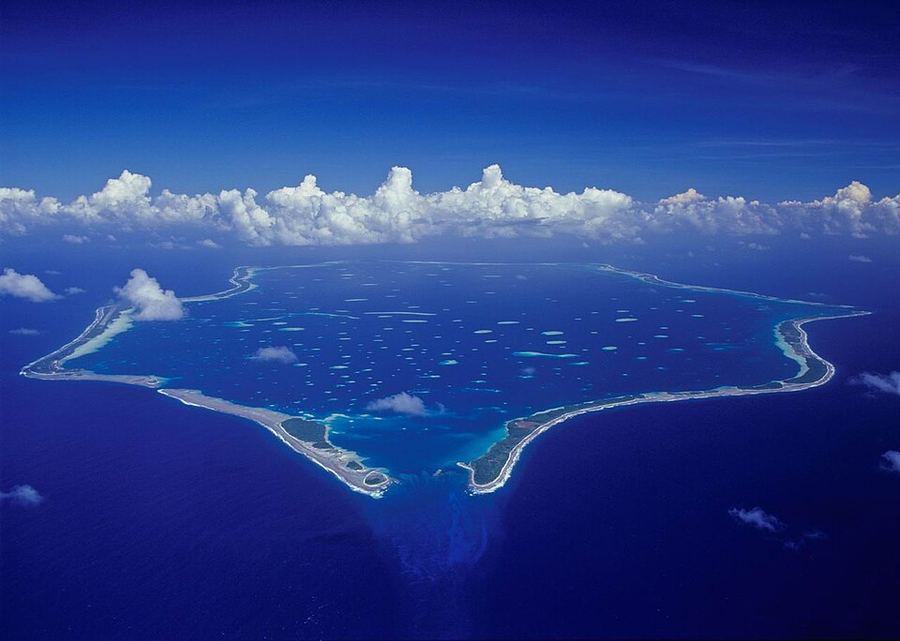
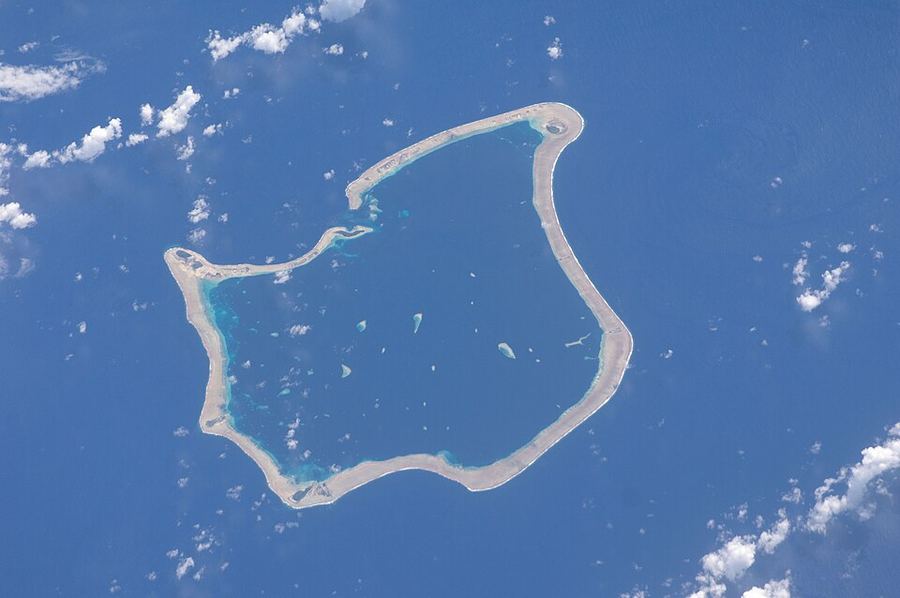
The fifteen islands fall into two very different groups. The southern group — Rarotonga, Aitutaki, Atiu, Mangaia, Mauke, Mitiaro, Manuae and Takutea — is volcanic in origin, and several of its islands are ringed by makatea, a raised fossil coral platform that forms sharp cliffs and caves around a fertile interior. Rarotonga is the youngest and highest, a steep forested cone whose summit ridge reaches Te Manga at roughly 650 metres, encircled by a narrow coastal plain where almost everyone lives. Aitutaki combines a low volcanic island with an enormous triangular lagoon. The northern group — Penrhyn, Manihiki, Rakahanga, Pukapuka, Nassau and the uninhabited Suwarrow — consists of low coral atolls, hundreds of kilometres from Rarotonga and rarely more than a few metres above sea level, which makes sea-level rise and storm surge an existential rather than theoretical problem. The climate is tropical maritime, moderated by trade winds, with a warmer and wetter cyclone season from November to April; Rarotonga was struck by a severe run of cyclones in 2005. Fresh water on the atolls depends on rainfall catchment and thin freshwater lenses.

Entertainment

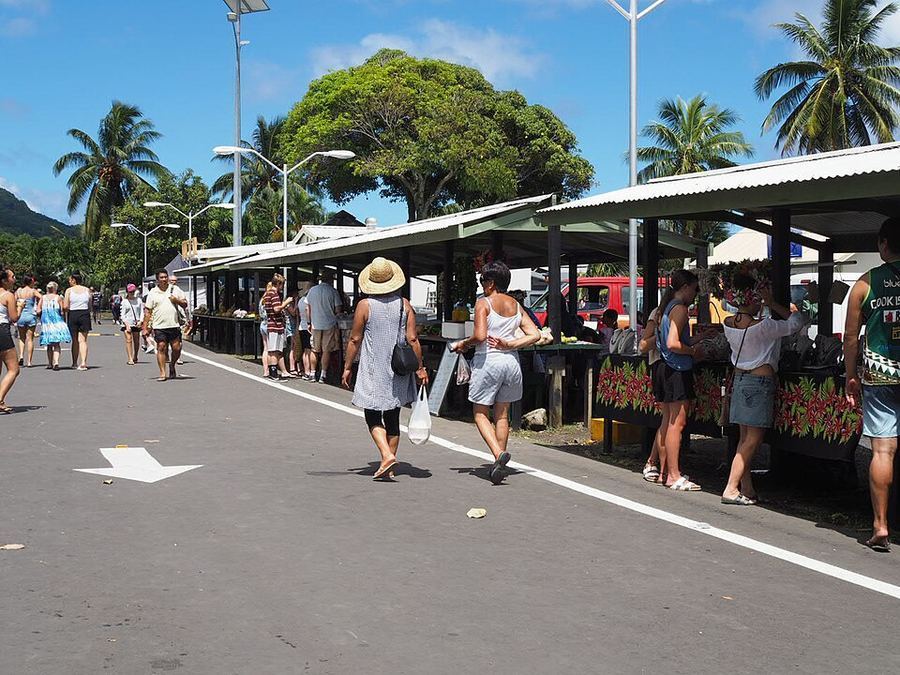
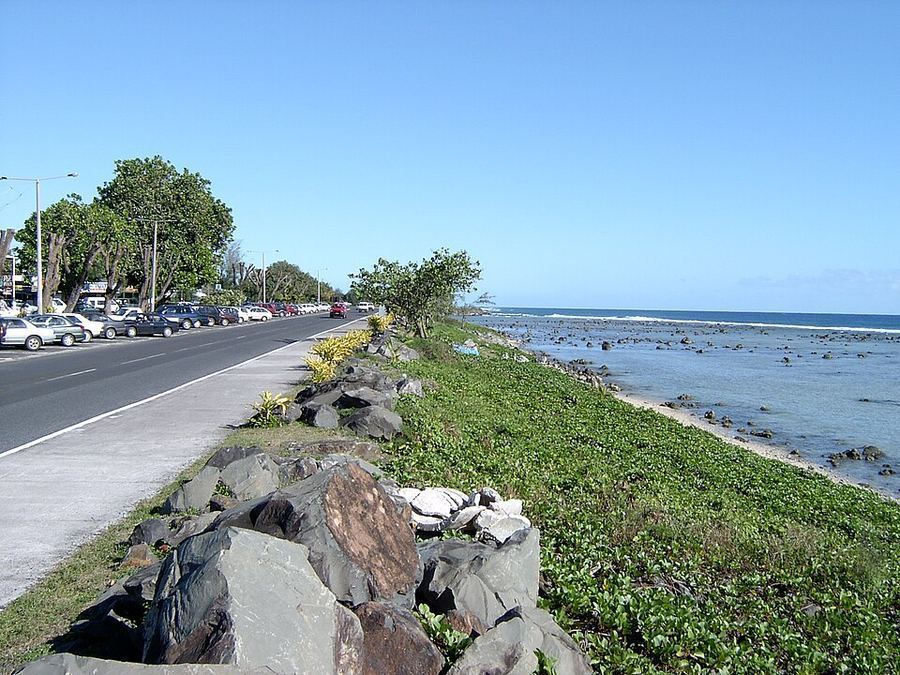
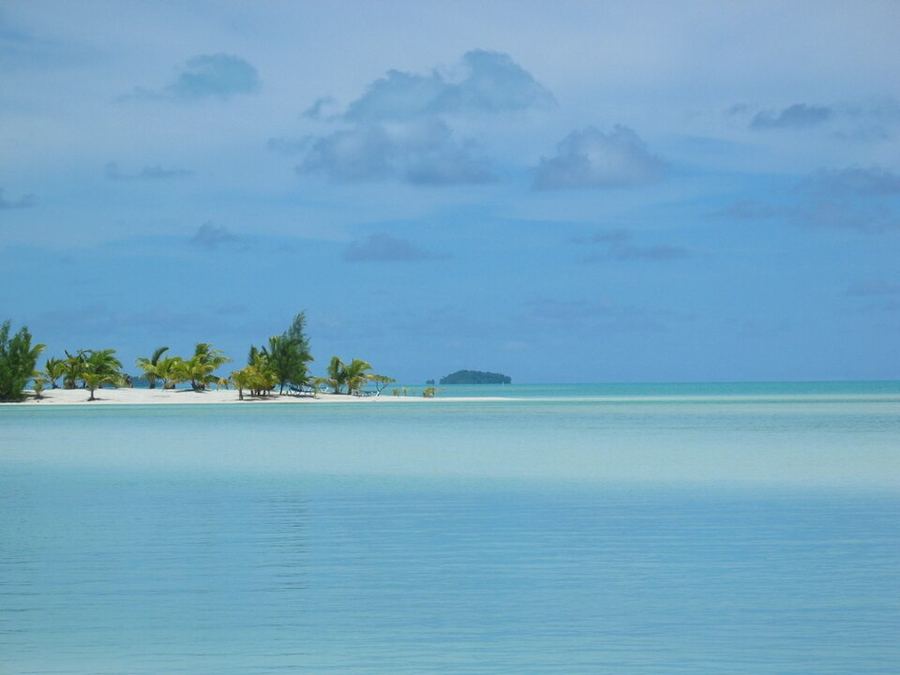
Life on Rarotonga runs on the lagoon and the single coast road, circled by two bus routes signposted simply clockwise and anticlockwise. Snorkelling and swimming in the Muri lagoon, paddling outrigger canoes, and reef fishing are everyday activities rather than tourist novelties. The Cross-Island Track climbs from the north coast past the basalt spire of Te Rua Manga — The Needle — and down to Wigmore's Waterfall, and is the island's classic walk. Aitutaki's lagoon, with its scatter of motu, is the country's signature day trip. Saturday morning belongs to the Punanga Nui market in Avarua for produce, ei garlands, pearls and food stalls; Sunday belongs to church and to the long family meal that follows it. Va'a, outrigger canoe racing, is both sport and social calendar, culminating in the Vaka Eiva festival held on Rarotonga. Island nights at the resorts put drumming and dance on regular display, and the string band remains the default soundtrack of a gathering. On the outer islands, leisure is closer to subsistence life — gardens, reef, cards and church.

Art & Museums

The Cook Islands produced some of the most striking sculpture in Polynesia. Rarotongan staff gods — long wooden shafts carved with a stylised head at one end and a sequence of small figures along the shaft, once wrapped in barkcloth and feathers — were collected by missionaries in the 1820s and are now among the best-known Polynesian objects in European museums, including the British Museum. Mangaia produced ceremonial adzes with intricately carved pedestal handles bound in sennit, made long after they had ceased to be tools, and the islands' fishermen's gods and slit drums are similarly distinctive. Much of this material left the islands during the missionary period, and its return or replication is a live cultural question. Contemporary art is dominated by textile and fibre work — tivaevae quilts, rito hats and woven mats — which occupy the place that painting holds elsewhere, being made collectively, valued as gifts and judged by community standards. A modern gallery scene on Rarotonga sells painting, printmaking and carving to visitors, and Cook Islands artists working in New Zealand contribute prominently to contemporary Pacific art there.

Notable People

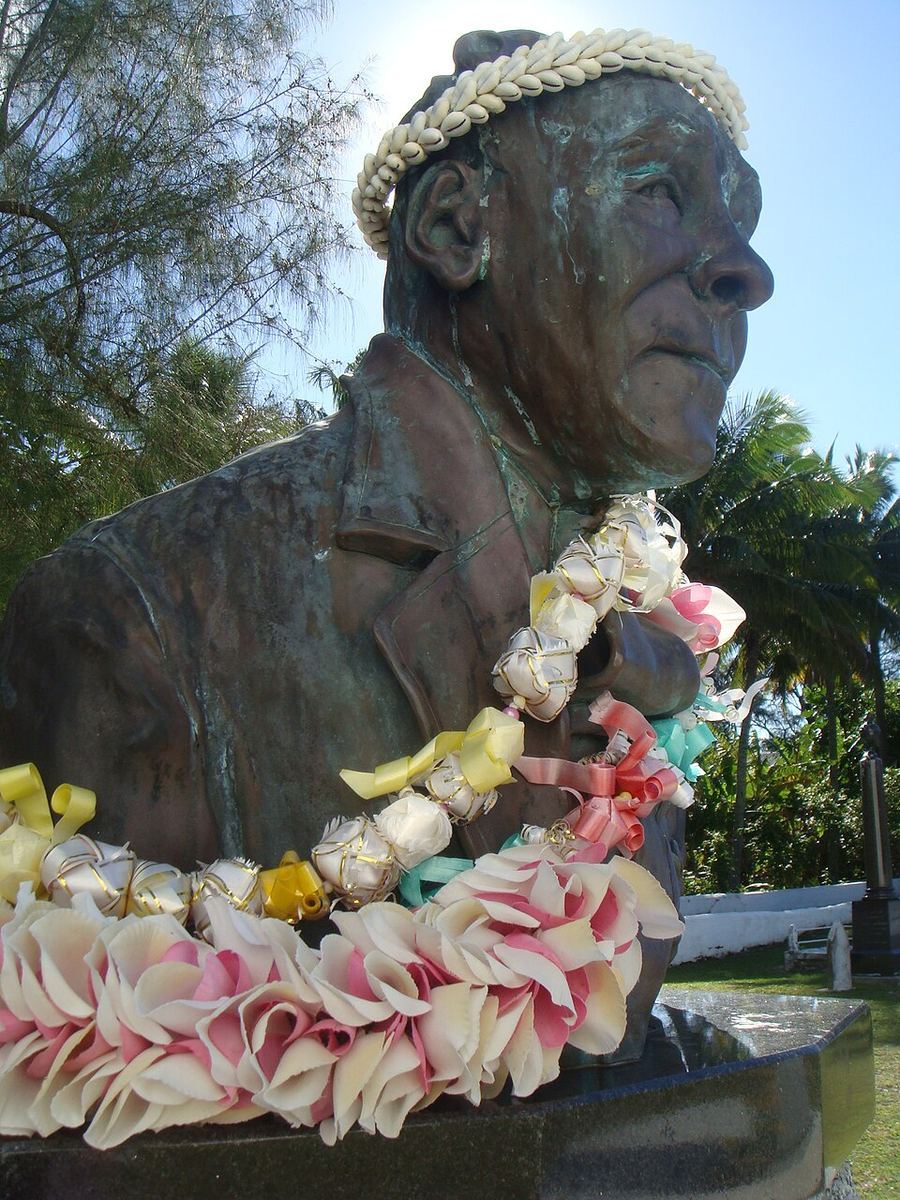
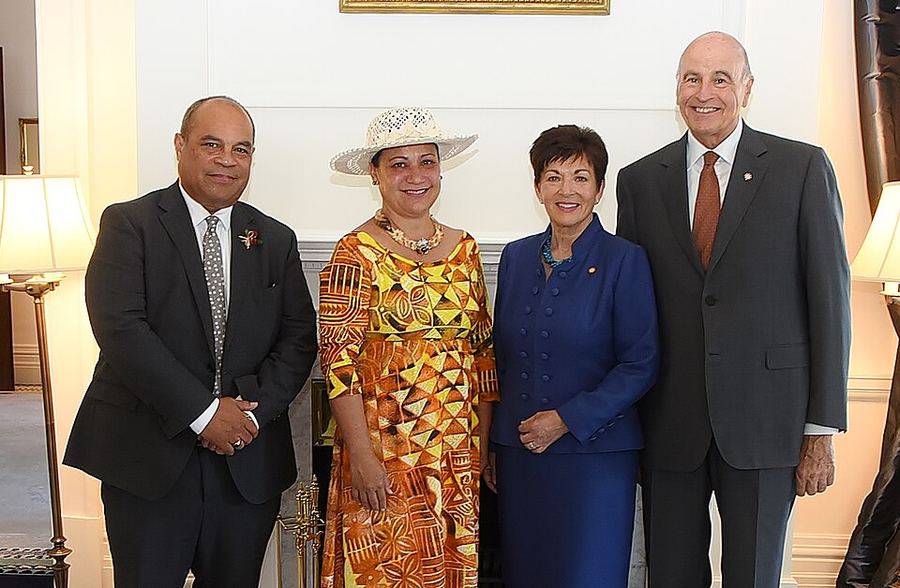
Sir Albert Henry led the Cook Islands Party to victory in 1965 and became the country's first premier, dominating politics for more than a decade. Sir Thomas Davis, who succeeded him as premier in 1978, was an unusually varied figure: a medical doctor who had worked on aerospace physiology in the United States before returning to politics, and a voyager who had sailed the Pacific and later oversaw the building of the traditional vaka Takitumu, becoming a central figure in the Polynesian voyaging revival. Sir Geoffrey Henry served as prime minister through much of the 1980s and 1990s. In scholarship, Marjorie Tuainekore Crocombe was a pioneer of Pacific writing and publishing and helped create the space in which a modern Cook Islands and regional literature emerged. Kevin Iro, a rugby league international of Cook Islands descent who played in Australia and England, became a leading advocate for the Marae Moana marine park. The country's public life is small enough that ariki titleholders, church leaders and returning diaspora figures carry weight comparable to elected politicians.

Inventions & Breakthroughs

The Cook Islands' inherited technology is maritime. The double-hulled voyaging canoe and the navigational system that went with it — reading swell patterns, star paths, bird behaviour and cloud formations to cross open ocean without instruments — is the achievement on which settlement of the group depended, and its deliberate reconstruction in the late twentieth century, in which Cook Islands crews and the vaka built under Sir Thomas Davis took part, restored a body of practical knowledge that had almost lapsed. Tivaevae quilting is a genuine local invention rather than a transplant: introduced European needlework was reworked into a distinct appliqued form with its own patterns, naming conventions and rules of exchange. In the modern economy the country's most widely copied innovation is legal. The Cook Islands International Trusts Act of 1989 created an asset-protection trust regime that became a template studied and imitated in other offshore jurisdictions, and made a Pacific microstate a fixture of international financial law. Black pearl cultivation in the Manihiki lagoon adapted introduced techniques to local conditions and built the country's main export industry outside tourism.

Science & Technology

Scientific effort in the Cook Islands is directed almost entirely at the ocean and at energy. Marae Moana, the marine park proclaimed in 2017 over the whole exclusive economic zone, gave the country a framework for marine spatial planning at a scale that few states attempt, and the surveys underpinning it — of seamounts, reef systems and migratory species — represent the largest research programme the islands have hosted. The Seabed Minerals Authority has commissioned extensive bathymetric and ecological survey work in the Penrhyn Basin, where polymetallic nodules rich in cobalt, nickel and manganese lie on the abyssal plain; the resulting data has drawn international scientific attention, and the question of whether to permit commercial extraction is the country's most consequential technical decision. In energy, a national programme has installed solar generation with battery storage on the outer islands, several of which now run predominantly on renewable power, moving the country away from imported diesel — a demonstration project closely watched by other small island states. Rarotonga is served by submarine fibre-optic cable, and telemedicine and distance education carry a disproportionate share of public service delivery to the remoter atolls.
On The World Stage

Champions & Defining Moments

The Cook Islands hold their own national Olympic committee, recognised in the 1980s, and have competed at the Olympic Games since 1988 in athletics, weightlifting, boxing, sailing and canoeing, without yet winning a medal — a near-inevitability for a country of this size. They compete separately at the Commonwealth Games as a full member of the Commonwealth Games Federation, and at the Pacific Games, where the smaller field makes medals genuinely attainable and where the country has had its best multi-sport results. Rugby league is where Cook Islands athletes have made the largest international mark, with players of Cook Islands descent appearing regularly in Australia's National Rugby League and England's Super League and then representing the Kukis in World Cup competition; Kevin Iro is the best-known of them. The same pattern holds in rugby union and netball, where New Zealand-raised players of Cook Islands heritage reach the highest levels. Outrigger canoe crews contest international va'a championships, one of the few global competitions in which a Cook Islands team is a serious contender rather than a participant.

IOCOlympediaCommonwealth Games Federation
Economy, Trade & Government

Currency & GDP

New Zealand Dollar — NZD ($)

GDP (PPP): $401.155 million (2024 est.)

Per capita: $29,800 (2024 est.)

Exports

fish, ships, garments, shellfish (2023)

Partners: Japan 33%, Thailand 15%, Greece 15%, France 11%, China 8% (2023)

Imports

ships, refined petroleum, cars, plastic products, additive manufacturing machines (2023)

Partners: NZ 44%, Italy 26%, Fiji 9%, China 7%, Australia 3% (2023)

Government

Type: parliamentary democracy

Independence: 4 August 1965 (Cook Islands became self-governing state in free association with New Zealand)

Terrain → Where People Live

How mountains, coasts, and rivers shape settlement (LandScan).

Coming — data

Migration & Ethnic Settlement

Where groups settled and how people move (GeoEPR + UNHCR).

Coming — data

Universities

Notable institutions, mappable as points.

Coming — data
Economy & government facts: CIA World Factbook (public domain), via OpenFactBook / factbook.json.
Every fact and narrative claim will carry a visible source citation. Data-driven sections light up automatically wherever HERA has coverage.