HERA · Human Entity Reference Atlas by Masego Inc

← Cape Verde 🌐 3D View
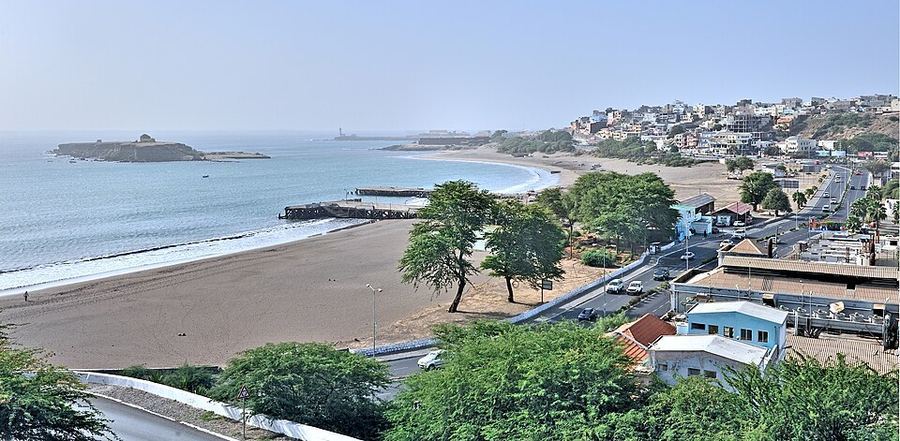
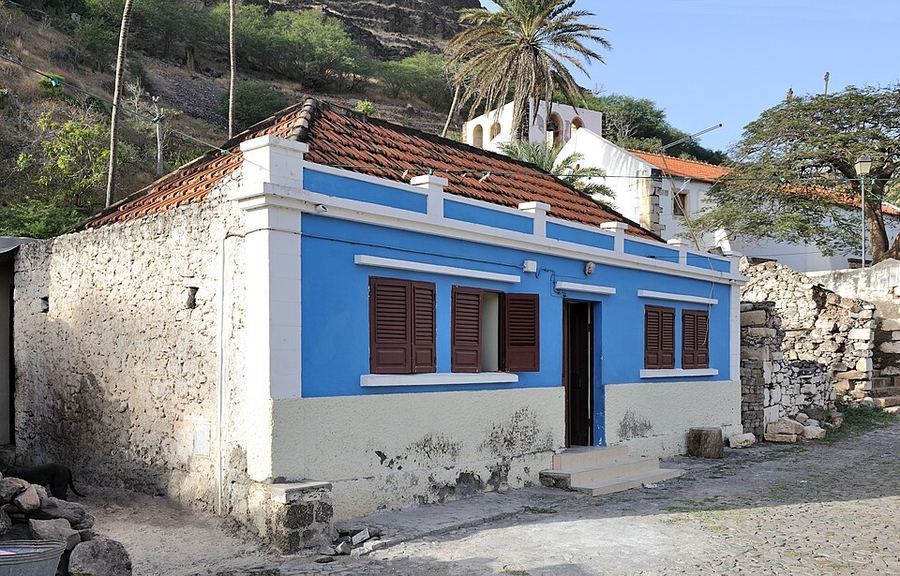
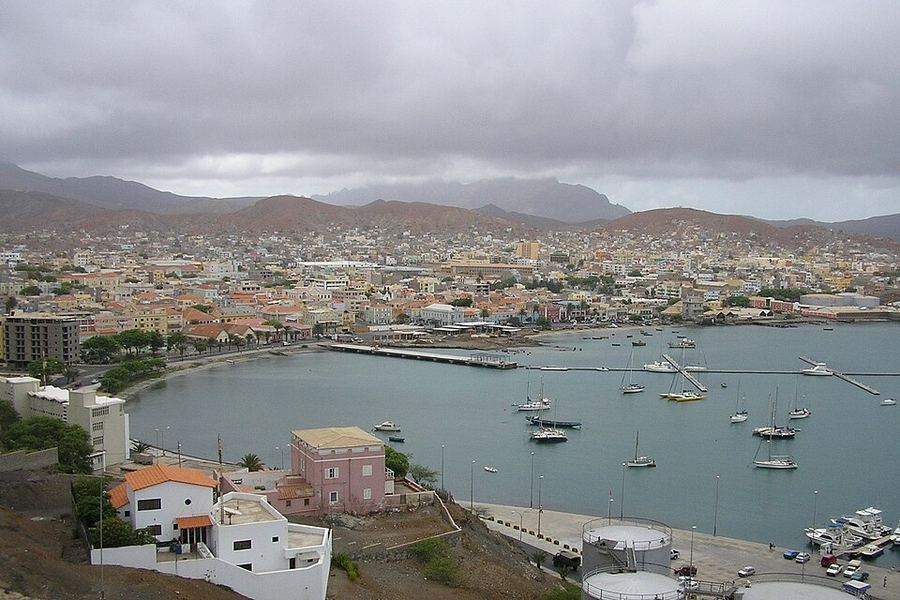
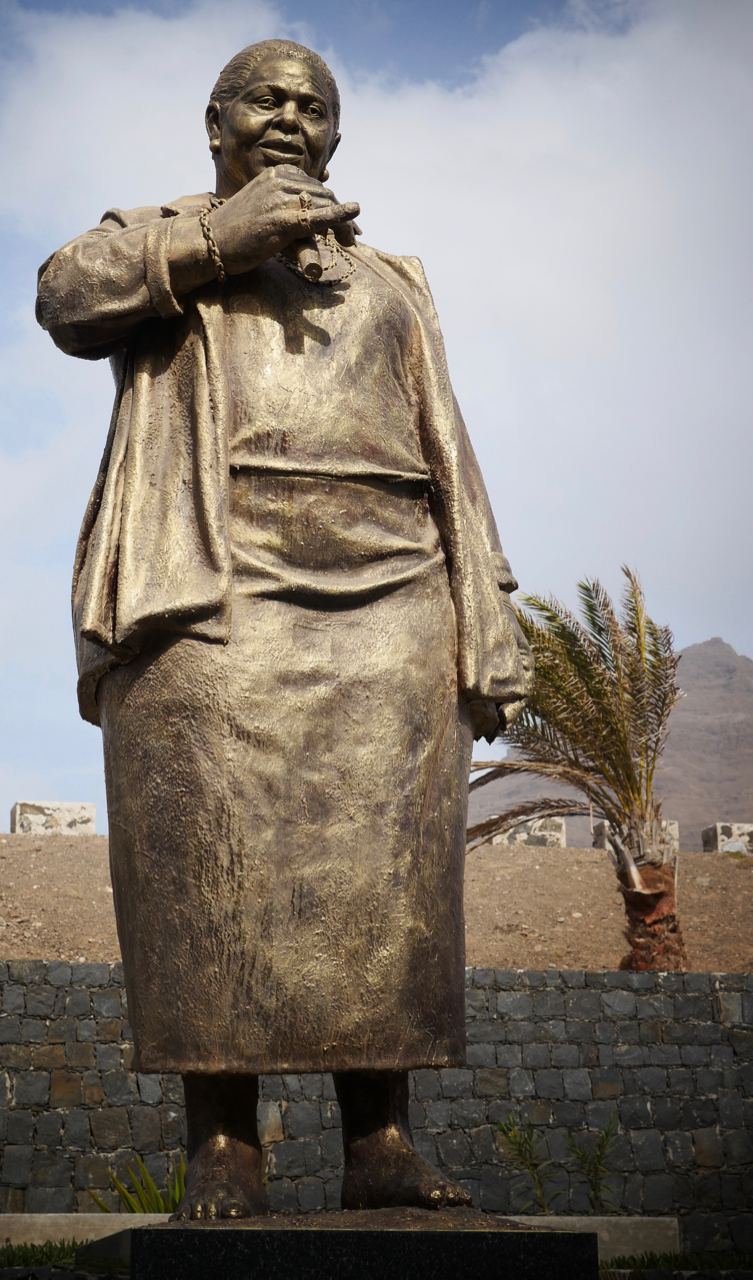
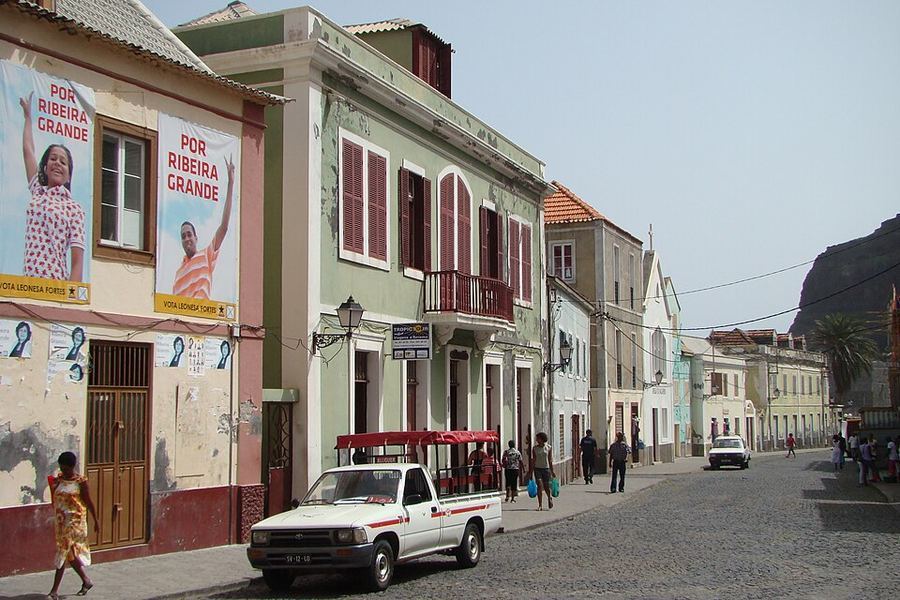
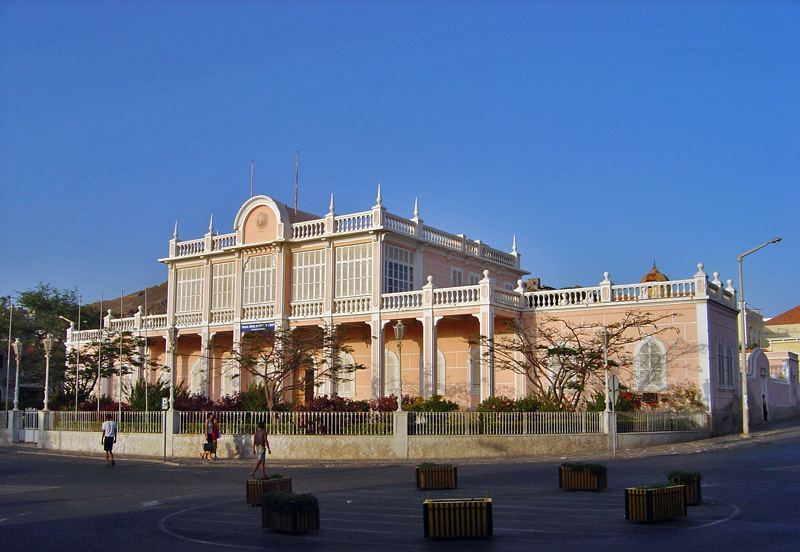
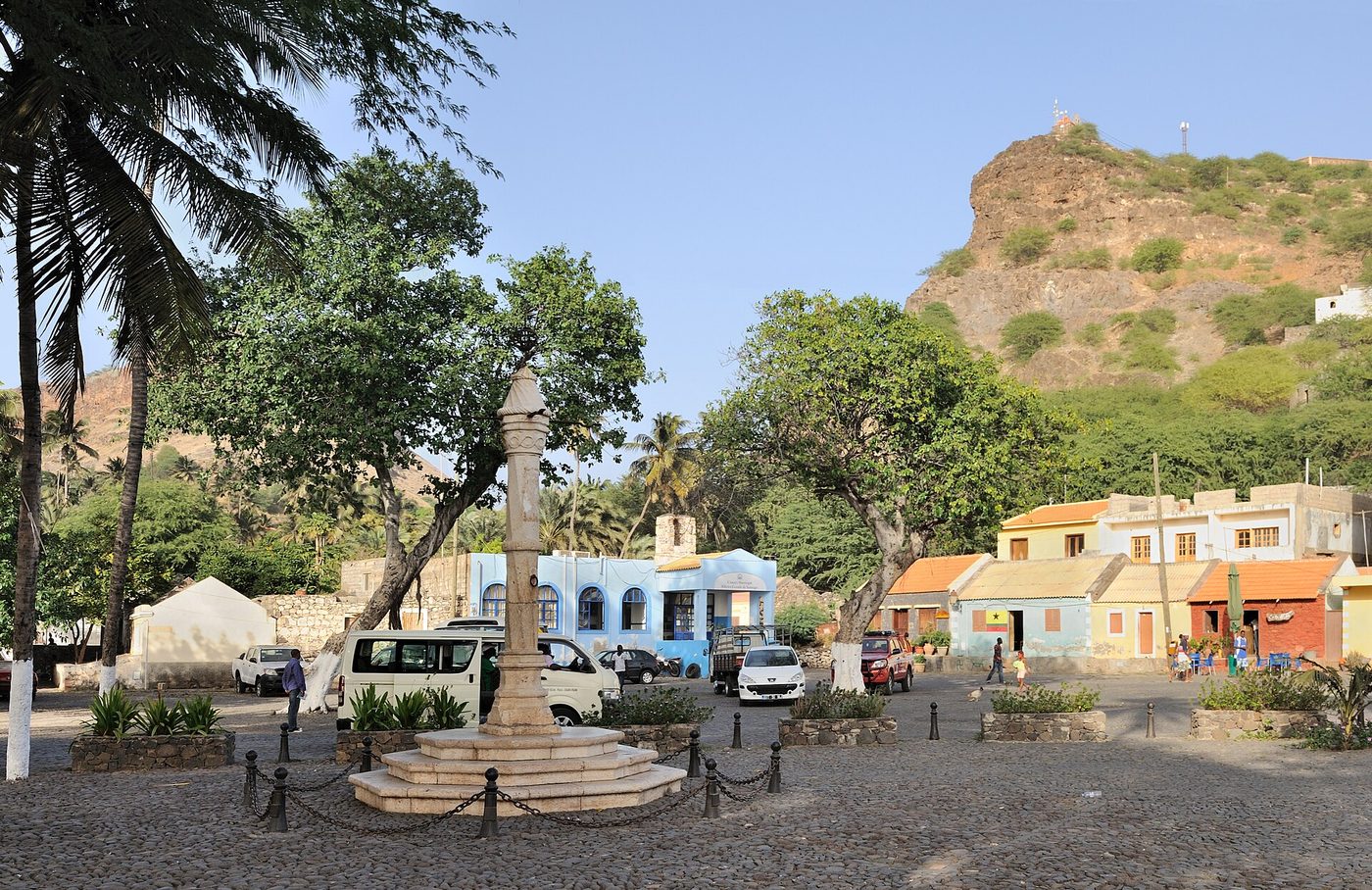
Cidade Velha Pelourinho square b 2011, Cape Verde
Cape Verde CPV
Cidade Velha Pelourinho square b 2011 — Photo: Cayambe / CC BY-SA 3.0 via Wikimedia Commons
Did You Know Morna, the guitar-led song of longing perfected by Cesaria Evora, was inscribed on UNESCO's list of intangible cultural heritage in 2019. — UNESCO

Cabo Verde is an archipelago of ten main islands and several islets in the central Atlantic, some six hundred kilometres west of Senegal, with a resident population of roughly six hundred thousand and a diaspora considerably larger than that. Uninhabited when Portuguese navigators reached it in the fifteenth century, it was settled from scratch as a colonial and slave-trading entrepot, and the society that emerged there is creole in the fullest sense: a Portuguese-lexicon language, Kriolu, spoken by everyone at home while Portuguese remains the language of the state and the school. The capital, Praia, sits on Santiago, the largest and most African of the islands; Mindelo on Sao Vicente is the cultural capital and the home of the country's music. Semi-arid and drought-prone, with almost no exploitable minerals and little arable land, Cabo Verde has built a middle-income economy on tourism, fisheries, remittances and services, and graduated from the United Nations list of least developed countries in 2007. Since its first multiparty elections in 1991 it has been among Africa's most consistently stable democracies, with repeated peaceful transfers of power between its two main parties.

CIA World FactbookEncyclopaedia Britannica
Population
611,014
Capital
Praia
Currency
$ CVE
Time zones
Largest city
João Teves
Human Geography Themes
Loading national figures…
Largest Cities
João Teves161,477
Mindelo88,274
In Perspective

João Teves's urban core is home to about 161,477 people.

Among the world's megacities, though, it's one of many — the giants of Asia and Latin America run larger still:

João Teves161,477
Jakarta40,545,126
Dhaka37,307,160
Tokyo33,244,670
Shanghai30,678,616
Cairo25,230,325
The Country & Its People

History

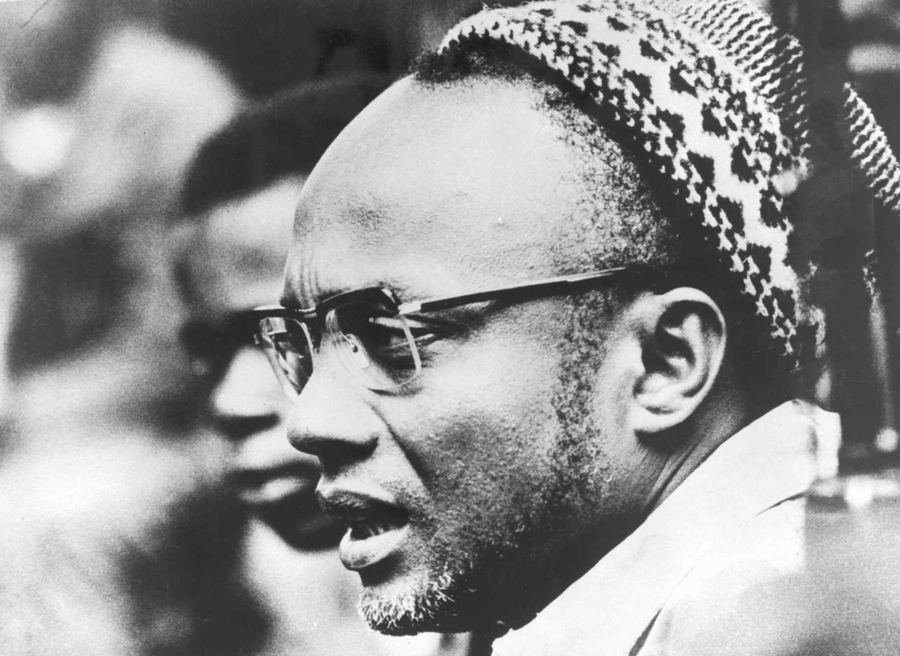
The islands were uninhabited when Portuguese and Genoese navigators in Portuguese service reached them in the 1450s and early 1460s, and settlement began on Santiago at Ribeira Grande, now Cidade Velha, from 1462 — the first European colonial town founded in the tropics, and today a UNESCO World Heritage site. Its position made it an entrepot of the Atlantic slave trade, and the creole society that formed there, from Portuguese settlers and enslaved Africans drawn largely from the Upper Guinea coast, produced both the Kriolu language and the country's population. Sugar, cotton, salt and later the provisioning of transatlantic shipping sustained the colony, and coaling stations at Mindelo made Sao Vicente a hub of nineteenth-century steam navigation. Recurrent drought produced catastrophic famines, including those of the 1940s in which tens of thousands died, and drove emigration to New England whaling ports, Portugal, the Netherlands and West Africa. Amilcar Cabral, born to Cape Verdean parents, founded the PAIGC in 1956 and led the liberation war fought in Guinea-Bissau; he was assassinated in Conakry in January 1973. Cabo Verde became independent on 5 July 1975 under Aristides Pereira, abandoned the projected union with Guinea-Bissau after 1980, and opened to multiparty politics in 1991.
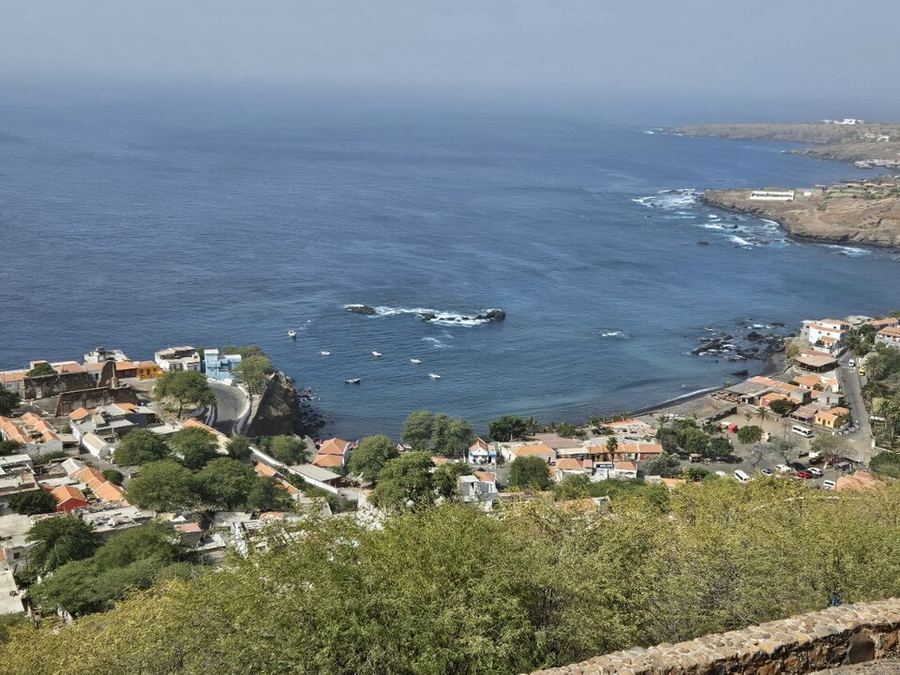
History, Cape Verde
GualdimG / CC BY-SA 4.0

Culture

Cape Verdean culture is creole, Atlantic and profoundly shaped by departure. Because the islands were settled rather than conquered, there is no pre-colonial substrate and no Indigenous population; everything is a product of the encounter between Portugal and the West African mainland, worked out over five centuries into something neither one nor the other. Kriolu, or Kabuverdianu, is spoken universally in island variants, of which the Santiago badiu and the Sao Vicente sampadjudu forms are the most distinct, while Portuguese carries formal and written life. Two words do a great deal of cultural work: morabeza, the particular Cape Verdean warmth and hospitality offered to strangers, and sodade, the untranslatable ache of longing for absent people and places, which is the central subject of the national music. Catholicism, inherited from Portugal, remains the largest religion and its saints' festivals structure the island calendar, with Protestant and Nazarene congregations also long established. Emigration is not a marginal experience but the norm: nearly every family has members in the United States, Portugal, France, the Netherlands or Senegal, and the diaspora is treated in law and in sentiment as part of the nation.
Culture, Cape Verde
Cayambe / CC BY-SA 3.0

Points Of Pride

Cabo Verde's proudest achievements are disproportionate to its size. In January 2024 the World Health Organization certified the country malaria-free, only the third country in the African region to earn that certification, after a decades-long elimination campaign. Morna, the melancholy guitar-led song form of the islands, was inscribed on UNESCO's list of intangible cultural heritage of humanity in 2019, and its greatest interpreter, Cesaria Evora, won a Grammy Award in 2004 and made Cape Verdean music a fixture of international concert halls. Politically, the country is a byword for stable democracy in West Africa: power has alternated peacefully between parties since 1991, and former president Pedro Pires received the Mo Ibrahim Prize for Achievement in African Leadership in 2011. Cabo Verde graduated from least-developed-country status in 2007, one of very few African states to do so. Cidade Velha, the first European colonial town in the tropics, is a UNESCO World Heritage site. In sport, boxer Daniel Varela de Pina won the country's first Olympic medal at the Paris Games in 2024, and the national football team qualified for its first World Cup in 2025.
Points Of Pride, Cape Verde
Cayambe / CC BY-SA 3.0

Cultural Fusion

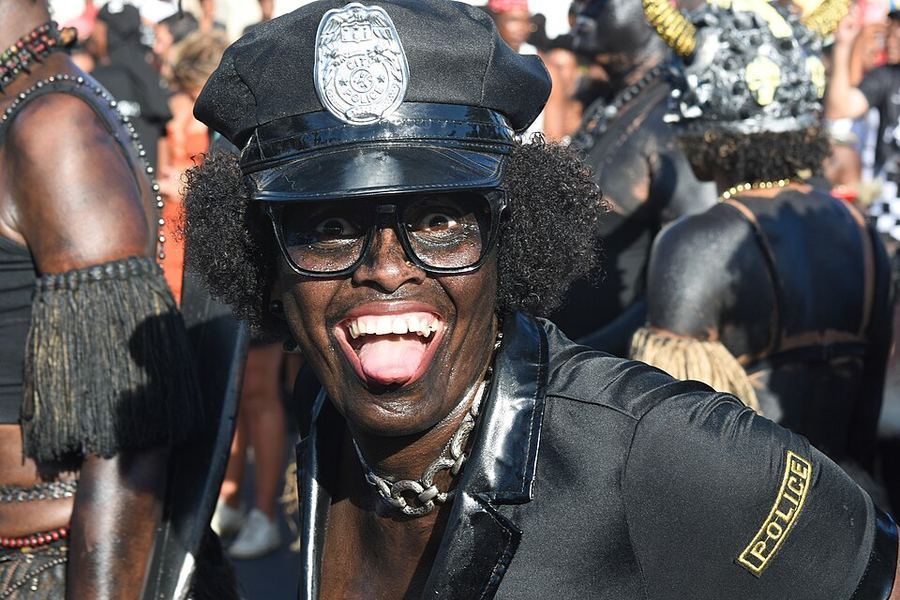
Cabo Verde is not a place where two cultures meet so much as a place where a third was manufactured out of them. Kriolu is among the oldest creole languages still spoken, its vocabulary overwhelmingly Portuguese and its grammar carrying the imprint of the Upper Guinea languages of the enslaved, and it has been continuously spoken for some five centuries. The music maps the same synthesis with unusual precision: morna, with its Portuguese-derived melodic contour and guitar and cavaquinho accompaniment, sits at one pole; batuku, in which Santiago women drum on bundled cloth held between the knees and sing in call and response, sits at the other and is unmistakably African; funana, driven by the diatonic accordion against the scraped iron ferrinho, fuses an imported European instrument to an African rhythmic conception. The Atlantic added further layers. Cape Verdean sailors joined American whaling crews from the early nineteenth century and founded communities in New Bedford and Providence, creating one of the oldest African-descended immigrant populations in the United States, and the packet trade kept the circuit alive. Brazilian influence gave Mindelo its carnival.
Cultural Fusion, Cape Verde
Manuel de Sousa / CC BY-SA 3.0

Music & Dance

Music is the country's principal cultural export and its most complete art form. Morna, inscribed by UNESCO as intangible cultural heritage in 2019, is a slow, minor-key song of longing accompanied by guitar, violin and cavaquinho, whose poetry — refined in the nineteenth century by Eugenio Tavares on Brava and given its modern harmonic language by the composer known as B.Leza — turns on sodade, exile and the sea. Its faster cousin, the coladeira, is wry, urban and satirical. Funana, from Santiago, is played on the gaita accordion over the ferrinho scraper and was long disapproved of by the colonial authorities before becoming a dancefloor staple. Batuku, the women's drumming and dance tradition of Santiago, with its tchabeta rhythm and improvised sung commentary, is the oldest layer, and tabanka processions carry an associated ritual tradition. Cesaria Evora, the barefoot diva of Mindelo, took morna worldwide and won a Grammy in 2004; Bana, Ildo Lobo, Tito Paris, Lura, Nancy Vieira and Mayra Andrade extended the repertoire. The airport serving Sao Vicente now carries Cesaria Evora's name.
Music & Dance, Cape Verde
Csiklet / CC BY-SA 4.0

Cuisine & Misattributed Foods

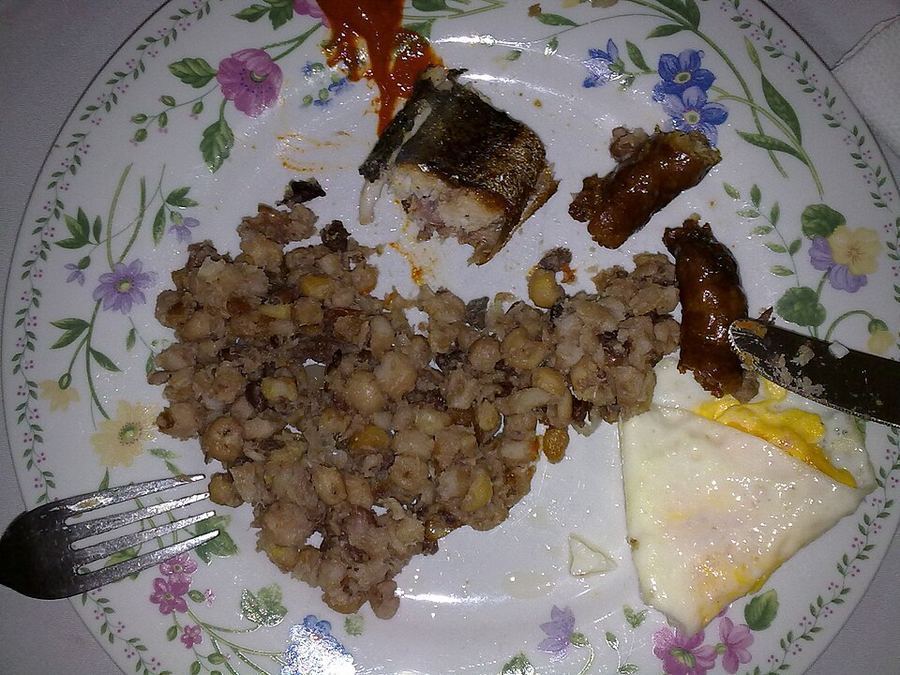
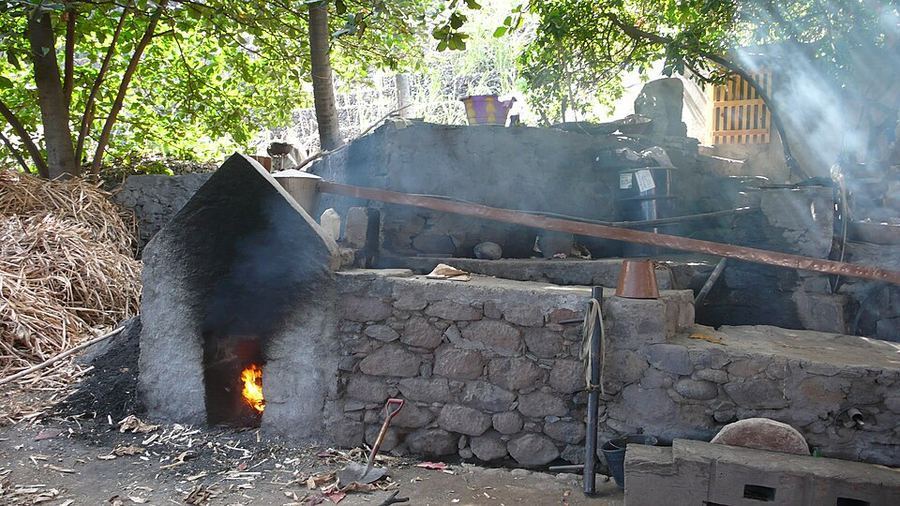
Cachupa is the national dish and the national institution: a long-simmered stew of hominy maize and beans with whatever else is available — cassava, sweet potato, squash, cabbage, and pork, sausage or fish — cooked in quantity and improved by reheating. The plain version, cachupa pobre, and the richer cachupa rica mark the range, and the leftovers fried the next morning with a sausage and a fried egg, cachupa guisada or refogada, are the classic Cape Verdean breakfast. The islands' aridity shows in the reliance on maize, beans and imported rice, while the surrounding Atlantic supplies tuna, wahoo, moray, grouper, spiny lobster and the buzio sea snail. Xerem, a coarse maize porridge, and canja, chicken and rice soup, are everyday comfort food; pastel com diabo dentro, a fried sweet-potato pastry with a spiced tuna filling, is the best-loved snack. Goat cheese from Fogo and Santo Antao is a specialty, as is Fogo's volcanic-soil wine. The national spirit is grogue, sugarcane rum distilled in small trapiches above all on Santo Antao, drunk neat or sweetened with molasses as ponche.
Cuisine & Misattributed Foods, Cape Verde
Adriao / CC BY 3.0

National Dress

Cabo Verde has no ceremonial national costume of the kind found in states with a pre-colonial court tradition, because there was no pre-colonial society to inherit one from. What it has instead is the pano di terra, a narrow-strip cloth woven on small looms in a technique brought from the West African mainland, traditionally in indigo and white with fine geometric banding. Six strips sewn together make a full pano; the finest grade, the pano d'obra, was valuable enough in the colonial period to circulate as currency and to be used in trade on the Guinea coast. It is worn wrapped around the hips by women dancing batuku, where the tied cloth is part of the movement, and it is given at ceremonies as a mark of respect. Women's everyday dress historically paired a wrapped skirt with a blouse and a head-tie, and the head-tie remains common among older women, particularly on Santiago. Carnival in Mindelo produces the country's most elaborate costume, in the Brazilian manner, and formal Cape Verdean dress is otherwise thoroughly European and often notably stylish.
National Dress, Cape Verde
Swimming with turtles / CC BY-SA 4.0

Sports & Inspiring Athletes

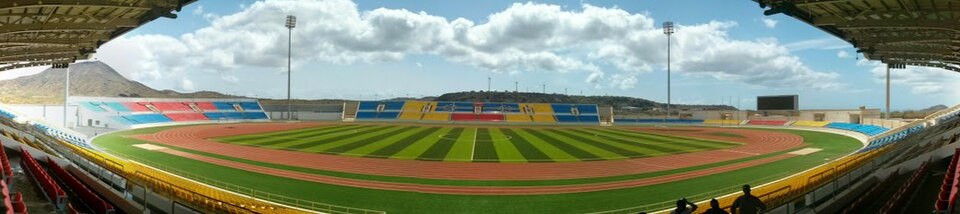
Football dominates. The national team, the Tubaroes Azuis or Blue Sharks, reached the Africa Cup of Nations for the first time in 2013 and went straight to the quarter-finals, repeated the feat at the tournament held in early 2024, and in October 2025 qualified for the FIFA World Cup for the first time — making Cabo Verde one of the smallest countries by population ever to reach the finals, and setting off national celebrations that closed the streets of Praia and Mindelo. Domestic football is organised through island championships whose winners contest a national playoff, and the island rivalries in that competition are intense. Basketball is the strong second sport and has become genuinely competitive: the national side qualified for the FIBA World Cup for the first time in 2023, drawing on a tall diaspora-supplemented squad led by Edy Tavares. Athletics, boxing, judo, taekwondo and swimming are organised nationally, and boxing has produced the country's only Olympic medallist. Beach football, volleyball and surfing thrive on the eastern islands, and hiking and trail running have grown into organised competition on Santo Antao and Fogo.
Sports & Inspiring Athletes, Cape Verde
Dablue / CC BY-SA 4.0

Notable Educational Programs

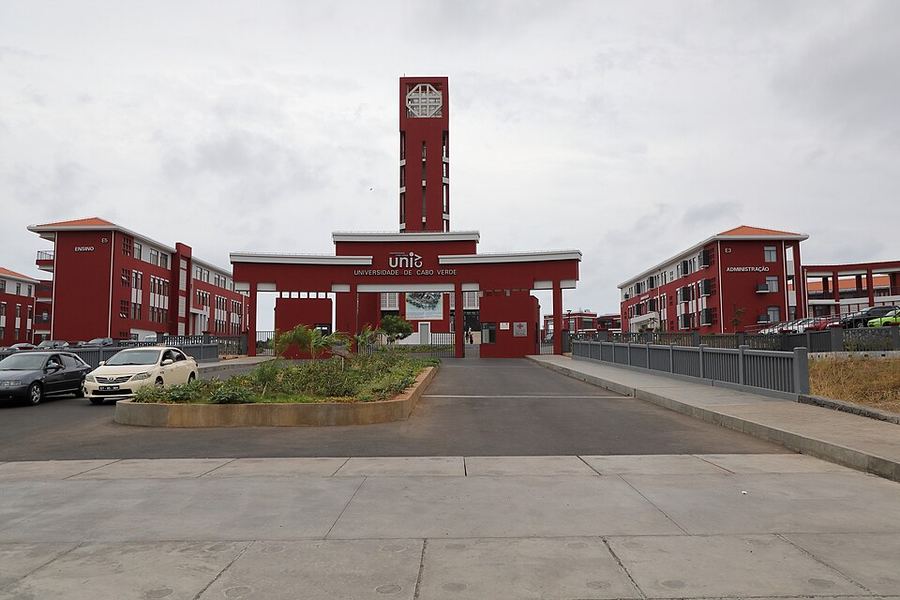
Cabo Verde has one of the better education records in West Africa, with near-universal primary enrolment, free and compulsory basic schooling, and adult literacy well above the regional average — a legacy of sustained post-independence investment. The defining pedagogical problem is linguistic: children speak Kriolu at home and are taught in Portuguese from the first year, and the case for introducing Kriolu as a language of early instruction, alongside work on standardising its orthography, has been debated for decades without full resolution. Secondary provision is spread across the inhabited islands, though the smaller ones depend on boarding or on family placement in Praia and Mindelo. Higher education was transformed by the founding of the Universidade de Cabo Verde in 2006, which consolidated existing public institutes into a national university based in Praia with faculties on other islands; the private Universidade Jean Piaget and several institutes complement it. Historically, degree study meant leaving — for Portugal above all, and for Brazil, Cuba, Russia and Senegal on scholarship — and the outflow of graduates remains substantial. Technical and hospitality training has expanded with the tourism economy.
Notable Educational Programs, Cape Verde
Christian Pirkl / CC BY-SA 4.0

Wars & Conflicts

Cabo Verde has experienced no armed conflict on its own territory since independence, and it is one of the few African states never to have had a coup or a civil war. The liberation struggle that brought it independence was fought by the PAIGC on the mainland in Guinea-Bissau rather than in the islands, which had no guerrilla theatre; Cabo Verde's contribution was political leadership, above all Amilcar Cabral's, and the party's cadres. The projected union of the two countries survived until the 1980 coup in Bissau, after which the Cape Verdean wing reconstituted itself as the PAICV, an entirely peaceful separation. The transition to multiparty democracy in 1991 was likewise achieved by election rather than by pressure of arms, and every subsequent change of government has been peaceful. The country maintains small armed forces and a coastguard whose principal task is maritime surveillance across a very large exclusive economic zone. The security concerns that actually occupy the state are transnational: the archipelago's position on Atlantic routes has made it a transit point for narcotics trafficking between South America and Europe, and interdiction cooperation with European and West African partners is a standing priority.
Current as of 2026-08-06
Wars & Conflicts, Cape Verde
VIEX - Ernest Niedermann / CC BY-SA 4.0

Land & Border Disputes

Cabo Verde has no territorial disputes. Because the archipelago was uninhabited before Portuguese settlement and lies well offshore, it inherited no contested land frontier at independence, and its sovereignty over all ten islands has never been challenged. Its external boundary questions are exclusively maritime and technical: the country claims archipelagic baselines enclosing the islands under the law of the sea, and the delimitation of its exclusive economic zone with Senegal, Mauritania, the Gambia and Guinea-Bissau has proceeded by negotiation, with fisheries access agreements — including with the European Union — governing the practical use of those waters. The most publicised legal dispute of recent years was not territorial at all: the detention in 2020 of Alex Saab, a Venezuelan businessman travelling on a claimed diplomatic passport whose aircraft stopped at Sal, and his extradition to the United States in October 2021, produced a prolonged argument over diplomatic immunity in which the Economic Community of West African States court ruled against Cabo Verde while the national courts allowed the extradition to proceed. The episode strained relations with Venezuela and drew wide international commentary.
Land & Border Disputes, Cape Verde
Ximonic, Simo Räsänen / CC BY-SA 3.0
Land, Life & Legacy

Land & Climate

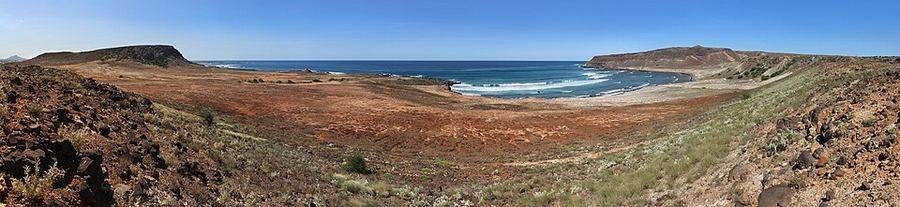
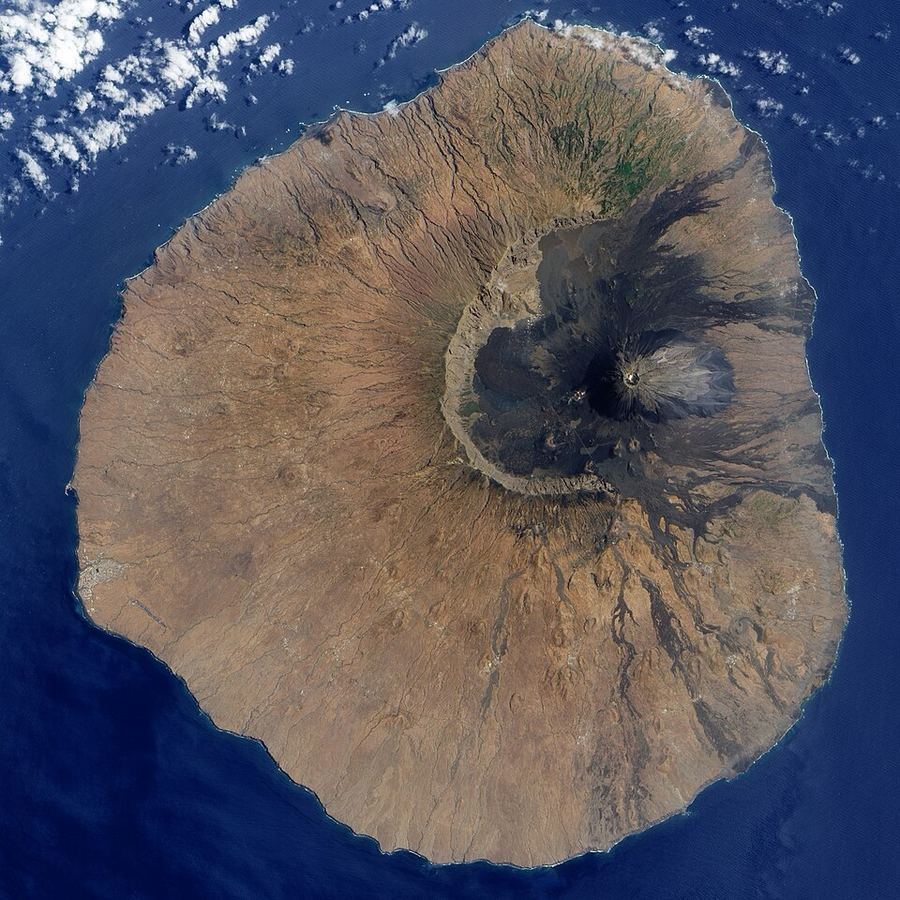
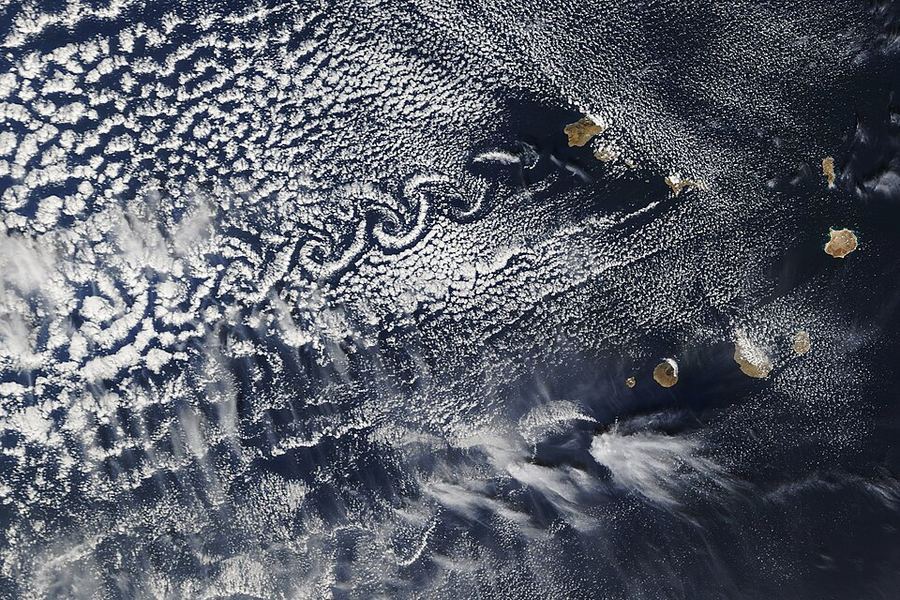
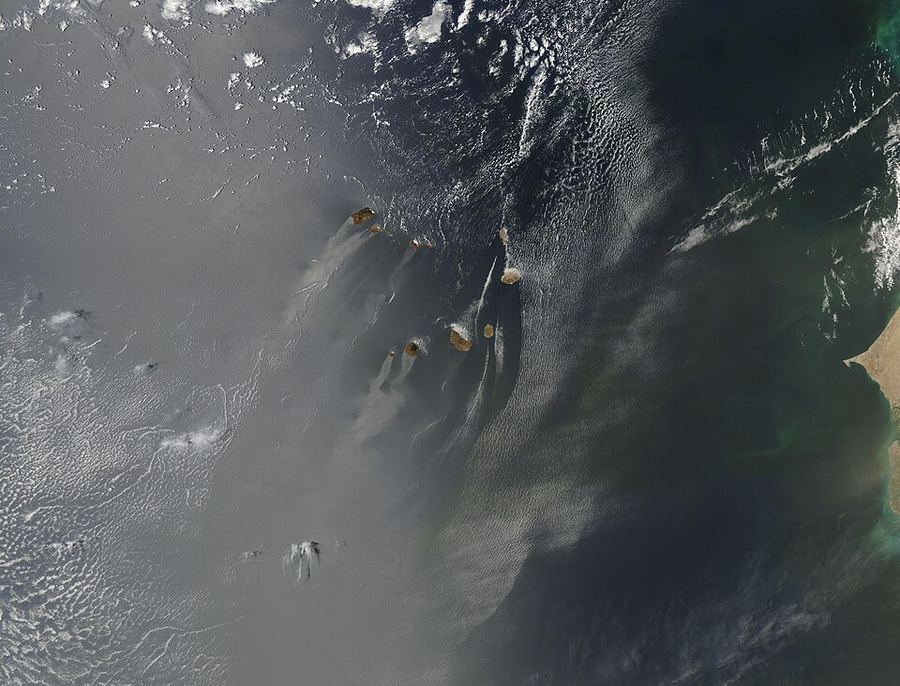
The archipelago forms a rough horseshoe around six hundred kilometres west of Senegal and divides into the windward Barlavento group — Santo Antao, Sao Vicente, Santa Luzia, Sao Nicolau, Sal and Boa Vista — and the leeward Sotavento group of Maio, Santiago, Fogo and Brava. The islands are volcanic and differ sharply with age: Sal, Boa Vista and Maio in the east are old, worn flat and fringed with long white beaches and dunes, while Fogo in the west is a young stratovolcano whose Pico do Fogo rises to about 2,829 metres, the highest point in the country, from a vast collapse caldera in which farmers live and grow vines; its 2014 eruption destroyed the villages of the Cha das Caldeiras. Santo Antao is a corrugated mass of ridges whose northeastern valleys, Paul and Ribeira Grande, are startlingly green. The climate is Sahelian and semi-arid: rainfall is scant, unreliable and confined to a short late-summer season, harmattan dust from the Sahara reaches the eastern islands, and drought has repeatedly reshaped the population. The waters around Boa Vista and Sal host one of the world's largest loggerhead turtle nesting populations.
Land & Climate, Cape Verde
Jesse AllenImage created using data from instrument EO-1 ALI, provided courtesy of the NASA EO-1 Team. / Public domain

Entertainment

Cape Verdean leisure is musical before it is anything else. In Mindelo the evening is spent in bars where a guitarist and a cavaquinho player will be joined by whoever is present, and the same pattern holds in Praia and the smaller towns; live music is participatory rather than staged. The festival calendar is dense: Mindelo's carnival, the most Brazilian-influenced in the islands, fills the days before Lent; the Baia das Gatas festival on Sao Vicente, held on the August full moon since the mid-1980s, is the country's largest open-air music event; the Gamboa festival serves Praia; and saints' days, above all Santo Antao's and Sao Joao Baptista's, bring processions, horse races and drumming. Outdoors, Santo Antao's ridge and valley trails have made it one of West Africa's best hiking destinations, and the climb into the Fogo caldera is the classic volcanic excursion. Sal and Boa Vista are internationally known for windsurfing, kitesurfing and big-wave surfing at Ponta Preta. Football on any level ground, dominoes, ouril played on a carved board, beach fishing and long conversation over grogue complete an unhurried social life.
Entertainment, Cape Verde
Quiebrajano / CC BY-SA 3.0

Art & Museums

Cabo Verde's greatest artistic achievement is literary. In 1936 a group of writers in Mindelo founded the review Claridade, which broke with Portuguese literary models, took the islands themselves as subject, and admitted Kriolu speech and creole identity into serious writing; Baltasar Lopes da Silva, Manuel Lopes and Jorge Barbosa were its central figures, and Lopes's novel Chiquinho, published in 1947, remains the founding Cape Verdean novel. Eugenio Tavares had already established Kriolu as a literary language in his morna lyrics on Brava. The line runs forward to Germano Almeida, whose comic novel about the will of Senhor Napumoceno da Silva Araujo was widely translated and who received the Camoes Prize, the highest honour in Portuguese-language letters, in 2018. In the visual arts, a modern generation associated with the crafts and design centre established in Mindelo after independence — among them Manuel Figueira, Luisa Queiros and Bela Duarte — worked in painting, tapestry and textile, drawing directly on pano weaving. Ceramics, basketry and pano di terra weaving remain living crafts, and public sculpture in Praia and Mindelo commemorates Amilcar Cabral and the emigrant.
Art & Museums, Cape Verde
Francisco Santos / CC BY-SA 3.0

Notable People

Amilcar Cabral is the country's towering political figure — agronomist, theorist of national liberation and founder of the PAIGC, who led the armed struggle in Guinea-Bissau and was assassinated in Conakry in January 1973, months before either territory became independent. Aristides Pereira became the first president in 1975; Pedro Pires, president from 2001 to 2011, won the Mo Ibrahim Prize for Achievement in African Leadership in 2011. Cesaria Evora, the barefoot diva of Mindelo, is the country's most recognised name internationally, a Grammy winner who made morna a world music standard. In literature, Baltasar Lopes da Silva founded the modern Cape Verdean novel and Germano Almeida won the Camoes Prize in 2018. The diaspora has produced a striking number of elite athletes for other flags as well as for Cabo Verde: the footballer Nani, a Portugal international and European champion, was born in Praia; Gelson Fernandes played for Switzerland; Henrik Larsson, one of Sweden's greatest strikers, is of Cape Verdean descent; and the basketball centre Edy Tavares, a Champions League winner in Europe, plays for the national team.
Notable People, Cape Verde
AnonymousUnknown author / Public domain

Inventions & Breakthroughs

A small, resource-poor archipelago is an unlikely source of technological invention, and Cabo Verde's real contributions lie in language, craft and policy. Kriolu itself is the largest: one of the oldest continuously spoken creole languages, formed in the fifteenth and sixteenth centuries and now a fully elaborated national language with its own literature, orthographic standard and grammar — a case study in creole genesis that linguists have worked on for a century. Pano di terra strip weaving adapted a West African loom technology to island conditions and produced a cloth that functioned simultaneously as textile, currency and ceremonial gift. The distillation of grogue in small cane presses on Santo Antao is a preserved artisanal technology with protected local designations. In the modern economy, the country's most-copied innovation is institutional: Cabeolica, the public-private wind power venture launched in 2011 across four islands, was among the first commercial-scale wind partnerships of its kind in sub-Saharan Africa and became a template for renewable investment in small island systems. Cape Verdean public health administration is likewise studied as a model, following the malaria elimination campaign certified in 2024.
Inventions & Breakthroughs, Cape Verde
IGTaylor / CC BY-SA 3.0

Science & Technology

For a country of its size, Cabo Verde has an unusually visible scientific presence, and it rests on two pillars. The first is oceanography: the waters off Sao Vicente host a long-running deep-ocean time series, and the Ocean Science Centre Mindelo, opened in partnership with German marine research institutions, gives the archipelago a permanent research station used for studies of the tropical Atlantic, the oxygen minimum zone and climate variability — data of global rather than local significance. The second is public health. The malaria elimination campaign that led the World Health Organization to certify the country malaria-free in January 2024 was built on surveillance, vector control and case management sustained over decades, and the national programme is now studied as a model by other small states. In energy, the Cabeolica wind farms commissioned from 2011 across Santiago, Sao Vicente, Sal and Boa Vista pushed the renewable share of electricity sharply upward and demonstrated commercial wind investment in a small island grid, with solar and storage following. Constraints are severe: there is almost no fresh surface water, and desalination supplies much of the urban supply.
WHOWorld BankIEANature
Science & Technology, Cape Verde
Lauren Dauphin, using MODIS data from NASA EOSDIS/LANCE and GIBS/Worldview. Story by Adam Voiland. / Public domain
On The World Stage
Champions of Cape Verde

Champions & Defining Moments

Cabo Verde's international sporting breakthrough came at the Paris Olympic Games in 2024, when the boxer Daniel Varela de Pina took bronze in the men's fifty-one kilogram division — the country's first Olympic medal in any sport since it began competing in 1996. Football has provided the wider profile. Qualification for the 2026 FIFA World Cup, secured in October 2025, was the largest sporting event in the country's history, and the squad that achieved it drew heavily on players raised in Portugal, the Netherlands and France, reflecting a diaspora larger than the resident population. Cape Verdean-descended players have represented several European nations at the highest level, Nani for Portugal and Gelson Fernandes for Switzerland among them, and Henrik Larsson's career for Sweden is claimed with affection in the islands. In basketball, the 2023 FIBA World Cup appearance put Cabo Verde on the international calendar for the first time. The country also competes at the African Games and in Lusophone Games competition, where its athletes in athletics, judo and taekwondo have their best medal prospects.

IOCOlympediaFIFA
Government & Leadership

Parliamentary republic

Government building

Executive

Jose Maria Pereira Neves — PresidentPAICV

In office since 9 November 2021

Jose Ulisses Correia e Silva — Prime Minister

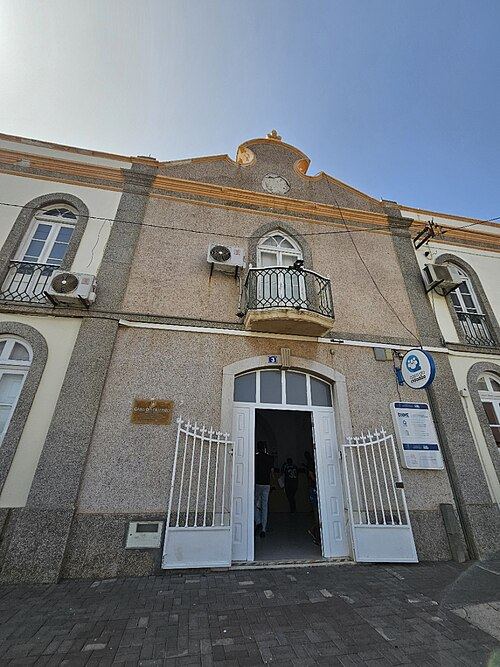
GualdimG / CC BY-SA 4.0
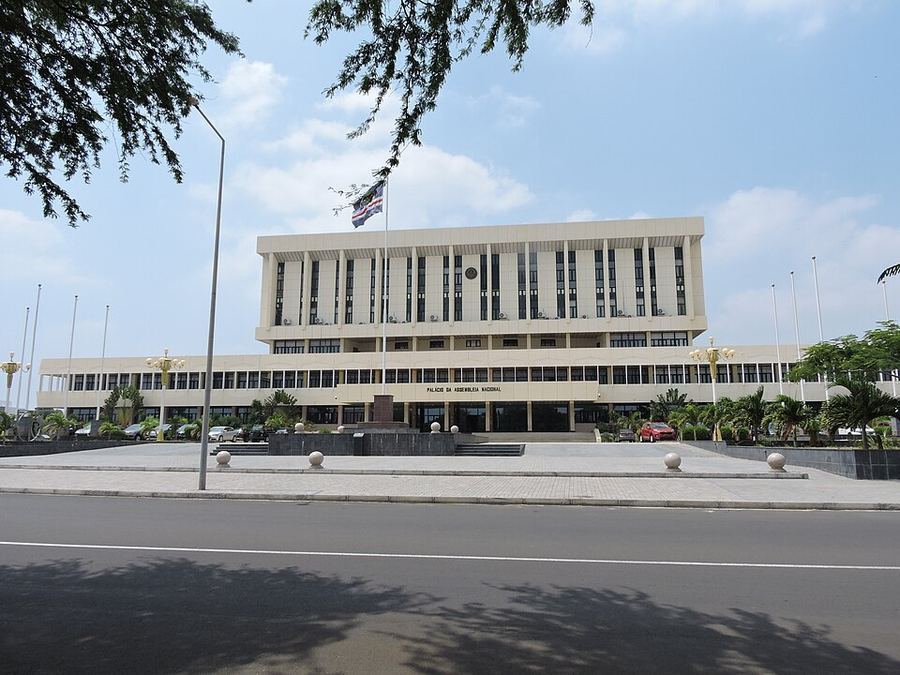
The legislature

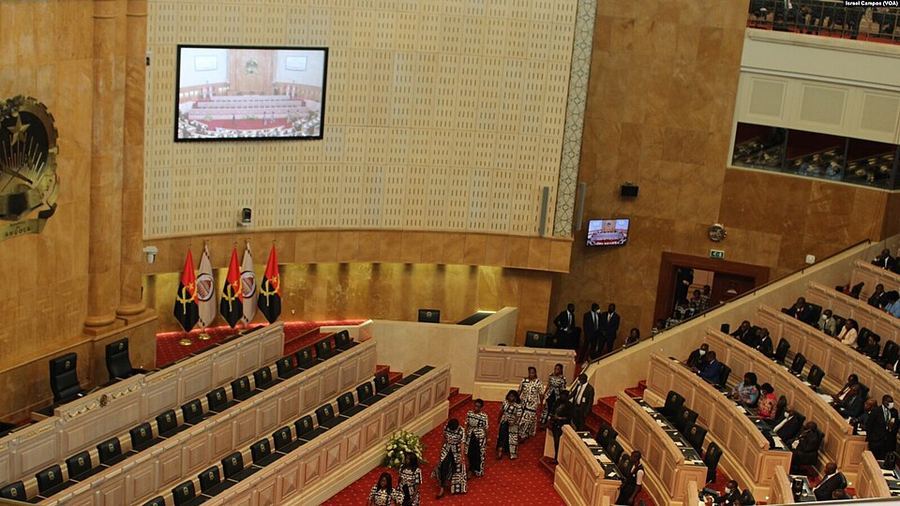
National Assembly (Assembleia Nacional)

Unicameral

Composition — MpD majority

MpD 38 · PAICV 30 · UCID 4

Last election 4/18/2021 · 44.4% women

The highest court
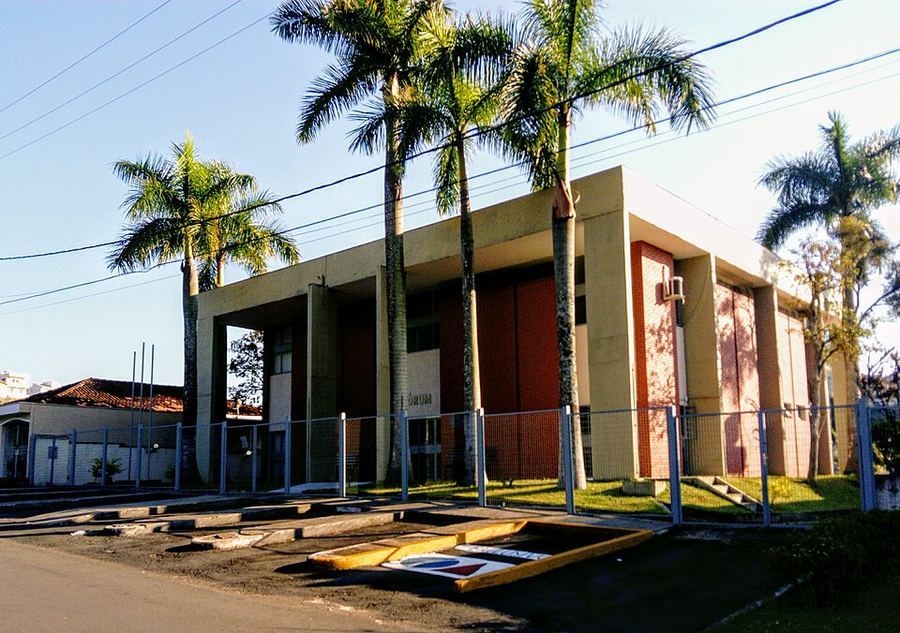
The highest court — Ernani Zimmermann Viana / CC BY-SA 4.0

Supreme Court of Justice

consists of the chief justice and at least 7 judges and organized into civil, criminal, and administrative sections

Economy, Trade & Government

Currency & GDP

Cabo Verde Escudo — CVE ($)

GDP (PPP): $5.2 billion (2024 est.)

Per capita: $9,900 (2024 est.)

Exports

$1.158 billion (2024 est.)

fish, refined petroleum, railway cargo containers, shellfish, garments (2023)

Partners: Spain 46%, Portugal 9%, Togo 7%, Italy 7%, India 6% (2023)

Imports

$1.473 billion (2024 est.)

refined petroleum, aircraft, cars, fish, railway cargo containers (2023)

Partners: Portugal 29%, Saudi Arabia 11%, Netherlands 9%, Spain 8%, China 7% (2023)

Government

Type: parliamentary republic

Independence: 5 July 1975 (from Portugal)

Terrain → Where People Live

How mountains, coasts, and rivers shape settlement (LandScan).

Coming — data

Migration & Ethnic Settlement

Where groups settled and how people move (GeoEPR + UNHCR).

Coming — data

Universities

Notable institutions, mappable as points.

Coming — data
Economy & government facts: CIA World Factbook (public domain), via OpenFactBook / factbook.json.
Every fact and narrative claim will carry a visible source citation. Data-driven sections light up automatically wherever HERA has coverage.