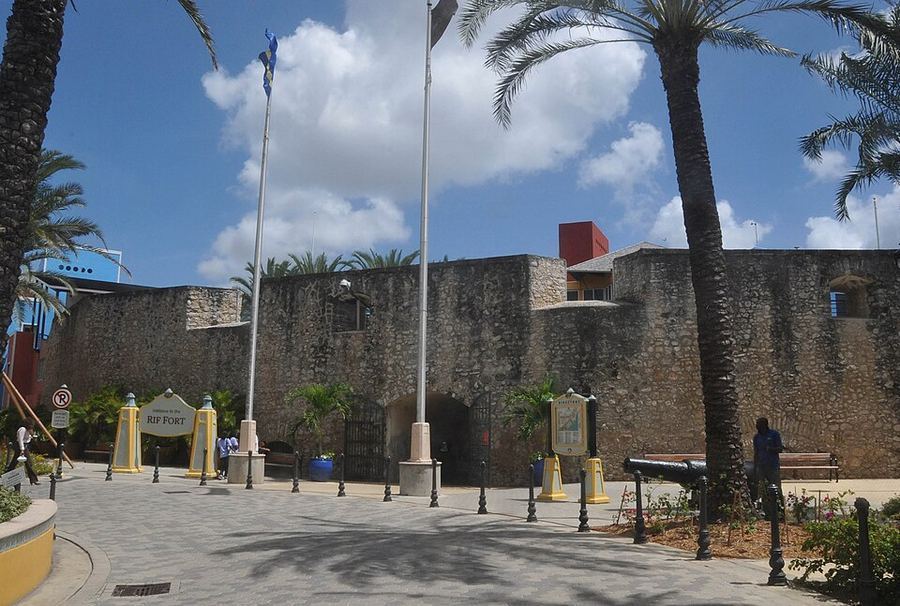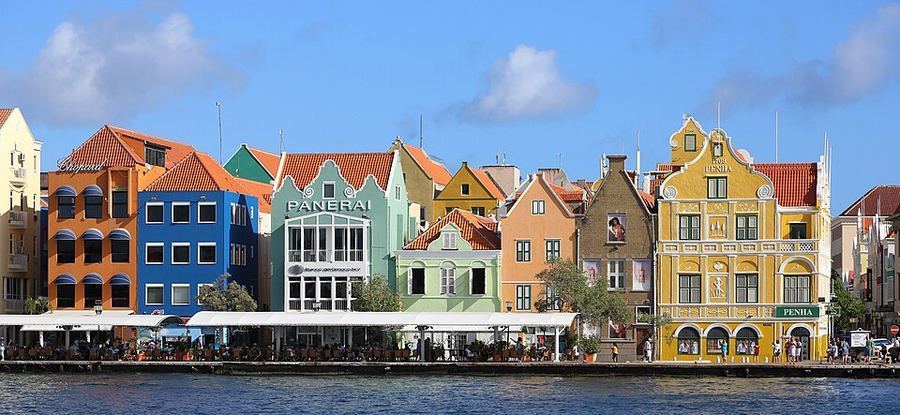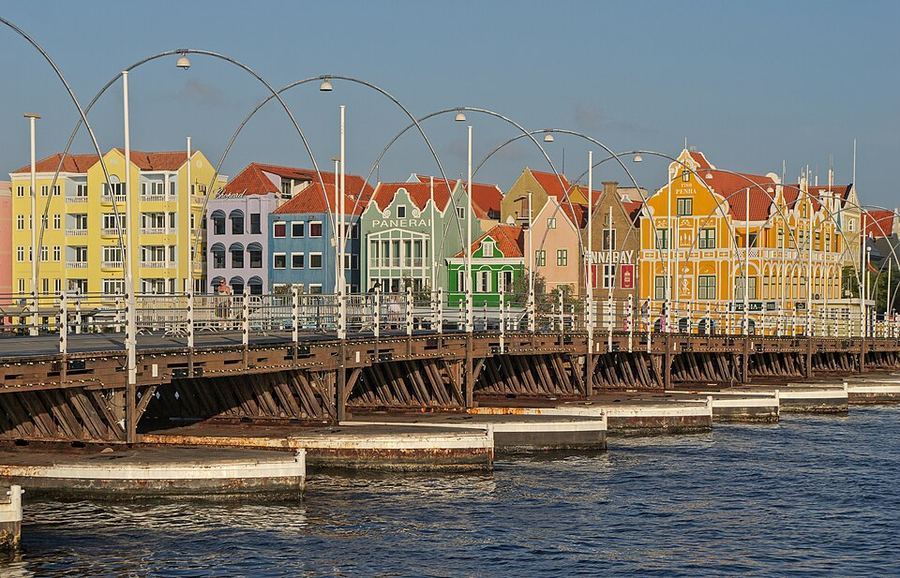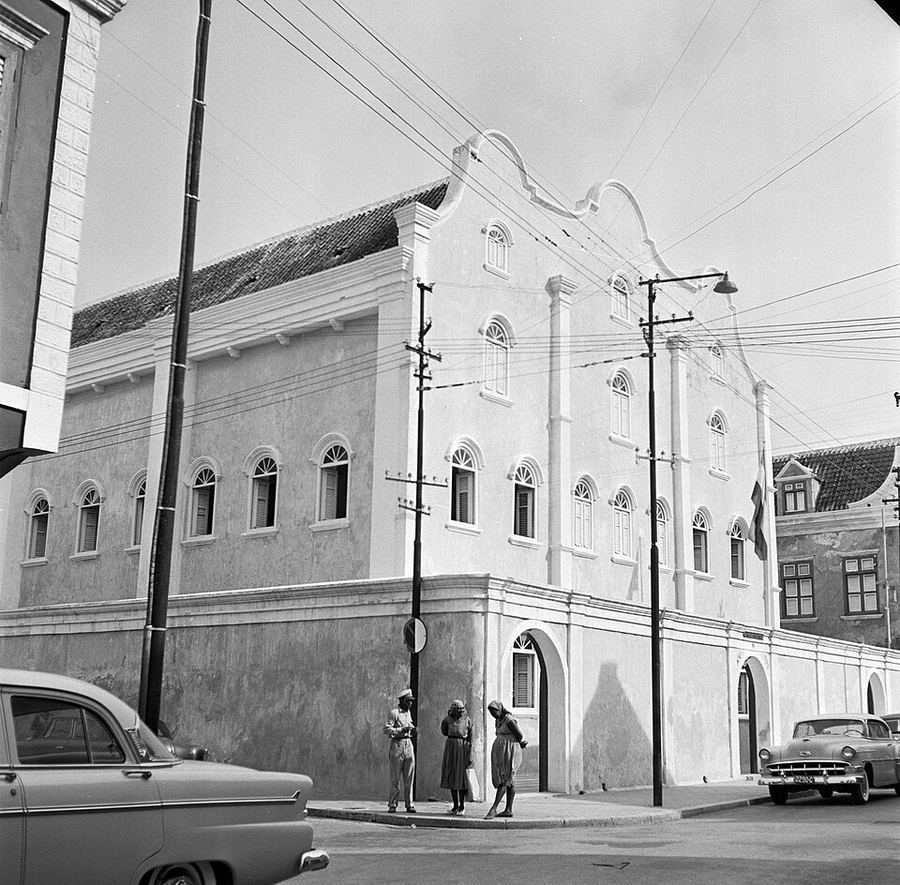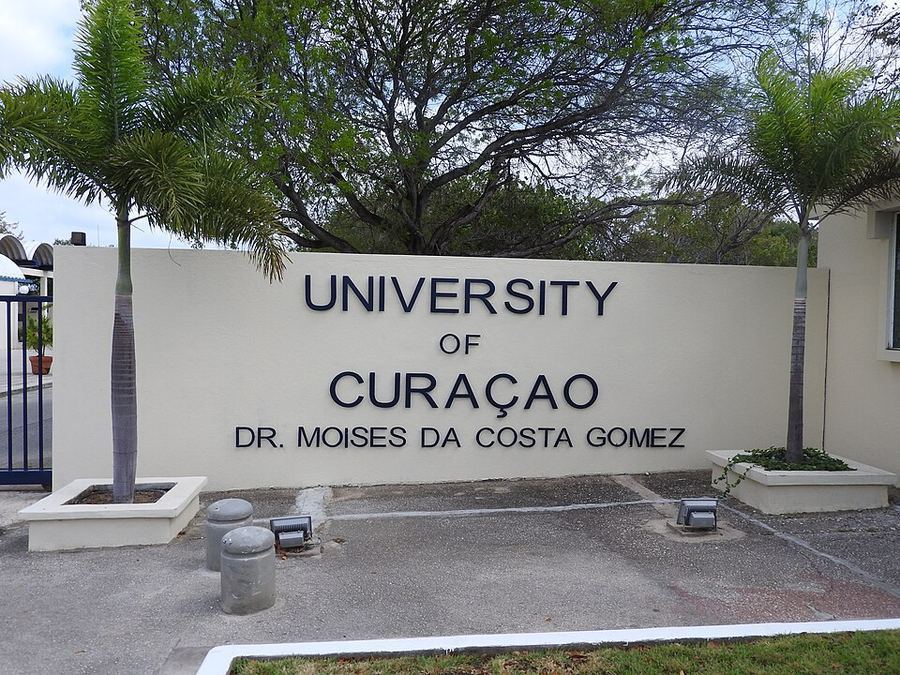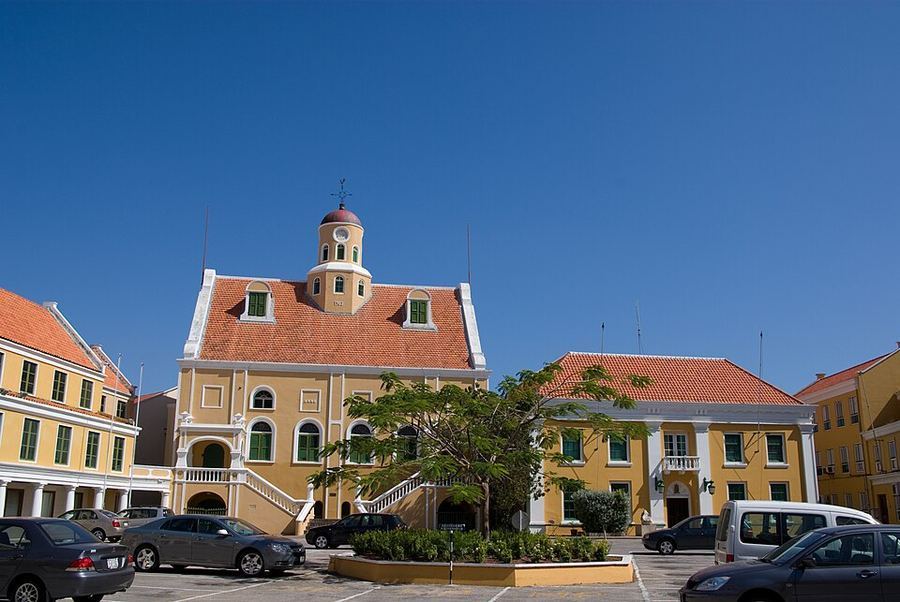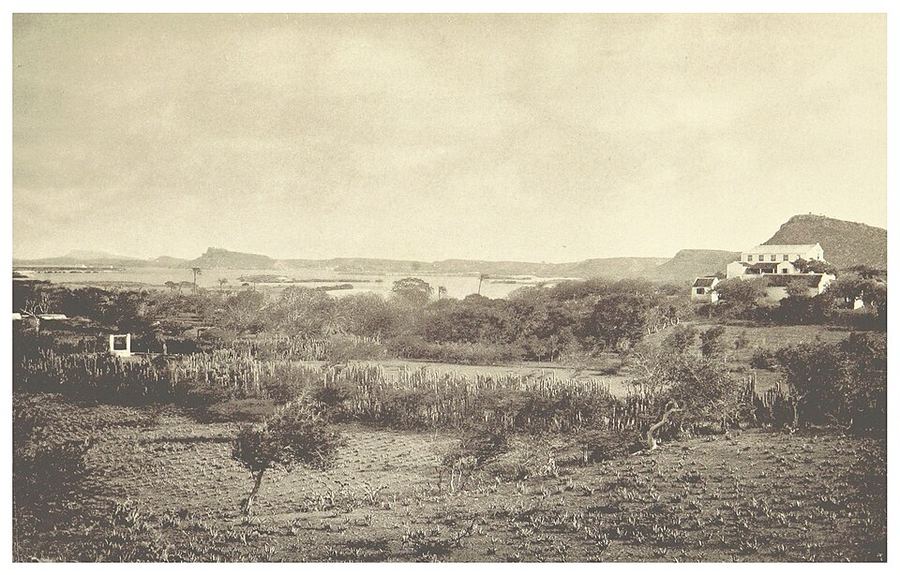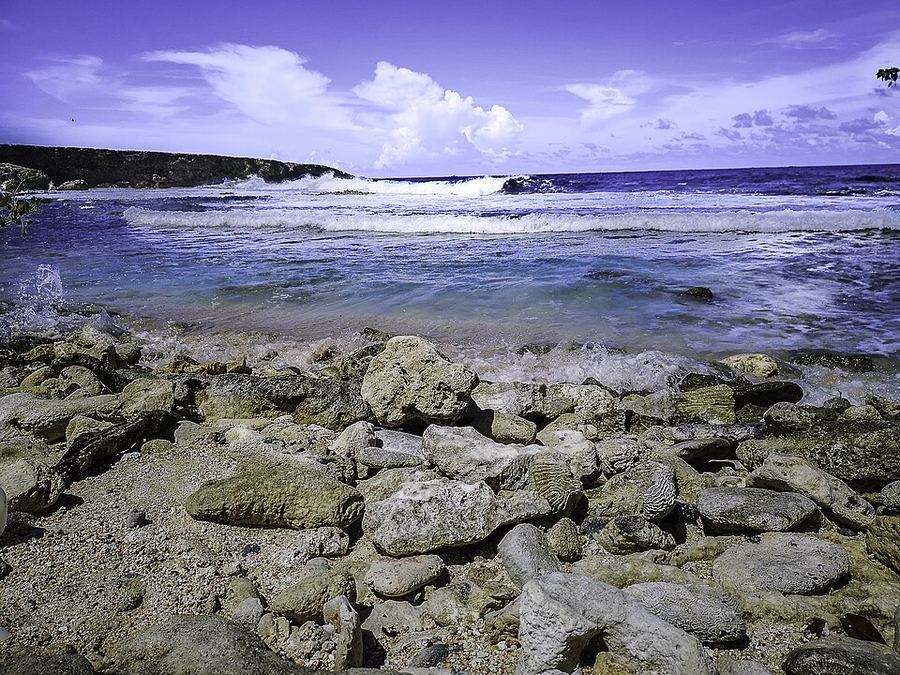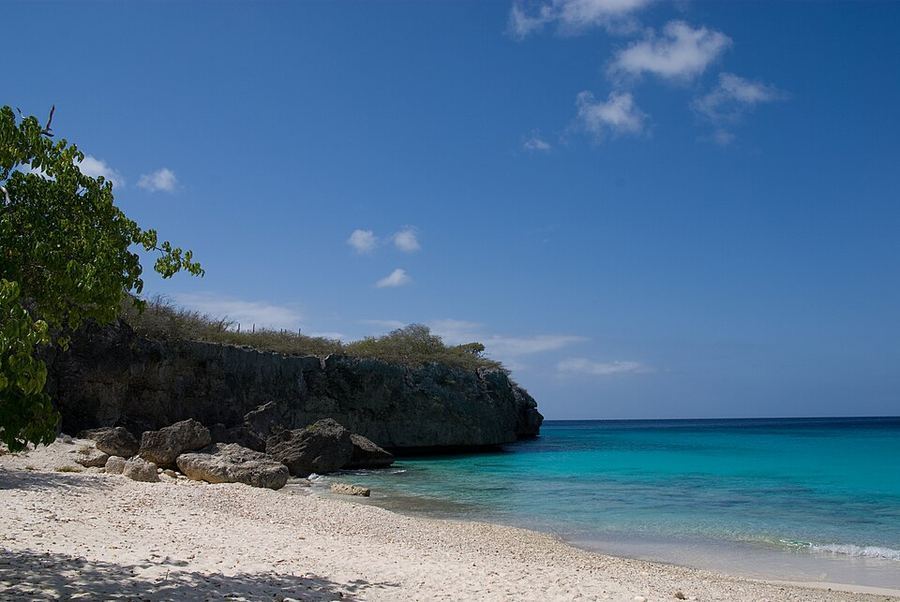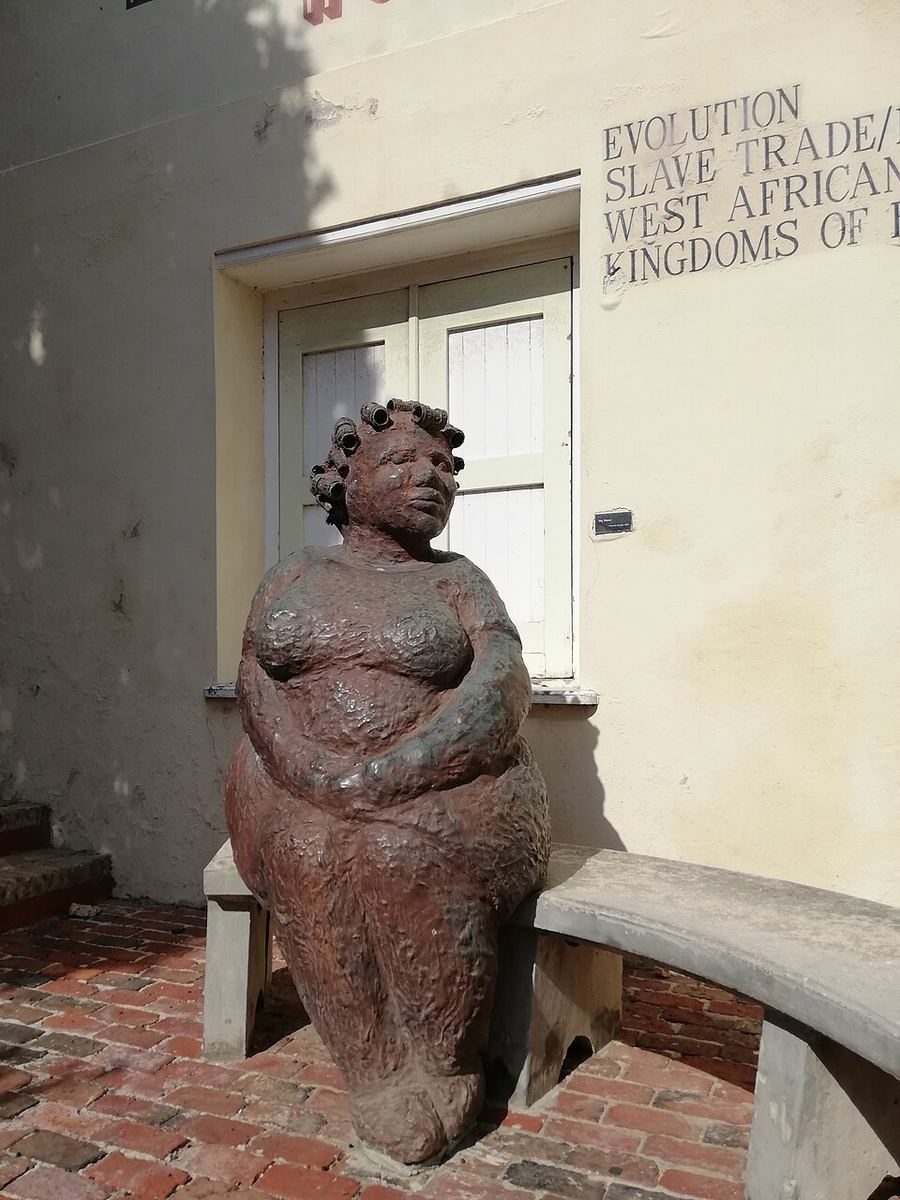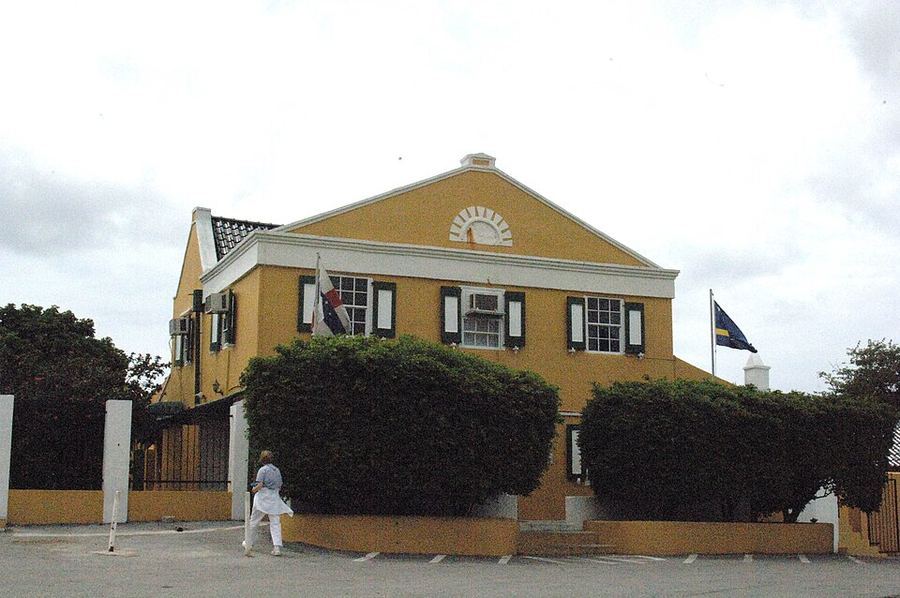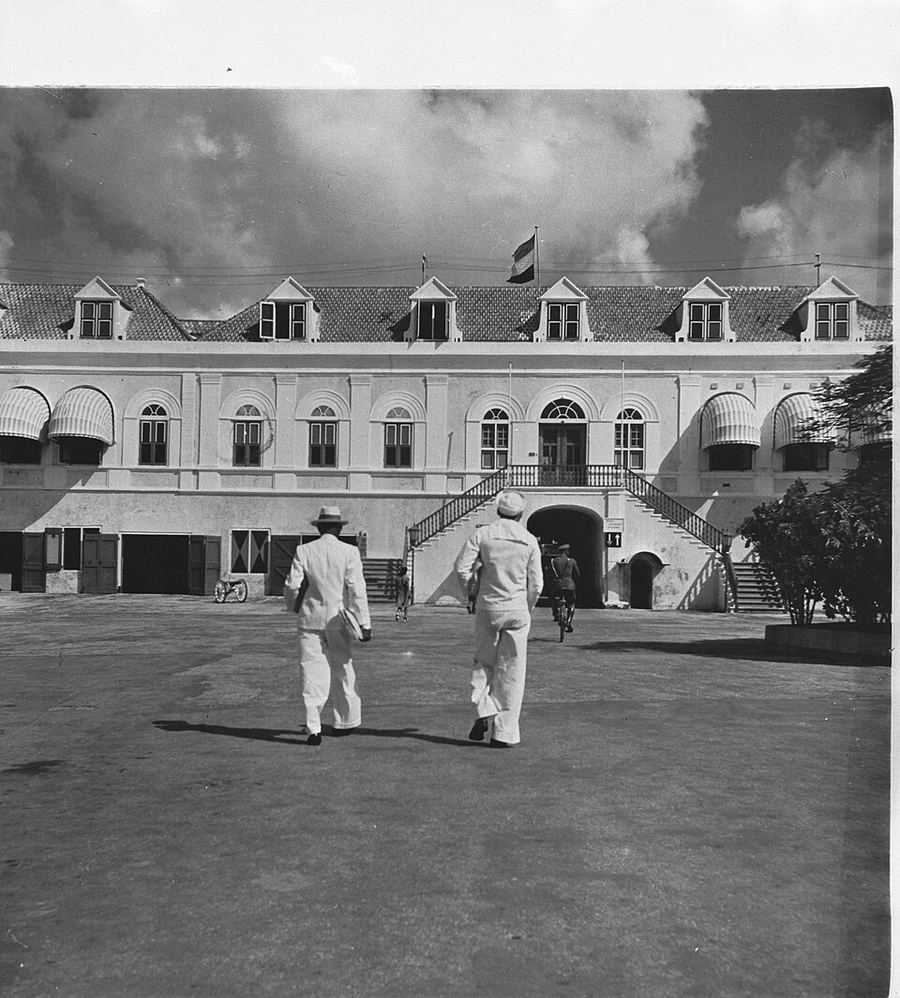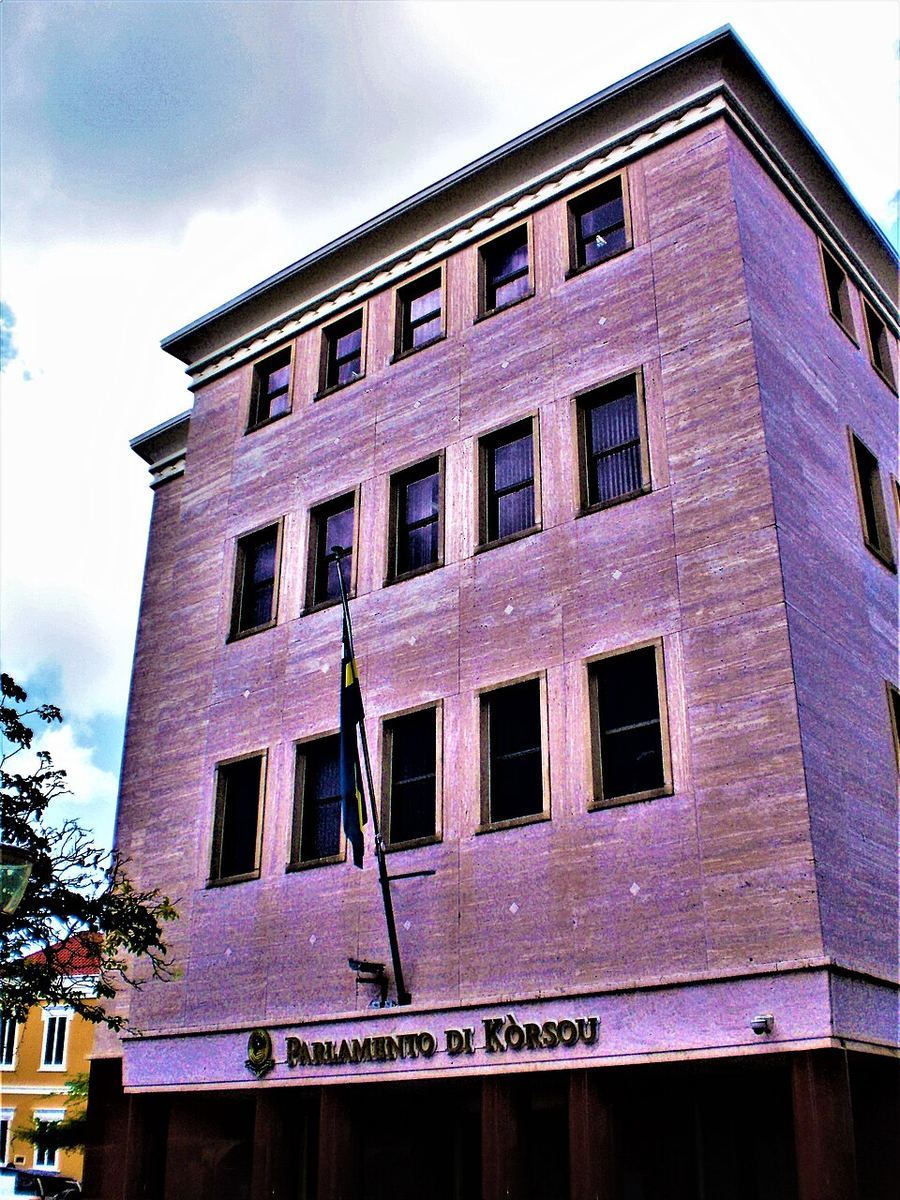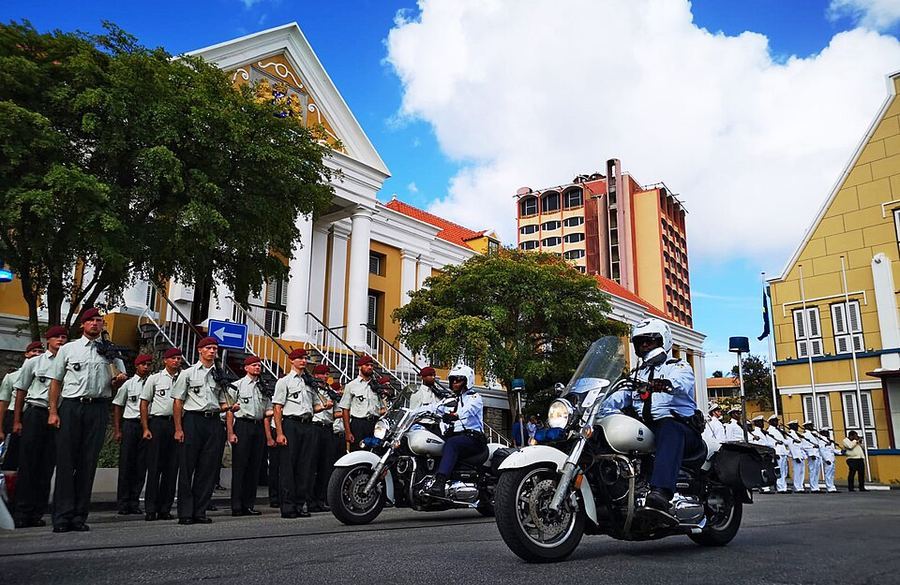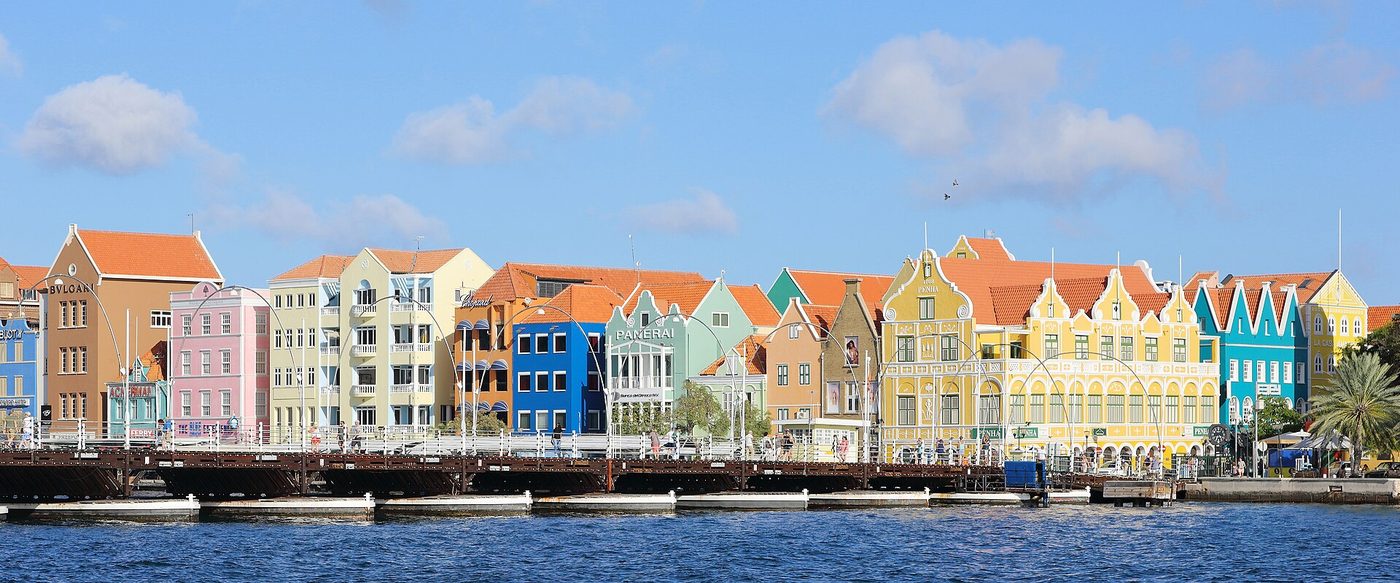
Curaçao is a constituent country of the Kingdom of the Netherlands, an arid limestone island of about 153,000 people lying roughly 65 kilometres off the Venezuelan coast in the Leeward Antilles. Its capital, Willemstad, is built around the Sint Anna Bay entrance to the Schottegat, one of the deepest natural harbours in the Caribbean, and the pastel merchant houses lining the Handelskade are inscribed on the UNESCO World Heritage List. The island has never been a plantation economy of the classic sugar type — the soil is too dry — and made its living instead from salt, trade, the transhipment of enslaved Africans, and, from 1915, oil refining for Venezuelan crude. That history produced an unusually layered society: an Afro-Curaçaoan majority, one of the oldest Jewish congregations in the Americas, Dutch administrators, and Latin American migrants. Its everyday language is Papiamentu, a creole spoken by about 80% of residents and an official language alongside Dutch and English. Since the dissolution of the Netherlands Antilles on 10 October 2010, Curaçao has run its own government while defence and foreign affairs remain Kingdom matters.
Willemstad's urban core is home to about 162,059 people.
Among the world's megacities, though, it's one of many — the giants of Asia and Latin America run larger still:
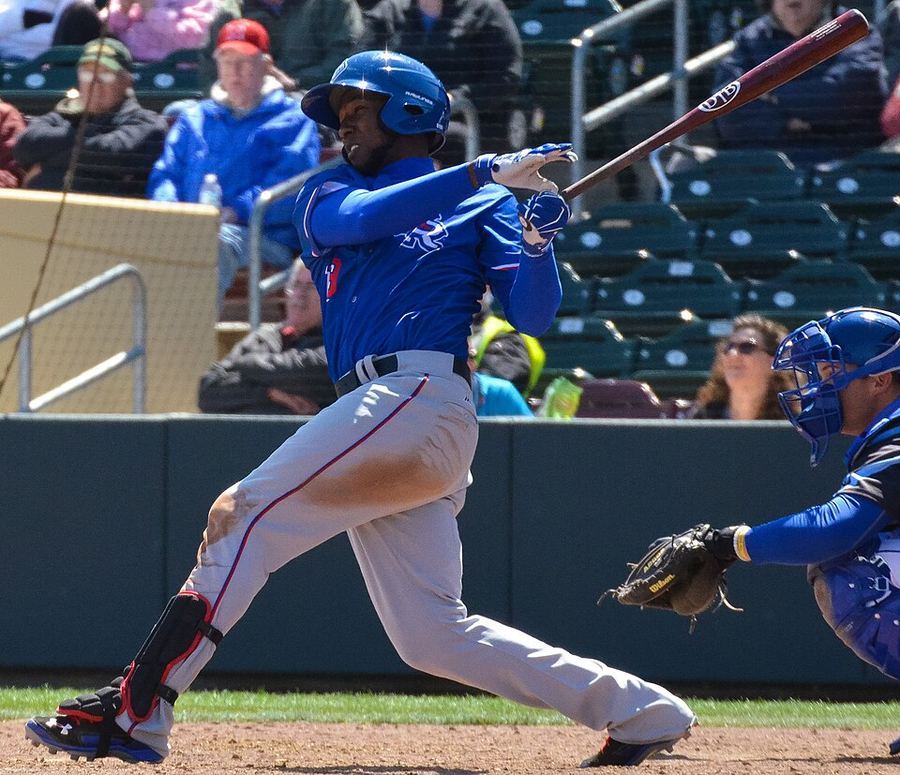
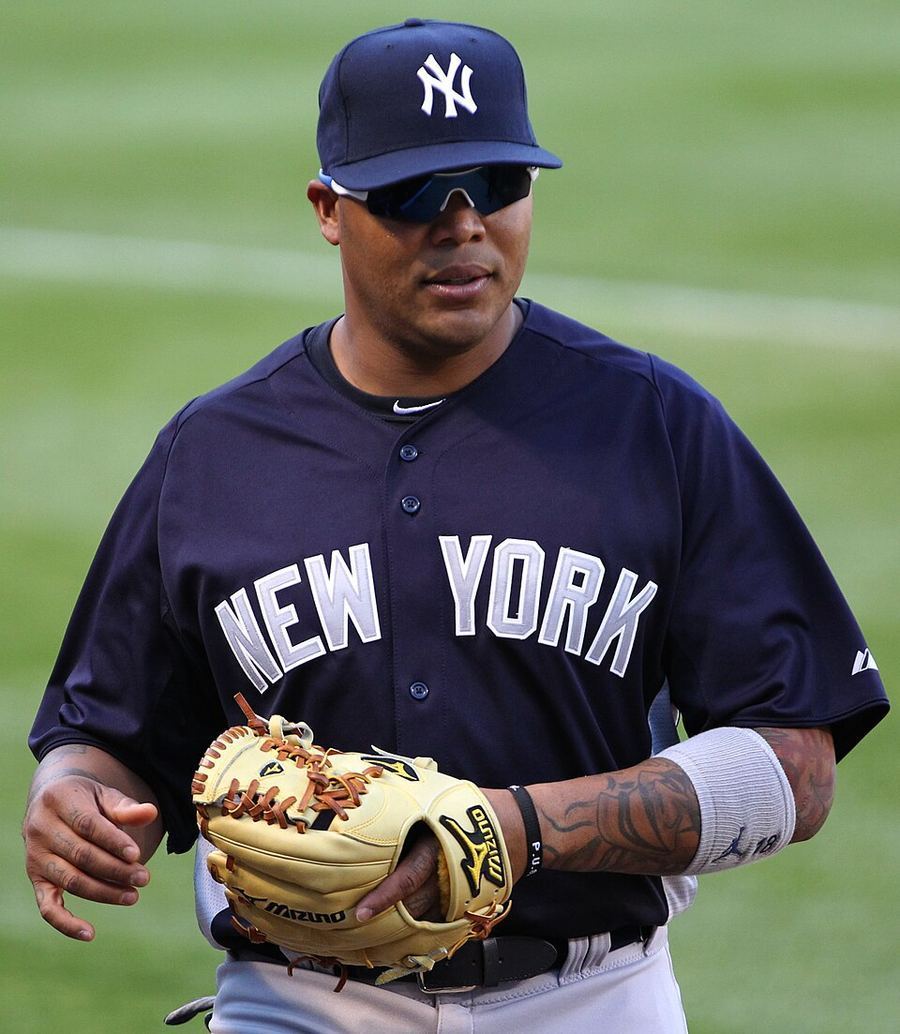
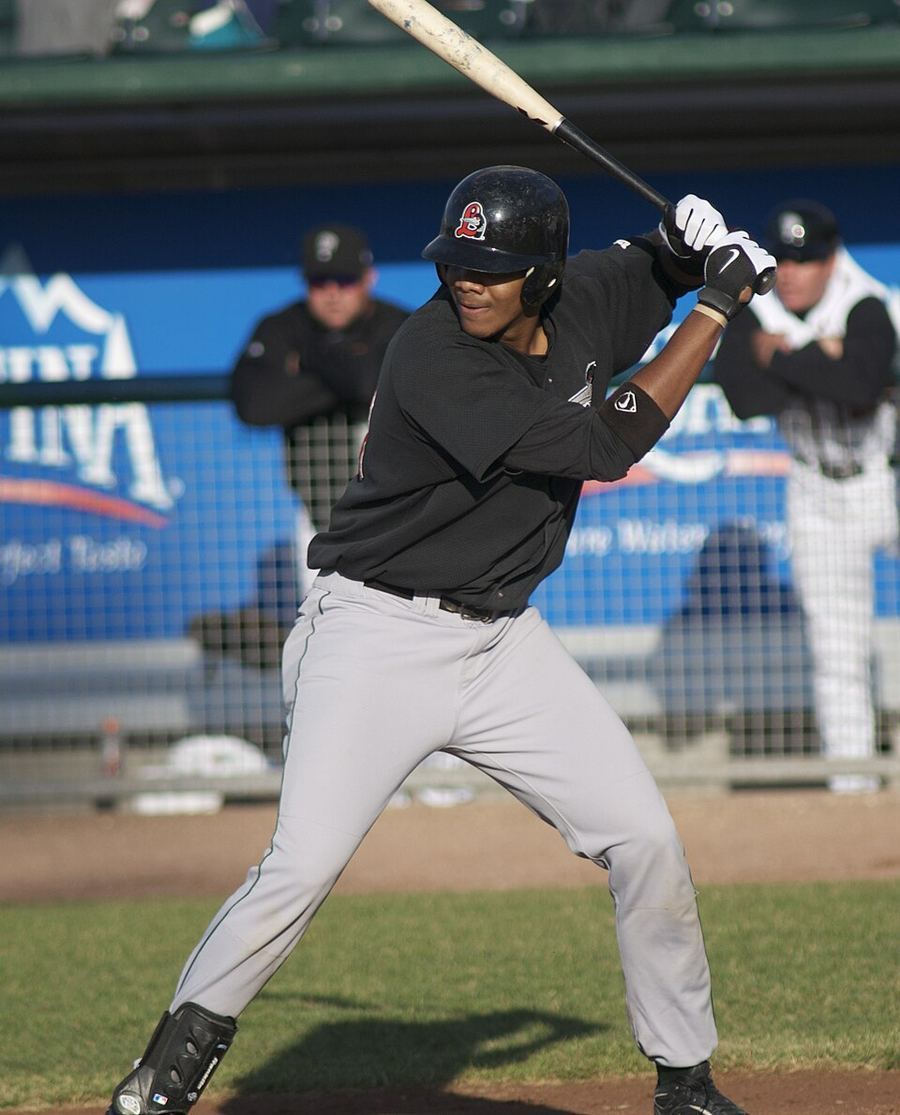
Curaçao's international sporting representation is unusually split. In football it is a full member of FIFA and of CONCACAF in its own right, having taken over the affiliation of the Netherlands Antilles after that federation's dissolution; its 2017 Caribbean Cup victory earned a place at the CONCACAF Gold Cup. In the Olympic movement, however, Curaçao has no national Olympic committee of its own: the Netherlands Antilles Olympic Committee was dissolved in 2011 following the territory's break-up, and since then Curaçaoan athletes have competed either for the Netherlands or, in a transitional arrangement at the 2012 Games, as independent Olympic participants. That is why sprinters born in Willemstad appear in Dutch uniforms. In baseball the island's players represent the Kingdom of the Netherlands at the World Baseball Classic, and the Dutch squad's competitiveness against far larger nations rests substantially on players from Curaçao and the other Dutch Caribbean islands.
ANG — ANG (None)
GDP (PPP): $4.312 billion (2023 est.)
Per capita: $27,700 (2023 est.)
$2.107 billion (2023 est.)
diamonds, refined petroleum, crude petroleum, gold, petroleum coke (2023)
Partners: Armenia 57%, USA 15%, Guyana 5%, Dominican Republic 4%, Netherlands 2% (2023)
$2.764 billion (2023 est.)
refined petroleum, cars, garments, plastic products, packaged medicine (2023)
Partners: USA 39%, Netherlands 24%, China 6%, Colombia 5%, Brazil 3% (2023)
Type: parliamentary democracy
Independence: none (part of the Kingdom of the Netherlands)
How mountains, coasts, and rivers shape settlement (LandScan).
Coming — dataWhere groups settled and how people move (GeoEPR + UNHCR).
Coming — dataNotable institutions, mappable as points.
Coming — data