HERA · Human Entity Reference Atlas by Masego Inc

← Cyprus 🌐 3D View
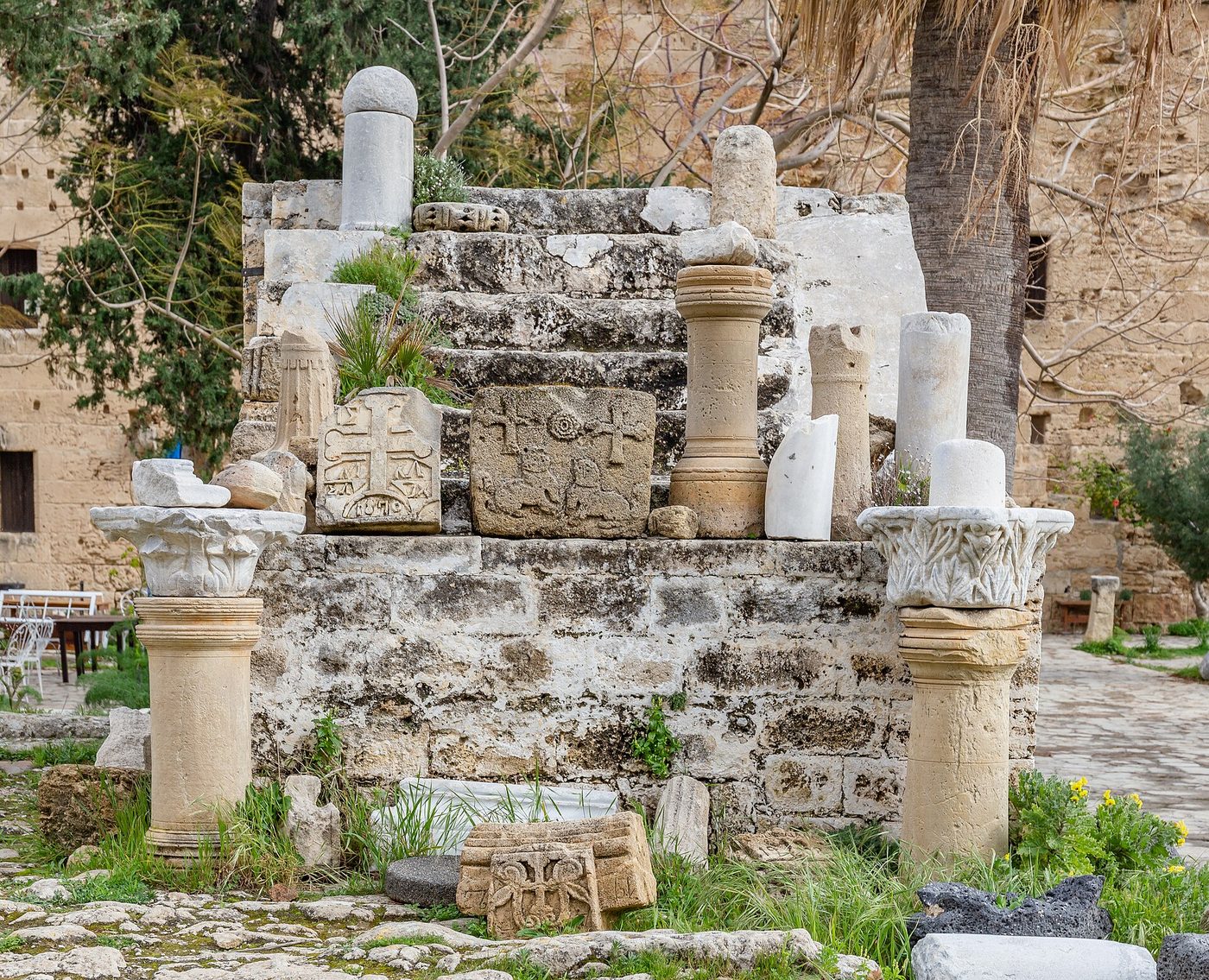
Archaeological artefacts, Kyrenia Castle, Kyrenia, Northen Cyprus, Cyprus
Cyprus CYP
Archaeological artefacts, Kyrenia Castle, Kyrenia, Northen Cyprus — Photo: Michal Klajban / CC BY-SA 4.0 via Wikimedia Commons
Did You Know The Maronite village community of Kormakitis speaks Cypriot Maronite Arabic, an Arabic variety isolated on the island for around a thousand years and now severely endangered. — Glottolog

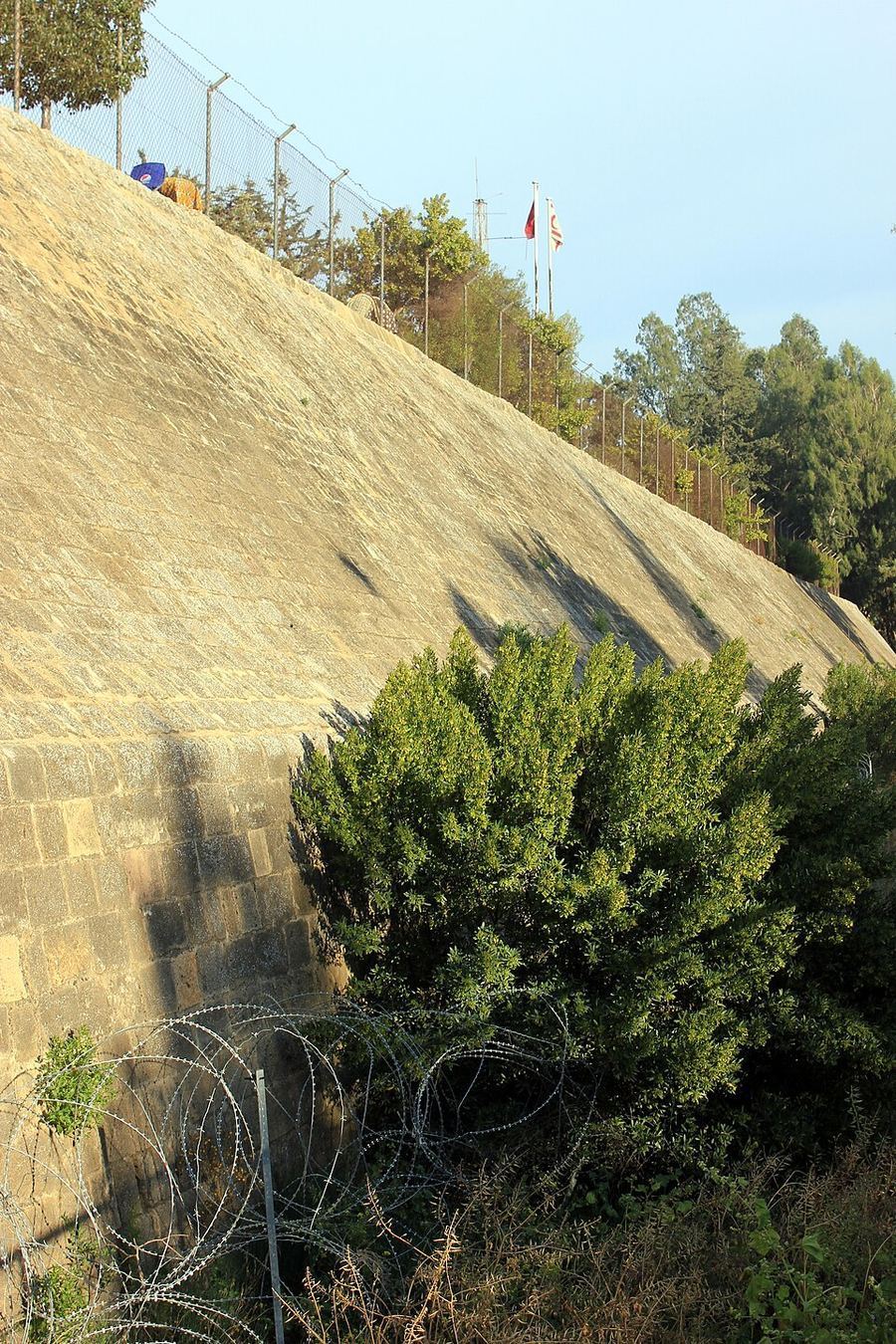
Cyprus is the third-largest island in the Mediterranean and, since 1974, the only European Union member state whose territory and capital are physically divided. The Republic of Cyprus, an EU member since 2004 and a euro user since 2008, governs the southern roughly two-thirds; the north has been administered since the Turkish intervention of 1974 by an entity that declared itself the "Turkish Republic of Northern Cyprus" in 1983 and is recognised by Turkey alone. A United Nations buffer zone patrolled by UNFICYP, one of the longest-running peacekeeping operations in the world, runs across the island and through Nicosia. The Republic's 1.3 million people are overwhelmingly Greek-speaking and Eastern Orthodox, with recognised Maronite, Armenian and Latin minorities and a large migrant workforce. It is a high-income economy of about $53,300 per head built on shipping, tourism, financial and professional services and, increasingly, offshore natural gas. Britain retains two Sovereign Base Areas at Akrotiri and Dhekelia under the 1960 independence settlement.

CIA World FactbookEncyclopaedia Britannica
Population
1,332,293
Capital
Nicosia (Lefkosia/Lefkosa)
Currency
€ EUR
Time zones
Largest city
Strovolos [Nicosia]
Human Geography Themes
Loading national figures…
Largest Cities
Strovolos [Nicosia]195,002
Limassol191,161
Nicosia110,904
Larnaca73,504
Pafos60,665
In Perspective

Strovolos [Nicosia]'s urban core is home to about 195,002 people.

Among the world's megacities, though, it's one of many — the giants of Asia and Latin America run larger still:

Strovolos [Nicosia]195,002
Jakarta40,545,126
Dhaka37,307,160
Tokyo33,244,670
Shanghai30,678,616
Cairo25,230,325
The Country & Its People

History

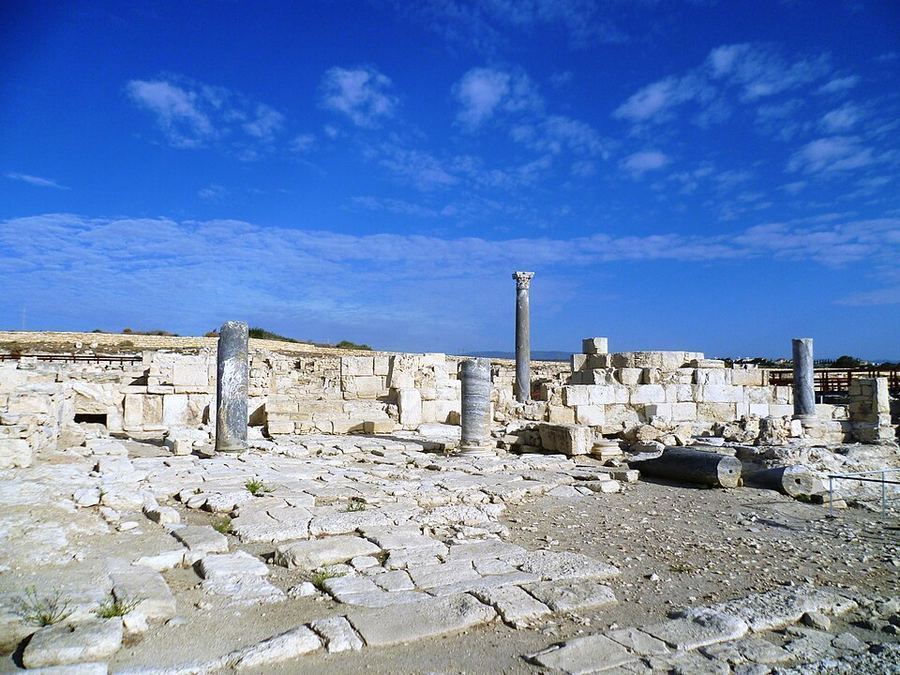
Cyprus has been continuously inhabited for roughly eleven thousand years, and the Neolithic settlement at Choirokoitia is one of the best-preserved of its period anywhere. The island's copper made it wealthy and gave it its name, or took its name from it — Latin cuprum and Cyprus are inseparable. Mycenaean Greeks settled from the late Bronze Age, and the city-kingdoms of Kition, Salamis and Paphos passed in turn under Assyrian, Egyptian, Persian and Ptolemaic control before Rome annexed the island in 58 BC. Byzantine rule lasted until Richard the Lionheart seized Cyprus in 1191 on his way to the Third Crusade and sold it on; the French Lusignan dynasty then ruled for three centuries, followed by Venice from 1489 and the Ottomans from 1571. Britain took over administration in 1878 and annexed the island in 1914. The EOKA campaign against British rule ran from 1955 to 1959, and the Zurich and London agreements produced independence on 16 August 1960 under Archbishop Makarios III. Intercommunal violence broke out in 1963, and a Greek junta-backed coup in July 1974 was followed within days by Turkish military intervention and the partition that still stands.
Culture

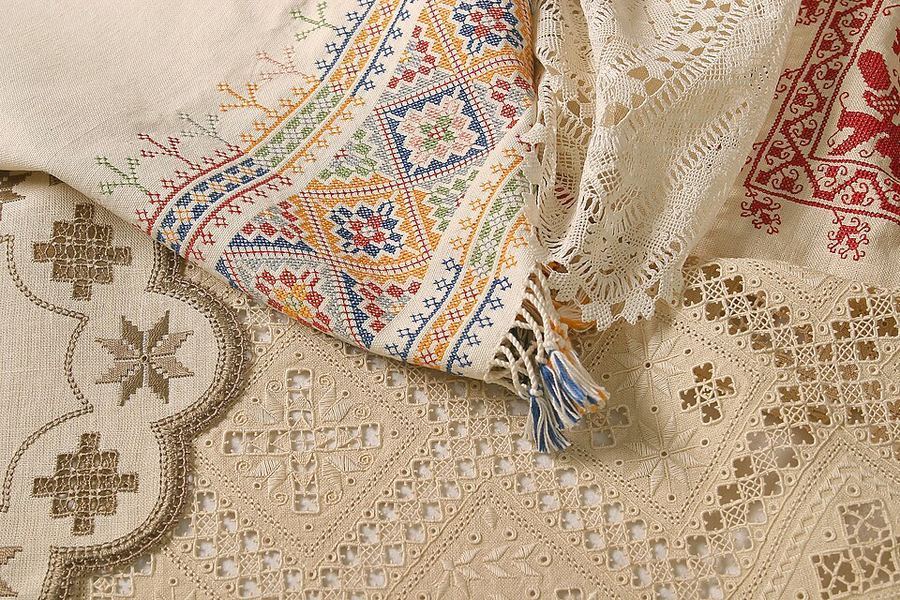
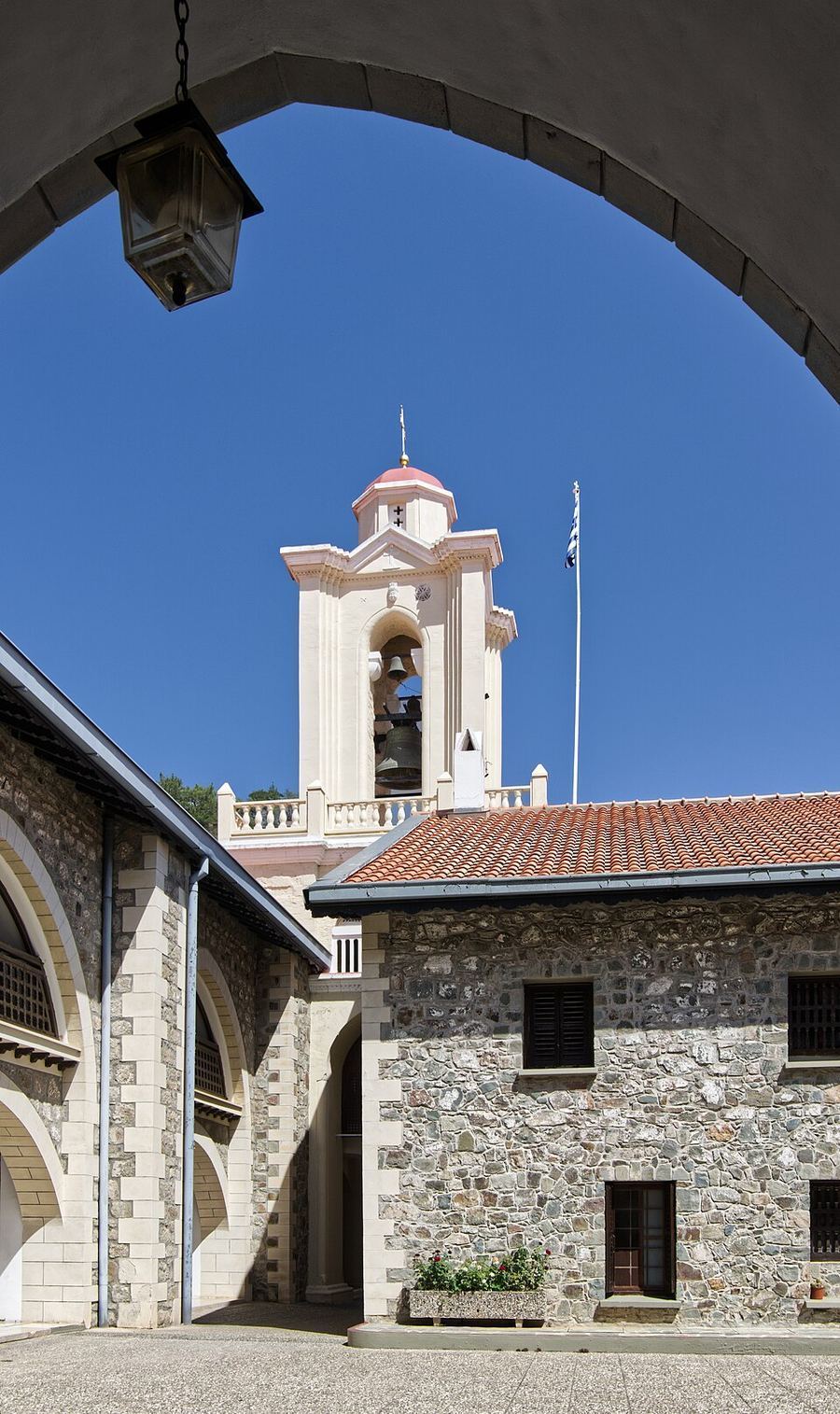
Cypriot culture is Greek in language and Orthodox in liturgy, but it carries four centuries of Ottoman rule and eight decades of British administration in its vocabulary, food, law and habits — Cypriots drive on the left and drink coffee prepared the same way on both sides of the Green Line, under different names. The Church of Cyprus is autocephalous, one of the oldest self-governing Orthodox churches, and its archbishop has historically carried political as well as religious authority, a role formalised under the Ottomans and exercised most visibly by Makarios III. Village life turns on the panigyri, the saint's-day festival, and on the kafeneio, where coffee, backgammon and argument occupy the afternoon. Two Cypriot traditions carry UNESCO intangible heritage recognition: lefkaritika, the drawn-thread embroidery of Lefkara in the Troodos foothills, inscribed in 2009, and tsiattista, the improvised rhyming verse duels performed at weddings and fairs, inscribed in 2011. Hospitality, extended family obligation and a strong diaspora consciousness — London above all — shape everyday social life.

Points Of Pride

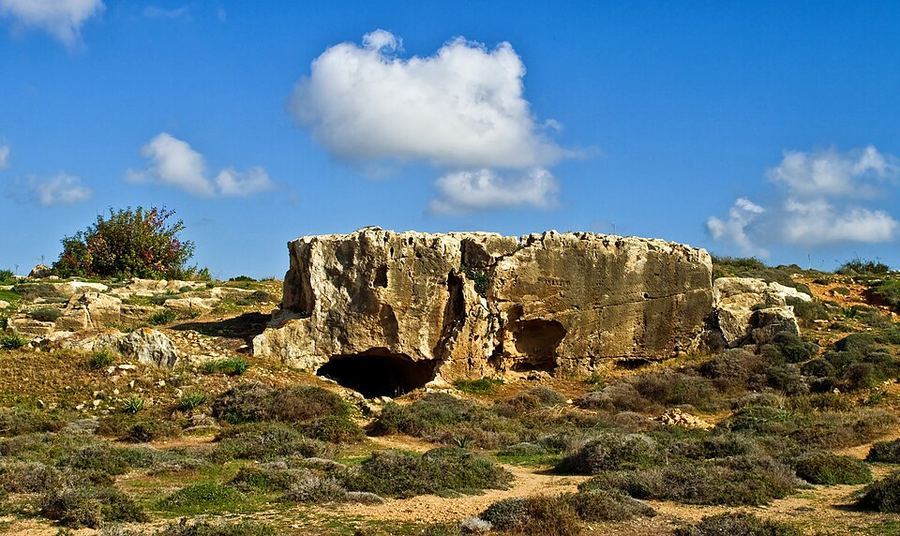
Cypriots point to a depth of history few small countries can match: three UNESCO World Heritage sites — the Paphos archaeological complex with its Roman mosaics and Tombs of the Kings, the Neolithic settlement of Choirokoitia, and the ten Painted Churches of the Troodos region, whose Byzantine frescoes survive in remote mountain chapels. Zeno of Citium, born at Kition on the site of modern Larnaca around 334 BC, founded Stoicism, making a Cypriot the source of one of the West's enduring philosophical schools. Excavations at Shillourokambos uncovered a cat deliberately buried beside a human roughly 9,500 years ago — the earliest evidence anywhere of the domestic relationship with cats. Commandaria, the sweet wine of the Troodos villages, is claimed as the oldest named wine still in production. Halloumi, made on the island for centuries, was granted EU protected designation of origin status in April 2021 after a long campaign. In public health, Cyprus's national thalassaemia screening programme all but eliminated new births with the disease in a population where carrier rates were among the world's highest.

Cultural Fusion

The island's two principal communities, Greek Cypriot and Turkish Cypriot, lived intermixed across the same villages until the violence of the 1960s and the partition of 1974 sorted them geographically. What survives of that shared life is linguistic and culinary: Cypriot Greek and Cypriot Turkish borrow heavily from one another, and the same dish appears as halloumi and hellim, as souvla and şiş. The 1960 constitution recognised three further religious groups — Maronites, Armenians and Latins — each of which elects a representative to parliament. The Maronites of Kormakitis speak Cypriot Maronite Arabic, an Arabic variety isolated on the island for around a millennium and heavily influenced by Greek, now severely endangered with only a few hundred fluent speakers; the Armenian community descends partly from survivors of the 1915 genocide. Modern migration has added further layers: a large Russian-speaking community centred on Limassol, and Romanian, Bulgarian, Filipino, Sri Lankan, Indian and Vietnamese workers, alongside British residents concentrated around Paphos and the Sovereign Base Areas.

Music & Dance

Traditional Greek Cypriot music is built around the violi and the laouto, joined by the pithkiavli, an end-blown cane flute, and the tampoutsia frame drum. The repertoire divides between the sung and the danced: tsiattista, the improvised rhyming couplet duel in which two poets trade fifteen-syllable verses to a laouto accompaniment until one runs out of answers, was inscribed on UNESCO's intangible heritage list in 2011 and is still performed competitively at village fairs. The dances are performed in sets — the syrtos and kartsilamas for couples, the antikristos face-to-face, and solo showpieces such as the drepani dance with a sickle and the "dance of the sieve," in which the dancer balances a stack of glasses. Turkish Cypriot tradition shares the kartsilamas as karşılama and much of the same instrumentation. Contemporary Cypriot popular music is closely tied to the Greek market, and Cyprus has been a persistent Eurovision competitor since 1981, with singers such as Anna Vissi building careers across both countries.

Cuisine & Misattributed Foods

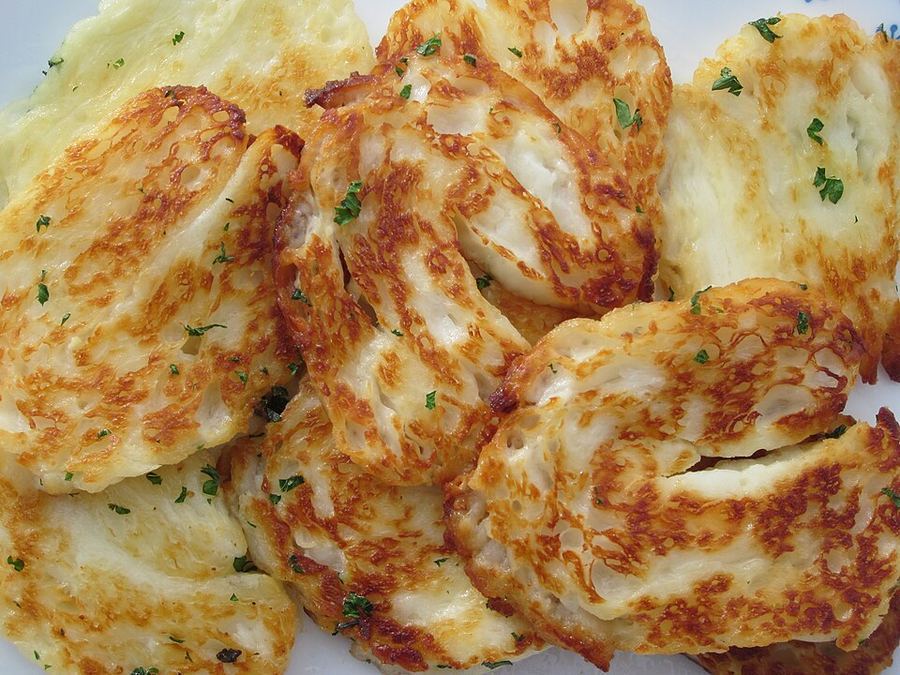
Cypriot cooking sits between Greece, Anatolia and the Levant. Halloumi, a semi-hard sheep and goat cheese folded with mint that holds its shape when grilled, is the island's signature product and secured EU protected designation of origin status in April 2021 — a designation that applies across the whole island and required rare cooperation between the two communities. Meze arrives as twenty or thirty small plates; souvla is large chunks of pork or lamb turned slowly over charcoal, distinct from the smaller Greek souvlaki, and sheftalia are caul-wrapped minced meat rolls. Kleftiko is lamb sealed and baked for hours in a domed clay oven. Vegetable cooking is strong — louvi with black-eyed beans, koupepia stuffed vine leaves, artichokes and wild greens — and the island's carob, olives, citrus and Kolossi-region grapes anchor the agricultural year. Commandaria, a sweet fortified wine from sun-dried grapes with a documented history running back to the crusader orders, and zivania, a clear grape spirit, are the traditional drinks.

National Dress

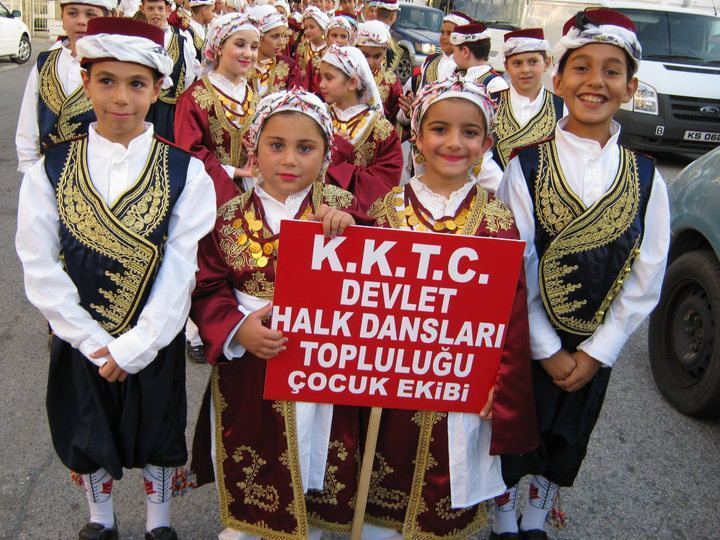
Cypriot traditional dress is regional rather than singular, and the everyday version was a working costume of handwoven cotton, silk and wool. For men the defining garment is the vraka, a voluminous pleated black or dark blue trouser gathered at the knee, worn with a white shirt, an embroidered waistcoat and a long sash wound several times around the waist, often with a knife or watch tucked into it, and a black head-kerchief. Women's dress varies by district: the sayia, an open outer gown worn over a shift and long skirt, is the most widespread form, made in the striped silk-and-cotton alatzia woven on the island, with an embroidered apron and a head-covering. Jewellery is heavy silver and gold, and the finest textile work is the drawn-thread embroidery of Lefkara, whose geometric lefkaritika designs are on UNESCO's intangible heritage list, and the silk and cotton weaving of the Karpasia villages. Traditional dress today appears at folk-dance performances, panigyria and national commemorations rather than in daily life.

Sports & Inspiring Athletes

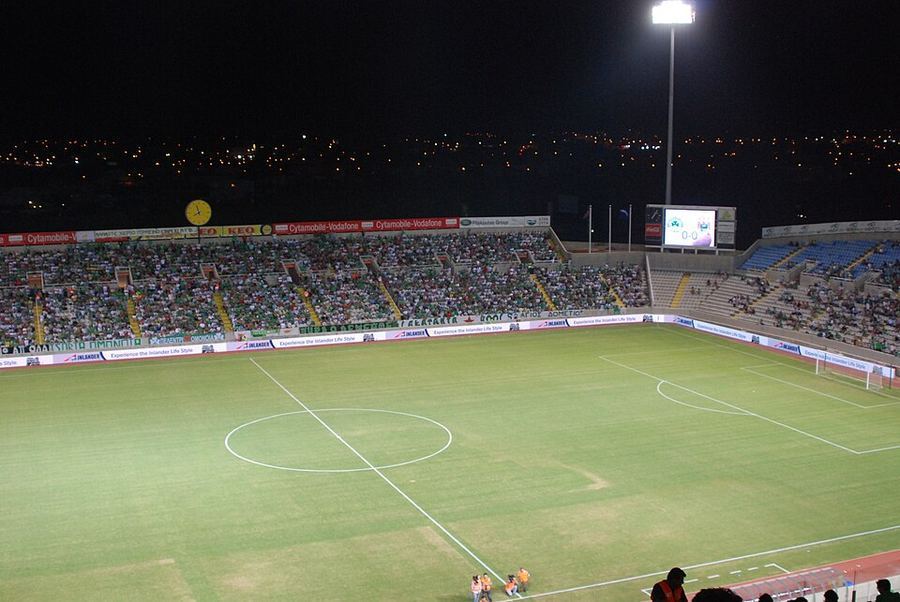
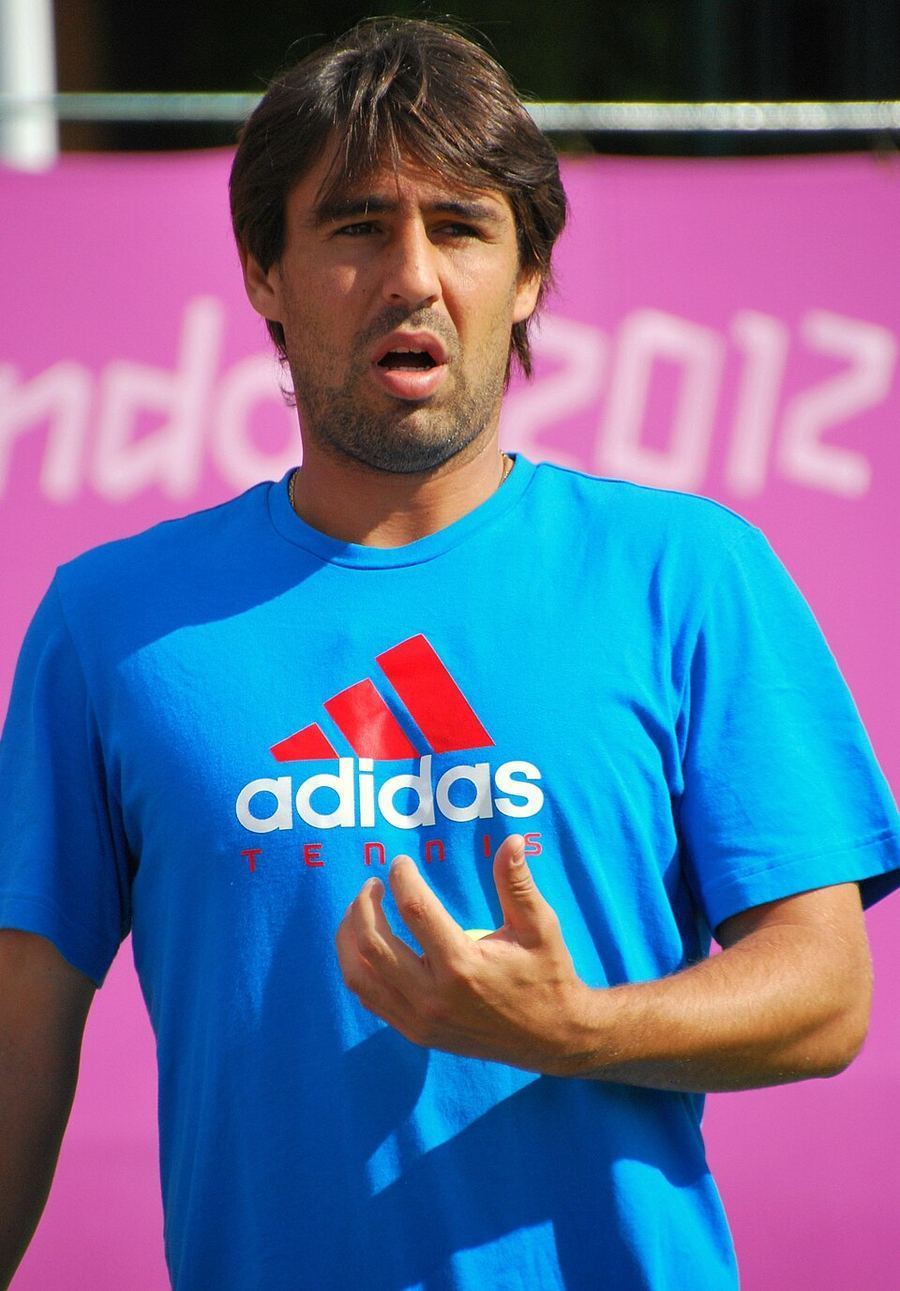
Football is the dominant spectator sport, organised by the Cyprus Football Association with a first division whose established clubs — APOEL, Omonia and Olympiakos in Nicosia, AEL and Apollon in Limassol, Anorthosis and AEL's Famagusta-displaced rivals — carry political and refugee histories from the towns their supporters lost in 1974. The GSP Stadium in Nicosia is the national ground. Basketball and volleyball have solid club structures, and motorsport is unusually prominent: the Cyprus Rally, run on the loose mountain roads of the Troodos, was a World Rally Championship round through the 2000s. The island's Mediterranean climate has made it a winter training base for European athletics, football and cycling teams, and the sailing conditions off Limassol support a dinghy programme that produced the country's Olympic medallist. Shooting, particularly trap and skeet, has a strong Cypriot following and has supplied several of the country's best international results, and tennis has grown on the back of Marcos Baghdatis's career.

Notable Educational Programs

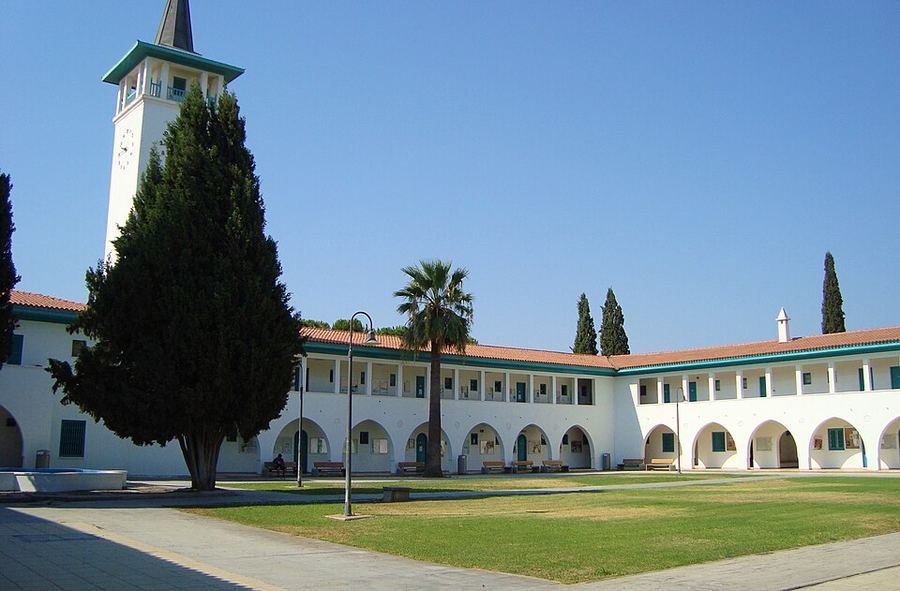
Cyprus has one of the highest rates of tertiary attainment in the European Union, a pattern rooted in decades when the island had no university of its own and families sent children to Greece, the United Kingdom and the United States as a matter of course. The University of Cyprus was established in 1989 and admitted its first students in 1992; the Cyprus University of Technology followed in Limassol in 2004, and the Open University of Cyprus in 2002. The Cyprus Institute, founded in 2005, is a research-led graduate institution concentrating on energy, environment and archaeological science. A large private sector has grown alongside — the University of Nicosia, European University Cyprus and Frederick University among them — teaching substantially in English and recruiting heavily from Africa, Asia and the Middle East, which has made higher education a significant export industry. Schooling is free and compulsory to age fifteen, split by community into Greek-language and Turkish-language systems, and Cyprus participates fully in Erasmus+ and the European Research Area.

Wars & Conflicts

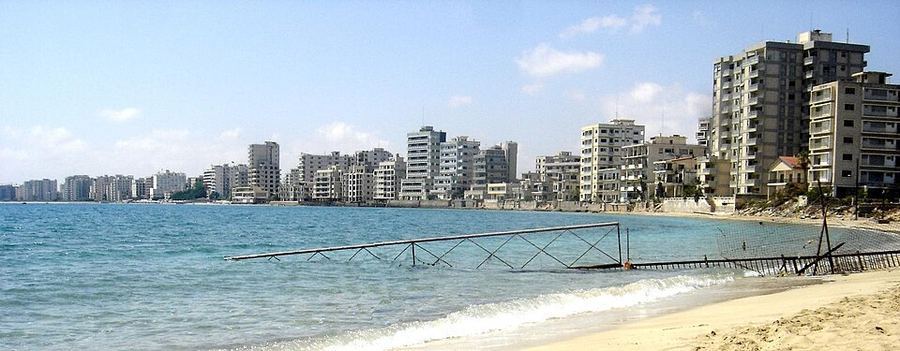
The Cyprus conflict is the island's organising fact. Intercommunal violence broke out in December 1963, the UN Security Council authorised UNFICYP in March 1964, and the Green Line was drawn across Nicosia. On 15 July 1974 the Greek military junta backed a coup against Makarios; Turkey invaded on 20 July and, after a second offensive in August, held roughly 36% of the island. Some 160,000 Greek Cypriots fled south and around 45,000 Turkish Cypriots moved north, and the resort town of Varosha was sealed off and left empty. Around two thousand people went missing on both sides; the bicommunal Committee on Missing Persons, working with forensic teams, has identified over a thousand of them. Reunification efforts have repeatedly failed — the Annan Plan was accepted by Turkish Cypriots and rejected by Greek Cypriots in simultaneous referendums in April 2004, and UN-brokered talks collapsed at Crans-Montana in July 2017. Crossing points opened in 2003 and the buffer zone remains patrolled, but no settlement framework is currently active.
Current as of 2026-08-06

Land & Border Disputes

The unresolved status of the island generates every dispute Cyprus has. The Republic claims sovereignty over the whole island; the northern administration is recognised only by Turkey, which maintains a substantial garrison there. The partial reopening of the fenced-off Varosha quarter from October 2020 drew condemnation from the UN Security Council as inconsistent with its resolutions. Offshore, Turkey does not recognise the Republic's exclusive economic zone and asserts rights on behalf of Turkish Cypriots; drillships sent into blocks licensed by Nicosia in 2018-2020 produced a standoff and an EU sanctions framework adopted in November 2019. Cyprus has concluded EEZ delimitation agreements with Egypt in 2003, Lebanon in 2007 and Israel in 2010, but the Lebanese agreement remains unratified and no delimitation with Turkey is possible while the wider question is open. Britain's retention of the Akrotiri and Dhekelia Sovereign Base Areas, about 254 square kilometres held under the 1960 treaty, is a further standing point of political friction.
Land, Life & Legacy

Land & Climate

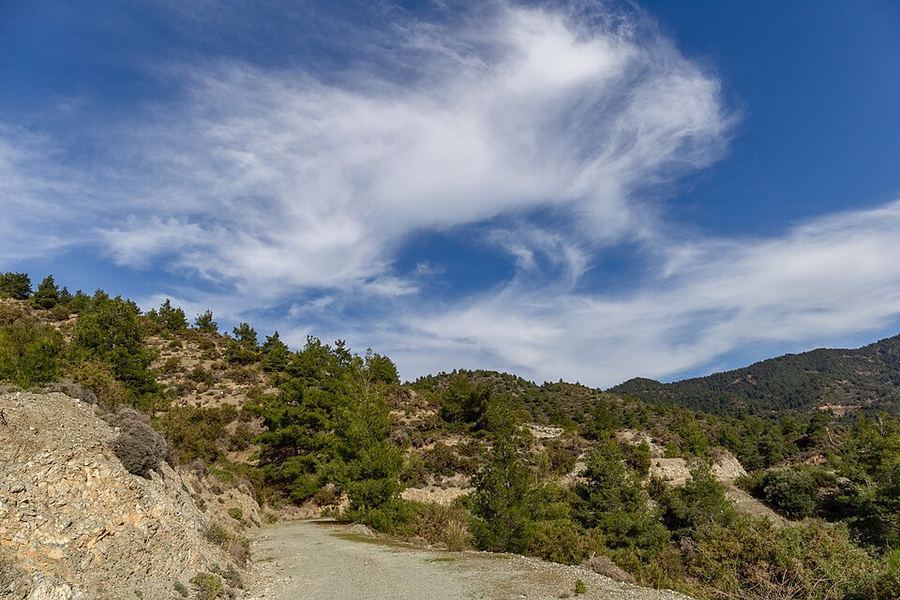
Cyprus covers about 9,250 square kilometres in the eastern Mediterranean, closer to the Syrian and Turkish coasts than to Greece. Two mountain systems frame it: the Troodos massif in the south-west, an uplifted slice of ancient oceanic crust that geologists study as one of the world's best-exposed ophiolite sequences and the source of the copper that made the island famous, rising to 1,952 metres at Mount Olympus; and the narrow Kyrenia or Pentadaktylos range along the northern coast. Between them lies the Mesaoria, a flat cereal plain where Nicosia sits. The coast alternates between resort beaches and undeveloped stretches such as the Akamas peninsula and the Lara turtle-nesting beaches. The climate is strongly Mediterranean — long, hot, rainless summers and mild wet winters — and Cyprus is among the most water-stressed countries in Europe, with almost no perennial rivers, heavy reliance on desalination, and a warming and drying trend that the eastern Mediterranean is experiencing faster than the global average.

Entertainment

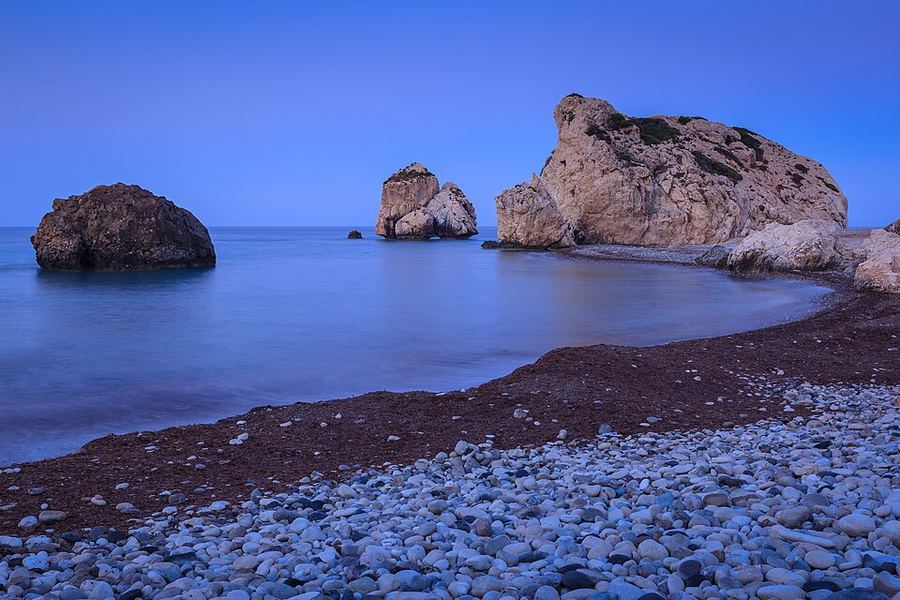
The beach dominates the leisure calendar from May to October: Nissi Beach and the Ayia Napa strip, Fig Tree Bay at Protaras, Coral Bay near Paphos and the long municipal beaches of Limassol and Larnaca. Cyprus is one of the few countries where a swim and a ski are possible on the same winter day — the Sun Valley and Sun Valley North runs on Mount Olympus operate a short season from January, while the coast stays mild. The Troodos villages draw weekend traffic for cooler air, the wine routes around Omodos and Lefkara's lace and silver workshops. Walkers use the Avakas Gorge, the Aphrodite and Adonis trails on the Akamas, and the Caledonia falls path in the Troodos. Social life outside the season runs through the kafeneio, backgammon, long tavern meals and football, and the ritual calendar supplies its own leisure: Kataklysmos at Pentecost, when coastal towns hold water festivals, and the pre-Lenten Limassol carnival, the largest on the island.

Art & Museums

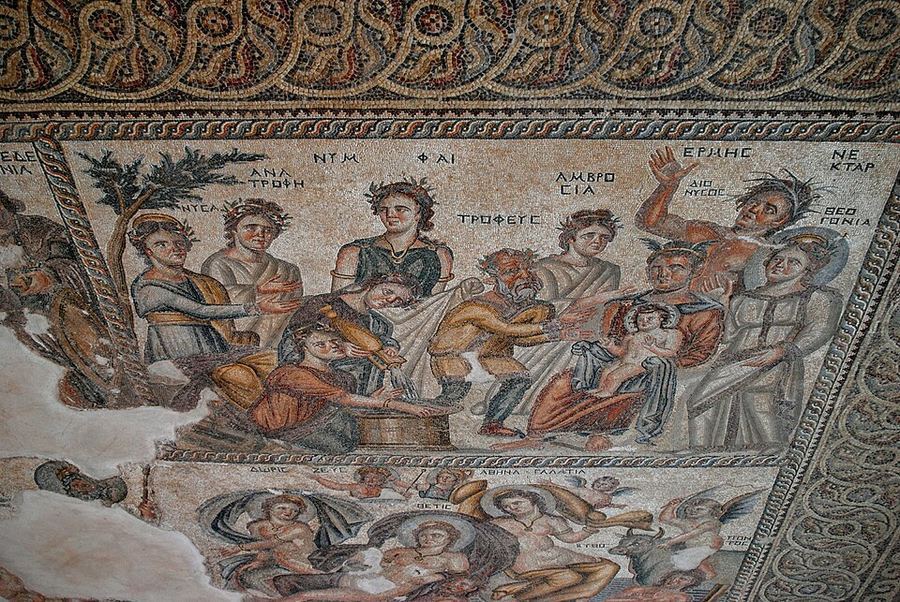
Cyprus's artistic inheritance is layered by conquest. Its Roman period left the mosaic floors of Paphos — the House of Dionysos, the House of Aion, the House of Theseus — among the finest in the eastern Mediterranean and part of the island's World Heritage inscription. Byzantine art survives most vividly in the painted churches of the Troodos, ten small mountain chapels whose frescoes span the eleventh to the sixteenth centuries and are themselves a World Heritage site; icon painting continued through Lusignan and Venetian rule, absorbing Italian Gothic elements, and the Byzantine Museum of the Archbishop Makarios III Foundation in Nicosia holds the principal collection. Modern Cypriot painting begins with Adamantios Diamantis, whose long panoramic canvas The World of Cyprus records rural life and dress before its disappearance, and continues through Christoforos Savva and Stass Paraskos. The Cyprus Museum houses the archaeology, including the terracotta army of Ayia Irini, and the A. G. Leventis Gallery opened in Nicosia in 2014 with European and Cypriot collections.

Notable People

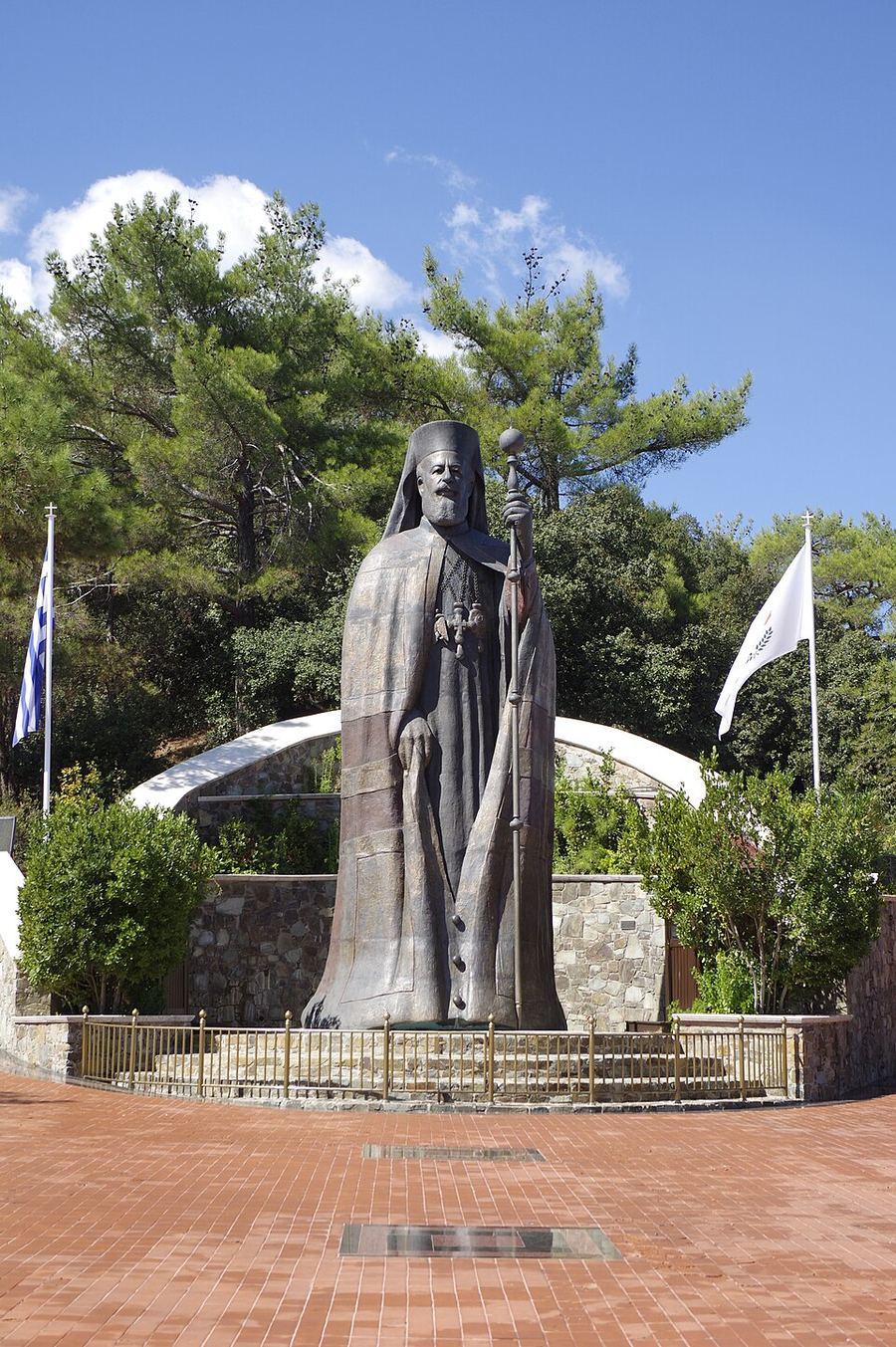
The Cypriot with the longest reach is Zeno of Citium, born at Kition around 334 BC, who taught in the painted stoa at Athens and founded Stoicism — the school that shaped Roman ethics and, through Seneca and Marcus Aurelius, much of later Western moral philosophy. The apostle Barnabas, a Cypriot Jew and companion of Paul, is venerated as the island's founder in Christian tradition, and his reputed tomb near Salamis underpins the Church of Cyprus's claim to autocephaly. In modern politics Archbishop Makarios III dominated the transition to independence and the republic's first fifteen years. Adamantios Diamantis is the central figure of modern Cypriot painting and Kostas Montis of its poetry. In sport, Pavlos Kontides won a silver medal in the Laser class at the 2012 Olympic Games — the only Olympic medal in the country's history — and went on to become world champion in 2017; Marcos Baghdatis reached the Australian Open final and the Wimbledon semi-finals in 2006. The singer Anna Vissi and the entrepreneur Stelios Haji-Ioannou are among the best-known Cypriots abroad.

Inventions & Breakthroughs

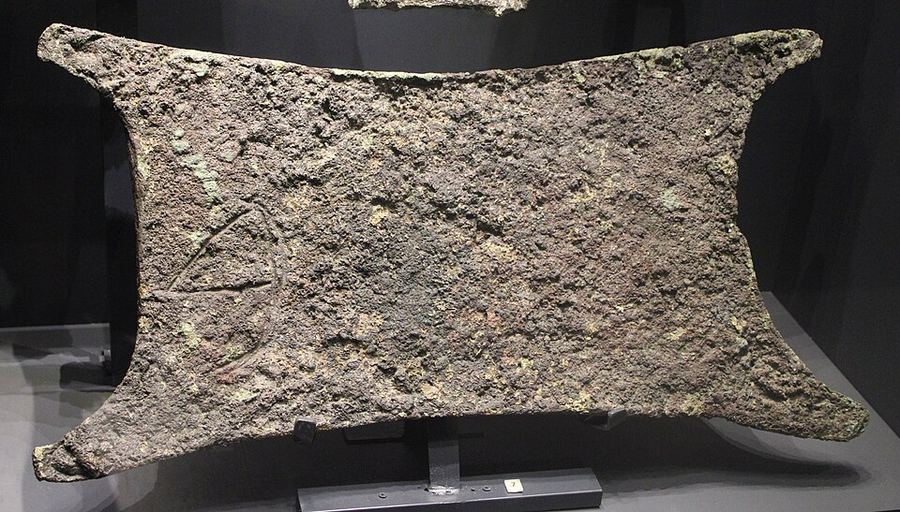
Cyprus's principal historic contribution is metallurgical. The island was the Mediterranean's dominant source of copper for much of the Bronze Age, and Cypriot smiths standardised the oxhide ingot — a flat slab with four protruding corners, cast to a consistent weight and shaped to be carried on a shoulder or slung on a pack animal — which functioned as a unit of trade across the eastern Mediterranean and turns up in shipwrecks and palace stores from Sardinia to the Levant. The island also produced one of the oldest surviving perfume workshops, excavated at Pyrgos and dated to around four thousand years ago, where scented oils were distilled at industrial scale. Commandaria's method of drying grapes in the sun before pressing produced a wine style with a documented continuity of centuries. In craft, lefkaritika embroidery and the alatzia silk-cotton weave are distinctively Cypriot techniques. Zeno's Stoicism is the island's most consequential intellectual invention, and modern Cyprus's exports are services — shipping management and professional services — rather than manufactured goods.

Science & Technology

The Cyprus Institute has made the island a recognised centre for eastern Mediterranean climate research, coordinating the Eastern Mediterranean and Middle East Climate Change Initiative — a regional science programme that documents a part of the world warming substantially faster than the global mean — and running atmospheric observation and high-performance computing for the region. Cypriot medical genetics carries even greater weight: the island had one of the highest beta-thalassaemia carrier rates in the world, and a national programme of carrier screening, counselling and prenatal diagnosis begun in the 1970s reduced new affected births to near zero, work associated with the Cyprus Institute of Neurology and Genetics and cited internationally as a model for genetic public health. Offshore hydrocarbon exploration has defined the last fifteen years of applied science and industrial policy, with the Aphrodite field discovered in 2011 and later finds including Calypso, Glaucus and Cronos. Shipping is the other technical industry: Cyprus hosts one of the EU's largest ship registries and a dense cluster of ship-management firms.
On The World Stage

Champions & Defining Moments

Cyprus has competed at the Olympic Games as an independent nation since Moscow in 1980 and has won exactly one medal: Pavlos Kontides's silver in the Laser dinghy class at London 2012, a result he followed by winning the world title in the class in 2017. In tennis, Marcos Baghdatis reached the Australian Open final and the Wimbledon semi-finals in 2006 and peaked at world number eight, by some distance the country's most visible sporting export. Cypriot club football has produced two results that registered internationally: Anorthosis Famagusta became the first Cypriot side to reach the Champions League group stage in 2008-09, and APOEL Nicosia went further in 2011-12, topping its group and reaching the quarter-finals after beating Lyon on penalties. The national football team has never qualified for a World Cup or European Championship. The high jumper Kyriakos Ioannou won a world championship bronze in 2007, and Cypriot shooters have been regular finalists at world and European level.

IOCFIFAWorld Athletics
Economy, Trade & Government

Currency & GDP

Euro — EUR (€)

GDP (PPP): $50.055 billion (2024 est.)

Per capita: $53,300 (2024 est.)

Exports

$35.12 billion (2024 est.)

ships, refined petroleum, packaged medicine, cheese, scented mixtures (2023)

Partners: Libya 14%, Greece 11%, Lebanon 8%, Bermuda 7%, Marshall Islands 5% (2023)

Imports

$33.802 billion (2024 est.)

refined petroleum, ships, cars, packaged medicine, coal tar oil (2023)

Partners: Greece 20%, UK 10%, Italy 7%, Turkey 6%, Spain 6% (2023)

Government

Type: Republic of Cyprus - presidential republic; self-declared "Turkish Republic of Northern Cyprus" (TRNC) - parliamentary republic with enhanced presidency

Independence: 16 August 1960 (from the UK)

Terrain → Where People Live

How mountains, coasts, and rivers shape settlement (LandScan).

Coming — data

Migration & Ethnic Settlement

Where groups settled and how people move (GeoEPR + UNHCR).

Coming — data

Universities

Notable institutions, mappable as points.

Coming — data
Economy & government facts: CIA World Factbook (public domain), via OpenFactBook / factbook.json.
Every fact and narrative claim will carry a visible source citation. Data-driven sections light up automatically wherever HERA has coverage.