HERA · Human Entity Reference Atlas by Masego Inc

← Czechia 🌐 3D View
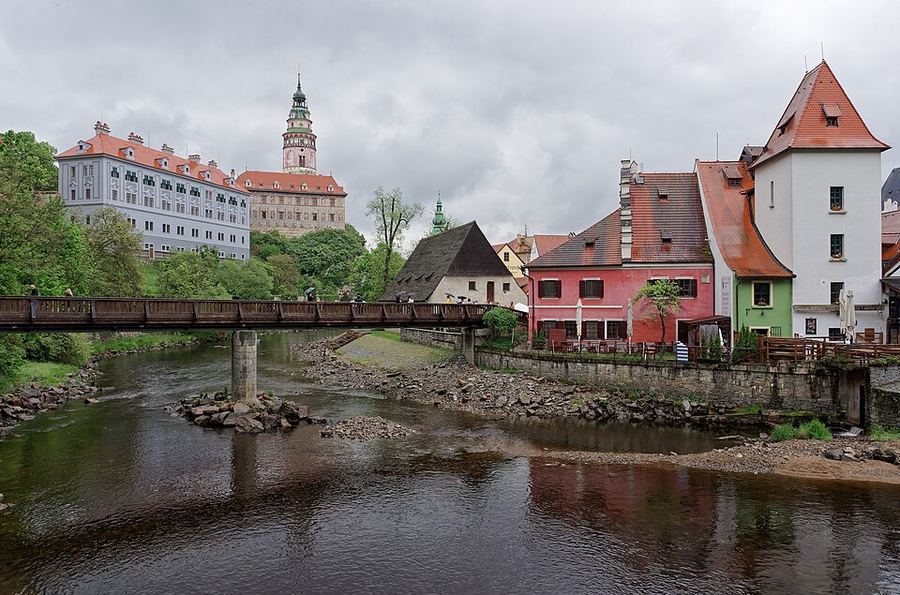
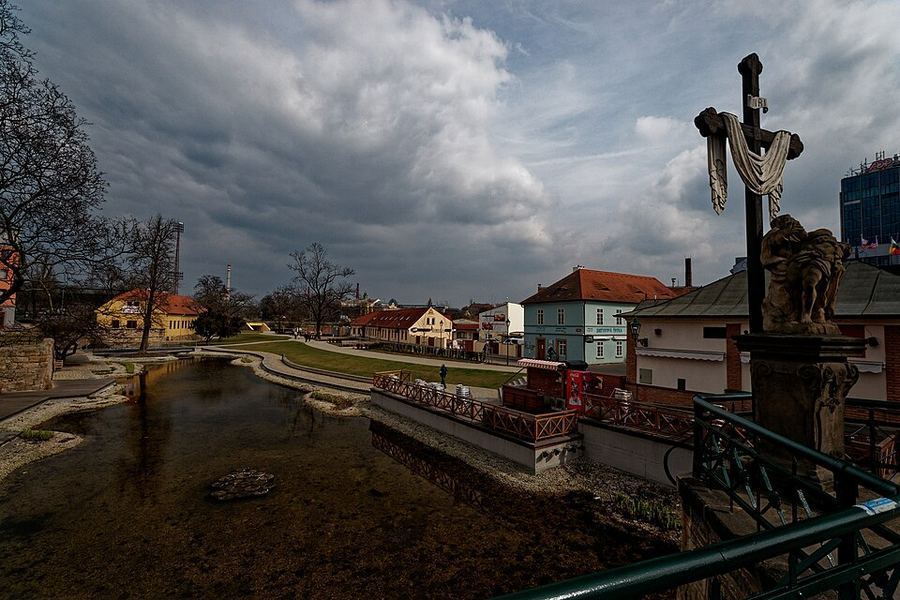
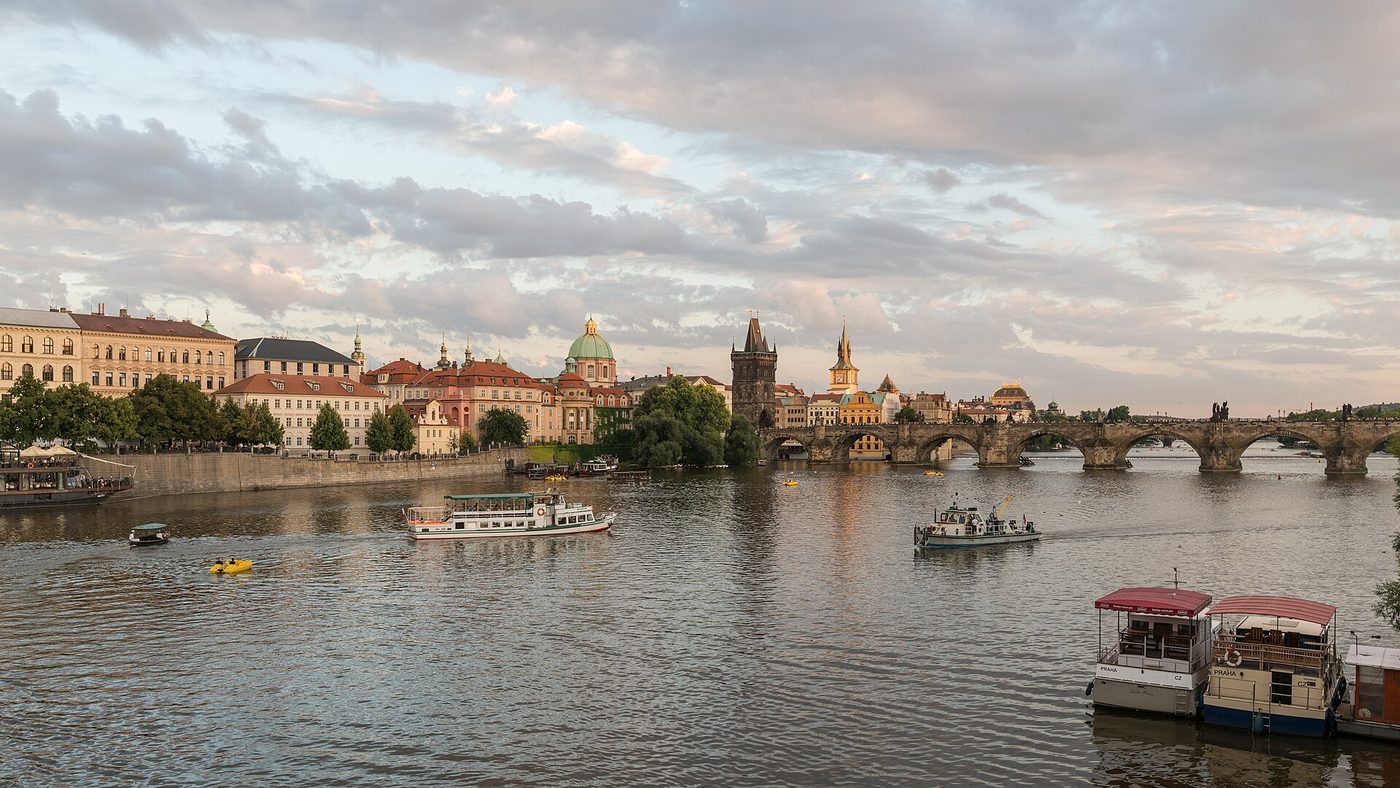
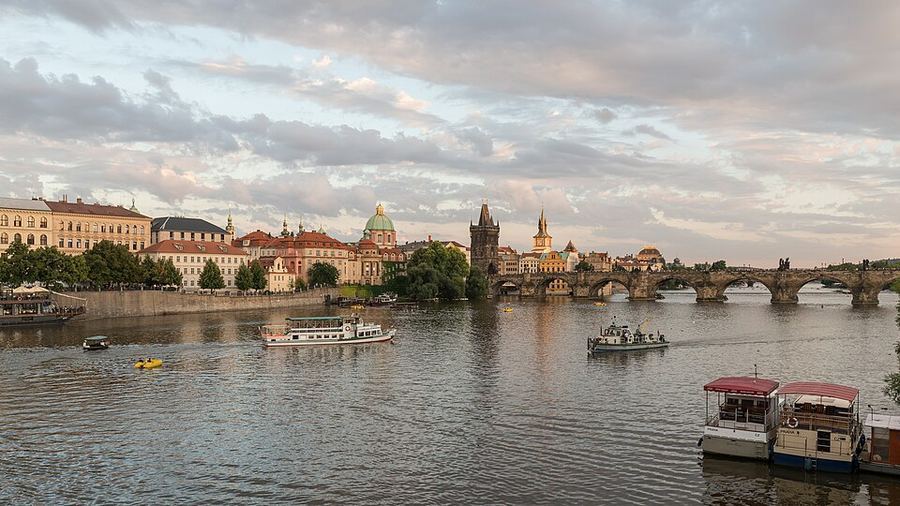
North view of Charles Bridge from Mánesův most, Prague 20160808 1, Czechia
Czechia CZE
North view of Charles Bridge from Mánesův most, Prague 20160808 1 — Photo: DXR / CC BY-SA 4.0 via Wikimedia Commons
Did You Know The word robot entered every language from a Czech play — Karel Capek's R.U.R. of 1920 — after his brother Josef suggested it, from robota, meaning forced labour. — Encyclopaedia Britannica

Czechia is a landlocked parliamentary republic of about 10.8 million people at the centre of Europe, formed of the historic lands of Bohemia, Moravia and Czech Silesia and governed from Prague. It came into being in its present form on 1 January 1993, when Czechoslovakia divided peacefully into two states in what became known as the Velvet Divorce, three years after the Velvet Revolution ended four decades of communist rule. It joined NATO in 1999, the European Union in 2004 and the Schengen area in 2007, but retains its own currency, the koruna. The economy is among the most industrialised in Europe by share of output: cars and vehicle parts lead its exports, Germany alone takes 29% of them, and the Skoda works at Mlada Boleslav anchor a supply chain that runs through the whole country. Czech society is notably secular — 47.8% of respondents in the 2021 census reported no religion — and the country hosts one of Europe's largest Ukrainian refugee populations relative to its size.

CIA World FactbookEncyclopaedia Britannica
Population
10,838,703
Capital
Prague
Currency
Kč CZK
Time zones
Largest city
Prague
Human Geography Themes
Loading national figures…
Largest Cities
Prague1,201,278
Brno320,754
Ostrava150,766
Pilsen146,255
Liberec86,841
České Budějovice83,564
Olomouc82,848
Hradec Králové68,044
In Perspective

Prague's urban core is home to about 1,201,278 people.

Among the world's megacities, though, it's one of many — the giants of Asia and Latin America run larger still:

Prague1,201,278
Jakarta40,545,126
Dhaka37,307,160
Tokyo33,244,670
Shanghai30,678,616
Cairo25,230,325
The Country & Its People

History

The Czech lands enter recorded history with Great Moravia in the ninth century and the mission of Cyril and Methodius in 863. The Premyslid dukes of Bohemia consolidated a kingdom whose patron became Duke Wenceslas, killed in 935. Its high point came under Charles IV, king of Bohemia and Holy Roman Emperor from 1346, who made Prague the imperial capital, founded its university in 1348 and built the bridge that carries his name. The burning of Jan Hus at Constance in 1415 triggered the Hussite wars and a century of religious separateness; the Protestant defeat at the Battle of White Mountain in 1620, after a defenestration in Prague had helped ignite the Thirty Years' War, brought Habsburg absolutism and re-Catholicisation. A nineteenth-century national revival rebuilt the Czech language as a literary medium, and Czechoslovakia was proclaimed on 28 October 1918 under Tomas Garrigue Masaryk. The Munich Agreement of 1938 and German occupation in 1939 were followed by the communist coup of 1948, the crushing of the Prague Spring by Warsaw Pact troops on 21 August 1968, and the Velvet Revolution of November 1989 that brought Vaclav Havel to the presidency.
Culture

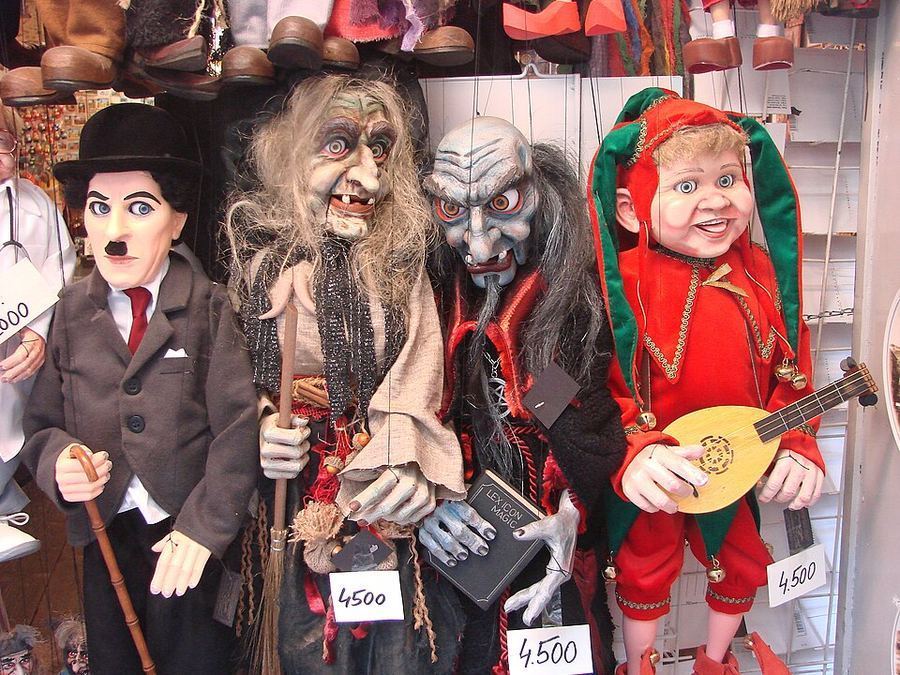
Czech culture is famously sceptical, ironic and unshowy, a sensibility often traced to centuries spent under larger empires and distilled in Jaroslav Hasek's Good Soldier Svejk, the conscript whose exaggerated obedience undermines every order he is given. Beer is the social infrastructure: Czechs drink more of it per head than any other nation, the pub is the default civic space, and Pilsner Urquell — first brewed at Plzen on 5 October 1842 by the Bavarian brewer Josef Groll — created the pale lager style that now dominates world brewing. Puppetry is the other national art, inscribed by UNESCO in 2016 as a tradition shared with Slovakia, with marionette theatres still working in Prague and Plzen. Moravia keeps a deeper folk life than Bohemia: the Ride of the Kings, a costumed spring procession inscribed by UNESCO in 2011, the Slovacko verbunk recruit dance, and the wine cellars of the south. Cottage life — the weekend chata or chalupa — and mushroom picking are close to universal Czech habits.

Points Of Pride

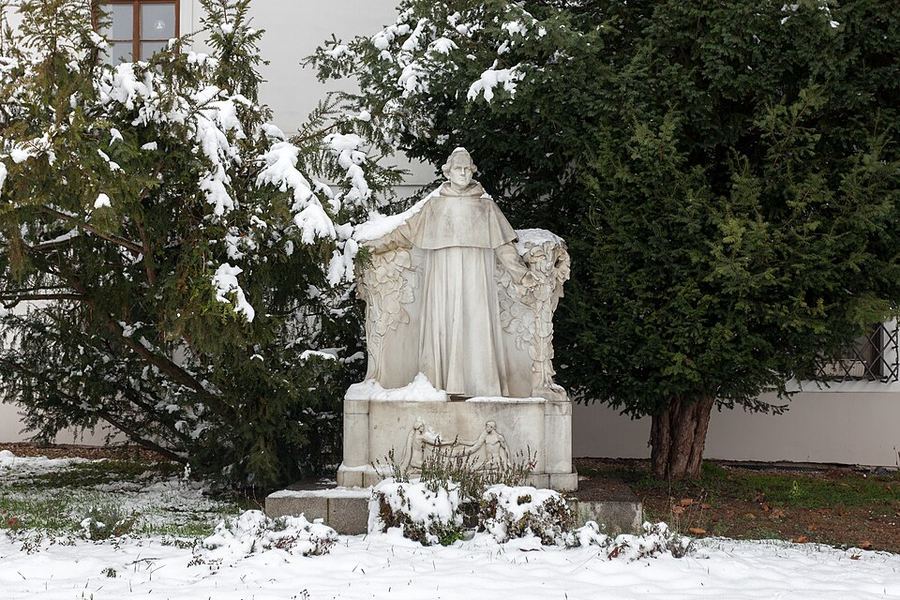
Charles University, founded in Prague in 1348, is the oldest university in central Europe, and Prague's historic core — largely spared the bombing that flattened other central European capitals — is a World Heritage site of Gothic, Renaissance, Baroque, Art Nouveau and Cubist building standing more or less intact. Czechia has more than a dozen further World Heritage inscriptions, among them Cesky Krumlov, Telc, Kutna Hora, the Lednice-Valtice cultural landscape, the Tugendhat Villa in Brno and, added in 2023, the hop-growing landscape of Zatec. Czechs take particular pride in the peacefulness of 1989 and of the 1993 separation from Slovakia, both achieved without violence. Beer is a genuine point of national identity, backed by the highest per-capita consumption in the world and by Plzen's invention of pale lager. Gregor Mendel's pea experiments in the garden of the Augustinian abbey at Brno founded the science of genetics, and Czech sporting memory holds Emil Zatopek's three distance golds at Helsinki in 1952 as an unrepeated feat.

Cultural Fusion

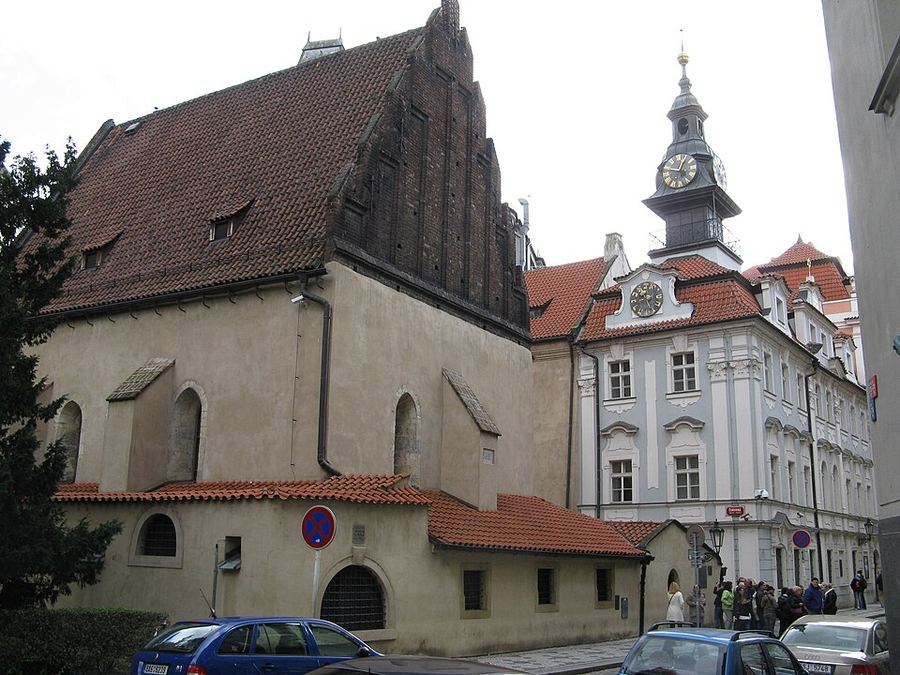
Bohemia was for centuries a trilingual society — Czech, German and Yiddish — and Prague produced a German-writing literary generation of Jewish authors including Franz Kafka, Rainer Maria Rilke and Franz Werfel. That world was destroyed twice: by the Holocaust, which killed the great majority of Bohemian and Moravian Jews and left the Josefov quarter and the thirteenth-century Old-New Synagogue as a museum of an absent community, and by the expulsion of roughly three million Germans in 1945 and 1946 under the Benes decrees, which emptied the border regions and remains politically sensitive. Modern Czechia has rebuilt diversity from different sources. The Vietnamese community, which began with student and labour agreements between socialist governments in the 1970s and 1980s, is one of Europe's largest relative to population and was formally recognised as a national minority in 2013; Prague's Sapa market is its commercial centre. Slovaks remain the largest and least-marked minority, Roma the most disadvantaged, and the Ukrainian influx since 2022 is now the single largest foreign-born group.

Music & Dance

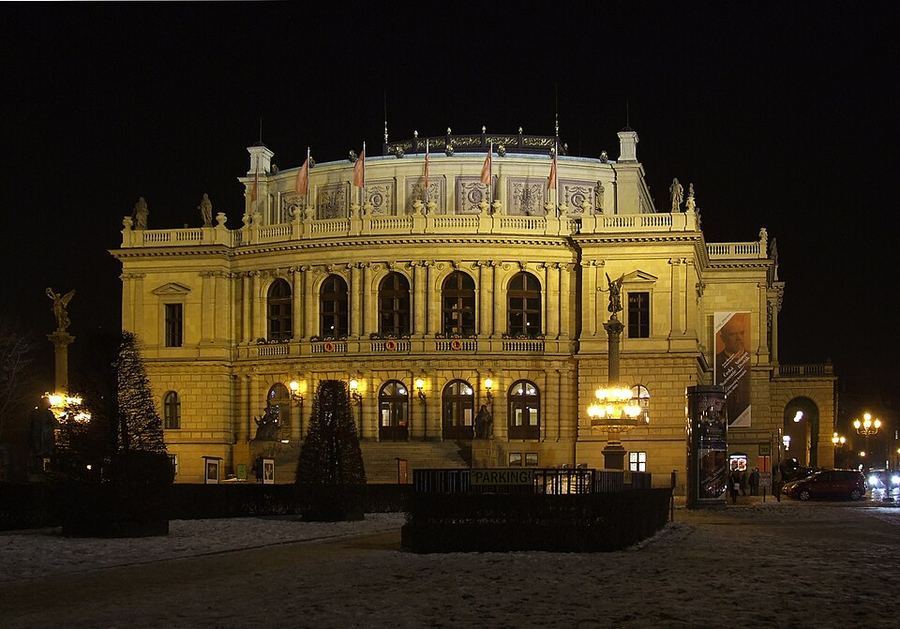
Czech music carries weight out of all proportion to the country's size. Bedrich Smetana wrote the operatic and symphonic foundations of the national revival, above all The Bartered Bride and the cycle Ma vlast, whose second movement follows the Vltava from its source to Prague. Antonin Dvorak brought Czech material into the international repertoire, wrote the Slavonic Dances, and composed his ninth symphony, From the New World, during his years directing a conservatory in New York in the 1890s. Leos Janacek, working from Moravian speech melody and folk song, produced Jenufa and the Sinfonietta, and Bohuslav Martinu extended the line into the twentieth century. The Czech Philharmonic gave its first concert in 1896 under Dvorak, and the Prague Spring festival, running since 1946, opens every year on 12 May with Ma vlast. Folk traditions remain strongest in Moravia, where cimbalom bands accompany the verbunk and the Straznice festival, while Chodsko in western Bohemia keeps its bagpipe tradition.

Cuisine & Misattributed Foods

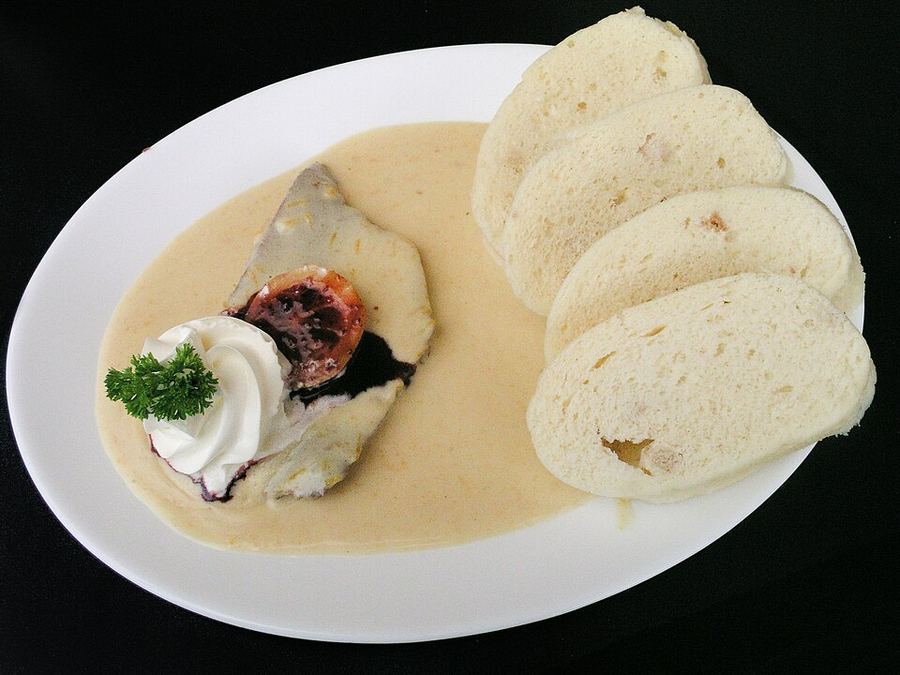
Czech cooking is central European and unapologetically substantial. The national plate is vepro-knedlo-zelo — roast pork, bread dumplings and sauerkraut — and its rival is svickova na smetane, marinated beef sirloin in a sieved root-vegetable cream sauce served with dumplings, cranberries and a spoon of whipped cream. Dumplings are the defining carbohydrate, in bread and potato versions, sliced with thread or wire rather than cut. Goulash arrived from Hungary and was domesticated; smazeny syr, a slab of deep-fried Edam-style cheese, is the standard pub and street dish. Olomoucke tvaruzky, a pungent ripened curd cheese from Moravia, holds EU protected status, and sweet koláce, filled with poppy seed, plum butter or curd, are the traditional festive bake. Drink is inseparable from the food: Pilsner Urquell and Budweiser Budvar in Bohemia, Moravian white wine from Mikulov and Znojmo, plum brandy in Moravian villages, and Becherovka, the herbal liqueur produced at Karlovy Vary since 1807.

National Dress

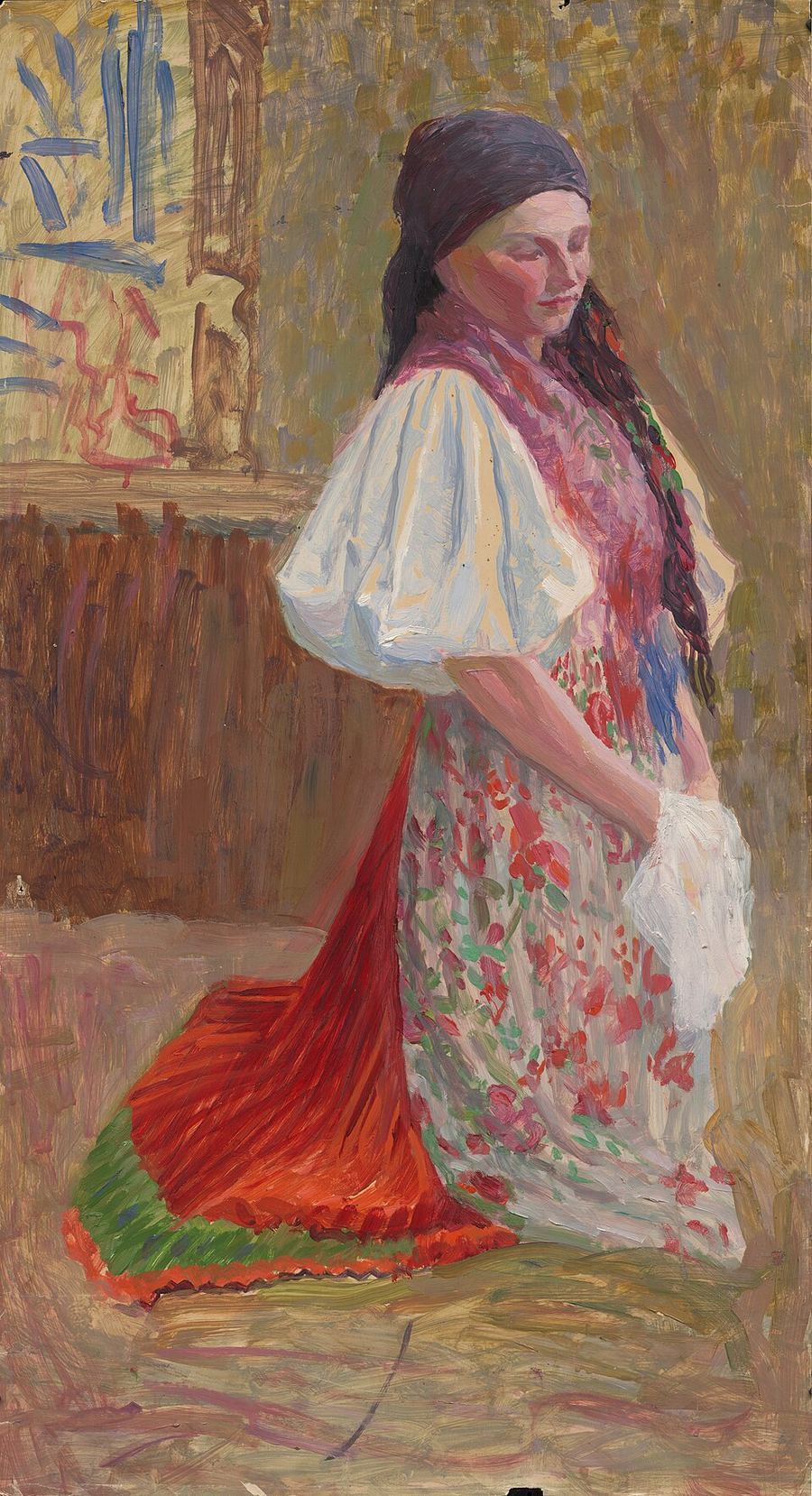
Czech folk costume is called kroj, and it is regional rather than national — the variation between villages was once fine enough to identify where a wearer came from and whether they were married. The most elaborate surviving forms are Moravian, particularly in the Slovacko region of the south-east, where women's costume layers a heavily pleated and starched skirt over petticoats with an embroidered bodice, a wide lace collar and a headdress that differs for girls and married women, and men wear tight embroidered trousers, a short jacket and a hat trimmed with rosemary and ribbons. Bohemian kroj is generally plainer, with the Chodsko region in the west keeping a distinctive red-and-black scheme. Blueprint fabric — indigo resist block printing, inscribed by UNESCO in 2018 as a tradition shared across central Europe — supplied the everyday version of these clothes and is still produced by a handful of workshops. Kroj is worn today at village hody feasts, the Ride of the Kings at Vlcnov and the Straznice folk festival rather than in daily life.

Sports & Inspiring Athletes

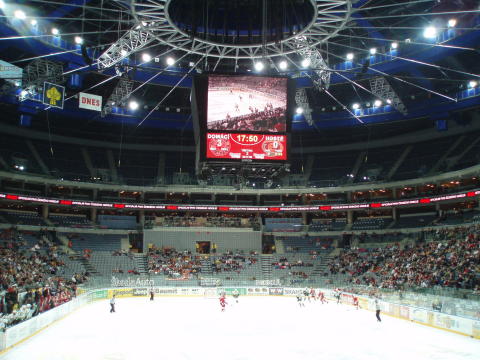
Ice hockey is the national sport in a sense that admits no argument. The domestic extraliga fills arenas, the national team's world championship results are treated as public events, and the gold medal won at Nagano in 1998 behind Dominik Hasek's goaltending is the single most celebrated result in Czech sport; Czechia won the world championship again on home ice in Prague in 2024. Football is the mass participation sport, with Sparta and Slavia Prague the dominant clubs and Viktoria Plzen a persistent third force. Tennis has an extraordinary production record for the population, sustained by a club and coaching system that produced Martina Navratilova and Ivan Lendl and, more recently, the Wimbledon champions Petra Kvitova, Marketa Vondrousova and Barbora Krejcikova. Athletics is concentrated in the throws, especially the javelin, and volleyball, basketball and floorball all have strong league structures. Recreationally, cycling, hiking and skiing carry very high participation, and the Great Pardubice steeplechase, run since 1874, is one of Europe's oldest cross-country horse races.

Notable Educational Programs

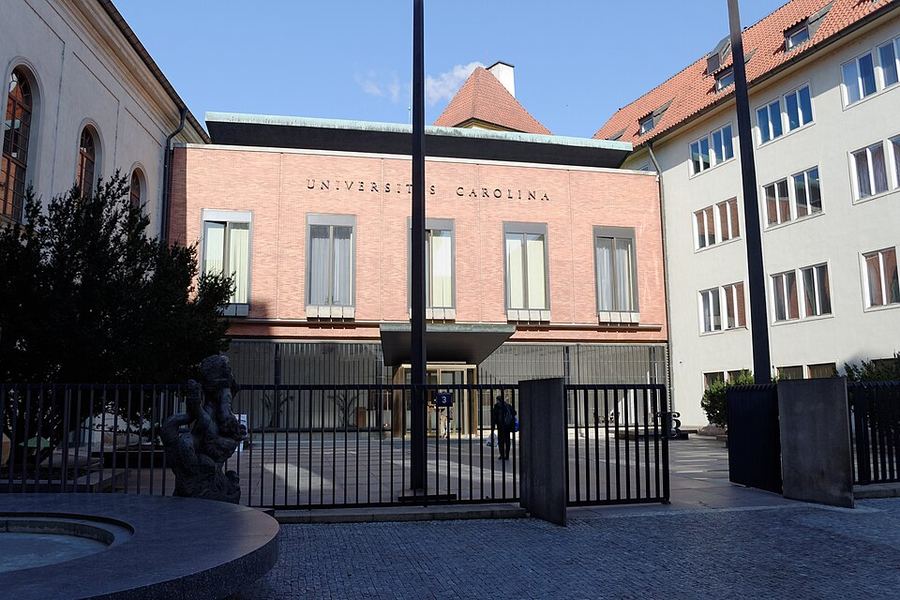
Charles University in Prague, founded by Charles IV in 1348, is the oldest university in central Europe and still the country's largest; the Czech Technical University in Prague traces its origins to 1707 and Masaryk University in Brno was founded in 1919 as part of the new republic's institution-building. Public higher education is tuition-free for students studying in Czech, regardless of nationality, which draws a substantial number of Slovak and other European students; degree programmes taught in English are fee-paying and have made Czech medical faculties a major destination for international medical students. Compulsory schooling runs nine years, and Czech pupils perform at or above the OECD average in international assessments, with particular strength in mathematics and science. The country's educational self-image reaches back to Comenius, whose argument for universal schooling in the vernacular is a standing national reference point. Vocational and technical secondary education remains large and closely tied to the manufacturing base, and Czechia participates fully in Erasmus+.

Wars & Conflicts

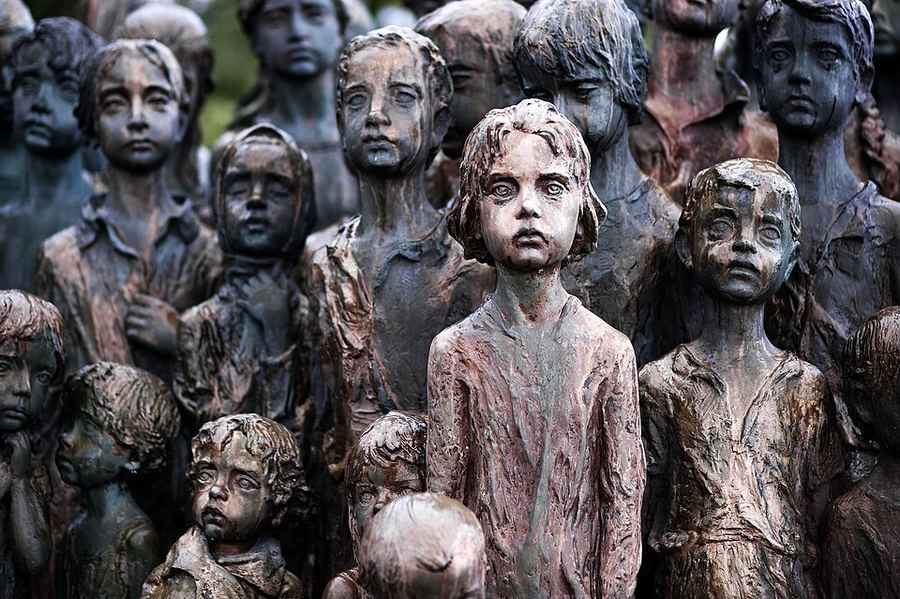
Czechia has no armed conflict on or near its territory, and its military history is a history of things done to it. The Hussite wars of the fifteenth century, the Thirty Years' War that began with a defenestration in Prague in 1618, the Munich Agreement of 1938 and the German occupation that followed, the assassination of Reinhard Heydrich in 1942 and the annihilation of Lidice and Lezaky in reprisal, and the Warsaw Pact invasion of August 1968 — answered by Jan Palach's self-immolation in January 1969 — form the sequence Czechs learn. The country has been a NATO member since 1999 and contributes to alliance deployments. Its most consequential current security role concerns Ukraine: Czechia has taken in one of the largest per-capita Ukrainian refugee populations in Europe, with 392,198 refugees recorded in 2024, and in 2024 it initiated and led a multinational effort to source large-calibre artillery ammunition for Ukraine from outside Europe, an initiative closely associated with President Petr Pavel.
Current as of 2026-08-06

Land & Border Disputes

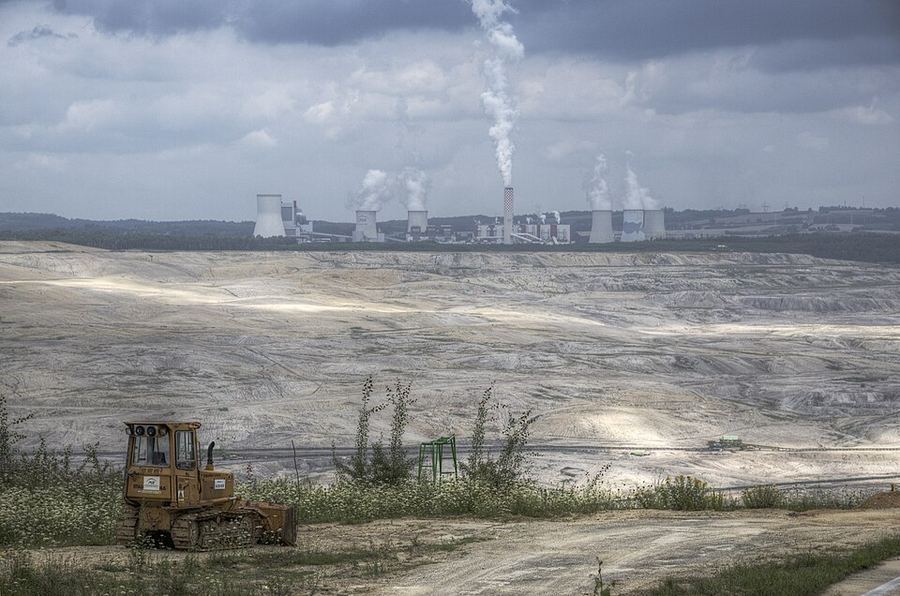
Czechia has no territorial or maritime disputes; its borders with Germany, Austria, Slovakia and Poland are settled and, since Schengen accession in 2007, largely invisible. Its disputes are environmental and historical. The most substantial recent one was with Poland over the Turow lignite mine, immediately across the border, which Czech authorities argued was draining groundwater from Czech villages: Czechia sued Poland before the Court of Justice of the European Union in February 2021, the Court ordered the mine's operations suspended and subsequently imposed daily fines, and the case was withdrawn after the two governments reached a bilateral compensation and monitoring agreement in February 2022 — the first time one EU member state had taken another to the Court over an environmental matter. A longer-running friction with Austria concerns the Temelin nuclear power station near the border, addressed but not closed by the Melk Protocol of 2000. The Benes decrees and Sudeten German property claims remain a live political irritant with Germany and Austria without being a legal dispute between states.
Land, Life & Legacy

Land & Climate

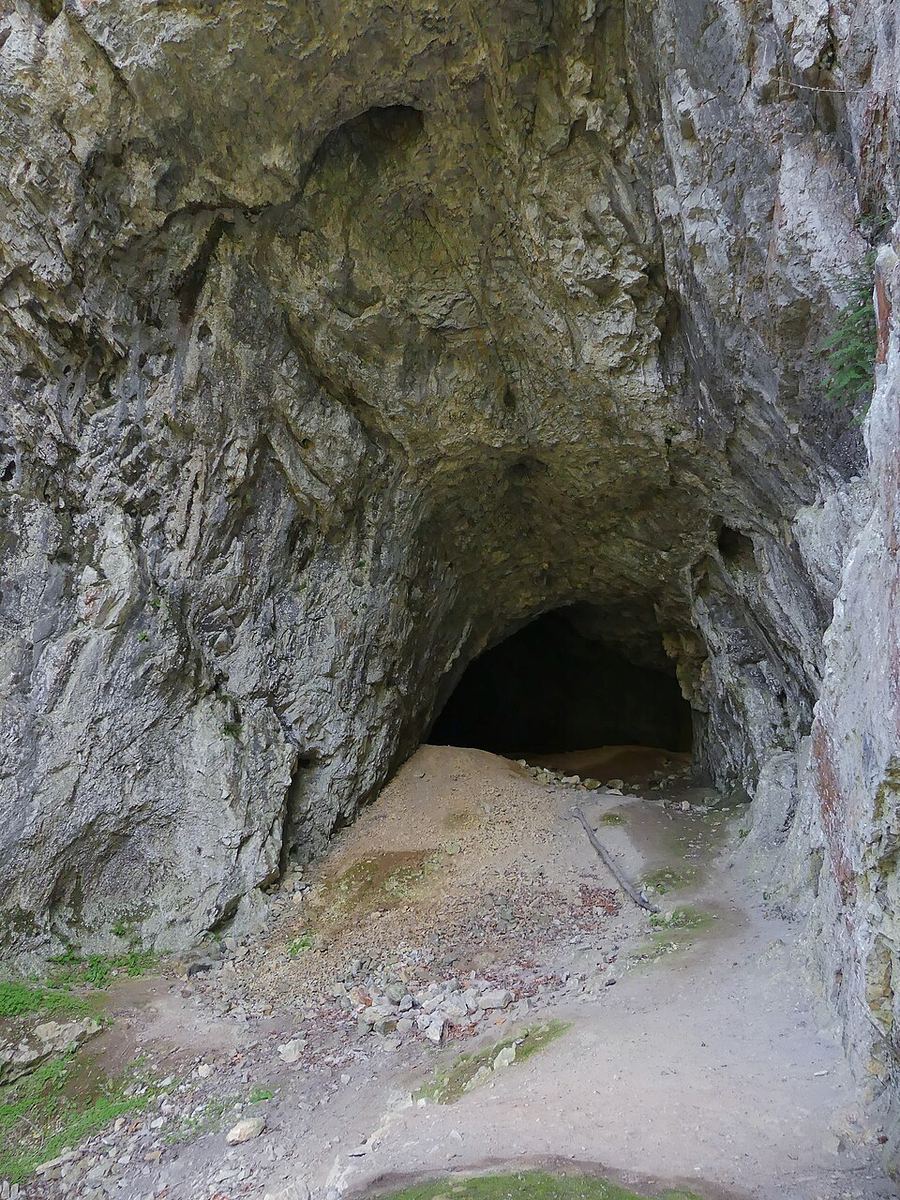
Czechia is landlocked at the meeting point of three European drainage basins, its water running to the North, Baltic and Black Seas. Bohemia in the west is a basin ringed almost completely by low mountains — the Sumava or Bohemian Forest along the Bavarian border, the Ore Mountains to the north-west, and the Krkonose or Giant Mountains to the north-east, where Snezka reaches 1,603 metres, the highest point in the country. Moravia to the east is lower and more open, draining south to the Danube through the Morava river, with the Moravian Karst near Brno holding the Punkva caves and the Macocha abyss. The Vltava, the longest Czech river at about 430 kilometres, rises in the Sumava and joins the Elbe north of Prague. Sandstone erosion in Bohemian Switzerland near the German border has produced the Pravcicka Gate, the largest natural sandstone arch in Europe. The climate is temperate continental, with cold winters and warm summers, and recent decades have brought both severe flooding and prolonged drought and bark-beetle damage to the spruce forests.

Entertainment

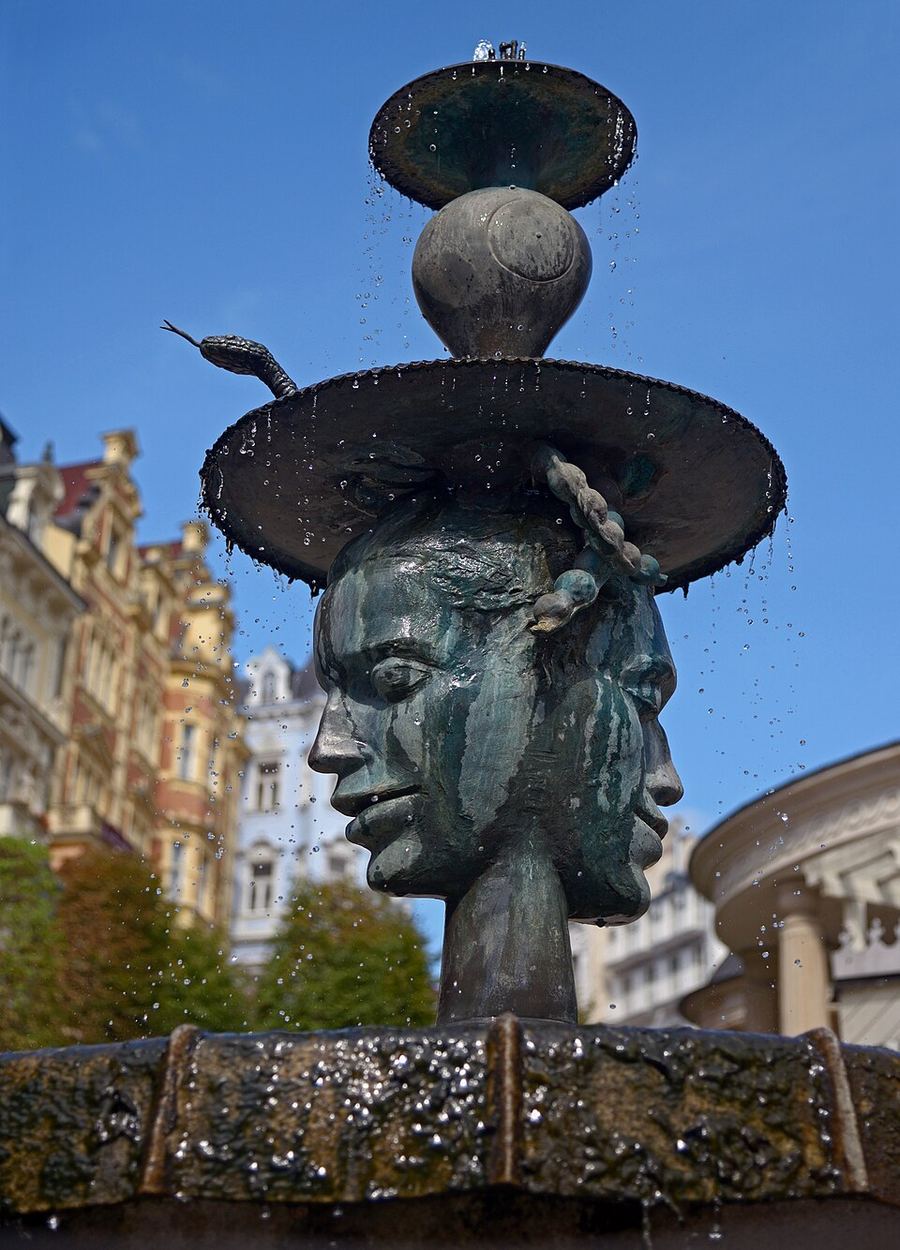
Czechs are unusually committed to the outdoors. Roughly a fifth of households have access to a weekend cottage — the chata or chalupa — and Friday afternoon traffic out of Prague is a fixed feature of the week. Mushroom picking is close to a national sport, with families working known patches of forest through late summer and autumn. Tramping, a distinctively Czech subculture born in the 1920s from an enthusiasm for American westerns and scouting, still sends groups to sleep in the woods and sing trampske pisne around a campfire. The country has one of the densest marked hiking networks in Europe, maintained by the Czech Tourist Club with a colour-coded system in use since the 1880s, and a very extensive cycle-route network. Winter brings skiing in the Krkonose and Jeseniky and, above all, ice hockey on television. The spa towns of western Bohemia — Karlovy Vary, Marianske Lazne and Frantiskovy Lazne, part of the Great Spa Towns of Europe World Heritage inscription — supply a quieter tradition of colonnades and mineral water.

Art & Museums

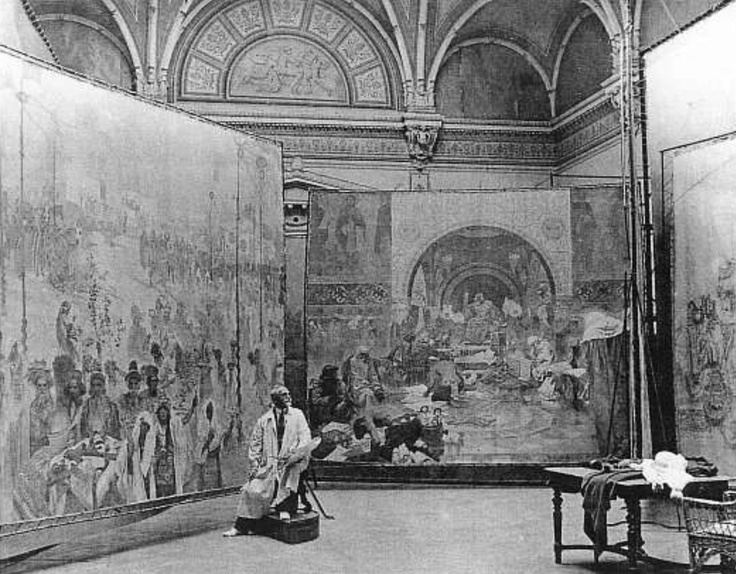
Alfons Mucha defined international Art Nouveau from Paris in the 1890s with his poster work for Sarah Bernhardt, then returned home to spend nearly two decades on the Slav Epic, twenty monumental canvases of Slavic history. Prague is the only city with a body of Cubist architecture, built between 1911 and 1914 by Josef Gocar, Pavel Janak and Josef Chochol, of which Gocar's House of the Black Madonna is the best known; Emil Filla and Bohumil Kubista carried Cubism into Czech painting. Modernist architecture is exceptionally strong, from Adolf Loos's Villa Muller in Prague to the Tugendhat Villa that Ludwig Mies van der Rohe completed in Brno in 1930, now a World Heritage site. Czech photography, through Frantisek Drtikol, Josef Sudek and Josef Koudelka, has an international standing of its own, and Bohemian glass and the Moser works at Karlovy Vary, founded in 1857, carry the decorative tradition. In film, the Czechoslovak New Wave of the 1960s produced Milos Forman, Vera Chytilova's Daisies and Jiri Menzel's Oscar-winning Closely Watched Trains, and Jan Svankmajer's surrealist animation extended the line.

Notable People

Jan Amos Komensky, known in Latin as Comenius, was a seventeenth-century Moravian bishop and educational theorist whose Didactica Magna and illustrated schoolbook Orbis Pictus argued for universal, structured, native- language schooling and earned him the description father of modern education. Gregor Mendel, an Augustinian friar at St Thomas's Abbey in Brno, established the laws of inheritance through pea-breeding experiments carried out between 1856 and 1863. Franz Kafka wrote in German in Prague and remains the city's most internationally recognised writer, alongside the Czech-language novelists Bohumil Hrabal, Milan Kundera and Karel Capek, whose 1920 play R.U.R. gave the world the word robot. Tomas Garrigue Masaryk founded the state and Vaclav Havel — a playwright imprisoned as a dissident, then president — closed the communist chapter. Jaroslav Heyrovsky won the 1959 Nobel Prize in Chemistry for polarography. In sport the enduring names are Emil Zatopek, Vera Caslavska, Martina Navratilova, Ivan Lendl, Jan Zelezny and Jaromir Jagr.

Inventions & Breakthroughs

For a country of ten million, Czechia's list of firsts is long. Pale lager was created at Plzen in 1842 and now accounts for most of the beer brewed worldwide. The sugar cube was patented by Jakub Krystof Rad at Dacice in 1843, and the town keeps a monument to it. Jan Jansky classified human blood into four groups in 1907. Jaroslav Heyrovsky invented polarography in 1922, an electrochemical analytical method that won him the Nobel Prize in Chemistry in 1959. Otto Wichterle developed soft hydrogel contact lenses and, blocked from laboratory resources, built his first spin-casting apparatus at home in 1961 from a children's Merkur construction set and a bicycle dynamo — the lenses that resulted became the basis of the global soft-lens industry. Semtex, the plastic explosive whose name became generic, was formulated by Stanislav Brebera at Semtin near Pardubice in the 1960s. Karel Capek's brother Josef supplied the word robot for the 1920 play R.U.R., and industrial-scale nanofibre electrospinning was commercialised from work at the Technical University of Liberec in the 2000s.

Science & Technology

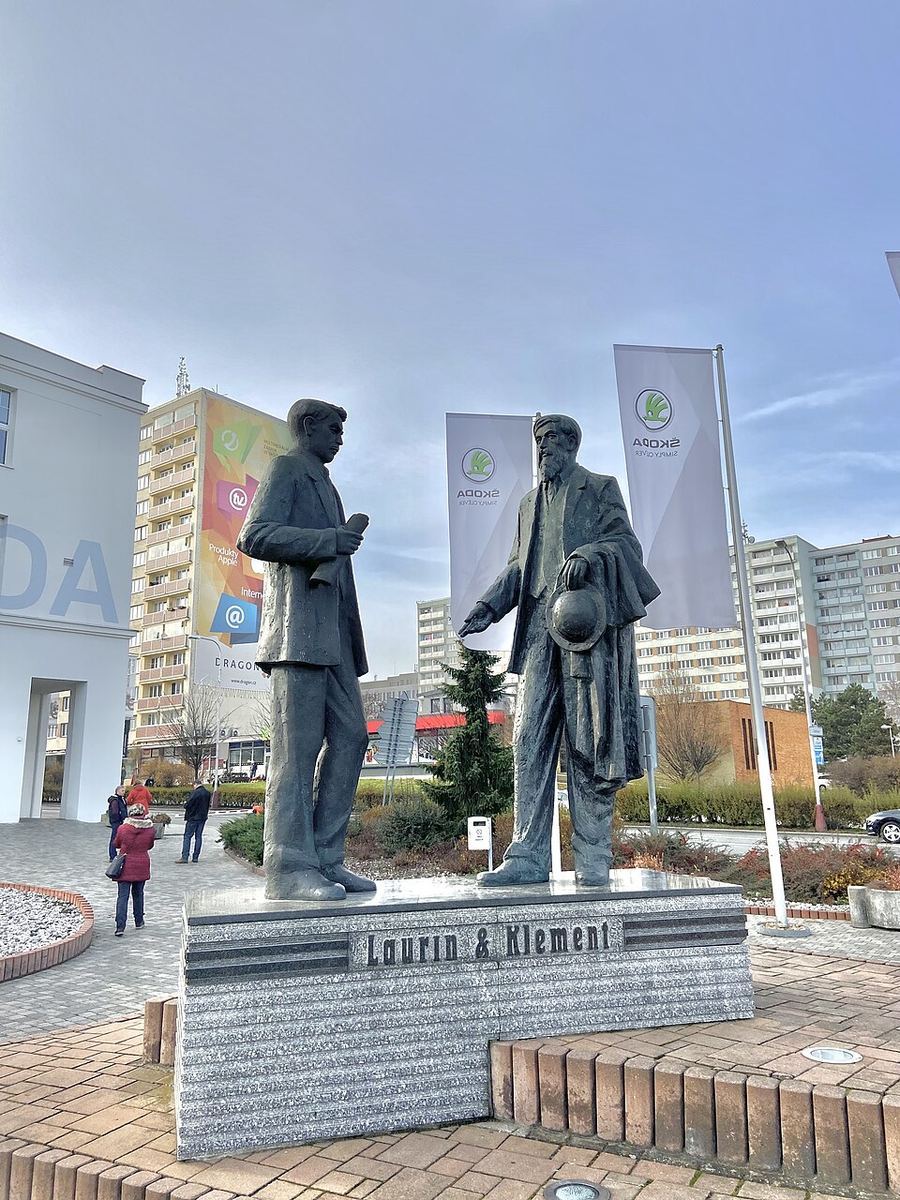
Czech research strength follows the shape of the economy: strongest in materials, chemistry, physics and applied engineering. The country's flagship facility is ELI Beamlines at Dolni Brezany outside Prague, part of the pan-European Extreme Light Infrastructure and host to some of the highest-peak-power lasers in the world, opened to users at the end of the 2010s and complemented by the HiLASE laser centre on the same campus. CEITEC in Brno concentrates nanotechnology and structural biology, and IT4Innovations in Ostrava operates the national supercomputing centre. The Czech Academy of Sciences runs the institute network that carries most basic research, and the Institute of Organic Chemistry and Biochemistry in Prague is internationally known through Antonin Holy's antiviral nucleotide compounds, which became the basis of widely used HIV and hepatitis B drugs. Industrial R&D is dominated by the automotive cluster around Skoda Auto, founded at Mlada Boleslav in 1895 and part of the Volkswagen group since 1991, and Czech cybersecurity firms have an outsized global footprint.
On The World Stage

Champions & Defining Moments

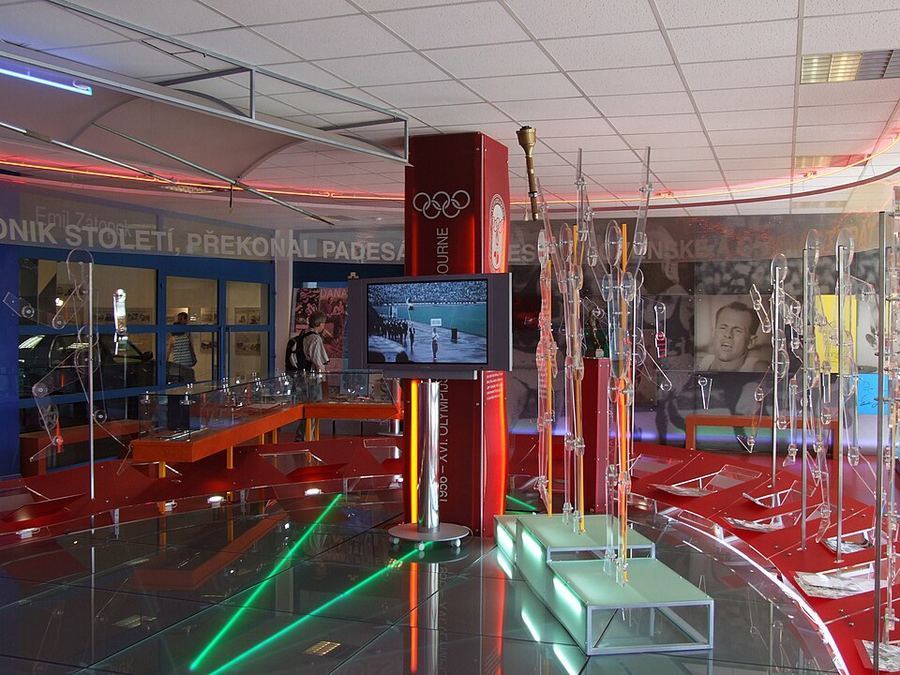
Emil Zatopek's performance at the 1952 Helsinki Olympics — victory in the 5,000 metres, the 10,000 metres and, in his first attempt at the distance, the marathon — has never been matched, and his wife Dana Zatopkova won the javelin at the same Games. Vera Caslavska won seven Olympic gymnastics golds across 1964 and 1968. Jan Zelezny took three consecutive Olympic javelin titles and set a world record of 98.48 metres in 1996 that still stands, and Barbora Spotakova won two Olympic titles in the women's event. At PyeongChang in 2018 Ester Ledecka won gold in both the snowboard parallel giant slalom and the alpine super-G, the first person to win Olympic titles in two different sports at the same Winter Games. In football, Czechoslovakia won the 1976 European Championship on a penalty shoot-out whose decisive chipped spot-kick by Antonin Panenka gave its name to the technique, reached World Cup finals in 1934 and 1962, and the Czech Republic were runners-up at Euro 1996.

IOCWorld AthleticsFIFA
Economy, Trade & Government

Currency & GDP

Czech Koruna — CZK (Kč)

GDP (PPP): $521.928 billion (2024 est.)

Per capita: $48,000 (2024 est.)

Exports

$239.259 billion (2024 est.)

cars, vehicle parts/accessories, broadcasting equipment, computers, plastic products (2023)

Partners: Germany 29%, Slovakia 7%, Poland 6%, France 5%, UK 5% (2023)

Imports

$216.741 billion (2024 est.)

broadcasting equipment, vehicle parts/accessories, cars, plastic products, computers (2023)

Partners: Germany 22%, China 17%, Poland 8%, Slovakia 5%, Italy 4% (2023)

Government

Type: parliamentary republic

Independence: 1 January 1993 (Czechoslovakia split into the Czech Republic and Slovakia)

Terrain → Where People Live

How mountains, coasts, and rivers shape settlement (LandScan).

Coming — data

Migration & Ethnic Settlement

Where groups settled and how people move (GeoEPR + UNHCR).

Coming — data

Universities

Notable institutions, mappable as points.

Coming — data
Economy & government facts: CIA World Factbook (public domain), via OpenFactBook / factbook.json.
Every fact and narrative claim will carry a visible source citation. Data-driven sections light up automatically wherever HERA has coverage.