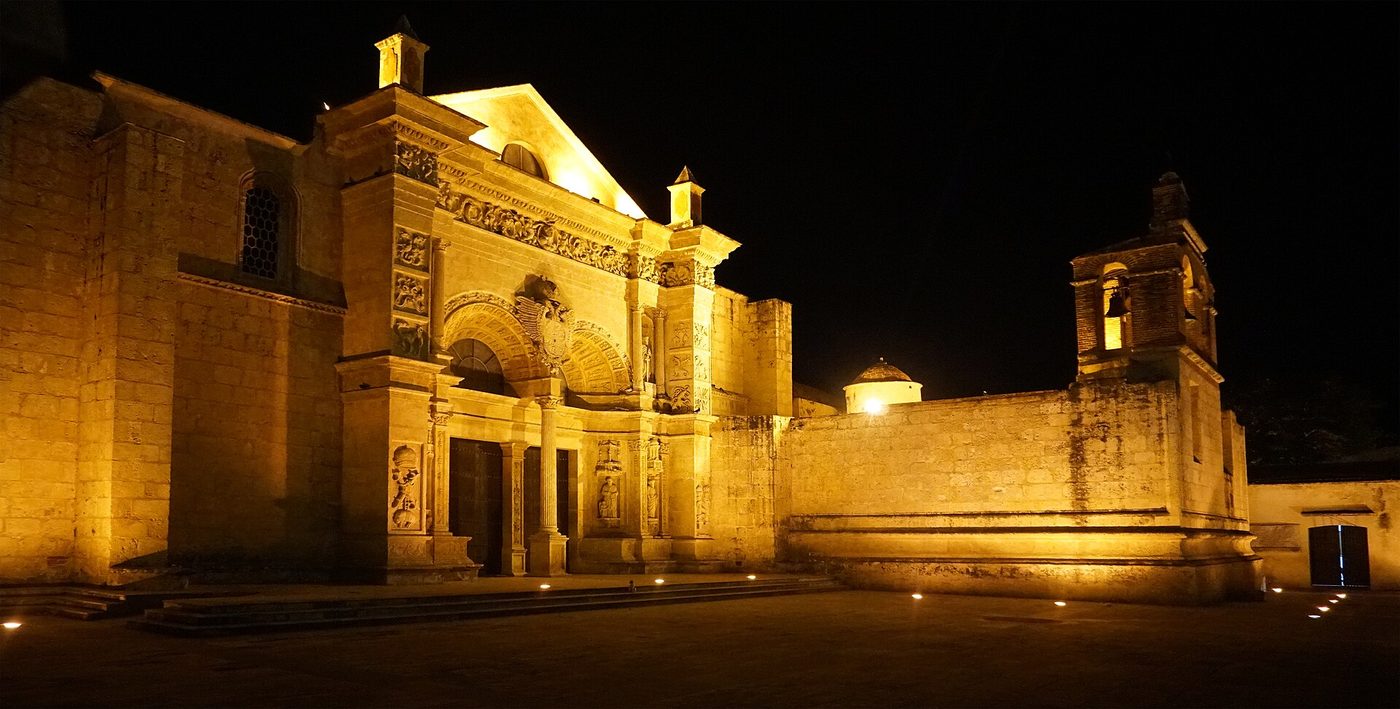
Catedral Primada de America panorama noche CCSD 03 2019 4863 — Photo: Mariordo (Mario Roberto Durán Ortiz) / CC BY-SA 4.0 via Wikimedia Commons
Did You Know
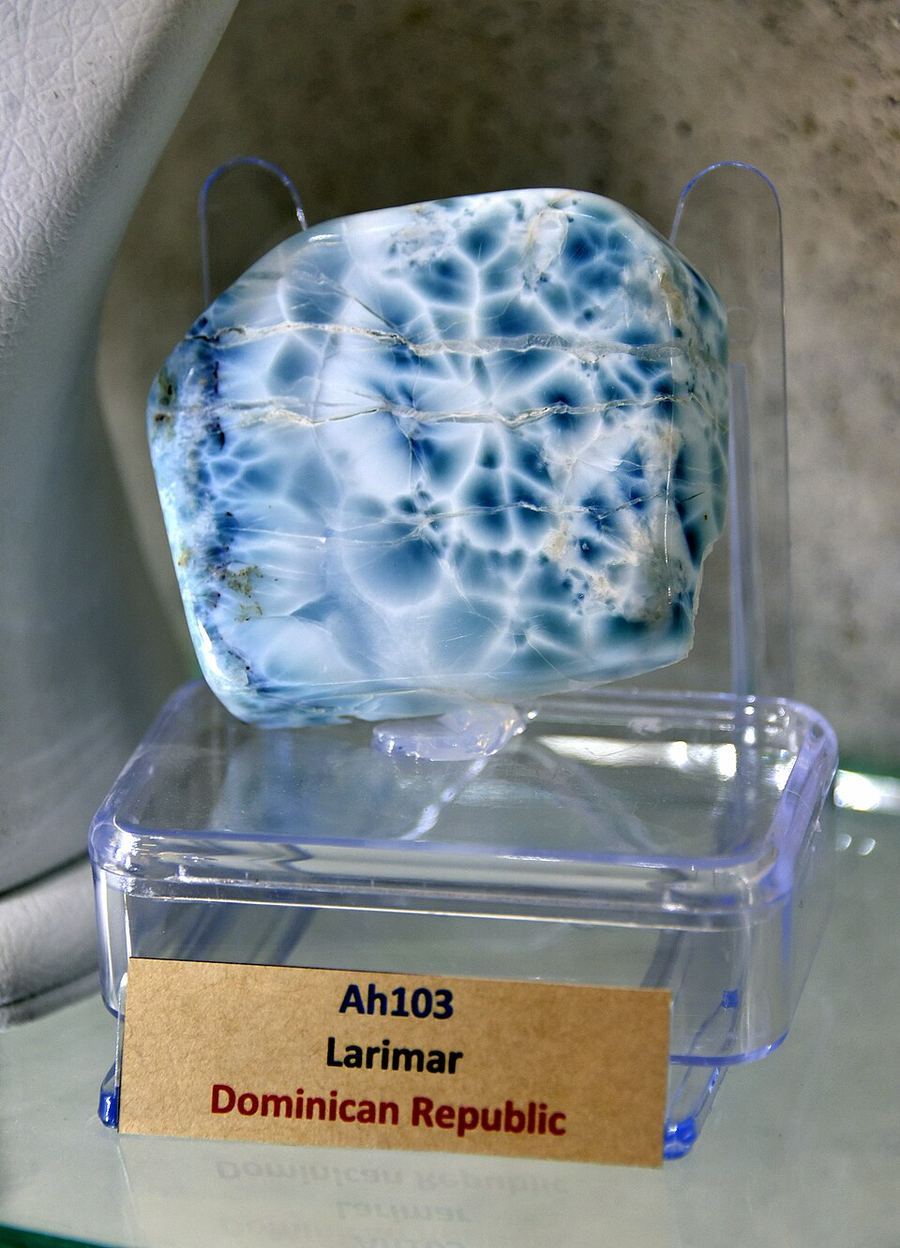
Larimar, a sky-blue pectolite used in jewellery, is mined only in Barahona province and occurs nowhere else on earth; it was named in 1974 for its discoverer's daughter Larissa and the sea. — Encyclopaedia Britannica
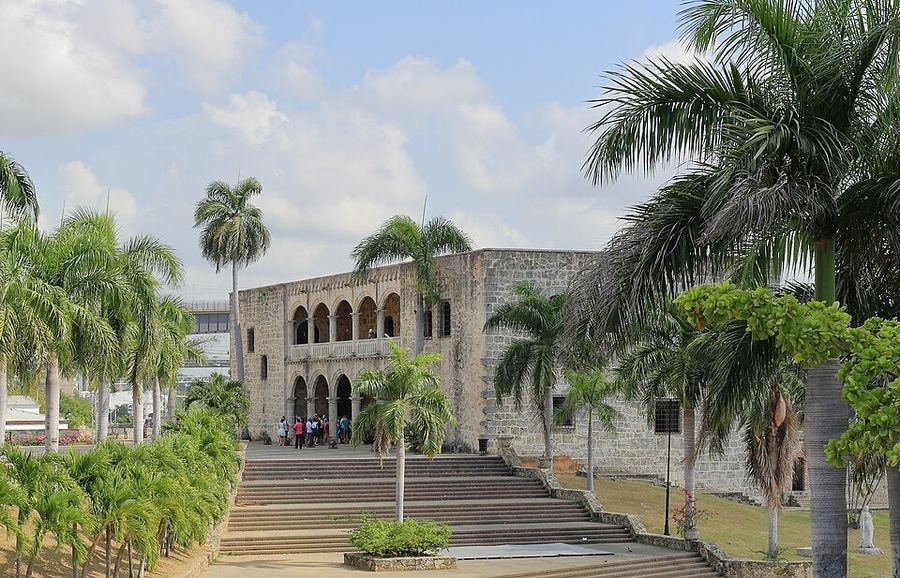
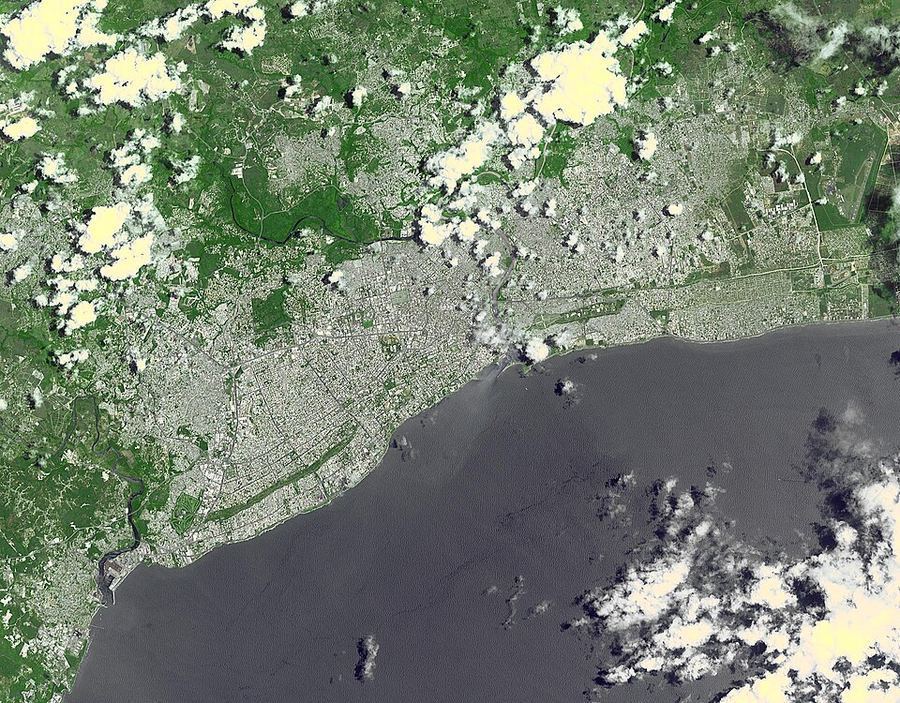
The Dominican Republic occupies the eastern two-thirds of Hispaniola, the island it shares with Haiti, and is home to about 10.9 million people. Santo Domingo, its capital, was founded in the 1490s and is the oldest continuously inhabited European settlement in the Americas; its colonial quarter holds the first cathedral, the first university and the first hospital built in the New World, and has been a UNESCO World Heritage site since 1990. Independence is dated to 27 February 1844, when the country broke away not from a European power but from Haiti, which had ruled the whole island for twenty-two years. It is a presidential republic and, by output, the largest economy in the Caribbean and Central America, built on tourism, free-trade-zone manufacturing of medical instruments, gold from one of the world's larger mines, premium cigars, organic cocoa and remittances from a very large diaspora in the United States, which takes 52% of its exports. Spanish is the sole official language, and religious affiliation has shifted markedly, with Evangelical Protestants now recorded at 50.2% against 30.1% Roman Catholic.
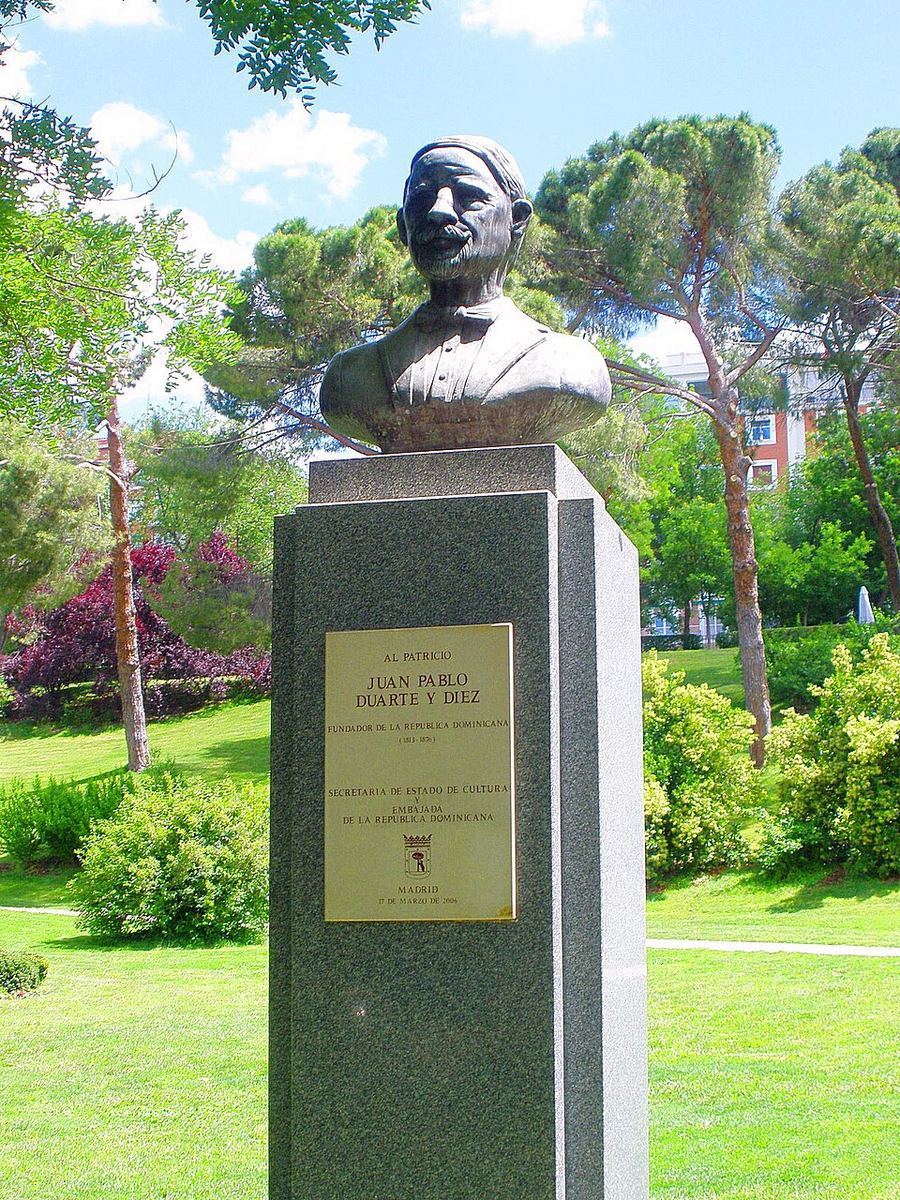
Taíno societies occupied Hispaniola when Columbus arrived in 1492, and within decades disease and forced labour had destroyed them. Santo Domingo, established on the Ozama river in the 1490s, became the administrative capital of Spain's first American empire and the launching point for the conquest of the mainland. As Spanish attention moved to Mexico and Peru the colony stagnated; Spain ceded the western third to France at Ryswick in 1697, creating the colony that became Haiti, and surrendered the eastern portion at Basel in 1795. After a brief independence declared in 1821, Haitian forces unified the island and governed the east until Juan Pablo Duarte's secret society La Trinitaria, with Francisco del Rosario Sánchez and Matías Ramón Mella, proclaimed independence on 27 February 1844. Spain was invited back in 1861 and expelled again by the War of Restoration begun in 1863. The United States occupied the country from 1916 to 1924, and Rafael Trujillo then ruled from 1930 until his assassination in 1961, a dictatorship that included the 1937 massacre of Haitians along the border and the murder of the Mirabal sisters in 1960. Civil war and a second US intervention followed in 1965.
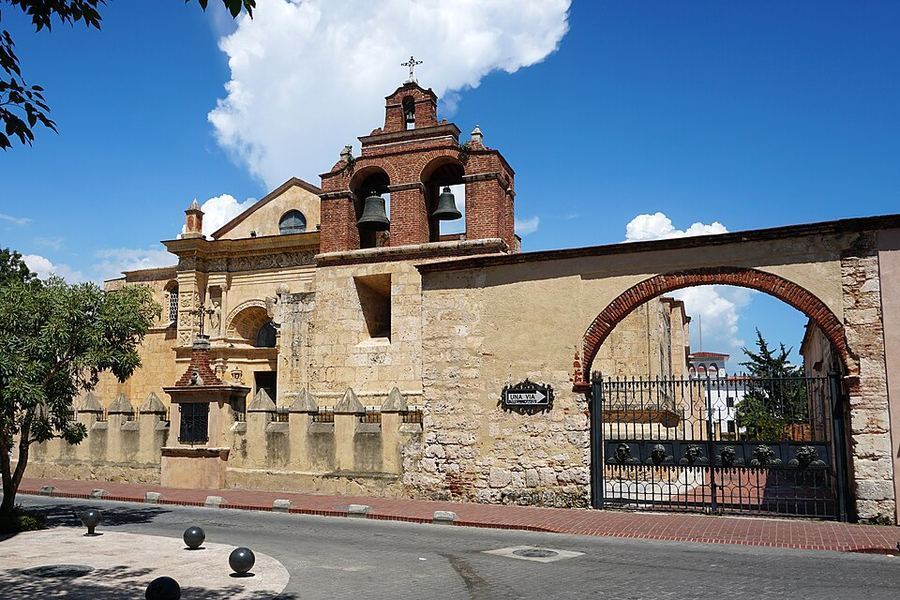
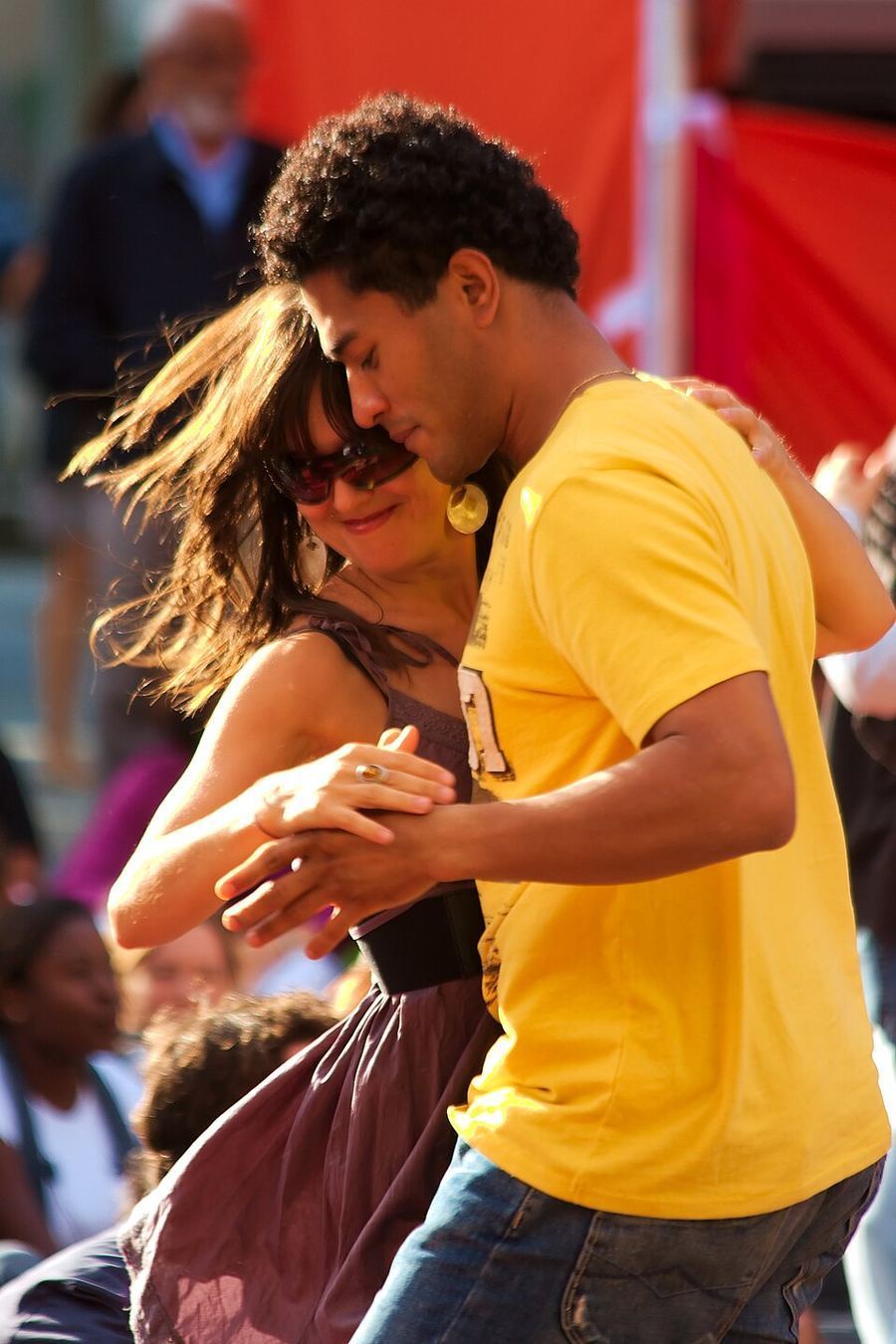
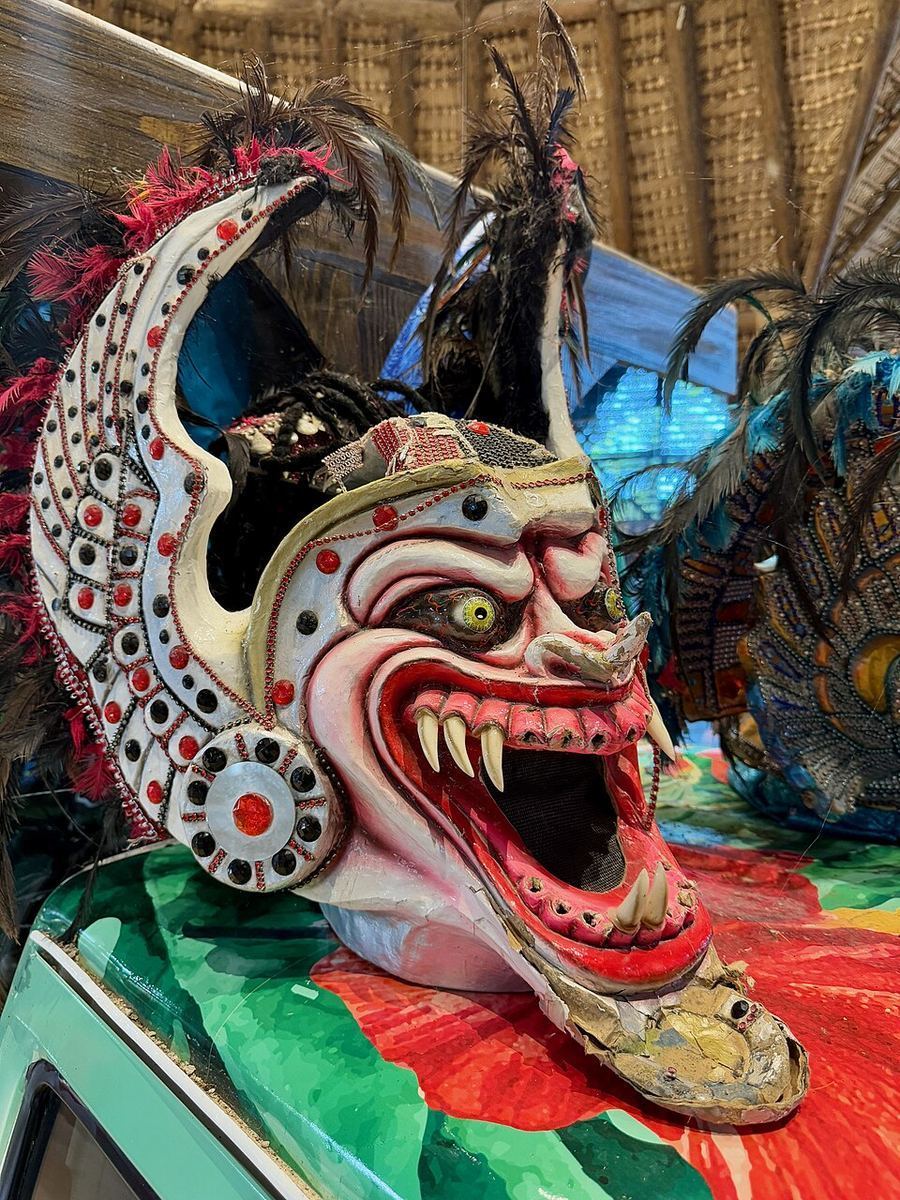
Dominican culture is loud, sociable and organised around music, family and the street. The colmado, the corner shop that sells everything and doubles as a bar, is the basic unit of neighbourhood life, with plastic chairs on the pavement, dominoes slammed on a folding table and a speaker facing outward. Merengue is close to a civic obligation and bachata its more intimate counterpart; both are on UNESCO's intangible cultural heritage lists, merengue inscribed in 2016 and bachata in 2019. Carnival, running through February and peaking around the independence anniversary on 27 February, is celebrated town by town with distinct local devils — the horned, bell-hung Diablo Cojuelo of La Vega, the papier-mâché-masked Lechones of Santiago, the whip-cracking Cachúas of Cabral. Religious life has shifted rapidly from a Catholic near-monopoly to an Evangelical plurality, while Afro-Dominican practice persists in the salve, the palos drums and the brotherhoods of the Congos of Villa Mella, itself UNESCO-recognised. Baseball, family obligation and the diaspora tie complete the picture.
Dominicans lead with firsts. The Colonial City of Santo Domingo, a World Heritage site since 1990, contains the first cathedral in the Americas, begun in 1512, the first university, chartered in 1538 and continuing as the Autonomous University of Santo Domingo, the first hospital and the first paved street. Pico Duarte, at about 3,101 metres, is the highest mountain in the Caribbean, and Lago Enriquillo, more than forty metres below sea level, is its lowest point — both within one country. Merengue and bachata are both inscribed on UNESCO's intangible heritage lists, an unusual double for a national music tradition. Larimar, a sky-blue pectolite mined in Barahona province, is found nowhere else in the world, and Dominican amber is prized for the fidelity of its fossil inclusions. The country is the Caribbean's largest economy and its most-visited destination. In baseball it produces more major league players than any nation outside the United States, and it went unbeaten to win the World Baseball Classic in 2013.
The Dominican population is recorded as 70.4% mixed, 15.8% Black and 13.5% White, and the culture is a genuine composite. The Taíno layer survives in vocabulary that entered every European language — hurricane, hammock, canoe, barbecue, tobacco — and in casabe, the cassava flatbread that UNESCO recognised in December 2024 as a heritage shared across the Caribbean and northern South America. The African inheritance carries the drum traditions, the salve, and the syncretic religious practice known as the Twenty-One Divisions. Distinct migrant communities remain legible: the cocolos, English-speaking Afro-Caribbean workers who came to the sugar mills of San Pedro de Macorís from the Lesser Antilles in the late nineteenth century, whose guloya dance drama is UNESCO-inscribed; Lebanese and Syrian merchant families; a Chinese community with its own quarter in the capital; Japanese agricultural settlers brought to Constanza and Dajabón in the late 1950s; and the Jewish refugees settled at Sosúa from 1940 after the Dominican Republic made the only substantial offer of resettlement at the 1938 Évian conference. Haitians are now the largest immigrant group.
Merengue is the national music: a fast duple-metre dance driven by the tambora drum struck with hand and stick, the metal güira scraper, and the button accordion that arrived through German trade in the nineteenth century. Its rural Cibao form, perico ripiao, remains a living tradition alongside the big-band arrangements that dominated the twentieth century and were promoted aggressively as national culture under Trujillo. Bachata began as a stigmatised guitar music of the poor and the bar, built on a bolero-derived pattern with bright arpeggiated lead guitar and a bongo, and was transformed into the biggest Latin music export of the 2000s by Juan Luis Guerra's literate arrangements and then by the New York Dominican group Aventura. UNESCO inscribed merengue in 2016 and bachata in 2019. Beneath both lie the Afro-Dominican drum traditions — palos or atabales, the salve sung for saints' vigils, and the congos of Villa Mella — and the guloyas of San Pedro de Macorís, whose costumed processional dance descends from the eastern Caribbean cocolo migration.
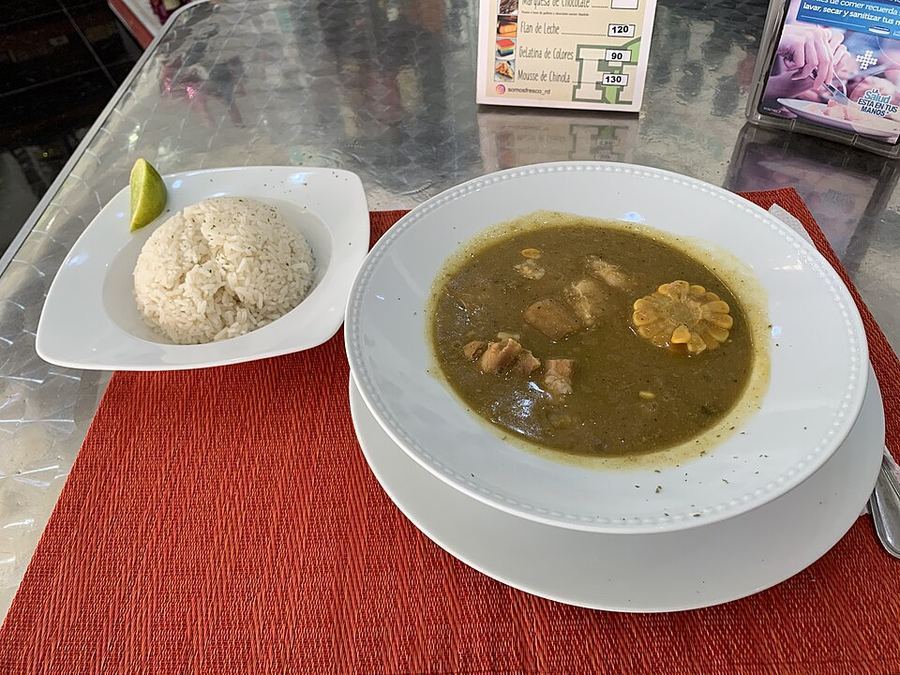
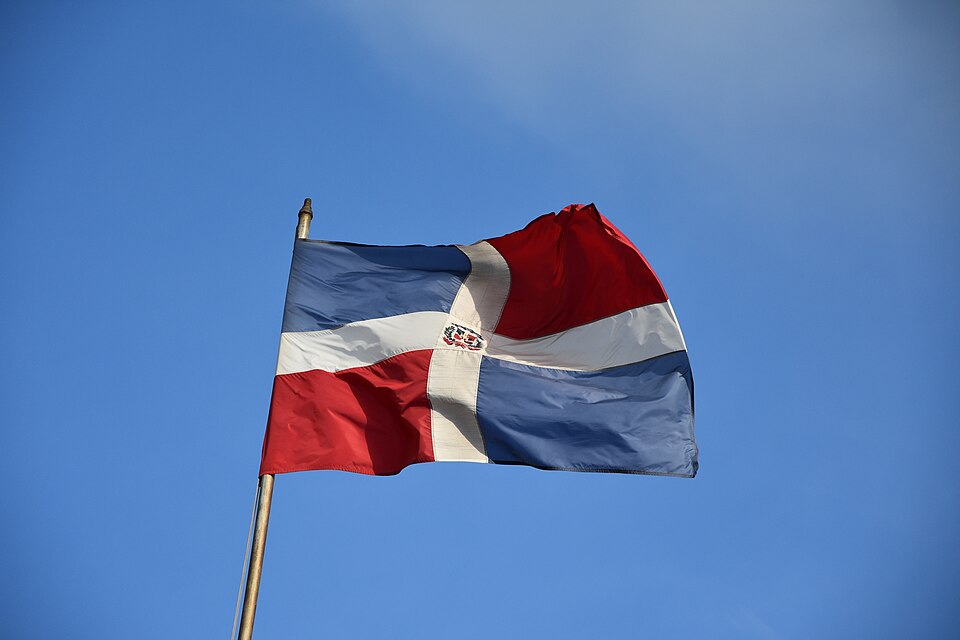
The everyday Dominican lunch is la bandera, the flag: white rice, stewed red beans and braised meat with salad and often fried green plantain, eaten at midday and named for the national colours. Breakfast is mangú, boiled green plantain mashed with the water it cooked in and topped with pickled red onion, served in its full form with los tres golpes — fried salami, fried cheese and eggs. Sancocho, a thick stew of several meats with root vegetables, is the dish of celebration and of hangovers, and the seven-meat version is a special-occasion production. Casabe, the crisp cassava flatbread, is the Taíno inheritance still eaten daily. The Easter dish is habichuelas con dulce, a sweet dessert soup of red beans with coconut milk, sugar, sweet potato and raisins, made almost nowhere else. Morir soñando mixes orange juice into cold milk; the beer is Presidente, drunk extremely cold, and the rum — Brugal, Barceló, Bermúdez — is a national industry alongside Dominican coffee and cocoa.
The Dominican Republic has no single codified national costume, and what serves in its place divides between folkloric and formal. For folk performance and national celebration, women wear the traje típico or traje de criolla: a wide, ruffled, ankle-length skirt, often in the red, white and blue of the flag or in bright floral cotton, with an off-shoulder or ruffled blouse and hair pinned with flowers. Men appear in loose white trousers, a shirt and a straw hat, sometimes with a neckerchief. The genuinely national garment is the chacabana, a straight-cut, untucked long- or short-sleeved shirt with pleats and patch pockets, the Dominican relative of the Cuban guayabera, which is accepted as formal dress at weddings, in government offices and at state occasions in place of a suit and tie. The most spectacular Dominican costume is not everyday clothing at all but the carnival devil suit — the caped, mirrored, bell-hung outfit of the Diablo Cojuelo, topped with a horned papier-mâché mask made by specialist artisans in La Vega and Santiago.
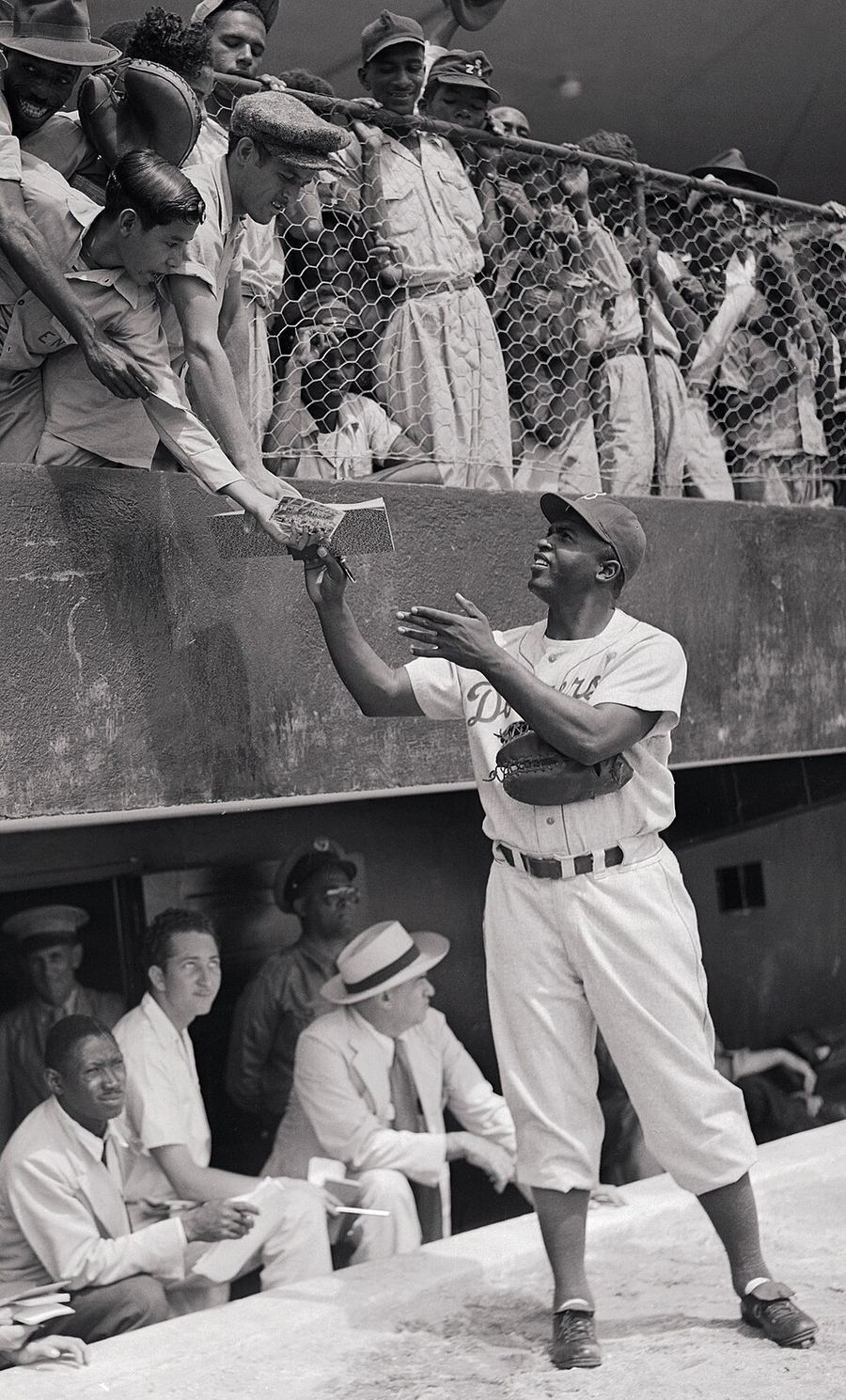
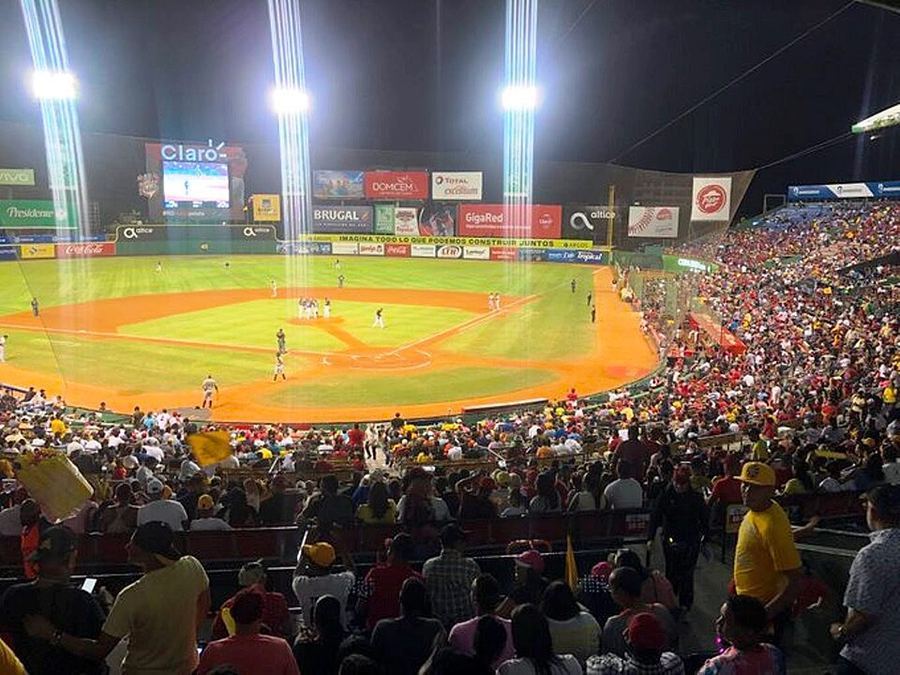
Baseball is not merely popular in the Dominican Republic; it is the organising ambition of a large part of male adolescence. The winter league, LIDOM, runs six clubs with intense regional loyalties — Licey and Escogido in the capital, Águilas Cibaeñas in Santiago, Estrellas Orientales in San Pedro de Macorís, Toros del Este and Gigantes del Cibao — and its season culminates in the Caribbean Series. Every major league organisation runs an academy on the island, and San Pedro de Macorís has produced so many infielders that it acquired a reputation as a factory for shortstops. Basketball has grown quickly and volleyball has an unusually strong women's programme, the national side known as the Reinas del Caribe having dominated regional competition. Boxing has a long tradition, athletics is concentrated in the sprints and hurdles, and taekwondo has produced Olympic medallists. Cockfighting remains legal and widely followed, and dominoes, played on the street at high volume, is the universal pastime.
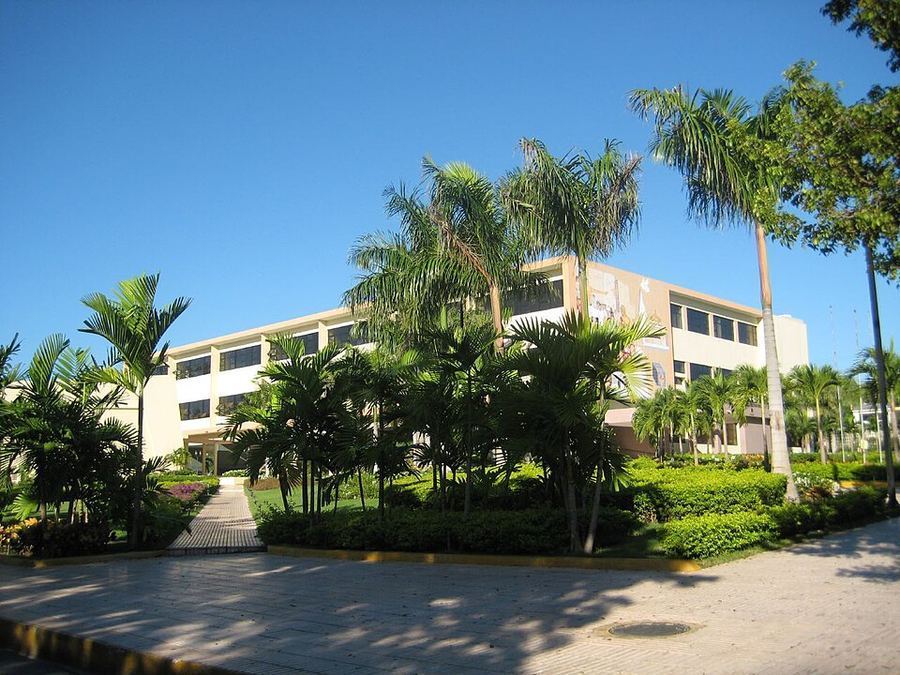
The Autonomous University of Santo Domingo traces its charter to 1538, which makes it the oldest university in the Americas, and it remains the largest and the principal public institution; the Pontificia Universidad Católica Madre y Maestra, founded in 1962, INTEC and UNPHU lead the private sector. The defining recent event in Dominican education was civic rather than academic: a broad public campaign between 2010 and 2012, organised around a yellow-umbrella symbol, forced successive governments to honour a long-ignored statutory commitment to spend 4% of GDP on pre-university education, and the allocation was implemented from 2013, funding a large school construction and extended-day programme. Coverage improved substantially as a result. Learning outcomes have not kept pace: Dominican students have finished at or near the bottom of the participating countries in successive rounds of the OECD's international assessments, and improving teaching quality rather than school access is now the central policy problem.
The Dominican Republic has fought no external war in the modern era, and its formative conflicts were the 1844 war of independence against Haiti, the War of Restoration against Spain from 1863, and the civil war of April 1965 between constitutionalist officers seeking Juan Bosch's return and the loyalist command, which drew a United States military intervention and an Organization of American States force. The Trujillo dictatorship's violence — including the 1937 massacre of thousands of Haitians and Haitian-descended people along the northern border — remains the darkest chapter. The country's present security preoccupation is its 376-kilometre frontier with Haiti, where state collapse and gang control have driven migration and smuggling: the government began constructing a border fence in 2022, has deported Haitians in very large numbers, announcing a target of 10,000 removals a week in late 2024, and has declined to lead an armed mission into Haiti. United Nations experts and human rights organisations have criticised the deportations and the conditions surrounding them.
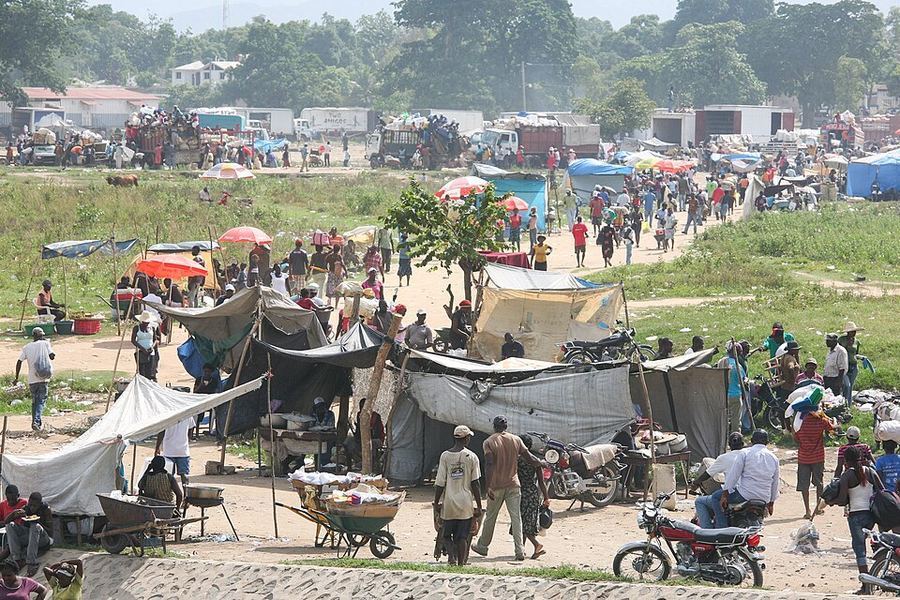
The Dominican Republic's only land border is with Haiti, and while the boundary itself is settled by the 1929 treaty and its 1936 revision, relations along it generate recurring crises. In September 2023 Haitian construction of an irrigation canal drawing on the Massacre river at Ouanaminthe prompted Santo Domingo to close every land crossing and its airspace to Haiti, a shutdown lasting weeks and framed by both sides as a question of treaty rights over shared waters. A deeper dispute concerns nationality: in 2013 the Constitutional Tribunal ruled that children born in the country to parents without regular status had never been Dominican, applying the decision retroactively to 1929 and leaving tens of thousands of people of Haitian descent stateless. The Inter-American Court of Human Rights found against the Dominican Republic in 2014, after which the country rejected the Court's jurisdiction over it, and a naturalisation law has only partly resolved the matter. Maritime boundaries with the United Kingdom, Venezuela and Colombia are settled by agreement; the boundary with Haiti is not.
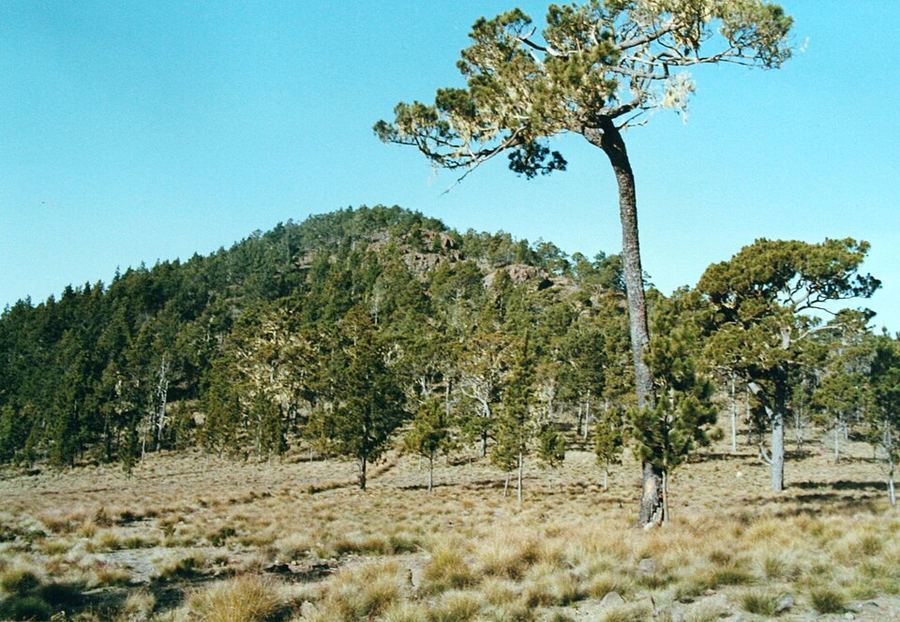
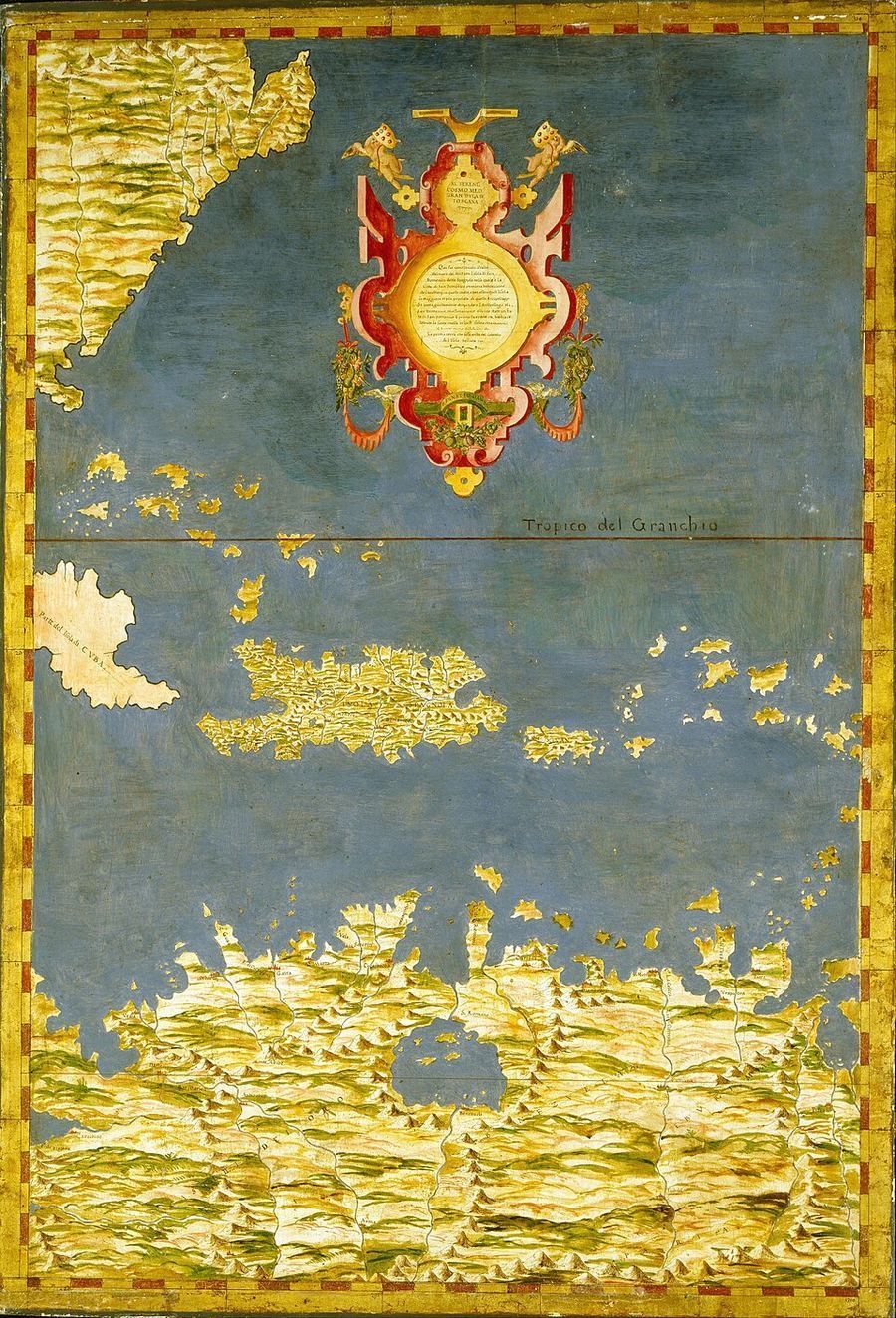
The country covers about 48,670 square kilometres of the eastern two-thirds of Hispaniola, and its relief is the most dramatic in the Antilles. Four mountain ranges cross it, the greatest being the Cordillera Central, which carries Pico Duarte to roughly 3,101 metres — the highest point in the entire Caribbean — and separates the fertile Cibao valley in the north from the drier south-west. In that south-west lies Lago Enriquillo, a hypersaline lake more than forty metres below sea level, the lowest point in the Caribbean, holding a population of American crocodiles. The Samaná peninsula in the north-east encloses a bay where thousands of North Atlantic humpback whales come to breed and calve between January and March, protected within a marine mammal sanctuary established in 1986. The climate is tropical maritime, wetter in the north-east and semi-arid in the rain shadow of the south-west. The island lies in the hurricane belt and across the Septentrional and Enriquillo fault systems, giving it both severe storm and significant earthquake exposure.
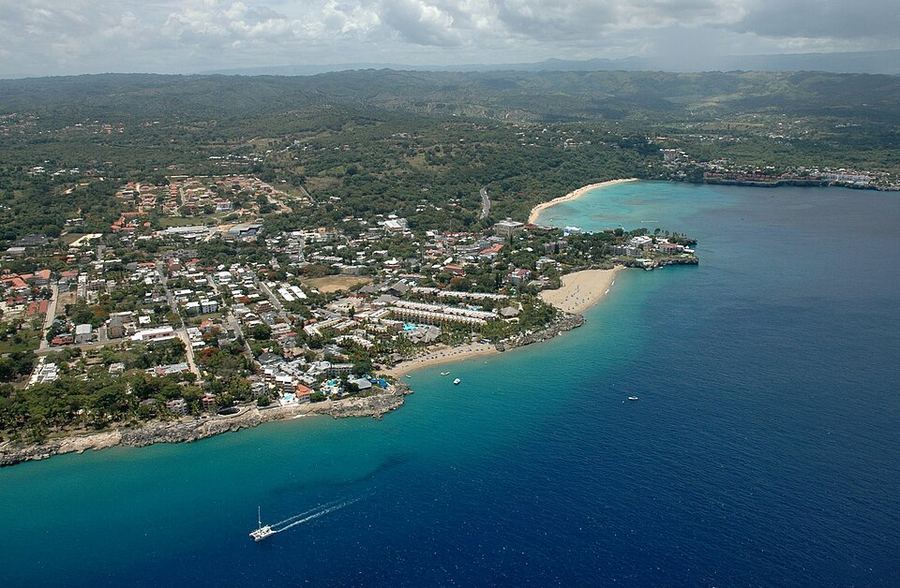
The beach is the country's best-known asset and the basis of the Caribbean's largest tourism industry: Punta Cana and Bávaro in the east, Bayahíbe and Saona island in the south-east, and Las Terrenas and Las Galeras on the Samaná peninsula. Cabarete, on the north coast, has the trade-wind and wave combination that made it one of the world's principal kiteboarding and windsurfing centres and a stop on international tours. Inland, Jarabacoa and Constanza in the Cordillera Central are cool enough for pine forest, river rafting and strawberry farming, and the multi-day climb to Pico Duarte is the country's serious trek. The 27 waterfalls at Damajagua near Puerto Plata are jumped and slid rather than merely viewed, and Samaná's humpback whale season from January to March is among the most reliable whale-watching anywhere. For Dominicans themselves, leisure means the colmado, dominoes, a river swim on Sunday, the beach at Boca Chica, carnival in February and a winter league baseball game.
The oldest Dominican art is Taíno: petroglyphs and painted cave walls survive in large numbers, above all in the José María cave in the Parque Nacional del Este and the Cueva de las Maravillas near San Pedro de Macorís, whose galleries hold thousands of figures. The Museo del Hombre Dominicano in Santo Domingo holds the principal archaeological collection. Modern Dominican painting was decisively shaped by the arrival of Spanish Republican exiles after 1939 — Josep Gausachs, Manolo Pascual and José Vela Zanetti among them — who staffed the National School of Fine Arts founded in 1942; Vela Zanetti went on to paint a mural for the United Nations Secretariat in New York. The generation that followed included Yoryi Morel, Jaime Colson, Darío Suro and Cándido Bidó, whose flattened, intensely blue Cibao scenes are widely recognised. The Centro León in Santiago, opened in 2003, and the Museo Bellapart hold the strongest collections. In craft, the faceless clay dolls of Higüerito near Moca are the emblematic Dominican object.
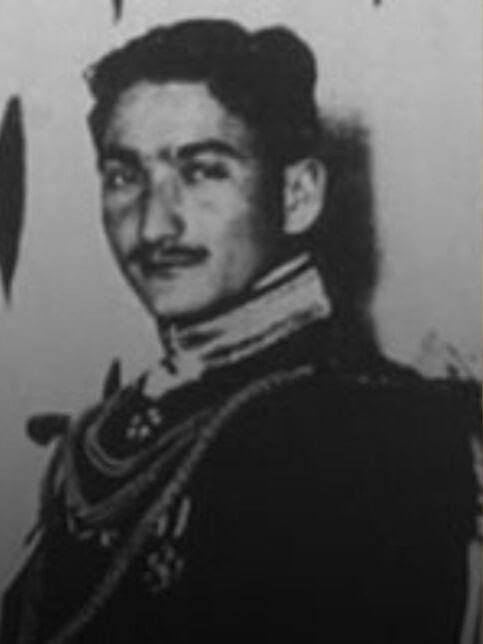
Juan Pablo Duarte, Francisco del Rosario Sánchez and Matías Ramón Mella are venerated as the founding fathers of 1844. The Mirabal sisters — Patria, Minerva and María Teresa — were murdered by Trujillo's agents on 25 November 1960 for their opposition to the dictatorship; the United Nations later designated that date the International Day for the Elimination of Violence against Women in their memory. Juan Bosch was both the country's leading man of letters and its first democratically elected president after Trujillo, and Pedro Henríquez Ureña ranks among the major Latin American essayists and philologists, with the poet and educator Salomé Ureña his mother. Oscar de la Renta, born in Santo Domingo in 1932, became one of the most influential fashion designers of his era. Juan Luis Guerra transformed merengue and bachata into international music. In sport the names are baseball's — Juan Marichal, Pedro Martínez, Vladimir Guerrero, David Ortiz and Albert Pujols — alongside the Olympic champions Félix Sánchez and Marileidy Paulino.
The Dominican Republic's genuine inventions are cultural rather than technical, and two of them are now global. Merengue's accordion-tambora-güira ensemble and bachata's guitar-led form were both created on the island and both are now danced worldwide, bachata in particular having become one of the most widely taught partner dances of the past two decades. The mineral larimar is a Dominican discovery as well as a Dominican deposit: the blue pectolite occurs only in Barahona province, and it was identified and named in 1974 by Miguel Méndez, who combined his daughter's name with the Spanish word for sea. Casabe, the cassava bread still eaten daily, rests on a pre-Columbian Taíno processing technology — grating, pressing the toxic liquid out through a woven tube, then baking the flour — that the country has kept in continuous use for over five hundred years. Dominican premium cigar making, centred on Santiago and Tamboril, is a craft tradition rather than an invention, but it has made the country the world's leading exporter of hand-rolled cigars.
Dominican technological activity is concentrated in export manufacturing rather than research. The free-trade zones of Santiago and the Cibao have become one of the largest producers of medical devices in the Western Hemisphere — surgical instruments, catheters, orthopaedic products and diagnostic equipment for multinational manufacturers — and medical instruments are now the country's leading export by value, ahead of tobacco and gold. Mining is the other technically demanding sector: the Pueblo Viejo operation in Sánchez Ramírez province is one of the larger gold mines in the world, using pressure-oxidation processing to treat refractory ore, and its expansion and tailings management are politically contested. Energy policy has swung between the coal-fired Punta Catalina plant and a rapid build-out of solar and wind on the arid southern coast. Scientifically, the country's distinctive assets are its Miocene amber, whose insect inclusions are among the best-preserved anywhere and are studied internationally, and the seismic monitoring made necessary by the active faults running through Hispaniola.
The country's global sporting identity is baseball. It supplies more major league players than any nation outside the United States, and its alumni include the Hall of Fame members Juan Marichal, Pedro Martínez, Vladimir Guerrero, David Ortiz and Adrián Beltré, alongside Albert Pujols, Sammy Sosa and Juan Soto; Ozzie Virgil Sr. broke through as the first Dominican in the major leagues in 1956. The national team went unbeaten through the 2013 World Baseball Classic to win the title. In athletics, Félix Sánchez won the Olympic 400 metres hurdles at Athens in 2004 and won it again eight years later in London, and Marileidy Paulino took silver in the 400 metres at Tokyo before winning the world title in 2023 and Olympic gold in Paris in 2024 in an Olympic record of 48.17 seconds. Dominican taekwondo has produced Olympic medals through Gabriel Mercedes and Luisito Pie, and Dominican players are increasingly visible in the NBA.