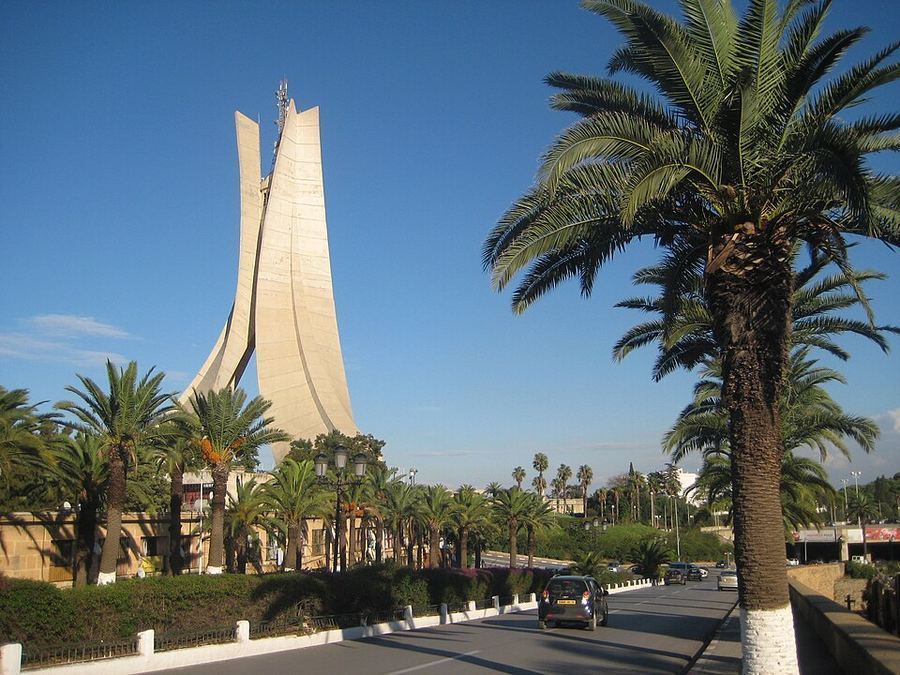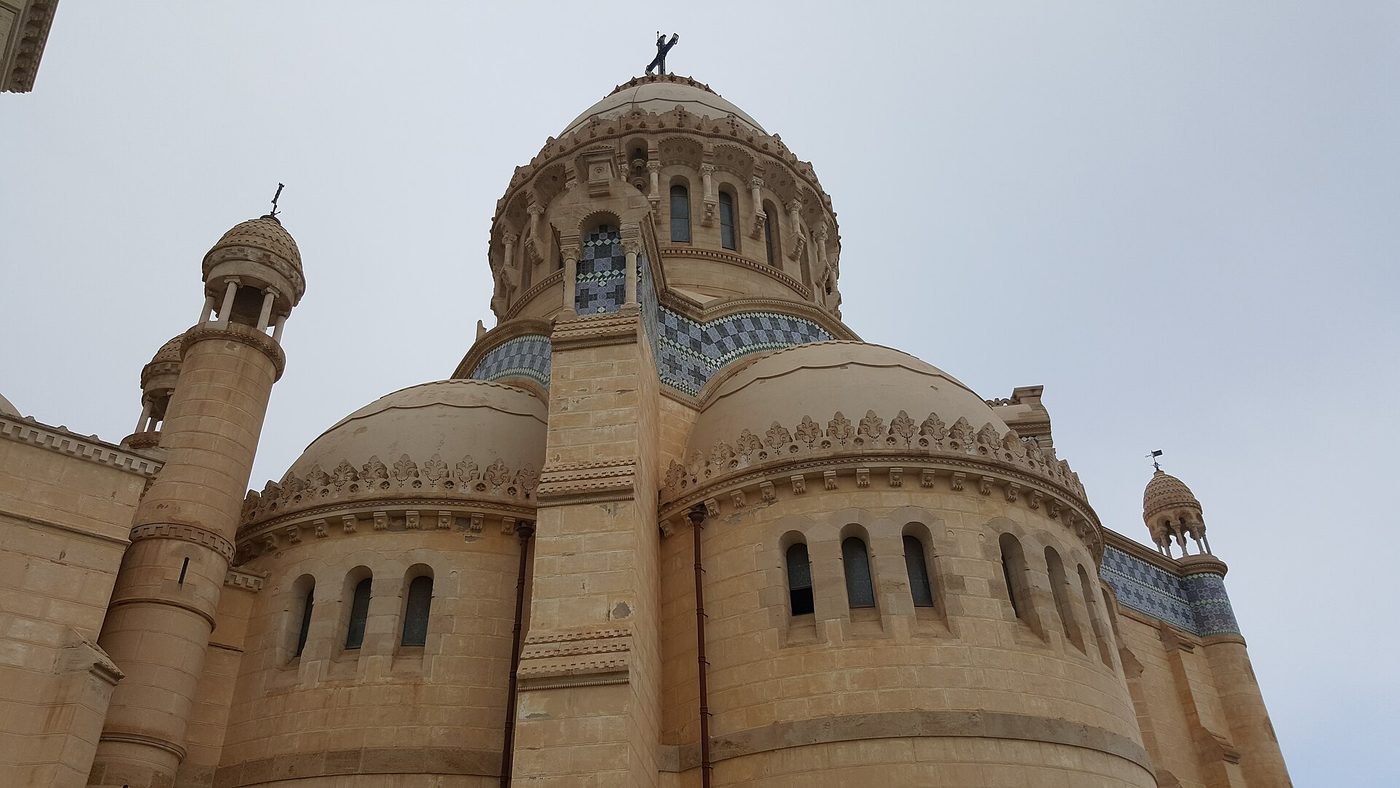
Algeria is the largest country in Africa by land area, roughly 2.38 million square kilometres of which more than four-fifths is Sahara, and home to some 47.7 million people concentrated on the narrow Mediterranean north. Algiers, the capital, rises in white tiers above its bay around the Ottoman-era Casbah. The state is a presidential republic that won independence from France on 5 July 1962 after a war begun in November 1954, and that founding struggle remains the central reference point of its politics and self-image. Arabic and Tamazight are both official languages, French serves as a working lingua franca in business, science and medicine, and the population is overwhelmingly Sunni Muslim. Ethnically the country describes itself as Arab-Amazigh, a fusion rather than a division, though Amazigh-language regions such as Kabylie and the Aures retain distinct identities. The economy rests on hydrocarbons: natural gas, crude and refined petroleum dominate exports worth about 59 billion dollars in 2023, sold mostly to Italy, France and Spain, and Sonatrach remains the largest company in Africa. GDP measured at purchasing power parity is around 723 billion dollars, about 15,400 dollars a head, and the median age of 29 marks a young and heavily urban society.
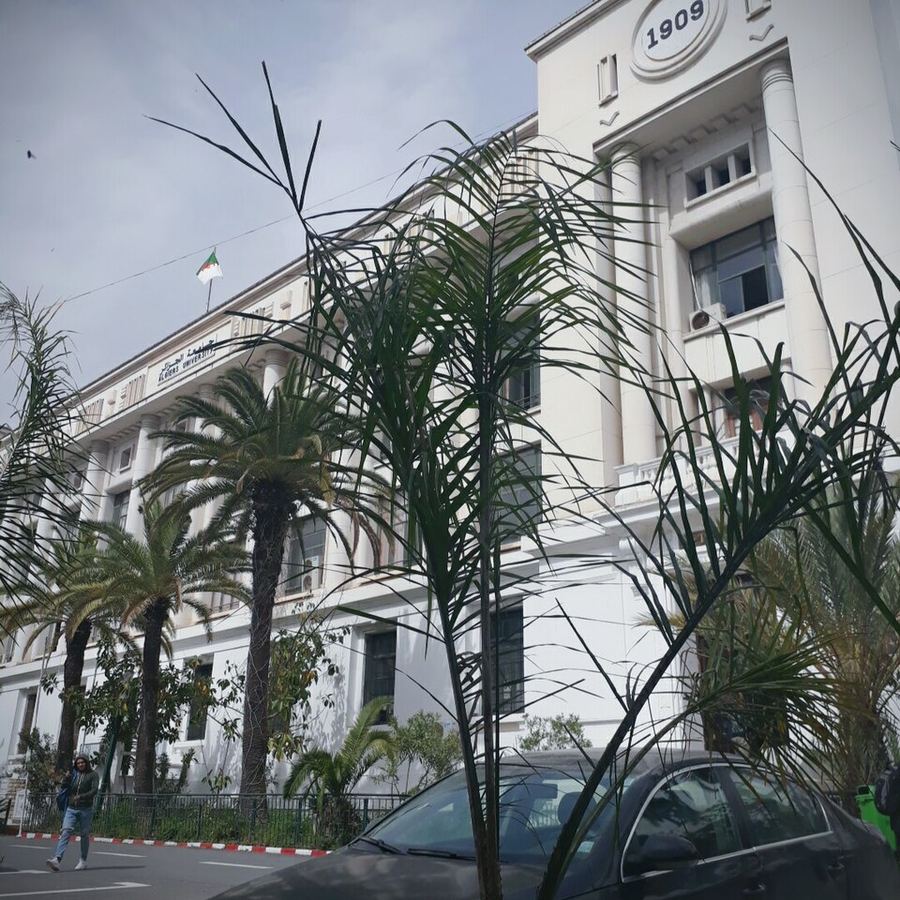
Algiers's urban core is home to about 3,583,340 people.
That's bigger than Rome and Amsterdam — each a great world city in its own right.
Among the world's megacities, though, it's one of many — the giants of Asia and Latin America run larger still:
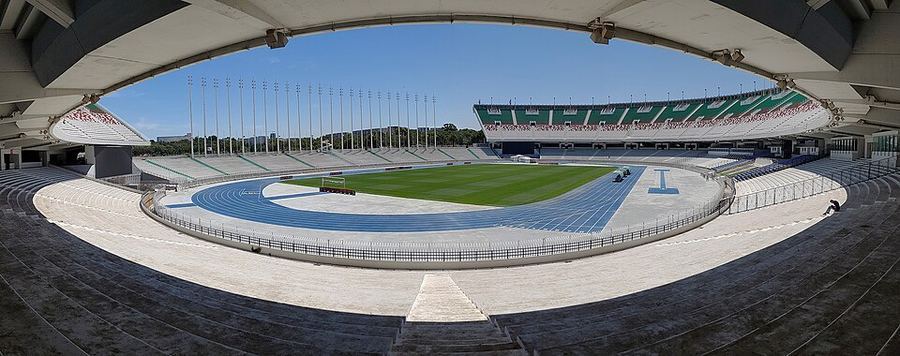
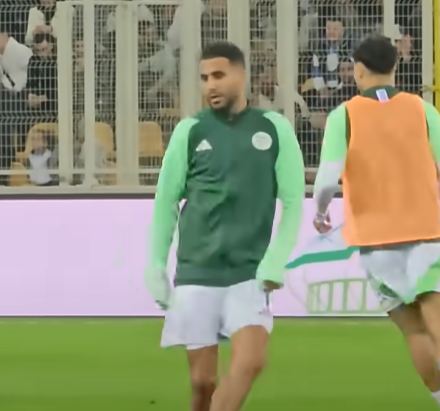
Algeria's arrival on the world football stage was abrupt: in their first ever World Cup match, at Gijon in 1982, they beat West Germany 2-1, then beat Chile, and were eliminated only because the last group match between West Germany and Austria produced a result that suited both. The outcry led FIFA to schedule the final round of group fixtures simultaneously, a rule change that still governs every World Cup. The team returned in 1986, 2010 and 2014, and in Brazil reached the round of 16 for the first time, losing 2-1 to the eventual champions Germany after extra time. Algerian players have shaped European club football too: Rabah Madjer's backheeled equaliser won the 1987 European Cup for Porto, and Riyad Mahrez was named the Professional Footballers' Association Players' Player of the Year in 2016 during Leicester City's Premier League title season. The Algerian diaspora has supplied France with players of the first rank, most famously Zinedine Zidane, whose parents came from Kabylie.
Algerian Dinar — DZD (دج)
GDP (PPP): $722.912 billion (2024 est.)
Per capita: $15,400 (2024 est.)
$59.426 billion (2023 est.)
natural gas, crude petroleum, refined petroleum, fertilizers, iron bars (2023)
Partners: Italy 29%, France 14%, Spain 13%, USA 6%, Netherlands 4% (2023)
$51.131 billion (2023 est.)
wheat, plastics, cars, milk, corn (2023)
Partners: China 24%, France 12%, Italy 8%, Turkey 7%, Brazil 6% (2023)
Type: presidential republic
Independence: 5 July 1962 (from France)
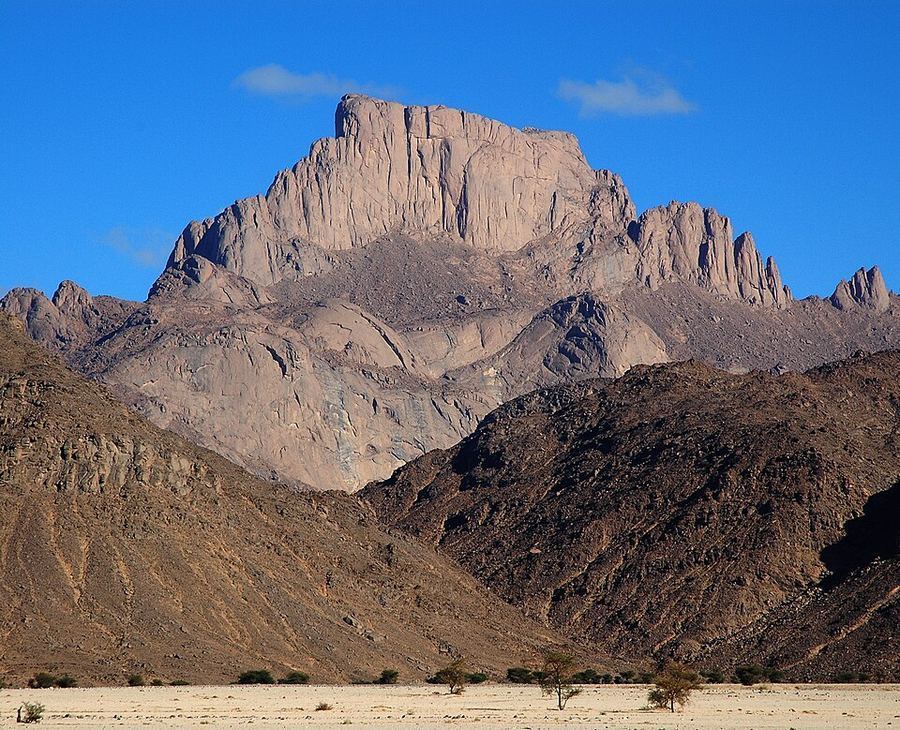
How mountains, coasts, and rivers shape settlement (LandScan).
Coming — dataWhere groups settled and how people move (GeoEPR + UNHCR).
Coming — dataNotable institutions, mappable as points.
Coming — data