HERA · Human Entity Reference Atlas by Masego Inc

← Ecuador 🌐 3D View
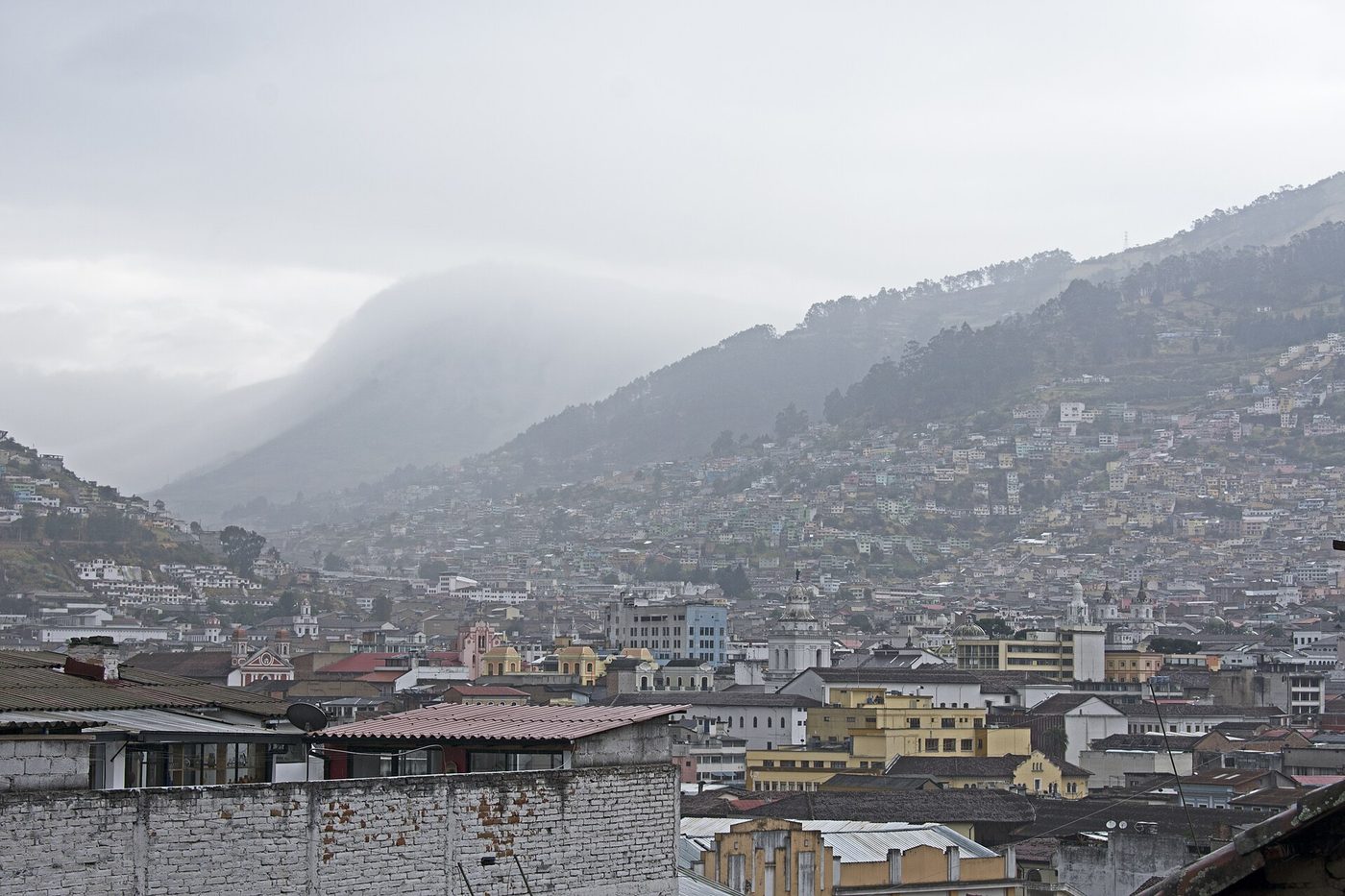
Quito Panorama of the historic center from Casa Bella Vista 01, Ecuador
Ecuador ECU
Quito Panorama of the historic center from Casa Bella Vista 01 — Photo: Ymblanter / CC BY-SA 4.0 via Wikimedia Commons
Did You Know In August 2023 Ecuadorians voted in a national referendum to leave the oil under the Yasuni ITT block in the ground, a rare popular vote against fossil-fuel extraction. — Reuters

Ecuador is a presidential republic of about 18.5 million people straddling the equator that gives it its name, compressed into one of the most ecologically varied territories on earth: a Pacific coastal plain, two parallel Andean cordilleras enclosing a chain of high basins, the western Amazon, and the Galapagos archipelago nearly a thousand kilometres offshore. Quito, the capital, sits at about 2,850 metres in an Andean valley beneath the Pichincha volcano, while Guayaquil on the Guayas estuary is the larger city and the country's port and commercial engine. Independence from Spain is dated to 24 May 1822, the day the battle of Pichincha secured Quito, and the modern republic emerged in 1830 from the breakup of Gran Colombia. The population is overwhelmingly Spanish-speaking and describes itself as mostly mestizo, with substantial Montubio, Indigenous and Afro-Ecuadorian populations and Kichwa the largest Indigenous language. Roman Catholicism remains the majority faith alongside a fast-growing Evangelical minority. The economy runs on crude petroleum, shrimp, bananas, fish, gold and cut flowers, and since 2000 it has used the US dollar as its currency, a decision that ended hyperinflation but removed monetary policy from the state's hands.

CIA World FactbookEncyclopaedia BritannicaWorld Bank
Population
18,479,841
Capital
Quito
Currency
$ USD
Time zones
Largest city
Guayaquil
Human Geography Themes
Loading national figures…
Largest Cities
Guayaquil3,247,674
Quito2,605,678
Cuenca506,177
Santo Domingo de los Tsachilas357,692
Manta284,614
Ambato275,466
Machala274,476
Salinas [Santa Elena]267,482
In Perspective

Guayaquil's urban core is home to about 3,247,674 people.

That's bigger than Rome and Amsterdam — each a great world city in its own right.

Guayaquil3,247,674
Rome2,556,354
Amsterdam1,223,407

Among the world's megacities, though, it's one of many — the giants of Asia and Latin America run larger still:

Guayaquil3,247,674
Jakarta40,545,126
Dhaka37,307,160
Tokyo33,244,670
Shanghai30,678,616
Cairo25,230,325
The Country & Its People

History

Before the Inca arrived, the northern Andes held chiefdoms and confederations including the Quitu, Cara, Canari and the coastal Manteno traders whose balsa rafts worked the Pacific. Inca expansion under Tupac Yupanqui and Huayna Capac absorbed the region in the late fifteenth century and made Quito a second centre of the empire; the succession war between Huayna Capac's sons Atahualpa and Huascar was under way when Pizarro landed, and Atahualpa was executed at Cajamarca in 1533. Spanish Quito was founded in 1534 and governed as an audiencia, its highland workshops supplying textiles to the viceregal economy and its churches supporting the Quito School of religious art. Independence began with the Quito junta of 10 August 1809, was won at the battle of Pichincha on 24 May 1822, and Ecuador joined Bolivar's Gran Colombia before seceding as a separate republic in 1830. The nineteenth century oscillated between the clerical conservatism of Gabriel Garcia Moreno and the Liberal Revolution of Eloy Alfaro in 1895, which secularised the state and built the Guayaquil-Quito railway. Oil discovered in the Amazon in the late 1960s reshaped the economy; the 1990s and 2000s brought recurring political instability, dollarisation in 2000, and the long presidency of Rafael Correa from 2007 to 2017.
Culture

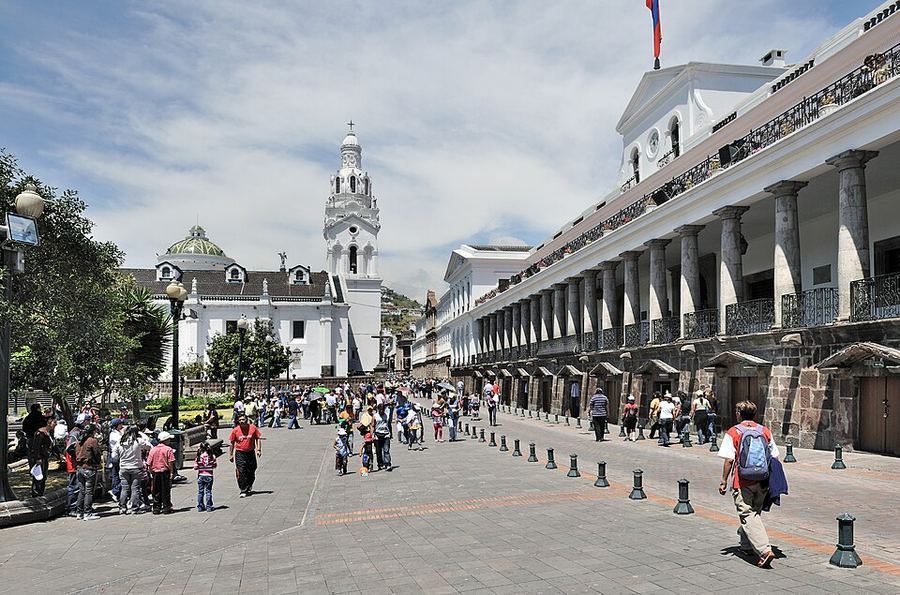
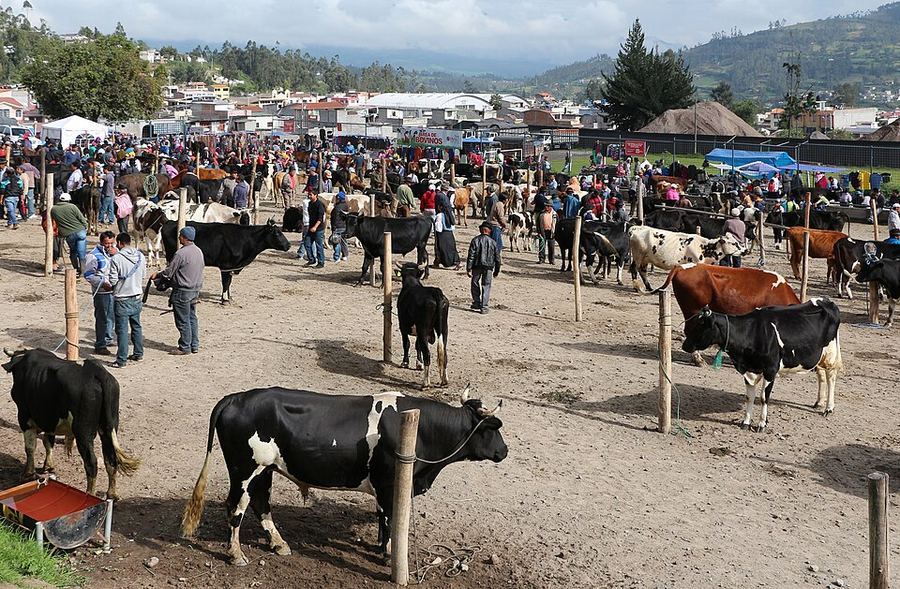
Ecuadorian identity is organised around a strong regional contrast between the sierra and the costa — highland Quito, formal and historically conservative, against coastal Guayaquil, commercial, faster-spoken and self-consciously informal — and between both and the Amazonian oriente. Roughly two-thirds of Ecuadorians identify as Roman Catholic, with an Evangelical Protestant minority approaching a fifth of the population and growing, and religious festivals structure the year in the highlands. Indigenous identity is politically organised to an unusual degree: the Confederation of Indigenous Nationalities of Ecuador, founded in 1986, became one of Latin America's most effective social movements, and the 2008 constitution recognised Kichwa and Shuar as official languages of intercultural relations and made Ecuador the first country to write rights of nature into its constitution. Fourteen Indigenous nationalities are recognised, from the Otavalo and Salasaca of the highlands to the Shuar, Achuar, Waorani, Siekopai and Cofan of the Amazon. Family and compadrazgo networks, the Sunday market, and the extended cycle of saints' days and life-cycle celebrations remain central to social life across all three regions.

Points Of Pride

Ecuador holds the distinction of having supplied UNESCO with two of the very first World Heritage sites ever inscribed, in 1978: the historic centre of Quito, the best preserved and least altered colonial core in Latin America, and the Galapagos Islands, whose finches, tortoises and iguanas gave Charles Darwin the observations behind natural selection. The historic centre of Cuenca and Sangay National Park followed, and the Qhapaq Nan Andean road system is a shared inscription. The country is the most biodiverse on earth per unit of area, holding more bird species than the United States and Canada combined in a territory smaller than either. Its 2008 constitution was the first anywhere to grant enforceable rights to nature. Ecuador is the world's largest exporter of bananas and a leading exporter of cut roses and farmed shrimp. And the country gave the world one of its most misnamed objects: the finely woven toquilla straw hat made at Montecristi and Cuenca, known everywhere as the Panama hat, whose weaving UNESCO inscribed as intangible cultural heritage in 2012.

Cultural Fusion

The defining fusion is the mestizo synthesis of Andean and Iberian worlds, visible most clearly in religious practice and art. The Quito School of the seventeenth and eighteenth centuries taught Indigenous and mestizo craftsmen European sculpture and painting and produced work — the polychrome carving of Bernardo de Legarda and Caspicara, the canvases of Miguel de Santiago — that is technically Spanish and unmistakably local. Catholic festivals absorbed the Andean calendar wholesale: Corpus Christi in Cotopaxi and Inti Raymi in Imbabura and Cotacachi occupy the same June solstice, and the Diablada de Pillaro and the Mama Negra of Latacunga fold pre-Christian, colonial and Afro-Ecuadorian figures into one procession. The Chota Valley in the northern highlands and the province of Esmeraldas on the coast hold Afro-Ecuadorian communities descended from enslaved people and from shipwreck survivors who established a free settlement in the sixteenth century; Esmeraldas gave the country the marimba tradition inscribed by UNESCO. Kichwa itself is a fusion product, an Inca administrative language that took root and diverged into distinctive Ecuadorian highland and Amazonian varieties.

Music & Dance

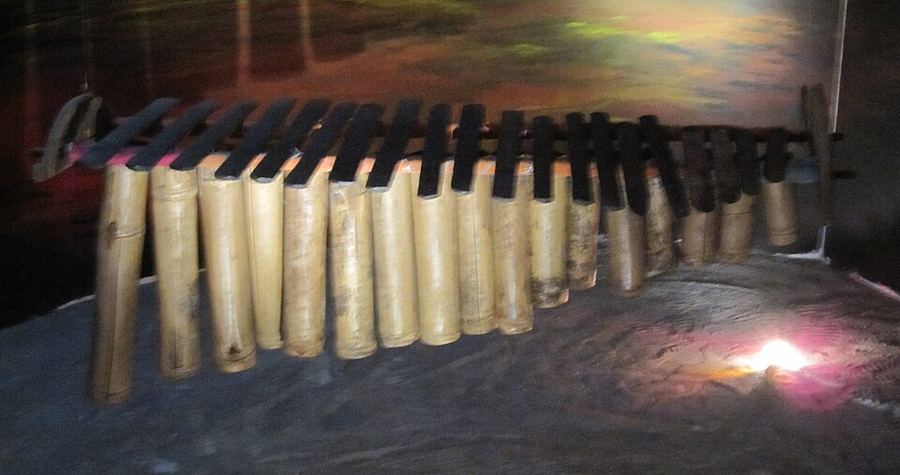
The characteristic highland genres are the pasillo and the sanjuanito. The pasillo, a slow waltz-derived song of loss and nostalgia, became the national genre in the early twentieth century and is inseparable from Julio Jaramillo, the Guayaquil singer whose recordings made it popular across Latin America and whose death in 1978 drew enormous crowds. The sanjuanito is faster and rooted in Indigenous festival music, driven by the rondador panpipe, the bandolin and the drum. Andean instruments — quena and pingullo flutes, panpipes, the small charango — sit alongside the guitar and the requinto in mestizo ensembles. On the northern Pacific coast, the marimba esmeraldena, played on a large wooden-keyed marimba with bombo and cununo drums and answering call-and-response singing, is the core of Afro-Ecuadorian musical life and was inscribed by UNESCO in 2015 together with the associated chants of Esmeraldas and southern Colombia. The Amazon has its own vocal and flute traditions among the Shuar and Waorani. Nationally, cumbia, salsa, reggaeton and the rocolera cantina ballad dominate popular listening.

Cuisine & Misattributed Foods

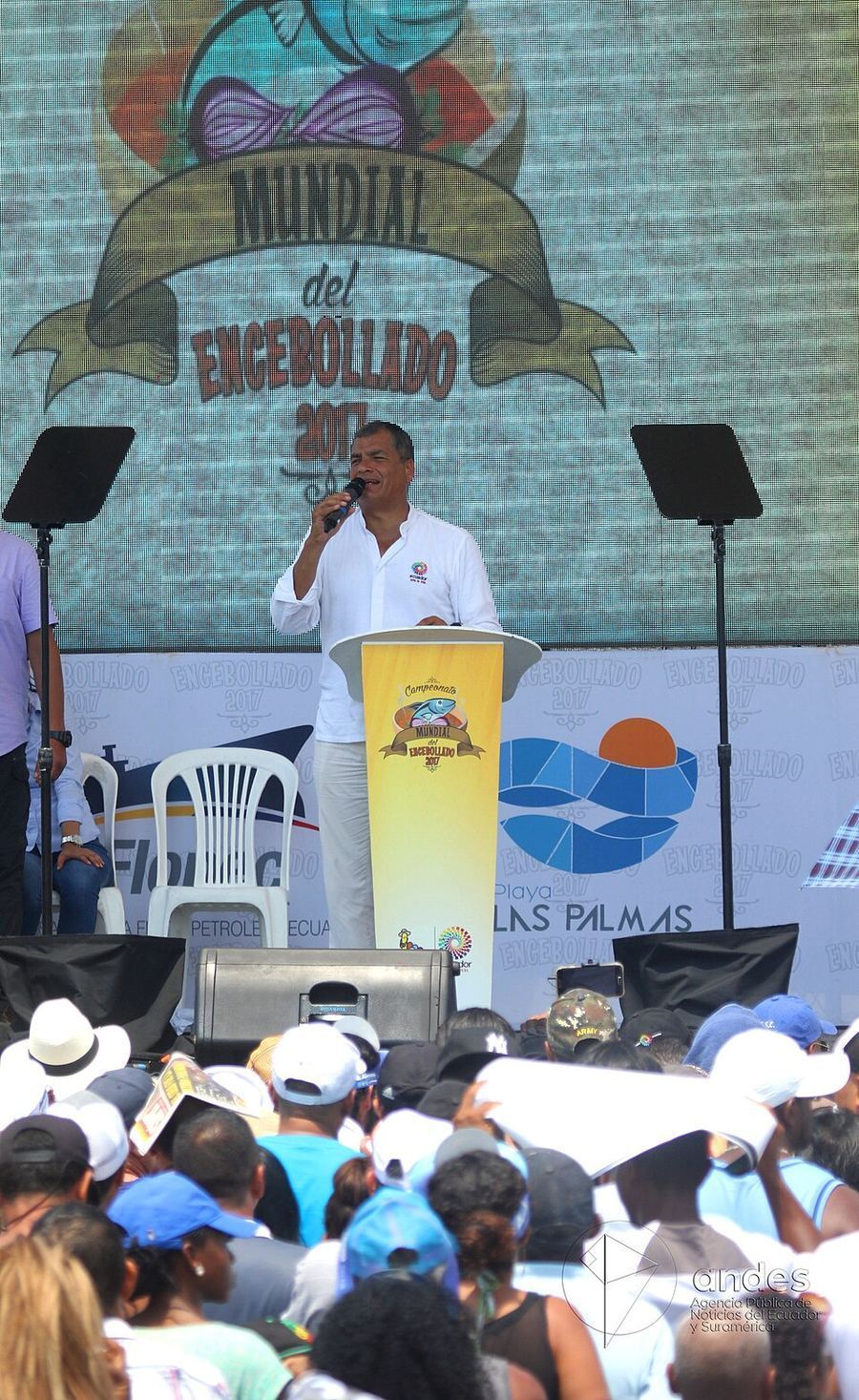
Ecuadorian cooking divides by altitude. The highlands are the domain of soups and pork: locro de papa, a thick potato and cheese soup crowned with avocado; fanesca, the elaborate Lent soup of twelve grains and salt cod eaten in Holy Week; hornado, whole roast pig served with llapingachos, the griddled potato and cheese cakes; fritada; and the tree-tomato and hot-pepper sauce aji. Guinea pig, cuy, roasted whole, remains the ceremonial dish of the sierra and is a genuinely pre-Columbian survival. The coast turns to seafood and green plantain: ceviche served with popcorn and toasted maize, encebollado, the tuna and cassava soup widely treated as the national hangover cure, encocado in coconut milk, and bolon de verde. The Amazon contributes maito, fish wrapped in bijao leaves and grilled, and chontacuro palm grubs. Ecuador is a source of some of the world's finest cacao, the aromatic Nacional or arriba variety, and its coastal provinces are the origin of the world's largest banana export trade. Colada morada with guaguas de pan marks the November Day of the Dead.

National Dress

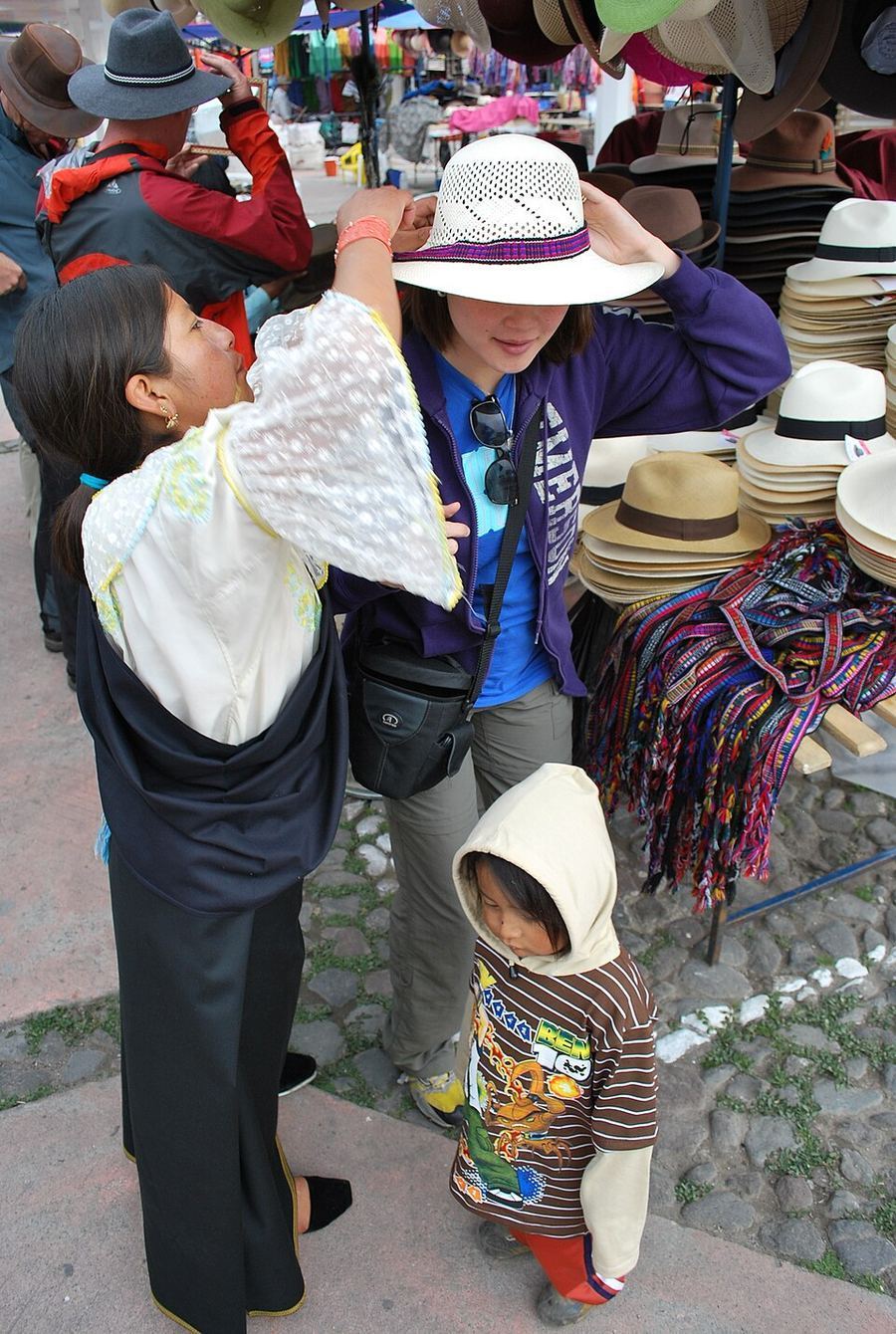
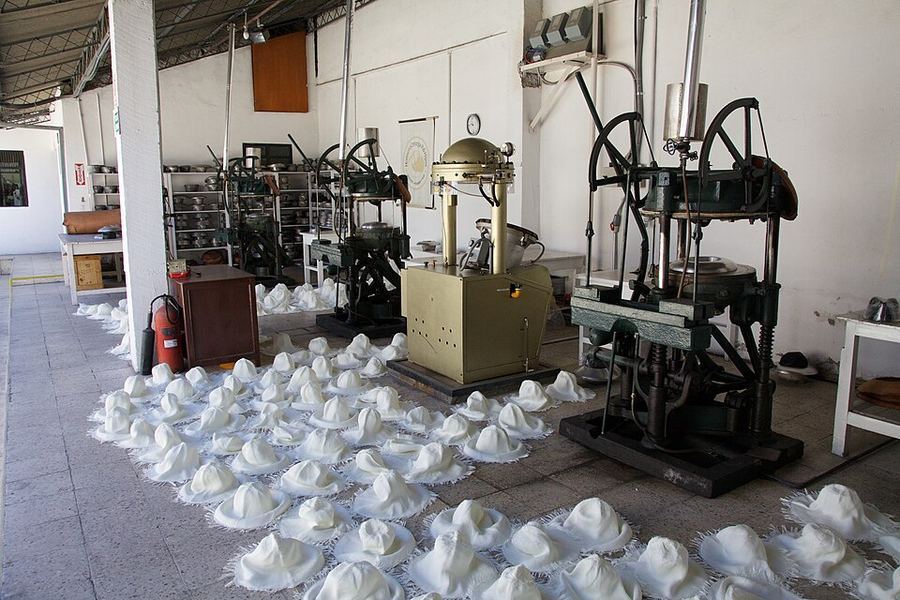
The most internationally recognised Ecuadorian garment is not clothing worn at home but the toquilla straw hat, hand-woven from the fibre of the Carludovica palmata in Montecristi and around Cuenca; the finest Montecristi superfinos take months to weave, and UNESCO added the weaving to its intangible heritage list in 2012. The hats were shipped through Panama and worn by canal workers, which is how they acquired the wrong name. Regional Indigenous dress remains everyday clothing rather than costume. Otavalo men are recognisable across the Andes by white calf-length trousers, a dark poncho, a felt hat and a long single braid, and Otavalo women by an embroidered white blouse, a dark anaco wrapped skirt held with a woven faja belt, a folded fachalina shawl and many strands of gold-coloured glass beads at the neck and coral at the wrist. Salasaca weavers of Tungurahua are known for their tapestry work, and Saraguro communities in the south wear black wool. Highland mestizo women historically wore the pollera skirt and a shawl, and the Panama hat is worn widely on the coast.

Sports & Inspiring Athletes

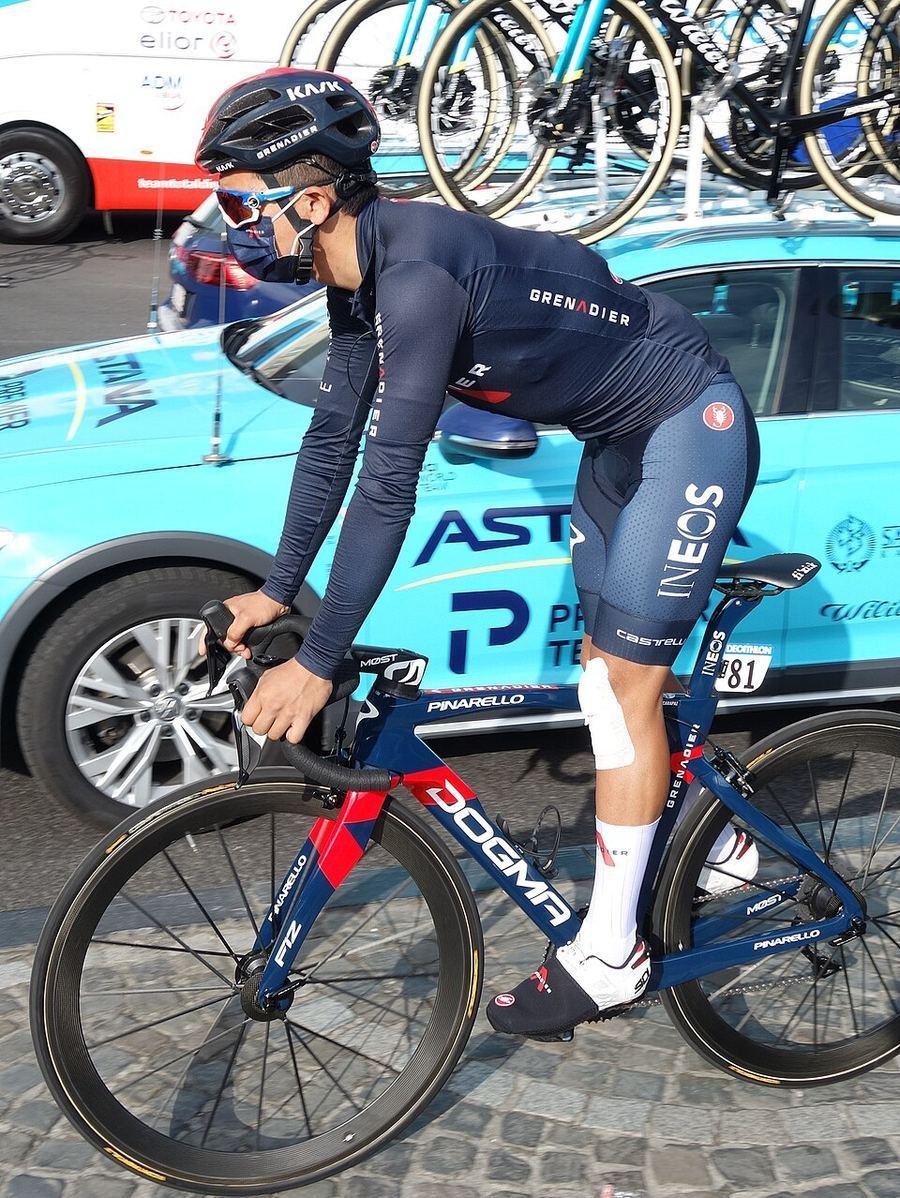
Football is the dominant sport and the strongest expression of the sierra-costa rivalry, with Barcelona SC and Emelec of Guayaquil against LDU Quito, which won the Copa Libertadores in 2008, the country's only continental club title. The national team, La Tri, played its first World Cup in 2002 and has qualified for the 2006, 2014 and 2022 tournaments as well; in Germany in 2006 it reached the round of 16. Ecuador's Olympic strength is narrower and specific. Jefferson Perez won the 20 kilometre race walk at the 1996 Atlanta Games, giving the country its first Olympic medal of any colour, and took silver in Beijing in 2008; Ecuadorian race walkers, trained largely at altitude around Cuenca, have remained internationally competitive since. Road cycling produced Richard Carapaz, the Giro d'Italia winner of 2019 and Olympic champion in Tokyo. Domestically, ecuavoley is the true participation sport, played everywhere with three players a side and a net set far higher than in the international game.
FIFAIOCWorld Athletics

Notable Educational Programs

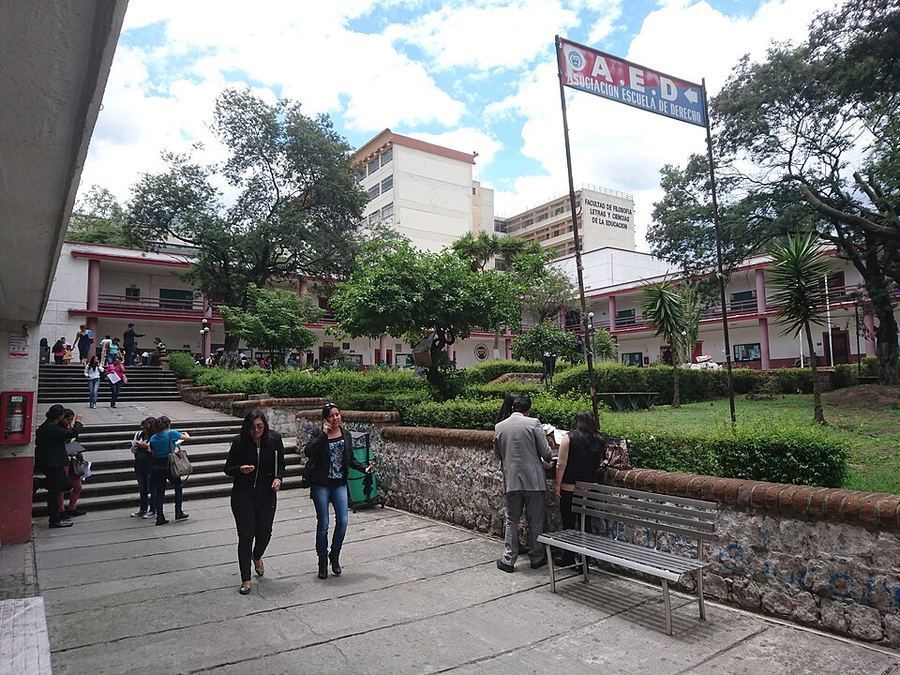
Education is free and compulsory through the basic and secondary cycles, and the state removed enrolment fees and expanded coverage substantially during the 2000s, financed by oil revenue. Ecuador has a long university tradition: the Universidad Central del Ecuador in Quito traces its origins to seventeenth-century colonial foundations and is the largest public institution, the Escuela Politecnica Nacional trains engineers, and the Pontificia Universidad Catolica del Ecuador and Universidad San Francisco de Quito are the leading private universities. The Escuela Superior Politecnica del Litoral serves Guayaquil and the coast. A distinctive feature is intercultural bilingual education: since 1988 a national system has delivered schooling in Kichwa, Shuar and other Indigenous languages alongside Spanish, and the 2008 constitution embedded it. The Amazonian research university Ikiam, opened in 2014 near Tena, was a deliberate attempt to place a science campus inside the rainforest it studies. Literacy is high, but rural, Indigenous and Amazonian schools continue to lag urban ones in outcomes and in teacher supply.

Wars & Conflicts

Ecuador's external conflicts were fought with Peru over the Amazonian boundary. The 1941 war ended with Peruvian occupation of disputed territory and the 1942 Rio Protocol, which Ecuador later repudiated as imposed; fighting resumed in the Paquisha incident of 1981 and again in the Cenepa War of January and February 1995, a short high-altitude campaign in the Condor range. That war was ended by the guarantor states of the Rio Protocol and settled definitively by the Brasilia Presidential Act of October 1998, which fixed the boundary and gave Ecuador non-sovereign access to a point on the Amazon. Since then the security problem has been internal and criminal rather than interstate. Ecuador was long a comparatively peaceful country between Colombia and Peru, but transnational cocaine trafficking through the ports of Guayaquil and Esmeraldas drove a sharp rise in homicide and prison massacres from 2020 onward; in January 2024 the government declared an internal armed conflict against named criminal organisations and deployed the military, a step reported worldwide. Colombia's conflict also spilled across the northern border for years.
Current as of 2026-08-06

Land & Border Disputes

The long boundary dispute with Peru — the largest unresolved territorial question in South America for most of the twentieth century — is closed. After the Cenepa War of 1995, the Brasilia Presidential Act of 26 October 1998 demarcated the remaining stretch in the Cordillera del Condor, granted Ecuador a square kilometre of non-sovereign territory at Tiwinza and navigation rights on Amazon tributaries, and the border was physically demarcated in the following years. Ecuador has no outstanding land claims today. Its most visible international legal disputes are of another kind: the litigation arising from Texaco's oil operations in the Lago Agrio region, in which Ecuadorian courts awarded a multibillion-dollar judgment against Chevron that international arbitration tribunals subsequently found unenforceable, a case still cited in debates over investor-state arbitration. Ecuador took Colombia to the International Court of Justice in 2008 over aerial herbicide spraying near the border, and withdrew the case in 2013 after a bilateral settlement. Maritime baselines around the Galapagos and the extended continental shelf claim are managed through United Nations processes.
Land, Life & Legacy

Land & Climate

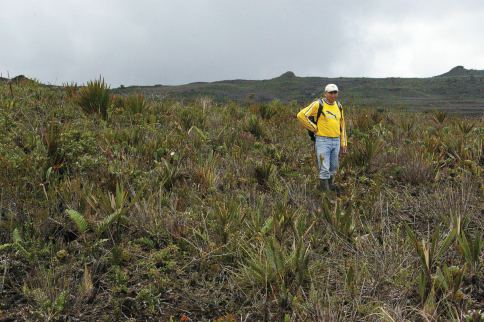
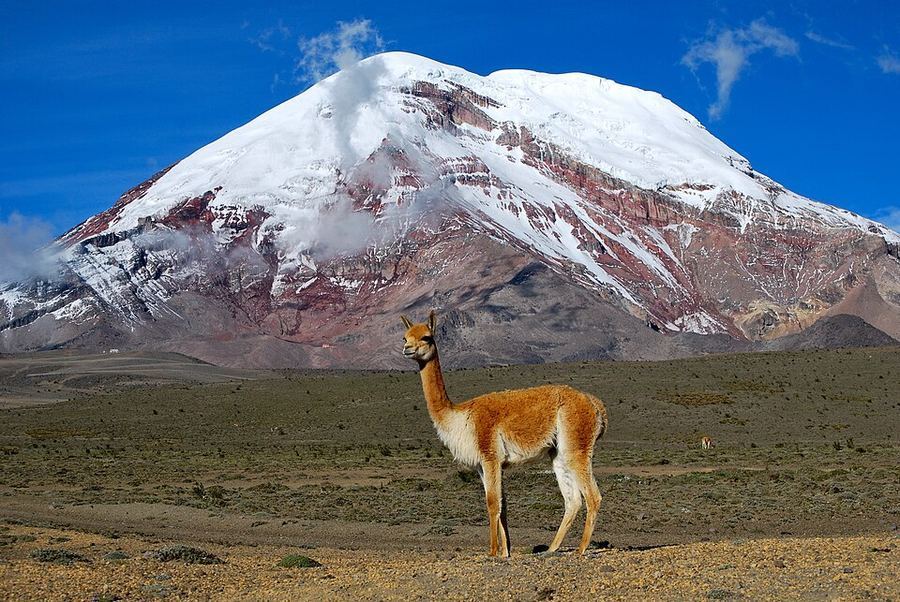
Few countries pack as much variation into so little space. Ecuador covers roughly 256,000 square kilometres in four sharply different regions: the Pacific coastal lowland, the sierra formed by two Andean chains enclosing a line of intermontane basins, the Amazonian oriente draining east to the Napo and Pastaza, and the volcanic Galapagos Islands about 1,000 kilometres offshore. The Avenue of the Volcanoes, named by Alexander von Humboldt, runs down the highland corridor past Cotopaxi, one of the world's highest active volcanoes, and Chimborazo, which at 6,263 metres is the point on the earth's surface farthest from its centre because of the equatorial bulge — farther out than the summit of Everest. Tungurahua and Sangay have erupted repeatedly in recent decades, and the country sits on the subduction zone that produced destructive earthquakes in 1949, 1987 and 2016. Being on the equator, temperature is governed by altitude rather than season, giving Quito a permanent spring. The coast alternates a hot wet season with a cooler dry one, and El Nino events bring severe flooding.

Entertainment

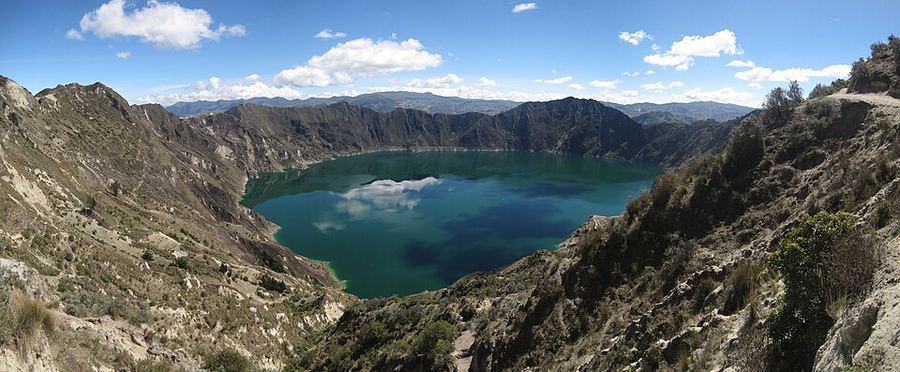
Weekends in the highlands mean markets and the countryside: Otavalo's Saturday market is among the largest Indigenous markets in the Americas, and towns such as Banos de Agua Santa live on thermal baths, waterfall routes and canyoning below the Tungurahua volcano. The Quilotoa crater lake, the Cotopaxi and Cajas national parks and the Devil's Nose railway section draw walkers and day-trippers. On the coast, Salinas, Montanita and the beaches of Manabi are the standard holiday, with whale-watching off Puerto Lopez between June and September when humpbacks calve in Ecuadorian waters. The Galapagos are the country's flagship destination, visited under strict park rules and quotas, and the Amazon lodges of Napo and Pastaza are the other specialist draw. In the cities, football fills Sundays, ecuavoley — a three-a-side, high-net version of volleyball played with a heavy ball — occupies street corners and parks nationwide, and the paseo of the plaza persists. Family Sunday lunch, long and multi-course, is a fixed institution.

Art & Museums

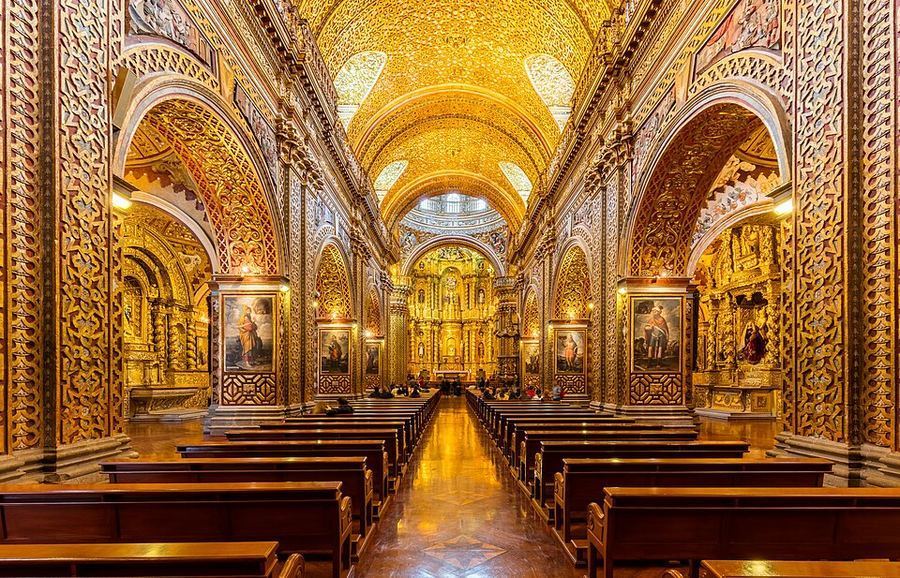
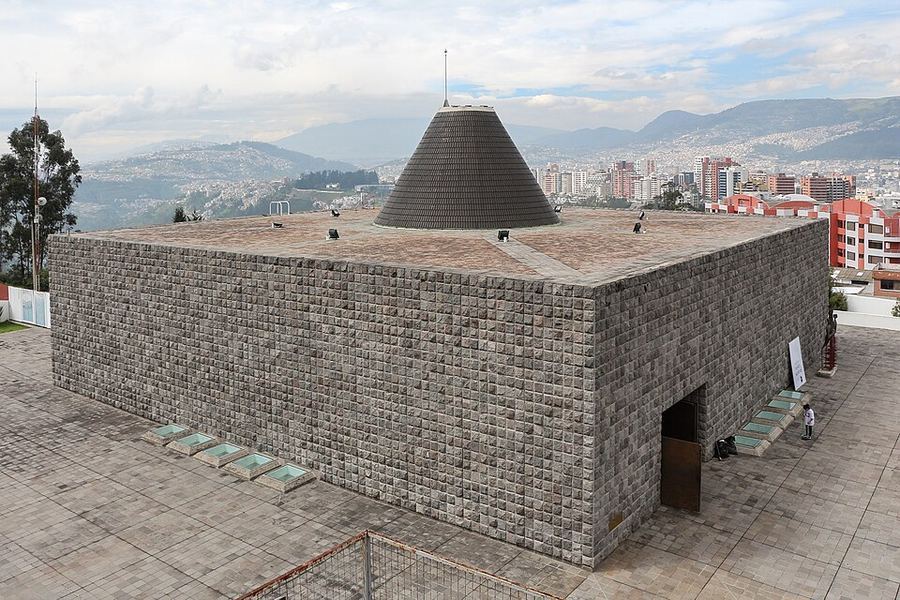
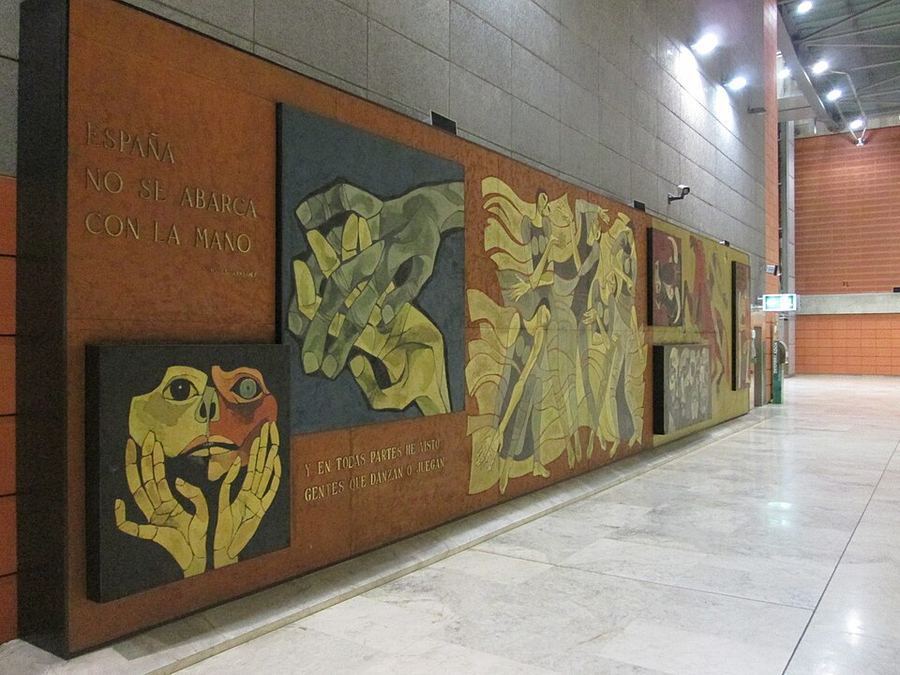
The Quito School is Ecuador's major contribution to the art of the Americas. From the mid-sixteenth century the Franciscan school of San Andres trained Indigenous and mestizo artists in European technique, and over two centuries Quito's workshops produced polychrome wooden sculpture of extraordinary quality that was exported across Spanish America — Bernardo de Legarda's Virgin of Quito, the anatomically brutal Christs of Manuel Chili, known as Caspicara, and the paintings of Miguel de Santiago. The gilded interior of the Compania de Jesus church in Quito remains the school's showcase. Modern Ecuadorian art is dominated by Oswaldo Guayasamin, whose angular, Picasso-inflected paintings of Indigenous suffering and of the twentieth century's violence fill the Capilla del Hombre he designed above Quito, and by Eduardo Kingman and Camilo Egas, who together established indigenismo as the national idiom. Pre-Columbian art survives in the Valdivia figurines of the coast, among the oldest ceramics in the Americas, and in Chorrera and La Tolita goldwork, held at Quito's Casa del Alabado and Museo Nacional.

Notable People

Atahualpa, the last Inca ruler, is claimed as an Ecuadorian figure through his association with Quito. Eugenio Espejo, an eighteenth-century physician of Indigenous and Afro-descendant parentage, was the intellectual precursor of independence, and Manuela Saenz of Quito was Simon Bolivar's political partner and the woman who saved his life in 1828. Gabriel Garcia Moreno and Eloy Alfaro define the country's nineteenth-century poles, the clerical state-builder and the liberal revolutionary who built the railway across the Andes. In the arts, Oswaldo Guayasamin is the towering modern figure, alongside the novelist Jorge Icaza, whose Huasipungo of 1934 forced the condition of highland Indigenous labourers into national argument, and Juan Montalvo, the essayist. Julio Jaramillo remains the voice of the pasillo. In sport, Jefferson Perez won Ecuador's first Olympic gold in the 20 kilometre walk at Atlanta in 1996 and a silver in Beijing, and Richard Carapaz won the Giro d'Italia in 2019 and Olympic road-race gold in Tokyo. Antonio Valencia and Enner Valencia are the best-known footballers.

Inventions & Breakthroughs

Ecuador's contributions are agricultural, botanical and institutional rather than industrial. The country is a centre of origin for cacao: the aromatic Nacional variety, marketed as arriba, is one of the world's small group of fine-flavour cacaos and underwrote the coastal economy from the nineteenth century. Cinchona bark, the source of quinine and the first effective treatment for malaria, was harvested in the southern Ecuadorian and Peruvian Andes and carried the country's plants into global medicine; the botanist Charles-Marie de La Condamine sent the first scientific description of both cinchona and rubber to Europe from his Ecuadorian expedition. The toquilla straw hat is a genuine textile technology, worked wet and so finely at Montecristi that the weave is counted in rings per inch. The most consequential institutional invention is recent and legal: the 2008 constitution written at Montecristi granted rights directly to nature, the first national charter to do so, and those provisions have since been litigated successfully in Ecuadorian courts and copied into law elsewhere.

Science & Technology

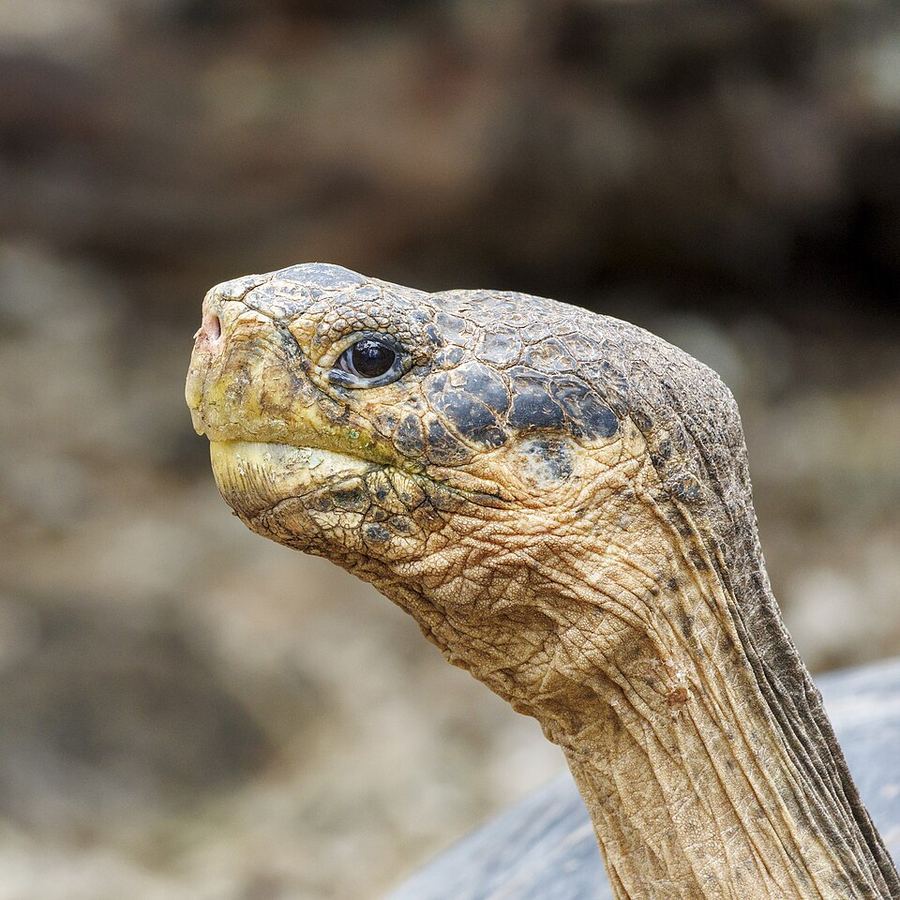
Ecuador's scientific significance is overwhelmingly biological and geophysical. The Galapagos, where the Charles Darwin Research Station has operated since 1964 alongside the national park service, remain a working laboratory for evolutionary biology; the multi-decade study of Darwin's finches on Daphne Major documented natural selection acting within single generations. The mainland is one of the world's most species-rich countries, with Yasuni National Park in the Amazon repeatedly measured among the most biodiverse places on the planet, and its status is politically contested: a national referendum in August 2023 voted to halt oil extraction in the Yasuni ITT block, a decision reported internationally as a rare popular vote against fossil-fuel development. Volcanic and seismic monitoring by the Instituto Geofisico of the Escuela Politecnica Nacional is essential public infrastructure in a country ringed by active volcanoes. Ecuador is also a natural laboratory for geodesy and atmospheric science because of its equatorial position, a role that began with the eighteenth-century French Geodesic Mission that measured the shape of the earth here and gave the country its name.
On The World Stage

Champions & Defining Moments

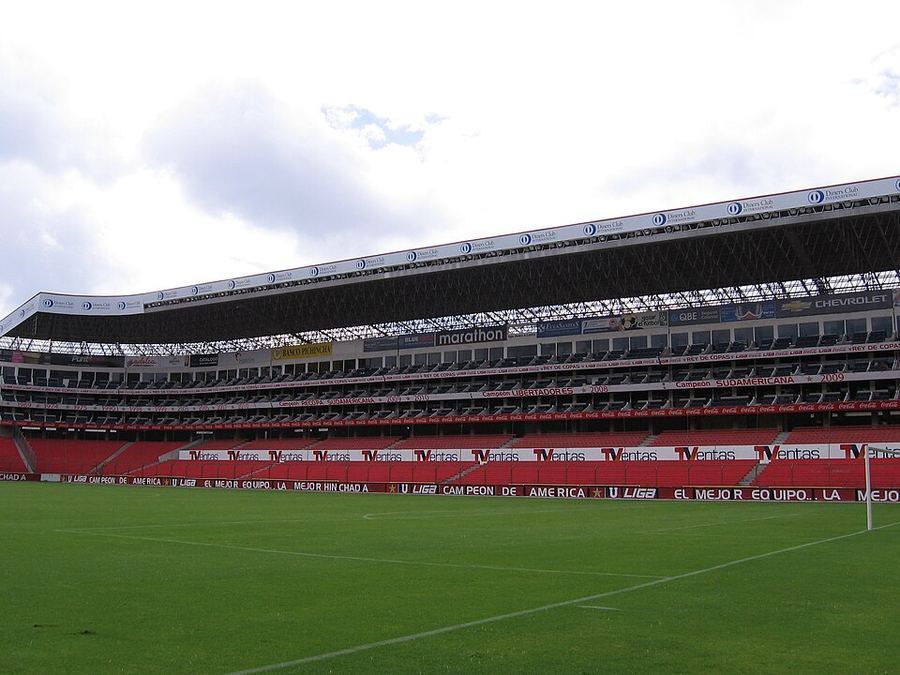
Altitude is Ecuador's most discussed sporting asset. Quito's Estadio Rodrigo Paz Delgado sits at roughly 2,800 metres, and the national team's home record there transformed its fortunes: after decades of failure, Ecuador qualified for the 2002 World Cup and then for 2006, 2014 and 2022, reaching the knockout stage in Germany in 2006 before losing to England. LDU Quito's Copa Libertadores victory in 2008 and its Copa Sudamericana title in 2009 confirmed the club game's arrival. In athletics, Jefferson Perez's Atlanta gold in 1996 remains a national touchstone, and he added a silver in 2008 to become the country's most decorated Olympian. Richard Carapaz gave Ecuador its second Olympic gold in the Tokyo road race in 2021, two years after becoming the first Ecuadorian to win a Grand Tour at the Giro d'Italia; he has since finished on Grand Tour podiums and won stages at the Tour de France. Ecuadorian footballers including Antonio Valencia and Moises Caicedo have moved to leading European clubs.

FIFAIOCOlympedia
Economy, Trade & Government

Currency & GDP

US Dollar — USD ($)

GDP (PPP): $252.728 billion (2024 est.)

Per capita: $13,900 (2024 est.)

Exports

$38.468 billion (2024 est.)

crude petroleum, shellfish, bananas, fish, gold (2023)

Partners: USA 22%, China 21%, Panama 12%, Japan 3%, Peru 3% (2023)

Imports

$33.97 billion (2024 est.)

refined petroleum, coal tar oil, cars, packaged medicine, plastics (2023)

Partners: USA 27%, China 20%, Colombia 7%, Brazil 4%, Peru 4% (2023)

Government

Type: presidential republic

Independence: 24 May 1822 (from Spain)

Terrain → Where People Live

How mountains, coasts, and rivers shape settlement (LandScan).

Coming — data

Migration & Ethnic Settlement

Where groups settled and how people move (GeoEPR + UNHCR).

Coming — data

Universities

Notable institutions, mappable as points.

Coming — data
Economy & government facts: CIA World Factbook (public domain), via OpenFactBook / factbook.json.
Every fact and narrative claim will carry a visible source citation. Data-driven sections light up automatically wherever HERA has coverage.