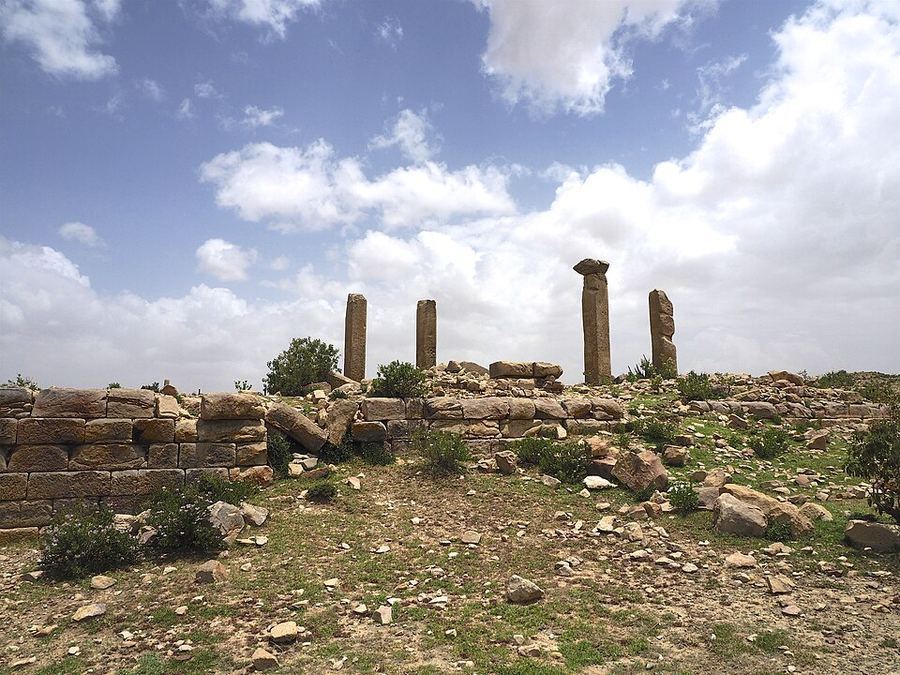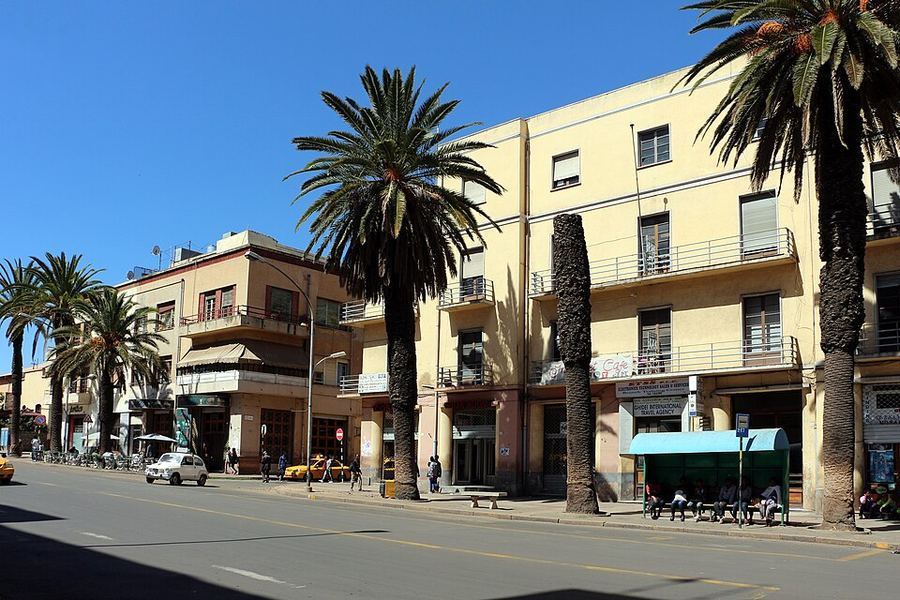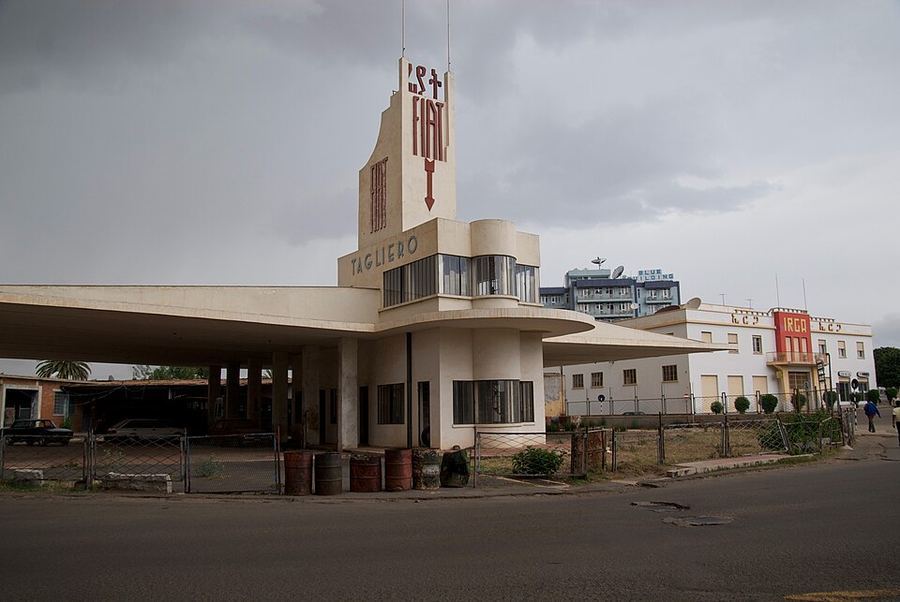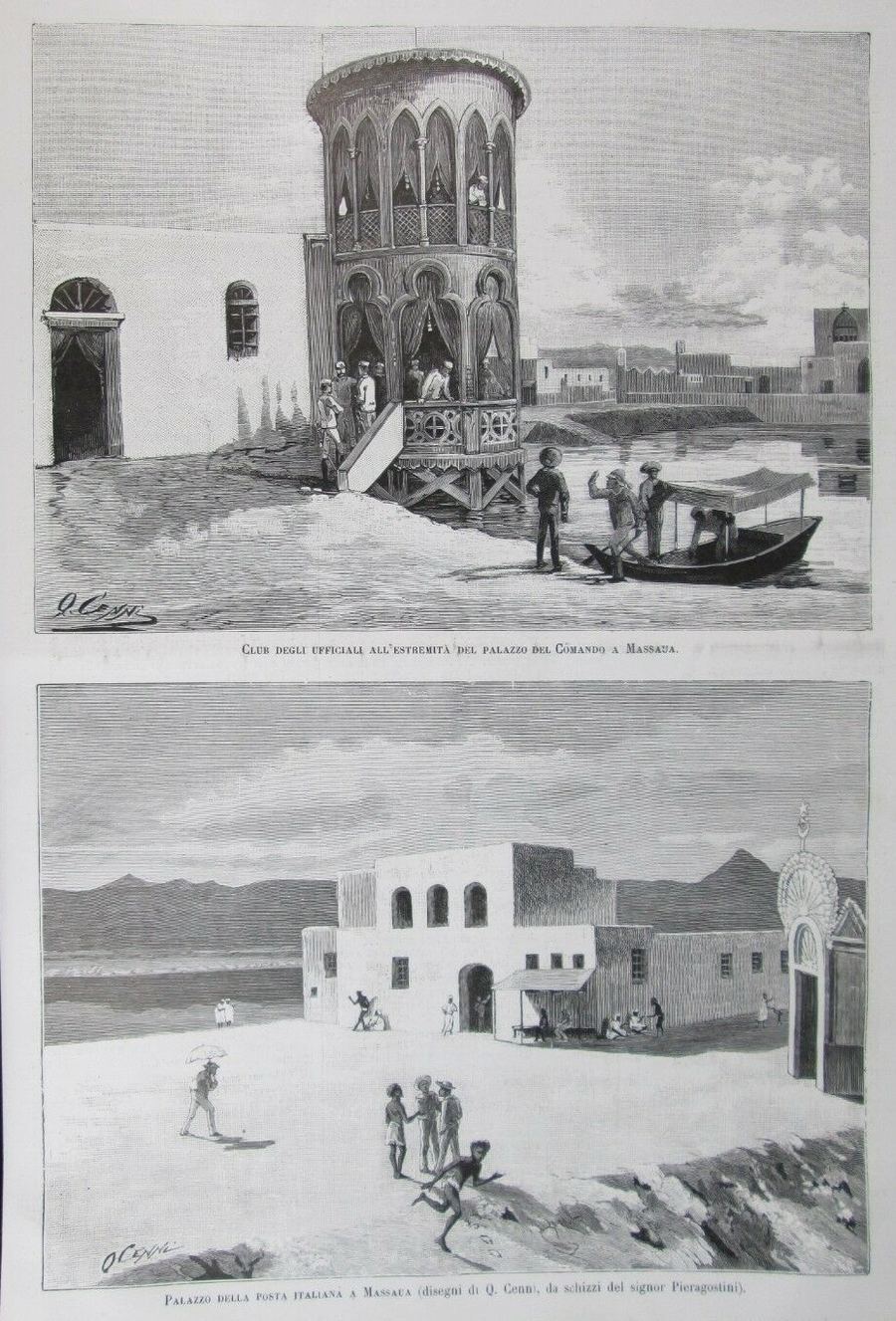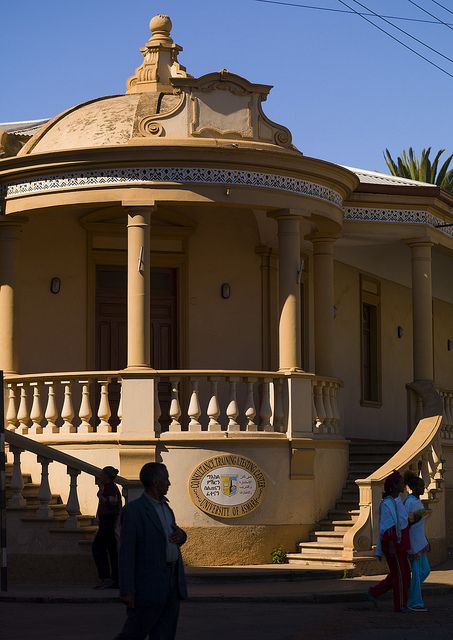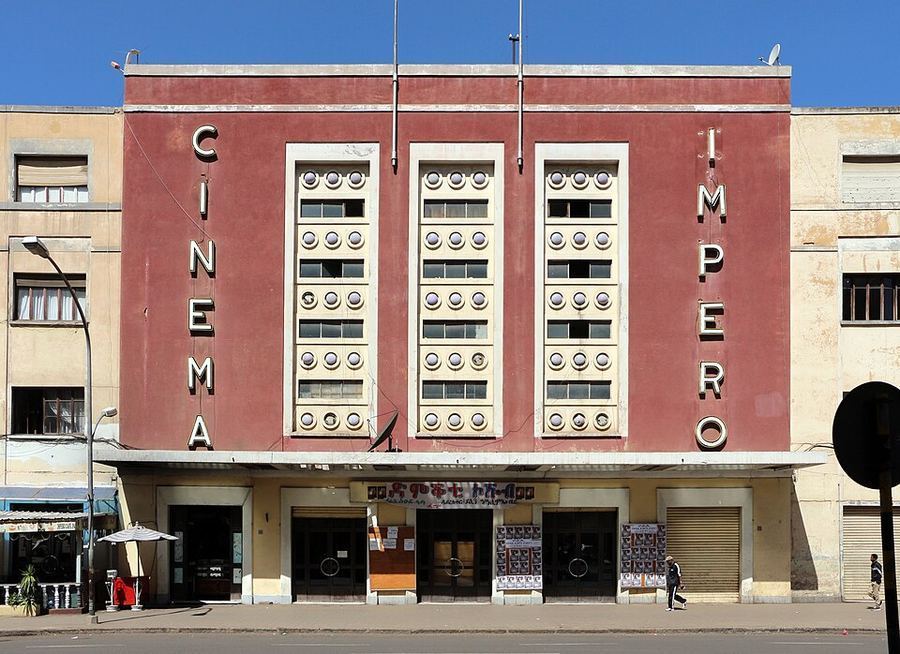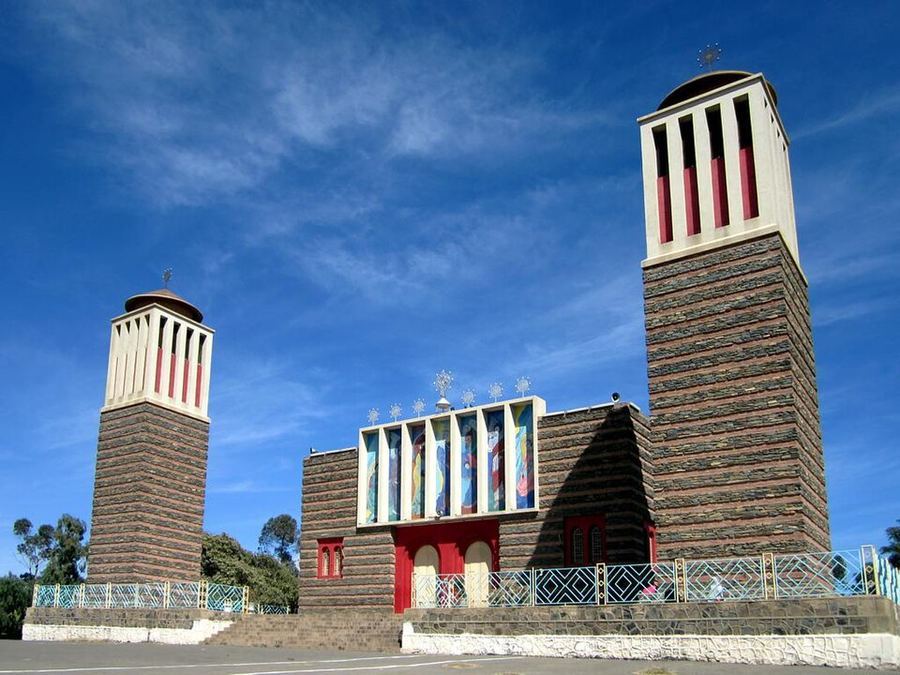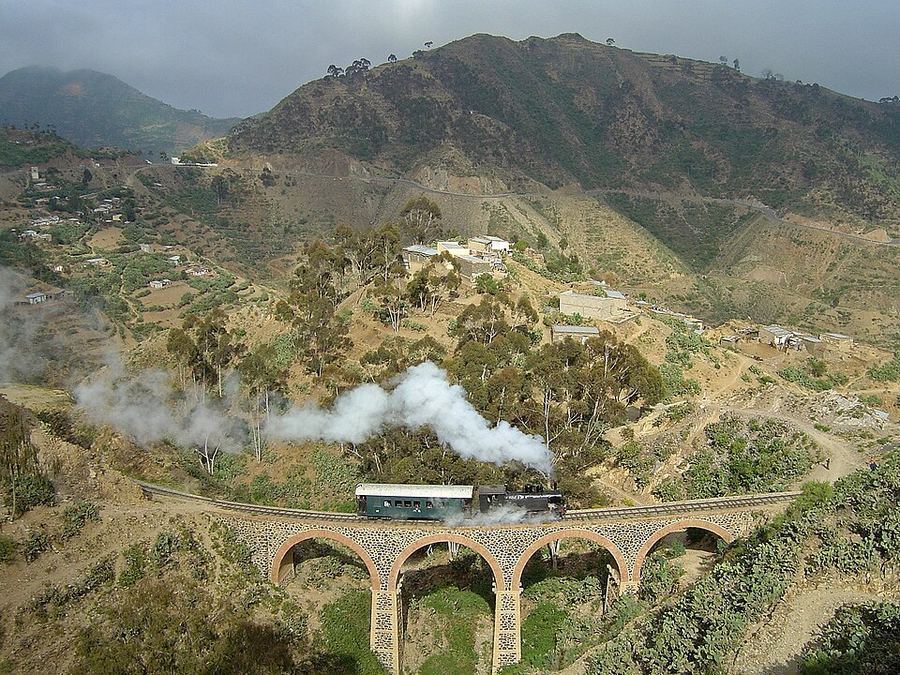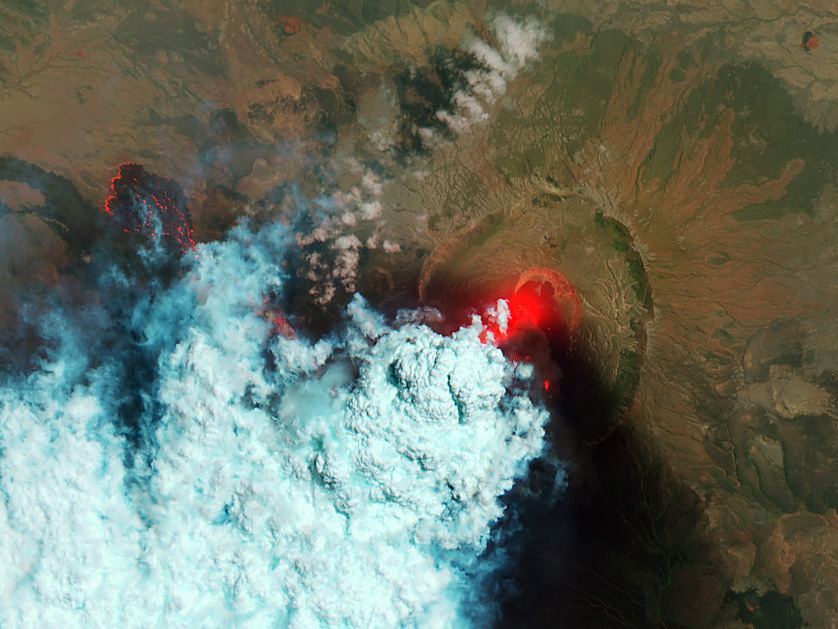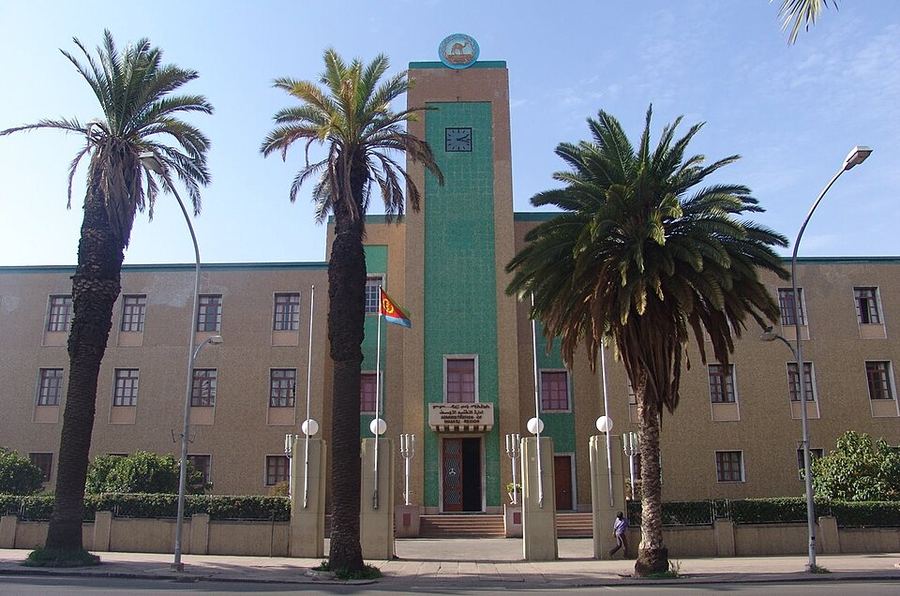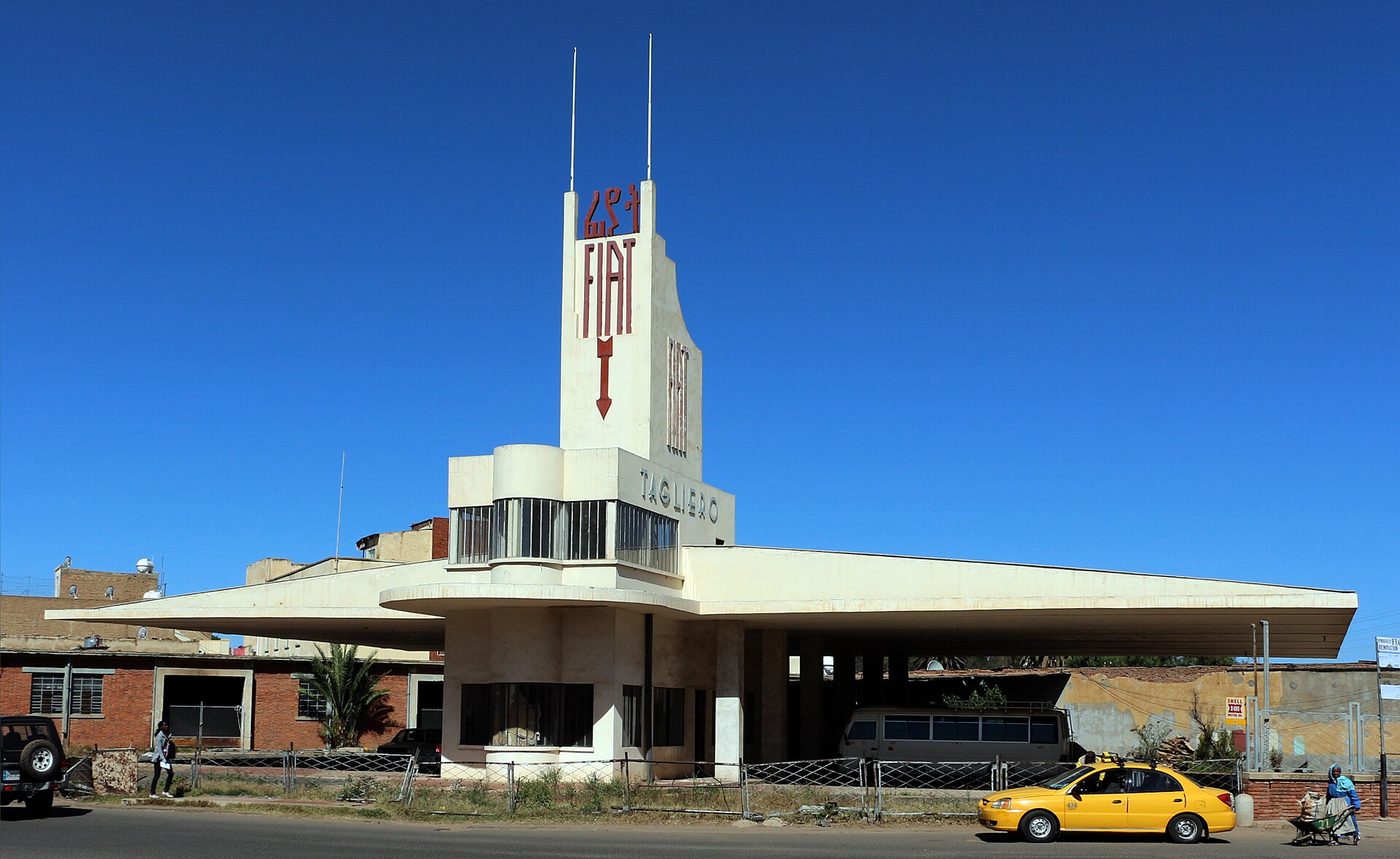
Eritrea occupies the African shore of the southern Red Sea, a country of roughly 6.4 million people running from the Danakil depression, one of the hottest places on earth, up an escarpment to a temperate central plateau. Asmara, the capital, sits at about 2,300 metres and is one of the most architecturally coherent modernist cities anywhere, built largely in the 1930s and inscribed by UNESCO as a World Heritage site in 2017. Nine recognised ethnolinguistic groups make up the population, with Tigrinya speakers about half and Tigre speakers close to a third, and the country divides roughly evenly between Christians, mostly of the Eritrean Orthodox Tewahedo Church, and Sunni Muslims. Tigrinya, Arabic and English function as working languages. Eritrea was an Italian colony from 1890, under British administration after 1941, federated and then annexed by Ethiopia, and won independence on 24 May 1993 after a thirty-year armed struggle. Politics since then has been dominated by a single party under one president, with no national elections held and open-ended national service, and the economy is small and heavily state-directed, exporting copper, zinc and gold and posting a GDP per head of about 700 dollars.
Asmara's urban core is home to about 822,785 people.
Among the world's megacities, though, it's one of many — the giants of Asia and Latin America run larger still:
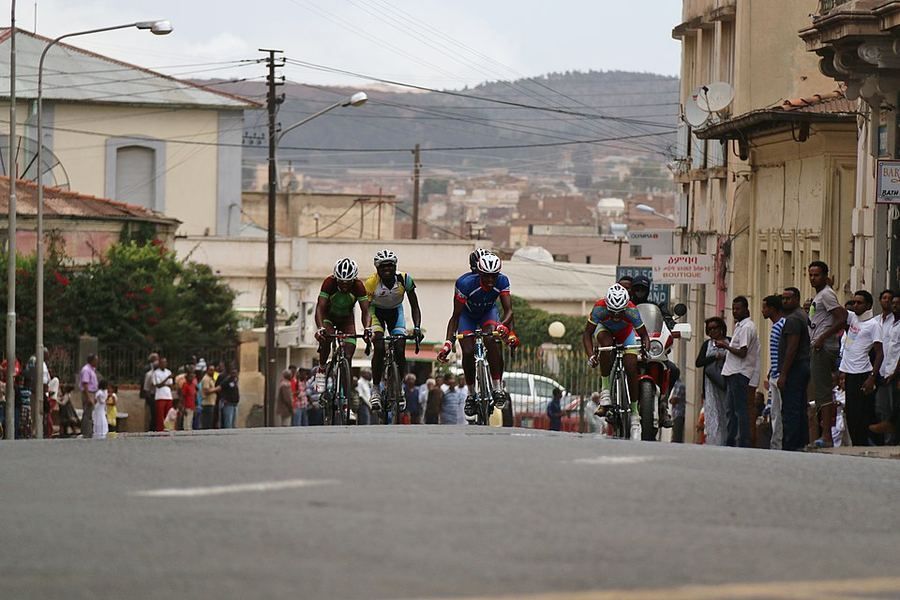
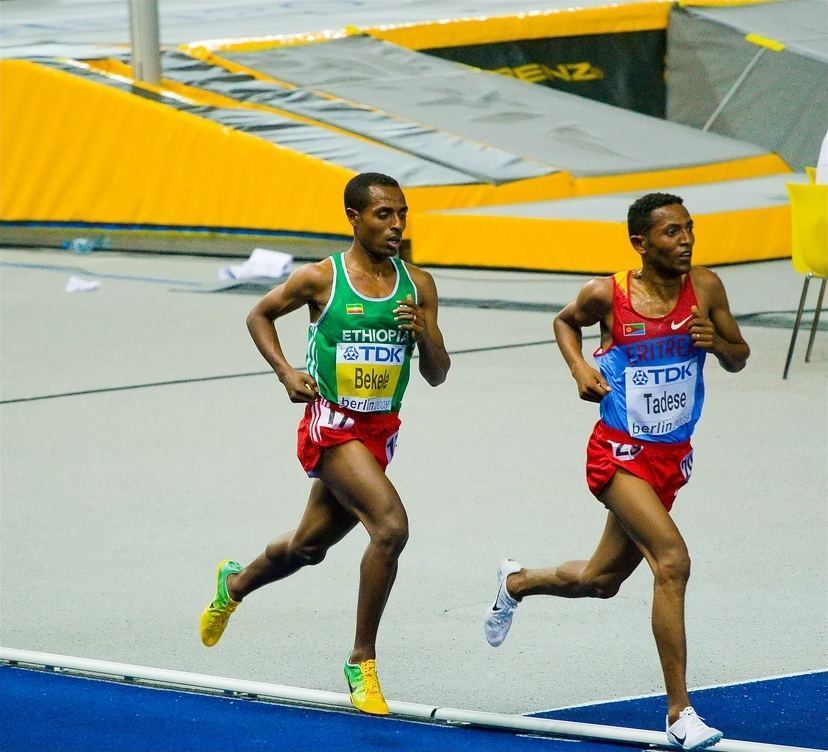
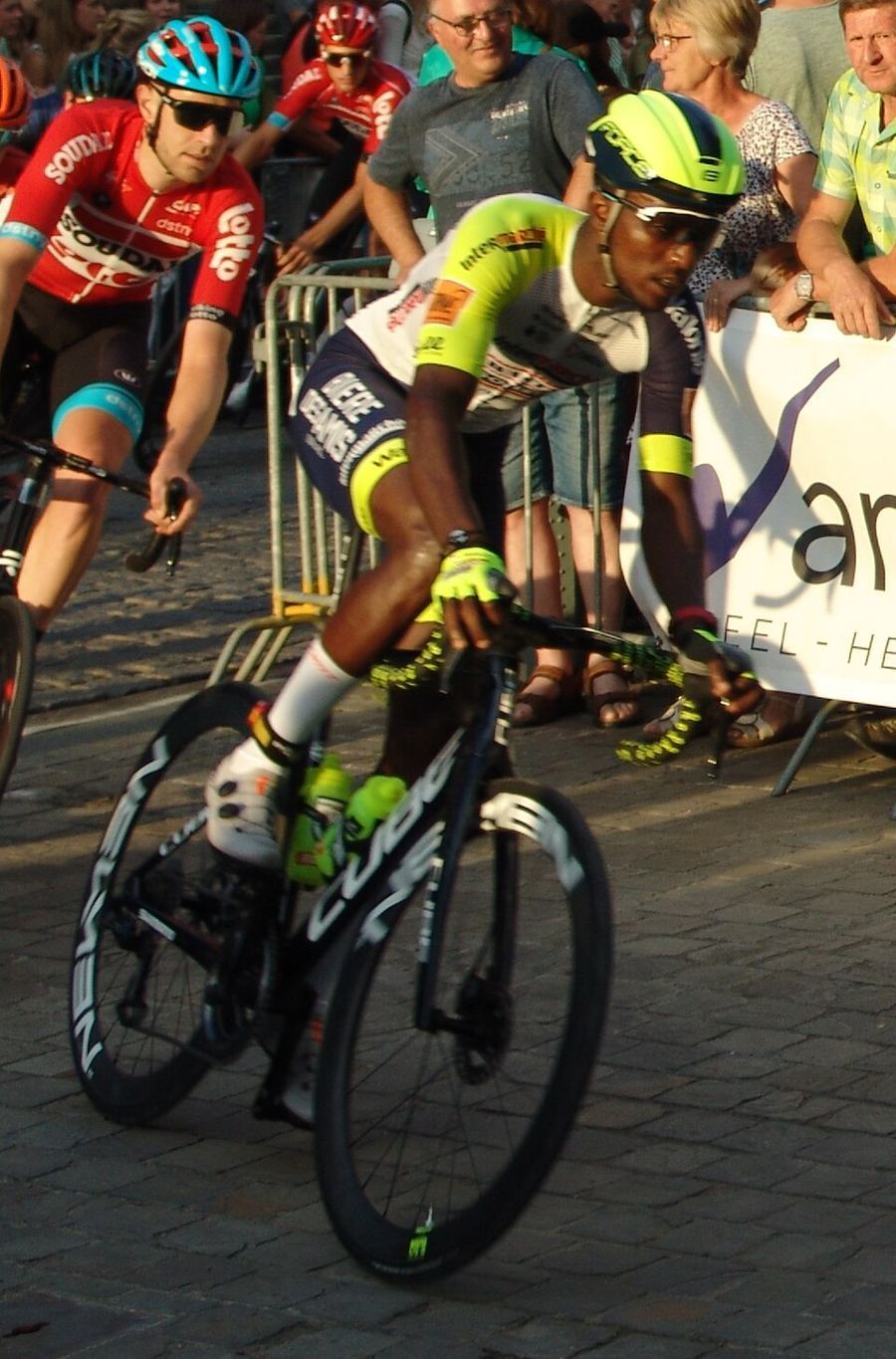
For its size, Eritrea's international sporting record is remarkable and concentrated in two endurance disciplines. Zersenay Tadese won bronze in the 10,000 metres at the Athens Olympics in 2004, the country's first Olympic medal, then won the world half marathon championship four times between 2006 and 2012 and set a world record for the distance in Lisbon in 2010 that stood until 2018. In cycling, Daniel Teklehaimanot and Merhawi Kudus became the first Eritreans to ride the Tour de France in 2015, and Teklehaimanot held the polka-dot mountains jersey during that race, the first Black African rider to do so. Biniam Girmay went further: he won Gent-Wevelgem in 2022, becoming the first Black African winner of a cycling monument-class classic, took a stage of the Giro d'Italia the same year, and in 2024 won three stages of the Tour de France and its green points jersey, the first Black African rider to achieve either. Eritrean athletes and riders in the diaspora compete for several other national teams.
Nakfa — ERN (Nfk)
GDP (PPP): $2.534 billion (2024 est.)
Per capita: $700 (2024 est.)
$624.3 million (2017 est.)
copper ore, zinc ore, gold, garments, liquor (2023)
Partners: China 67%, UAE 26%, Philippines 5%, Italy 1%, Croatia 1% (2023)
$494.229 million (2010 est.)
trucks, sorghum, construction vehicles, wheat flours, other foods (2023)
Partners: China 32%, UAE 27%, Turkey 9%, USA 7%, Italy 5% (2023)
Type: authoritarian
Independence: 24 May 1993 (from Ethiopia)
How mountains, coasts, and rivers shape settlement (LandScan).
Coming — dataWhere groups settled and how people move (GeoEPR + UNHCR).
Coming — dataNotable institutions, mappable as points.
Coming — data