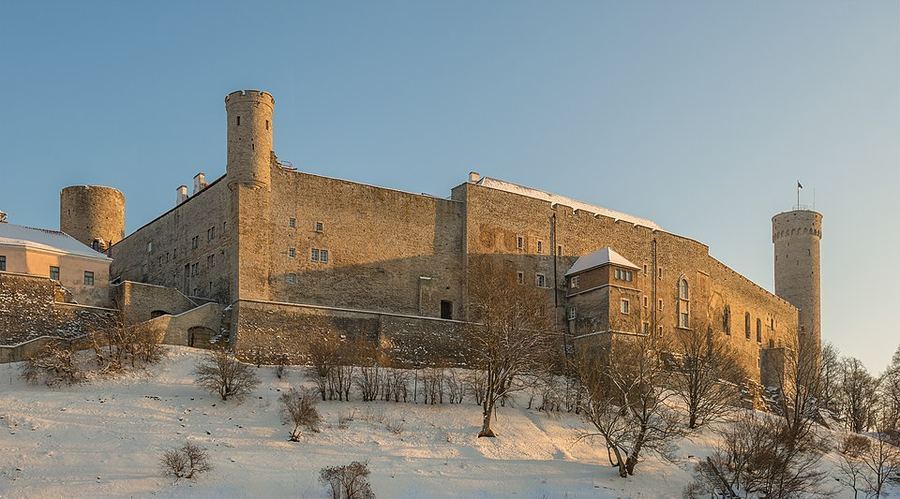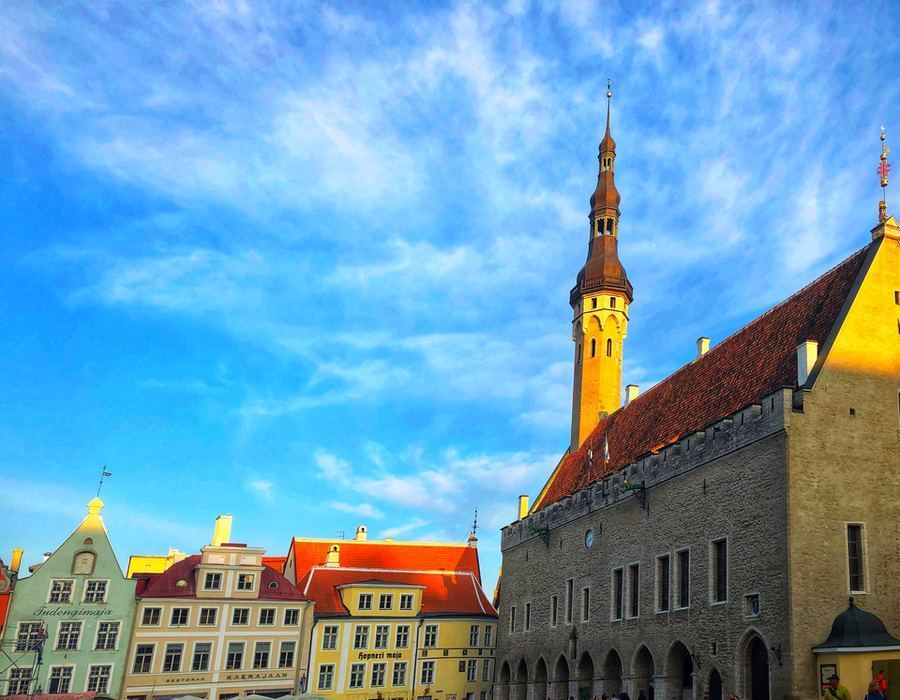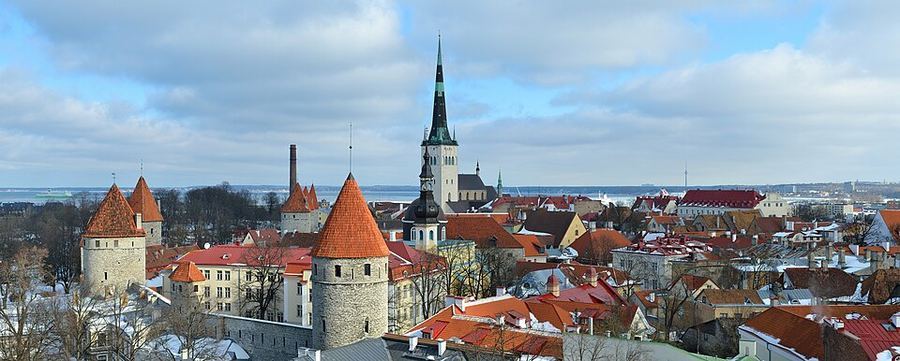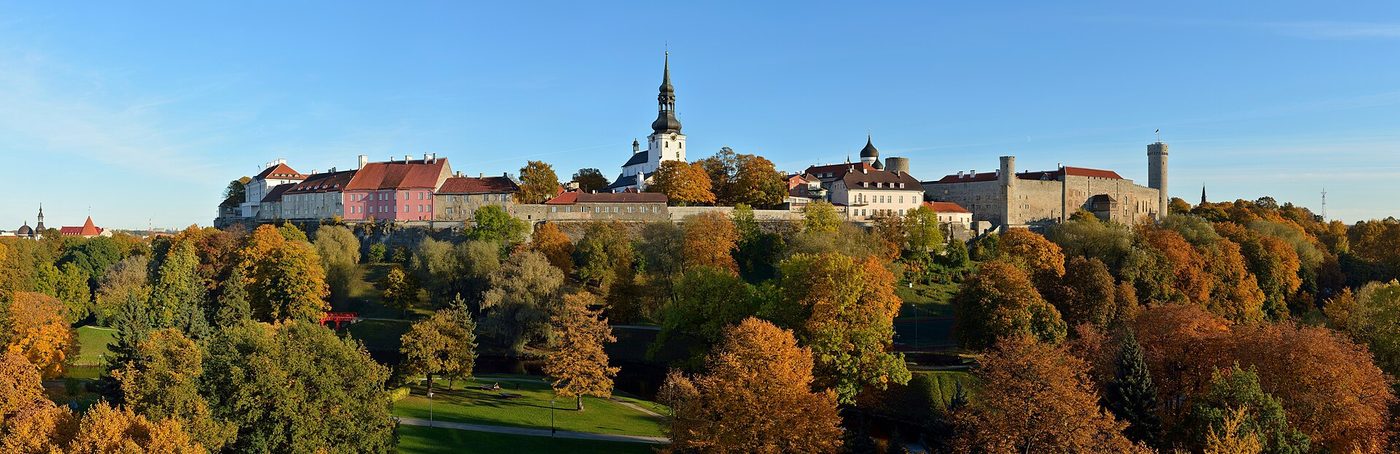
Estonia is a parliamentary republic of about 1.34 million people on the eastern shore of the Baltic Sea, the northernmost and smallest of the three Baltic states, separated from Finland by some 80 kilometres of the Gulf of Finland. Tallinn, the capital, keeps one of the best-preserved walled medieval towns in northern Europe inside a modern city of glass towers. The Estonian language is Finno-Ugric, closely related to Finnish and unrelated to the Indo-European languages of every neighbour but Finland, and it is the single strongest marker of national identity; roughly a quarter of residents are Russian-speaking, concentrated in Tallinn and the industrial northeast around Narva. Estonia declared independence on 24 February 1918, was annexed by the Soviet Union in 1940, and restored its statehood in August 1991 by explicit legal continuity with the pre-war republic rather than as a new state. It joined the European Union and NATO in 2004, the euro in 2011 and the OECD in 2010. GDP per head at purchasing power parity is around 41,500 dollars, the population is among Europe's least religious, and the country's international reputation rests on an unusually thorough digitisation of government.
Tallinn's urban core is home to about 449,861 people.
Among the world's megacities, though, it's one of many — the giants of Asia and Latin America run larger still:
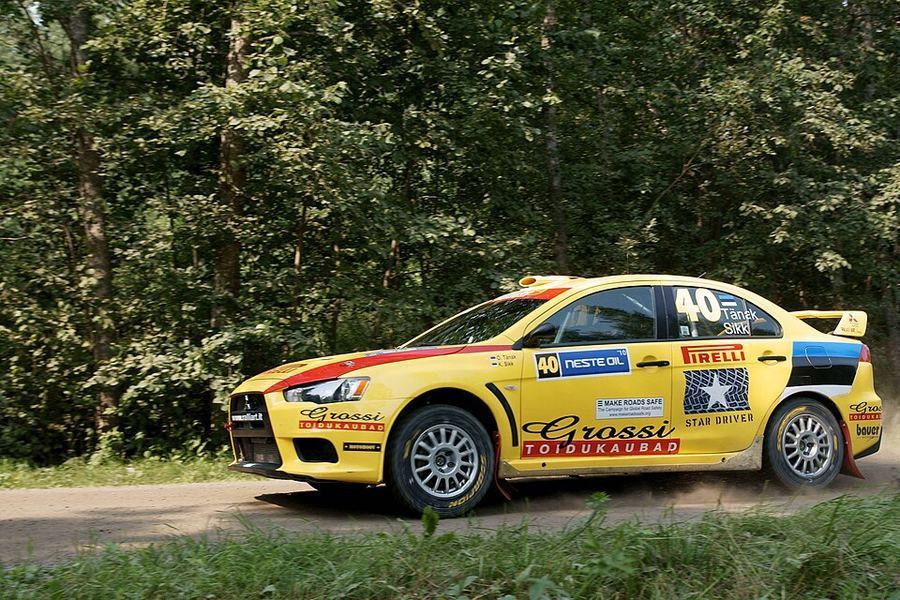
Estonian names appear at the top of several world circuits. Ott Tanak became Estonia's and the Baltic states' first World Rally Championship title-holder in 2019, and rallying is followed nationally at a level normally reserved for football; Rally Estonia joined the world championship calendar in 2020. In athletics, Gerd Kanter's Olympic discus gold in 2008 and world title in 2007 and Erki Nool's decathlon gold in 2000 are the highest points; Jaak Uudmae and Jaan Talts won Olympic titles for the Soviet Union. Freestyle skier Kelly Sildaru won world championship and X Games titles as a teenager and took Olympic bronze in Beijing in 2022. Estonian basketball players and coaches work throughout Europe, and the men's national team qualified for EuroBasket in 2015 and 2022. Chess has a long Estonian pedigree through Paul Keres, one of the strongest players never to become world champion, who beat several world champions and remains a national figure — his portrait appeared on the last kroon banknote before the euro.
Euro — EUR (€)
GDP (PPP): $57.001 billion (2024 est.)
Per capita: $41,500 (2024 est.)
$32.637 billion (2024 est.)
cars, wood, broadcasting equipment, refined petroleum, prefabricated buildings (2023)
Partners: Finland 14%, Latvia 10%, Lithuania 9%, Sweden 7%, Russia 6% (2023)
$32.375 billion (2024 est.)
cars, refined petroleum, broadcasting equipment, natural gas, packaged medicine (2023)
Partners: Finland 11%, Germany 11%, China 10%, Lithuania 6%, Poland 6% (2023)
Type: parliamentary republic
Independence: 24 February 1918 (from Soviet Russia); 20 August 1991 (declared from the Soviet Union); 6 September 1991 (recognized by the Soviet Union)
How mountains, coasts, and rivers shape settlement (LandScan).
Coming — dataWhere groups settled and how people move (GeoEPR + UNHCR).
Coming — dataNotable institutions, mappable as points.
Coming — data