HERA · Human Entity Reference Atlas by Masego Inc

← Ethiopia 🌐 3D View
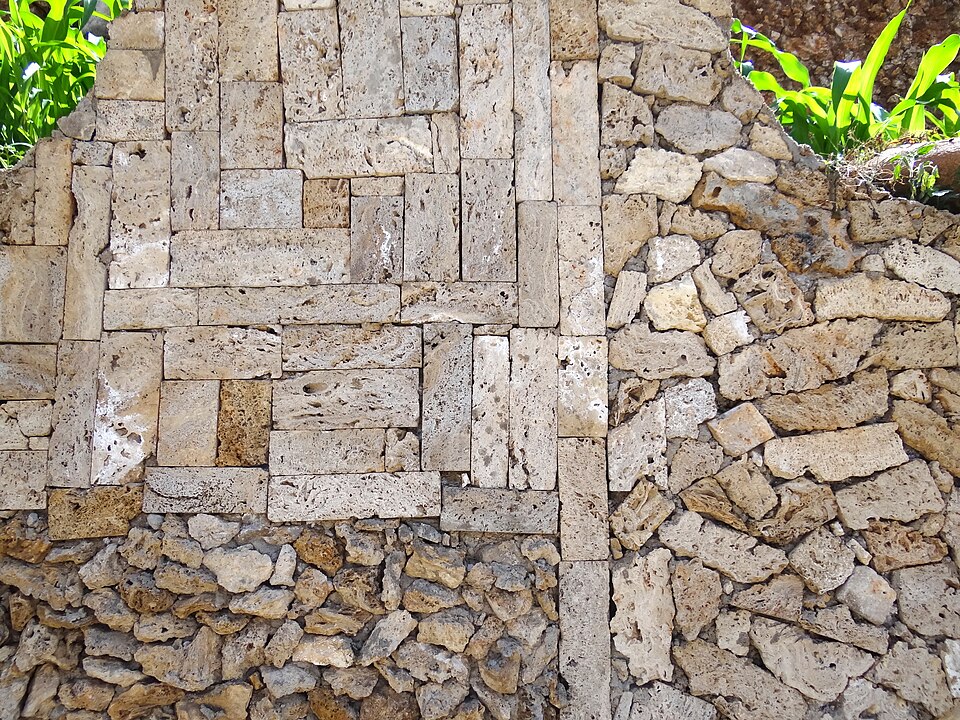
Rock-Hewn Churches, Lalibela Ethiopia (5), Ethiopia
Ethiopia ETH
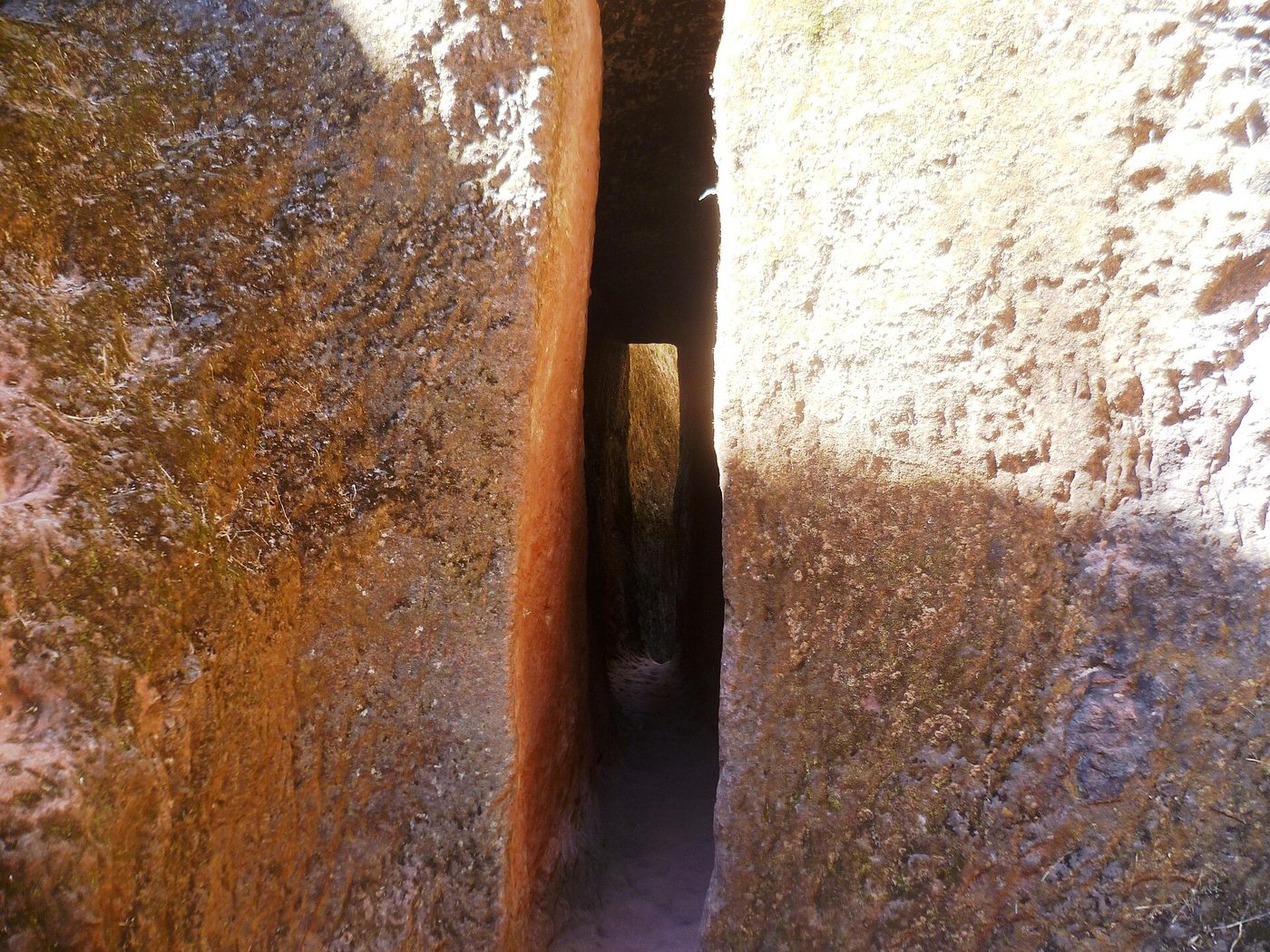
Rock-Hewn Churches, Lalibela Ethiopia (5) — Photo: Radosław Botev / CC BY 3.0 pl via Wikimedia Commons
Did You Know Coffee was born in Ethiopia: the arabica plant grows wild in the forests of Kaffa, the highland region that likely gave the drink its name, and legend credits a goatherd named Kaldi with discovering the berries after his goats began dancing. — Encyclopaedia Britannica

Ethiopia is Africa's second-most-populous country — roughly 121 million people (2025 est.) with a median age of just 20.6 years — and its oldest independent state, tracing an unbroken political lineage to the Aksumite Kingdom of the first century B.C. It is the only African nation never colonized, a fact that anchors its identity and made Addis Ababa the natural seat of the African Union, earning it the nickname 'the political capital of Africa.' The country is a federal parliamentary republic organized around ethnolinguistic regions: Oromo (35.8%), Amhara (24.1%), Somali, Tigray, Sidama and dozens more, speaking languages from four distinct families. Faith runs deep — Ethiopian Orthodox Tewahedo Christianity (43.8%) and Islam (31.3%) have coexisted here for over a millennium. Landlocked since Eritrea's 1993 independence, Ethiopia routes most trade through Djibouti; coffee, which the country gave to the world, remains its signature export. The economy, at $380.9 billion (PPP, 2024 est.), is among Africa's largest and fastest-growing, though per-capita income of $2,900 reflects how much of the population still farms the fertile highlands.

CIA World FactbookWorld BankIMF
Population
121,372,632
Capital
Addis Ababa
Currency
Br ETB
Time zones
Largest city
Addis Ababa
Human Geography Themes
Loading national figures…
Largest Cities
Addis Ababa7,814,324
Mek'elē867,143
Adama863,964
Hawassa743,558
Bishoftu642,933
Bahir Dar496,550
Dire Dawa482,064
Jimma458,821
In Perspective

Addis Ababa's urban core is home to about 7,814,324 people.

That's bigger than Madrid, Toronto, Chicago and Sydney — each a great world city in its own right.

Addis Ababa7,814,324
Madrid5,680,137
Toronto5,566,382
Chicago5,318,735
Sydney4,375,394

Among the world's megacities, though, it's one of many — the giants of Asia and Latin America run larger still:

Addis Ababa7,814,324
Jakarta40,545,126
Dhaka37,307,160
Tokyo33,244,670
Shanghai30,678,616
Cairo25,230,325

More people live in Addis Ababa than in the entire nation of Denmark, Singapore, Finland or Norway.

The Country & Its People

History

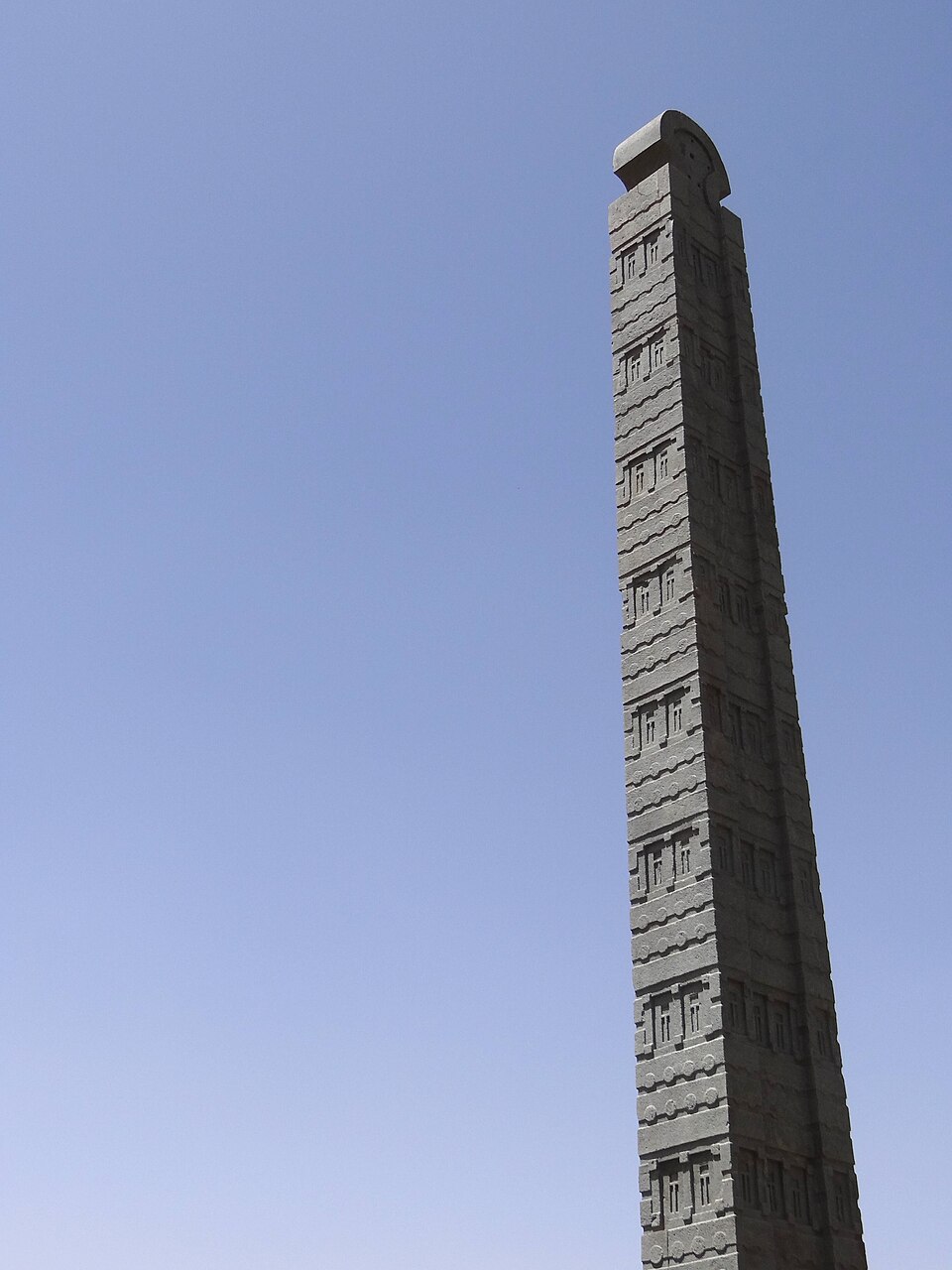
Ethiopian history begins in deep time — the Awash and Omo valleys yielded some of humanity's oldest fossils, including the 3.2-million-year-old 'Lucy' — but its recorded story opens with Aksum, a trading empire that struck its own gold coins, raised towering granite stelae, and adopted Christianity in the fourth century A.D., making it one of the world's first Christian states. When Aksum faded, the Zagwe dynasty carved the astonishing rock-hewn churches of Lalibela as a 'New Jerusalem,' and the Solomonic dynasty that followed claimed descent from King Solomon and the Queen of Sheba, ruling in various forms until 1974. The defining modern moment came at Adwa in 1896, when Emperor Menelik II's army routed an invading Italian force — the victory that kept Ethiopia uncolonized and electrified anti-colonial movements worldwide. Italy occupied the country from 1936 to 1941 but never subdued it. Emperor Haile Selassie modernized and then fell to the Marxist Derg in 1974; famine and civil war followed until rebels toppled the Derg in 1991, ushering in today's ethnic-federal system. Eritrea, federated and then annexed, voted for independence in 1993, leaving Ethiopia landlocked.
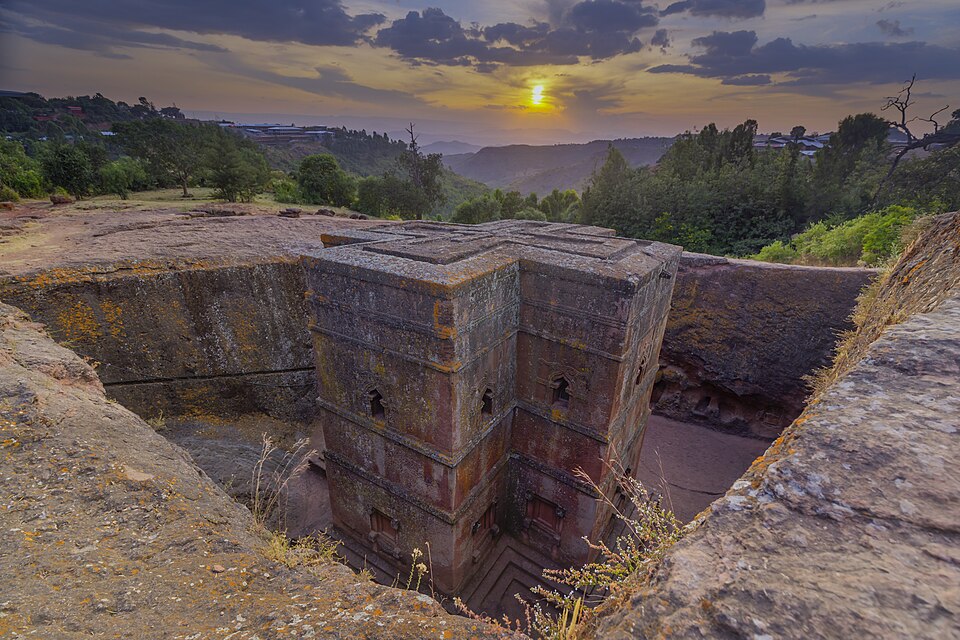
History, Ethiopia
Thomas Fuhrmann / CC BY-SA 4.0

Culture

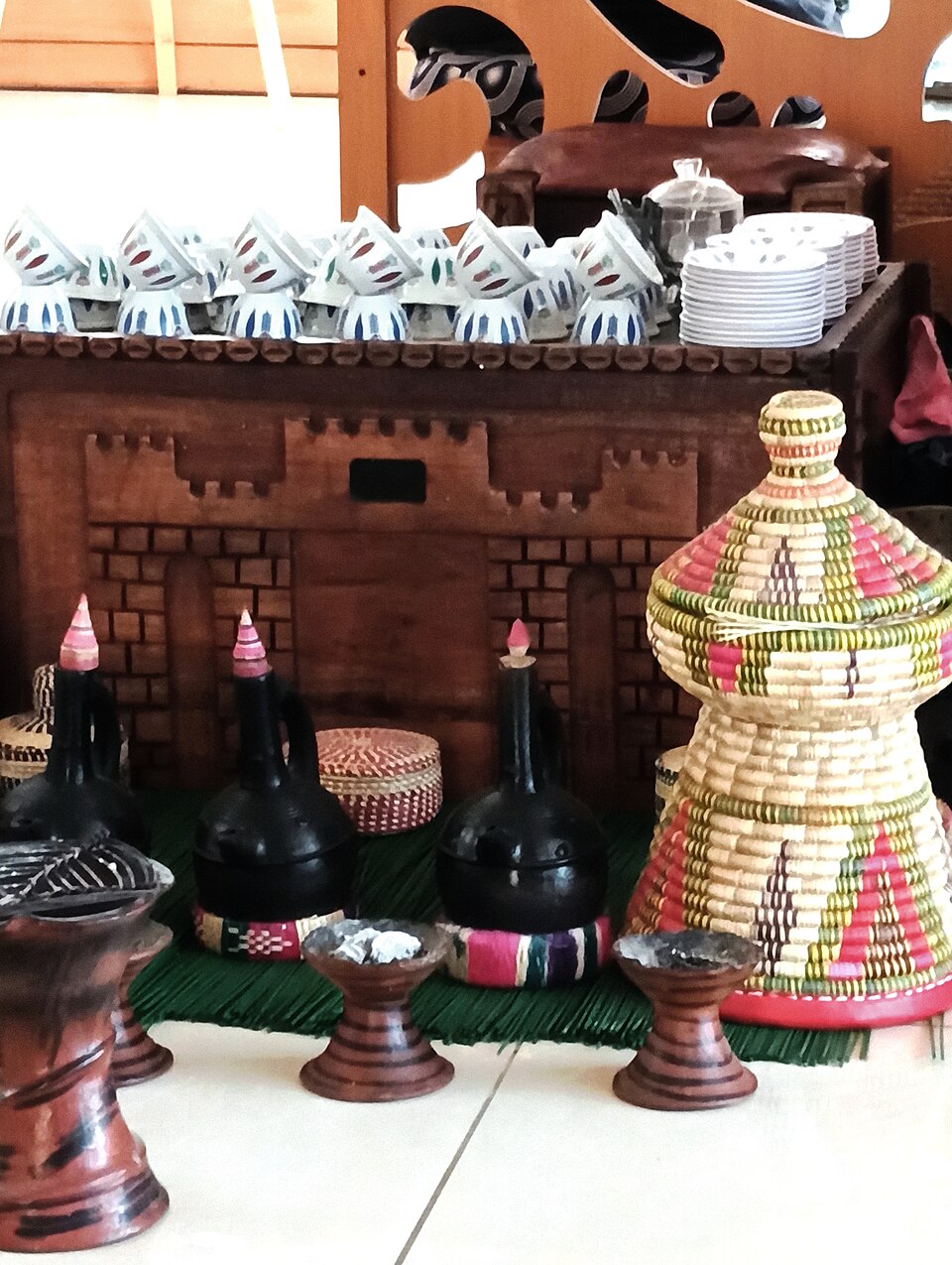
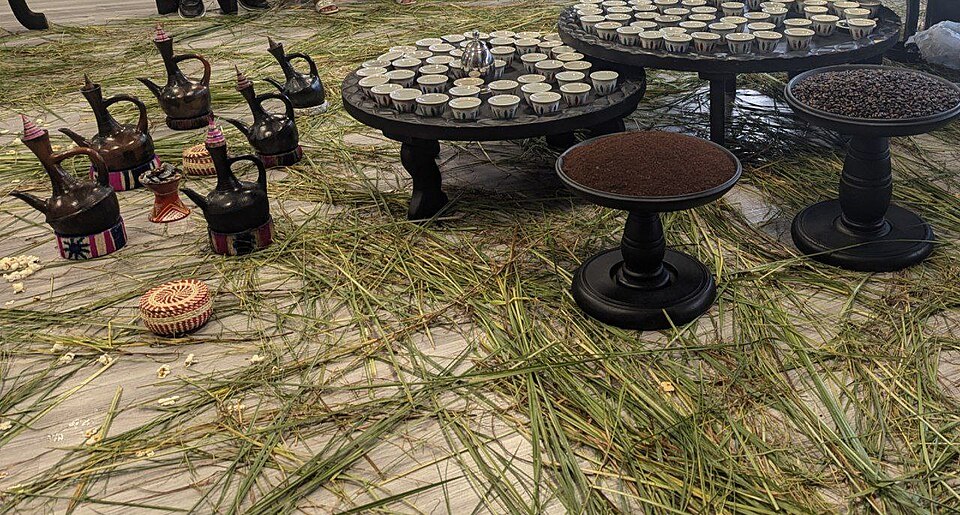
Ethiopia keeps its own time — literally. The Ethiopian calendar counts 13 months (twelve of 30 days plus tiny Pagume) and runs seven to eight years behind the Gregorian, while the traditional clock starts counting at dawn, so what foreigners call 7 a.m. is 'one o'clock' in Ethiopian time. The written culture is equally distinctive: the Ge'ez script, or Fidel, is an indigenous African writing system still in daily use for Amharic, Tigrinya and liturgical Ge'ez. Ethiopian Orthodox Tewahedo Christianity shapes the rhythm of life for the largest share of the population — its fasting calendar, priests under fringed umbrellas, and festivals like Timkat (Epiphany) and Meskel, whose bonfire commemoration is inscribed on UNESCO's intangible heritage list. Islam arrived in the Prophet Muhammad's own lifetime, when early followers found refuge in Aksum, and the walled city of Harar became a great center of Islamic learning. Among the Oromo, the Gadaa system — a centuries-old democratic institution that rotates leadership every eight years — is also UNESCO-inscribed. Binding it all together is the coffee ceremony: beans roasted over coals, pounded, and brewed three times in a clay jebena while incense burns.
Culture, Ethiopia
Miraethiopia / CC BY-SA 4.0

Points Of Pride

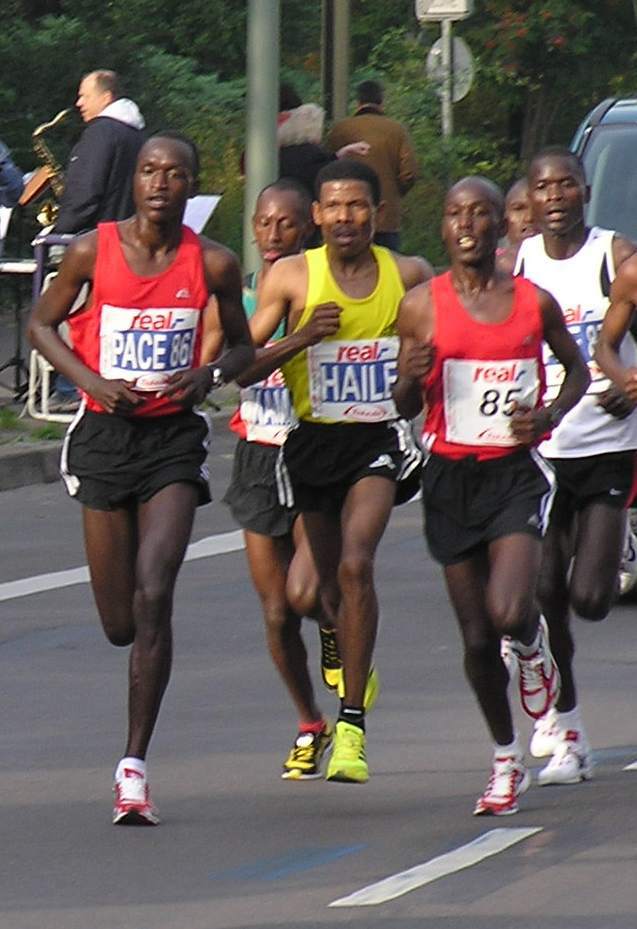
Ethiopians carry a singular distinction: theirs is the only African country never colonized, and the 1896 victory at Adwa remains the continent's most celebrated military triumph over a European power. The country claims humanity itself as heritage — 'Lucy,' the 3.2-million-year-old Australopithecus skeleton unearthed in the Afar region in 1974 and known locally as Dinknesh ('you are marvelous'), came from the UNESCO-listed Lower Awash Valley, one of about a dozen Ethiopian World Heritage sites that include Aksum's obelisks, the castles of Gondar, the Simien Mountains, and the rock-hewn churches of Lalibela. Ethiopia gave the world coffee, first cultivated from wild plants of the Kaffa forests, and still greets guests with an elaborate coffee ceremony. It writes in its own script, counts its own 13-month calendar, and worships in one of Christianity's oldest traditions. On the track, Ethiopia is a superpower: from Abebe Bikila's barefoot Olympic marathon gold in Rome in 1960 — the first for a sub-Saharan African — through Haile Gebrselassie, Derartu Tulu, Kenenisa Bekele and Tirunesh Dibaba, its distance runners have collected dozens of Olympic medals and rewritten record books.
Points Of Pride, Ethiopia
Adam Jones from Kelowna, BC, Canada / CC BY-SA 2.0

Cultural Fusion

Ethiopia sits at one of the world's great cultural crossroads, where the Semitic, Cushitic, Omotic and Nilo-Saharan language families meet — Glottolog catalogs roughly a hundred living languages inside its borders, from Amharic and Tigrinya to Oromo, Somali, Sidamo, Wolaytta and Gamo. Ancient Aksum traded with Rome, Arabia and India, absorbing influences that still surface in art, architecture and liturgy; its fourth-century conversion wove Ethiopia into eastern Christianity, while the first Muslim refugees, welcomed by an Aksumite king in 615, planted Islam's earliest African roots. The result is a rare, long-running Christian–Muslim coexistence: Orthodox churches and centuries-old mosques share the same towns, and the walled city of Harar — with its 82 mosques and 102 shrines — is often called Islam's fourth-holiest city. Ethiopia also nurtured the Beta Israel, a Jewish community of ancient origin, and exported an unexpected modern faith: Rastafarianism, born in Jamaica around the person of Emperor Haile Selassie (born Ras Tafari). Even the food carries fusion — Italian occupation was brief, but pasta and macchiato remain fixtures of Ethiopian café culture, served alongside injera in the same meal.
Cultural Fusion, Ethiopia
Adam Jones from Kelowna, BC, Canada / CC BY-SA 2.0

Music & Dance

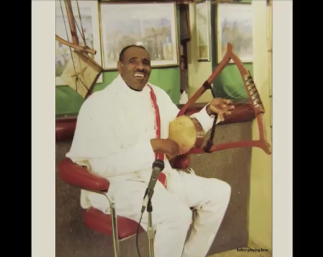
Ethiopian music moves on its own harmonic ground: four pentatonic modes called qenet — tezeta, bati, ambassel and anchihoye — give the music a haunting, bent-note character instantly recognizable to any listener. The traditional ensemble features the krar (a six-string lyre), the masinqo (a one-string fiddle bowed by wandering azmari minstrels, whose improvised, double-edged lyrics function as sung social commentary), the washint flute, and the kebero drum that drives church festivals. Sacred music reaches back to the sixth-century composer Saint Yared, credited with creating the chant notation still used in Orthodox Tewahedo liturgy — one of the world's oldest continuous musical traditions. The signature dance is eskista, a mesmerizing rippling of the shoulders, neck and chest performed by both men and women, with each region adding its own variant — Gurage dancers famous for explosive footwork, Oromo dancers for whipping head movements. In the 1960s and 70s, Addis Ababa's nightclubs fused these modes with jazz, funk and soul into Ethio-jazz, pioneered by vibraphonist Mulatu Astatke; the style's swirling, minor-key grooves later found global audiences and film soundtracks, making it one of Africa's most celebrated musical exports.
Music & Dance, Ethiopia
The pictures are from Bahru Kegne family, as well as the cassetes(covers) received from Bahru in 1996. They were given to Terp record label, persons Terrie Hessels and Emma Fischer, for it's inclusion in a CD book for a album. / CC BY-SA 4.0

Cuisine & Misattributed Foods

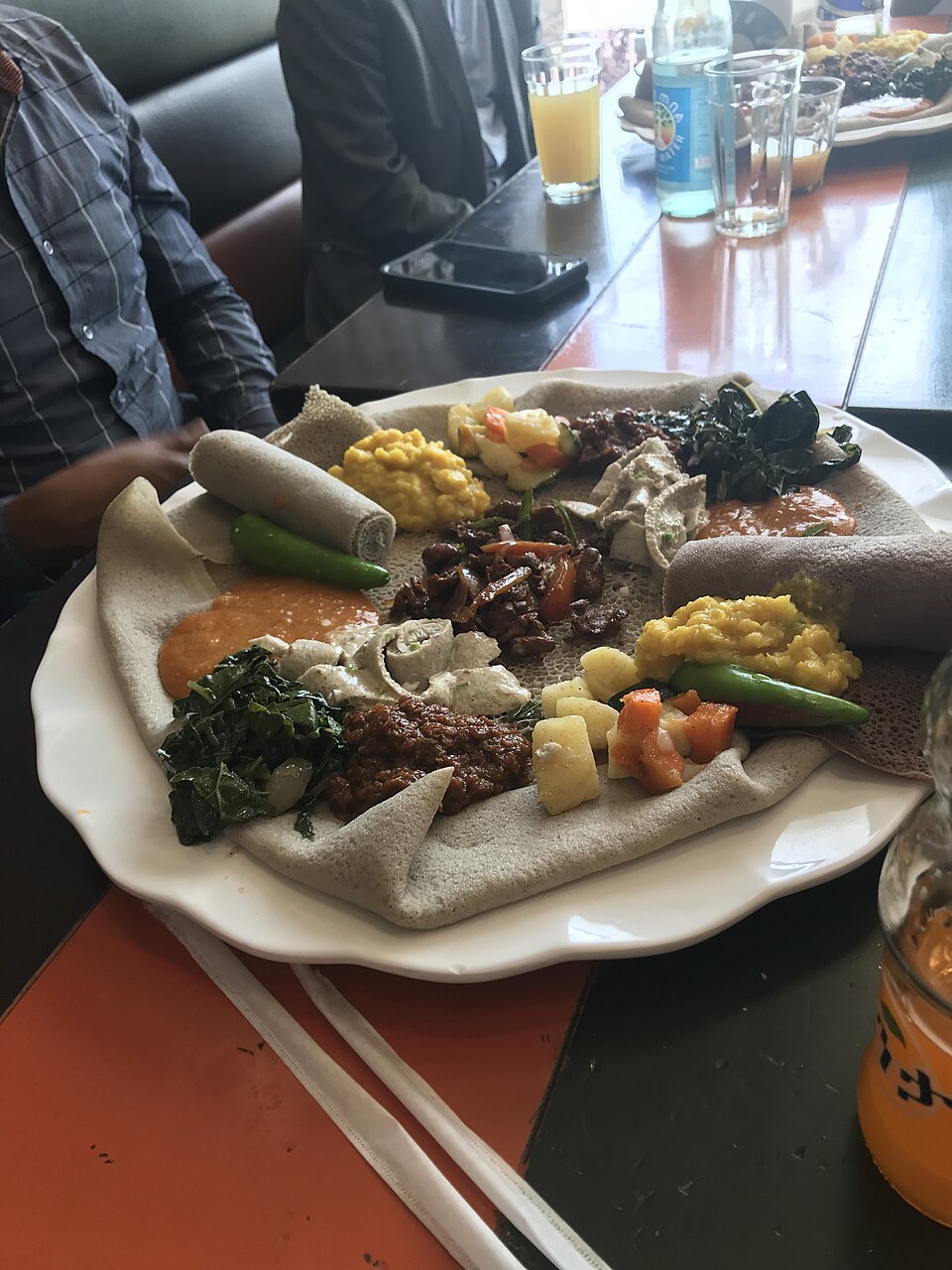
Ethiopian cuisine is built on injera, a spongy, slightly sour flatbread fermented from teff — a tiny, iron-rich grain domesticated in the Ethiopian highlands and grown almost nowhere else on earth. Injera is plate, utensil and food at once: it is spread across a communal tray and piled with wot, the thick stews that define the table. Doro wot, a slow-cooked chicken stew with hard-boiled eggs, is the national dish, its depth coming from berbere — a fiery blend of chili, garlic, ginger, basil and a dozen other spices — and niter kibbeh, a spiced clarified butter. Kitfo (minced raw beef warmed in butter), tibs (sizzling sautéed meat) and shiro (silky chickpea purée) round out the repertoire. The Orthodox fasting calendar, covering some 200 days a year for the devout, produced one of the world's great vegan traditions: on fasting days the beyaynetu platter offers lentils, split peas, greens and vegetables in a dozen preparations. Meals end where Ethiopian identity begins — with the coffee ceremony, beans roasted before guests, ground by hand, and brewed three successive rounds in a clay jebena, often accompanied by tej, the amber honey wine.
Cuisine & Misattributed Foods, Ethiopia
Jbinthecity / CC0

National Dress

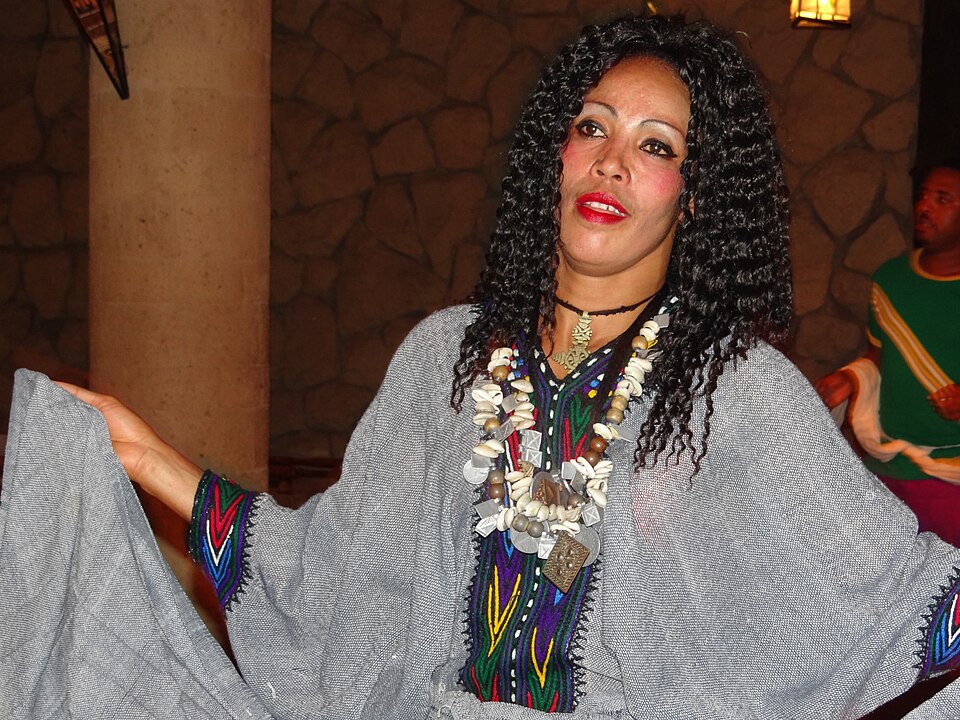
Ethiopia's traditional dress is instantly recognizable: brilliant white handwoven cotton, edged with bands of intricate color. The women's habesha kemis is an ankle-length dress of shemma — gauzy cotton woven in narrow strips and seamed together — bordered with tibeb, the embroidered geometric patterning whose colors and motifs can signal region, occasion or simply the weaver's artistry. Over it drapes the netela, a featherlight shawl worn differently for church, mourning or celebration; the way a netela is folded across the shoulders or drawn over the head carries its own quiet vocabulary. Men wear a similar wrap, the heavier gabi, over tunic and trousers, especially in the cool highland evenings. Weaving itself is a respected craft, traditionally practiced on pit looms, and a fine kemis for a wedding or Timkat festival can take weeks to complete. Beyond the highlands the wardrobe diversifies: Afar and Somali communities favor bright wraps suited to desert heat, Oromo ceremonial dress incorporates leather and beadwork, and the Omo Valley peoples are renowned for elaborate body painting and ornamentation. During major Orthodox festivals, the sight of entire crowds robed in white remains one of Ethiopia's most striking images.
National Dress, Ethiopia
msafari2425 / CC BY 2.0

Sports & Inspiring Athletes

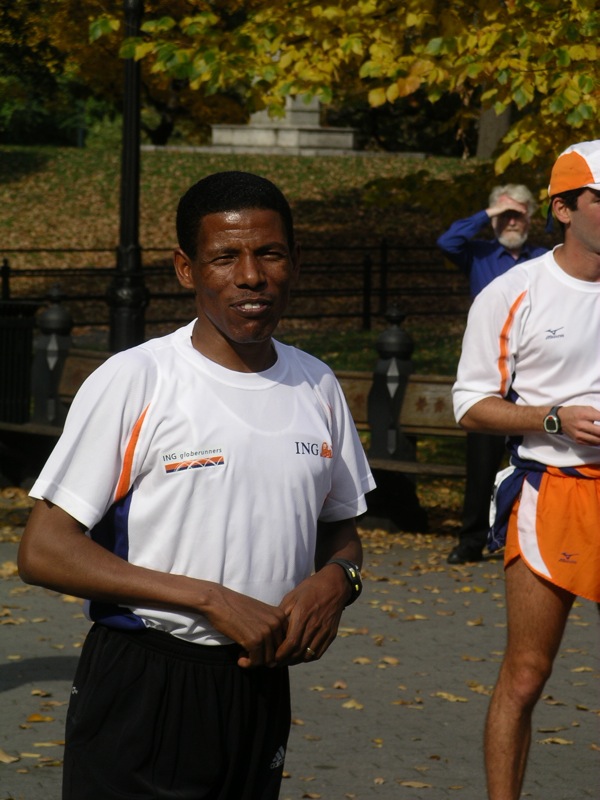
No country punches further above its weight in distance running. The legend began at the 1960 Rome Olympics, when palace guard Abebe Bikila ran the marathon barefoot over the cobblestones — past the very obelisk Italy had looted from Aksum — and won sub-Saharan Africa's first Olympic gold; he repeated the feat (in shoes) in Tokyo 1964. Derartu Tulu's 10,000-meter victory in Barcelona 1992 made her the first Black African woman Olympic champion. Then came the golden generations: Haile Gebrselassie and Kenenisa Bekele traded world records across the 5,000 and 10,000 meters, and Tirunesh Dibaba became the first woman to sweep both track distances at a single Games in Beijing 2008. The engine behind it all is altitude: towns like Bekoji, a highland farming community above 2,800 meters, have produced a string of Olympic champions, and morning training runs through Addis Ababa's Entoto forest are a national institution. Football commands the biggest everyday following — Ethiopia was a founding member of African football's confederation and its national team, the Walia Ibex, won the Africa Cup of Nations on home soil in 1962, still the country's proudest footballing moment.
Sports & Inspiring Athletes, Ethiopia
pjmorse from Somerville, Massachusetts, USA / CC BY-SA 2.0

Notable Educational Programs

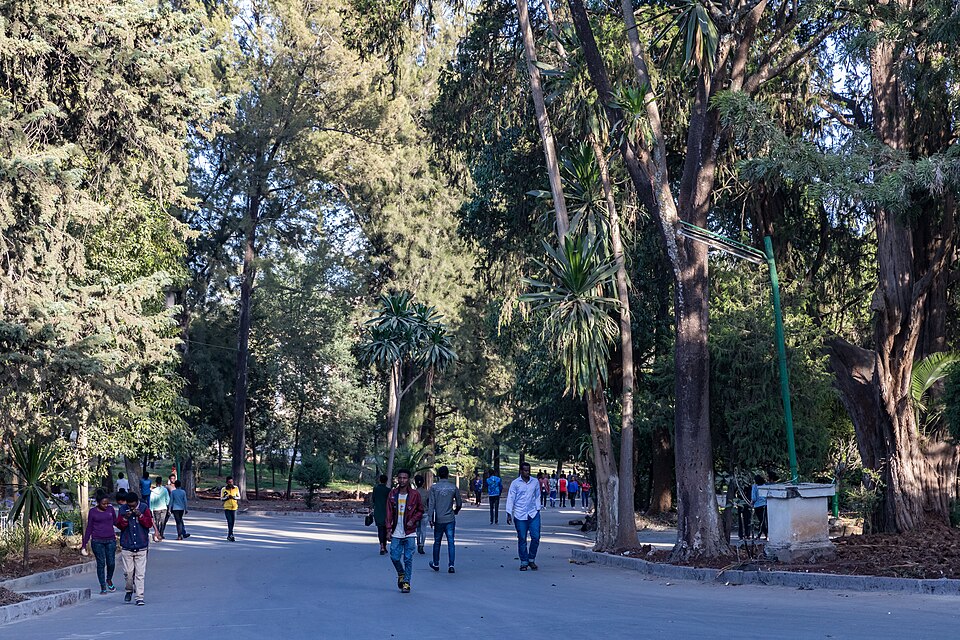
Ethiopia's education system has staged one of Africa's great expansions: primary enrollment multiplied several times over since the 1990s as the government abolished fees and built tens of thousands of schools, though completion rates and learning outcomes remain stubborn challenges, and conflict has kept millions of children out of classrooms in affected regions. The system's most distinctive feature is mother-tongue instruction — a constitutional commitment under ethnic federalism that delivers early primary schooling in dozens of Ethiopian languages, from Amharic, Oromo and Tigrinya to Sidamo, Wolaytta and Somali, before students transition toward Amharic and English (the medium of secondary and higher education). A curriculum overhaul restructured schooling into six years of primary, two of middle, and four of secondary, adding kindergarten access. Higher education grew even faster: from just two universities a generation ago to more than 50 public universities today, a construction spree that transformed regional capitals but strains quality assurance. The World Bank-supported General Education Quality Improvement Program has channeled sustained investment into teacher training, textbooks and school grants, while school-feeding programs in drought-prone areas double as enrollment incentives. Adult literacy, historically among the world's lowest, continues to climb with each survey round.
Notable Educational Programs, Ethiopia
Ninaras / CC BY 4.0

Wars & Conflicts

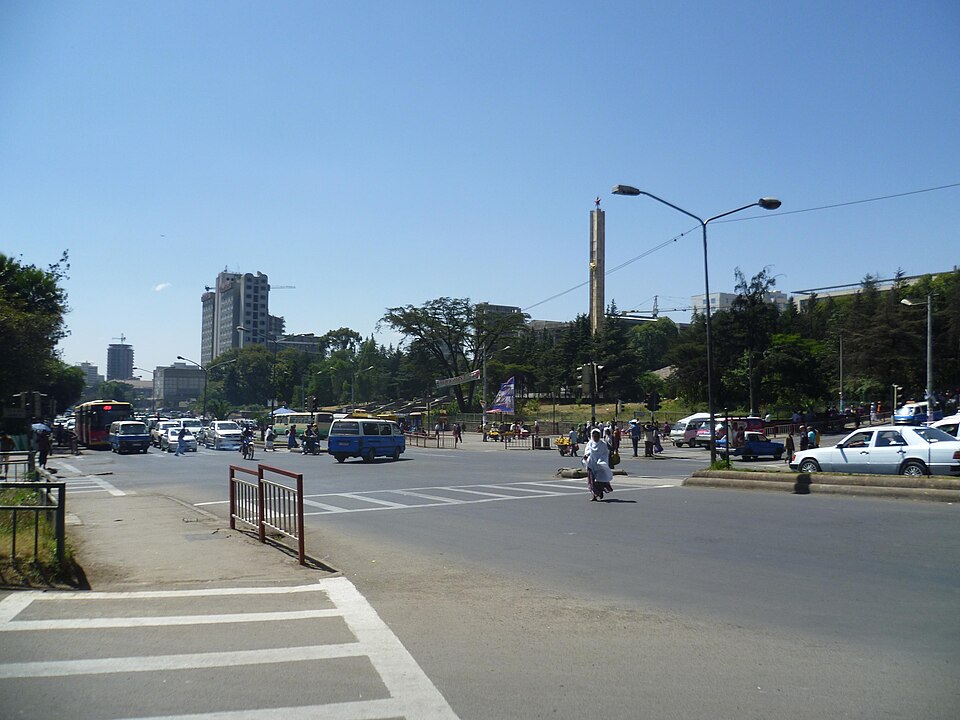
As of mid-2026, Ethiopia faces overlapping internal conflicts and sharp external tensions. The 2022 Pretoria Agreement that ended the Tigray war is under severe strain: after a 2025 leadership split within the TPLF, the party moved in April 2026 to restore the prewar regional government — a step Al Jazeera reported has raised fears for the peace deal's survival, with federal and Tigrayan forces in a tense standoff along regional borders; disarmament provisions remain largely unimplemented, per conflict monitors including UCDP. In Amhara, the Fano insurgency that erupted in 2023 continues, with fighting recorded across dozens of districts; monitors report Fano factions control much rural territory while federal forces hold towns, and thousands have been killed. Fano fighters say they are defending Amhara interests; the government describes its operations as restoring law and order. In Oromia, the OLA insurgency persists despite a December 2024 agreement with one faction. Externally, Prime Minister Abiy Ahmed has called sea access a 'matter of survival,' with rhetoric centering on Eritrea's port of Assab; Eritrea rejects any claim on its territory, and analysts warn of proxy escalation along the border. The UN estimated roughly 3 million people remain internally displaced.
Current as of 2026-07-16
Wars & Conflicts, Ethiopia
Radosław Botev / CC BY 3.0 pl

Land & Border Disputes

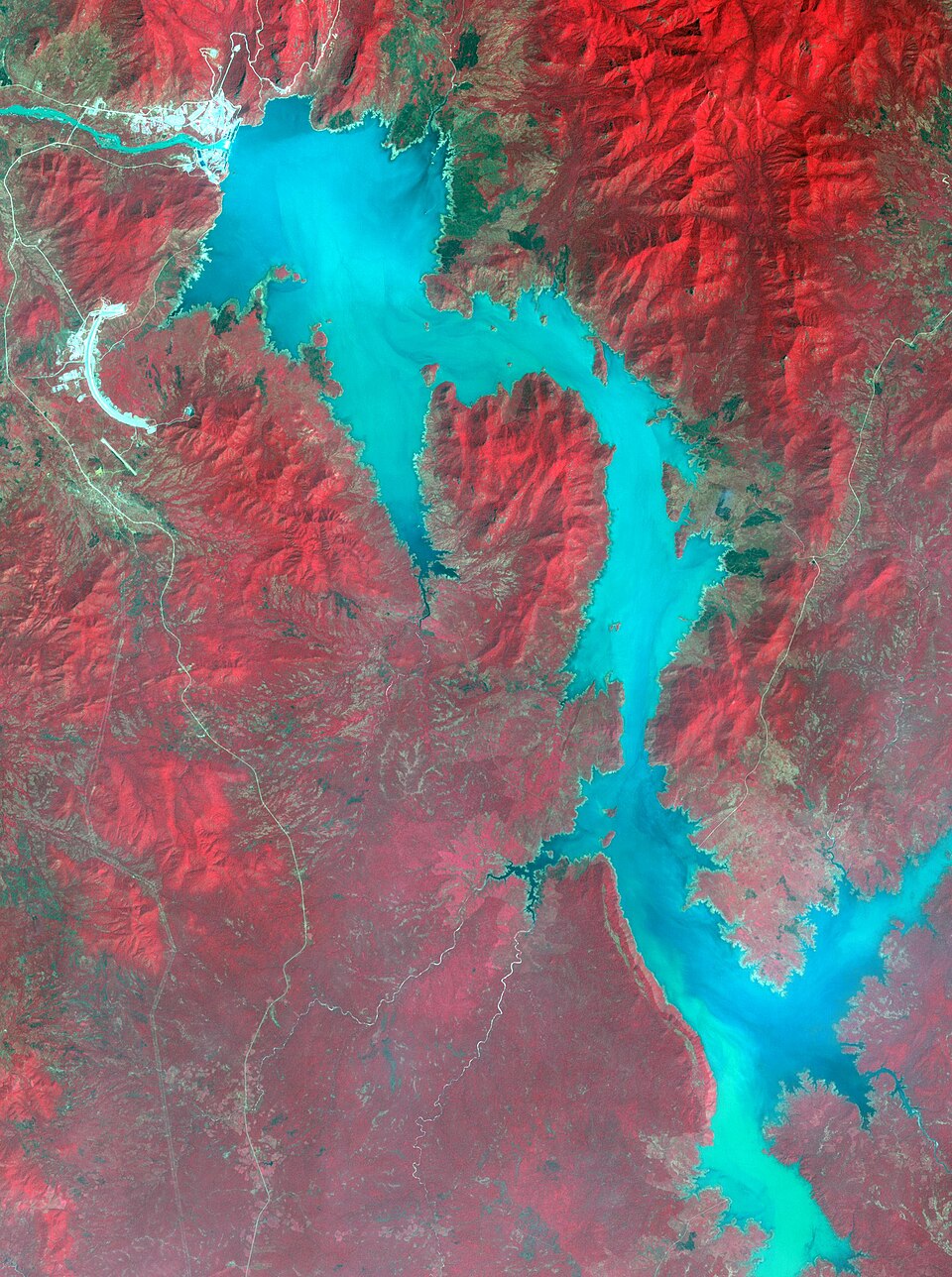
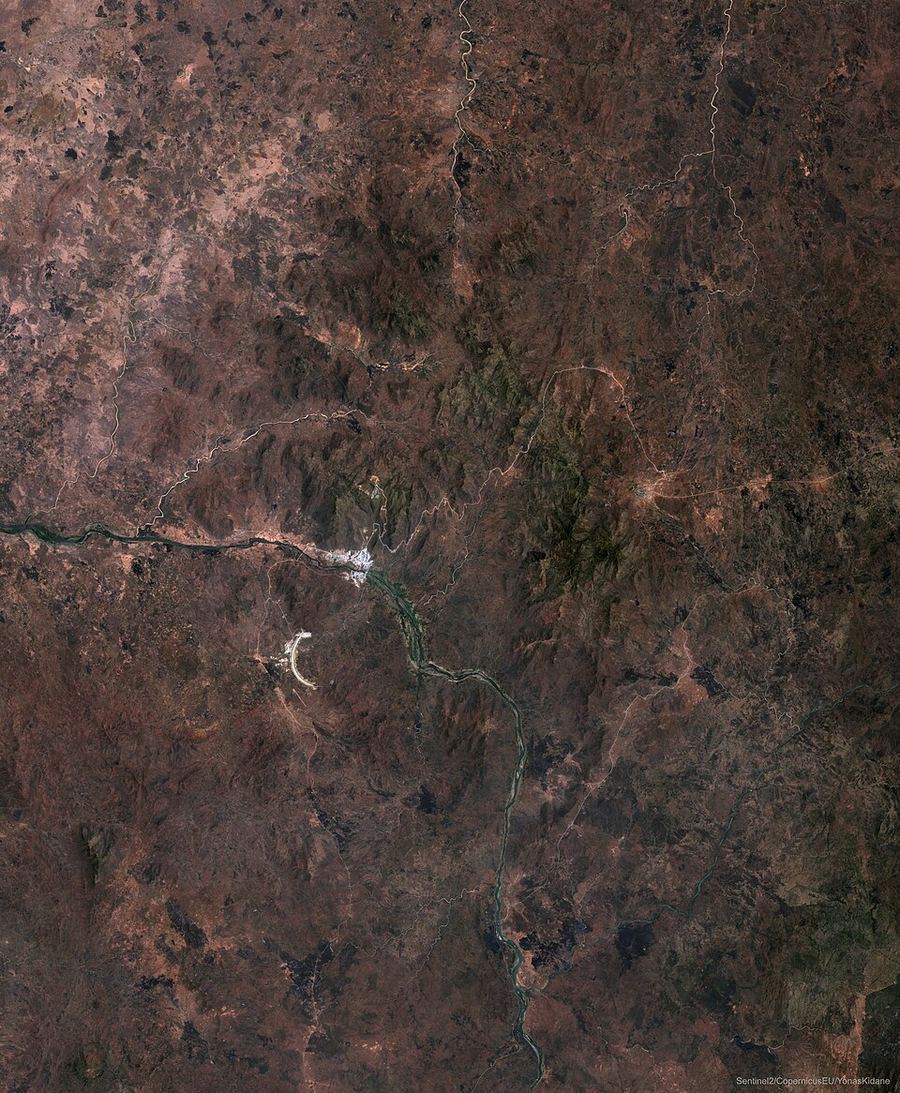
Ethiopia's longest-running dispute concerns its border with Eritrea. After the 1998–2000 war, the independent Eritrea–Ethiopia Boundary Commission ruled in 2002 that the flashpoint town of Badme lay in Eritrea; Ethiopia declined to implement the ruling for sixteen years, until Prime Minister Abiy Ahmed accepted it in 2018, unlocking a peace agreement that earned him the Nobel Peace Prize. Formal demarcation on the ground, however, was never completed, and relations have since deteriorated again, entangled with Ethiopia's landlocked status and its declared ambition for Red Sea port access. That maritime quest opened a second front in January 2024, when Ethiopia signed a memorandum of understanding with Somaliland — the self-declared republic Somalia considers its territory — reportedly trading port access for possible recognition. Somalia denounced the MoU as a violation of its sovereignty; Turkish-brokered talks later produced the Ankara Declaration, easing but not resolving the friction. A third dispute flows down the Nile: the Grand Ethiopian Renaissance Dam, which Ethiopia frames as an existential development project and non-negotiable sovereign right, remains contested by Egypt and Sudan, which seek a binding agreement on filling and operation. UN-noted negotiations have repeatedly stalled without a treaty.
Land & Border Disputes, Ethiopia
NASA/METI/AIST/Japan Space Systems, and U.S./Japan ASTER Science Team / Public domain
Land, Life & Legacy

Land & Climate

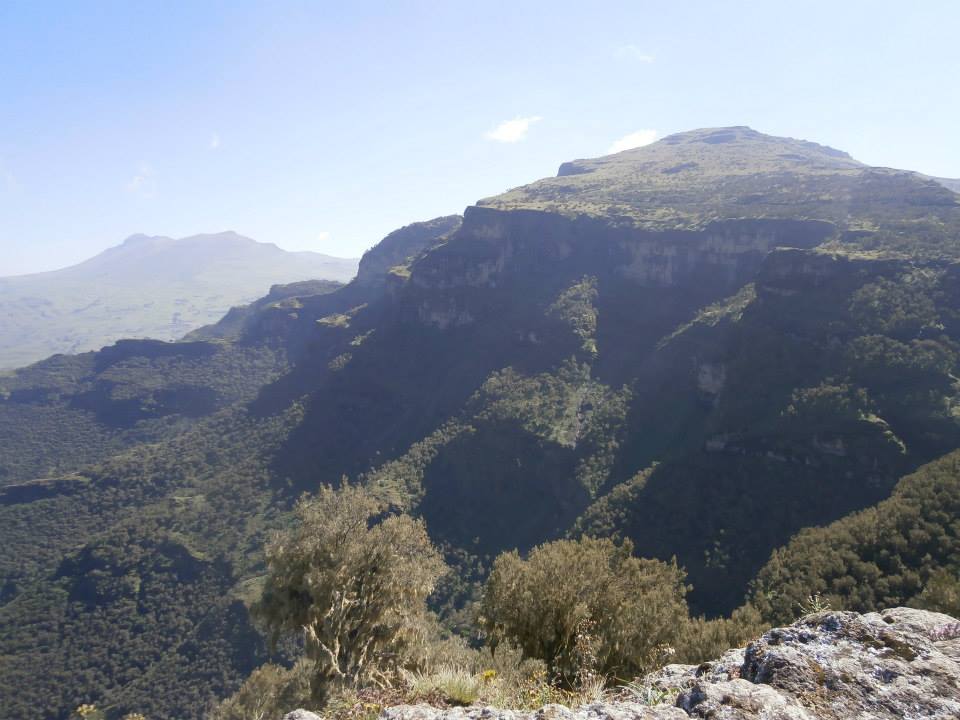
Ethiopia covers about 1.1 million square kilometres and has been landlocked since Eritrea became independent in 1993. Its defining feature is the Ethiopian Highlands, a massive basalt dome that carries most of the population and agriculture and is split diagonally by the Great Rift Valley, whose floor holds a chain of lakes. Ras Dashen in the Simien Mountains, at 4,550 metres, is the highest point; the Simien and Bale massifs shelter endemic species found nowhere else, including the gelada, the walia ibex and the Ethiopian wolf. In the northeast the Danakil Depression in the Afar region falls to more than a hundred metres below sea level and is among the hottest places on earth, with salt flats, sulphur springs and the persistent lava lake of Erta Ale. The Blue Nile, the Abay, rises at Lake Tana and supplies the greater part of the Nile's water. Climate is governed by altitude rather than latitude, and Ethiopians distinguish the cool highland dega, the temperate woina dega and the hot lowland kolla. The main kiremt rains fall from June to September, with a shorter belg season earlier; their failure brings drought.

Entertainment

Ethiopian leisure begins with the coffee ceremony — an hour-long ritual of roasting, pounding, and three successive brews that turns a beverage into hospitality itself, performed daily in homes across the country. Social evenings gravitate to azmari bets, music houses where minstrel singers improvise teasing verses about the guests, and to tej houses pouring the amber honey wine. The festival calendar is the great public spectacle: at Timkat, the Epiphany celebration inscribed by UNESCO, replicas of the Ark of the Covenant process through the streets amid white-robed crowds, while Meskel's great bonfire fills Addis Ababa's central square each September. Traditional games surface at holidays — genna, a fierce hockey-like field game played at Christmas, and gugs, mounted mock combat. Distance running doubles as recreation, with mass dawn runs through the Entoto eucalyptus forests, and a growing tourism circuit strings together the Simien Mountains, Lake Tana's monasteries, Harar's walled city, and the otherworldly Danakil Depression.
Entertainment, Ethiopia
Khajitdadddy / CC BY-SA 4.0

Art & Museums

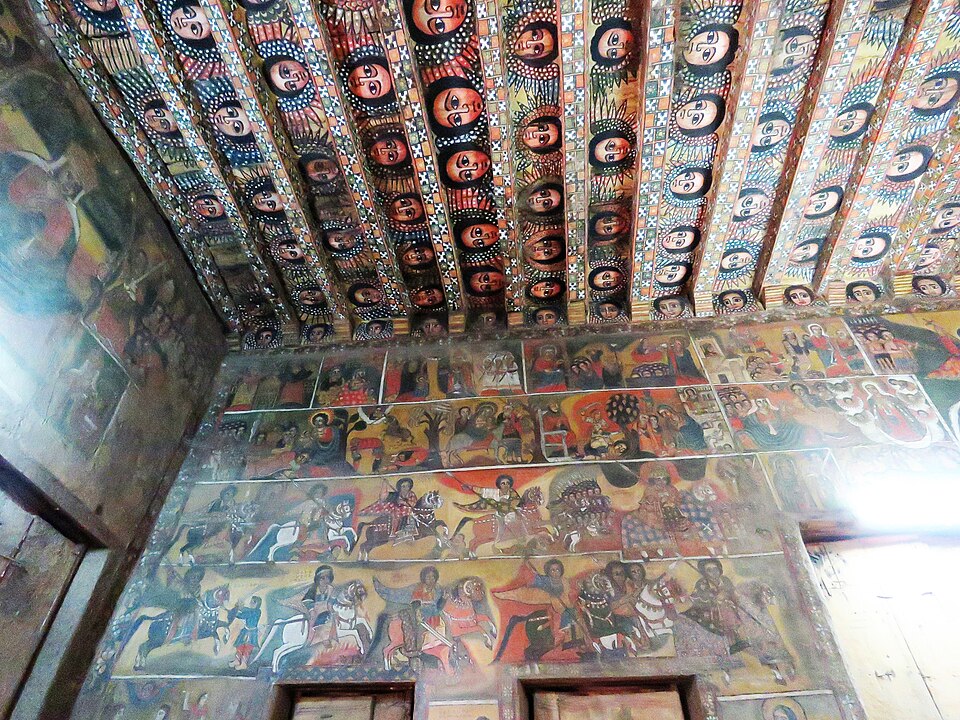
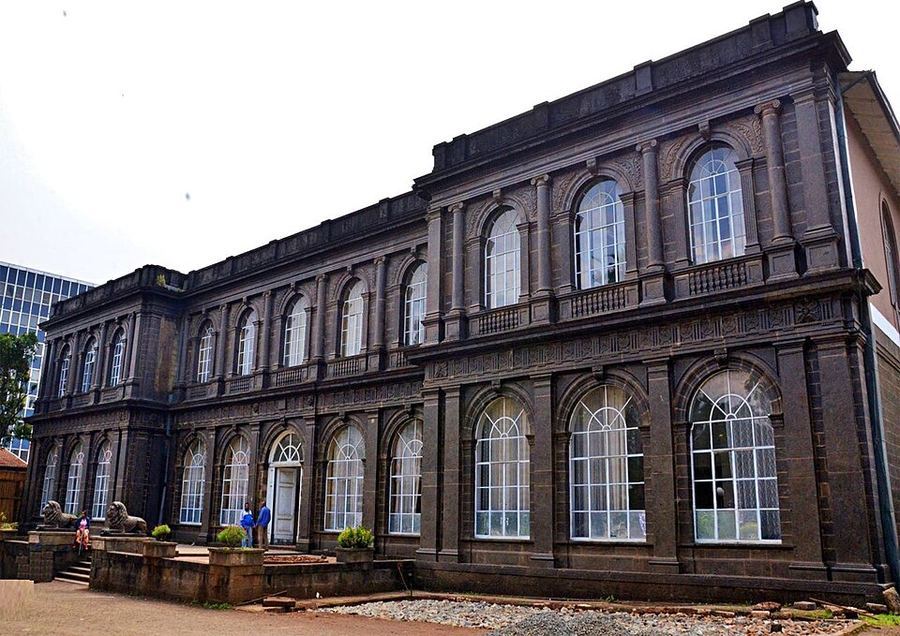
Ethiopian art is dominated by one of Christianity's oldest continuous painting traditions. The Garima Gospels, illuminated manuscripts from the Abba Garima monastery near Adwa radiocarbon-dated as early as the fourth to sixth centuries, may be the world's oldest surviving illustrated Christian books. From them descends a distinctive sacred style — large frontal eyes, flat planes of brilliant color — carried through icon panels, intricate openwork processional crosses, and church murals, most famously the ceiling of winged cherub faces at Debre Berhan Selassie church in Gondar. The rock-hewn churches of Lalibela and the painted island monasteries of Lake Tana are galleries as much as sanctuaries. The modern school emerged in the twentieth century: Afewerk Tekle's stained-glass 'Total Liberation of Africa' fills Africa Hall in Addis Ababa, Skunder Boghossian carried Ethiopian modernism into major international collections, and Ethiopian-born Julie Mehretu's monumental abstractions now rank among the most sought-after works by any living painter.
Art & Museums, Ethiopia
Chuck Moravec / CC BY 2.0

Notable People

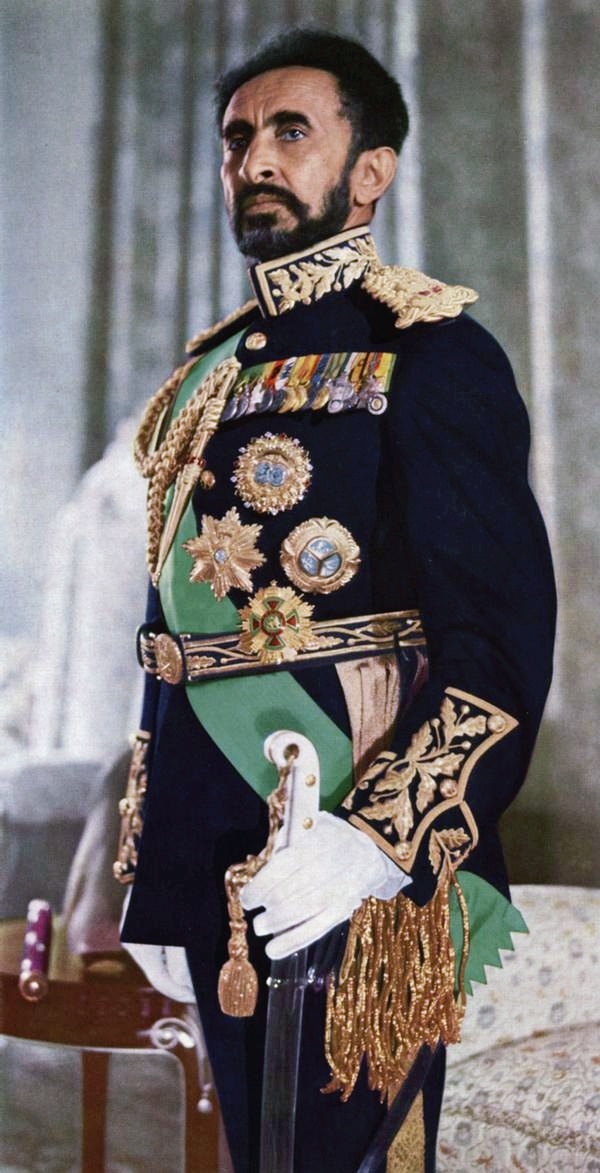
Ethiopia's roll call spans emperors, runners, and global institutions. Menelik II won the Battle of Adwa in 1896 and founded Addis Ababa; Haile Selassie became a twentieth-century icon — the League of Nations' most famous petitioner in 1936, a founding father of the Organisation of African Unity in 1963, and, unexpectedly, the messianic figure of Jamaica's Rastafari movement. Abiy Ahmed received the 2019 Nobel Peace Prize for the opening to Eritrea, and Tedros Adhanom Ghebreyesus became the first African Director-General of the World Health Organization in 2017, while Sahle-Work Zewde served as Ethiopia's first woman president. The arts contributed Ethio-jazz founder Mulatu Astatke, beloved vocalists Aster Aweke and Mahmoud Ahmed, and painter Julie Mehretu; letters, the novelist Haddis Alemayehu and poet laureate Tsegaye Gabre-Medhin. And the runners — Abebe Bikila, Haile Gebrselassie, Derartu Tulu, Kenenisa Bekele, Tirunesh Dibaba — are simply among the greatest athletes ever timed.
Notable People, Ethiopia
unknown; according to [1] and [2] an official portrait of which b/w copies were distributed by the Ethiopian government / Public domain

Inventions & Breakthroughs

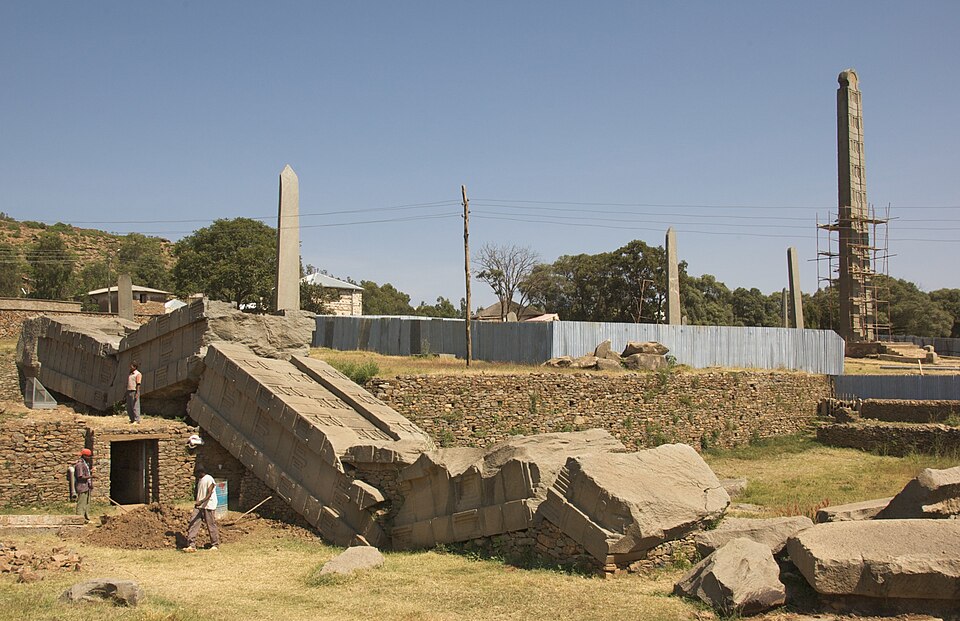
Ethiopia's deepest contributions are domestications and systems. Arabica coffee grows wild in the Kaffa forests and was first cultivated here, alongside teff — the tiny, iron-rich grain behind injera — and enset, the 'false banana' that feeds millions in the south. The Ge'ez script, or Fidel, is an indigenous African writing system in continuous use for roughly two millennia, and the Ethiopian solar calendar of thirteen months preserves an ancient Alexandrian computation nowhere else maintained as a national timekeeping standard. In the sixth century, Saint Yared devised the melodic notation of Orthodox chant — among the world's oldest systems of written music still in daily liturgical use. Aksumite engineers quarried and raised granite stelae that are among the largest single stones humans have ever attempted to erect, and Lalibela's medieval builders excavated entire churches downward from living rock. The Oromo Gadaa system, rotating leadership every eight years, stands as a UNESCO-recognized indigenous constitutional order.
Inventions & Breakthroughs, Ethiopia
A. Davey from Where I Live Now: Pacific Northwest / CC BY 2.0

Science & Technology

Ethiopia's technological effort has concentrated on a few large national projects. The Grand Ethiopian Renaissance Dam on the Blue Nile is the largest hydroelectric scheme in Africa, financed to an unusual degree from domestic sources including public bond subscriptions, and it is the centrepiece of an electrification and export strategy as well as the subject of a long-running dispute with Egypt and Sudan over the river's flow. Ethiopian Airlines is the largest airline in Africa and maintains its own maintenance, overhaul and pilot-training capability at an academy in Addis Ababa, an unusual concentration of aviation engineering for the region. The Ethiopian Space Science and Technology Institute launched the ETRSS-1 remote-sensing satellite in 2019 in cooperation with China, and the Entoto observatory sits on the ridge above the capital. In agriculture, the Ethiopian Institute of Agricultural Research and the national gene bank conserve an exceptionally diverse stock of crop landraces; Melaku Worede's work on that conservation programme won the Right Livelihood Award in 1989. The Armauer Hansen Research Institute works on infectious disease.
On The World Stage
Champions of Ethiopia

Champions & Defining Moments

Ethiopia's Olympic story is the greatest sustained dynasty in distance running. Abebe Bikila's barefoot marathon victory at Rome 1960 — the first Olympic gold for sub-Saharan Africa — and his repeat in Tokyo in 1964 made him the first man to win consecutive Olympic marathons. Derartu Tulu's 10,000-meter win at Barcelona 1992 made her the first Black African woman Olympic champion. Haile Gebrselassie took consecutive 10,000-meter golds in 1996 and 2000 and set some 27 world records across his career; Kenenisa Bekele won three Olympic golds and held both the 5,000- and 10,000-meter world records for a decade and a half; Tirunesh Dibaba swept both track distances at Beijing 2008, the first woman to do so. Almaz Ayana obliterated the 10,000-meter world record in winning at Rio 2016, and Tamirat Tola won the Paris 2024 marathon in Olympic-record time. In football, the Walia Ibex won the 1962 Africa Cup of Nations on home soil in Addis Ababa.

Economy, Trade & Government

Currency & GDP

Ethiopian Birr — ETB (Br)

GDP (PPP): $380.895 billion (2024 est.)

Per capita: $2,900 (2024 est.)

Exports

$10.865 billion (2023 est.)

coffee, garments, dried legumes, cut flowers, oil seeds (2023)

Partners: USA 12%, China 10%, UAE 8%, Saudi Arabia 8%, Netherlands 5% (2023)

Imports

$22.951 billion (2023 est.)

refined petroleum, fertilizers, plastics, raw sugar, cars (2023)

Partners: China 26%, Djibouti 16%, India 7%, Kuwait 7%, Saudi Arabia 6% (2023)

Government

Type: federal parliamentary republic

Independence: oldest independent country in Africa and one of the oldest in the world, at least 2,000 years; may be traced to the Aksumite Kingdom, which appeared in the first century B.C.

Terrain → Where People Live

How mountains, coasts, and rivers shape settlement (LandScan).

Coming — data

Migration & Ethnic Settlement

Where groups settled and how people move (GeoEPR + UNHCR).

Coming — data

Universities

Notable institutions, mappable as points.

Coming — data
Economy & government facts: CIA World Factbook (public domain), via OpenFactBook / factbook.json.
Every fact and narrative claim will carry a visible source citation. Data-driven sections light up automatically wherever HERA has coverage.