HERA · Human Entity Reference Atlas by Masego Inc

← Finland 🌐 3D View
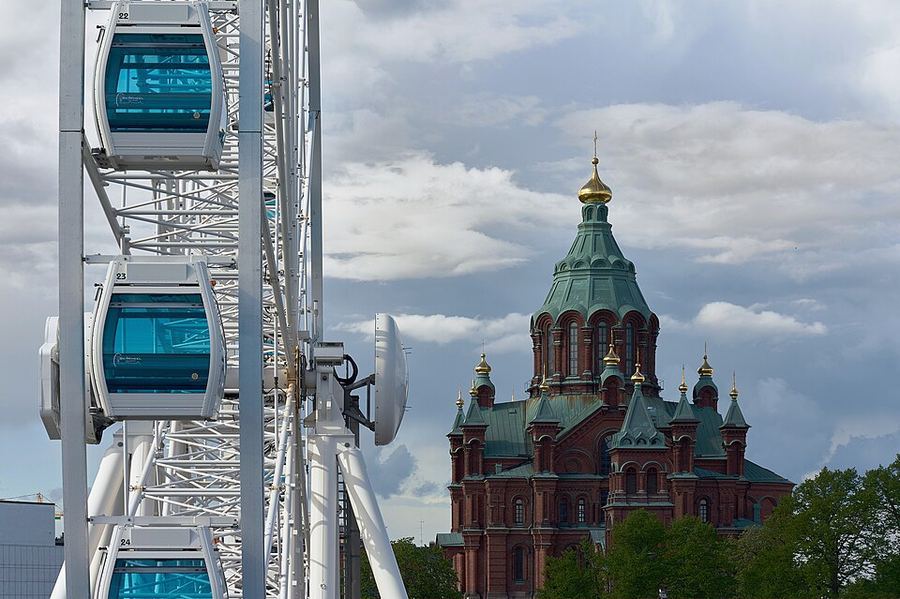
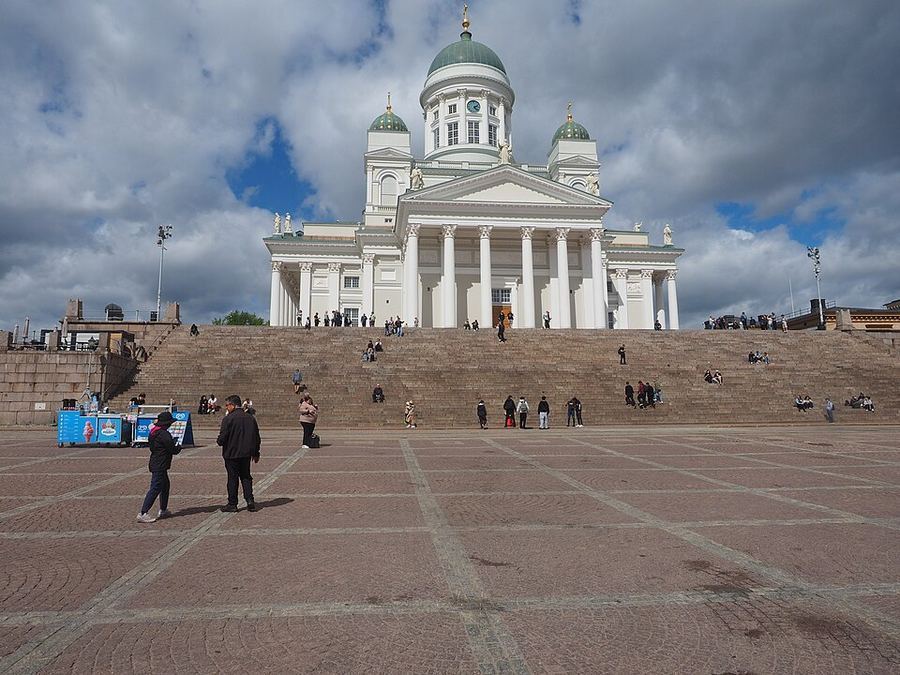
Helsinki Cathedral, Finland
Finland FIN
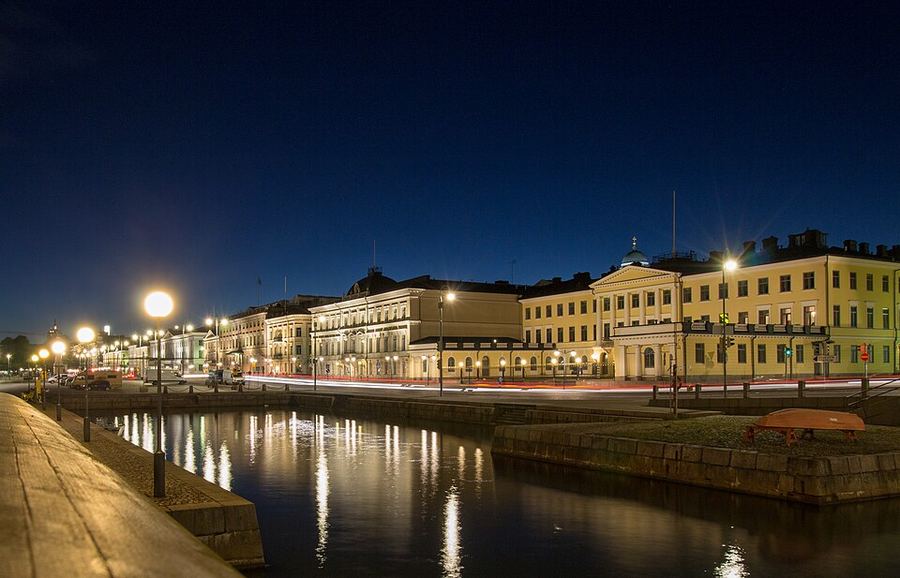
Helsinki Cathedral — Photo: Ввласенко / CC BY-SA 3.0 via Wikimedia Commons
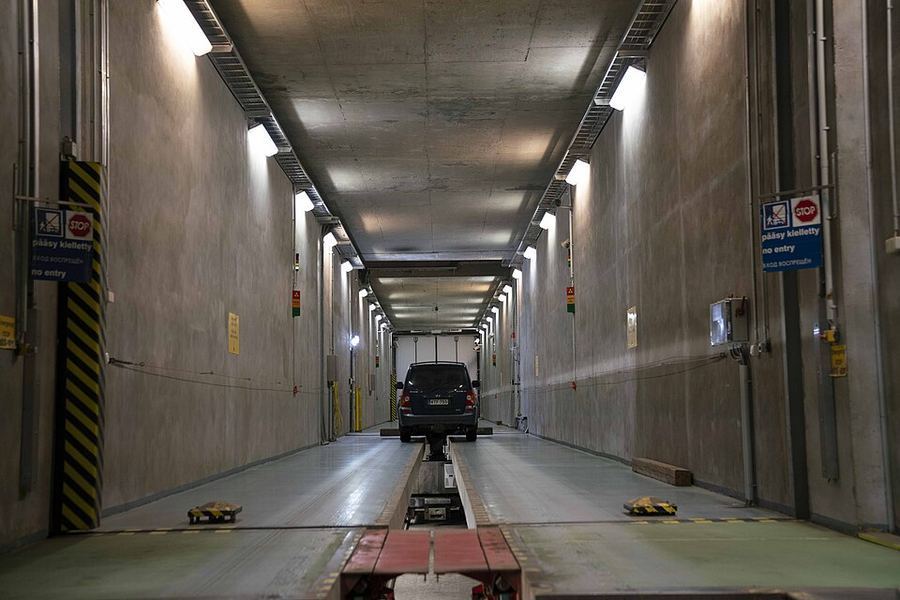
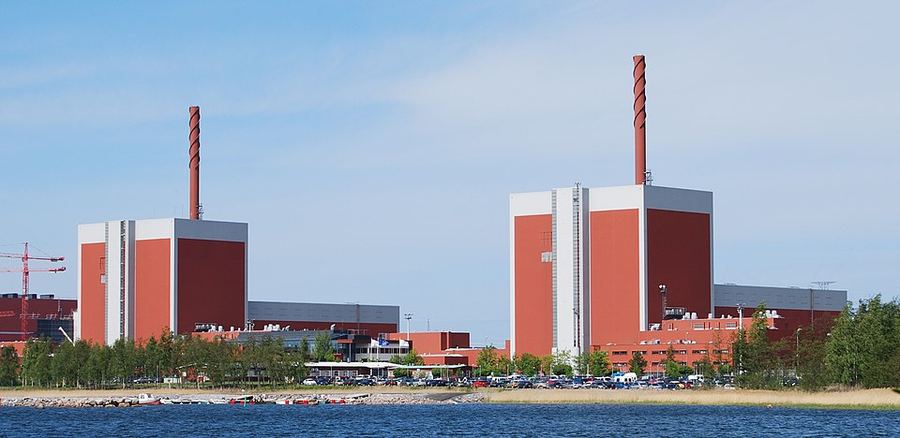
Did You Know Onkalo, on the island of Olkiluoto, is being built as the world's first permanent geological repository for spent nuclear fuel. — Nature

Finland is a parliamentary republic of about 5.55 million people occupying the northeastern corner of the Baltic, bordering Sweden, Norway and Russia and reaching some 350 kilometres above the Arctic Circle. It is among the most forested and most water-covered countries on earth, with tens of thousands of lakes and an archipelago off its southwestern coast numbering in the tens of thousands of islands. Helsinki, the capital, sits on a granite peninsula facing the Gulf of Finland. Finnish, a Finno-Ugric language unrelated to those of Scandinavia, is spoken by about 86 percent of the population, with Swedish as the second official language of roughly 5 percent and the three Sami languages recognised in the far north. Finland was a part of Sweden for six centuries, an autonomous grand duchy of the Russian Empire from 1809, and declared independence on 6 December 1917. It joined the European Union in 1995, adopted the euro at its launch, and abandoned decades of military non-alignment to join NATO in April 2023 following Russia's full-scale invasion of Ukraine. GDP per head at purchasing power parity is around 55,600 dollars, and the export economy runs on paper, machinery, steel, chemicals and technology.

CIA World FactbookEncyclopaedia BritannicaOECDEurostat
Population
5,550,449
Capital
Helsinki
Currency
€ EUR
Time zones
Largest city
Helsinki
Human Geography Themes
Loading national figures…
Largest Cities
Helsinki1,001,125
Tampere167,730
Turku104,248
Oulu84,384
Lahti57,174
Jyväskylä56,663
In Perspective

Helsinki's urban core is home to about 1,001,125 people.

Among the world's megacities, though, it's one of many — the giants of Asia and Latin America run larger still:

Helsinki1,001,125
Jakarta40,545,126
Dhaka37,307,160
Tokyo33,244,670
Shanghai30,678,616
Cairo25,230,325
The Country & Its People

History

Finnic-speaking peoples settled the territory after the retreat of the ice sheet, and the Sami occupied the north. Swedish crusades and settlement from the twelfth century brought Finland into the Swedish realm, where it remained for some six hundred years; Turku was its administrative and ecclesiastical centre, and Mikael Agricola's translation of the New Testament in 1548 created written Finnish. Sweden ceded Finland to Russia after the war of 1808 to 1809, and Tsar Alexander I made it an autonomous Grand Duchy with its own laws, currency and, from 1863, official status for the Finnish language. The capital moved to Helsinki in 1812. A national movement built on Elias Lonnrot's compilation of the Kalevala in 1835 and on the Fennoman slogan that Finns should become a nation; russification attempts after 1899 hardened it. Independence was declared on 6 December 1917 and followed immediately by a short, bitter civil war in 1918 between Reds and Whites. Finland fought the Soviet Union in the Winter War of 1939 to 1940 and the Continuation War of 1941 to 1944, ceding Karelia and resettling more than 400,000 evacuees but keeping its independence and democratic system. The Cold War decades required careful neutrality; Finland joined the European Union in 1995 and NATO in 2023.
Culture

Finnish culture prizes reserve, self-reliance, punctuality and a low tolerance for pretension. The word sisu — a stubborn endurance in the face of odds, not merely courage — is the country's own preferred self-description and is invoked from the Winter War to distance running. Two official languages coexist: Finnish and Swedish, with the Swedish-speaking minority concentrated on the southern and western coasts and in the autonomous, demilitarised, Swedish-speaking Aland Islands. The Sami, the European Union's only recognised Indigenous people, maintain their own parliament and three Sami languages in the north. Lutheranism is the historic majority church and still supplies the rituals of baptism, confirmation and burial for many, but active practice is low and around a third of the population reports no religion. Social trust is high, hierarchy is flat, and the welfare state is a broad political consensus rather than a partisan project. Reading is a mass habit: Finland's public library system is among the most used in the world, and Helsinki's Oodi library, opened in 2018, was built as a civic living room. Silence in company is not considered awkward.

Points Of Pride

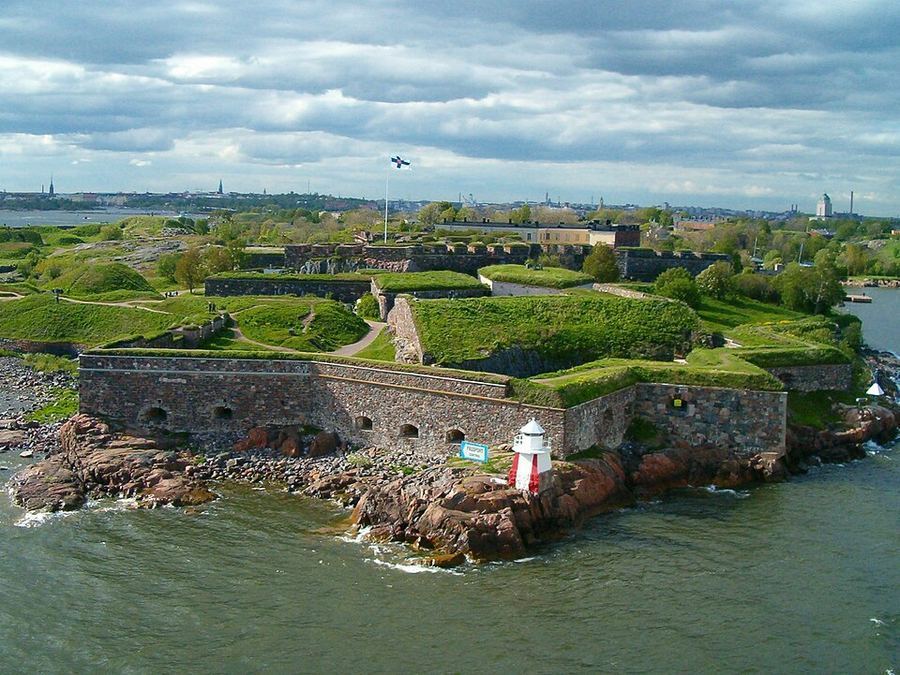
Finland has been ranked the happiest country in the world in successive editions of the United Nations-backed World Happiness Report, a result Finns themselves treat with characteristic scepticism but which reflects high measures of trust, security and institutional quality. Its comprehensive school system became an international reference after Finnish teenagers topped the first OECD PISA assessments. The sauna is a genuine national institution rather than a luxury — there are more saunas than households — and UNESCO inscribed Finnish sauna culture as intangible cultural heritage in 2020. Seven UNESCO World Heritage sites include the sea fortress of Suomenlinna outside Helsinki, the wooden old town of Rauma, the Bronze Age burial cairns of Sammallahdenmaki, the Verla groundwood mill, the Struve Geodetic Arc and the High Coast and Kvarken Archipelago, where the land is still visibly rising after the last ice age. Finland's design tradition — Alvar Aalto, Marimekko, Iittala, Fiskars — and its literacy, press freedom and low corruption rankings are all recurrent sources of national pride.

Cultural Fusion

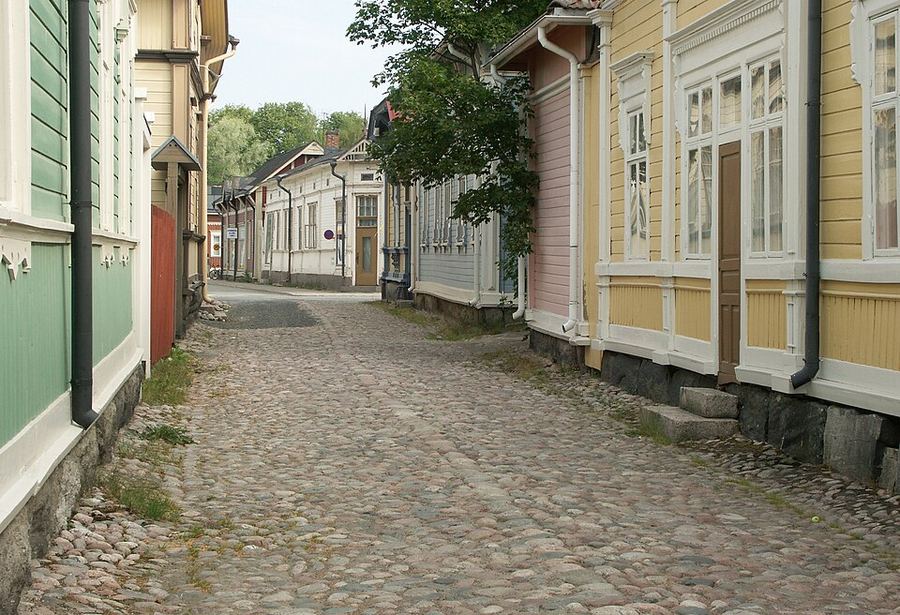
Finland sits on a seam between Scandinavian, Russian and Finno-Ugric worlds and takes from all three. Six centuries of Swedish rule left the legal system, the Lutheran church, the coastal Swedish-speaking population and a bilingual public administration that still prints everything in two languages. A century of Russian rule left Helsinki's neoclassical centre, built by Carl Ludvig Engel to resemble St Petersburg so closely that Cold War film-makers used it as a stand-in for Soviet cities, and left the Orthodox minority whose Valamo and Lintula monasteries relocated inside Finland after the Karelian cessions. Karelia itself is the great cultural crossroads: the runic songs Elias Lonnrot collected there, largely on the Russian side, became the Kalevala and through it the source material for Sibelius, Gallen-Kallela and the entire national romantic movement. In the north, Sami culture spans four states and has its own reindeer-herding economy, joik singing tradition and duodji craft. Modern Finland has become more plural through migration, with Somali, Estonian, Russian, Iraqi and Ukrainian communities now visible in the larger cities.

Music & Dance

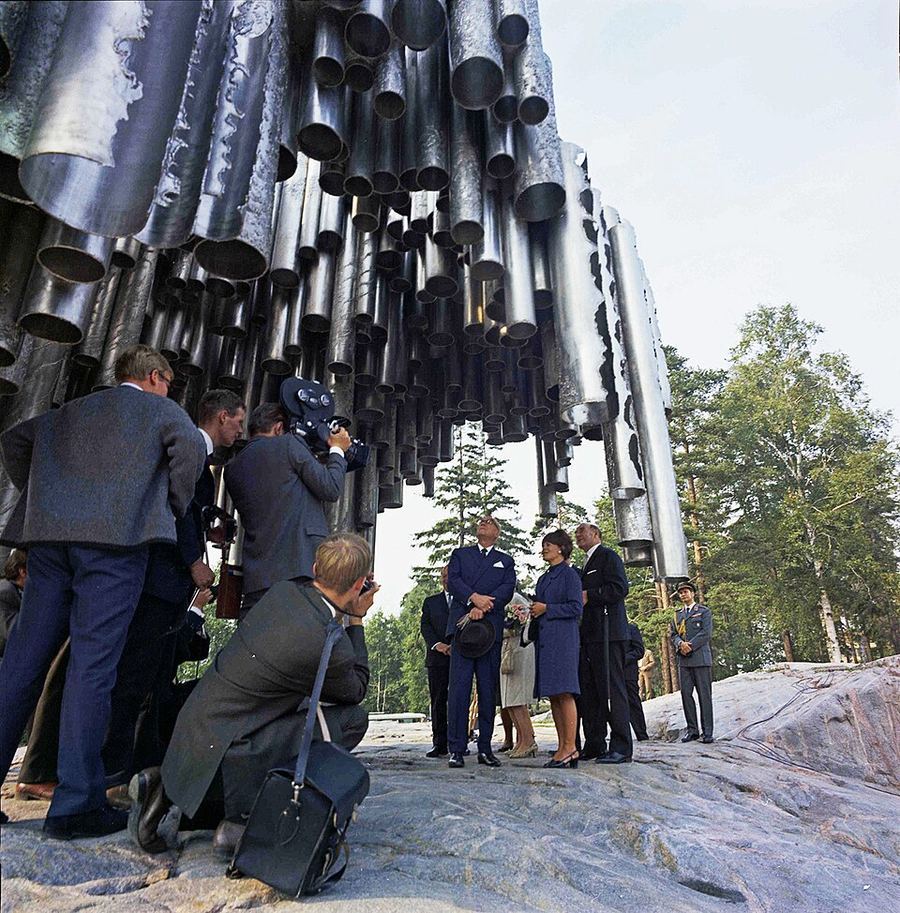
The Kalevala's runic metre, a trochaic tetrameter chanted to a narrow melodic range and accompanied by the kantele, a plucked box zither that is the national instrument, is the oldest layer of Finnish music and still shapes composition. Jean Sibelius turned that material into a national symphonic voice: Finlandia, written in 1899 as a protest against Russian censorship, became an unofficial anthem, and his seven symphonies and violin concerto are core international repertoire. Finland's contemporary classical strength is disproportionate — Kaija Saariaho, Magnus Lindberg and Esa-Pekka Salonen as composers, and a striking number of conductors trained by Jorma Panula at the Sibelius Academy who now lead orchestras worldwide. In popular music, the tango is a genuine and unlikely national obsession, played in a minor-key Finnish idiom at summer dance pavilions and celebrated annually at the Seinajoki Tangomarkkinat festival. Finland also produces heavy metal at a per-capita rate unmatched anywhere, with bands including Nightwish, Children of Bodom and Apocalyptica, and Lordi won the Eurovision Song Contest in 2006. Folk dance survives in the polska and in Sami joik, an unaccompanied vocal form that evokes rather than describes its subject.

Cuisine & Misattributed Foods

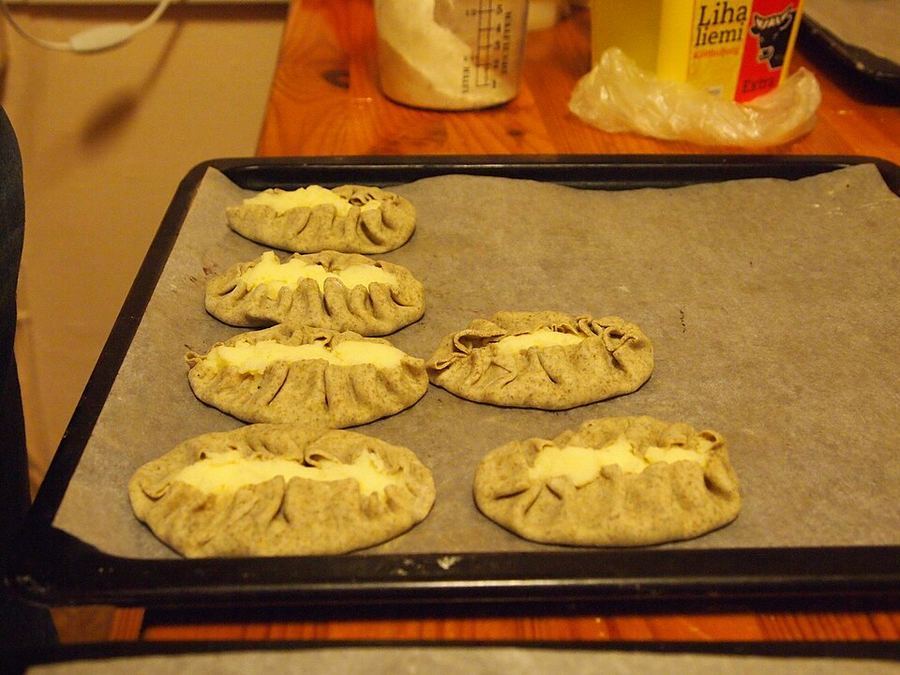
Finnish cooking is built on rye, dairy, fish, game, potato and forest produce. Ruisleipa, dense sour rye bread, is eaten daily and missed acutely by Finns abroad. Karjalanpiirakka, the Karelian pasty — a thin rye crust folded around rice or potato porridge and eaten with egg butter — is the national snack and holds EU protected traditional speciality status. Salmon appears in every form, most characteristically as lohikeitto, a creamy salmon and potato soup, and as cold-smoked or salt-cured graavilohi; loimulohi is flame-roasted on a plank by the water. Freshwater fish dominate inland, with kalakukko, a rye loaf baked around vendace and pork, as the Savonian speciality. Meat means reindeer in the north, served as poronkaristys sauteed with mashed potato and lingonberry, and elk in season. Christmas brings ham, casseroles of swede, carrot and liver, and glogi. Forest berries — bilberry, lingonberry and above all the amber Arctic cloudberry — are gathered under everyman's right and made into desserts such as leipajuusto squeaky cheese served with cloudberry jam. Salmiakki, salty liquorice flavoured with ammonium chloride, is the confection foreigners find hardest and Finns love most.

National Dress

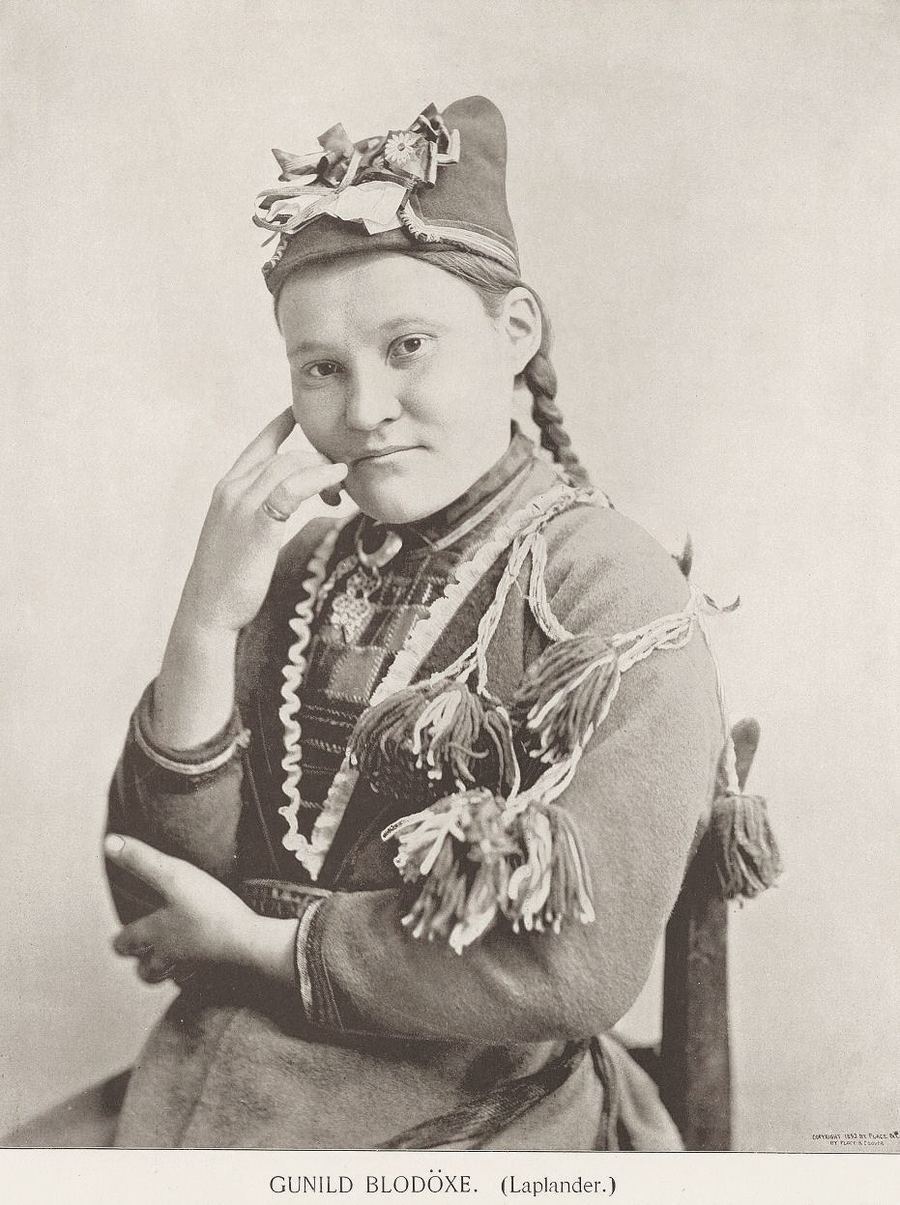
Finnish national costume, the kansallispuku, was largely reconstructed during the nineteenth-century national awakening from surviving parish clothing, and there are now hundreds of documented regional versions, each tied to a specific parish and carefully researched by the National Costume Centre. The common elements for women are a linen blouse, a woven wool or striped skirt, a bodice or short jacket, an apron and a headdress that distinguishes married from unmarried women, with a large silver or brass round brooch at the throat. Men wear knee breeches or trousers, a waistcoat, a long coat and a knitted or felt cap. Costume is worn to Independence Day receptions, midsummer, weddings, choir performances and graduations rather than daily. Sami dress, the gakti, is entirely different and remains living clothing: a bright wool tunic, usually blue with red, yellow and green banding, worn with a woven belt, reindeer-hide shoes with upturned toes and, for men in some Finnish Sami areas, the distinctive four-winds hat. Its details identify family and district, and its unlicensed imitation in tourist goods is a live cultural-rights issue.

Sports & Inspiring Athletes

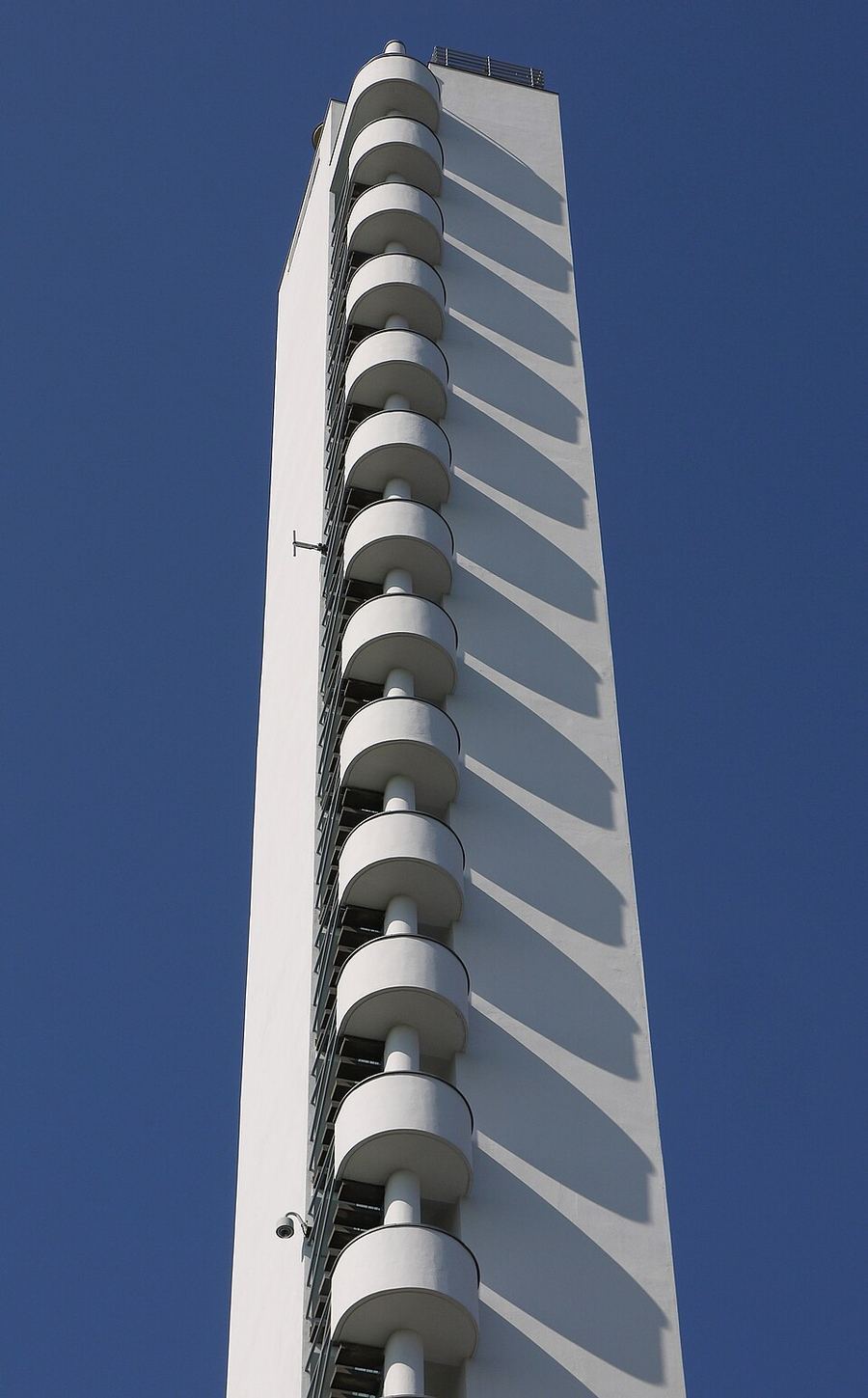
Ice hockey is the national spectator sport, and the men's team has won the world championship several times, most memorably in 1995 and 2011, and took Olympic gold at Beijing in 2022; the Liiga fills arenas through the winter. Finland's Olympic history, though, is written in athletics. The Flying Finns dominated distance running between the wars: Hannes Kolehmainen won three golds in 1912, and Paavo Nurmi took nine Olympic titles and set more than twenty world records, famously running with a stopwatch in his hand. Ville Ritola, Lasse Viren, who won the 5,000 and 10,000 metres double at both Munich in 1972 and Montreal in 1976, and the javelin throwers of several generations continued the line, and Finland has won more Olympic javelin medals than any other nation. Nordic skiing, ski jumping and biathlon are winter mainstays, and Finland is one of only a handful of countries to have hosted the Summer Olympics, in Helsinki in 1952. Pesapallo, a Finnish adaptation of baseball with a vertical pitch and a zigzag base path, was devised by Lauri Pihkala in the 1920s and is the national bat-and-ball game.
IOCOlympediaWorld Athletics

Notable Educational Programs

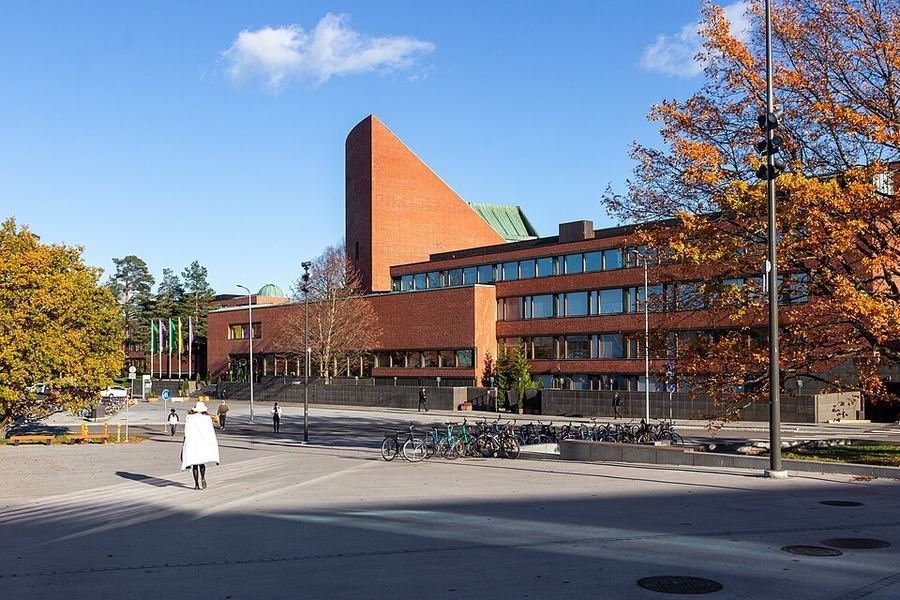
Finland's comprehensive school became an international reference after Finnish fifteen-year-olds topped the first OECD PISA rounds from 2000. The system's distinguishing features are structural rather than technological: a single comprehensive school from age seven to sixteen with no tracking and no national testing regime, free school meals, health care and transport, small differences between schools, and a teaching profession that requires a research master's degree and is genuinely competitive to enter, with high autonomy over curriculum and method once in post. Formal schooling starts late by international standards, and play-based early education precedes it. Higher education is free of tuition for Finnish and EU students, and the university sector is led by the University of Helsinki, founded at Turku in 1640 and moved after the Turku fire, alongside Aalto University, formed in 2010 by merging the technology, business and art schools, and universities at Tampere, Turku, Jyvaskyla and Oulu. Adult and vocational education is unusually strong. Results have slipped somewhat in recent PISA rounds, prompting national debate about screen use, reading and segregation.

Wars & Conflicts

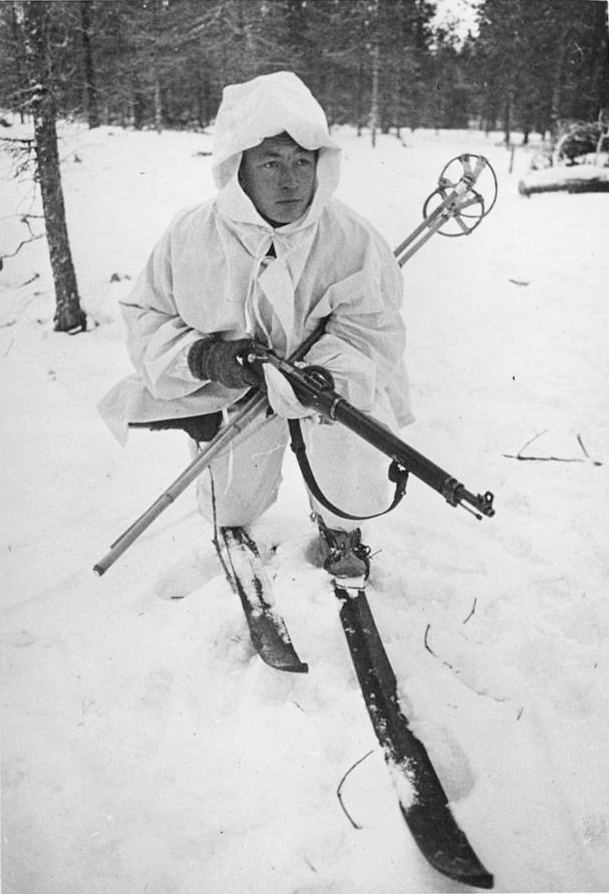
Finland's formative conflicts are the wars with the Soviet Union. After the Molotov-Ribbentrop Pact placed Finland in the Soviet sphere, the Red Army invaded on 30 November 1939. The Winter War lasted 105 days; heavily outnumbered Finnish forces fighting on skis in extreme cold inflicted enormous Soviet casualties before the Moscow Peace Treaty of March 1940 forced the cession of Karelia, the Karelian Isthmus and Vyborg, and the evacuation of more than 400,000 people who were resettled inside Finland. The Continuation War of 1941 to 1944, fought alongside Germany, ended in an armistice that confirmed the territorial losses, imposed heavy reparations and required Finland to expel German forces from Lapland in the destructive Lapland War. Before all of this came the civil war of 1918, a short and exceptionally bloody conflict between Reds and Whites whose memory shaped politics for generations. Finland was never occupied and kept its democracy, and after 1945 pursued a careful neutrality with the Soviet Union. It abandoned military non-alignment after Russia's full-scale invasion of Ukraine, applying to NATO in May 2022 and joining on 4 April 2023.
Current as of 2026-08-06

Land & Border Disputes

Finland has no outstanding territorial claims. The 1,340-kilometre boundary with Russia, the European Union's longest external land border with that state, was fixed by the treaties of 1940 and 1947 and is not contested by the Finnish government; a private and politically marginal current has argued for the return of ceded Karelia, but no Finnish administration has raised it. The border has nonetheless become a live security issue: Finland closed its road crossings with Russia in late 2023 after a sharp increase in third-country migrants being channelled to them, which the Finnish government described as an orchestrated instrumentalisation of migration, and it has legislated to build barriers along parts of the frontier. The Aland Islands question, once a genuine dispute between Finland and Sweden, was settled by the League of Nations in 1921, which awarded the islands to Finland while guaranteeing their Swedish language, autonomy and demilitarised, neutralised status under an international convention that remains in force. Maritime boundaries in the Gulf of Finland, the Aland Sea and the Bothnian Bay are settled by agreement with Sweden, Estonia and Russia.
Land, Life & Legacy

Land & Climate

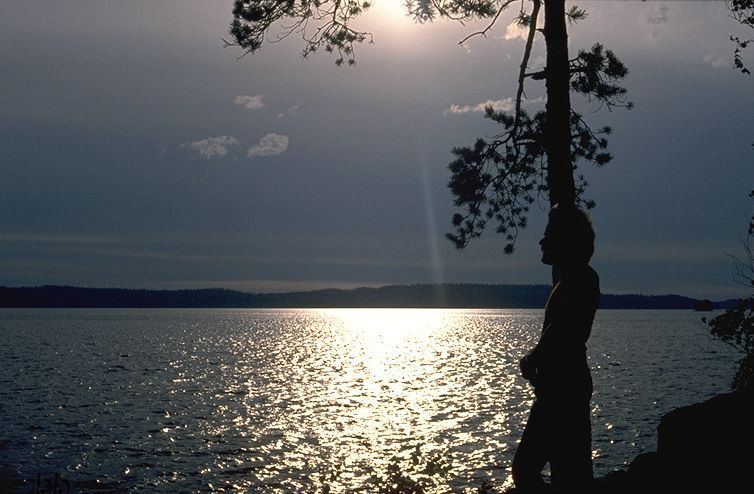
Finland covers about 338,000 square kilometres, of which roughly three-quarters is forest — the highest forest share in Europe — and about a tenth is water. There are some 188,000 lakes larger than five ares, the greatest concentration in the Lakeland region of the southeast where Saimaa, the largest, forms a maze of interconnected basins. The southwestern archipelago and the Aland Islands together comprise tens of thousands of skerries and islands. The land is low, shaped by the ice sheet into eskers, moraines and the great Salpausselka ridges; the only real relief is in the northwestern arm, where Halti reaches about 1,324 metres on the Norwegian border. Post-glacial rebound is still lifting the coast around the Kvarken by several millimetres a year, steadily creating new land, and this is why the area is a World Heritage site. About a quarter of the country lies above the Arctic Circle, where the sun stays up for weeks around midsummer and stays down through the kaamos polar night in December, when the aurora is frequently visible. Winters are long and snowy, summers short, warm and extraordinarily light.

Entertainment

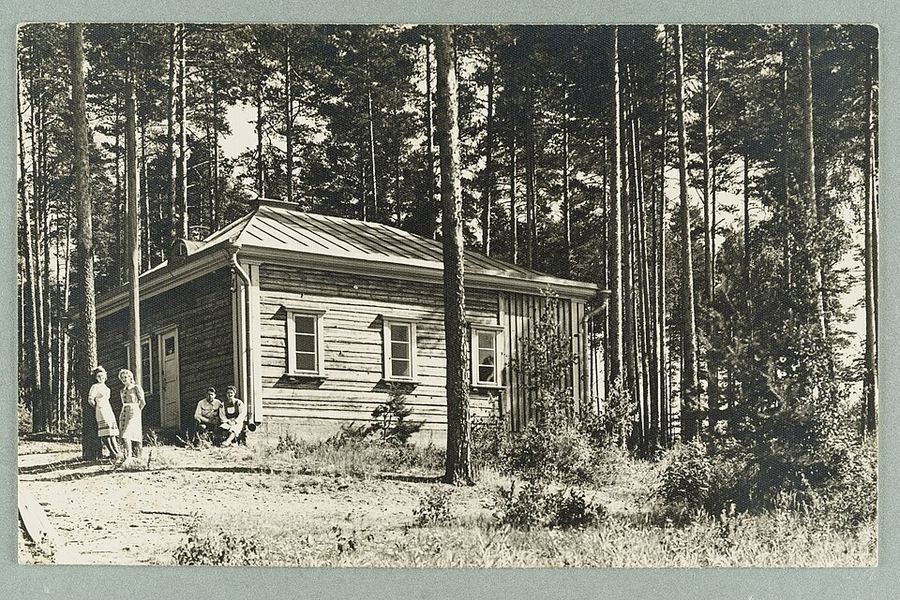
The sauna and the summer cottage define Finnish free time. There are roughly three million saunas for 5.5 million people, in flats, offices, factories and parliament, and the ritual — heat, birch whisk, a plunge into lake or sea, repeat — is social rather than merely hygienic; UNESCO listed sauna culture in 2020. The mokki, a lakeside cottage often without running water, is where a large share of the population spends midsummer and summer holidays, and Juhannus bonfires around the solstice empty the cities completely. Everyman's right allows anyone to walk, camp, swim and pick berries and mushrooms on almost any land, and berry and mushroom picking is a mass activity. Winter brings cross-country skiing on maintained tracks, ice swimming through a hole cut in the lake, ice fishing and ice hockey. Finns are among the world's heaviest consumers of coffee per head and among the heaviest users of public libraries. Distinctive competitive pastimes have become exports in themselves, including the wife-carrying world championships at Sonkajarvi and the mobile-phone throwing and swamp football contests that began as jokes and stuck.

Art & Museums

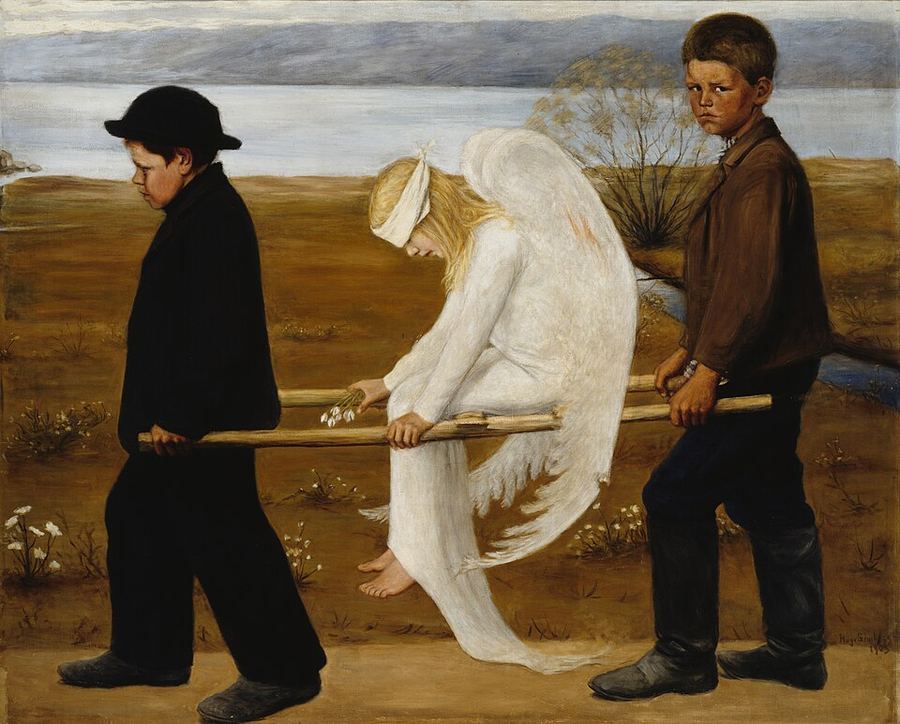
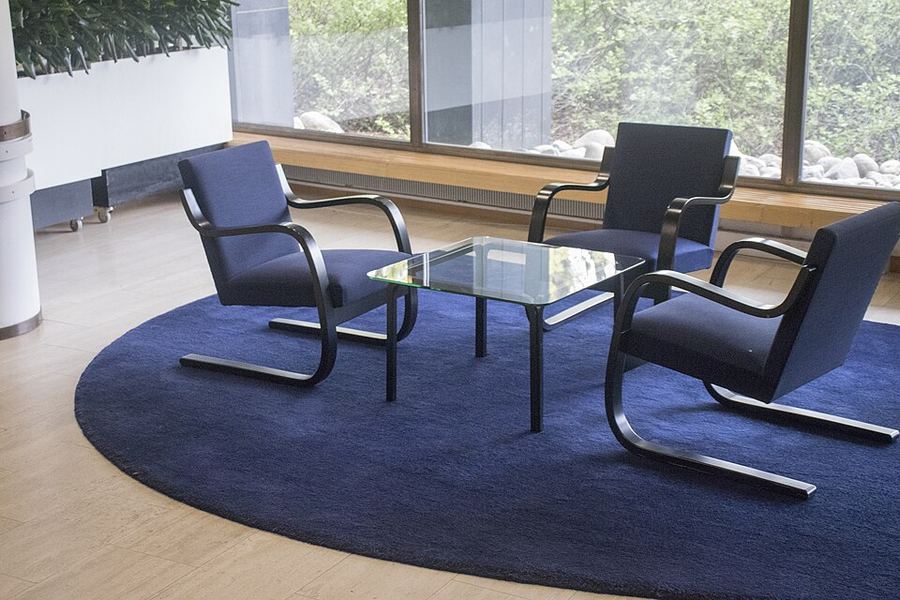
The golden age of Finnish art coincided with the push for independence. Akseli Gallen-Kallela painted the Kalevala into visual existence — the Aino triptych, the Defence of the Sampo, the frescoes for the 1900 Paris world fair — and Hugo Simberg produced the strange, tender Wounded Angel, repeatedly voted the nation's favourite painting, and the frescoes of Tampere Cathedral. Helene Schjerfbeck's long self-portrait sequence, stripping the face back to almost nothing over five decades, is the country's most internationally admired body of modern painting. Finnish design carries as much weight as fine art: Alvar Aalto's buildings, bentwood furniture and Savoy vase, Eero Saarinen's American architecture, Kaj Franck's and Tapio Wirkkala's glass and tableware for Iittala, Marimekko's bold prints from the 1950s, and Eliel Saarinen's Helsinki Central Station in the National Romantic style. Architecture is a national art form, from Temppeliaukio's church blasted into bedrock to Oodi library and the Kiasma museum of contemporary art. Tove Jansson's Moomin books and drawings are Finland's most widely loved visual creation.
Encyclopaedia BritannicaUNESCOMetropolitan Museum of Art

Notable People

Jean Sibelius, born in 1865, is the figure through whom the world first encountered Finland, and Elias Lonnrot, who assembled the Kalevala from collected runic songs, made the national culture possible. Alvar Aalto is among the most influential architects and designers of the twentieth century, and Tove Jansson, writing and drawing in Swedish, created the Moomins, translated into dozens of languages. Frans Eemil Sillanpaa won the Nobel Prize in Literature in 1939, and Ragnar Granit shared the Nobel Prize in Physiology or Medicine in 1967 for work on vision, while Artturi Virtanen won the chemistry prize in 1945 for fodder preservation. Marshal Carl Gustaf Emil Mannerheim, commander in both wars against the Soviet Union and later president, is the dominant political figure of the century, and Martti Ahtisaari won the Nobel Peace Prize in 2008 for decades of international mediation. In sport, Paavo Nurmi, the Flying Finn, won nine Olympic golds in distance running in the 1920s. Linus Torvalds, born in Helsinki, released the Linux kernel in 1991, and Tarja Halonen served as Finland's first woman president from 2000 to 2012.

Inventions & Breakthroughs

Finland's most far-reaching invention is software: Linus Torvalds released the Linux kernel from Helsinki in 1991 and licensed it freely, and it now runs most of the world's servers, all of the top supercomputers and, through Android, most mobile phones. His compatriot Jarkko Oikarinen invented Internet Relay Chat at the University of Oulu in 1988, the direct ancestor of modern chat platforms, and the MySQL database was co-created by the Finn Michael Widenius. In hardware, Nokia turned from rubber boots and paper to mobile telephony and became the world's largest handset maker for more than a decade, and Finnish engineers were central to the GSM standard; the first commercial GSM call was made in Finland in 1991, and Nokia handsets turned text messaging into a mass consumer habit. Everyday inventions include the Rapala fishing lure, whittled from cork by Lauri Rapala in the 1930s and now sold worldwide, Nokian's studded winter tyre, the Fiskars orange-handled scissors of 1967, and the reflector worn by pedestrians in winter darkness. The Finnish baby box, a state-issued maternity package doubling as a cot since 1938, has been adopted by other countries.

Science & Technology

Finland invests among the higher shares of GDP in research and development in Europe and concentrates it in forestry and materials, telecommunications, health and clean energy. The forest sector drives applied science far beyond sawn timber: nanocellulose, wood-based textile fibres, lignin chemistry and bio-based packaging are national research priorities, and the country runs one of the most complete forest inventories in the world. In energy, Finland's Olkiluoto 3 reactor, which entered regular production in 2023, is one of the largest single generating units in Europe, and the deep geological repository being built at Onkalo on the same island is the world's first facility intended for the permanent disposal of spent nuclear fuel, a project watched closely by every country with a waste problem. Health research benefits from long-running national registers and cohorts, including the FinnGen study linking genomes to lifetime health records for hundreds of thousands of participants. Finland's meteorological and Arctic research institutes are central to climate observation at high latitudes, and the country hosts the LUMI supercomputer at Kajaani, one of the fastest in Europe and powered by hydroelectricity.
NatureScienceOECDIEA
On The World Stage

Champions & Defining Moments

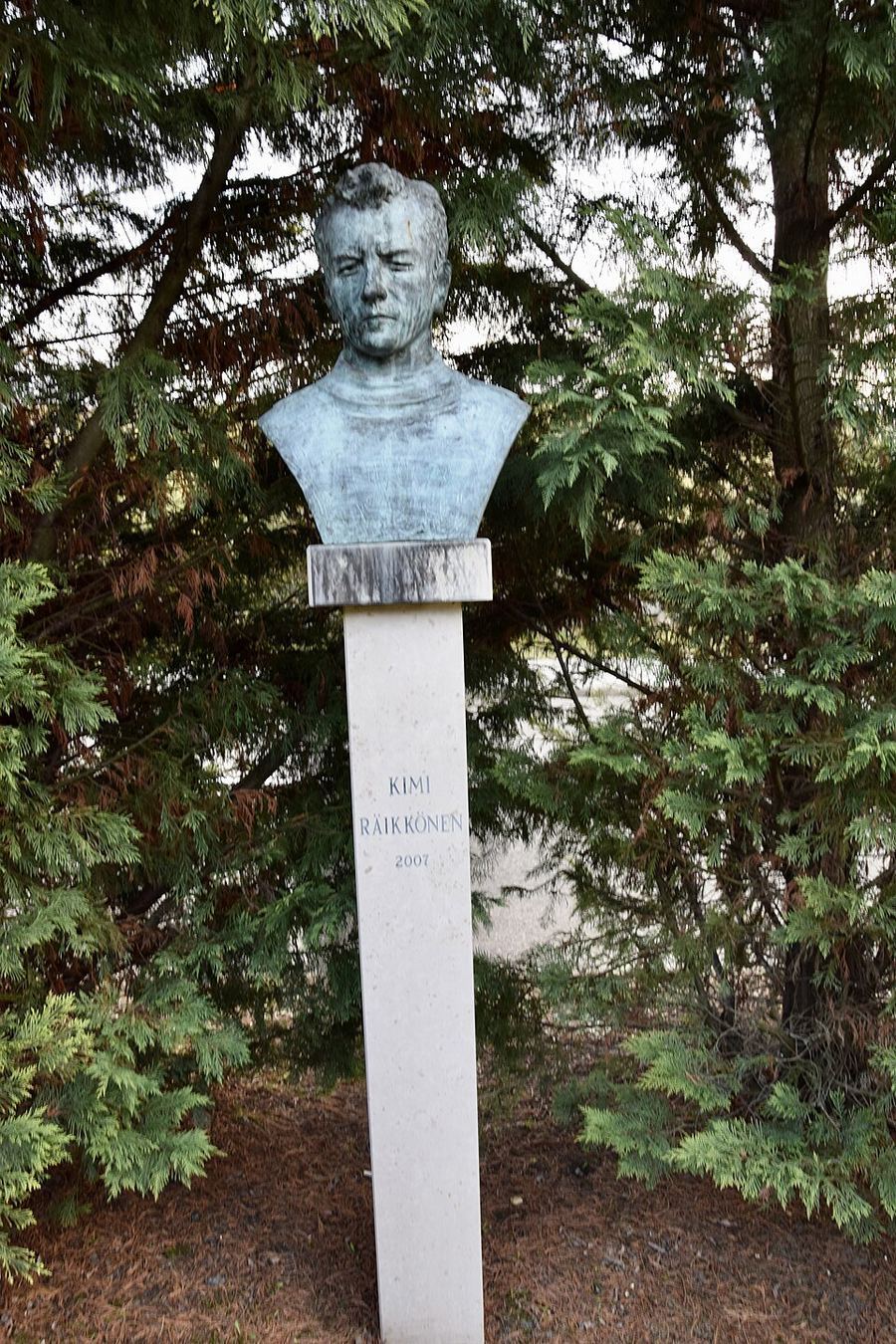
Motorsport is where a country of 5.5 million most conspicuously overperforms. Finland has produced three Formula One world champions — Keke Rosberg in 1982, Mika Hakkinen in 1998 and 1999 and Kimi Raikkonen in 2007 — plus a continuous presence at the front through drivers such as Valtteri Bottas, and a long line of World Rally Championship titles taken by Juha Kankkunen, Tommi Makinen, Marcus Gronholm and Ari Vatanen among others, so that the phrase flying Finn transferred from runners to drivers. In athletics, Paavo Nurmi's nine Olympic golds and Lasse Viren's two double victories remain among the sport's defining performances. Finnish ice hockey players have been central to the National Hockey League for decades, with Teemu Selanne and Jari Kurri in the Hall of Fame, and the men's team completed the set of world championship, Olympic and World Cup honours with gold in Beijing in 2022. Ski jumper Matti Nykanen won four Olympic golds in the 1980s. Finland has hosted the Summer Olympic Games once, in Helsinki in 1952.

Economy, Trade & Government

Currency & GDP

Euro — EUR (€)

GDP (PPP): $313.591 billion (2024 est.)

Per capita: $55,600 (2024 est.)

Exports

$124.531 billion (2024 est.)

paper, refined petroleum, steel, wood pulp, ships (2023)

Partners: USA 11%, Germany 11%, Sweden 10%, Netherlands 7%, China 5% (2023)

Imports

$122.644 billion (2024 est.)

crude petroleum, cars, refined petroleum, packaged medicine, broadcasting equipment (2023)

Partners: Germany 14%, Sweden 12%, China 9%, Norway 8%, Netherlands 5% (2023)

Government

Type: parliamentary republic

Independence: 6 December 1917 (from Russia)

Terrain → Where People Live

How mountains, coasts, and rivers shape settlement (LandScan).

Coming — data

Migration & Ethnic Settlement

Where groups settled and how people move (GeoEPR + UNHCR).

Coming — data

Universities

Notable institutions, mappable as points.

Coming — data
Economy & government facts: CIA World Factbook (public domain), via OpenFactBook / factbook.json.
Every fact and narrative claim will carry a visible source citation. Data-driven sections light up automatically wherever HERA has coverage.