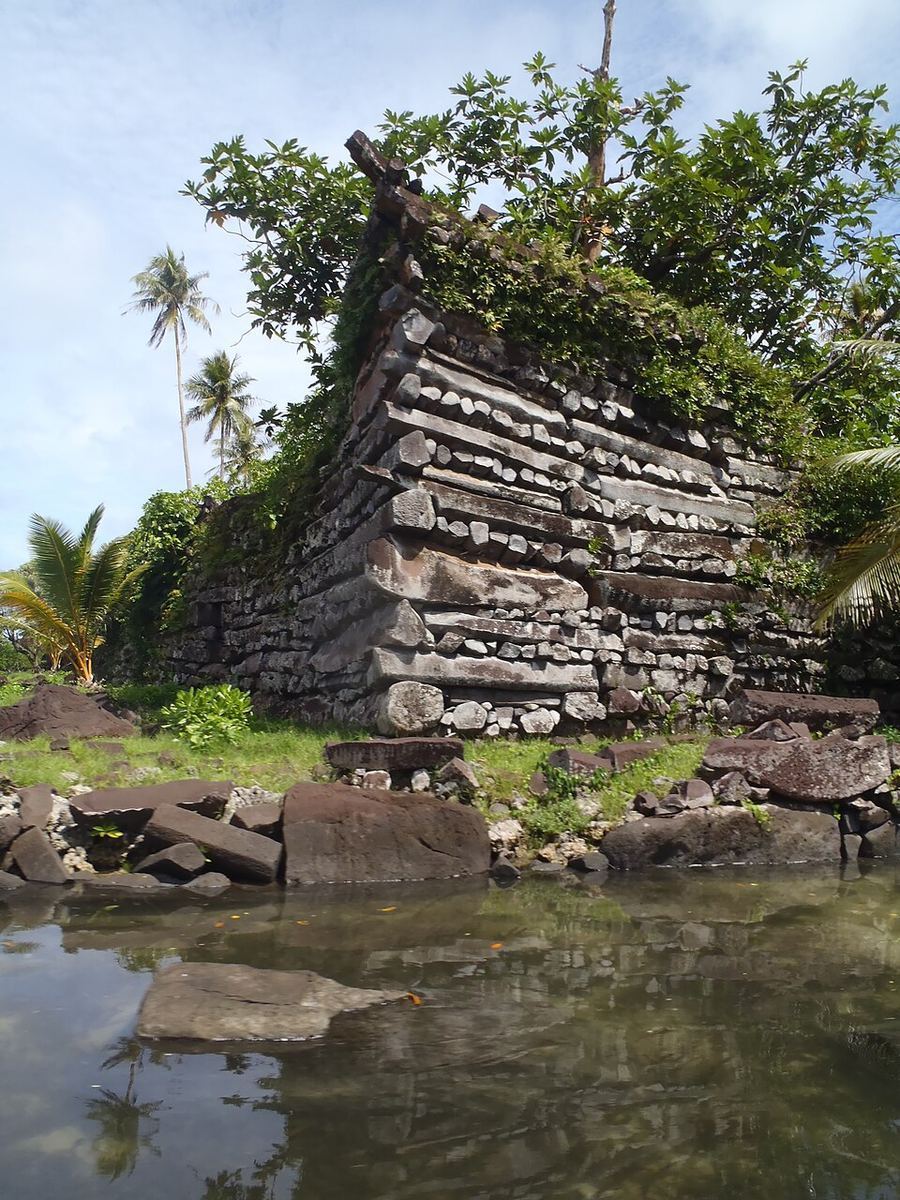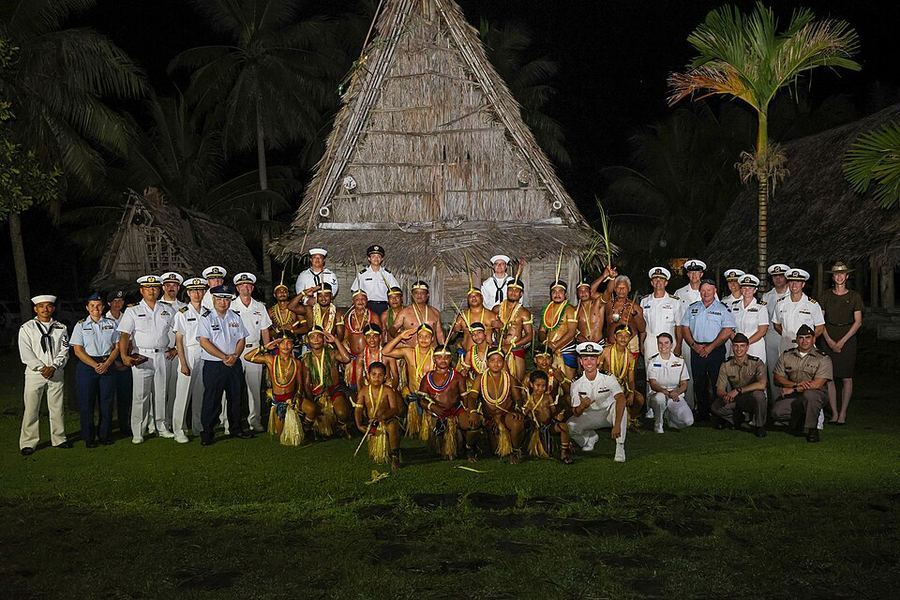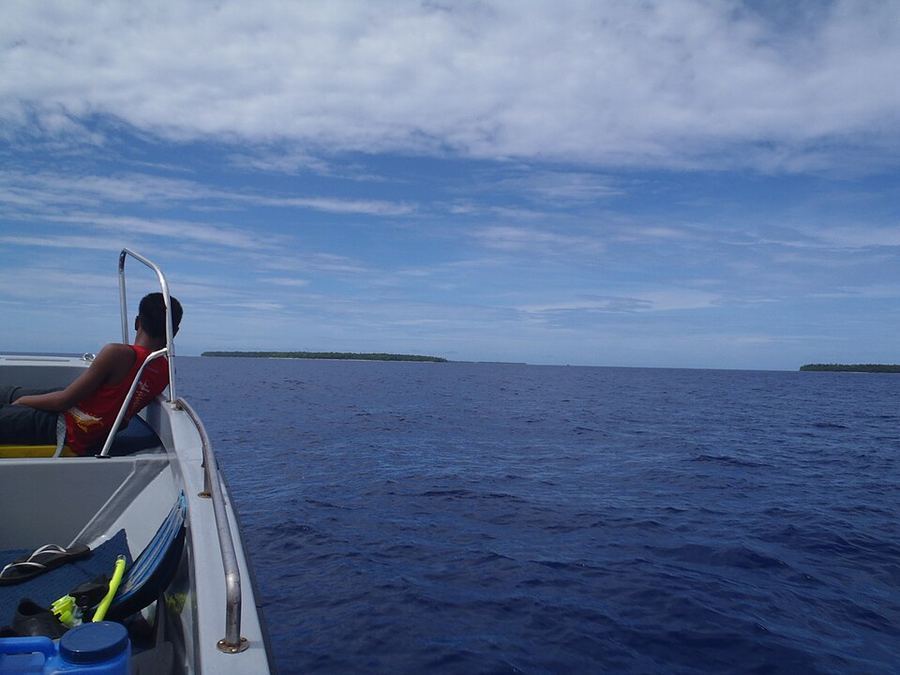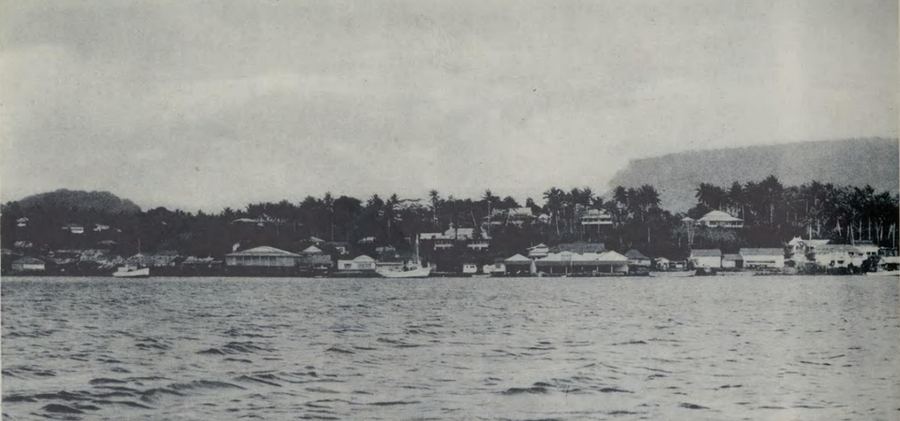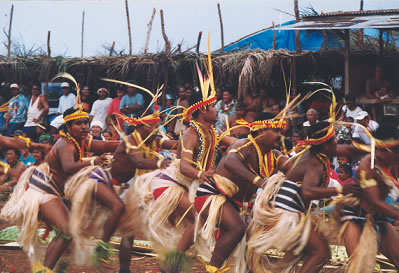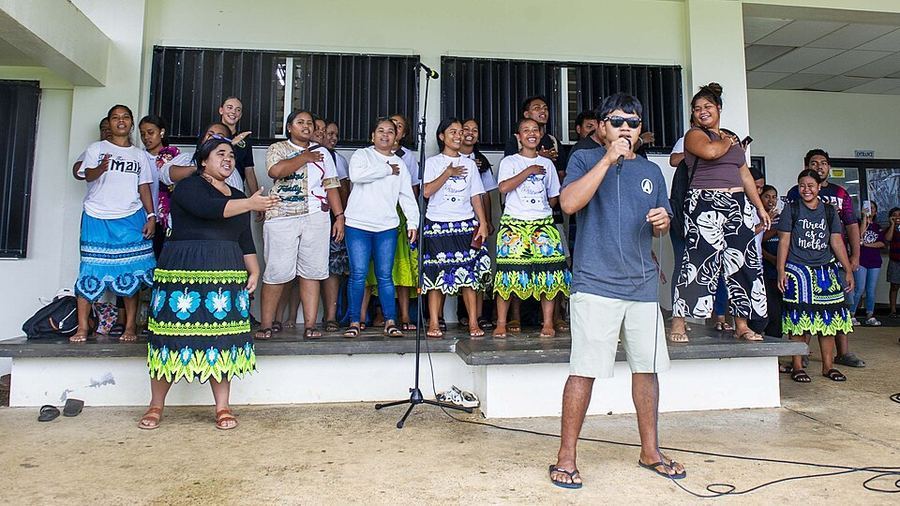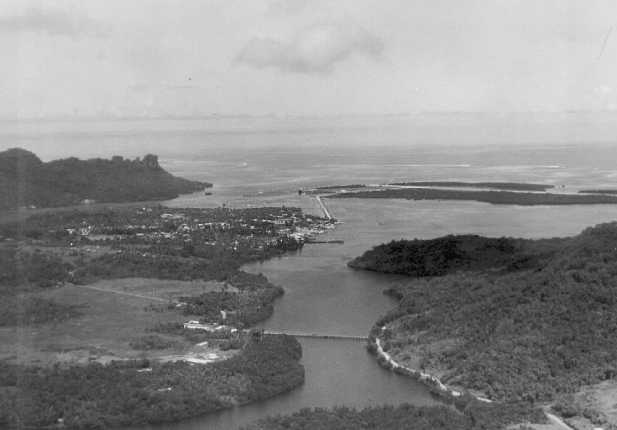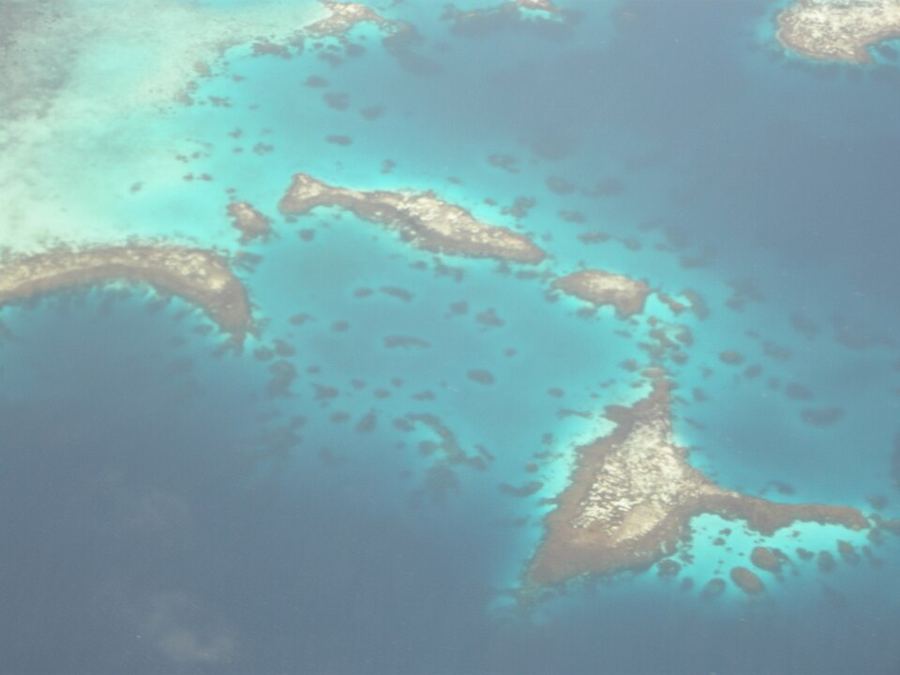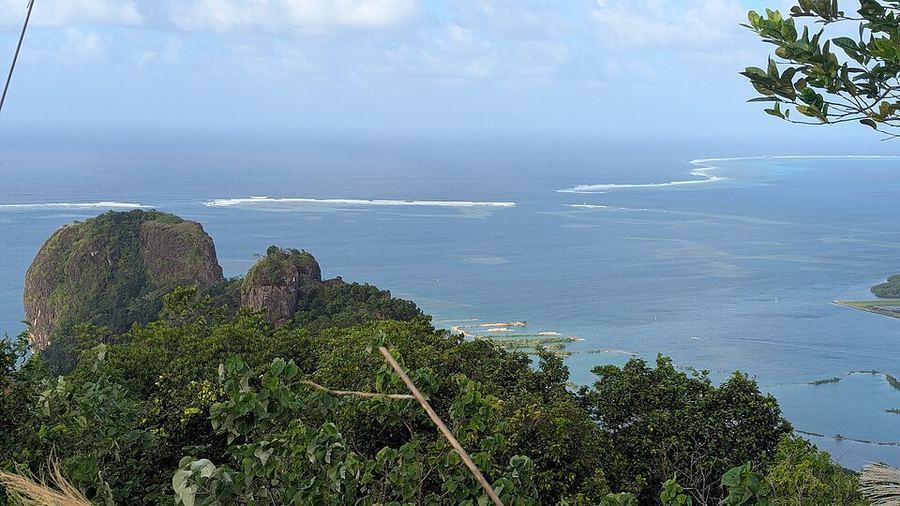
The Federated States of Micronesia is a federal republic of about 100,000 people scattered across some 607 islands and atolls in the western Pacific, strung out over roughly 2,700 kilometres of ocean north of the equator. Four states, each with its own language, culture and government, make up the federation: Yap in the west, then Chuuk, Pohnpei and Kosrae to the east. Palikir, on Pohnpei, is the federal capital, though Chuuk holds nearly half the national population. The islands were successively Spanish, German and Japanese possessions before becoming part of the United States-administered Trust Territory of the Pacific Islands after 1945; the constitution took effect in 1979 and full self-government under a Compact of Free Association with the United States followed on 3 November 1986. Under that compact, the United States provides economic assistance and full defence responsibility while Micronesian citizens may live and work in the United States without a visa, an arrangement renewed in 2023. English is the official and common language, with Chuukese, Pohnpeian, Kosraean, Yapese and several outer-island languages spoken at home. The economy is small, running on fishing licence revenue, compact funds and remittances.
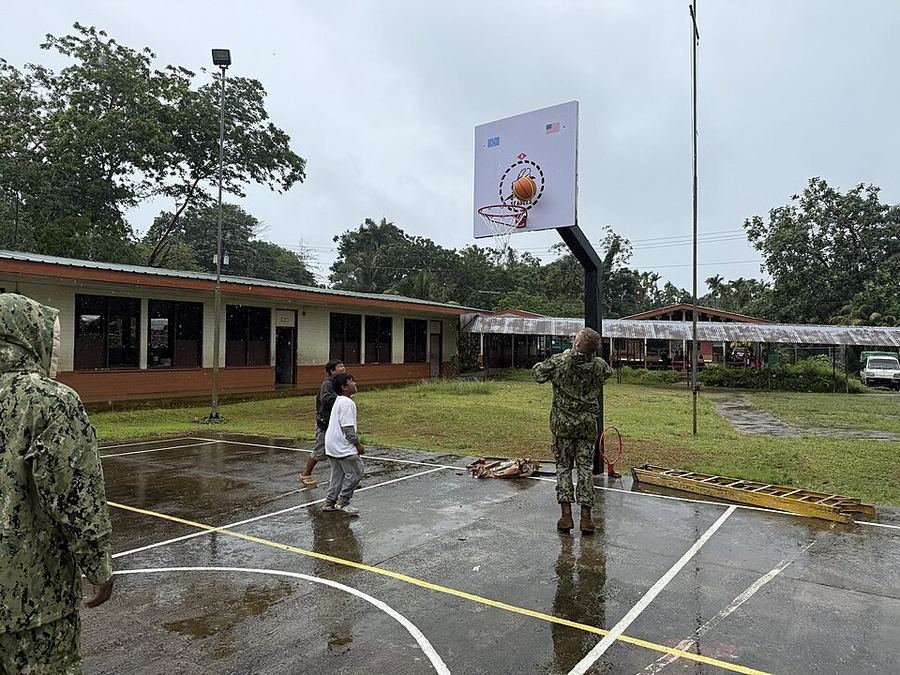
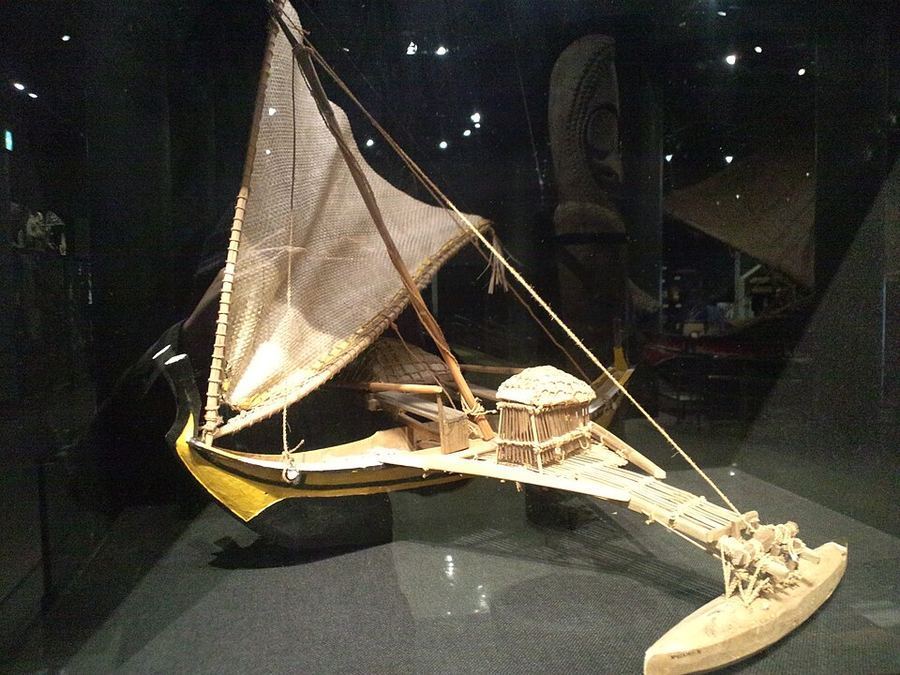
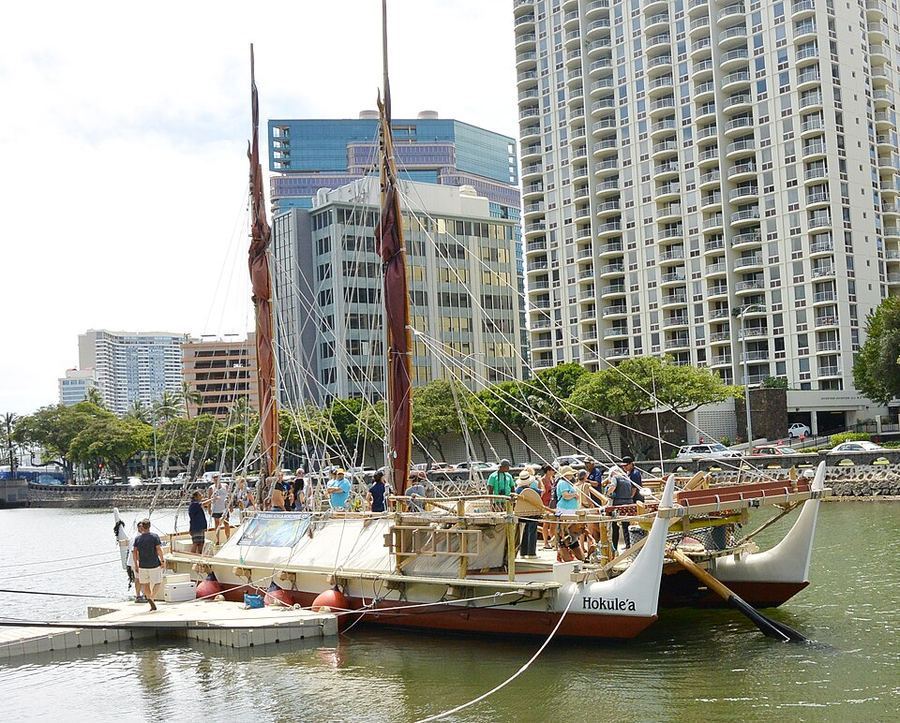
The Federated States has a small international sporting footprint and no Olympic medal to date, having competed at every Summer Games since Atlanta in 1996 in athletics, swimming, weightlifting and wrestling, usually with a handful of athletes. Its consistent regional achievements come at the Micronesian Games and the Pacific Games, where Micronesian competitors have taken medals in track, swimming, weightlifting and traditional canoe events. Where the country has had genuine global influence in a physical discipline is voyaging rather than sport in the conventional sense: Mau Piailug of Satawal navigated the Hokule'a from Hawaii to Tahiti in 1976 using only stars, swells and birds, an achievement that reset the international understanding of Pacific settlement and launched a voyaging revival now spanning Hawaii, New Zealand, Tahiti and Micronesia itself. Micronesian-descended athletes competing for the United States and for Guam, and the compact's free-movement provisions, mean that some of the country's strongest sportspeople appear under other flags, particularly in American football and basketball.
US Dollar — USD ($)
GDP (PPP): $432.679 million (2024 est.)
Per capita: $3,800 (2024 est.)
$129.5 million (2024 est.)
fish, diamonds, garments (2023)
Partners: Thailand 64%, China 16%, Philippines 11%, Japan 5%, Ecuador 1% (2023)
$325.9 million (2024 est.)
poultry, fish, plastic products, cars, prepared meat (2023)
Partners: USA 35%, China 20%, Japan 13%, Taiwan 6%, Philippines 4% (2023)
Type: federal republic in free association with the US
Independence: 3 November 1986 (from the US-administered UN trusteeship)
How mountains, coasts, and rivers shape settlement (LandScan).
Coming — dataWhere groups settled and how people move (GeoEPR + UNHCR).
Coming — dataNotable institutions, mappable as points.
Coming — data