HERA · Human Entity Reference Atlas by Masego Inc

← Gabon 🌐 3D View
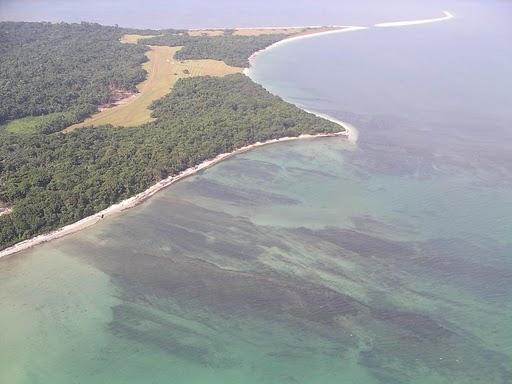
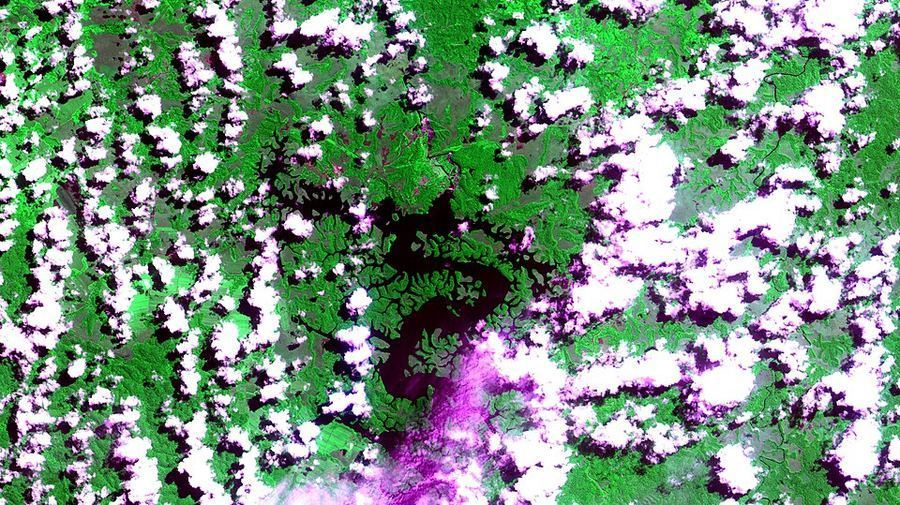
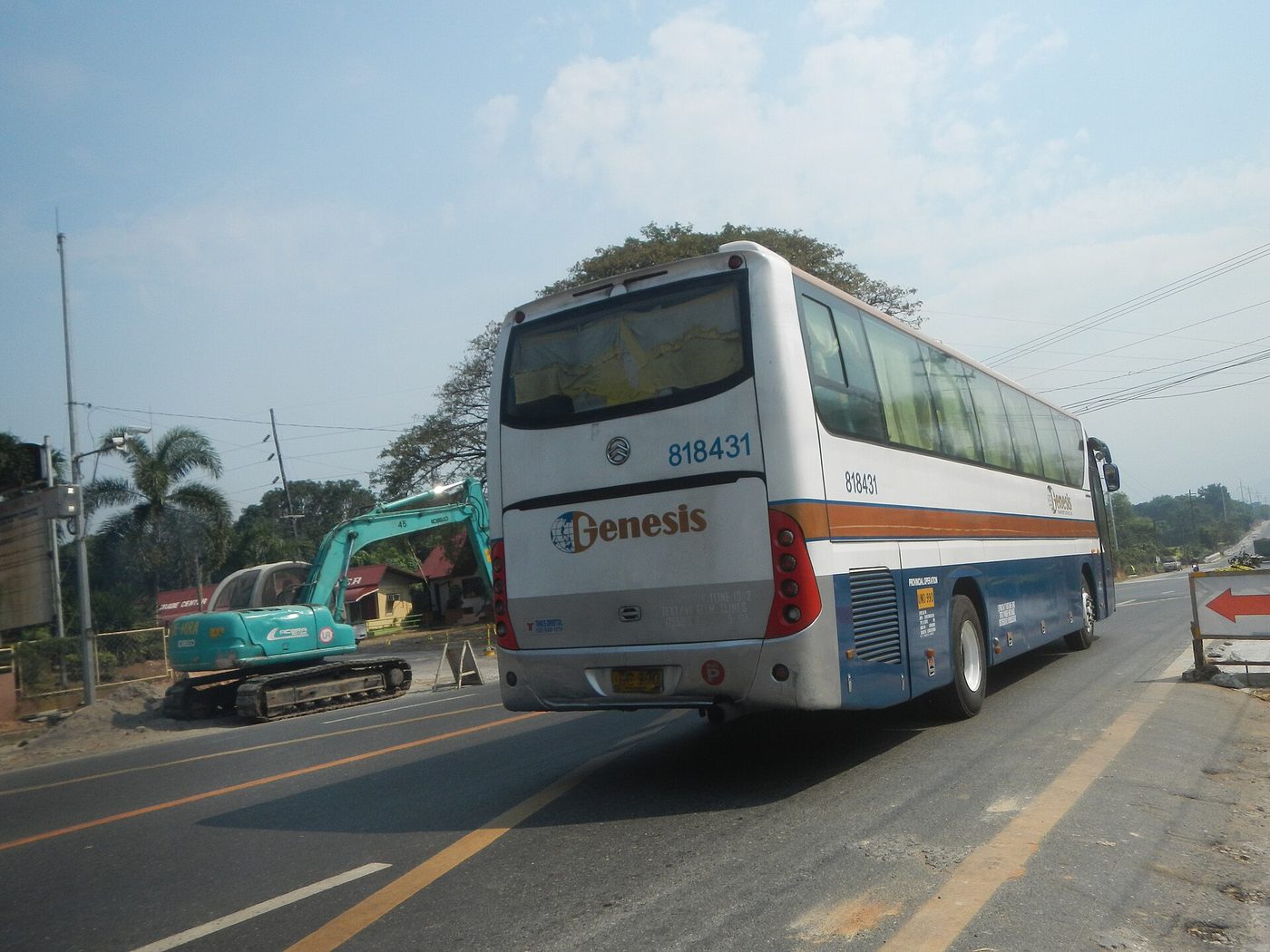
988Abucay Dinalupihan, Bataan Roads Landmarks 27, Gabon
Gabon GAB
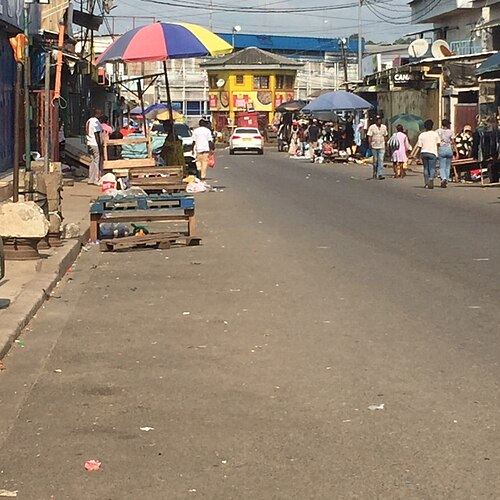
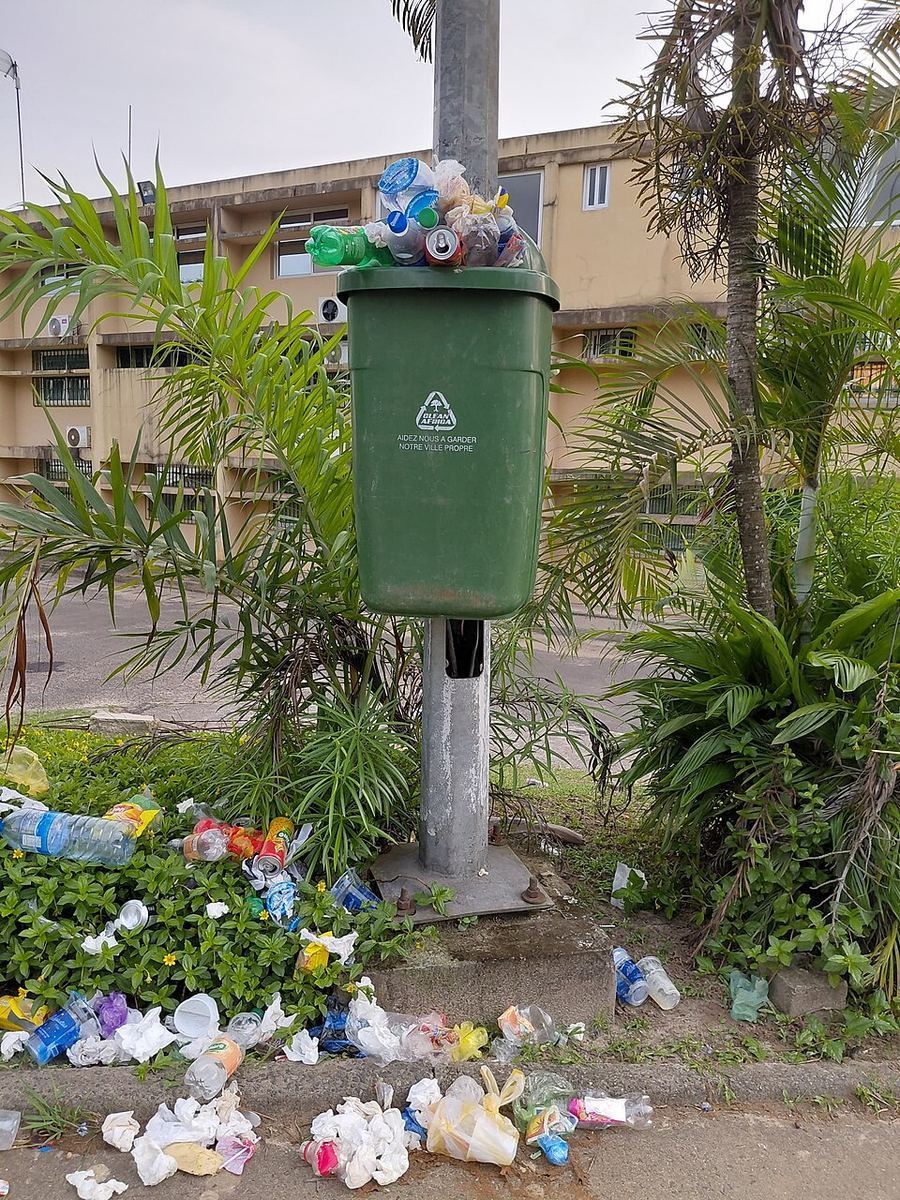
988Abucay Dinalupihan, Bataan Roads Landmarks 27 — Photo: Judgefloro / CC0 via Wikimedia Commons
Did You Know Libreville was named for the freed captives that France settled there in 1849 after intercepting a slave ship — the name deliberately echoes Freetown in Sierra Leone. — Encyclopaedia Britannica

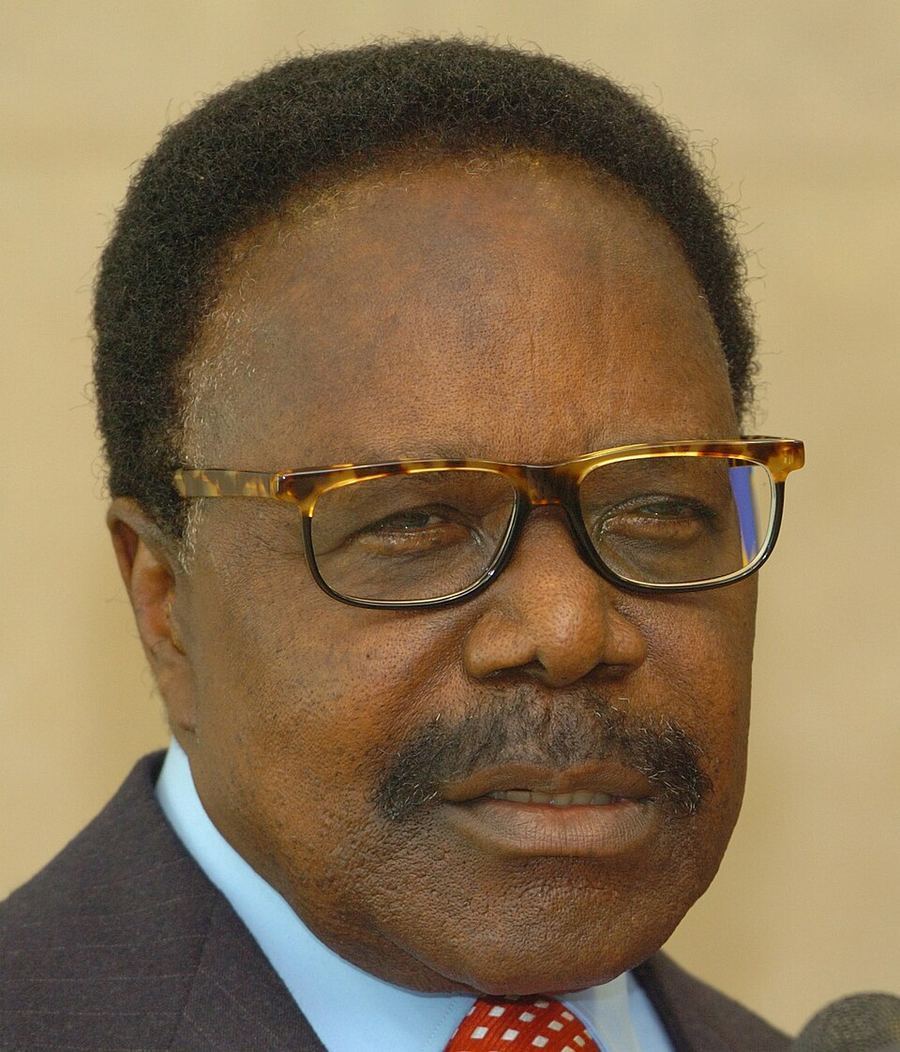
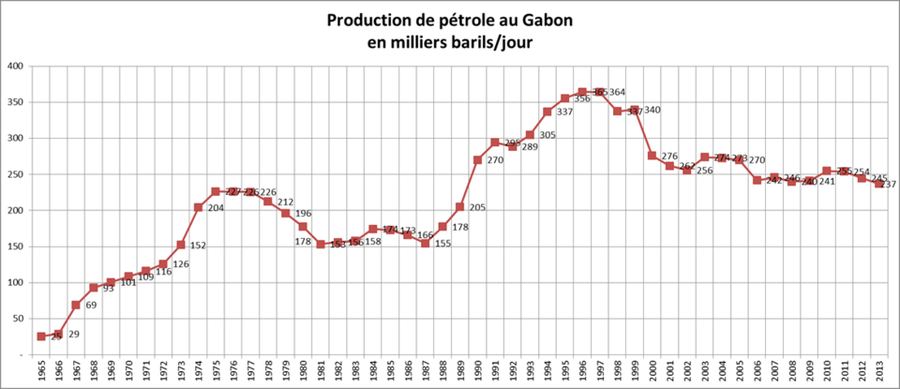
Gabon is a heavily forested equatorial republic of roughly 2.5 million people on Africa's Atlantic coast, straddling the equator between Equatorial Guinea and Cameroon to the north and the Republic of the Congo to the east and south. Libreville, the capital, sits on the estuary of the Komo River and holds a large share of a population that is among the most urbanised in Africa. Forest covers the overwhelming majority of the national territory — Gabon is the second most forested country on earth by share of land area, and its share of the Congo Basin is unusually intact because the population is small and concentrated in a handful of coastal and railway towns. That combination of small population and large oil and manganese revenues gives Gabon a GDP per capita of about $18,900 on a purchasing-power basis, far above the regional average, though the wealth is distributed very unevenly and poverty remains widespread. Politically the country was defined for four decades by the presidency of Omar Bongo Ondimba, who governed from 1967 until his death in 2009 and was succeeded by his son Ali Bongo Ondimba; the family's rule ended with a military takeover in August 2023 led by General Brice Clotaire Oligui Nguema, who subsequently won a presidential election in April 2025. French remains the official language and the practical lingua franca across a country where more than forty Bantu languages are spoken.

CIA World FactbookEncyclopaedia BritannicaWorld Bank
Population
2,513,738
Capital
Libreville
Currency
Fr XAF
Time zones
Largest city
Libreville
Human Geography Themes
Loading national figures…
Largest Cities
Libreville1,136,734
Franceville300,424
Port-Gentil161,585
Moanda125,350
Oyem89,006
In Perspective

Libreville's urban core is home to about 1,136,734 people.

Among the world's megacities, though, it's one of many — the giants of Asia and Latin America run larger still:

Libreville1,136,734
Jakarta40,545,126
Dhaka37,307,160
Tokyo33,244,670
Shanghai30,678,616
Cairo25,230,325
The Country & Its People

History

Bantu-speaking peoples moved into the territory of modern Gabon over the last three millennia, and the ancestors of today's Fang arrived comparatively late, migrating south and west into the northern forests during the eighteenth and nineteenth centuries. Portuguese navigators reached the Komo estuary in the 1470s and named it Gabão after a shape they likened to a sailor's hooded cloak; the coast became a node of the Atlantic slave trade, with Mpongwe and Orungu traders on the estuary and at Cape Lopez acting as intermediaries. France signed treaties with coastal chiefs from 1839 and in 1849 settled freed captives from an intercepted slave ship at a site named Libreville, deliberately echoing Freetown. Gabon was absorbed into French Equatorial Africa, administered from Brazzaville, and became a colony of timber concessions and forced labour. Independence came on 17 August 1960 under Léon M'ba, whose overthrow in a 1964 coup was reversed within days by French paratroopers — an intervention that set the pattern of Franco-Gabonese relations for a generation. Omar Bongo took power in 1967 and ruled for forty-two years, creating a single-party state in 1968 and conceding multi-party elections only in 1990. His son Ali Bongo Ondimba won contested elections in 2009 and 2016, the latter followed by deadly unrest in Libreville, and was deposed by the Republican Guard in August 2023.
Culture

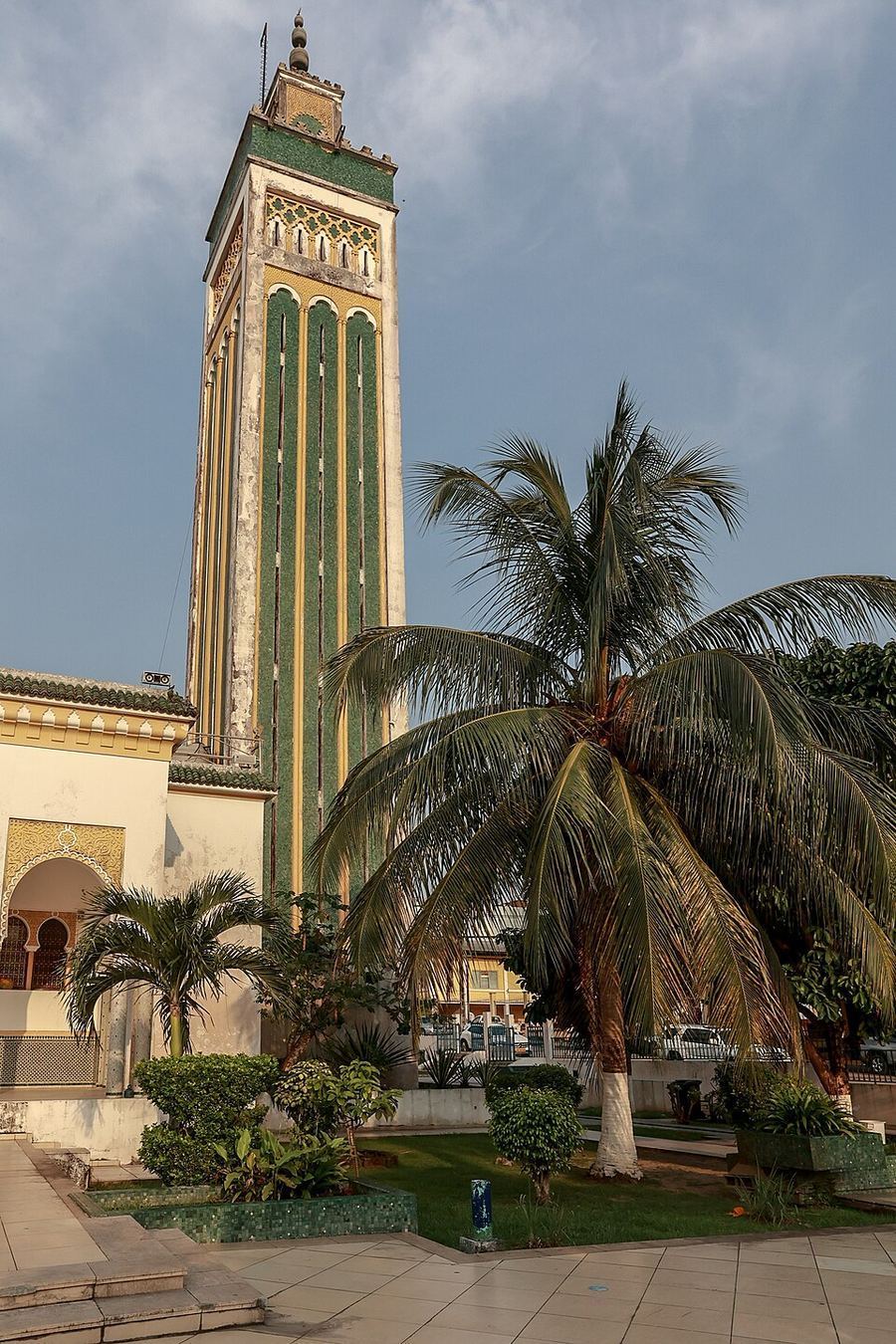
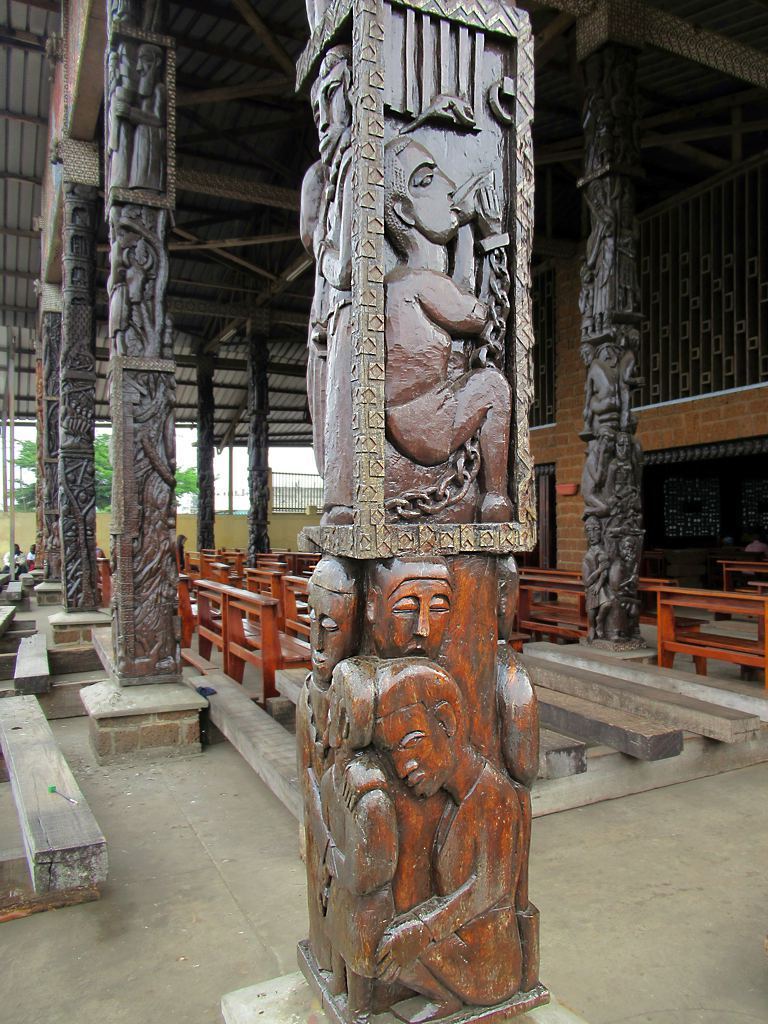
Gabonese culture is organised around a mosaic of roughly forty ethnolinguistic groups, none of them a majority: the Fang of the north are the largest at under a quarter of the population, followed by the Shira-Punu cluster of the south, the Nzabi-Duma, the Mbede-Teke of the Franceville region, the coastal Myene and the Kota-Kele. Because no group dominates, French functions as a genuinely neutral national language, and Libreville has become a melting pot where village allegiances persist alongside a strongly urban, French-inflected public culture. Kinship remains the organising social fact — extended families, clan exogamy and obligations to rural home villages structure life even for salaried city dwellers, and funerals are the great mobilising events of the social calendar. Christianity is the majority faith, with revivalist and Pentecostal Protestantism now larger than the Roman Catholic Church that missionaries established in the nineteenth century, and roughly a tenth of the population is Muslim, largely West and Central African migrants. Layered beneath and often alongside church membership is Bwiti, an initiatory religion centred on the psychoactive iboga root, which originated among the Mitsogo and Apindji of the interior and spread widely among the Fang in the twentieth century. Ancestor veneration, masked societies and initiation grades continue to give ritual shape to Gabonese life.

Points Of Pride

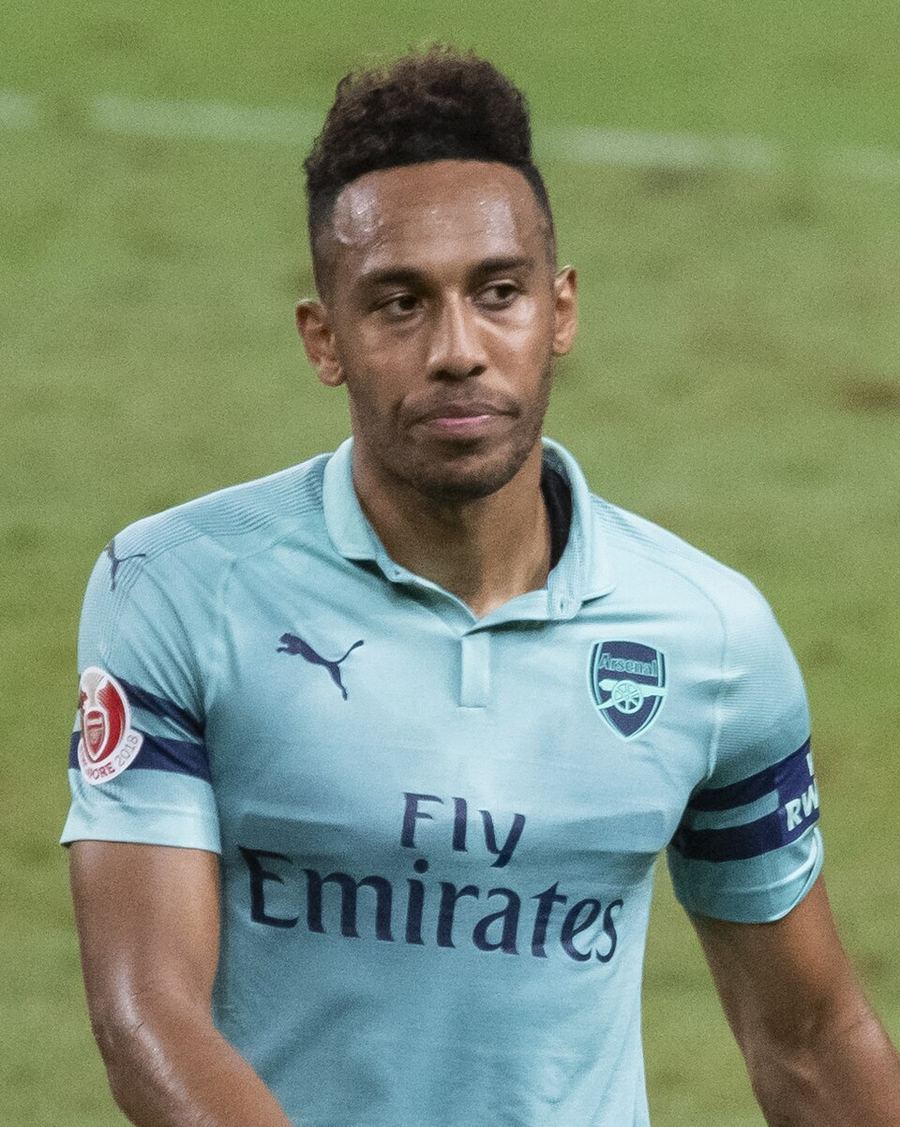
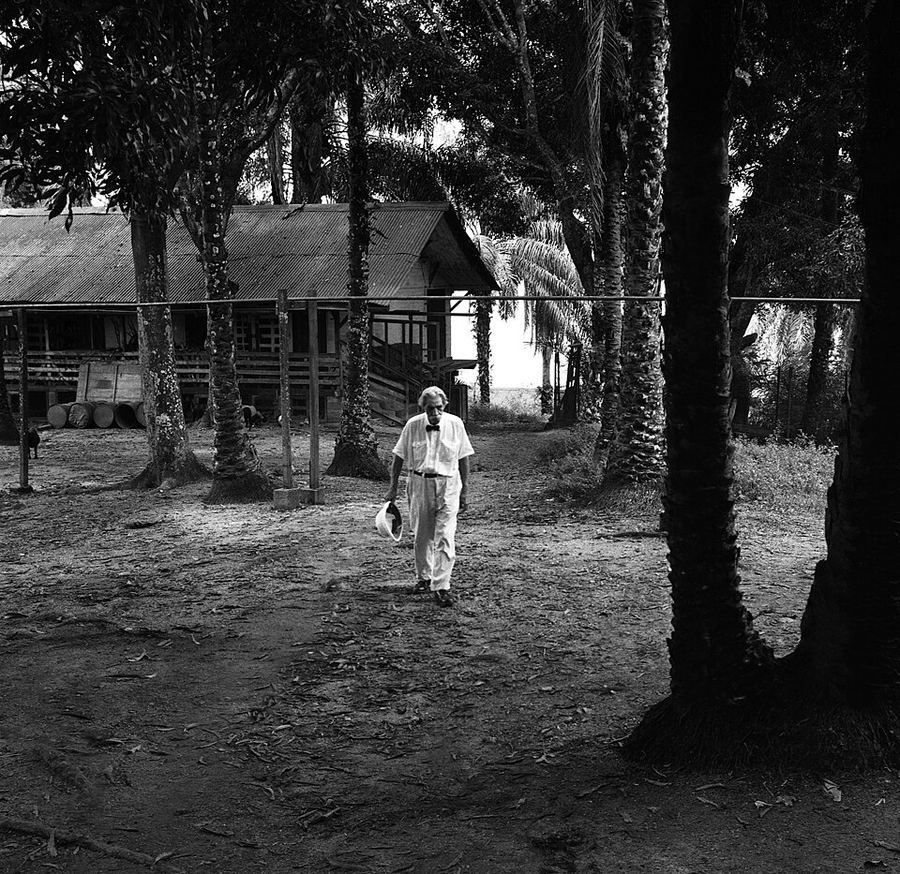
Gabon's proudest asset is its forest. In 2002 President Omar Bongo announced the creation of thirteen national parks covering roughly eleven percent of the national territory, an act that reframed the country internationally as a conservation state rather than simply an oil producer. Two of those areas carry UNESCO World Heritage inscription: the Ecosystem and Relict Cultural Landscape of Lopé-Okanda, listed in 2007 for the way savannah-forest mosaic and Stone Age and Iron Age archaeology sit together, and Ivindo National Park, inscribed in 2021 for its blackwater rivers and the spectacular Kongou and Mingouli falls. Loango National Park on the Atlantic coast is famous for a sight found almost nowhere else — forest elephants, buffalo and hippopotamuses moving across open ocean beaches — and Gabon holds by far the largest surviving population of African forest elephants. In 2017 the government declared an extensive network of marine protected areas covering roughly a quarter of Gabonese waters, and in 2023 it concluded a large debt-for-nature refinancing to fund ocean conservation. Gabonese also take pride in a long record of civil peace in a turbulent region, in Albert Schweitzer's hospital at Lambaréné, and in the footballer Pierre-Emerick Aubameyang.

Cultural Fusion

Gabon is unusual in Africa for the scale of its immigration: roughly one resident in six is a foreign national, drawn by oil, timber and construction wages. Cameroonians, Malians, Senegalese, Beninese, Nigerians, Equatoguineans and Togolese make up much of Libreville's trading and artisan economy, and a long-established Lebanese commercial community runs supermarkets and import houses. Chinese firms have become major presences in mining, roads and forestry since the 2000s, and the Nkok special economic zone outside Libreville, built around wood processing, is largely Indian- and Chinese-financed. The deepest fusion, however, is Franco-Gabonese: French schooling, French legal codes, the CFA franc, French military basing and a large expatriate community made France a constant presence long after 1960, and the post-2023 government has publicly sought to rebalance those ties. Religiously the fusion is just as visible — Bwiti initiation and Christian church membership are widely held together by the same people, and Fang Bwiti in particular absorbed Christian imagery, calendars and hymn structures during the twentieth century. Musically, Congolese rumba and soukous from across the river, Caribbean zouk and Cameroonian makossa all shaped what Gabonese artists produced for the regional market.

Music & Dance

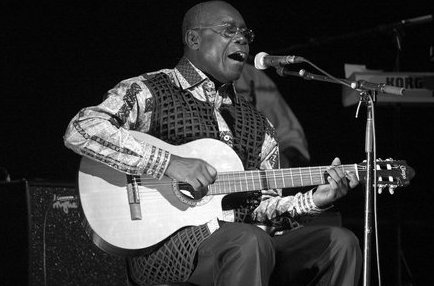
Traditional Gabonese music is closely bound to ritual. The central instrument of Bwiti is the ngombi, an eight-stringed arched harp carved with a human figure and treated as an embodiment of a female spirit; alongside it are the mongongo mouth-bow, bamboo stick-beaters, rattles and the mokukwe percussion sticks that drive all-night initiation ceremonies. Among the Punu and Lumbu of the south, the okuyi masquerade is the best-known dance form in the country: a dancer wearing a white-faced kaolin mask with an elaborate crested coiffure performs on tall stilts, representing a returning ancestral spirit. Fang traditions include the epic recitation of the mvet, a stick-zither whose bard-performers narrate the cycle of the immortal Ekang people across whole nights. In popular music Gabon produced several artists with genuine regional reach: Pierre Akendengué, blind since childhood, fused Myene-language poetry with acoustic and orchestral arrangement and became the country's most respected songwriter; Oliver N'Goma's zouk-inflected hit album Bane made him a star across francophone Africa in the 1990s; and Patience Dabany built a long career in Afro-funk and soul. Libreville today supports an active hip-hop and Afrobeats scene.

Cuisine & Misattributed Foods

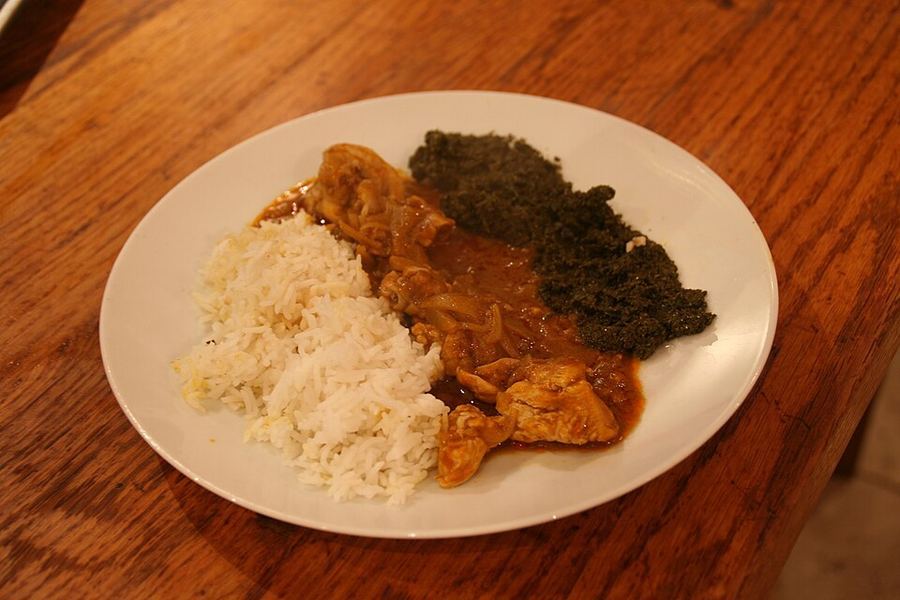
Gabonese cooking is a forest-and-coast cuisine built on cassava, plantain, palm oil and river or ocean fish. The dish most often called national is poulet nyembwe, chicken simmered in the thick orange pulp of the oil-palm nut, usually served with cassava or rice; the same nyembwe sauce is used with fish and with smoked bushmeat. Odika, sometimes marketed abroad as chocolat du Gabon, is a dark, hard paste pressed from the ground kernels of the wild mango Irvingia gabonensis and dissolved into stews as a thickener and flavouring — it is one of the most distinctively Gabonese ingredients anywhere. Cassava is eaten as bâton de manioc, fermented dough steamed in leaf wrappers, and as leaf sauces; plantains are fried, boiled or pounded. Coastal cooking uses grilled and smoked fish, prawns and crab, while the interior relies more on smoked river fish and game. Peanut sauces, hot pepper, and the aromatic leaves of Gnetum africanum, known locally as nkoumou or koko, appear across the country. The French colonial legacy is very visible in Libreville, where baguettes, patisserie and French restaurant cooking coexist with West African and Lebanese food, and where Regab, the national lager, is the standard accompaniment.

National Dress

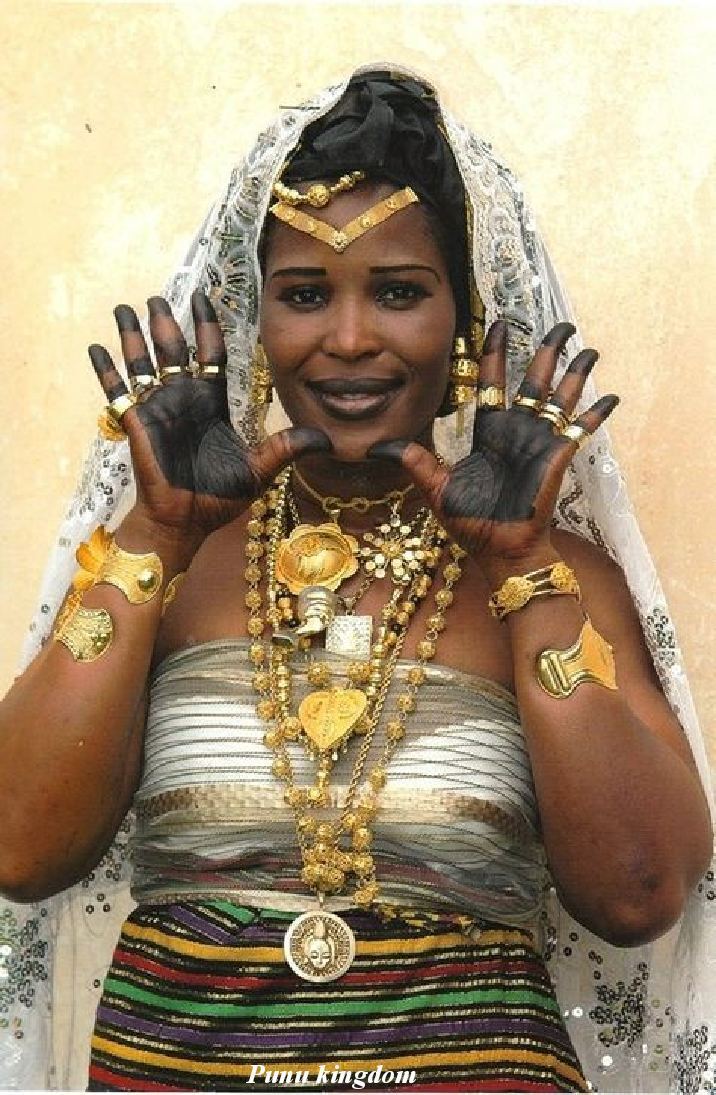
Gabon has no single codified national costume, and everyday urban dress in Libreville and Port-Gentil is largely Western, reflecting a century of French schooling and a highly urbanised population. What functions as national dress in practice is the pagne — printed wax-cloth wrappers worn by women, often as a matched skirt, top and headwrap tailored to the season's design, and increasingly as tailored dresses that blend the cloth with European cuts. Men wear the loose embroidered boubou and the collarless tunic-and-trouser sets common across West and Central Africa for weddings, funerals and religious occasions, alongside suits for official business. Political and national ceremonies since independence have encouraged wax prints carrying party colours, national symbols or portraits, a practice common across francophone Africa. The most striking Gabonese dress is ritual rather than everyday: Bwiti initiates wear red and white body paint, raffia skirts, feathered headpieces and animal-skin elements, and the okuyi stilt dancers of the Punu and Lumbu appear in full raffia costume beneath a white kaolin-painted mask. Fang masked societies likewise use raffia, bark cloth and pigment rather than woven textile, and these costumes remain in ceremonial use rather than being reduced to folklore display.

Sports & Inspiring Athletes

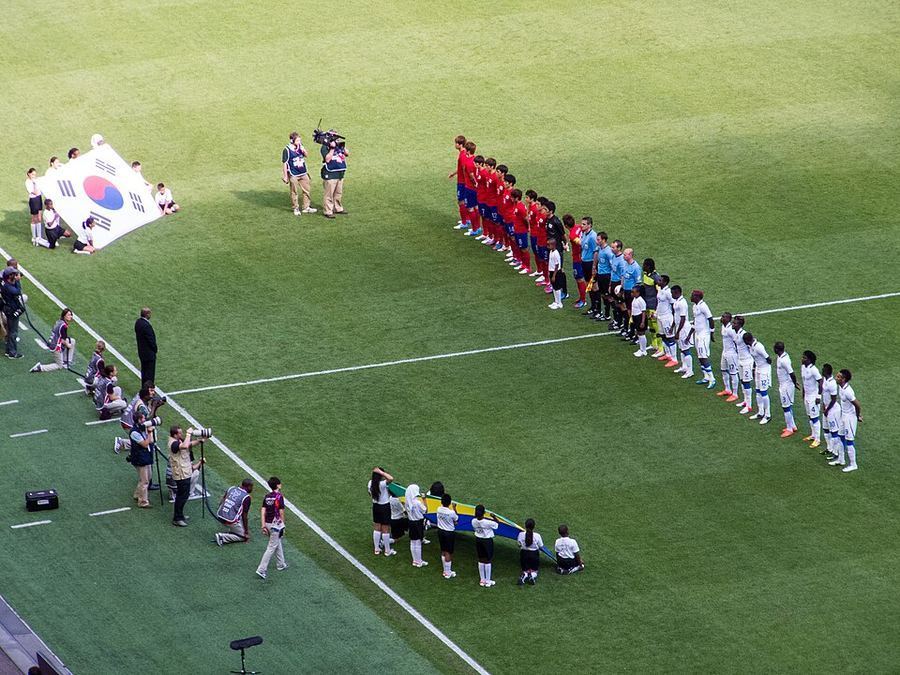
Football is overwhelmingly the national sport. The Fédération Gabonaise de Football administers a domestic championship whose historic powers include AS Mangasport of Moanda, US Bitam and FC 105 Libreville, and the national team, nicknamed the Panthères, draws almost all of its leading players from European leagues. Gabon has qualified repeatedly for the Africa Cup of Nations without ever reaching a FIFA World Cup, and its best runs came as co-host in 2012 and as host in 2017, when it reached the quarter-finals and the group stage respectively. The Stade d'Angondjé, north of Libreville, built with Chinese assistance for the 2012 tournament, is the national stadium; Franceville, Oyem and Port-Gentil also gained modern grounds for those competitions. Beyond football, taekwondo and judo have produced Gabon's best individual results, basketball has a following in Libreville, and athletics participation is modest. Traditional wrestling and canoe racing persist in coastal and riverine communities. Sport is also a live political subject: the national federation and government have periodically clashed over governance, and a 2021 investigation into sexual abuse of youth players by coaches prompted arrests and a national reckoning.

Notable Educational Programs

Gabon inherited and largely retained the French education structure: six years of primary school, a lower secondary collège leading to the BEPC, and an upper secondary lycée leading to the baccalauréat, all taught in French. Schooling is officially free and compulsory to age sixteen, and Gabon's literacy and enrolment indicators are well above the Central African average, reflecting decades of oil-funded public spending and a small, urban population. Higher education is concentrated in three public universities: the Université Omar Bongo in Libreville, founded in 1970 and the country's largest, oriented to law, letters and social sciences; the Université des Sciences et Techniques de Masuku at Franceville, the science and engineering institution; and the Université des Sciences de la Santé at Owendo for medicine and health professions. A network of technical and teacher-training institutes supplements them, and substantial numbers of Gabonese students continue to study in France, Morocco and increasingly China and Canada on state or family funding. Persistent weaknesses are widely documented: overcrowded classrooms, high repetition rates, a rural-urban gap in provision, recurrent teacher and student strikes over pay and conditions, and a mismatch between arts-heavy graduate output and the skills the extractive and services economy actually recruits for.

Wars & Conflicts

Gabon has avoided the civil wars that afflicted several of its neighbours and has never sustained an armed conflict at the intensity that would place it among the world's major conflict states. Its instability has instead taken the form of coups, coup attempts and post-election violence. The first was in February 1964, when officers briefly deposed President Léon M'ba and French paratroopers restored him within two days under a defence accord. Political liberalisation in 1990 was accompanied by strikes and riots after the death of the opposition figure Joseph Rendjambé, prompting another French deployment to protect foreign nationals. The disputed presidential election of August 2016, which Ali Bongo Ondimba was declared to have won by a very narrow margin over Jean Ping, was followed by days of unrest in Libreville in which the National Assembly building was set on fire and human rights organisations documented deaths and mass arrests. A small group of soldiers seized the state broadcaster in a failed coup attempt in January 2019. On 30 August 2023, immediately after election results extending Ali Bongo's rule were announced, the Republican Guard commander General Brice Clotaire Oligui Nguema led a takeover that ended the Bongo family's fifty-six years in power; the African Union suspended Gabon's membership until after the transition.
Current as of 2026-08-06

Land & Border Disputes

Gabon's principal international dispute is with Equatorial Guinea over sovereignty of three small islands in Corisco Bay — Mbanié, Cocotiers and Conga — and the maritime boundary that follows from them, a question sharpened by the possibility of offshore hydrocarbons. Gabon occupied Mbanié militarily in 1972, and the two states argued for decades over whether the governing instrument was the Franco-Spanish convention of 1900 that delimited their colonial predecessors or a 1974 bilateral agreement signed at Bata that Gabon invoked and Equatorial Guinea disowned. After long United Nations-mediated talks, the two governments concluded a special agreement in 2016 to submit the question jointly to the International Court of Justice, and the Court delivered its judgment in 2025, holding that the 1900 convention constitutes the legal titles the parties must apply and that the Bata instrument could not be relied on as a treaty. Elsewhere Gabon's land borders with Cameroon and the Republic of the Congo are settled and undisputed, though the forested Congolese frontier is porous. Domestically, disputes over land tenure between customary forest rights and industrial logging, mining and palm-oil concessions are a recurring source of grievance in rural provinces.
Land, Life & Legacy

Land & Climate

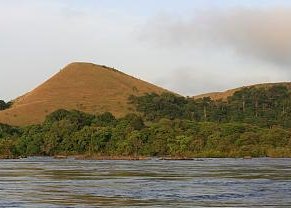
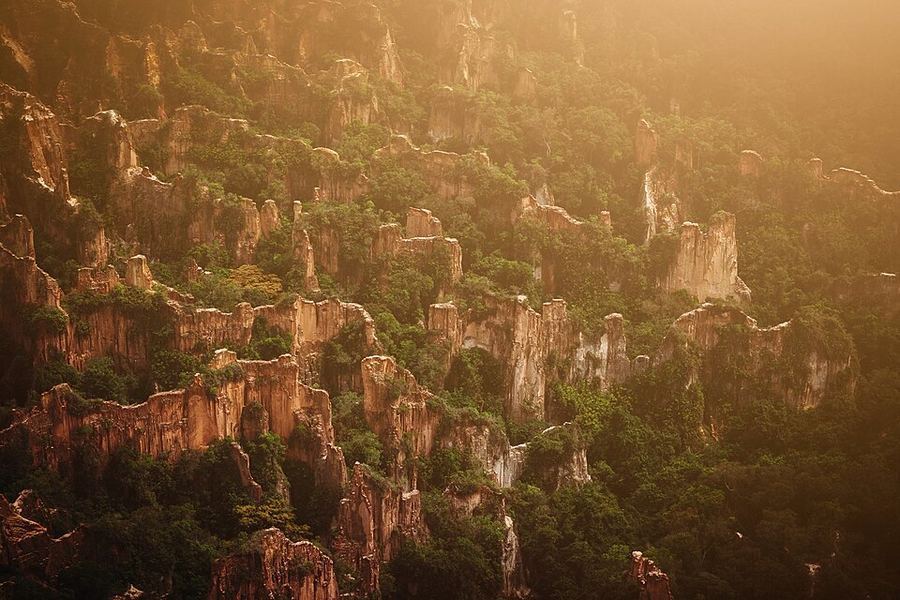
Gabon lies astride the equator on the Gulf of Guinea, with roughly 885 kilometres of Atlantic coastline and land borders with Equatorial Guinea, Cameroon and the Republic of the Congo. Behind a low coastal plain of lagoons, sandy spits and mangrove the land rises to a series of interior massifs — the Monts de Cristal in the northwest, the Massif du Chaillu in the centre-south and the Batéké plateaux in the east, where sandy grasslands and dramatic eroded canyons around Lékoni interrupt the forest. The dominant drainage is the Ogooué, which rises in Congo and crosses the country west to the Atlantic near Port-Gentil, draining most of the national territory and historically serving as the main highway into the interior. Dense tropical rainforest covers the great majority of the land, part of the Congo Basin, the world's second largest contiguous rainforest. The climate is equatorial: hot, humid and cloudy year-round, with average temperatures in the high twenties Celsius and very high rainfall, particularly on the northwest coast. Two rainy seasons, roughly February to May and October to December, are separated by a long dry season from June to September that is cool and overcast rather than genuinely dry. Cyclones do not occur, but coastal erosion and shifting rainfall patterns are documented concerns.

Entertainment

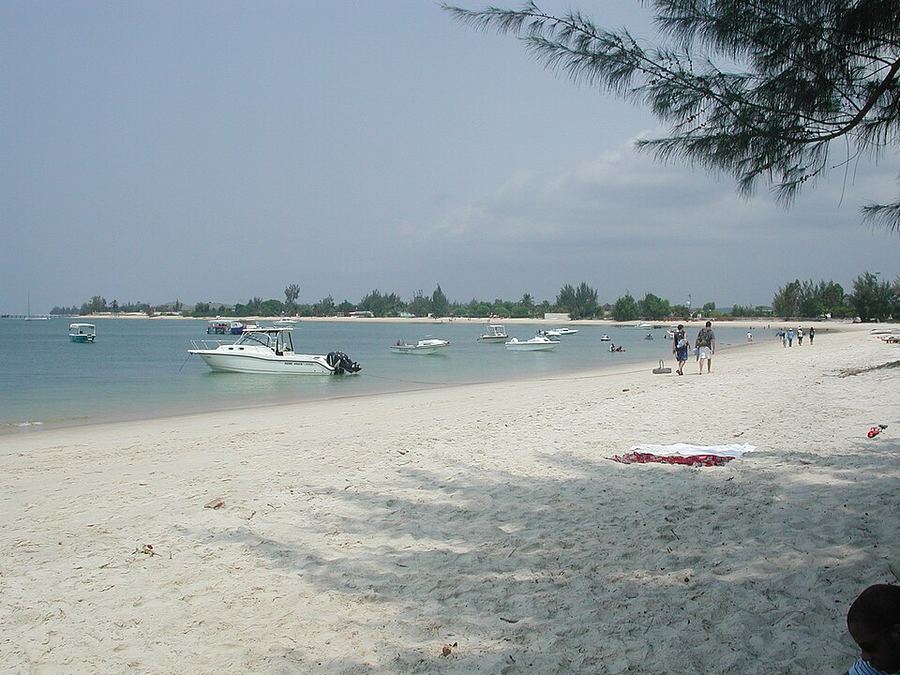
Leisure in Gabon divides sharply between the cities and the forest. Libreville's coastal strip along the Boulevard du Bord de Mer, the beaches at Cap Estérias and Cap Santa Clara, and the sand spit of Pointe Denis across the estuary are the standard weekend destinations for the capital, reached by small boats that leave from the port. Nightlife is substantial for a city of its size, with live music, maquis-style open-air bars and a well-developed restaurant scene. Football is watched everywhere, in bars and on street corners, and neighbourhood pickup games are ubiquitous. Fishing, both subsistence and sport, is a national pastime along the coast and on the Ogooué, and the tarpon fishery off the Nyanga and around Loango has a small international following. Domestic tourism to the national parks remains limited by cost and by rough roads, but Gabon markets itself internationally as a low-volume, high-value ecotourism destination: gorilla and mandrill tracking at Lopé, elephants on the beach at Loango, the Kongou falls in Ivindo, and the red-and-ochre canyons of the Lékoni plateau. The Trans-Gabon Railway between Owendo and Franceville remains the main overland way to see the interior.

Art & Museums

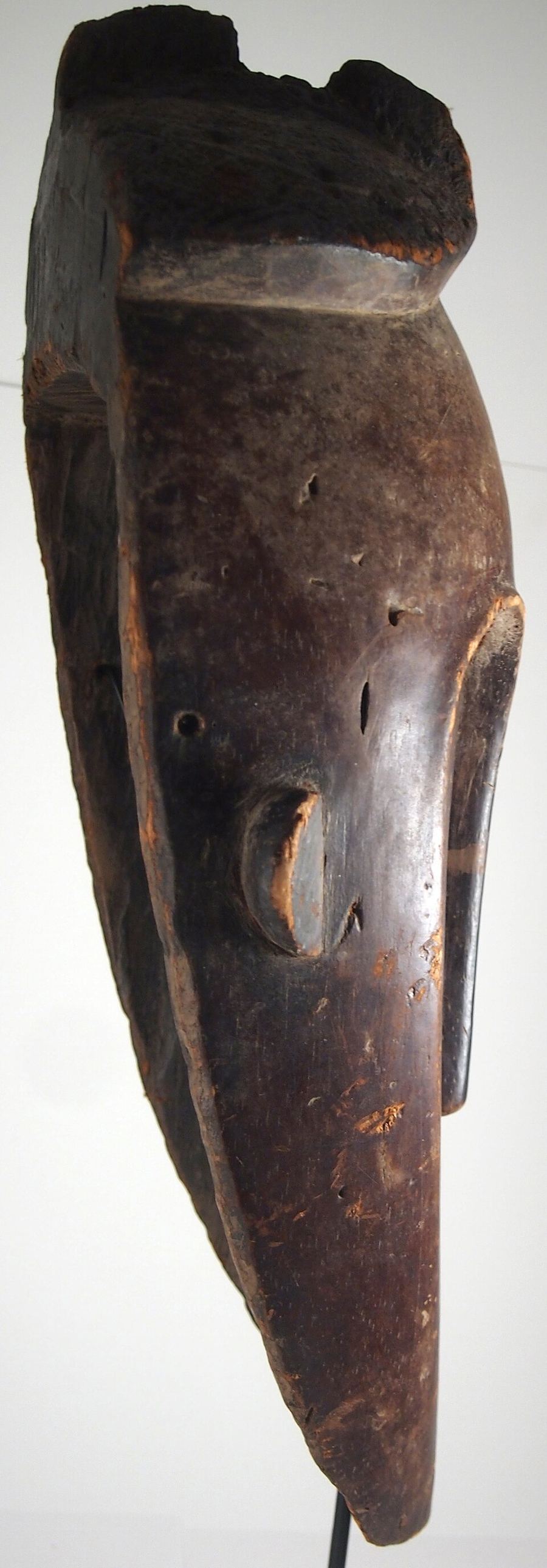
Gabon's contribution to world art is out of all proportion to its size, because the sculpture of its forest peoples was among the strongest single influences on European modernism. Fang byeri figures — spare, muscular guardian statues with domed foreheads and inward-turned expressions, made to sit atop bark reliquary boxes holding ancestral skulls — were collected in Paris in the early twentieth century and studied intently by Picasso, Braque, Derain and Vlaminck. The Fang ngil mask, a long white-faced helmet mask used by a judicial and anti-sorcery society, became one of the most sought-after objects in the African art market; a ngil mask sold at auction in France in 2022 for several million euros, a sale that provoked litigation and wide debate about how such objects left the country. The Kota and Obamba of the east produced mbulu-ngulu reliquary guardians — flat, abstracted faces sheathed in hammered copper and brass over wood — that are equally canonical. Punu and Lumbu white kaolin masks with lozenge scarification and shell-shaped coiffures are the third great Gabonese form. Examples are held by major institutions abroad, and Libreville's Musée National des Arts, Rites et Traditions du Gabon presents the national collection.
Encyclopaedia BritannicaBritish MuseumMetropolitan Museum of Art

Notable People

Léon M'ba, the Fang politician who led Gabon to independence in 1960 and became its first president, and Omar Bongo Ondimba, who succeeded him in 1967 and governed until his death in 2009, are the two figures who most shaped the modern state; Bongo's forty-two-year tenure made him one of the longest-serving heads of state in the world. His son Ali Bongo Ondimba held the presidency from 2009 until the military takeover of August 2023, after which General Brice Clotaire Oligui Nguema led the transition and won the presidential election of April 2025. In sport, Pierre-Emerick Aubameyang is by a wide margin the country's best-known citizen abroad — African Footballer of the Year in 2015 and a prolific striker for Saint-Étienne, Borussia Dortmund, Arsenal, Barcelona and Marseille — while the taekwondo fighter Anthony Obame won Gabon's first and so far only Olympic medal in London in 2012. In the arts, Pierre Akendengué is the country's most celebrated singer-songwriter and Angèle Rawiri, author of Elonga, is recognised as Gabon's first female novelist. The Alsatian physician and organist Albert Schweitzer, who founded the hospital at Lambaréné in 1913 and received the Nobel Peace Prize in 1952, remains inseparable from Gabon's international image.

Inventions & Breakthroughs

Gabon is not a country with a large formal patenting record, and its distinctive technical contributions are better described as materials, techniques and discoveries than as inventions in the industrial sense. The most consequential is pharmacological: iboga, the root bark of Tabernanthe iboga used in Bwiti initiation, contains the alkaloid ibogaine, isolated by French chemists in the nineteenth century from Gabonese material and since studied internationally as a candidate treatment for opioid and stimulant dependence — a line of research that traces directly back to Gabonese ritual practice. The okoumé tree, which grows naturally almost only in Gabon and neighbouring territories, became the global standard raw material for marine and decorative plywood, and Gabon's log-export ban of 2010 forced the creation of a domestic veneer and plywood industry around the Nkok processing zone. In craft technology, Kota metalworkers developed the technique of sheathing carved wooden reliquary figures in hammered copper and brass, and Fang and Punu carvers refined mask forms whose formal solutions were absorbed directly into European modernist sculpture. The ngombi harp and the mvet stick-zither are Gabonese instrument designs, the latter supporting an entire oral epic tradition.

Science & Technology

Gabon's most remarkable scientific claim is not something it built but something found in its ground. In 1972 French analysts noticed that uranium ore from the Oklo mine in the Franceville basin was depleted in the isotope uranium-235; the explanation, confirmed by further work, was that natural nuclear fission reactors had operated in the ore body roughly two billion years ago, moderated by groundwater — the only known natural fission reactors anywhere on earth, and a case study that geologists and nuclear-waste researchers still use to model how radioactive material behaves over geological time. The country's main research institution is the Centre International de Recherches Médicales de Franceville, established in 1979, which maintains a large primate centre and has become a significant African node for work on emerging viral diseases; Gabonese researchers there and at Libreville were closely involved in investigating the Ebola outbreaks that struck the northeast in the 1990s and early 2000s. Conservation science is the other strength, with long-running field research at Lopé on forest elephants, mandrills and forest dynamics, and national programmes to inventory forest carbon. Constraints are familiar: research spending is low, publication output is small, and internet and electricity access, while better than regional norms, remain uneven outside the main cities.
NatureScienceWHOWorld Bank
On The World Stage

Champions & Defining Moments

Gabon's most visible sporting export is Pierre-Emerick Aubameyang, who has scored prolifically in the Bundesliga, the Premier League and La Liga, captained the national team and was named African Footballer of the Year in 2015 — for a country of two and a half million people, sustaining a striker of that standing at Europe's highest level is a considerable achievement. On the Olympic stage Gabon has competed since Munich in 1972 and has won exactly one medal: Anthony Obame's silver in the men's over-80 kilogram taekwondo event at London 2012, a result celebrated at home as a national milestone. Gabon has never qualified for the FIFA World Cup, though it has been a regular Africa Cup of Nations participant and staged the tournament twice in five years, co-hosting with Equatorial Guinea in 2012 and hosting alone in 2017 — an unusually large hosting commitment for a small state, and one that left the country with stadium infrastructure it has struggled to keep in use. Gabonese players are also visible in the French football system, where dual nationality and long-standing club scouting networks channel talent from Libreville into French academies.

FIFAIOCOlympedia
Economy, Trade & Government

Currency & GDP

CFA Franc BEAC — XAF (Fr)

GDP (PPP): $48.045 billion (2024 est.)

Per capita: $18,900 (2024 est.)

Exports

$13.622 billion (2024 est.)

crude petroleum, ships, manganese ore, refined petroleum, wood (2023)

Partners: China 26%, Indonesia 8%, Spain 7%, Israel 6%, Congo, Republic of the 5% (2023)

Imports

$6.094 billion (2024 est.)

ships, refined petroleum, iron pipes, cars, packaged medicine (2023)

Partners: France 14%, China 13%, S. Korea 13%, USA 7%, India 4% (2023)

Government

Type: presidential republic

Independence: 17 August 1960 (from France)

Terrain → Where People Live

How mountains, coasts, and rivers shape settlement (LandScan).

Coming — data

Migration & Ethnic Settlement

Where groups settled and how people move (GeoEPR + UNHCR).

Coming — data

Universities

Notable institutions, mappable as points.

Coming — data
Economy & government facts: CIA World Factbook (public domain), via OpenFactBook / factbook.json.
Every fact and narrative claim will carry a visible source citation. Data-driven sections light up automatically wherever HERA has coverage.