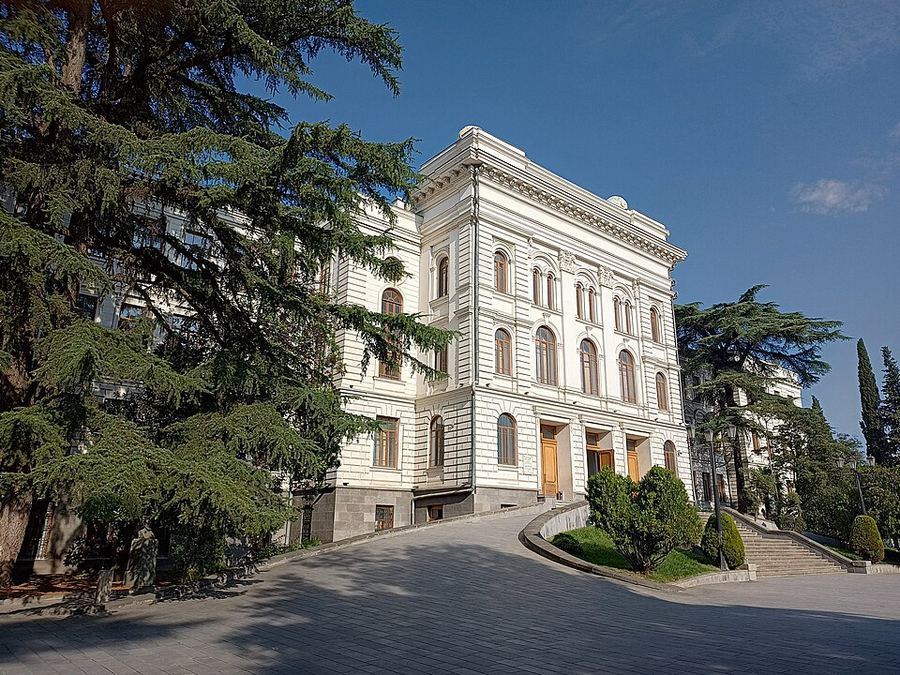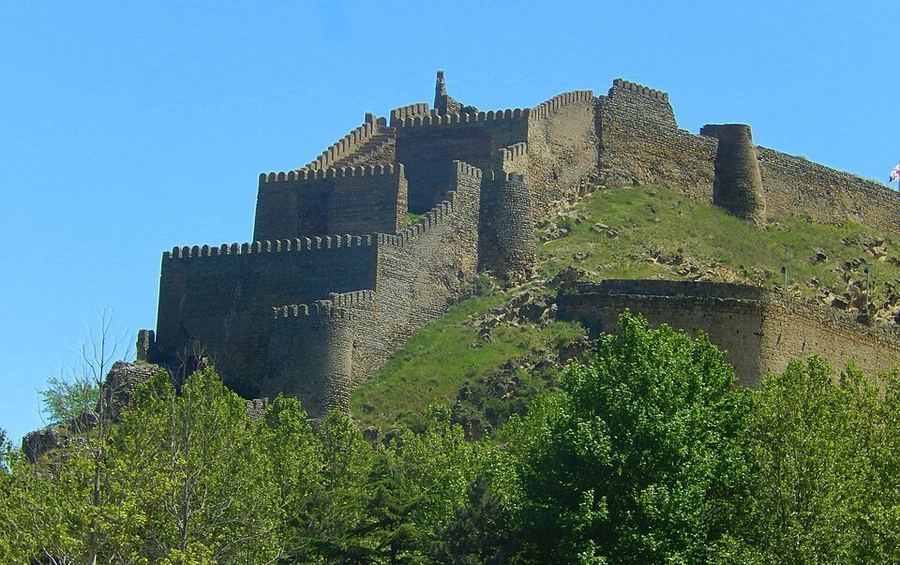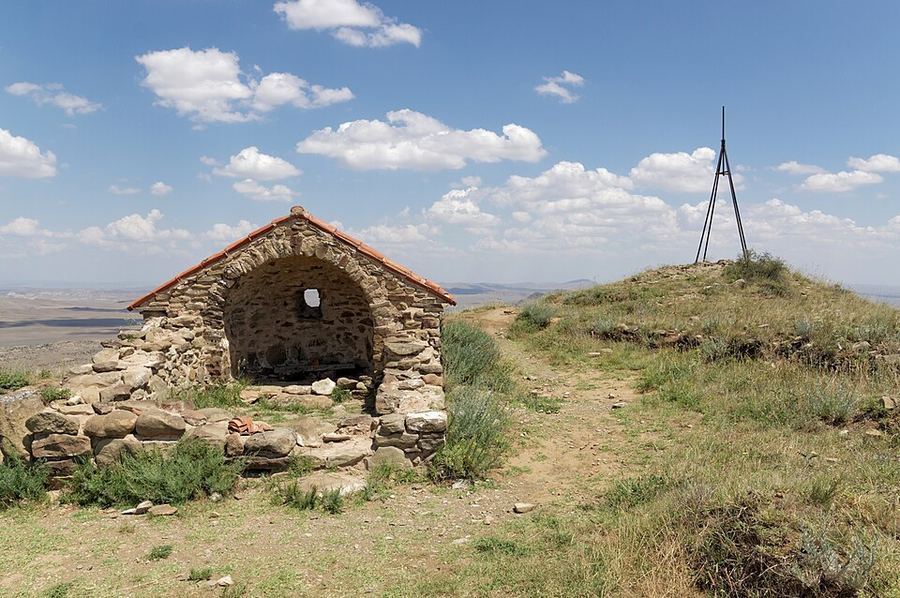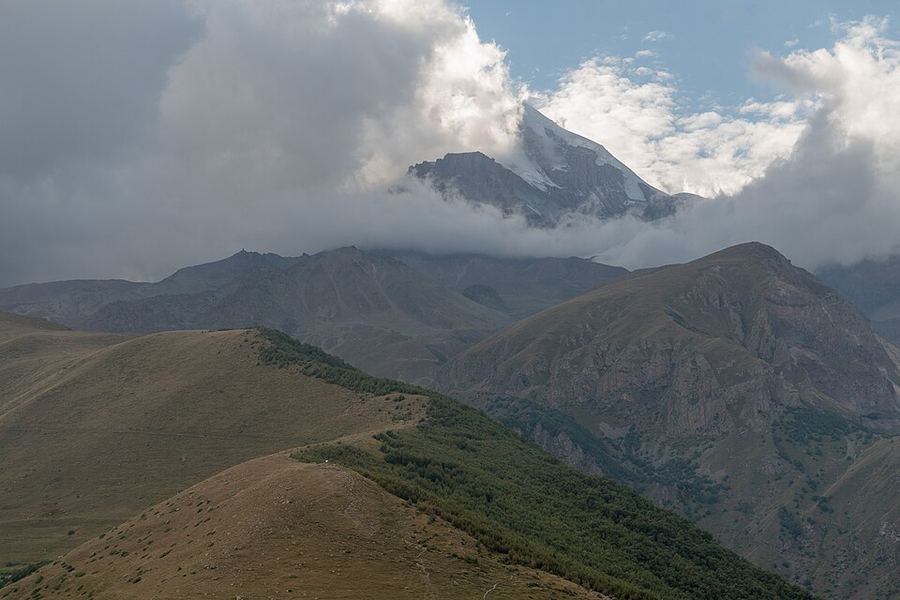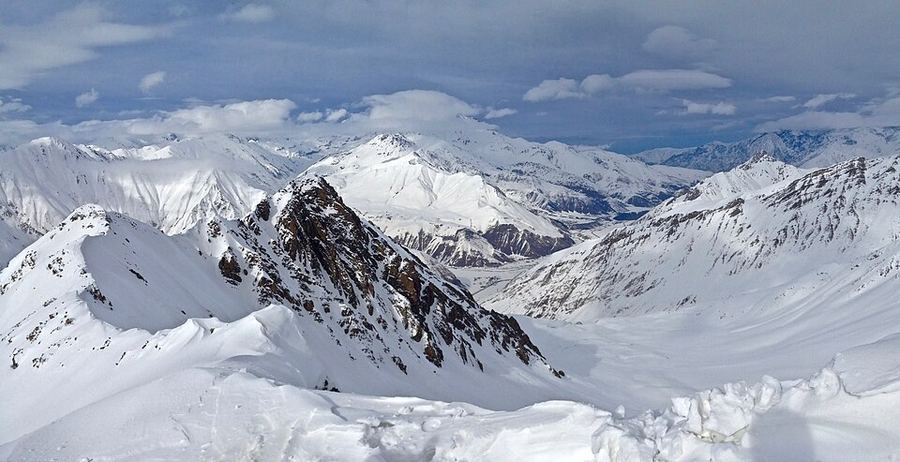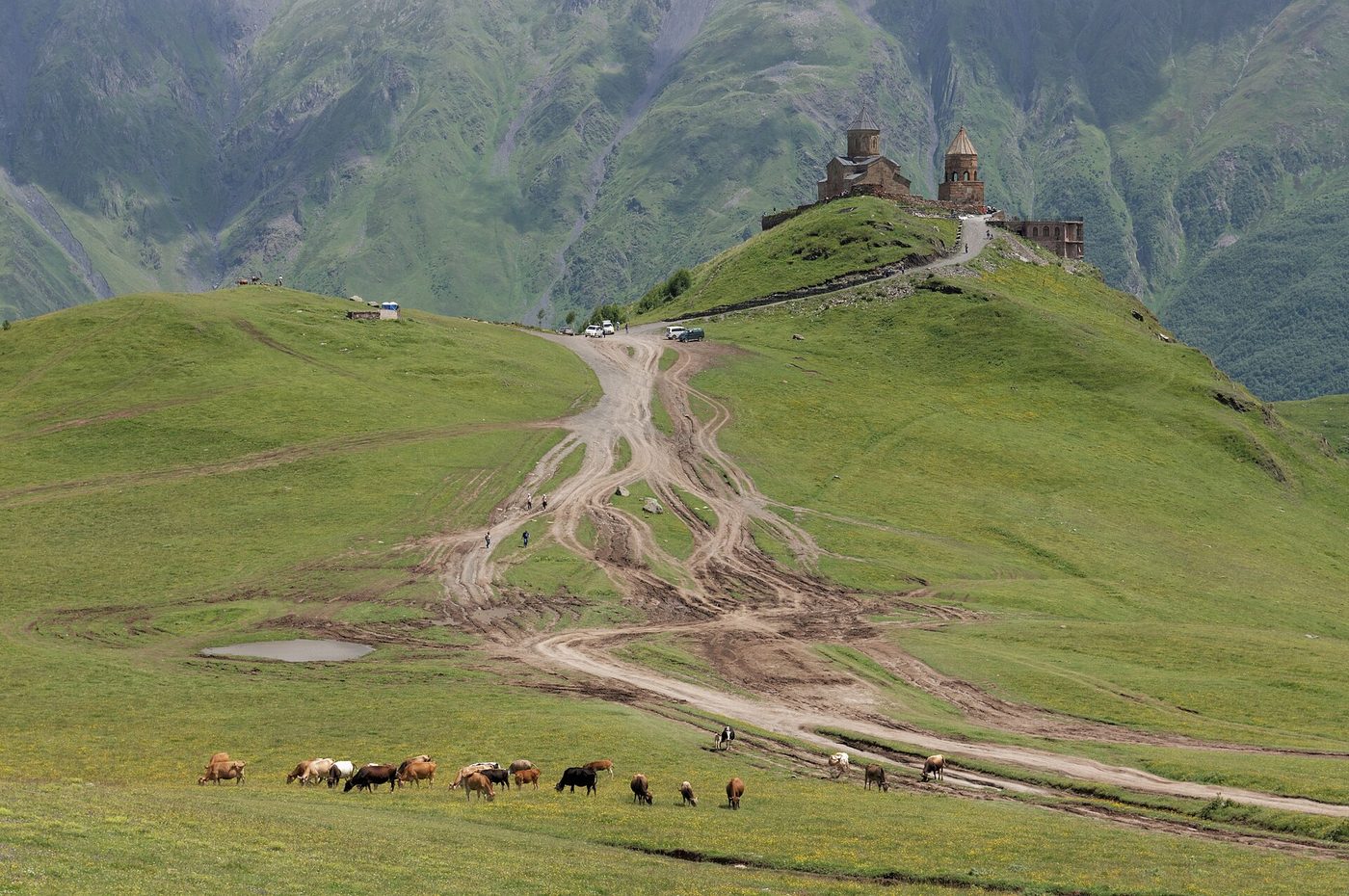
Georgia is a mountainous republic of about 3.7 million people in the South Caucasus, wedged between the Greater Caucasus range on its Russian frontier and the Lesser Caucasus along its borders with Turkey and Armenia, with Azerbaijan to the east and roughly 310 kilometres of Black Sea coast to the west. Tbilisi, the capital, sits in a narrow gorge of the Mtkvari river and has been the country's political and cultural centre since the fifth century. Georgians call their country Sakartvelo and themselves Kartvelebi; the Georgian language belongs to the small Kartvelian family, is unrelated to Indo-European or Turkic, and is written in a distinctive alphabet of its own that no other language uses. The country adopted Christianity in the early fourth century, making it one of the world's oldest Christian states, and the Georgian Orthodox Church remains the institution most Georgians trust. Independence from the Soviet Union came on 9 April 1991, but the Georgians date their statehood far earlier — to 1008, when Bagrat III unified the kingdoms of the east and west. Two breakaway regions, Abkhazia and the Tskhinvali region of South Ossetia, have been outside the government's control since the early 1990s and were occupied and recognised as independent by Russia after the war of August 2008. Georgia was granted European Union candidate status in December 2023.
Tbilisi's urban core is home to about 1,234,375 people.
That's bigger than Amsterdam — each a great world city in its own right.
Among the world's megacities, though, it's one of many — the giants of Asia and Latin America run larger still:
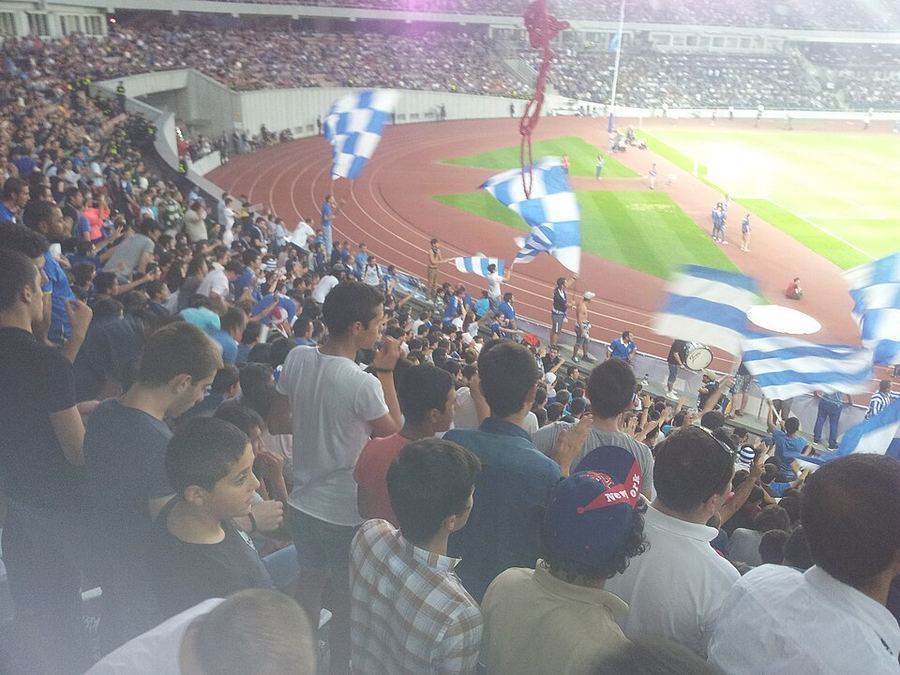
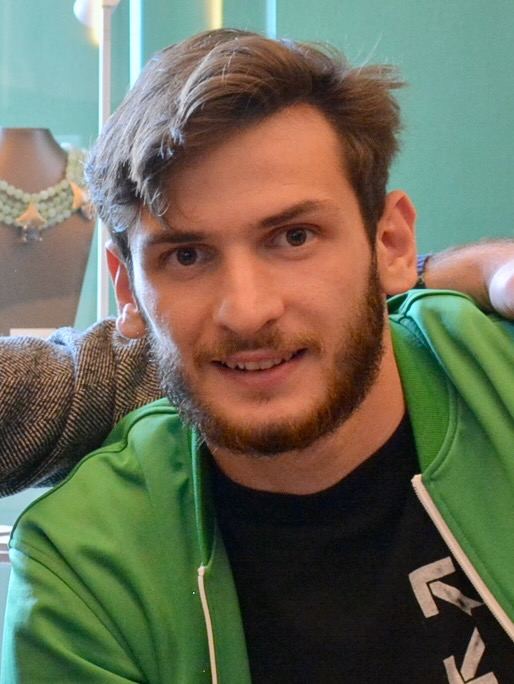
Georgia competes as an independent Olympic nation since Atlanta 1996 and consistently wins medals well out of proportion to its population, almost entirely in judo, wrestling and weightlifting. The super-heavyweight weightlifter Lasha Talakhadze is the outstanding figure, taking gold at Rio in 2016 and Tokyo in 2020 and setting world records in the process. Georgian judoka have been Olympic and world medallists across several cycles, and Georgian-born wrestlers also compete for other national teams, a familiar pattern in the sport. In rugby the Lelos have appeared at every World Cup since 2003 and have pressed a long-running case for promotion into the Six Nations, drawing home crowds that fill the Dinamo Arena. Football produced the country's most celebrated recent moment: qualification for UEFA Euro 2024, Georgia's first appearance at a major international tournament, where the team beat Portugal in the group stage and reached the last sixteen. Khvicha Kvaratskhelia's success in Serie A and Ligue 1 has made him the most visible Georgian athlete abroad, and Georgian rugby players and footballers are now regular fixtures in French and Italian clubs.
Lari — GEL (₾)
GDP (PPP): $91.849 billion (2024 est.)
Per capita: $25,000 (2024 est.)
$16.321 billion (2024 est.)
cars, copper ore, electricity, garments, wine (2023)
Partners: Azerbaijan 13%, Turkey 11%, Armenia 11%, Russia 10%, Kyrgyzstan 8% (2023)
$18.915 billion (2024 est.)
cars, refined petroleum, packaged medicine, natural gas, garments (2023)
Partners: Turkey 16%, USA 13%, Russia 11%, China 8%, Germany 6% (2023)
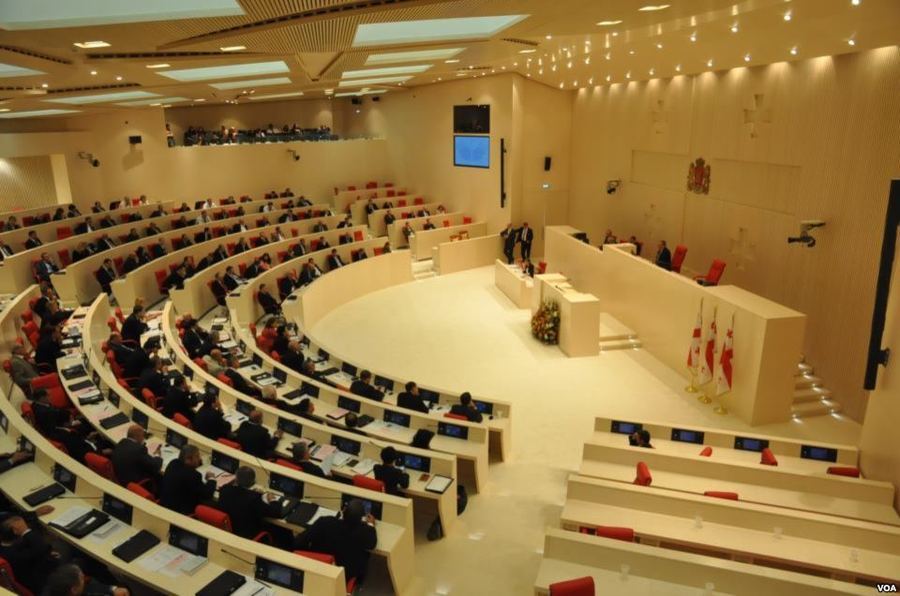
Type: semi-presidential republic
Independence: 9 April 1991 (from the Soviet Union); notable earlier date: A.D. 1008 (Georgia unified under King BAGRAT III)
How mountains, coasts, and rivers shape settlement (LandScan).
Coming — dataWhere groups settled and how people move (GeoEPR + UNHCR).
Coming — dataNotable institutions, mappable as points.
Coming — data