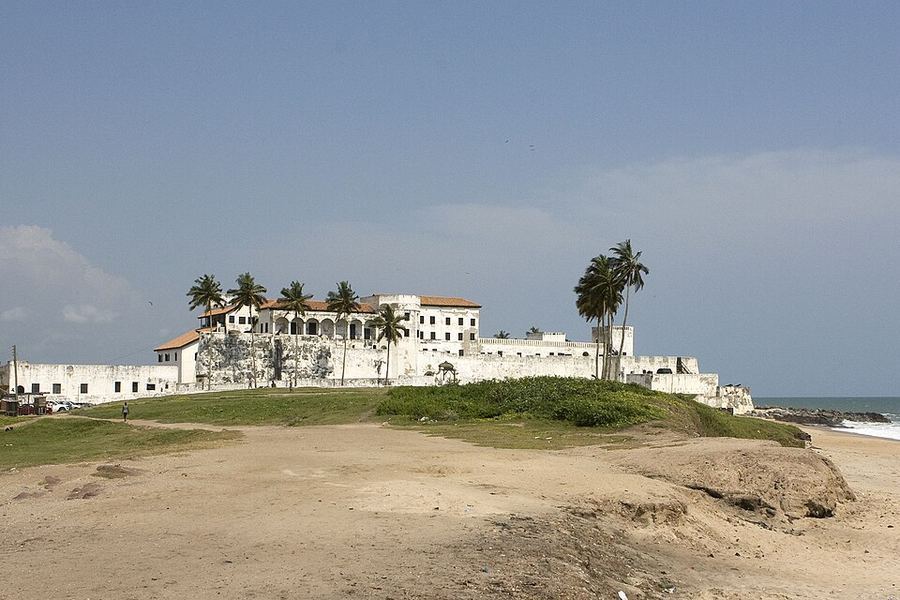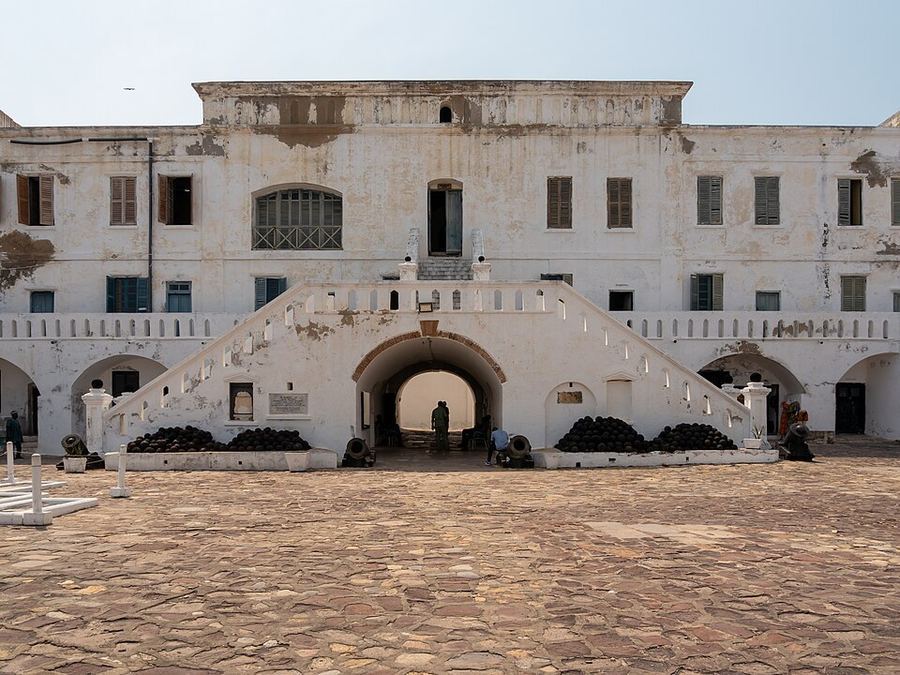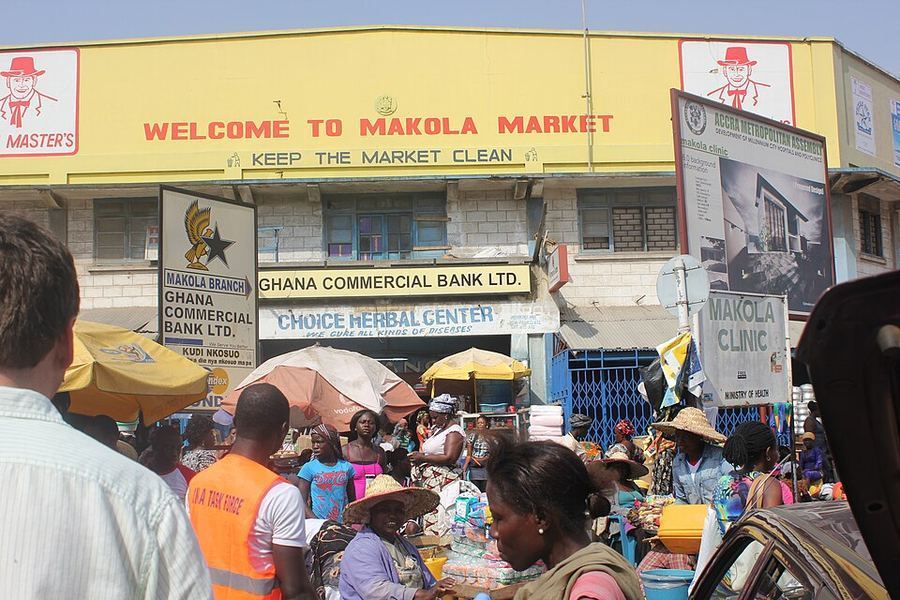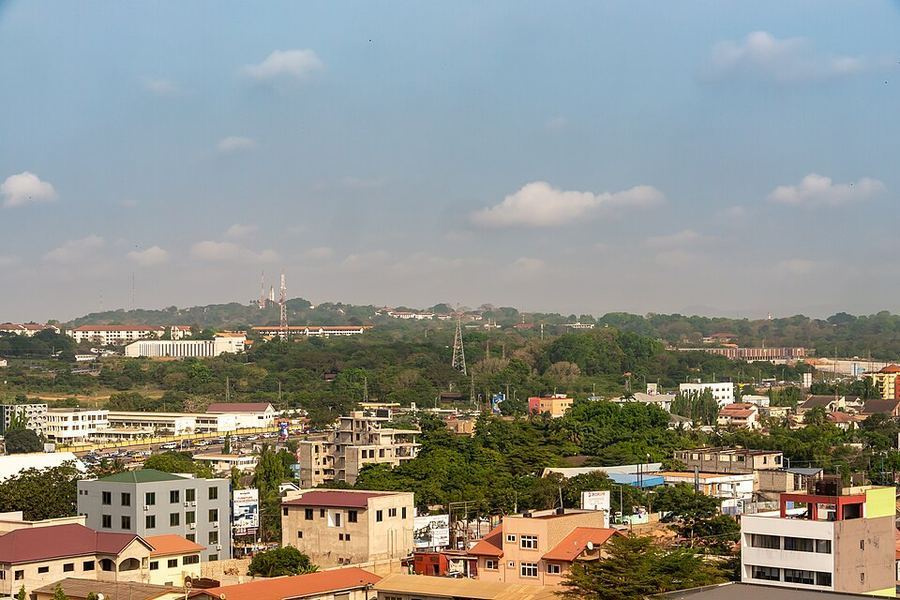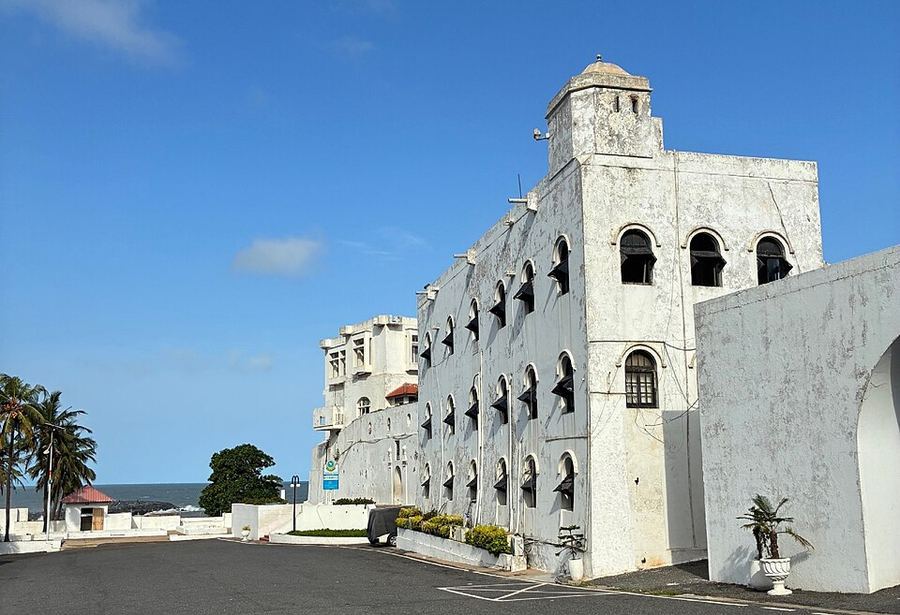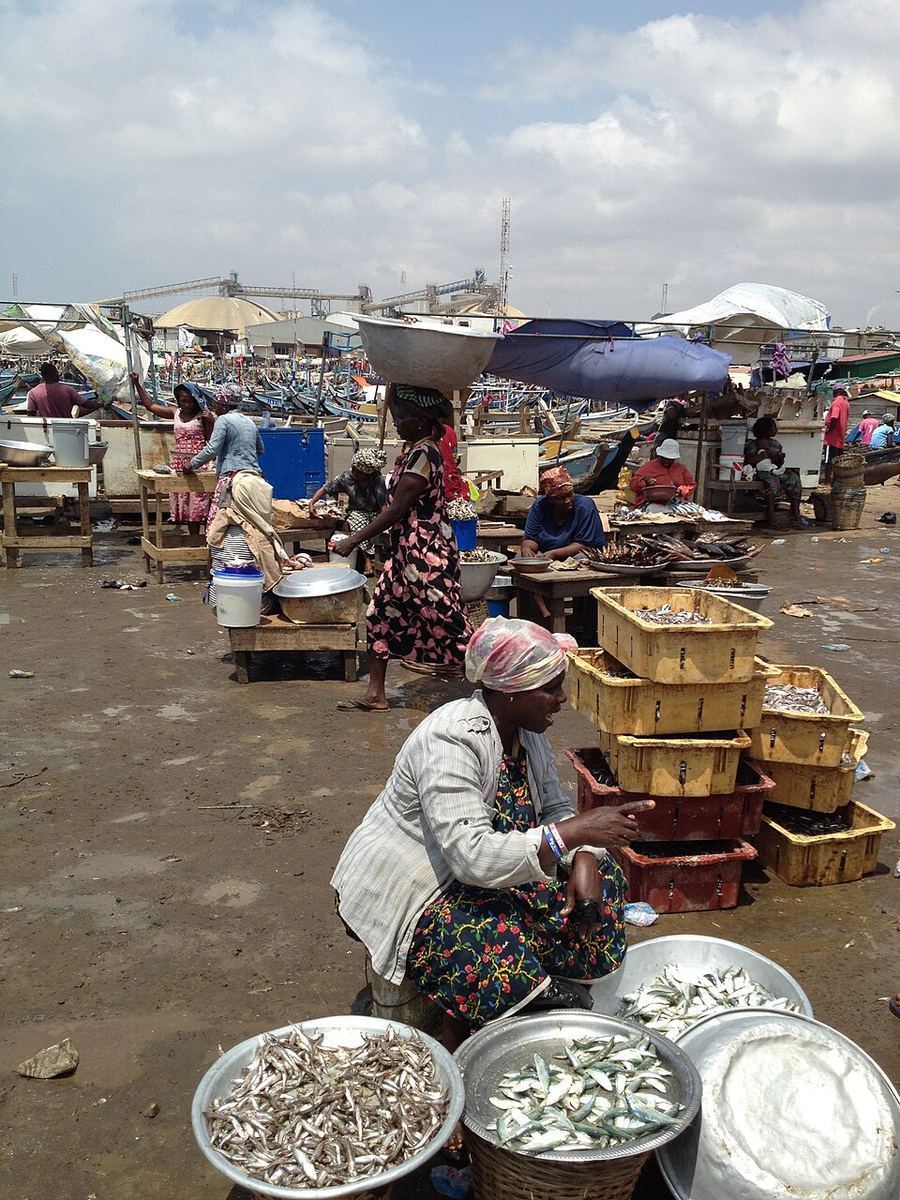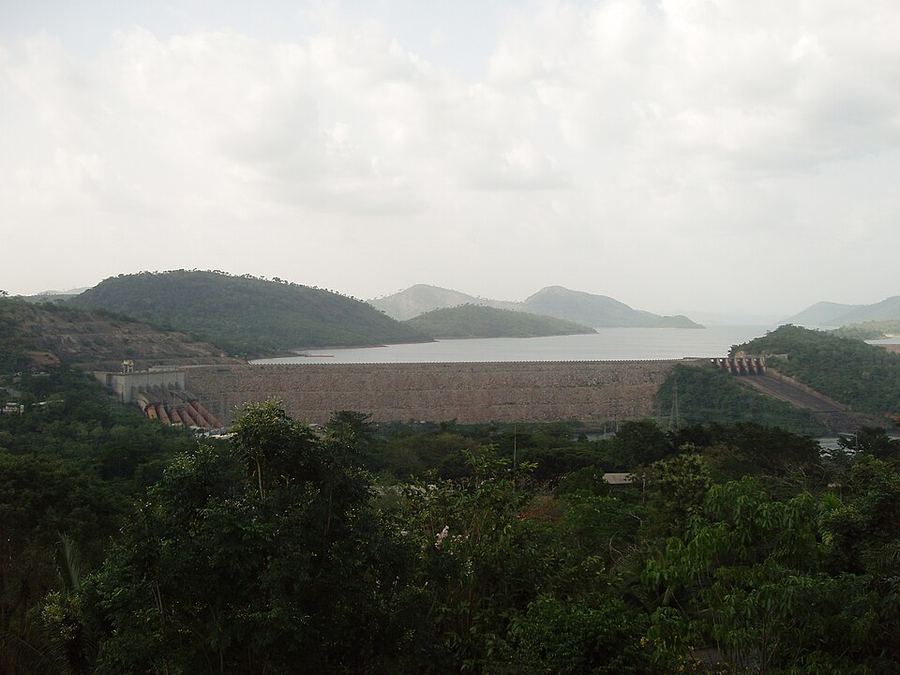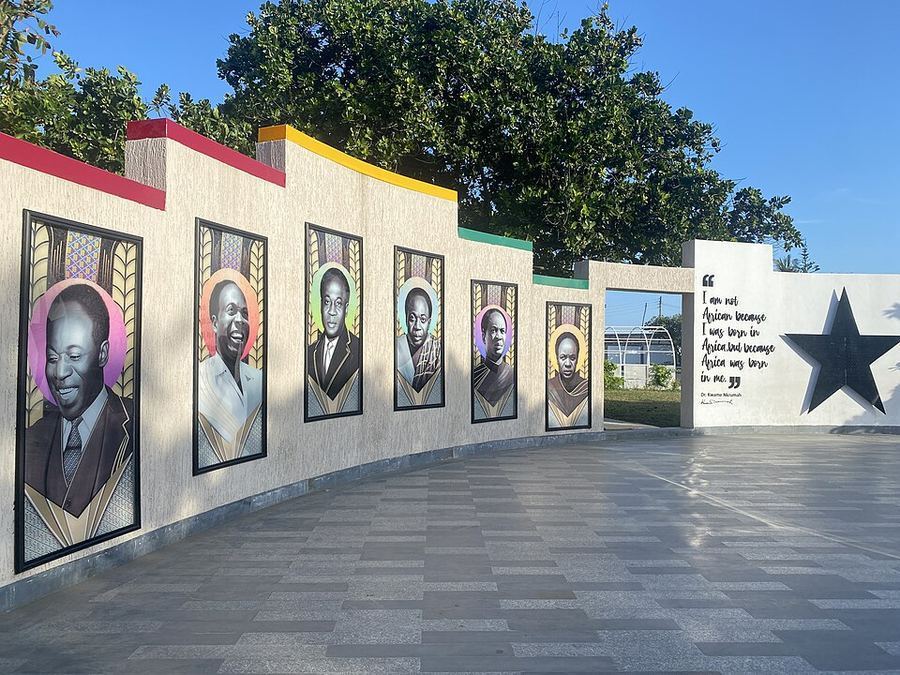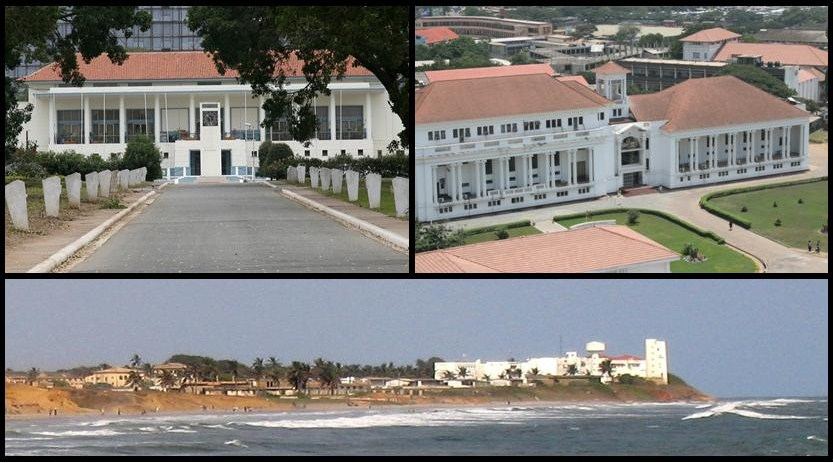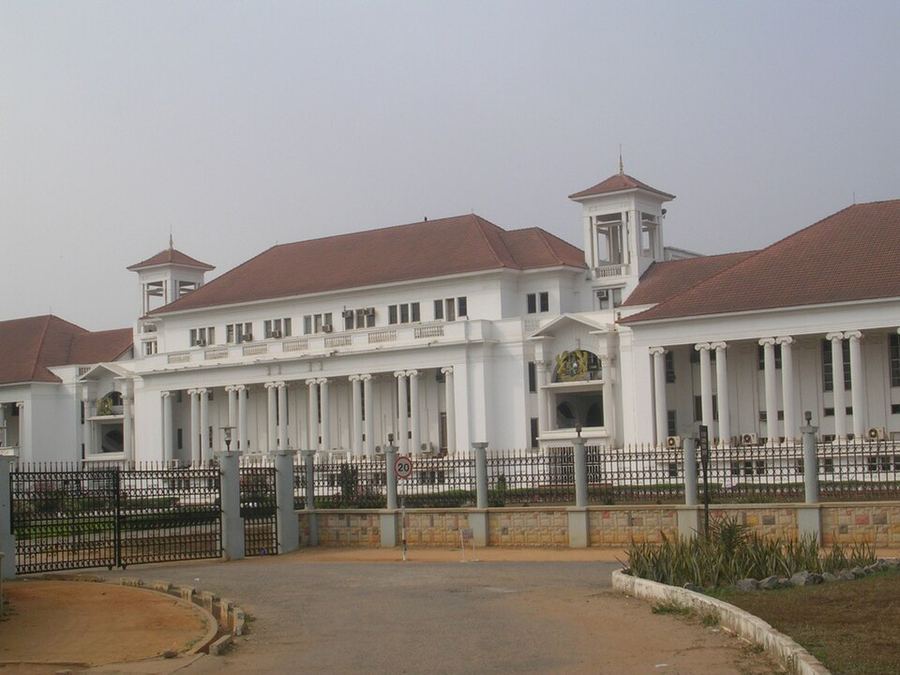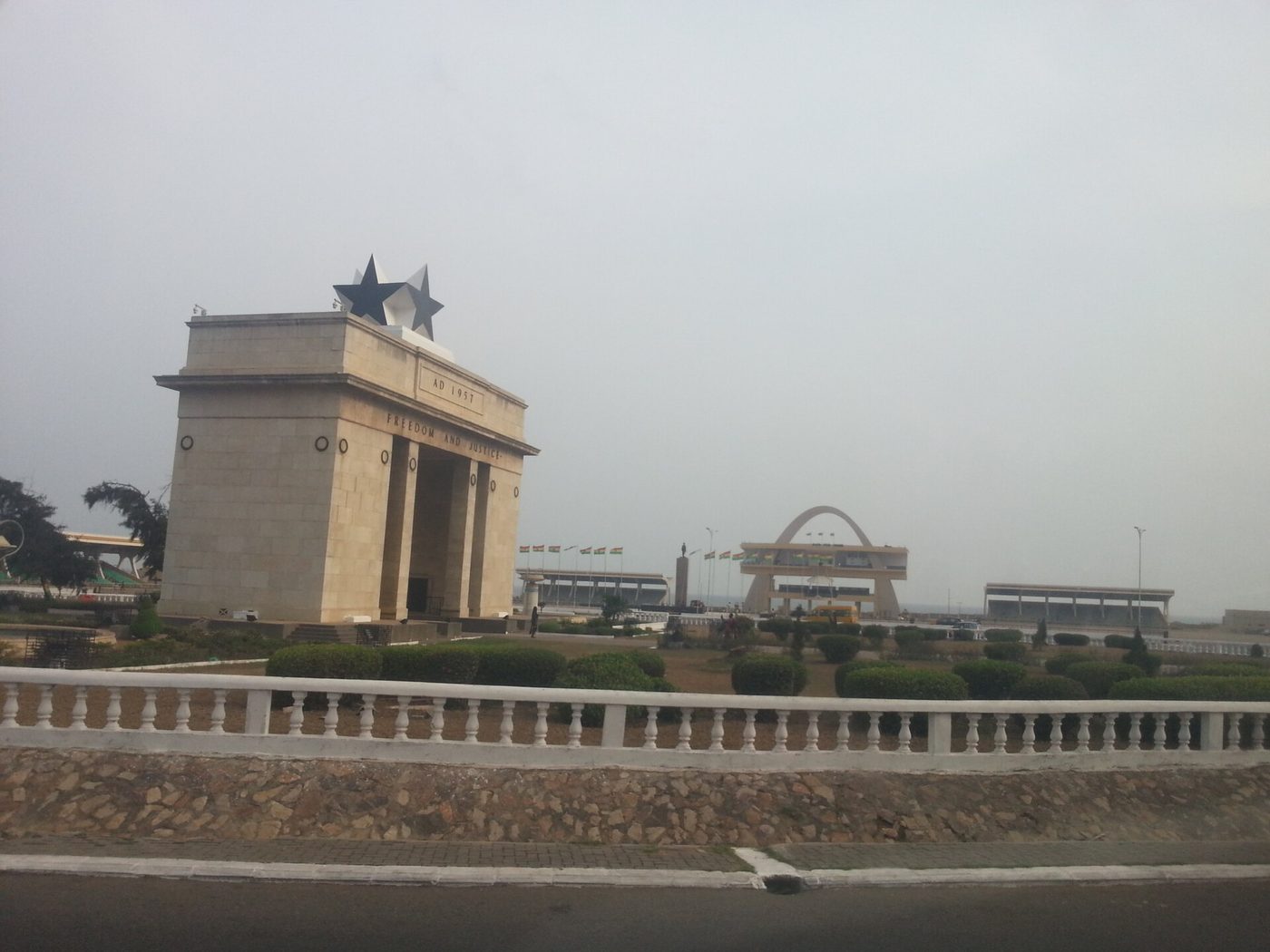
Ghana is a West African republic of about 35 million people on the Gulf of Guinea, bordered by Côte d'Ivoire to the west, Burkina Faso to the north and Togo to the east. Accra, the capital, is a coastal city of several million that anchors a densely urbanised southern belt running through Tema, Kumasi and Takoradi. Ghana holds a particular place in African history as the first colony in sub-Saharan Africa to win independence from European rule, on 6 March 1957, under Kwame Nkrumah, whose Pan-Africanism made Accra a magnet for independence movements and Black diaspora intellectuals for a decade afterwards. The country took the name Ghana from a medieval West African empire that lay far to the northwest, a deliberate act of historical reclamation rather than a claim of direct descent. Ghana is Africa's leading gold producer and the world's second largest cocoa grower after neighbouring Côte d'Ivoire, and it has produced offshore oil since 2010. After several decades of coups between 1966 and 1981, the Fourth Republic established in 1992 has delivered repeated peaceful transfers of power between the two main parties, a record that makes Ghana one of the more stable democracies on the continent. English is the official language, used alongside Akan, Ewe, Ga, Dagbani and Hausa.
Accra's urban core is home to about 5,890,466 people.
That's bigger than Madrid, Toronto, Chicago and Sydney — each a great world city in its own right.
Among the world's megacities, though, it's one of many — the giants of Asia and Latin America run larger still:
More people live in Accra than in the entire nation of Finland, Norway, Ireland or New Zealand.
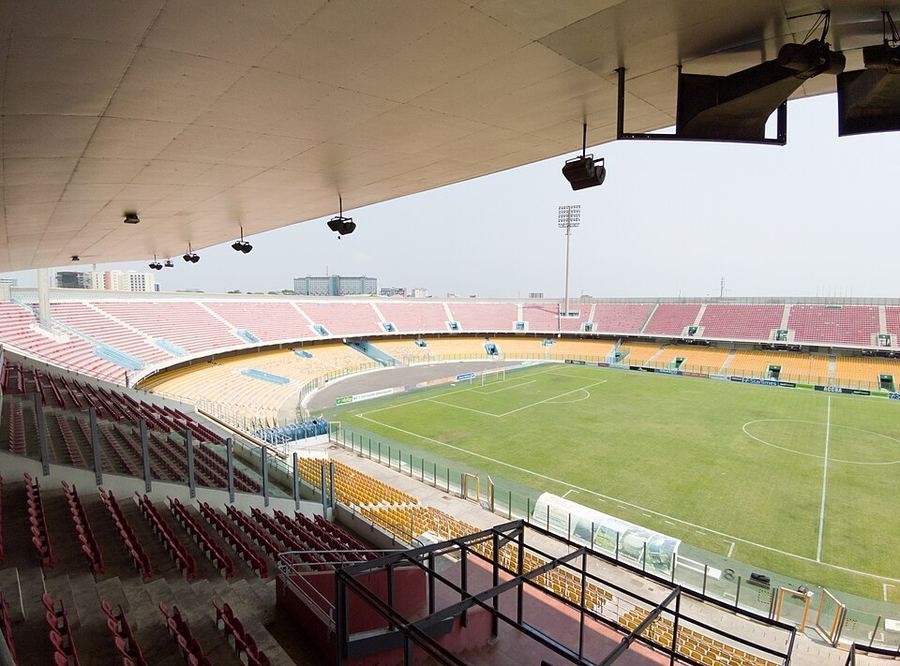
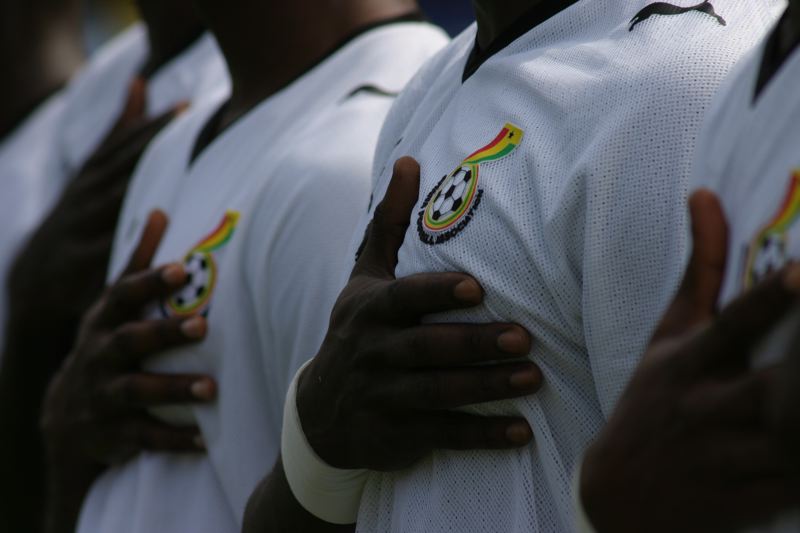
Ghana's best-known international sporting moment came at the 2010 World Cup in South Africa, when the Black Stars reached the quarter-finals — only the third African side ever to do so — and were eliminated by Uruguay after a goal-line handball and a missed penalty in the final seconds of extra time, a sequence still argued over across the continent. Ghana has qualified for the World Cup in 2006, 2010, 2014 and 2022. At youth level the achievement is even greater: the Black Satellites won the FIFA Under-20 World Cup in Egypt in 2009, the first African team to take that title. Olympic success has come principally in two sports. Ghana's men's football team won bronze at Barcelona in 1992, the first Olympic football medal won by an African country, and Ghanaian boxers have taken medals across several Games, from Clement Quartey's silver in Rome in 1960 to Samuel Takyi's bronze in Tokyo. Azumah Nelson's professional world titles in the 1980s and 1990s gave Ghana a global sporting profile independent of football, and Ghanaian-born or Ghanaian-heritage players are now prominent in several European national squads.
GHC — GHC (None)
GDP (PPP): $243.124 billion (2024 est.)
Per capita: $7,100 (2024 est.)
$25.365 billion (2023 est.)
gold, crude petroleum, cocoa beans, manganese ore, cocoa paste (2023)
Partners: Switzerland 24%, UAE 18%, India 8%, South Africa 7%, China 7% (2023)
$26.024 billion (2023 est.)
refined petroleum, cars, plastics, plastic products, footwear (2023)
Partners: China 30%, Netherlands 8%, India 5%, USA 5%, Russia 5% (2023)
Type: presidential republic
Independence: 6 March 1957 (from the UK)
How mountains, coasts, and rivers shape settlement (LandScan).
Coming — dataWhere groups settled and how people move (GeoEPR + UNHCR).
Coming — dataNotable institutions, mappable as points.
Coming — data