HERA · Human Entity Reference Atlas by Masego Inc

← Gambia 🌐 3D View
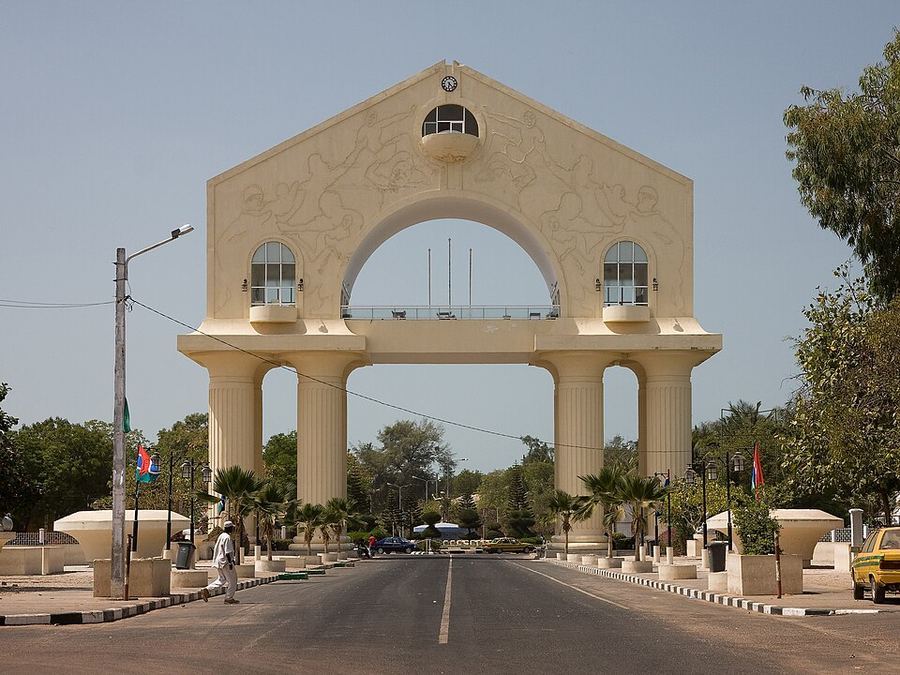
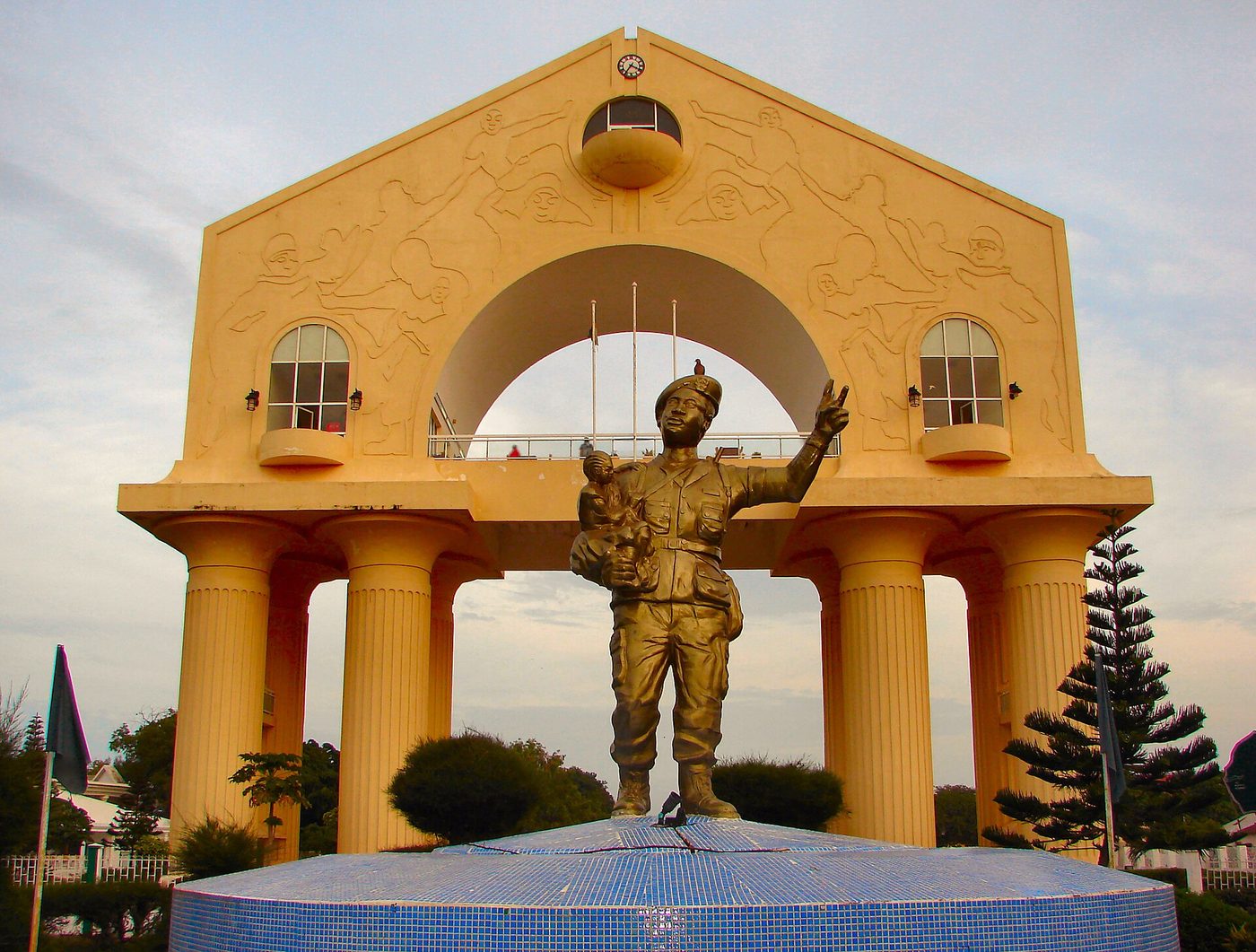
Banjul-Arch22-And-Statue, Gambia
Gambia GMB
Banjul-Arch22-And-Statue — Photo: Bjørn Christian Tørrissen / CC BY-SA 3.0 via Wikimedia Commons
Did You Know In 1651 the Duchy of Courland, a small Baltic state on the territory of present-day Latvia, founded a fort on an island in the Gambia River; the English seized it a decade later, and the island is now the UNESCO-listed Kunta Kinteh Island. — Encyclopaedia Britannica

The Gambia is the smallest country on mainland Africa, a narrow ribbon of territory roughly 480 kilometres long and rarely more than fifty wide, following the lower Gambia River inland from the Atlantic and enclosed on every other side by Senegal. About 2.5 million people live there, most of them in the coastal west around Serekunda and the Kanifing area rather than in Banjul, the small capital on an island at the river's mouth. The shape of the country is a direct artefact of nineteenth-century Anglo-French bargaining, which left Britain the navigable river and France the land around it, and it has defined Gambian life ever since: an English-speaking, common-law state embedded in francophone Senegal, sharing the same peoples, languages and Sufi orders as its neighbour but not its administration. Mandinka, Fula, Wolof, Jola and Serahuli make up the population, which is overwhelmingly Muslim. Independence came from the United Kingdom on 18 February 1965. After three decades of civilian rule under Dawda Jawara and twenty-two years of increasingly repressive government under Yahya Jammeh, Jammeh's refusal to accept his defeat in the December 2016 election was ended by a West African military intervention in January 2017, and The Gambia has since been governed by Adama Barrow.

CIA World FactbookEncyclopaedia BritannicaWorld Bank
Population
2,523,327
Capital
Banjul
Currency
D GMD
Time zones
Largest city
Serrekunda
Human Geography Themes
Loading national figures…
Largest Cities
Serrekunda1,313,465
Brikama213,626
Basse Santa Su64,317
In Perspective

Serrekunda's urban core is home to about 1,313,465 people.

That's bigger than Amsterdam — each a great world city in its own right.

Serrekunda1,313,465
Amsterdam1,223,407

Among the world's megacities, though, it's one of many — the giants of Asia and Latin America run larger still:

Serrekunda1,313,465
Jakarta40,545,126
Dhaka37,307,160
Tokyo33,244,670
Shanghai30,678,616
Cairo25,230,325
The Country & Its People

History

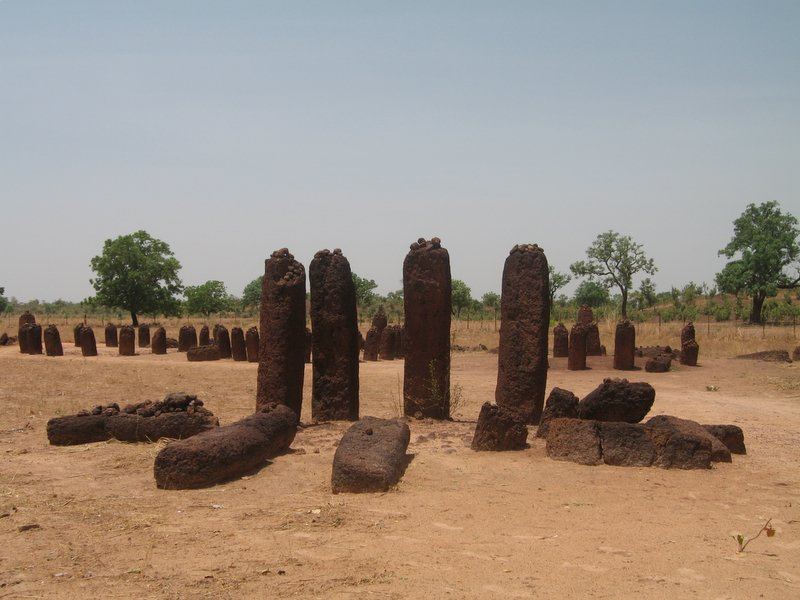
The Senegambian stone circles, more than a thousand megalithic monuments raised along the river between roughly the third century BC and the sixteenth century AD, are the earliest substantial record of settlement. By the medieval period the region lay within the orbit of the Mali empire and then of Kaabu, a Mandinka successor state that dominated the area until its fall in the nineteenth century. Portuguese ships reached the river in the 1450s, and it became a European trading artery: in 1651 the Duchy of Courland, a small Baltic power, established a fort on an island in midstream, which the English took a decade later and renamed James Island. The river carried gold, ivory, beeswax and, for two centuries, captives sold into the Atlantic slave trade. Britain and France fixed the modern boundaries by agreement in 1889, and the Gambia colony and protectorate took its present improbable shape. Independence came on 18 February 1965, and Dawda Jawara led the country as one of Africa's few continuous multiparty democracies until Yahya Jammeh seized power in a bloodless coup in July 1994. Jammeh ruled for twenty-two years before losing the election of December 2016 and being forced into exile by an ECOWAS intervention in January 2017.
Culture

Gambian society is built from five main groups — Mandinka, Fula, Wolof, Jola and Serahuli — none of which is confined to the country's borders, and all of which extend into Senegal and beyond. Islam is close to universal, practised through the Tijaniyya, Qadiriyya and Muridiyya Sufi orders, and its rhythms of prayer, Ramadan and Tabaski organise the year; a small Christian minority, concentrated among the Jola and the Aku of Banjul, is fully integrated into public life, and interfaith attendance at each other's ceremonies is normal enough to be unremarkable. Mandinka society retains the old West African distinction between freeborn lineages, artisan castes and the hereditary jali or griot families who carry history and music. Extended households, deference to elders, and reciprocal obligation in naming ceremonies, weddings and funerals structure daily life. Attaya, green tea brewed strong and served in three successive rounds of decreasing bitterness, is the setting for a great deal of ordinary sociability. The Kankurang, a masked figure in red bark fibre and leaves who protects boys during circumcision seclusion and enforces order, is recognised by UNESCO as a shared Gambian and Senegalese Manding rite.

Points Of Pride

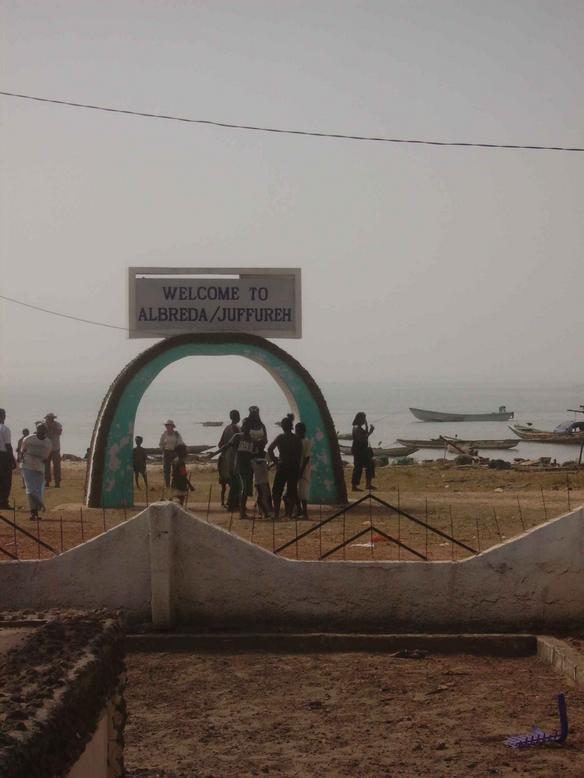
Two UNESCO World Heritage properties record The Gambia's deep and modern history: the Stone Circles of Senegambia, inscribed in 2006 and shared with Senegal, which include the great concentrations at Wassu and Kerbatch; and Kunta Kinteh Island and Related Sites, inscribed in 2003, comprising the midstream fort and the villages of Juffureh and Albreda, which stand as a memorial to the Atlantic slave trade and as the setting Alex Haley made famous in Roots. The Kankurang rite is inscribed on UNESCO's intangible heritage list. Gambians take particular pride in the kora, the twenty-one-string harp-lute of the Mandinka jali, and in the hereditary musical families that have carried it to concert halls worldwide. The country markets itself as the Smiling Coast of Africa and has a genuine reputation for hospitality and for religious tolerance. Its most striking recent achievement is diplomatic: in 2019 The Gambia, one of the smallest states in Africa, filed proceedings against Myanmar at the International Court of Justice under the Genocide Convention on behalf of the Rohingya, a case the Court allowed to proceed in 2022.

Cultural Fusion

The Gambia is a study in permeable borders. Its peoples, languages, Sufi orders, music and cooking are shared entirely with Senegal, and families, markets and marriage networks cross the frontier constantly; what differs is the state — English rather than French, common law rather than civil code, a British-derived administration in a francophone region. The Aku community of Banjul adds another layer: descendants of liberated Africans resettled from Sierra Leone in the nineteenth century, Christian, English-speaking and bearing Krio surnames, they supplied much of the early colonial professional class. Lebanese and Mauritanian traders have long-established commercial roles. Since the 1960s, package tourism from Britain, the Netherlands and Scandinavia has made the coastal strip a winter-sun destination and created a durable, sometimes uneasy, intimacy between Gambian coastal towns and Northern European visitors. The most emotionally charged connection runs across the Atlantic: Roots made Juffureh a pilgrimage site for African Americans, and diaspora homecoming festivals are now a fixture. A very large Gambian diaspora in Britain, the United States, Spain and Italy — the country had one of Africa's highest per-capita rates of irregular migration to Europe in the 2010s — sends home remittances that are a major share of national income.

Music & Dance

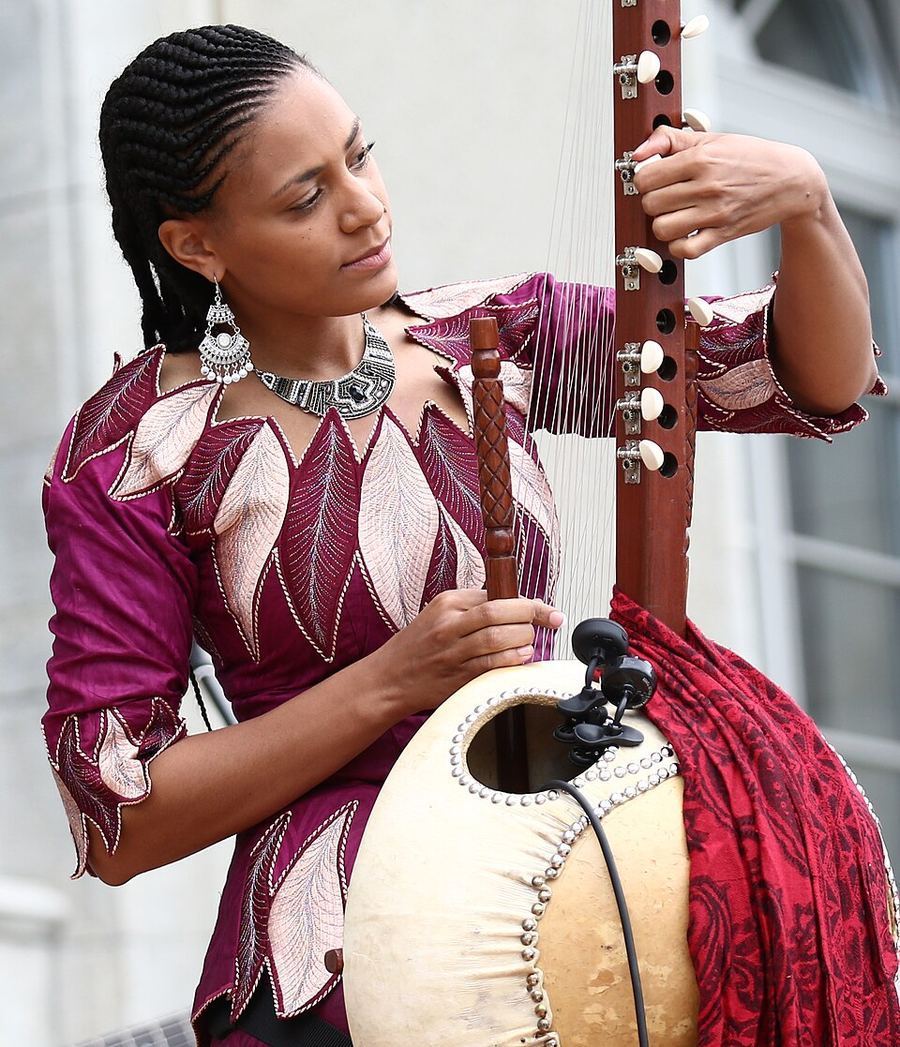
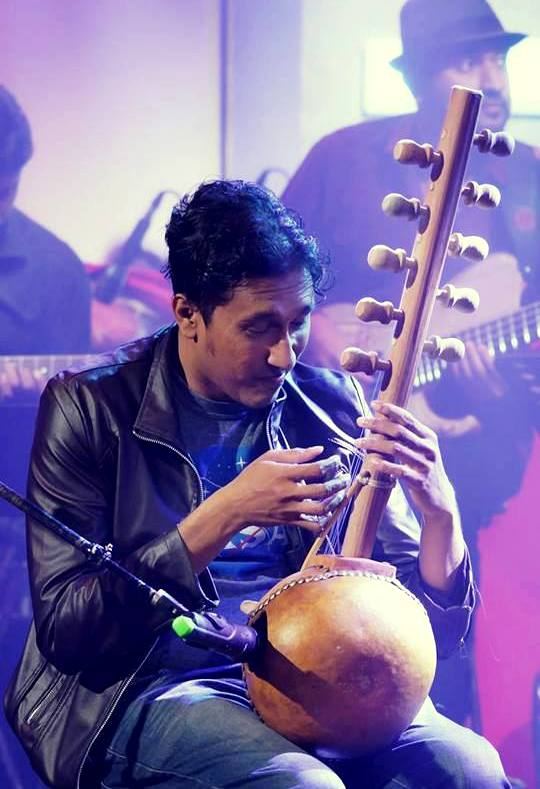
The Gambia is one of the two or three heartlands of the kora, a twenty-one-string harp-lute with a large calabash body covered in cowhide, played by hereditary jali families whose surnames — Suso, Konte, Jobarteh, Kuyateh, Diabate — are effectively the lineages of the instrument. A jali's repertoire combines epic narrative, genealogy and praise, and the great Gambian players have taken the instrument well beyond that setting: Foday Musa Suso worked with Herbie Hancock, Philip Glass and the Kronos Quartet from the 1970s onward, Amadu Bansang Jobarteh was among the most revered traditional players of his generation, and Sona Jobarteh became the first woman from a griot family to build an international career as a kora virtuoso, later founding a music school in the country. Jaliba Kuyateh created kora-led dance-band pop that dominates Gambian popular music. Percussion traditions are equally strong: Wolof sabar drumming and its athletic dancing, Jola bougarabou, and the Mandinka drum ensembles that accompany the Kankurang. Wrestling matches, naming ceremonies and political rallies are all conducted to live drumming, and Serekunda's studios now turn out Afrobeats and hip-hop in Wolof, Mandinka and English.

Cuisine & Misattributed Foods

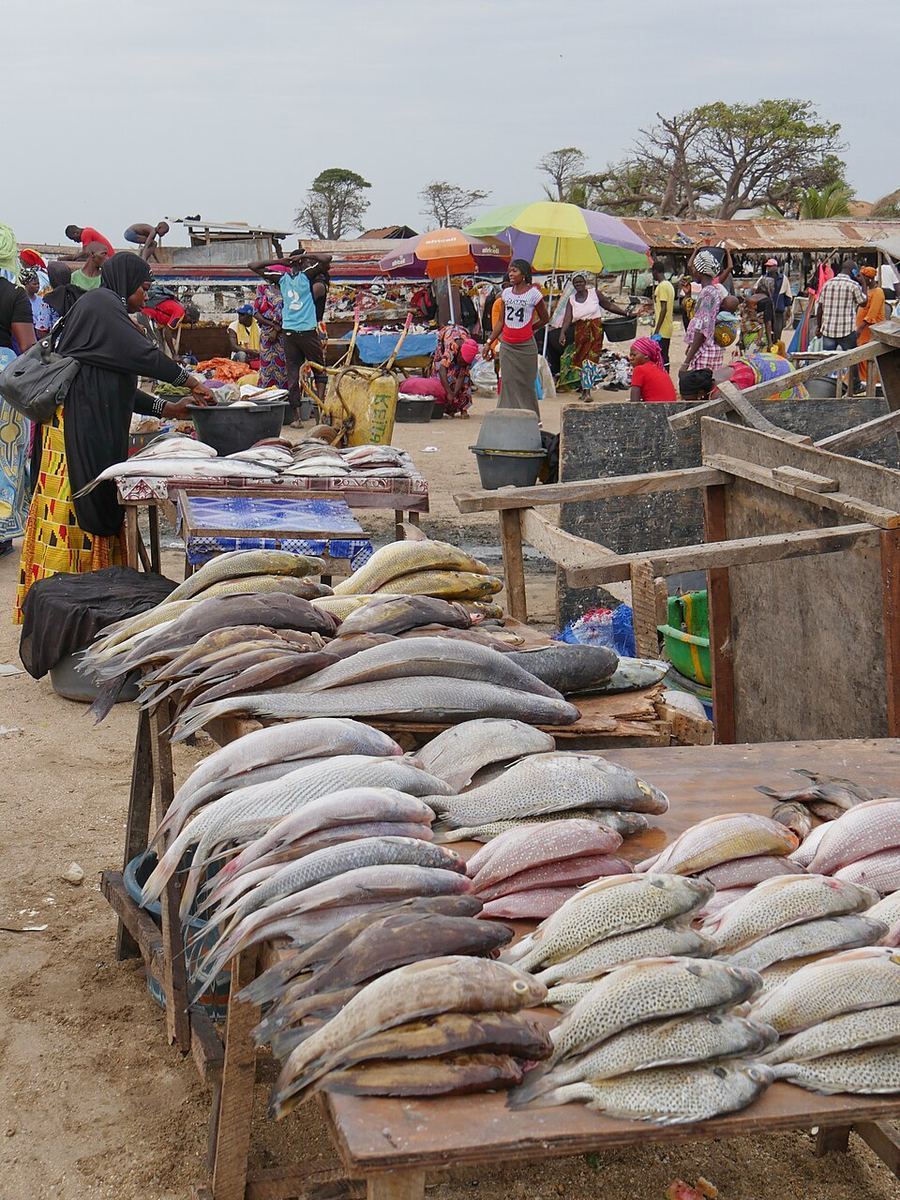
Gambian food is Senegambian food: rice-based, groundnut-rich and cooked in one pot. Domoda, a thick groundnut stew with meat or fish and pumpkin or sweet potato served over rice, is the dish most often named as national. Benachin — the Wolof term means one pot — is rice cooked together with fish or meat, tomato and vegetables and is the direct ancestor of the jollof rice eaten across West Africa. Yassa pairs chicken or fish with a long-marinated sauce of onions, lemon and mustard. Superkanja is a rich okra and palm oil stew with smoked fish and meat, and plasas uses pounded leaves in the same way. Chere, steamed millet couscous, is eaten with sour milk or sauce, particularly in the interior. Fish is central given the river and the ocean: bonga, ladyfish, catfish and tilapia, smoked, dried or grilled, and oysters harvested from the mangrove roots of the Tanbi wetlands by women's cooperatives. Tapalapa, a dense wood-fired baguette, is the everyday bread, and afra — grilled meat cut up with onion and pepper — the standard street food. Attaya tea, wonjo made from hibiscus, baobab juice and ginger drinks accompany them.

National Dress

Gambian formal dress follows the Senegambian pattern. Men wear the grand boubou, a wide ankle-length robe over matching trousers and an under-shirt, often in bazin riche — a damask starched and beaten to a hard sheen — with hand or machine embroidery at the neck and chest and a small embroidered cap. The shorter kaftan is the everyday equivalent. Women wear a matched ensemble of wrapper, fitted top and headwrap, in bazin, brocade or printed wax cloth, with the tying of the headwrap and the choice of cloth carrying real social signalling; heavy gold jewellery is worn at weddings and naming ceremonies. Tie-dye and batik are a genuine Gambian craft industry rather than a tourist sideline, produced in workshops around Serekunda and worn widely, and locally woven narrow-strip cotton cloth survives in the interior. Jola and Fula communities keep distinctive beadwork, headwear and jewellery for ceremonial use. The most striking costume in the country is not clothing at all in the ordinary sense: the Kankurang appears entirely sheathed in red faara bark fibre and green leaves, carrying cutlasses, and is never seen out of role.

Sports & Inspiring Athletes

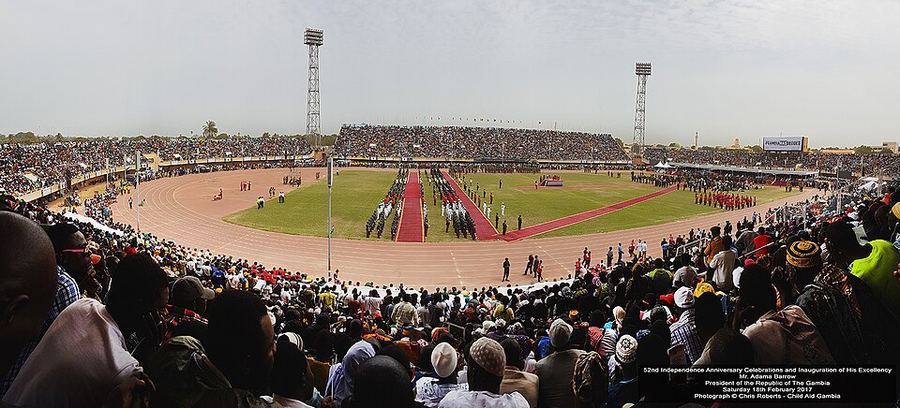
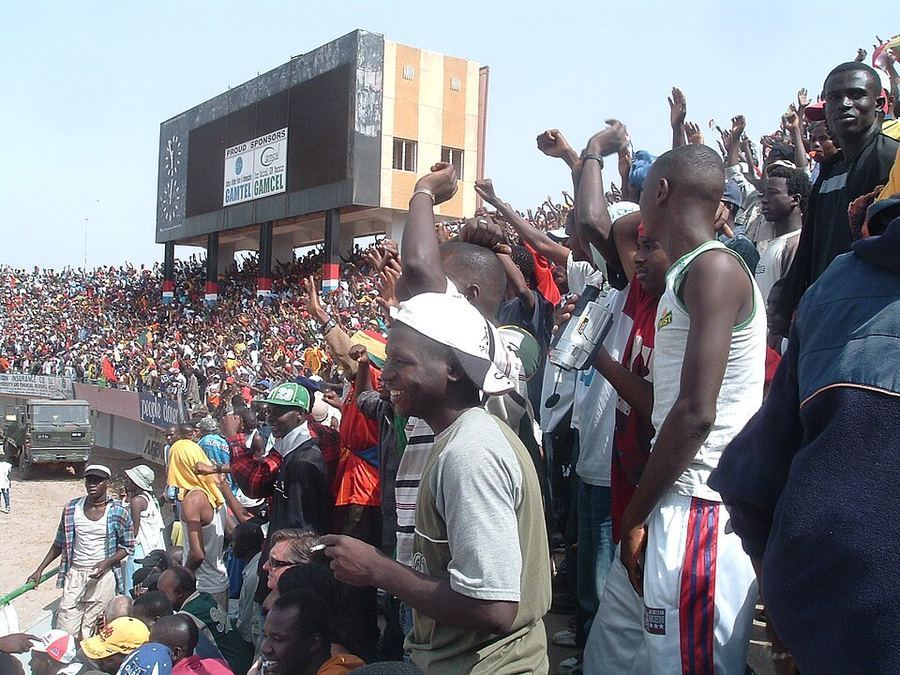
Football is the national sport and has recently given The Gambia its greatest sporting moments. The national side, the Scorpions, spent decades among African football's minor nations before qualifying for the Africa Cup of Nations for the first time in 2021 and then, at the finals played in Cameroon in January 2022, reaching the quarter-finals on debut — a run that stopped the country in its tracks and remains its defining sporting achievement. The team qualified again for the following edition. Domestic football is organised in a national league centred on Banjul and Serekunda, and the country has become a notable exporter of young players to European clubs. Traditional wrestling is the other mass-participation sport: borreh matches, contested on sand with drumming, praise singing and elaborate pre-fight ritual, draw large crowds and produce local celebrities, and the sport is closely shared with Senegal. Athletics, basketball and volleyball have smaller followings, and beach and river sports serve the tourist economy. The country's sporting infrastructure is modest — the Independence Stadium at Bakau is the principal venue — and national teams have often trained and played home fixtures abroad.

Notable Educational Programs

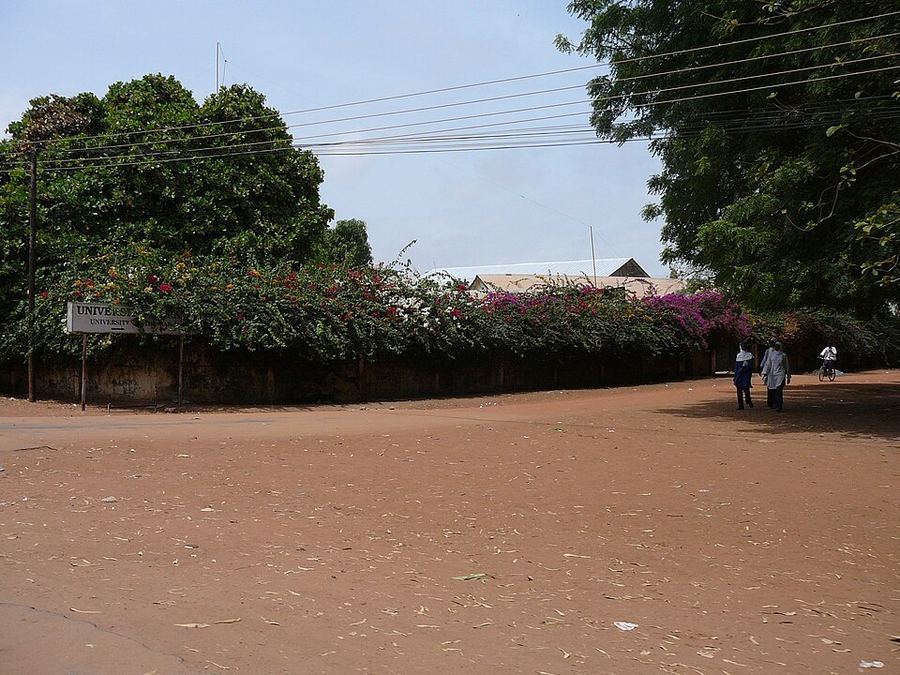
Education in The Gambia has expanded rapidly from a very low base. Adult literacy remains well below the West African average, with a significant gap between women and men and between the coastal region and the upper river, but enrolment in basic education has risen substantially since the 1990s and gender parity at primary level has largely been achieved. The system runs six years of lower basic, three of upper basic and three of senior secondary schooling, taught in English, with local languages used informally in early grades. Qur'anic schools known as daaras are widespread and are the first or only schooling for a substantial number of children, and the government has worked to integrate madrasa education into the recognised system so that pupils can progress. Higher education is very young: the University of The Gambia was founded only in 1999, before which Gambians seeking degrees had to study abroad, and it has since been supplemented by the Gambia College for teacher and nurse training, medical and technical institutes and several private colleges. Teacher shortages, crowded classrooms in the coastal region and the emigration of trained graduates are the persistent constraints.

Wars & Conflicts

The Gambia has never experienced civil war, and its political violence has been episodic rather than sustained. A coup attempt in July 1981 led by Kukoi Samba Sanyang was put down by Senegalese troops under a mutual defence arrangement, at a cost of several hundred lives, and produced the short-lived Senegambia Confederation that lasted from 1982 to 1989. Yahya Jammeh took power in a bloodless coup in July 1994 and held it for twenty-two years; his rule was marked by enforced disappearances, torture, the killing of fourteen students during protests in April 2000, and the persecution of journalists and alleged witches, all documented in detail by the Truth, Reconciliation and Reparations Commission that reported in 2021 and recommended prosecutions. A further coup attempt failed in December 2014. The decisive episode came in January 2017, when Jammeh refused to accept his election defeat and ECOWAS deployed troops from Senegal, Nigeria and Ghana to enforce the result, forcing him into exile in Equatorial Guinea without significant fighting. The separatist conflict in Senegal's neighbouring Casamance region has repeatedly spilled across the southern border, displacing villagers and leaving landmines in the Foni districts.
UCDPHuman Rights WatchAmnesty InternationalReutersBBC
Current as of 2026-08-06

Land & Border Disputes

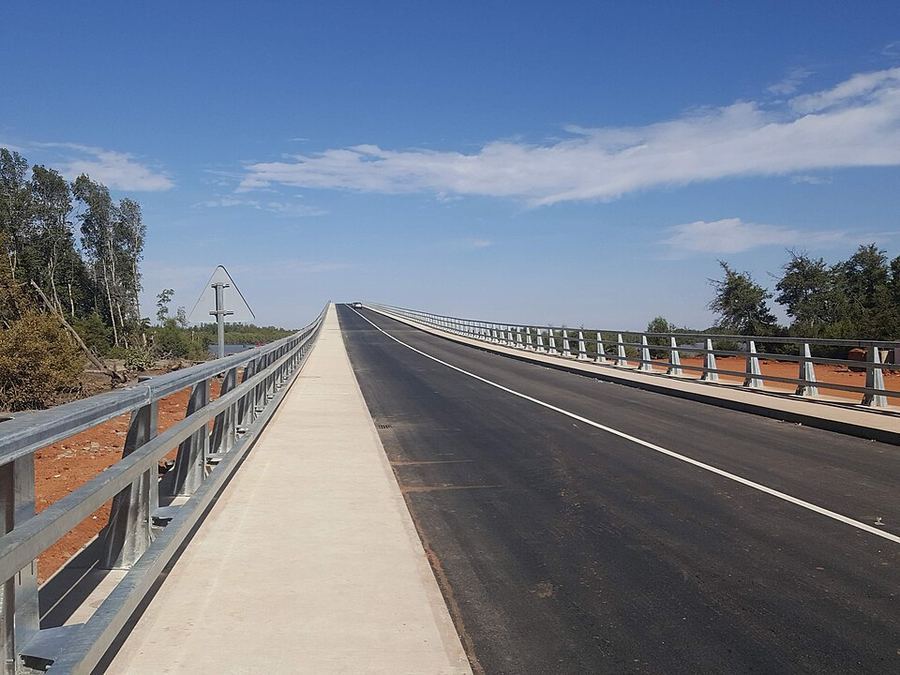
The Gambia has no territorial dispute with any state. Its entire land border is with Senegal and is legally settled, and its maritime boundary is likewise uncontested. The recurring friction with Senegal is instead about transit: because The Gambia cuts Senegal in two, Senegalese traffic bound for the Casamance has historically had to cross the river by ferry at Farafenni, and disagreements over crossing fees and truck tariffs produced repeated blockades and closures, most seriously in 2016. The Senegambia Bridge, opened at Farafenni in 2019, was built specifically to defuse that problem and has largely done so, though tariff disputes recur. Internally, the significant disputes concern accountability rather than territory: the truth commission's recommendation that Yahya Jammeh and others be prosecuted has produced a slow and contested process, including cases pursued in foreign courts under universal jurisdiction and negotiations over a special tribunal. The Gambia's most prominent legal action is one it brought itself — the case filed against Myanmar at the International Court of Justice in 2019 alleging breaches of the Genocide Convention against the Rohingya, which survived Myanmar's preliminary objections in 2022.
Land, Life & Legacy

Land & Climate

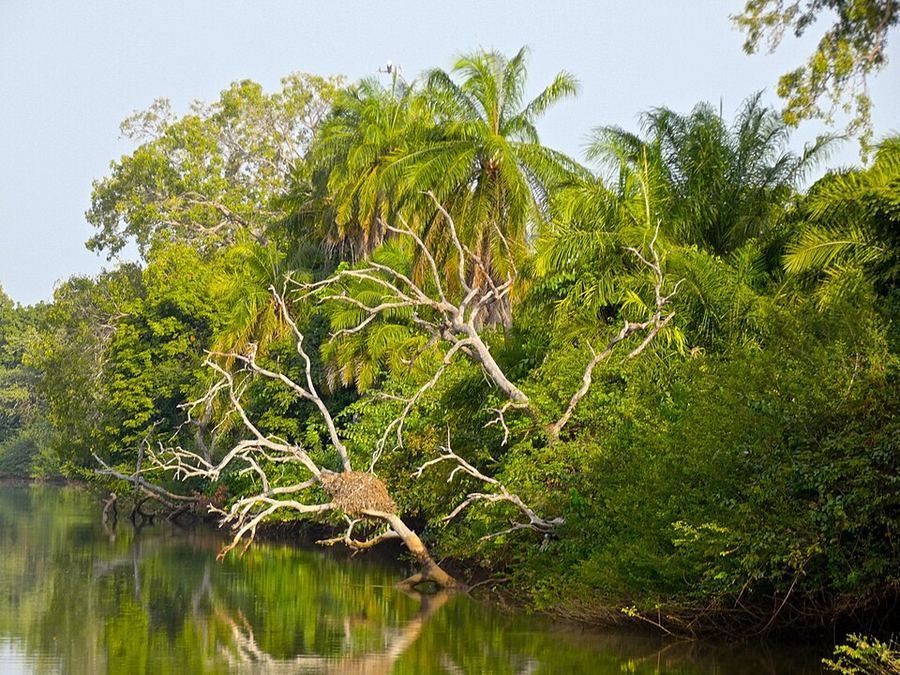
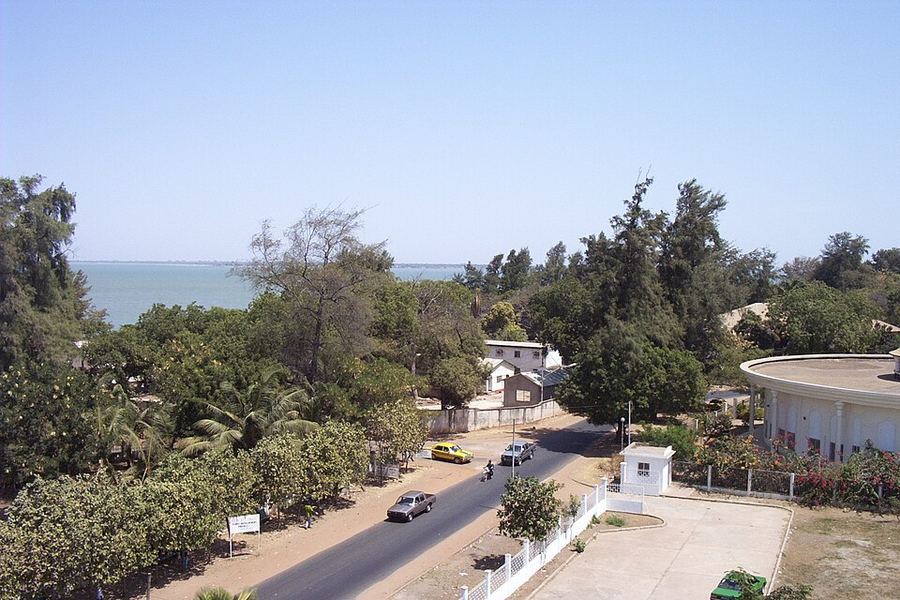
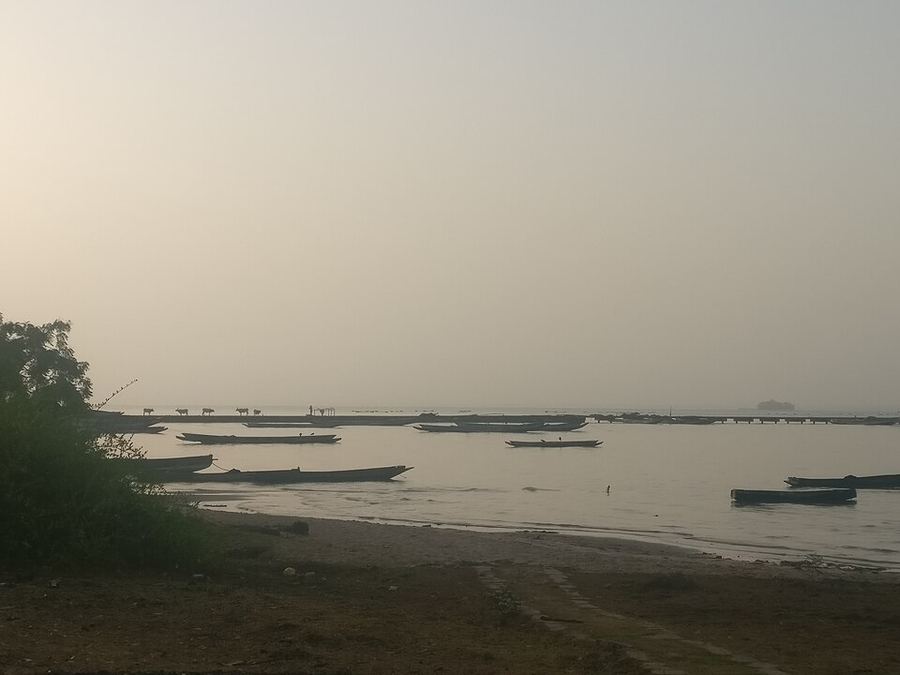
The Gambia is defined entirely by its river. The country consists of the lower valley of the Gambia, a broad, deeply tidal waterway navigable far inland, together with a strip of land on each bank that in most places extends only a short distance from the water. Salt water pushes upstream for well over a hundred kilometres, so the lower river is fringed with mangrove and salt flats while the upper reaches are fresh and support rice cultivation on the floodplain. Away from the river the land is low sandstone plateau — the highest ground in the country is only a few tens of metres above sea level — covered in Sudanian savanna woodland and farmed for groundnuts, millet and sorghum. Roughly eighty kilometres of Atlantic coast at the western end carries the beaches and hotels of the tourist strip. The climate is Sahelian tropical with a single rainy season from about June to October, brought by the West African monsoon, followed by a long dry season during which the harmattan carries dust off the Sahara. Sea-level rise, saltwater intrusion into rice land and coastal erosion around Banjul are documented and serious pressures on a country with almost no elevation.

Entertainment

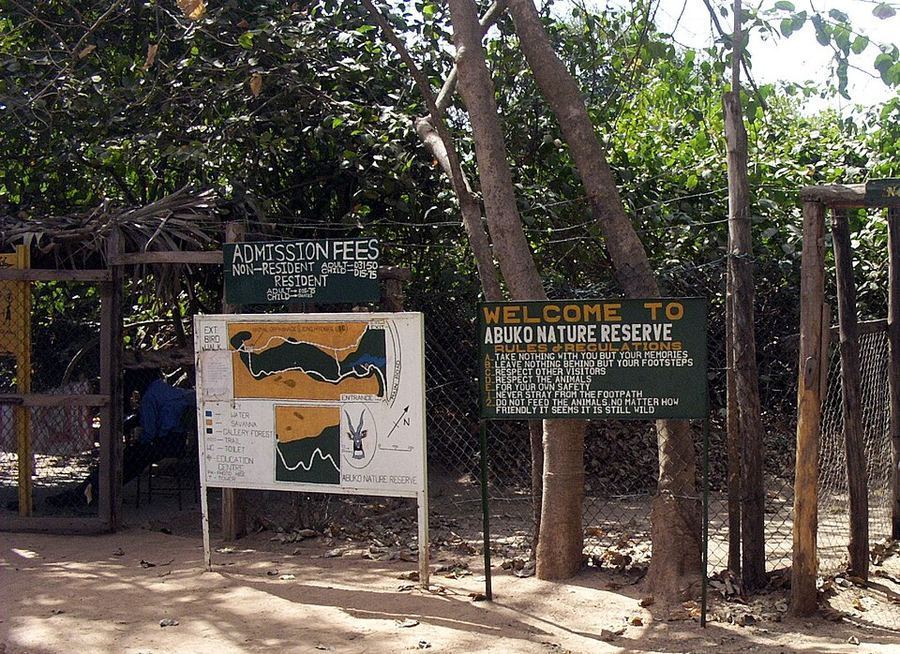
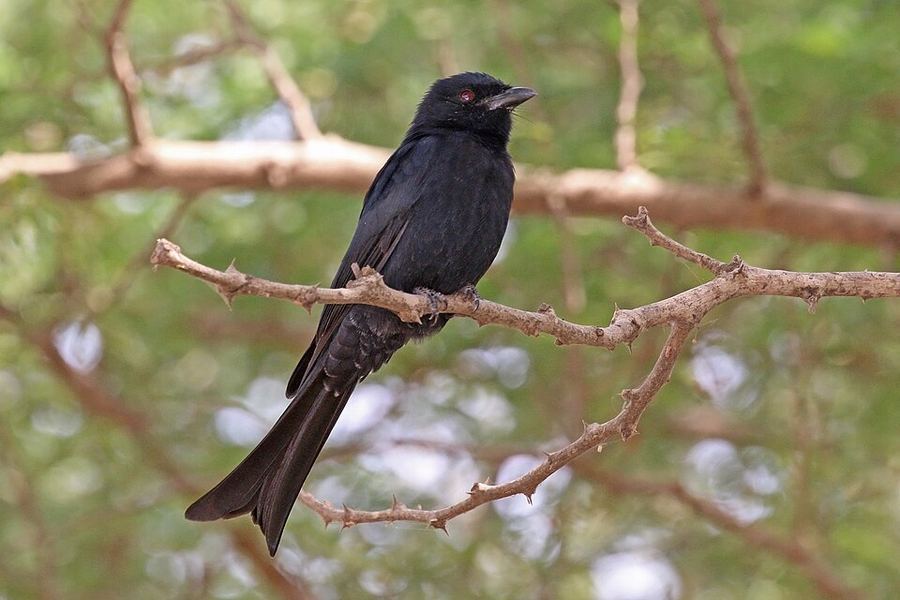
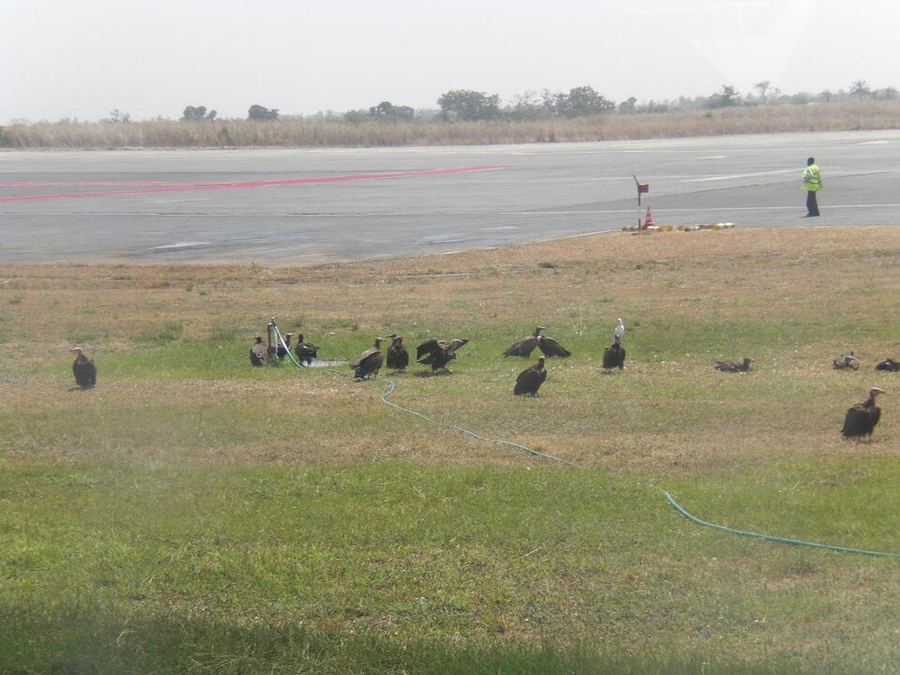
Weekend life revolves around ceremony, football and the beach. Naming ceremonies held a week after a birth, weddings and religious festivals are the great social occasions, with drumming, cooking and the distribution of food on a large scale. Traditional wrestling — borreh, the same sport that is a national obsession in Senegal — draws crowds to sand arenas with drummers, praise singers and elaborate protective charms, and remains genuinely popular alongside football. Attaya sessions, which take a couple of hours by design, are the default form of male sociability, held at street corners and workplaces. The Atlantic beaches at Kotu, Kololi and Bakau serve both tourists and Gambians, and the fish market and beach at Tanji is a destination in itself. Birdwatching is a substantial niche industry: The Gambia records well over five hundred bird species in a very small area and has drawn European birding tours for decades, centred on Abuko Nature Reserve, Tanji, the Bao Bolong wetlands and river cruises. River trips upstream to Janjanbureh, the chimpanzee islands of River Gambia National Park, and the Roots sites at Juffureh and Albreda make up the rest of the leisure circuit.

Art & Museums

The Gambia's oldest artworks are its megaliths. The Senegambian stone circles — laterite pillars, some V-shaped, dressed and set in rings around burial sites along the river at Wassu and Kerbatch and across the border in Senegal — represent a sustained monumental tradition over more than a millennium and are inscribed by UNESCO as World Heritage. Historic craft production centres on wood: carved stools, mortars, masks and above all the making of instruments, since the kora, the balafon and the ngoni are built by specialist artisan lineages and are objects of considerable refinement. Calabash carving and decoration, leatherwork and silver and gold jewellery in the Mandinka and Fula traditions are the other established forms. Textile art is the most commercially vigorous: batik and tie-dye workshops around Serekunda produce work sold nationally and abroad. The National Museum of The Gambia in Banjul holds the state collection, and small village museums at Tanji and Kartong present regional material culture. Contemporary painting, photography and design cluster in the greater Banjul area, where the tourism economy provides a market and where the annual arts and heritage festivals give artists a public platform.

Notable People

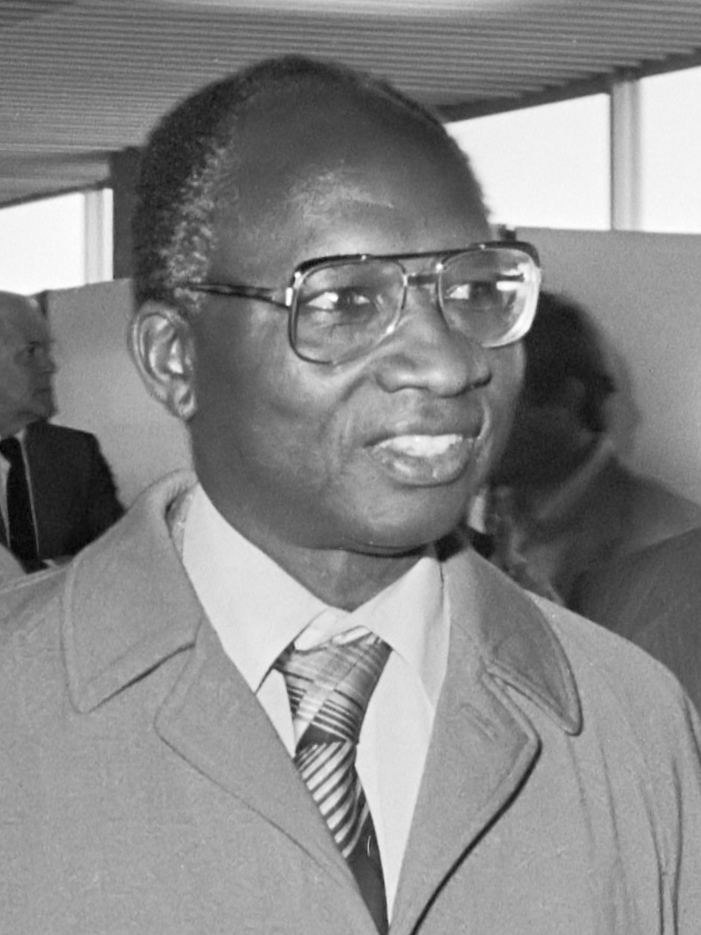
Sir Dawda Kairaba Jawara led The Gambia to independence in 1965 and governed until 1994, presiding over one of the few uninterrupted multiparty democracies in Africa during those decades. Yahya Jammeh, who deposed him and ruled until 2017, is the country's most notorious figure, remembered for claiming to cure AIDS with herbal preparations, for witch-hunts and for the disappearances documented by the truth commission established after his fall. Adama Barrow has held the presidency since 2017. Abubacarr Tambadou, as justice minister, conceived and filed the genocide case against Myanmar at the International Court of Justice and later became registrar of a United Nations tribunal. In music, the kora lineages provide the best-known names abroad: Foday Musa Suso, who collaborated with Herbie Hancock and Philip Glass; Amadu Bansang Jobarteh; Jaliba Kuyateh; and Sona Jobarteh, the first woman from a griot family to become an internationally touring kora player. Lenrie Peters, a surgeon who was also one of anglophone Africa's significant poets, is the country's foremost literary figure. Kunta Kinteh, the ancestor Alex Haley traced to Juffureh in Roots, occupies a place in national memory somewhere between history and symbol.

Inventions & Breakthroughs

The Gambia is not a centre of industrial invention, and it would be dishonest to claim otherwise; its contributions lie in instrument design, in agricultural and coastal practice, and in one field of applied medical science where its record is genuinely world-class. The kora is the outstanding artefact: a twenty-one-string harp-lute whose strings run in two parallel ranks either side of a notched bridge, allowing a player to sound bass, ostinato and melody simultaneously with the thumbs and forefingers — an ingenious solution unlike anything in European instrument-making, and one refined over generations by Gambian and Malian jali families. The Senegambian stone circles demonstrate large-scale quarrying, dressing and transport of laterite pillars over a very long period. In the mangroves, Gambian women's oyster-harvesting cooperatives negotiated formal exclusive use rights over the Tanbi wetlands, an arrangement widely cited as a model of community fisheries co-management. The most consequential Gambian innovations have come from medical research: trial designs developed in the country underpinned the introduction of infant hepatitis B vaccination in Africa and the pneumococcal conjugate vaccine's demonstrated effect on child mortality.

Science & Technology

For a country of its size, The Gambia has an exceptional record in medical research, concentrated in a single long-lived institution: the Medical Research Council unit established at Fajara in 1947, now run in partnership with the London School of Hygiene and Tropical Medicine, which is among the oldest continuously operating research establishments in Africa. Work done there has had global consequences. The Gambia Hepatitis Intervention Study, begun in 1986, introduced infant hepatitis B vaccination nationwide and followed the cohort for decades to measure its effect on liver cancer, making the country the site of one of the longest-running cancer prevention trials anywhere. Trials of pneumococcal conjugate vaccine conducted in the country in the 2000s demonstrated a reduction in child mortality and helped drive the vaccine's adoption across low-income countries. Gambian field sites have also produced influential results on malaria control, insecticide-treated bed nets, seasonal chemoprevention, nutrition and respiratory infection. Outside health, national research capacity is limited and public research spending very low; the practical technology story is mobile telephony and mobile money, which have spread widely, and solar power, which is being deployed to extend an unreliable grid.
WHONatureScienceWorld Bank
On The World Stage

Champions & Defining Moments

The Gambia's international sporting profile rests almost entirely on the Scorpions' Africa Cup of Nations debut in January 2022, when a squad from a country of two and a half million people won its opening group match, advanced from the group and beat Guinea in the last sixteen to reach the quarter-finals at the first attempt — one of the more remarkable debuts in the competition's history. Gambian players have followed that visibility into European football, with Musa Barrow in Serie A and Yankuba Minteh in the Premier League among the most prominent, and a steady flow of young players moving to clubs in Belgium, the Netherlands and Scandinavia. The national team has never qualified for a FIFA World Cup. At the Olympic Games, where The Gambia has competed since Moscow in 1980, the country has not yet won a medal; its delegations are small and concentrated in athletics, with sprinters and hurdlers usually appearing through universality places. Gambian-born athletes and those of Gambian descent also compete for European nations, particularly in athletics and football, reflecting the size of the diaspora.

FIFAIOCOlympedia
Economy, Trade & Government

Currency & GDP

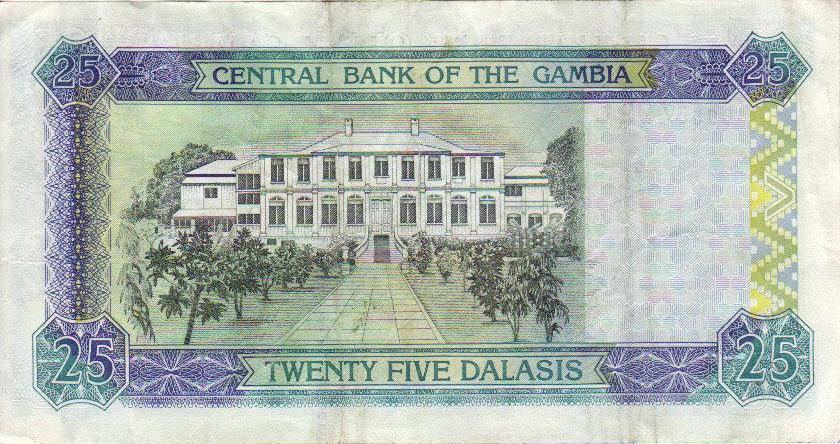
Dalasi — GMD (D)

GDP (PPP): $8.365 billion (2024 est.)

Per capita: $3,000 (2024 est.)

Exports

$838.409 million (2024 est.)

packaged medicine, cars, harvesting machinery, refined petroleum, trailers (2023)

Partners: Kazakhstan 92%, Guinea-Bissau 2%, China 1%, India 1%, Greece 1% (2023)

Imports

$1.549 billion (2024 est.)

crude petroleum, refined petroleum, cotton fabric, iron alloys, rice (2023)

Partners: Kazakhstan 26%, China 18%, Senegal 8%, India 7%, Brazil 4% (2023)

Government

Type: presidential republic

Independence: 18 February 1965 (from the UK)

Terrain → Where People Live

How mountains, coasts, and rivers shape settlement (LandScan).

Coming — data

Migration & Ethnic Settlement

Where groups settled and how people move (GeoEPR + UNHCR).

Coming — data

Universities

Notable institutions, mappable as points.

Coming — data
Economy & government facts: CIA World Factbook (public domain), via OpenFactBook / factbook.json.
Every fact and narrative claim will carry a visible source citation. Data-driven sections light up automatically wherever HERA has coverage.