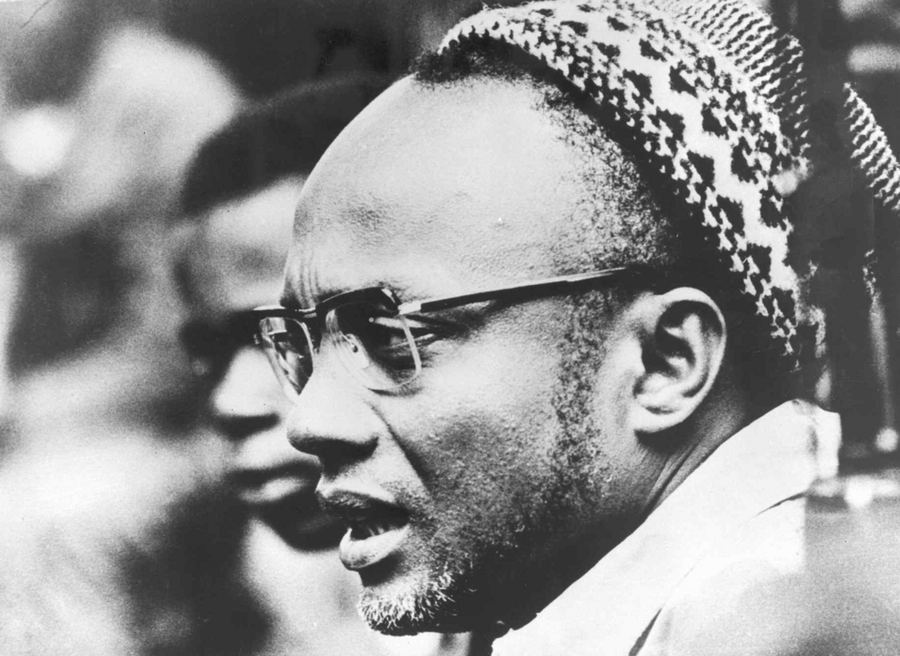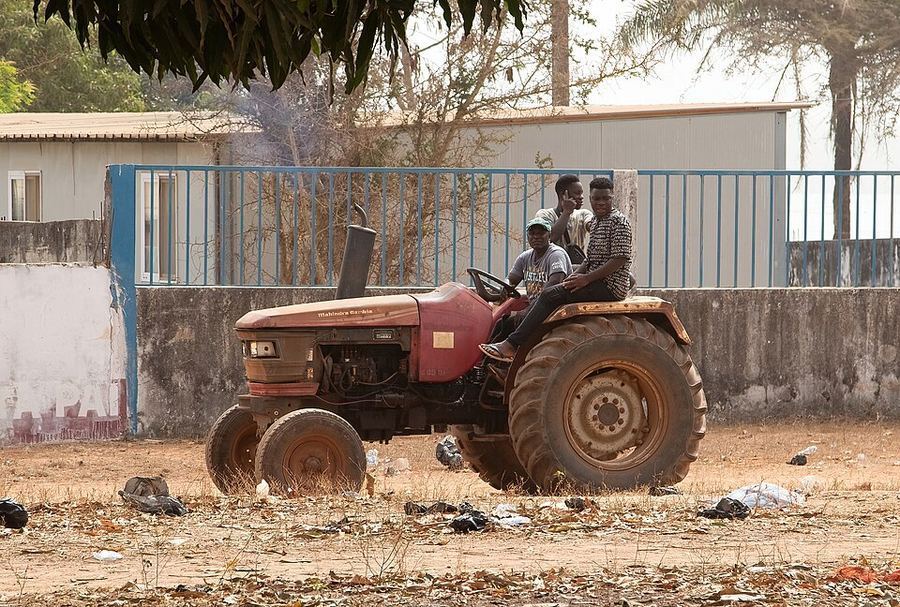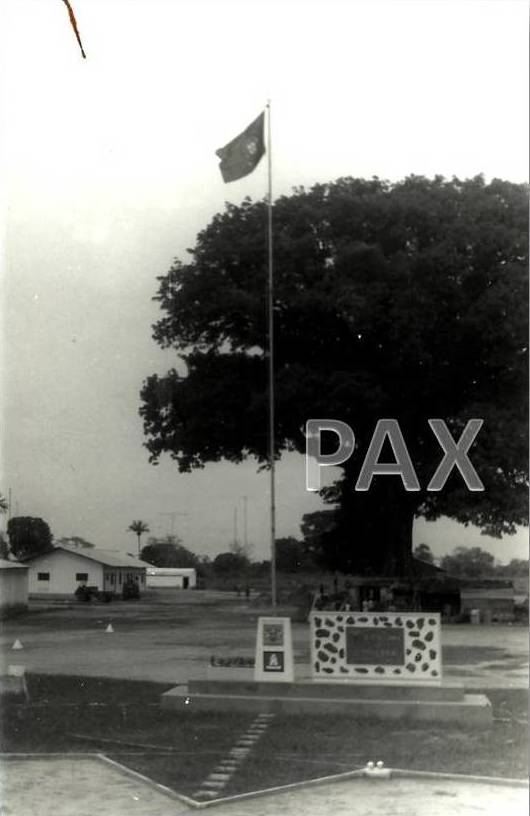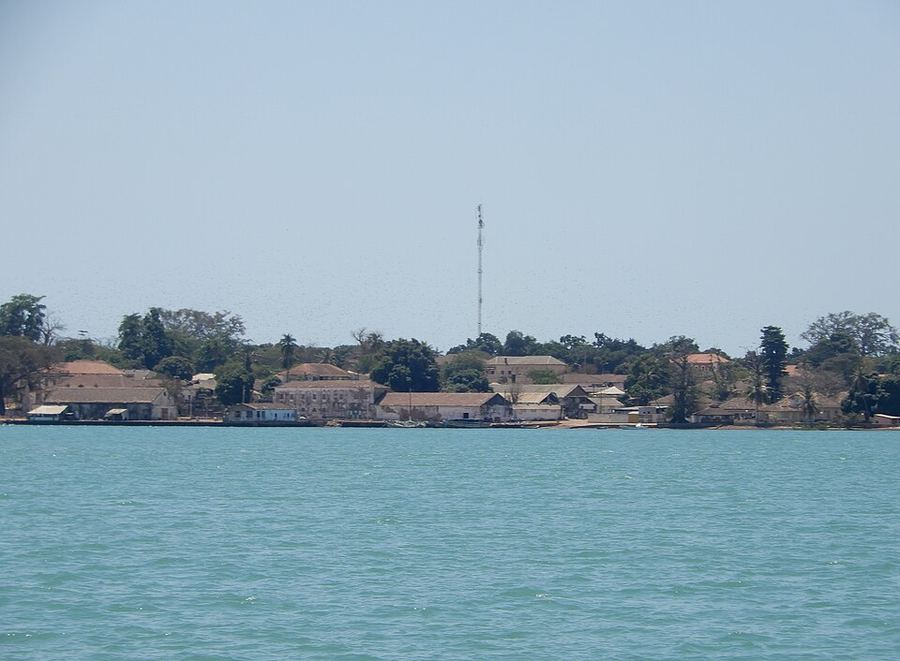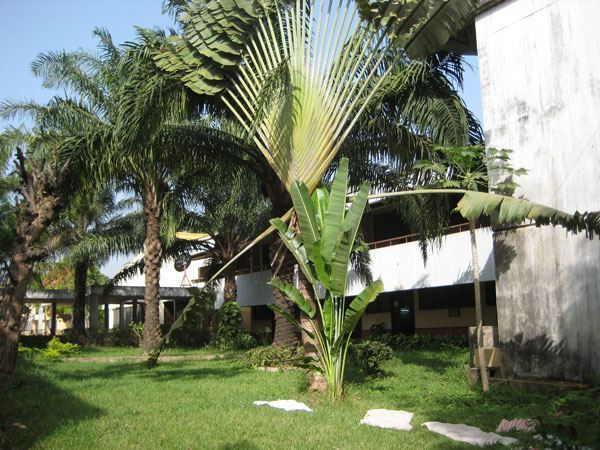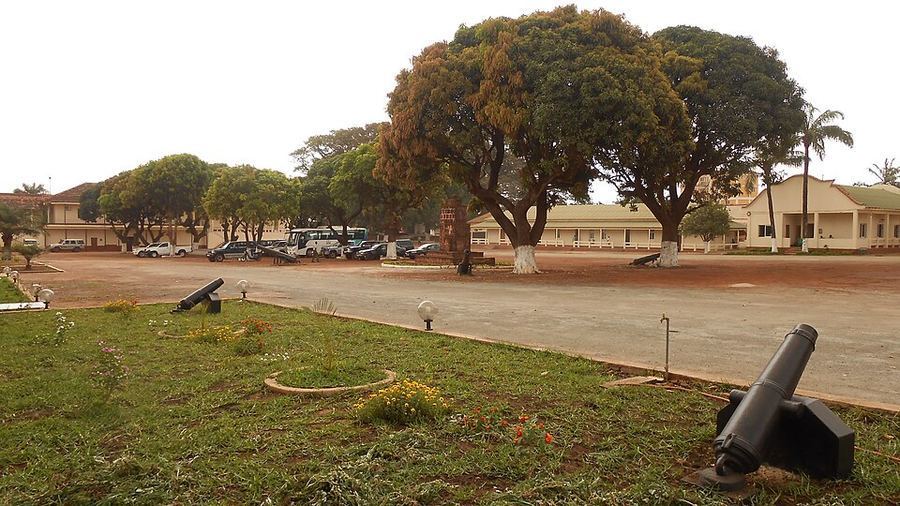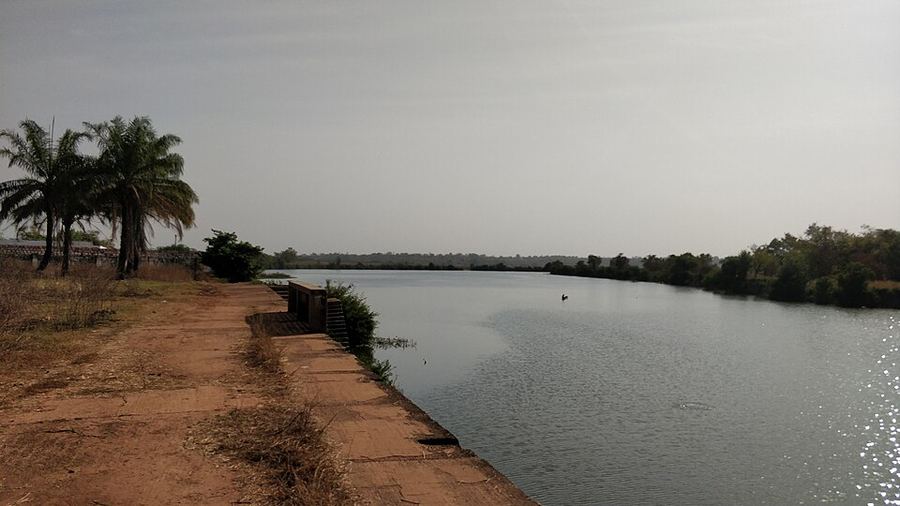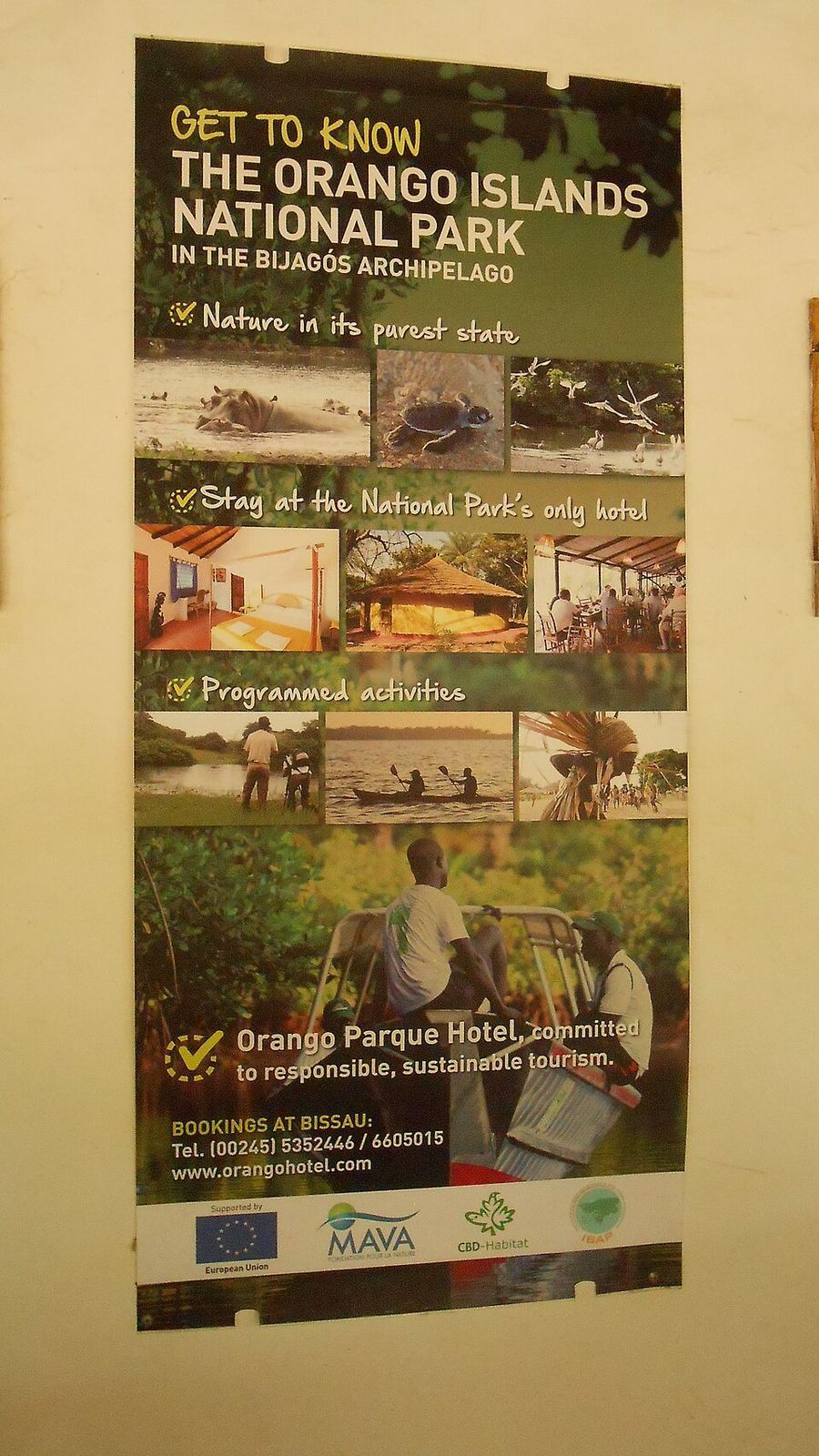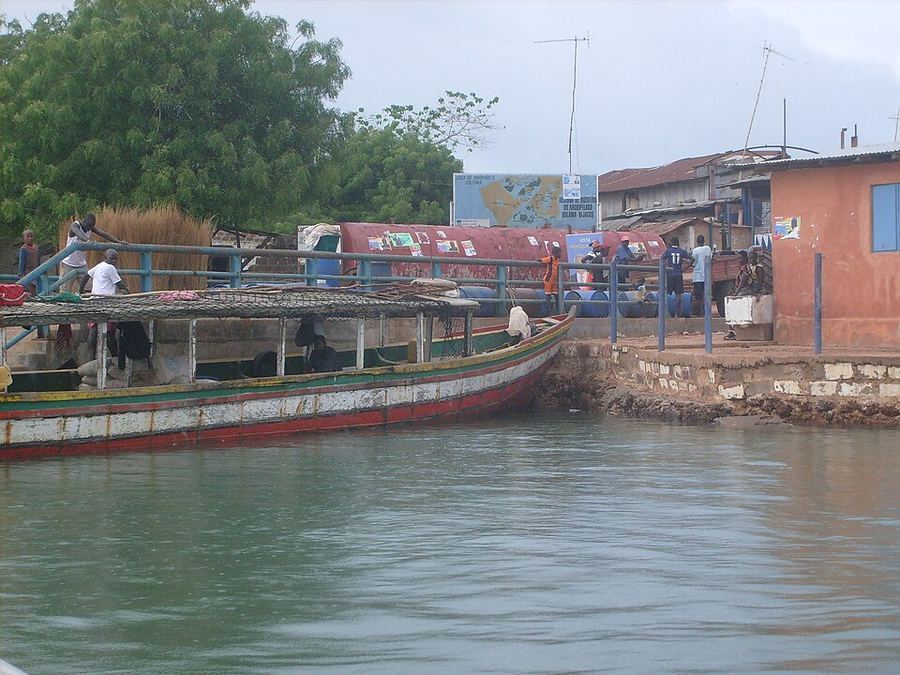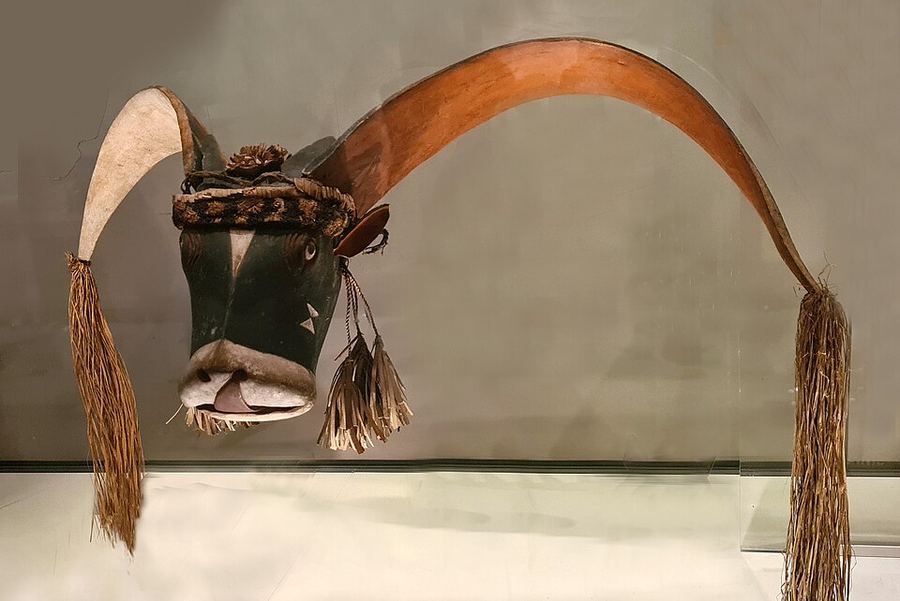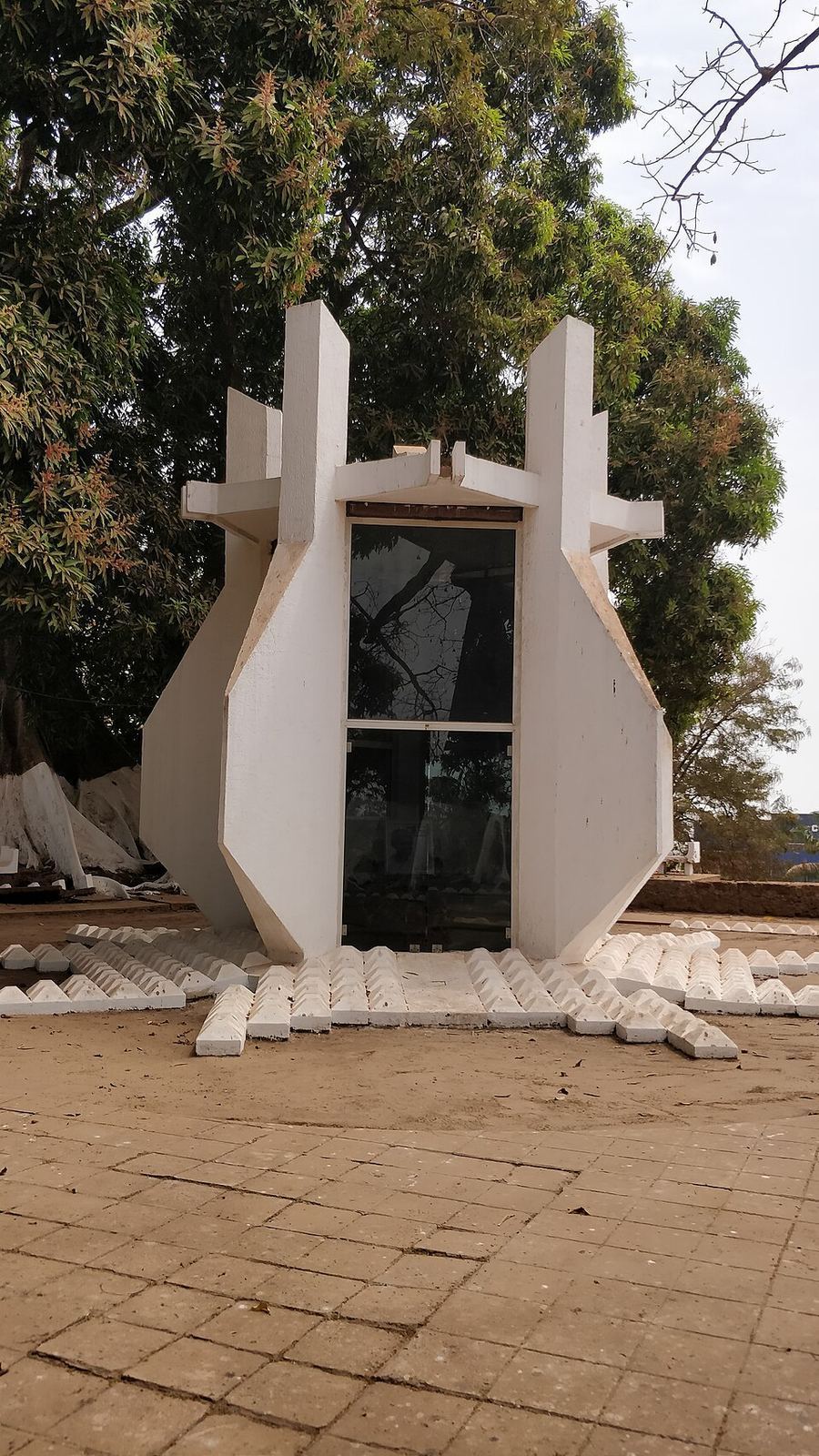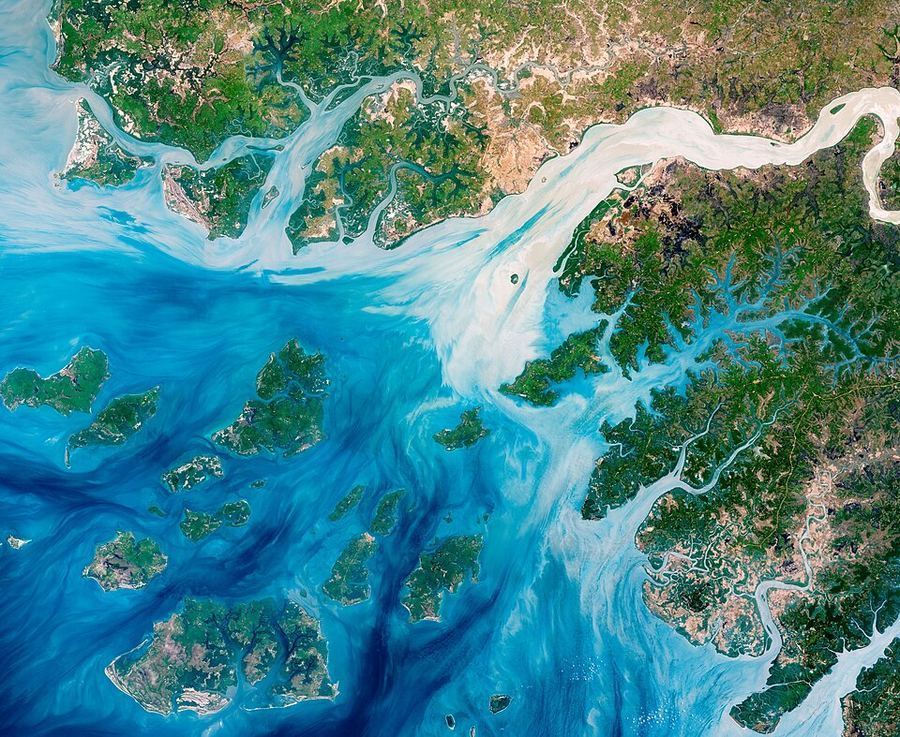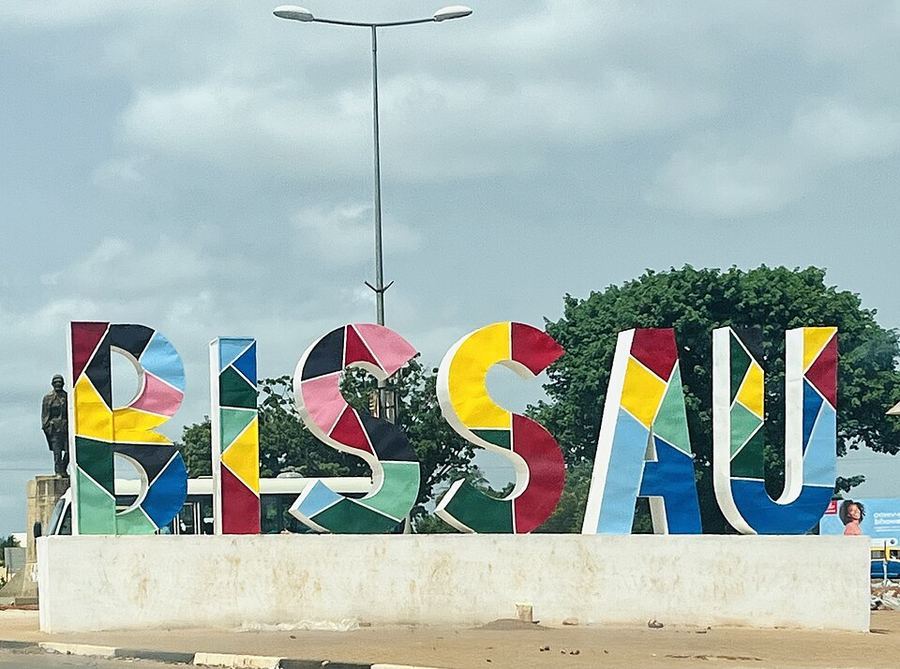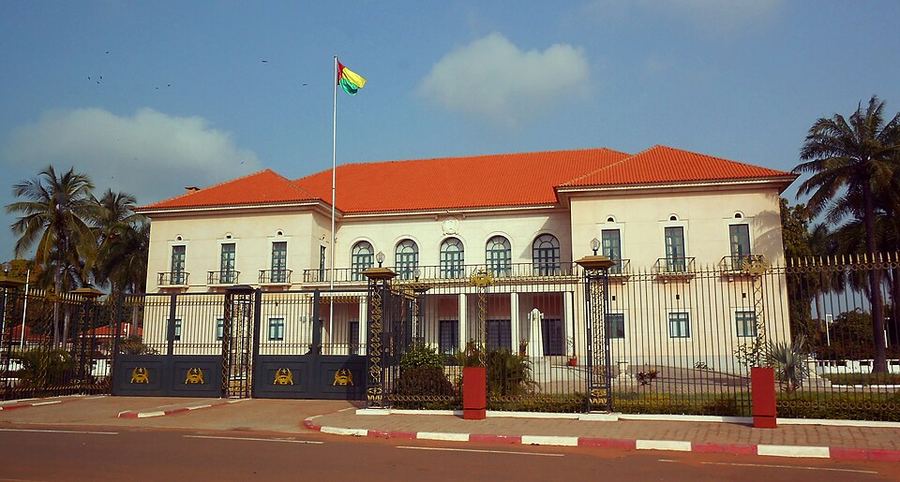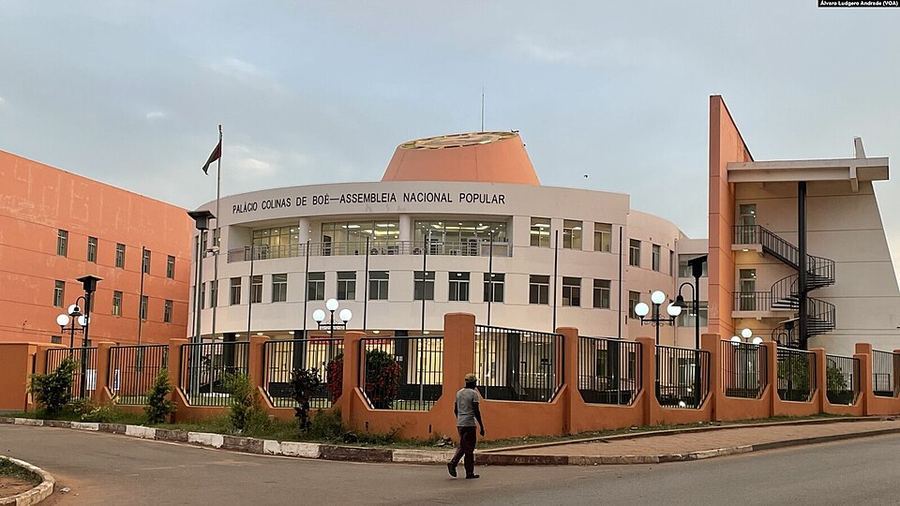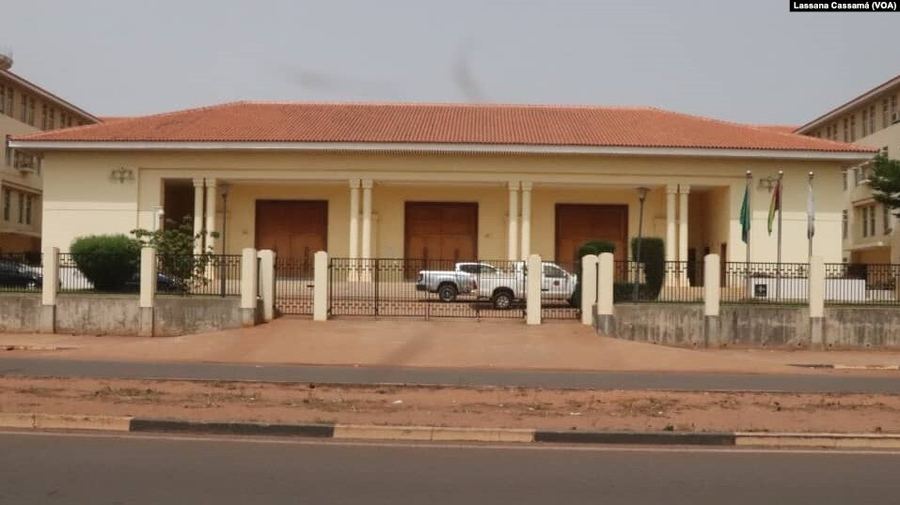
Guinea-Bissau is a small, low-lying West African republic of about 2.1 million people, bordered by Senegal to the north and Guinea to the south and east, with an Atlantic coastline of drowned river mouths, mangrove and the eighty-odd islands of the Bijagós archipelago. Bissau, the capital and only large city, sits on the Geba estuary; Bolama, on an island to the south, was the colonial capital until 1941. It is one of the few Portuguese-speaking countries in Africa, but Portuguese is a first language for very few people — the genuine national language is Guinea-Bissau Creole, a Portuguese-lexified creole several centuries old that most citizens speak, alongside Balanta, Fula, Manjaco and Mandinga. The country won independence through an armed struggle led by the PAIGC and its founder Amílcar Cabral, declaring itself independent on 24 September 1973 and being recognised by Portugal on 10 September 1974 after that war had helped topple the dictatorship in Lisbon. Since then it has been among the world's most coup-prone states, with repeated military seizures of power, a civil war in 1998 and 1999, and the assassination of a sitting president in 2009. The economy depends overwhelmingly on raw cashew nuts, and Guinea-Bissau remains one of the poorest and least electrified countries anywhere.
Bissau's urban core is home to about 674,444 people.
Among the world's megacities, though, it's one of many — the giants of Asia and Latin America run larger still:
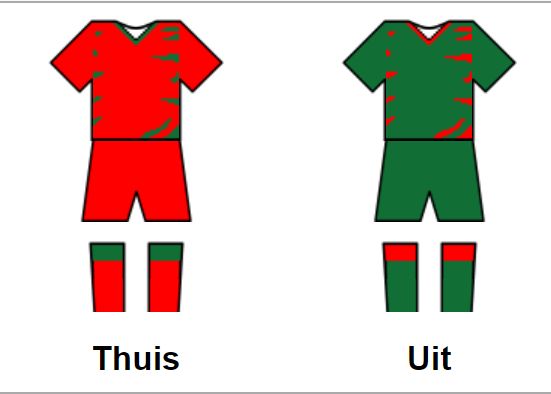
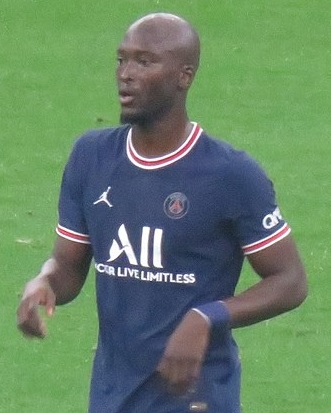
Guinea-Bissau's most celebrated contribution to world sport was made in another country's shirt. Éderzito António Macedo Lopes, born in Bissau in 1987 and known simply as Éder, came off the bench in the final of the 2016 European Championship and scored the extra-time goal that won Portugal its first major international trophy — a moment replayed constantly in Bissau. He is not an isolated case: Danilo Pereira and Bruma were also born in Guinea-Bissau and have played for Portugal, and a substantial number of professionals in the Portuguese, French and Belgian leagues have Bissau-Guinean origins, a direct consequence of the emigration that followed the civil war. The national team's own international profile rests on four consecutive Africa Cup of Nations qualifications from 2017 onward, achieved with a squad drawn almost entirely from that European diaspora; it has never qualified for a FIFA World Cup. At the Olympic Games, where Guinea-Bissau has competed since Seoul in 1988, the country has not won a medal and typically sends a handful of athletes in athletics, judo and wrestling under universality places.
CFA Franc BCEAO — XOF (Fr)
GDP (PPP): $5.912 billion (2024 est.)
Per capita: $2,700 (2024 est.)
$284.5 million (2023 est.)
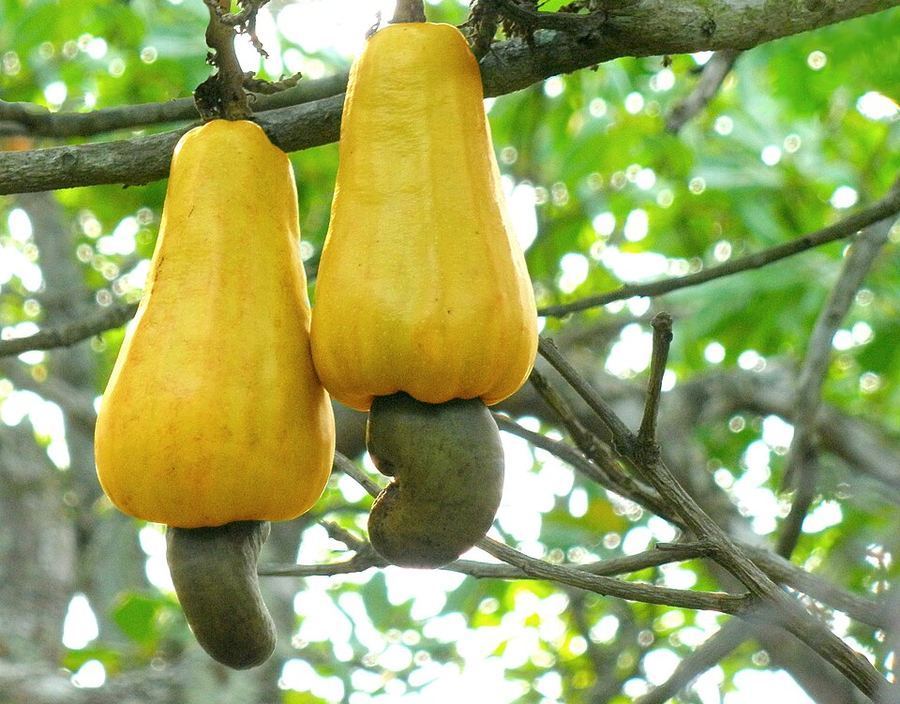
coconuts/brazil nuts/cashews, fish, fish oil, processed crustaceans, malt extract (2023)
Partners: India 66%, Chile 9%, Cote d'Ivoire 5%, Ghana 4%, Netherlands 3% (2023)
$592.095 million (2023 est.)
refined petroleum, iron bars, rice, plastics, flavored water (2023)
Partners: Senegal 28%, Portugal 24%, China 11%, Gambia, The 10%, Pakistan 4% (2023)
Type: semi-presidential republic
Independence: 24 September 1973 (declared); 10 September 1974 (from Portugal)
How mountains, coasts, and rivers shape settlement (LandScan).
Coming — dataWhere groups settled and how people move (GeoEPR + UNHCR).
Coming — dataNotable institutions, mappable as points.
Coming — data