HERA · Human Entity Reference Atlas by Masego Inc

← Eq. Guinea 🌐 3D View
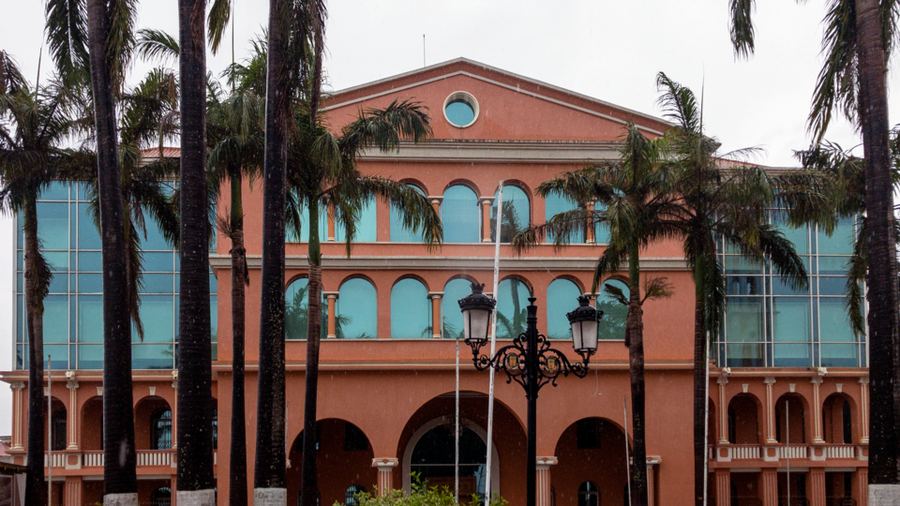
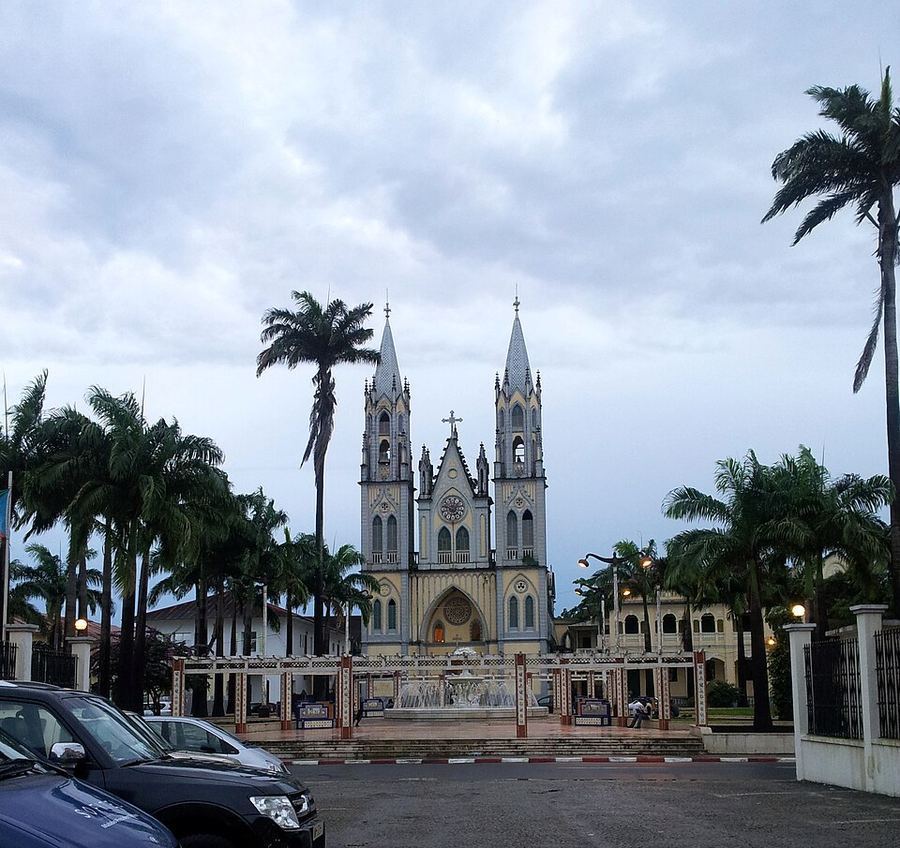
PanoramaCathedralSquareMalabo2013, Eq. Guinea
Eq. Guinea GNQ
PanoramaCathedralSquareMalabo2013 — Photo: Denis Barthel / CC BY-SA 3.0 via Wikimedia Commons
Did You Know Malabo began as Port Clarence, a settlement founded by the British in 1827 as a base for the Royal Navy squadron intercepting slave ships in the Gulf of Guinea. — Encyclopaedia Britannica

Equatorial Guinea is a small, oil-rich state of roughly 1.8 million people occupying an unusual geography: a mainland enclave, Río Muni, wedged between Cameroon and Gabon on the Gulf of Guinea, plus the volcanic island of Bioko some 40 kilometres off the Cameroonian coast and the remote island of Annobón far to the southwest. The capital, Malabo, sits on Bioko rather than on the mainland, and the government spends part of the year operating from Bata, the largest mainland city, while a purpose-built inland capital at Ciudad de la Paz has been under construction for over a decade. It is the only sovereign state in Africa with Spanish as an official language — a legacy of Spanish rule that ended with independence on 12 October 1968 — and it has since added Portuguese and French as co-official languages. The Fang, who make up about 78% of the population, dominate the mainland; the Bubi are indigenous to Bioko. Roman Catholicism is professed by around 88% of the population. Offshore oil and gas discovered in the 1990s transformed the economy, giving the country one of Africa's highest GDP-per-capita figures at about $15,500 in purchasing-power terms, while human development indicators have lagged far behind that income and political power has remained concentrated in a single family since 1979.

CIA World FactbookEncyclopaedia BritannicaWorld Bank
Population
1,795,834
Capital
Malabo; note - Malabo is on the island of Bioko; some months of the year, the government operates out of Bata on the mainland region.
Currency
Fr XAF
Time zones
Largest city
Bata
Human Geography Themes
Loading national figures…
Largest Cities
Bata789,800
Malabo729,478
In Perspective

Bata's urban core is home to about 789,800 people.

Among the world's megacities, though, it's one of many — the giants of Asia and Latin America run larger still:

Bata789,800
Jakarta40,545,126
Dhaka37,307,160
Tokyo33,244,670
Shanghai30,678,616
Cairo25,230,325
The Country & Its People

History

Bantu-speaking peoples, ancestors of today's Fang, moved into the mainland forests over centuries, while the Bubi are thought to have reached Bioko earlier, crossing from the mainland before the island was cut off by rising seas. Portuguese navigators reached the island in the 1470s and named it Fernando Pó after the captain credited with the sighting; Portugal ceded it, along with claims on the mainland coast, to Spain under the Treaty of El Pardo in 1778. Spanish settlement failed repeatedly against disease, and Britain leased the island as a base for its anti-slavery naval squadron from 1827, founding the settlement of Port Clarence that later became Santa Isabel and finally Malabo. Spain reasserted control in the later nineteenth century and developed Bioko as a cocoa island worked heavily by contract labour from Nigeria, while the mainland was consolidated as Río Muni only after boundary agreements with France in 1900. Independence came on 12 October 1968 under Francisco Macías Nguema, whose eleven-year rule became one of post-colonial Africa's most destructive: mass killings, the flight of a large share of the population, and the collapse of the cocoa economy. He was overthrown and executed in 1979 in a coup led by his nephew, Teodoro Obiang Nguema Mbasogo, who has held power ever since — the longest-serving non-royal head of state in the world. Oil discovered offshore in the mid-1990s remade the country's finances within a decade.
Culture

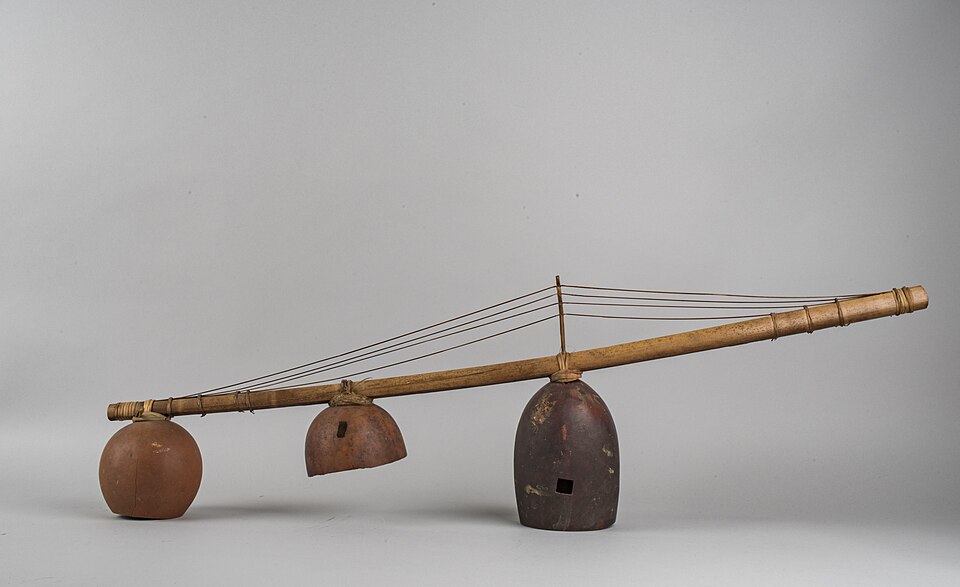
Equatoguinean culture is layered rather than singular, because the country's three main populations were never a single society. On the mainland, Fang life is organised around patrilineal clans and the authority of elders, and its most prestigious cultural form is the mvet — both a stringed instrument built on a palm-stem bar with gourd resonators and the name of the sung epic tradition the instrument accompanies, performed by trained bards through the night. The Bubi of Bioko maintain their own language, chiefly traditions and a distinct historical memory of the island. Coastal Ndowe communities and the Fa d'Ambô-speaking people of Annobón, whose creole grew from Portuguese, add further layers. Over all of this sits an Iberian inheritance that is unusually strong for Africa: Spanish is the working language of school, church and administration, Catholic ritual frames the year, and village patron-saint fiestas combine Mass with drumming and dance. Extended family obligation remains the primary social safety net, and remittance and mutual-aid ties bind the oil-era cities of Malabo and Bata back to home villages. The country's most distinctive celebration is Independence Day on 12 October, alongside Bubi and Fang seasonal festivals and the balélé dance performed along the coast.

Points Of Pride

The distinction Equatoguineans name most readily is linguistic: theirs is the only sovereign African state where Spanish is an official language, which gives a country of under two million people a direct cultural bridge to Latin America and Spain, and a literature written in Spanish that circulates in the wider Hispanic world. The country later added Portuguese as an official language and joined the Community of Portuguese Language Countries, and French as well, making it unusually multilingual at the official level. Its natural endowment is a second source of pride: Bioko is a volcanic island rising to Pico Basilé at just over 3,000 metres, its southern beaches at Ureca among the most important sea-turtle nesting sites in the Gulf of Guinea, and its forests home to primate populations that have drawn sustained international conservation research. Monte Alén National Park on the mainland protects a large block of Congo Basin rainforest with forest elephants and gorillas. In sport, the country punched far above its size by co-hosting the Africa Cup of Nations with Gabon in 2012 and hosting it alone in 2015, and its women's football team won the African championship twice.

Cultural Fusion

Fusion in Equatorial Guinea runs along an Atlantic axis rather than a trans-Saharan one. The most visible blend is Hispano-African: Catholic liturgy and Spanish naming conventions layered over Fang and Bubi ritual, so that a village fiesta may open with Mass and continue with drumming and masked dance. Annobón is the sharpest example of creolisation — its people speak Fa d'Ambô, a Portuguese-based creole descended from the speech of enslaved and free settlers brought to an uninhabited island, and its Catholicism and fishing culture are unlike anything on the mainland. Bioko's cocoa economy drew decades of contract labour from Nigeria and Liberia, leaving Anglophone West African surnames, Pidgin English still heard in Malabo as Pichinglis, and a Krio-descended community historically known as Fernandinos who formed an English-speaking, Protestant merchant elite on a Spanish Catholic island. Since the oil boom the mixing has been economic as well: Malabo and Bata host substantial communities from Cameroon, Nigeria, Ghana, China, Lebanon and Spain, and foreign residents account for around 5% of the recorded population. The result is a country where Spanish, Fang, Bubi, Pichinglis, Fa d'Ambô, French and Portuguese can all be heard within a single city.

Music & Dance

The country's most distinctive musical form is the Fang mvet tradition, in which a bard plays a bridge-harp made from a raffia palm stem strung over gourd resonators and sings epic cycles about the mythical Ekang people — performances that can run for hours and that carry genealogy, moral instruction and history rather than simple entertainment. Percussion instruments dominate elsewhere: wooden slit drums, skin drums, the sanza thumb piano and struck bamboo. The balélé is the best-known coastal dance, performed along the Río Muni littoral and on Bioko, with dancers moving in lines to layered drum patterns; among the Bubi, seasonal and initiation dances retain their own repertoire. Catholic mission music added choral singing in Spanish and in local languages, and church choirs remain one of the most active musical institutions in the country. In popular music, the closest reference points are Cameroonian makossa and Congolese rumba, which circulate widely, alongside a domestic scene built on Afrobeats and Latin-influenced pop that reflects the Spanish-language connection. The duo Las Hijas del Sol, two Bubi singers from Bioko, became the country's best-known musical export by carrying Bubi-language song into the Spanish and European world-music market.

Cuisine & Misattributed Foods

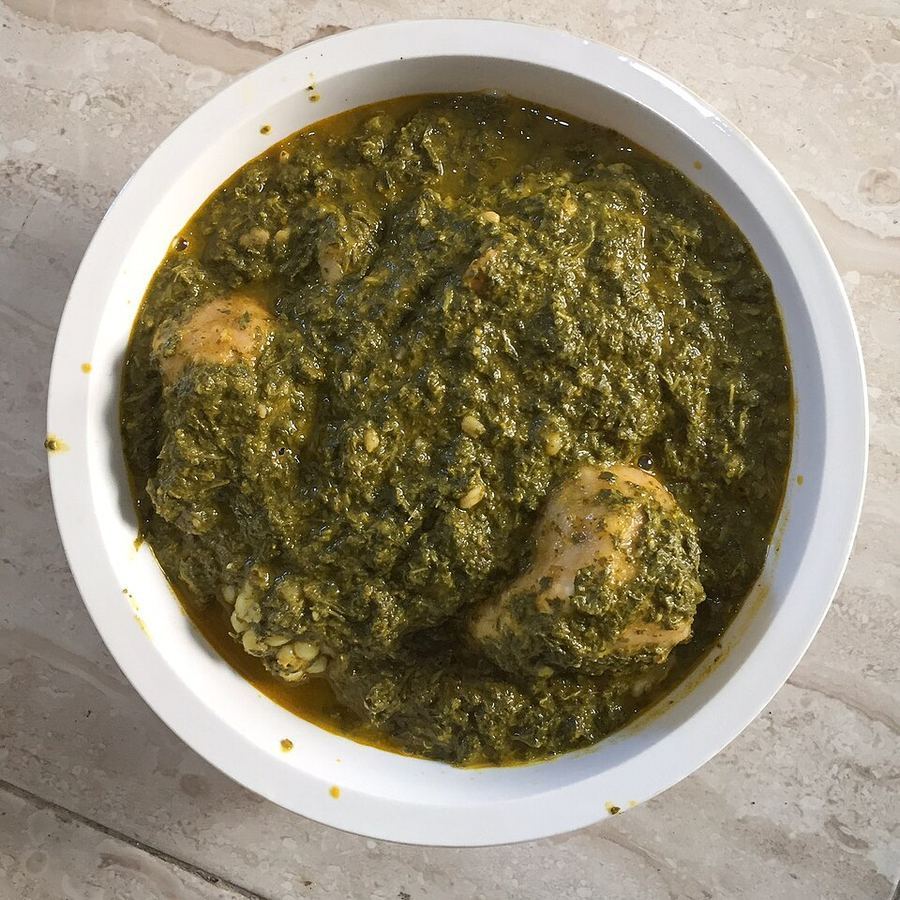
Equatoguinean cooking is Central African at its base, with a Spanish overlay in the cities. The staples are cassava, plantain, yam, taro and rice, usually served alongside a sauce whose fat comes from red palm oil or ground peanuts. Fish is central on Bioko, Annobón and the coast — grilled, smoked or stewed with hot pepper — while the mainland forest has historically supplied bushmeat, which remains culturally significant even as it raises acute conservation problems in a country whose forests hold protected primates. Common preparations include peppery fish and meat soups, chicken or fish cooked in groundnut sauce, and greens such as cassava leaf simmered long with palm oil. Cocoa and coffee were the colonial cash crops of Bioko and Río Muni respectively, and although both collapsed after independence, Bioko cocoa retains a reputation among specialists. Local drinks include malamba, a sugarcane spirit, and palm wine tapped from raffia and oil palms. The Spanish legacy is most evident in urban restaurant food and in the bread, olive oil, tinned goods and Rioja that arrive through the import trade, so that a Malabo meal may pair a Central African stew with distinctly Iberian accompaniments.

National Dress

Everyday clothing in Equatorial Guinea is largely Western, but formal and ceremonial dress follows the wider West and Central African pattern of brightly printed cotton wax cloth, tailored locally into wrapped skirts, matching blouses and head-ties for women and into long embroidered shirts or full boubou-style robes for men. National holidays, church occasions, weddings and political rallies are the settings where printed commemorative cloth — often carrying national colours, anniversary dates or official imagery — is worn deliberately as a statement of belonging. Distinct traditions survive within the country's communities: Bubi ceremonial dress on Bioko and Fang ritual attire on the mainland each have their own ornament, body decoration and use of raffia and bark cloth in dance and initiation contexts, historically supplemented with shell, seed and bead work. Before the twentieth century, raffia-derived textiles and barkcloth were the main local materials, and imported cotton print displaced them steadily through the colonial period. Because the country is small and its urban population heavily employed in oil, government and services, business dress in Malabo and Bata is conventional international office wear, with traditional cloth reserved for occasions.

Sports & Inspiring Athletes

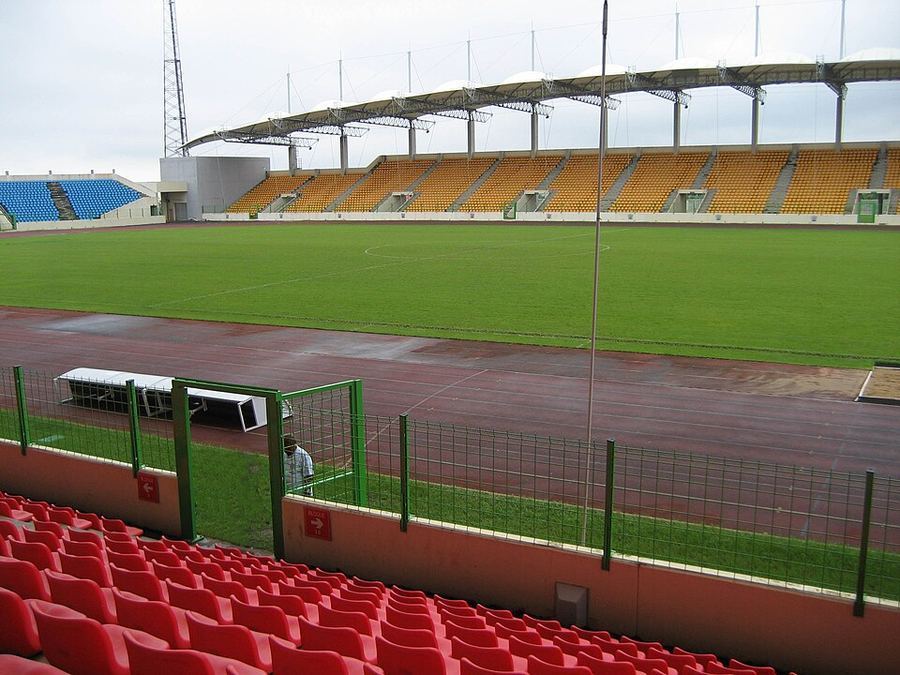
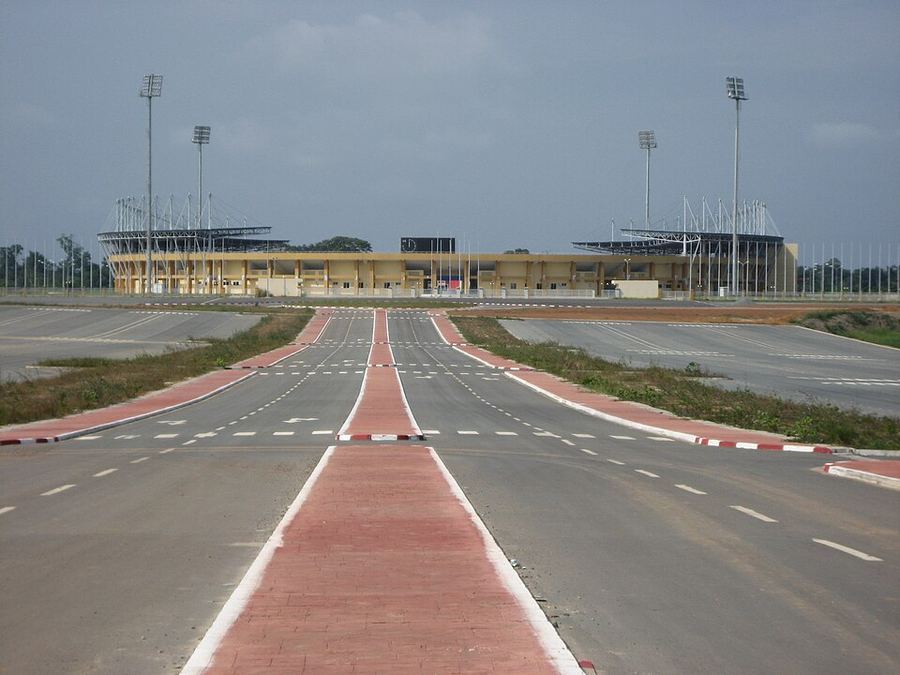
Football is unambiguously the national sport. The men's team, known as the Nzalang Nacional, plays at stadiums in Malabo and Bata that were built or rebuilt for continental tournaments, and its high point came as co-host of the 2012 Africa Cup of Nations with Gabon, when it reached the quarter-finals, followed by a semi-final run when it hosted the tournament alone in 2015 after stepping in at short notice for Morocco. The women's national side has been the more consistently successful of the two, winning the African women's championship in 2008 and again in 2012. Domestic club football is organised in a national league whose strongest sides are based in the two main cities. Beyond football, basketball and athletics have modest followings, and swimming has an outsized place in national memory because of the 2000 Olympic appearance of Eric Moussambani. School and community sport is constrained by facilities, and much of the country's elite sporting investment since the oil boom has gone into stadium construction and into hosting rather than into a broad domestic development system.

Notable Educational Programs

Education is free and compulsory at the primary level, taught in Spanish, and the country reports high primary enrolment, but retention and quality fall off sharply at secondary level and outcomes remain far below what the country's per-capita income would predict — the central criticism made of its oil-era spending. The system inherited a Spanish structure and continues to use Spanish-language curricula and textbooks, which advantages urban children and disadvantages those who arrive at school speaking Fang, Bubi, Pichinglis or Fa d'Ambô. Higher education is anchored by the Universidad Nacional de Guinea Ecuatorial, established in the mid-1990s with campuses in Malabo and Bata, offering medicine, education, agriculture and engineering; a second institution, the Afro-American University of Central Africa, was founded at the new inland capital district with international partners as part of the government's diversification plan. A significant share of the elite still studies abroad, principally in Spain, and Spanish and French cultural centres in the two main cities provide language teaching, libraries and scholarships. Technical and vocational training tied to the hydrocarbons sector has expanded, partly funded by oil operators, in an effort to raise the share of nationals employed in the industry.

Wars & Conflicts

Equatorial Guinea has not fought an interstate war and does not host an insurgency, but its post-independence history is marked by state violence and by repeated coup attempts. The Macías Nguema years from 1968 to 1979 produced mass killings, the destruction of the Bubi and educated classes in particular, and the flight of a very large share of the population to Cameroon, Gabon and Spain; the regime ended in the 1979 coup that installed the current president. Since then the most notable episode was the 2004 plot in which a group of foreign mercenaries was intercepted in Zimbabwe en route to Malabo, a case that drew international attention and prosecutions in several countries. An armed attack on the presidential palace complex in Malabo in 2009 and an alleged cross-border coup plot disrupted in 2017 are the other significant incidents. Human rights organisations including Amnesty International and Human Rights Watch have documented arbitrary detention, torture and unfair trials over many years, with Malabo's Black Beach prison a recurring subject of reporting, and have criticised the concentration of oil wealth alongside weak public services. Piracy and armed robbery in the wider Gulf of Guinea remain a maritime security concern for the country's offshore installations and shipping.
Amnesty InternationalHuman Rights WatchEncyclopaedia BritannicaReuters
Current as of 2026-08-06

Land & Border Disputes

The country's principal territorial dispute is with Gabon over Mbanié and two smaller islets in Corisco Bay, near the maritime boundary between the two states and in waters with hydrocarbon potential. Gabon has occupied Mbanié since the early 1970s, and Equatorial Guinea has rested its claim on a Franco-Spanish convention of 1900 that fixed the colonial boundary, while Gabon has invoked a later bilateral arrangement. After decades of UN-mediated talks, the two states agreed by special agreement to submit the question of which legal instruments govern their titles to the International Court of Justice, and the Court delivered its judgment on that question in 2025. Elsewhere, the maritime boundary with Nigeria in the Gulf of Guinea was settled by treaty, and Equatorial Guinea intervened in the Cameroon–Nigeria case before the International Court of Justice to protect its own maritime interests in the Bakassi region. The land boundary with Cameroon and Gabon around Río Muni derives from the same 1900 convention and is broadly settled, though demarcation on the ground is incomplete in places. The remote island of Annobón and the waters around it give the country a large exclusive economic zone relative to its land area.
Land, Life & Legacy

Land & Climate

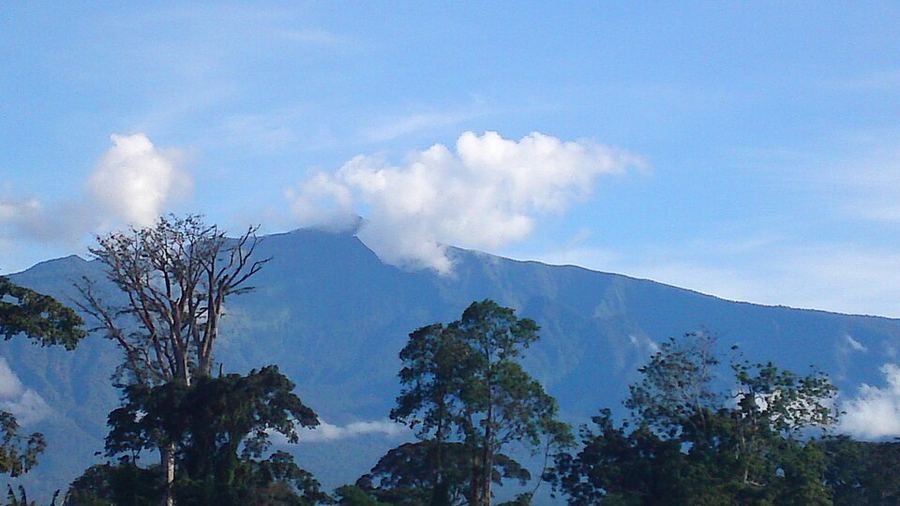
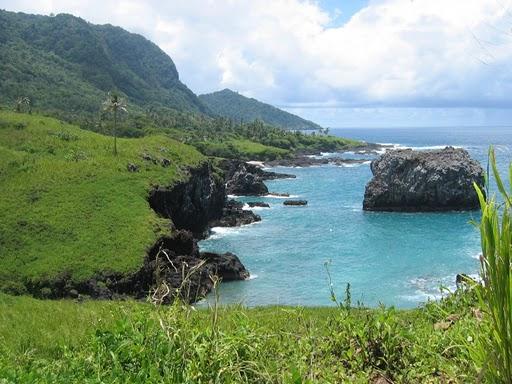
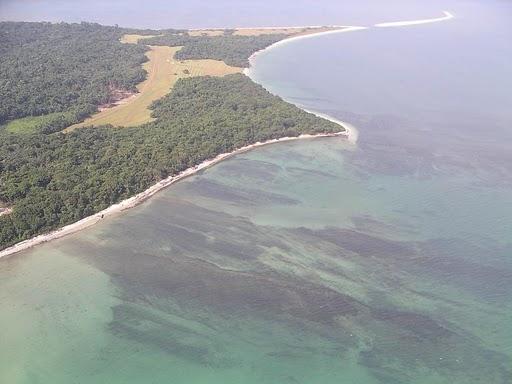
Equatorial Guinea is one of the few countries split between a continental block and oceanic islands separated by hundreds of kilometres. Río Muni, the mainland portion, is a roughly rectangular territory of coastal plain rising to interior hills and plateaux, drained by the Mbini and Muni rivers and still substantially forested as part of the Congo Basin belt; the small islands of Corisco and the Elobeys lie off its coast. Bioko, about 40 kilometres from Cameroon, is a volcanic island whose three shield volcanoes culminate in Pico Basilé at just over 3,000 metres, with fertile volcanic soils that supported the colonial cocoa economy and dense forest on the wetter southern slopes. Annobón, roughly 600 kilometres to the southwest and south of the equator, is a tiny volcanic island with a crater lake. The climate is equatorial: consistently hot, humid and heavily rainy, with the southern slopes of Bioko among the wettest places in Africa, and only weak seasonal variation expressed as drier interludes rather than a true dry season. The country's environmental pressures are logging, oil-industry pollution risk in the Gulf of Guinea, and hunting pressure on forest wildlife.

Entertainment

Leisure is family- and neighbourhood-centred, and for most people it revolves around church, football and the extended visiting that fills weekends. Village and quarter fiestas — patron-saint days, weddings, funerals and baptisms — are the largest recurring social events, running for a day or more with cooking, drumming and dancing. Football is watched everywhere: local matches, the national team, and European league fixtures followed intently in bars and courtyards, a habit reinforced by the country's two turns as an Africa Cup of Nations host, which left modern stadiums in Malabo and Bata. Beaches serve both cities, with Arena Blanca and the Sipopo strip near Malabo and long Atlantic beaches near Bata; Ureca in Bioko's remote south is known for black sand and nesting turtles. Domestic tourism is limited by cost and by an entry-visa regime that has historically been restrictive for foreign visitors, so hiking on Bioko's volcanic slopes, boat trips and fishing are pursued mostly by residents and expatriate oil workers. In the cities, restaurants, music venues and Spanish-language television and radio fill out evening life.

Art & Museums

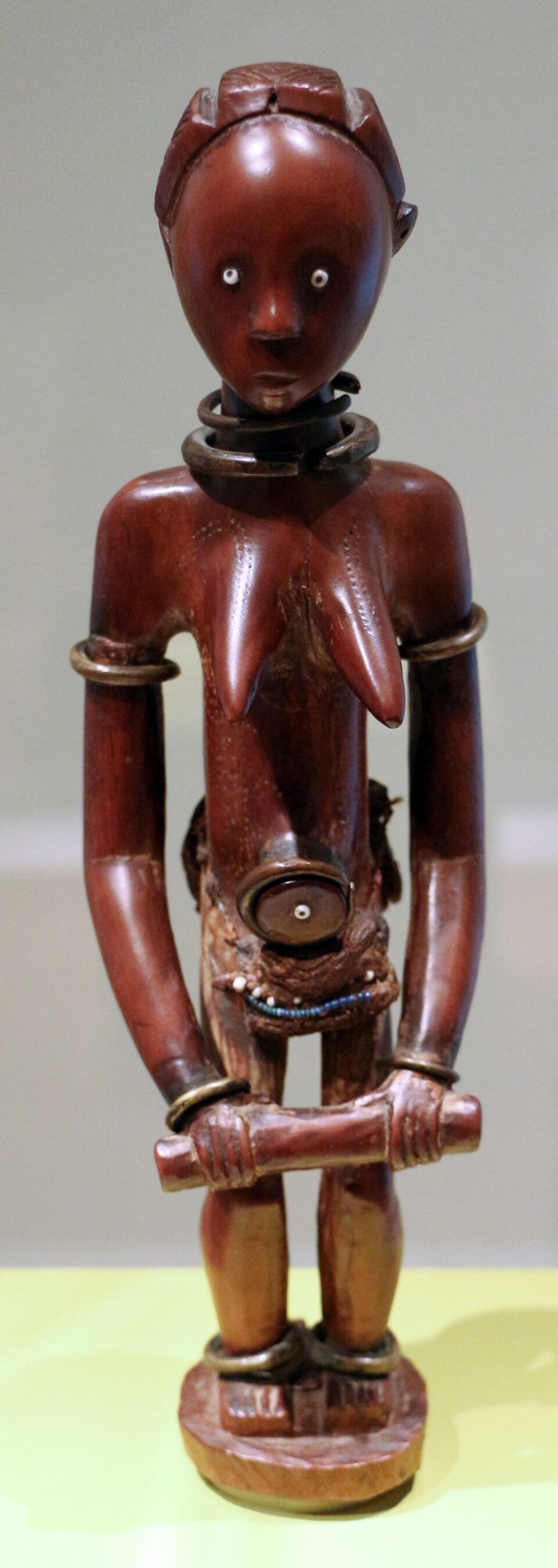
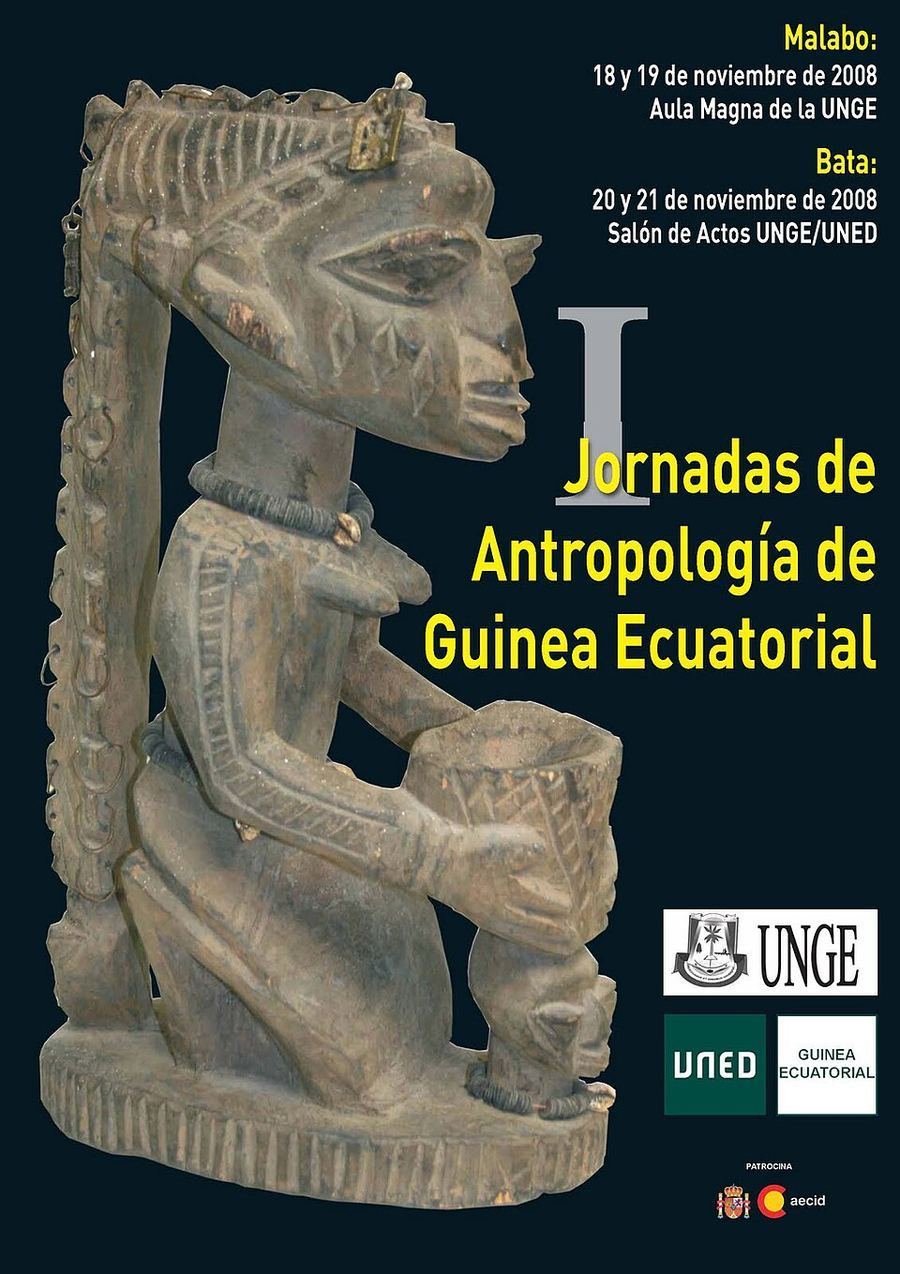
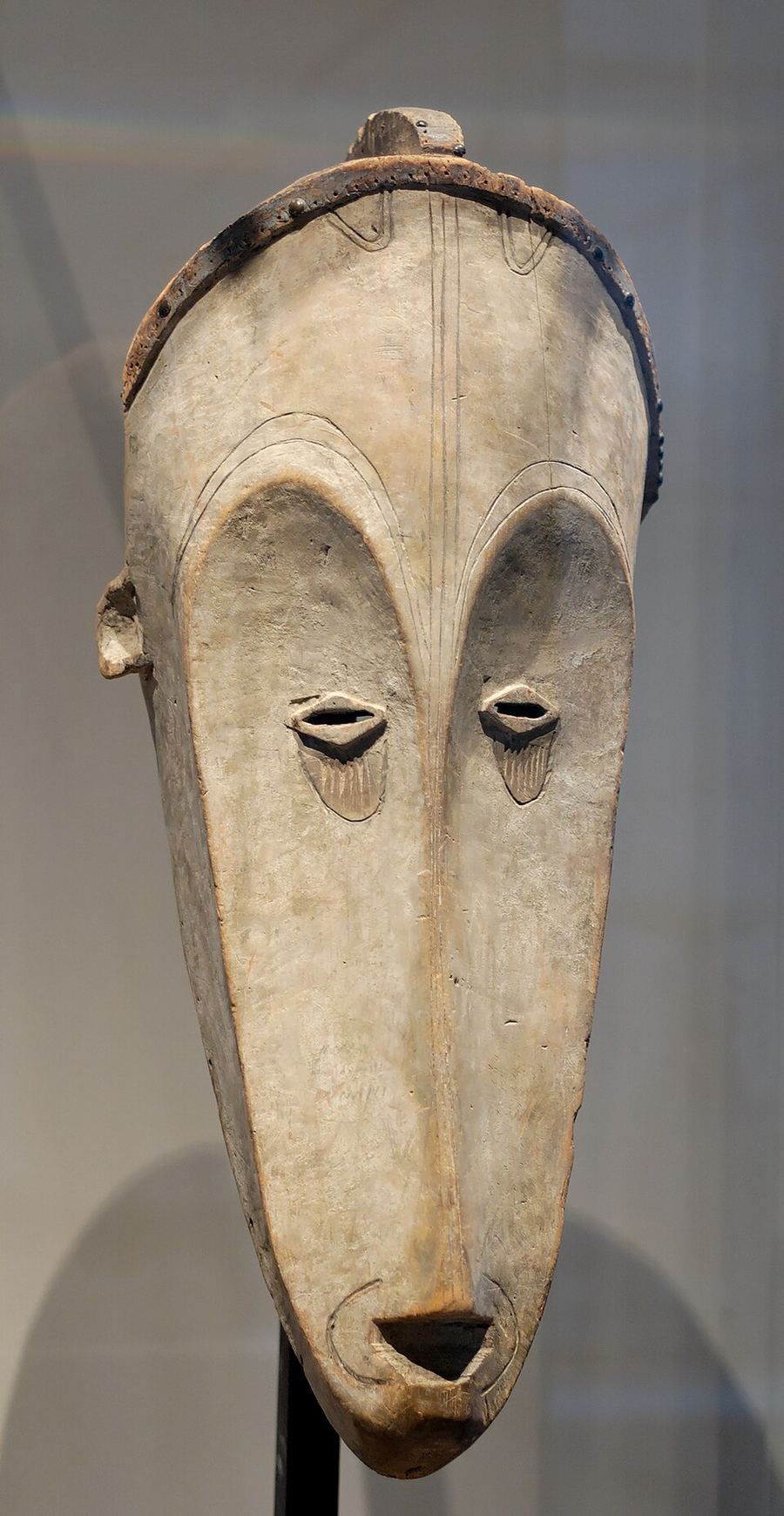
The country's most internationally consequential art tradition is Fang sculpture, particularly the byeri reliquary figures and heads that were carved to guard baskets containing ancestral bones. Their severe geometry, elongated torsos and heavy-lidded faces were among the African works that European painters and sculptors encountered in Paris collections in the early twentieth century, and they belong to the body of Central African sculpture credited with reshaping modernist form; examples sit in major museum collections including the Metropolitan Museum of Art. Fang masks, notably the elongated whitened ngil face masks associated with a judicial society, are equally recognisable. Bubi material culture on Bioko runs more to wood carving, ceremonial staffs and body ornament than to figural sculpture. Contemporary visual art is small in scale and concentrated in Malabo and Bata, supported partly by the Spanish and French cultural centres, which have long provided exhibition space and training. Literature has been the more prominent modern art form: writing in Spanish gives Equatoguinean authors access to a large readership, and figures such as the novelist and historian Donato Ndongo-Bidyogo and the novelist María Nsue Angüe established a national literature in the language, much of it produced in exile.
Metropolitan Museum of ArtEncyclopaedia Britannica

Notable People

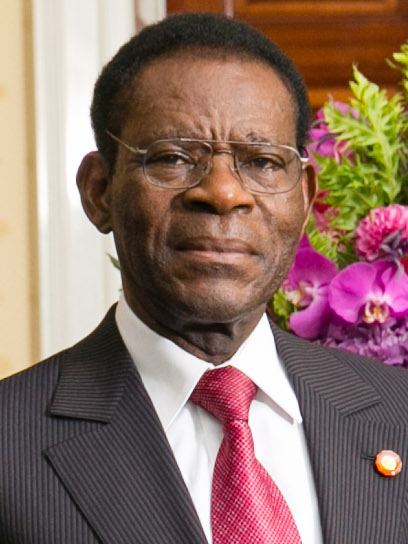
The dominant political figures are the two men who have led the country since independence. Francisco Macías Nguema, the first president from 1968, presided over a regime whose violence and mass emigration are the defining trauma of the country's modern history; his nephew Teodoro Obiang Nguema Mbasogo, who overthrew him in 1979, has governed ever since and is the world's longest-serving non-royal head of state. In literature, Donato Ndongo-Bidyogo — novelist, journalist and historian of the country, best known for a trilogy that begins with a childhood in colonial Río Muni — is the most established name, and María Nsue Angüe, whose novel Ekomo appeared in the 1980s, is recognised as the first Equatoguinean woman novelist; Juan Balboa Boneke wrote much of his poetry from exile in Spain. In music, the Bubi sisters who performed as Las Hijas del Sol reached international audiences from the 1990s. In sport, the swimmer Eric Moussambani became briefly one of the most widely recognised Olympians in the world after his slow, solitary 100-metre freestyle heat at the 2000 Sydney Games, having learned to swim only months before, and later served in the national swimming federation.

Inventions & Breakthroughs

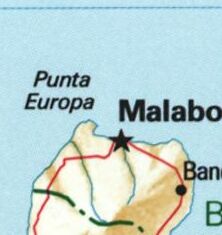
Equatorial Guinea is not a source of patented technology, and it would be misleading to claim otherwise: its industrial base is an extractive one built by international oil companies, and research and development spending is negligible. Its distinctive contributions are instead cultural and technical traditions carried by its peoples. The mvet is a genuine instrument invention — a bridge-harp whose strings are raised over a raffia palm stem and amplified by attached gourds, unlike the harps and lutes of neighbouring traditions — and the epic form built around it is a sophisticated oral technology for storing genealogy and law. Fang reliquary sculpture solved a specific problem of ancestor veneration with a formal language distinctive enough that it entered the global art canon. In the material sphere, forest peoples developed the palm-oil processing, raffia weaving, cassava detoxification and fish-smoking techniques that remain the basis of rural livelihood, and coastal communities built dugout and plank-built fishing craft suited to the Gulf of Guinea's swells. The country's most consequential recent technical development is not invented locally but assembled here: the offshore gas processing and liquefaction complex at Punta Europa on Bioko, which turned associated gas into a major export stream.
Encyclopaedia BritannicaMetropolitan Museum of Art

Science & Technology

The country's technological capability is concentrated almost entirely in hydrocarbons. Commercial oil production began in the mid-1990s from fields offshore Bioko, and associated and non-associated gas from the Alba field feeds a processing and liquefaction complex at Punta Europa on the island, which produces liquefied natural gas, methanol and liquefied petroleum gas for export — crude petroleum and natural gas together dominate an export basket worth about $4.5 billion. This makes Equatorial Guinea one of sub-Saharan Africa's significant gas processors, and the government's stated strategy has been to develop a regional gas hub drawing feedstock from neighbouring fields as its own mature. Outside the sector, research capacity is thin: there is no substantial national research council, and scientific work in the country is largely conducted through international partnerships. The most established of these is long-running biodiversity research on Bioko, where university partnerships have monitored the island's endemic primates and its sea-turtle nesting beaches for decades. Public health research has focused on malaria, where a sustained control programme on Bioko funded jointly by government and oil operators has been used as a testbed for vector control and vaccine trials. Telecommunications rest on submarine fibre landings that connect Malabo and Bata to West African cable systems.
On The World Stage

Champions & Defining Moments

For a country of under two million people, Equatorial Guinea has had an unusually visible international sporting profile, almost all of it in football. Co-hosting the Africa Cup of Nations with Gabon in 2012 was the country's largest international event, and it hosted the tournament alone in 2015 on short notice, both editions requiring stadium and infrastructure programmes funded from oil revenue. The men's national team's quarter-final and semi-final runs in those tournaments are its best results, and the country has also hosted the African women's championship. The women's national side is a genuine continental force, having taken the African title twice, and has qualified for the FIFA Women's World Cup. At the Olympic Games the country has competed since the 1980s without winning a medal, and its most famous Olympic moment remains Eric Moussambani's 2000 swim, which became a global story about participation rather than performance and is still cited whenever the Games' universality places are debated. Athletes from the country also appear at the African Games and in regional Central African competition, and Malabo has hosted continental football and political summits alike.

FIFAIOCOlympedia
Economy, Trade & Government

Currency & GDP

CFA Franc BEAC — XAF (Fr)

GDP (PPP): $29.248 billion (2024 est.)

Per capita: $15,500 (2024 est.)

Exports

$4.489 billion (2024 est.)

crude petroleum, natural gas, alcohols, wood, scrap iron (2023)

Partners: China 27%, Netherlands 12%, Spain 10%, Italy 7%, Germany 6% (2023)

Imports

$3.24 billion (2024 est.)

ships, poultry, plastic products, beer, valves (2023)

Partners: China 20%, Spain 17%, USA 10%, Gabon 5%, UK 5% (2023)

Government

Type: presidential republic

Independence: 12 October 1968 (from Spain)

Terrain → Where People Live

How mountains, coasts, and rivers shape settlement (LandScan).

Coming — data

Migration & Ethnic Settlement

Where groups settled and how people move (GeoEPR + UNHCR).

Coming — data

Universities

Notable institutions, mappable as points.

Coming — data
Economy & government facts: CIA World Factbook (public domain), via OpenFactBook / factbook.json.
Every fact and narrative claim will carry a visible source citation. Data-driven sections light up automatically wherever HERA has coverage.