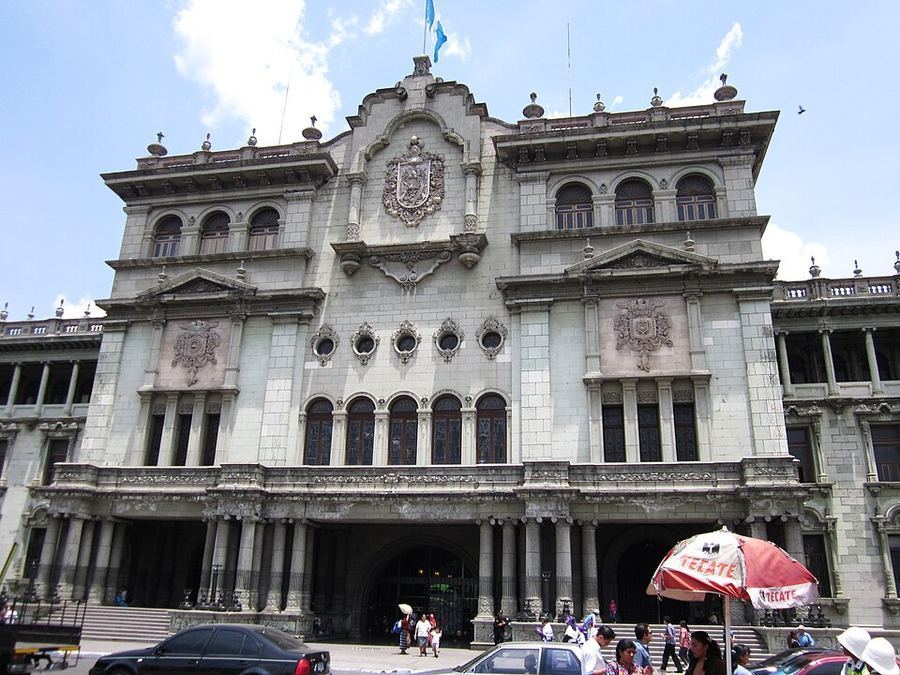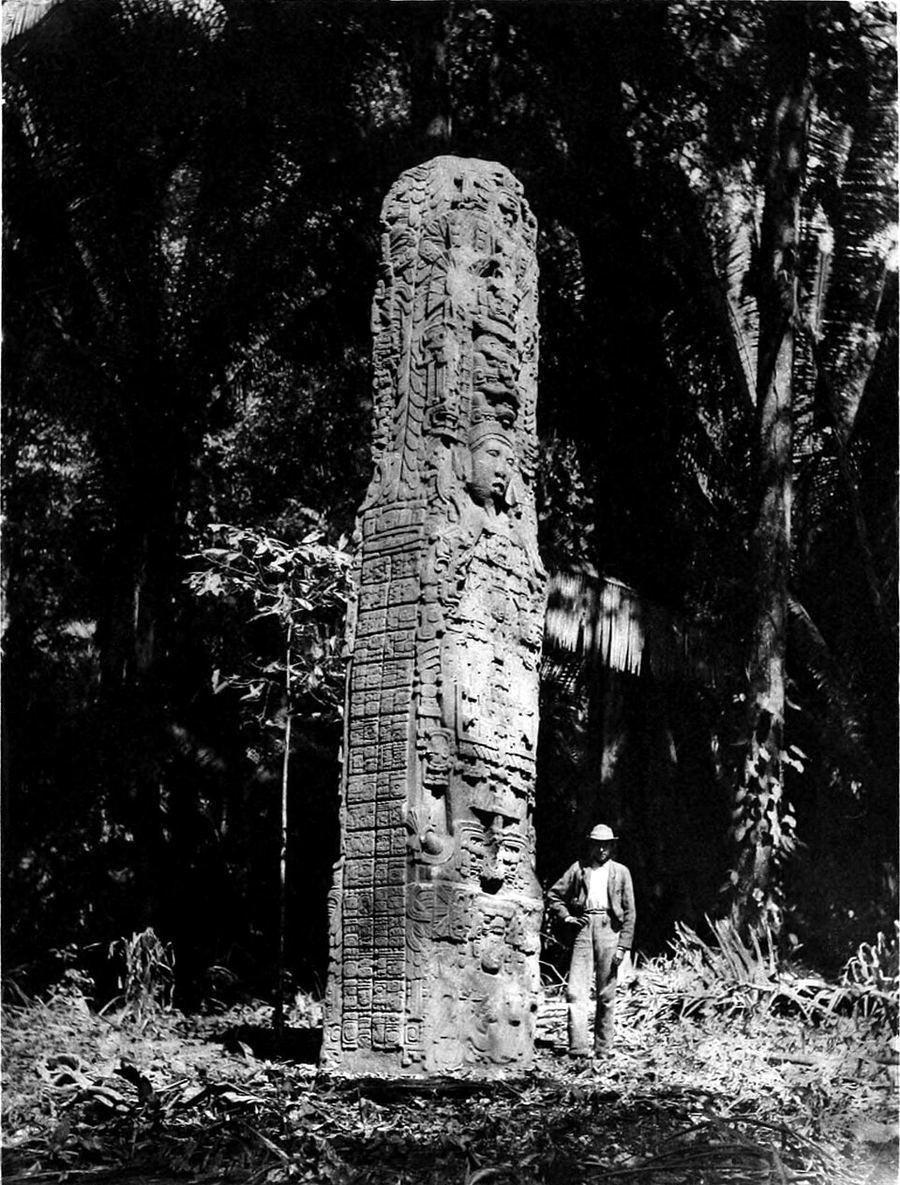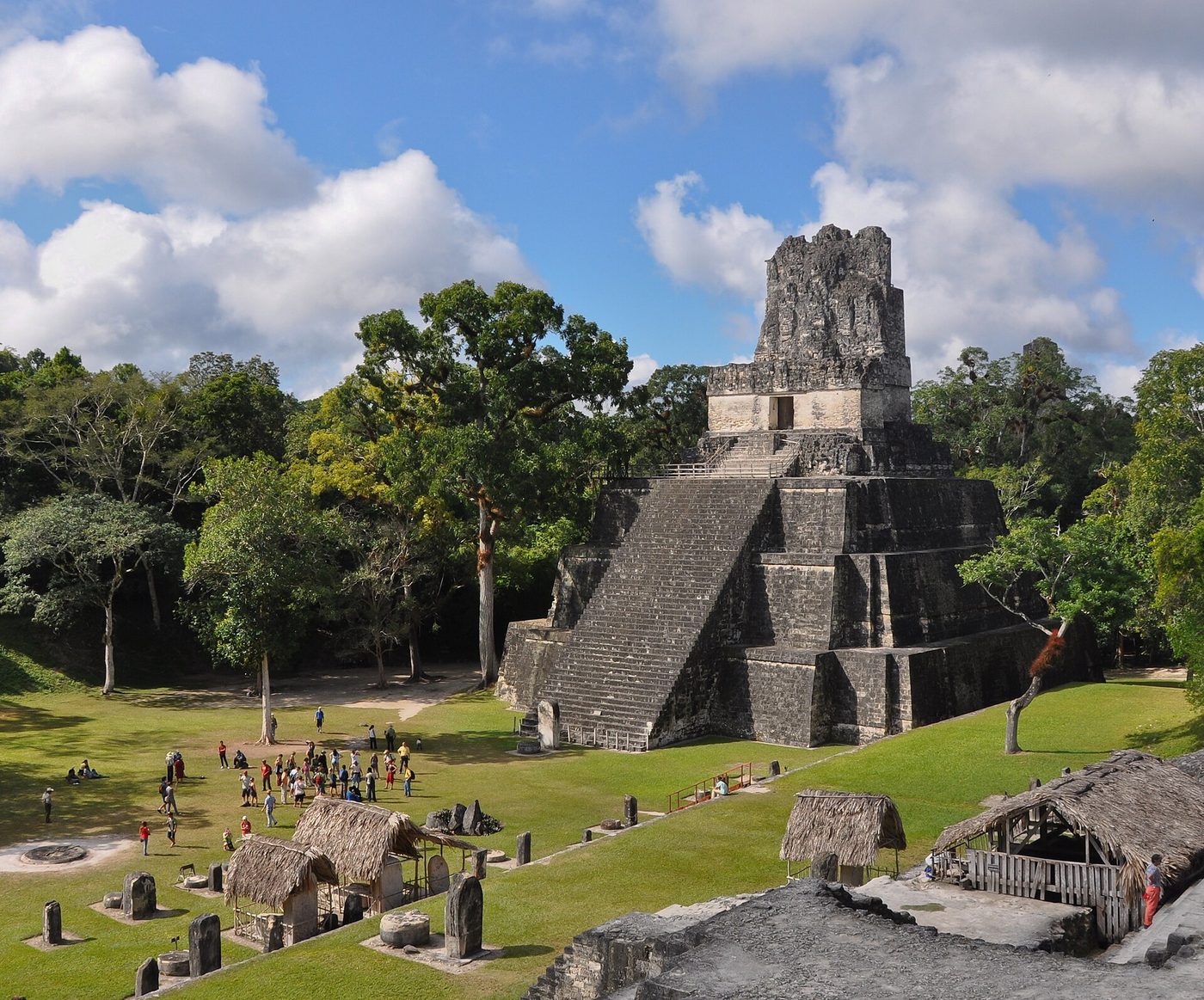
Tikal Temple II — Photo: Mike Vondran derivative work: MrPanyGoff / CC BY 2.0 via Wikimedia Commons
Did You Know
Guatemala is the world's leading exporter of cardamom, a spice that is not native to the Americas and is barely used in Guatemalan cooking itself. — FAO
Guatemala is a presidential republic of about 18.3 million people at the northern end of Central America, bordering Mexico, Belize, Honduras and El Salvador and reaching both the Pacific and, along a short stretch, the Caribbean. It is the most populous country in Central America and the one with the largest Indigenous population: Maya peoples make up close to 42% of the population, alongside a Ladino or mestizo majority of about 56% and smaller Xinca and Garifuna communities. Twenty-two Maya languages are spoken — Q'eqchi', K'iche', Mam and Kaqchikel the largest — beside Spanish, which is official and spoken by about 70% as a first language. Guatemala City, the capital, is Central America's largest urban area, sitting in a highland valley ringed by volcanoes. Independence from Spain came on 15 September 1821. The country's modern history is dominated by the 1954 coup that ended a decade of reform and by a civil war from 1960 to 1996 in which some 200,000 people were killed, most of them Indigenous civilians. Its economy, about $233 billion in purchasing-power terms, rests on garments, bananas, coffee, palm oil and sugar, and on remittances from a very large diaspora in the United States.
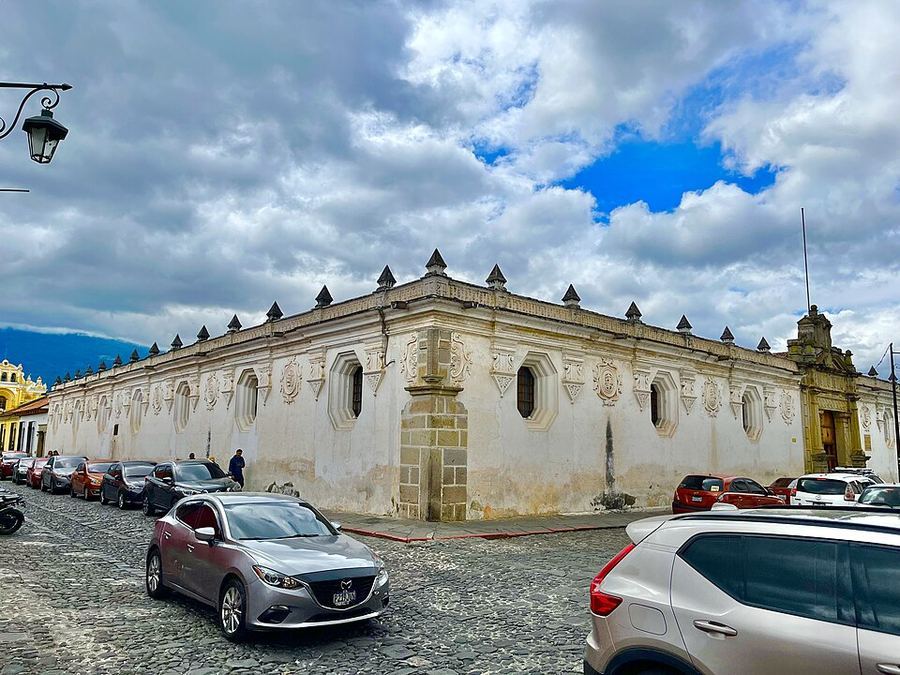
Guatemala was the heartland of Classic Maya civilisation. Cities in the Petén lowlands — Tikal, with its temple pyramids rising above the forest canopy, and the vast earlier centre at El Mirador — supported dense populations, a fully developed writing system, sophisticated astronomy and a long-count calendar, before the lowland centres were abandoned in the ninth century; highland Maya kingdoms such as the K'iche' at Q'umarkaj continued to the eve of the Spanish arrival. Pedro de Alvarado invaded in 1524 and, allied with rival Maya polities, subdued the highlands; the colonial capital at Santiago de los Caballeros, today Antigua Guatemala, became the administrative seat for most of Central America until earthquakes in 1773 forced a move to the present capital. Independence from Spain came in 1821, followed by membership of the United Provinces of Central America and then separate statehood. Liberal reforms from the 1870s expanded coffee estates onto Indigenous lands, and the twentieth century brought the United Fruit Company's dominance, the reformist decade of 1944 to 1954 under Juan José Arévalo and Jacobo Árbenz, and the coup that ended it. Civil war ran from 1960 to the peace accords of 1996, and Guatemala has since been a formal democracy contending with the war's unresolved legacy.
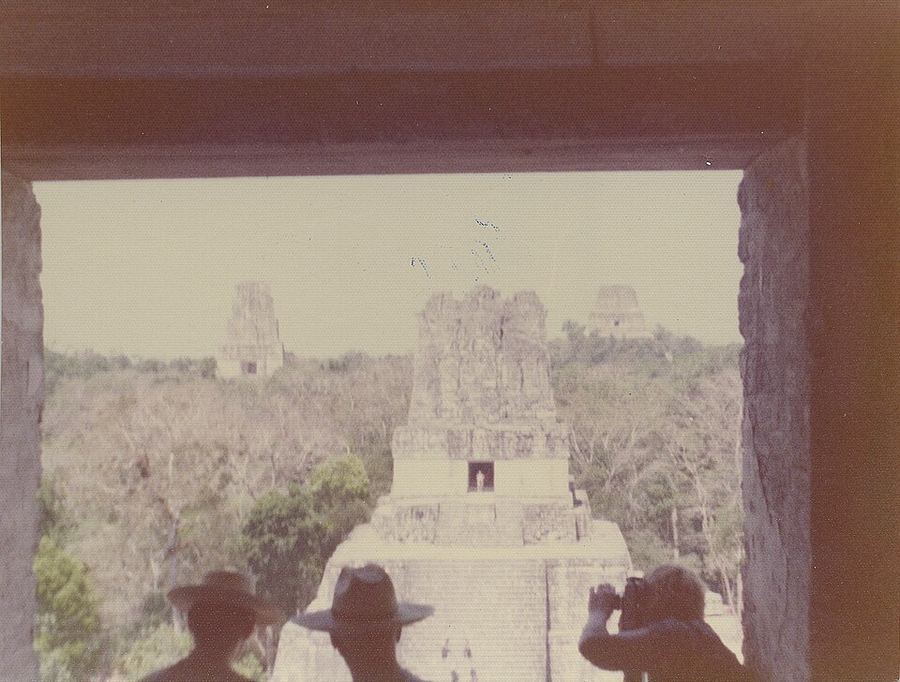
Guatemala's culture is defined by the coexistence, and the friction, of Indigenous Maya and Ladino worlds. In the western highlands, Maya communities maintain their languages, weaving traditions, market cycles, and the cofradía brotherhoods that organise saints' festivals and blend Catholic devotion with the Maya calendar and with rituals conducted by ajq'ijab', daykeepers who read the 260-day count. Religion is plural and contested: about 42% of Guatemalans are Roman Catholic, but Evangelical and Pentecostal churches have grown to about 46% and are now the largest bloc, one of the sharpest religious shifts anywhere in Latin America. The most spectacular expression of national culture is Holy Week, above all in Antigua Guatemala, where processions carrying enormous wooden andas walk over alfombras — carpets of dyed sawdust, flowers and pine needles laid on the streets by neighbourhoods overnight and destroyed as the procession passes; UNESCO inscribed Holy Week in Guatemala as intangible cultural heritage in 2022. On 1 November, the towns of Sumpango and Santiago Sacatepéquez fly giant kites over their cemeteries to communicate with the dead. The market day, the marimba, and the huipil remain the everyday signatures of Guatemalan life.
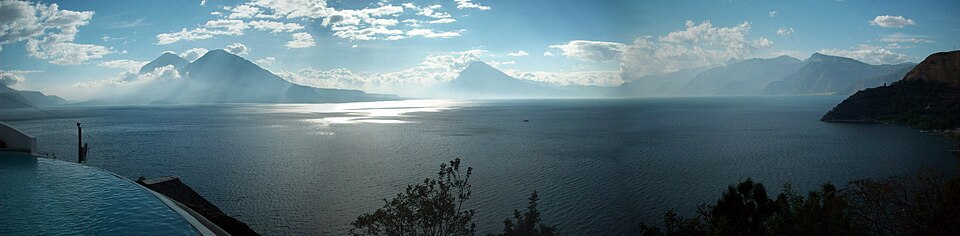
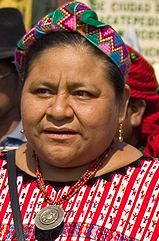
Guatemala's deepest pride is Maya: the civilisation that built Tikal and El Mirador, developed the most complete writing system in the pre-Columbian Americas, and produced the Popol Vuh, the K'iche' creation epic whose surviving manuscript is among the most important texts of Indigenous America — and, crucially, the fact that Maya peoples are not a past but a present, some 42% of the country and speaking twenty-two living languages. The country holds three UNESCO World Heritage sites: Tikal National Park, inscribed for both its culture and its rainforest; Antigua Guatemala, the earthquake-scarred baroque colonial capital; and the ceremonial site of Quiriguá with its towering carved stelae. Guatemala has produced two Nobel laureates — Miguel Ángel Asturias in Literature in 1967 and Rigoberta Menchú Tum, the K'iche' activist who won the Peace Prize in 1992 — an extraordinary record for a country of its size. Lake Atitlán, ringed by three volcanoes and Maya villages, is among the most celebrated landscapes in the Americas. Guatemalan coffee from Antigua and Huehuetenango commands a premium worldwide, and the country is the world's leading exporter of cardamom.
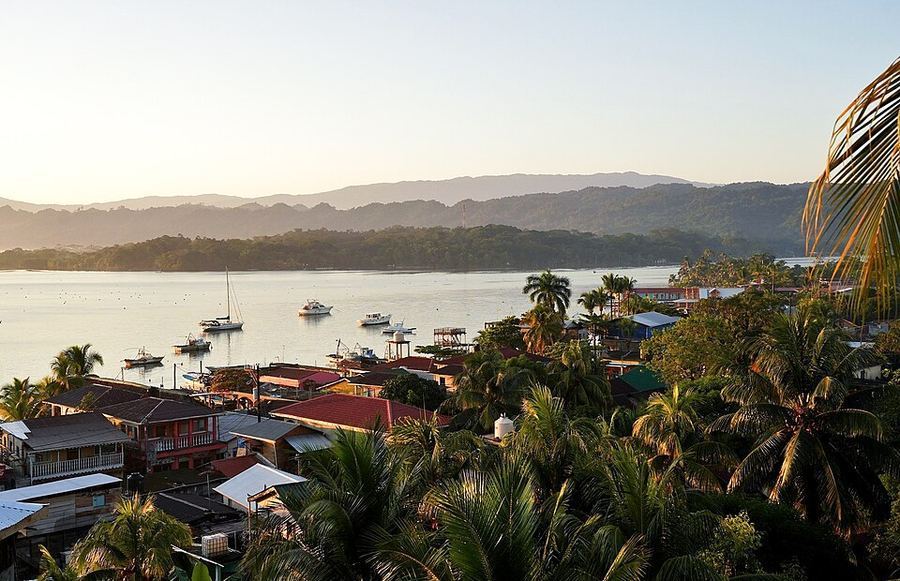
Guatemalan culture is a five-century negotiation between Maya and Iberian forms, producing syncretism that is neither wholly one nor the other. Catholic saints' cults absorbed Maya ritual: highland festivals honour the church's calendar while offerings, incense burning and the 260-day count run alongside it, and the figure of Maximón or Rilaj Mam, venerated at Santiago Atitlán and elsewhere with cigars and liquor, is a genuinely hybrid deity with no clean Catholic or Maya origin. The Rabinal Achí, a Maya dance drama in the Achi language performed at Rabinal that preserves a pre-conquest narrative within a colonial-era festival frame, is inscribed by UNESCO as intangible cultural heritage. Spanish contributed language, the grid town plan, baroque architecture and wheat; the Maya contributed maize, beans, chillies, cacao, the sweat bath and the backstrap loom. A third strand is Afro-Caribbean: the Garifuna of Livingston on the Caribbean coast, descendants of Africans and Island Caribs deported from Saint Vincent in 1797, speak an Arawakan language and maintain drumming, punta dance and cuisine recognised by UNESCO as intangible heritage shared with Belize, Honduras and Nicaragua. The Xinca, a non-Maya Indigenous people of the southeast, form a fourth.
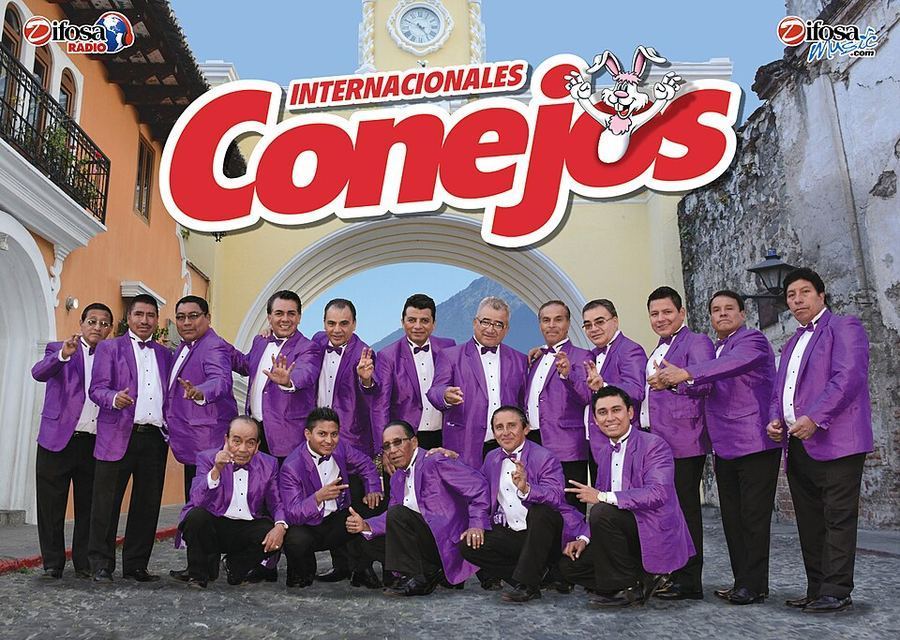
The marimba is Guatemala's national instrument and the sound most immediately identified with the country — a large wooden-keyed xylophone with resonators beneath each bar, played by several musicians at once, present at civic ceremonies, restaurants, parks and family celebrations alike. The chromatic double marimba developed in the late nineteenth century expanded the instrument's range and made possible the marimba orchestras that dominated popular music for much of the twentieth century. Older traditions run alongside it: the son and its regional variants, the tun slit drum and the chirimía shawm that accompany highland processions, and the masked dance dramas performed at village festivals, of which the Baile de la Conquista re-enacts the defeat of the K'iche' and the Palo Volador sends dancers spiralling from a tall pole. The Rabinal Achí of Baja Verapaz, a Maya dance drama with masks, trumpets and a text preserved in Achi, is inscribed by UNESCO as a masterpiece of intangible heritage. On the Caribbean coast, Garifuna punta and paranda are drum-driven and entirely distinct. Contemporary Guatemala listens to cumbia, reggaeton, rock and Christian worship music, and the singer-songwriter Ricardo Arjona is one of Latin America's best-selling artists.
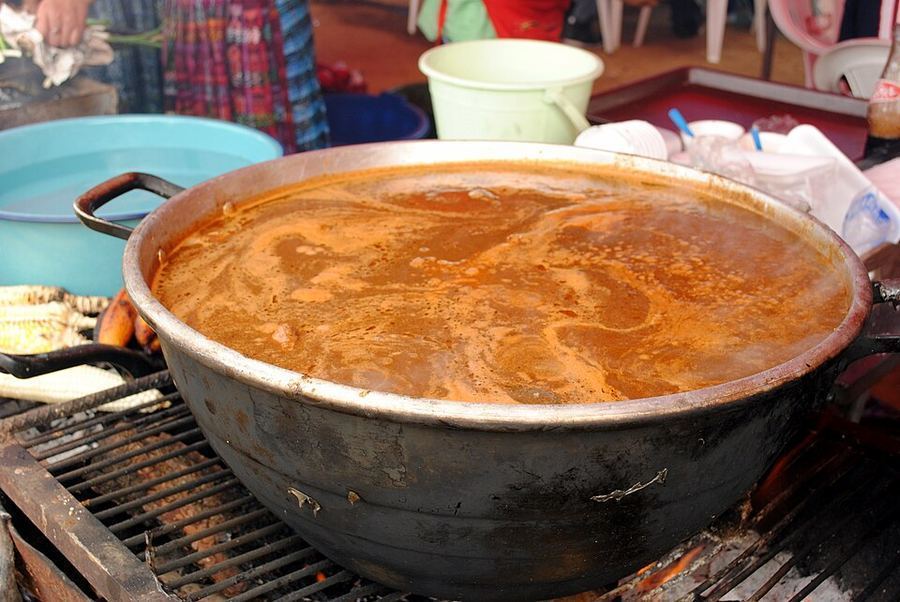
Guatemalan cooking is built on the Mesoamerican triad of maize, beans and squash, with chilli, tomato, cacao and turkey as the other native foundations. Maize is processed by nixtamalisation — soaking in lime, which frees its niacin — and ground for the tortillas eaten at every meal, as well as for tamales wrapped in banana leaf or corn husk and for atol, the thick maize drink of which the blue-maize atol de elote and the fermented atol blanco are highland staples. The national dish is pepián, a thick stew of chicken or beef in a sauce of toasted seeds, chillies and spices ground on a stone — a preparation whose technique is directly pre-Columbian. Kak'ik, a Q'eqchi' turkey soup coloured red with achiote and sharpened with coriander and chilli, is a recognised heritage dish of the Verapaces; jocón is its green counterpart, thickened with tomatillo and coriander. Other staples are hilachas, chuchitos, rellenitos of mashed plantain filled with sweetened beans, and the Sunday paches. Guatemala is a major coffee producer with highly regarded origins in Antigua, Huehuetenango and Cobán, the world's leading cardamom exporter, and a source of fine cacao in the region where it was first domesticated.
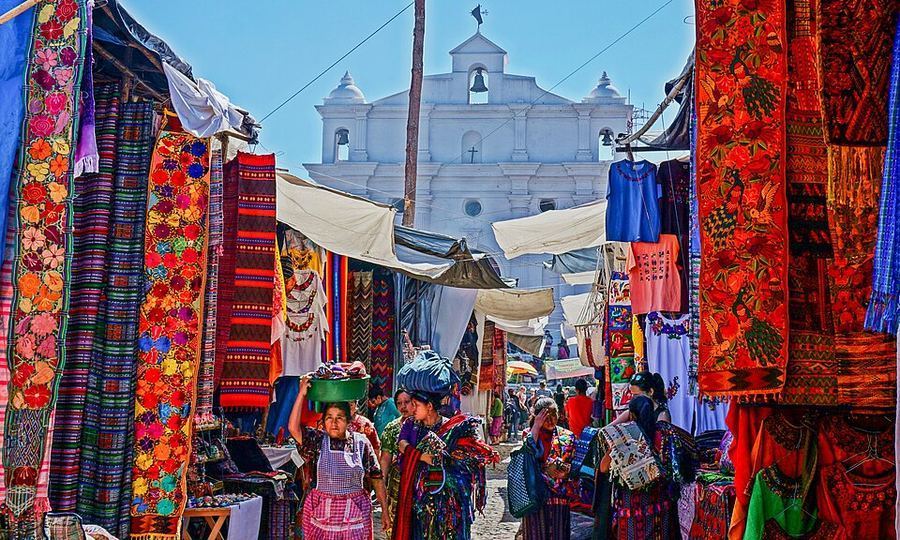
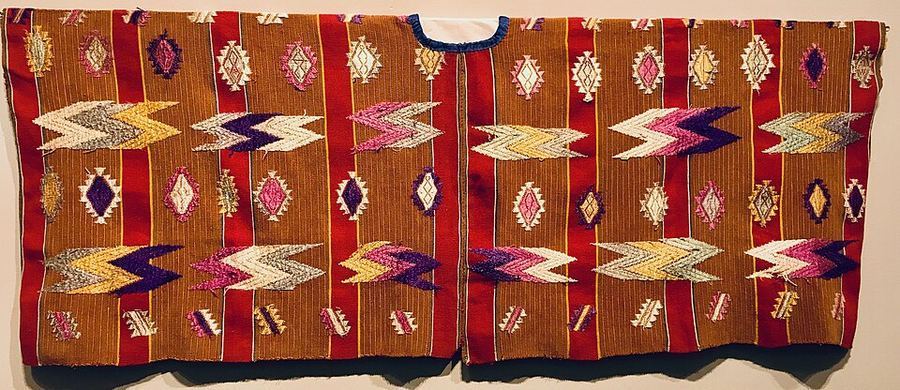
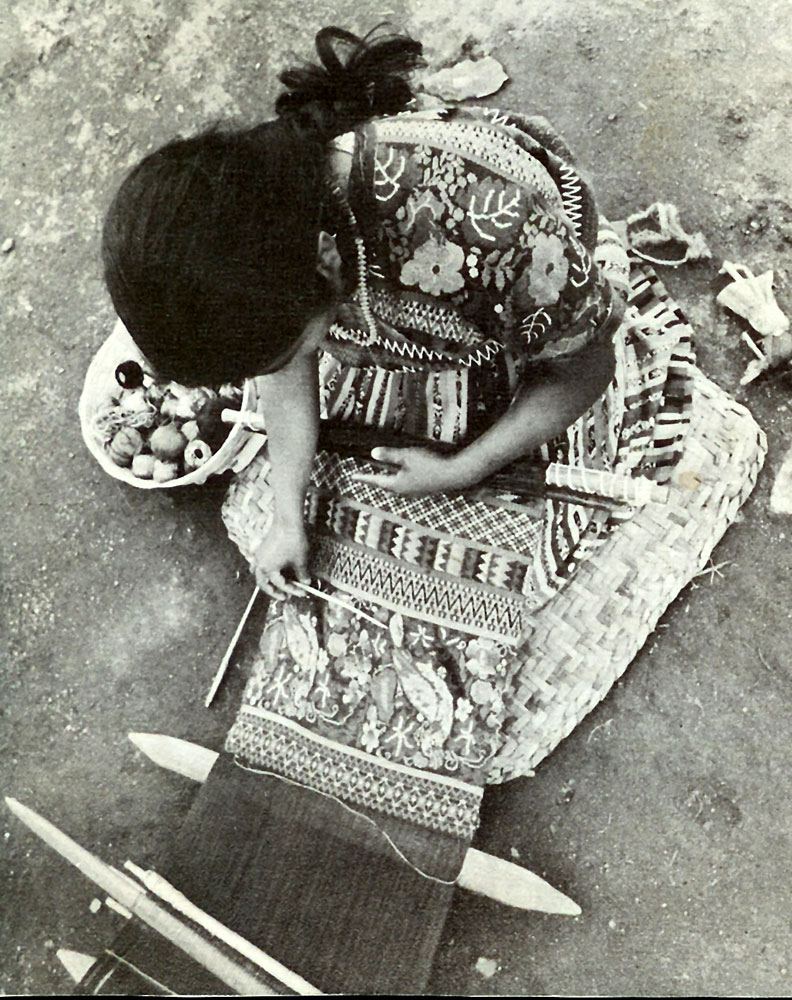
Guatemala has one of the richest living traditions of Indigenous dress in the world, called traje. The core garment is the huipil, a blouse woven on a backstrap loom in panels and joined, worn over a corte — a length of cloth wrapped as a skirt and held with a woven faja belt — and often accompanied by a tzute head or shoulder cloth. What makes Guatemalan traje distinctive is that design is village-specific: the colours, motifs, neckline treatment and weaving techniques of a huipil identify the wearer's home community, so that dress functions as a map of the highlands. Motifs carry meaning drawn from Maya cosmology, agriculture and animals, and the most complex pieces, brocaded thread by thread on the backstrap loom, take months to complete. Men's traje survives in fewer communities but is spectacular where it does, notably the wool overtrousers and embroidered shirts of Sololá and Todos Santos Cuchumatán. Wearing traje has been both an assertion of identity and, during the civil war, a marker that carried real danger, which gives its continued daily use political weight. Ladino dress is conventional Western clothing, and the two conventions coexist in every highland market town.
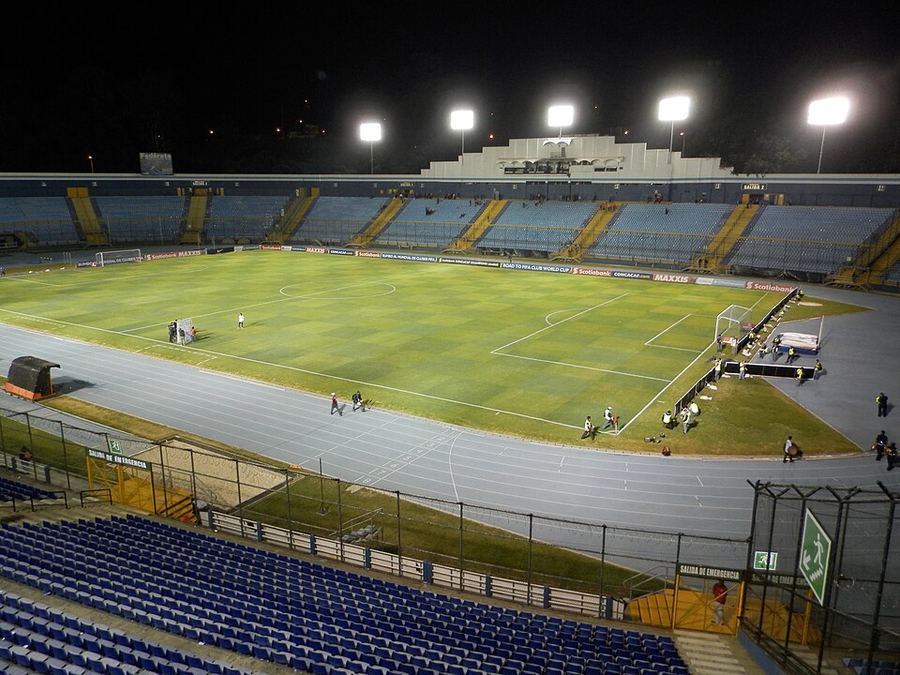
Football dominates. The Liga Nacional is followed intensely and its two Guatemala City giants, Comunicaciones and Municipal, have between them won most national titles and made deep runs in CONCACAF club competition; the national team, the Chapines, plays at the Estadio Nacional Mateo Flores in the capital and competes in the CONCACAF Gold Cup and World Cup qualifying without having yet reached a World Cup. Beyond football, the country's real international strength has been in race walking, sustained by highland altitude training and a strong federation, and in shooting, where trap has produced Olympic medallists. Basketball and volleyball have solid school and club followings, and futsal is unusually strong: Guatemala hosted the FIFA futsal world championship in 2000 and its national futsal team is among the better sides in the region. Cycling has a deep tradition, with the Vuelta a Guatemala one of the oldest stage races in the Americas, run annually since the 1950s over brutal mountain terrain. Traditional and Indigenous games survive at village festivals, and the Mesoamerican ballgame, played in Maya cities across the country, is the ancestor of team ball sports in the Americas.
Education is free and compulsory at primary level, and enrolment has risen substantially, but Guatemala's schooling indicators remain among the weakest in Latin America: completion rates fall sharply at secondary level, rural and Indigenous children are furthest behind, and public spending on education as a share of national income is low by regional standards. Bilingual intercultural education in Maya languages was mandated after the peace accords and is delivered by a dedicated directorate, but coverage and teacher supply fall short of the twenty-two-language reality. The flagship institution is the Universidad de San Carlos de Guatemala in the capital, founded by royal decree in 1676 and among the oldest universities in the Americas, autonomous, tuition-light and by far the largest — its student body and its history of political engagement, including heavy losses among staff and students during the civil war, give it a distinctive civic role. Private universities including the Universidad del Valle de Guatemala, the Jesuit Universidad Rafael Landívar and the Universidad Francisco Marroquín serve smaller, better-resourced cohorts; the Universidad del Valle built the country's first satellite. Chronic child malnutrition, among the highest rates in the world, is the constraint that shapes educational outcomes before school even begins.
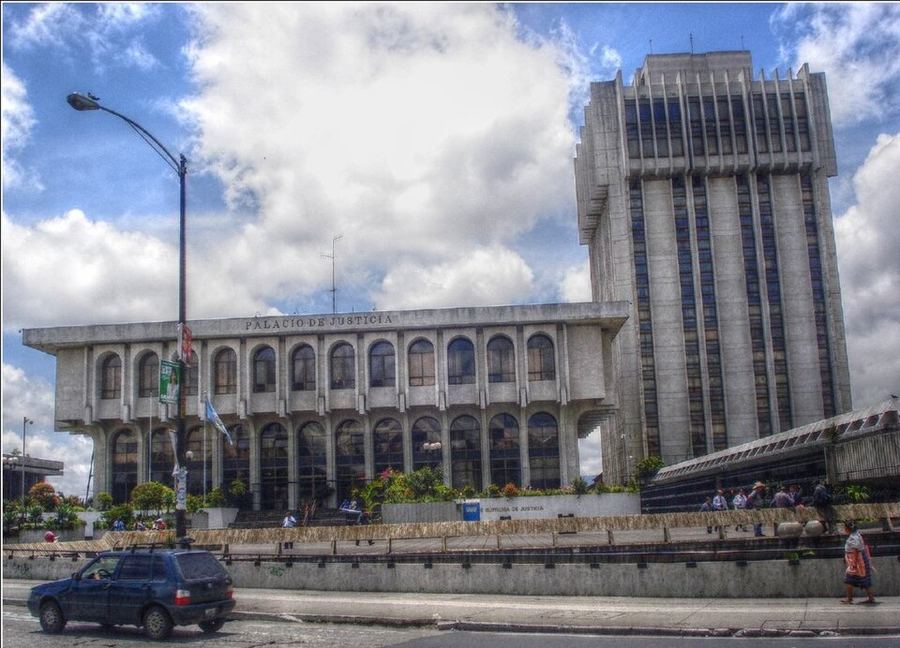
Guatemala's civil war ran from 1960 to the peace accords signed on 29 December 1996 and is the central fact of its modern history. It pitted the army and allied paramilitary civil patrols against leftist guerrilla groups later unified as the URNG, but the overwhelming majority of the estimated 200,000 dead and disappeared were Indigenous civilians, killed in a counter-insurgency campaign concentrated in the western highlands in the early 1980s. The UN-backed Commission for Historical Clarification concluded that state forces were responsible for the great majority of documented violations and that acts of genocide were committed against particular Maya groups; the Catholic Church's parallel report was released two days before the murder of its author, Bishop Juan Gerardi, in 1998. Former head of state Efraín Ríos Montt was convicted of genocide and crimes against humanity in 2013, a verdict annulled days later by the constitutional court, and he died before a retrial concluded. Since the war, violence has been criminal rather than political: gang activity, homicide, extortion and narcotics transit. The International Commission against Impunity in Guatemala, established with the UN in 2007, secured major corruption convictions before the government ended its mandate in 2019, and pressure on judges, prosecutors and journalists has drawn sustained criticism from human rights organisations.
Guatemala's principal territorial dispute is with Belize, and it is one of the longest-running in the Americas. Guatemala has claimed all or part of Belizean territory since the nineteenth century, arguing that Britain failed to fulfil obligations under an 1859 boundary treaty and that the claim inherited from Spain therefore survives; Belize maintains that the boundary is settled and that its territorial integrity is protected by its independence and UN membership. The two states agreed to refer the question to the International Court of Justice, subject to referendums in each country: Guatemalans approved the referral in April 2018 and Belizeans in May 2019, and the case has since proceeded through written pleadings at The Hague, with an adjacency zone monitored by the Organization of American States managing incidents along the frontier in the meantime. Guatemala also has an unresolved maritime dimension to the same dispute in the Gulf of Honduras, where its short Caribbean coastline is hemmed between Belize and Honduras and where a trijunction remains undefined. The land boundaries with Mexico, Honduras and El Salvador are settled, though Guatemala, Honduras and El Salvador share the Gulf of Fonseca question only indirectly, and cross-border migration and smuggling dominate practical frontier management.
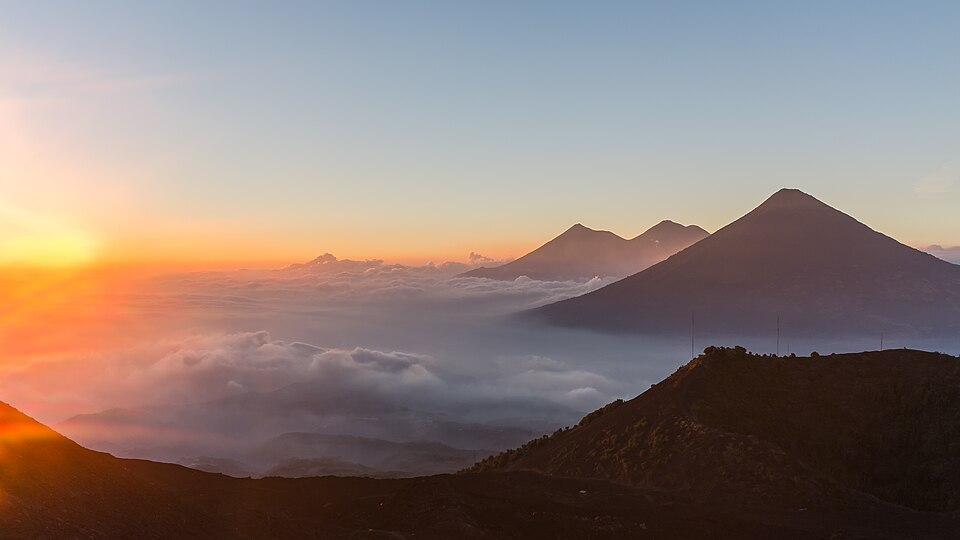
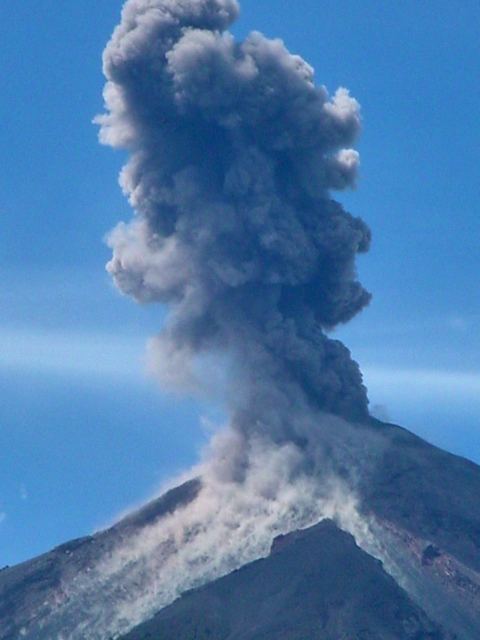
Guatemala packs extraordinary variety into a country roughly the size of Tennessee. A volcanic chain runs parallel to the Pacific coast along the boundary where the Cocos plate subducts beneath the Caribbean plate, giving thirty-seven volcanoes, several of them active: Volcán de Fuego erupts near-continuously and killed hundreds in its 2018 paroxysm, while Tajumulco at 4,220 metres is the highest peak in Central America. Behind the volcanic front lie the western highlands, densely populated and heavily farmed, and the deep Motagua fault valley marking the plate boundary itself — the source of the 1976 earthquake that killed more than 20,000 people. Lake Atitlán fills a collapsed caldera ringed by three volcanoes. North of the highlands the land drops into the Petén, a vast limestone lowland of tropical forest holding the Maya Biosphere Reserve and the ruined cities within it. The narrow Caribbean coast around Izabal and the broad Pacific piedmont carry the country's plantation agriculture. Climate follows altitude rather than latitude, from hot tierra caliente on both coasts through the temperate tierra templada of the coffee belt to cool highlands, with a rainy season from May to October and a real exposure to hurricanes on the Caribbean side.
Guatemalan leisure is family-centred and organised around the fiesta calendar. Every town has a patron-saint feria with processions, marimba, fireworks, funfair rides and food stalls, and these draw returning migrants from the capital and from abroad. Sunday is for extended family meals and for the market, which functions as much as a social event as a commercial one — Chichicastenango's Thursday and Sunday market is the most famous, but every town has its day. Football fills the rest of the week: the derby between Municipal and Comunicaciones in Guatemala City is the national fixture, and informal games occupy any level ground. The landscape supports an active outdoor culture — volcano hiking, with the overnight climb of Acatenango to watch Fuego erupt now a signature trip, kayaking and swimming at Lake Atitlán, birdwatching for the resplendent quetzal in the cloud forests of the Verapaces, and beach weekends on the black sand of the Pacific coast at Monterrico. Semana Santa is the year's high point, when Antigua fills and much of the country stops. In the capital, cinema, shopping centres and a growing restaurant and craft-beer scene shape urban leisure.
Guatemala's artistic record begins with Maya achievement of the first rank: the carved stelae of Quiriguá, the tallest known in the Maya world; the painted polychrome vessels whose scenes and hieroglyphic texts are primary historical sources; the jade and shell work of royal burials; and the murals at Bonampak's Guatemalan counterparts and at San Bartolo in the Petén, whose painted walls are the earliest known Maya murals. Colonial art produced the Antigua baroque — churches, cloisters and the polychrome sculpture of workshops whose processional images are still carried in Holy Week — and imagery that fused European models with Indigenous hands. Textile is arguably the country's greatest continuous art form, with backstrap-loom brocade of a complexity that has drawn museum collection worldwide, including at the Smithsonian. Modern Guatemalan art centres on Carlos Mérida, who worked between Paris, Mexico and Guatemala and built an abstract vocabulary from Maya motif, and on the muralists and modernists of the mid-century, including Efraín Recinos, whose Centro Cultural Miguel Ángel Asturias in the capital is a landmark of sculptural architecture. Contemporary artists such as Regina José Galindo have brought performance work about the war and about violence against women to international attention.
Miguel Ángel Asturias won the Nobel Prize in Literature in 1967 for a body of work — Men of Maize, El Señor Presidente — that fused Maya myth with a modernist critique of dictatorship and foreign corporate power. Rigoberta Menchú Tum, a K'iche' woman whose family was destroyed in the civil war, won the Nobel Peace Prize in 1992 for her advocacy of Indigenous rights, and later ran for president. Jacobo Árbenz, the reformist president overthrown in 1954, and Juan José Arévalo before him, define the country's lost democratic decade. Bishop Juan Gerardi, who presented the Catholic Church's report on wartime atrocities in 1998 and was murdered two days later, is a central figure of the country's human rights memory. In the arts, Carlos Mérida is the leading modernist painter and Ricardo Arjona one of Latin America's best-selling singer-songwriters. In science and technology, Luis von Ahn, born in Guatemala City, invented the CAPTCHA and reCAPTCHA systems and co-founded the language-learning platform Duolingo. In sport, the race walker Erick Barrondo and the trap shooters Adriana Ruano and Jean Pierre Brol carry the country's Olympic honours.
Guatemala's most consequential inventions are ancient and agricultural. The Maya of this region developed the fullest writing system in the pre-Columbian Americas — a logosyllabic script deciphered only in the twentieth century — together with a positional number system that used a symbol for zero centuries before the concept reached medieval Europe, and a calendar of interlocking cycles whose long count fixed dates over millennia with precision, supported by astronomical observation accurate enough to predict Venus cycles and eclipses. Nixtamalisation, the treatment of maize with lime that releases niacin and prevents pellagra, is a Mesoamerican technological achievement without which maize could not have supported dense populations. Cacao was domesticated and processed in the region, and the backstrap loom produces brocade of a complexity industrial looms cannot easily reproduce. In the modern era, the country's most widely used invention comes from Luis von Ahn: the CAPTCHA, and then reCAPTCHA, which turned the challenge of proving a user is human into a mechanism for digitising books, work that led directly to Duolingo. Guatemalan engineering has also produced the Quetzal-1 CubeSat, designed and built at a Guatemalan university and deployed from the International Space Station in 2020 as the country's first satellite.
Guatemalan science operates on a small budget with a few sharp strengths. Volcanology and seismology are matters of national survival: INSIVUMEH, the national institute for seismology, volcanology, meteorology and hydrology, monitors an arc of thirty-seven volcanoes including the near-continuously erupting Fuego and Santiaguito, and its work with international partners after the 2018 Fuego disaster has advanced understanding of pyroclastic density currents. Archaeological science is the country's most internationally visible field: lidar survey flown over the Maya Biosphere Reserve in the Petén revealed tens of thousands of previously unknown structures, causeways and agricultural terraces beneath the forest canopy, a finding published in Science that forced a substantial upward revision of Classic Maya population estimates, and the El Mirador and Tikal projects continue to reshape understanding of early Maya urbanism. Agricultural research supports coffee, cardamom and cacao, with breeding for coffee leaf rust resistance a priority after the epidemic that hit the region from 2012. In space and engineering, the Universidad del Valle de Guatemala designed and built Quetzal-1, the country's first satellite, deployed from the International Space Station in 2020. Public health research focuses on chronic child malnutrition, one of the highest rates in the world.
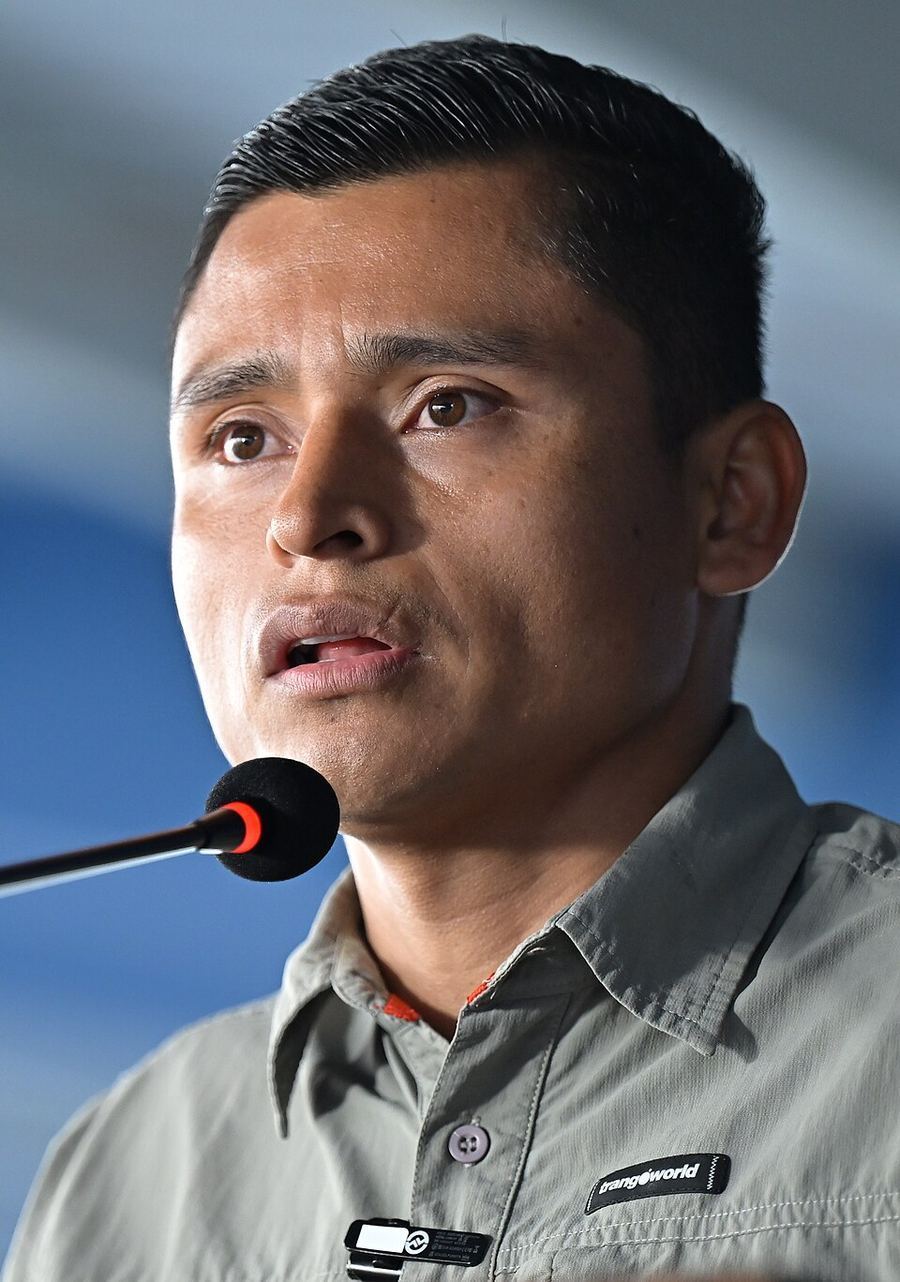
Guatemala's Olympic record was long defined by a single medal: Erick Barrondo's silver in the 20-kilometre race walk at London in 2012, the country's first ever, which made him a national figure and confirmed race walking as the discipline where Guatemalan athletes compete at the highest level — the country has also produced world-championship and world-race-walking-team medallists in the event. That record changed at the Paris Games in 2024, when Adriana Ruano won the women's trap to give Guatemala its first Olympic gold, and Jean Pierre Brol took bronze in the men's trap, making shooting the country's second international strength. In football, Guatemala is a regular in CONCACAF competition and has appeared repeatedly at the Gold Cup, and it hosted the FIFA futsal world championship in 2000. Guatemalan athletes compete at the Pan American Games and dominate the Central American Games, which the country has hosted. The Vuelta a Guatemala draws professional teams from across the Americas and Europe. The country's Olympic committee was for a period suspended by the International Olympic Committee over governance disputes, forcing athletes to compete under a neutral flag before the suspension was lifted.