HERA · Human Entity Reference Atlas by Masego Inc

← Guam 🌐 3D View
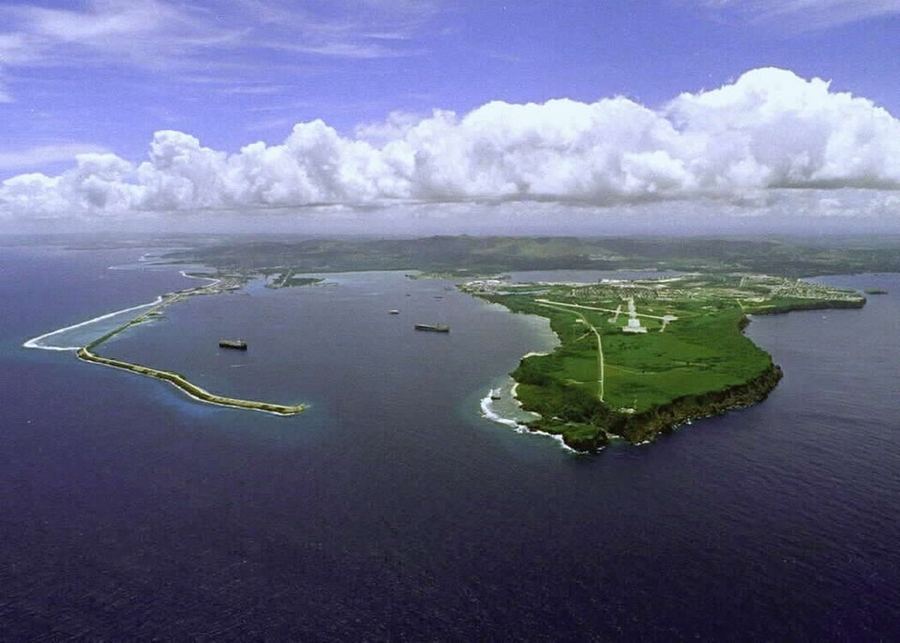
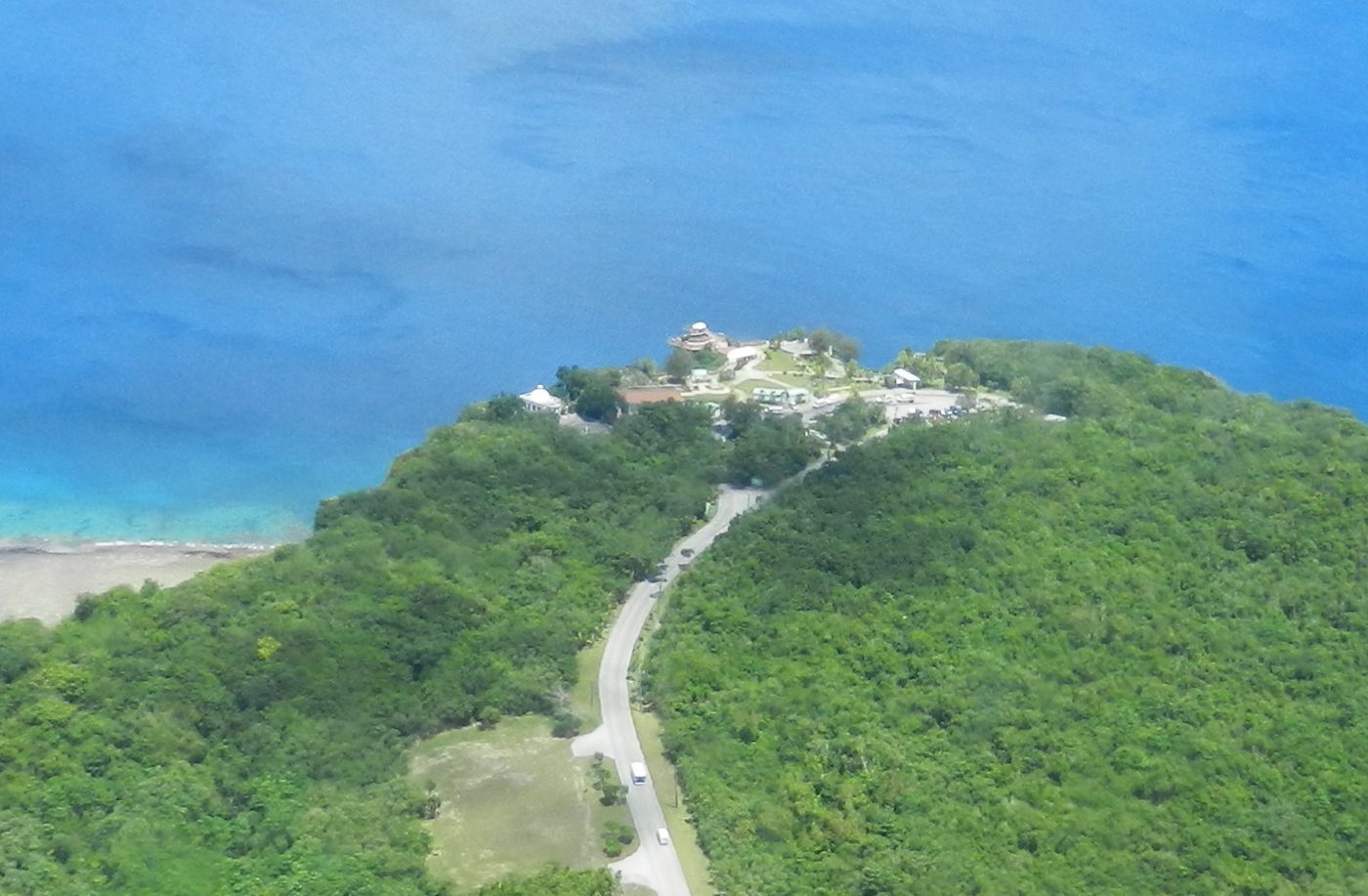
Aerial view of Two Lovers Point, Guam
Guam GUM
Aerial view of Two Lovers Point — Photo: Taken by User:小野 優太 . Cropped by User:Featous . / CC BY-SA 4.0 via Wikimedia Commons
Did You Know The CHamoru sailing canoe, which Europeans called the flying proa, has an asymmetric hull and shunts instead of tacking, and was repeatedly described by early European sailors as the fastest vessel they had ever seen. — Smithsonian

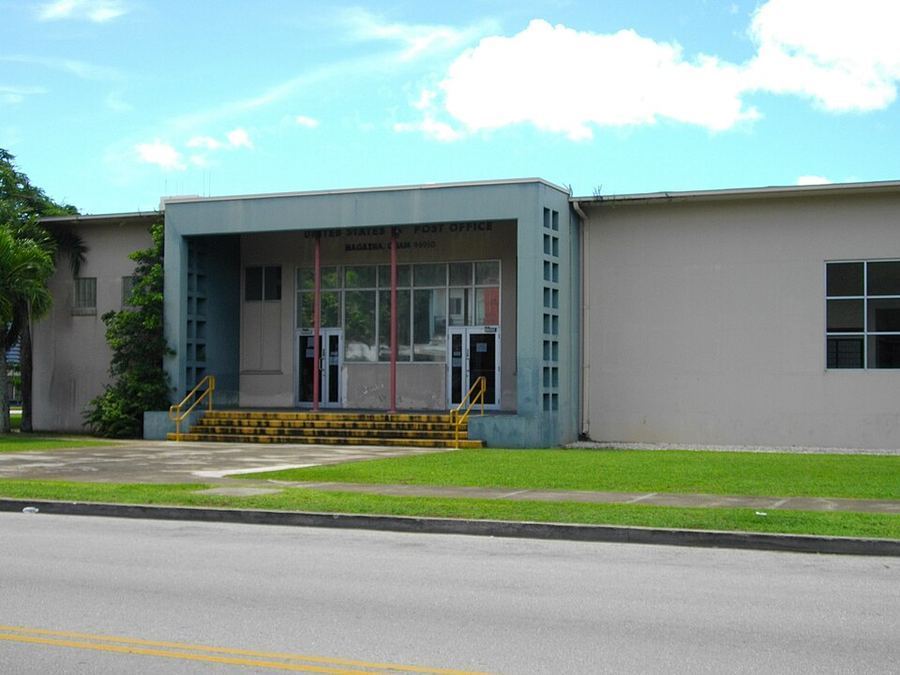
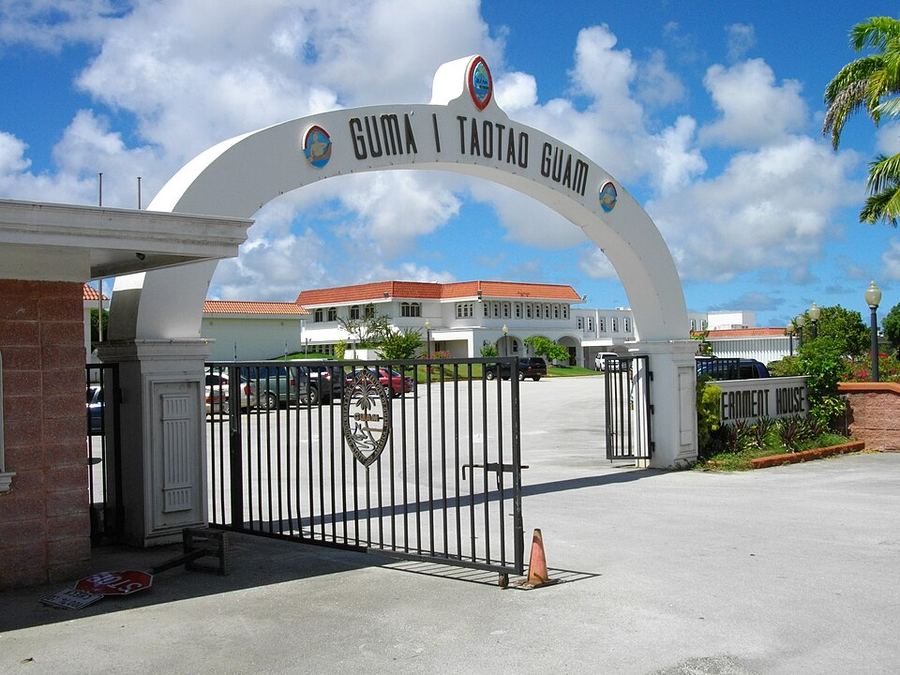
Guam — Guåhan in the CHamoru language — is the largest and southernmost of the Mariana Islands and an unincorporated organised territory of the United States, home to about 170,000 people on some 540 square kilometres of the western Pacific. Its capital is Hagåtña, though the population centres are Dededo and Tamuning further north. Guam is the westernmost point of United States territory, closer to Manila and Tokyo than to Honolulu, which has made it strategically decisive for more than a century: Andersen Air Force Base and Naval Base Guam together occupy a substantial share of the island's land, and the military and federal presence, along with tourism, dominate the economy. The Indigenous CHamoru people, whose ancestors settled the Marianas more than three thousand years ago, make up about a third of the population, alongside a large Filipino community of some 29% and other Micronesian, Asian and mainland American groups. English, Filipino and CHamoru are the main languages, and around 94% of residents are Christian, predominantly Roman Catholic — a legacy of Spanish rule that began in 1668. Residents are United States citizens by birth under the Organic Act of 1950, elect their own governor and legislature, and send a non-voting delegate to Congress, but cannot vote for president.

CIA World FactbookEncyclopaedia Britannica
Population
169,532
Capital
Hagatna (Agana)
Currency
$ USD
Time zones
Largest city
Human Geography Themes
Loading national figures…
The Country & Its People

History

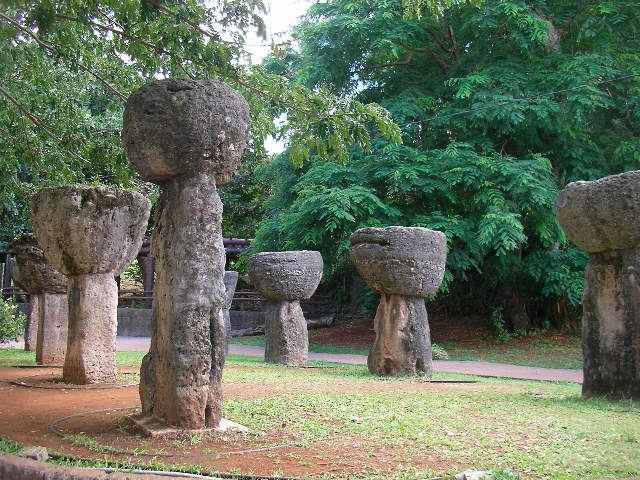
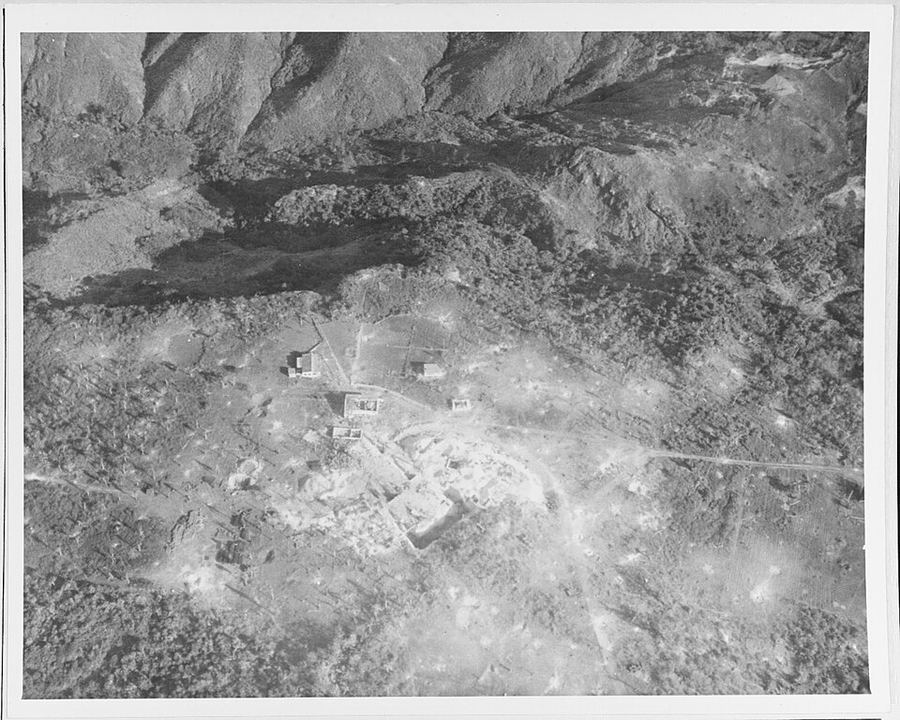
The Marianas were settled from island Southeast Asia more than three thousand years ago by the ancestors of the CHamoru, who developed a stratified society whose most striking remains are the latte — pairs of rows of stone pillars capped by hemispherical capstones that supported raised houses. Ferdinand Magellan's expedition made landfall in 1521, traditionally placed at Umatac Bay on the southwest coast, giving the islands their first European contact and the name Islas de los Ladrones. Formal Spanish colonisation began in 1668 with the mission of Father Diego Luis de San Vitores; the Spanish–CHamoru wars that followed, together with introduced disease, reduced the Indigenous population catastrophically and led to the concentration of survivors in mission villages. Guam served for two centuries as the Pacific waypoint of the Manila galleon trade. The United States took the island in 1898 during the Spanish–American War and administered it under the Navy. Japanese forces captured Guam within days of Pearl Harbor in December 1941 and occupied it for thirty-one months, a period of forced labour, internment and killings still central to island memory; American forces retook it in July and August 1944, and Liberation Day on 21 July remains the largest annual observance. The Organic Act of 1950 granted United States citizenship and civilian government.
Culture

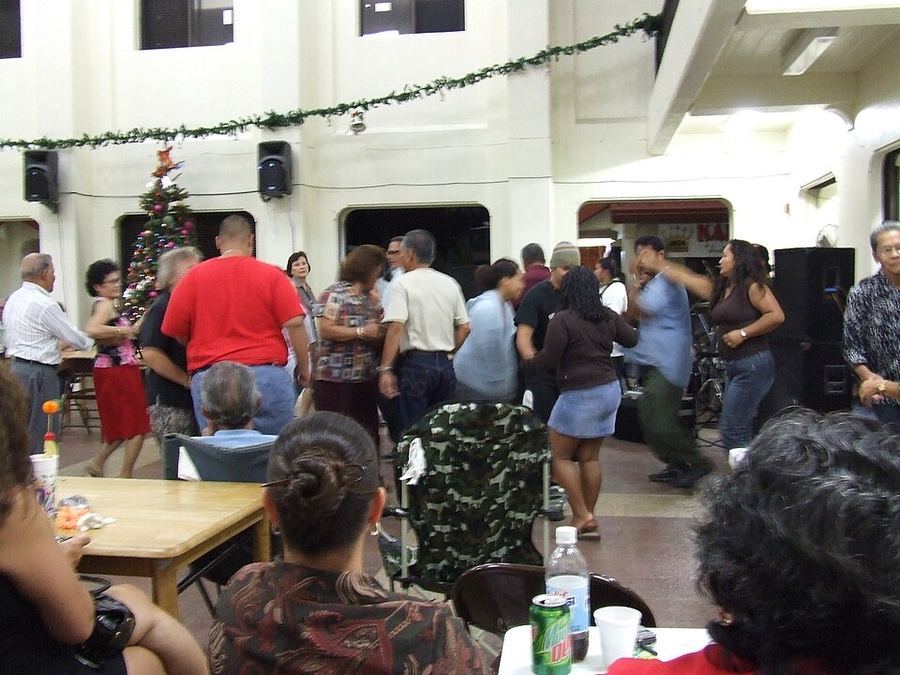
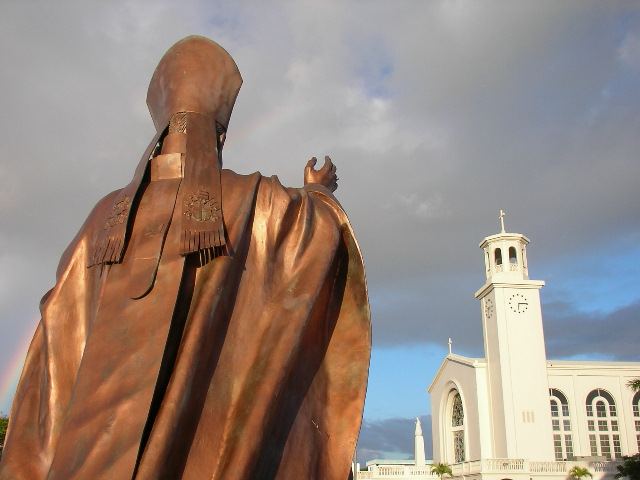
CHamoru culture rests on two named values that islanders invoke constantly. Inafa'maolek — roughly, to make things good for each other — describes an ethic of interdependence in which the group's harmony takes precedence over individual advantage. Chenchule' is the system of reciprocal exchange that puts it into practice: contributions of money, food and labour given at funerals, weddings, christenings and fiestas, meticulously remembered and repaid across generations, so that obligation binds extended families together over a lifetime. Respect for elders is formalised in mannginge', the gesture of taking an elder's hand and inhaling above it. Catholicism, brought by Spanish missionaries and now professed by the great majority of residents, is fused with this social order rather than layered over it: each of Guam's nineteen villages has a patron saint whose fiesta involves a Mass, a procession and an open house at which whole neighbourhoods eat, and the rosary said over nine nights after a death is a central communal rite. Belief in taotaomo'na, the spirits of the ancestors who inhabit the jungle and the old banyan trees, coexists comfortably with the church. The island's Filipino, Chuukese, Palauan, Korean, Japanese and mainland communities add their own overlapping calendars.

Points Of Pride

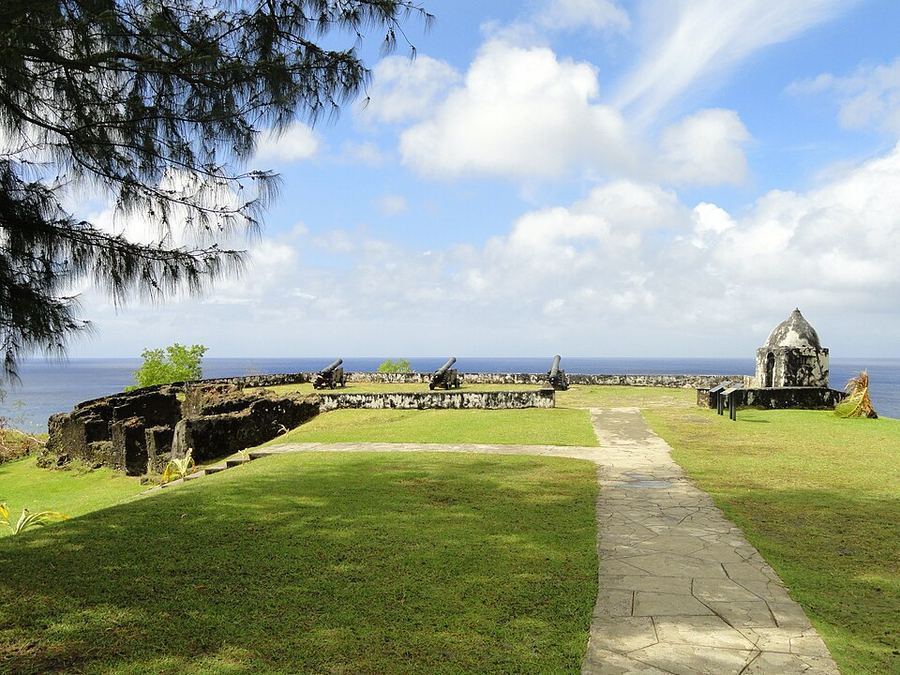
Guam's first pride is antiquity and endurance: the CHamoru are among the oldest continuously present peoples in the Pacific, their ancestors having crossed some of the longest open-ocean distances in prehistory to reach the Marianas, and their latte-stone architecture is unique in the world. The second is the language: CHamoru, an Austronesian language, survived Spanish, Japanese and American administrations that all discouraged it, and is now the object of a determined revitalisation programme with a dedicated commission, immersion schooling and orthographic standardisation. The third is Liberation Day, 21 July, marking the end of the Japanese occupation in 1944, which islanders mark with the territory's largest parade and carnival and which ties Guam's identity to a wartime experience most Americans never had on home soil. Guam is also proud of Two Lovers Point and of Tumon Bay's marine preserve, of the war in the Pacific national historical park, and of an outsized military service tradition — CHamoru enlistment and casualty rates are among the highest of any American community. Geographically, Mount Lamlam is often described as the world's tallest mountain when measured from its base in the nearby Mariana Trench.

Cultural Fusion

Guam is one of the most thoroughly layered societies in the Pacific. The CHamoru base is Austronesian, related across language and navigation practice to the wider Micronesian and island Southeast Asian world. Two and a half centuries of Spanish rule left Catholicism, village patron saints and fiestas, Spanish surnames borne by most CHamoru families, and a heavy layer of Spanish loanwords in the CHamoru language, along with corn, and the introduction of the carabao that became a cultural emblem. Mexican and Filipino soldiers and settlers arrived through the Manila galleon system, seeding a Latin-Pacific blend visible in food and music. American administration since 1898 brought English, United States citizenship, the dollar, baseball and basketball, and a federal legal framework. Japanese occupation left a bitter memory and, ironically, a later Japanese tourism industry that reshaped Tumon. Post-war migration has been the largest force of all: Filipinos are now about 29% of the population, and Chuukese, Palauan, Pohnpeian and Yapese communities have grown under the Compacts of Free Association, making Guam a genuine crossroads where a village fiesta may serve kelaguen, lumpia and barbecue at the same table.

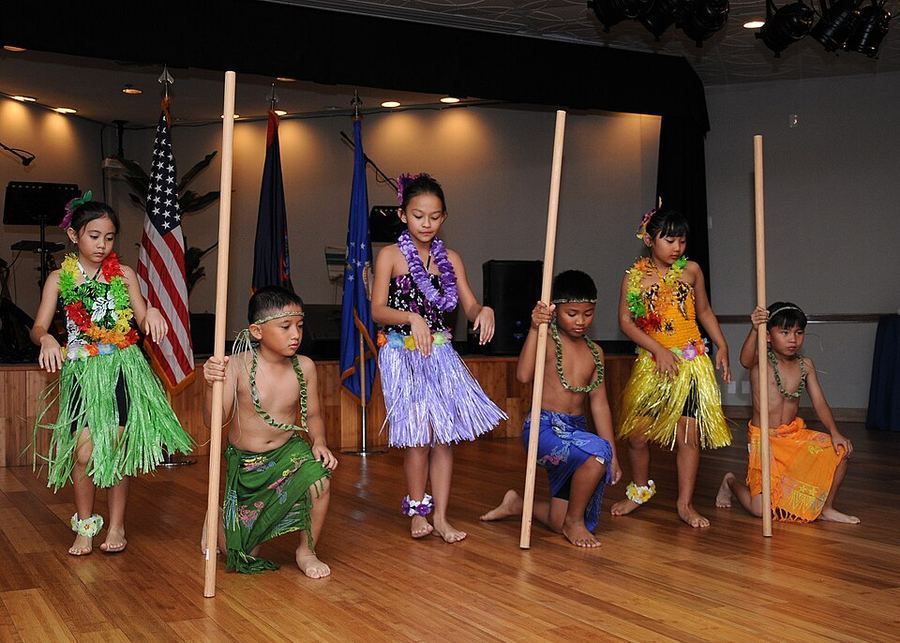
Music & Dance

The oldest surviving CHamoru musical form is the kantan CHamorita, a call-and-response chant in four-line verses improvised between singers who trade teasing, courting or competitive lines — traditionally sung during communal work such as rice planting or reef fishing, and now performed at cultural events. The belembaotuyan is the distinctive Indigenous instrument: a hollowed gourd resonator attached to a bent wooden bow strung with a single string, struck and stopped to produce melody, revived after nearly disappearing. Spanish contact brought guitars and the harmonic language of the wider Hispanic Pacific, and the Manila galleon connection means CHamoru popular song sits close to Filipino and Latin forms; the accordion and the string band shaped twentieth-century dance music. CHamoru dance was heavily suppressed under mission rule and has been substantially reconstructed since the 1980s cultural revival, drawing on chant texts, early European descriptions and comparison with related Pacific traditions — dance groups now perform at the Festival of Pacific Arts, which Guam hosted in 2016, and at the annual Liberation Day festivities. Contemporary Guam listens to island reggae, hip-hop, country and Filipino pop, and local artists recording in CHamoru have become an important vehicle for the language.

Cuisine & Misattributed Foods

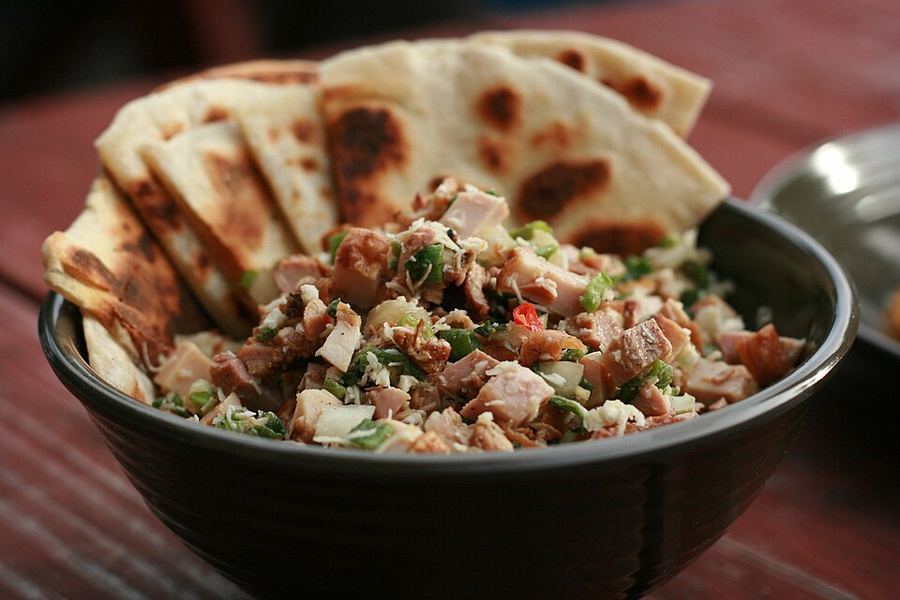
CHamoru food is Pacific ingredients cooked through Spanish, Filipino and American filters. The signature dish is kelaguen: meat, fish or shellfish — chicken, beef, shrimp or raw fish — chopped fine and cured or dressed with lemon juice, grated fresh coconut, salt and hot donne' sali peppers, a preparation somewhere between a ceviche and a salad and served at every fiesta. Its constant companion is finadene, the table sauce of soy sauce, lemon or vinegar, onion and crushed peppers that accompanies almost everything. Red rice, coloured and flavoured with achote seed, is the ceremonial starch, and no fiesta table is complete without it. Other staples include kadon pika, a spicy stewed chicken in coconut milk; estufao and other Spanish-derived braises; barbecued short ribs and chicken marinated in soy and vinegar; taro, breadfruit, tapioca and yam as ground provisions; and latiya and ahu, coconut-based desserts. Fish, reef shellfish and coconut crab come from the sea, and the fruit bat was traditionally eaten though now protected. Filipino dishes such as lumpia and pancit are entirely naturalised into the fiesta spread, as are American barbecue and Spam, which took hold during and after the war and remains a genuine local staple.

National Dress

Guam has no single legally defined national costume, but it does have two clear registers of traditional dress. The first is the mestiza, a Spanish-Filipino-derived formal dress for women with a fitted bodice, wide butterfly or panuelo-draped sleeves and a long skirt, worn for fiestas, weddings, pageants and civic occasions and closely related to the Filipino terno; its male counterpart is a light embroidered shirt of the barong type. The second, revived through the CHamoru cultural movement since the 1980s, is a reconstruction of pre-contact dress based on early European accounts and archaeology: for men a woven loincloth or sadi, for women a skirt of woven pandanus, tifi or bark fibre, with bodies adorned by shell and bone ornaments. The most important of these ornaments is the sinahi, a crescent pendant ground from the thick lip of a giant clam shell, historically a marker of rank and now widely worn on a cord as an emblem of CHamoru identity, together with beads of spondylus shell. Weaving pandanus and coconut leaf into hats, baskets and mats remains a living craft. Everyday dress is thoroughly American and tropical — the island's climate makes light shirts and slippers the norm.

Sports & Inspiring Athletes

Basketball, baseball and softball are the mass participation sports, a direct inheritance of the American period, and village leagues are a serious social institution. Football has grown fastest in international terms: the Guam Football Association is a member of both FIFA and the Asian Football Confederation, and the national team's back-to-back victories over Turkmenistan and India in 2015 World Cup qualifying, which briefly lifted Guam more than a hundred places in the world rankings, remain the island's best-known sporting achievement. Volleyball, rugby, and combat sports are widely practised — Guam has produced professional mixed martial artists and boxers, and judo and wrestling have deep club bases. Water sports follow the geography: outrigger canoe paddling, in traditional and modern craft, is a competitive sport across Micronesia, and surfing, spearfishing, swimming and sailing are all popular. Golf is significant commercially, with numerous courses built for the Japanese tourism market. Traditional CHamoru games and the revived sakman sailing sit alongside these, and the island's high school sports calendar — particularly basketball and soccer — commands local attention comparable to a mainland American town many times its size.

Notable Educational Programs

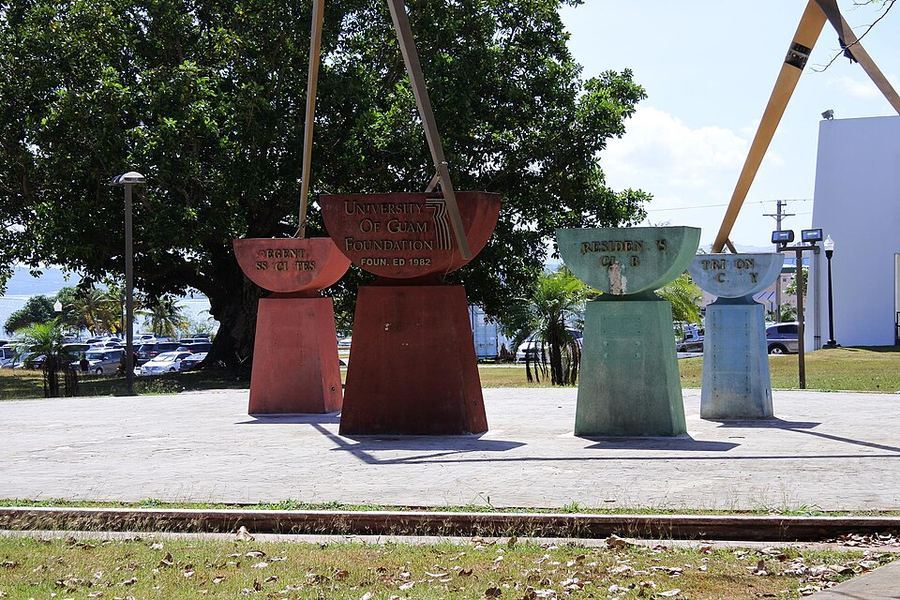
Guam runs a public school system under an elected education board, following an American structure and curriculum, with the Guam Department of Education serving the great majority of students and a substantial Catholic school sector alongside it. The dominant policy question is CHamoru language and culture instruction: after generations in which the language was actively discouraged in schools, the territory has mandated CHamoru language and culture teaching, established the Kumisión i Fino' CHamoru yan i Fina'nå'guen i Historia yan i Lina'la' i Taotao Tåno' to standardise orthography and promote the language, and opened immersion programmes, though intergenerational transmission remains fragile and most fluent speakers are older. Higher education centres on the University of Guam in Mangilao, a land-grant institution founded in 1952 that serves the whole of Micronesia and hosts a well-regarded Marine Laboratory and a Micronesian Area Research Center, and on Guam Community College, which delivers technical and vocational training tied to construction, hospitality and the military buildup. Students hold United States citizenship and are eligible for federal financial aid, and many go to mainland or Hawaii institutions; retaining graduates on-island is a persistent concern.

Wars & Conflicts

Guam is not the site of an armed conflict, but it is one of the most militarised places in the world and its security position is a live issue. The Japanese occupation from December 1941 to July 1944 involved forced labour, forced marches, internment at Manenggon, and the killing of CHamoru civilians; the United States Congress eventually passed a war claims act in 2016 providing compensation to survivors and their descendants, decades after mainland claimants were settled. Roughly a quarter to a third of the island is under federal control, and the relocation of Marines from Okinawa to the new Camp Blaz, activated in 2020, has intensified debate over land, water, cultural sites and the reef. Guam's forward position makes it a declared target in regional crises: North Korean statements in 2017 about firing missiles into waters near the island drew global attention, and the United States has stationed missile defence systems there. Environmental legacies — wartime ordnance, contamination at former dump sites, and the accidental introduction of the brown tree snake, which drove most of Guam's native forest birds to extinction — are treated locally as ongoing harms. The wider political grievance is the absence of a vote for president and of full congressional representation.
Current as of 2026-08-06

Land & Border Disputes

Guam has no territorial disputes: no other state claims the island, and its maritime boundaries in the western Pacific are not contested, with the nearest boundary questions handled by the United States on the territory's behalf. Its unresolved question is constitutional rather than territorial. Guam remains on the United Nations list of Non-Self-Governing Territories, meaning the UN still regards it as awaiting decolonisation, and the territory's own government has pursued a self-determination process weighing three options — statehood, free association and independence. That process has been blocked in the courts: Guam law restricted a status plebiscite to 'native inhabitants' as defined by reference to those made citizens by the 1950 Organic Act and their descendants, and in Davis v. Guam the federal courts held that this constituted a race-based voting restriction in violation of the Fifteenth Amendment, a ruling upheld on appeal in 2019 and left standing when the Supreme Court declined review. The territory therefore has an unresolved status question, an unimplemented plebiscite, and a continuing debate over who is entitled to decide. Federal land holdings and the return of excess military land to original landowning families are a related, long-running domestic dispute.
Land, Life & Legacy

Land & Climate

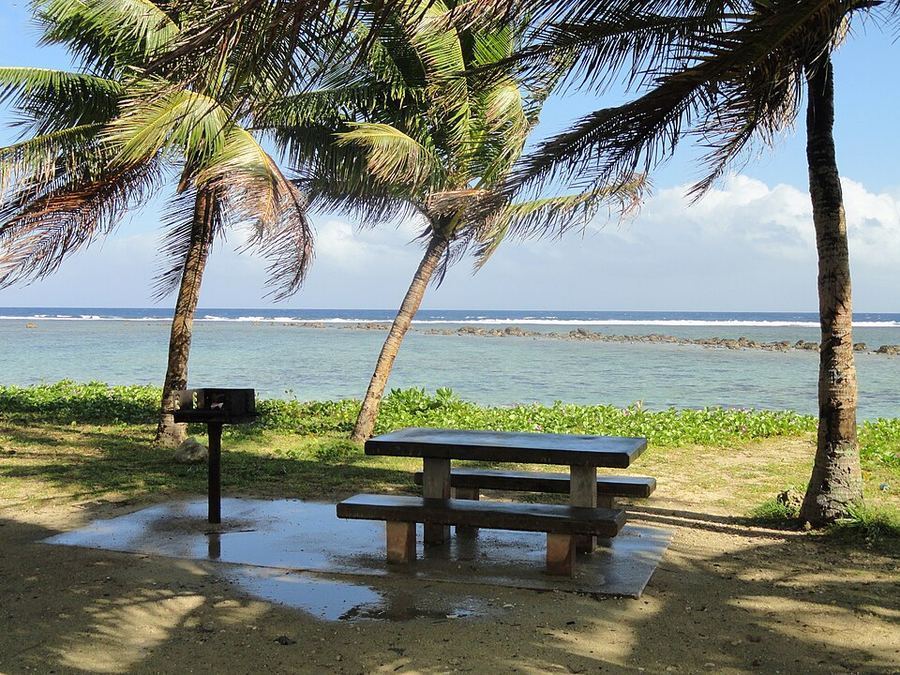
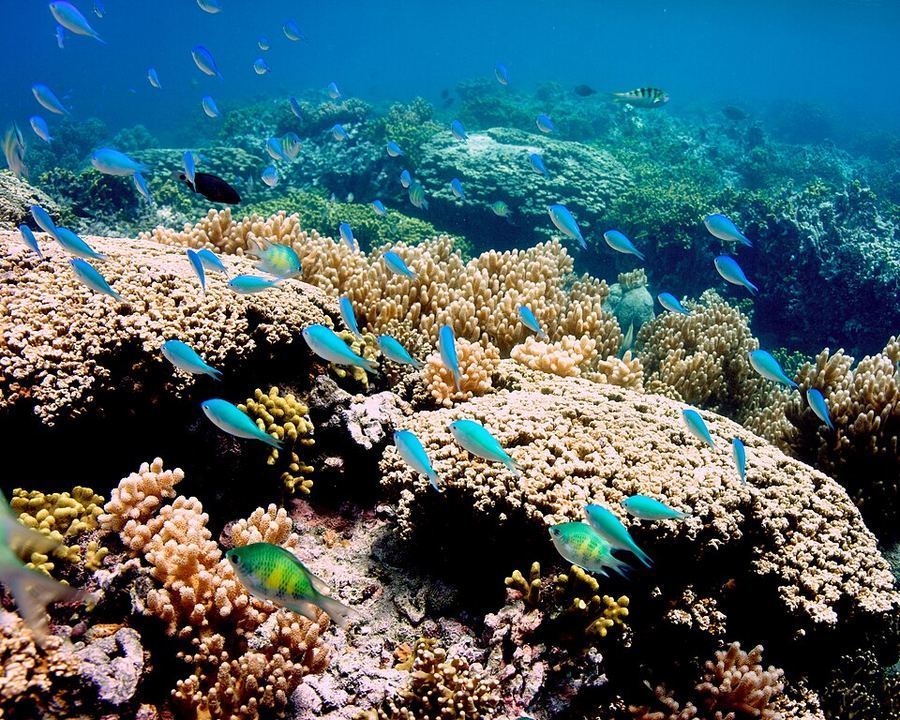
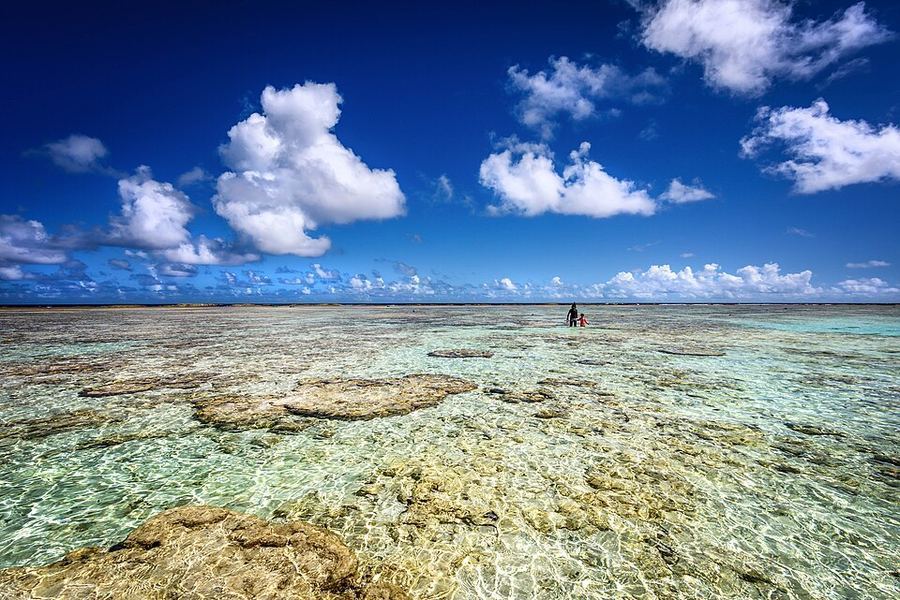
Guam is about 540 square kilometres, roughly 50 kilometres long and between 6 and 19 kilometres wide, and it is geologically two islands joined: a raised limestone plateau in the north, formed from an uplifted coral reef, and volcanic hills in the south rising to Mount Lamlam at about 406 metres. The northern limestone is porous, and rainfall percolates through it into an aquifer that supplies most of the island's fresh water; the volcanic south has rivers, red clay soils and the erosion scars that follow deforestation and fire. Fringing reefs surround most of the coast, and Tumon Bay is a marine preserve. Just to the east lies the Mariana Trench, the deepest place in the ocean, whose Challenger Deep reaches nearly 11,000 metres — which is why Mount Lamlam, measured from that base, is sometimes called the tallest mountain on earth. The climate is tropical marine, warm and humid year-round, with a drier season from roughly January to June and a wet season from July to December. Guam sits in the most typhoon-prone waters on the planet: Typhoon Pongsona in 2002 and Typhoon Mawar in May 2023 both caused severe island-wide damage, and typhoon-resistant concrete construction is standard.

Entertainment

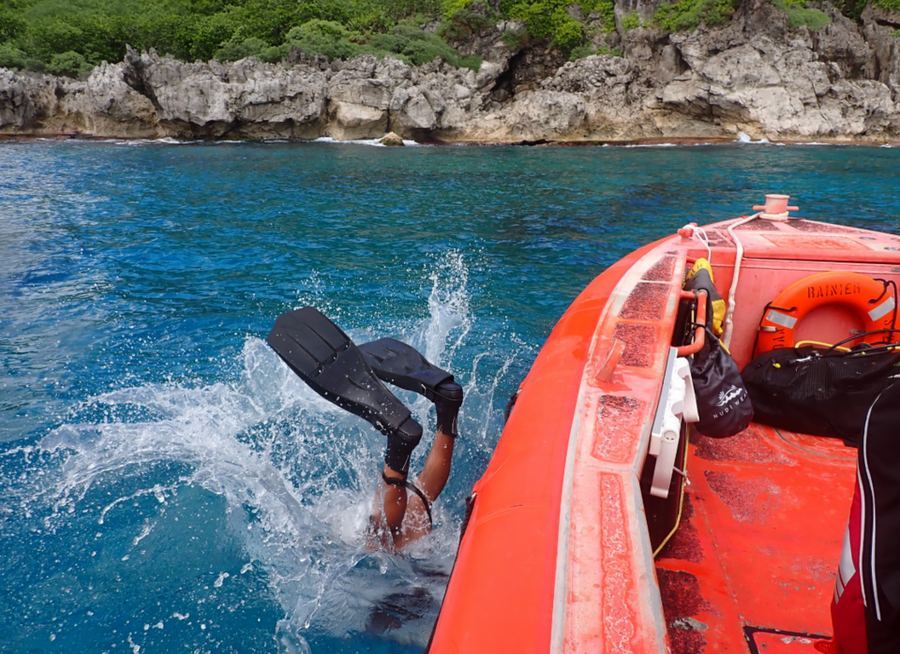
Life on Guam is lived outdoors and around the fiesta. Each of the nineteen villages holds an annual patron-saint fiesta at which families open their houses and cook for anyone who comes, and these — together with weddings, funerals and christenings — structure the social year far more than any commercial calendar. The beach and the reef are the default weekend: swimming, snorkelling, reef fishing, spearfishing and boat trips, with Tumon, Ypao and Gun Beach the most used, and diving on the wrecks in Apra Harbor, where a First World War German ship and a Second World War Japanese freighter lie close together, is a genuine world attraction. Boonie stomping — hiking the jungle trails of the southern hills to waterfalls, latte sites and remote beaches — is an organised weekend institution. Barbecue is a leisure activity in its own right. Sport is followed intensely, with basketball, baseball, softball, soccer and volleyball played at every level, and both Guam's own leagues and mainland American professional sports command attention. Shopping malls and the Tumon hotel strip serve as air-conditioned social space, and fiestas, village festivals and the Liberation Day carnival fill the rest.

Art & Museums

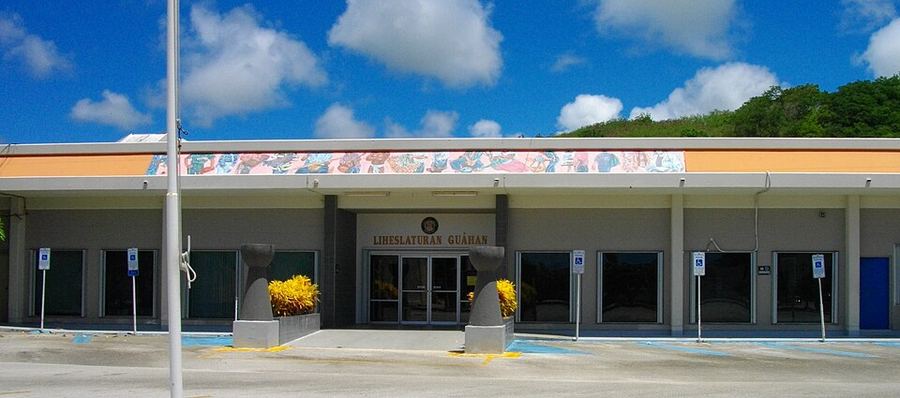
The island's most remarkable artistic and architectural achievement is prehistoric: the latte, pairs of parallel rows of shaped stone pillars called haligi topped by hemispherical capstones called tasa, quarried and raised to support houses and found nowhere in the world but the Marianas. The largest known quarry, at As Nieves in Rota, and the standing latte at the House of Taga and at Guam's own sites, remain the defining image of CHamoru antiquity, and the latte silhouette has become a ubiquitous emblem on everything from public buildings to tattoos. Other traditional arts include shell working — the sinahi crescent ground from giant clam shell and spondylus beadwork — carving in ifil wood, and the weaving of pandanus and coconut leaf. Spanish rule introduced Catholic religious imagery and the santos figures kept in family homes. The cultural revival since the 1980s has driven a resurgence of carving, tattooing based on reconstructed Marianas motifs, and canoe building. Contemporary CHamoru art, much of it explicitly political and concerned with land, militarisation and decolonisation, is shown at the Guam Museum in Hagåtña, which opened in 2016, and Guam's hosting of the Festival of Pacific Arts that year was a landmark for the island's artists.

Notable People

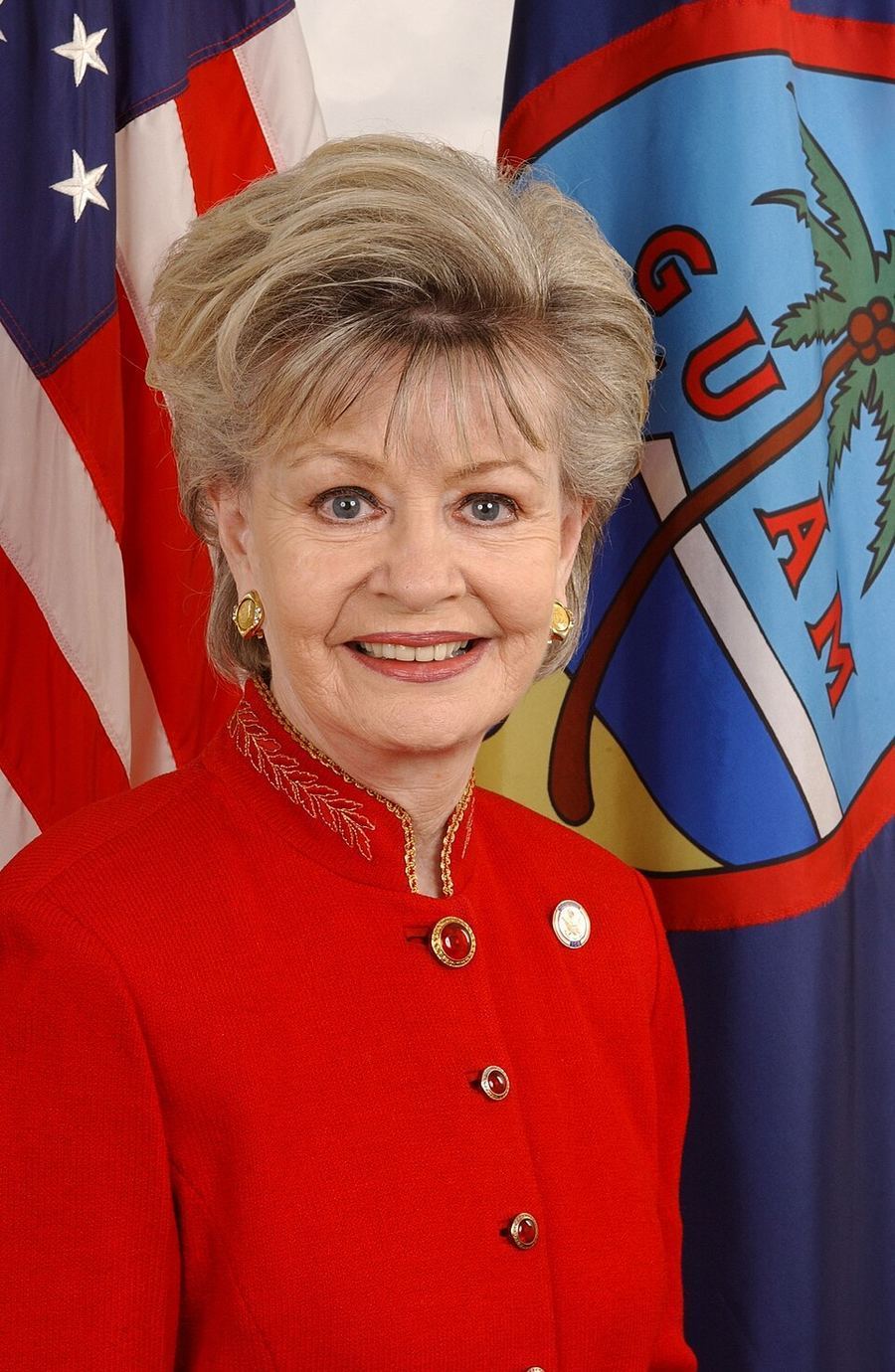
Guam's public figures are shaped by the territory's political situation. Ben Blaz, a CHamoru who survived the Japanese occupation as a boy, rose to brigadier general in the United States Marine Corps and then served as Guam's delegate to Congress; the new Marine Corps installation on the island, Camp Blaz, is named for him. Ricardo Bordallo served as governor and Madeleine Bordallo served as Guam's delegate to Congress for sixteen years, one of the longest tenures in the territory's history. Robert Underwood served as delegate before becoming president of the University of Guam and is a leading voice in the CHamoru language and self-determination movements. Angel Santos was a prominent activist for CHamoru land rights and self-determination. Lourdes Leon Guerrero became Guam's first woman governor. Father Jesús Baza Dueñas, executed by Japanese forces in 1944 for refusing to reveal the whereabouts of an American serviceman hidden on the island, and George Tweed, the sailor he protected, are central figures of the occupation story. In sport, Guam-raised fighters have competed in the UFC, and Guamanian athletes have represented the territory at the Olympic Games under its own flag since the 1980s.

Inventions & Breakthroughs

The Marianas produced two technologies of genuine significance. The first is the latte: quarrying, shaping and raising multi-tonne limestone pillars with capstones to lift houses above the ground, a structural solution unique to these islands and unmatched elsewhere in Micronesia. The second is the sakman, the CHamoru outrigger sailing canoe that Spanish and later European sailors called the flying proa. Its hull is asymmetric — flat on the leeward side, curved on the windward — so that it generates lift against leeway, and it is shunted rather than tacked, the sail moved end to end so that bow and stern exchange roles and the outrigger always stays to windward. European accounts consistently described these craft as the fastest sailing vessels they had encountered, and the design directly influenced the development of modern proas and multihull sailing. The knowledge was nearly lost under colonial rule and has been reconstructed since the 1990s by CHamoru canoe-building and seafaring organisations, which now build and sail sakman again. Supporting technologies include star-path and swell navigation shared with the wider Micronesian voyaging tradition, and the processing of cycad and other toxic plants into safe food.

Science & Technology

Guam's scientific significance comes from its position. It sits beside the Mariana Trench, the deepest place on earth, whose Challenger Deep has been the target of the most technically demanding crewed and robotic deep-ocean expeditions ever mounted, and the Mariana Trench Marine National Monument protects a large area of trench, seamounts and volcanic vents including hydrothermal systems studied for extremophile biology. The University of Guam Marine Laboratory conducts coral reef research of regional importance, including on bleaching, crown-of-thorns outbreaks and reef restoration. Terrestrial ecology on Guam is a globally cited case study for a grim reason: the brown tree snake, accidentally introduced after the Second World War, eliminated almost all of the island's native forest birds, and the resulting cascade — the loss of seed dispersal and pollination and a documented explosion in spider populations — has become a textbook demonstration of what happens when an invasive predator removes an entire guild, alongside an intensive control programme. Guam is also a critical node of global telecommunications, where many transpacific submarine fibre-optic cables land, and it hosts weather and typhoon forecasting operations, satellite tracking and substantial military technical infrastructure.
ScienceNatureCIA World Factbook
On The World Stage

Champions & Defining Moments

Guam competes internationally in its own right rather than as part of the United States. It has had a National Olympic Committee recognised since the mid-1980s and has sent athletes to every Summer Games since, in athletics, swimming, judo, wrestling and shooting, without yet winning a medal. In football it is a full FIFA and Asian Football Confederation member, and its 2015 World Cup qualifying wins over Turkmenistan and India — a team from an island of 170,000 beating nations of tens and hundreds of millions — produced one of the great stories of that campaign. Guam is a leading force in the Pacific Games and the Micronesian Games, having hosted the South Pacific Games in 1975 and 1999, and it competes in the Pacific Mini Games. The island hosted the Festival of Pacific Arts in 2016, the region's largest cultural gathering. Guam also takes part in Asian Football Confederation youth competition and in regional basketball and baseball tournaments, where its teams are competitive against much larger Pacific and Asian nations, and outrigger paddling crews compete across Micronesia and Hawaii.

IOCFIFAOlympedia
Economy, Trade & Government

Currency & GDP

US Dollar — USD ($)

Per capita: $35,600 (2016 est.)

Exports

$545 million (2022 est.)

scrap iron, scrap copper, trunks and cases (2023)

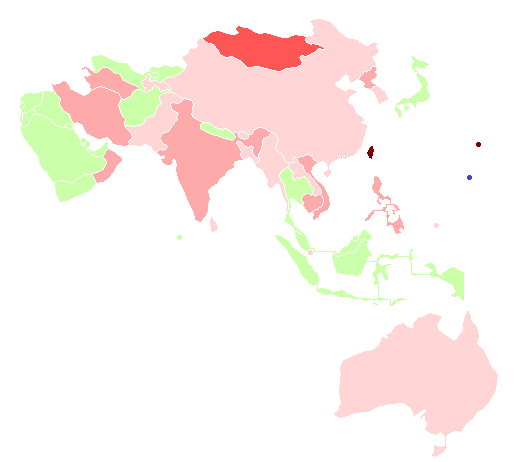
Partners: Taiwan 42%, Hong Kong 12%, Philippines 11%, Italy 8%, Australia 6% (2023)

Imports

$4.421 billion (2022 est.)

refined petroleum, cars, trunks and cases, gas turbines, flavored water (2023)

Partners: Singapore 52%, Japan 15%, Malaysia 6%, Taiwan 4%, Greece 4% (2023)

Government

Type: unincorporated organized territory of the US with local self-government; republican form of territorial government with separate executive, legislative, and judicial branches

Independence: none (territory of the US)

Terrain → Where People Live

How mountains, coasts, and rivers shape settlement (LandScan).

Coming — data

Migration & Ethnic Settlement

Where groups settled and how people move (GeoEPR + UNHCR).

Coming — data

Universities

Notable institutions, mappable as points.

Coming — data
Economy & government facts: CIA World Factbook (public domain), via OpenFactBook / factbook.json.
Every fact and narrative claim will carry a visible source citation. Data-driven sections light up automatically wherever HERA has coverage.