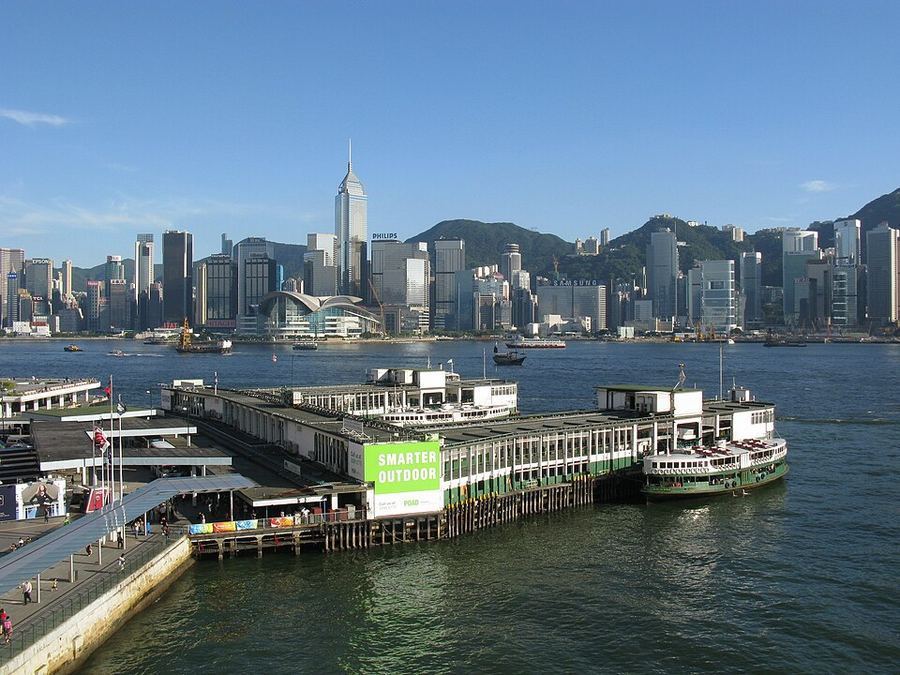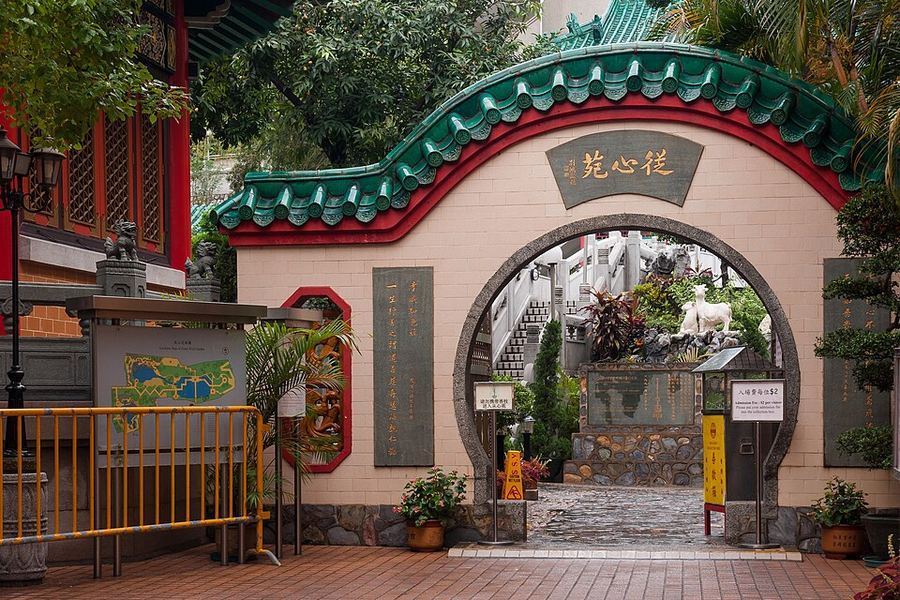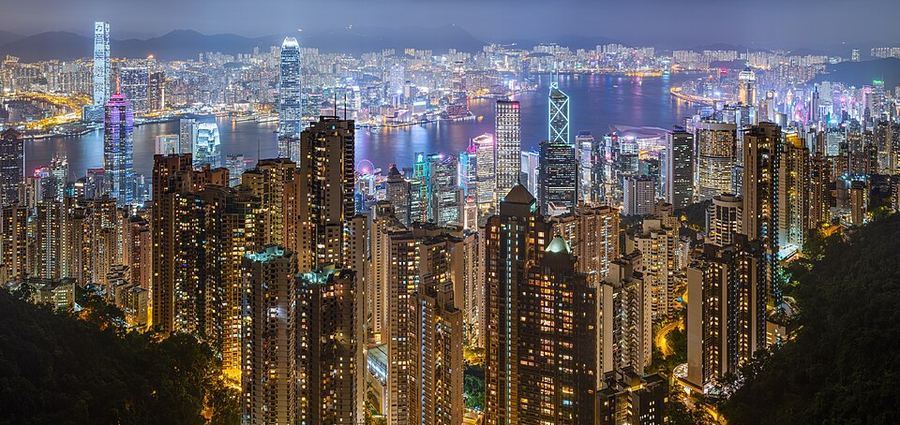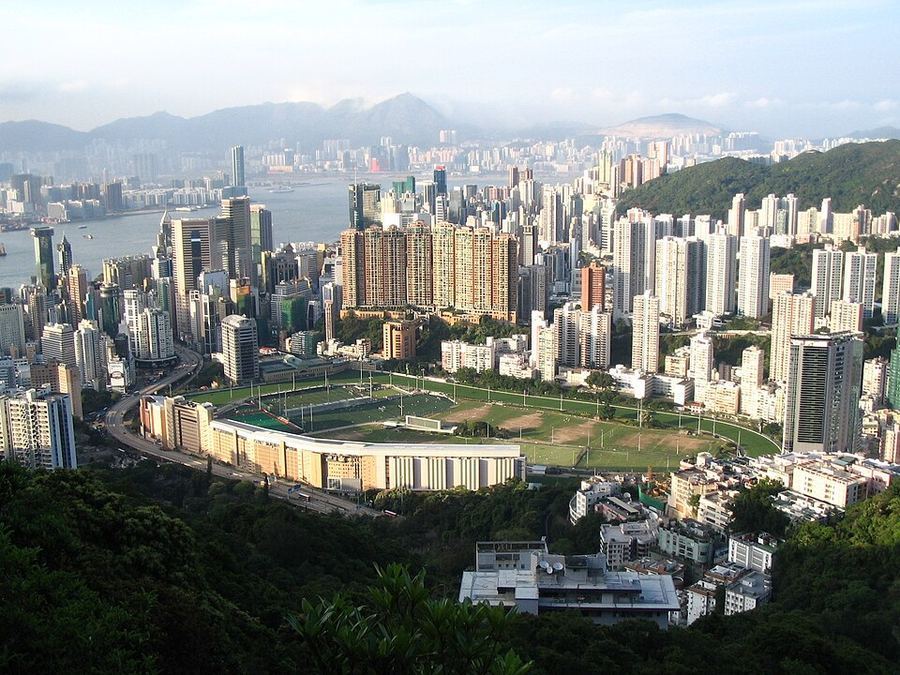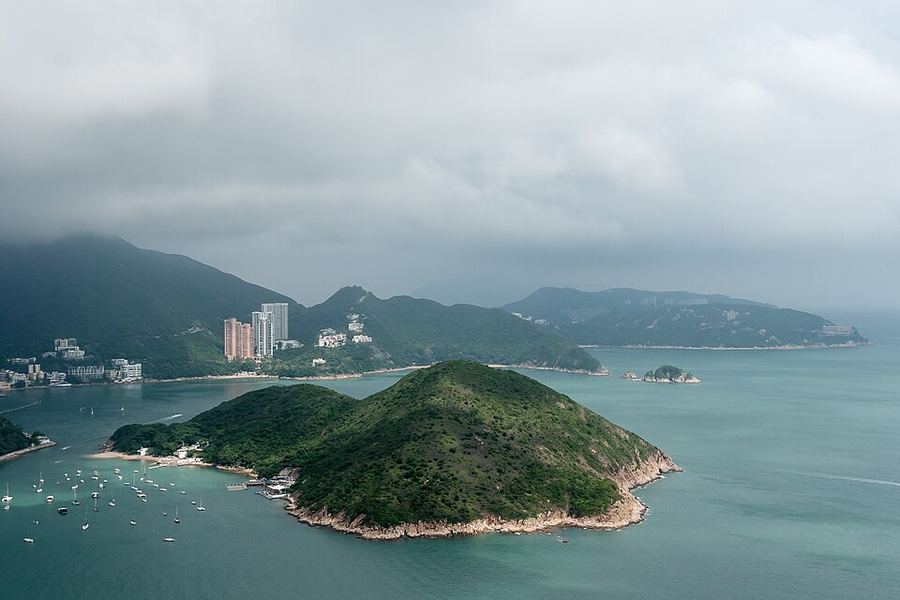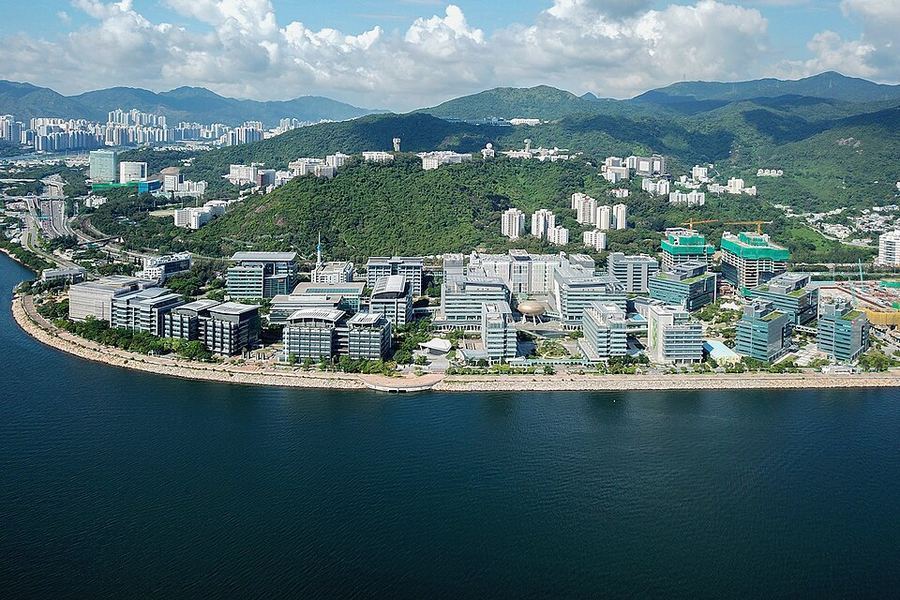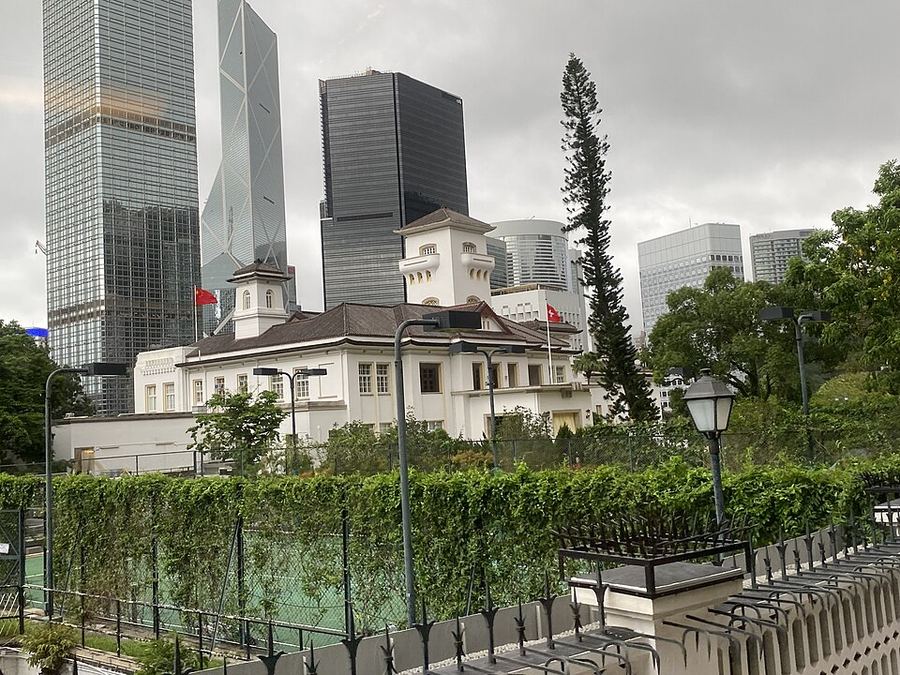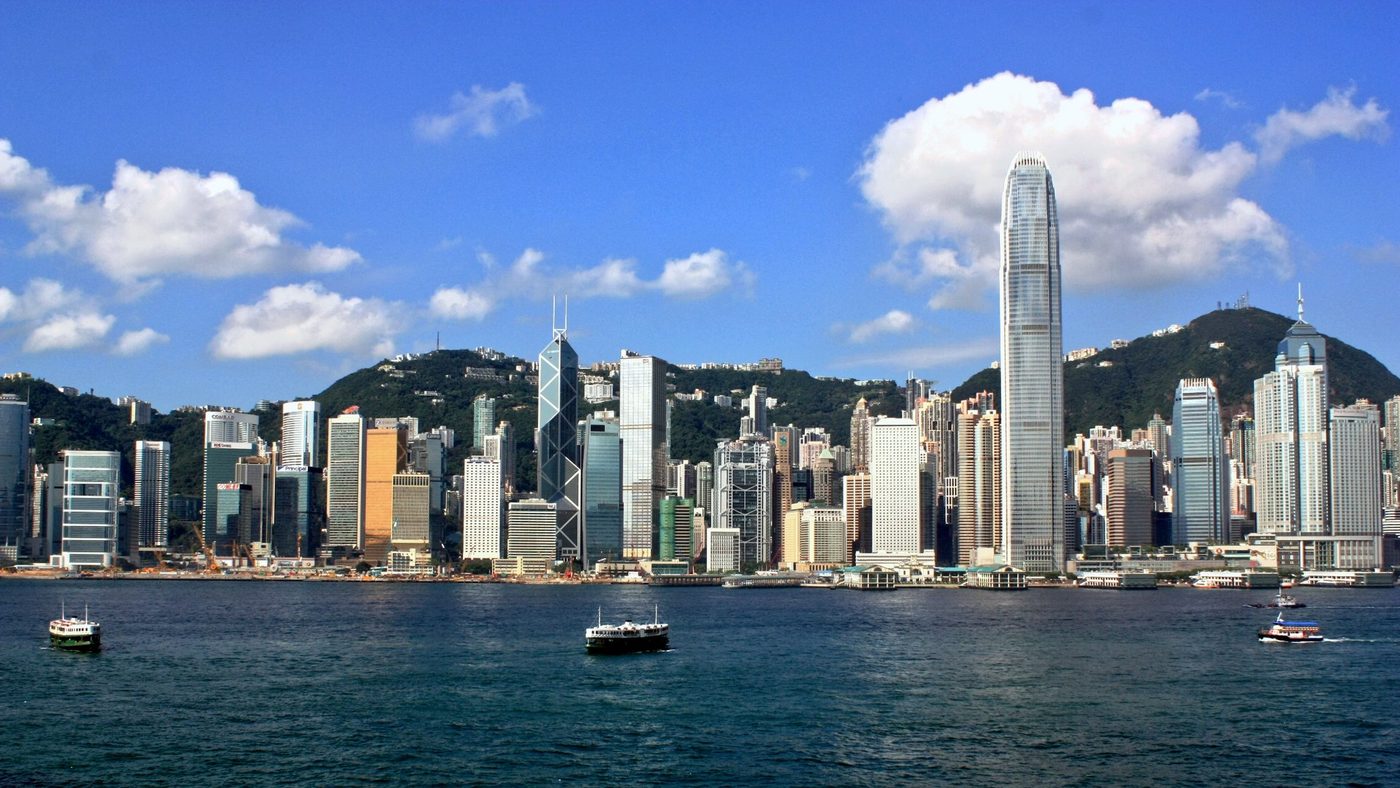
Hong Kong is a special administrative region of the People's Republic of China, a territory of about 7.3 million people packed onto roughly 1,100 square kilometres of mountainous coast and islands at the mouth of the Pearl River. It was a British possession from 1842 until 1 July 1997, and returned to Chinese sovereignty under the formula of one country, two systems, which promised the territory its own legal system, currency and way of life for fifty years. Cantonese is the mother tongue of 85.4% of residents, with English and Putonghua also official; the population is 91.6% Chinese, with Filipino and Indonesian communities that reflect a large domestic-worker workforce. Its religious profile is unusual in that a majority record no religion or an unlisted one, while Buddhist or Taoist practice accounts for 27.9%. Hong Kong is one of the world's principal financial centres and an entrepôt of extraordinary scale — exports were valued at about $740 billion in 2024, roughly matching imports, because most goods pass through rather than originate here. GDP per capita on a purchasing-power basis is around $66,200, life expectancy is among the highest anywhere, and at 47.6 years the median age is among the oldest. Since 2020 its politics have been reshaped by a national security law imposed from Beijing.
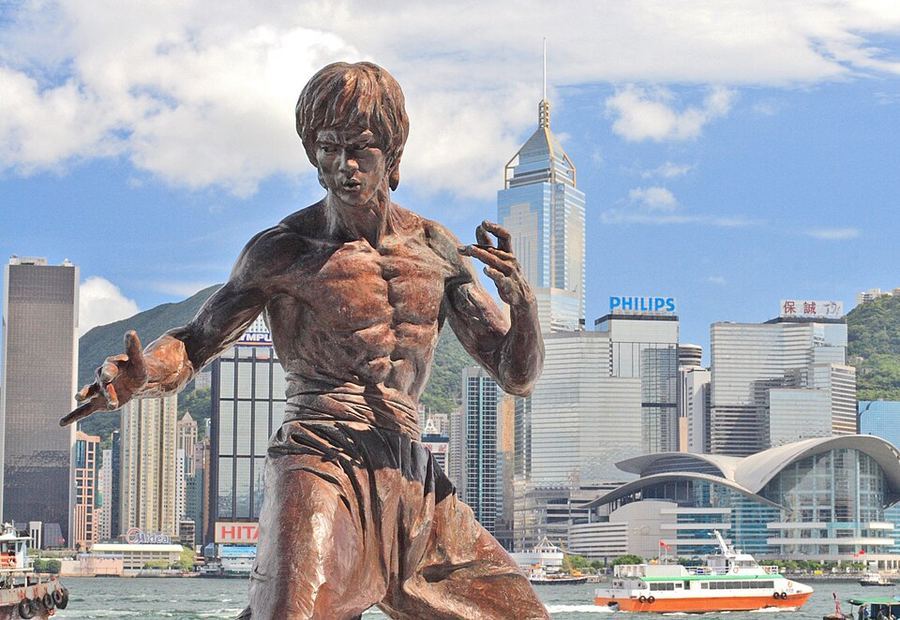
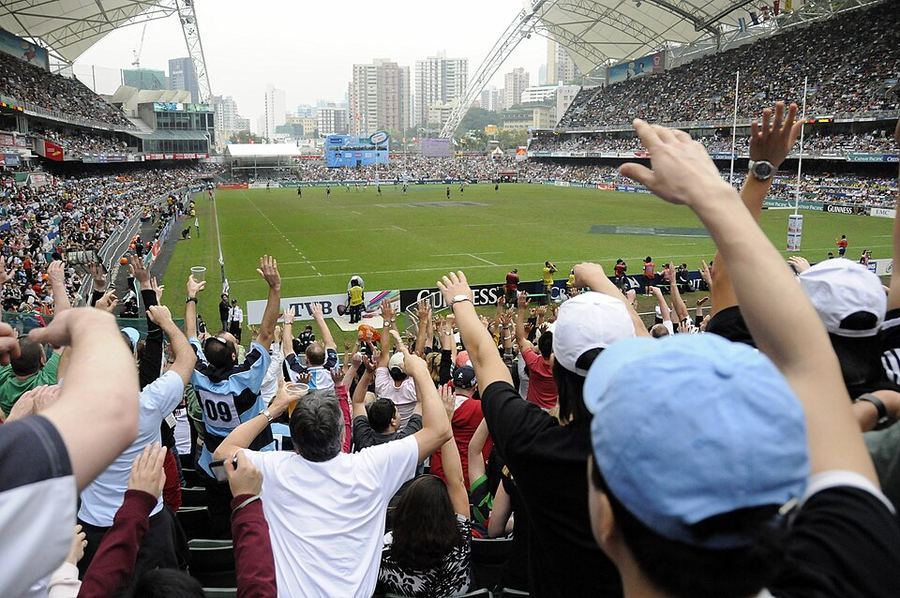
Hong Kong competes internationally in its own right, entering the Olympic Games and FIFA competitions as Hong Kong, China, a separate status preserved after 1997. Its Olympic record is small in volume and remarkable in concentration. Lee Lai-shan won the territory's first gold in windsurfing at Atlanta in 1996, competing under the colonial flag a year before the handover. The fencer Cheung Ka-long then took the men's individual foil title at Tokyo in 2021 and defended it at Paris in 2024, a rare back-to-back Olympic championship for any small territory. The swimmer Siobhán Haughey has medalled at consecutive Games, and the track cyclist Sarah Lee Wai-sze has done the same. Beyond its own athletes, Hong Kong's global sporting presence rests on events and institutions: the Hong Kong Sevens is one of the most recognisable fixtures in world rugby, and the Hong Kong International Races each December bring leading horses from Europe, Japan and Australia to Sha Tin, in a racing jurisdiction whose betting turnover is among the largest anywhere. The city's martial arts cinema did more than any sports federation to carry Chinese combat traditions into global popular culture.
Hong Kong Dollar — HKD ($)
GDP (PPP): $497.88 billion (2024 est.)
Per capita: $66,200 (2024 est.)
$739.915 billion (2024 est.)
gold, integrated circuits, gas turbines, broadcasting equipment, jewelry (2023)
Partners: China 22%, Vietnam 12%, S. Korea 8%, Netherlands 5%, Switzerland 4% (2023)
$723.397 billion (2024 est.)
integrated circuits, broadcasting equipment, gold, machine parts, jewelry (2023)
Partners: China 40%, Taiwan 10%, Singapore 7%, Japan 5%, S. Korea 4% (2023)
Type: presidential limited democracy; a special administrative region of the People's Republic of China
Independence: none (special administrative region of China)
How mountains, coasts, and rivers shape settlement (LandScan).
Coming — dataWhere groups settled and how people move (GeoEPR + UNHCR).
Coming — dataNotable institutions, mappable as points.
Coming — data