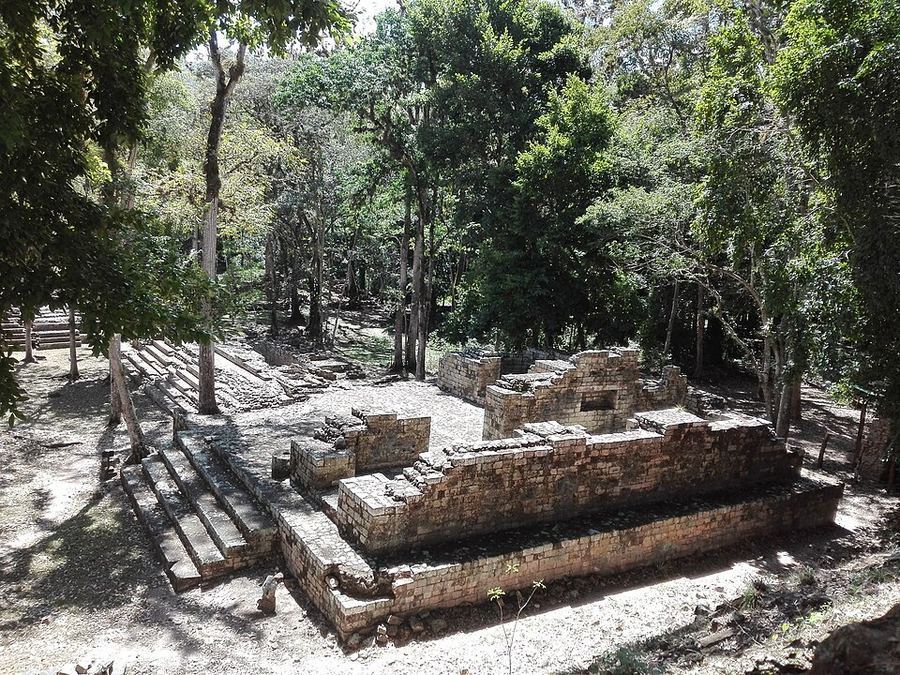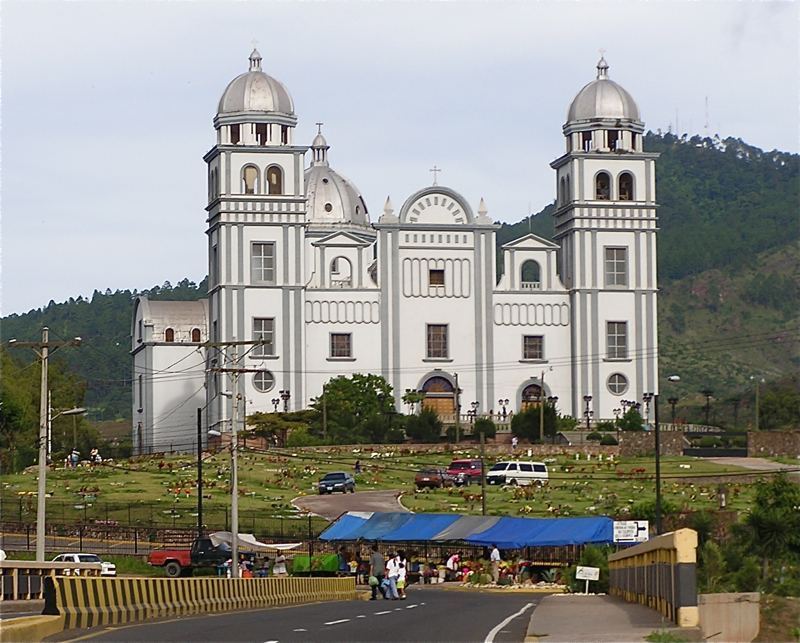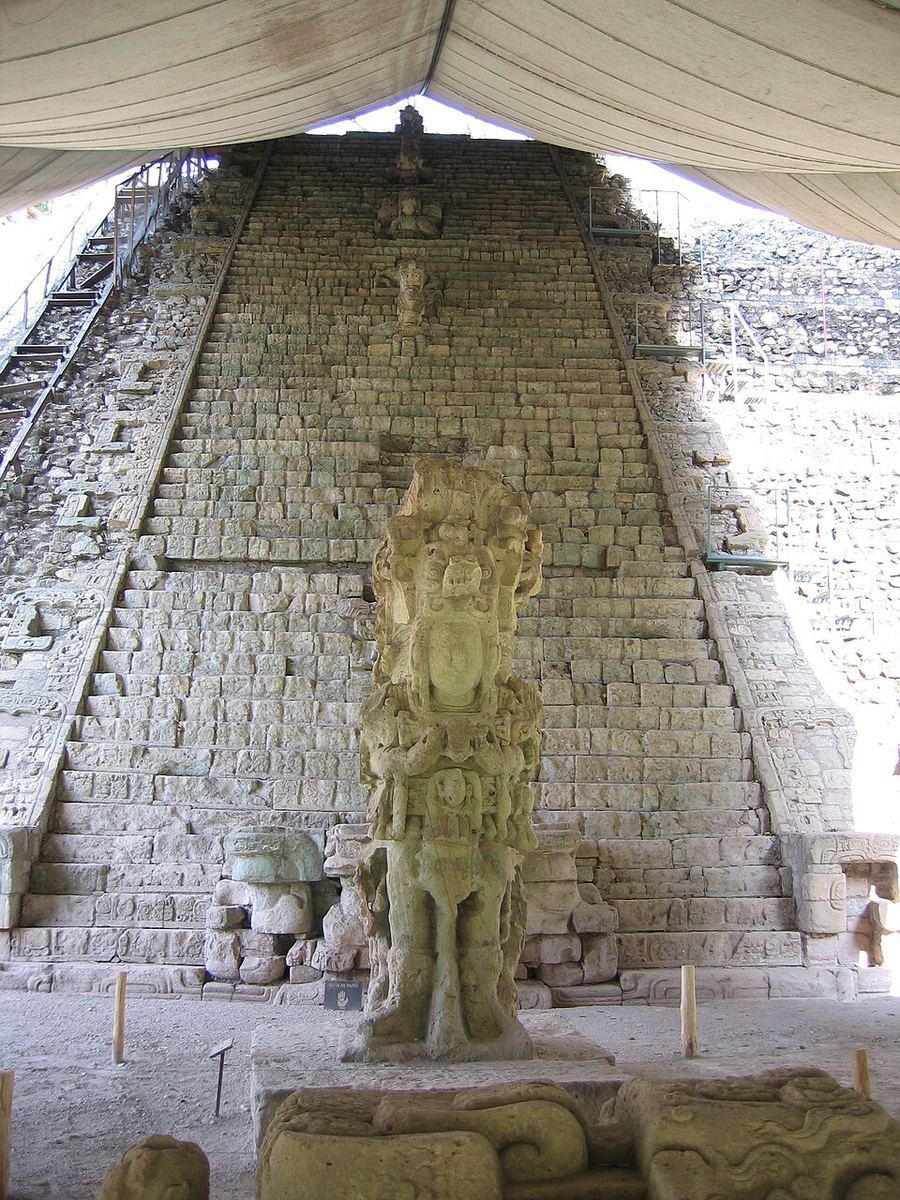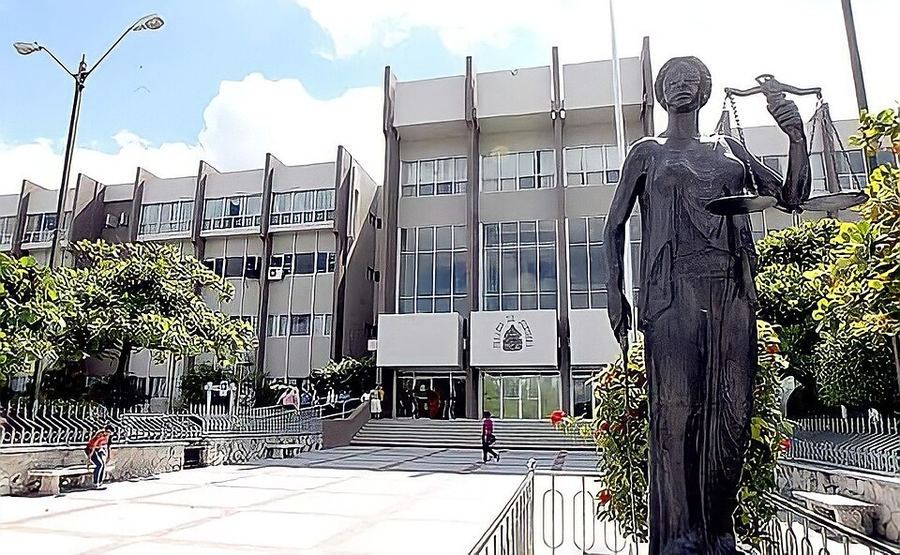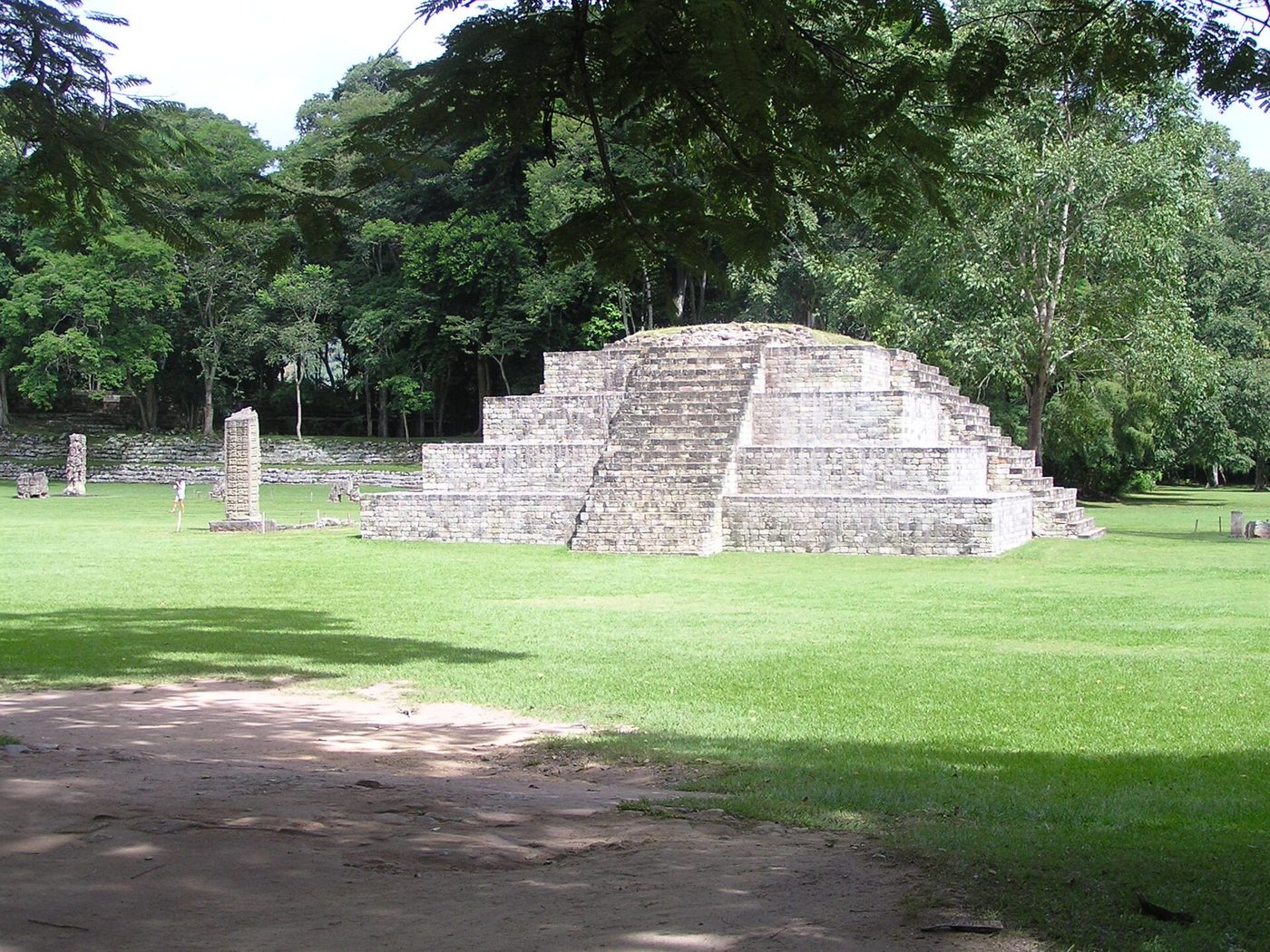
Honduras is a presidential republic of roughly 9.5 million people occupying the wide middle of Central America, with a long Caribbean coastline, a short Pacific frontage on the Gulf of Fonseca, and a mountainous interior that covers most of its territory. The capital, Tegucigalpa, began as a sixteenth-century silver-mining settlement in a bowl of hills, while San Pedro Sula in the northern valley is the industrial and commercial centre. The population is overwhelmingly mestizo at about 90%, with Indigenous peoples — Lenca, Miskito, Ch'orti', Tolupan, Pech and Tawahka — making up around 7% and Afro-descendant communities, principally the Garifuna of the Caribbean shore, about 2%. Religiously the country has undergone one of Latin America's sharpest transformations: Evangelical Protestants are now 55% of the population against 33.4% Roman Catholic. It is a lower-middle-income economy with GDP per capita of about $6,600 on a purchasing-power basis, exporting garments, coffee, insulated wire, palm oil and shellfish, and sending nearly half of it to the United States, where a very large diaspora sends back remittances that are among the world's highest as a share of national income. Honduras holds the Maya city of Copán, the largest surviving wilderness in Central America, and a homicide problem that a decade ago was the worst on earth.
Tegucigalpa's urban core is home to about 1,653,509 people.
That's bigger than Amsterdam — each a great world city in its own right.
Among the world's megacities, though, it's one of many — the giants of Asia and Latin America run larger still:
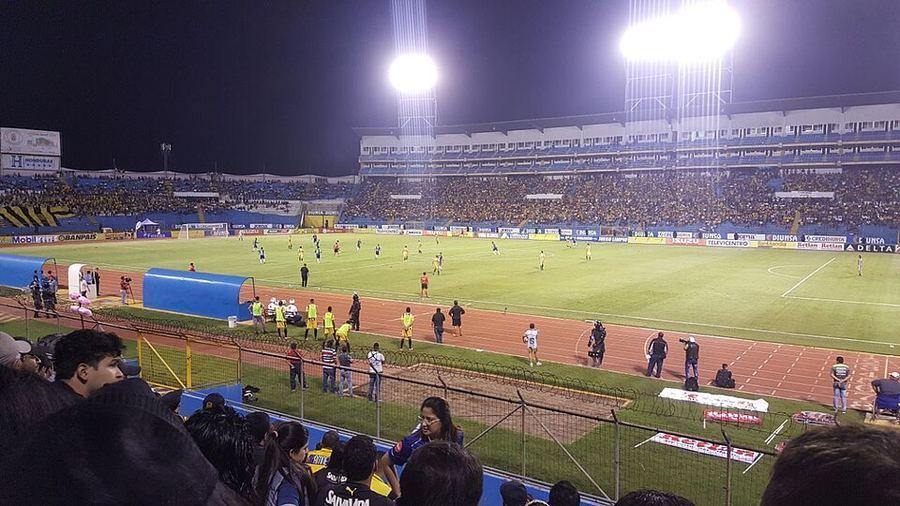
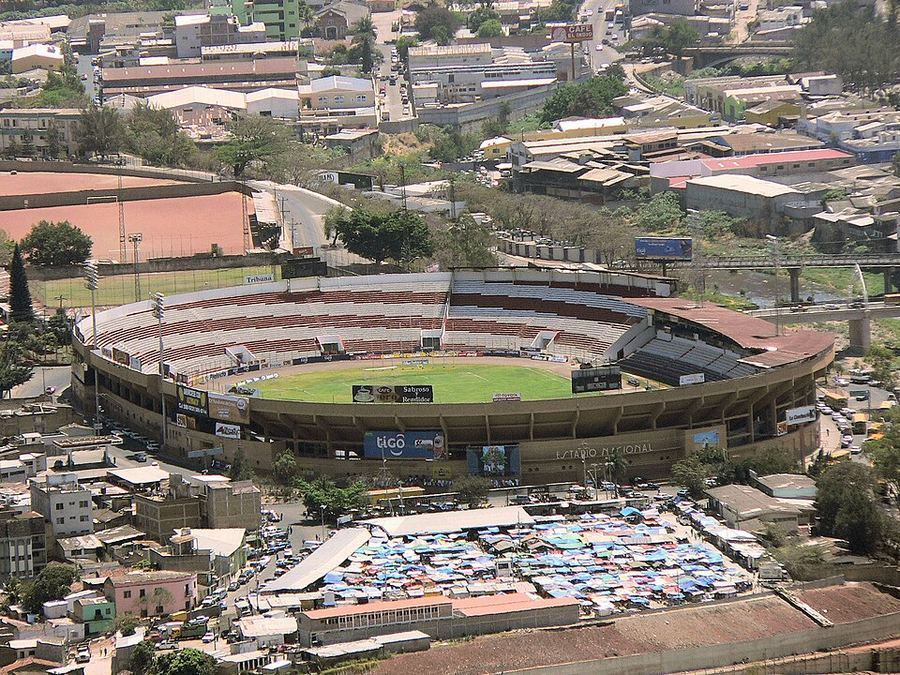
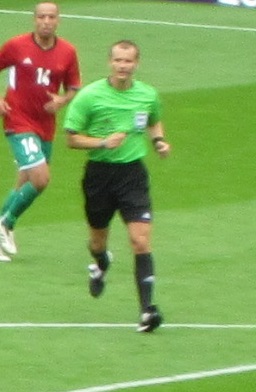
Honduras is known internationally through football and almost nothing else. Its three World Cup appearances — 1982, 2010 and 2014 — put a country of fewer than ten million people on the game's largest stage, and the 1982 draw against hosts Spain in Valencia is still recounted in detail at home. The 2001 Copa América remains the high-water mark: invited at short notice to replace a withdrawing team, Honduras beat Brazil in the quarter-finals and finished third overall. At the Olympic Games the football team's fourth place at Rio in 2016 is the country's best result in any sport, and Honduras has yet to win an Olympic medal of any colour across its participation. Individual players have carried the flag furthest: David Suazo scored prolifically in Italy's Serie A for Cagliari before moving to Inter Milan; Wilson Palacios played in the English Premier League for Wigan, Tottenham and Stoke; Maynor Figueroa was part of Wigan Athletic's FA Cup-winning side in 2013; and Andy Najar became a fixture in Major League Soccer and then in Belgium. The 1969 conflict with El Salvador is still widely and misleadingly remembered abroad as the Football War, though the fighting had deeper causes.
Lempira — HNL (L)
GDP (PPP): $71.297 billion (2024 est.)
Per capita: $6,600 (2024 est.)
$9.352 billion (2024 est.)
garments, coffee, insulated wire, palm oil, shellfish (2023)
Partners: USA 49%, Nicaragua 8%, El Salvador 7%, Guatemala 5%, Mexico 5% (2023)
$18.235 billion (2024 est.)
refined petroleum, cotton yarn, garments, trucks, packaged medicine (2023)
Partners: USA 36%, China 14%, Guatemala 8%, Mexico 6%, El Salvador 6% (2023)
Type: presidential republic
Independence: 15 September 1821 (from Spain)
How mountains, coasts, and rivers shape settlement (LandScan).
Coming — dataWhere groups settled and how people move (GeoEPR + UNHCR).
Coming — dataNotable institutions, mappable as points.
Coming — data