HERA · Human Entity Reference Atlas by Masego Inc

← Croatia 🌐 3D View
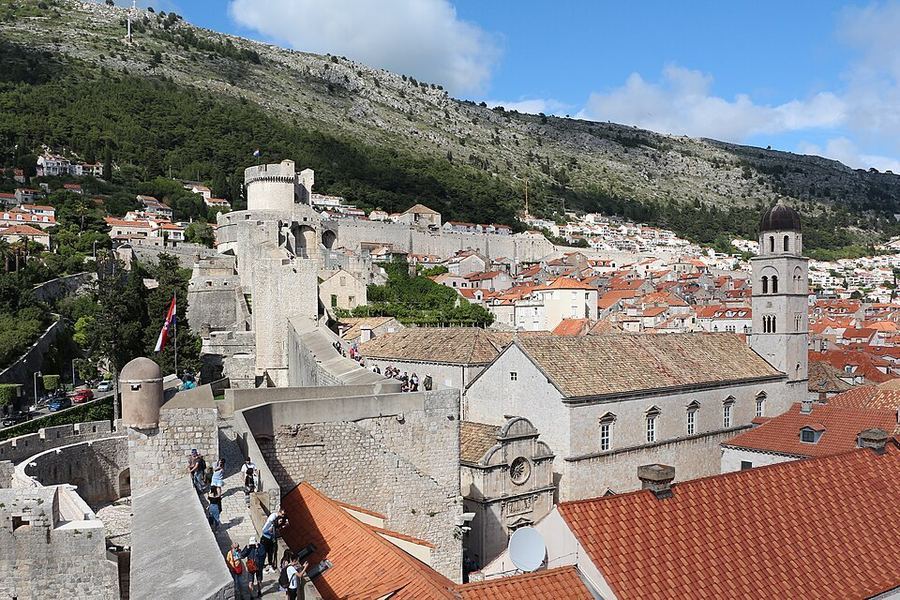
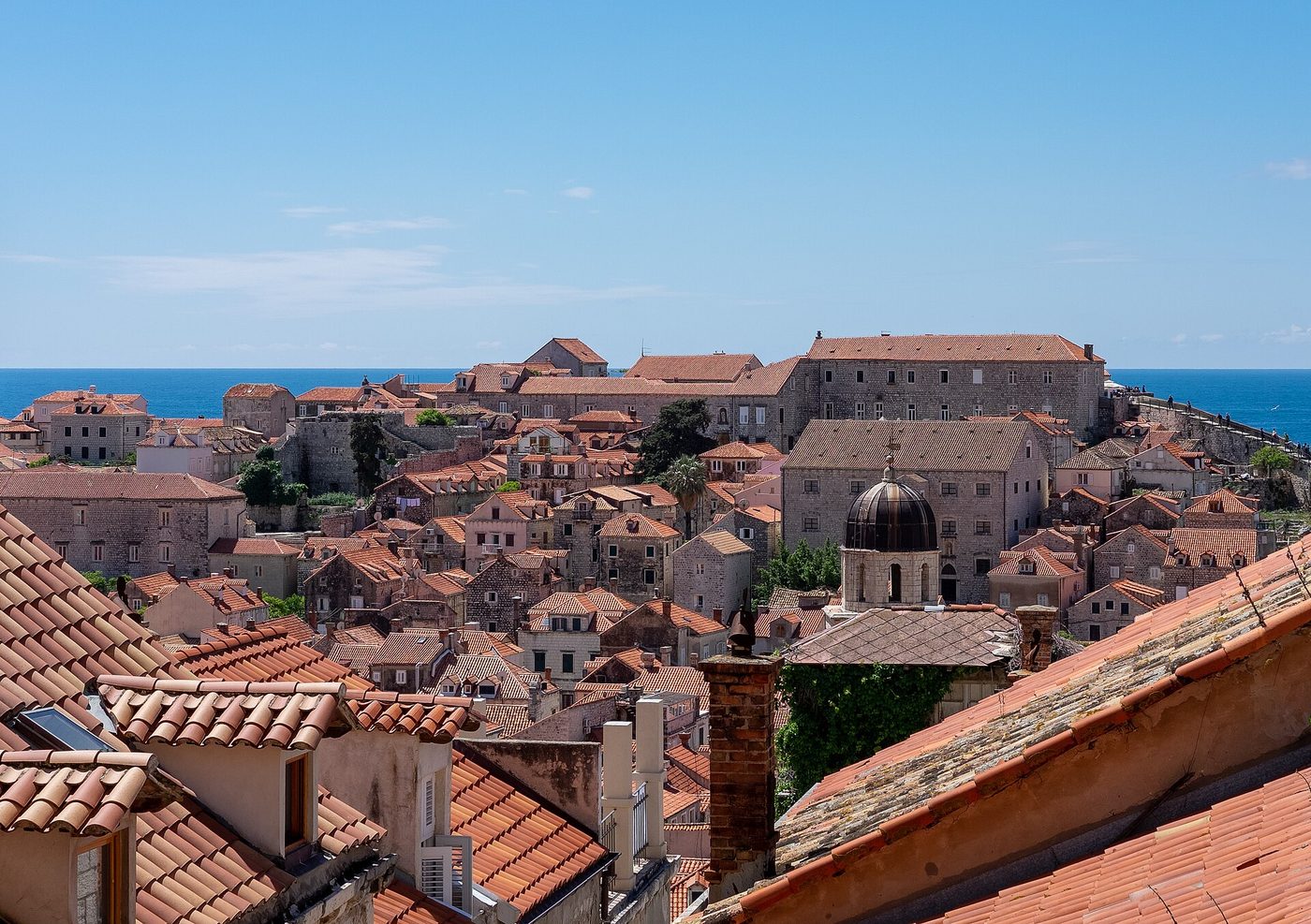
Dubrovnik old town, Croatia
Croatia HRV
Dubrovnik old town — Photo: Jules Verne Times Two / CC BY 4.0 via Wikimedia Commons
Did You Know With a population of roughly four million, Croatia reached the 2018 World Cup final and finished third in both 1998 and 2022. — FIFA

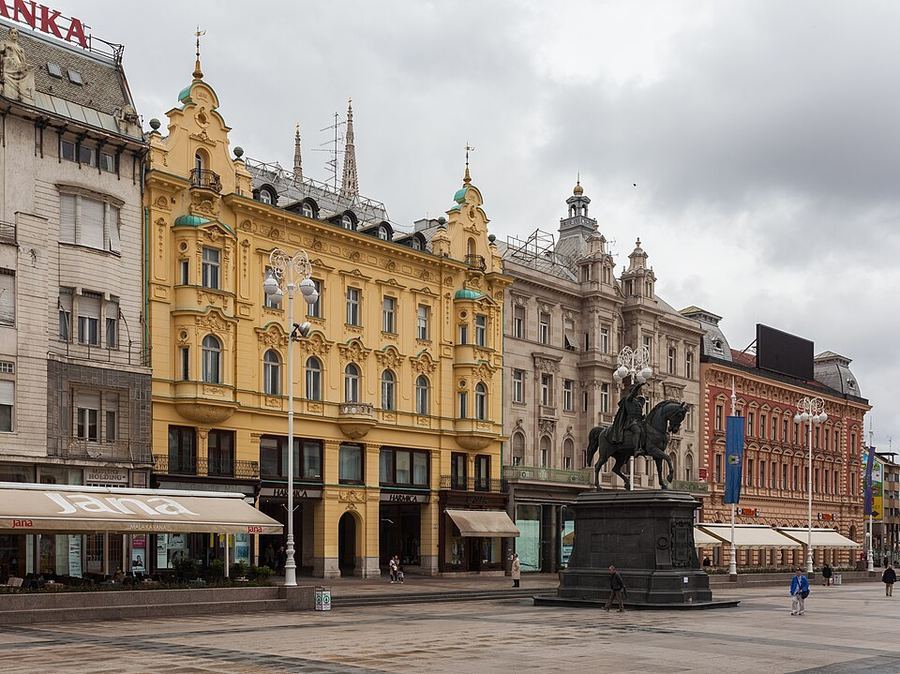
Croatia is a parliamentary republic of about 4.1 million people wrapped in a crescent around Bosnia and Herzegovina, with one arm reaching along the Pannonian plain toward the Danube and the other running down the eastern Adriatic through more than a thousand islands. Zagreb, the capital, is a Habsburg city of nineteenth-century apartment blocks and coffee houses; Split and Dubrovnik on the coast are Mediterranean towns built inside Roman and Venetian stone. The population is 91.6% Croat with a Serb minority of 3.2%, the language is Croatian, and 79% of citizens are Roman Catholic, an identity sharpened by centuries on the frontier between Catholic Central Europe, Orthodox Southeast Europe and the Ottoman world. Independence from Yugoslavia was declared on 25 June 1991 and secured through four years of war; the country joined NATO in 2009, became the European Union's twenty-eighth member state on 1 July 2013, and adopted the euro and entered the Schengen area together on 1 January 2023. GDP per capita is about $42,600 on a purchasing-power basis, exports run to ships, pharmaceuticals, electricity and timber, and tourism along the Adriatic accounts for an unusually large share of national income. The median age of 44.9 years and sustained emigration make demographic decline the central domestic worry.

CIA World FactbookEncyclopaedia Britannica
Population
4,071,208
Capital
Zagreb
Currency
€ EUR
Time zones
Largest city
Zagreb
Human Geography Themes
Loading national figures…
Largest Cities
Zagreb669,455
Split218,042
Rijeka117,554
Osijek69,144
Zadar68,048
In Perspective

Zagreb's urban core is home to about 669,455 people.

Among the world's megacities, though, it's one of many — the giants of Asia and Latin America run larger still:

Zagreb669,455
Jakarta40,545,126
Dhaka37,307,160
Tokyo33,244,670
Shanghai30,678,616
Cairo25,230,325
The Country & Its People

History

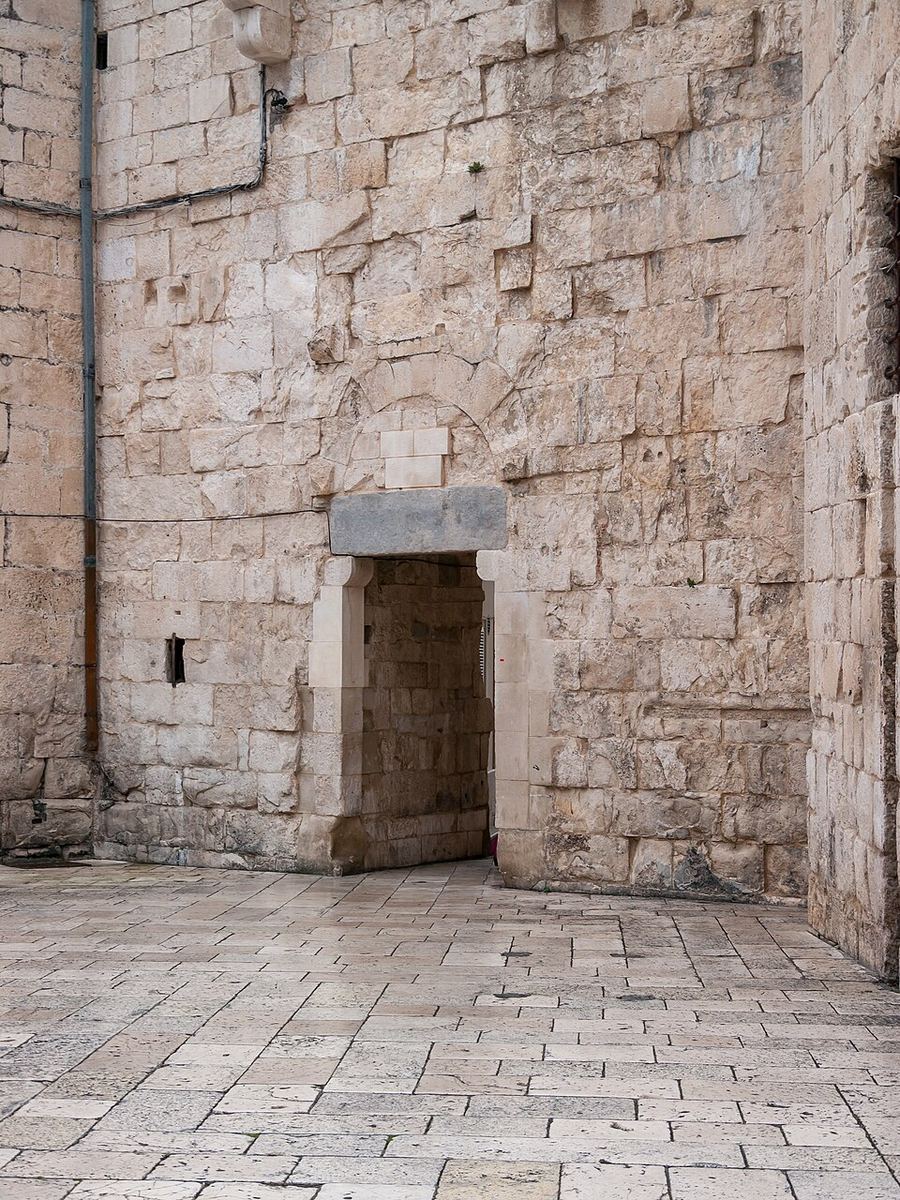
The coast was Roman before it was anything else, and the emperor Diocletian retired around 305 to a fortified palace at Split whose walls still contain the city's old town. Croats settled the region from the seventh century; Pope John VIII recognised Duke Branimir in 879, and Tomislav is traditionally held to have been crowned king around 925. In 1102 the crown passed into personal union with Hungary, and after the Ottoman victory at Mohács the Croatian nobility elected a Habsburg king in 1527, beginning four centuries of rule from Vienna. To hold the Ottoman frontier the Habsburgs created the Military Frontier and settled it partly with Orthodox refugees, the origin of the Serb population later concentrated in the Krajina. Along the coast Venice ruled most of Dalmatia while Dubrovnik survived as the independent maritime Republic of Ragusa until Napoleon extinguished it in 1808. Croatia entered the Kingdom of Serbs, Croats and Slovenes on 1 December 1918. During the Second World War the Axis installed the Ustaša regime of the Independent State of Croatia, which carried out genocide against Serbs, Jews and Roma, most infamously at the Jasenovac camp, while the Partisan resistance under the Croatian-born Tito grew into the force that founded socialist Yugoslavia. Multiparty elections in 1990 were followed by the declaration of independence on 25 June 1991.
Culture

Croatian culture is Catholic in its calendar, Central European in its manners and Mediterranean in its afternoons, and its most reliable feature is regionalism: a Dalmatian, an Istrian, a Slavonian and a Zagorje villager will claim quite different temperaments, dialects and lunches, and enjoy saying so. The country speaks Croatian across three historic dialect groups — Štokavian, Kajkavian and Čakavian — and the Glagolitic alphabet survived here in liturgical use long after it vanished elsewhere, with the Baška tablet carved on the island of Krk around 1100 treated as the founding document of Croatian literacy. Daily sociability runs on coffee: sitting for an hour or two over a single cup is a social obligation rather than a break, and in Zagreb the Saturday morning parade of the špica through the central cafés is a civic ritual. Croatia has an exceptionally long list of practices inscribed on UNESCO's intangible heritage lists, including Dalmatian klapa singing, the lace of Pag, Lepoglava and Hvar, the gingerbread craft of the north, the Sinjska alka tournament and the bell ringers' pageant of the Kastav area. Family Sunday lunch, patron saint festivals, and an intensity of feeling about the national football team complete the picture.

Points Of Pride

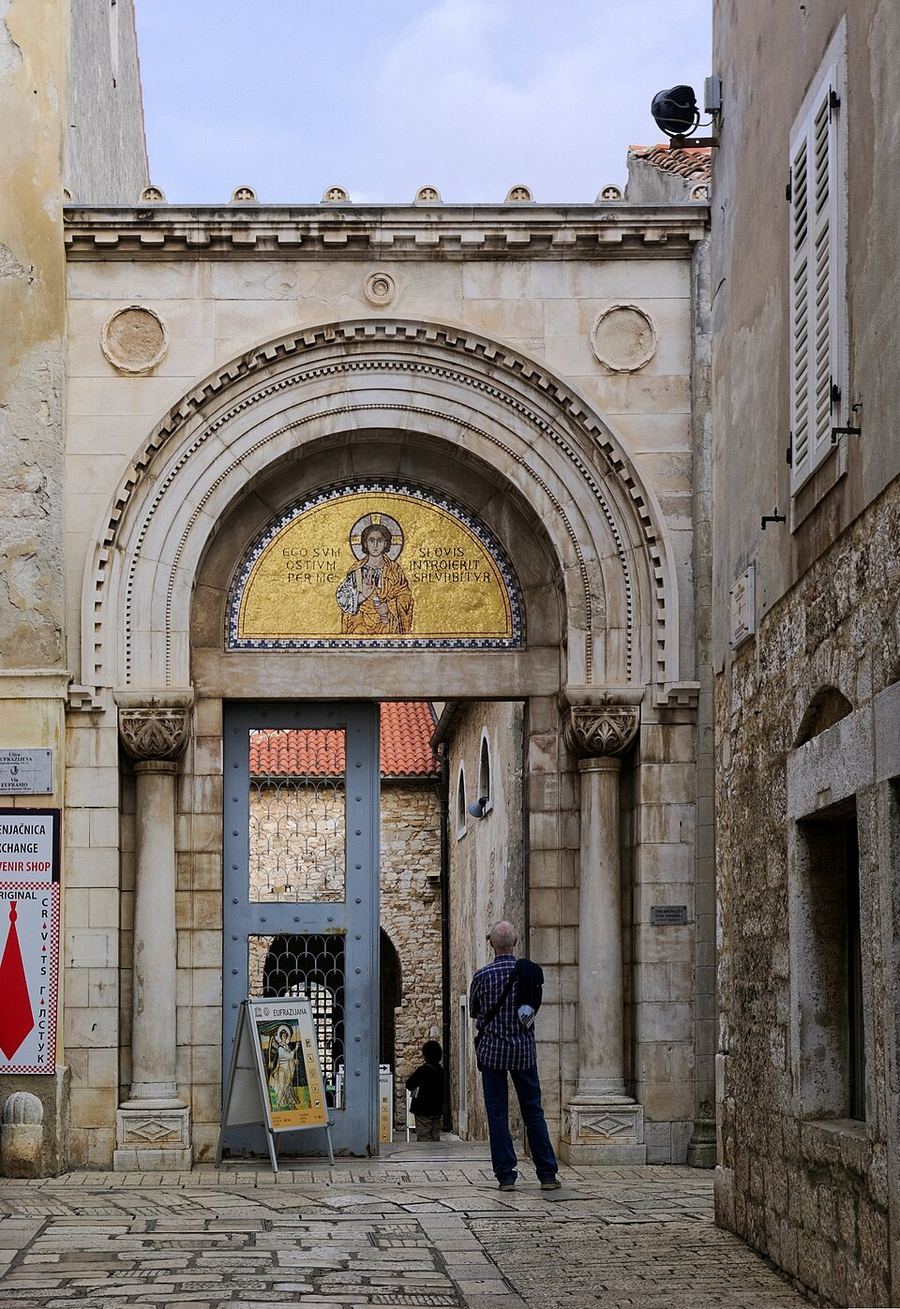
Croatia's densest source of pride is its heritage list: Dubrovnik's walled city, Diocletian's Palace at Split, the Plitvice Lakes, the Euphrasian Basilica at Poreč, the old town of Trogir, the stone cathedral of St James at Šibenik and the ancient field divisions of the Stari Grad Plain on Hvar are all UNESCO World Heritage Sites. The Adriatic itself is the other great asset — more than a thousand islands, islets and reefs along one of Europe's most indented coastlines — and the eight national parks include the terraced travertine lakes of Plitvice and the waterfalls of the Krka. Croatia also claims the necktie, which entered French fashion from the neckcloths of Croatian soldiers in the seventeenth century and gave the cravat its name. In science the country points to Andrija Mohorovičić, who identified the boundary between the earth's crust and mantle in 1909, and to Nikola Tesla, born at Smiljan in Lika in 1856. And then there is sport, where a nation of four million reached the World Cup final in 2018 and took third place in both 1998 and 2022, alongside Olympic titles in handball and water polo.

Cultural Fusion

Croatia's shape on the map is the record of the empires that met inside it, and the cultural seams are geographic. Dalmatia and the islands were Venetian for centuries, and the inheritance is visible in stone loggias and bell towers, audible in Italian loanwords in the Čakavian dialect, and edible in olive oil, cured pršut, risotto and pasta; Istria remains formally bilingual in Croatian and Italian. The interior belonged to Vienna and Budapest, and Zagreb accordingly has Habsburg boulevards, coffee house culture, strudel and schnitzel. Slavonia in the east is Pannonian, cooking with paprika and pork in a manner shared with Hungary and Serbia, and the whole country eats ćevapi and burek that arrived along Ottoman-era routes through Bosnia. That same frontier history explains the Orthodox Serb communities settled in the Military Frontier, and the Catholic-Orthodox boundary that runs through the region. Croatian literacy itself is a fusion artefact: Glagolitic script, invented for Slavonic liturgy, was preserved on the Adriatic islands under Roman Catholic authority long after Latin displaced it everywhere else. The modern layer is European Union membership, the euro, and a large returning and visiting diaspora from Germany, Australia, Canada and the United States.

Music & Dance

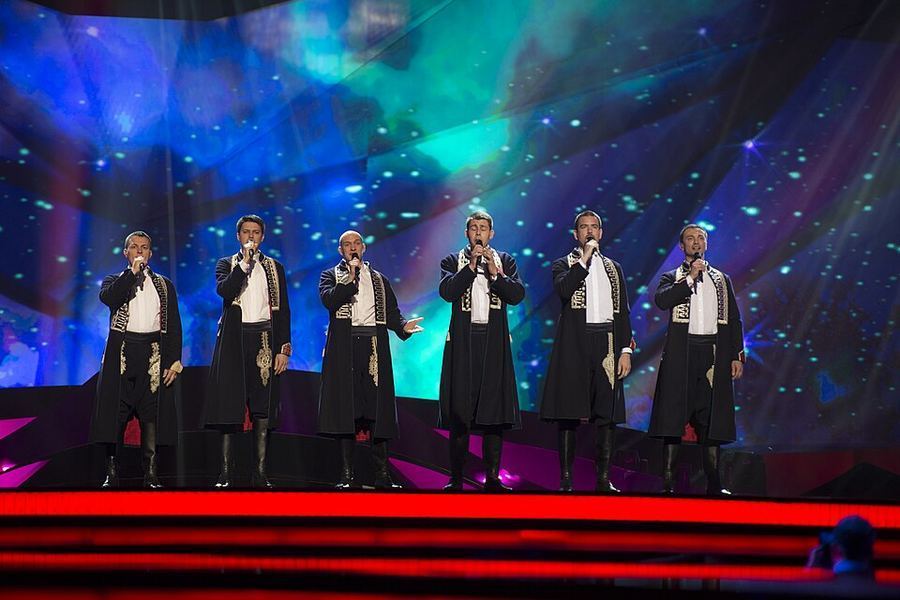
The sound most associated with Croatia abroad is klapa, the Dalmatian tradition of unaccompanied multipart male singing that UNESCO added to its representative list in 2012, performed in church squares and stone alleys where the acoustics do half the work. Inland Slavonia belongs to the tamburica, a family of plucked string instruments played in orchestras that give weddings and festivals their characteristic shimmer. Istria has a musical system of its own — the two-part singing and playing in the Istrian scale recognised by UNESCO in 2009, with the shrill paired sopile pipes — and the Dalmatian hinterland preserves ojkanje, a strained throat-singing on the urgent safeguarding list, and the nijemo kolo, a circle dance performed in silence without any instrumental accompaniment. The national folklore ensemble Lado, founded in 1949, maintains these repertoires for the stage. In art music Ivan Zajc's opera Nikola Šubić Zrinski of 1876 is the patriotic standard and Jakov Gotovac's Ero the Joker the comic one, while Ivo Pogorelić became one of the era's most discussed pianists. Popular music is dominated by the Dalmatian songbook of the late Oliver Dragojević, and the cello duo 2Cellos took a Croatian act to global audiences.

Cuisine & Misattributed Foods

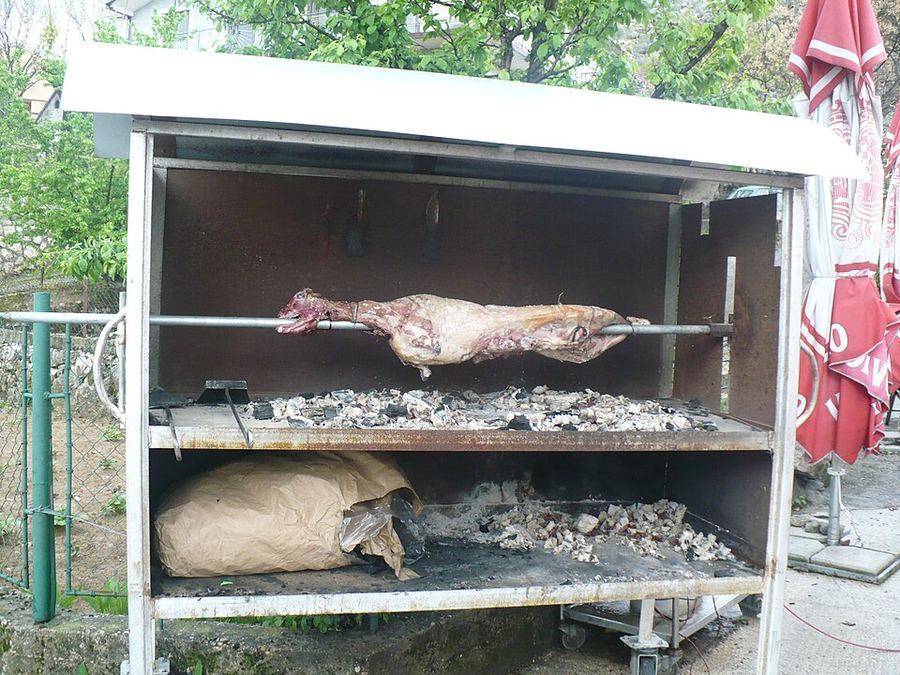
Croatia cooks two cuisines that barely overlap. The coast is Mediterranean, and Croatia is one of the states party to the UNESCO inscription of the Mediterranean diet: grilled fish with olive oil and chard, black risotto stained with cuttlefish ink, buzara of shellfish in white wine and garlic, brodet fish stew, and the Dalmatian beef pot roast pašticada with gnocchi. The signature coastal technique is the peka, in which meat and vegetables cook for hours under an iron bell heaped with embers. Istria contributes truffles from the Motovun forest, traded internationally, along with wild asparagus and top-quality olive oil, and the island of Pag produces a hard sheep's cheese flavoured by pasture growing in salt spray. The continental kitchen is heavier and Central European: štrukli, the Zagorje pastry of stretched dough and fresh cheese, turkey with mlinci around Zagreb, sarma in winter, and in Slavonia the paprika-cured kulen sausage and the fiery čobanac stew. The wine is serious and increasingly known — Plavac Mali on the Pelješac peninsula, Istrian Malvazija, Graševina in Slavonia — and DNA work traced Zinfandel and Primitivo back to an old Dalmatian variety. Zadar's maraschino cherry liqueur has been exported since the eighteenth century.

National Dress

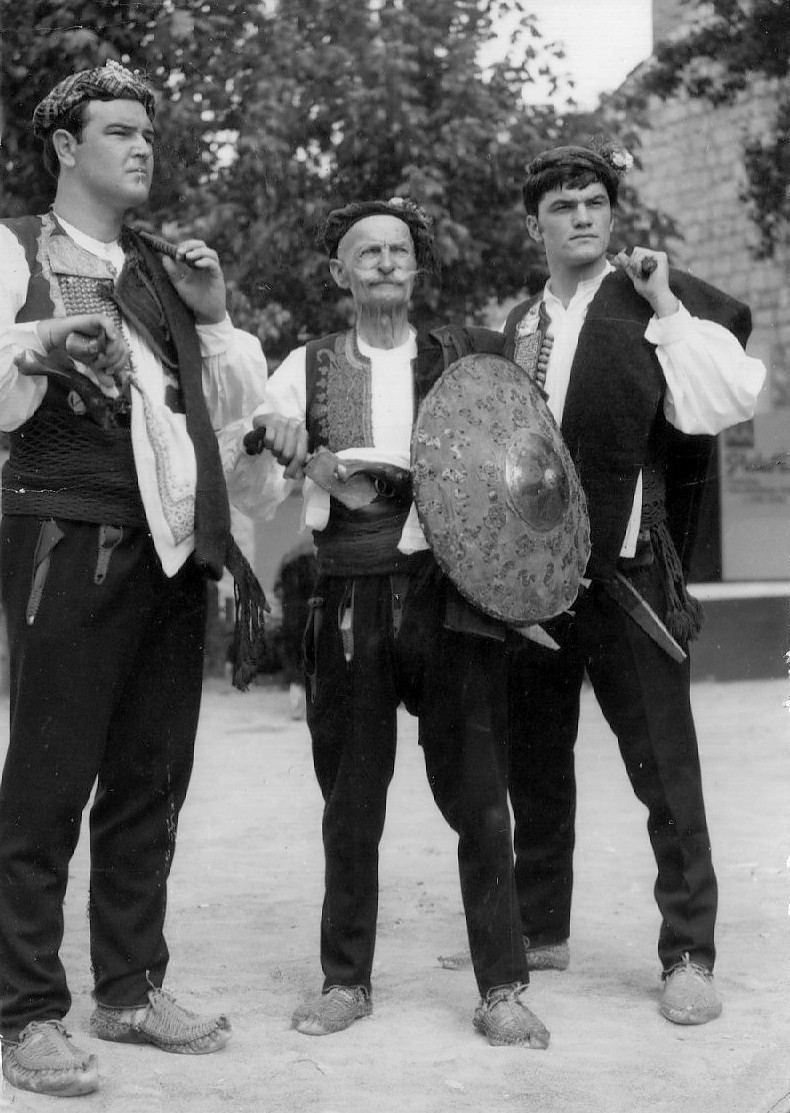
Croatia's traditional dress is regional rather than national, and the differences between regions are the point. Slavonian costume is the most opulent: white linen shirts and skirts densely embroidered in gold thread, worn with heavy necklaces of gold coins that once represented a family's savings. Dalmatian dress is darker and more austere, with waistcoats and caps; the Lika region contributes a red woollen cap that has become shorthand for the highland interior; and Zagorje and Posavina keep their own linen and lace variants. Lace is itself a Croatian speciality recognised by UNESCO — bobbin lace from Lepoglava, needlepoint from Pag, and the extraordinary agave-fibre lace made by Benedictine nuns on Hvar. Historic costume also survives in living ceremony, most visibly at the Sinjska alka, the annual knights' tournament at Sinj where riders in eighteenth-century dress spear a hanging ring at the gallop. The country's most exported garment, however, is a modern one: the necktie, which entered French court fashion from the neckcloths worn by Croatian soldiers and left its name in the word cravat, a piece of national branding marked each 18 October.

Sports & Inspiring Athletes

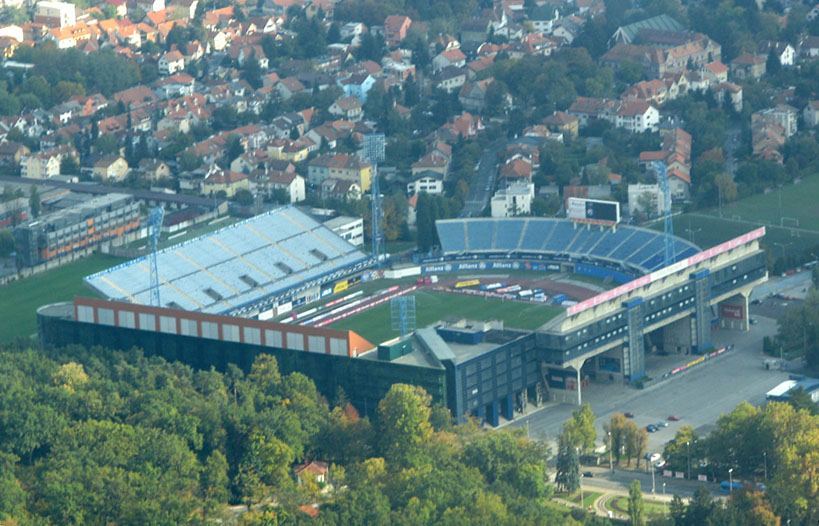
Croatia's sporting output is wildly disproportionate to a population of four million. Football is the centre: the domestic game turns on the rivalry between Dinamo Zagreb and Hajduk Split, and the national side finished third at the 1998 World Cup with Davor Šuker as the tournament's leading scorer, reached the final in 2018, and took third place again in 2022. Handball is close behind, with Olympic gold at Atlanta in 1996 and Athens in 2004 and a world title in 2003. The water polo team, drawn largely from the Adriatic clubs, won Olympic gold at London in 2012 and multiple world championships. Basketball carries the legacy of the Yugoslav school through Dražen Petrović and Toni Kukoč, and Croatia took silver at Barcelona in 1992. Alpine skiing produced Janica Kostelić, who won four Olympic golds, and her brother Ivica. Tennis has delivered two Grand Slam singles champions, Goran Ivanišević at Wimbledon in 2001 and Marin Čilić at the US Open in 2014, along with Davis Cup titles. Rowing, discus and the high jump have all produced Olympic and world champions. The oldest competition of all is the Sinjska alka, ridden annually since the eighteenth century.

Notable Educational Programs

Schooling is free and compulsory through eight years of primary education, followed by general gymnasiums or vocational secondary schools and a national state matura examination that governs university entry. The University of Zagreb dates its foundation to 1669 and is among the oldest in southeastern Europe, while the University of Zadar traces its ancestry to a Dominican house of studies established in 1396 and claims the older lineage; Split, Rijeka, Osijek and Dubrovnik have universities of their own. Research is concentrated in the Ruđer Bošković Institute in Zagreb, the country's principal scientific establishment across physics, chemistry and the life sciences. Croatian schools produce high literacy and a strong mathematical tradition, and the system has been aligned with European structures since accession, with participation in the OECD's international assessments. The problems are demographic rather than pedagogical. Birth rates are low, and free movement within the European Union after 2013 opened sustained emigration of young and often well-qualified people to Germany, Ireland and Austria, so that school cohorts are shrinking and rural schools closing. Retaining graduates, and attracting back the diaspora that emigration has created, is now treated as an education policy question as much as an economic one.

Wars & Conflicts

Croatia's twentieth century contains two catastrophes. In the Second World War the Axis-installed Ustaša regime of the Independent State of Croatia carried out the systematic persecution and mass murder of Serbs, Jews and Roma, above all at the Jasenovac camp complex, while a Partisan movement led by the Croatian-born Tito fought the occupation and its collaborators. The second was the war of independence that followed the declaration of 25 June 1991, when the Yugoslav People's Army and Serb forces took roughly a third of the country's territory. Vukovar on the Danube was besieged from August to November 1991 and reduced to ruins, its fall followed by the massacre of prisoners at Ovčara; Dubrovnik's walled old town was shelled the same autumn; and the war killed on the order of twenty thousand people and displaced hundreds of thousands. Croatian offensives in 1995, culminating in Operation Storm that August, restored control of the Krajina and were accompanied by the flight of most of its Serb population. Eastern Slavonia was reintegrated peacefully under United Nations administration by 1998. The International Criminal Tribunal for the former Yugoslavia prosecuted commanders from all sides, and demining of the former front lines continued for three decades afterwards.
Current as of 2026-08-06

Land & Border Disputes

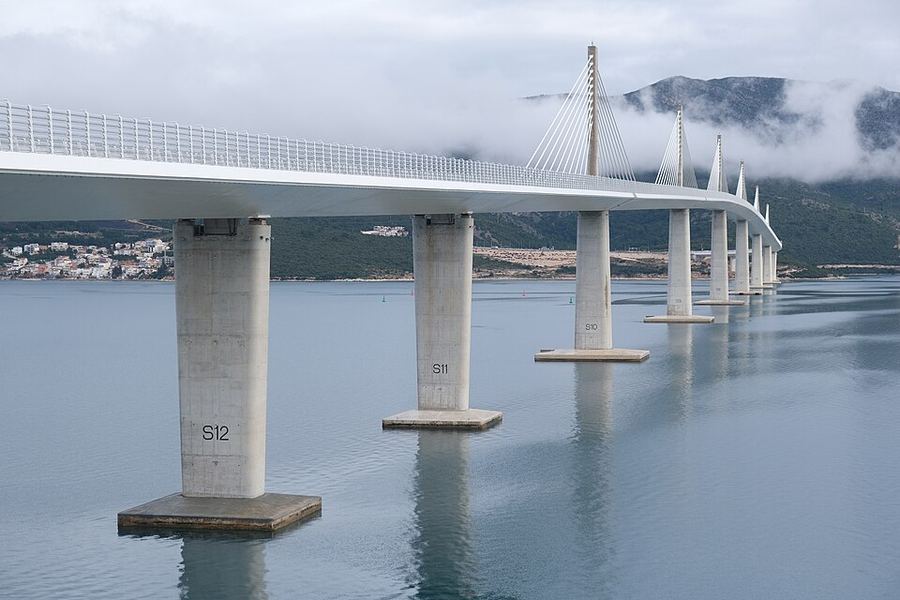
Croatia's outstanding disputes are all legal and maritime rather than military. The most persistent is with Slovenia over the sea and land boundary in the Bay of Piran and Slovenia's access to international waters. The two governments agreed in 2009 to submit the question to arbitration, but Croatia withdrew from the process in 2015 after disclosures of improper contact between the Slovenian-appointed arbitrator and a Slovenian official; the tribunal nonetheless issued an award in 2017, which Slovenia accepts and Croatia rejects, and the Court of Justice of the European Union declined jurisdiction over the matter in 2020. With Bosnia and Herzegovina the issue is the Neum corridor, the short strip of Bosnian coast that severed southern Dalmatia from the rest of the country until the Pelješac Bridge opened in July 2022 to bypass it, a project Bosnia had objected to over access to the open sea. With Serbia the Danube boundary is unsettled, because Croatia relies on the historic cadastral line of old river meanders while Serbia argues for the modern channel, leaving pockets of land in dispute. With Montenegro the Prevlaka peninsula at the mouth of the Bay of Kotor was demilitarised under a United Nations mission until 2002 and is governed by a provisional regime. Fisheries and the Adriatic protection zone have periodically strained relations with Italy.
Land, Life & Legacy

Land & Climate

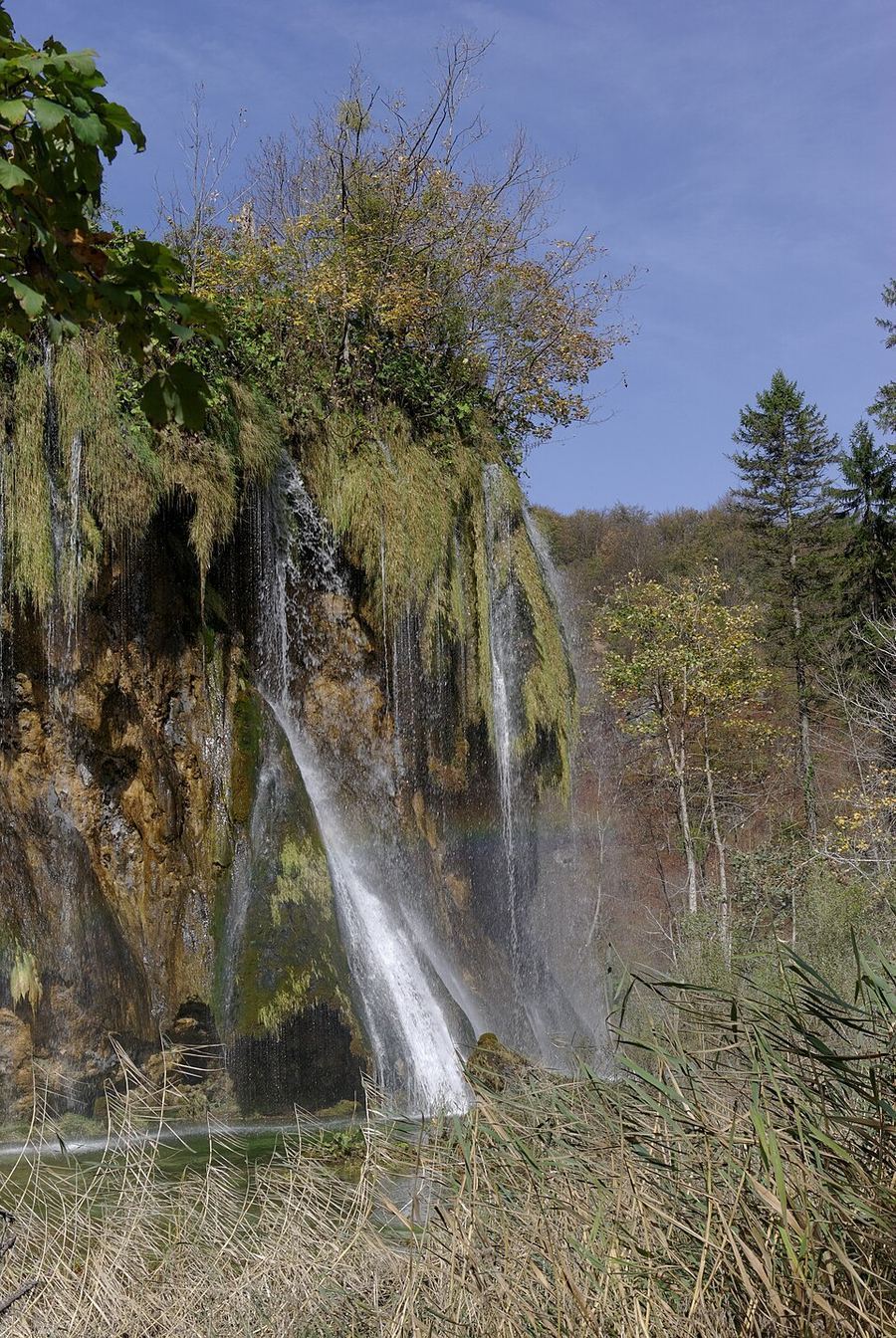
Croatia covers about 56,600 square kilometres in a horseshoe that gives it three quite distinct physical regions. The northeast is Pannonian lowland, drained by the Sava, Drava and Danube and given over to grain, maize and pigs. Behind the coast rise the Dinaric ranges — Velebit, Gorski kotar, the Lika plateau — a limestone karst landscape of sinkholes, caves and disappearing rivers, with Dinara at about 1,831 metres the highest point. The third region is the Adriatic littoral and its archipelago of more than 1,200 islands, islets and reefs, of which only about fifty are inhabited, producing a coastline far longer than the country's modest map suggests. Eight national parks include the Plitvice Lakes, where sixteen terraced pools are dammed by growing travertine barriers, the Krka waterfalls and the bare Kornati archipelago. The interior has a continental climate with cold winters, while the coast is Mediterranean; the defining local wind is the bura, a cold northeasterly that falls off the mountains onto the sea in gusts among the strongest recorded in Europe, with the humid southerly jugo as its counterpart. Earthquakes are a real hazard, as Zagreb and then Petrinja both learned in 2020.

Entertainment

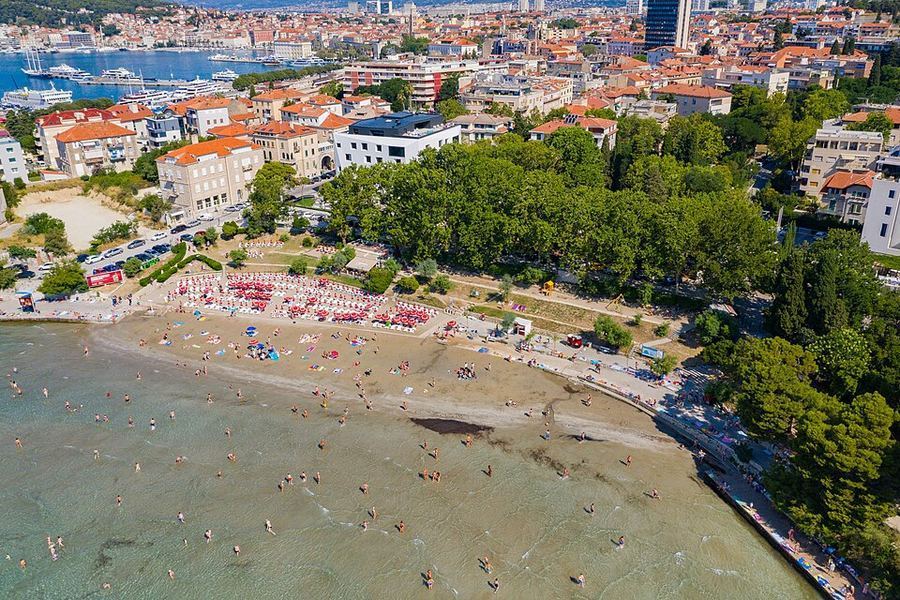
In summer the country turns toward the sea. Croatians swim from rocks rather than sand, take boats between islands, and treat a fortnight on the coast as an entitlement; nautical tourism, with charter fleets working out of Split, Zadar and Šibenik, is a substantial industry, and tourism overall contributes an unusually large share of national income. On Split's Bačvice beach the local game is picigin, played in ankle-deep water with a small ball that must never touch the surface, a genuinely local sport protected as cultural heritage. Away from the coast, hiking is popular in Velebit and on Sljeme above Zagreb, along with cycling, hunting and freshwater fishing, and the thermal spas of the north draw weekenders. Coffee is the daily leisure activity and can occupy an entire afternoon. The festival calendar is dense: the Dubrovnik Summer Festival has run since 1950, the Rijeka Carnival is among the larger in Europe, the Sinjska alka fills a small town every August, electronic music festivals fill Split and the islands, and Zagreb's Advent market takes over the city centre for a month. Football, watched in bars and squares, is the shared national pastime.

Art & Museums

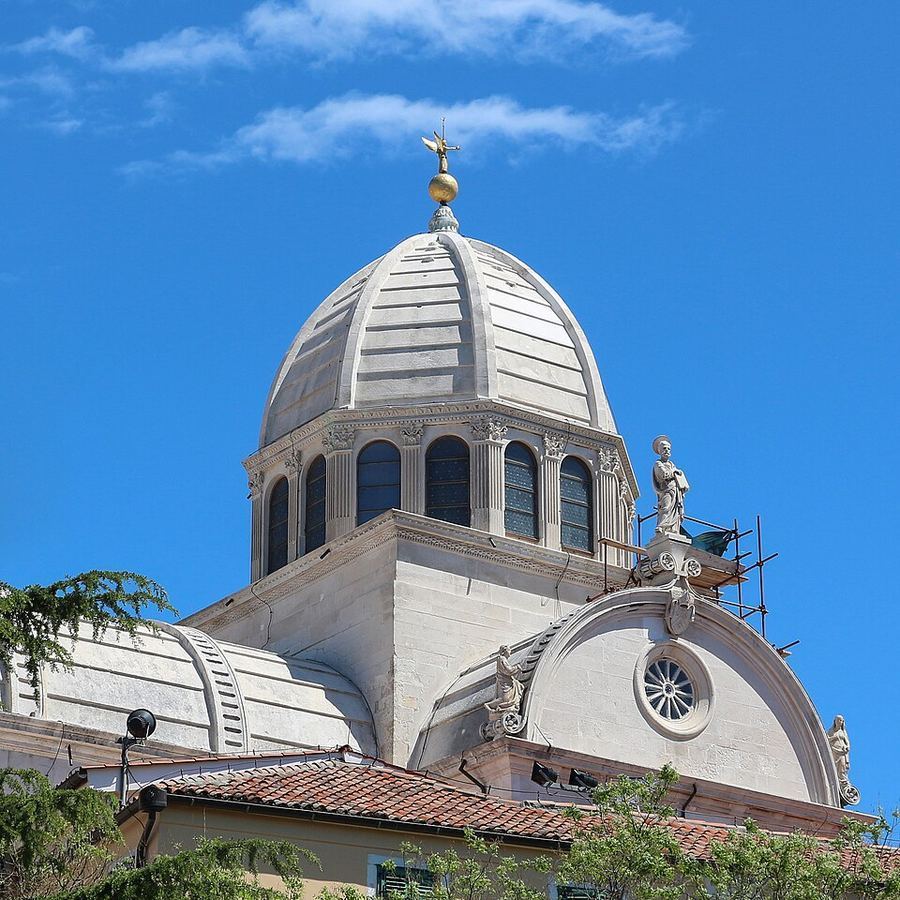
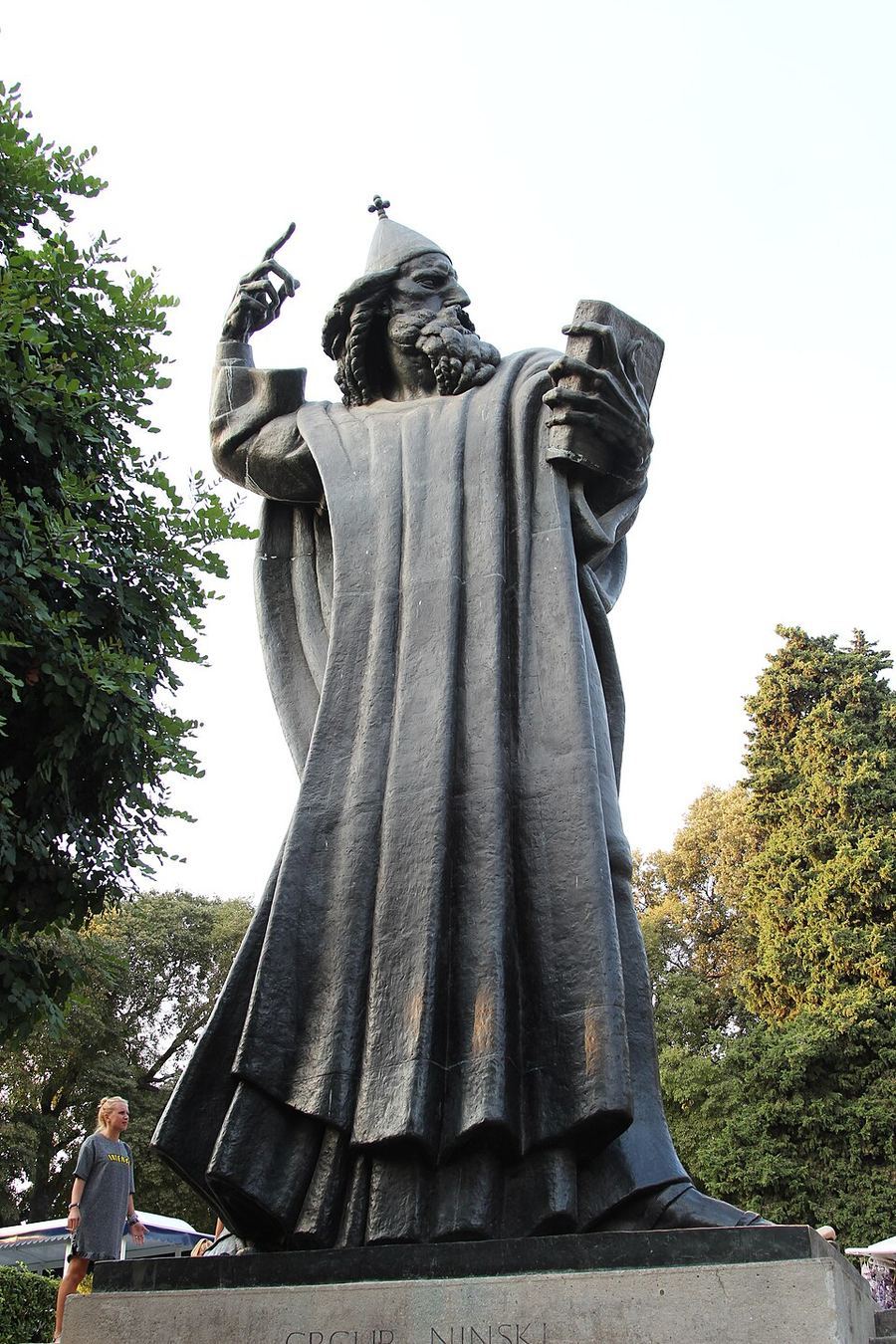
Croatia's artistic record starts in stone. The Euphrasian Basilica at Poreč keeps sixth-century Byzantine mosaics intact; the cathedral of St James at Šibenik, built through the fifteenth and sixteenth centuries under Juraj Dalmatinac, is constructed entirely of interlocking stone without brick or timber and carries a frieze of seventy-one carved heads; and the medieval tombstones known as stećci are inscribed as World Heritage shared with neighbouring states. The dominant modern figure is the sculptor Ivan Meštrović, whose monumental public works — the Grgur Ninski figure outside Diocletian's Palace among them — stand across the country, and whose Split villa is now a gallery. Vlaho Bukovac brought late nineteenth-century painting home from Paris. Croatia's most distinctive twentieth-century contribution is naïve art: the Hlebine School of peasant painters working in oil on the reverse side of glass, led by Ivan Generalić, now housed in a dedicated Zagreb museum. The postwar avant-garde was internationally serious too, from Exat 51 and the Gorgona group to the New Tendencies exhibitions that made Zagreb an early centre for constructivist and computer-generated art, and Julije Knifer spent a career painting a single meander motif. In animation, the Zagreb School won an Academy Award in 1961 for Dušan Vukotić's Ersatz.

Notable People

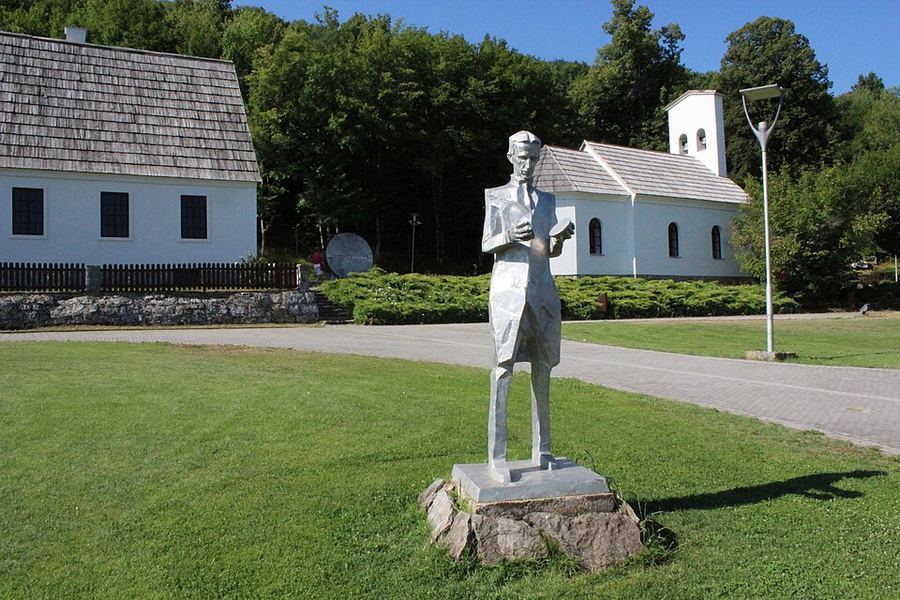
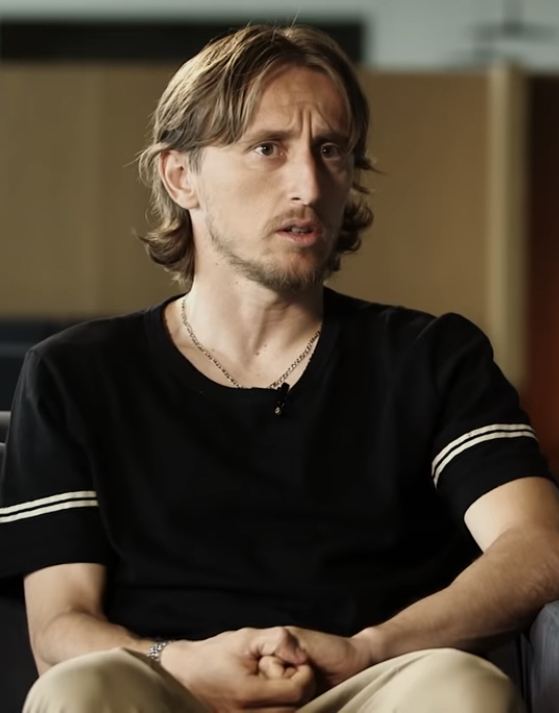
Nikola Tesla was born in 1856 at Smiljan in the Lika region, then part of the Austrian Empire's Military Frontier and now in Croatia, to a Serb family; his work on alternating current was done in the United States. The Dubrovnik-born Jesuit Ruđer Bošković was one of the eighteenth century's genuine polymaths, a mathematician and astronomer whose force-law theory of matter anticipated later atomic physics. Andrija Mohorovičić, working in Zagreb, deduced from a 1909 earthquake the existence of the boundary between crust and mantle that now bears his name. Two chemists shaped by Croatia won Nobel Prizes for work later done in Zurich: Lavoslav Ružička, born in Vukovar, in 1939, and Vladimir Prelog, who grew up and studied in Zagreb, in 1975. In literature Marko Marulić wrote Judita in 1501 and is called the father of Croatian letters, while Miroslav Krleža dominated the twentieth century as novelist, playwright and essayist. Ivan Meštrović is the sculptor of record. Josip Broz Tito was born in Kumrovec. In sport the names travel furthest: Luka Modrić, who won the Ballon d'Or in 2018, Davor Šuker, Goran Ivanišević, Wimbledon champion in 2001, the skier Janica Kostelić with four Olympic golds, and the basketball player Dražen Petrović.

Inventions & Breakthroughs

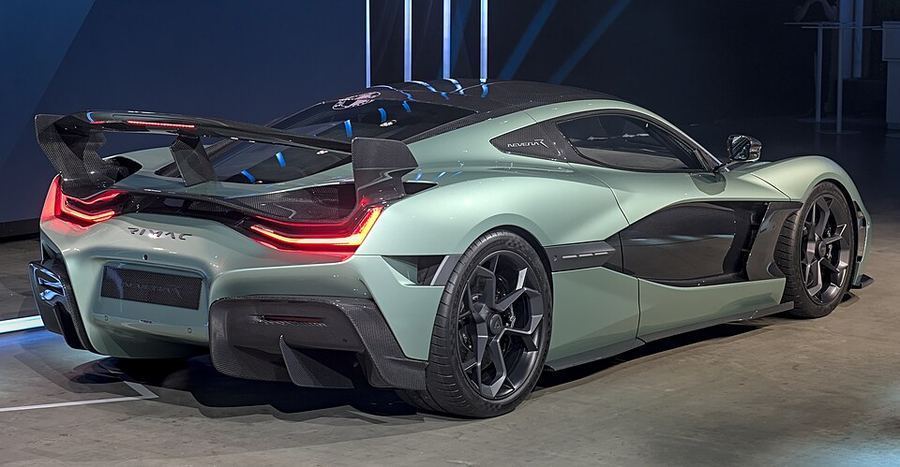
For a small country Croatia has an unusually concrete list. The self-propelled torpedo was developed at Rijeka in the 1860s, where a naval officer's concept and Robert Whitehead's engineering produced the first working weapon of its kind and the world's first torpedo factory. Faust Vrančić of Šibenik published Machinae Novae in 1615 with designs for bridges, mills and a parachute he called Homo Volans. The Zagreb engineer Slavoljub Penkala patented a mechanical pencil in 1906 and a solid-ink fountain pen soon after, and the factory built on them became one of Europe's larger pen manufacturers. Andrija Mohorovičić's 1909 identification of the crust-mantle boundary gave seismology one of its permanent terms. The single most widely used Croatian invention, though, is pharmaceutical: researchers at the Zagreb company Pliva synthesised azithromycin in 1980, and the antibiotic went on to become one of the best-selling medicines in the world. In a lighter register, the necktie descends from Croatian military dress, and DNA analysis established that an old Dalmatian grape variety is the ancestor of both Zinfandel and Primitivo. The contemporary entry is Rimac Automobili, whose electric powertrains led to a joint venture running Bugatti.

Science & Technology

Croatian science has a long theoretical pedigree and a narrow modern base. Ruđer Bošković in the eighteenth century and Andrija Mohorovičić in the twentieth both produced work of permanent international standing, and the institute named after Bošković, founded in Zagreb in 1950, remains the country's principal research centre across physics, chemistry, marine science and molecular biology. Two Nobel chemistry laureates, Lavoslav Ružička and Vladimir Prelog, were products of Croatian schooling who did their prize-winning work abroad — a pattern that still describes much of the country's scientific talent. The most commercially significant piece of Croatian research is azithromycin, developed at the Zagreb pharmaceutical company Pliva in 1980 and licensed onward to become one of the world's most widely prescribed antibiotics; pharmaceuticals remain a leading export. Shipbuilding was the traditional heavy industry, and energy policy has shifted toward the liquefied natural gas terminal opened on the island of Krk in 2021 alongside substantial hydroelectric capacity. The contemporary technology story is entrepreneurial: Rimac Automobili grew from a garage project into an electric powertrain manufacturer significant enough to take over the running of Bugatti, and Croatian software companies in messaging and education have been acquired by global firms. Research and development spending nonetheless remains below the European Union average.
On The World Stage

Champions & Defining Moments

Croatia is routinely cited as the most sporting-successful small country in Europe, and the evidence is a run of results that larger nations envy. Reaching the World Cup final in 2018 — losing to France after three consecutive knockout matches decided in extra time — put a country of about four million people one match from the sport's biggest prize, and third-place finishes in 1998 and 2022 confirmed it was not an accident. Luka Modrić's Ballon d'Or in 2018 broke a decade in which the award had gone only to Lionel Messi and Cristiano Ronaldo. In the Olympic arena Croatia has won gold in team sports where squad depth matters most, taking handball titles in 1996 and 2004 and the water polo title in 2012, and its basketball players were central to the Yugoslav teams that dominated the 1980s before winning silver as an independent nation in 1992. Individually, Janica Kostelić's four Olympic golds make her one of the most decorated alpine skiers in the Games' history, and Goran Ivanišević's Wimbledon title in 2001, won from a wild card, is one of tennis's celebrated stories. Croatian coaches and players are now a standard export across European leagues.

FIFAOlympediaIOC
Economy, Trade & Government

Currency & GDP

Euro — EUR (€)

GDP (PPP): $164.825 billion (2024 est.)

Per capita: $42,600 (2024 est.)

Exports

$46.601 billion (2024 est.)

ships, garments, electricity, packaged medicine, wood (2023)

Partners: Italy 14%, Germany 11%, Slovenia 11%, Bosnia & Herzegovina 6%, Austria 6% (2023)

Imports

$49.86 billion (2024 est.)

refined petroleum, cars, garments, natural gas, crude petroleum (2023)

Partners: Italy 14%, Germany 14%, Slovenia 11%, Hungary 6%, Austria 5% (2023)

Government

Type: parliamentary republic

Independence: 25 June 1991 (from Yugoslavia); notable earlier dates: ca. 925 (Kingdom of Croatia established), 1 December 1918 (Kingdom of Serbs, Croats, and Slovenes established, later became Yugoslavia)

Terrain → Where People Live

How mountains, coasts, and rivers shape settlement (LandScan).

Coming — data

Migration & Ethnic Settlement

Where groups settled and how people move (GeoEPR + UNHCR).

Coming — data

Universities

Notable institutions, mappable as points.

Coming — data
Economy & government facts: CIA World Factbook (public domain), via OpenFactBook / factbook.json.
Every fact and narrative claim will carry a visible source citation. Data-driven sections light up automatically wherever HERA has coverage.