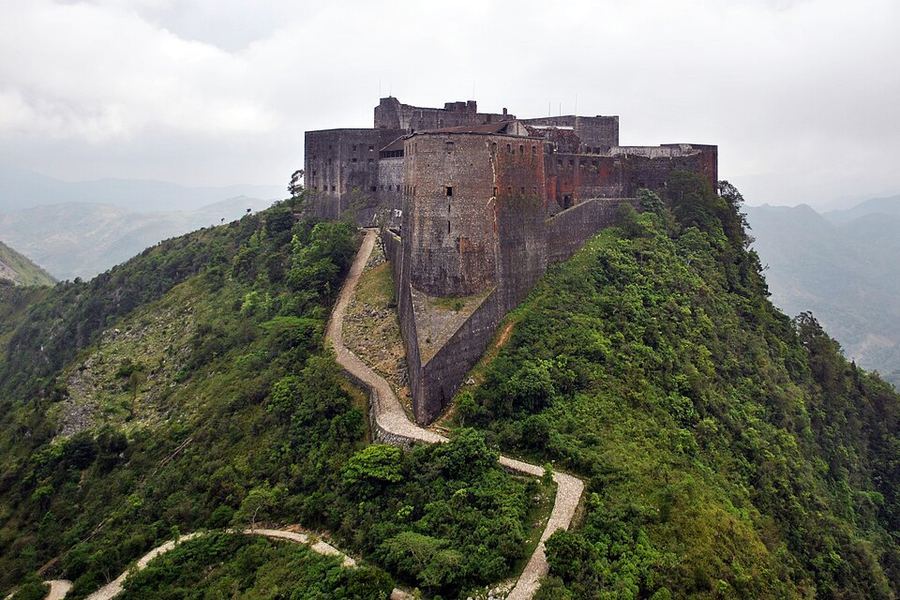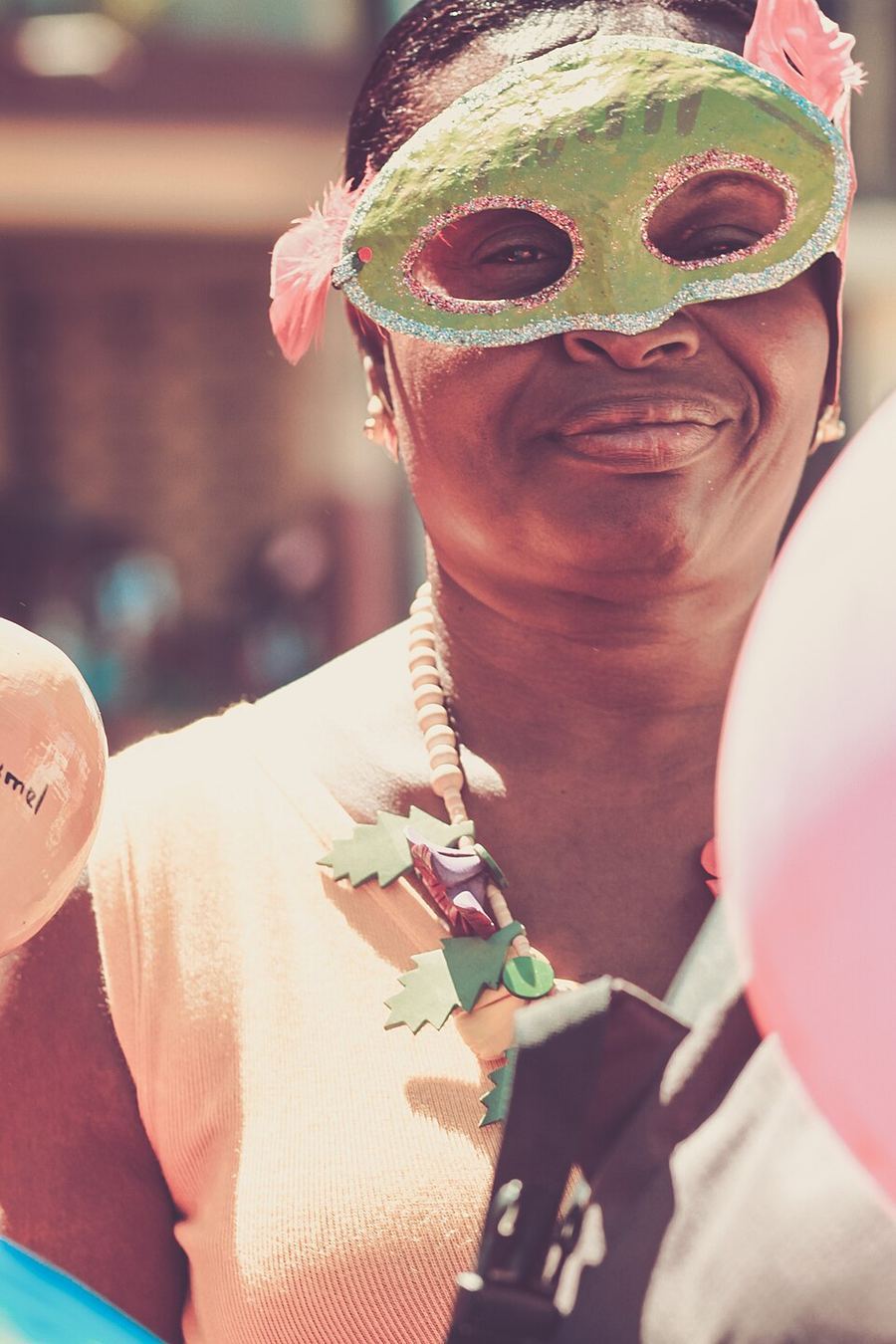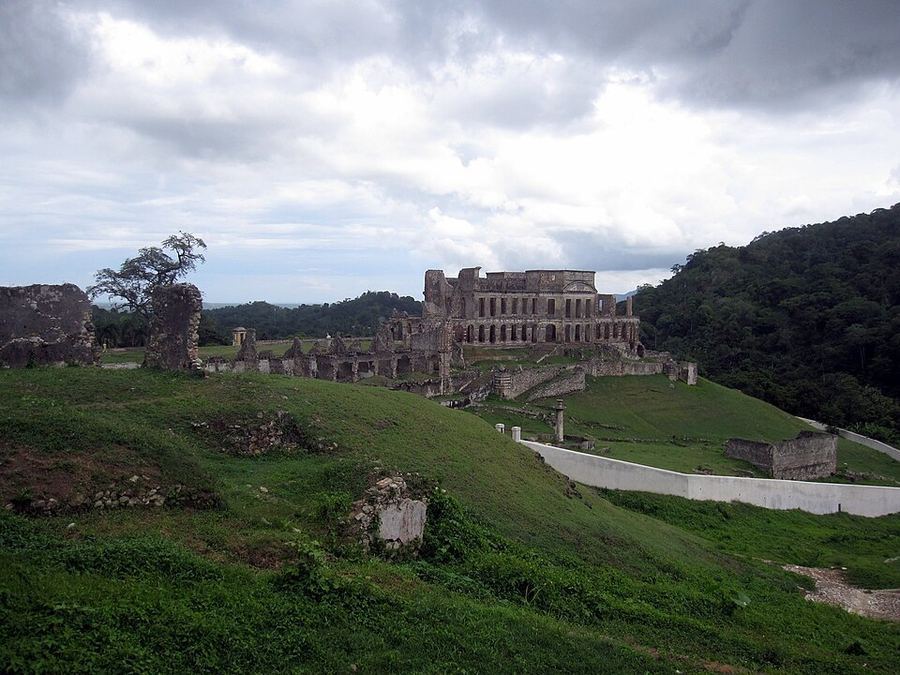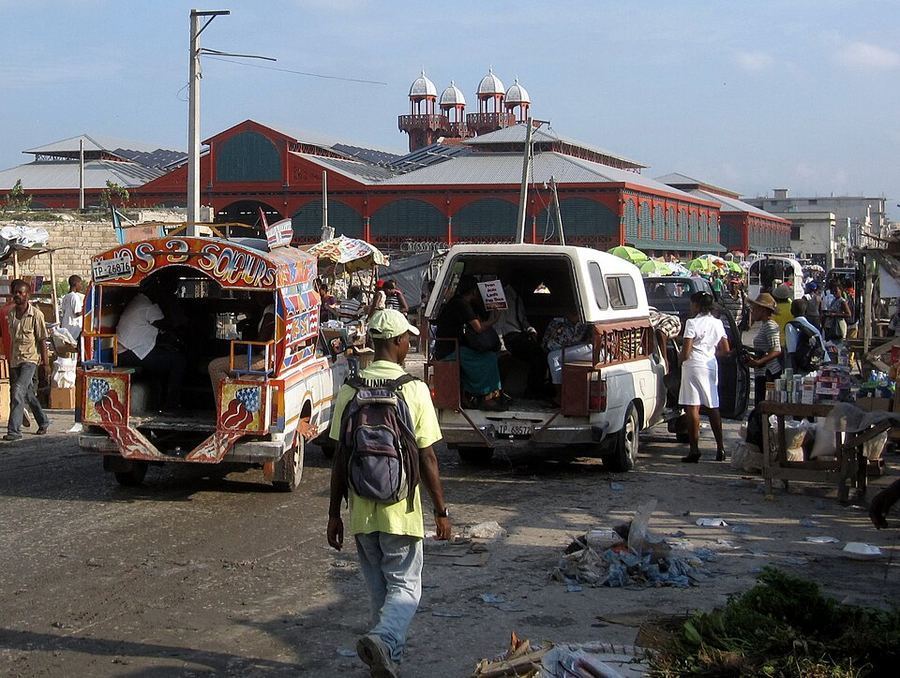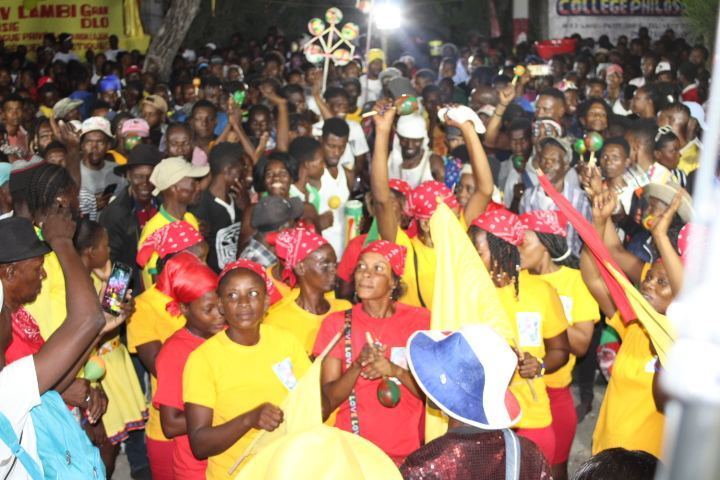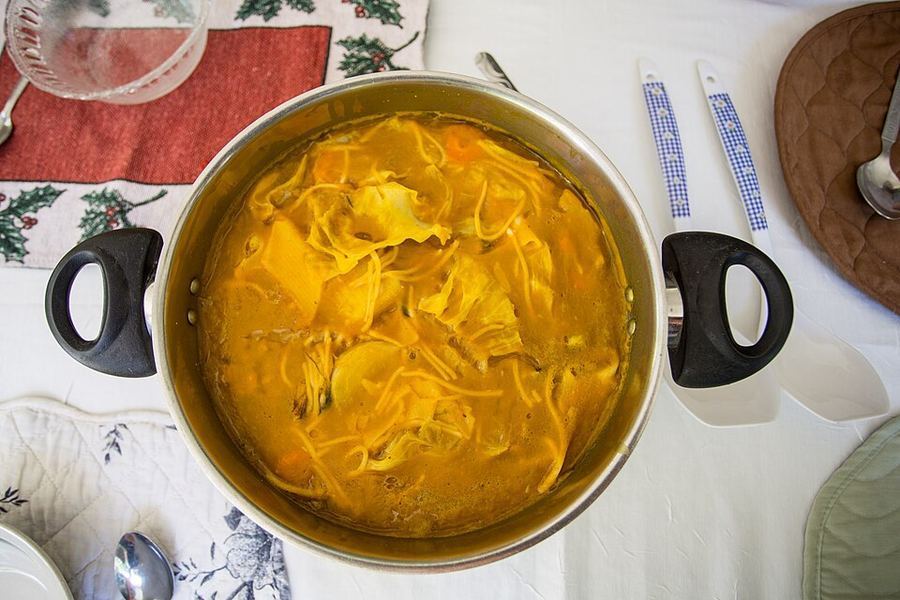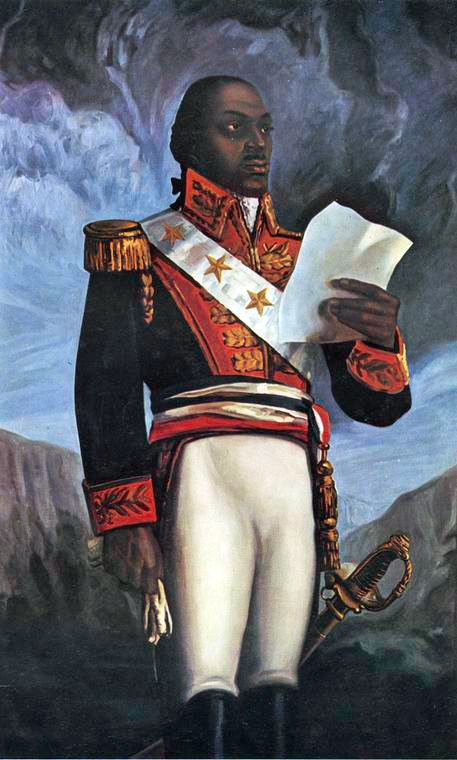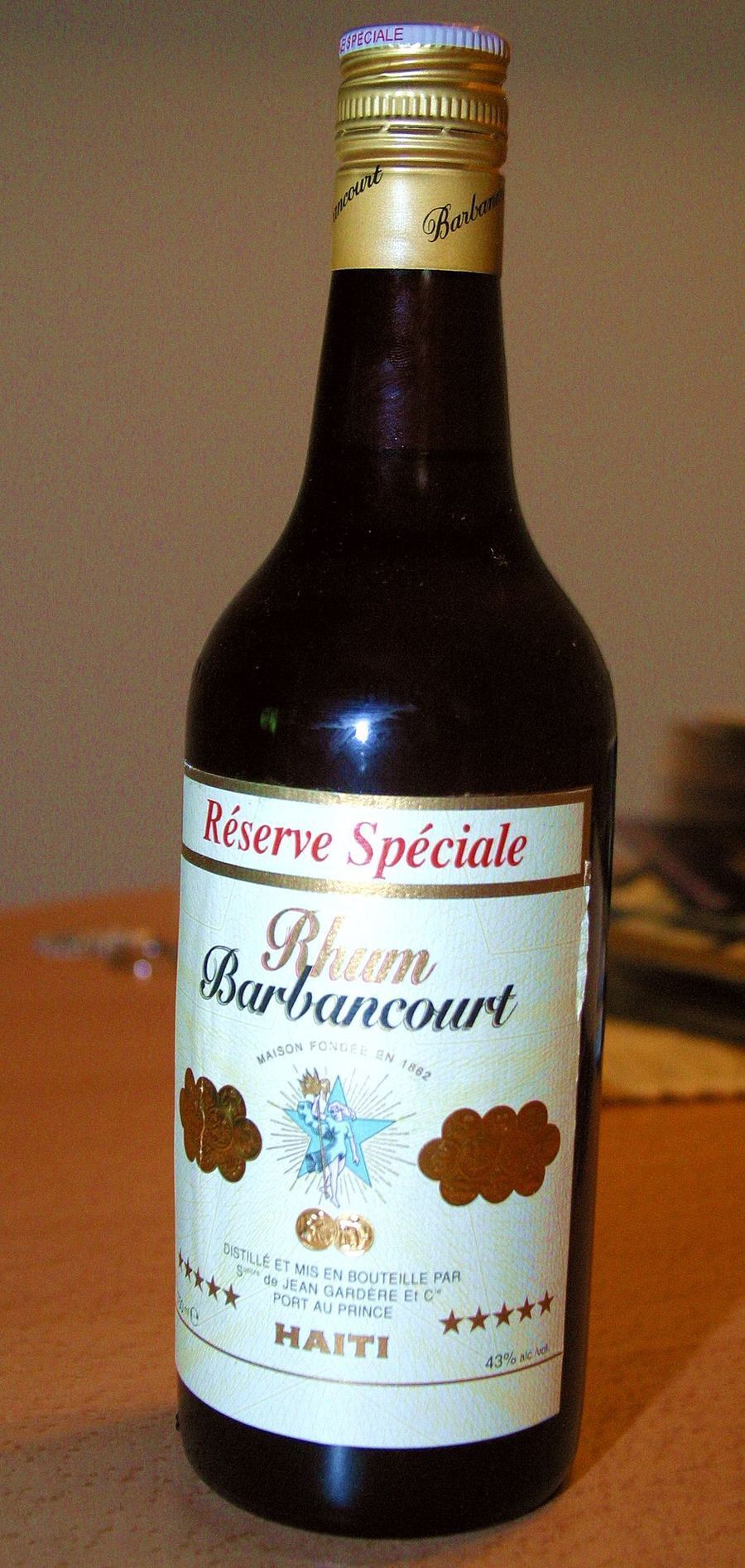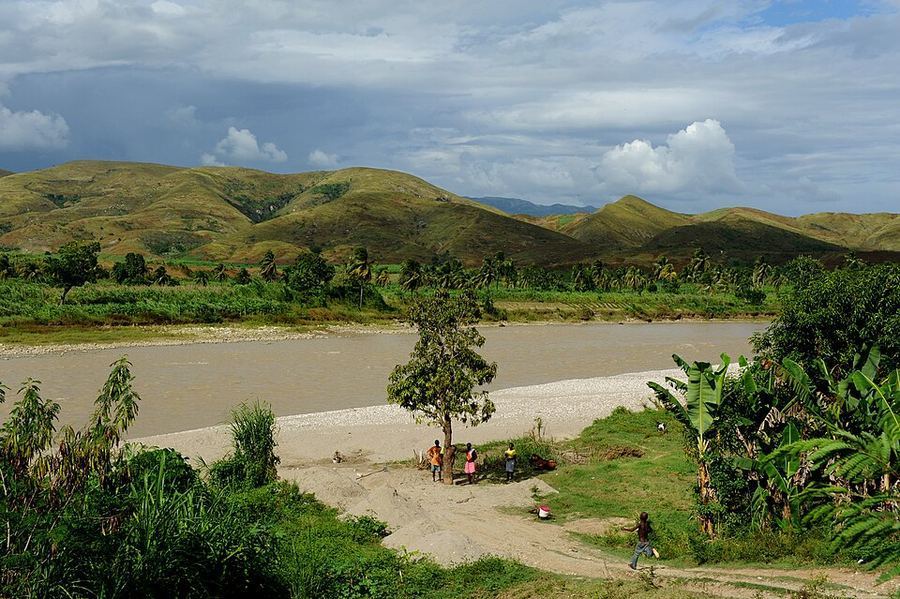
Haiti occupies the western third of Hispaniola, a mountainous country of nearly 11.9 million people whose Taíno name, Ayiti, means land of high mountains. It is the only nation in the world created by a successful revolt of enslaved people: after thirteen years of war against colonial France, independence was declared at Gonaïves on 1 January 1804, making Haiti the first independent state in Latin America and the Caribbean and the second republic in the Americas. French and Haitian Creole are both official, though Creole is the language nearly everyone actually speaks and French the language of a minority with access to schooling. The population is about 95% of African descent, and 55% identify as Catholic and 29% as Protestant, with Vodou declared by only 2.1% at census but woven through the religious practice of a far larger share. The economy is the poorest in the hemisphere, with GDP per capita of roughly $2,800 on a purchasing-power basis and exports of barely a billion dollars — garments, essential oils and scrap metal, more than four-fifths of it to the United States. Since the assassination of President Jovenel Moïse in July 2021 the country has had no elected officials, and armed groups control much of the capital.
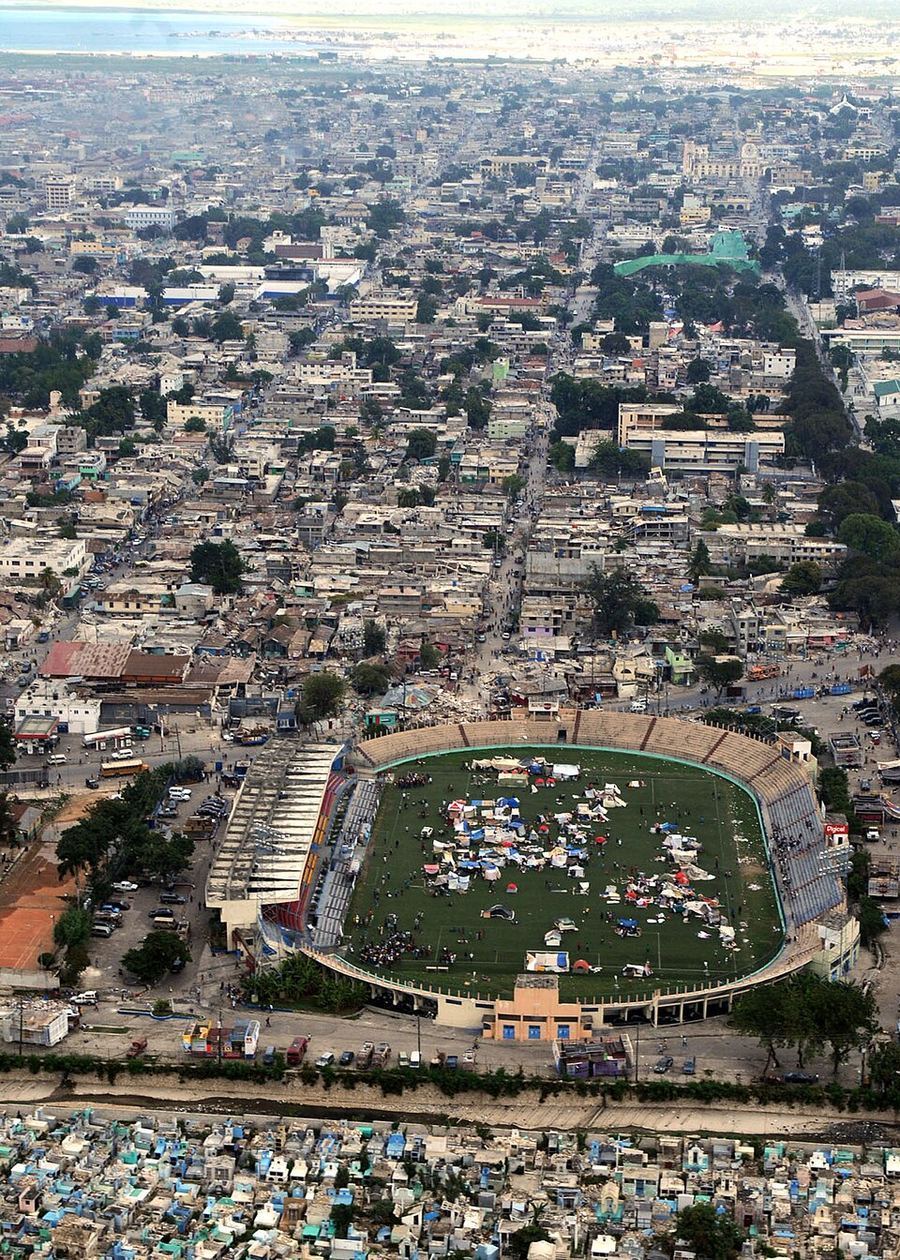
Port-au-Prince's urban core is home to about 2,494,074 people.
That's bigger than Amsterdam — each a great world city in its own right.
Among the world's megacities, though, it's one of many — the giants of Asia and Latin America run larger still:
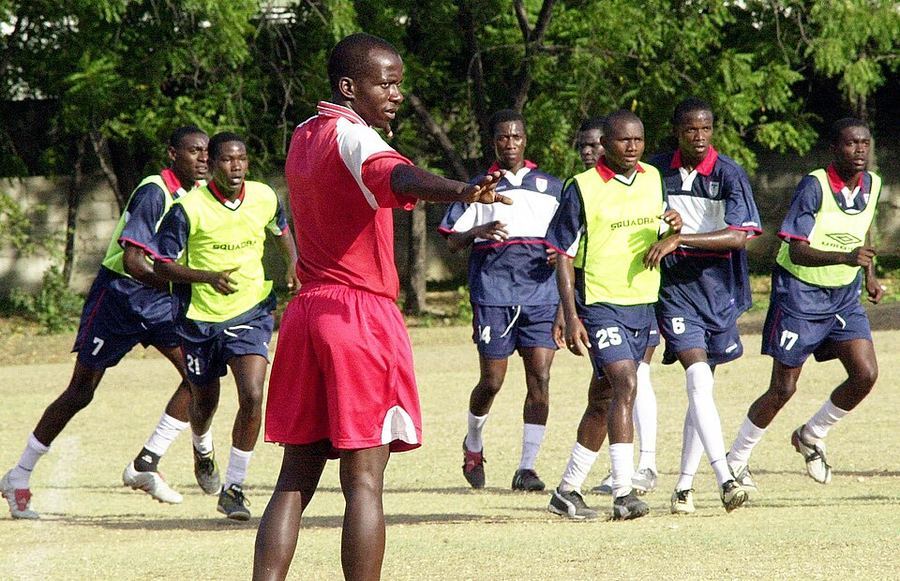
Haitian sport reaches the world through a handful of moments and a steady export of players. The first belongs to Joe Gaetjens, a Haitian who was playing in the United States when he scored the goal that beat England at the 1950 World Cup in Belo Horizonte, one of the greatest upsets in the tournament's history; he later returned home and disappeared under the Duvalier dictatorship. The second is Emmanuel Sanon's goal against Italy at the 1974 World Cup, which ended Dino Zoff's record sequence of clean sheets. The third is older and individual: Silvio Cator took the silver medal in the long jump at the Amsterdam Olympics in 1928 and set a world record in the event the same year, giving Haiti a place in Olympic history that a small and under-resourced team has rarely matched since. In the present era the women's national team's appearance at the 2023 World Cup and Melchie Dumornay's move into the French league have given Haiti its most visible current presence in world football. Beyond national teams, players of Haitian descent are prominent in North American and European professional sport, a pattern typical of a country whose diaspora is nearly as large as its resident talent pool.
Gourde — HTG (G)
GDP (PPP): $32.971 billion (2024 est.)
Per capita: $2,800 (2024 est.)
$1.095 billion (2023 est.)
garments, essential oils, scrap iron, industrial acids/oils/alcohols, bedding (2023)
Partners: USA 82%, Canada 4%, Mexico 2%, France 2%, India 2% (2023)
$5.303 billion (2023 est.)
refined petroleum, rice, garments, cotton fabric, plastic products (2023)
Partners: USA 31%, Dominican Republic 23%, China 14%, Indonesia 4%, India 3% (2023)
Type: semi-presidential republic
Independence: 1 January 1804 (from France)
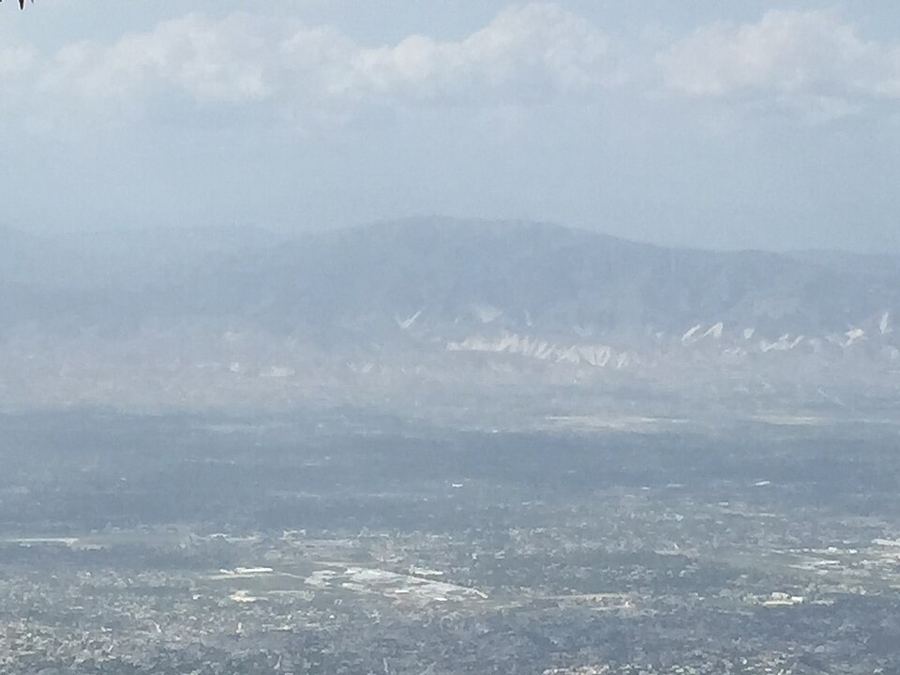
How mountains, coasts, and rivers shape settlement (LandScan).
Coming — dataWhere groups settled and how people move (GeoEPR + UNHCR).
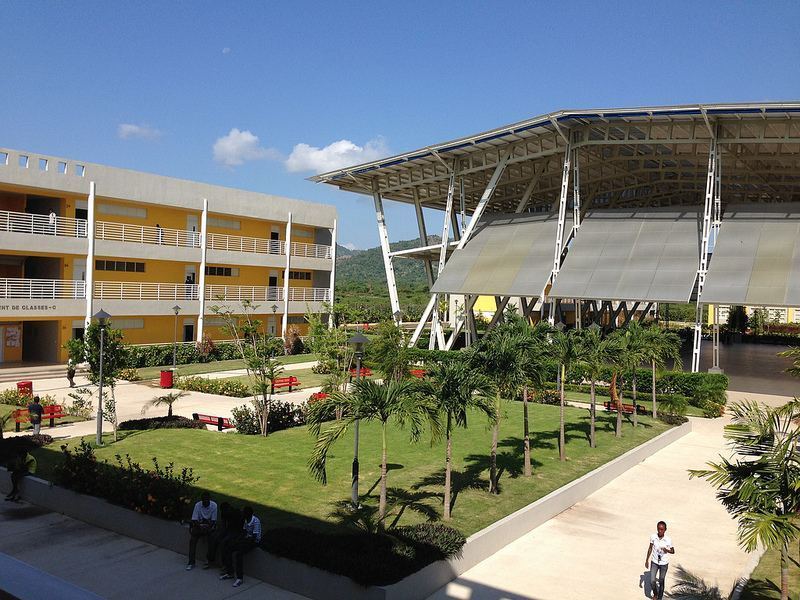
Coming — dataNotable institutions, mappable as points.
Coming — data