History
Hungary is a landlocked parliamentary republic of about 9.9 million people occupying the Carpathian Basin, bordered by seven states and split down the middle by the Danube. Budapest, formed in 1873 from the hill town of Buda and the flat commercial city of Pest, holds about a fifth of the population and nearly all of the country's institutions. The defining national fact is linguistic: Hungarian is a Uralic language, related distantly to Finnish and Estonian and to nothing spoken anywhere near it, and 98.8% of the population speaks it. Ethnic Hungarians make up 84.3% of those who answered the 2022 census, with Romani and German minorities recorded; religiously, Catholics are 30.1% and Calvinists 9.8%, though 40.1% declined to answer the question. The economy is industrial and deeply integrated with Germany, which takes a quarter of exports dominated by cars, vehicle parts, electric batteries, pharmaceuticals and computers, giving GDP per capita of about $40,700 on a purchasing-power basis. Hungary joined NATO in 1999 and the European Union in 2004. Its modern politics are shaped by the loss of two-thirds of its territory at Trianon in 1920, by the crushed revolution of 1956, and since 2010 by a governing project that has put it in sustained conflict with European Union institutions.
Budapest's urban core is home to about 1,743,875 people.
That's bigger than Amsterdam — each a great world city in its own right.
Among the world's megacities, though, it's one of many — the giants of Asia and Latin America run larger still:
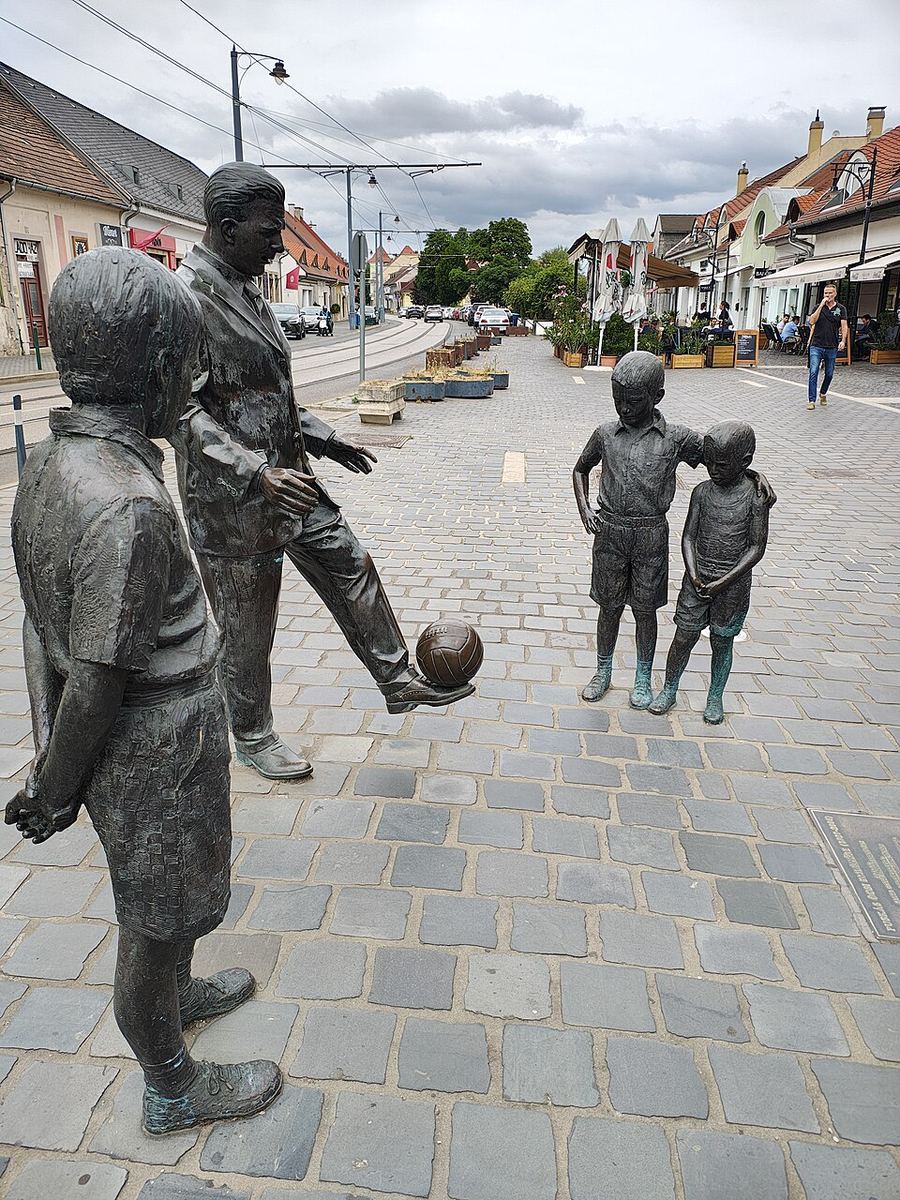
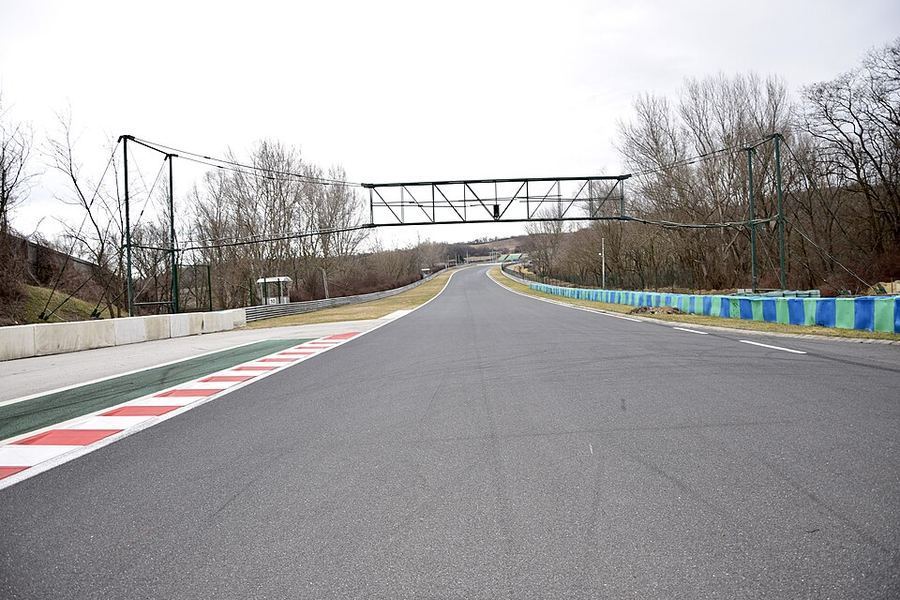
Hungary's standing in world sport rests on an Olympic record that ranks it among the most successful nations in history relative to its population, and on one distinction it would rather trade: it is the most successful country never to have hosted the Games. The medals are concentrated in water polo, fencing, swimming, canoeing, wrestling and the modern pentathlon, and the individual records include Aladár Gerevich's six consecutive fencing golds and Krisztina Egerszegi's five swimming titles across three Games. In football the Golden Team of the 1950s is still studied: its 6-3 win at Wembley in 1953 is treated in England as the match that ended a national illusion, and FIFA named its annual award for the best goal of the year after Ferenc Puskás. Motorsport gave Hungary a place on the global calendar when the Hungaroring near Budapest hosted a Formula One Grand Prix in 1986, the first world championship race held behind the Iron Curtain, and it has run every year since. In chess, Judit Polgár became the strongest woman ever to play the game and beat several reigning world champions while refusing to compete in women-only events.
Parliamentary republic
Tamas Sulyok — President
In office since 5 March 2024
Viktor Orban — Prime Minister
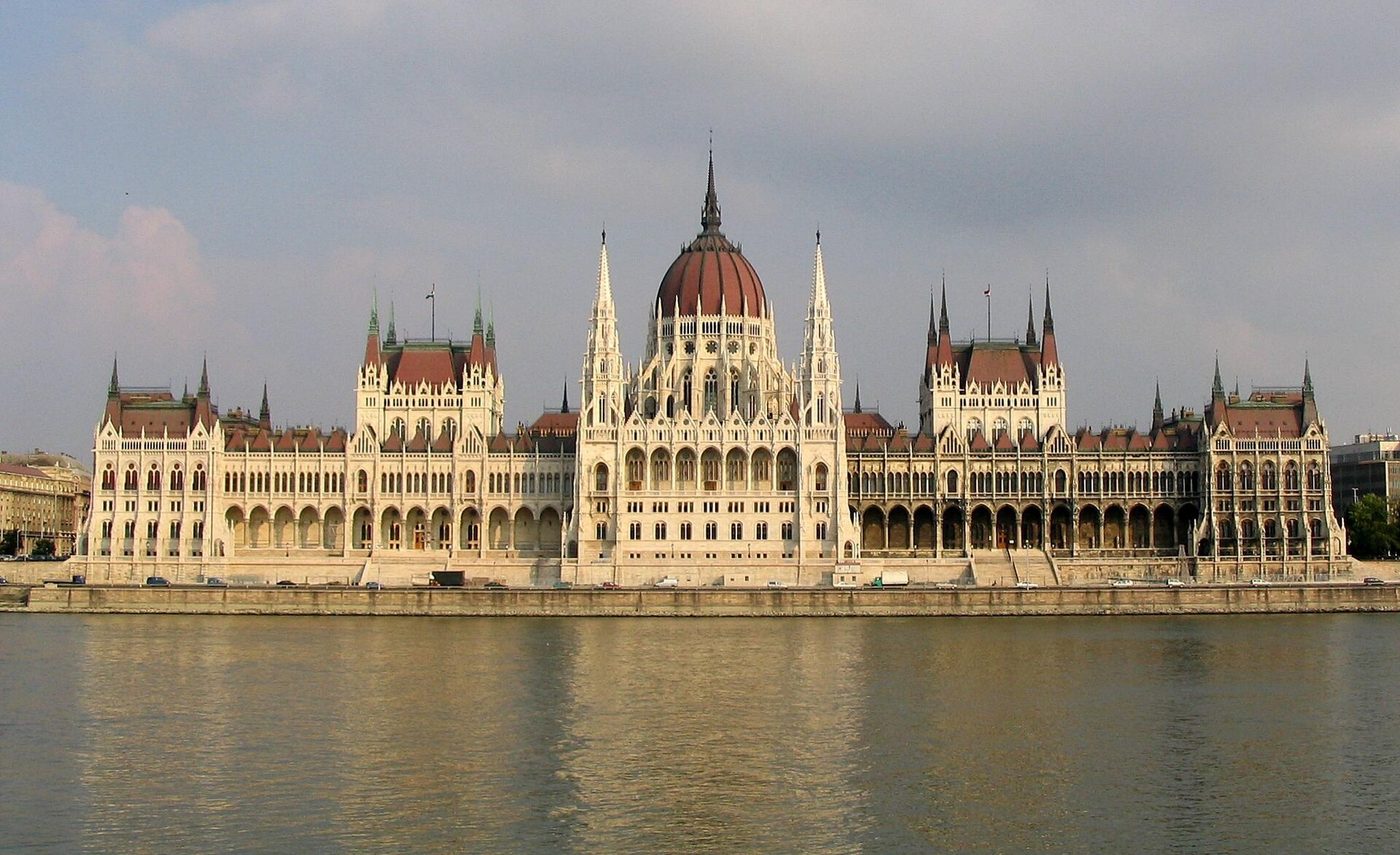
Unicameral
Composition — FIDESZ-KDNP majority
FIDESZ-KDNP 135 · DK 15 · Jobbik 10 · MSZP 10 · Momentum 10 · Other 19
Last election 4/3/2022 · 15.6% women
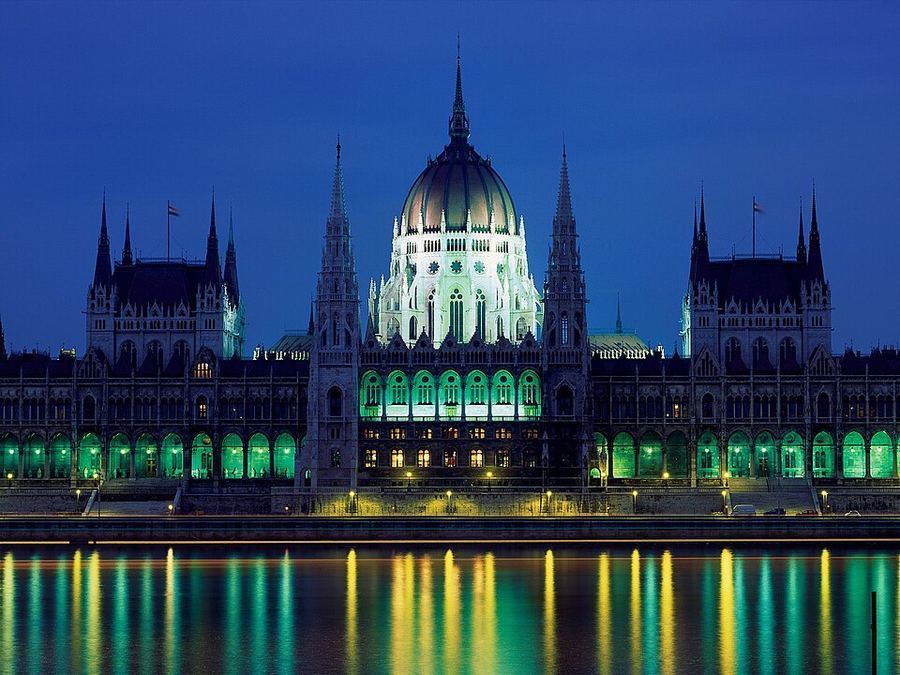
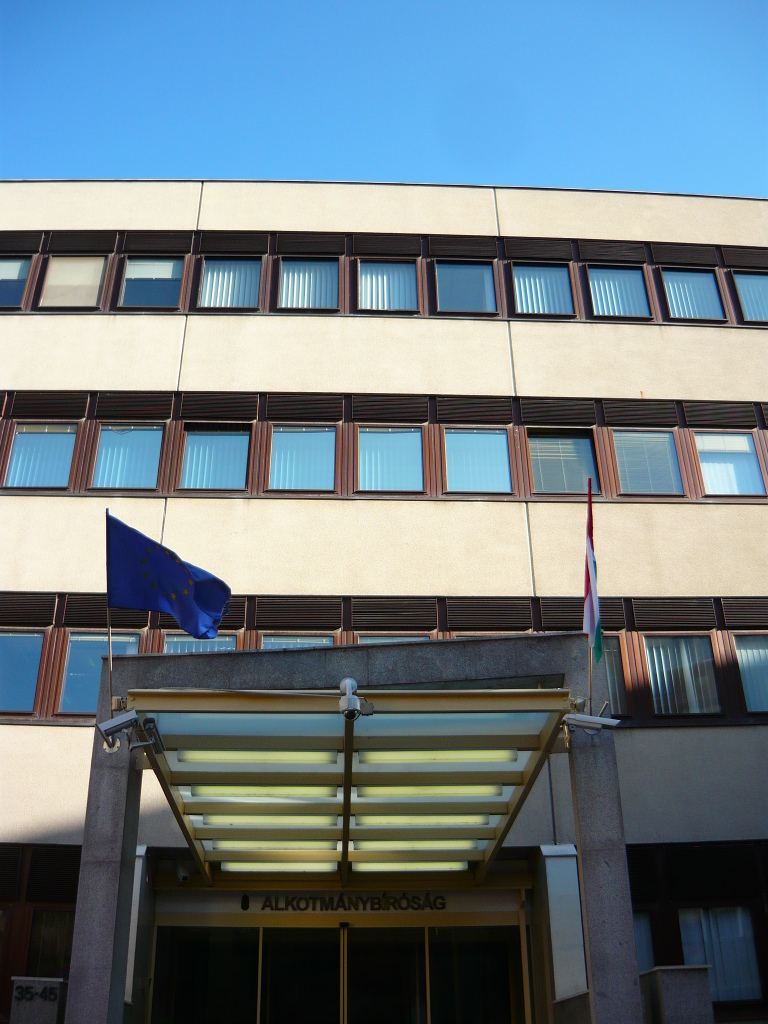
consists of the president, vice president, department heads, and has a maximum of 113 judges, and is organized into civil, criminal, and administrative-labor departments; Constitutional Court (consists of 15 judges, including the court president and vice president
Forint — HUF (Ft)
GDP (PPP): $389.207 billion (2024 est.)
Per capita: $40,700 (2024 est.)
$166.503 billion (2024 est.)
cars, vehicle parts/accessories, electric batteries, packaged medicine, computers (2023)
Partners: Germany 25%, Italy 6%, Romania 6%, USA 5%, Slovakia 4% (2023)
$154.077 billion (2024 est.)
vehicle parts/accessories, natural gas, integrated circuits, broadcasting equipment, industrial acids/oils/alcohols (2023)
Partners: Germany 23%, China 7%, Austria 6%, Poland 6%, S. Korea 6% (2023)
Type: parliamentary republic
Independence: 16 November 1918 (republic proclaimed); notable earlier dates: 25 December 1000 (crowning of King STEPHEN I, traditional founding date); 30 March 1867 (Austro-Hungarian dual monarchy established)
How mountains, coasts, and rivers shape settlement (LandScan).
Coming — dataWhere groups settled and how people move (GeoEPR + UNHCR).
Coming — dataNotable institutions, mappable as points.
Coming — data