HERA · Human Entity Reference Atlas by Masego Inc

← Iraq 🌐 3D View
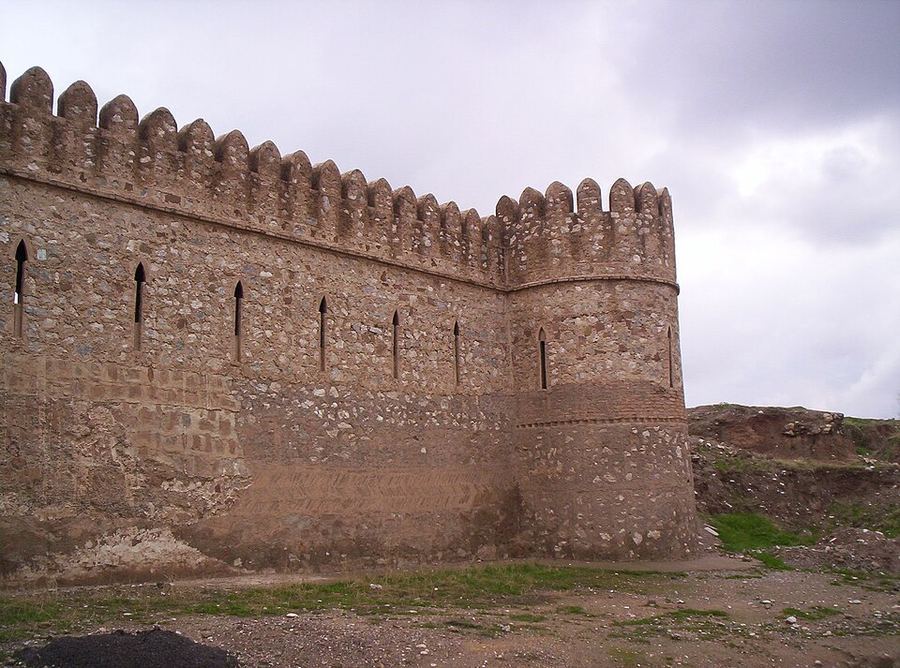
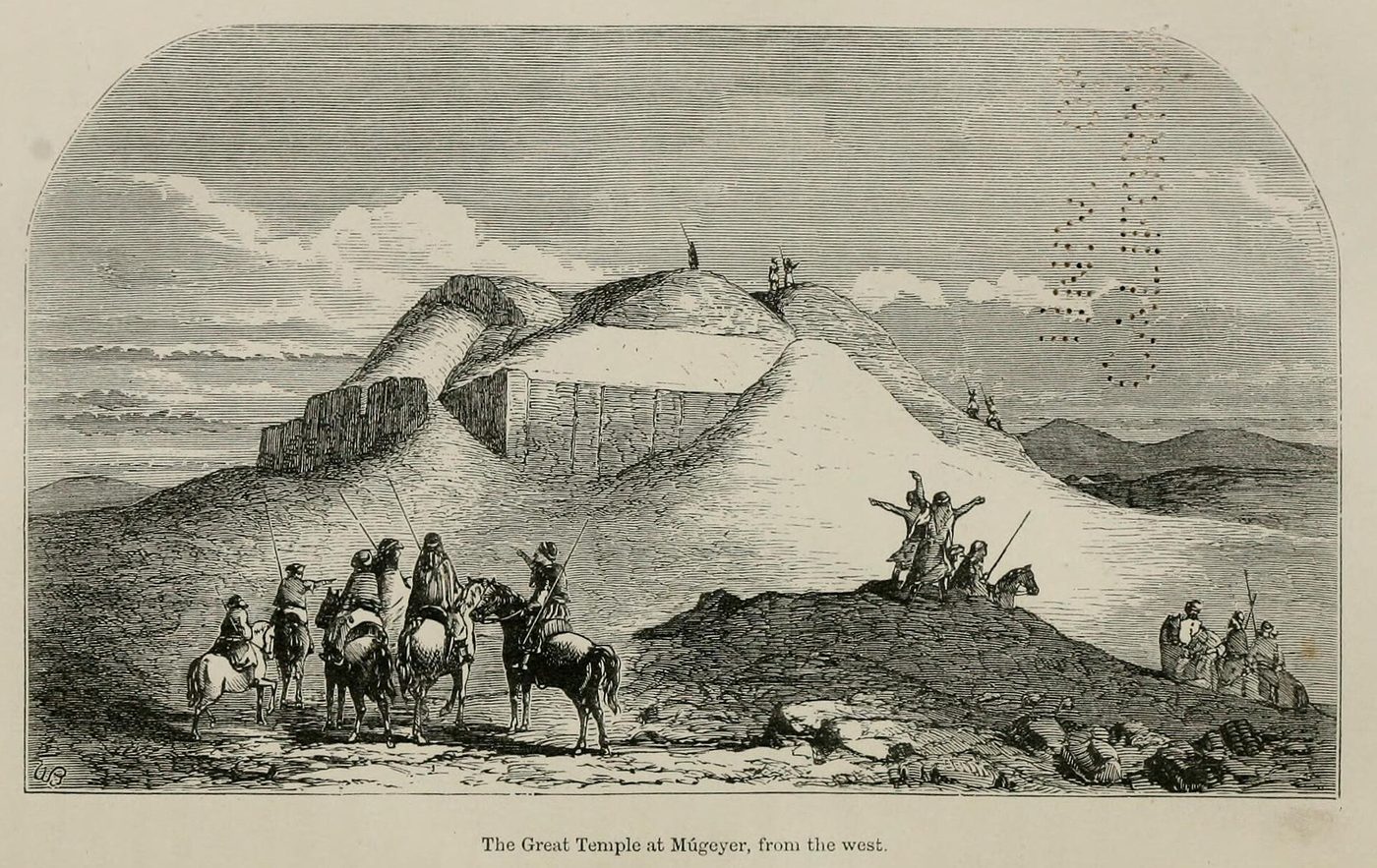
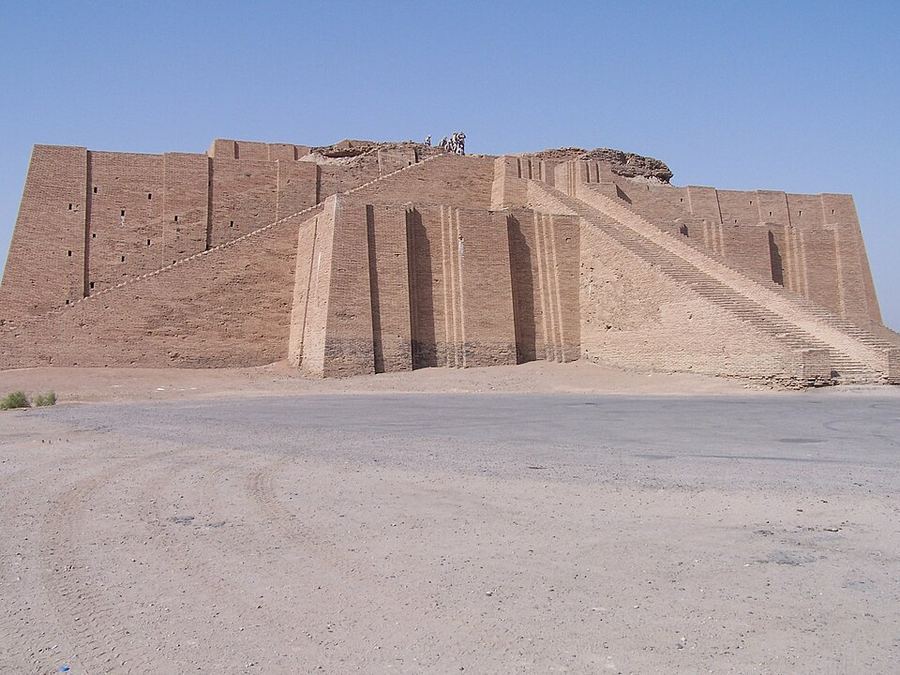
Great Ziggurat of Ur, Iraq
Iraq IRQ
Great Ziggurat of Ur — Photo: William Loftus / Public domain via Wikimedia Commons
Did You Know The word algorithm comes from the name of al-Khwarizmi, a mathematician working in ninth-century Baghdad, and the word algebra from the title of his book on the balancing of equations. — Encyclopaedia Britannica

Iraq is a federal parliamentary republic of about 43 million people built across the plain of the Tigris and Euphrates, the alluvial corridor that carried the world's first cities, first writing and first law codes. Baghdad, the capital, was founded in 762 as the seat of the Abbasid caliphate and became for several centuries the intellectual centre of the Islamic world. The modern state was assembled after the First World War from three Ottoman provinces under British mandate and became independent on 3 October 1932. Its people are roughly 75 to 80% Arab and 15 to 20% Kurdish, with Turkmen, Yazidi, Assyrian, Shabak and Sabaean-Mandaean communities among the smaller groups; Arabic and Kurdish are both official, and Turkmen and Syriac hold official status where their speakers live. Muslims make up 95 to 98% of the population, with a Shia majority of about 61 to 64% and a Sunni minority of 29 to 34% — a balance that has shaped every political settlement since 2003. The economy rests almost entirely on oil: crude petroleum, refined products and petroleum coke dominate exports, mostly to China and India. Four decades of war, sanctions and insurgency have left more than 335,000 people displaced, and reconstruction remains the central national task.

CIA World FactbookEncyclopaedia BritannicaUNHCR
Population
42,917,742
Capital
Baghdad
Currency
ع.د IQD
Time zones
Largest city
Baghdad
Human Geography Themes
Loading national figures…
Largest Cities
Baghdad6,891,722
Basra2,131,556
Mosul1,678,253
Erbil1,552,696
Al-Najaf1,361,936
Kirkuk1,238,662
Duhok1,142,889
Karbala1,078,646
In Perspective

Baghdad's urban core is home to about 6,891,722 people.

That's bigger than Madrid, Toronto, Chicago and Sydney — each a great world city in its own right.

Baghdad6,891,722
Madrid5,680,137
Toronto5,566,382
Chicago5,318,735
Sydney4,375,394

Among the world's megacities, though, it's one of many — the giants of Asia and Latin America run larger still:

Baghdad6,891,722
Jakarta40,545,126
Dhaka37,307,160
Tokyo33,244,670
Shanghai30,678,616
Cairo25,230,325

More people live in Baghdad than in the entire nation of Denmark, Singapore, Finland or Norway.

The Country & Its People

History

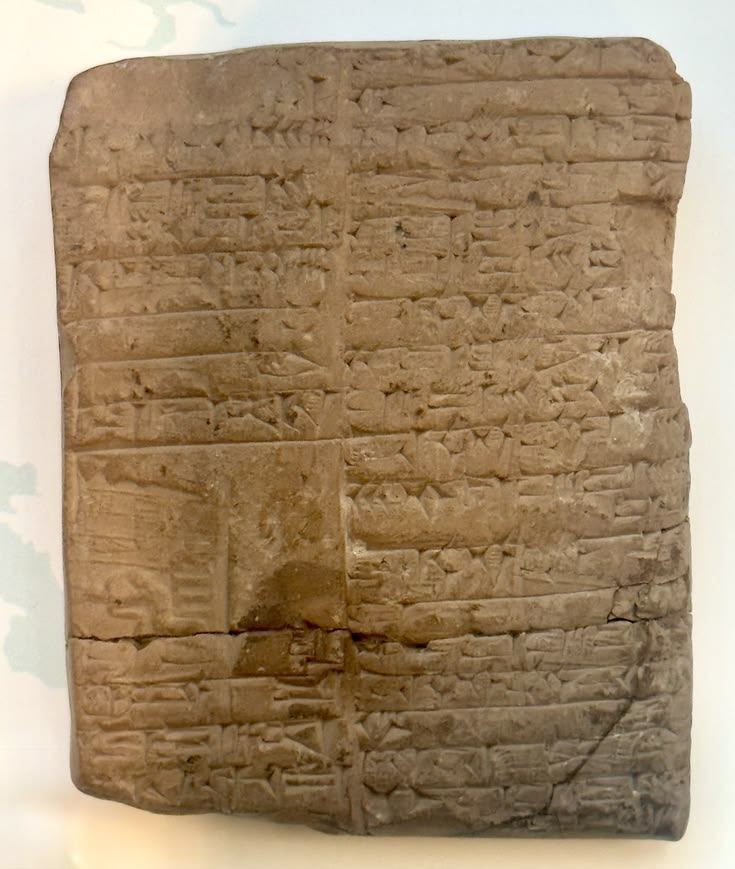
Southern Iraq is where urban civilisation begins. The Sumerian cities of Uruk, Ur and Eridu were producing monumental architecture and cuneiform writing before 3000 BC; Sargon of Akkad built the first known empire around 2334 BC; and Hammurabi of Babylon issued his law code, inscribed on a basalt stele, in the eighteenth century BC. Assyria ruled from Nineveh and Ashur, and Ashurbanipal assembled a royal library whose tablets preserved the Epic of Gilgamesh. Babylon fell to the Persians in 539 BC, Alexander the Great died there in 323 BC, and the Sasanians ruled from Ctesiphon until the Arab conquest of the 630s. The killing of Husayn ibn Ali at Karbala in 680 became the founding event of Shia identity. Baghdad, founded by the caliph al-Mansur in 762, presided over an era of translation, mathematics and medicine until the Mongols sacked it in 1258. Ottoman rule from 1534 gave way to British occupation in the First World War, a mandate, and the kingdom established under Faisal I in 1921. The monarchy fell in 1958, the Baath Party took power in 1968, and Saddam Hussein ruled from 1979 until the United States-led invasion of 2003. Insurgency, sectarian war and the rise and territorial defeat of the Islamic State followed, the latter declared complete in December 2017.
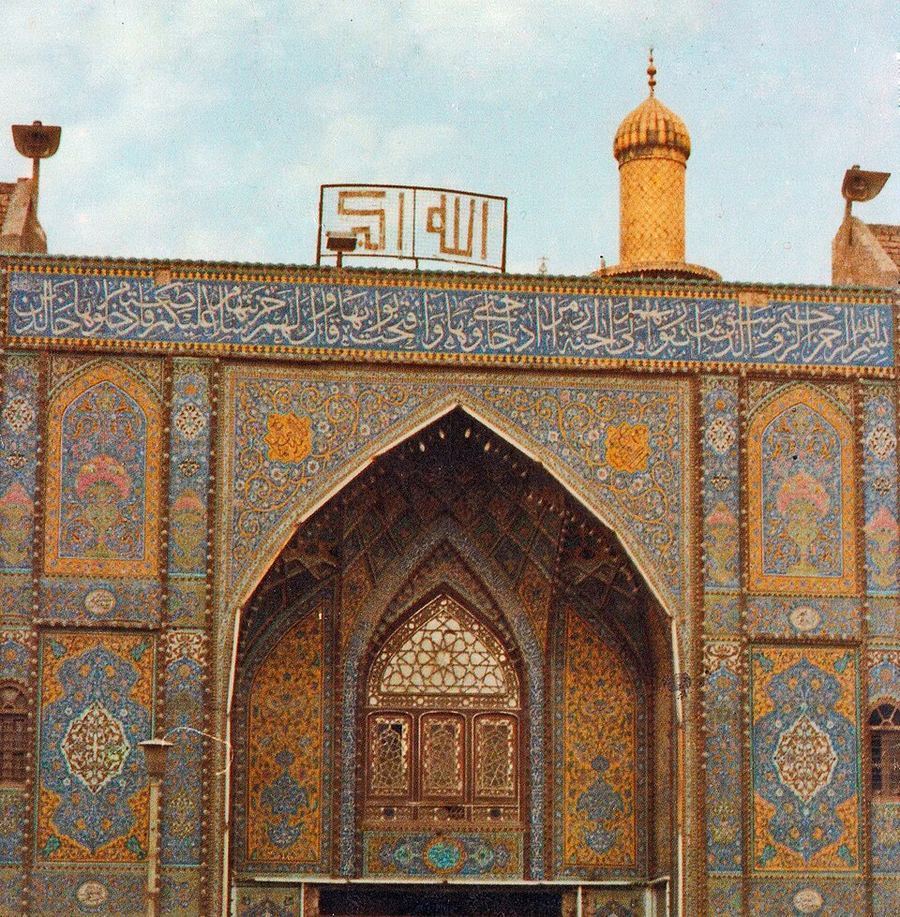
Culture

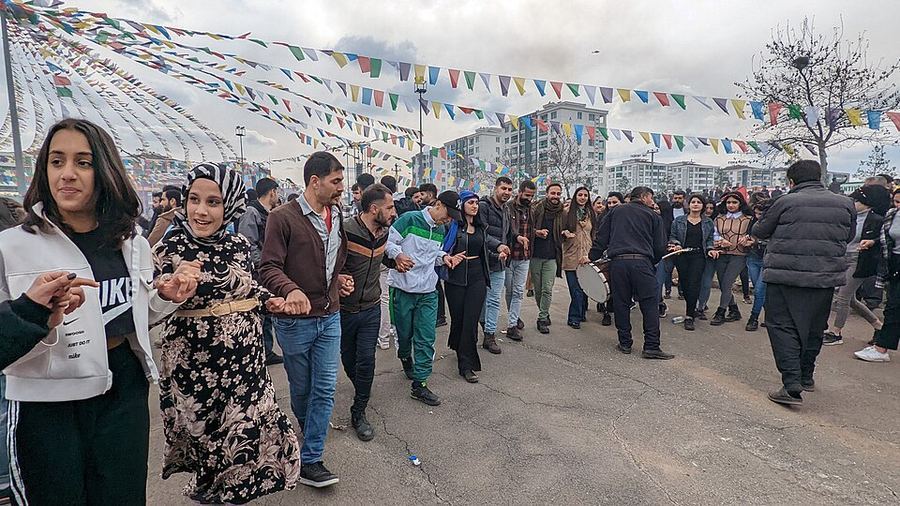
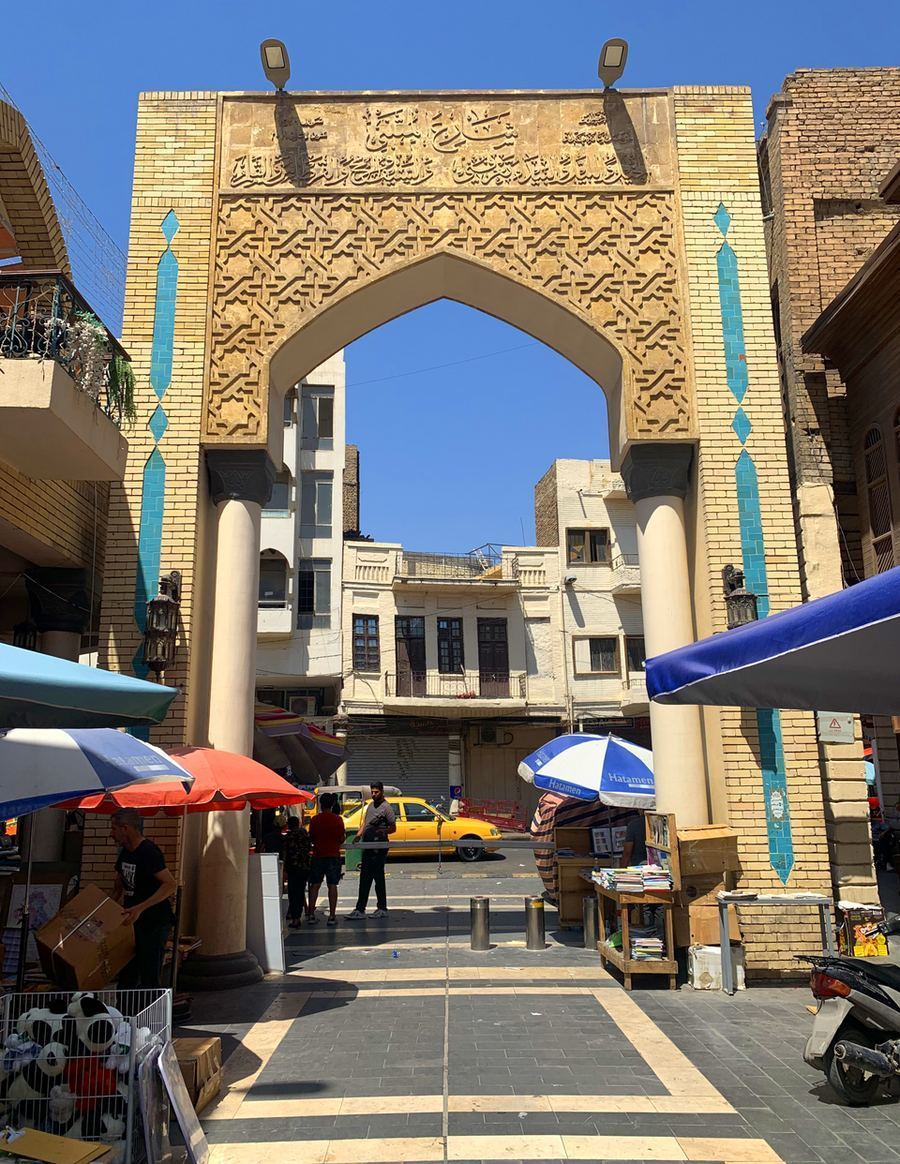
Iraqi culture is layered along two axes at once: an Arab south and centre against a Kurdish north, and a Shia majority against a Sunni minority, with older communities — Assyrian and Chaldean Christians, Yazidis, Turkmen, Sabaean-Mandaeans — threaded between them. The Shia shrine cities of Najaf, where Ali ibn Abi Talib is buried, and Karbala, where Husayn was killed in 680, are among the most important pilgrimage sites in Islam; the Arbaeen commemoration forty days after Ashura draws millions of walkers along the roads to Karbala and is one of the largest annual gatherings of people anywhere in the world. Yazidis maintain their own faith centred on the temple complex at Lalish in the northern hills. Hospitality is close to obligatory, and tribal affiliation still carries real weight in dispute resolution and politics. Poetry occupies a status Iraqis themselves describe as national: the Baghdad book market on al-Mutanabbi Street, named for a tenth-century poet, is a weekly institution, and the phrase that Cairo writes, Beirut prints and Baghdad reads is quoted with pride. Kurdish culture in the north keeps its own calendar, with Newroz on 21 March celebrated with hillside fires.

Points Of Pride

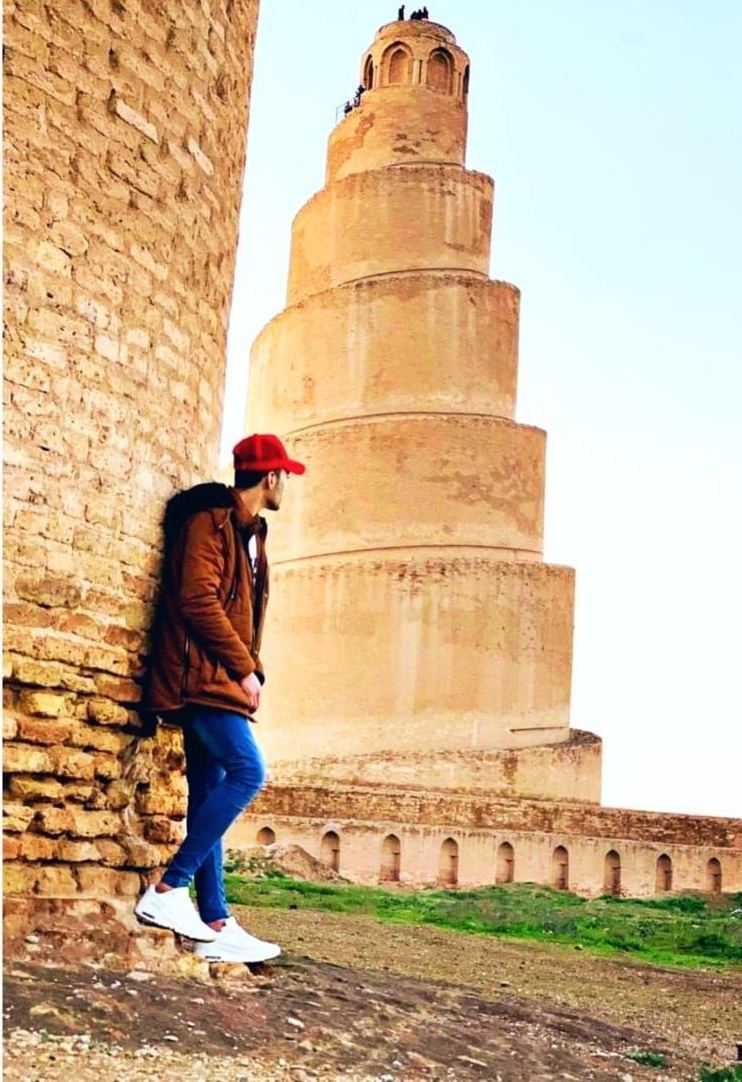
Iraq holds six UNESCO World Heritage sites, and the list reads as a summary of human history: Hatra, the Parthian caravan city inscribed in 1985; Ashur, the first Assyrian capital, in 2003; the Samarra Archaeological City with its spiral Malwiya minaret, in 2007; the Erbil Citadel, a continuously inhabited mound in the Kurdistan Region, in 2014; the Ahwar of Southern Iraq, combining the Mesopotamian Marshes with the ruined cities of Ur, Uruk and Eridu, in 2016; and Babylon in 2019. Beyond the monuments, Iraq claims the inventions that made recorded civilisation possible — cuneiform writing, the earliest known law codes, and the base-sixty arithmetic that still divides the hour and the circle. The Epic of Gilgamesh, recovered from clay tablets, is the oldest substantial work of literature to survive. Abbasid Baghdad's translation of Greek philosophy and science into Arabic preserved texts that would otherwise have been lost to Europe. In modern memory, the national football team's victory in the 2007 AFC Asian Cup, won by a team drawn from all of Iraq's communities during the worst year of sectarian violence, is remembered as a moment of unity rather than merely a sporting result.

Cultural Fusion

Iraq is a sedimentary culture in which each layer stayed visible. Sumerian and Akkadian gave way to Aramaic, Aramaic to Arabic, and Aramaic survives still in the Syriac liturgy of the Assyrian and Chaldean churches and in the Neo-Aramaic recognised as an official language where its speakers live. Persian influence runs through the shrine cities, the language of scholarship in Najaf, and the cuisine; Ottoman Turkish rule left administrative vocabulary, the Turkmen communities of Kirkuk and Tal Afar, and much of the sweet repertoire. The Abbasid capital was the great fusion engine: Greek, Persian and Indian learning was translated into Arabic there, Indian numerals were adopted and passed westward, and paper-making arrived from China. Baghdad's Jewish community, one of the oldest continuous communities anywhere, formed roughly a quarter of the city's population in the early twentieth century and supplied much of its commercial and musical life before departing almost entirely in the years after 1948. Kurdish, Arab, Turkmen and Christian traditions still overlap most densely in Kirkuk and the northern plains, and Iraqi maqam is itself a hybrid, its instruments and modes shared with Persian and Turkish court music.

Music & Dance

The classical music of Iraq is the maqam al-Iraqi, a suite form in which a solo singer improvises through a modal sequence over a fixed poetic text, accompanied by the chalghi Baghdadi ensemble of joza spike fiddle, santur hammered dulcimer, drum and tambourine. UNESCO proclaimed the Iraqi maqam a Masterpiece of the Oral and Intangible Heritage of Humanity in 2003, and it was later inscribed on the Representative List. Its great twentieth-century interpreters included Muhammad al-Qubanchi and Nazem al-Ghazali, whose lighter songs carried the tradition to a mass audience across the Arab world. Munir Bashir, working from Baghdad, made the oud a solo concert instrument and became the best-known Iraqi musician internationally. Popular music since the 1980s has been dominated by Kadhim Al Sahir, a Mosul-born singer whose settings of the poet Nizar Qabbani made him one of the largest concert draws in the Arab world. Folk dance is communal and line-based: the choubi of the central provinces, danced to a hard four-beat drum pattern, and the Kurdish halparke or govend, in which dancers link fingers or shoulders and move in an open circle, performed most visibly at Newroz.

Cuisine & Misattributed Foods

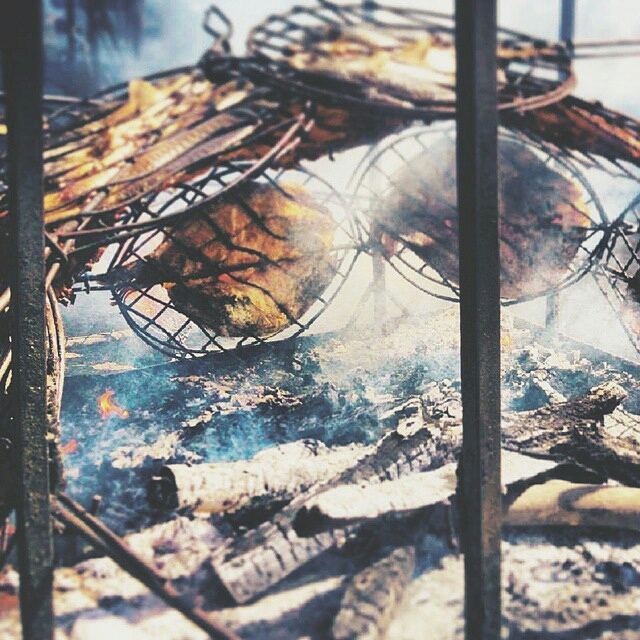
Iraqi cooking is river food and desert food at once. Its emblem is masgouf: a carp taken from the Tigris, split along the back, seasoned and propped on stakes around an open fire of apricot or tamarisk wood to cook slowly by radiant heat, then finished on the embers and eaten with flatbread, tomato and onion — the riverside grills of Baghdad's Abu Nuwas Street built their reputation on it. Rice, called timman, and stews such as tepsi baytinijan, layered aubergine and meatballs baked in tomato, form the daily table. Kubba, a shell of bulgur, rice or potato around spiced meat, appears in a dozen regional forms; dolma stuffs vine leaves, onions and courgettes; quzi presents slow-cooked lamb over spiced rice for celebrations. Bread comes as pillowy samoon or as flat khubz slapped onto the wall of a clay tannour oven. Amba, a pickled mango sauce whose name and technique came from India, is poured over sandwiches and grilled meat. Dates are the historic pride of the southern groves, eaten fresh and reduced to the thick syrup called dibis; Iraq was long among the world's leading producers. Tea is drunk very strong and very sweet from small waisted istikan glasses.

National Dress

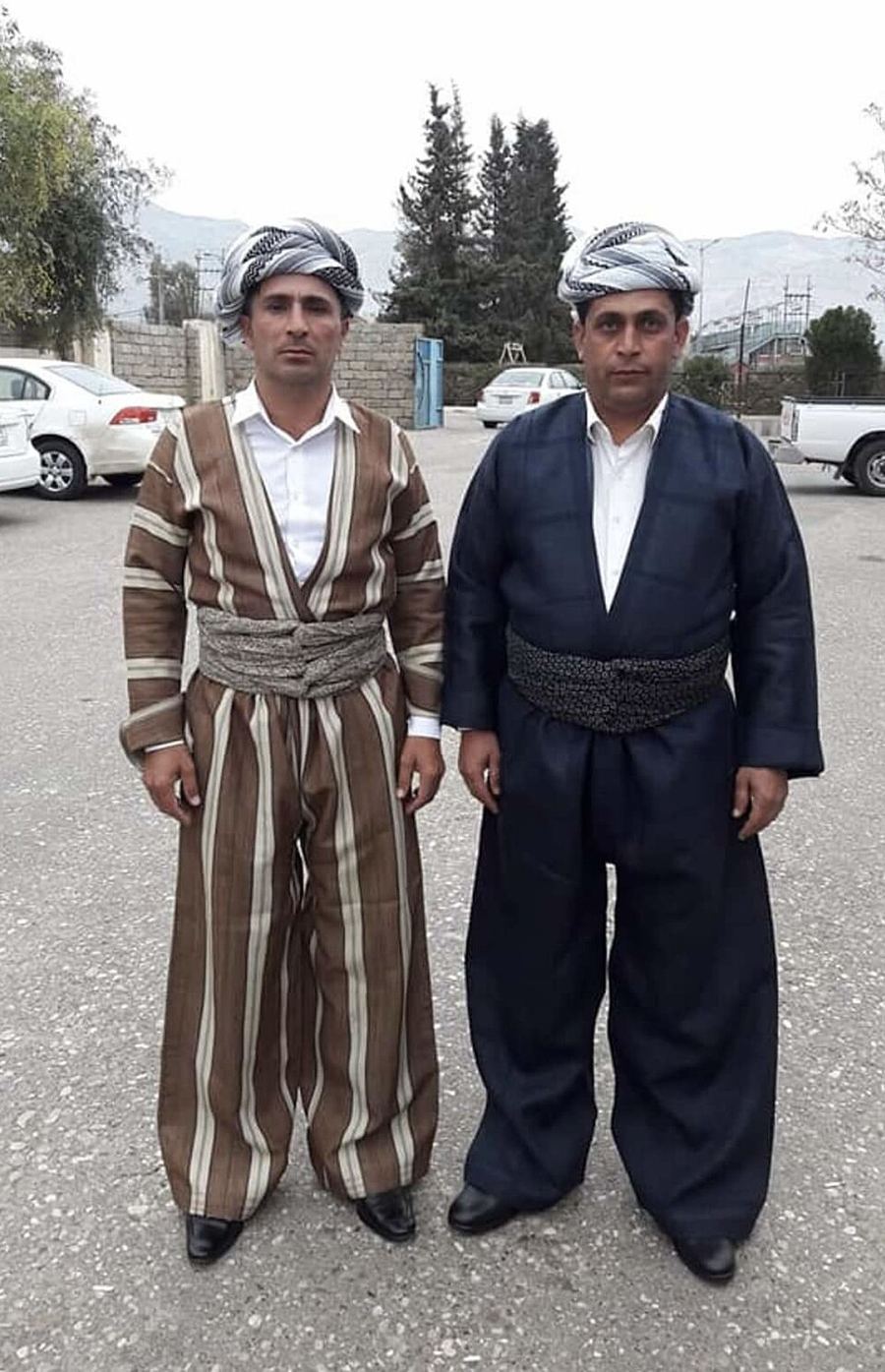
Iraqi dress divides along the country's main cultural lines. Arab men traditionally wear the dishdasha, an ankle-length shirt-robe, with the head covered by a yashmagh — the chequered cloth known elsewhere as a keffiyeh, in Iraq most often black-and-white or red-and-white — held by the black cord agal. Over it, for tribal leaders and on formal occasions, goes the bisht, a flowing outer cloak in dark wool trimmed with gold thread, whose presentation to a guest is a mark of honour. Women's public dress has centred on the abaya, a black over-garment draped from the head or shoulders, worn over ordinary clothing; in the shrine cities it is near-universal, in Baghdad and Erbil far less so. Kurdish dress is distinct and worn with evident pride, particularly in the Kurdistan Region and at Newroz: men wear the shal u shapik, a baggy-trousered suit in plain wool gathered at the waist with a wide cummerbund called a pshtwen, topped by a turban wound around a conical cap; women wear the kras, a long dress in bright, often shimmering fabric, with an open-fronted coat and heavy gold jewellery. Urban Iraqi dress otherwise follows international norms.

Sports & Inspiring Athletes

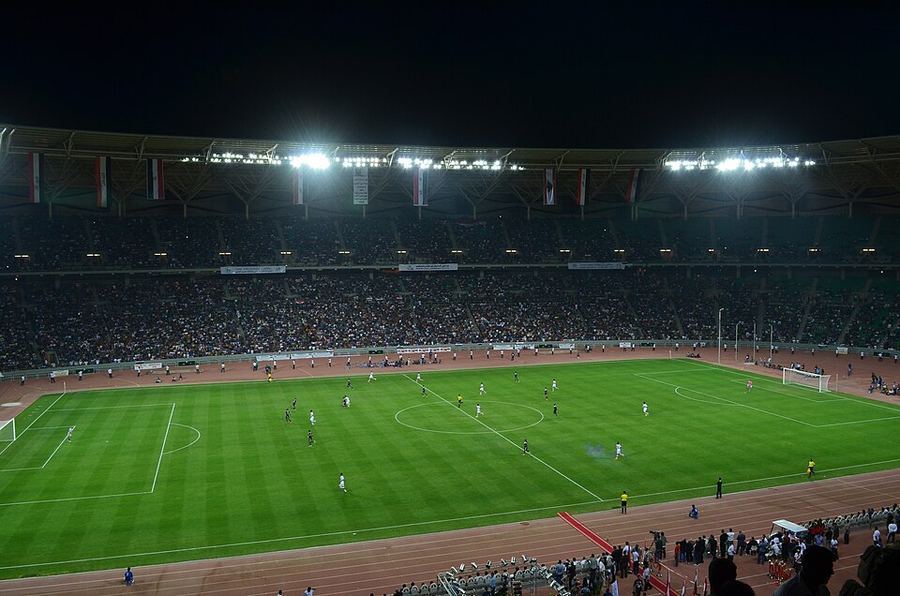
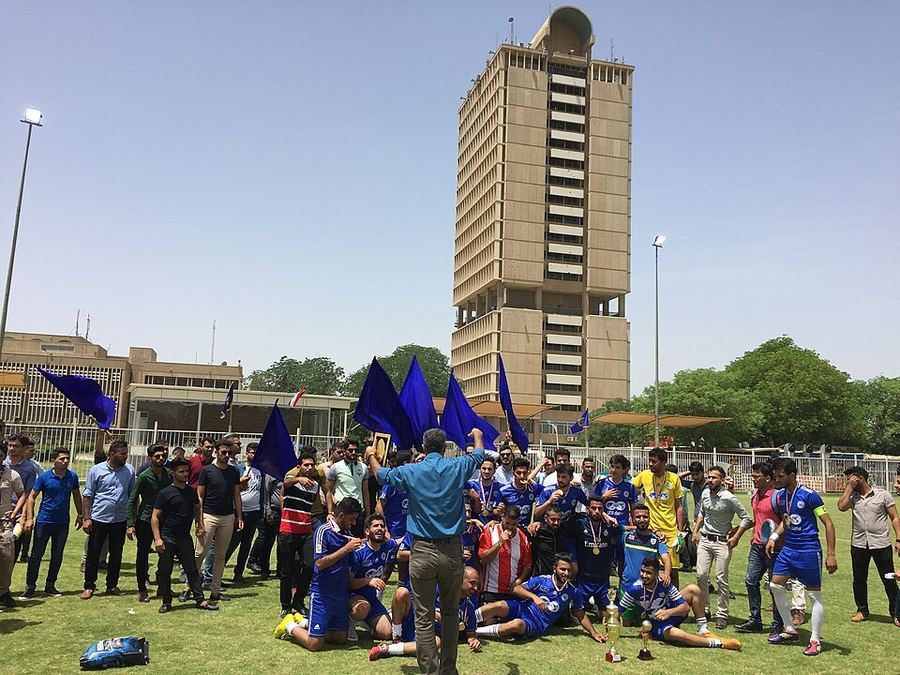
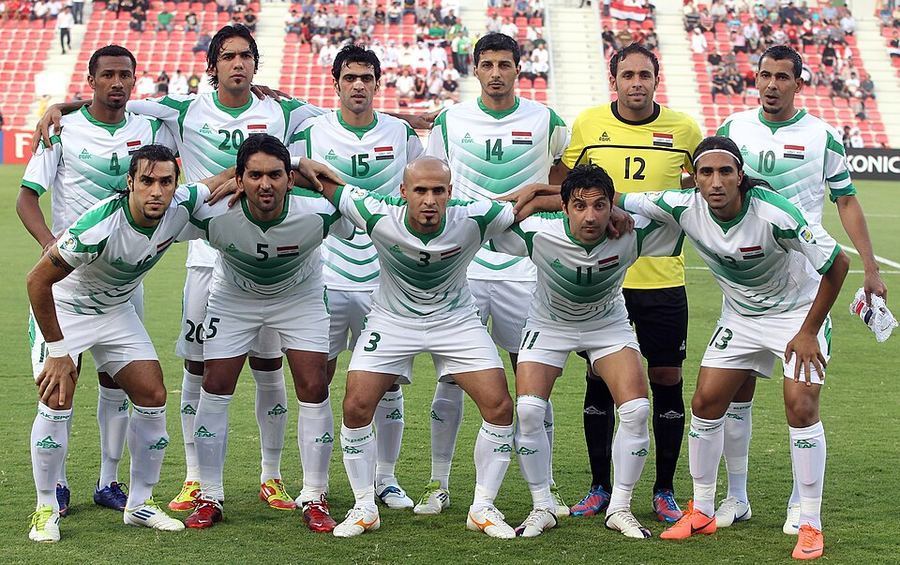
Football is Iraq's national sport by an overwhelming margin, played on any level ground and followed with an intensity that survived decades in which the national team could not host a competitive match at home. The domestic Iraq Stars League is contested by long-established Baghdad clubs including Al-Zawraa, Al-Quwa Al-Jawiya and Al-Shorta, and the country's stadium-building programme has produced modern grounds in Basra, Karbala and Najaf, of which the Basra International Stadium is the largest. The national team qualified for the FIFA World Cup once, in Mexico in 1986, and reached the semi-finals of the Olympic football tournament at Athens in 2004, finishing fourth. Its defining achievement came in 2007, when a squad drawn from Sunni, Shia and Kurdish players won the AFC Asian Cup, beating Saudi Arabia in the final through a Younis Mahmoud header, at the height of the country's sectarian violence. Weightlifting produced Iraq's only Olympic medal, a bronze won by Abdul Wahid Aziz at Rome in 1960. Wrestling, boxing and kickboxing have a solid following, and basketball is played widely in schools; in the Kurdistan Region, mountain hiking has grown as an organised pursuit.

Notable Educational Programs

Iraq once had one of the strongest education systems in the Middle East. The Mustansiriya Madrasah, founded in Baghdad in 1233, is among the oldest surviving institutions of higher learning anywhere, and its name was carried into the modern Mustansiriyah University; the University of Baghdad was established in 1957 and remains the largest in the country. A national literacy campaign in the late 1970s, backed by oil revenue and compulsory attendance, produced rapid gains that drew international recognition from UNESCO. That system was then eroded by three decades of war, sanctions and occupation: infrastructure decayed, teachers emigrated in large numbers, and enrolment fell sharply, most severely in areas held by the Islamic State between 2014 and 2017, where schooling stopped entirely for years. Rebuilding is uneven. Primary enrolment has recovered substantially, but out-of-school children remain concentrated among displaced families and in rural Anbar, Nineveh and Salah al-Din, and a large share of schools run multiple shifts a day in shared buildings. The Kurdistan Region administers its own ministry and curriculum, with instruction in Kurdish. Newer institutions such as the American University of Iraq in Sulaymaniyah, founded in 2007, teach in English and draw students nationally.

Wars & Conflicts

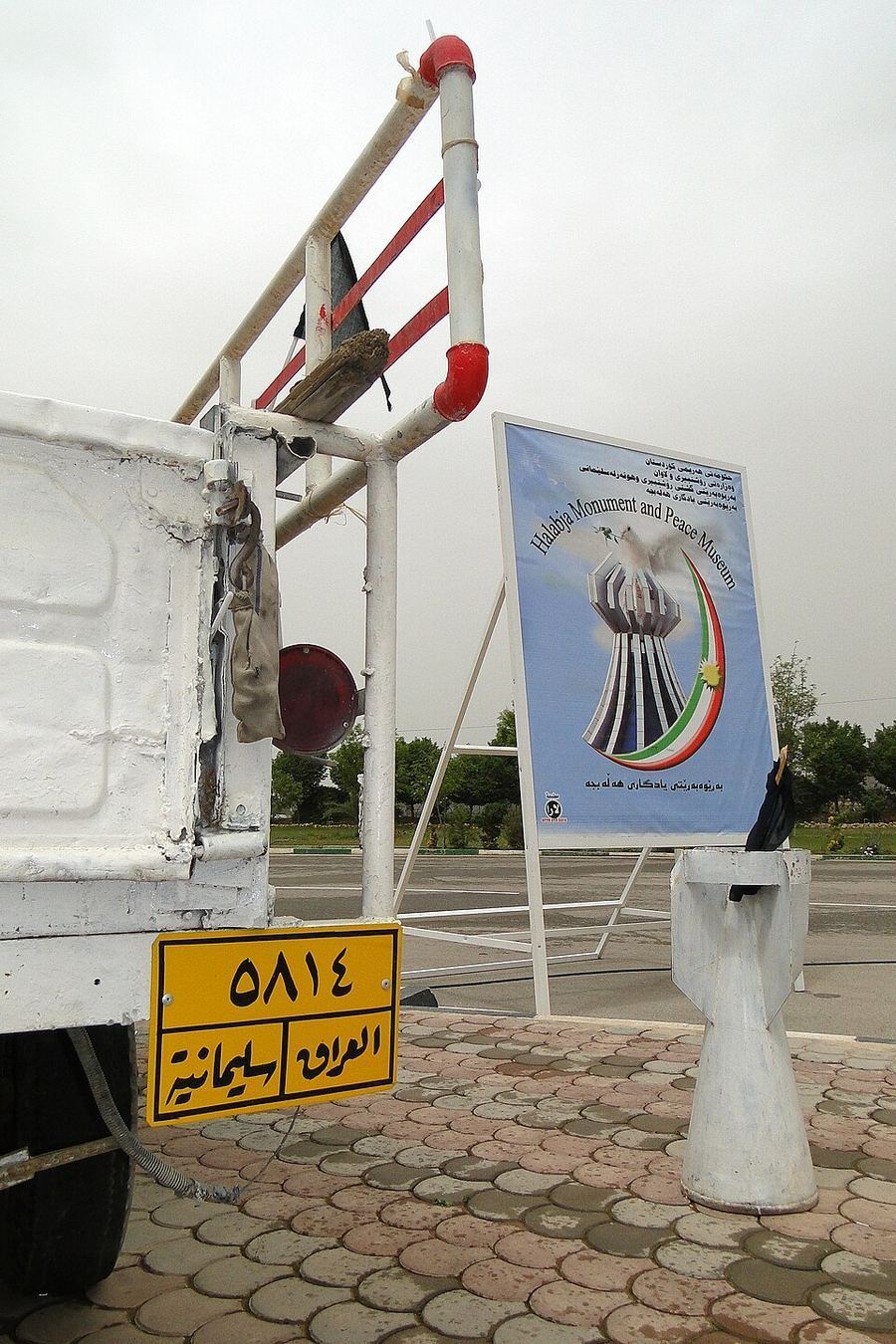
Few countries have endured a comparable sequence of wars. The Iran-Iraq War from 1980 to 1988 killed several hundred thousand people on both sides and introduced chemical weapons to the battlefield; the Anfal campaign against the Kurds in 1988 included the gas attack on Halabja on 16 March that killed roughly five thousand civilians in a single morning. The invasion of Kuwait in August 1990 brought the Gulf War of 1991, sanctions that lasted more than a decade, the suppression of the Shia and Kurdish uprisings, and the deliberate draining of the southern marshes. The United States-led invasion of March 2003 removed the Baath government and was followed by insurgency and, from 2006, sectarian civil war between Sunni and Shia communities. The Islamic State seized Mosul in June 2014 and carried out the genocide of Yazidis around Sinjar that August; the campaign to retake the north culminated in the nine-month battle for Mosul, which ended in July 2017 and left much of the old city destroyed. Territorial defeat was declared in December 2017. More than 335,000 people remain displaced or registered as refugees, and unexploded ordnance and mass graves are still being cleared.
UCDPUNUNHCRHuman Rights WatchCIA World Factbook
Current as of 2026-08-06

Land & Border Disputes

Iraq's most consequential dispute is internal. Article 140 of the 2005 constitution set out a process of normalisation, census and referendum to settle the status of territories claimed by both the federal government and the Kurdistan Regional Government — Kirkuk above all, with its oilfields and its mixed Kurdish, Arab and Turkmen population — and that process has never been carried out. The Kurdistan Region's independence referendum of September 2017 was followed by the federal recapture of Kirkuk the following month, and the underlying questions of territory, oil exports and revenue sharing between Erbil and Baghdad remain live. Externally, the boundary with Kuwait was demarcated by a United Nations commission after 1991 and endorsed by the Security Council in 1993, but navigation and administration in the Khor Abdullah waterway have continued to generate friction, sharpened by an Iraqi court ruling in 2023. The riverine boundary with Iran along the Shatt al-Arab follows the thalweg under the 1975 Algiers Agreement, which Iraq repudiated in 1980 and then accepted again. Water is the growing dispute: upstream dam construction in Turkey and Iran has cut flows on both the Tigris and the Euphrates, with no comprehensive basin-sharing treaty in force.
Land, Life & Legacy

Land & Climate

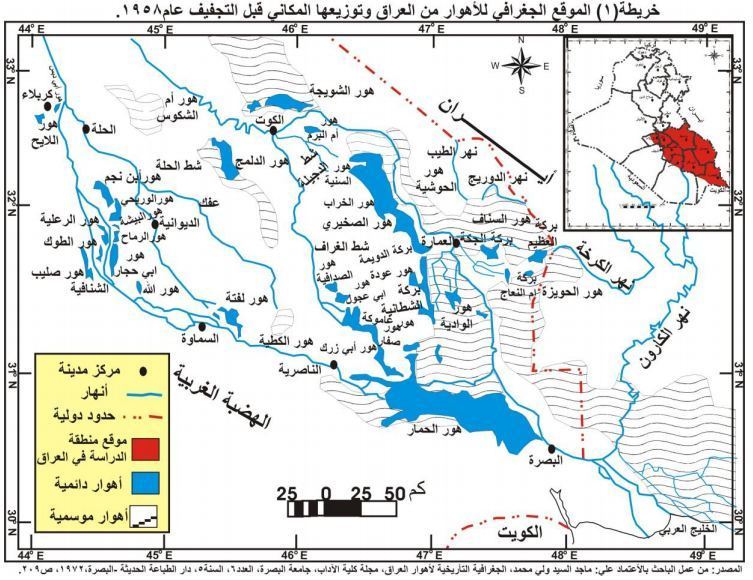
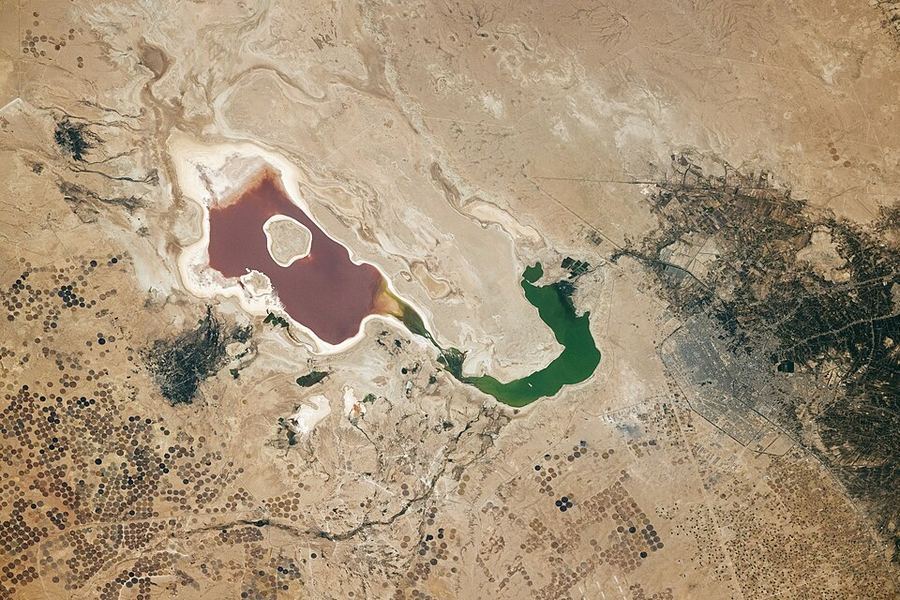
Iraq is defined by two rivers. The Tigris and the Euphrates enter from Turkey and Syria, run roughly parallel across the country and join at al-Qurnah to form the Shatt al-Arab, which carries their combined water the last stretch to a Gulf coastline barely fifty kilometres long. Between and around them lies the Mesopotamian alluvial plain, flat, fertile and entirely dependent on irrigation. To the north-east the land rises into the Zagros, where the Kurdistan Region holds the country's only substantial forest, snow and summer coolness, and the highest peaks approach 3,600 metres on the Iranian frontier. West and south-west the Syrian and Arabian deserts take over. The Mesopotamian Marshes at the rivers' confluence, home to the Marsh Arabs and their reed architecture, were deliberately drained in the early 1990s and have been partially re-flooded since 2003; they now form part of a UNESCO World Heritage property. The climate is hot desert over most of the country: Baghdad routinely exceeds 45 degrees Celsius in July and August, and Basra has recorded temperatures near 54 degrees, among the highest reliably measured anywhere on Earth. The shamal, a persistent north-westerly, drives the dust storms that close airports each summer.

Entertainment

Iraqi leisure is sociable, conversational and largely conducted over tea. The traditional coffee house is the fixed institution — Baghdad's Shabandar Cafe on al-Mutanabbi Street, with its walls of old photographs, has been a meeting place for writers and students for a century — and the games played in them, dominoes and backgammon, are followed as closely as the argument. Fridays bring the al-Mutanabbi Street book market, where second-hand volumes are spread on the pavement and poetry is recited in the surrounding cafes. Families picnic along the Tigris embankments and in city parks such as al-Zawraa in Baghdad, and grilling meat outdoors is the standard form of celebration. Football is watched everywhere, in cafes and on street corners, and played on any available ground. In the Kurdistan Region the mountains supply a different repertoire: the hill resorts around Duhok, the Rawanduz gorge, the waterfalls at Gali Ali Beg, and summer escapes from the heat of the plain that also draw visitors from the south. Domestic religious tourism is enormous in scale, with the shrine cities of Najaf, Karbala, Kadhimiya and Samarra receiving millions of pilgrims a year.

Art & Museums

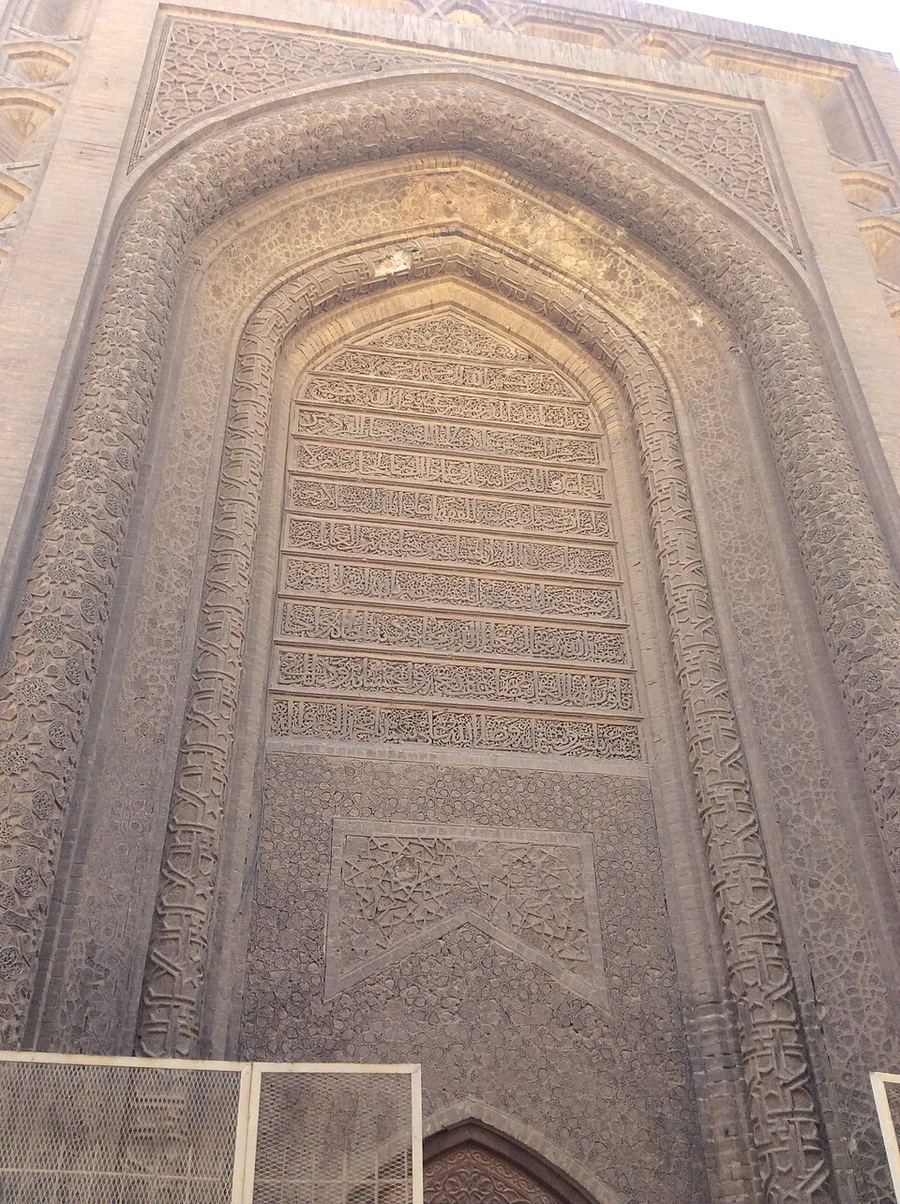
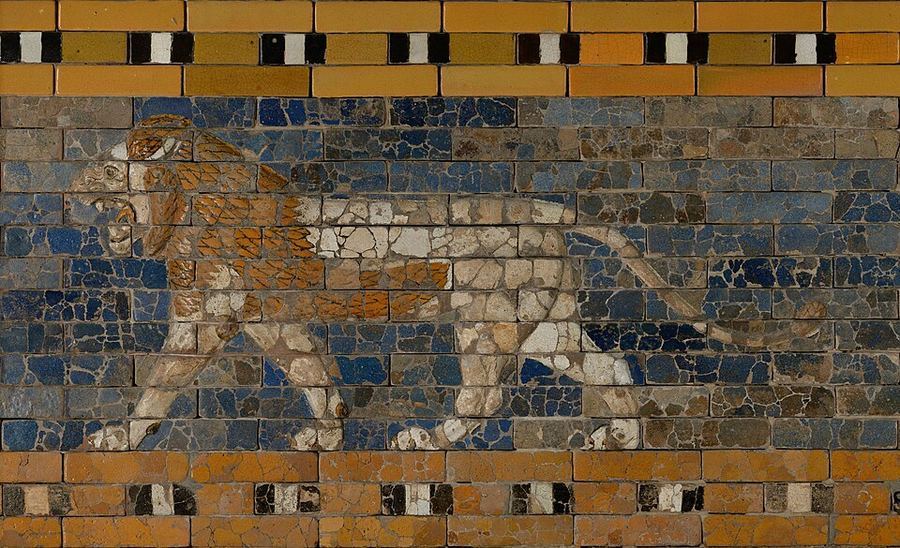
The art of ancient Iraq set standards that later civilisations copied. Sumerian votive statuary with its enormous inlaid eyes, the Akkadian bronze heads, and above all the Assyrian palace reliefs — the winged human-headed bulls known as lamassu, the narrative hunting and battle friezes from Nimrud and Nineveh — are among the most influential sculptural programmes ever made; major examples sit in the British Museum, the Louvre and the National Museum of Iraq in Baghdad. Babylon's Ishtar Gate, faced in glazed blue brick with striding lions and dragons, was excavated in the early twentieth century and reconstructed in Berlin. Islamic Iraq turned to the written line: the tenth-century Baghdad vizier Ibn Muqla established the proportional system that governs classical Arabic calligraphy, and the illustrated Maqamat manuscripts of the thirteenth century are the great achievement of Arab book painting. Modern Iraqi art was defined by Jewad Selim, whose bronze Freedom Monument of 1961 stretches across Tahrir Square in Baghdad in a sequence of figures reading like a relief, and by the Baghdad Modern Art Group he founded in 1951, which sought to fuse international modernism with Mesopotamian form. Shakir Hassan Al Said and Dia al-Azzawi continued that project.
British MuseumLouvreEncyclopaedia Britannica

Notable People

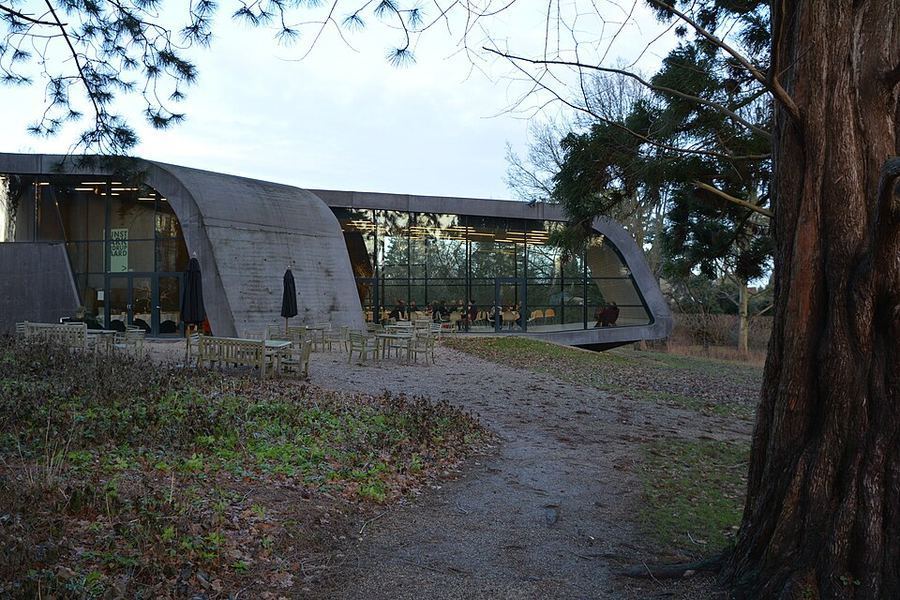
Iraq's roll of names begins with rulers who are also historical firsts: Sargon of Akkad, builder of the earliest known empire, Hammurabi of Babylon, whose law stele survives in the Louvre, and Ashurbanipal, whose library at Nineveh preserved Mesopotamian literature. The Abbasid capital produced scholars whose work underpins modern science. Al-Khwarizmi, working in ninth-century Baghdad, wrote the treatise from whose title the word algebra derives and gave his own name, through Latin transliteration, to the algorithm. Ibn al-Haytham, born at Basra around 965, wrote the Book of Optics, established that vision results from light entering the eye, and insisted on systematic experiment. Abu Nuwas, the wine poet of Harun al-Rashid's court, remains among the most quoted figures in Arabic literature. In the twentieth century Nazik al-Mala'ika and Badr Shakir al-Sayyab broke Arabic poetry out of its classical metres to create free verse, a change felt across the whole language. Zaha Hadid, born in Baghdad in 1950, became the first woman to receive the Pritzker Architecture Prize in 2004 and one of the most recognisable architects in the world. Kadhim Al Sahir is among the Arab world's best-selling singers.

Inventions & Breakthroughs

More foundational technologies were first developed in Mesopotamia than almost anywhere else. Cuneiform writing, which began around 3200 BC in Uruk as a system for recording grain and livestock, is the earliest known script and the basis for record-keeping, contract and literature alike. The potter's wheel and the wheeled vehicle appear in the same region in the fourth millennium BC, as do the seed plough and the large-scale irrigation canal. Sumerian mathematics used a sexagesimal, base-sixty system that still governs the sixty-minute hour and the 360-degree circle, and Babylonian astronomers compiled centuries of dated observations precise enough to predict eclipses. Hammurabi's stele is the fullest surviving early law code, establishing the principle of published, written law. Under the Abbasids, al-Khwarizmi's ninth-century treatises introduced systematic algebra and transmitted the Indian decimal place-value system westward. Ibn al-Haytham's optics of around 1021 set out a method of controlled experiment that historians of science treat as an early formulation of scientific method itself. Jabir ibn Hayyan, associated with Kufa, developed distillation and crystallisation techniques that became the practical basis of chemistry. Paper manufacture reached the Islamic world through Baghdad and spread onward to Europe.
Encyclopaedia BritannicaBritish MuseumScience

Science & Technology

Iraq's technical capacity is concentrated in hydrocarbons. The country holds some of the largest and cheapest-to-produce oil reserves in the world, in the southern fields of Rumaila, West Qurna and Majnoon and in the northern fields around Kirkuk, and crude petroleum accounts for the overwhelming share of exports and of government revenue. Iraq was a founding member of the Organization of the Petroleum Exporting Countries, which was created at a conference held in Baghdad in September 1960. The associated gas produced with that oil has historically been flared rather than captured, making Iraq one of the largest gas-flaring nations and, at the same time, a large importer of gas and electricity — a mismatch that leaves the grid unable to meet summer demand and drives a vast market in private neighbourhood generators. Reducing flaring, expanding gas processing and building utility-scale solar capacity are the central technical projects of the current decade. Elsewhere, the research base built up before 1990 was severely damaged by sanctions, war and the emigration of scientists and engineers, and university laboratories and the national statistical apparatus are still being rebuilt, with a national population census conducted in November 2024 after a gap of decades.
On The World Stage

Champions & Defining Moments

Iraq's international sporting profile rests almost entirely on football, and it is a profile shaped by adversity as much as by results. The 2007 AFC Asian Cup victory, achieved by a team that could not train together safely in its own country and played its home matches abroad, was reported worldwide as a political story as much as a sporting one, and the celebration in Baghdad's streets is remembered as the last time the whole country celebrated the same thing. The team's single World Cup appearance came at Mexico in 1986, where it lost all three group matches without a win but scored through Ahmed Radhi against Belgium. The fourth-place finish at the Athens Olympics in 2004 remains the country's best showing in a global tournament. Iraq's readmission as a host of full international football, after years in which security concerns forced its home fixtures onto neutral ground, was consolidated when Basra staged the Arabian Gulf Cup in January 2023 and the national side won the tournament in front of its own crowd. Outside football, Iraqi athletes compete at the Olympic Games in athletics, weightlifting and boxing, and Iraqi-born players feature in leagues across the Gulf, Europe and Australia.

Economy, Trade & Government

Currency & GDP

Iraqi Dinar — IQD (ع.د)

GDP (PPP): $585.887 billion (2024 est.)

Per capita: $12,700 (2024 est.)

Exports

$107.852 billion (2023 est.)

crude petroleum, refined petroleum, petroleum coke, gold, natural gas (2023)

Partners: China 33%, India 28%, USA 8%, Greece 5%, UAE 5% (2023)

Imports

$81.179 billion (2023 est.)

refined petroleum, cars, broadcasting equipment, jewelry, gold (2023)

Partners: UAE 32%, China 20%, Turkey 18%, India 5%, USA 2% (2023)

Government

Type: federal parliamentary republic

Independence: 3 October 1932 (from League of Nations mandate under British administration)

Terrain → Where People Live

How mountains, coasts, and rivers shape settlement (LandScan).

Coming — data

Migration & Ethnic Settlement

Where groups settled and how people move (GeoEPR + UNHCR).

Coming — data

Universities

Notable institutions, mappable as points.

Coming — data
Economy & government facts: CIA World Factbook (public domain), via OpenFactBook / factbook.json.
Every fact and narrative claim will carry a visible source citation. Data-driven sections light up automatically wherever HERA has coverage.