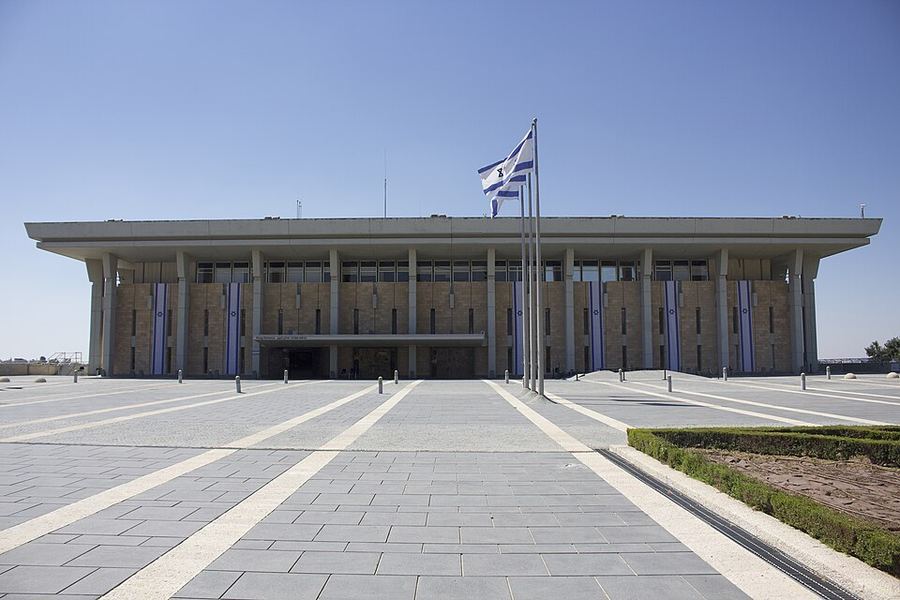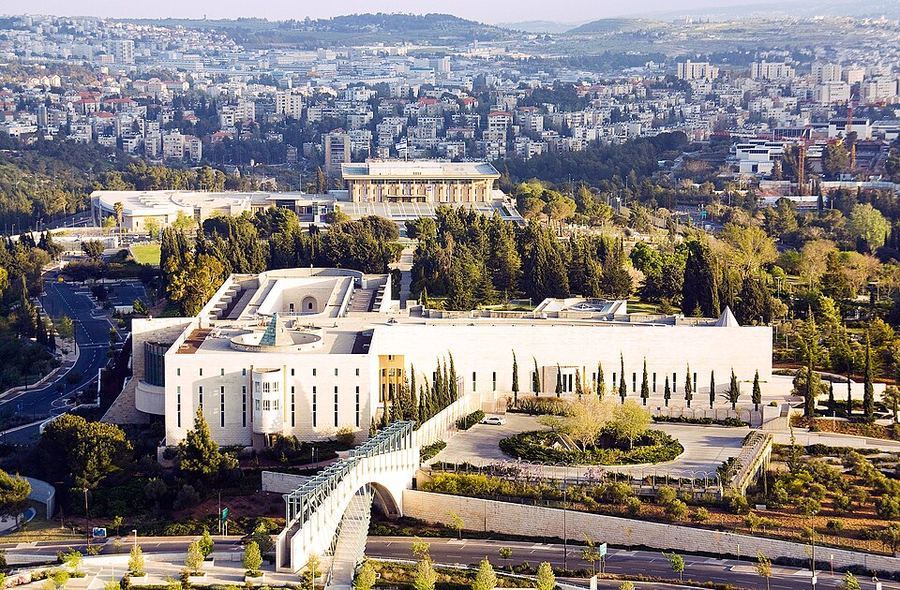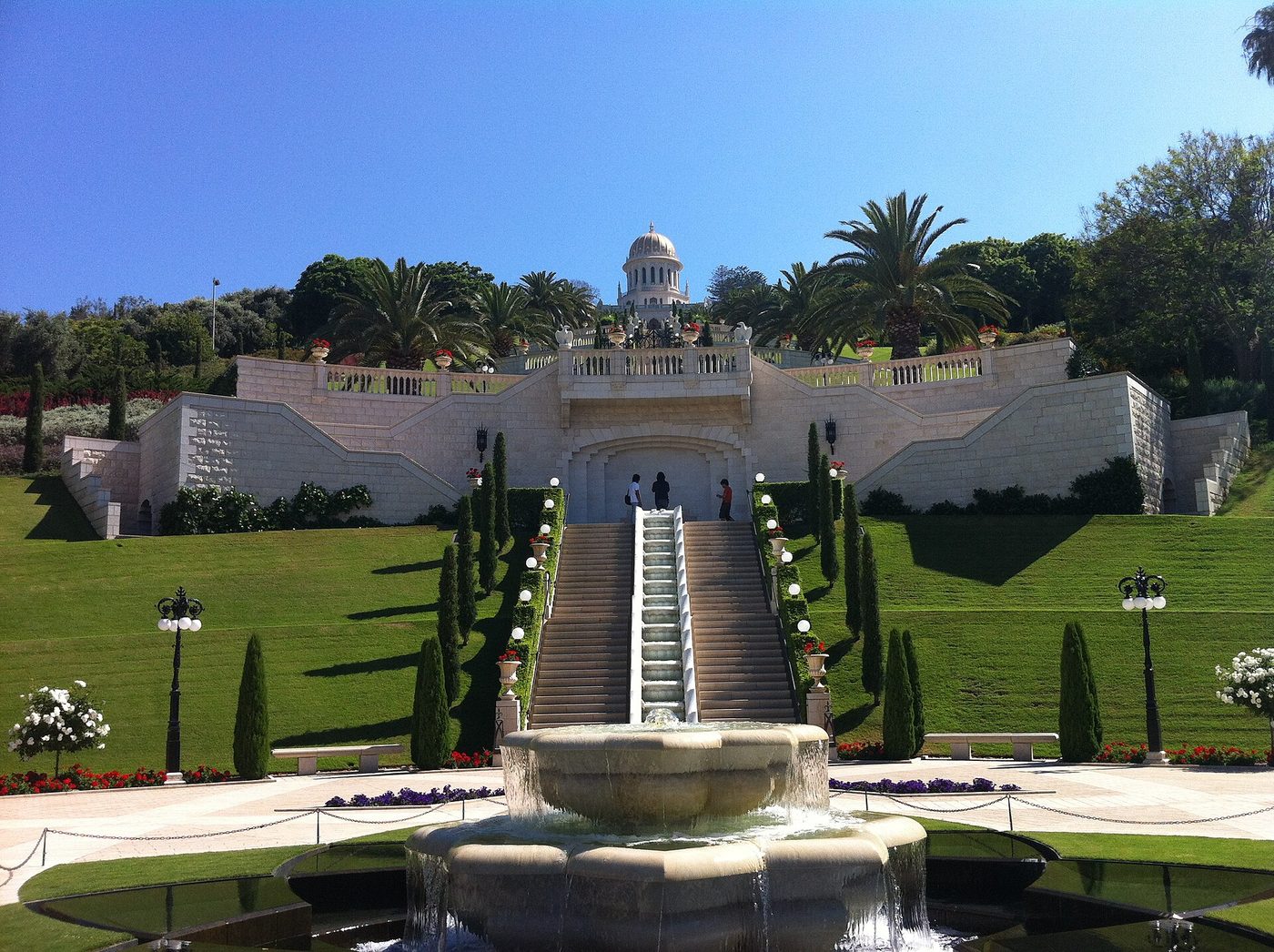
Israel is a parliamentary democracy of about 9.4 million people on the eastern Mediterranean coast, established on 14 May 1948 at the end of the British mandate for Palestine. Israel designates Jerusalem as its capital and its parliament, supreme court and ministries sit there; most other states keep their embassies in Tel Aviv, and the status of the city remains among the central unresolved questions of the Arab-Israeli conflict. The population is about 73.5% Jewish and 21.1% Arab, with Druze, Circassian and other communities making up the remainder; by religion it is roughly 73.5% Jewish, 18.1% Muslim, 1.9% Christian and 1.6% Druze. Hebrew is the official language, revived from liturgical and literary use into an everyday vernacular within a single generation — a transformation with no real parallel elsewhere. Arabic holds a special status in law. The economy is small, open and unusually research-intensive, exporting integrated circuits, cut diamonds, medical instruments and defence and software products, with a gross domestic product per head of about 47,300 dollars. Compulsory military service, a proportional electoral system that produces coalition governments, and an unresolved conflict with the Palestinians define much of national life.
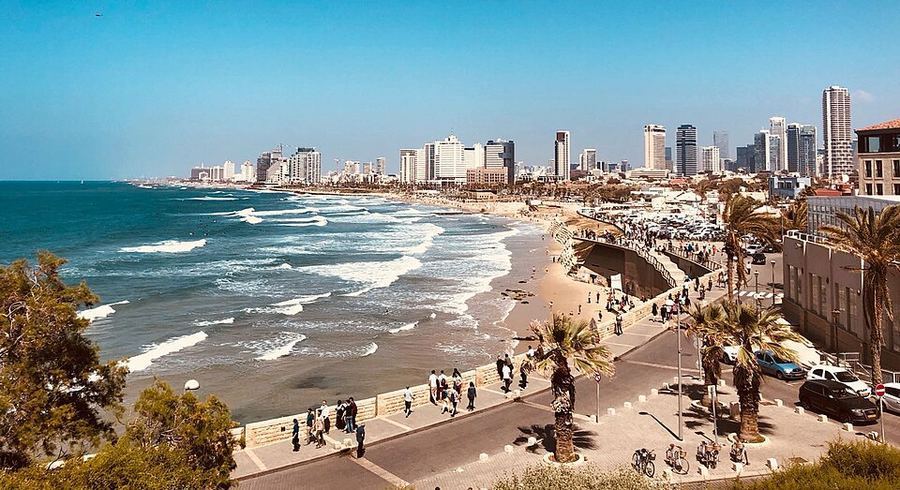
Tel Aviv's urban core is home to about 2,628,335 people.
That's bigger than Rome and Amsterdam — each a great world city in its own right.
Among the world's megacities, though, it's one of many — the giants of Asia and Latin America run larger still:
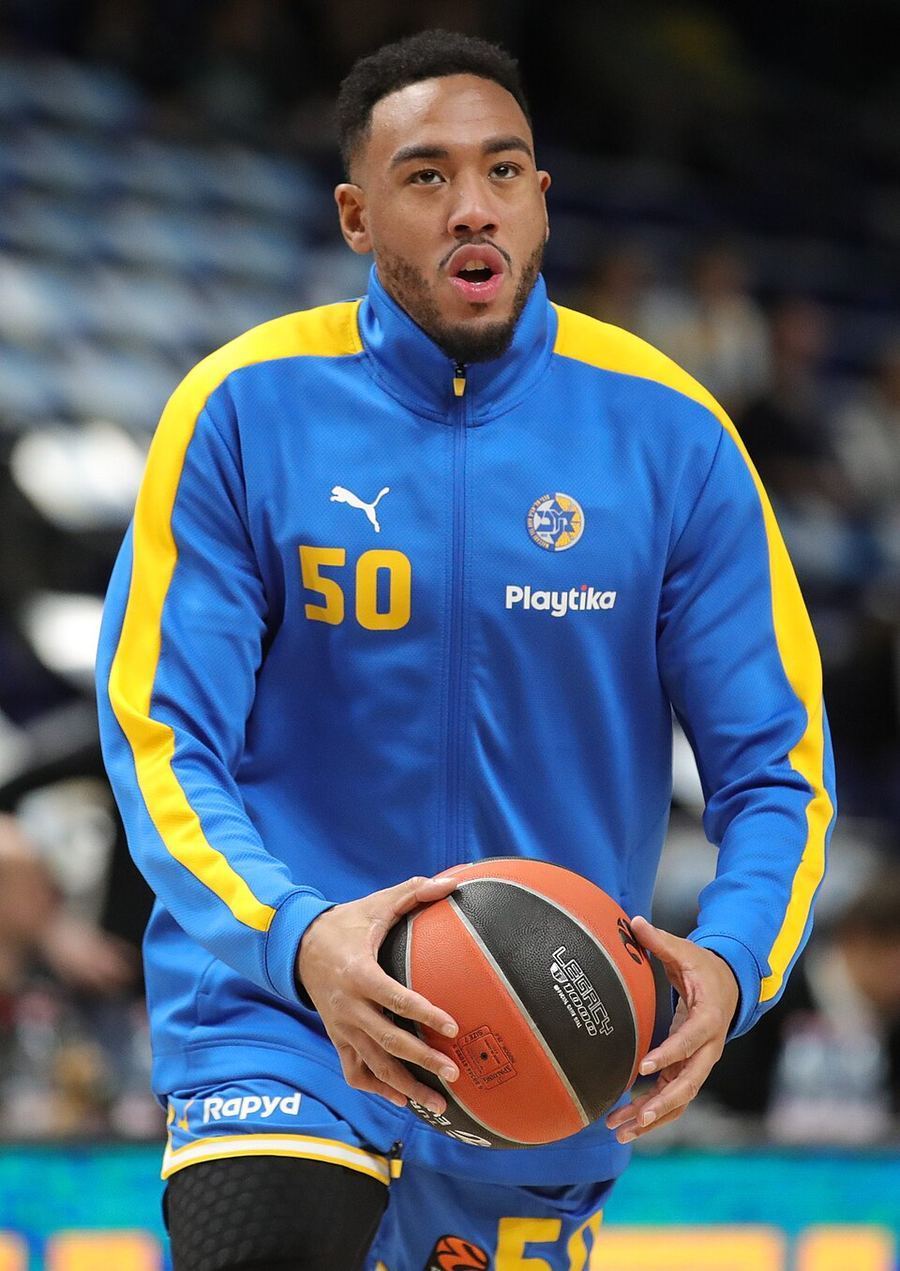
Israel's first Olympic medal came late: Yael Arad's judo silver at Barcelona in 1992, forty-four years after independence. The first gold followed at Athens in 2004, won by Gal Fridman in windsurfing, and Tokyo in 2020 produced two more — Artem Dolgopyat in the men's floor exercise and Linoy Ashram in rhythmic gymnastics individual all-around, the latter ending a long period of Russian dominance in that event. Judo remains the deepest talent pool, with world titles and Olympic medals across several weight classes, and sailing and windsurfing continue to deliver on the Mediterranean's reliable afternoon breeze. In club sport, Maccabi Tel Aviv's six European basketball championships give Israel a standing in that game entirely out of proportion to its size, and Israeli players have moved into the North American professional league. Chess is a genuine national strength, with Boris Gelfand reaching the world championship match in 2012 and Israel fielding a top-ranked Olympiad team for years. Competing in European rather than Asian qualification means Israeli teams face the strongest opposition in the world in almost every discipline, which caps results but raises standards.
New Israeli Sheqel — ILS (₪)
GDP (PPP): $472.177 billion (2024 est.)
Per capita: $47,300 (2024 est.)
$153.248 billion (2024 est.)
integrated circuits, diamonds, broadcasting equipment, medical instruments, refined petroleum (2023)
Partners: USA 29%, China 10%, Ireland 6%, Germany 4%, Hong Kong 4% (2023)
$140.438 billion (2024 est.)
cars, diamonds, crude petroleum, broadcasting equipment, garments (2023)
Partners: China 17%, USA 12%, Germany 7%, Turkey 6%, Italy 4% (2023)
Type: parliamentary democracy
Independence: 14 May 1948 (following League of Nations mandate under British administration)
How mountains, coasts, and rivers shape settlement (LandScan).
Coming — dataWhere groups settled and how people move (GeoEPR + UNHCR).
Coming — dataNotable institutions, mappable as points.
Coming — data